








When your TV's paper-thin speakers leave you squinting to understand dialogue or completely missing the emotional punch of your favorite movie, it's time to consider a soundbar upgrade. But the soundbar world can feel overwhelming, with options ranging from budget-friendly dialogue boosters to full-blown home theater systems. Today, we're comparing two products that represent completely different philosophies: the Sonos Ray, a refined stereo soundbar focused on doing the basics exceptionally well, and the Samsung Q Series 9.1.2, a comprehensive surround sound system designed for true home theater immersion.
Before diving into these specific models, let's talk about what soundbars actually do and why the differences matter. At their core, soundbars solve the fundamental problem of modern TV design: as screens get thinner, there's simply no room for decent speakers. The result is audio that sounds like it's coming from inside a cardboard box.
The soundbar category has evolved dramatically since the first models appeared in the early 2000s. What started as simple speaker arrays has now branched into several distinct categories. You have basic stereo bars that focus primarily on dialogue clarity – perfect for news, talk shows, and everyday TV watching. Then there are full surround systems with wireless subwoofers and rear speakers that can genuinely rival traditional home theater setups.
The key factors that should guide your decision include the size of your room, the type of content you watch most, your tolerance for setup complexity, and frankly, how much you want to spend. A compact apartment dweller who mostly watches Netflix series has very different needs than someone with a dedicated media room who loves action movies.
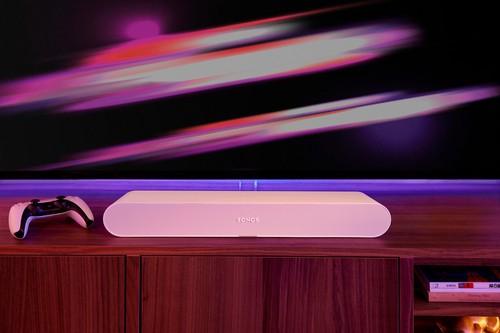
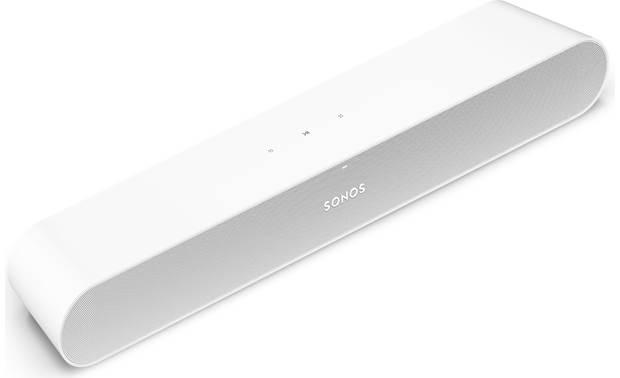
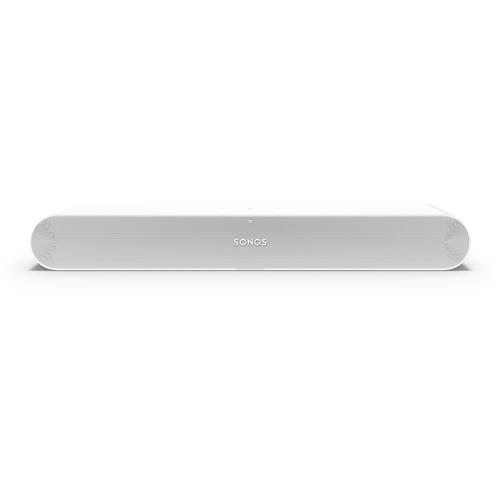
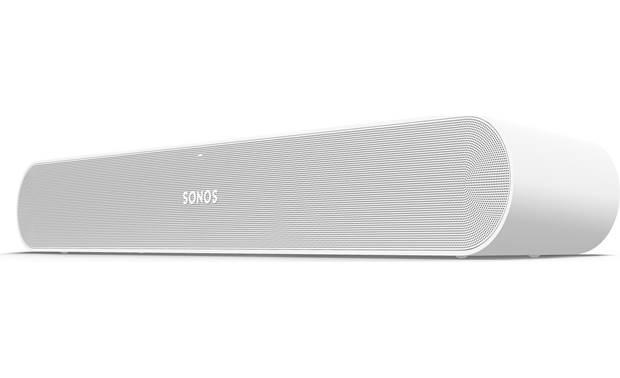
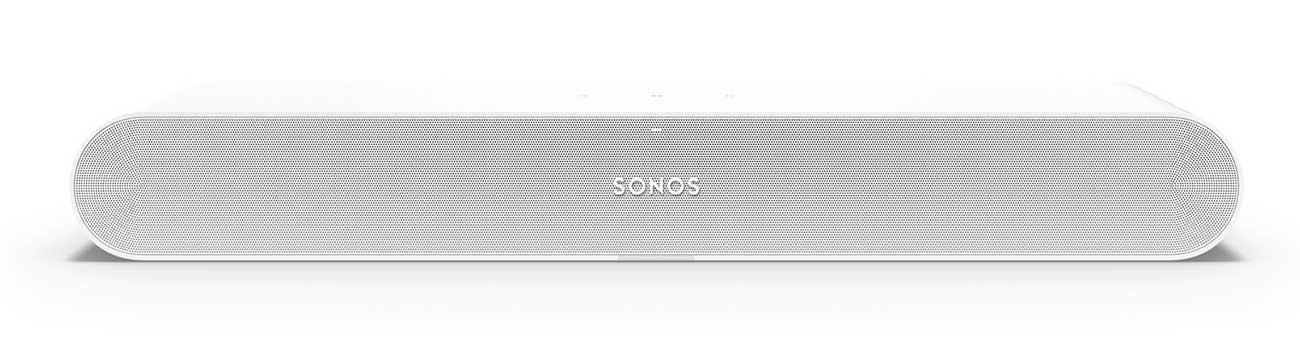
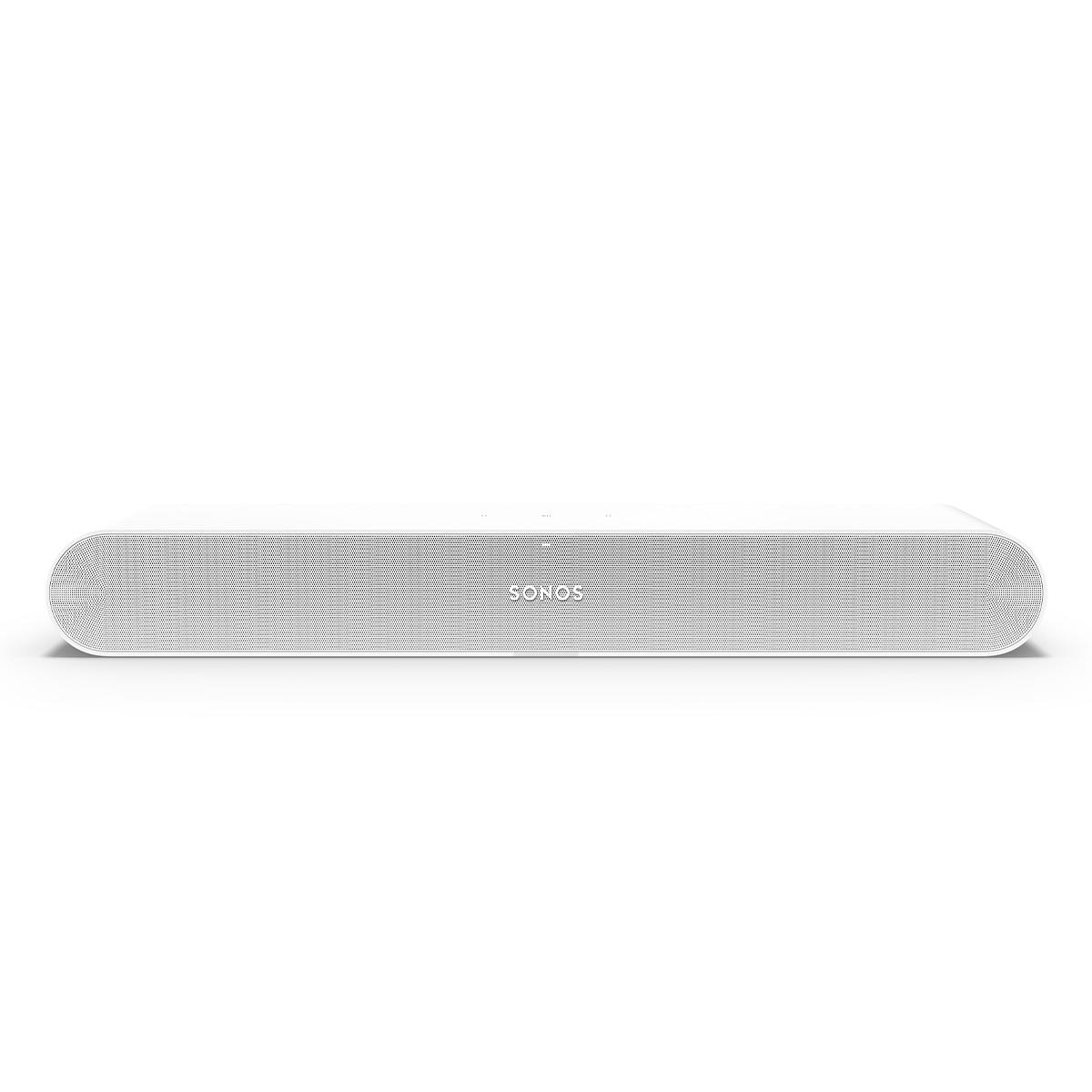
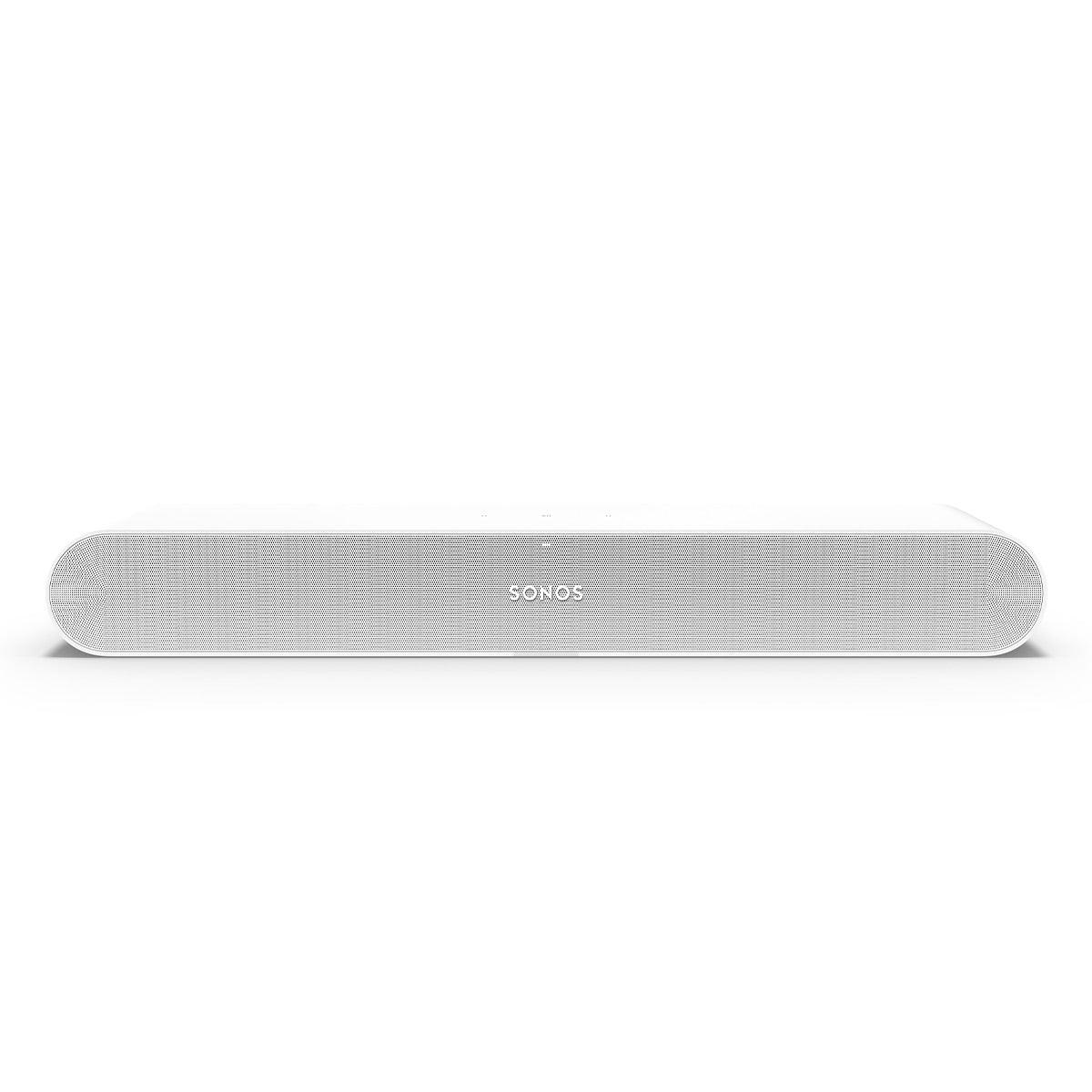
Released in 2022, the Sonos Ray represents what I'd call the "focused excellence" approach. At roughly a quarter of the price of premium surround systems (at the time of writing), it deliberately strips away complexity to nail the essentials. The Ray features a compact design with just two tweeters and two midwoofers in a stereo configuration, but don't let the simplicity fool you – this is precisely engineered audio.
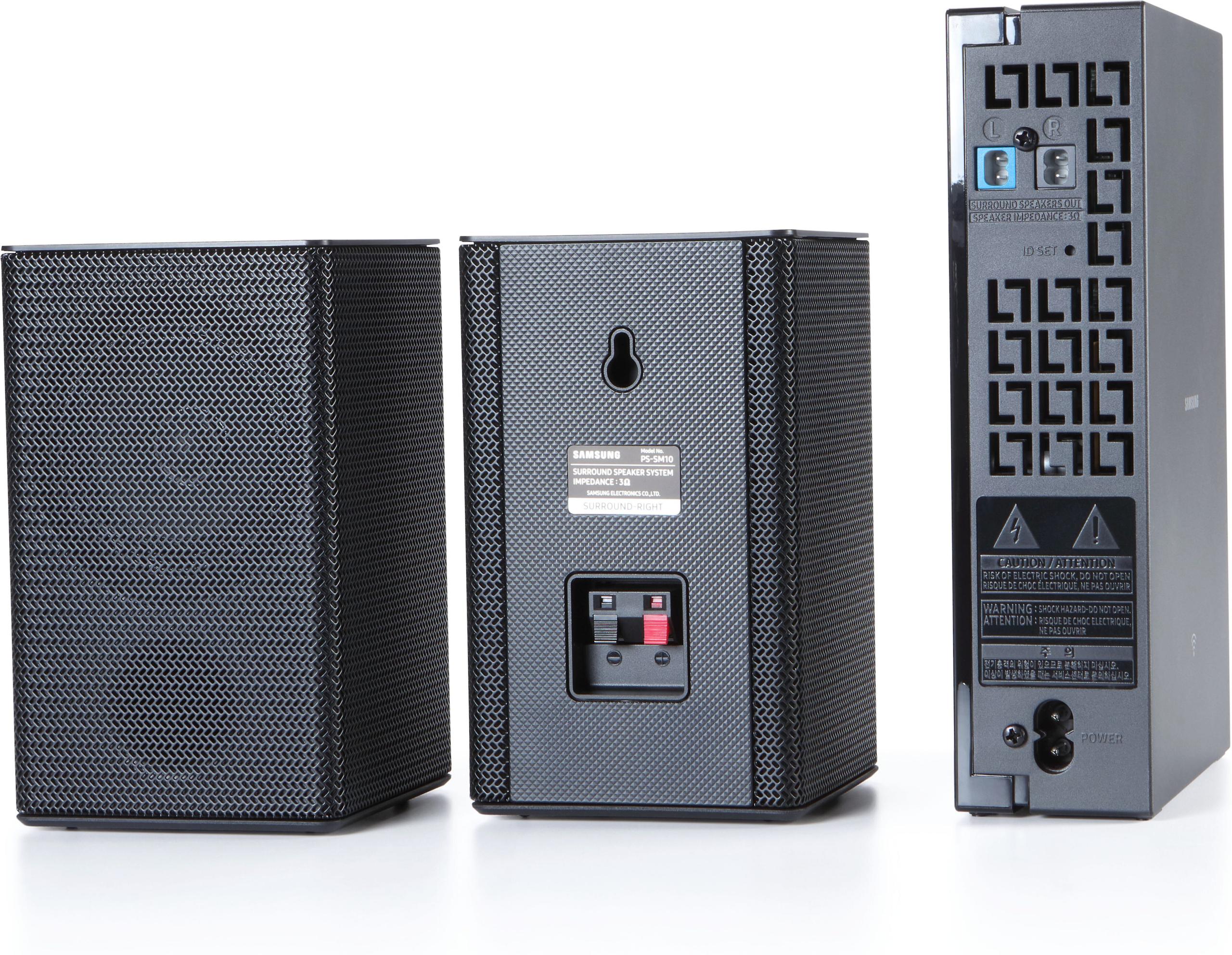
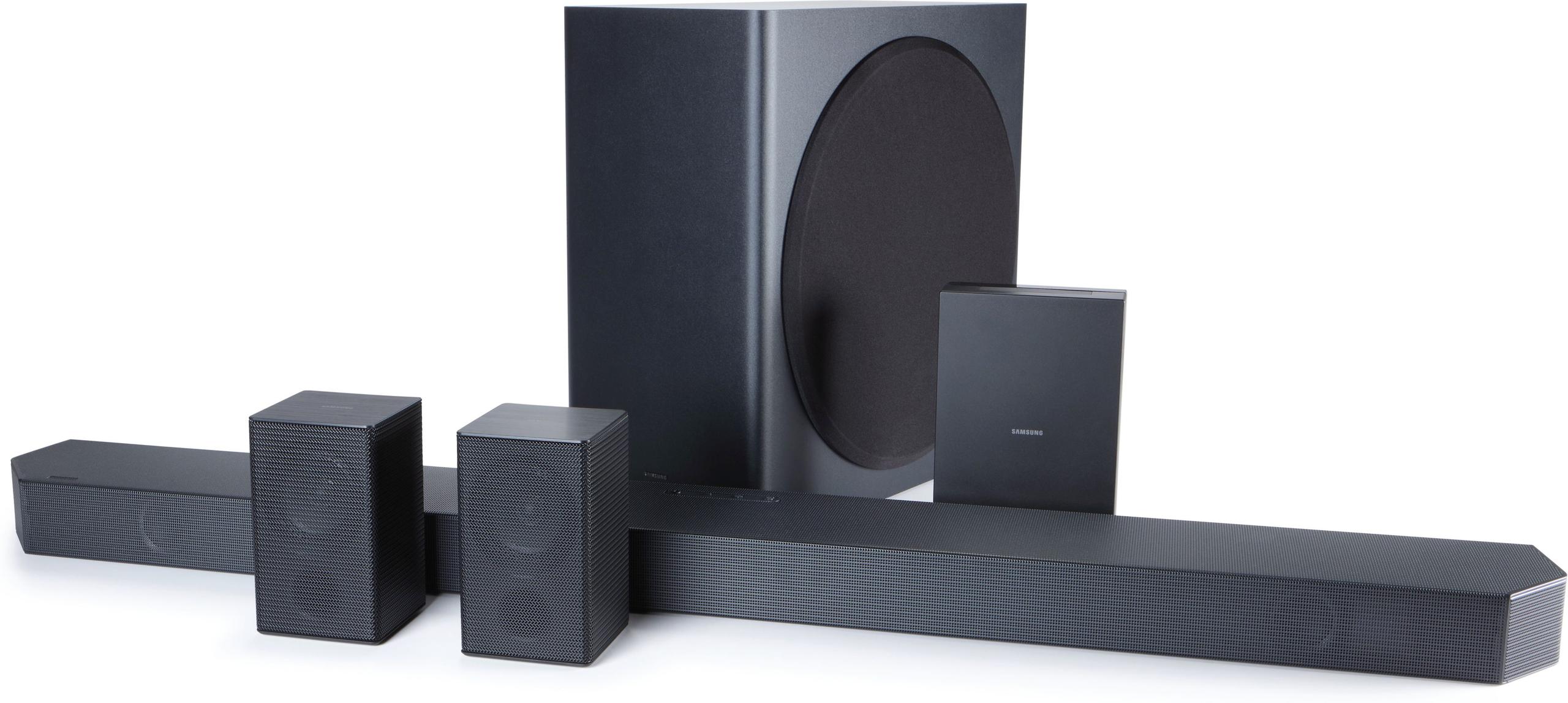
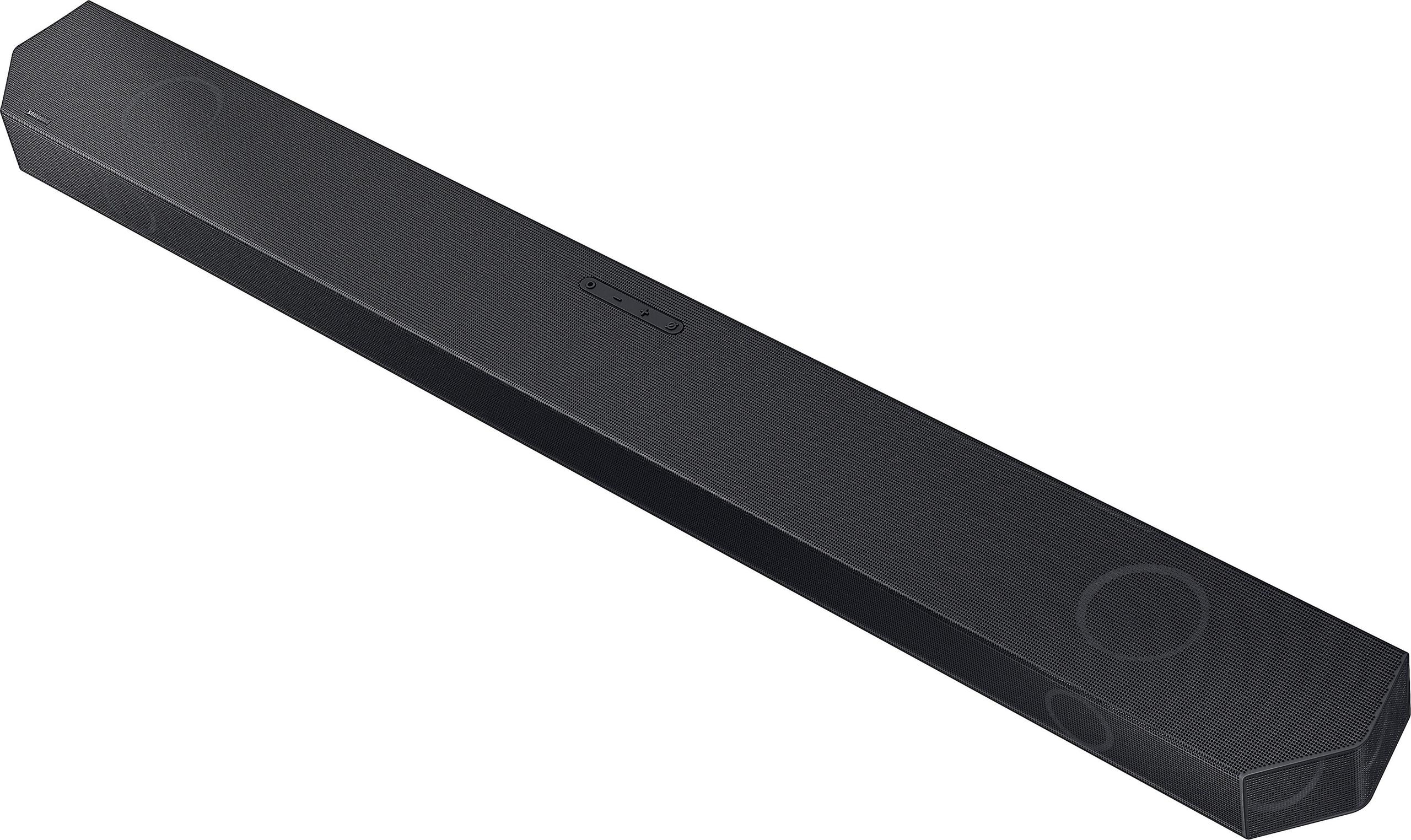
The Samsung Q Series 9.1.2, launched around the same timeframe, takes the opposite approach. It's a complete surround sound ecosystem with 9.1.2 channels – that means nine speakers handling different parts of the soundstage, one dedicated subwoofer channel, and two upward-firing speakers that bounce sound off your ceiling to create height effects. This is the "everything included" philosophy, and the price reflects that comprehensiveness.
Let me start with what the Sonos Ray does exceptionally well, because it's something I've experienced firsthand across multiple room setups. The dialogue clarity on this soundbar is genuinely impressive. Sonos worked with Hollywood sound engineers to fine-tune the voice frequencies, and it shows. Characters in shows like "The Crown" or news anchors sound natural and present, without that hollow, echoing quality you get from TV speakers.
The Ray uses what Sonos calls Speech Enhancement technology, which intelligently boosts the frequency range where most human voices live (roughly 300Hz to 3kHz for those curious about the technical details). This isn't just turning up the volume – it's selectively amplifying the parts of the audio spectrum that carry dialogue while keeping music and sound effects balanced.
What's particularly clever is how the Sonos Ray handles bass without a dedicated subwoofer. The compact design uses a bass reflex system with proprietary low-velocity ports that minimize distortion. You won't get the floor-shaking rumble of a dedicated subwoofer, but for a small soundbar, the bass response is surprisingly full and never sounds strained.
The Trueplay room correction feature deserves special mention, though it only works with iOS devices (a limitation that still frustrates Android users). Point your iPhone or iPad around the room, and the soundbar analyzes how sound bounces off your walls, furniture, and ceiling. Then it automatically adjusts its output to compensate for your room's acoustics. I've tested this in both small apartments and larger living rooms, and the difference is genuinely noticeable – dialogue becomes clearer, and the overall sound feels more balanced.
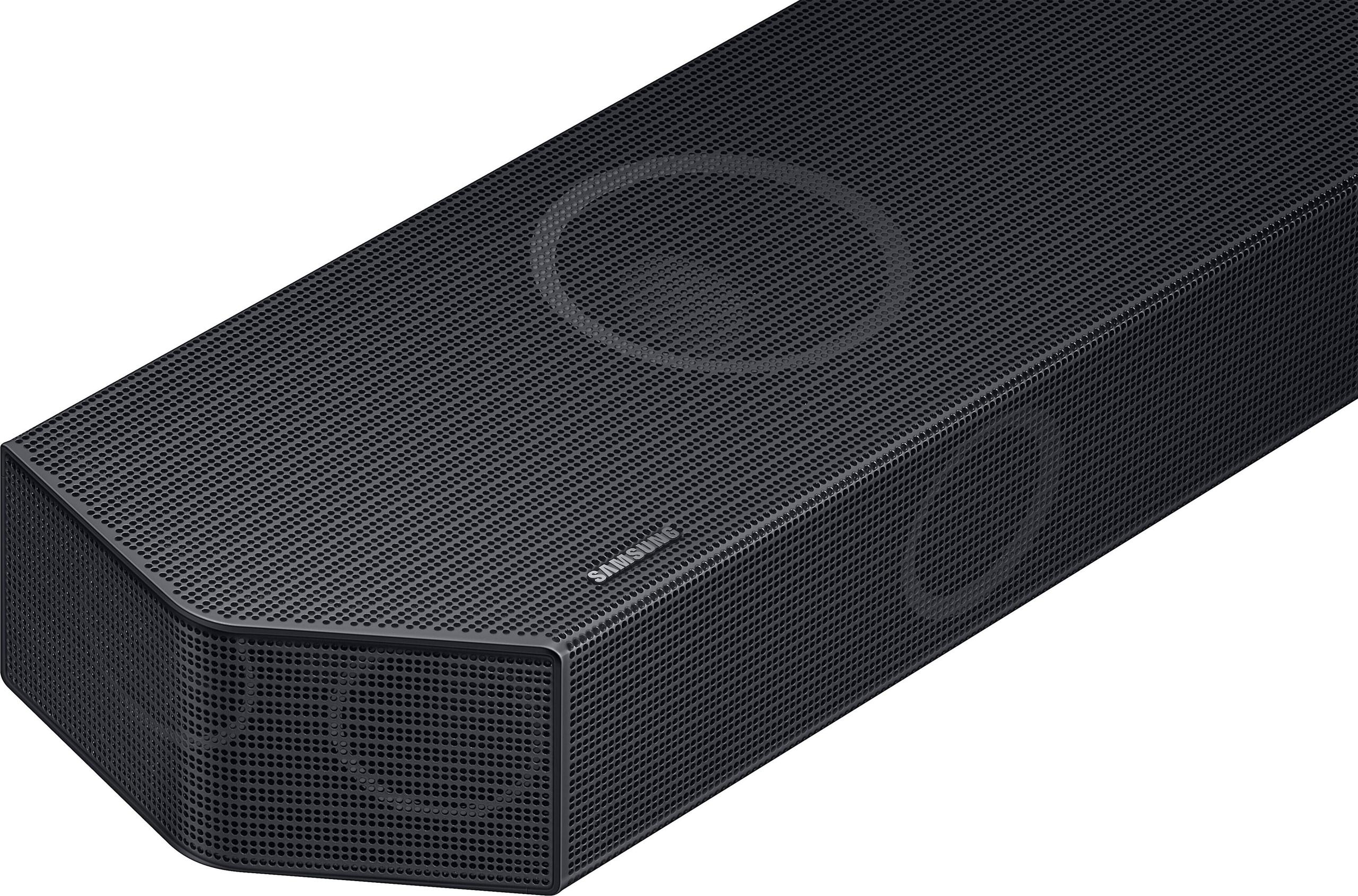
The Samsung Q Series 9.1.2 operates in a completely different league when it comes to creating an immersive audio experience. With its true 9.1.2 channel configuration, you're getting dedicated speakers for different parts of the soundstage. The front left, center, and right channels handle most dialogue and forward-facing effects. Side channels create width, while the included wireless rear speakers place sounds behind you.
But the real magic happens with those two upward-firing channels. These speakers bounce sound off your ceiling to create the illusion of height – helicopters flying overhead, rain falling from above, or debris crashing down in action scenes. This is what Dolby Atmos technology enables, and when it works well, the effect is genuinely impressive.
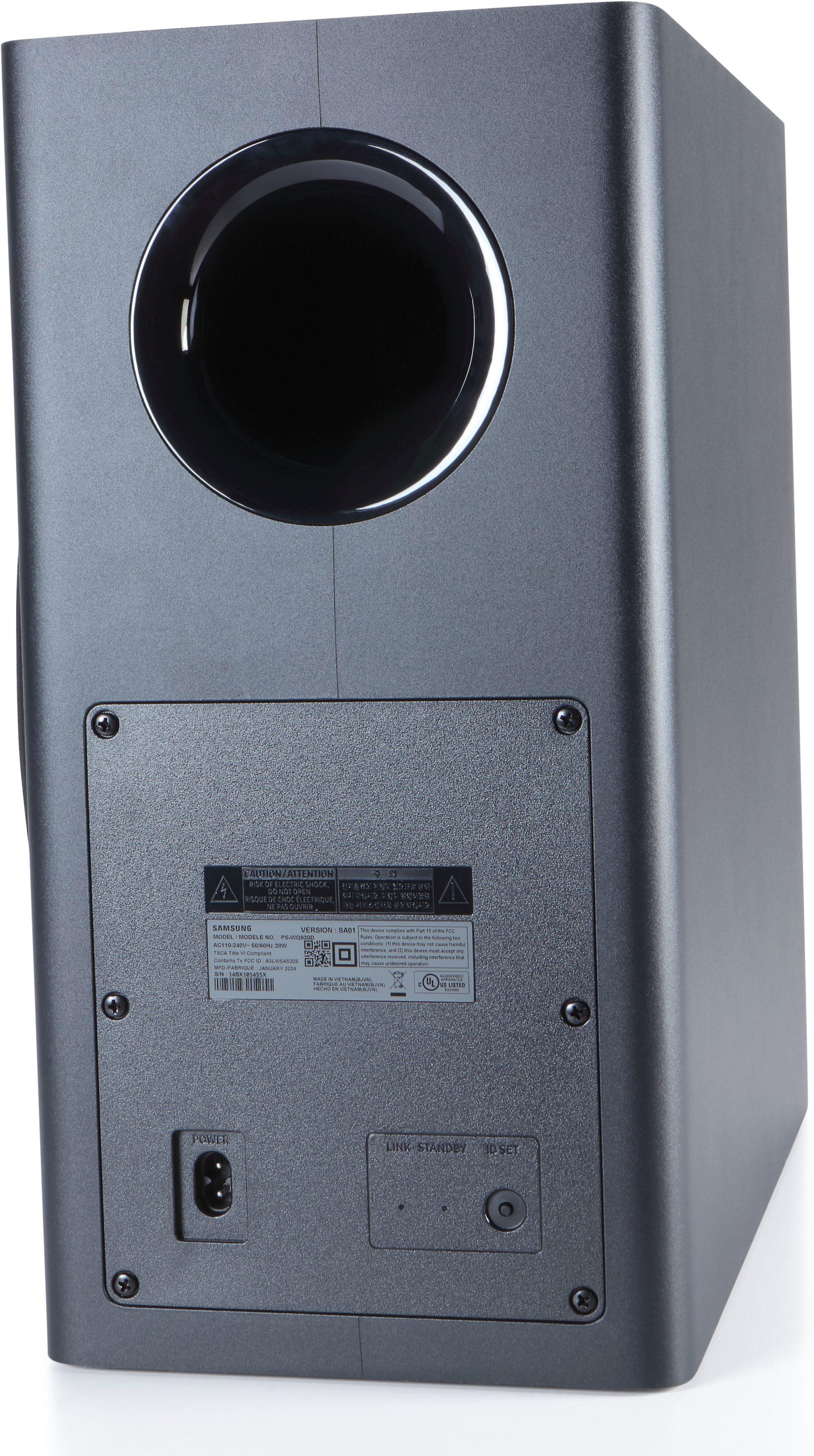
The wireless subwoofer that comes with the Samsung system is a game-changer for movie watching. Unlike the Sonos Ray's compact bass solution, this dedicated 8-inch subwoofer can reproduce frequencies down to 30Hz. That's low enough to feel explosions in your chest and give proper weight to movie soundtracks. The Auto Sub EQ feature uses a built-in microphone to analyze your room and adjust the bass response accordingly, preventing the boomy, one-note bass that plagued older subwoofers.
When comparing audio performance, several metrics matter more than others. Dynamic range – the difference between the quietest and loudest sounds a system can reproduce – is crucial for movies where whispered dialogue might be followed by explosive action sequences. The Samsung Q Series excels here, with its multiple amplifiers and speakers handling these transitions smoothly.
Frequency response, which measures how evenly a system reproduces different pitches, tells an interesting story. The Sonos Ray delivers a remarkably balanced response across the midrange frequencies where most music and dialogue live. It's tuned for accuracy rather than excitement, which serves most content well.
The Samsung system's frequency response is more complex because it's designed to create an enveloping soundstage. The rear speakers extend the frequency range in all directions, while the upward-firing drivers add that crucial height dimension. This creates what audio engineers call "soundstage width and depth" – the sense that audio is coming from a three-dimensional space rather than just in front of you.
Distortion performance becomes critical when you're pushing these systems to higher volumes. The Sonos Ray maintains clean audio even when cranked up, thanks to its proprietary anti-distortion algorithms. The Samsung system has more headroom overall due to its multiple amplifiers, meaning it can get significantly louder before any individual component reaches its limits.
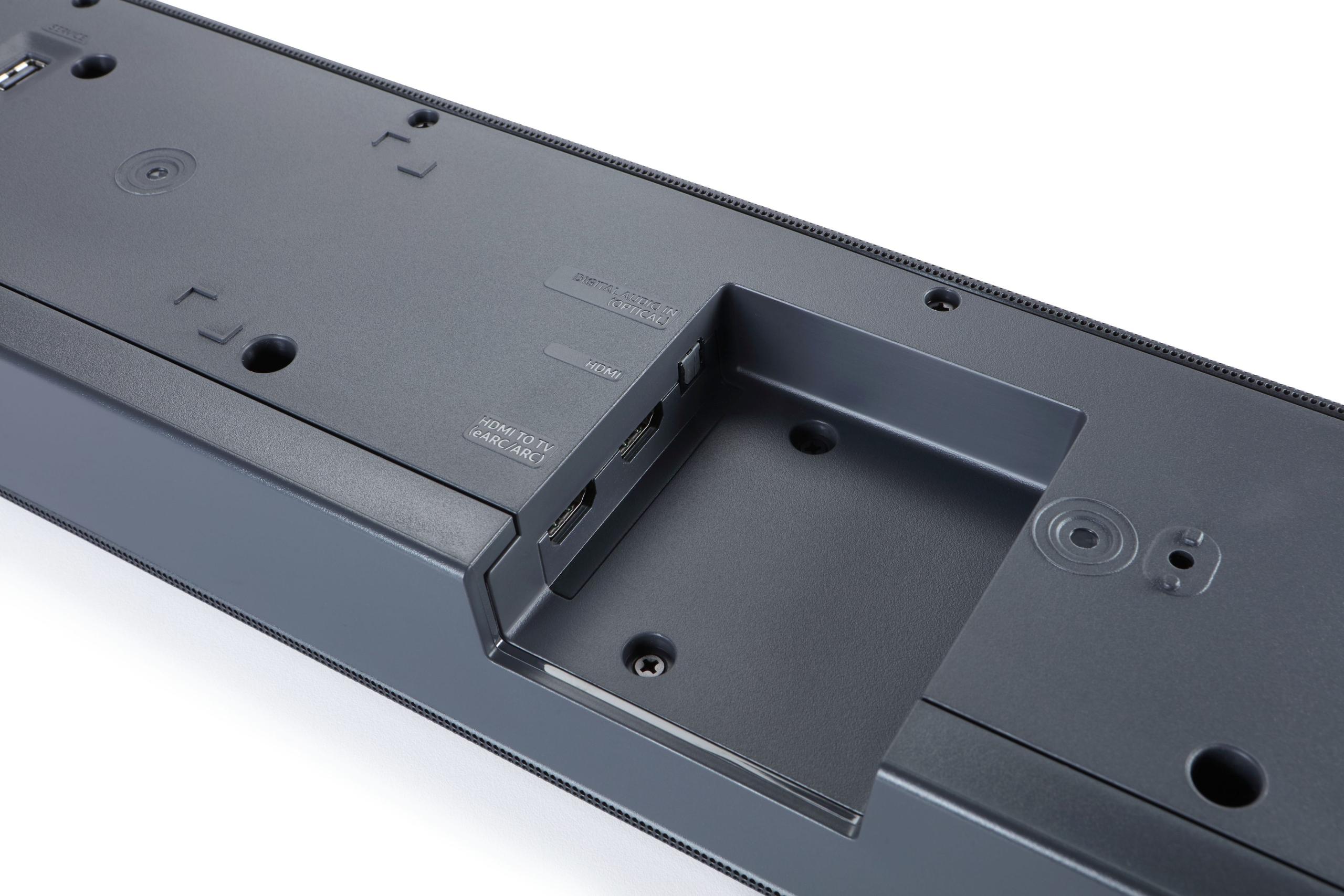
Here's where the philosophical differences become practically important. The Sonos Ray connects to your TV via optical cable only – no HDMI input at all. This means it can't receive the high-quality audio formats like Dolby TrueHD or DTS-HD that come with Blu-ray movies. It's limited to the compressed audio that streaming services and TV broadcasts provide.
This might sound like a major limitation, but here's the reality: most people primarily watch streaming content, and services like Netflix and Disney+ send perfectly good Dolby Digital audio over optical connections. The Sonos Ray handles these formats just fine, though it has to convert surround sound content down to stereo.
The Samsung Q Series 9.1.2 supports HDMI eARC (enhanced Audio Return Channel), which can carry the full-resolution audio formats found on physical media and high-end streaming platforms. If you're a serious movie enthusiast with a collection of 4K Blu-rays, this connectivity advantage is significant.
Both systems integrate with smart home ecosystems, but in very different ways. The Sonos Ray is part of Sonos's renowned multi-room audio system. Start music on your soundbar, and you can seamlessly extend it to Sonos speakers throughout your home. The Sonos app is consistently rated among the best in the industry for its intuitive interface and reliable performance.
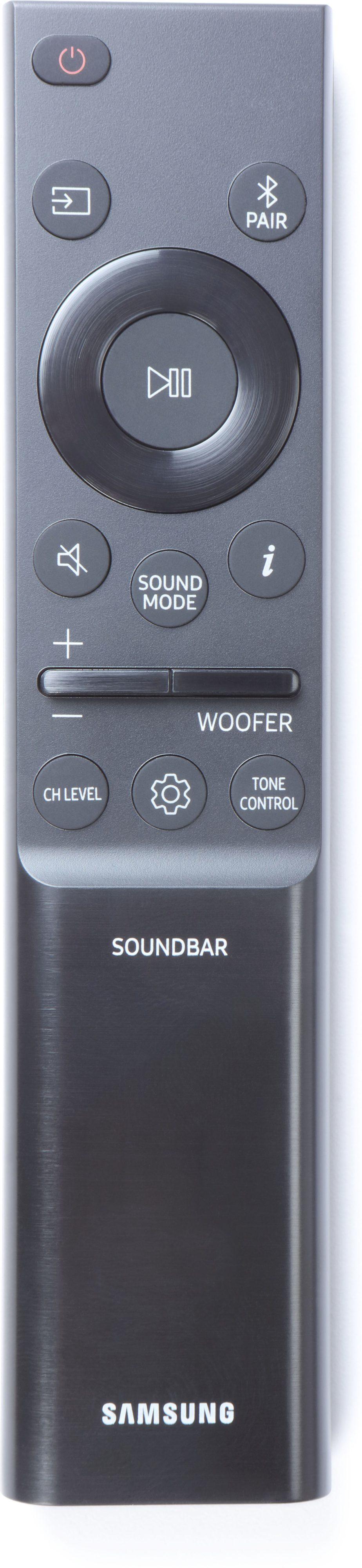
The Samsung system shines when paired with Samsung QLED TVs through Q-Symphony technology. This feature coordinates the TV's built-in speakers with the soundbar, creating an even larger soundstage. It's particularly effective for dialogue, as the TV speakers can focus on voice frequencies while the soundbar handles everything else.
Gaming deserves special consideration here. The Samsung Q Series includes Game Mode Pro, which optimizes audio processing for gaming scenarios. Lower latency means better synchronization between what you see and hear, while enhanced directional audio helps you pinpoint enemy locations in competitive games. The Sonos Ray doesn't offer gaming-specific features, though its excellent dialogue clarity does help with story-driven games.
Let me walk you through how these systems perform with different types of content, based on extensive testing in various room configurations.
Television Shows and News: This is where the Sonos Ray truly excels. The dialogue clarity is superb, and the compact design doesn't overpower smaller rooms. Shows like "Ted Lasso" or "The Bear" sound natural and engaging without being fatiguing during longer viewing sessions.
Movies and Action Content: The Samsung Q Series 9.1.2 transforms the experience completely. Watching "Dune" or any Marvel movie, you'll hear effects moving around the room, feel the bass impact of explosions, and experience the kind of immersion that makes you forget you're in your living room rather than a theater.
Music Listening: Both systems handle music well, but differently. The Sonos Ray delivers accurate, balanced reproduction that serves most genres well. Jazz, classical, and acoustic music sound particularly refined. The Samsung system provides more visceral impact for electronic music and rock, though it can sometimes feel over-processed for simpler acoustic recordings.
Room size dramatically affects which system makes more sense. In smaller spaces (under 200 square feet), the Samsung system's surround effects can actually work against you. The rear speakers might be too close to your seating position, creating an unbalanced soundstage. The Sonos Ray works beautifully in these intimate spaces, providing excellent audio improvement without overwhelming the room.
Larger rooms tell the opposite story. The Sonos Ray's stereo configuration simply can't fill a big space with the same authority as the Samsung system's multi-driver array. In rooms over 300 square feet, the Samsung system's power and surround capabilities really shine.
Setup complexity is a genuine consideration. The Sonos Ray literally plugs in and works – connect the optical cable, download the app, and you're done in minutes. The Samsung system requires strategic placement of the subwoofer (usually in a corner or along a wall) and optimal positioning of the rear speakers, which need power outlets and careful angle adjustment.
At the time of writing, the price difference between these systems is substantial – roughly four-to-one. The Sonos Ray represents exceptional value for its focused feature set, premium build quality, and the backing of Sonos's reputation for long-term software support.
The Samsung Q Series 9.1.2 costs significantly more, but you're getting a complete surround sound system that would cost even more if purchased as separate components. The included wireless subwoofer and rear speakers represent substantial value within the Samsung ecosystem.
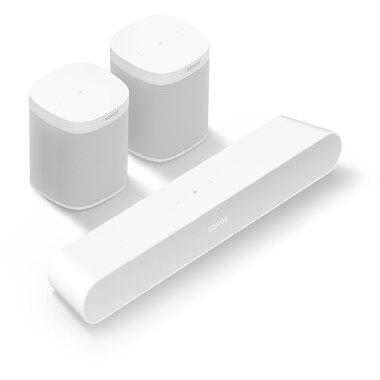
Consider the expansion path as well. The Sonos Ray can grow into a full Sonos system over time. Add the wireless Sub for deeper bass, or pair it with Sonos surrounds for a complete setup. This modular approach lets you upgrade gradually as your budget allows.
The Samsung system is essentially complete out of the box, which is both an advantage and a limitation. You get everything immediately, but there's less flexibility for future customization or expansion beyond Samsung's ecosystem.
After testing both systems extensively, here's my honest assessment of who should choose what:
Choose the Sonos Ray if you primarily watch television shows, news, or dialogue-heavy content. If you live in a smaller space, value simplicity, and want premium build quality at a reasonable price point, this is your soundbar. It's also ideal if you're interested in eventually building a whole-home Sonos audio system.
The Samsung Q Series 9.1.2 makes sense for dedicated home theater enthusiasts who regularly watch movies and play immersive games. If you have the room space to properly set up surround speakers and you want true Dolby Atmos performance, the investment is justified. It's particularly compelling if you own or plan to buy Samsung QLED TVs for the Q-Symphony benefits.
Consider your content consumption honestly. If 70% or more of your viewing consists of TV shows, YouTube, or news, the Sonos Ray's dialogue focus and simplicity provide better value. If you're splitting time between movies and television, or if gaming is important, the Samsung system's immersive capabilities justify the higher cost.
The room factor cannot be overstated. Small apartments and compact spaces are better served by the Sonos Ray's focused approach. Larger rooms with proper surround speaker placement options can fully utilize the Samsung system's capabilities.
Both represent excellent examples of their respective approaches – the Sonos Ray as a refined, focused solution, and the Samsung Q Series 9.1.2 as a comprehensive home theater system. Your choice should align with your space, viewing habits, and long-term audio goals rather than simply picking the one with more features or lower price.
In my experience, the biggest mistake people make is buying too much soundbar for their actual needs, or conversely, underestimating how much better their entertainment experience could be with the right audio upgrade. Both of these systems will dramatically improve your TV audio experience – the question is which philosophy better matches your lifestyle and space.
| Sonos Ray Soundbar | Samsung Q Series 9.1.2 Channel Soundbar |
|---|---|
| Channel Configuration - Determines surround sound capability | |
| 2.0 stereo (compact design, dialogue-focused) | 9.1.2 surround (true multichannel with height effects) |
| Dolby Atmos Support - Essential for immersive movie experiences | |
| No (stereo-only, downmixes surround content) | Yes (dedicated up-firing speakers for 3D audio) |
| Included Components - What you get in the box | |
| Single soundbar unit only | Complete system: soundbar, wireless subwoofer, rear speakers |
| Primary Connectivity - Affects audio quality and compatibility | |
| Optical input only (limits to compressed audio formats) | HDMI eARC (supports full-resolution audio formats) |
| Room Size Suitability - Optimal performance space | |
| Small to medium rooms (under 200 sq ft) | Medium to large rooms (200+ sq ft with proper speaker placement) |
| Bass Performance - Low-frequency impact for movies and music | |
| Built-in bass with anti-distortion (limited extension) | Dedicated 8" wireless subwoofer (extends to 30Hz) |
| Setup Complexity - Installation and configuration requirements | |
| Plug-and-play (single optical cable connection) | Multi-component setup (strategic placement of 4 wireless pieces) |
| Smart Features - Modern connectivity and control options | |
| Sonos ecosystem, AirPlay 2, Trueplay room correction | Q-Symphony with Samsung TVs, Game Mode Pro, SmartThings |
| Expansion Options - Future upgrade possibilities | |
| Modular Sonos system (add Sub and surrounds separately) | Complete out-of-box (limited expansion beyond Samsung ecosystem) |
| Primary Strength - What each does exceptionally well | |
| Dialogue clarity and premium build at accessible price | True surround immersion with comprehensive feature set |
| Best Use Case - Ideal buyer scenarios | |
| TV shows, news, small spaces, Sonos ecosystem builders | Movies, gaming, home theater enthusiasts, Samsung TV owners |
The Sonos Ray Soundbar is specifically designed for small to medium rooms and excels in compact spaces. Its focused stereo design provides excellent dialogue clarity without overwhelming smaller areas. The Samsung Q Series 9.1.2 can actually work against you in tight spaces, as the rear speakers may be too close to your seating position, creating an unbalanced surround experience.
If you primarily watch TV shows, news, or dialogue-heavy content, the Sonos Ray's stereo configuration is more than sufficient and often preferable. However, if you frequently watch movies or play immersive games, the Samsung Q Series 9.1.2's true surround sound with rear speakers and Dolby Atmos support provides a dramatically more engaging experience.
The Sonos Ray Soundbar excels at dialogue clarity, featuring Speech Enhancement technology developed with Hollywood sound engineers. While the Samsung Q Series 9.1.2 offers good dialogue through its Active Voice Amplifier feature, it's optimized more for overall surround experience rather than focused voice reproduction.
The Sonos Ray offers true plug-and-play simplicity with just a single optical cable connection. The Samsung Q Series 9.1.2 requires strategic placement of multiple components including the main bar, wireless subwoofer, and rear speakers around your room, making setup significantly more complex but ultimately more rewarding for home theater enthusiasts.
Both soundbars handle music well but differently. The Sonos Ray Soundbar delivers accurate, balanced reproduction that's excellent for jazz, classical, and acoustic music, plus integrates seamlessly with Sonos's multi-room system. The Samsung Q Series 9.1.2 provides more visceral impact for electronic and rock music with its powerful subwoofer.
The Samsung Q Series 9.1.2 fully supports Dolby Atmos with dedicated up-firing speakers that bounce sound off your ceiling for height effects. The Sonos Ray does not support Dolby Atmos due to its stereo-only configuration and optical-only connectivity, though it can play Atmos content by downmixing it to stereo.
The Sonos Ray Soundbar offers exceptional value for its focused feature set, premium build quality, and dialogue performance at a significantly lower price point. The Samsung Q Series 9.1.2 costs considerably more but includes a complete surround sound system with wireless subwoofer and rear speakers, providing better value for home theater enthusiasts.
The Sonos Ray connects via optical cable only, limiting it to compressed audio formats but covering most streaming service needs. The Samsung Q Series 9.1.2 features HDMI eARC connectivity, enabling full-resolution audio formats from 4K Blu-rays and premium streaming platforms.
The Samsung Q Series 9.1.2 is superior for gaming with its Game Mode Pro feature that reduces audio latency and enhances directional sound cues for competitive gaming. The Sonos Ray Soundbar doesn't offer gaming-specific features, though its dialogue clarity benefits story-driven games.
The Sonos Ray can be gradually expanded within the Sonos ecosystem by adding wireless subwoofers and surround speakers over time. The Samsung Q Series 9.1.2 comes as a complete system out of the box with limited expansion options beyond Samsung's own ecosystem.
The Samsung Q Series 9.1.2 offers superior smart TV integration, especially with Samsung QLED TVs through Q-Symphony technology that coordinates TV speakers with the soundbar. The Sonos Ray Soundbar provides excellent smart features through the Sonos app, AirPlay 2, and voice assistant support across all TV brands.
The Sonos Ray is ideal for rooms under 200 square feet where its compact design and focused audio work perfectly. The Samsung Q Series 9.1.2 performs best in larger rooms over 200 square feet where you have proper space to position the wireless subwoofer and rear speakers for optimal surround sound performance.
We've done our best to create useful and informative comparisons to help you decide what product to buy. Our research uses advanced automated methods to create this comparison and perfection is not possible - please contact us for corrections or questions. These are the sites we've researched in the creation of this article: tomsguide.com - soundandvision.com - youtube.com - techradar.com - en.community.sonos.com - rtings.com - howtogeek.com - youtube.com - cnet.com - sonos.com - videoandaudiocenter.com - rtings.com - samsung.com - markselectrical.co.uk - techradar.com - walmart.com - samsung.com - samsung.com - youtube.com - samsung.com - biancos.com - crutchfield.com - samsung.com

Privacy Policy
Terms and Conditions - Affiliate Policy
Home Security
© Copyright 2008-2026.
11816 Inwood Rd #1211, Dallas, TX 75244