







When your TV's built-in speakers leave you constantly reaching for the volume remote during quiet dialogue scenes, you know it's time for a soundbar upgrade. But with so many options available, choosing between different approaches can feel overwhelming. Today, we're diving deep into two very different philosophies: the compact, all-in-one Sony HT-S2000 and the full-featured Samsung Q Series 9.1.2.
Before we jump into comparing these specific models, let's establish what makes a great soundbar in 2024. The most important considerations revolve around how they create that immersive audio experience we're all chasing.
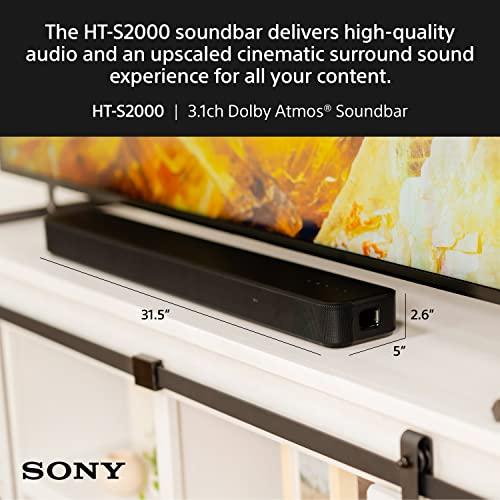
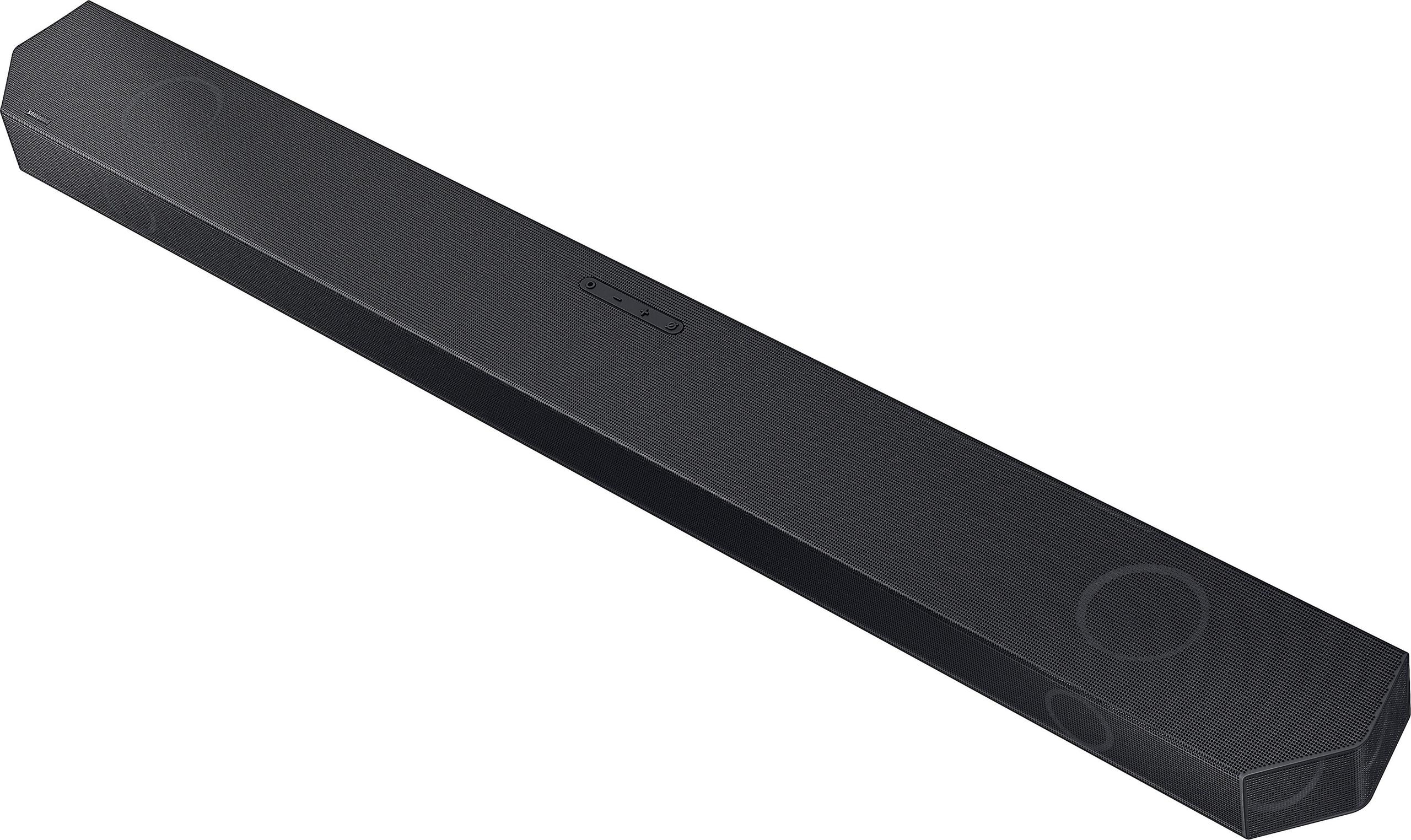
Channel configuration tells you how many discrete audio streams a soundbar can handle. The Sony HT-S2000 uses a 3.1 setup, meaning three main channels (left, center, right) plus one dedicated subwoofer channel for bass. The Samsung Q Series 9.1.2 operates with 9.1.2 channels – that's nine main speakers, one subwoofer, and two height channels for overhead effects.
Physical versus virtual surround represents perhaps the biggest philosophical divide in soundbar design. Virtual surround uses clever audio processing to trick your ears into hearing sounds from directions where no speakers actually exist. Physical surround places real speakers around your room to create authentic directional audio.
The choice between these approaches affects everything from your room layout requirements to your long-term satisfaction with the system.
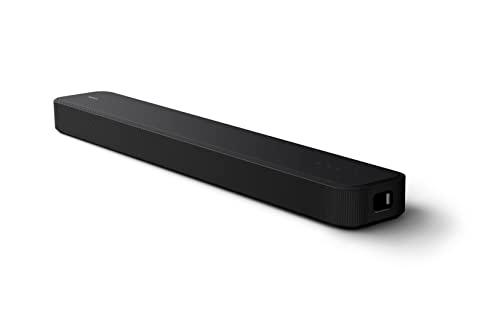
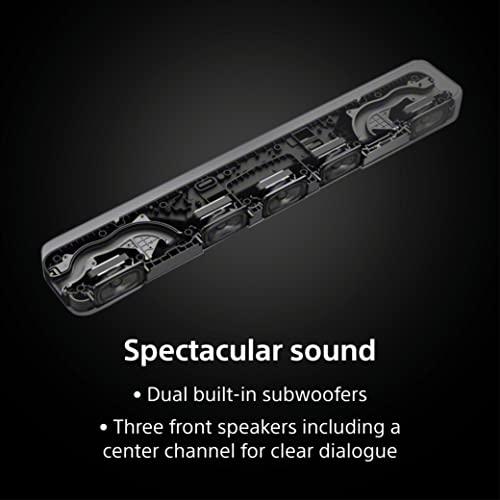
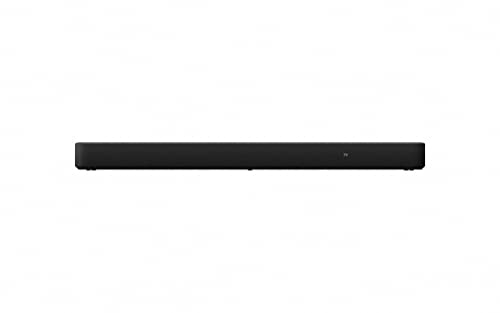
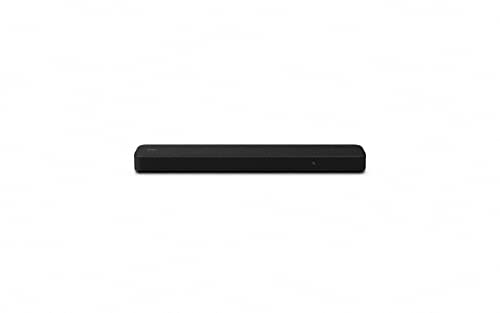
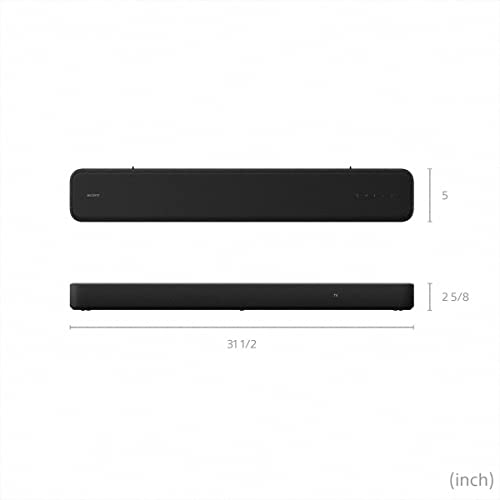
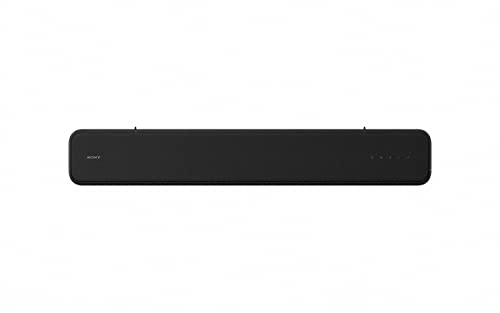
Released in 2023, the Sony HT-S2000 represents Sony's answer to consumers wanting Dolby Atmos capability without the complexity of multi-component systems. At its core, this soundbar packs five active drivers and dual built-in subwoofers into a sleek 31.5-inch package that won't dominate your living room.
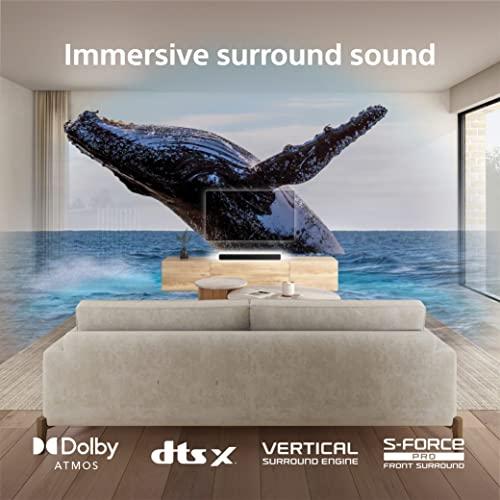
Sony's Vertical Surround Engine is the technological heart of the HT-S2000. This processing system takes incoming surround sound signals and uses psychoacoustic principles – basically, how your brain interprets sound direction – to create the illusion of speakers positioned around and above you. The S-Force PRO Front Surround technology adds another layer of spatial processing, expanding the perceived soundstage beyond the physical dimensions of the bar itself.
Here's what this means in practical terms: when watching a movie scene where a helicopter flies overhead, the Sony HT-S2000 manipulates timing, phase relationships, and frequency response to make your brain think that sound is coming from above, even though it's actually originating from speakers firing straight ahead.
The effectiveness of virtual surround has improved dramatically since early implementations. However, there are still physical limitations. No amount of processing can completely replicate the experience of actual speakers positioned behind or above your listening position.
One of the Sony HT-S2000's most impressive achievements is cramming meaningful bass response into such a compact form factor. The dual built-in subwoofers use side-firing ports to extend low-frequency response, while the X-Balanced Speaker Units – Sony's rectangular driver design – maximize cone area within the available space.
This approach works well for most content, delivering what I'd describe as "punchy" bass that adds impact to explosions and music without overwhelming dialogue. However, physics still applies: you won't get the deep, room-shaking bass that a dedicated 8-inch subwoofer can provide.
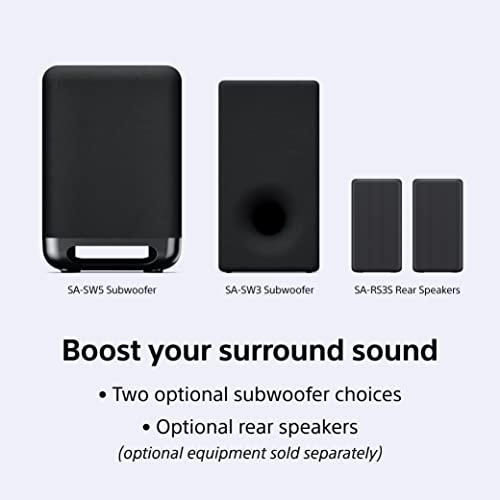
The Sony HT-S2000 offers a modular upgrade path through optional wireless components. You can add Sony's SA-SW3 or SA-SW5 wireless subwoofers for deeper bass, plus SA-RS3S rear speakers to create genuine surround sound positioning. This flexibility appeals to users who want to start simple and expand their system over time as budget and space allow.
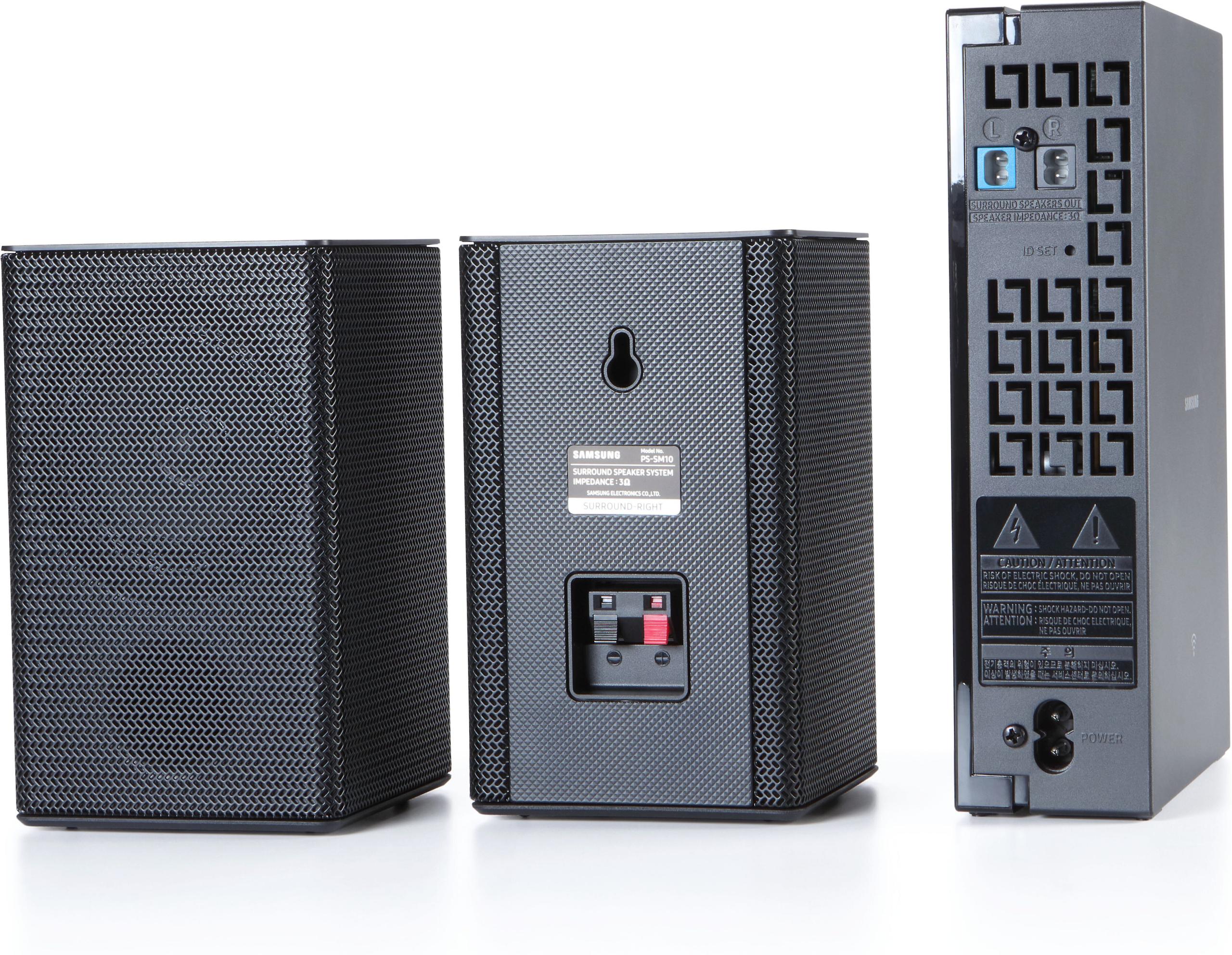
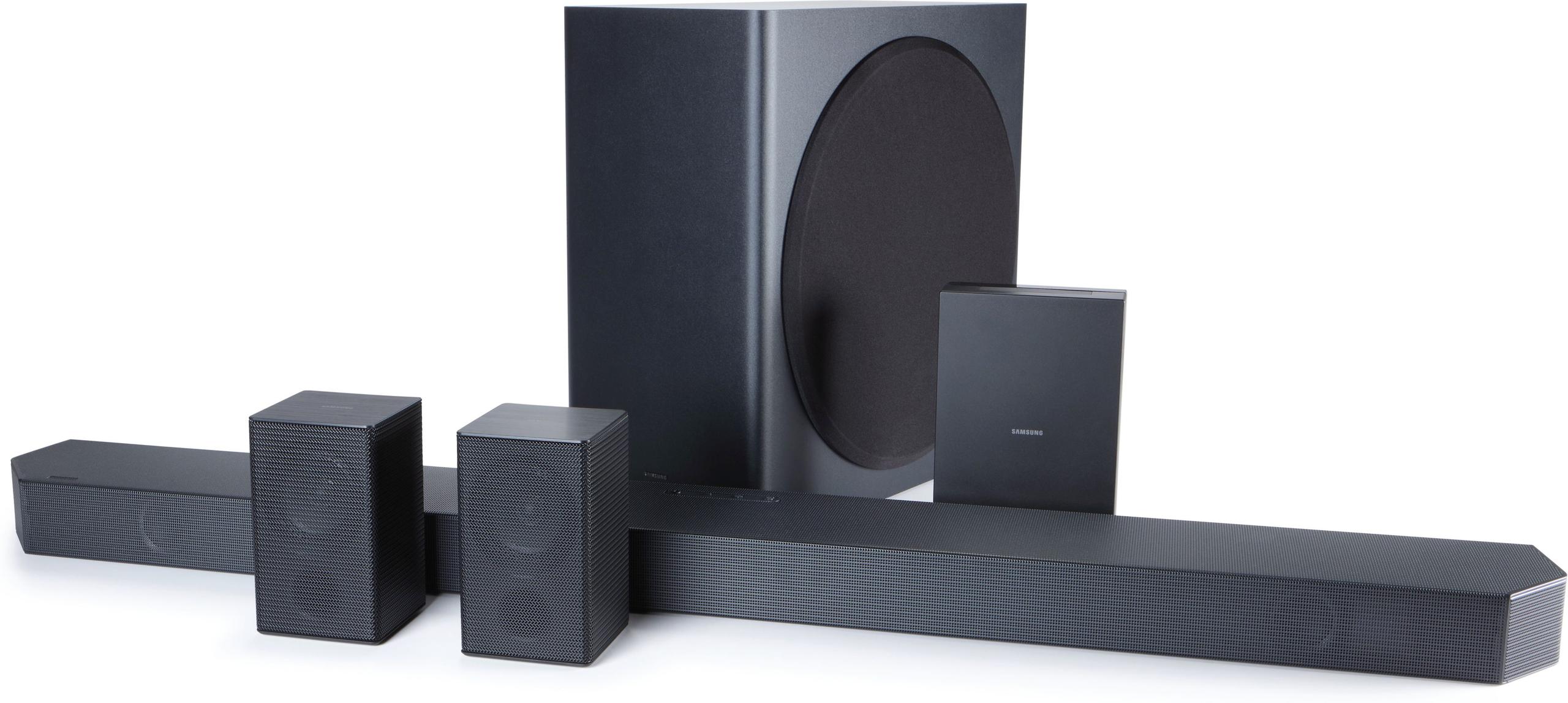
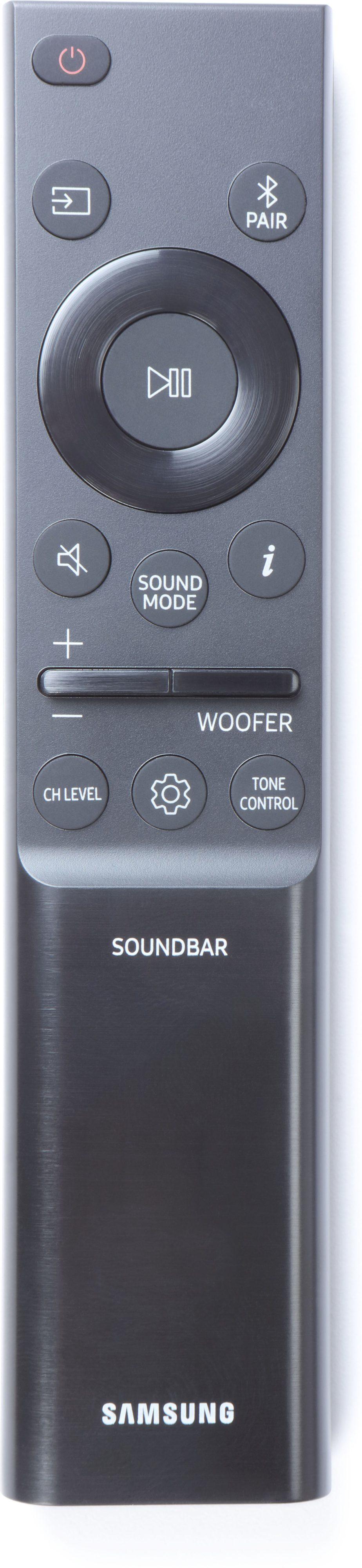
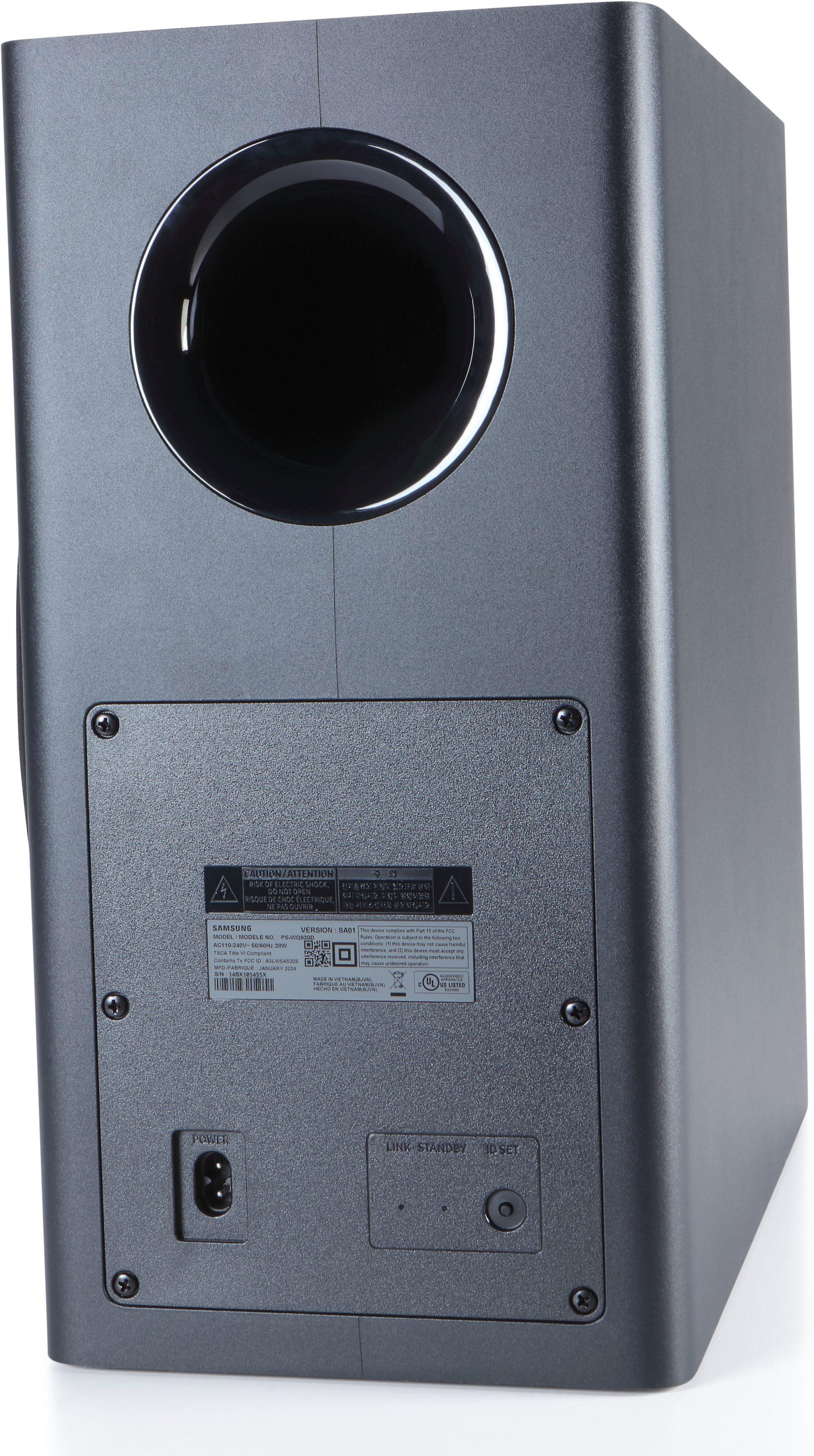
Samsung launched their Q Series 9.1.2 in 2024 with a fundamentally different philosophy: deliver premium surround sound immediately, with no compromises or future upgrades required. This system includes a main soundbar, wireless rear speakers, and a dedicated 8-inch subwoofer, all working together to create true 9.1.2-channel surround sound.
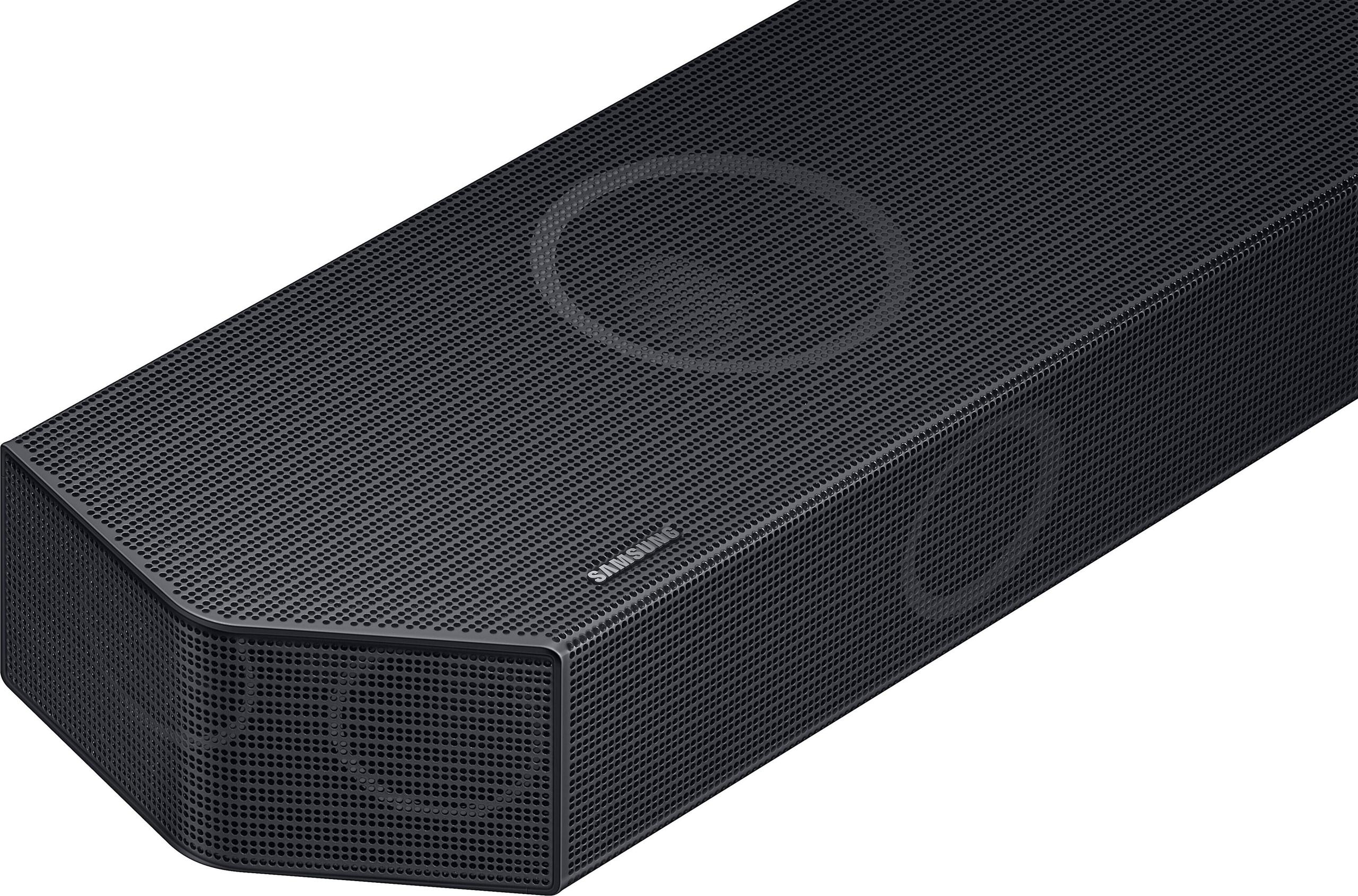
The key advantage of the Samsung Q Series 9.1.2 lies in its physical speaker placement. When a movie's sound designer places audio behind your listening position, you hear it from actual speakers located behind you. When overhead effects occur, dedicated upward-firing drivers bounce sound off your ceiling to create genuine height perception.
This approach eliminates the guesswork inherent in virtual processing. Instead of relying on your brain to interpret processed audio cues, the Samsung system simply places sounds where they belong spatially.
SpaceFit Sound+ represents Samsung's latest room optimization technology, automatically analyzing your listening environment and adjusting audio output accordingly. The system uses built-in microphones to measure room acoustics, then applies corrections to optimize both clarity and bass response for your specific space.
Auto Sub EQ takes this further by using the subwoofer's built-in microphone to detect and correct bass peaks caused by room dimensions and subwoofer placement. This automatic calibration addresses one of the biggest challenges in home audio: getting proper bass response regardless of where you place the components.
This is where the fundamental design differences become most apparent. The Sony HT-S2000 does an admirable job creating width and some sense of envelopment through its virtual processing, but it cannot overcome the basic limitation that all sound originates from a single point in front of you.
In contrast, the Samsung Q Series 9.1.2 creates what audio reviewers describe as a "night and day" difference in spatial immersion. Action sequences feel genuinely three-dimensional, with effects transitioning smoothly around your listening position. This authenticity becomes particularly noticeable during complex scenes with multiple simultaneous sound sources.
However, the Sony's virtual approach isn't without merit. For apartment dwellers or those with layouts that don't accommodate rear speakers, the processing can provide a surprisingly convincing surround effect that significantly improves on stereo TV audio.
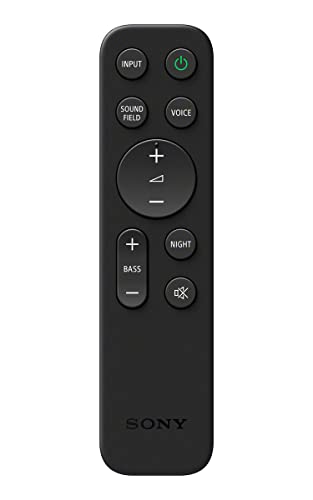
Both systems prioritize dialogue clarity, but through different methods. The Sony HT-S2000 dedicates a specific driver to center channel reproduction, optimizing it specifically for speech frequencies. The Voice Mode further enhances dialogue by bringing vocals forward in the mix, while the X-Balanced drivers minimize distortion that could muddy speech.
The Samsung system uses Active Voice Amplifier (AVA) technology, which analyzes incoming audio in real-time and emphasizes vocal frequencies when dialogue is present. Combined with Q-Symphony technology that coordinates with compatible Samsung TVs, this creates exceptionally clear speech reproduction even during complex soundtracks.
In my experience, both systems handle dialogue well, but the Samsung's higher total power output (360W versus 250W) provides more dynamic range, making whispered dialogue more intelligible while keeping loud effects from overwhelming speech.
This category showcases the clearest performance difference between the two approaches. The Sony HT-S2000's built-in bass solution works well for its size constraints, providing adequate thump for most content. The side-firing design helps extend response lower than you'd expect from such a compact unit.
However, the Samsung's dedicated 8-inch wireless subwoofer delivers significantly deeper extension and greater impact. Movie explosions carry more weight, and music playback reveals bass details that the Sony simply cannot reproduce due to physical limitations.
The difference becomes particularly apparent with content featuring deep, sustained bass notes. The Samsung can reproduce these cleanly at higher volumes, while the Sony's built-in solution may compress or distort when pushed hard.
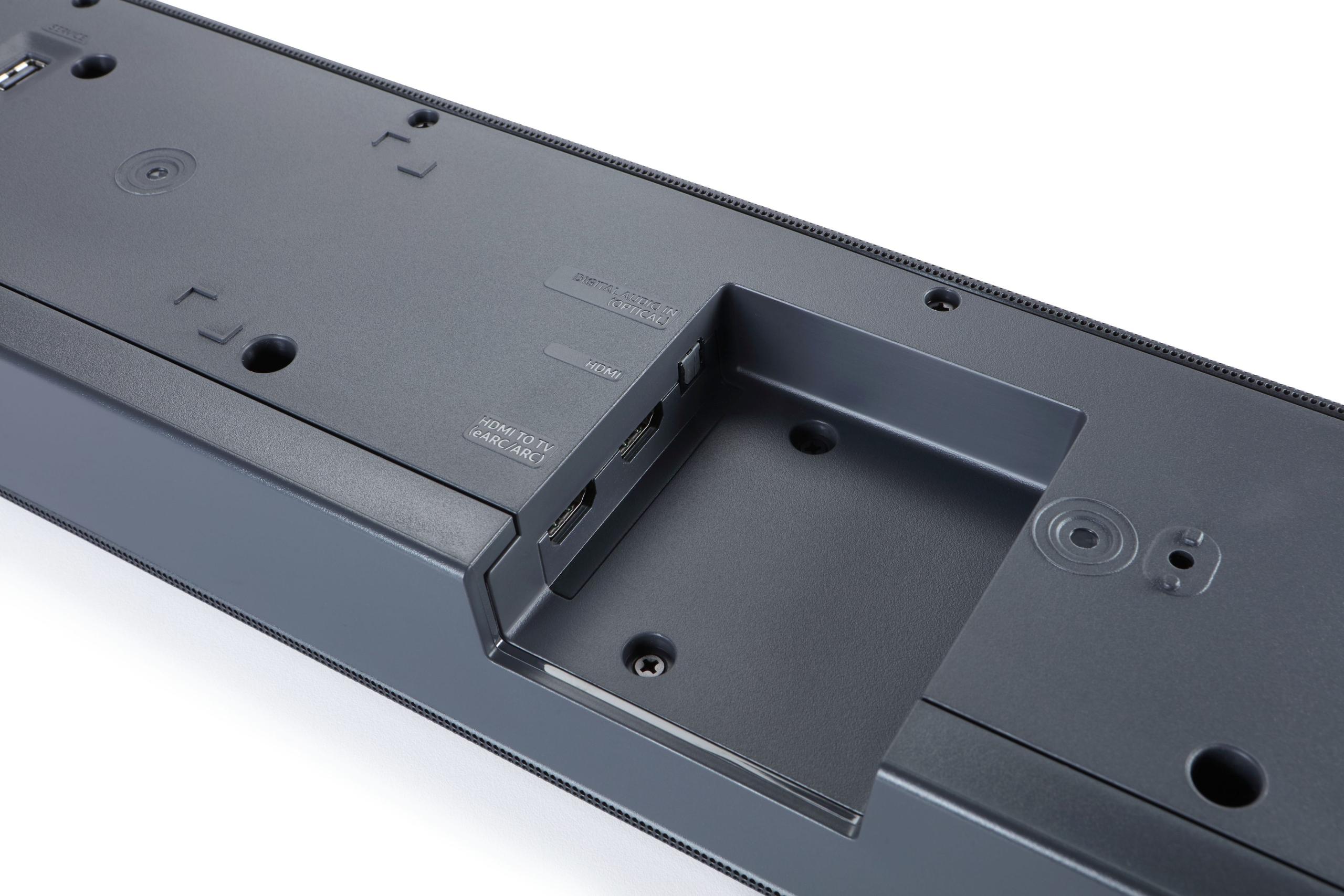
For gamers, the Samsung Q Series 9.1.2 offers clear advantages through its HDMI 2.1 implementation. The 4K 120Hz passthrough support ensures compatibility with PlayStation 5 and Xbox Series X high-framerate gaming, while Game Mode Pro optimizes audio processing for competitive play.
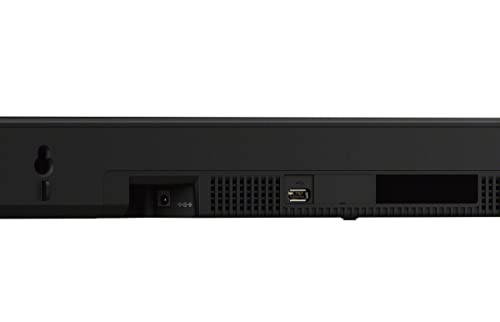
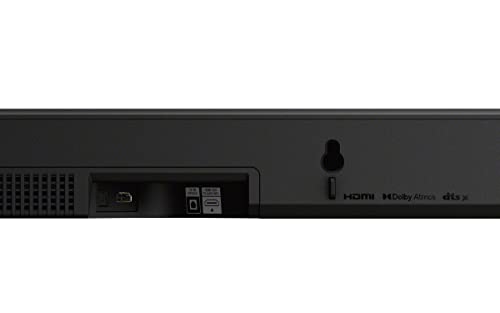
The Sony HT-S2000 lacks these gaming-focused features, using basic HDMI eARC without advanced passthrough capabilities. While this doesn't affect movie watching, it limits the system's appeal for serious gamers.
At the time of writing, these systems occupy different value propositions that reflect their design philosophies. The Sony HT-S2000 typically costs significantly less than the Samsung Q Series 9.1.2, making it an attractive entry point into spatial audio.
However, value calculations become more complex when considering expansion options. To achieve true surround sound with the Sony system, you'd need to add wireless rear speakers and possibly an upgraded subwoofer, bringing the total investment closer to the Samsung's complete package price.
The Samsung system delivers premium performance immediately, with no additional purchases required to experience full surround sound. This makes it particularly appealing for users who prefer one-time investments over gradual system building.
For dedicated home theater setups, the Samsung Q Series 9.1.2 offers superior performance in several key areas. The physical rear speakers create authentic surround effects crucial for movie immersion, while the powerful subwoofer provides the foundation necessary for impactful film soundtracks.
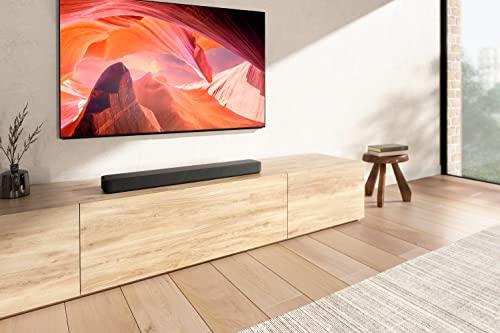
The Sony HT-S2000 works better in mixed-use spaces where aesthetics and simplicity matter more than ultimate performance. Its single-unit design integrates cleanly into living rooms where multiple components might create clutter.
Room size also influences the decision. Smaller rooms benefit less from rear speakers and may actually suffer from bass overload with powerful subwoofers. In compact spaces, the Sony's balanced approach often provides better overall results.
Both systems incorporate current-generation features, but the Samsung includes more forward-looking connectivity. The HDMI 2.1 support ensures compatibility with emerging 8K content and high-framerate gaming, while comprehensive wireless streaming options (AirPlay 2, Spotify Connect, Chromecast) provide flexibility for music playback.
The Sony HT-S2000 focuses on core audio performance rather than extensive connectivity, offering Bluetooth streaming and basic HDMI support. This simpler approach appeals to users who prioritize reliability over feature complexity.
Choose the Sony HT-S2000 if you're living in an apartment or small space where rear speakers aren't practical. Its virtual surround processing provides meaningful improvement over TV speakers while maintaining a clean, minimalist appearance. The expandability options let you upgrade gradually as circumstances change.
The Sony also makes sense for budget-conscious buyers who want Dolby Atmos capability without the premium associated with complete surround systems. While the virtual processing has limitations, it delivers impressive results for dialogue-heavy content like news and television shows.
Opt for the Samsung Q Series 9.1.2 when you have dedicated home theater space and want immediate premium performance. The physical speaker placement creates authentic immersion that virtual systems cannot match, making action movies and gaming significantly more engaging.
The Samsung system particularly benefits users who value one-time purchases over gradual expansion. If you want the best possible surround sound experience without future upgrade decisions, this complete package approach eliminates guesswork.
Both the Sony HT-S2000 and Samsung Q Series 9.1.2 represent excellent examples of their respective design philosophies. The Sony proves that virtual surround processing has evolved to provide convincing spatial effects in a compact package, while the Samsung demonstrates why physical speaker placement remains the gold standard for surround sound authenticity.
Your choice ultimately depends on balancing performance expectations against practical constraints like room size, aesthetics, and budget flexibility. Either system will dramatically improve your TV audio experience – the question is whether you prefer the gradual upgrade path and space efficiency of the Sony, or the immediate premium performance and authentic surround sound of the Samsung.
| Sony HT-S2000 3.1ch Dolby Atmos Soundbar | Samsung Q Series 9.1.2 Channel Soundbar |
|---|---|
| Channel Configuration - Determines surround sound authenticity and immersion quality | |
| 3.1 channels (virtual surround processing) | 9.1.2 channels (physical surround speakers) |
| Included Components - Affects setup complexity and immediate performance | |
| Single soundbar unit only | Soundbar + wireless rear speakers + 8" subwoofer |
| Surround Sound Method - Key difference in how spatial audio is created | |
| Virtual processing (Sony Vertical Surround Engine) | Physical speaker placement around room |
| Total Power Output - Impacts maximum volume and dynamic range | |
| 250W digital S-Master amplification | 360W distributed across all components |
| Bass Solution - Critical for movie impact and music fullness | |
| Built-in dual subwoofers with side-firing ports | Dedicated 8" wireless subwoofer with room correction |
| Room Optimization - Helps tailor sound to your specific space | |
| Manual sound modes only (no auto-calibration) | SpaceFit Sound+ with automatic room analysis |
| HDMI Features - Important for gaming and future content compatibility | |
| HDMI eARC only (basic passthrough) | HDMI 2.1 with 4K 120Hz and 8K passthrough |
| Wireless Streaming - Affects music playback convenience | |
| Bluetooth 5.2 only (no Wi-Fi streaming) | AirPlay 2, Spotify Connect, Chromecast built-in |
| Expandability Options - Determines upgrade path flexibility | |
| Optional wireless subwoofer and rear speakers (sold separately) | Complete system included (limited upgrade options) |
| Ideal Room Size - Best performance environment for each system | |
| Small to medium rooms, apartments | Medium to large dedicated home theater spaces |
| Best Use Cases - Where each system excels most | |
| TV shows, dialogue-heavy content, space-constrained setups | Movies, gaming, authentic surround sound experiences |
The Sony HT-S2000 is ideal for small apartments because it's a single compact unit that doesn't require rear speakers or a separate subwoofer. Its virtual surround processing creates spatial effects without needing multiple components around your room, making it perfect for space-constrained living situations.
The Sony HT-S2000 uses 3.1 channels (left, center, right, plus subwoofer) and relies on virtual processing for surround effects. The Samsung Q Series 9.1.2 has 9.1.2 physical channels with actual rear speakers and height channels, providing authentic surround sound positioning rather than simulated effects.
It depends on your priorities. The Sony HT-S2000 creates convincing virtual surround without rear speakers, which works well for most TV content. However, the Samsung Q Series 9.1.2 with physical rear speakers delivers significantly more immersive surround sound for movies and gaming.
The Samsung Q Series 9.1.2 has superior bass with its dedicated 8-inch wireless subwoofer that can reach deeper frequencies and higher volumes. The Sony HT-S2000 has built-in dual subwoofers that provide decent bass for its size but can't match a dedicated subwoofer's performance.
Yes, both the Sony HT-S2000 and Samsung Q Series 9.1.2 work with any TV that has HDMI ARC/eARC or optical audio output. However, the Samsung system offers enhanced features when paired with Samsung TVs through Q-Symphony technology.
The Sony HT-S2000 is much easier to set up since it's just one unit that connects to your TV with a single cable. The Samsung Q Series 9.1.2 requires positioning rear speakers and a subwoofer around your room, though the wireless connections simplify the process.
Yes, both the Sony HT-S2000 and Samsung Q Series 9.1.2 support Dolby Atmos. The Sony uses virtual processing to simulate height effects, while the Samsung uses physical upward-firing speakers for more authentic overhead sound positioning.
The Samsung Q Series 9.1.2 is better for gaming because it supports HDMI 2.1 with 4K 120Hz passthrough and includes Game Mode Pro for optimized audio. The Sony HT-S2000 has basic HDMI connectivity without advanced gaming features.
The Sony HT-S2000 offers modular expansion with optional wireless subwoofers and rear speakers sold separately. The Samsung Q Series 9.1.2 comes complete with all components included, offering limited upgrade options beyond replacing the entire system.
Both perform well for music, but the Samsung Q Series 9.1.2 generally sounds better due to its dedicated subwoofer and higher total power output. The Sony HT-S2000 provides balanced music reproduction that's impressive for its compact size.
Both the Sony HT-S2000 and Samsung Q Series 9.1.2 excel at dialogue clarity. The Sony has a dedicated center channel and Voice Mode, while the Samsung uses Active Voice Amplifier technology to automatically enhance speech during movies and TV shows.
The Sony HT-S2000 typically offers better entry-level value for users wanting Dolby Atmos without multiple components. The Samsung Q Series 9.1.2 provides better overall value for users wanting complete surround sound immediately, since it includes components that would cost significantly more if purchased separately.
We've done our best to create useful and informative comparisons to help you decide what product to buy. Our research uses advanced automated methods to create this comparison and perfection is not possible - please contact us for corrections or questions. These are the sites we've researched in the creation of this article: techradar.com - valueelectronics.com - youtube.com - videoandaudiocenter.com - whathifi.com - hometheaterhifi.com - youtube.com - sony.com - rtings.com - whathifi.com - rtings.com - helpguide.sony.net - electronics.sony.com - sony.com - dolby.com - sony.com - youtube.com - youtube.com - rtings.com - samsung.com - markselectrical.co.uk - techradar.com - walmart.com - samsung.com - samsung.com - youtube.com - samsung.com - biancos.com - crutchfield.com - samsung.com

Privacy Policy
Terms and Conditions - Affiliate Policy
Home Security
© Copyright 2008-2026.
11816 Inwood Rd #1211, Dallas, TX 75244