







If you've ever watched an action movie on your flat-screen TV and felt underwhelmed by the sound, you're not alone. Modern TVs, with their razor-thin designs, simply can't fit the speakers needed for truly engaging audio. That's where premium soundbars come in, promising to transform your living room into a mini movie theater.
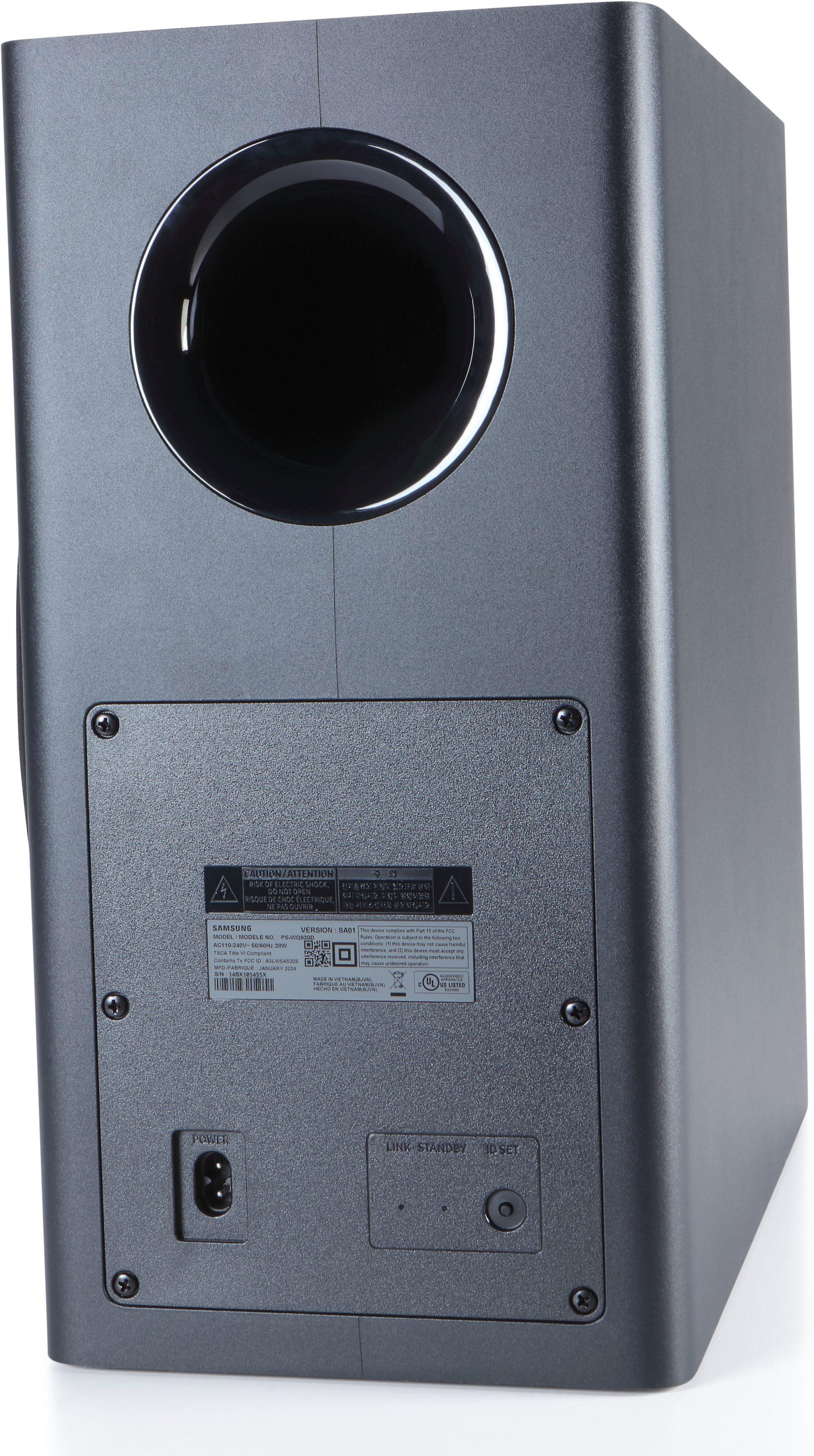
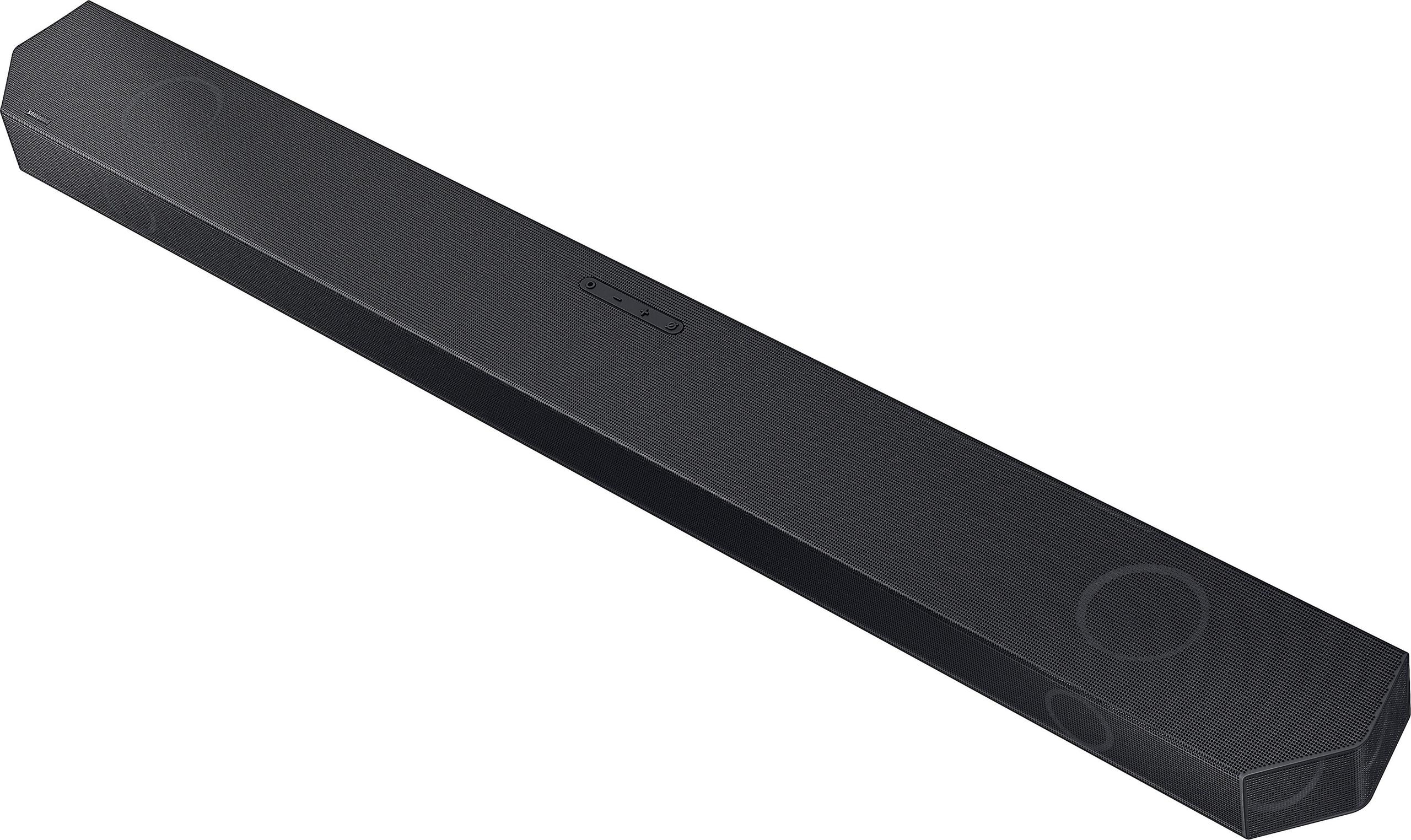
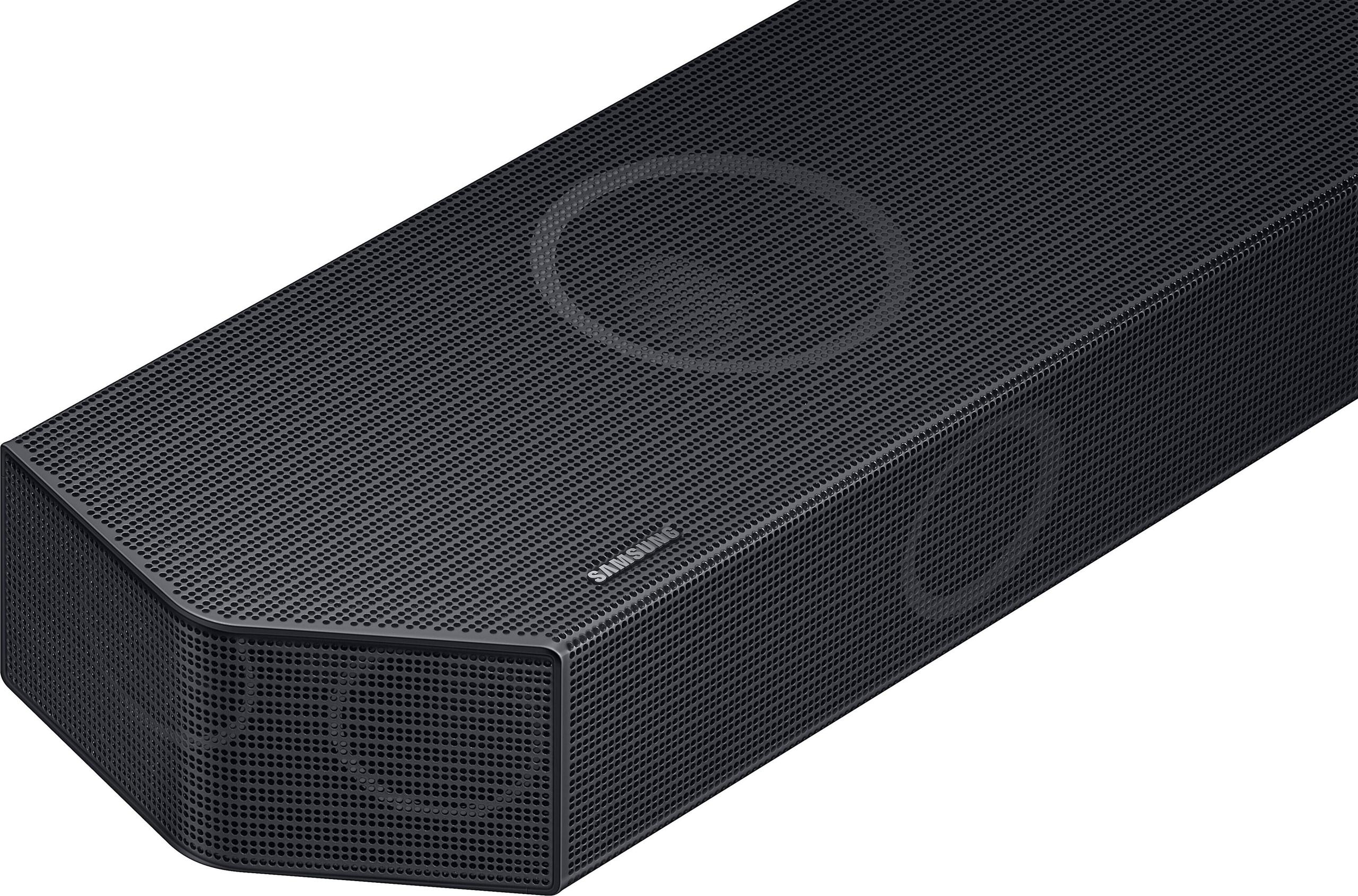
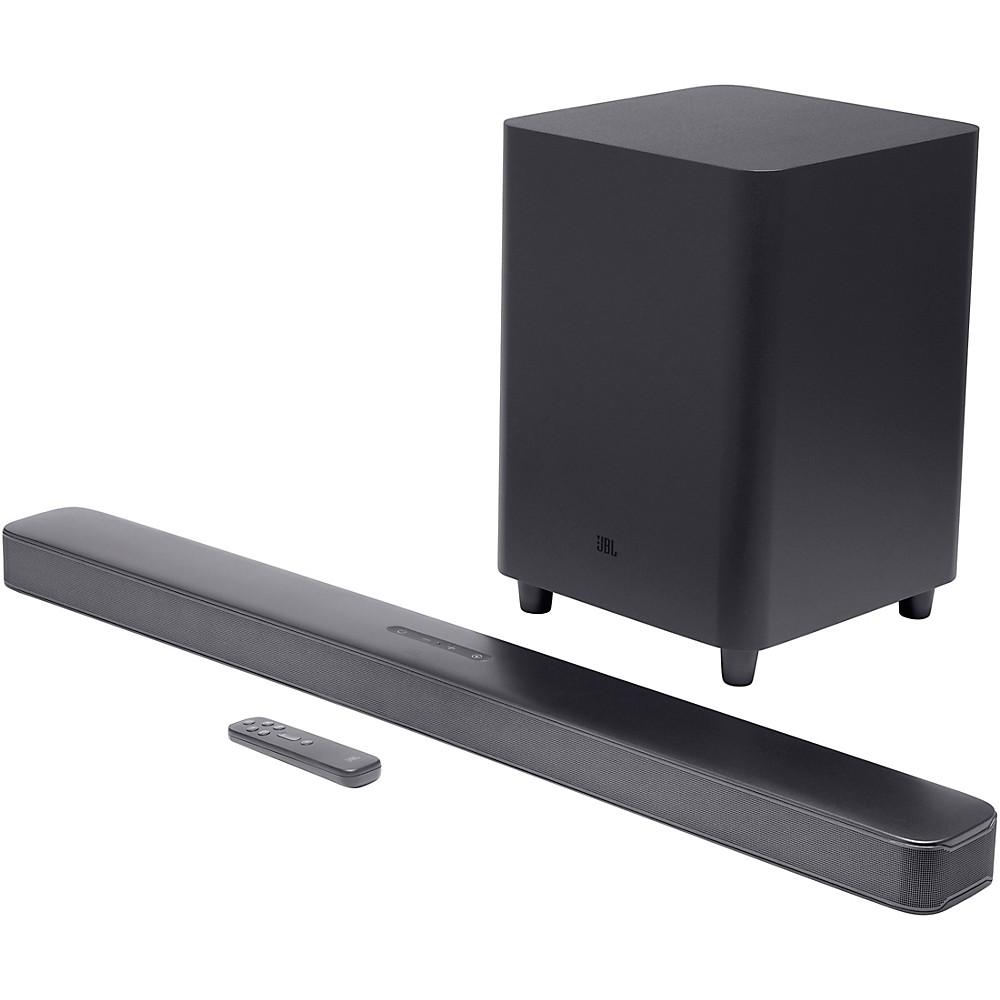
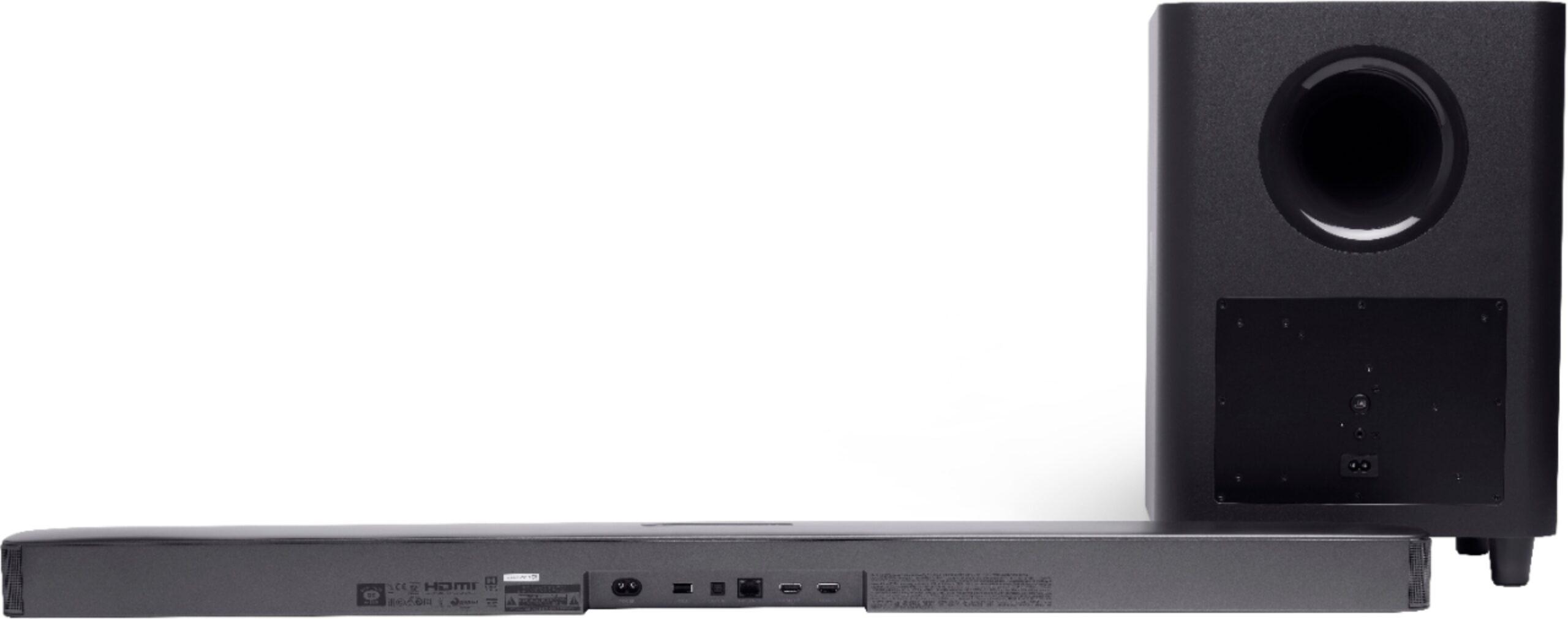
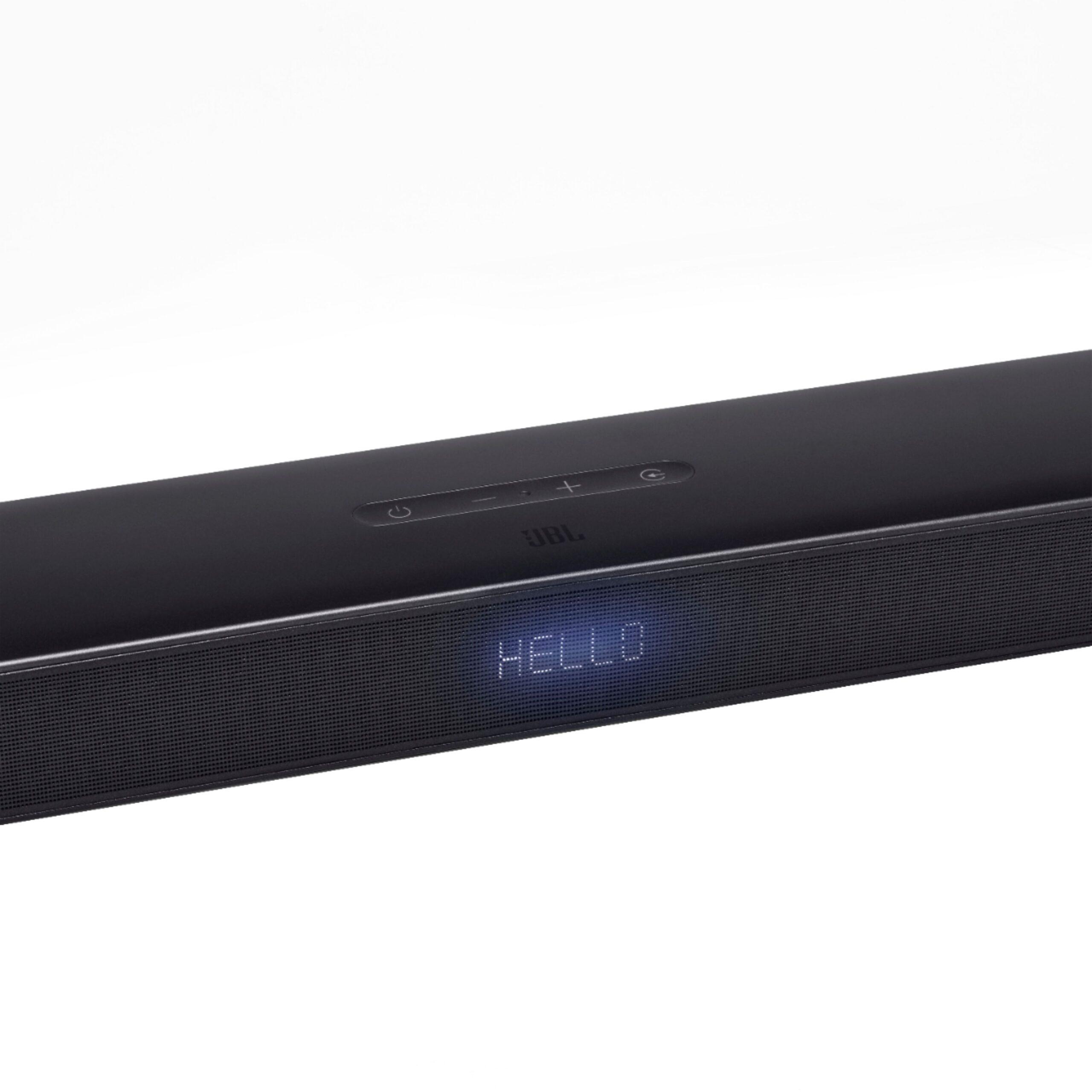
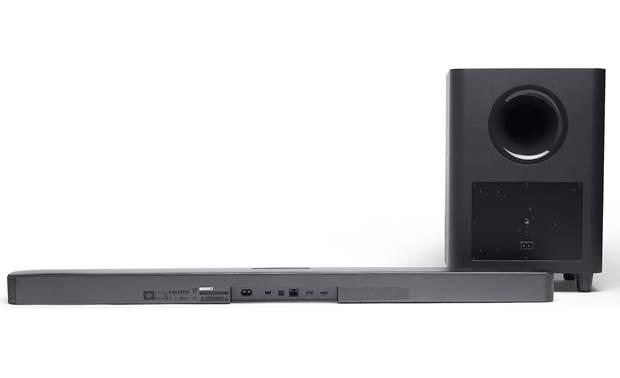
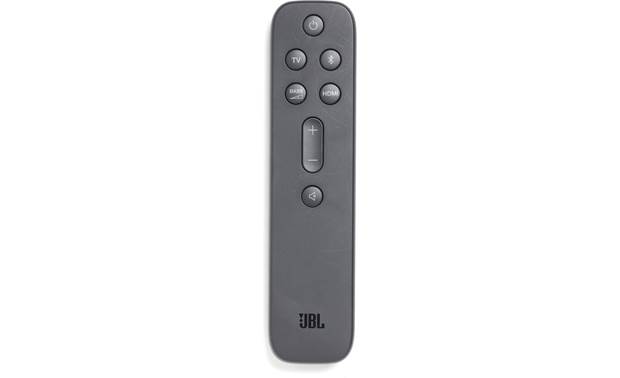
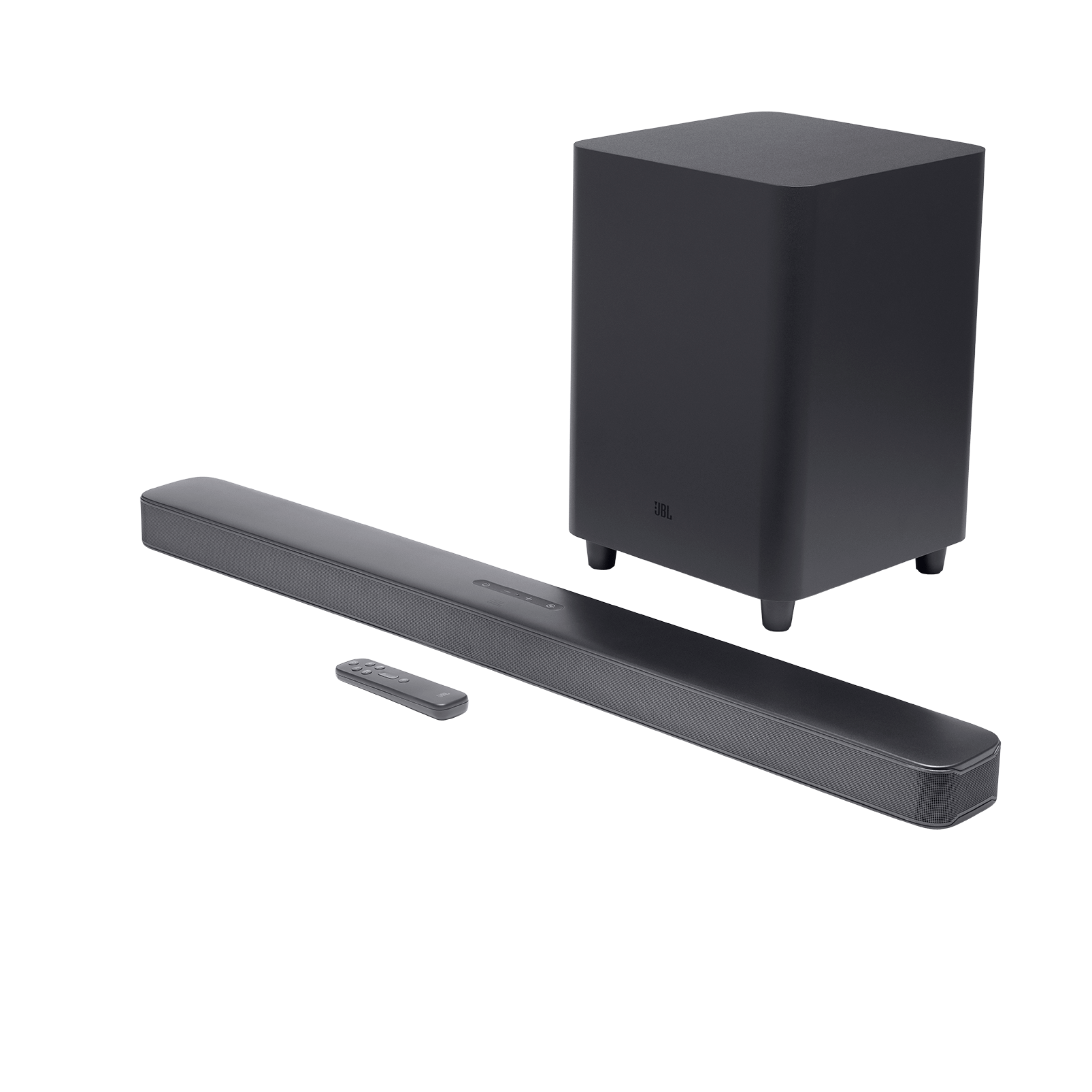
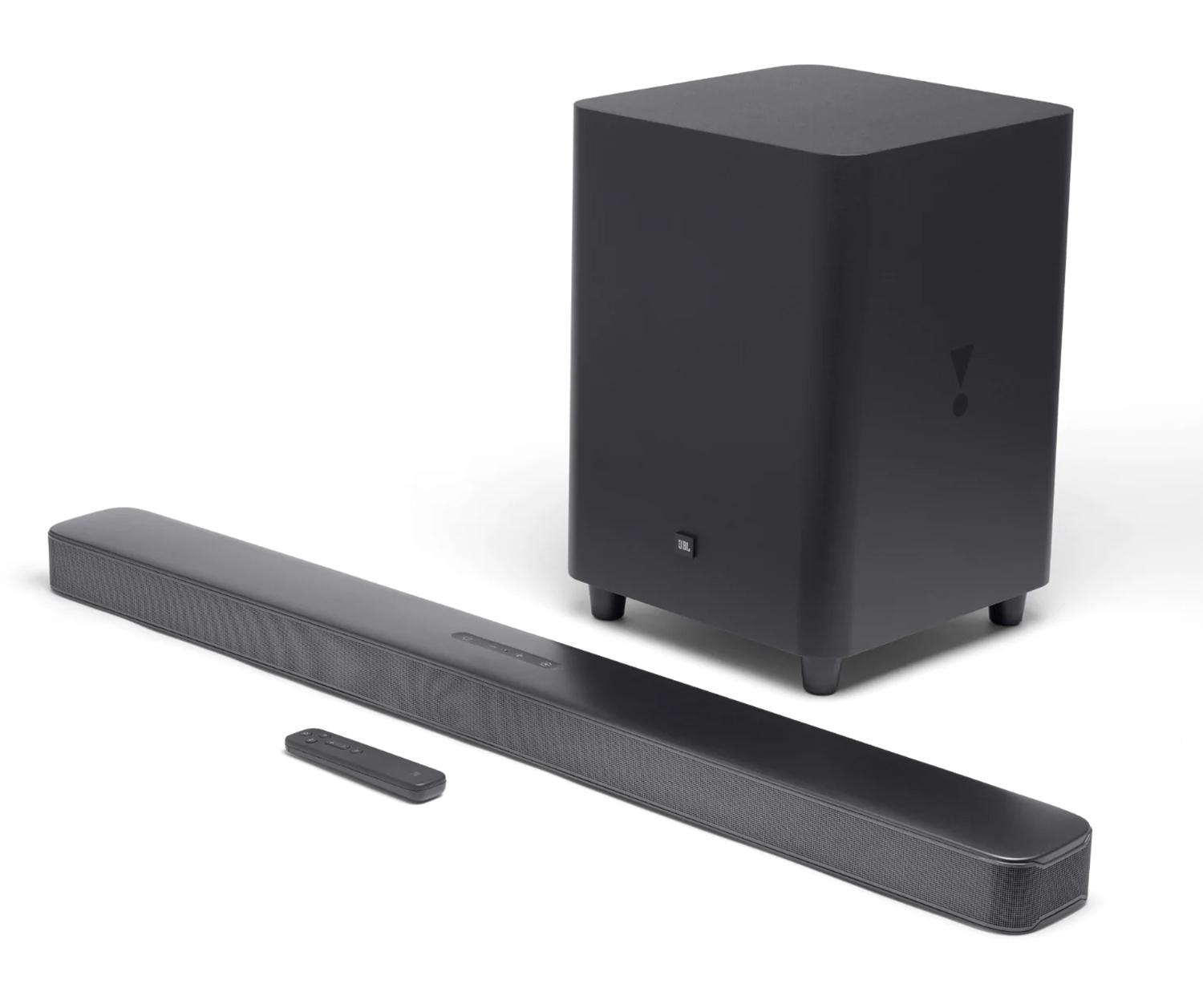
Today we're comparing two popular choices: the Samsung Q Series 9.1.2 Channel Soundbar at $900 and the JBL Bar 5.1 Surround Soundbar at $600. These represent fundamentally different approaches to solving the same problem, and understanding their differences will help you make the right choice for your home.
The premium soundbar market has evolved dramatically over the past few years. Where basic soundbars once simply made dialogue clearer, today's systems create truly immersive experiences that rival dedicated surround sound setups costing thousands more.
The key considerations when shopping for a premium soundbar revolve around three main areas. Spatial audio performance determines how well the system can create the illusion of sound coming from all around you, including above your head. Integration and convenience covers how seamlessly the soundbar works with your existing setup and smart home devices. Finally, value proposition weighs the audio improvements you'll actually notice against the price you're paying.
The Samsung and JBL take notably different approaches to these challenges. Samsung focuses on cutting-edge spatial audio technology with deep integration into their TV ecosystem, while JBL emphasizes solid traditional surround sound with some unique flexibility features.
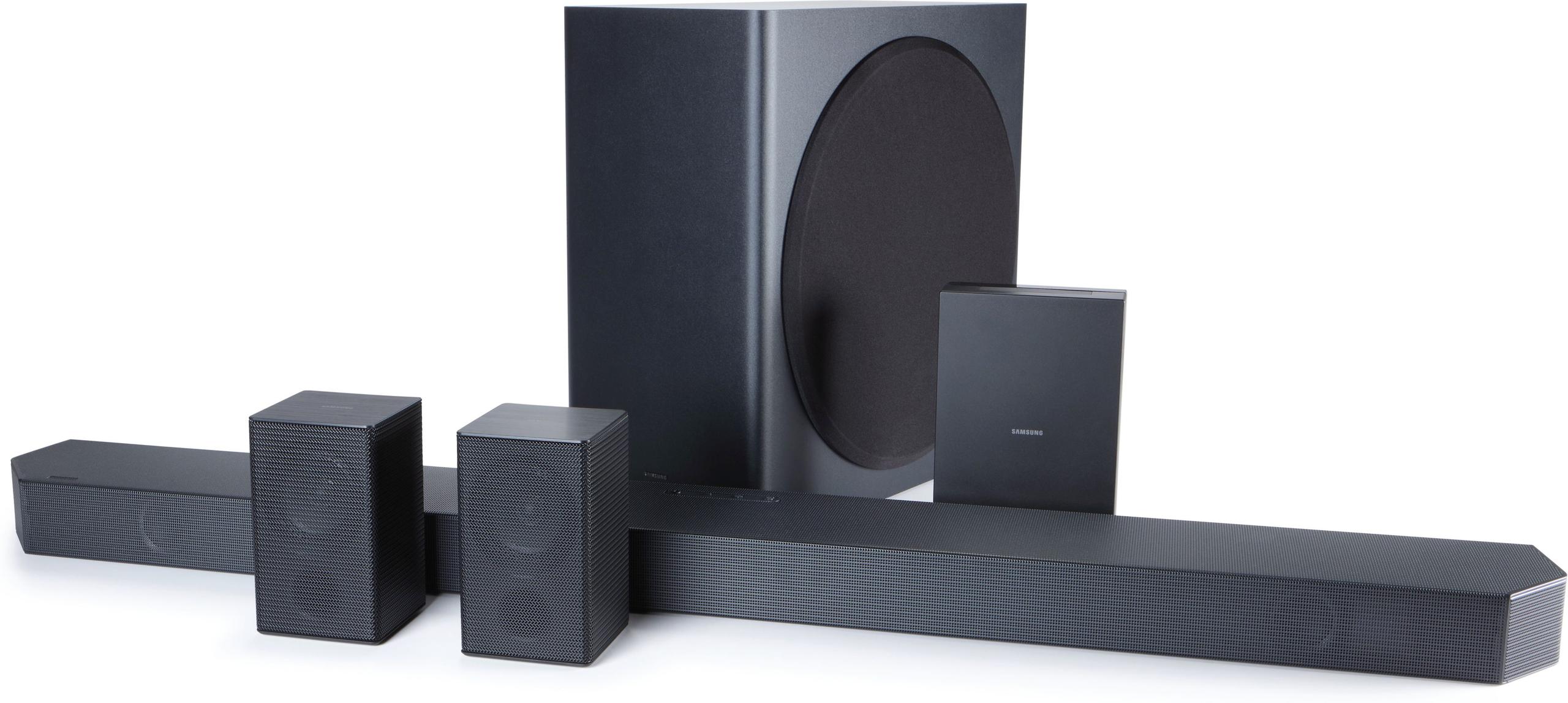
When you see "9.1.2" or "5.1" in a soundbar's name, those numbers tell you exactly how the system creates its soundscape. The Samsung Q Series 9.1.2 breaks down as 9 ear-level speakers, 1 subwoofer, and 2 height channels. Those height channels are the key differentiator – they're dedicated speakers that fire sound upward to bounce off your ceiling, creating the illusion that helicopters, rain, or explosions are happening above you.
I've spent considerable time with Dolby Atmos systems, and when properly set up, the overhead effects are genuinely impressive. During the opening sequence of "Blade Runner 2049," you can hear the flying cars pass overhead in a way that makes you instinctively look up. This isn't just marketing fluff – it's a real perceptual difference that adds another layer to your viewing experience.
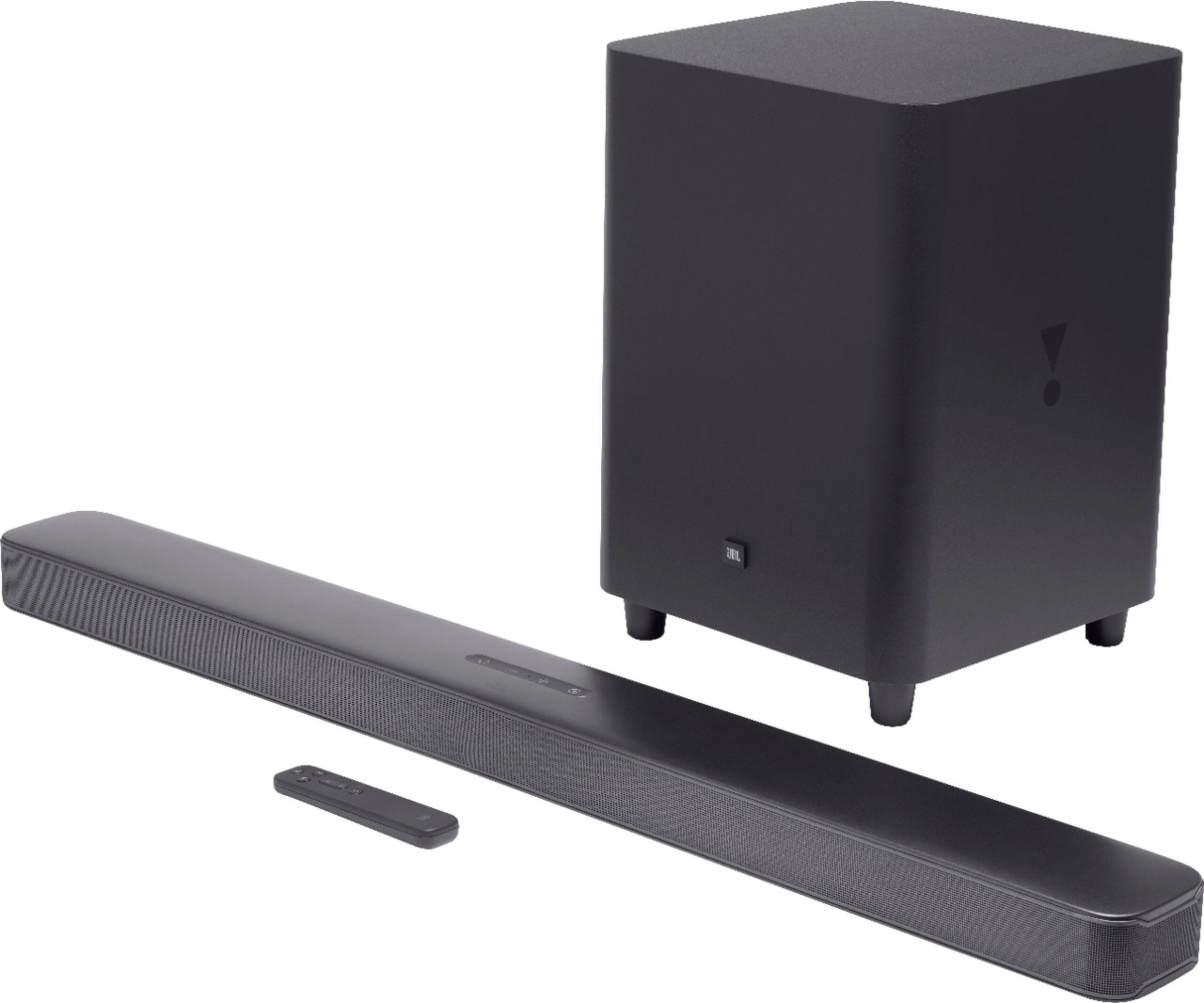
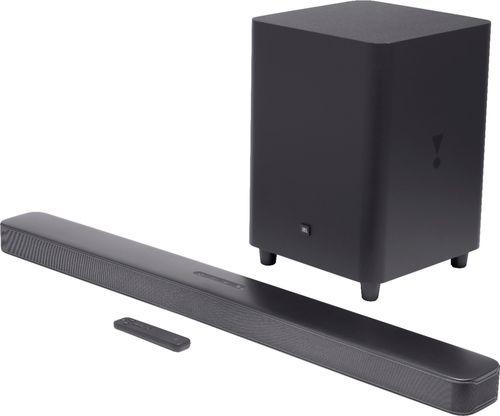
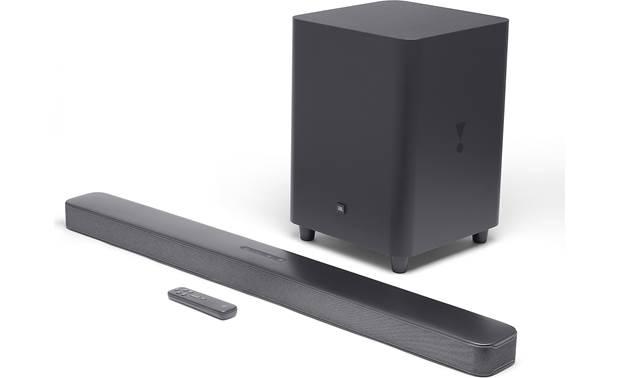
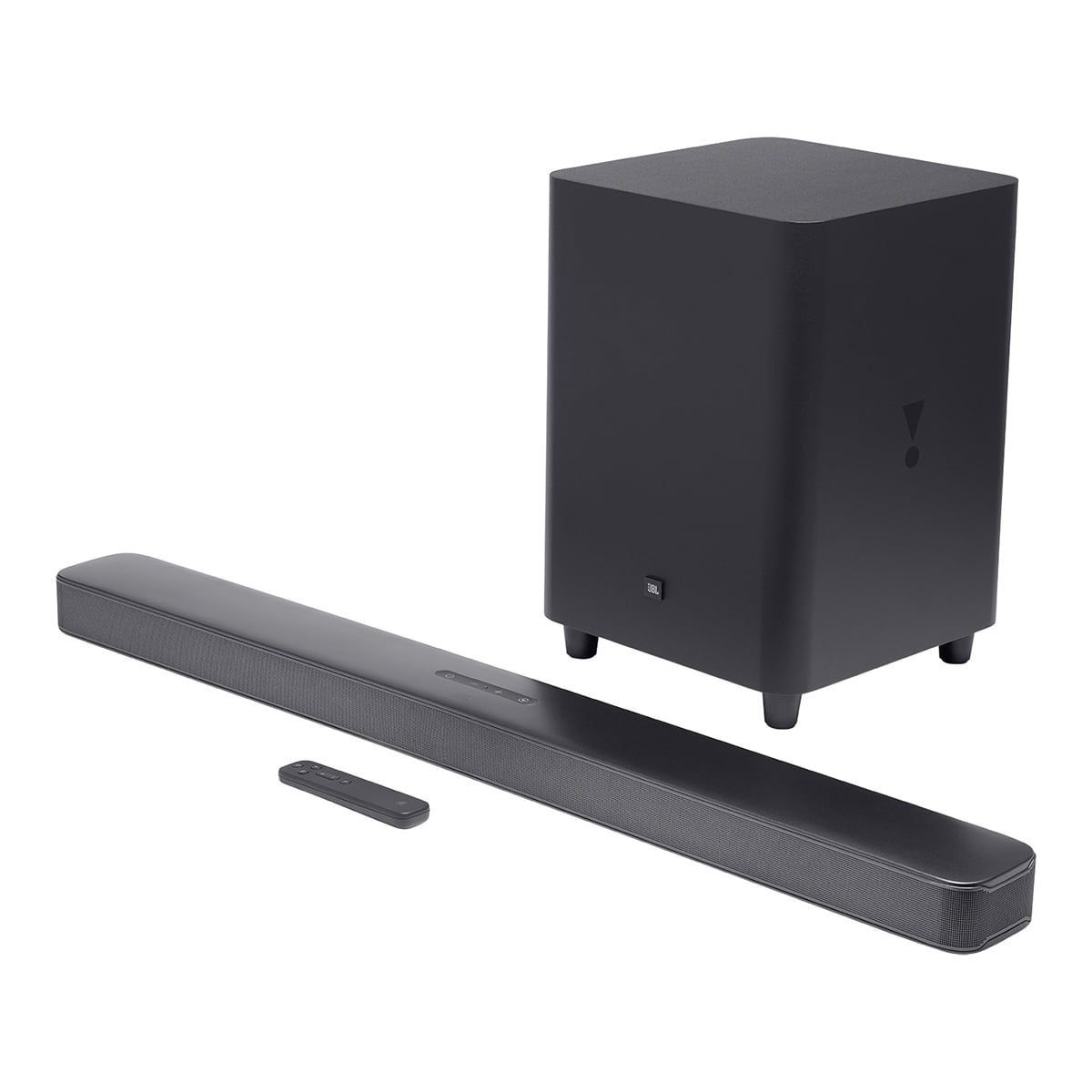
The JBL Bar 5.1, meanwhile, uses a traditional 5.1 setup: left, center, and right front channels, plus two rear surround speakers and a subwoofer. While it lacks those overhead effects, it focuses on creating a solid surround bubble around your seating position. For many types of content, especially older movies and TV shows, this traditional approach works perfectly well.
Dolby Atmos represents a fundamental shift in how audio is mixed and played back. Instead of assigning sounds to specific channels, Atmos treats sounds as objects that can be positioned anywhere in three-dimensional space. When a helicopter moves across the screen, the audio system calculates exactly which speakers should play that sound to make it seem like it's moving through your room.
The Samsung supports full Dolby Atmos and DTS:X processing (DTS:X is a competing format that works similarly). This means when you're watching Netflix's "Stranger Things" or a 4K Blu-ray of "Top Gun: Maverick," you're hearing the audio exactly as the sound engineers intended, with jets screaming overhead and supernatural creatures lurking in the space around you.
The JBL, lacking height channels, can't reproduce true Atmos effects. It receives Atmos signals but processes them through virtual surround algorithms, essentially mixing the overhead information back into the ground-level speakers. This works to some degree, but you lose that dramatic three-dimensional positioning that makes Atmos content special.
The Samsung's strength lies in its sophisticated processing and spatial positioning. The Q-Symphony technology is particularly clever – it synchronizes the soundbar with compatible Samsung TV speakers to create an even wider soundstage. Instead of the TV speakers competing with the soundbar, they work together, with the TV handling certain frequency ranges while the soundbar manages others. In practice, this creates a more enveloping sound that seems to come from a much larger system.
The SpaceFit Sound Pro feature automatically analyzes your room using built-in microphones and adjusts the audio accordingly. Rooms with hard surfaces that create echoes get different processing than carpeted spaces that absorb sound. This kind of room correction used to require expensive separate processors, but Samsung has integrated it seamlessly into their soundbar.
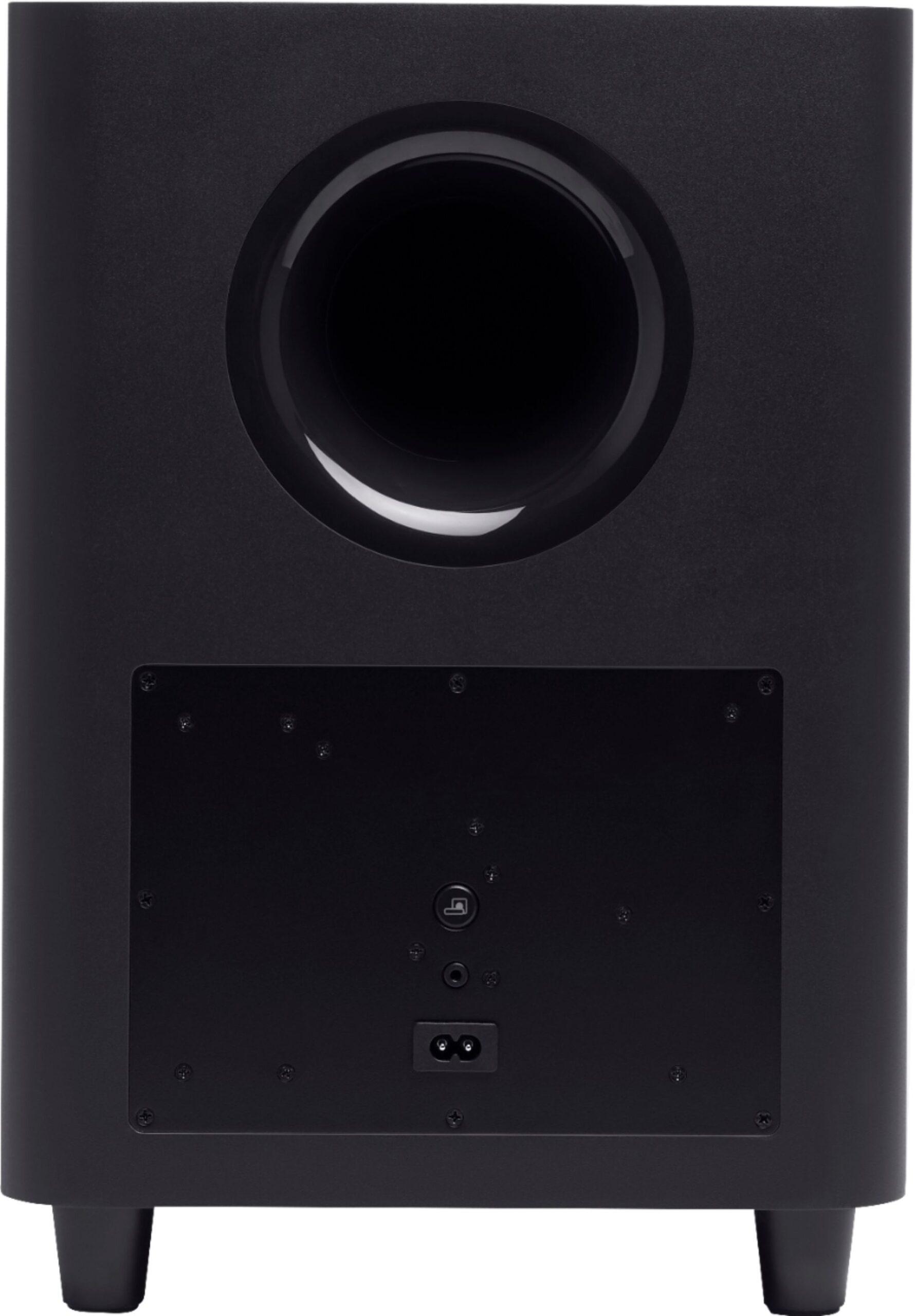
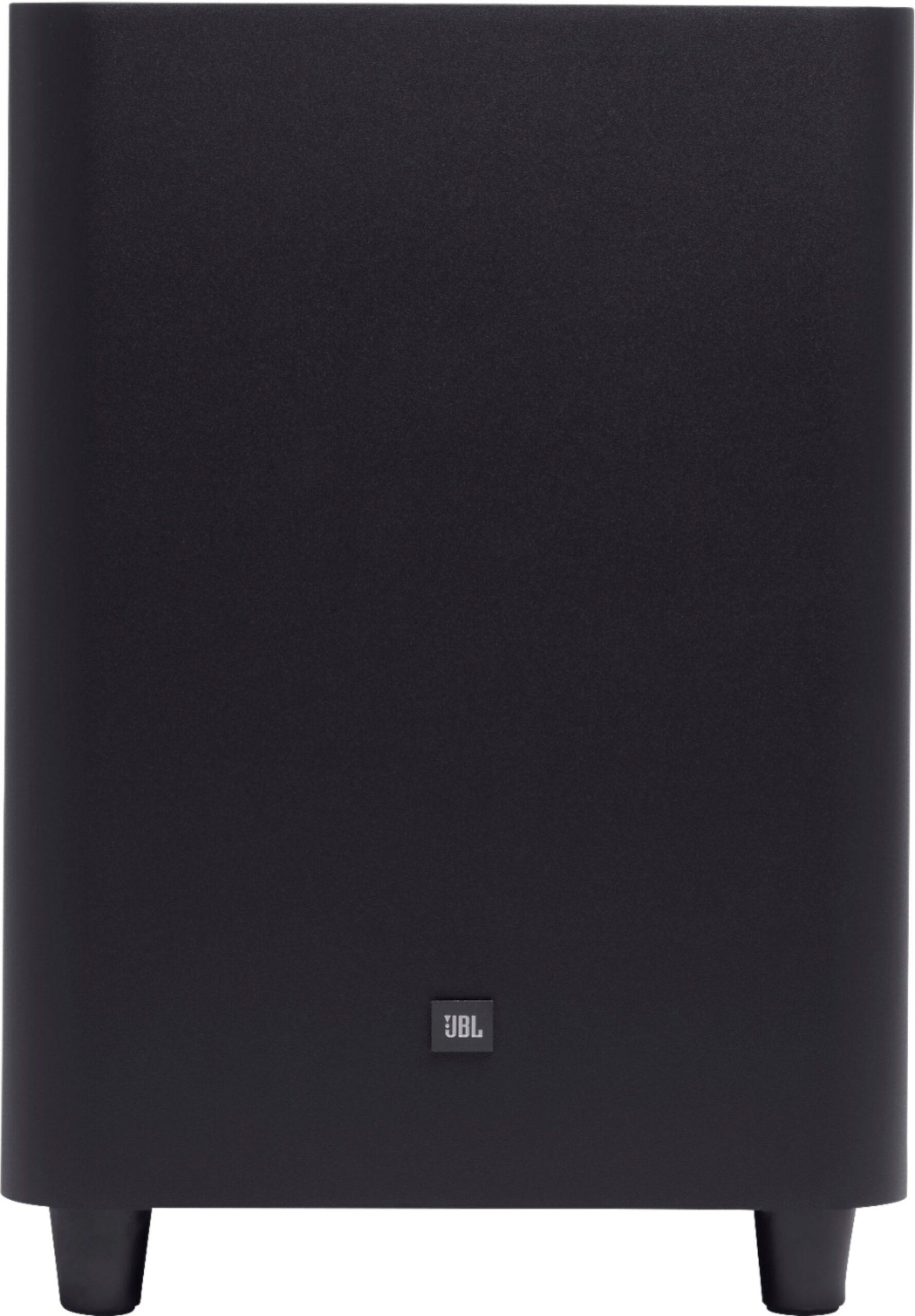
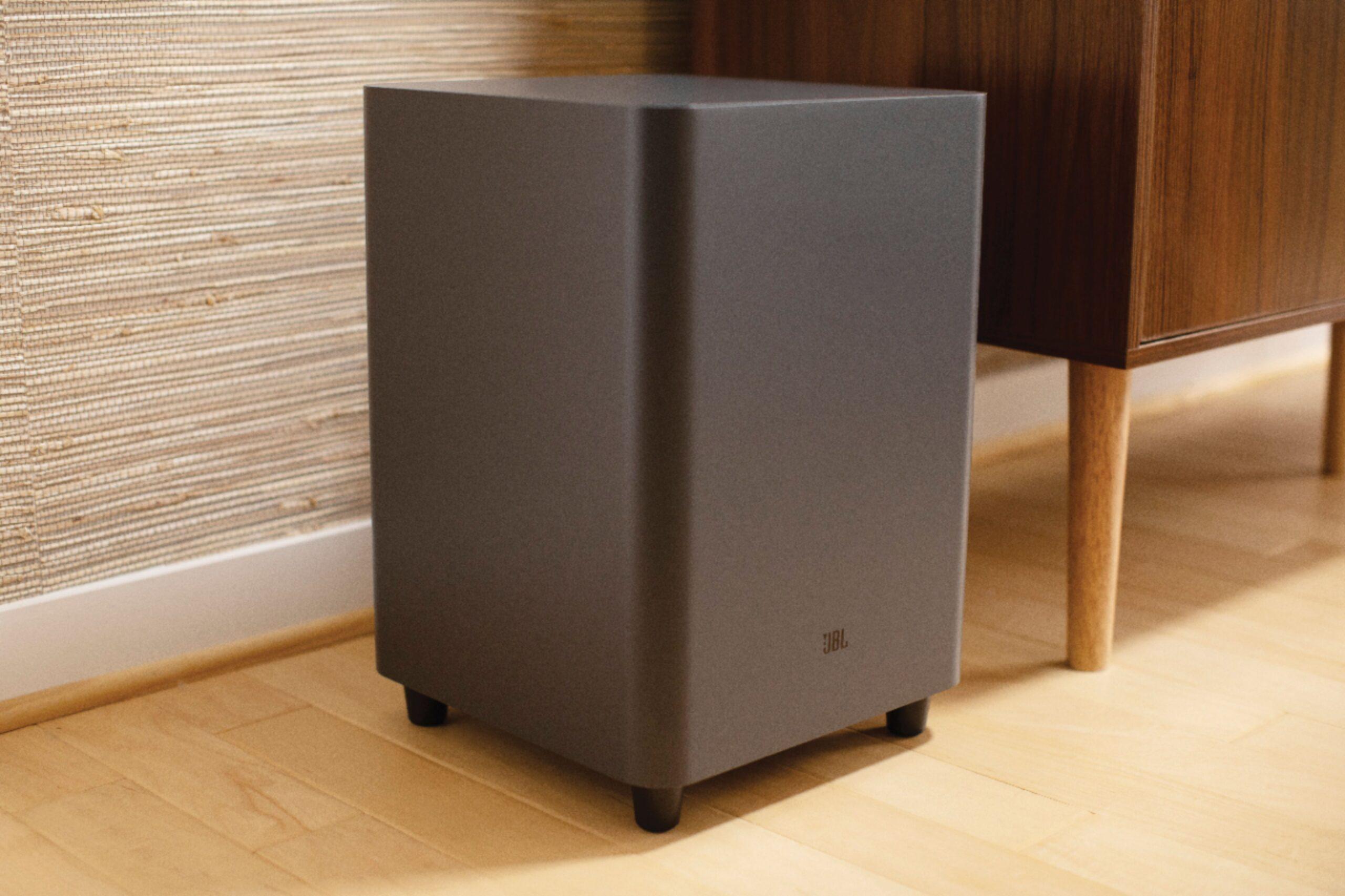
The JBL takes a different approach, focusing on what I'd call "immediately impressive" sound. That 10-inch wireless subwoofer delivers genuinely deep bass that you feel in your chest during action scenes. When Thor unleashes lightning in "Avengers: Infinity War," the JBL's subwoofer provides that visceral rumble that makes the scene more impactful. The Samsung's 8-inch subwoofer is no slouch, but it can't quite match the JBL's low-end authority.
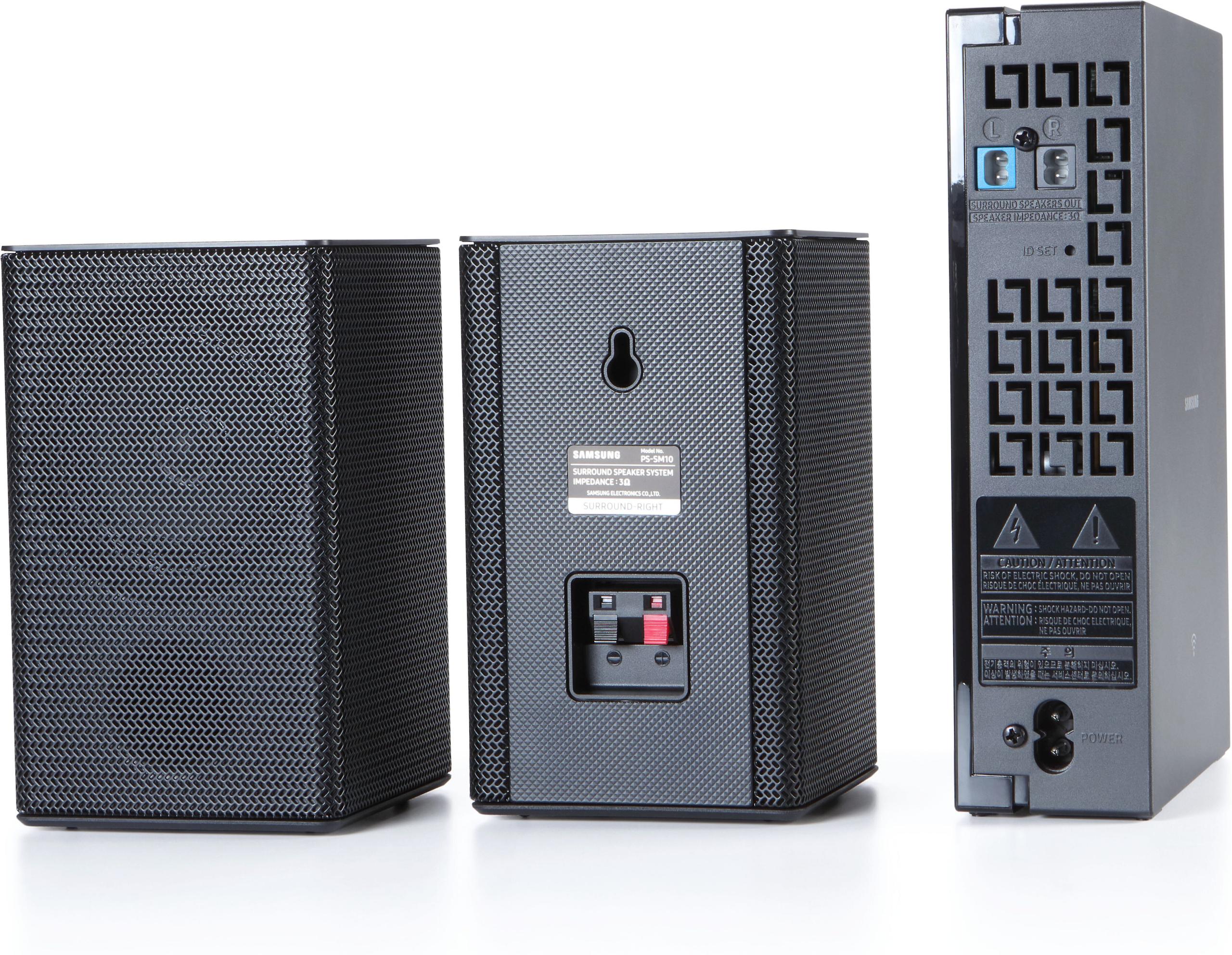
One unique aspect of the JBL system is its detachable rear speakers. These aren't just wireless – they're actually portable Bluetooth speakers that can be removed from their charging bases and taken outside for parties or to other rooms. It's a clever dual-purpose design that adds value beyond the home theater experience.
Modern gaming demands precise audio timing, and the Samsung addresses this with Game Mode Pro. This feature reduces audio delay (called latency) and enhances directional audio cues that help competitive gamers locate enemies or important sound effects. If you play games like "Call of Duty" or "Fortnite," being able to accurately pinpoint footsteps or gunshots can provide a real competitive advantage.
The Samsung also integrates with Samsung's Gaming Hub, optimizing settings automatically when it detects gaming consoles. This seamless switching between movie and gaming modes eliminates the need to manually adjust settings every time you switch between Netflix and your PlayStation.
The JBL provides adequate gaming performance but lacks these specialized optimizations. For casual gaming, it works fine, but serious gamers will notice the difference in both latency and directional accuracy.
Here's where personal preference really comes into play. The Samsung tends toward a more balanced, refined sound signature that works well across different music genres. Vocals are clear and well-positioned, and the overall frequency response feels neutral rather than hyped in any particular range. This makes it versatile for everything from classical music to podcasts.
The JBL has more personality in its sound signature, with a noticeable emphasis in the mid-bass range that makes rock, pop, and electronic music feel more dynamic and engaging. When I play tracks from artists like The Weeknd or Dua Lipa, the JBL's presentation feels more exciting and immediate. However, this same character can sometimes make dialogue in movies sound slightly recessed compared to the Samsung.
Samsung has invested heavily in creating an integrated smart home ecosystem, and the Samsung Q Series 9.1.2 is designed to be a central part of that system. Through SmartThings, it can connect with over 100 different smart home device brands, allowing you to control lighting, temperature, and other devices through the soundbar's interface.
The Q-Symphony feature I mentioned earlier only works with Samsung TVs, which creates both an advantage and a limitation. If you own a Samsung QLED or Neo QLED TV, the integration is genuinely impressive – the soundbar appears as an extension of the TV's audio system, with unified volume control and automatic input switching. But if you use a different TV brand, you lose this key differentiator.
The JBL Bar 5.1 takes a more universal approach. It works equally well with any TV brand and doesn't require specific ecosystem compatibility. This makes it more flexible if you're not committed to Samsung's ecosystem or if you might change TV brands in the future.
The Samsung system requires more thoughtful setup to achieve its full potential. Those up-firing Atmos speakers need adequate ceiling height (at least 8 feet) and relatively flat ceiling surfaces to work properly. Vaulted or heavily textured ceilings can interfere with the sound bouncing effect. The rear speakers also need careful positioning – too close to the listening position and they become directional rather than ambient; too far away and they lose impact.
I've found that the Samsung works best in rectangular rooms with the seating position at least 10-12 feet from the soundbar. In smaller spaces, the benefits of the 9.1.2 configuration become less apparent, and you might be paying for capabilities your room can't fully utilize.
The JBL is more forgiving of room limitations. The detachable rear speakers can be positioned wherever is convenient, and the virtual surround processing adapts reasonably well to different room shapes and sizes. This flexibility makes it a safer choice for apartments, smaller rooms, or spaces with challenging layouts.
The Samsung Q Series has evolved significantly since its introduction. The current 2024 model includes improved processing power that enables more sophisticated room correction and better wireless connectivity. Samsung has also enhanced the Q-Symphony feature to work more seamlessly with a broader range of their TV models.
The JBL Bar 5.1 represents a more mature product category. JBL released this model in 2019 and has made incremental improvements to build quality and wireless stability, but the core design remains unchanged. This isn't necessarily negative – it means the product has been refined over time and represents a proven design.
The streaming landscape has embraced Dolby Atmos rapidly. Netflix, Disney+, Apple TV+, and Amazon Prime Video all offer significant Atmos content libraries. Even YouTube is beginning to support spatial audio formats. This trend strongly favors the Samsung's capabilities – you're not just buying current performance, but positioning yourself for the audio formats that will dominate in the coming years.
The JBL's traditional 5.1 processing will continue to work with all current and foreseeable content, but it can't take advantage of the dimensional positioning information in Atmos tracks. As more content is mixed specifically for object-based audio, this limitation becomes more significant.
At $900, the Samsung Q Series 9.1.2 positions itself as a premium solution that replaces what would traditionally require separate components costing significantly more. A comparable dedicated Atmos receiver, speakers, and subwoofer system would typically cost $1,500-2,500, making the Samsung's integrated approach relatively economical for the performance level.
The JBL Bar 5.1 at $600 represents excellent value for traditional surround sound. The inclusion of a powerful wireless subwoofer and the unique detachable rear speakers provides functionality that extends beyond just TV audio. When you consider that decent portable Bluetooth speakers alone can cost $100-200 each, the JBL's dual-purpose design adds significant value.
The Samsung might require additional investments to reach its full potential. If your room has challenging acoustics, you might need acoustic treatment like sound-absorbing panels or bass traps, potentially adding $200-500 to the total cost. The system also works best with Samsung TVs, which might influence your next TV purchase decision.
The JBL is essentially complete out of the box. It includes all necessary cables and works optimally without additional room treatment or specific TV requirements. This makes it more predictable from a total cost perspective.
Choose the Samsung Q Series 9.1.2 if you're building a dedicated home theater space where audio quality is a primary concern. The Dolby Atmos capabilities truly shine with action movies, sci-fi films, and other content mixed specifically for spatial audio. If you already own Samsung TVs and appreciate integrated ecosystem experiences, the additional features like Q-Symphony and SmartThings connectivity provide real practical benefits.
The Samsung also makes sense if you're a serious gamer who values competitive audio advantages, or if you regularly listen to high-quality music sources where the balanced frequency response and sophisticated processing will be noticeable.
The JBL Bar 5.1 excels in situations where flexibility and immediate impact matter more than cutting-edge features. If you want powerful bass for action movies and music, along with the convenience of portable rear speakers for outdoor entertaining, the JBL's design directly addresses these needs.
It's also the smarter choice for smaller rooms (under 200 square feet) where Atmos effects are less noticeable, or for renters who might move frequently and need a system that works well in various room configurations.
The deciding factor often comes down to your primary content consumption habits. If you're watching a lot of newer movies and shows on streaming services that support Atmos, and your room can accommodate the Samsung's requirements, the three-dimensional audio experience is genuinely transformative. But if your viewing consists mainly of sports, news, older movies, and music, the JBL's strengths align better with those priorities while saving you $300.
Both systems will dramatically improve your TV's audio compared to built-in speakers. The question is whether the Samsung's advanced features match your specific needs and room situation, or whether the JBL's more straightforward approach and additional flexibility provide better real-world value for your particular circumstances.
| Samsung Q Series 9.1.2 Channel Soundbar | JBL Bar 5.1 Surround Soundbar |
|---|---|
| Price - Premium features vs solid value | |
| $900 (premium positioning) | $600 (excellent mid-range value) |
| Channel Configuration - Determines immersion level | |
| 9.1.2 (includes dedicated height channels for 3D audio) | 5.1 (traditional surround without overhead effects) |
| Dolby Atmos Support - Essential for modern streaming content | |
| Full Dolby Atmos & DTS:X with true height channels | No Atmos support (virtual processing only) |
| Subwoofer Size - Impact on bass depth and power | |
| 8" wireless subwoofer with passive radiator | 10" wireless subwoofer (deeper bass extension) |
| Total System Power - Overall volume and dynamics | |
| Not specified (estimated 400W+) | 510W total system power |
| Smart Integration - Ecosystem compatibility | |
| Q-Symphony (Samsung TVs), SmartThings, Alexa, AirPlay 2 | Universal compatibility, basic voice control |
| Room Calibration - Automatic sound optimization | |
| SpaceFit Sound Pro (advanced room correction) | No automatic calibration |
| Gaming Features - Competitive audio advantages | |
| Game Mode Pro with low latency optimization | Standard gaming performance |
| Rear Speaker Design - Flexibility and convenience | |
| Dedicated wireless surrounds (fixed position) | Detachable portable Bluetooth speakers |
| TV Brand Compatibility - Integration benefits | |
| Best with Samsung TVs (Q-Symphony feature) | Works equally well with any TV brand |
| Setup Complexity - Installation requirements | |
| Requires optimal room layout and ceiling height | More forgiving of room limitations |
| Future-Proofing - Content format compatibility | |
| Excellent (supports latest 3D audio formats) | Limited (traditional 5.1 processing only) |
The JBL Bar 5.1 at $600 offers better value for most buyers, providing excellent 5.1 surround sound with a powerful 10" subwoofer and unique detachable rear speakers. The Samsung Q Series 9.1.2 at $900 costs $300 more but delivers premium Dolby Atmos with height channels and advanced smart features that justify the price for home theater enthusiasts.
Yes, the Samsung Q Series 9.1.2 fully supports Dolby Atmos and DTS:X with dedicated up-firing drivers that create true overhead sound effects. The JBL Bar 5.1 does not support Dolby Atmos - it uses traditional 5.1 surround processing with virtual enhancement algorithms instead.
The JBL Bar 5.1 has stronger bass with its larger 10" wireless subwoofer that delivers deeper low-frequency extension and more impactful rumble for action movies. The Samsung Q Series 9.1.2 uses an 8" subwoofer that's still powerful but focuses more on balanced sound rather than maximum bass impact.
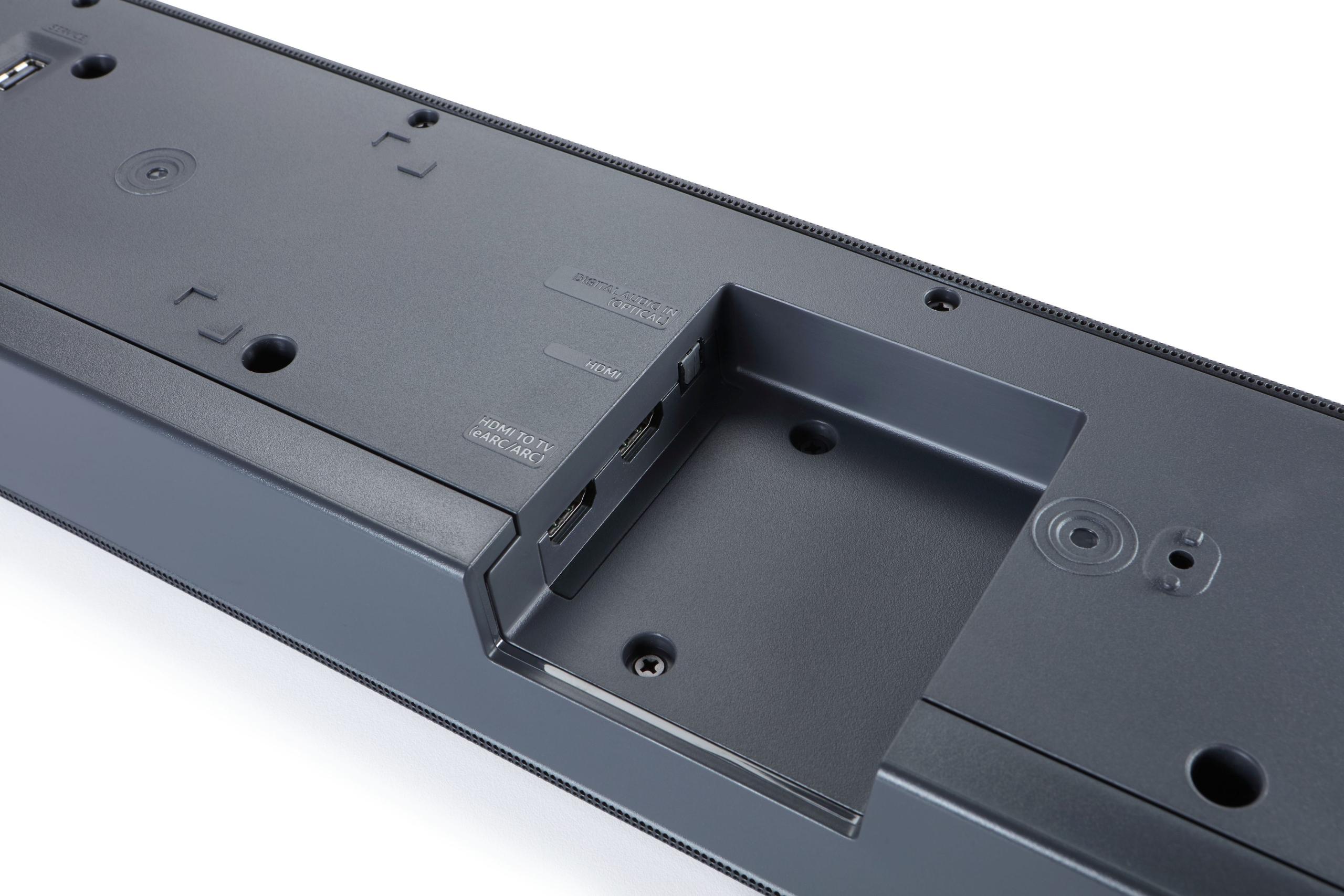
The JBL Bar 5.1 works equally well with any TV brand through standard HDMI eARC or optical connections. The Samsung Q Series 9.1.2 also works with all TVs but provides additional features like Q-Symphony (synchronized TV speakers) only when paired with Samsung TVs.
The JBL Bar 5.1 is easier to install with more flexible placement options and fewer room requirements. The Samsung Q Series 9.1.2 requires more careful positioning of rear speakers and adequate ceiling height (8+ feet) for optimal Dolby Atmos performance.
The JBL Bar 5.1 features unique detachable rear speakers that double as portable Bluetooth speakers for outdoor use or other rooms. The Samsung Q Series 9.1.2 has dedicated wireless rear speakers that stay in fixed positions for optimal surround sound.
The Samsung Q Series 9.1.2 offers superior gaming performance with Game Mode Pro that reduces audio delay and enhances directional sound cues for competitive gaming. The JBL Bar 5.1 provides adequate gaming audio but lacks specialized low-latency modes or directional optimization.
Both soundbars support Bluetooth music streaming. The Samsung Q Series 9.1.2 additionally offers AirPlay 2, Chromecast built-in, and advanced smart home integration through SmartThings. The JBL Bar 5.1 focuses on simpler Bluetooth connectivity without extensive smart features.
The JBL Bar 5.1 performs better in smaller spaces under 200 square feet, where its traditional surround processing and flexible speaker placement work well. The Samsung Q Series 9.1.2 needs larger rooms with proper ceiling height to effectively utilize its Dolby Atmos capabilities.
The Samsung Q Series 9.1.2 includes 11 total speakers across the main bar, wireless subwoofer, and rear speakers, with dedicated height channels for 3D audio. The JBL Bar 5.1 uses a traditional 5.1 speaker configuration with front channels, rear surrounds, and subwoofer.
The Samsung Q Series 9.1.2 excels in smart integration with SmartThings compatibility across 100+ device brands, built-in voice assistants, and seamless Samsung TV synchronization. The JBL Bar 5.1 offers basic smart features but focuses more on universal compatibility than advanced integration.
Both excel for entertainment but differently. The Samsung Q Series 9.1.2 provides cinematic Dolby Atmos effects perfect for action movies and streaming content with overhead sound positioning. The JBL Bar 5.1 delivers powerful traditional surround sound with impressive bass that works excellently for all movie genres and TV viewing.
We've done our best to create useful and informative comparisons to help you decide what product to buy. Our research uses advanced automated methods to create this comparison and perfection is not possible - please contact us for corrections or questions. These are the sites we've researched in the creation of this article: rtings.com - samsung.com - markselectrical.co.uk - techradar.com - walmart.com - samsung.com - samsung.com - youtube.com - samsung.com - biancos.com - crutchfield.com - samsung.com - jbl.com - jbl.com - jbl.com - tomsguide.com - jbl.com - bestbuy.com - bestbuy.com - jbl.com - jbl.com - worldwidestereo.com

Privacy Policy
Terms and Conditions - Affiliate Policy
Home Security
© Copyright 2008-2026.
11816 Inwood Rd #1211, Dallas, TX 75244