





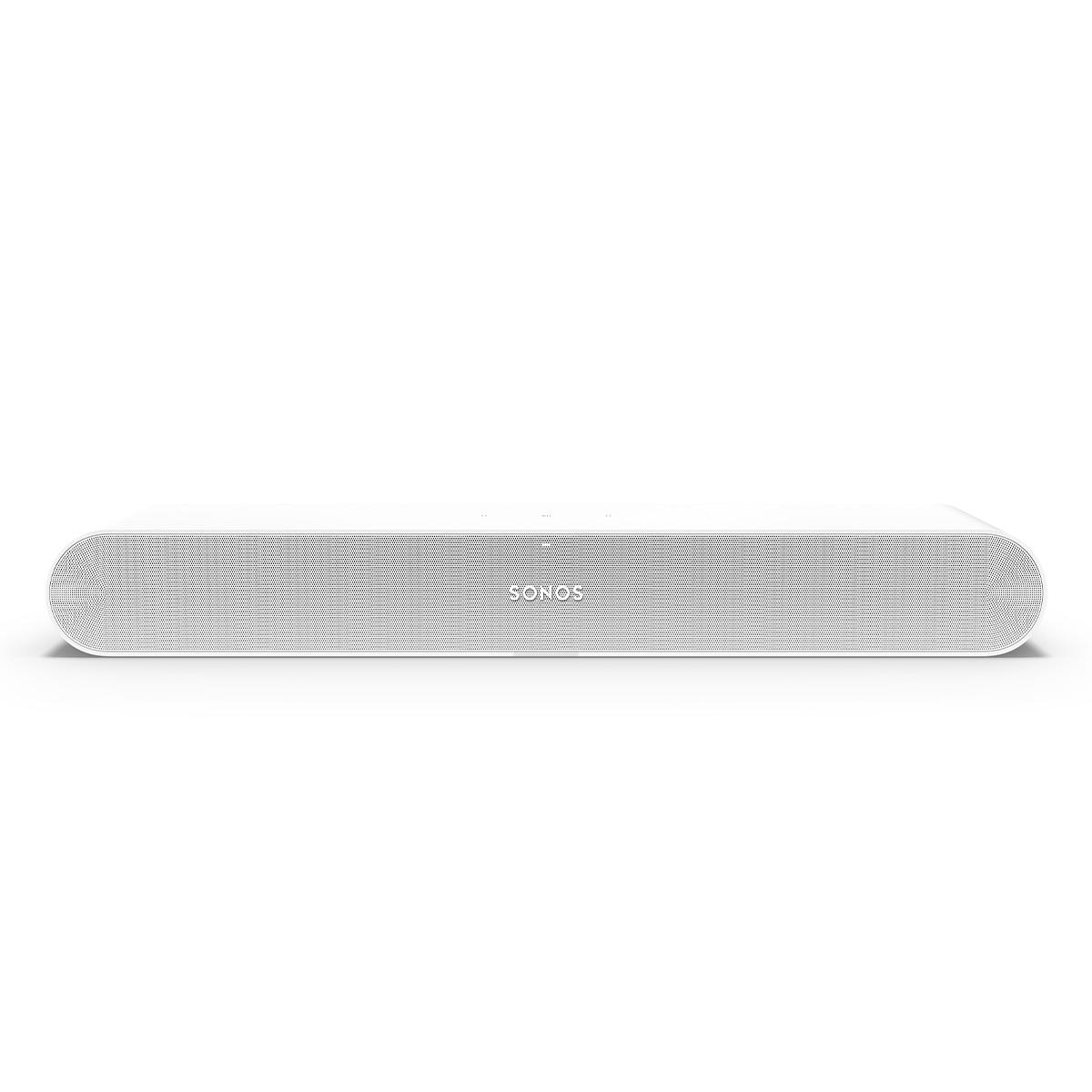
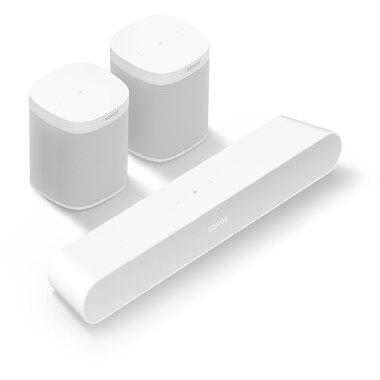
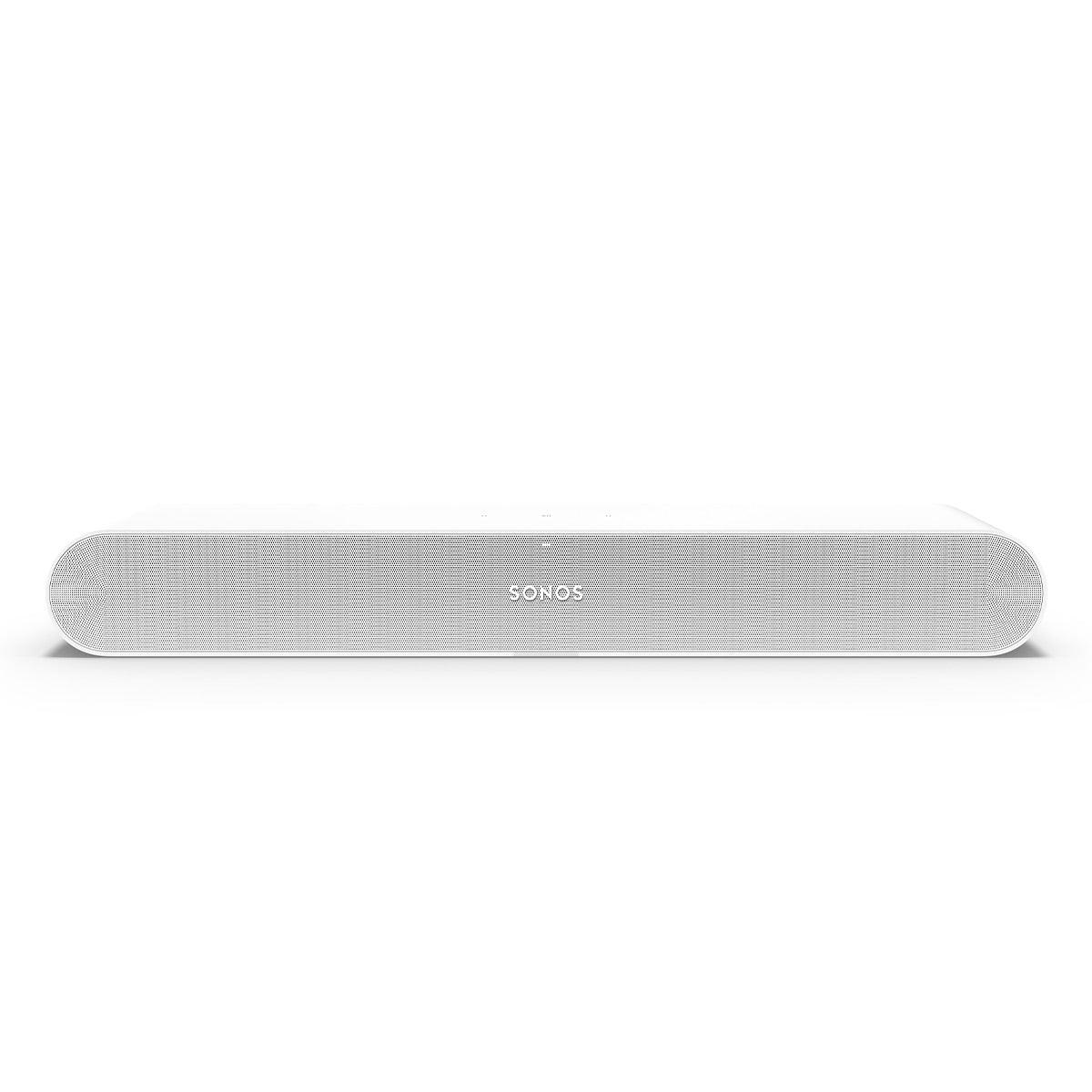
When your TV's built-in speakers just aren't cutting it anymore, you've probably started looking at soundbars. But walking into this market can feel overwhelming—there are dozens of options ranging from simple stereo bars to elaborate surround sound systems that promise to transform your living room into a movie theater. Today, we're comparing two soundbars that represent completely different approaches to solving your audio problems: the Hisense AX5140Q and the Sonos Ray.
These aren't just different products in the same category—they're solving fundamentally different problems. Think of it like comparing a pickup truck to a sports car. Both will get you where you're going, but they're built for entirely different journeys. Understanding which journey you're on is the key to making the right choice.
Before diving into our comparison, let's establish what we're dealing with in today's soundbar landscape. The technology has evolved dramatically since the early 2010s, when soundbars were essentially just wider versions of computer speakers that sat under your TV.
Modern soundbars fall into several distinct categories. At the basic level, you have stereo soundbars that focus on improving dialogue clarity and music reproduction—these are essentially fancy left and right speakers in one housing. Moving up, you'll find 2.1 systems that add a separate subwoofer for better bass response. Then things get interesting with true surround sound systems that include dedicated rear speakers, and at the top end, you have systems supporting Dolby Atmos and DTS:X—technologies that create overhead sound effects by bouncing audio off your ceiling.
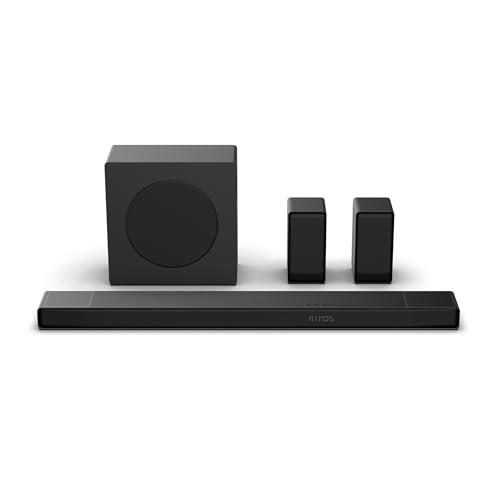
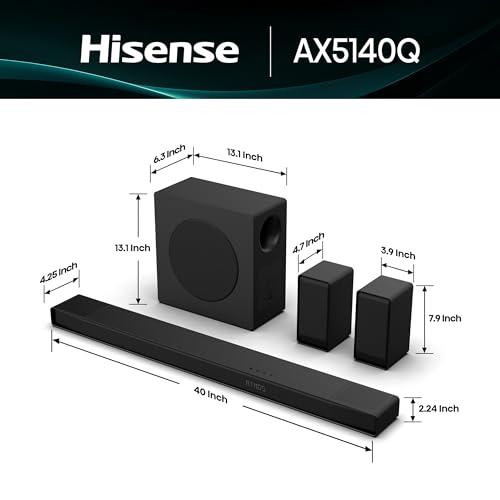
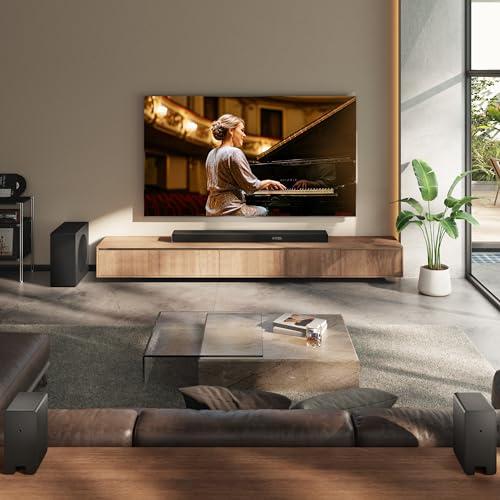
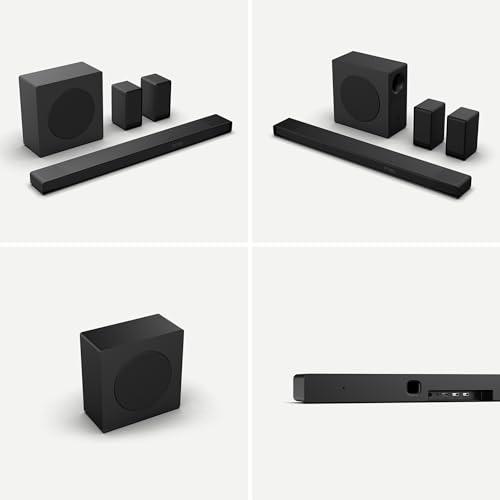
The Hisense AX5140Q represents that top-tier approach. Released in 2023, it's a complete 5.1.4-channel system, which means it has five main speakers (front left, center, front right, and two rears), one subwoofer (that's the ".1"), and four height channels (the ".4") for overhead effects. This isn't virtual surround sound created through fancy processing—these are actual physical speakers placed around your room.
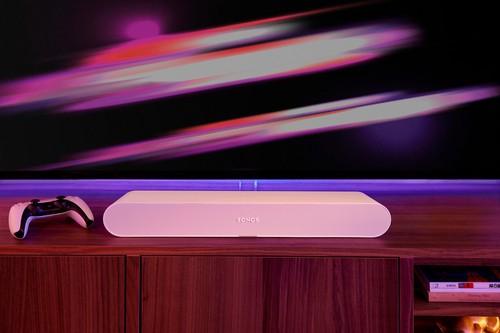
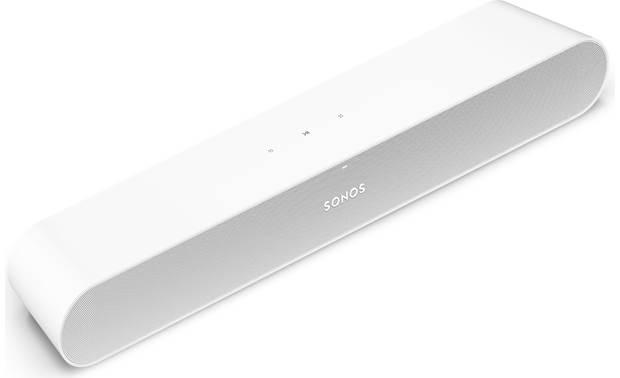
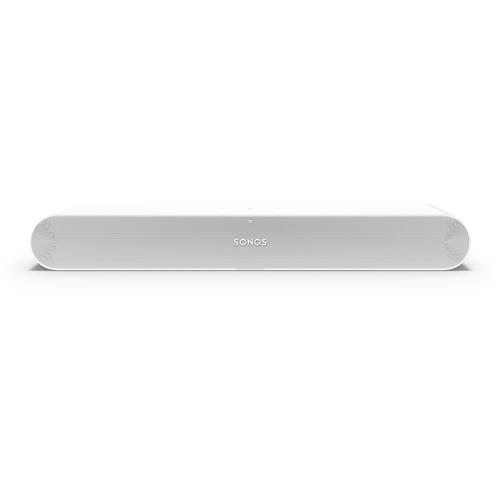
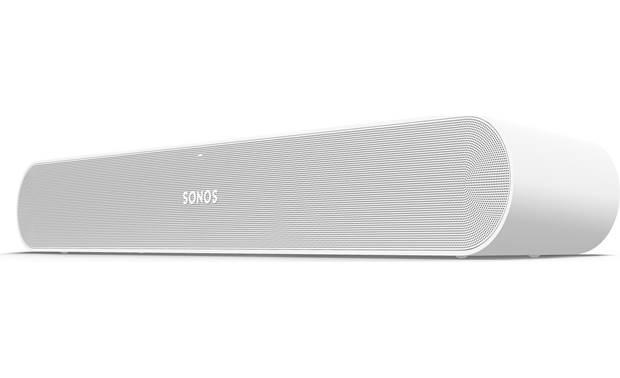
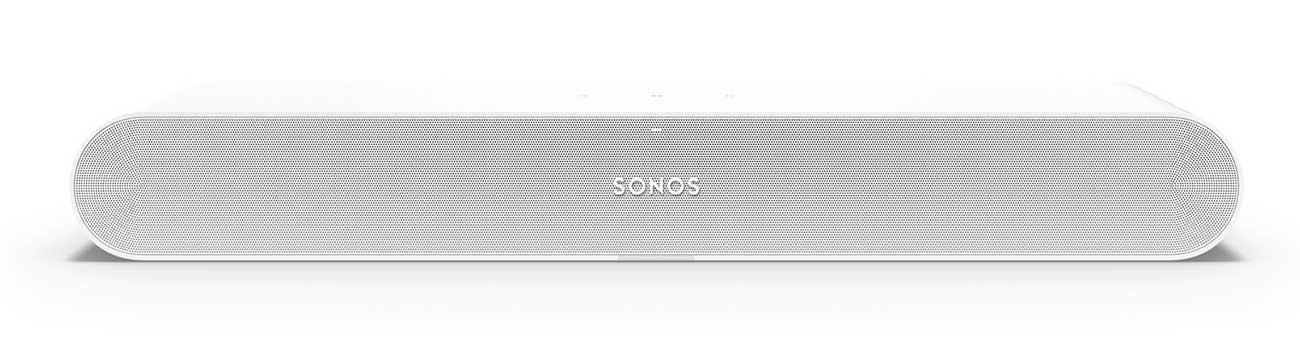
The Sonos Ray, launched in 2022, takes the opposite approach. It's a deliberately simplified stereo soundbar that focuses on doing fewer things exceptionally well rather than trying to recreate a full theater experience. While newer soundbars have been racing to add more channels and features, Sonos went the other direction, stripping away complexity to focus on what most people actually need most: clear dialogue and quality music playback.
When we talk about spatial audio, we're referring to sound that seems to come from specific locations around you rather than just from the front of the room. This is where the differences between these two systems become most apparent.
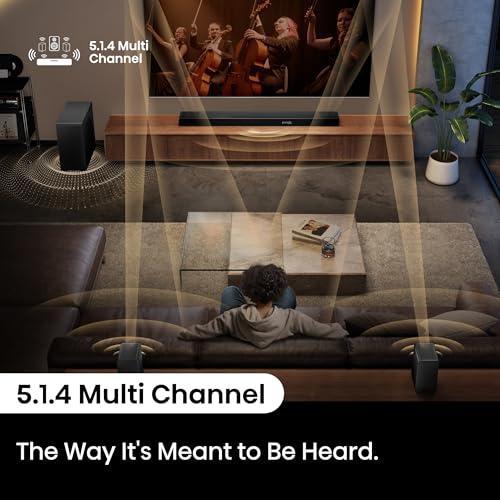
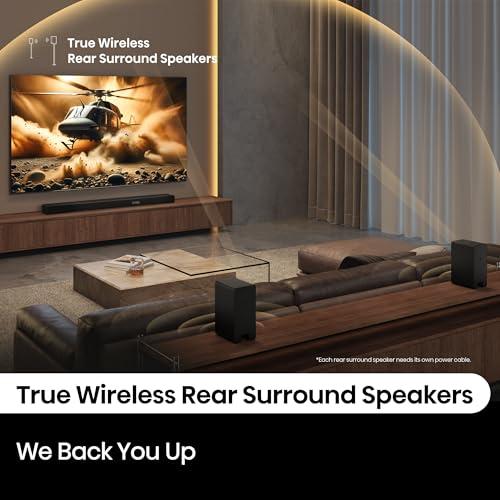
The Hisense AX5140Q creates what audiophiles call "true surround sound." Its wireless rear speakers physically place sound behind you—when a car drives across the screen from left to right, you'll hear it travel around the room. More impressively, its four up-firing speakers (two in the main soundbar, two in the rear speakers) bounce sound off your ceiling to create overhead effects. When a helicopter flies overhead in a movie, or rain falls in a nature documentary, the sound genuinely appears to come from above your head.
This Dolby Atmos and DTS:X capability represents a significant leap in home audio technology. These formats treat sound as objects that can be placed anywhere in three-dimensional space, rather than traditional surround sound that assigns audio to specific channels. It's the difference between a painter working with a few broad brushes versus having access to precision tools that can place each sound element exactly where the director intended.
Based on user reviews and expert evaluations, the Hisense AX5140Q delivers convincing overhead effects in properly configured rooms. Users consistently report feeling "enveloped" by the sound, with effects that genuinely seem to move around and above them. However, this performance depends heavily on your room's acoustics—specifically, you need a ceiling that's not too high (8-10 feet is ideal) and reasonably reflective surfaces for the up-firing speakers to work effectively.
The Sonos Ray makes no attempt at surround sound or height effects. Instead, it focuses all its engineering on creating an exceptionally good stereo experience. While it can receive 5.1 audio signals (like Dolby Digital from streaming services), it downmixes everything to stereo. This might sound like a limitation, but it's actually a strength for many listeners. Rather than trying to fake surround effects that might not work well in your specific room, the Ray ensures that what you do hear is clear, balanced, and consistent.
For dialogue-heavy content—which describes most TV watching—this focused approach often delivers better results. The Ray's stereo imaging (how well it separates left and right channel information) is reportedly excellent, creating a wide soundstage that makes voices and music feel more spacious than typical TV speakers without the potential pitfalls of poorly implemented surround processing.
Bass response might be the most immediately noticeable difference between these systems. The Hisense AX5140Q includes a dedicated 6.5-inch wireless subwoofer that can reproduce frequencies down to 40 Hz. To put that in context, most male voices bottom out around 80-100 Hz, while the deep rumbles in action movies and the low notes of pipe organs reach down to 30-40 Hz.
Users consistently praise the Hisense's bass performance as surprisingly powerful for a mid-range system. The wireless subwoofer means you can position it optimally in your room—often in a corner or along a wall where room boundaries naturally amplify low frequencies. This placement flexibility is crucial because bass response varies dramatically based on room position due to acoustic phenomena called standing waves and room modes.
The Sonos Ray, constrained by its compact single-unit design, simply cannot compete in this area. Multiple reviews emphasize that you shouldn't expect significant bass impact from this system. Its bass response is adequate for dialogue and casual music listening, but action movies, electronic music, and games with significant low-frequency content will feel noticeably thin.
This difference becomes critical when considering different content types. For movies, especially action films and thrillers, bass provides the impact that makes explosions feel visceral and creates the sense of scale that makes scenes feel epic. For music, particularly modern pop, hip-hop, and electronic genres, bass extension affects not just the enjoyment but the entire tonal balance of the mix.
Despite the Hisense AX5140Q's impressive surround capabilities, the Sonos Ray actually excels in the area most people care about most: dialogue clarity. This superiority comes from its focused engineering approach and careful acoustic tuning.
The Ray's acoustic architecture uses a pair of tweeters and two midrange drivers specifically optimized for speech intelligibility. Reviews consistently highlight its exceptional vocal clarity, with one professional review noting it sounds "emphatically better than any TV" for dialogue reproduction. The system's dialogue enhancement mode further boosts speech frequencies, while its night mode compresses dynamic range to keep voices clear while reducing loud effects that might disturb others.
The Hisense AX5140Q offers strong dialogue performance through its dedicated center channel and multiple EQ modes, including specific voice and news presets. However, some users report that during complex scenes with significant bass content, the subwoofer can occasionally overwhelm vocal frequencies, requiring adjustment of the bass level or switching between sound modes.
For the majority of TV watching—news, sitcoms, dramas, talk shows—the Sonos Ray's dialogue-focused approach often provides a more consistently satisfying experience. The Hisense shines when you want the full cinematic experience, but the Sonos ensures that every conversation is crisp and intelligible without requiring constant volume adjustments.
Music reproduction reveals another philosophical divide between these systems. The Sonos Ray was engineered with music as a primary consideration, and reviews consistently rate it as exceptional for stereo music playback at its price point. Its balanced frequency response and precise stereo imaging make it an excellent choice for streaming music, and its integration with services like Spotify Connect and Apple AirPlay 2 makes it a natural music hub.
The Hisense AX5140Q approaches music differently. Its multiple drivers and subwoofer can create impressive scale and impact for music, but its tuning prioritizes movie content. The system offers multiple EQ modes including a dedicated music preset, and the combination of tweeters, full-range drivers, and subwoofer provides wide frequency response. However, critical music listeners might find its sound signature less neutral than the Sonos approach.
For casual music listening—background music while cooking, party playlists, streaming while working—both systems perform well, but with different strengths. The Sonos provides more accurate tonal balance and better integration with music services, while the Hisense offers more scale and impact for music with significant dynamic range.
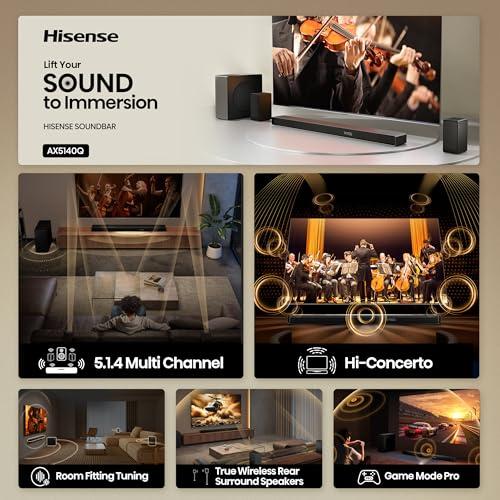
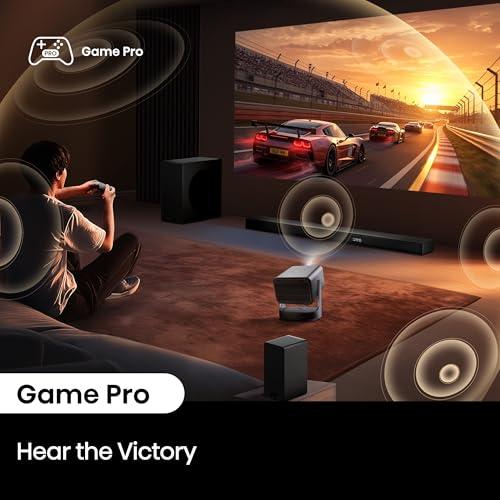
Gaming audio has become increasingly sophisticated, with many titles now supporting spatial audio formats that can significantly enhance the experience. The Hisense AX5140Q includes a dedicated Game Pro mode that optimizes processing for gaming scenarios, enhancing positional cues while reducing audio latency.
Console gamers report improved directional awareness in first-person shooters and racing games when using the Hisense system. The combination of true rear speakers and overhead effects can provide genuine competitive advantages in games where audio cues matter—hearing footsteps approach from behind or accurately locating enemies based on gunfire direction.
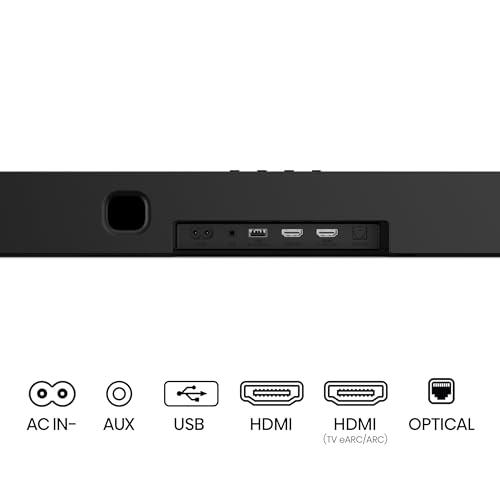
The system's HDMI input supports 4K 60Hz passthrough with 3D support, handling most gaming scenarios effectively. While it doesn't support the 120Hz refresh rates that high-end gamers might want, most users can connect their consoles directly to their TV and use eARC for audio, maintaining high refresh rate support while gaining the soundbar's processing capabilities.
The Sonos Ray, with only optical input and no specialized gaming features, provides minimal gaming enhancement beyond basic audio improvement over TV speakers. For competitive gaming or immersive single-player experiences, the limitation is significant.
The setup experience highlights the fundamental trade-offs between these systems. The Hisense AX5140Q requires positioning and connecting three separate components: the main soundbar, wireless subwoofer, and wireless rear speakers. However, users consistently report that the wireless components pair automatically out of the box, with most achieving full surround setup in under an hour.
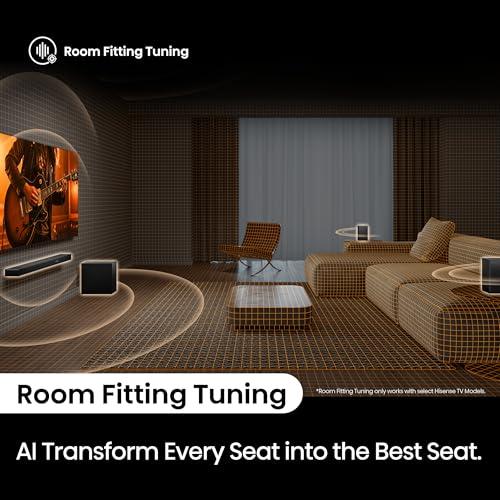
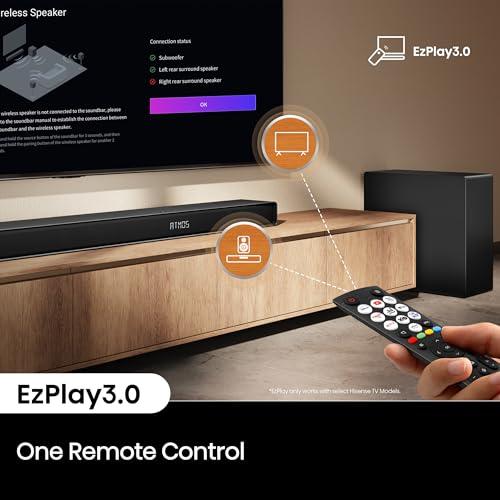
The system's room calibration feature—which uses test tones to adapt output to your specific space—adds a level of optimization that's unusual in this price range. When properly configured with Hisense TVs that support the Hi-Concerto integration platform, the system can be controlled through the TV interface with coordinated power management and unified remote control.
The Sonos Ray prioritizes simplicity with single-unit installation requiring only optical cable connection. The Sonos app handles setup and provides ongoing control, including the sophisticated Trueplay room correction feature that uses iOS device microphones to measure and optimize sound for your specific room acoustics.
However, the Ray's optical-only connectivity can be limiting with modern TV setups optimized around HDMI eARC. Users with multiple devices might find themselves managing input switching on both the TV and soundbar, whereas the Hisense's HDMI connectivity enables more seamless integration.
At the time of writing, these systems occupy very different value propositions. The Hisense AX5140Q typically costs roughly twice as much as the Sonos Ray, but includes approximately three times the physical audio components (soundbar, subwoofer, and two rear speakers versus a single soundbar).
From a pure channel-count perspective, the Hisense represents exceptional value—you're getting a complete 5.1.4 system with wireless rear speakers and subwoofer for less than many premium soundbars that offer only front-channel reproduction. This value becomes even more apparent when compared to traditional component systems, where purchasing an AV receiver, speakers, and subwoofer separately would cost significantly more.
The Sonos Ray's value lies in different areas: build quality, brand ecosystem integration, and focused performance optimization. Sonos products typically maintain their value well and offer extensive upgrade paths within the ecosystem. The Ray can be expanded with additional Sonos speakers, surrounds, or subwoofers over time, though building a complete surround system this way would ultimately cost more than the Hisense.
For dedicated home theater use, the Hisense AX5140Q represents a significant step toward authentic cinematic reproduction. Its discrete rear speakers and overhead effects create the immersive experience that makes action movies feel epic and draws you into dramatic scenes. The system's multiple sound modes—Movie, Game Pro, Sport, and others—optimize processing for different content types, though the Movie mode will be most relevant for theater use.
However, the system's performance depends heavily on room configuration. The rear speakers need adequate placement space behind the primary seating area, and the up-firing speakers require appropriate ceiling height and reflectivity. In rooms with very high ceilings, excessive acoustic treatment, or challenging layouts, the overhead effects may be less convincing.
The Sonos Ray wasn't designed for home theater applications, though it can serve admirably in secondary rooms or apartments where space constraints make multi-speaker systems impractical. Its strength in dialogue clarity makes it excellent for TV-focused entertainment, but it lacks the dynamic range and bass extension needed for theatrical impact.
After evaluating both systems extensively, the choice comes down to understanding your priorities and usage patterns rather than simply comparing specifications.
Choose the Hisense AX5140Q if you're building a entertainment-focused setup where movies, games, and immersive content are priorities. The system excels when you have the space for proper speaker placement and want to experience modern spatial audio formats as intended. It's particularly compelling for users who watch action movies, play console games, or simply want the most complete audio experience possible within reasonable budget constraints.
The system makes sense for primary entertainment rooms where the visual setup can accommodate the additional components. If you're already investing in a larger TV and streaming setup, the Hisense provides a proportional audio upgrade that transforms the entire experience.
Choose the Sonos Ray if your priority is enhancing everyday TV watching and music listening rather than creating theatrical experiences. It's ideal for apartments, bedrooms, offices, or any space where simplicity and dialogue clarity matter more than surround effects. The system shines for users who primarily consume TV shows, news, podcasts, and music, and who value brand ecosystem integration and future expandability.
The Ray also makes sense as a secondary system for users who might have a more elaborate setup in their main entertainment area but want quality audio in other rooms without the complexity of multiple components.
Ultimately, both systems succeed at their intended purposes. The Hisense AX5140Q delivers authentic surround sound at an impressive price point, while the Sonos Ray provides focused stereo enhancement with exceptional build quality and ecosystem integration. Your choice should be based on which approach better matches your space, content preferences, and long-term audio goals rather than simply comparing feature lists or prices.
| Hisense AX5140Q | Sonos Ray |
|---|---|
| System Configuration - Determines surround sound capability and setup complexity | |
| 5.1.4 channel system with soundbar, wireless subwoofer, and wireless rear speakers | Stereo soundbar only, no additional components |
| Dolby Atmos & DTS:X Support - Essential for overhead effects in modern movies and streaming | |
| Full Dolby Atmos and DTS:X with four physical up-firing speakers | No Dolby Atmos support, stereo enhancement only |
| Bass Performance - Critical for movie impact and music fullness | |
| Dedicated 6.5" wireless subwoofer with 40 Hz frequency response | Compact drivers only, limited bass extension |
| HDMI Connectivity - Affects integration with modern TVs and devices | |
| HDMI eARC with 4K 60Hz passthrough and additional HDMI input | Optical input only, no HDMI connectivity |
| Wireless Connectivity - Important for streaming music and smart features | |
| Bluetooth 5.3 for audio streaming | Wi-Fi, Bluetooth, Apple AirPlay 2, Spotify Connect |
| Smart Features & Room Calibration - Helps optimize sound for your specific space | |
| AI EQ mode, room fitting tuning, Hi-Concerto TV integration | Trueplay room correction (iOS only), Sonos app control |
| Gaming Features - Matters if you use game consoles regularly | |
| Game Pro mode with optimized processing for positional audio | Basic stereo enhancement only |
| Expandability - Affects future upgrade options | |
| Complete system as shipped, limited expansion options | Part of Sonos ecosystem, can add surrounds/sub later |
| Setup Complexity - Consider your comfort with multiple wireless components | |
| Three components require positioning but pair automatically | Single unit with optical cable connection |
| Dialogue Clarity Focus - Most important for TV shows and news | |
| Good with dedicated modes, but can be overwhelmed by bass in complex scenes | Exceptional dialogue clarity optimized as primary focus |
The Hisense AX5140Q is significantly better for movies due to its true 5.1.4 surround sound with Dolby Atmos and DTS:X support. It creates genuine overhead effects and room-filling audio with its wireless subwoofer and rear speakers. The Sonos Ray excels at dialogue clarity for TV shows but lacks surround sound capabilities and meaningful bass for cinematic impact.
Yes, a subwoofer makes a dramatic difference for movies, music, and gaming. The Hisense AX5140Q includes a dedicated 6.5" wireless subwoofer that provides deep bass down to 40 Hz, essential for action movies and full-range music. The Sonos Ray has no subwoofer and limited bass response, making it suitable mainly for dialogue-focused content.
The Sonos Ray is much easier to set up, requiring only an optical cable connection and basic app configuration. The Hisense AX5140Q requires positioning three separate components (soundbar, subwoofer, and rear speakers), though users report the wireless components pair automatically and setup typically takes under an hour.
Both soundbars work with any TV brand. The Hisense AX5140Q connects via HDMI eARC or optical and includes special integration features for Hisense TVs. The Sonos Ray connects via optical input and works with any TV that has optical audio output, which includes virtually all modern televisions.
The Sonos Ray is ideal for small spaces due to its compact single-unit design and focus on dialogue clarity without requiring additional components. The Hisense AX5140Q needs space for rear speakers and a subwoofer, making it less suitable for tight living situations or noise-sensitive environments.
Only the Hisense AX5140Q supports true Dolby Atmos with four physical up-firing speakers that create overhead sound effects. The Sonos Ray does not support Dolby Atmos at all and focuses purely on stereo enhancement, downmixing any surround content to two channels.
The Sonos Ray is generally better for dedicated music listening due to its balanced stereo tuning and excellent integration with streaming services like Spotify Connect and Apple AirPlay 2. The Hisense AX5140Q can play music with more impact thanks to its subwoofer, but it's tuned primarily for movie content rather than musical accuracy.
The Sonos Ray offers extensive expandability within the Sonos ecosystem - you can add rear speakers, a subwoofer, or additional room speakers over time. The Hisense AX5140Q comes as a complete system with limited expansion options, but it already includes all the components most people need for full surround sound.
The Hisense AX5140Q is significantly better for gaming with its Game Pro mode that enhances positional audio cues and its true surround sound for directional awareness in competitive games. The Sonos Ray offers only basic stereo enhancement with no specialized gaming features or surround effects.
Both excel at dialogue but in different ways. The Sonos Ray is specifically engineered for exceptional dialogue clarity and is consistently rated as one of the best for speech intelligibility. The Hisense AX5140Q offers good dialogue through dedicated voice modes, but its performance can vary depending on the complexity of the audio mix and bass settings.
The Hisense AX5140Q offers exceptional value for those wanting complete surround sound, providing a soundbar, subwoofer, and rear speakers for roughly twice the cost of the Sonos Ray. The Sonos Ray provides excellent value for focused stereo enhancement and dialogue improvement without the complexity of multiple components.
The Hisense AX5140Q uses wireless connectivity between its soundbar, subwoofer, and rear speakers, requiring only power cables for each component. It also supports Bluetooth 5.3 for music streaming. The Sonos Ray connects to your TV via cable but offers extensive wireless streaming options including Wi-Fi, Bluetooth, and AirPlay 2 for music from phones and tablets.
We've done our best to create useful and informative comparisons to help you decide what product to buy. Our research uses advanced automated methods to create this comparison and perfection is not possible - please contact us for corrections or questions. These are the sites we've researched in the creation of this article: shop.hisense-usa.com - manuals.plus - dolby.com - youtube.com - gzhls.at - rtings.com - youtube.com - bestbuy.com - manuals.plus - bestbuy.com - hisense-usa.com - youtube.com - device.report - manuals.plus - youtube.com - device.report - manuals.plus - youtube.com - tomsguide.com - soundandvision.com - youtube.com - techradar.com - en.community.sonos.com - rtings.com - howtogeek.com - youtube.com - cnet.com - sonos.com - videoandaudiocenter.com

Privacy Policy
Terms and Conditions - Affiliate Policy
Home Security
© Copyright 2008-2026.
11816 Inwood Rd #1211, Dallas, TX 75244