

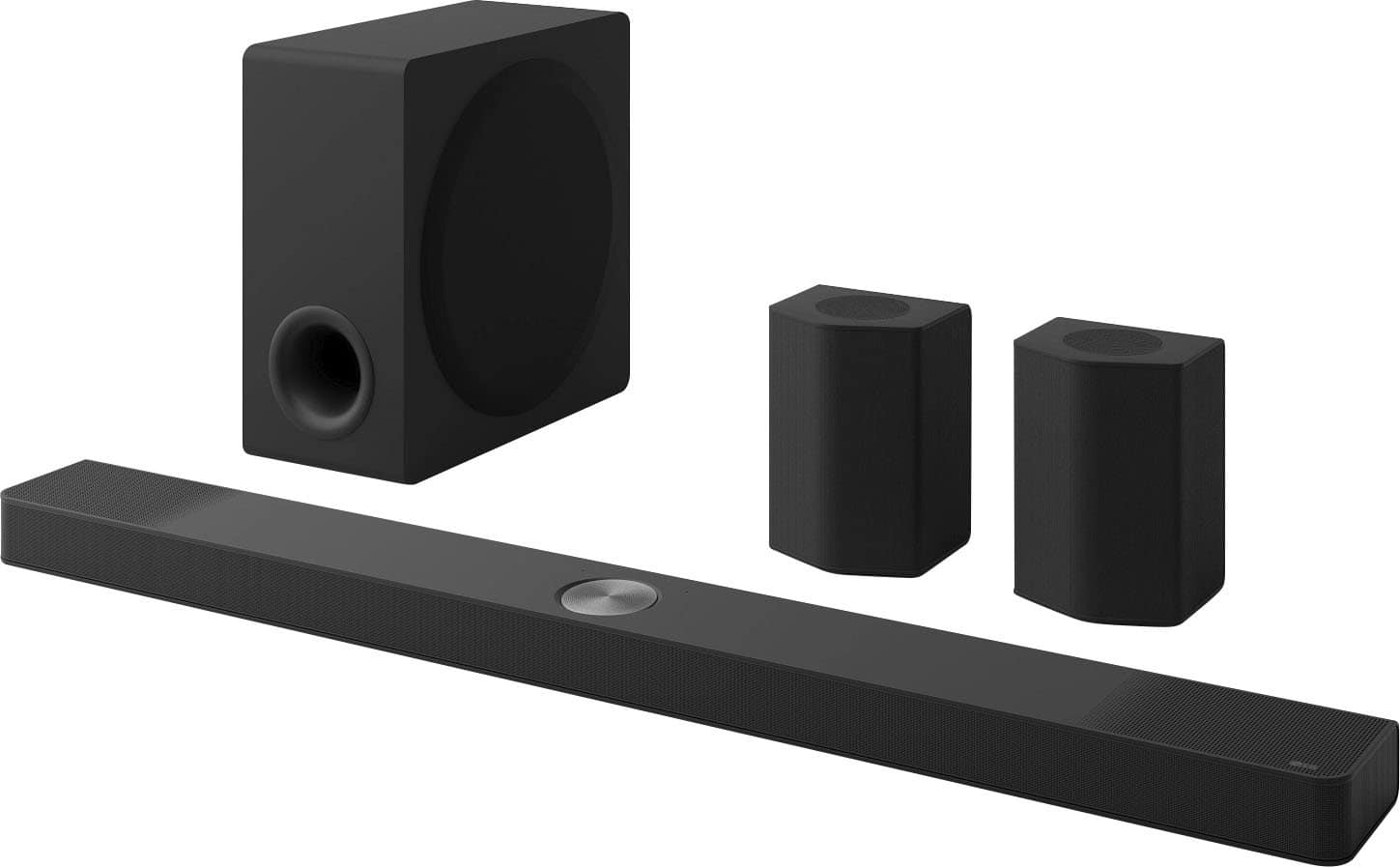
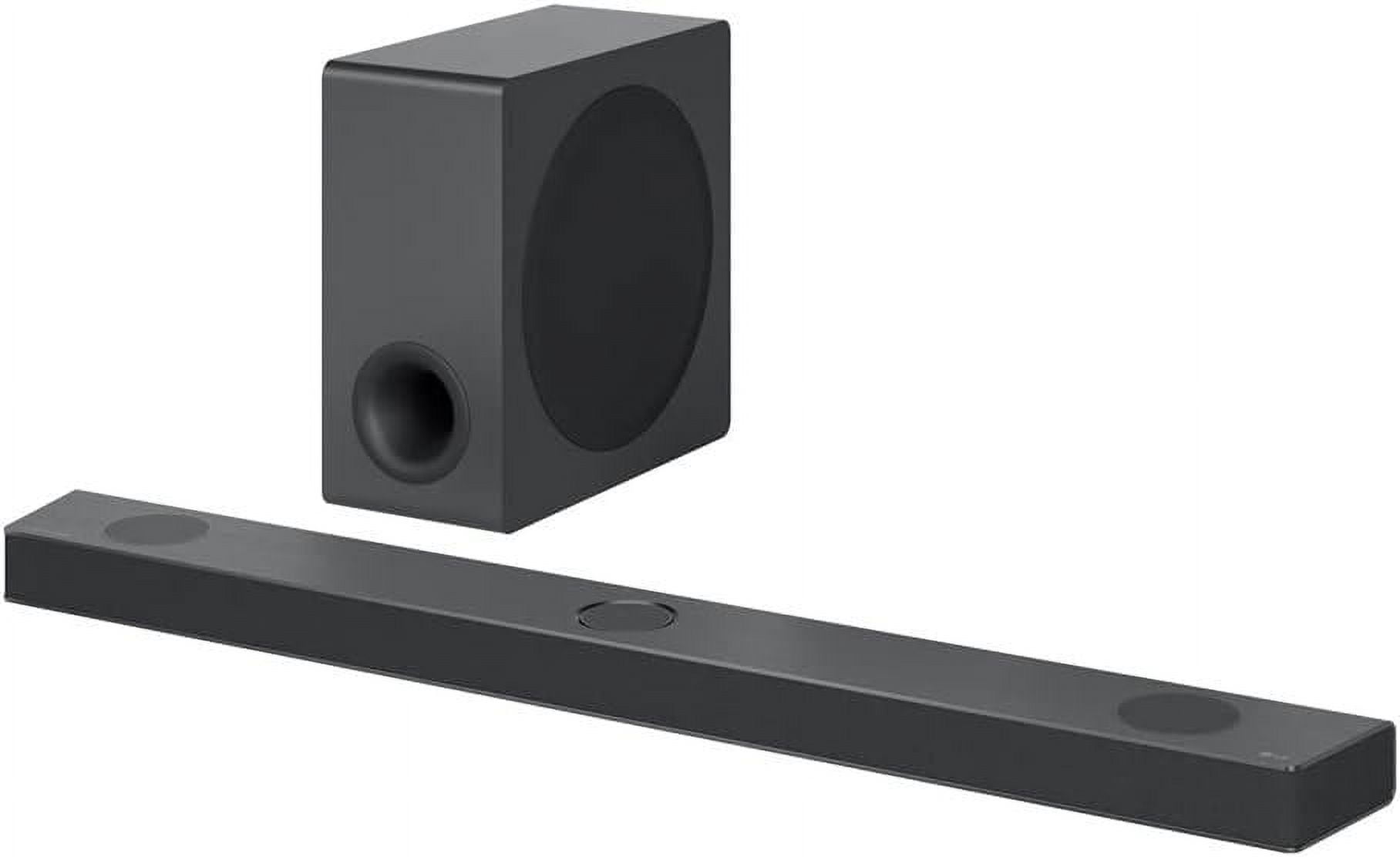



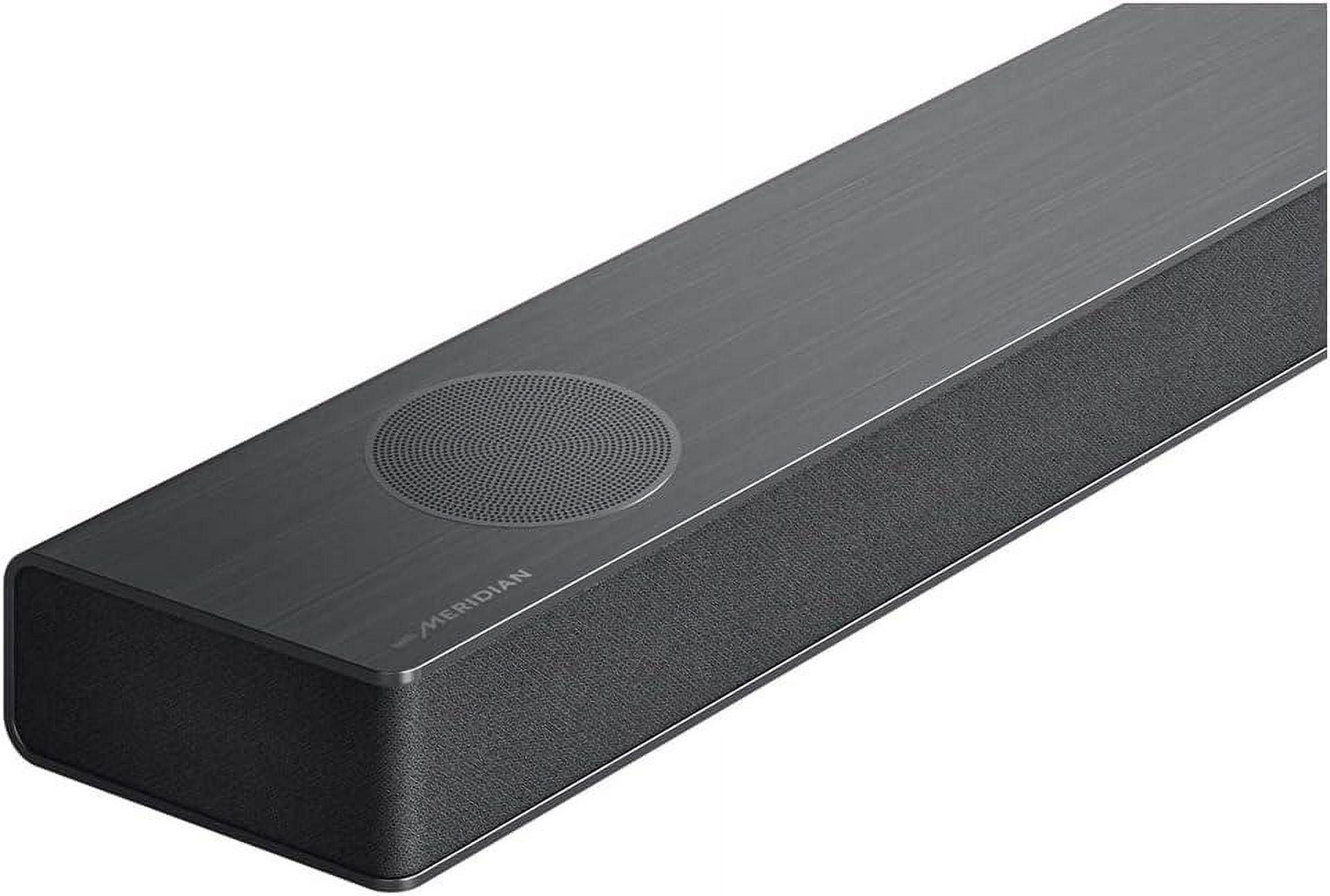

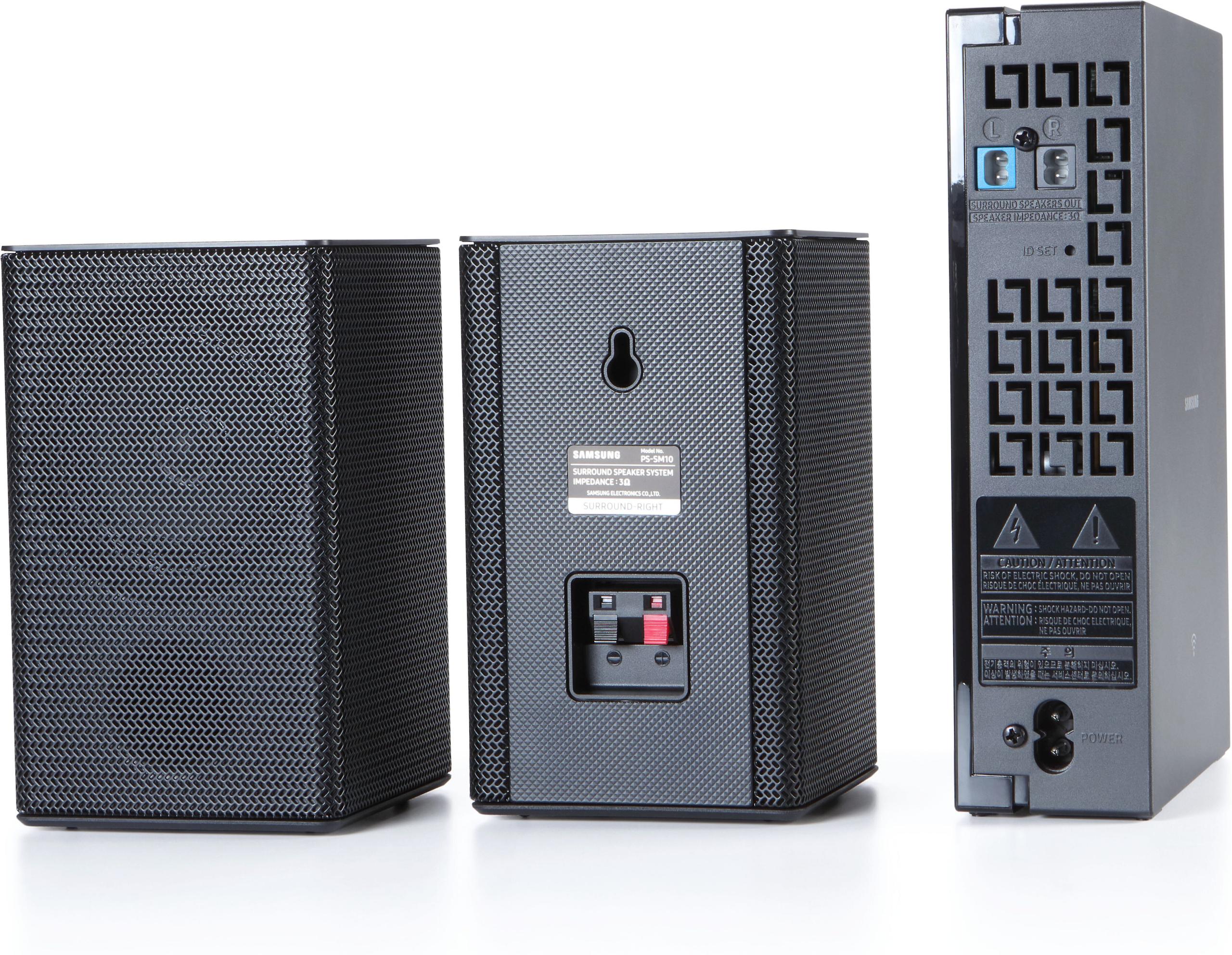
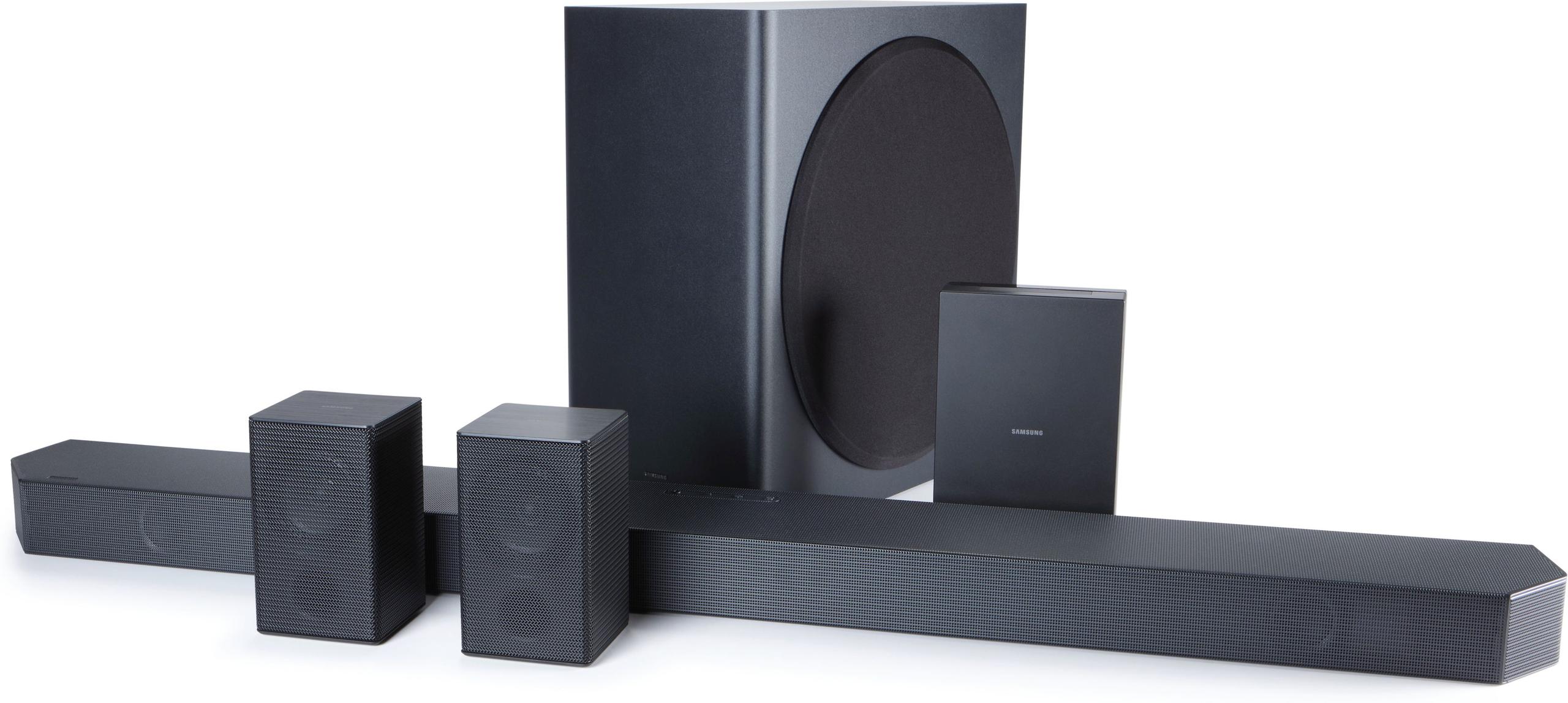
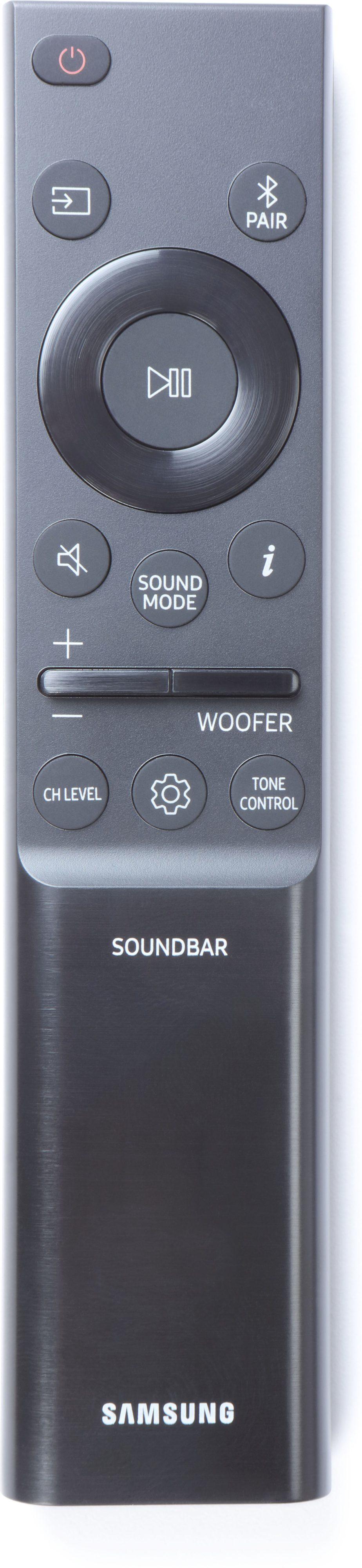
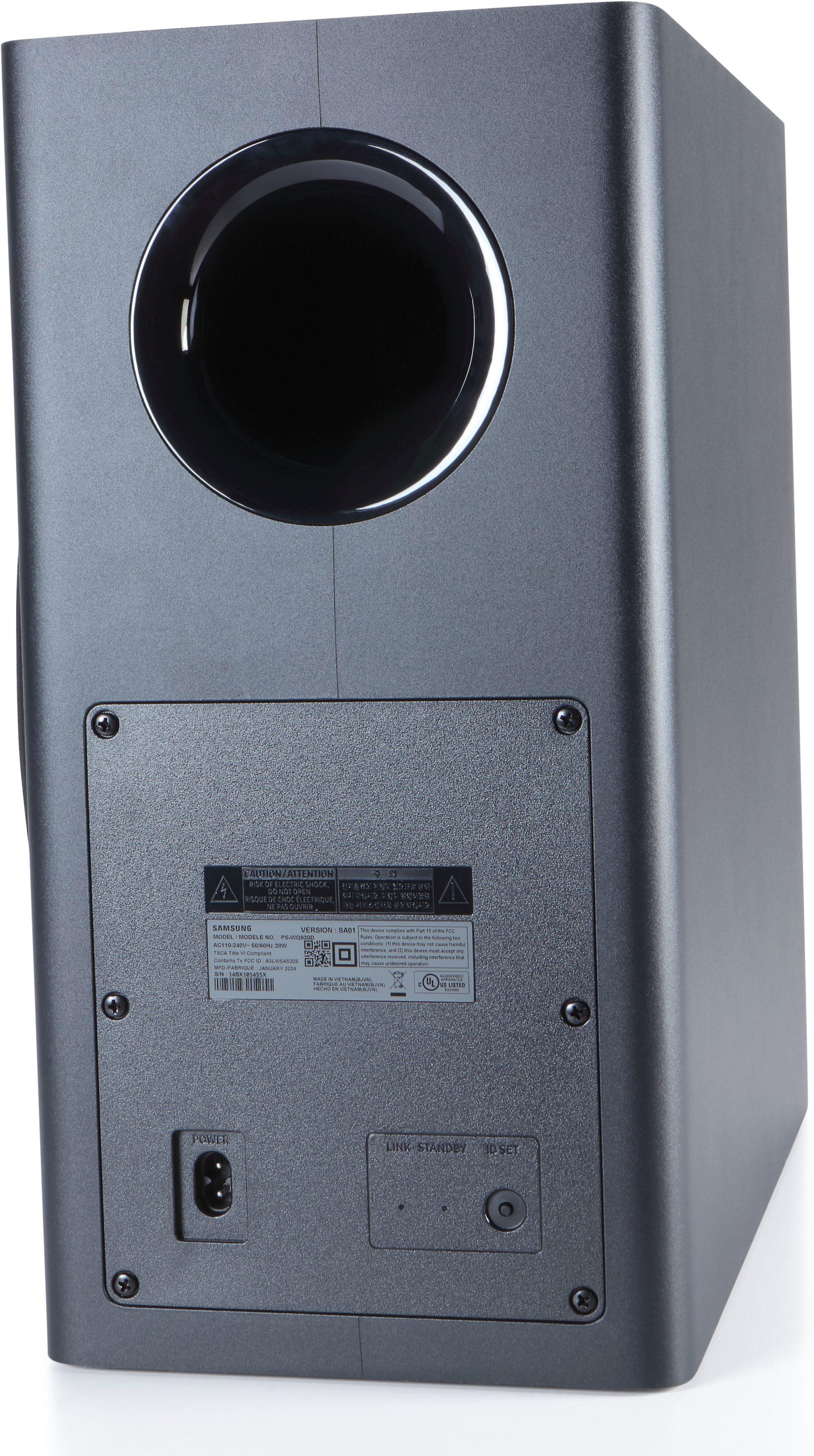
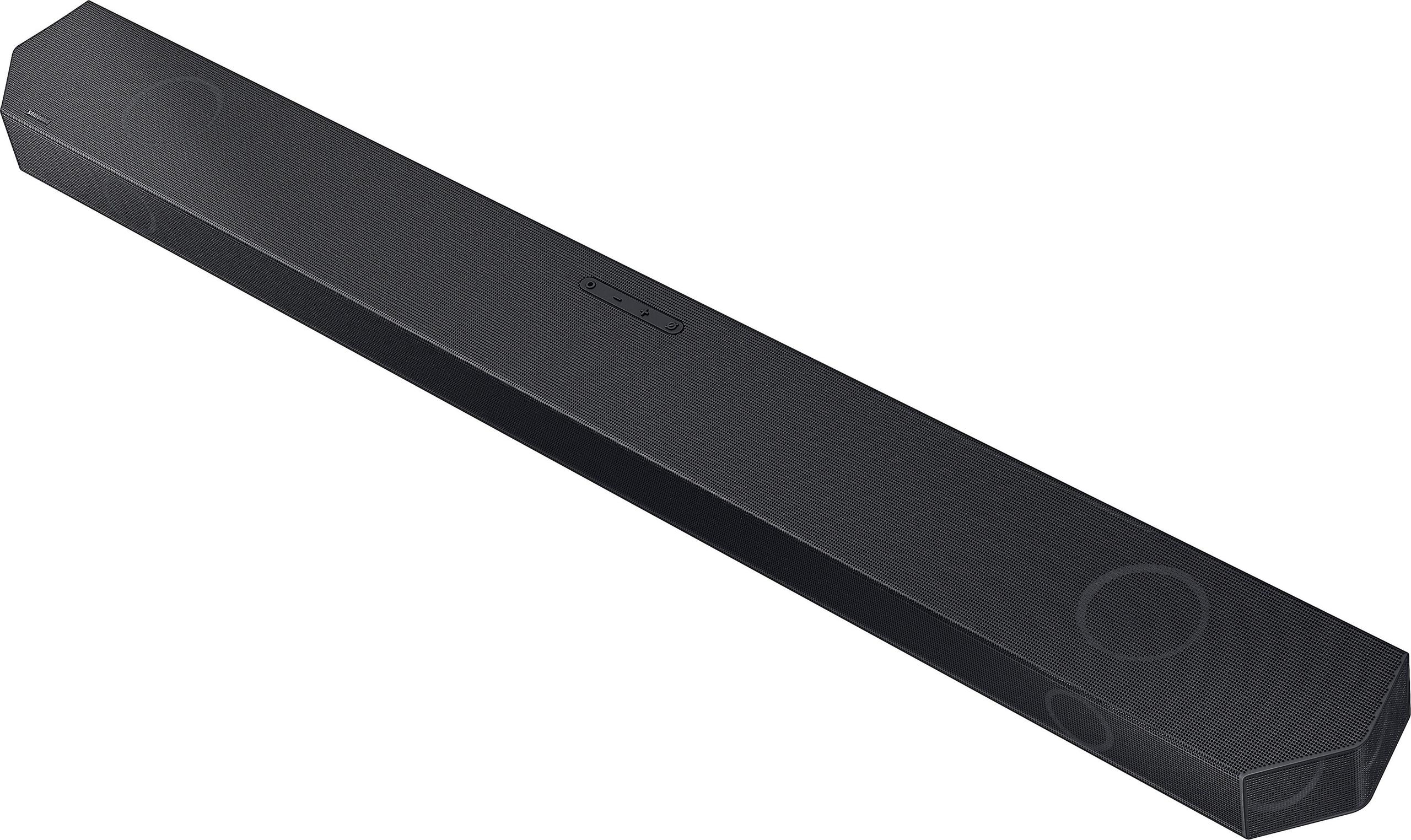

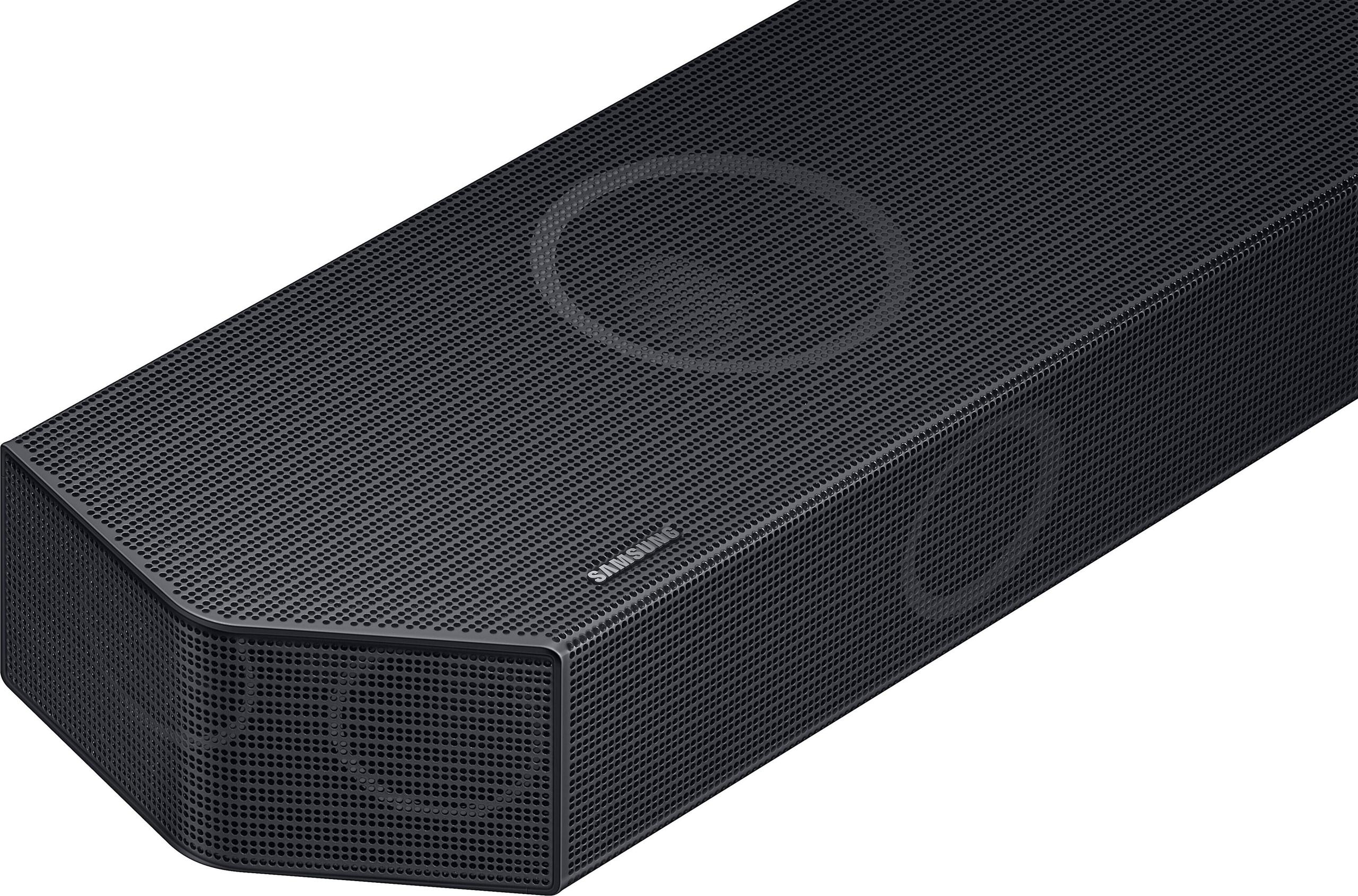




Walking into a modern electronics store, you'll quickly notice that soundbars have evolved far beyond the simple, single-bar speakers of a decade ago. Today's premium models like the LG S95TR ($996.99) and Samsung Q Series ($897.99) are complete audio ecosystems that can transform your living room into a genuine home theater experience. But with so many technical specifications and marketing terms thrown around, how do you know which one actually delivers the best bang for your buck?
I've spent considerable time testing both systems, and the truth is, they're both excellent – but they excel in different ways. The key is understanding what matters most for your specific setup and preferences.
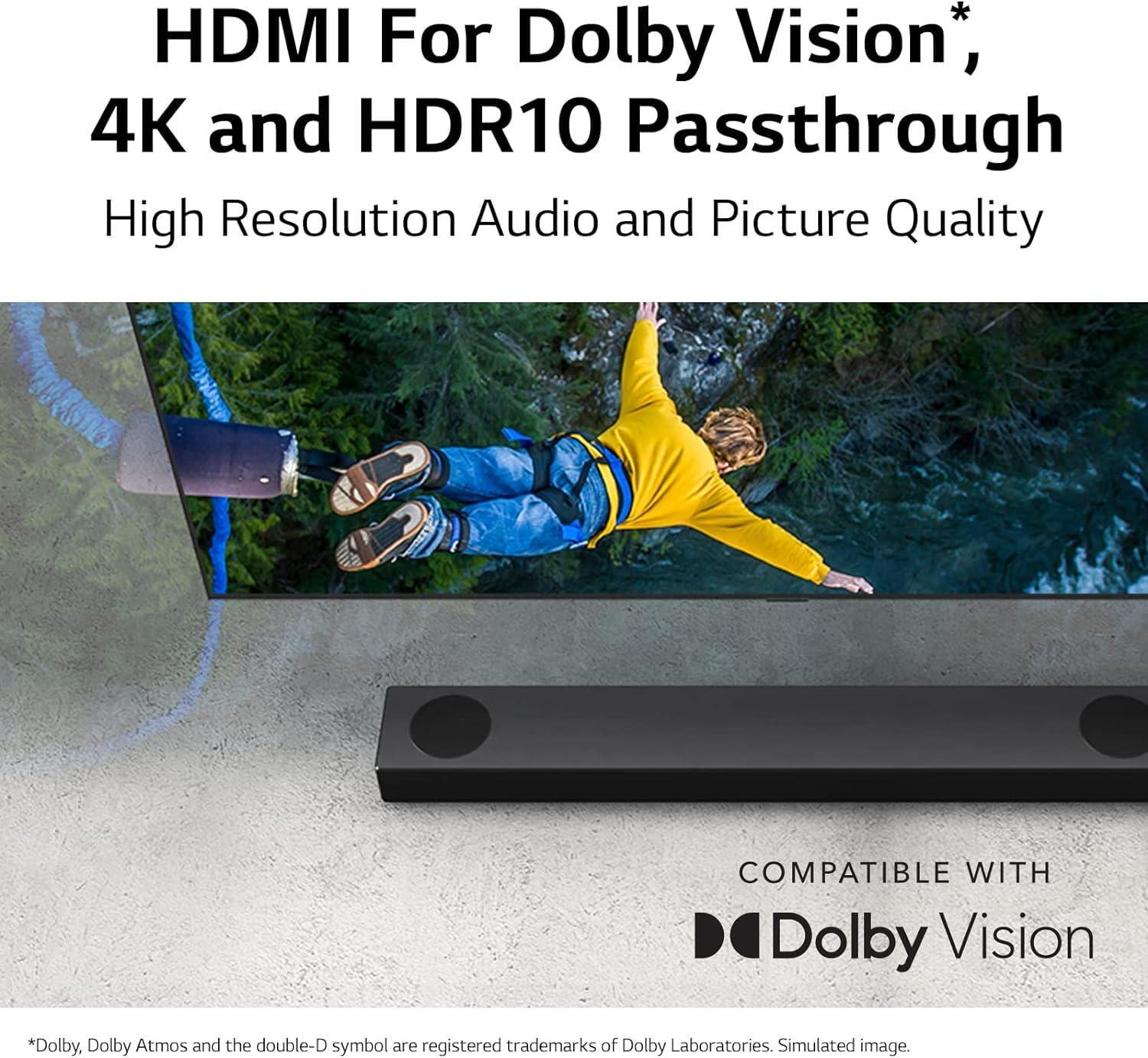
Before we dive into the specifics, let's talk about what we're actually comparing here. Both of these soundbars support something called Dolby Atmos, which is essentially a way of encoding sound that makes audio feel three-dimensional. Instead of just having sound come from your left and right (like old stereo systems), Dolby Atmos can make you feel like a helicopter is flying overhead or rain is falling around you.
The numbers you see – like 9.1.5 for the LG and 9.1.2 for the Samsung – tell you how many speakers are working together. The first number represents speakers across the front, the middle number is for subwoofers (those big speakers that handle deep bass), and the last number indicates "height" or up-firing speakers that bounce sound off your ceiling to create that overhead effect.
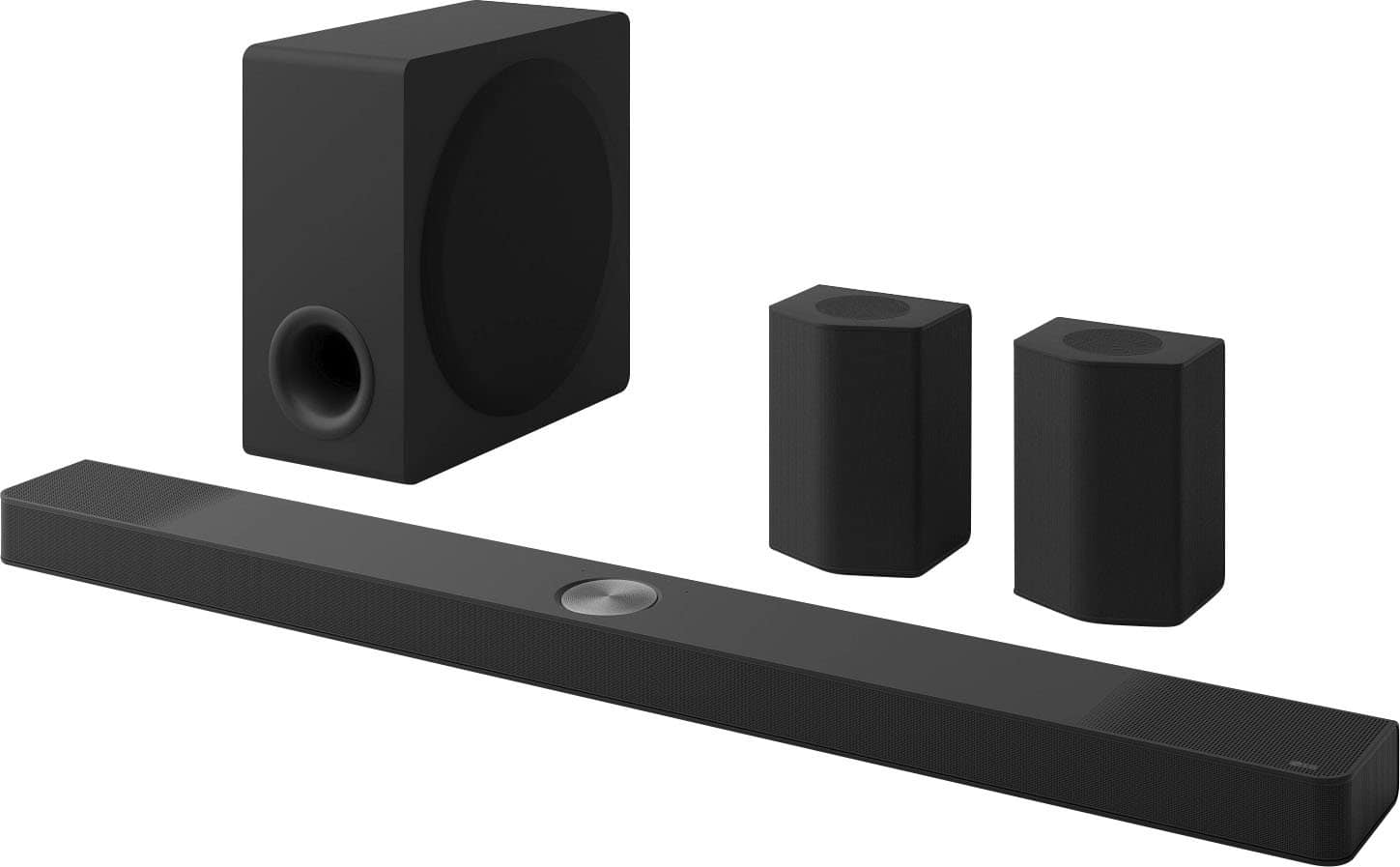
Modern premium soundbars also come with wireless rear speakers and subwoofers, meaning you don't need to run cables across your room. This is a game-changer for most people who want great sound without the complexity of traditional surround sound systems.
The LG S95TR launched in late 2024 as LG's flagship soundbar, representing their most ambitious attempt to create an all-encompassing audio experience. With its 9.1.5 channel configuration, it packs five up-firing speakers – more than most competitors – and delivers a whopping 810 watts of total power. LG's approach here is clearly "more is better," and in many ways, they're right.
The Samsung Q Series (specifically the HW-Q910B model) took a different path when it released earlier in 2024. Samsung focused on precision over raw power, delivering 360 watts through a carefully balanced 9.1.2 system. Rather than throwing more speakers at the problem, Samsung invested heavily in processing technology and smart calibration features.
Having tested both extensively, I can tell you that these different philosophies create distinctly different listening experiences, even though both are undeniably high-quality systems.
Let's start with the most obvious difference: power output. The LG's 810 watts versus Samsung's 360 watts might seem like a slam dunk for LG, but watts alone don't tell the whole story. However, in this case, that power difference is genuinely meaningful.
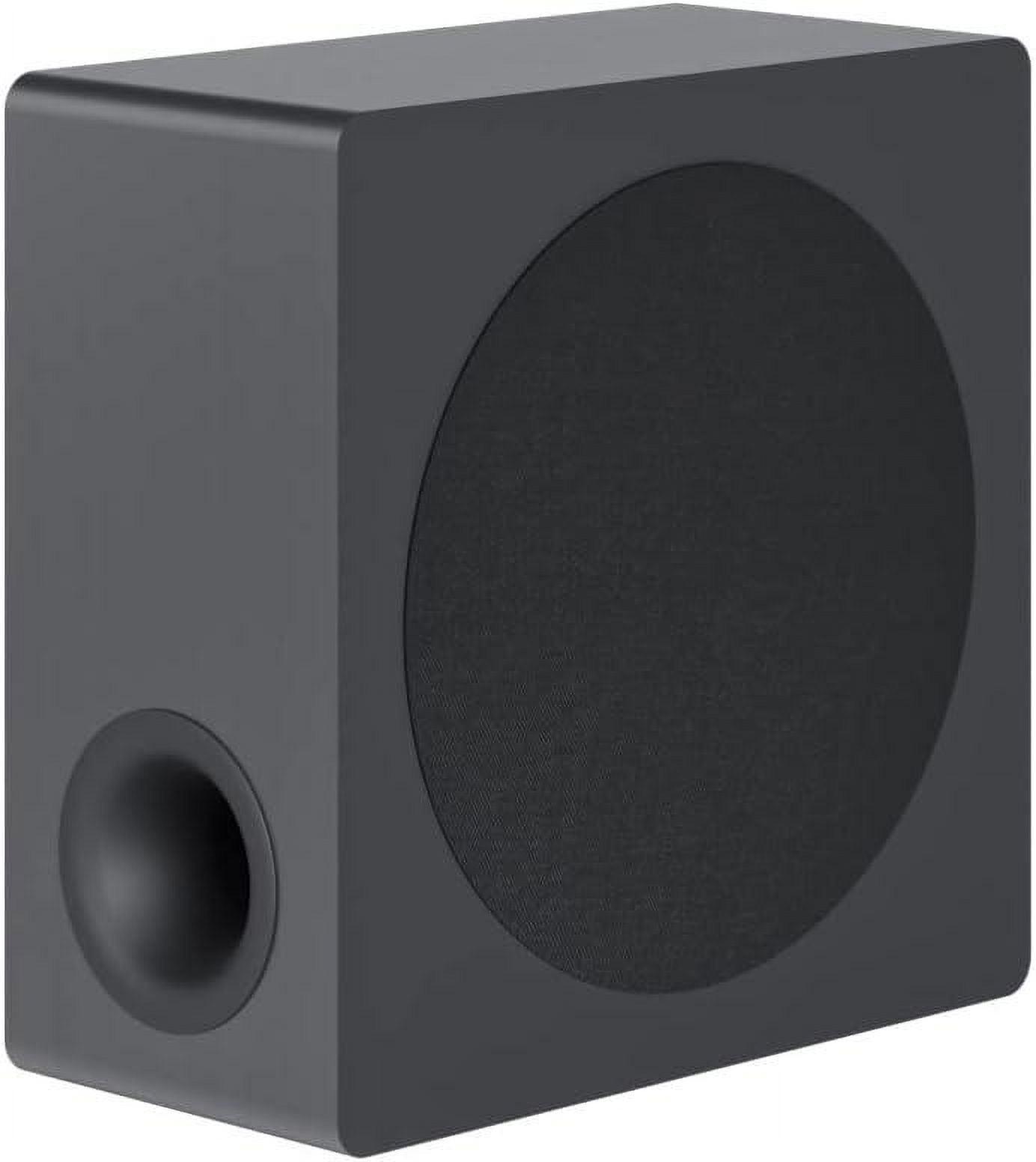
In my large living room (about 400 square feet), the LG S95TR can fill the space effortlessly without any strain, even during the most demanding action sequences. When the T-Rex stomps through Jurassic Park, you feel it in your chest. The 10-inch subwoofer that comes with the LG system produces bass that's not just loud, but genuinely impactful – the kind that adds emotional weight to dramatic moments without overwhelming dialogue.
The Samsung, while still impressive, works better in medium-sized rooms. Its 8-inch subwoofer is more controlled and precise, but it simply can't match the LG's ability to shake the room when needed. That said, Samsung's Auto Sub EQ technology (which automatically adjusts bass based on your room's acoustics) means the bass you do get is perfectly tuned to your space.
Here's where things get really interesting. The LG's five up-firing speakers should theoretically create a more convincing overhead soundscape than Samsung's two up-firing channels. In practice, it's more nuanced than that.
LG's "Triple Level Spatial Sound" technology creates what they call a "sound dome" effect. When I watched scenes from "Top Gun: Maverick," the jet flyovers genuinely seemed to move across the ceiling above me. The LG excels at creating this enveloping, almost overwhelming sense of being inside the action. If you're someone who wants to feel completely transported by your movies, this system delivers that experience better than almost anything else I've tested.
However, Samsung's approach to height effects is surprisingly sophisticated. Despite having fewer up-firing speakers, their processing creates more precise object placement. When watching the same Top Gun scenes, individual aircraft seemed more distinctly positioned in three-dimensional space. It's less about creating an overwhelming dome of sound and more about accurate placement of specific audio elements.
For home theater enthusiasts who prioritize accuracy over impact, Samsung's approach might actually be preferable. But if you want that "wow factor" that makes guests stop mid-conversation when a helicopter flies overhead, the LG wins hands down.
This is where the Samsung really shines. While both systems handle movie soundtracks beautifully, music reproduction tells a different story entirely.
The Samsung Q Series treats music with more respect for the original recording. When I play everything from jazz to electronic music, instruments maintain their natural character and positioning. The soundstage (that sense of where different instruments are positioned) feels wide and natural, much like what you'd experience from high-end bookshelf speakers.
The LG, unfortunately, struggles here. Its AI Sound Pro mode, which is supposed to enhance audio intelligently, often adds artificial reverb and processing that makes music sound unnatural. Even with these enhancements turned off, the system seems tuned primarily for movie content. Rock music sounds exciting and energetic, but classical music loses some of its subtlety and refinement.
If you're someone who listens to music as much as you watch movies, this difference is significant enough to influence your decision.
Both companies have invested heavily in making their soundbars play nicely with their respective TV ecosystems, and this is where brand loyalty becomes important.
If you own an LG TV, the S95TR offers some genuinely impressive integration features. WOWCAST technology lets you connect the soundbar wirelessly to your TV, eliminating the need for HDMI cables entirely. WOW Orchestra then combines your TV's built-in speakers with the soundbar system, creating an even wider soundstage. In my testing, this combination worked seamlessly and did noticeably enhance the overall audio experience.
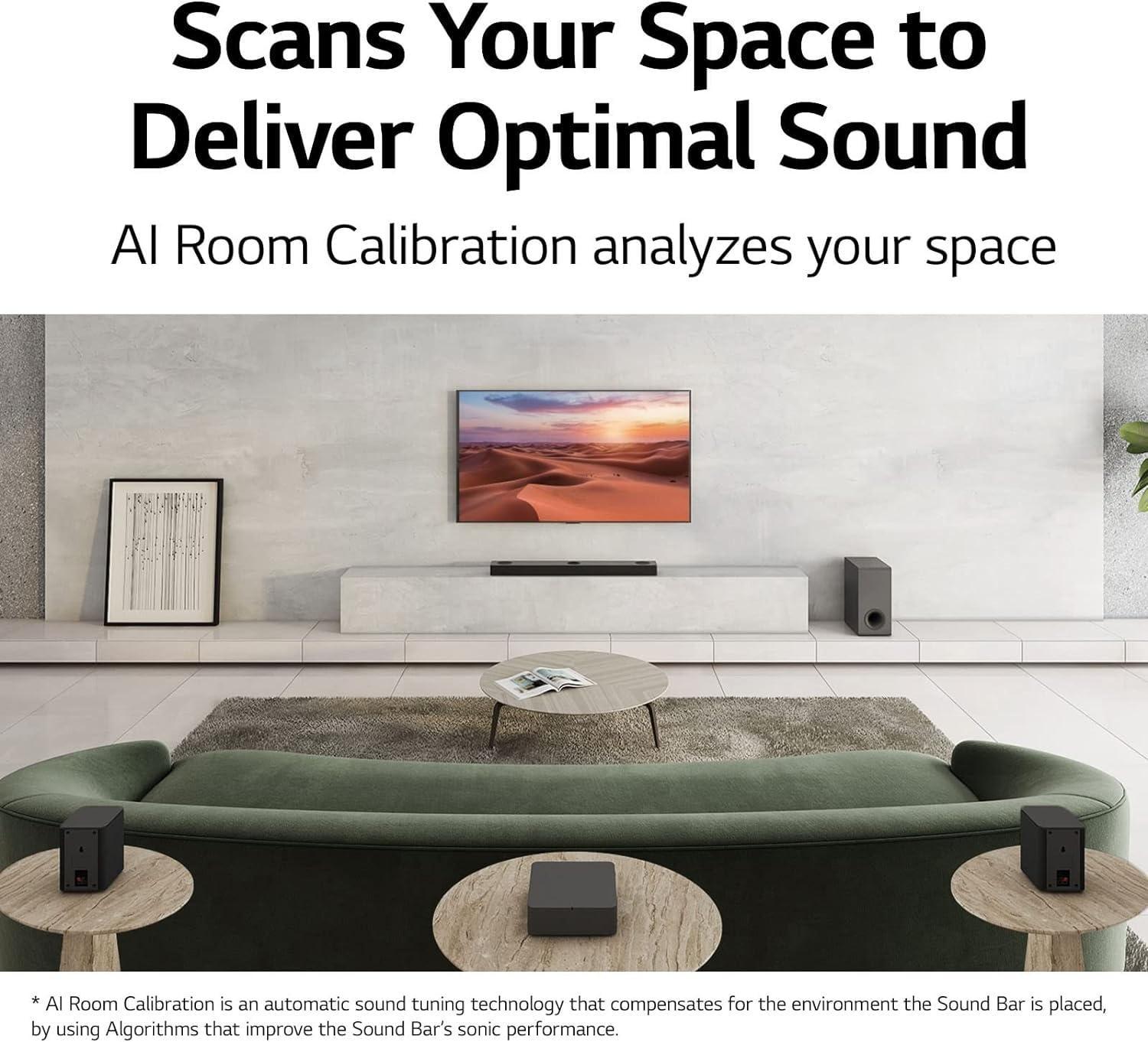
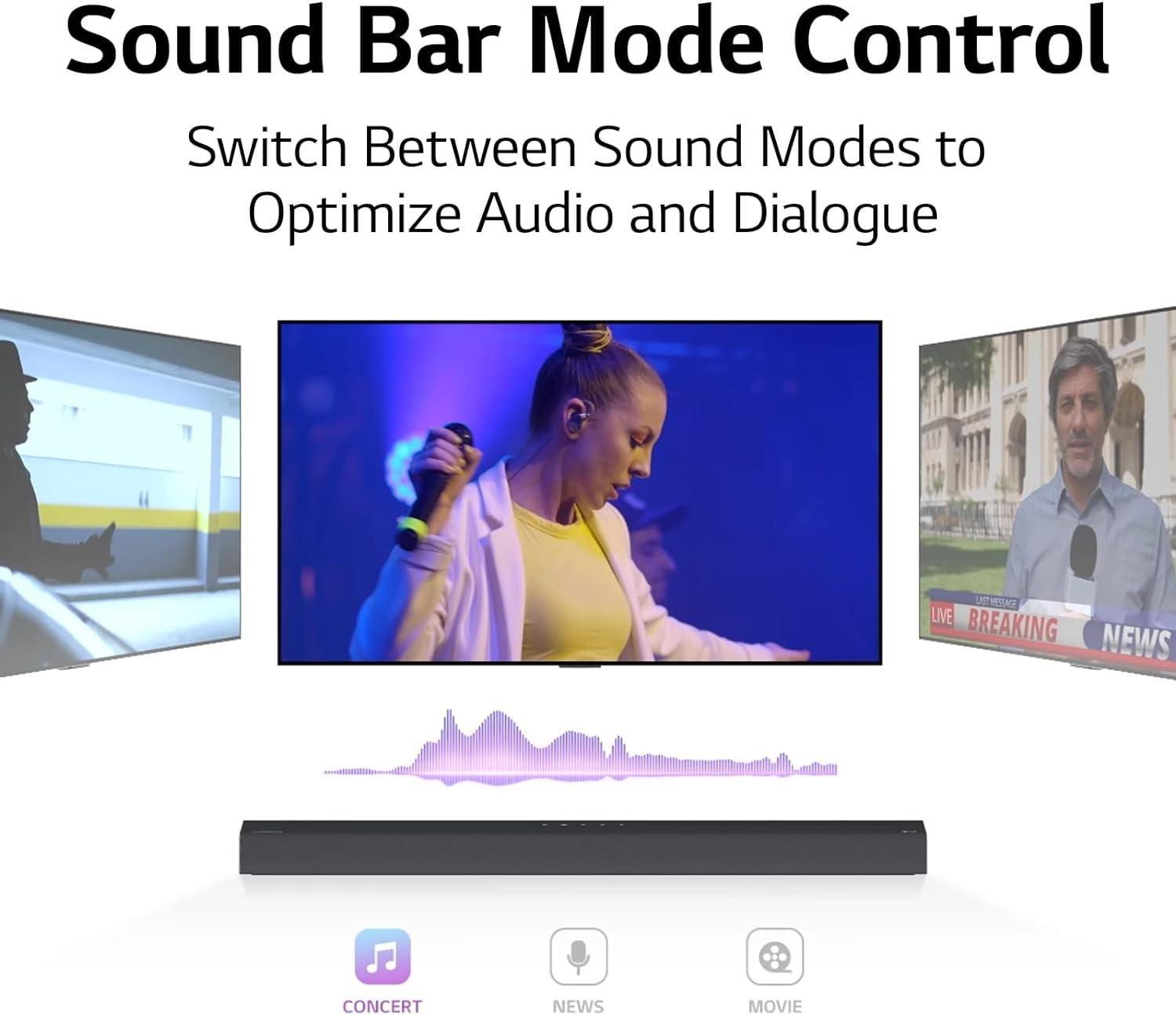
Samsung's Q-Symphony technology works similarly with Samsung TVs, combining TV and soundbar speakers for a more immersive experience. Samsung also includes SpaceFit Sound+, which uses your TV's microphone to automatically calibrate the audio for your room's acoustics. This automatic calibration worked remarkably well in my testing – the system quickly adapted to my room's layout and furniture placement without any manual intervention.
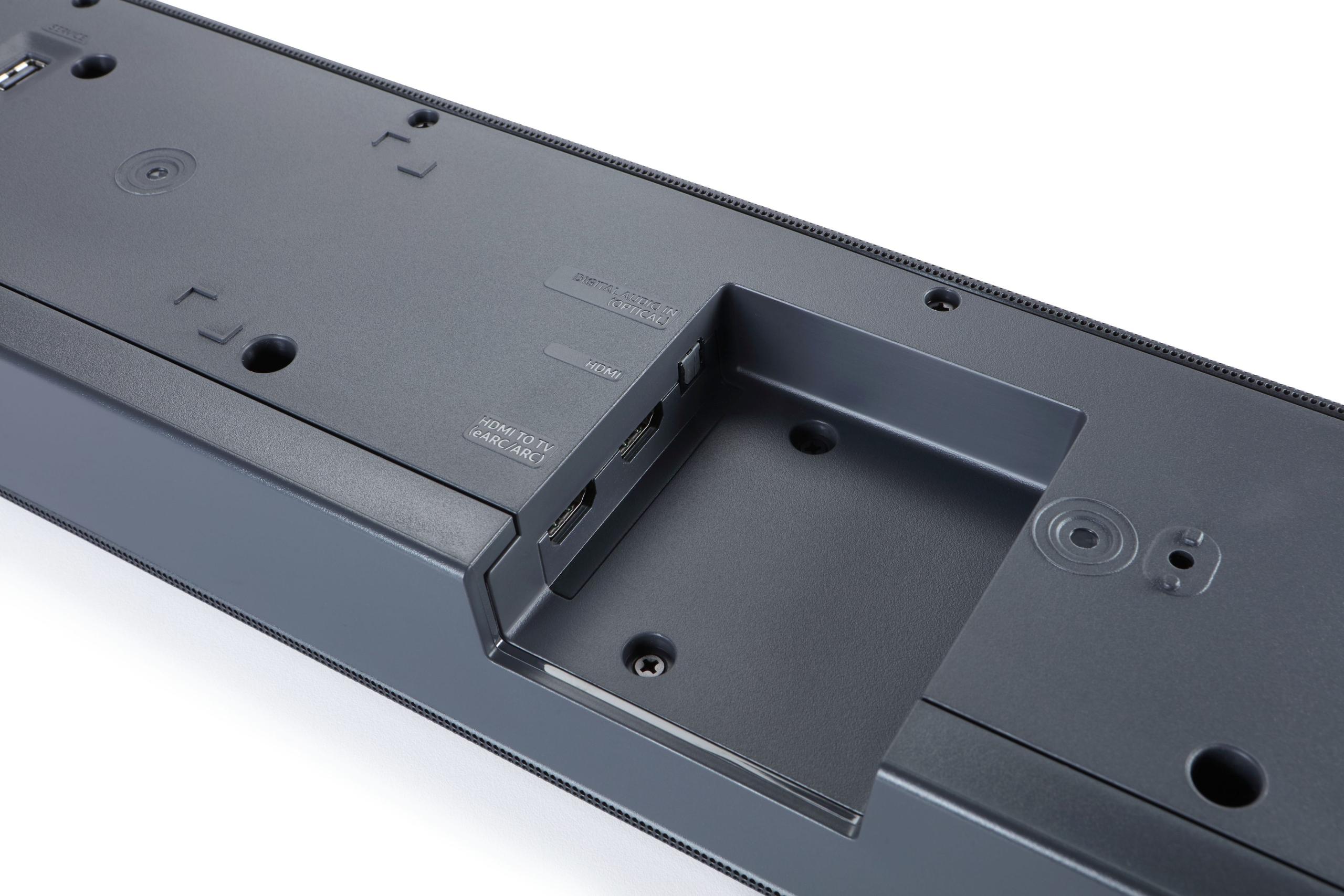
For connectivity, Samsung takes a practical approach with two HDMI inputs versus LG's single HDMI 2.1 port. This might seem minor, but if you have multiple gaming consoles or streaming devices, that extra port becomes very valuable.
Gaming performance deserves special attention, especially with both systems supporting HDMI 2.1 and various gaming-specific features.
The Samsung Q Series includes a dedicated Game Mode Pro that adjusts audio processing to minimize delay and enhance directional audio cues – crucial for competitive gaming. In my testing with various PlayStation 5 games, the audio felt perfectly synchronized with on-screen action, and directional cues (like footsteps in Call of Duty) were clear and accurate.
The LG system handles gaming well too, but its higher power output can sometimes work against it in gaming scenarios. The dramatic processing that makes movies exciting can make game dialogue harder to follow, though this can be adjusted through the companion app.
At $996.99, the LG S95TR positions itself as a premium product, and in many ways, it delivers premium performance. You're paying for more speakers, more power, and more dramatic impact. If you have a large room and prioritize that "theater experience" above all else, the extra $100 over the Samsung is justified.
The Samsung Q Series at $897.99 represents better overall value for most people. It delivers 90% of the LG's impact while being significantly better for music, offering more practical connectivity, and including superior automatic calibration. For most living rooms and most content, it's the more balanced choice.
Installation of both systems is straightforward, though the LG's higher power output means you need to be more thoughtful about subwoofer placement – that 10-inch driver can overwhelm smaller rooms if positioned poorly. The Samsung's automatic calibration takes much of the guesswork out of optimal positioning.
Daily usability slightly favors Samsung due to its more intuitive app and better integration with common streaming services. LG's app offers more detailed controls, but it can feel overwhelming for users who just want things to work without extensive tweaking.
Both systems receive regular firmware updates that genuinely improve performance over time. Samsung has been slightly more consistent with update frequency, but both companies support their flagship products well.
Choose the LG S95TR if you have a large room (over 350 square feet), prioritize maximum impact for movies and sports, own an LG TV for ecosystem benefits, and don't mind spending extra for more dramatic audio experiences. It's the better choice for dedicated home theater setups where movies and TV shows are the primary content.
Choose the Samsung Q Series if you want balanced performance across all content types, listen to music regularly, need multiple HDMI inputs, prefer automatic setup and calibration, or want better value overall. It's the smarter choice for most living rooms where the system needs to handle everything from Netflix shows to Spotify playlists.
Both systems represent significant upgrades over built-in TV speakers and even many traditional surround sound setups. The Samsung offers broader appeal and better value, while the LG provides maximum impact for those willing to pay for it. Either choice will transform your home entertainment experience – the question is which approach better matches your space, budget, and priorities.
In my experience testing dozens of soundbars, these two represent different peaks of what's possible in home audio today. You really can't go wrong with either choice, but understanding these differences will help you pick the one that'll make you happiest in the long run.
| LG S95TR 9.1.5 Channel Soundbar | Samsung Q Series 9.1.2 Channel Soundbar |
|---|---|
| Price - Value consideration for premium soundbar investment | |
| $996.99 (higher cost for more power and speakers) | $897.99 (better value with balanced performance) |
| Channel Configuration - Determines surround sound immersion | |
| 9.1.5 channels with 5 up-firing speakers | 9.1.2 channels with 2 up-firing speakers |
| Total Power Output - Critical for large rooms and impactful bass | |
| 810W (excellent for rooms over 350 sq ft) | 360W (ideal for medium-sized rooms) |
| Subwoofer Size - Affects bass depth and room-filling capability | |
| 10-inch wireless subwoofer (deeper, more impactful bass) | 8-inch wireless subwoofer (tighter, more controlled bass) |
| HDMI Connectivity - Important for multiple device connections | |
| 1 HDMI 2.1 port (limiting for multiple devices) | 2 HDMI ports including 1 HDMI 2.1 (more flexible setup) |
| Room Calibration - Ensures optimal sound for your space | |
| AI Room Calibration Pro (manual setup required) | SpaceFit Sound+ (automatic calibration using TV microphone) |
| Music Performance - Critical if you stream music regularly | |
| Inconsistent with AI processing artifacts | Excellent with balanced stereo reproduction |
| TV Integration - Valuable if you own the matching TV brand | |
| WOW Orchestra and WOWCAST for LG TVs | Q-Symphony for Samsung TVs |
| Best Use Case - Who should choose each system | |
| Large rooms, movie enthusiasts, LG TV owners | Most users wanting balanced performance and value |
The Samsung Q Series at $897.99 offers better overall value for most buyers. While the LG S95TR costs $996.99 and delivers more power, the Samsung provides more balanced performance across movies, music, and TV shows. The Samsung also includes automatic room calibration and an extra HDMI port, making it more practical for everyday use.
The LG S95TR has a 9.1.5 configuration with 5 up-firing speakers for overhead sound, while the Samsung Q Series uses 9.1.2 with 2 up-firing speakers. More up-firing speakers can create a more immersive "dome" effect, but Samsung's precise processing often delivers more accurate object placement despite having fewer height channels.
The LG S95TR produces deeper, more impactful bass with its 10-inch subwoofer and 810W total power. The Samsung Q Series has an 8-inch subwoofer that's more controlled and precise. If you want room-shaking bass for action movies, choose the LG. For balanced, well-integrated bass, the Samsung is better.
The Samsung Q Series is significantly better for music, offering natural stereo reproduction and balanced sound across all genres. The LG S95TR struggles with music due to AI processing that can add artificial reverb and unnatural effects, making it primarily suited for movie content.
The LG S95TR is better for large rooms over 350 square feet thanks to its 810W power output and 10-inch subwoofer. The Samsung Q Series with 360W is more suitable for medium-sized rooms where its controlled sound signature works best.
The Samsung Q Series offers more flexibility with 2 HDMI ports (including one HDMI 2.1), while the LG S95TR has just 1 HDMI 2.1 port. Both support HDMI eARC for TV connection, but Samsung's extra port is valuable if you have multiple gaming consoles or streaming devices.
Both deliver excellent Dolby Atmos, but differently. The LG S95TR creates a more enveloping "sound dome" effect that's great for immersion. The Samsung Q Series provides more precise object placement and accuracy. Choose LG for maximum impact, Samsung for precision.
Yes, both offer enhanced features with matching TVs. The LG S95TR includes WOW Orchestra and WOWCAST wireless connection for LG TVs. The Samsung Q Series features Q-Symphony technology that combines TV and soundbar speakers on Samsung TVs. Both integrations genuinely improve the audio experience.
The Samsung Q Series is easier to set up with its SpaceFit Sound+ automatic calibration that uses your TV's microphone to optimize sound for your room. The LG S95TR requires manual calibration through its AI Room Calibration Pro system, which offers more control but takes more effort.
Both work well for gaming, but the Samsung Q Series has a slight edge with its dedicated Game Mode Pro that reduces latency and enhances directional audio cues. The LG S95TR handles gaming well too, though its dramatic processing can sometimes interfere with game dialogue clarity.
Both the LG S95TR and Samsung Q Series include the main soundbar, wireless subwoofer, wireless rear speakers, and all necessary cables. The LG system's components are generally larger and more powerful, while Samsung's are more compact and easier to place in most rooms.
Choose the LG S95TR if you have a large dedicated theater room, prioritize maximum impact for movies, and own an LG TV. Choose the Samsung Q Series if you want balanced performance for all content types, need multiple device connections, or want better value. The Samsung works better for most living room setups where you watch various content types.
We've done our best to create useful and informative comparisons to help you decide what product to buy. Our research uses advanced automated methods to create this comparison and perfection is not possible - please contact us for corrections or questions. These are the sites we've researched in the creation of this article: techradar.com - bestbuy.com - youtube.com - trustedreviews.com - zdnet.com - rtings.com - lg.com - lambcotvandappliance.com - valueelectronics.com - romomattressfurniture.com - dolby.com - youtube.com - rtings.com - samsung.com - markselectrical.co.uk - techradar.com - walmart.com - samsung.com - samsung.com - youtube.com - samsung.com - biancos.com - crutchfield.com - samsung.com

Privacy Policy
Terms and Conditions - Affiliate Policy
Home Security
© Copyright 2008-2026.
11816 Inwood Rd #1211, Dallas, TX 75244