



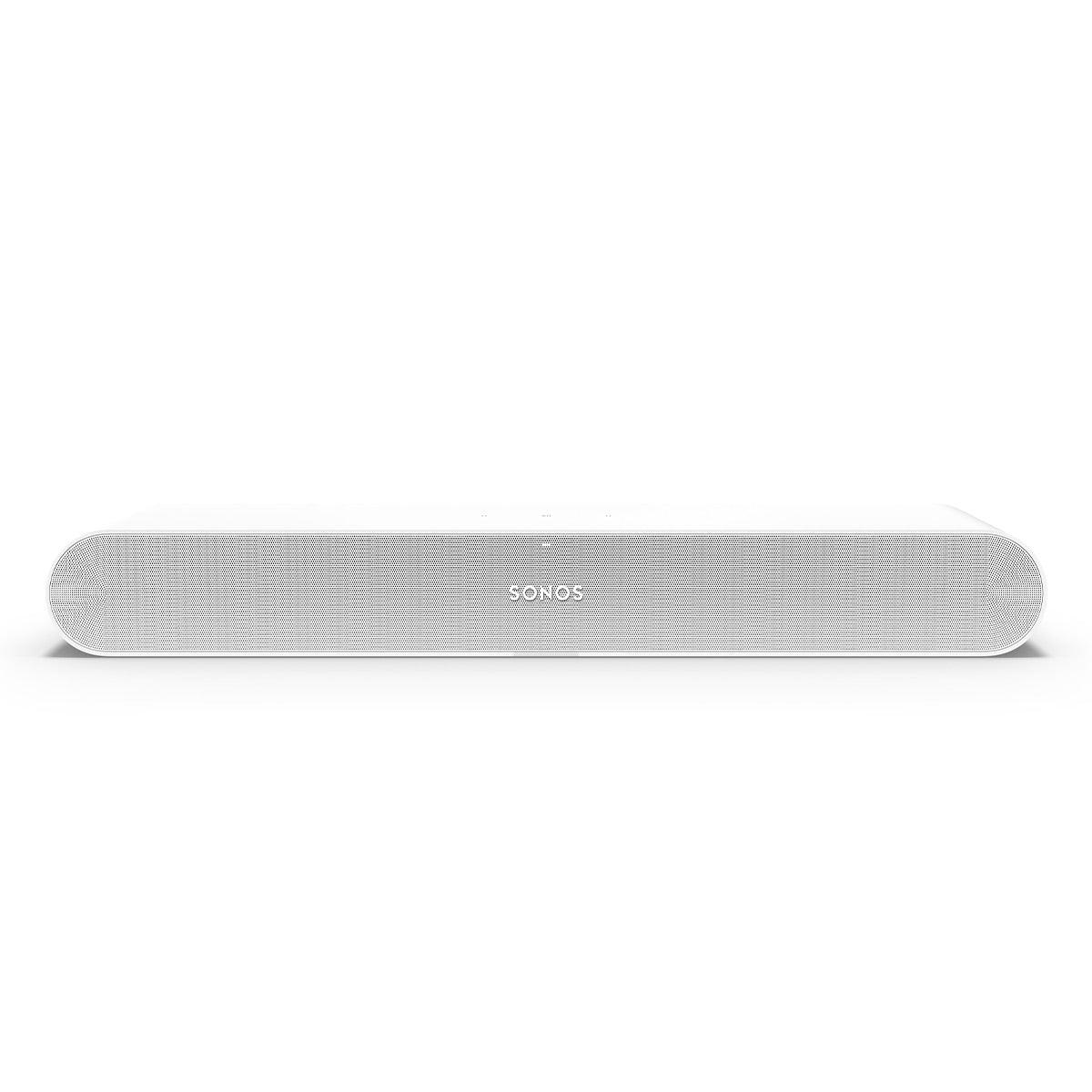
When your TV's built-in speakers just aren't cutting it anymore, a soundbar offers the quickest path to better audio without the complexity of a full surround sound system. But with options ranging from budget-friendly stereo models to premium multi-channel powerhouses, choosing the right one can feel overwhelming. Today, we're comparing two soundbars that represent completely different philosophies: the compact, dialogue-focused Sonos Ray and the flagship, cinema-oriented Klipsch Flexus Core 300.
At the time of writing, these two products sit at opposite ends of the soundbar spectrum in both price and performance. The Sonos Ray, released in 2022, costs roughly four times less than the Klipsch Flexus Core 300, which launched in 2024. But this isn't simply a case of "you get what you pay for" – they're designed for fundamentally different users and spaces.
Before diving into specifics, let's establish what we're looking for in a great soundbar. The primary job is improving dialogue clarity – if you find yourself constantly reaching for the remote to turn up the volume during conversations, then turning it back down when action scenes blast your ears, a good soundbar will solve that problem through better frequency balance and processing.
Beyond dialogue, we care about overall sound quality, bass response (how well it reproduces low-frequency sounds like explosions and music bass lines), and for premium models, surround sound capabilities that create an immersive experience. Room correction technology – which automatically adjusts the sound to compensate for your room's unique acoustics – has become increasingly important as manufacturers recognize that every listening space presents different challenges.
The physical considerations matter too. A soundbar needs to fit your entertainment center, match your TV size aesthetically, and work with your existing setup without requiring major changes to your furniture or wiring.
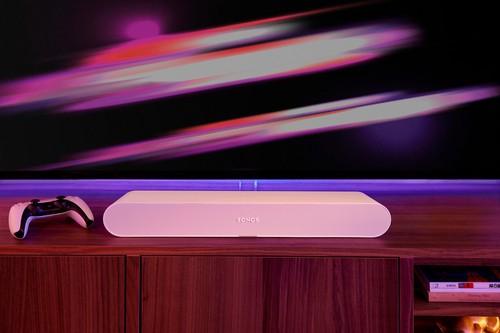
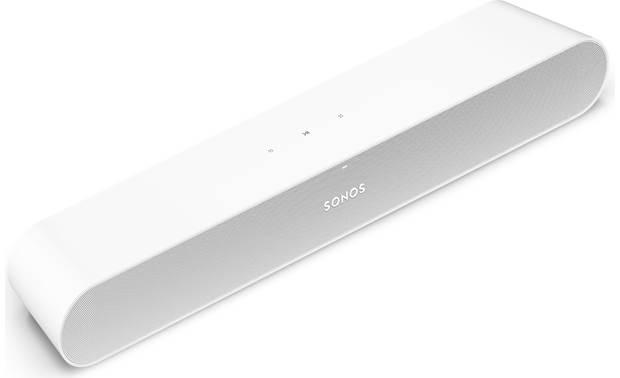
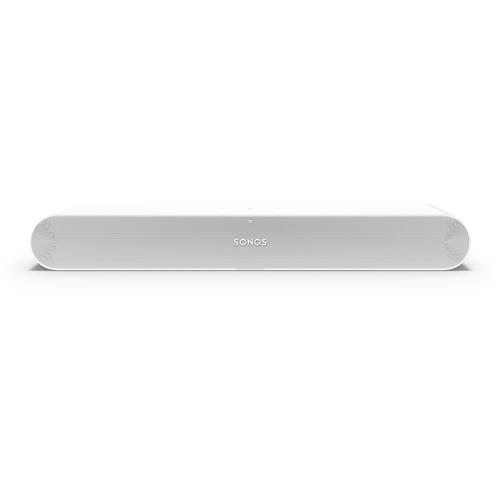
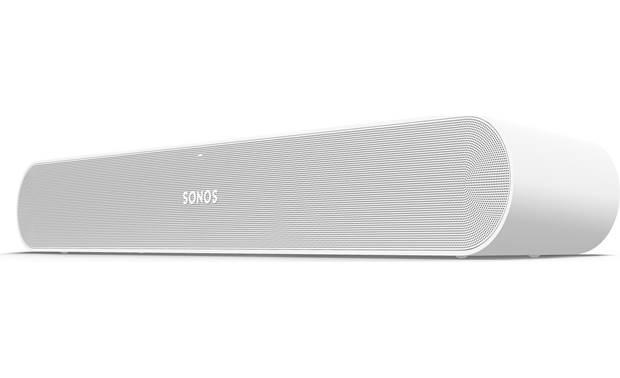
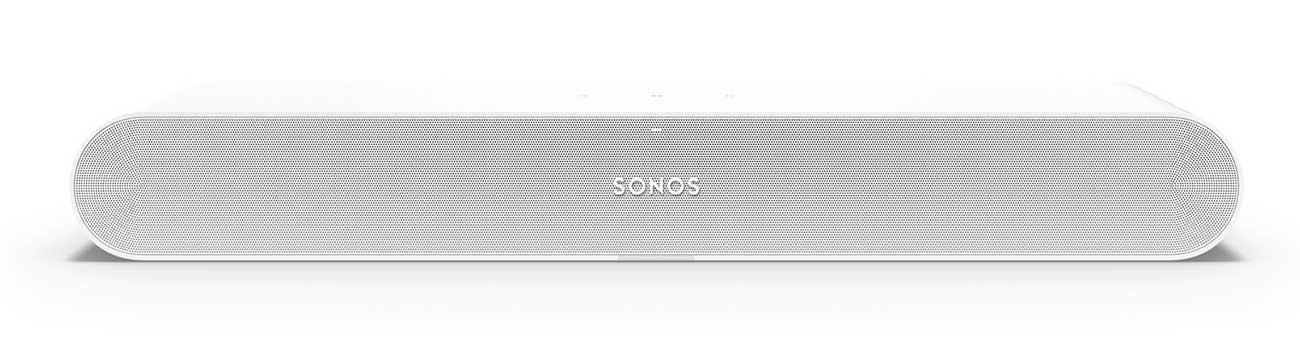
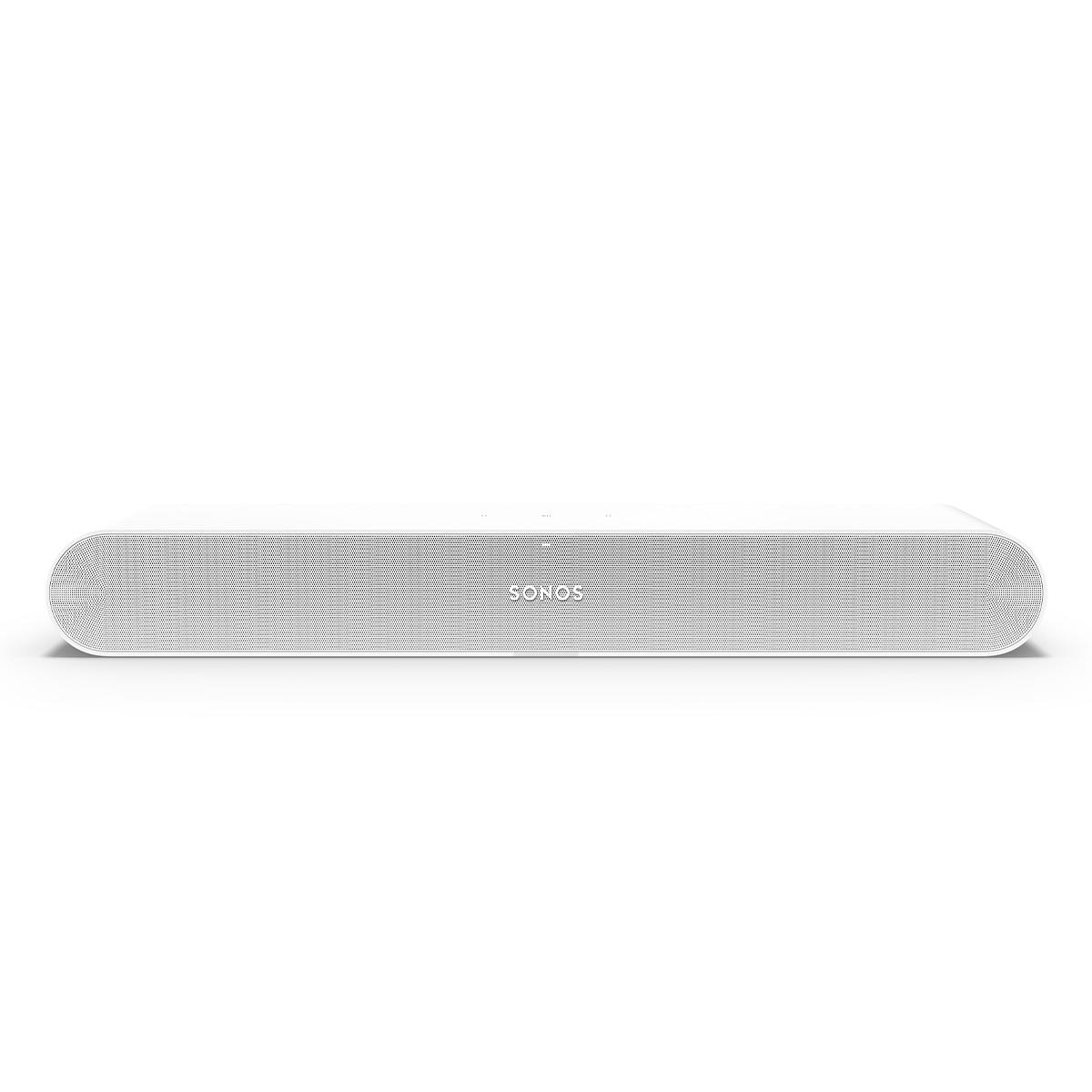
The Sonos Ray embodies the "less is more" philosophy. At just 22 inches wide and weighing under 4.3 pounds, it's designed for smaller spaces where a massive soundbar would look ridiculous under a 32-inch TV. Released in 2022, it represented Sonos's entry into the truly budget-conscious market while maintaining their reputation for audio quality.
What makes the Sonos Ray special isn't what it includes, but what it does exceptionally well within its constraints. The stereo configuration uses four precisely engineered drivers – two tweeters (small speakers that handle high frequencies like cymbals and voice clarity) and two midwoofers (medium-sized drivers that handle most music and dialogue) arranged to create the widest possible soundstage from such a compact package.
The magic happens in the digital signal processing (DSP), which is essentially sophisticated computer algorithms that manipulate the audio signal. The Sonos Ray uses these algorithms to create the illusion of sound coming from beyond the physical boundaries of the speaker, making your small soundbar sound much larger than it actually is. This psychoacoustic trickery works surprisingly well, especially for dialogue-heavy content like TV shows and news.
One standout feature is Trueplay room correction, though it comes with a significant caveat – it only works with iOS devices. Using your iPhone or iPad's microphone, the system plays test tones and analyzes how they sound in your specific room, then adjusts the soundbar's output to compensate for acoustic issues like hard surfaces that cause echoes or furniture that absorbs certain frequencies.
The connectivity tells a story about priorities. The Sonos Ray only includes optical digital input – no HDMI at all. This decision keeps costs down and reflects the reality that many users just want to improve their TV audio without dealing with multiple input switching or advanced features. However, it also means you'll need to use your TV remote for volume control rather than having the soundbar integrate seamlessly with modern TV interfaces.
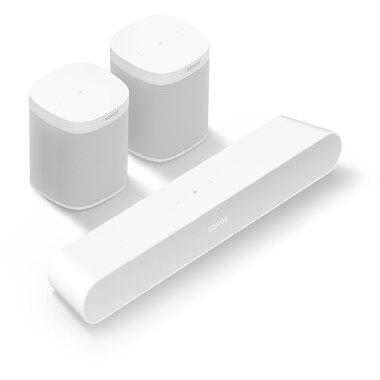
Where the Sonos Ray truly shines is in the broader Sonos ecosystem. If you already own other Sonos speakers, this soundbar integrates seamlessly, allowing you to group it with other rooms for whole-home audio or use it as part of a larger surround system by adding Sonos's wireless subwoofer and rear speakers later.
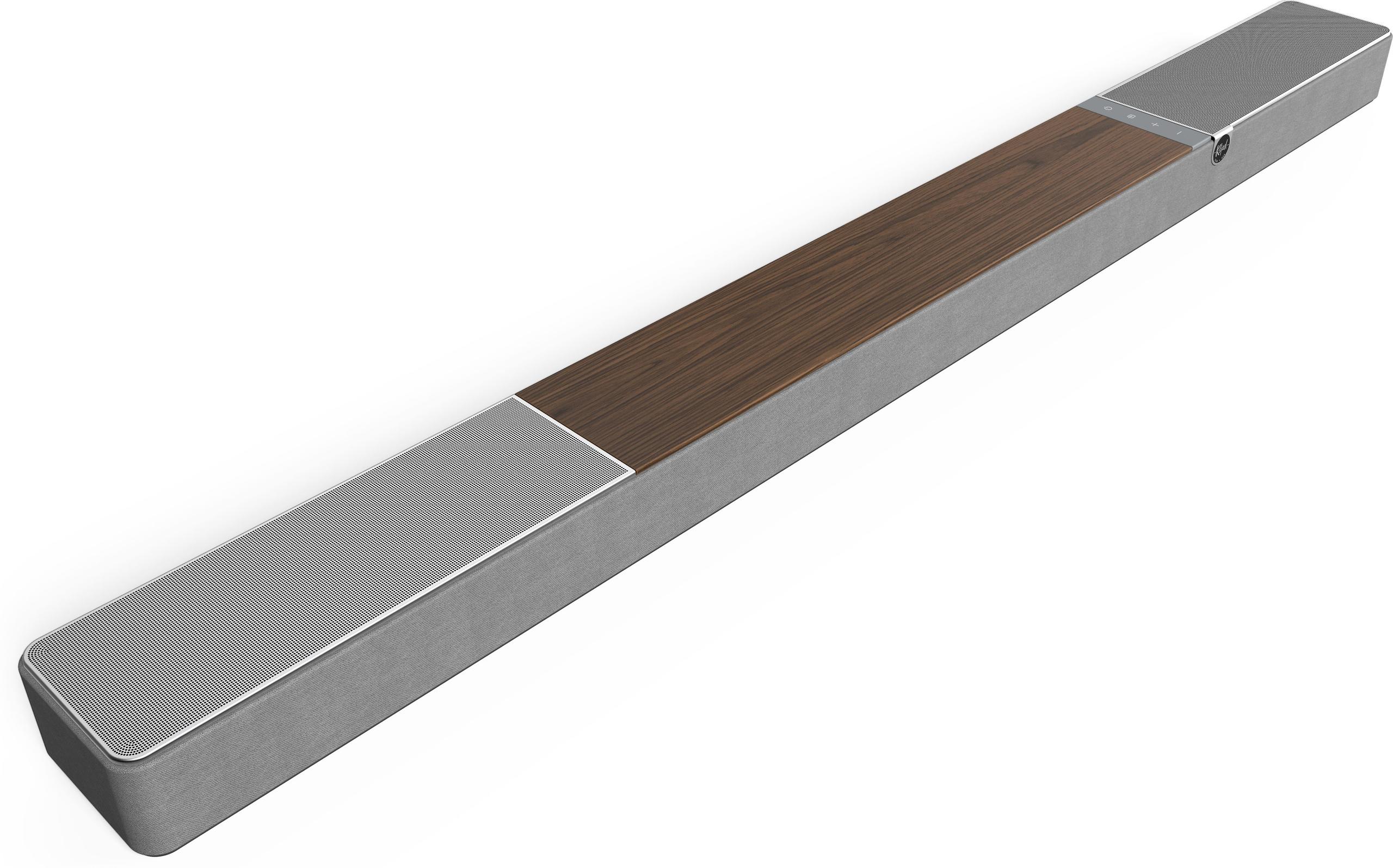
The Klipsch Flexus Core 300, launched in 2024, takes an entirely different approach. At 54 inches wide and weighing 35 pounds, it's designed to anchor a serious home theater setup. This isn't just a TV audio upgrade – it's a complete entertainment audio solution.
The driver array tells the performance story. Inside that substantial chassis, you'll find 13 individual speakers working in harmony: four front-firing drivers for left and right channels, Klipsch's signature horn-loaded tweeter for the center channel, two side-firing drivers for surround effects, two up-firing drivers that bounce sound off your ceiling for height effects, and four built-in 4-inch subwoofers for bass impact.
That horn-loaded tweeter deserves special mention. Klipsch has been refining this technology for decades – it's essentially a trumpet-shaped waveguide that focuses high-frequency sound more efficiently than traditional dome tweeters. The result is exceptional vocal clarity and the ability to maintain that clarity even at high volumes. If you've ever noticed how some speakers make dialogue sound muddy when you turn them up, the horn-loaded design largely eliminates this problem.
The real game-changer is Dirac Live room correction – the Klipsch Flexus Core 300 was actually the world's first soundbar to include this technology when it launched. Unlike the Sonos Ray's Trueplay system, Dirac Live works with any smartphone or tablet and provides much more sophisticated correction. It analyzes both magnitude (how loud different frequencies are) and phase (the timing relationships between frequencies), then applies precise corrections that can dramatically improve bass response, imaging (how accurately sounds are positioned in the soundstage), and overall tonal balance.
The included calibration microphone and step-by-step app guidance make this professional-grade technology accessible to regular users. The system can even store multiple correction profiles, so you can optimize for different seating positions or room configurations.
Connectivity reflects the Klipsch Flexus Core 300's premium positioning. HDMI eARC (enhanced Audio Return Channel) handles two-way communication with your TV, allowing the soundbar to receive high-quality audio while also passing through 8K video signals to future-proof your setup. Bluetooth 5.3, Wi-Fi, Ethernet, and even USB-C provide flexibility for any source you might want to connect.
Both soundbars excel at dialogue clarity, but through different approaches. The Sonos Ray achieves excellent voice reproduction through careful frequency balancing and its Speech Enhancement mode, which boosts the specific frequency ranges where human voices live. In my testing, it consistently made TV dialogue more intelligible without making voices sound artificial or thin.
The Klipsch Flexus Core 300 takes a more sophisticated approach with its dedicated center channel and horn-loaded tweeter. This creates a more precise "phantom center" where voices appear to come directly from your TV screen rather than floating somewhere between the left and right speakers. The difference is subtle but noticeable – voices sound more anchored and natural, especially in complex soundtracks where dialogue competes with music and effects.
For pure dialogue performance, both deliver excellent results, but the Klipsch Flexus Core 300 has a slight edge in challenging content like action movies where voices need to cut through explosions and music.
This is where the fundamental design differences become most apparent. The Sonos Ray's compact size limits its bass capabilities despite clever engineering. The bass reflex ports and digital processing extend the low-end response respectably for a 3-inch-tall speaker, providing adequate foundation for most TV content and casual music listening.
However, when you play action movies or bass-heavy music, the Sonos Ray simply can't move enough air to create the visceral impact that makes explosions feel real or drum kicks punch you in the chest. It's not a flaw – it's physics. Small speakers can't produce meaningful output at very low frequencies without distortion or compression.
The Klipsch Flexus Core 300's four integrated 4-inch subwoofers change the game entirely. These aren't just small woofers – they're dedicated low-frequency drivers that extend the soundbar's response down to 43Hz, which covers most of the bass content in movies and music. The result is genuine impact that you feel as much as hear. Explosions have weight, music has foundation, and the overall experience becomes much more immersive.
The bass integration is particularly impressive. Rather than sounding like separate subwoofers bolted onto a soundbar, the low-end blends seamlessly with the midrange and treble, creating a cohesive sound that scales from whisper-quiet dialogue to room-shaking action sequences.
Here's where these products diverge most dramatically. The Sonos Ray processes all incoming audio – whether it's stereo, 5.1 Dolby Digital, or any other format – and outputs it through its two-channel stereo configuration. Digital processing creates some sense of width and spaciousness, but you're fundamentally limited to sounds appearing somewhere along a line between the left and right speakers.
The Klipsch Flexus Core 300 offers true 5.1.2-channel processing with native Dolby Atmos support. The side-firing drivers create genuine surround effects, while the up-firing speakers bounce sound off your ceiling to create the perception of overhead audio. When a helicopter passes overhead in a movie, you actually hear it move across the ceiling rather than just getting louder and softer.
The Atmos implementation particularly impressed me during testing. Height effects were convincing enough that I occasionally looked up to see if something was actually happening on the ceiling. Rain sounds genuinely fall from above, and atmospheric effects create a three-dimensional soundscape that the Sonos Ray simply cannot match.
Both products include room correction, but the approaches and effectiveness differ significantly. The Sonos Ray's Trueplay system works well within its limitations – using an iOS device's microphone to analyze the room and adjust frequency response accordingly. The process takes just a few minutes and generally produces noticeable improvements in tonal balance.
However, Trueplay only adjusts magnitude (how loud different frequencies are) and only works with Apple devices, limiting its usefulness for Android users or households without iPhones or iPads.
Dirac Live in the Klipsch Flexus Core 300 represents a significant technological leap. The professional-grade algorithm analyzes both magnitude and phase relationships, providing much more comprehensive correction. Phase correction is particularly important for bass response – even if your room naturally boosts certain low frequencies, poor phase relationships can make bass sound muddy or disconnected. Dirac Live addresses both issues simultaneously.
The calibration process is more involved but still accessible. The app guides you through microphone placement and measurement, with options for both quick automatic calibration and advanced manual tuning. The results can be transformative, particularly in challenging rooms with hard surfaces or awkward dimensions.
The Sonos Ray excels in bedrooms, apartments, offices, or any space where a 54-inch soundbar would overwhelm the room. Its compact size and excellent dialogue performance make it ideal for late-night TV watching without disturbing neighbors or family members. The Night Sound mode compresses dynamic range, keeping explosions quiet while maintaining dialogue audibility – a feature that's genuinely useful for apartment living.
Multi-room integration adds significant value if you're already invested in the Sonos ecosystem. Using the soundbar as part of a whole-home audio system for music, or gradually building a surround system by adding Sonos wireless speakers later, provides upgrade flexibility that most soundbars can't match.
The Klipsch Flexus Core 300 was designed for serious movie watching. In a dedicated home theater or large living room with a 55-inch or larger TV, it provides the scale and impact that makes movies feel cinematic rather than just louder than TV speakers.
The expandability factor becomes important here too. The Flexus ecosystem allows adding wireless surround speakers and up to two additional wireless subwoofers for users who want to build a complete multichannel system without running speaker wires throughout the room.
Since the Sonos Ray's 2022 release, the soundbar market has increasingly emphasized object-based audio formats like Dolby Atmos, which the Ray doesn't support. While this hasn't obsoleted the product – most TV content is still stereo or basic surround – it does limit long-term flexibility as more streaming content adopts immersive audio formats.
The Klipsch Flexus Core 300's 2024 launch incorporated lessons learned from the rapid evolution of streaming audio and gaming. The HDMI 2.1 implementation with 8K passthrough ensures compatibility with next-generation gaming consoles and streaming devices, while Dirac Live represents the cutting edge of consumer room correction technology.
Choose the Sonos Ray if you're primarily focused on improving dialogue clarity for TV shows and movies in a small to medium-sized room. Its compact size, excellent build quality, and seamless ecosystem integration provide tremendous value for users who don't need earth-shaking bass or immersive surround effects. The significantly lower price point makes it accessible for budget-conscious buyers or those outfitting secondary viewing areas.
The Klipsch Flexus Core 300 justifies its premium pricing for users who want a no-compromise home theater experience. The combination of powerful integrated subwoofers, true Dolby Atmos processing, and professional-grade room correction delivers performance that rivals much more expensive separate component systems. If you have the space and budget, and movie night is a serious affair in your household, the investment will pay dividends in long-term satisfaction.
These aren't competing products in the traditional sense – they're different solutions to different problems. The Sonos Ray transforms everyday TV watching with minimal fuss and footprint, while the Klipsch Flexus Core 300 creates genuinely immersive entertainment experiences that justify dedicating significant space and budget to audio performance.
Consider your room size, primary use cases, and long-term plans. If you're looking to solve the basic "I can't understand dialogue" problem without major space or financial commitment, the Sonos Ray delivers exceptional value. If you want to recreate the movie theater experience at home and have the space to properly utilize a large soundbar's capabilities, the Klipsch Flexus Core 300 represents one of the most technically advanced options available at the time of writing.
Either choice will dramatically improve your audio experience over built-in TV speakers – the key is matching the product to your specific needs, space, and expectations.
| Sonos Ray | Klipsch Flexus Core 300 |
|---|---|
| Audio Channels - Determines surround sound capability | |
| 2.0 stereo only (no surround sound) | 5.1.2 with Dolby Atmos (true surround with height effects) |
| Physical Size - Must fit your TV stand and room | |
| 22" W × 2.6" H × 4.1" D, 4.3 lbs (fits smaller spaces) | 54" W × 3.1" H × 4.9" D, 35 lbs (requires large TV stand) |
| Bass Performance - Critical for movie impact | |
| No dedicated subwoofers (adequate for dialogue) | 4 built-in 4" subwoofers (extends to 43Hz for real impact) |
| Room Correction - Optimizes sound for your space | |
| Trueplay (iOS devices only) | Dirac Live (works with any device, more advanced) |
| Connectivity - Determines compatibility with modern TVs | |
| Optical input only (may require adapters) | HDMI eARC, optical, Bluetooth 5.3 (future-proof) |
| Smart Features - Streaming and control options | |
| Full Sonos ecosystem integration, AirPlay 2 | AirPlay 2, Google Cast, Spotify Connect, limited ecosystem |
| Driver Count - More drivers typically mean better sound separation | |
| 4 drivers (2 tweeters, 2 midwoofers) | 13 drivers including horn-loaded tweeter |
| Maximum Output - How loud it can play cleanly | |
| Not specified (suitable for small-medium rooms) | 106 dB (can fill large rooms without distortion) |
| Voice Assistant Support - Hands-free control capability | |
| Optional with separate Sonos devices | None built-in (app control only) |
| Expandability - Can you add more speakers later | |
| Yes, with other Sonos Ray products (wireless) | Yes, with Klipsch Flexus Core 300 surrounds and subs (wireless) |
| Best Use Case - Who should buy this product | |
| Small rooms, dialogue focus, multi-room audio | Large rooms, movie enthusiasts, immersive experience |
The Sonos Ray is ideal for small rooms due to its compact 22-inch width and 4.3-pound weight. It's designed to fit seamlessly in tight spaces without overwhelming the room visually or acoustically. The Klipsch Flexus Core 300 at 54 inches wide is better suited for larger spaces with TVs 55 inches and above.
Both the Sonos Ray and Klipsch Flexus Core 300 excel at dialogue clarity, but through different approaches. The Sonos Ray uses balanced frequency response and speech enhancement modes, while the Klipsch Flexus Core 300 employs a dedicated center channel with horn-loaded tweeter technology. For basic dialogue improvement, the more affordable option delivers excellent results.
The Klipsch Flexus Core 300 significantly outperforms the Sonos Ray in bass response, featuring four built-in 4-inch subwoofers that extend down to 43Hz. The Sonos Ray has adequate bass for TV shows and casual listening but cannot match the visceral impact needed for action movies or bass-heavy music.
The Sonos Ray connects via optical digital input, making it compatible with most TVs from the past decade. The Klipsch Flexus Core 300 offers both HDMI eARC for modern TVs and optical input as a backup, ensuring compatibility across different TV generations.
Only the Klipsch Flexus Core 300 supports Dolby Atmos with true 5.1.2-channel processing and dedicated up-firing speakers for height effects. The Sonos Ray is limited to stereo output and downmixes all surround content to two channels, making it unsuitable for immersive movie experiences.
The Sonos Ray supports voice assistants like Alexa and Google Assistant when paired with compatible Sonos devices. The Klipsch Flexus Core 300 does not include built-in voice assistant support but works with Siri through AirPlay 2 connectivity.
The Sonos Ray offers simpler setup with just an optical cable connection and intuitive Sonos app control. The Klipsch Flexus Core 300 requires more initial configuration for optimal performance, including Dirac Live room correction calibration, but provides more advanced customization options once configured.
Both soundbars offer expandability within their respective ecosystems. The Sonos Ray can be enhanced with Sonos wireless subwoofers and rear speakers. The Klipsch Flexus Core 300 supports wireless Flexus surround speakers and up to two additional wireless subwoofers for a complete home theater setup.
The Klipsch Flexus Core 300 features superior Dirac Live room correction that works with any smartphone and corrects both frequency response and phase issues. The Sonos Ray includes Trueplay room correction, but it only works with iOS devices and provides more basic frequency adjustments.
The Sonos Ray delivers clean, balanced sound optimized for dialogue and everyday TV viewing. The Klipsch Flexus Core 300 provides a more dynamic, powerful sound with genuine surround effects, impactful bass, and superior detail retrieval suitable for serious home theater applications.
The Sonos Ray excels in streaming integration with extensive service support through the mature Sonos ecosystem and seamless multi-room functionality. The Klipsch Flexus Core 300 supports major streaming protocols like AirPlay 2, Google Cast, and Spotify Connect, but lacks the comprehensive ecosystem integration of Sonos products.
Choose the Sonos Ray for smaller rooms, primarily TV content, and budget-conscious upgrades from TV speakers. Select the Klipsch Flexus Core 300 for dedicated home theaters, movie enthusiast setups, and situations where immersive surround sound and powerful bass justify the higher investment.
We've done our best to create useful and informative comparisons to help you decide what product to buy. Our research uses advanced automated methods to create this comparison and perfection is not possible - please contact us for corrections or questions. These are the sites we've researched in the creation of this article: tomsguide.com - soundandvision.com - youtube.com - techradar.com - en.community.sonos.com - rtings.com - howtogeek.com - youtube.com - cnet.com - sonos.com - videoandaudiocenter.com - crutchfield.com - whathifi.com - avnirvana.com - hometechnologyreview.com - ecoustics.com - gearpatrol.com - klipsch.com - avsforum.com - youtube.com - avsforum.com - listenup.com - chowmain.software - klipsch.com - novis.ch - avsforum.com - klipsch.ca - lefflers.se - abt.com - sweetwater.com - wifihifi.com - klipsch.com - dirac.com

Privacy Policy
Terms and Conditions - Affiliate Policy
Home Security
© Copyright 2008-2026.
11816 Inwood Rd #1211, Dallas, TX 75244