

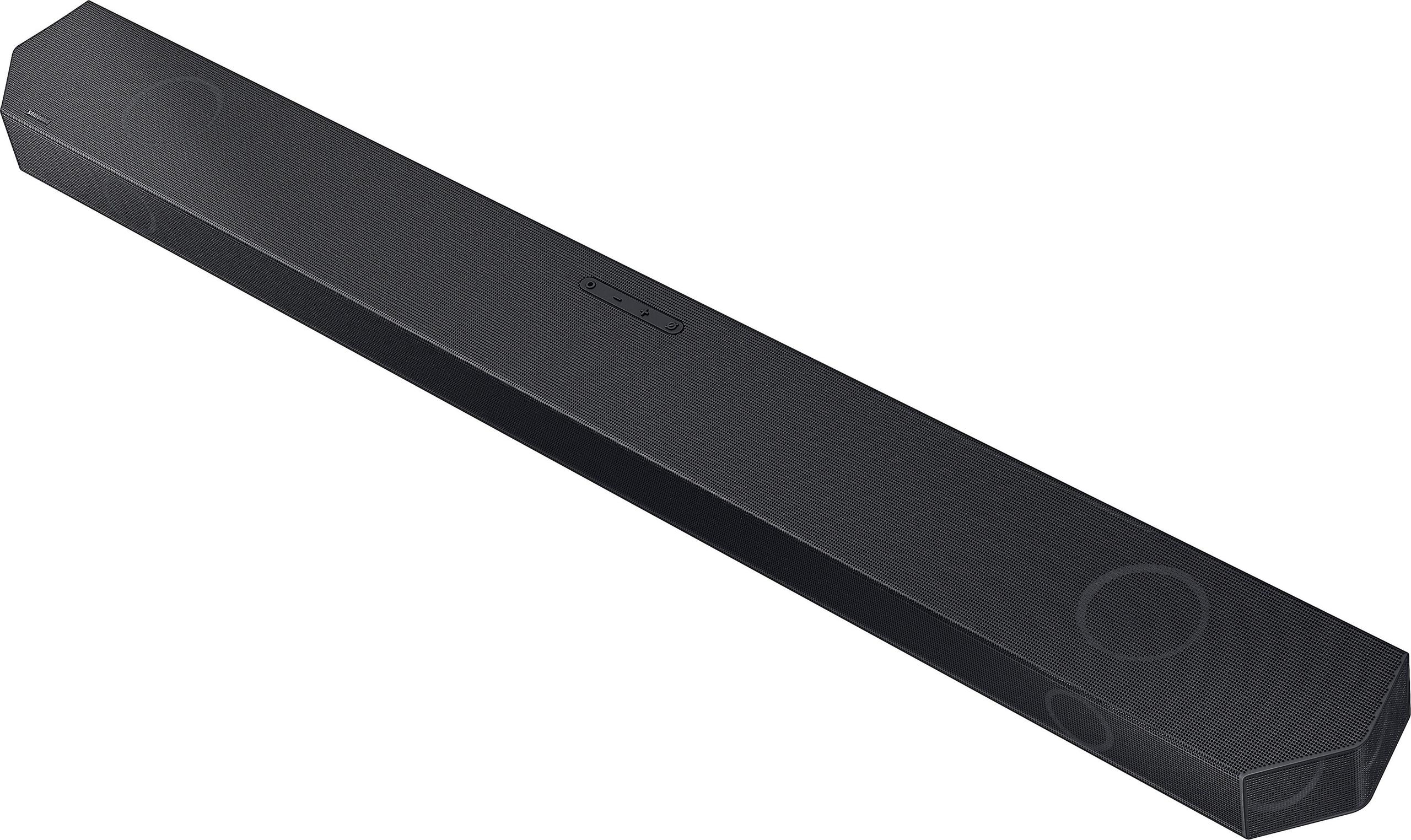

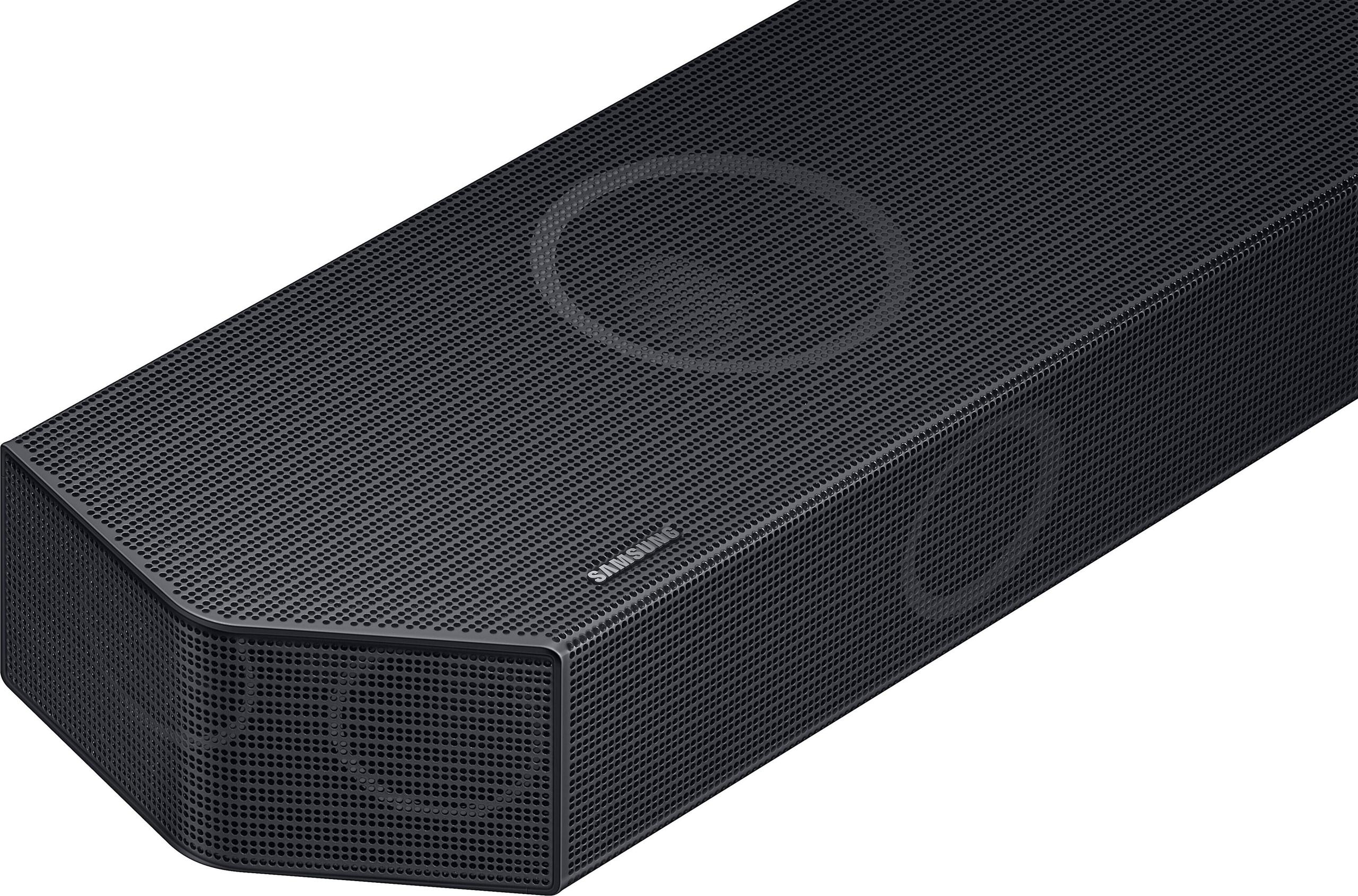




When your TV's built-in speakers leave dialogue sounding muffled and explosions feeling flat, it's time to consider a soundbar upgrade. But the soundbar market can feel overwhelming, with options ranging from simple stereo bars to complex surround systems that rival dedicated home theater setups. Today, we're comparing two Samsung soundbars that represent very different approaches to solving this problem: the budget-friendly HW-B630F B-Series and the premium Q910D Q-Series.
Before diving into specifics, it's crucial to understand what separates basic soundbars from premium ones. The most important factor is channel configuration, which determines how sound is distributed around your room. A "3.1" system means three front channels (left, center, right) plus one subwoofer, while "9.1.2" indicates nine main channels, one subwoofer, and two height channels that bounce sound off your ceiling.
The other major consideration is whether a soundbar uses real surround sound or virtual processing. Virtual surround uses clever audio tricks to make stereo speakers sound wider, while true surround systems use multiple physical speakers placed around your room. Think of virtual surround like a really good stereo recording of a live concert—impressive, but not the same as actually being there.
Room size plays a huge role in soundbar performance. A compact bar might sound fantastic in a bedroom but get lost in a large living room. Similarly, a powerful surround system might overwhelm a small apartment while delivering incredible immersion in a dedicated home theater space.
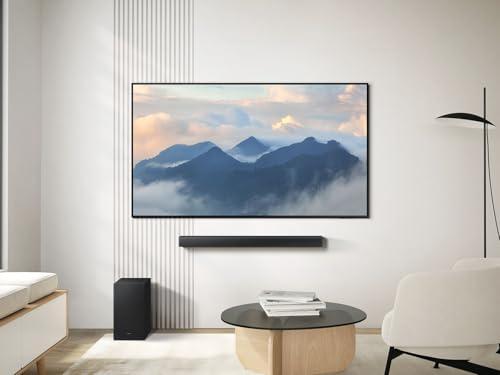
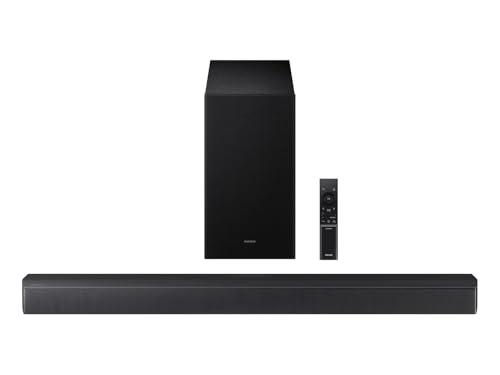
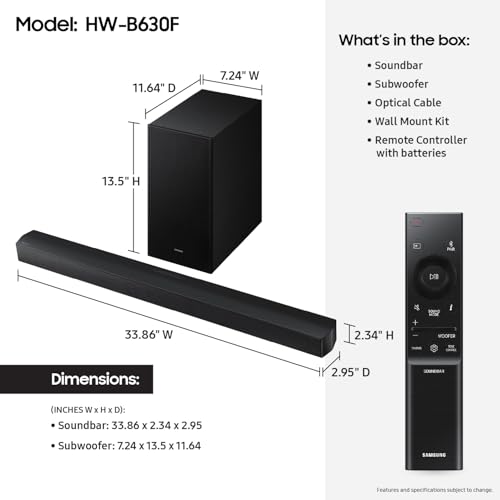
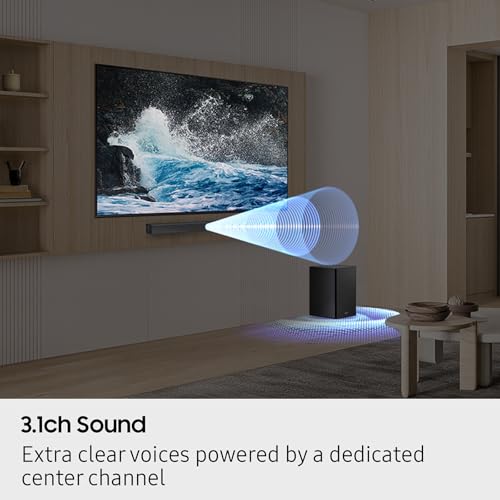
The Samsung HW-B630F, released in 2025, represents Samsung's latest entry-level offering. At the time of writing, it's positioned as an affordable upgrade that delivers significantly better TV audio without breaking the bank. This 3.1-channel system includes a wireless subwoofer and focuses on core improvements like dialogue clarity and basic surround simulation.
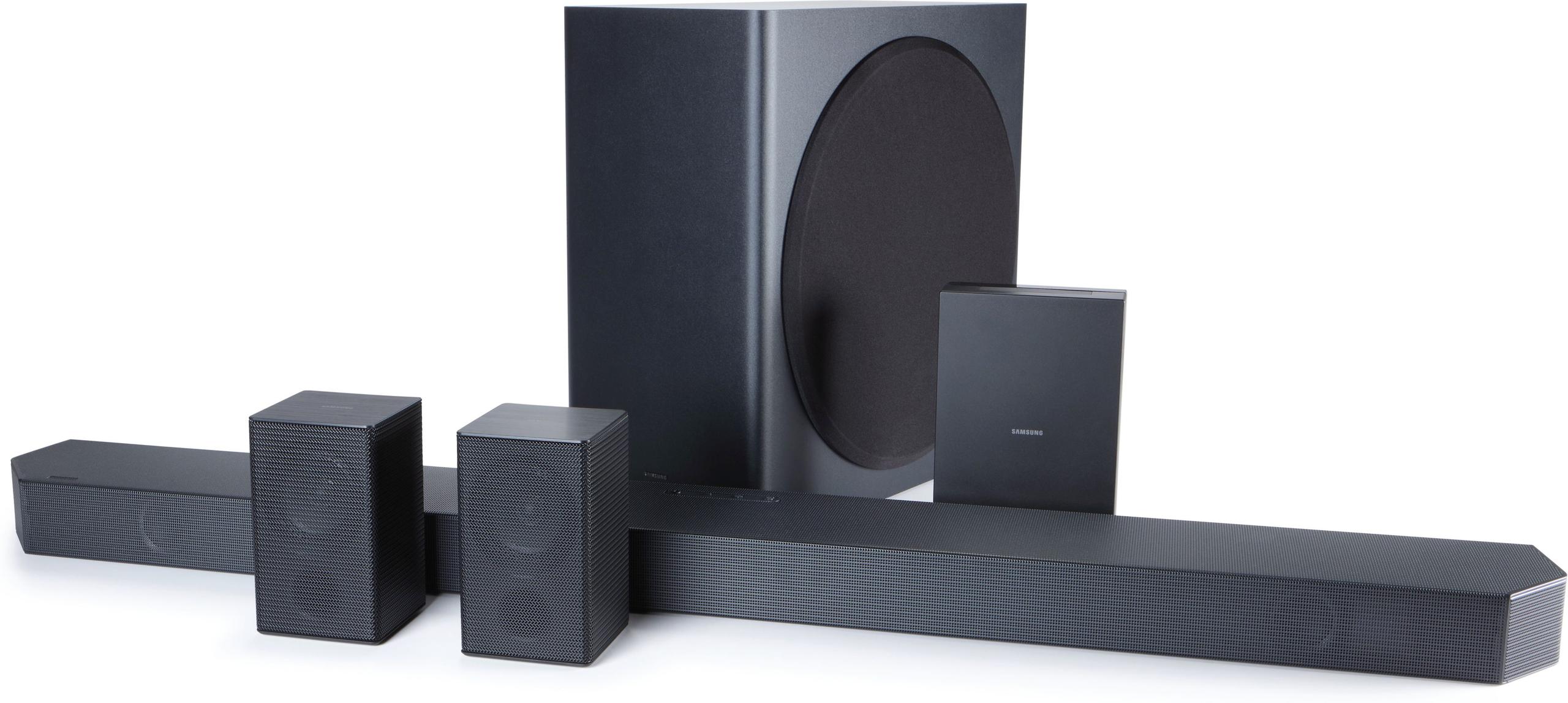
The Samsung Q910D, from 2024, sits in Samsung's premium Q-Series lineup. It's a full 9.1.2 Dolby Atmos system that includes rear speakers and height channels, designed to create a true cinematic experience at home. The price difference between these models is substantial—roughly 2.5 times more expensive—but the capabilities gap is even larger.
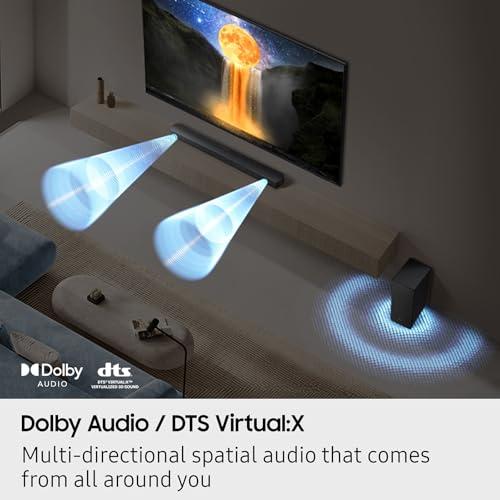
The most dramatic difference between these soundbars lies in their ability to create an engaging soundstage. The HW-B630F uses DTS Virtual:X processing to simulate surround effects from its three front-facing drivers. This technology analyzes audio signals and applies psychoacoustic principles—basically, audio tricks that fool your brain—to make sounds seem wider and more spacious than the physical soundbar.
While DTS Virtual:X represents solid engineering, it's fundamentally limited by physics. No amount of processing can make three front speakers truly place sounds behind you or create the height dimension that makes helicopters feel like they're flying overhead.
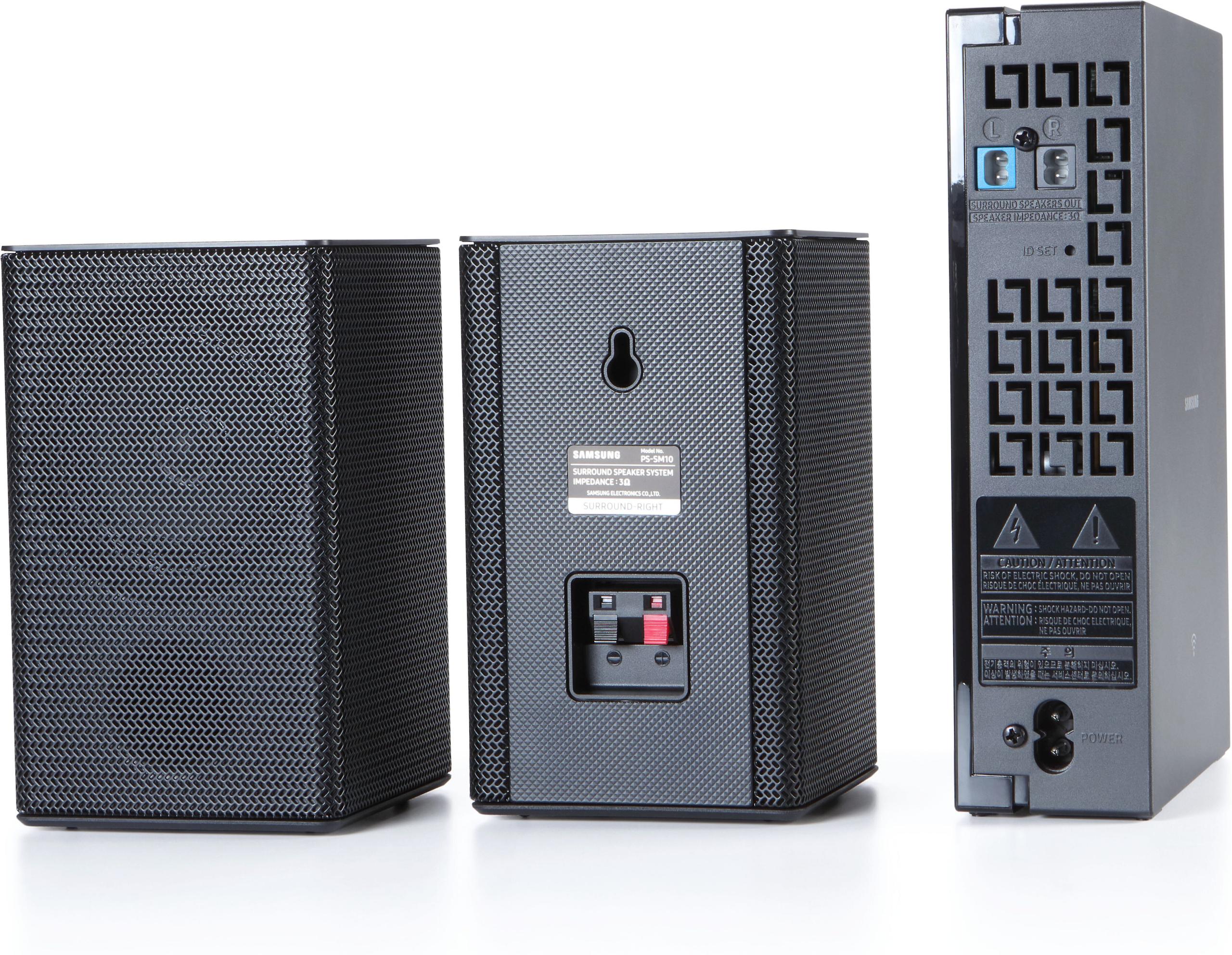
The Q910D, conversely, achieves true surround sound through brute force: dedicated speakers for each channel position. Its 9.1.2 configuration includes discrete rear speakers that deliver actual sounds from behind your listening position, plus two up-firing drivers that bounce audio off your ceiling to create height effects. This isn't an illusion—sounds genuinely emanate from all directions.
Based on professional reviews and user feedback, the difference is immediately apparent when watching action movies. The HW-B630F creates a noticeably wider soundstage than TV speakers, with decent depth and impressive bass impact for its price point. However, the Q910D transforms your room into an audio environment where you can pinpoint sounds in three-dimensional space. Explosions don't just get louder—they develop spatial characteristics that make them feel real.
Clear dialogue remains the most important performance metric for most users, and both soundbars approach this challenge differently. The HW-B630F includes a dedicated center channel—a speaker specifically tuned to handle human voices. This center channel anchors dialogue to your TV screen, preventing voices from wandering left or right as characters move. The Voice Enhance mode further boosts midrange frequencies where speech lives, cutting through background music and effects.
The Q910D takes dialogue enhancement several steps further with Active Voice Amplifier Pro, an AI-powered system that analyzes incoming audio in real-time. Instead of simply boosting certain frequencies, this technology separates speech from background elements and adjusts each independently. It's particularly effective during complex scenes where traditional enhancement might make everything louder without improving clarity.
Additionally, the Q910D supports Q-Symphony technology when paired with compatible Samsung TVs. This feature synchronizes the soundbar with your TV's built-in speakers, essentially creating an even larger center channel for dialogue. The TV speakers handle upper midrange frequencies while the soundbar manages everything else, resulting in exceptionally clear speech even at low volumes.
From our research into user reviews, the HW-B630F delivers solid dialogue improvement that satisfies most users upgrading from TV speakers. The Q910D, however, consistently receives praise for maintaining crystal-clear speech even during the most chaotic action sequences.
Gaming audio has evolved dramatically in recent years, with competitive titles requiring precise positional audio to track enemy movements and environmental cues. The HW-B630F includes a basic Game Mode that emphasizes directional information within its stereo soundstage. While helpful for single-player adventures, it can't provide the tactical advantage that true surround sound offers.
The Q910D excels here with its Game Pro mode, which automatically optimizes audio processing based on the type of game being played. First-person shooters get enhanced directional cues and reduced latency, while RPGs might emphasize dialogue and atmospheric effects. The true surround capability means you can actually hear footsteps approaching from specific directions—a genuine competitive advantage in multiplayer games.
Latency—the delay between visual action and corresponding audio—becomes critical during gaming. Both soundbars perform well here, but the Q910D offers consistently lower latency across all connection types, thanks to more advanced audio processing chips and HDMI eARC support.
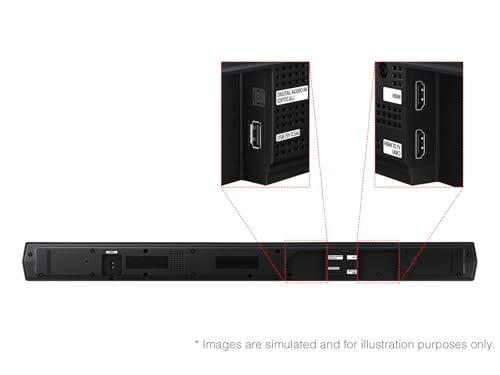
Modern soundbars must handle increasingly complex audio formats, and this is where the generational gap between these models becomes apparent. The HW-B630F includes HDMI ARC (Audio Return Channel) support, which allows audio to flow from your TV back to the soundbar through the same HDMI cable that carries video signals. However, it's limited to HDMI 1.4, which restricts it to compressed audio formats like Dolby Digital and basic DTS.
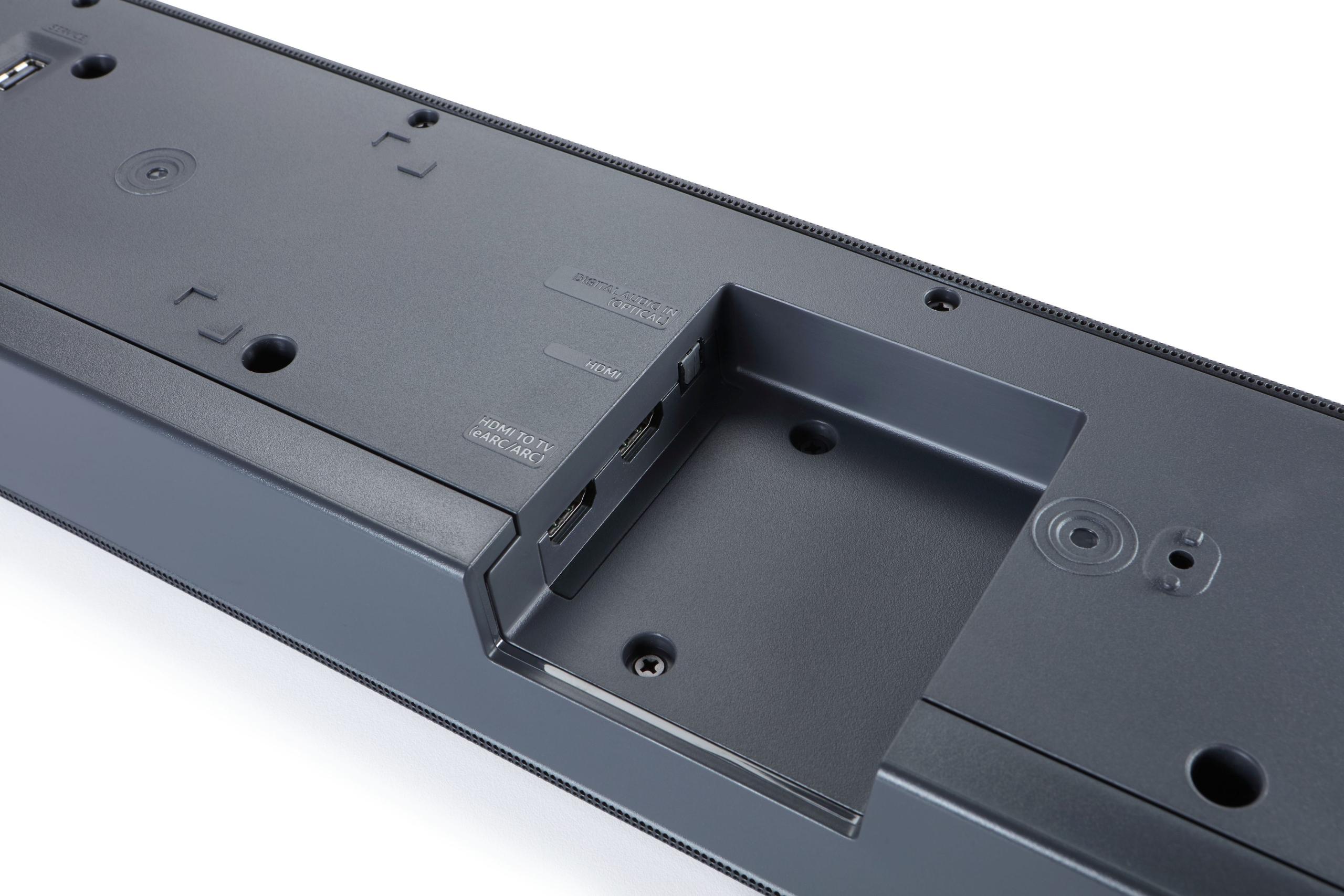
The Q910D features HDMI eARC (enhanced Audio Return Channel), a newer standard that supports lossless audio formats and higher bandwidth. This means it can handle Dolby TrueHD, DTS-HD Master Audio, and uncompressed multichannel audio—the same quality you'd get from a high-end AV receiver. The difference is most noticeable with Blu-ray movies and high-quality streaming content.
Dolby Atmos support represents perhaps the biggest technical divide. The HW-B630F cannot decode Dolby Atmos signals at all, instead relying on DTS Virtual:X to simulate spatial effects from standard surround sound mixes. The Q910D is purpose-built for Dolby Atmos, with dedicated height channels that reproduce the format as intended.
Room acoustics dramatically affect soundbar performance, and the Q910D includes SpaceFit Sound Pro to address this challenge. This system uses built-in microphones to measure your room's acoustic properties—things like ceiling height, wall materials, and furniture placement—then automatically adjusts the soundbar's output to optimize performance for your specific space.
The HW-B630F lacks automatic room calibration, instead relying on manual bass and treble adjustments. While functional, this approach requires more trial-and-error to achieve optimal sound.
Smart home integration varies significantly between models. The Q910D connects to Wi-Fi and integrates with Samsung's SmartThings ecosystem, allowing control through smartphone apps and voice assistants. It supports multiple streaming protocols including AirPlay 2, Chromecast, and Spotify Connect, essentially functioning as a wireless speaker when not handling TV duties.
The HW-B630F offers basic Bluetooth connectivity for music streaming but lacks Wi-Fi and advanced streaming features. This simplicity might actually appeal to users who prefer straightforward operation without app-based control.
At the time of writing, the price difference between these soundbars reflects their vastly different capabilities and target markets. The HW-B630F represents exceptional value in the budget category, delivering genuine improvements over TV audio for a relatively modest investment. It includes a wireless subwoofer, dedicated center channel, and multiple sound modes—features that cost significantly more just a few years ago.
The Q910D commands premium pricing but justifies it through comprehensive features and performance that approaches dedicated component systems costing much more. When you consider that it includes rear speakers, advanced room calibration, and support for the latest audio formats, the value proposition becomes more compelling for serious users.
However, value isn't just about features per dollar—it's about matching capabilities to actual needs. A user who primarily watches streaming shows in a small apartment won't benefit from the Q910D's full surround capabilities, making the HW-B630F the better value choice despite its limitations.
Installation complexity varies dramatically between these models. The HW-B630F requires minimal setup—place the soundbar, position the wireless subwoofer anywhere within range, and connect a single cable to your TV. The subwoofer pairs automatically, and you're enjoying better audio within minutes.
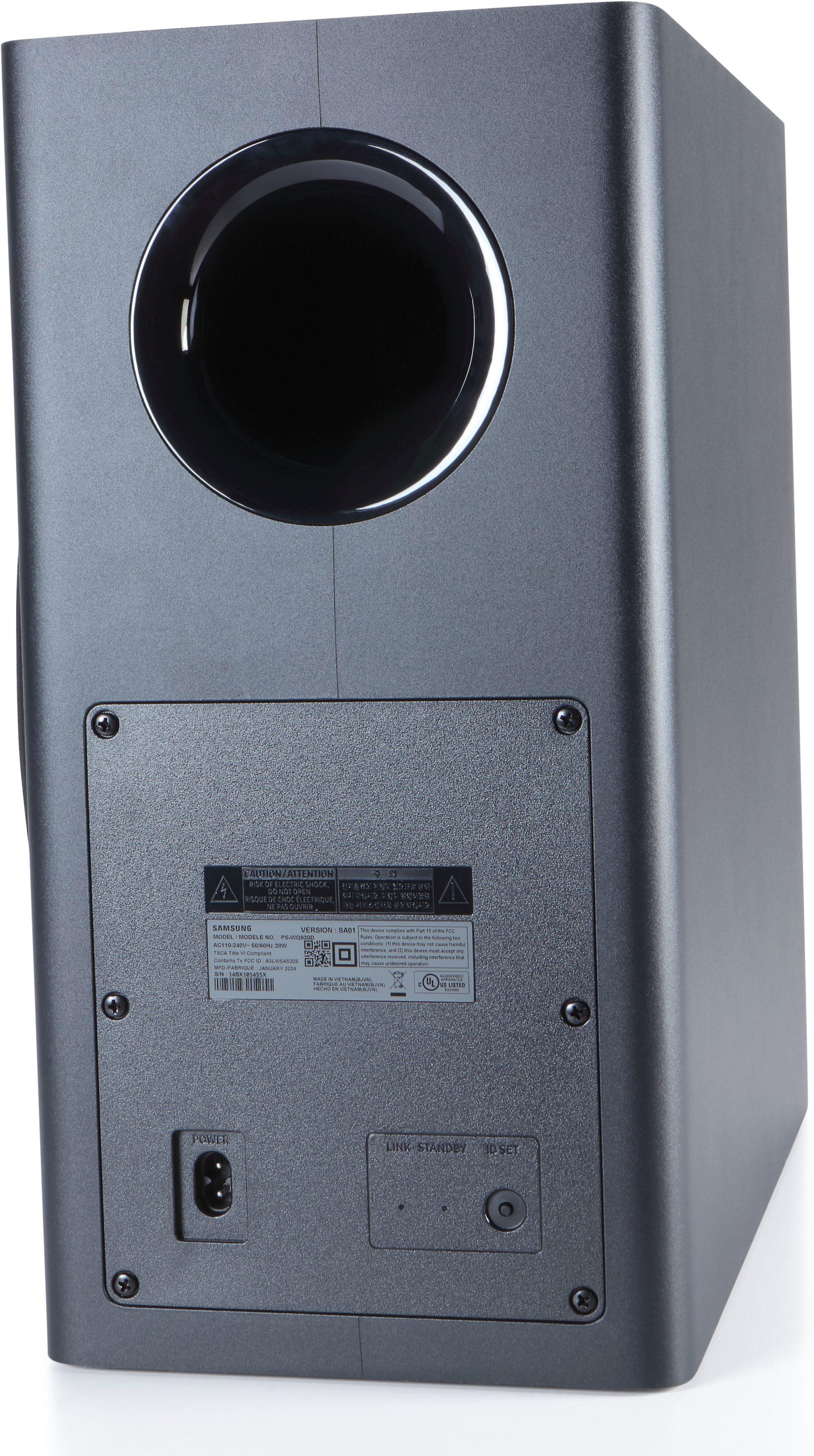
The Q910D demands more consideration. The rear speakers must connect to a separate receiver unit via included cables, requiring careful planning for wire routing. While not as complex as a traditional surround system, it's definitely more involved than plug-and-play operation. However, the SpaceFit Sound Pro calibration process is remarkably simple—the system handles optimization automatically after initial setup.
Physical space requirements also differ substantially. The HW-B630F works well in compact settings where the soundbar sits below a 40-65 inch TV and the subwoofer tucks beside furniture. The Q910D needs adequate room for rear speaker placement and performs best in spaces large enough to appreciate channel separation—typically 300+ square feet.
For dedicated home theater environments, the choice becomes clearer. The Q910D delivers an experience that rivals separate component systems while maintaining the convenience of a soundbar setup. Its true Dolby Atmos capability means you'll hear movies as directors intended, with sounds positioned precisely in three-dimensional space.
Ceiling height affects Atmos performance significantly. The Q910D's up-firing drivers work best with flat ceilings between 8-12 feet high. Vaulted or very high ceilings can scatter reflected sound, reducing height effects. In such rooms, the HW-B630F might actually provide more consistent performance since it doesn't rely on ceiling reflections.
Your decision should ultimately align with your space, usage patterns, and expectations. The HW-B630F excels as a TV audio upgrade that delivers clear dialogue, decent bass, and impressive value. It's ideal for smaller rooms, casual viewing habits, and users who want immediate improvement without complexity.
Choose the HW-B630F if you:
The Q910D transforms your room into an immersive audio environment that enhances everything from blockbuster movies to competitive gaming. It's worth the premium for users with appropriate spaces and serious entertainment habits.
Choose the Q910D if you:
Both soundbars represent solid engineering for their respective markets. The HW-B630F proves that excellent value doesn't require sacrificing core performance, while the Q910D demonstrates how far soundbar technology has advanced. Your choice depends on whether you prioritize immediate affordability or long-term audio satisfaction.
| Samsung HW-B630F B-Series | Samsung Q Series 9.1.2 Channel Soundbar |
|---|---|
| Channel Configuration - Determines surround sound capability and immersion level | |
| 3.1 channels (3 front + subwoofer) | 9.1.2 channels (9 main + subwoofer + 2 height) |
| Dolby Atmos Support - Essential for modern movie soundtracks and 3D audio | |
| No (uses DTS Virtual:X simulation only) | Yes (true Atmos with dedicated height channels) |
| Included Components - What you get in the box affects setup complexity | |
| Soundbar + wireless subwoofer | Soundbar + wireless subwoofer + rear speakers |
| HDMI Technology - Affects audio quality and format compatibility | |
| HDMI 1.4 with ARC (compressed audio only) | HDMI 2.1 with eARC (lossless audio formats) |
| Room Calibration - Automatically optimizes sound for your space | |
| None (manual bass/treble adjustment only) | SpaceFit Sound Pro with microphone analysis |
| Wireless Streaming - For music playback beyond TV content | |
| Bluetooth 4.2 only | Wi-Fi, AirPlay 2, Chromecast, Spotify Connect |
| Smart Integration - App control and ecosystem compatibility | |
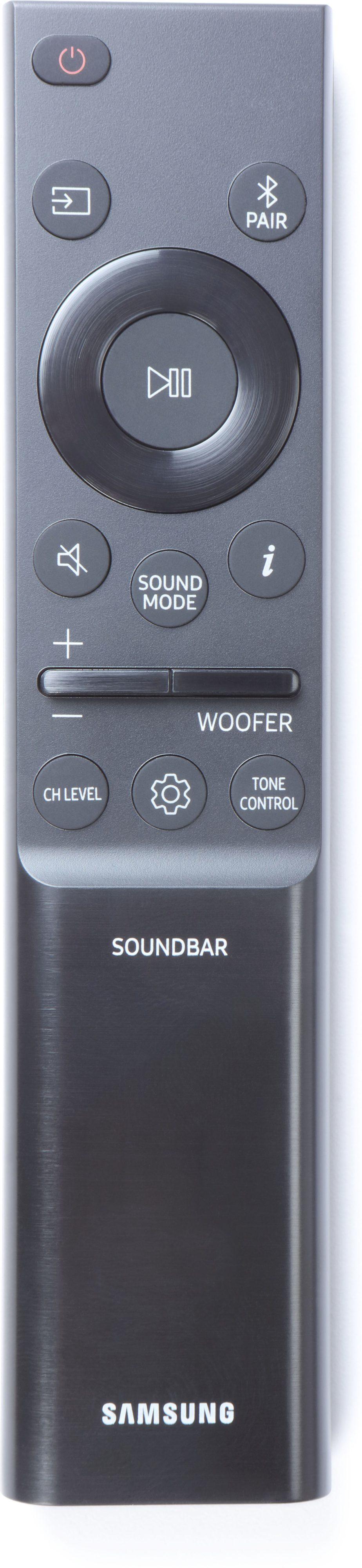
| Basic remote control only | SmartThings app with voice assistant support |
| Ideal Room Size - Performance optimized for specific spaces | |
| Small to medium rooms (under 200 sq ft) | Large rooms and home theaters (300+ sq ft) |
| Q-Symphony Compatibility - Enhanced audio when paired with Samsung TVs | |
| Limited support | Full integration with TV speakers |
| Gaming Features - Audio optimization for competitive and casual gaming | |
| Basic Game Mode | Game Pro with automatic optimization by game type |
| Setup Complexity - Time and effort required for installation | |
| Plug-and-play (soundbar + wireless sub) | Moderate (requires rear speaker wiring and placement) |
| Value Proposition - Performance relative to price point | |
| Excellent budget upgrade from TV speakers | Premium home theater experience with advanced features |
The Samsung HW-B630F B-Series is a 3.1-channel system that improves TV audio with a center channel for dialogue and wireless subwoofer, while the Samsung Q Series 9.1.2 Channel Soundbar is a premium surround system with true Dolby Atmos, rear speakers, and height channels for immersive 3D audio.
The Samsung HW-B630F B-Series is ideal for smaller spaces under 200 square feet. Its compact design and virtual surround processing work well in confined areas, whereas the Samsung Q Series 9.1.2 needs larger rooms to properly utilize its multiple speakers and surround capabilities.
No, only the Samsung Q Series 9.1.2 Channel Soundbar supports true Dolby Atmos with dedicated height channels. The Samsung HW-B630F uses DTS Virtual:X to simulate surround effects but cannot decode actual Atmos audio tracks.
Both improve dialogue significantly over TV speakers, but the Samsung Q Series 9.1.2 has superior voice clarity with AI-powered Active Voice Amplifier Pro and Q-Symphony technology. The Samsung HW-B630F B-Series provides good dialogue enhancement through its dedicated center channel and Voice Enhance mode.
The Samsung HW-B630F B-Series offers simple plug-and-play setup with just a soundbar and wireless subwoofer. The Samsung Q Series 9.1.2 Channel Soundbar requires more complex installation with rear speaker placement and wired connections to a receiver unit, plus room calibration.
The Samsung Q Series 9.1.2 excels for gaming with Game Pro mode, true positional audio, and low latency processing that provides competitive advantages in multiplayer games. The Samsung HW-B630F offers basic Game Mode improvements but lacks true surround sound positioning.
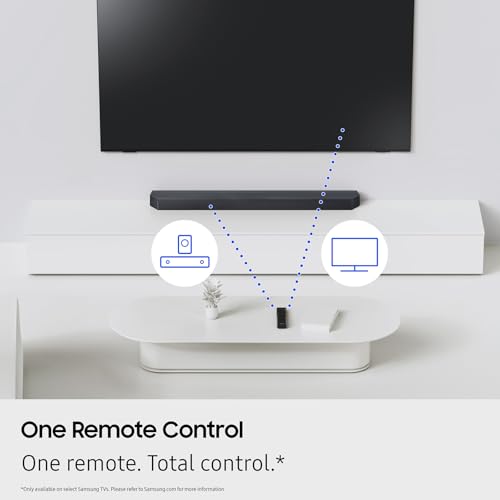
While both soundbars work with any TV brand, Samsung TV owners get additional benefits. The Samsung Q Series 9.1.2 Channel Soundbar offers full Q-Symphony integration that synchronizes with TV speakers, while the Samsung HW-B630F B-Series provides basic One Remote Control compatibility.
The Samsung HW-B630F B-Series provides excellent value as an affordable TV audio upgrade with significant improvements over built-in speakers. The Samsung Q Series 9.1.2 justifies its premium pricing with advanced features, true surround sound, and home theater-quality performance.
The Samsung HW-B630F supports basic Bluetooth music streaming, while the Samsung Q Series 9.1.2 Channel Soundbar offers comprehensive wireless streaming including Wi-Fi, AirPlay 2, Chromecast, and Spotify Connect for superior music playback options.
The Samsung Q Series 9.1.2 Channel Soundbar is purpose-built for home theaters with true Dolby Atmos, rear speakers, and room calibration that creates cinema-quality immersion. The Samsung HW-B630F B-Series works better as a TV audio upgrade rather than a dedicated home theater solution.
The Samsung HW-B630F includes HDMI 1.4 with ARC for basic audio return, while the Samsung Q Series 9.1.2 Channel Soundbar features HDMI 2.1 with eARC support for lossless audio formats and 4K video pass-through capabilities.
Both include wireless subwoofers, but the Samsung Q Series 9.1.2 features a more powerful subwoofer with Auto EQ room correction for optimized bass response. The Samsung HW-B630F B-Series provides adequate bass for smaller rooms but may lack impact in larger spaces compared to the premium model.
We've done our best to create useful and informative comparisons to help you decide what product to buy. Our research uses advanced automated methods to create this comparison and perfection is not possible - please contact us for corrections or questions. These are the sites we've researched in the creation of this article: samsung.com - bhphotovideo.com - crutchfield.com - youtube.com - bestproducts.com - videoandaudiocenter.com - pcrichard.com - bhphotovideo.com - samsung.com - youtube.com - requiremints.com - karlsonline.com - crutchfield.com - youtube.com - donstv.com - samsung.com - bhphotovideo.com - youtube.com - youtube.com - crutchfield.com - costco.ca - rtings.com - crutchfield.com - accio.com - bhphotovideo.com - manuals.plus - samsung.com - saraappliance.com - rtings.com - samsung.com - markselectrical.co.uk - techradar.com - walmart.com - samsung.com - samsung.com - youtube.com - samsung.com - biancos.com - crutchfield.com - samsung.com

Privacy Policy
Terms and Conditions - Affiliate Policy
Home Security
© Copyright 2008-2026.
11816 Inwood Rd #1211, Dallas, TX 75244