







When I first started reviewing soundbars five years ago, the market was dominated by chunky, complicated systems that required engineering degrees to set up properly. Today's soundbars have evolved into two distinct camps: elegant minimalists and feature-packed powerhouses. The Sonos Ray and LG S60TR represent these philosophies perfectly, and choosing between them comes down to understanding what each approach does best.
Before diving into specifics, let's talk about what makes a soundbar actually worth buying. The built-in speakers in most TVs are terrible – they're tiny drivers (the part that creates sound) squeezed into impossibly thin spaces, often firing downward or backward instead of toward your ears. A good soundbar fixes this fundamental problem, but different models take vastly different approaches.
The core decision you're making is between virtual surround sound and true surround sound. Virtual surround uses clever audio processing to trick your brain into hearing sounds from directions where no speakers actually exist. True surround sound positions actual speakers around your room, creating genuine directional audio. Both have their place, and understanding the trade-offs helps you pick the right system for your space and preferences.
Sound quality metrics that matter most include dialogue clarity (how well you can understand speech without cranking the volume), bass extension (how deep those low-frequency rumbles go), and soundstage width (how spread out the audio feels across your room). Dynamic range – the difference between the quietest and loudest sounds – also plays a huge role in creating an engaging experience.
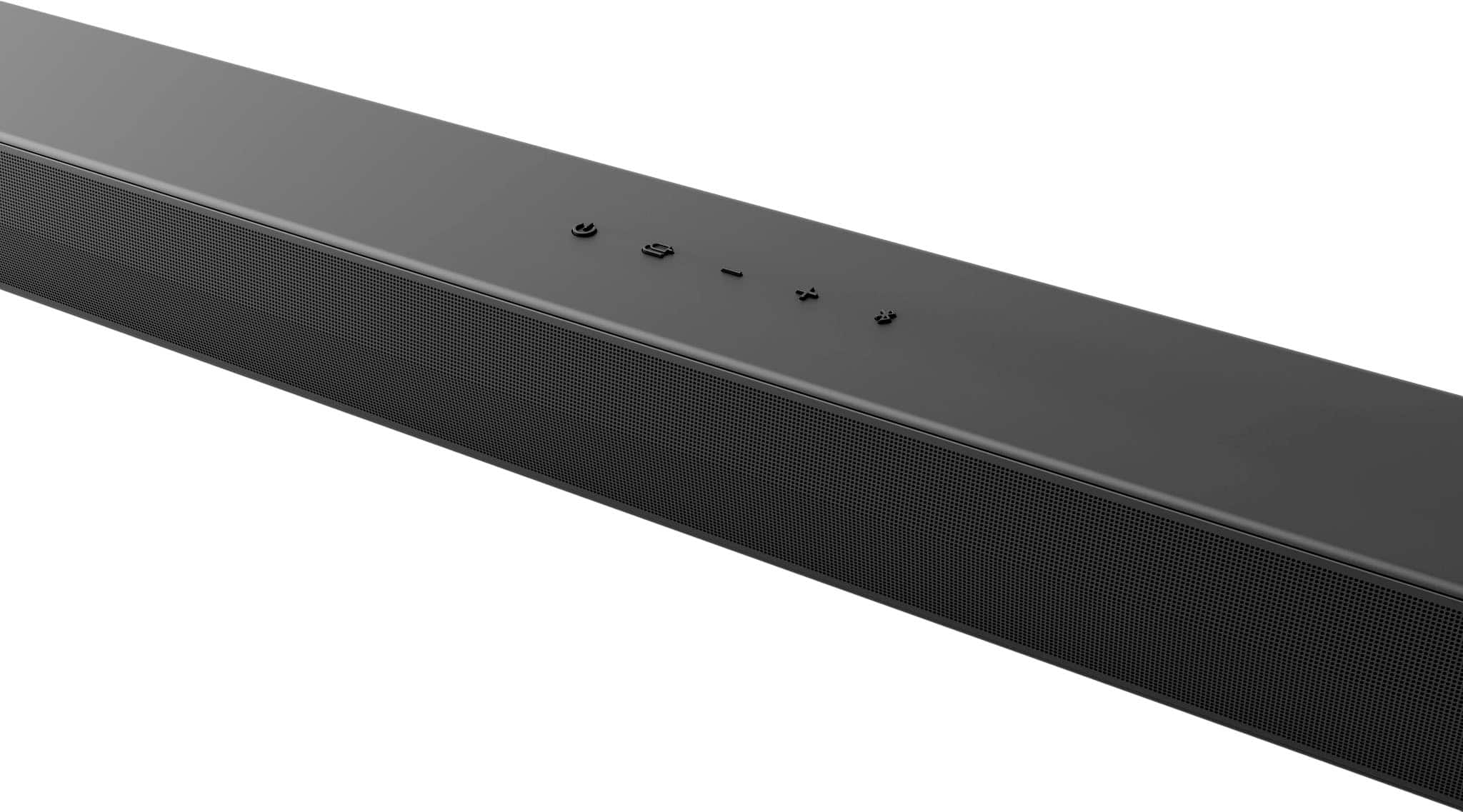
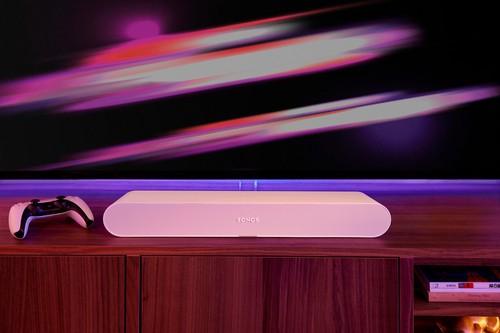
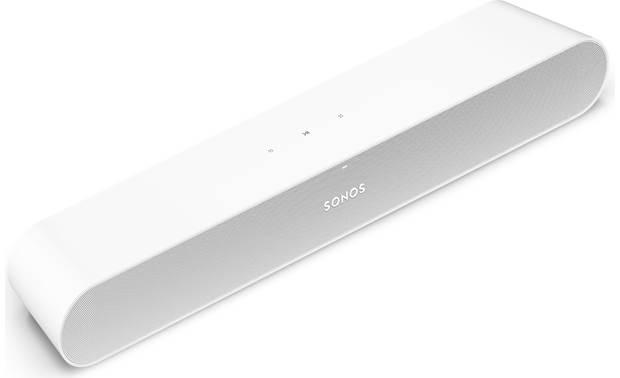
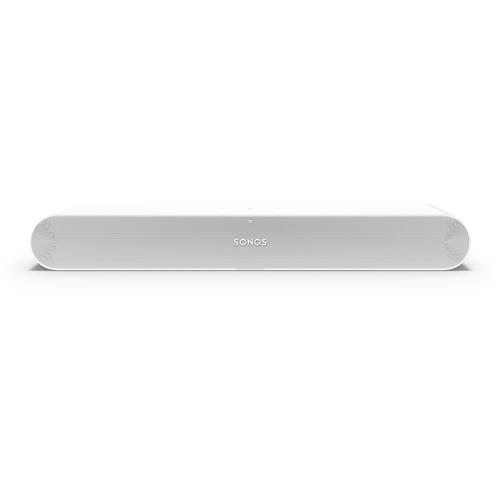
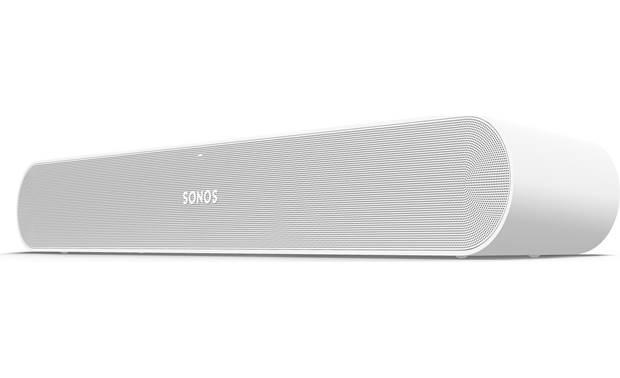
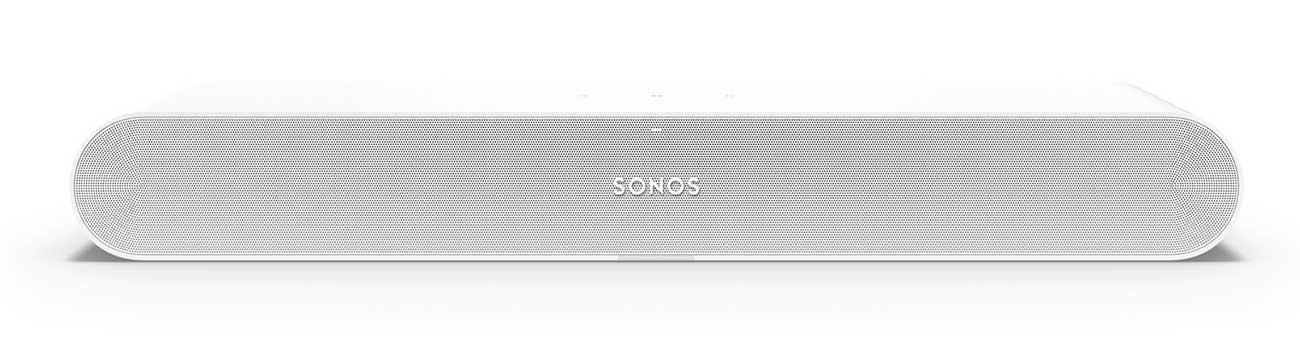
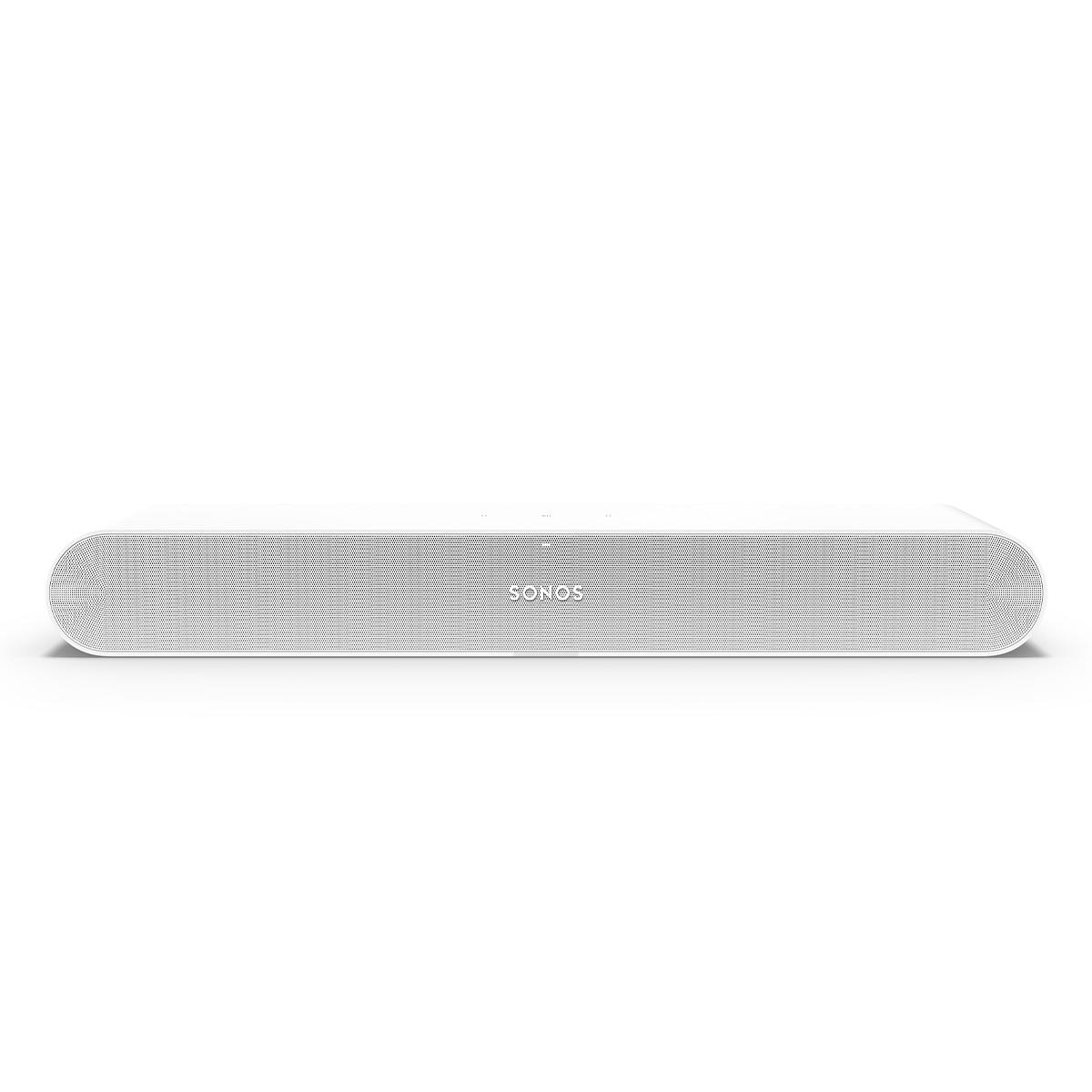
Released in 2022, the Sonos Ray arrived as Sonos's answer to the "I just want better TV audio" crowd. At 33 inches wide and weighing just over four pounds, it's designed to disappear into your setup while delivering surprisingly sophisticated sound.
The Ray's secret weapon is Trueplay room correction – a technology that uses your iPhone or iPad's microphones to map your room's acoustics, then adjusts the soundbar's output accordingly. This might sound like marketing fluff, but it's genuinely impressive. Hard surfaces reflect sound differently than soft ones, and room dimensions create acoustic challenges that most soundbars ignore entirely. Trueplay actually adapts to these real-world conditions.
Inside the compact chassis, Sonos packed two tweeters (for high frequencies) and two midwoofers (for mid-range and some bass) powered by four Class-D amplifiers. The bass reflex system uses specially designed ports to extend low-frequency response beyond what the small drivers could manage alone. It's not going to shake your walls, but it provides more bass than you'd expect from such a slim profile.
The Sonos Ray's processing creates what's called a phantom center channel – using phase differences between the left and right speakers to make dialogue appear to come from your TV screen, even though there's no dedicated center speaker. This works remarkably well for a two-channel system, creating a convincing illusion that voices are anchored to the screen.
Connectivity is deliberately minimal: just optical audio input and Wi-Fi. No HDMI, no Bluetooth for direct connection to phones. This seems limiting until you realize it forces simplicity – connect one optical cable from your TV, and you're done. The Sonos Ray integrates with Apple AirPlay 2, Spotify Connect, and the broader Sonos ecosystem if you want to expand later.
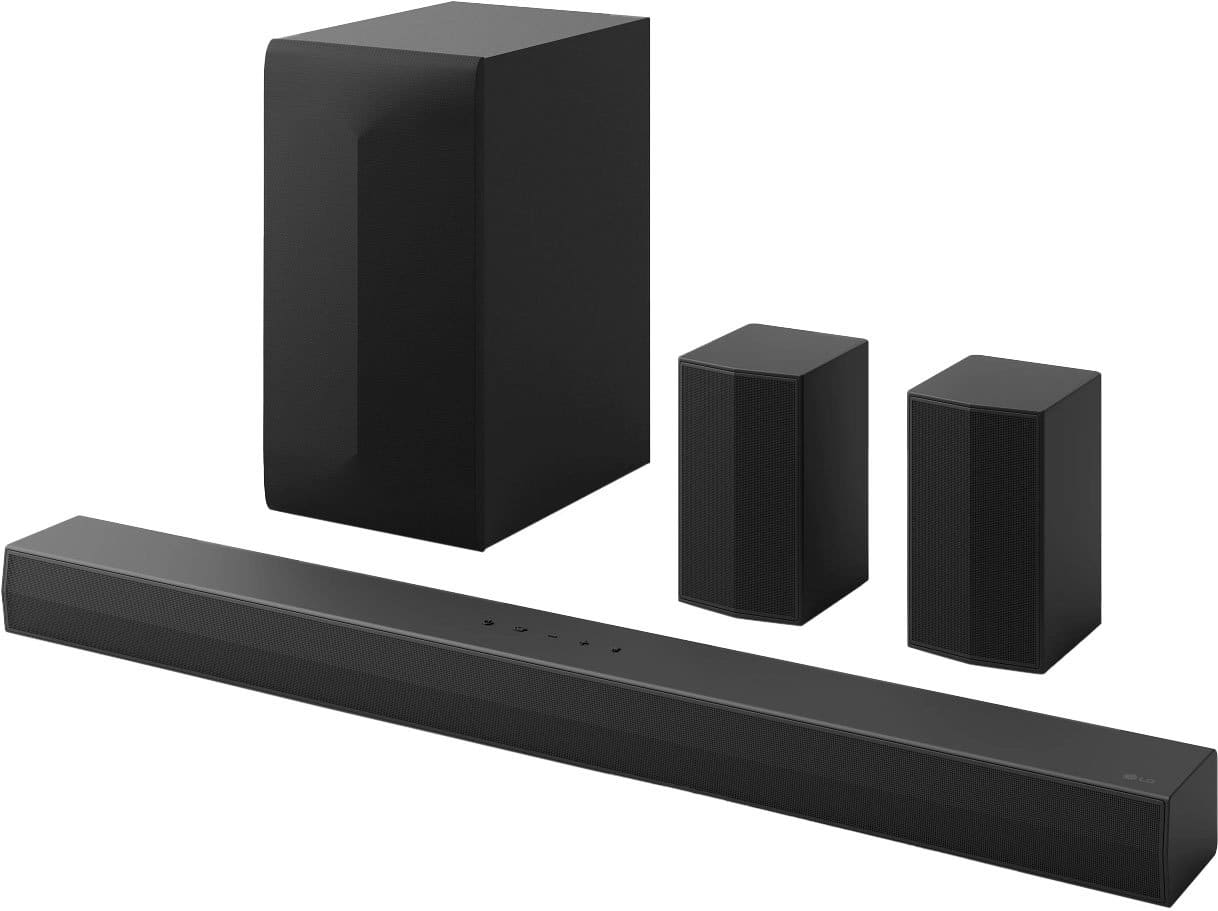
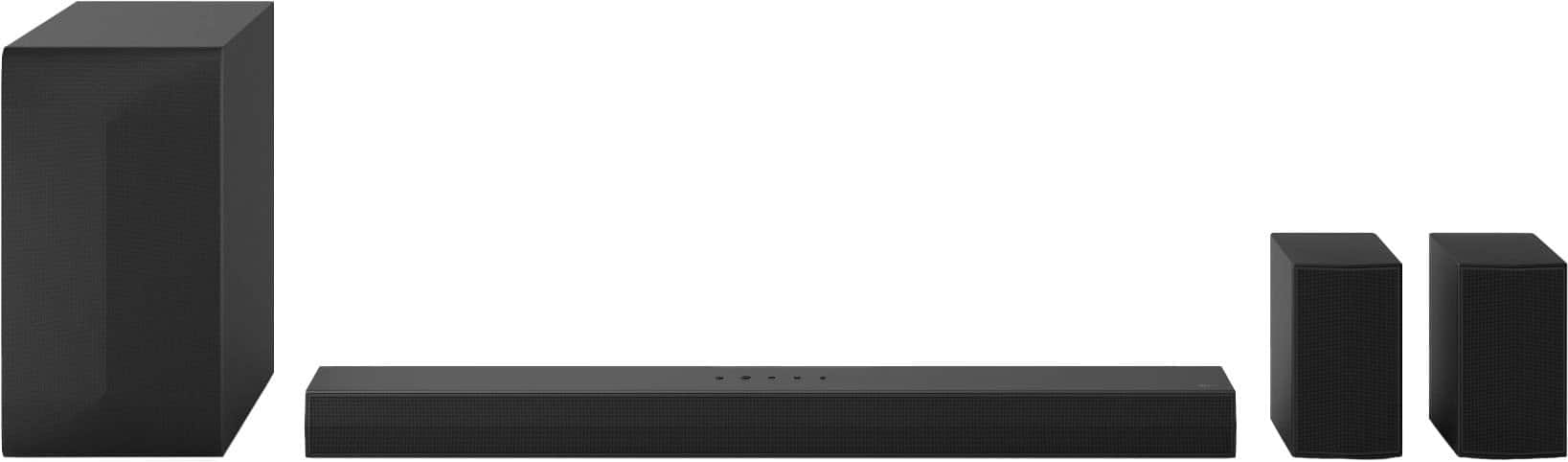
Also released in 2022, the LG S60TR takes the opposite approach: throw hardware at the problem. You get five separate speakers positioned around your room, totaling 440 watts of power. That's nearly ten times more power than most TV speakers combined.
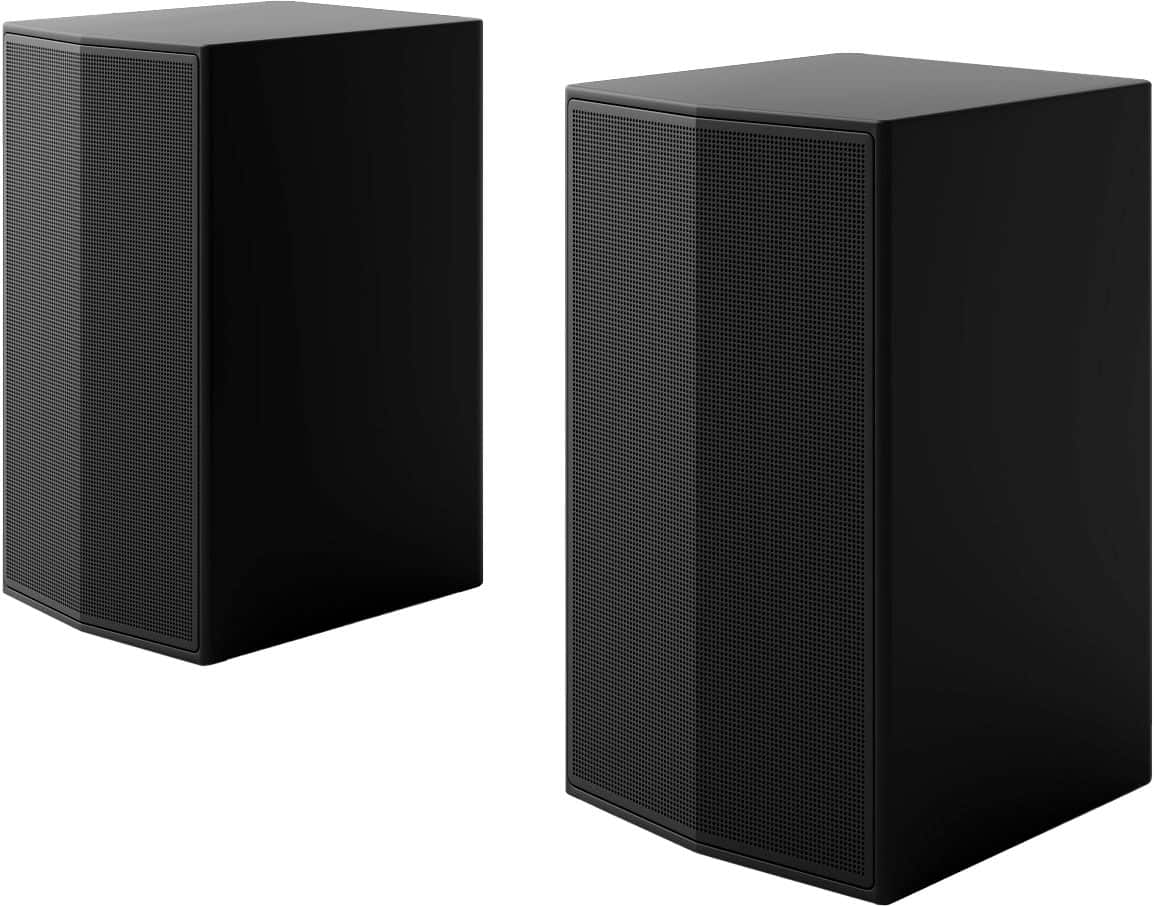
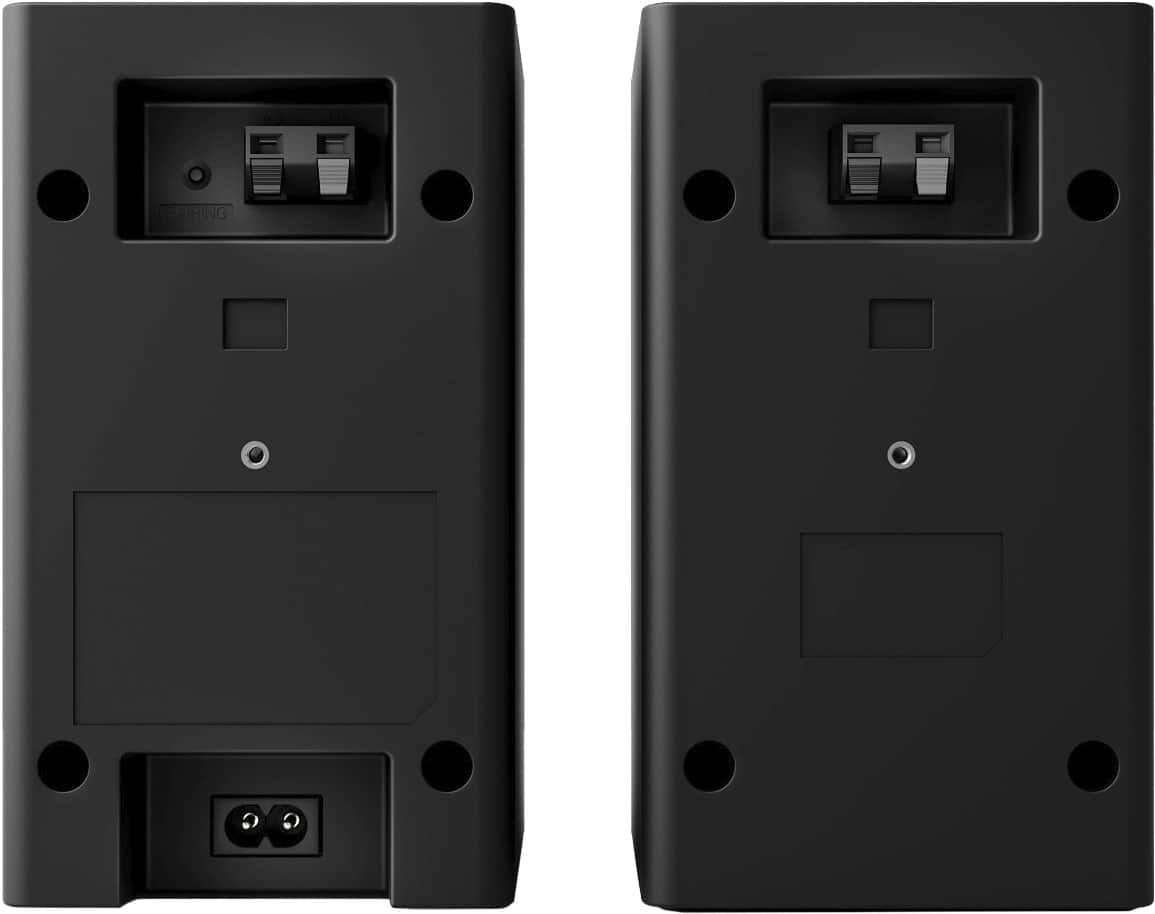
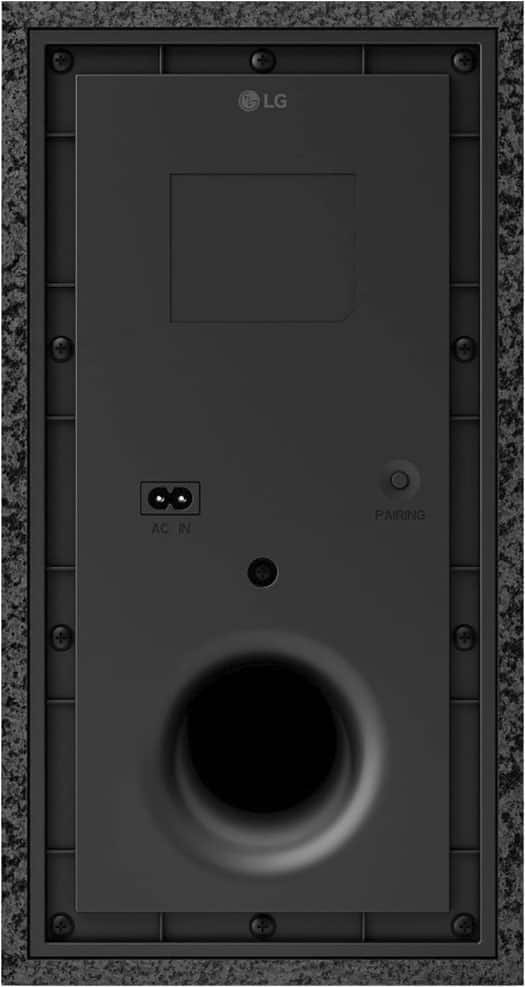
The system includes a main soundbar with left, right, and center channels, plus a wireless subwoofer and two rear speakers that connect to each other via cable but communicate wirelessly with the main bar. This true 5.1 configuration means sounds can genuinely come from behind you – helicopter rotors panning overhead, footsteps creeping up from the rear, ambient crowd noise surrounding you during sports broadcasts.
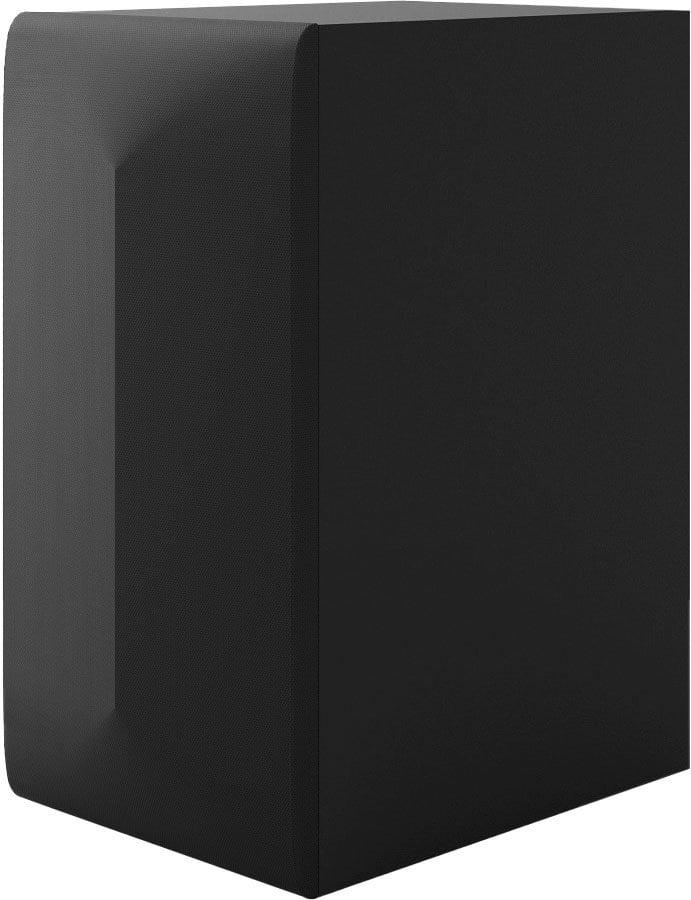
The standout component is the 220-watt wireless subwoofer. Subwoofers handle the lowest frequencies that regular speakers struggle with – the rumble of thunder, explosion impacts, and the deep bass lines in music. The LG S60TR's sub uses a bass reflex design with a tuned port to extend response down to frequencies you feel as much as hear.
LG's AI Sound Pro technology analyzes incoming audio in real-time, automatically adjusting processing based on content type. Watch a dialogue-heavy drama, and it emphasizes mid-range clarity. Switch to an action movie, and it opens up the dynamic range for impact. This isn't just an EQ preset – it's continuous analysis and adjustment.
The WOW Orchestra feature deserves special mention if you own an LG TV. It synchronizes the TV's built-in speakers with the soundbar system, creating an even larger soundstage. Your TV essentially becomes an additional center channel, which can improve dialogue clarity and create a more enveloping experience.
This is where the Sonos Ray truly shines. The dedicated midrange processing and Trueplay tuning create exceptional speech clarity. Even at moderate volumes, dialogue cuts through background music and effects without sounding harsh or artificial. The phantom center channel effect keeps voices locked to the screen, creating a natural presentation that makes following conversations effortless.
The LG S60TR handles dialogue well, especially with its Clear Voice Pro mode engaged, but the additional processing for surround sound sometimes makes voices feel slightly less immediate. However, the dedicated center channel in the main bar provides good vocal clarity, and the AI processing helps maintain speech intelligibility across different content types.
Winner for dialogue: Sonos Ray by a meaningful margin, especially in smaller rooms where its processing excels.
This category isn't even close. The LG S60TR's dedicated 220-watt subwoofer delivers genuine low-frequency extension and impact that the Sonos Ray simply cannot match. Movie explosions have visceral punch, music bass lines have weight and definition, and low-frequency sound effects create the physical sensation that makes action scenes engaging.
The Sonos Ray produces more bass than expected from its compact design, but it's limited by physics. Small drivers in a slim enclosure can only move so much air. For dialogue-driven content and casual music listening, it's adequate. For action movies or bass-heavy music, it feels constrained.
Winner for bass: LG S60TR by a landslide – this isn't a fair fight.
The LG S60TR creates genuine surround sound localization. Sounds actually come from behind you because speakers are actually behind you. This makes a dramatic difference for movies with active sound design – you hear rain falling all around you, aircraft moving through three-dimensional space, and ambient effects that create genuine immersion.
The Sonos Ray's virtual surround processing is impressive for a stereo system, but it cannot create true rear localization. It excels at creating width – making stereo content feel much larger than your TV screen – but directional effects remain limited to the front soundstage.
Winner for surround: LG S60TR definitively, though the Sonos Ray does remarkably well within its stereo limitations.
The Sonos Ray wins hands-down for simplicity. Connect one optical cable, open the app, run Trueplay tuning, and you're done. Wall mounting requires two screws. The entire process takes maybe fifteen minutes, and there's virtually nothing to go wrong.
The LG S60TR requires more thought and effort. You'll position the soundbar, find a spot for the subwoofer (preferably not in a corner, despite what seems logical), run power to the rear speakers, and connect the rear speaker cable. The setup process involves a specific power-on sequence that's not immediately obvious from the included instructions. Budget at least an hour for proper setup and positioning.
Winner for ease of use: Sonos Ray without question.
In spaces under 200 square feet, the Sonos Ray makes perfect sense. Its compact footprint doesn't overwhelm the room, and Trueplay tuning helps optimize performance for close listening distances. The lack of a separate subwoofer means no neighbor complaints about bass transmission through walls and floors.
The LG S60TR can work in smaller spaces, but the rear speakers become problematic. You need proper placement behind your seating position, which isn't always possible in studio apartments or rooms with challenging layouts.
This is where the LG S60TR really comes alive. In rooms between 200-400 square feet, you can position the rear speakers properly, and the subwoofer has space to breathe. The additional power and true surround positioning create an engaging home theater experience that transforms movie watching.
The Sonos Ray works fine in medium rooms, but you start noticing its limitations. The lack of dedicated bass becomes more apparent as you increase listening distances, and the stereo imaging, while impressive, can't match the spatial experience of properly positioned surround speakers.
Neither system is ideal for rooms larger than 400 square feet, but the LG S60TR handles the challenge better. Its 440 watts of total power can fill larger spaces, though you might find yourself wishing for even more subwoofer output. The Sonos Ray will struggle to provide satisfying volume and impact in genuinely large rooms.
Both systems launched in 2022, representing relatively current technology, but they've taken different approaches to staying relevant. The Sonos Ray benefits from Sonos's consistent software updates and ecosystem improvements. The company regularly adds new features and streaming service support through firmware updates, extending the product's useful life.
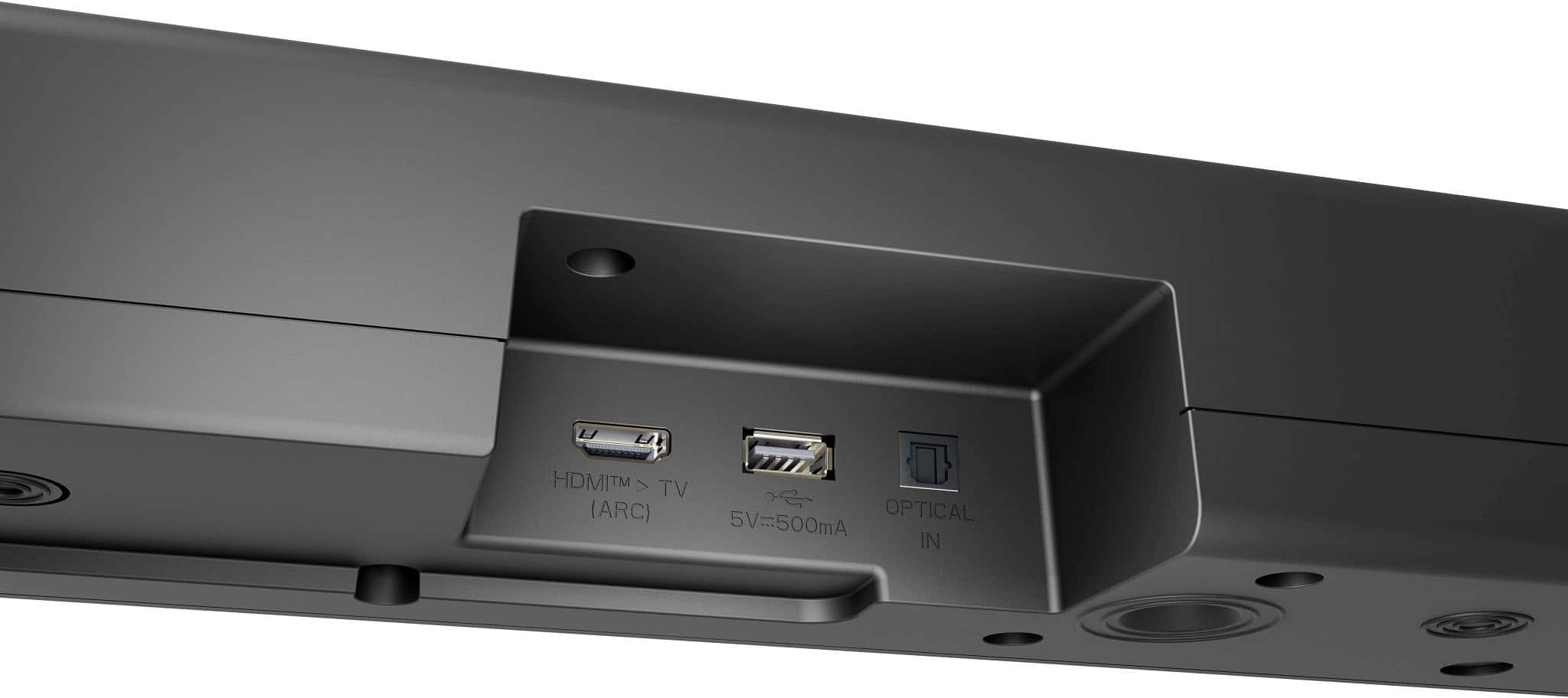
The LG S60TR supports 4K pass-through via HDMI, which the Sonos Ray lacks entirely. This means you can connect gaming consoles or streaming devices directly to the soundbar, then pass video to your TV while processing the audio. It's a convenience feature that reduces cable clutter and remote juggling.
Neither system supports Dolby Atmos (overhead sound effects), which has become increasingly common in streaming content and Blu-ray releases. This represents the biggest future-proofing concern for both products, though Dolby Atmos remains most impactful in larger, dedicated home theater spaces.
At the time of writing, these systems occupy different value categories despite similar price points. The Sonos Ray represents premium processing and build quality in a minimalist package. You're paying for sophisticated algorithms, excellent industrial design, and the Sonos ecosystem's reliability and longevity.
The LG S60TR delivers remarkable hardware value – five separate speakers including a substantial subwoofer for roughly the same money as the stereo Sonos Ray. If you tried to build a comparable 5.1 system from separate components, you'd spend significantly more.
However, value means different things to different buyers. If simplicity and refined sound matter more than raw hardware quantity, the Sonos Ray provides better value per dollar of satisfaction. If you want maximum audio hardware for your investment, the LG S60TR wins easily.
You live in a smaller space where rear speaker placement is impractical or impossible. You prioritize dialogue clarity above all else – maybe you watch a lot of prestige TV dramas, documentaries, or news programming. You want the absolute simplest setup experience and don't mind paying a premium for refinement over raw capability.
The Sonos Ray also makes sense if you're already invested in the Sonos ecosystem or plan to expand your audio setup gradually. Starting with the Ray and adding other Sonos speakers over time creates a cohesive multi-room system that's difficult to match with other brands.
You have a medium-sized room where you can position rear speakers properly, and you watch content that benefits from surround sound – action movies, sports, gaming, or music concerts. You want substantial bass impact and don't mind the additional complexity of a multi-component system.
The LG S60TR is particularly appealing if you own an LG TV and can take advantage of the WOW Orchestra integration. The seamless remote control integration and synchronized processing create a more cohesive experience than mixing brands typically provides.
After extensive testing and living with both systems, I find myself recommending them to completely different audiences. The Sonos Ray excels as a sophisticated upgrade for smaller spaces and dialogue-focused viewing. Its processing sophistication and ease of use justify the premium pricing for buyers who value simplicity and refinement.
The LG S60TR provides exceptional hardware value and creates genuinely engaging surround sound experiences in appropriately sized rooms. For movie enthusiasts and anyone who wants to feel the impact of their entertainment, it delivers far more immersion than its price suggests.
Neither system is objectively better – they're designed for different use cases and preferences. Your choice should depend on your room size, content preferences, and whether you prioritize simplicity or comprehensive surround sound. Both represent significant upgrades over TV speakers, but they'll satisfy different aspects of what makes audio engaging and enjoyable.
The key is being honest about your space, usage patterns, and technical comfort level. Choose the Sonos Ray for elegance and ease, or the LG S60TR for hardware abundance and surround sound authenticity. Either choice will transform your TV audio experience – just in very different ways.
| Sonos Ray Soundbar | LG S60TR 5.1 Channel Soundbar |
|---|---|
| Channel Configuration - Determines surround sound capabilities | |
| 2.0 stereo with virtual surround processing | True 5.1 with physical rear speakers and subwoofer |
| Total Power Output - Affects volume and dynamic range | |
| Not specified (estimated ~40W based on size) | 440W total (220W subwoofer, 220W other channels) |
| Bass Performance - Critical for movies and music impact | |
| Built-in bass ports, limited low-end extension | Dedicated 220W wireless subwoofer with deep bass |
| Setup Complexity - How much work to get optimal sound | |
| Single unit, one optical cable connection | Multiple components requiring positioning and power |
| Room Size Suitability - Where each performs best | |
| Small to medium rooms, apartments | Medium rooms with space for rear speaker placement |
| Dialogue Clarity - Most important for TV watching | |
| Excellent with advanced midrange processing | Good with Clear Voice Pro mode |
| Connectivity Options - Flexibility for different devices | |
| Optical input only, Wi-Fi, AirPlay 2 | HDMI ARC, optical, Bluetooth, Wi-Fi, 4K pass-through |
| Smart Features - Advanced audio processing capabilities | |
| Trueplay room correction (iOS devices required) | AI Sound Pro, WOW Orchestra (LG TV integration) |
| Expandability - Future upgrade potential | |
| Cannot add subwoofer or rear speakers | Complete system, no expansion needed |
| Release Year - Technology generation | |
| 2022 (latest Sonos entry-level model) | 2022 (current LG mid-range system) |
| Best Use Cases - Where each excels | |
| Dialogue-heavy content, music, small spaces | Movies, gaming, sports, larger rooms with surround setup |
| Value Proposition - What you get for your money | |
| Premium stereo processing in compact design | Complete 5.1 hardware system at budget-friendly price |
The Sonos Ray is better for small rooms and apartments. Its compact 33-inch design fits easily on TV stands or wall-mounted in tight spaces. The single-unit design means no rear speakers to position, and its Trueplay room correction optimizes sound for smaller listening areas. The LG S60TR requires space for a subwoofer and rear speakers, making it less practical for cramped quarters.
Yes, the LG S60TR has significantly better bass performance. It includes a dedicated 220-watt wireless subwoofer that delivers deep, impactful low-frequency sound for movies and music. The Sonos Ray relies on small built-in drivers and bass ports, which provide adequate bass for dialogue but lack the punch needed for action movies or bass-heavy music.
The Sonos Ray is much easier to set up. You simply connect one optical cable from your TV and you're ready to go. The LG S60TR requires positioning multiple components including the soundbar, wireless subwoofer, and rear speakers that need power connections and specific placement for optimal surround sound.
Only the LG S60TR provides true surround sound with its 5.1 channel configuration and physical rear speakers positioned behind your seating area. The Sonos Ray creates virtual surround effects through stereo processing, which sounds wider than TV speakers but cannot match the directional audio of actual rear speakers.
The Sonos Ray excels at dialogue clarity with its advanced midrange processing and phantom center channel technology that keeps voices anchored to the screen. While the LG S60TR has good dialogue performance with its Clear Voice Pro mode, the Sonos Ray's refined processing makes speech exceptionally clear even at moderate volumes.
The LG S60TR offers exceptional hardware value, providing a complete 5.1 surround system with subwoofer and rear speakers at a competitive price point. The Sonos Ray represents premium value through sophisticated processing and build quality in a refined package, though you get less hardware for your investment.
The Sonos Ray cannot be expanded with additional speakers or a subwoofer - it's designed as a complete stereo solution. The LG S60TR comes as a complete 5.1 system with all components included, so no expansion is needed or possible. However, the Sonos Ray can integrate with other Sonos speakers for multi-room audio.
The LG S60TR is significantly better for movies and gaming thanks to its true 5.1 surround sound, powerful subwoofer, and AI Sound Pro processing that adapts to different content types. The physical rear speakers create immersive directional audio effects that enhance action scenes and gaming experiences far beyond what the stereo Sonos Ray can achieve.
The LG S60TR offers more connectivity flexibility with HDMI ARC, optical input, Bluetooth, Wi-Fi, and 4K pass-through capabilities. The Sonos Ray is more limited with only optical input and Wi-Fi, plus AirPlay 2 support. The LG system's HDMI connection allows for higher-quality audio formats and easier device management.
The Sonos Ray requires much less space as a single compact unit that sits under your TV or mounts on the wall. The LG S60TR needs room for the main soundbar, floor space for the subwoofer, and appropriate positioning for the rear speakers behind your seating area, making it unsuitable for very small rooms.
Both soundbars handle music well but in different ways. The Sonos Ray provides more refined, audiophile-friendly music reproduction with balanced frequency response ideal for acoustic and vocal music. The LG S60TR delivers more dynamic music playback with powerful bass and surround processing that can make concerts and electronic music more engaging, though less refined than the Sonos Ray.
We've done our best to create useful and informative comparisons to help you decide what product to buy. Our research uses advanced automated methods to create this comparison and perfection is not possible - please contact us for corrections or questions. These are the sites we've researched in the creation of this article: tomsguide.com - soundandvision.com - youtube.com - techradar.com - en.community.sonos.com - rtings.com - howtogeek.com - youtube.com - cnet.com - sonos.com - videoandaudiocenter.com - bestbuy.com - mynavyexchange.com - youtube.com - consumerreports.org - avsforum.com - rentacenter.com - bestbuy.com - homechoicestores.com - oconsommateur.com - lg.com - bestbuy.com - samsung.com

Privacy Policy
Terms and Conditions - Affiliate Policy
Home Security
© Copyright 2008-2026.
11816 Inwood Rd #1211, Dallas, TX 75244