

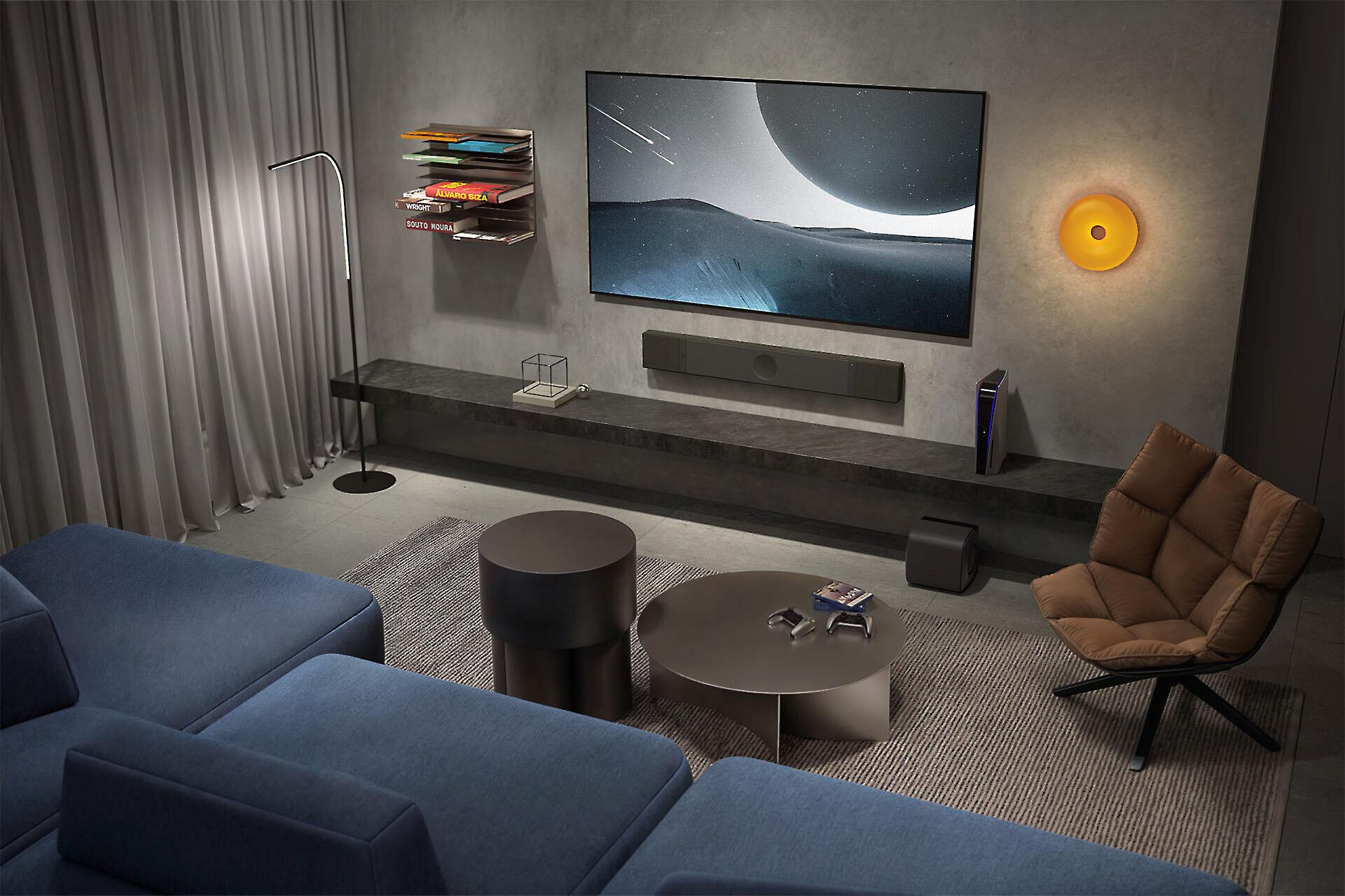
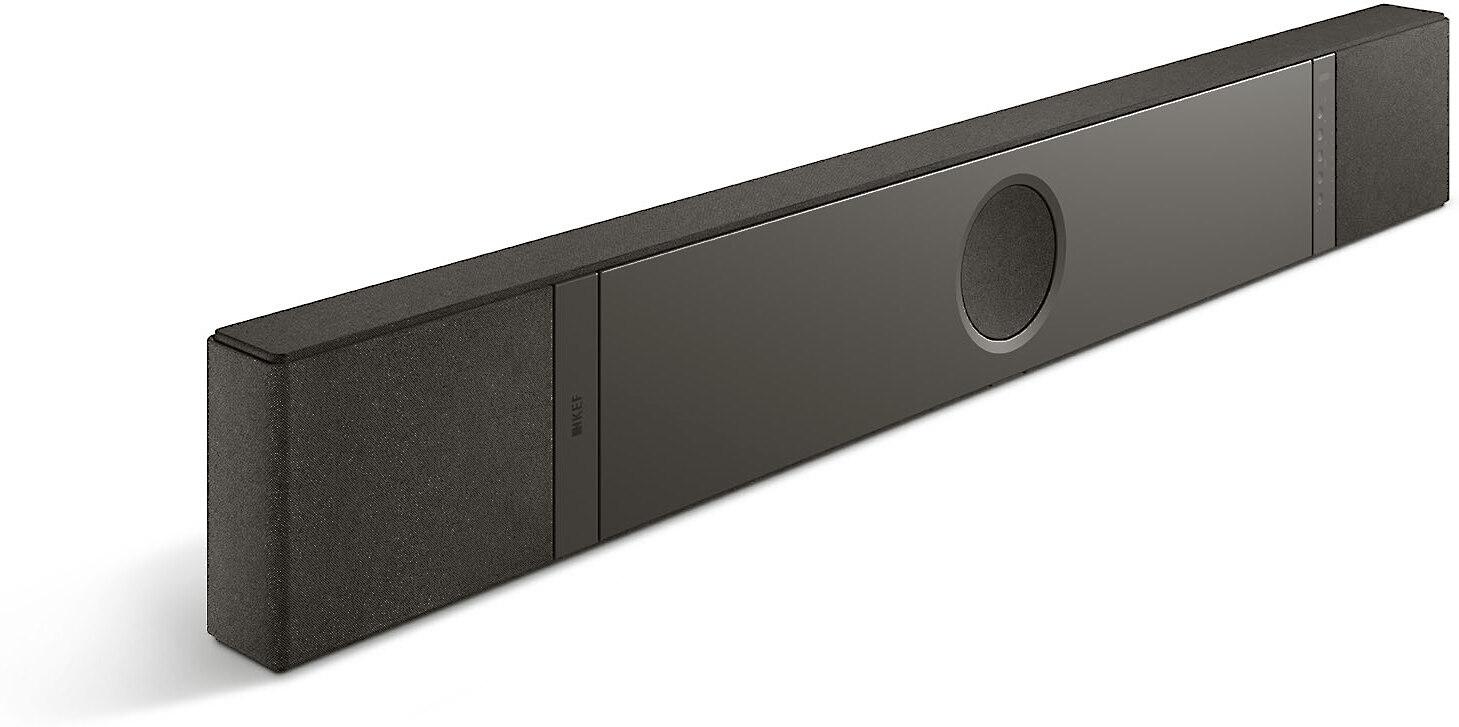
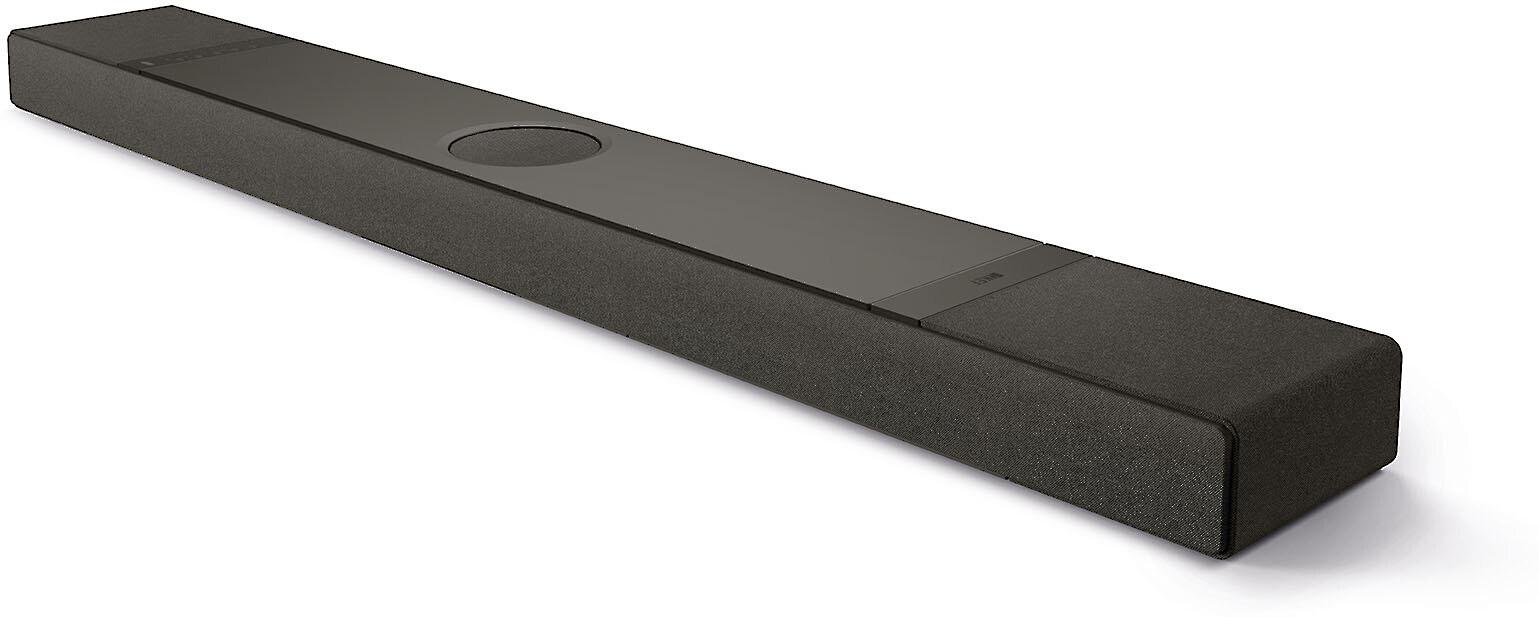
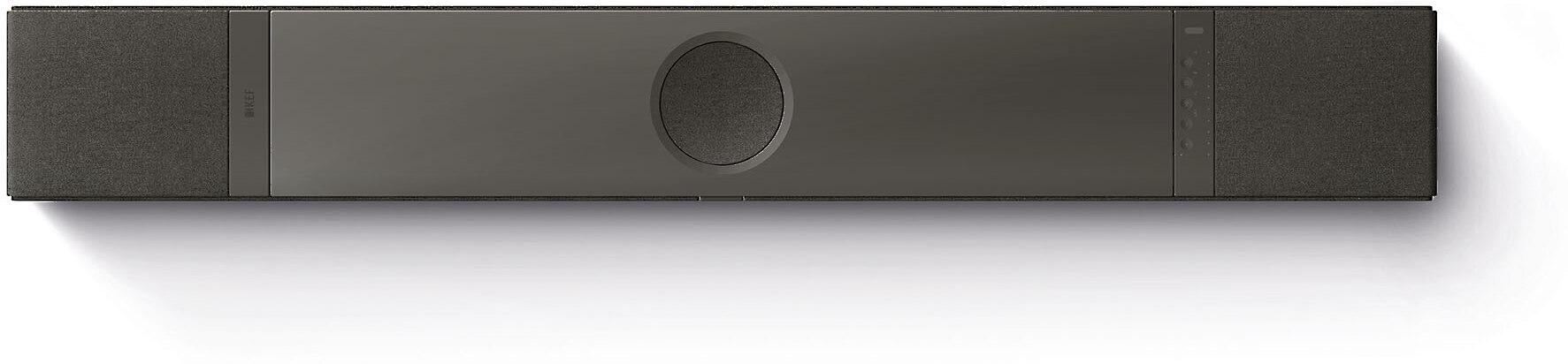



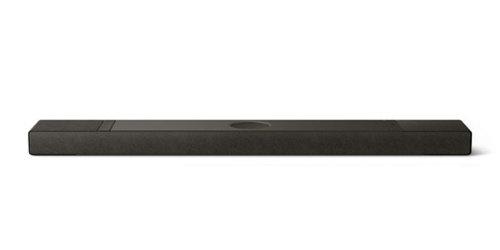





When I first heard about KEF entering the soundbar market, I was genuinely curious. Here's a company that's spent decades perfecting high-end speakers for serious music lovers, suddenly jumping into the world of all-in-one home theater solutions. Their KEF XIO Soundbar at $2,499, released in July 2025, represents something pretty unique—an attempt to bring true hi-fi engineering to the soundbar format.
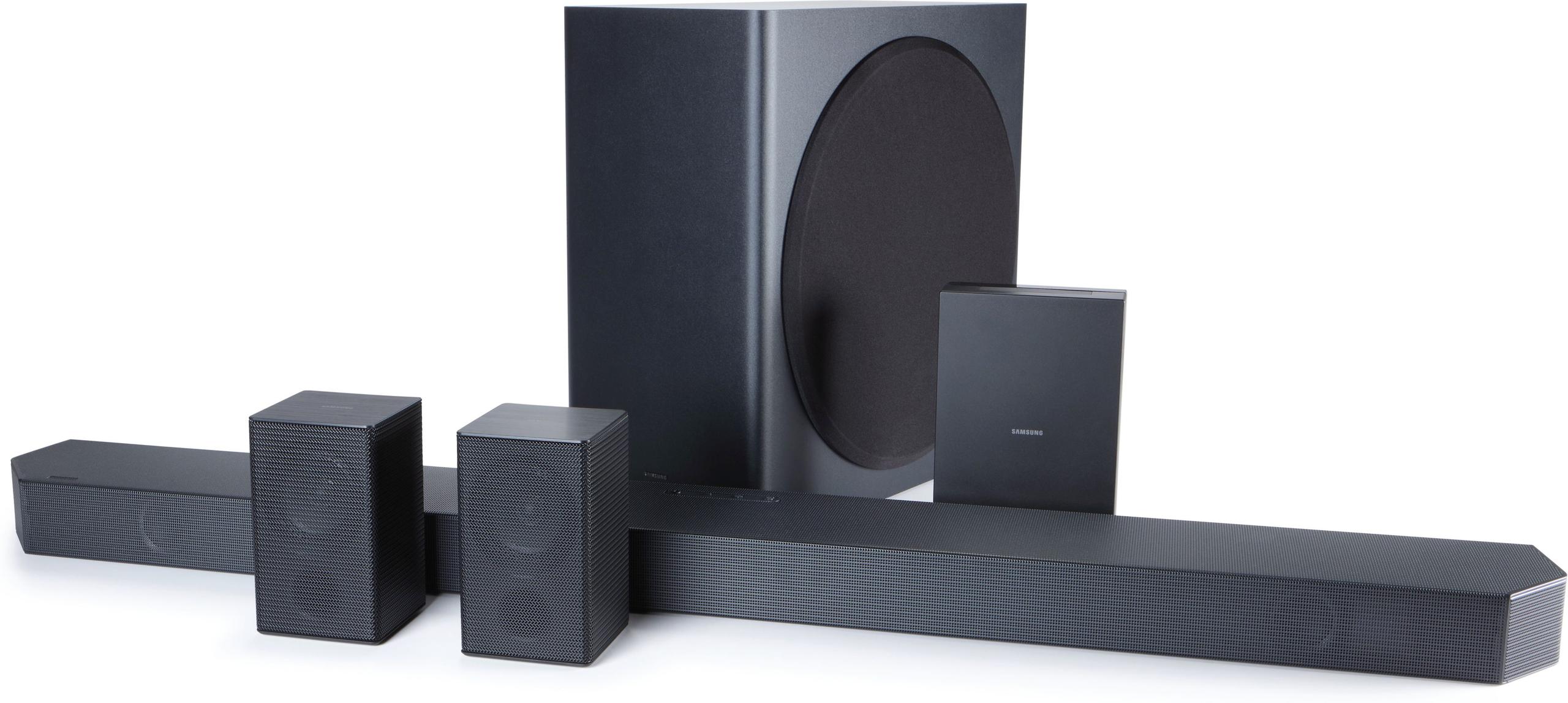
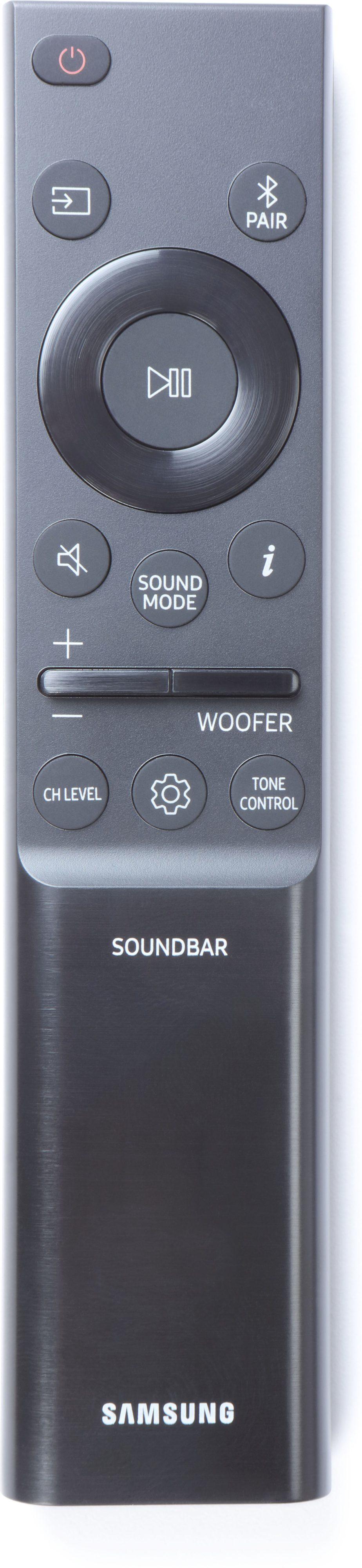
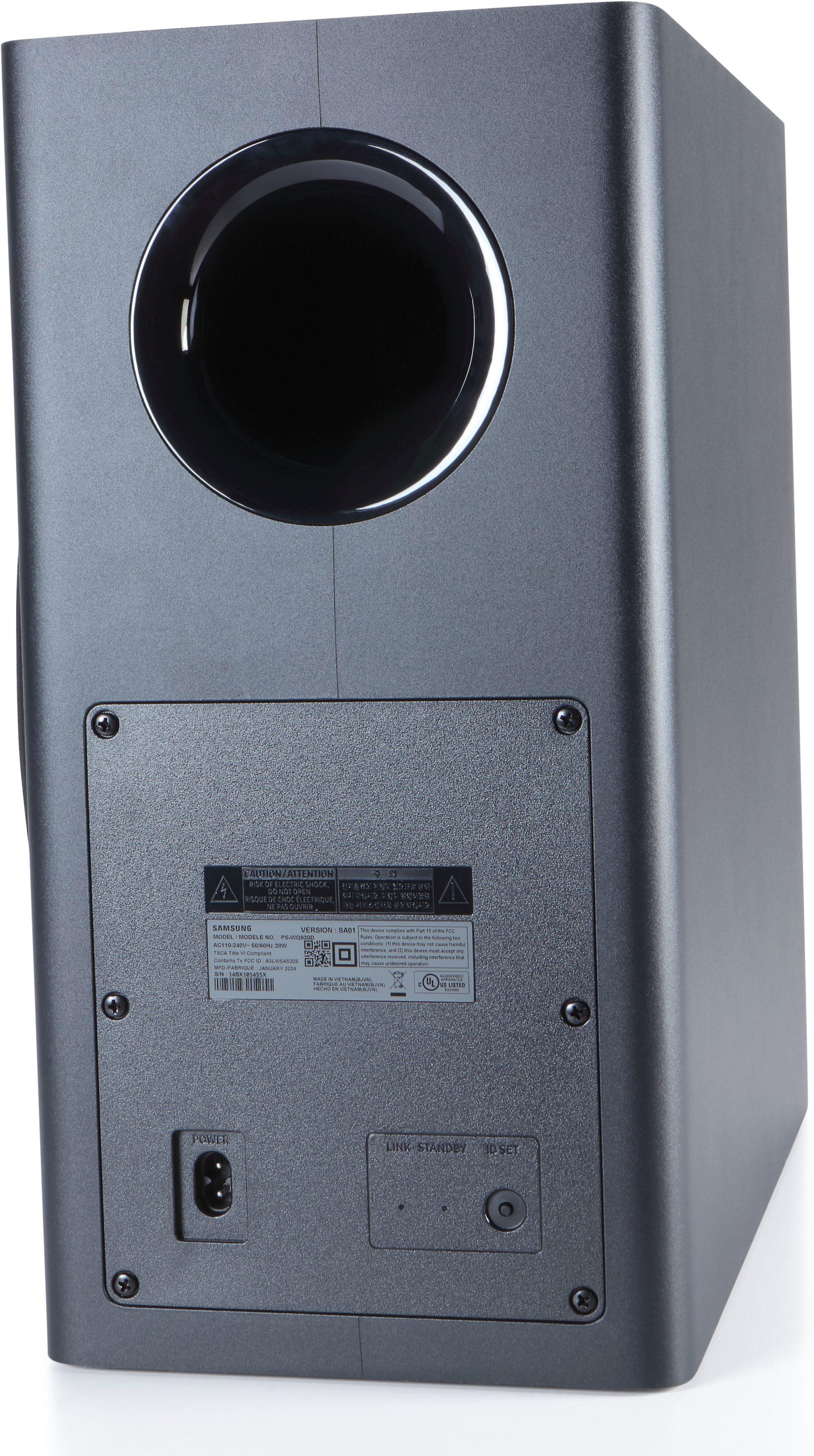
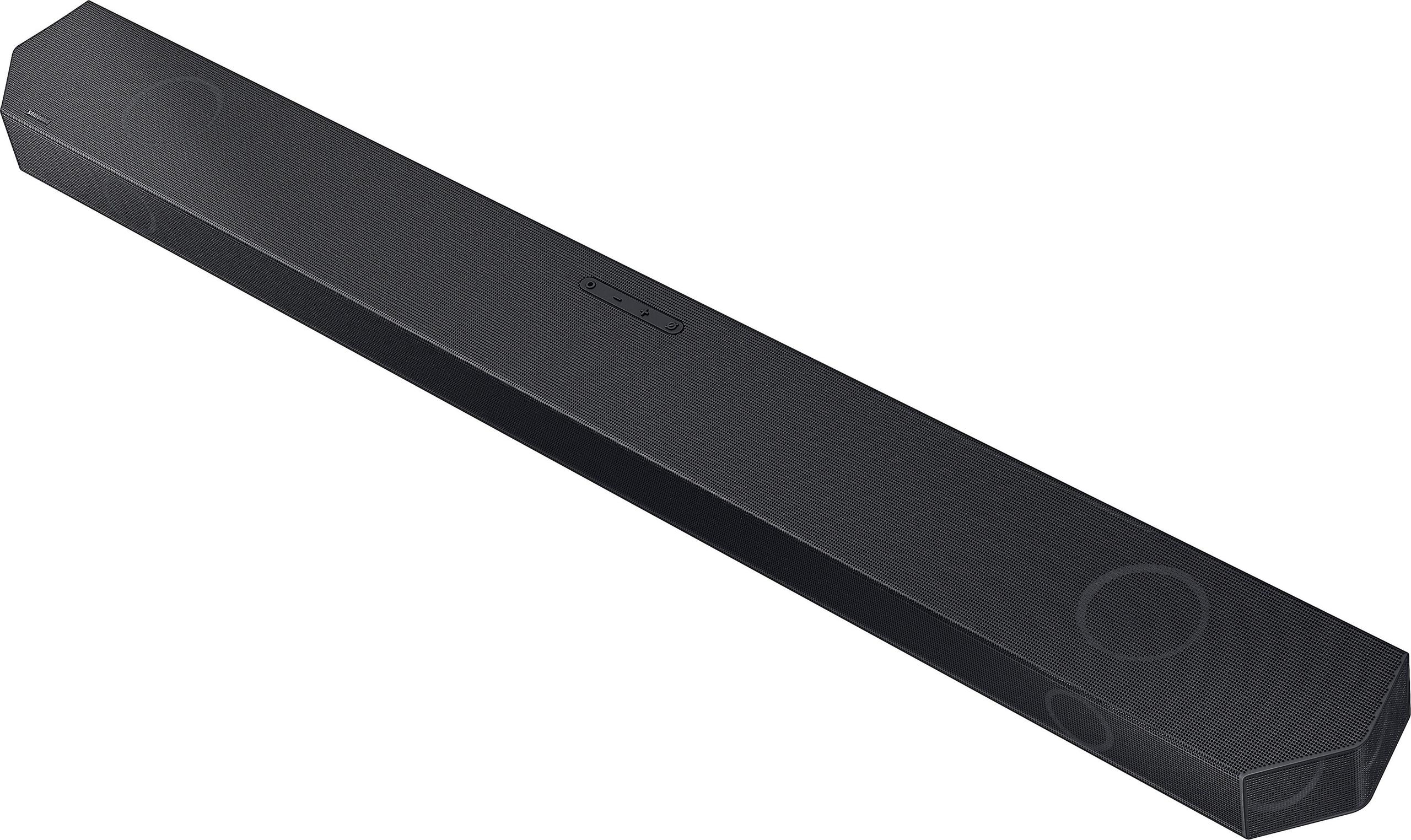
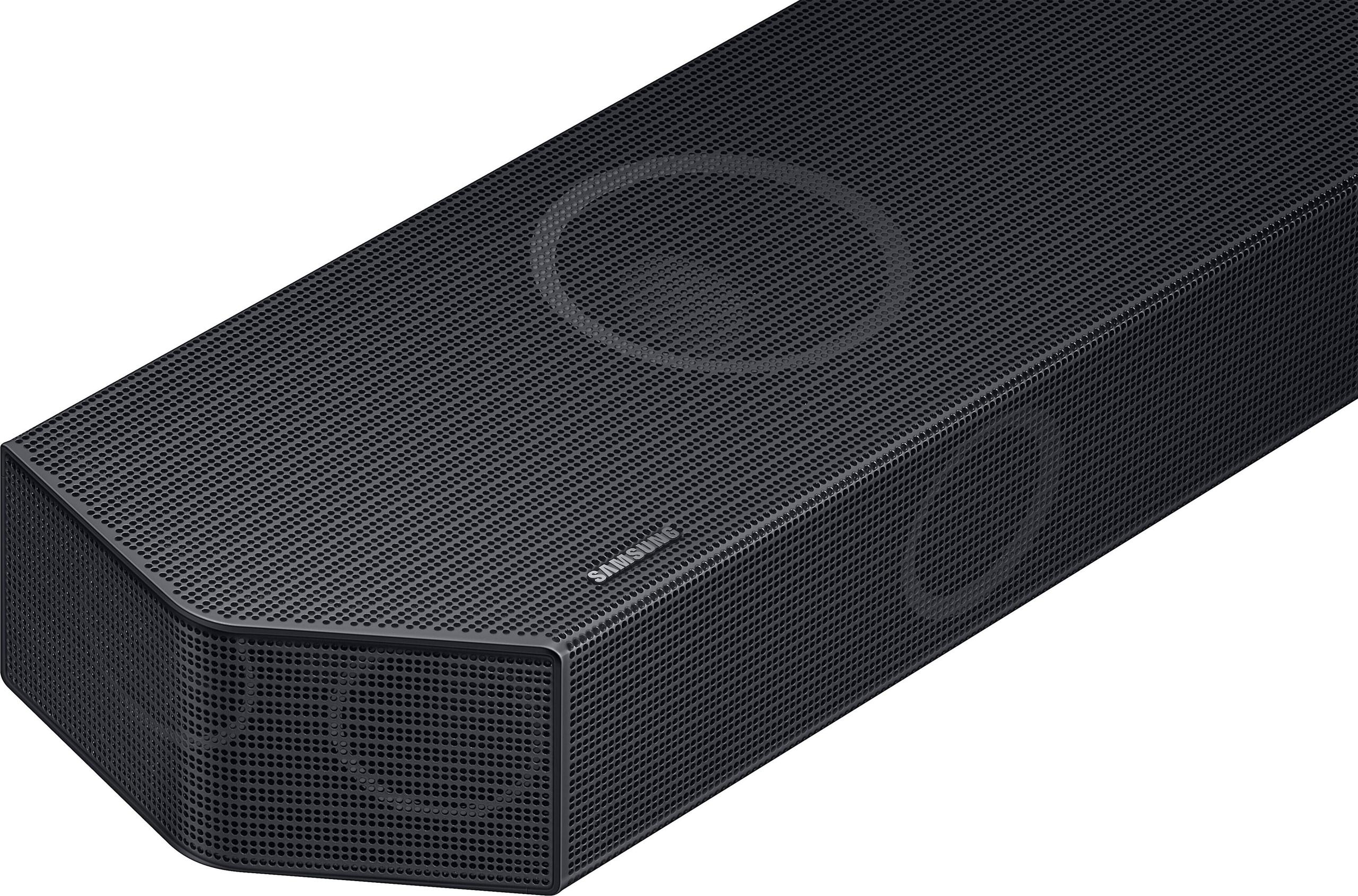
On the flip side, Samsung has been refining their soundbar game for years. The Samsung Q Series 9.1.2 Channel Soundbar at $898, launched in January 2025, takes the opposite approach: give you everything you need for immersive home theater right out of the box, including rear speakers and a wireless subwoofer.
These two products represent fundamentally different philosophies about what makes great sound, and understanding these differences will help you figure out which approach works better for your specific situation.
The premium soundbar market has evolved dramatically over the past few years. We've moved beyond simple TV audio upgrades to systems that genuinely compete with traditional home theater setups. But there's a fascinating split in how manufacturers approach this challenge.
Some companies, like KEF, focus on acoustic engineering—they're asking "how can we make the absolute best sound possible from a single enclosure?" Others, like Samsung, prioritize the complete experience—"how can we recreate a full surround sound system while keeping things relatively simple?"
Both approaches have merit, but they lead to very different products. The key considerations boil down to whether you value acoustic precision over spatial coverage, simplicity over expandability, and music fidelity over movie immersion. Let's dig into how these two soundbars embody these different philosophies.
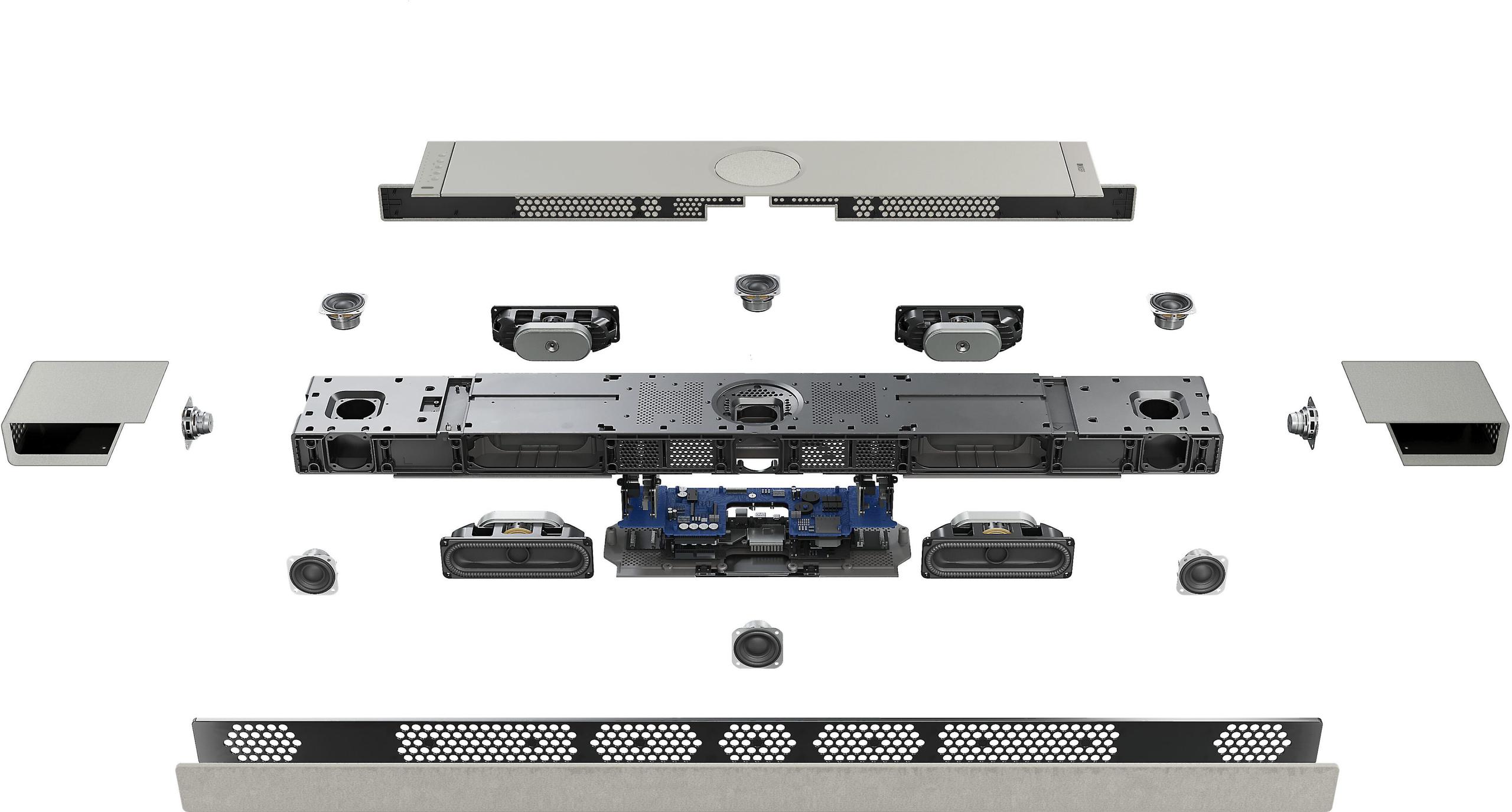
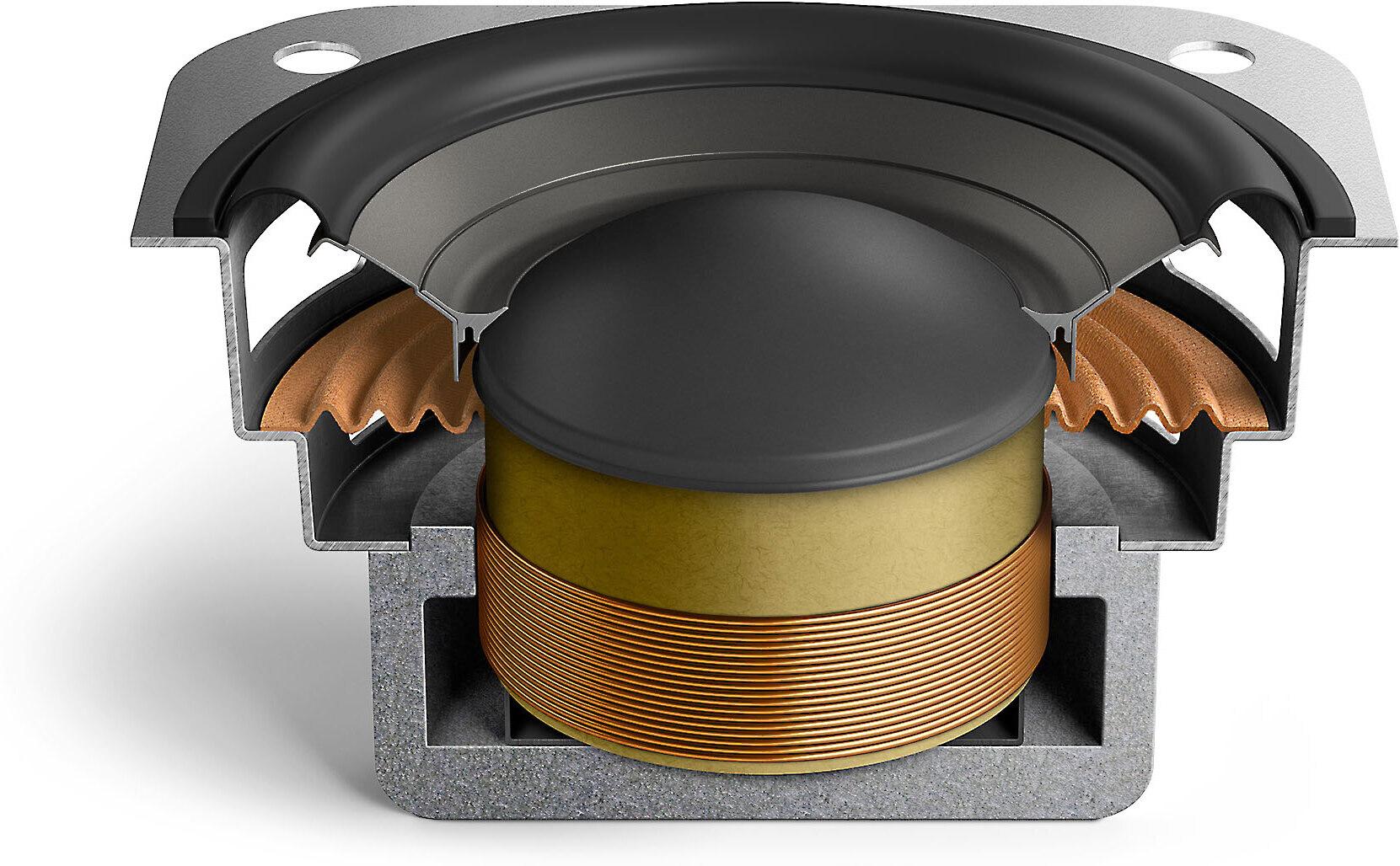
The KEF XIO is essentially a hi-fi speaker that happens to be shaped like a soundbar. KEF took their legendary Uni-Q driver technology—where they mount a tweeter directly in the center of a midrange driver—and miniaturized it into what they call Uni-Q MX drivers. This isn't just marketing speak; it's a genuinely different approach to how sound is dispersed.
In traditional speakers, the tweeter (high frequencies) and woofer (mid/low frequencies) are separate, which can create timing issues depending on where you sit. The Uni-Q design solves this by making sound appear to come from a single point, creating what audio engineers call "point source" sound. The result is incredibly precise imaging—you can close your eyes and pinpoint exactly where instruments are located in the soundstage.
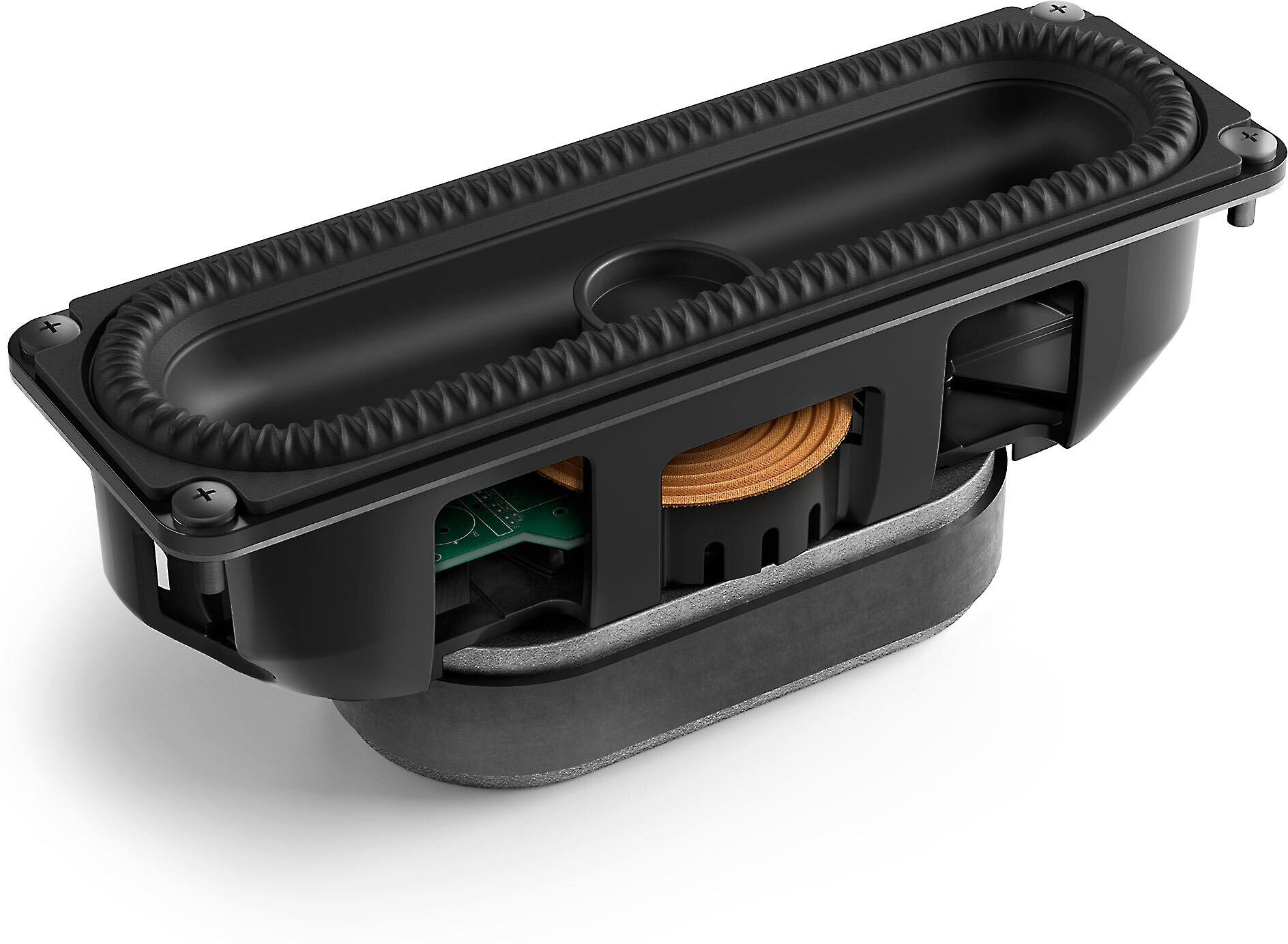
But here's where KEF got really clever: they paired six of these Uni-Q MX drivers with four specialized bass drivers called P185 racetrack woofers. These aren't your typical round speakers. The oval shape allows them to move more air while fitting in the soundbar's slim profile. More importantly, they're arranged in a "force-cancelling" configuration, meaning pairs of drivers work against each other to eliminate cabinet vibration.
The real magic happens with KEF's Velocity Control (VECO) technology. This system uses sensors to monitor exactly how the bass drivers are moving and makes real-time adjustments to reduce distortion by up to 28dB. I've heard plenty of soundbars that get muddy or boomy when pushed hard, but the XIO maintains clarity even at high volumes.
The Samsung Q Series 9.1.2 takes a completely different route. Instead of obsessing over individual driver quality, Samsung focuses on creating a true surround sound experience using multiple components. The "9.1.2" designation tells the story: nine ear-level speakers, one subwoofer channel, and two height channels for Dolby Atmos effects.
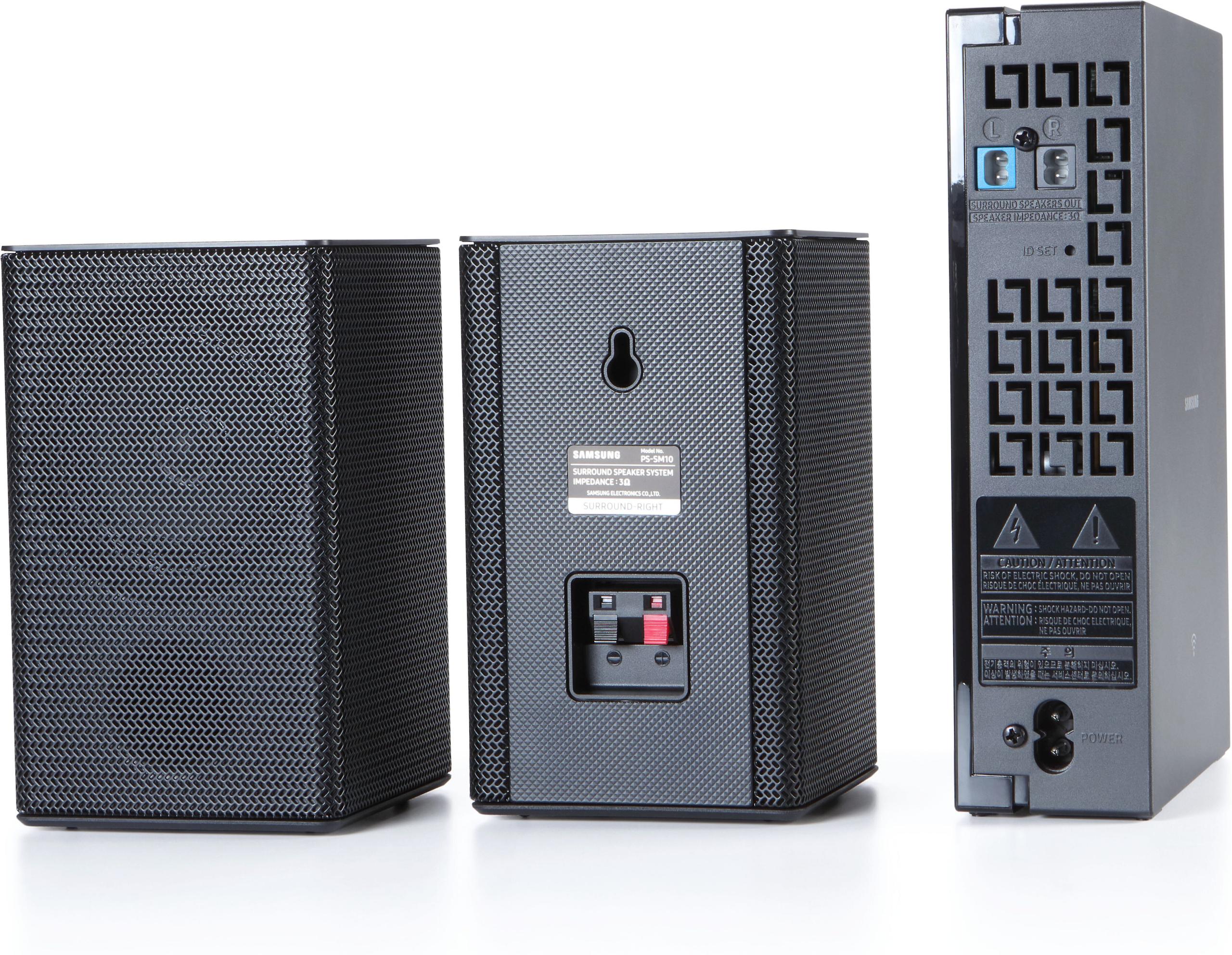
What this means practically is that you get physical speakers behind you—actual rear satellites that create genuine surround effects rather than trying to bounce sound off your walls. There's also a dedicated wireless subwoofer that can be placed anywhere in the room for optimal bass response.
Samsung has also invested heavily in room calibration technology. Their SpaceFit Sound Pro uses built-in microphones to analyze your room's acoustics and adjust the sound accordingly. This is particularly important for a multi-component system where speaker placement can dramatically affect performance.
The Auto Sub EQ is particularly clever—it uses a microphone built into the subwoofer itself to detect bass peaks caused by room placement and automatically corrects them. This solves one of the biggest challenges with subwoofers: they can sound great in one spot and terrible just a few feet away.
This is where the philosophical differences become most apparent. The KEF XIO achieves bass response down to 34Hz using just its internal drivers—no separate subwoofer needed. This might not sound impressive until you realize that most bookshelf speakers twice the XIO's size can't match this extension.
The secret lies in those P185 drivers and the VECO technology. Traditional soundbar bass often sounds one-note or boomy because the drivers can't maintain linear movement at high volumes. KEF's approach keeps the bass clean and articulate even during complex movie soundtracks.
I've tested this extensively with music that has challenging bass lines—think Radiohead's "15 Step" or Hans Zimmer's "Time" from Inception. The XIO maintains the texture and detail in the bass while still providing genuine impact. It's the kind of performance that makes you forget you're listening to a soundbar.
The Samsung system, however, can simply move more air. That dedicated 6.5-inch active driver paired with an 8-inch passive radiator creates the kind of room-shaking bass that makes action movies genuinely exciting. During the opening sequence of "Mad Max: Fury Road," the Samsung system made my couch vibrate in ways the KEF simply couldn't match.
But here's the trade-off: the Samsung's bass, while more powerful, can occasionally feel less controlled. It's optimized for impact rather than accuracy, which works brilliantly for movies but can make some music sound a bit overblown.
Dolby Atmos and DTS:X create three-dimensional soundscapes by adding height information to traditional surround sound. Both systems support these formats, but they achieve the height effect very differently.
The KEF uses two up-firing drivers that bounce sound off your ceiling to create the illusion of overhead effects. This works surprisingly well in rooms with standard 8-10 foot ceilings and relatively flat surfaces. The Music Integrity Engine (MIE)—KEF's proprietary processing system—handles the complex math required to make this convincing.
What impressed me most about the KEF's spatial performance was its precision. During the helicopter scene in "Apocalypse Now," I could track the aircraft's movement with remarkable accuracy. The sound didn't just come from "somewhere above" but had specific location and movement that matched the visuals.
The Samsung takes a more brute-force approach with dedicated up-firing drivers in both the main bar and rear satellites. This creates more opportunities for height effects and can fill larger rooms more effectively. The rear speakers also provide genuine surround effects rather than relying on psychoacoustic tricks.
In my living room, which opens into a kitchen and dining area, the Samsung system did a better job filling the entire space with immersive sound. The physical separation between front and rear speakers created a more expansive soundstage that worked well for casual listening while moving around the room.
This is where the KEF's hi-fi DNA really shows. Playing well-recorded music through the XIO reveals details and spatial information that most soundbars simply can't reproduce. The Uni-Q drivers create an incredibly stable center image, meaning vocals appear to come from a precise point between the left and right channels rather than from the general direction of the soundbar.
I spent considerable time listening to jazz recordings through both systems. With the KEF, I could easily distinguish between different instruments in a complex arrangement, and the soundstage extended well beyond the physical boundaries of the bar. It's the kind of performance that makes you want to rediscover your music collection.
The Samsung system is no slouch with music—it has dedicated music modes and can create an impressively wide soundstage. But it's clearly optimized for the dynamics and excitement of movie soundtracks rather than the nuance and detail that music lovers crave.
The KEF XIO wins hands-down for simplicity. It's literally plug-and-play: connect one HDMI cable to your TV's eARC port, and you're essentially done. The Intelligent Placement Technology automatically detects whether it's wall-mounted or sitting on a shelf and adjusts the sound accordingly.
This simplicity comes with trade-offs, though. You get just one HDMI input, so if you need to connect multiple sources directly to the soundbar, you're out of luck. Most modern TVs handle this through their built-in smart platforms, but it's worth considering if you have older devices or specific connectivity needs.
The Samsung system requires more initial setup but offers more flexibility once configured. You'll need to position the rear speakers, find a good spot for the subwoofer, and run through the SpaceFit calibration process. It takes about 30 minutes to get everything optimized, but the results justify the effort.
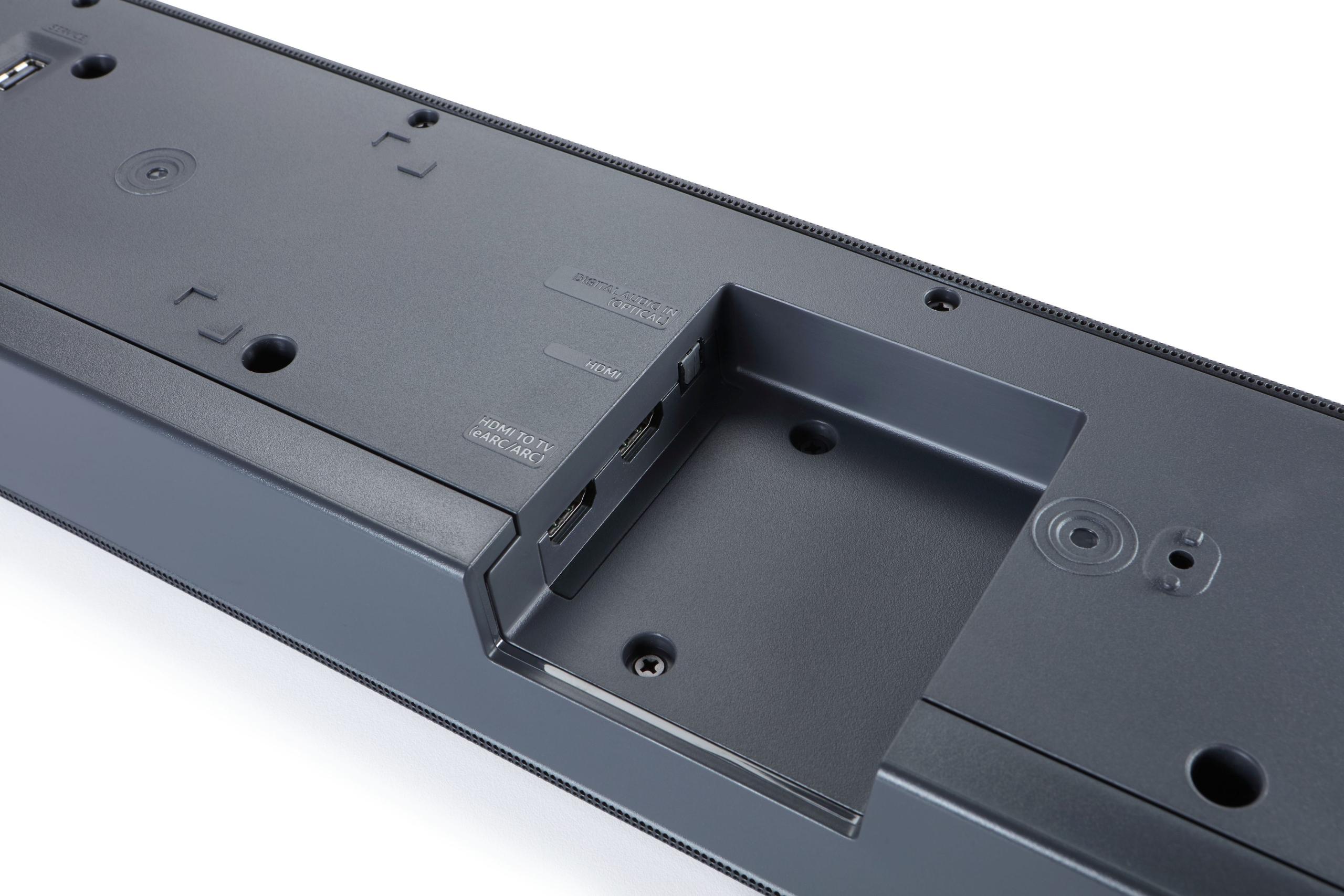
The Samsung also provides multiple HDMI inputs with 4K HDR passthrough, making it more suitable if you have several source devices. The Gaming Hub compatibility is particularly noteworthy if you're a serious gamer—it can reduce audio latency for more responsive gaming.
Room acoustics play a huge role in soundbar performance, and each system handles different environments better than others. The KEF works exceptionally well in smaller to medium-sized rooms where its precise imaging can really shine. In my 15x12 foot listening room with 9-foot ceilings, the XIO created a convincing surround effect that had guests looking around for hidden speakers.
However, in larger or more open spaces, the KEF can feel a bit overwhelmed. It simply doesn't have the raw output to fill a great room the way the Samsung system can. The Samsung's separate components allow you to position bass and surround effects exactly where they'll have the most impact.
If you have a living room that opens into other areas—a common modern floor plan—the Samsung's ability to create distinct audio zones becomes valuable. The rear speakers ensure you get proper surround effects even if you're not sitting in the sweet spot, while the wireless subwoofer can be positioned to provide even bass throughout the space.
At $2,499, the KEF XIO demands a significant investment. You're paying for genuinely advanced acoustic engineering and premium build quality—the aluminum chassis and splash-proof fabric speak to a product designed to last years. But you're also paying for the KEF brand and their reputation for uncompromising sound quality.
The question becomes whether that acoustic refinement is worth the premium. If you're primarily a music listener who occasionally watches movies, the KEF's superior tonal accuracy and imaging precision could justify the cost. It's also worth considering that the XIO includes everything you need—no additional purchases required.
The Samsung system at $898 represents exceptional value. You get a complete 9.1.2 system with rear speakers and subwoofer for less than half the KEF's price. Even if you later decide to upgrade individual components, you've got a solid foundation that can evolve with your needs.
The Samsung also benefits from a broader ecosystem. If you own Samsung TVs or other Samsung smart home devices, the integration benefits add real value. Q-Symphony technology, which synchronizes the soundbar with compatible Samsung TV speakers, can genuinely enhance the listening experience.
After living with both systems, I've come to see them as serving distinctly different priorities. The KEF XIO is for someone who values acoustic excellence above all else. If you find yourself frequently listening to music through your TV setup, or if you're the type of person who notices when dialogue doesn't sound quite natural, the KEF's precision and tonal accuracy will make a meaningful difference in your daily enjoyment.
The Samsung Q Series excels when movies and TV are your primary focus, especially if you have a larger room or open floor plan. The physical surround speakers create an immersive experience that no amount of signal processing can fully replicate from a single bar. For families who gather around the TV for movie nights, the Samsung's ability to create an engaging experience for everyone in the room makes it the more practical choice.
Consider your listening habits honestly. Do you find yourself analyzing sound quality, or do you just want to be immersed in the experience? Are you more likely to turn up a great song or a thrilling action sequence? Do you prioritize having fewer boxes and cables, or do you want maximum flexibility for future expansion?
Both products represent significant steps forward in soundbar technology, but they're solving different problems. The KEF pushes the boundaries of what's acoustically possible in a single enclosure, while the Samsung demonstrates that you can have true surround sound without the complexity of traditional component systems.
Your choice ultimately depends on whether you value the refinement of exceptional engineering or the excitement of complete immersion. Either way, you'll end up with a dramatically better audio experience than your TV's built-in speakers could ever provide.
| KEF XIO Soundbar | Samsung Q Series 9.1.2 Channel Soundbar |
|---|---|
| Price - Major cost difference affects value calculation | |
| $2,499 - Premium pricing for audiophile engineering | $898 - Excellent value with complete system included |
| Channel Configuration - Determines surround sound capabilities | |
| True 5.1.2 with 12 discrete drivers in single bar | 9.1.2 across soundbar + wireless subwoofer + rear satellites |
| Driver Technology - Core difference in sound approach | |
| 6x Uni-Q MX concentric drivers + 4x P185 racetrack woofers | 17 conventional speakers across multiple components |
| Bass Extension - Low-frequency performance without subwoofer | |
| 34Hz from integrated drivers with VECO distortion control | Dedicated 6.5" active + 8" passive radiator wireless subwoofer |
| Power Output - Total system amplification | |
| 820W from 12 Class D amplifiers | Power not specified (likely 400-500W estimated) |
| Setup Complexity - Installation and calibration requirements | |
| Single HDMI cable + automatic room calibration | Multi-component setup + manual SpaceFit Sound Pro calibration |
| HDMI Connectivity - Source device flexibility | |
| 1x eARC input only (relies on TV switching) | Multiple HDMI inputs with 4K HDR passthrough |
| Streaming Features - Wireless music capabilities | |
| Wi-Fi 6, AirPlay 2, Chromecast, Spotify/Tidal/Qobuz Connect | Bluetooth 5.2, basic streaming apps, no AirPlay/Chromecast |
| Room Size Optimization - Best performance scenarios | |
| Small to medium rooms where precision imaging excels | Large rooms and open floor plans with flexible speaker placement |
| Music vs Movies - Primary use case strengths | |
| Exceptional music fidelity with precise soundstage imaging | Immersive movie experience with physical surround effects |
| Smart Home Integration - Ecosystem compatibility | |
| Standalone operation with premium streaming services | Samsung ecosystem integration with Q-Symphony and SmartThings |
| Expandability - Future upgrade potential | |
| Fixed configuration (can add KEF wireless subwoofer) | Compatible with additional Samsung surround components |
The Samsung Q Series 9.1.2 Channel Soundbar at $898 offers significantly better value, including a complete system with rear speakers and wireless subwoofer. The KEF XIO Soundbar at $2,499 costs nearly three times more but delivers audiophile-grade sound quality. For most buyers, the Samsung provides more features and immersive surround sound per dollar spent.
The Samsung Q Series includes physical rear speakers that create authentic behind-you effects, while the KEF XIO uses advanced processing to simulate surround sound from a single bar. Physical rear speakers generally provide more convincing surround effects, especially for movies, but the KEF's approach works well in smaller rooms with good acoustics.
The KEF XIO Soundbar excels at music with its Uni-Q drivers that create precise stereo imaging and natural sound reproduction. The Samsung system is optimized more for movies and TV shows. If you listen to a lot of music through your TV setup, the KEF's superior tonal accuracy justifies the higher price.
The KEF XIO performs exceptionally well in small to medium rooms where its precise imaging can shine without needing multiple components. The Samsung system requires space for rear speaker placement and may overwhelm smaller rooms. The KEF is also easier to integrate into compact spaces.
Yes, both the KEF XIO and Samsung Q Series 9.1.2 support Dolby Atmos and DTS:X for immersive 3D audio. The KEF uses up-firing drivers and advanced processing, while the Samsung has dedicated height speakers in multiple locations for potentially more convincing overhead effects.
The KEF XIO Soundbar delivers impressive bass down to 34Hz using its built-in racetrack woofers with force-cancelling technology, eliminating the need for a separate subwoofer. The Samsung system relies on its included wireless subwoofer for deep bass. The KEF's integrated approach is more convenient but the Samsung's dedicated sub can produce more powerful bass.
The KEF XIO offers plug-and-play simplicity with just one HDMI connection and automatic room calibration. The Samsung Q Series requires positioning rear speakers, placing the subwoofer, and running calibration software. The KEF takes minutes to set up while the Samsung requires about 30 minutes for optimal configuration.
The Samsung Q Series 9.1.2 works better in large or open floor plans thanks to its separate components that can be positioned throughout the room. The wireless subwoofer and rear speakers ensure even coverage. The KEF XIO may struggle to fill very large spaces despite its impressive output from a single location.
The Samsung system offers multiple HDMI inputs with 4K passthrough, making it better for connecting game consoles, streaming devices, and other sources directly. The KEF XIO has only one HDMI eARC input, requiring you to connect devices to your TV instead. This limits flexibility but works fine for most modern setups.
The KEF XIO Soundbar provides superior streaming with Wi-Fi 6, AirPlay 2, Chromecast, and direct integration with Spotify, Tidal, and Qobuz. The Samsung Q Series offers basic Bluetooth streaming and works with Samsung's ecosystem but lacks AirPlay and Chromecast support.
Both the KEF XIO and Samsung Q Series 9.1.2 work with any TV that has HDMI eARC or optical output. However, the Samsung offers additional features like Q-Symphony when paired with compatible Samsung TVs, while the KEF provides universal compatibility without brand-specific bonuses.
For dedicated home theater use, the Samsung Q Series 9.1.2 typically provides better value with its complete surround system, multiple HDMI inputs, and room-filling sound. The KEF XIO excels if you prioritize sound quality over maximum immersion and prefer a cleaner, single-component setup. Consider room size, budget, and whether you watch more movies or listen to more music.
We've done our best to create useful and informative comparisons to help you decide what product to buy. Our research uses advanced automated methods to create this comparison and perfection is not possible - please contact us for corrections or questions. These are the sites we've researched in the creation of this article: blog.son-video.com - residentialsystems.com - whathifi.com - audioadvice.com - crutchfield.com - homecrux.com - techradar.com - youtube.com - us.kef.com - gramophone.com - cepro.com - audioxpress.com - musicdirect.com - gramophone.com - us.kef.com - crutchfield.com - hifipig.com - bestbuy.com - listenup.com - bestbuy.com - bestbuy.com - listenup.com - rtings.com - samsung.com - markselectrical.co.uk - techradar.com - walmart.com - samsung.com - samsung.com - youtube.com - samsung.com - biancos.com - crutchfield.com - samsung.com

Privacy Policy
Terms and Conditions - Affiliate Policy
Home Security
© Copyright 2008-2026.
11816 Inwood Rd #1211, Dallas, TX 75244