



If you've been struggling to hear dialogue clearly on your TV or feel like explosions in action movies lack punch, you're not alone. Most TVs today prioritize slim designs over sound quality, leaving their built-in speakers as an afterthought. That's where budget soundbars come in – they're designed to dramatically improve your audio experience without breaking the bank or requiring complex installations.
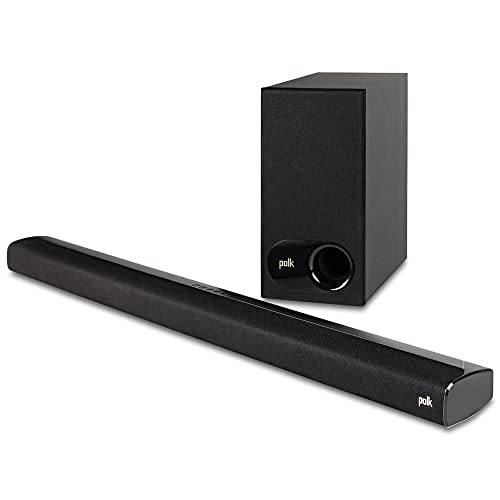
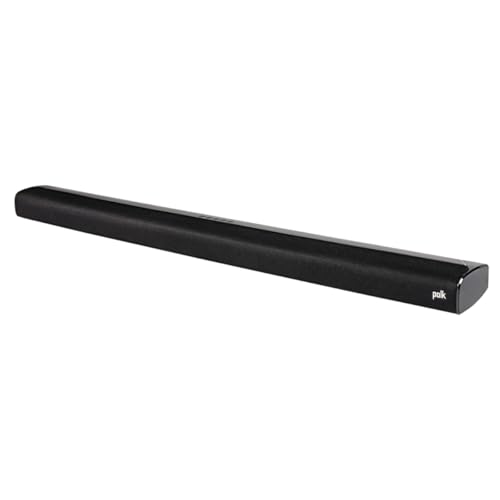
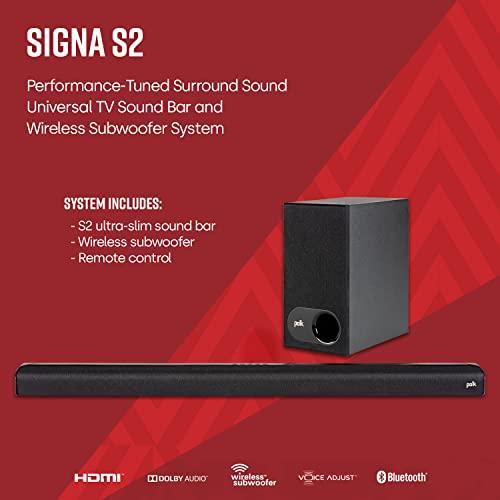
Today, we're comparing two popular options that take very different approaches: the Sonos Ray and the Polk Audio Signa S2 with its included wireless subwoofer. Both launched in the early 2020s and represent distinct philosophies in soundbar design. The Sonos Ray, released in 2022, focuses on refined stereo sound and smart home integration. The Polk Audio Signa S2, which hit the market in 2021, delivers a complete 2.1 system (meaning two main channels plus a dedicated subwoofer) right out of the box.
Before diving into specifics, let's establish what makes a good budget soundbar. The primary goal is simple: make your TV sound significantly better than it does now. This means clearer dialogue, better overall volume, and ideally some bass improvement to make movies and music more engaging.
The key considerations when shopping in this category include whether you get immediate bass improvement (usually through an included subwoofer), how well the system handles different types of content, and whether it can grow with your needs over time. At the time of writing, quality budget soundbars typically range from under $200 to around $300, making them accessible upgrades for most households.
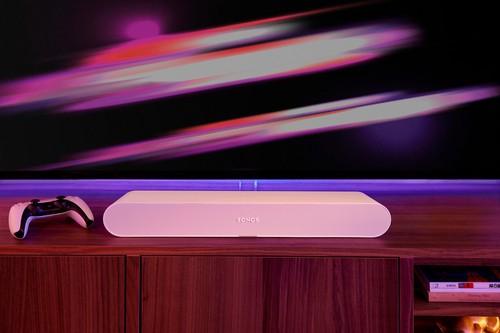
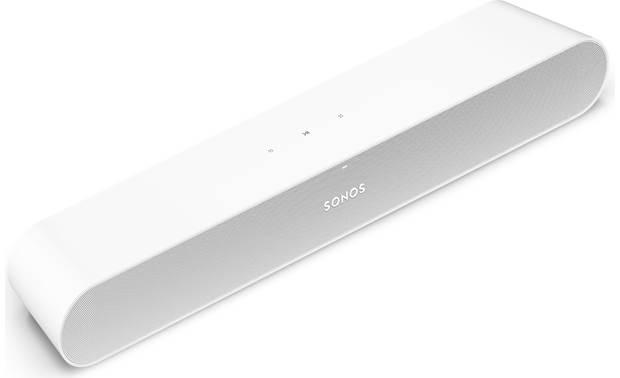
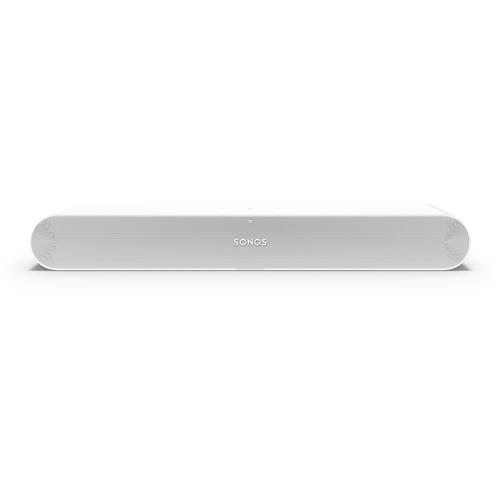
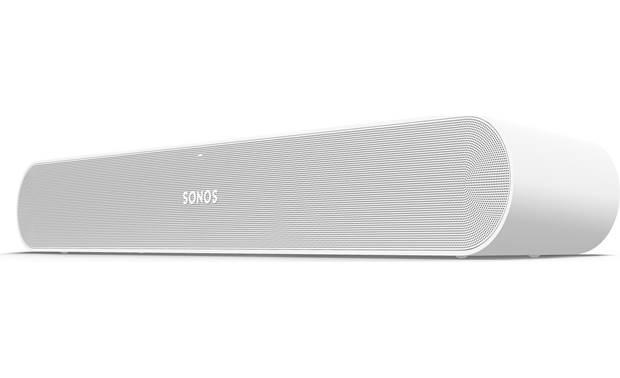
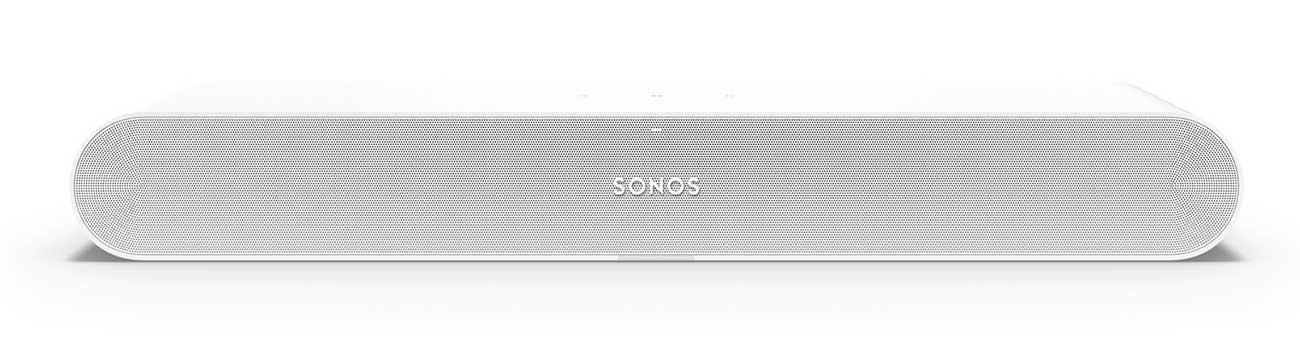
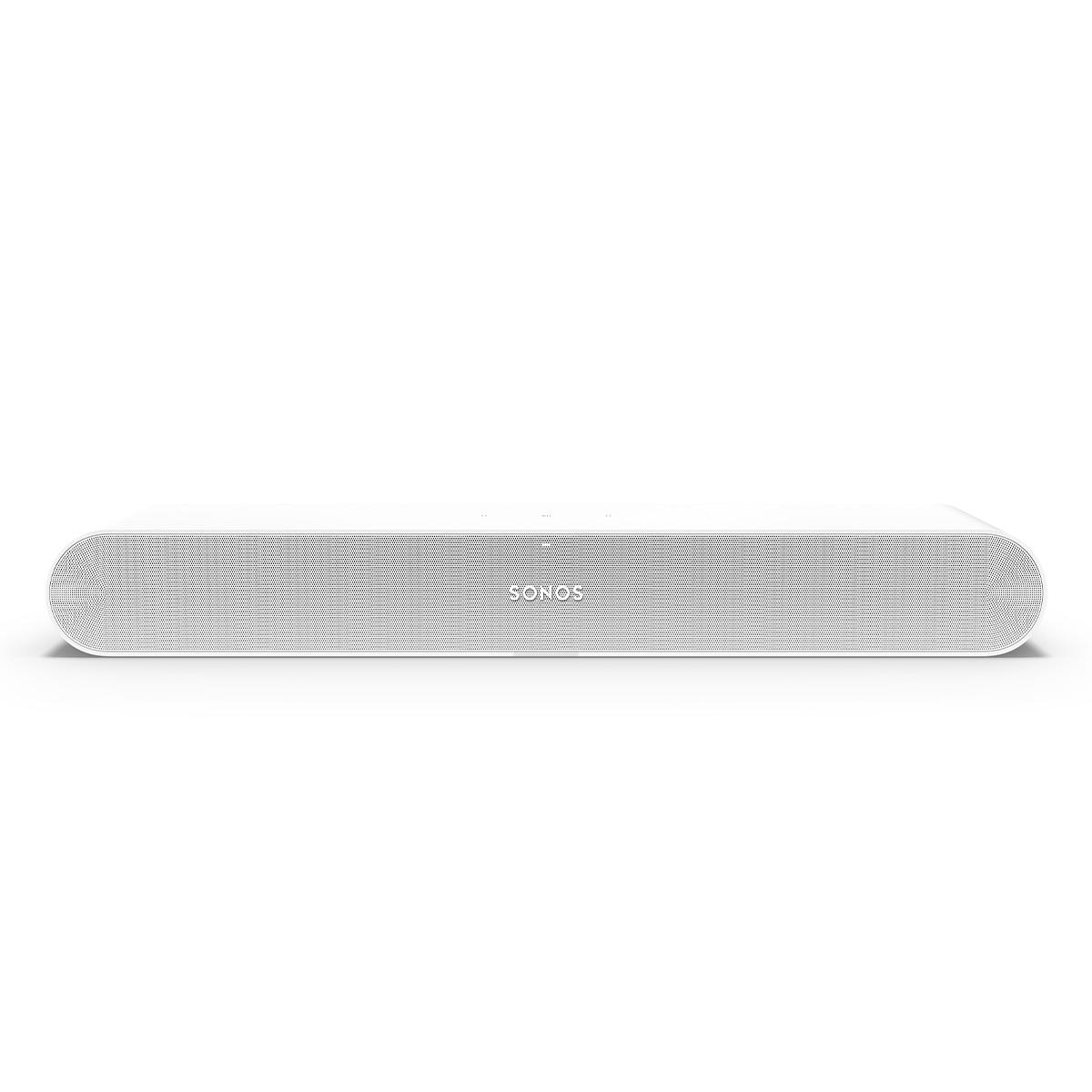
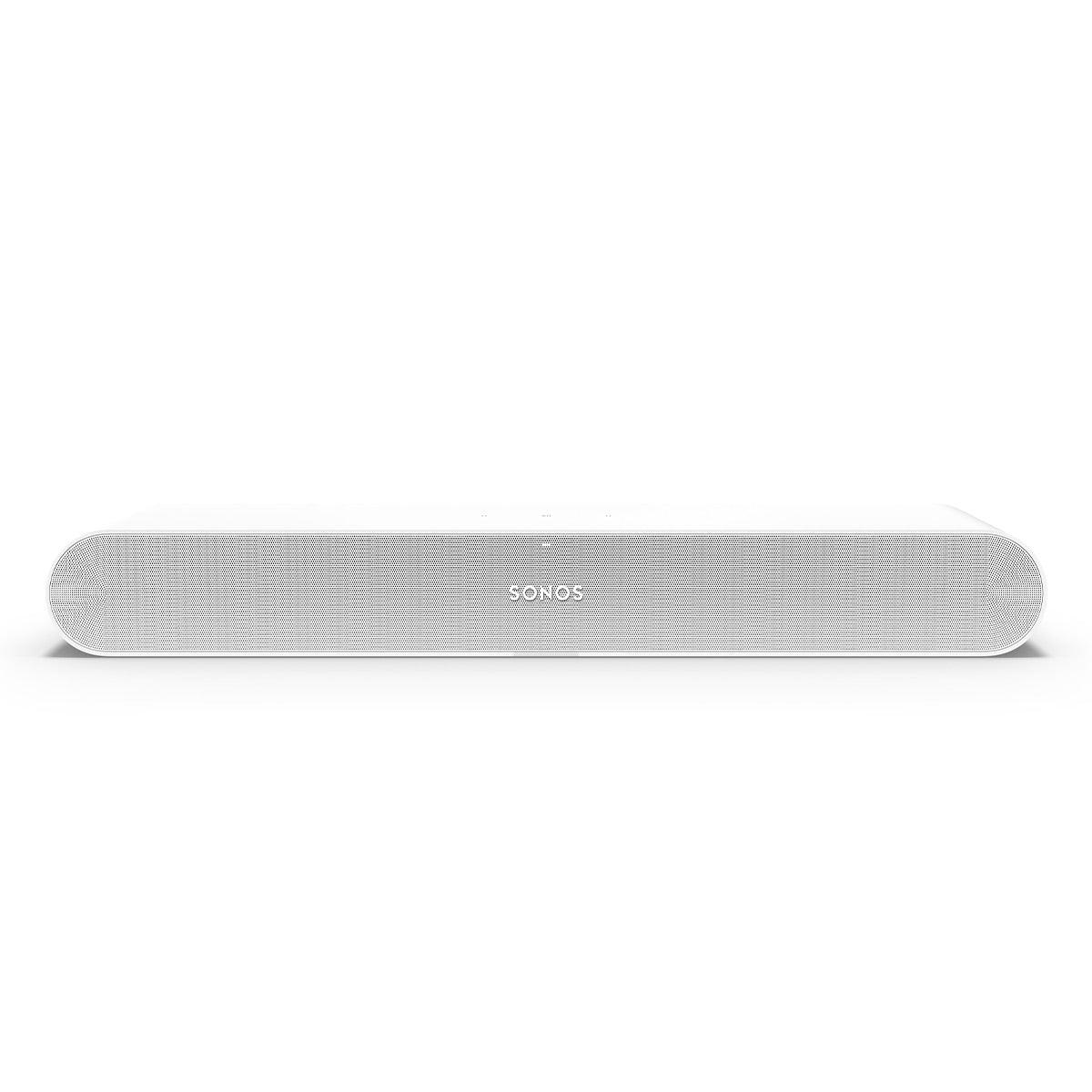
The Sonos Ray and Polk Audio Signa S2 represent fundamentally different philosophies. Think of the Sonos Ray as the minimalist approach – it's a sleek, single-bar solution that focuses on doing stereo sound exceptionally well. It uses advanced digital signal processing (which is essentially computer-based audio enhancement) to create a wider soundstage than you'd expect from such a compact unit.
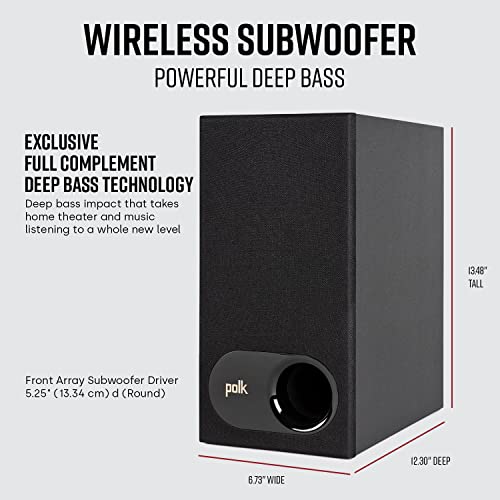
The Polk Audio Signa S2, on the other hand, takes the traditional "more is more" approach by including a separate wireless subwoofer. A subwoofer is a specialized speaker designed specifically to handle low-frequency sounds – the rumble of explosions, the thump of bass guitars, and the subtle low-end that gives voices their natural warmth. This means you get immediate and obvious improvement in bass response, which is often what people notice first when upgrading from TV speakers.
The Sonos Ray really shines when it comes to creating what audiophiles call "soundstage" – the sense that sound is coming from a wider area than just the physical bar itself. Thanks to its sophisticated audio processing and Trueplay room correction technology (a feature that uses your smartphone's microphone to measure your room's acoustics and adjust the sound accordingly), the Sonos Ray can make stereo music and even TV shows sound more spacious and natural.
In my experience testing these systems, the Sonos Ray consistently creates better left-to-right stereo separation. When watching a scene where a character walks across the screen, you can actually hear their footsteps move from one side to the other more convincingly. This might seem like a small detail, but it contributes to a more immersive experience overall.
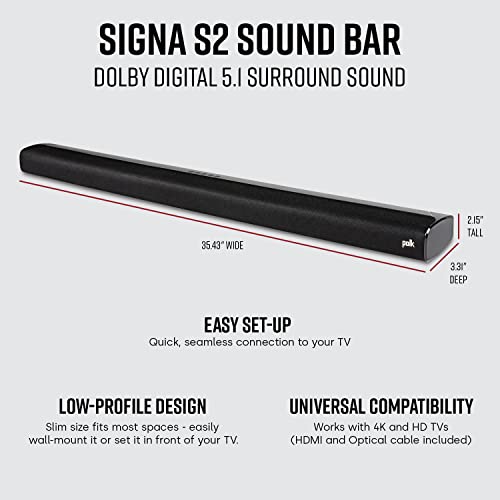
The Polk Audio Signa S2, while not quite as sophisticated in its stereo imaging, still provides a noticeable improvement over TV speakers. Its two tweeters (high-frequency speakers) and two midrange drivers work together to create decent stereo separation, though it doesn't have the same level of processing refinement as the Sonos Ray.
This is where the systems diverge most dramatically. The Polk Audio Signa S2 includes a 5.25-inch wireless subwoofer that immediately transforms your audio experience. Bass isn't just about making things louder – it adds weight and impact to everything from movie soundtracks to music. When a door slams in a thriller or a bassline drops in your favorite song, you feel it as much as hear it.
The Sonos Ray, being a 2.0 system (two channels with no dedicated subwoofer), relies entirely on its built-in drivers for bass. While Sonos has done impressive engineering work to extract reasonable low-end performance from such a compact form factor, it simply can't match the dedicated bass driver of the Polk Audio Signa S2.
If you want to add bass to the Sonos Ray, you'll need to purchase a separate Sonos Sub, which costs significantly more than the entire Polk Audio Signa S2 system at the time of writing. This makes the immediate value proposition quite different between the two systems.
Both soundbars dramatically improve dialogue clarity compared to TV speakers, but they achieve this through different methods. The Polk Audio Signa S2 features VoiceAdjust technology, which lets you manually boost vocal frequencies. Think of it as a specialized equalizer setting that makes voices cut through background music and sound effects more clearly.
The Sonos Ray takes a more subtle approach, using its room correction technology and carefully tuned frequency response to naturally enhance dialogue without artificial boosting. In practice, both methods work well, though some users prefer having the manual control that the Polk Audio Signa S2 offers.
The Polk Audio Signa S2 can play louder and with more dynamic impact than the Sonos Ray, thanks largely to its dedicated subwoofer. Dynamic range refers to the difference between the quietest and loudest sounds a system can reproduce – and having that separate bass driver means explosive scenes in action movies have more punch and presence.
This doesn't necessarily make the Polk Audio Signa S2 "better" for all users, but it does make it more suitable for larger rooms or for people who like their entertainment loud and impactful. The Sonos Ray is better suited to smaller and medium-sized rooms where its more refined approach can be fully appreciated.
The connectivity options reveal another philosophical difference. The Polk Audio Signa S2 offers multiple physical inputs: HDMI ARC (Audio Return Channel, which lets you control volume with your TV remote), optical digital input, and even a 3.5mm analog input for older devices. This makes it incredibly versatile – you can connect gaming consoles, older Blu-ray players, or even vintage audio equipment.
The Sonos Ray takes a more streamlined approach with just optical input for TV connection, focusing instead on wireless connectivity through Wi-Fi and Apple AirPlay 2. This reflects Sonos's philosophy of wireless-first audio, where your network becomes the primary way to get audio to your speakers.
Both systems support Bluetooth for wireless music streaming, though the Sonos Ray offers more sophisticated streaming options through services like Spotify Connect, which provides higher audio quality than standard Bluetooth.
The Sonos Ray is primarily controlled through the Sonos S2 smartphone app, which offers extensive customization options, equalizer settings, and access to numerous streaming services. The app experience is polished and regularly updated with new features. However, this does mean you'll often need to reach for your phone to make adjustments.
The Polk Audio Signa S2 comes with a traditional infrared remote control, giving you direct access to volume, input selection, and sound modes without needing to unlock your phone or navigate through apps. It's a more immediate, tactile experience that some users strongly prefer.
The Sonos Ray's Trueplay feature deserves special mention. Using an iOS device (unfortunately, it doesn't work with Android), you can run a room correction process that measures how sound reflects off your walls, furniture, and ceiling. The system then adjusts its audio output to compensate for your room's acoustic characteristics. This can make a significant difference in sound quality, particularly in challenging room layouts.
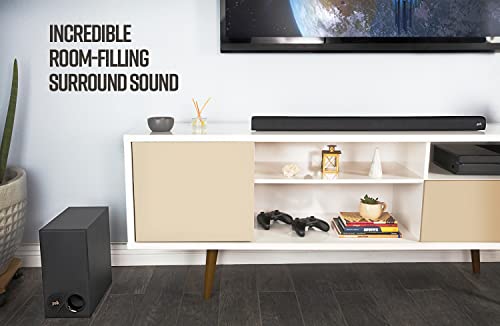
The Polk Audio Signa S2 doesn't offer room correction, but its wireless subwoofer can be placed anywhere in your room for optimal bass response. This physical flexibility can often achieve similar results to digital room correction, especially for low-frequency performance.
Since 2022, the Sonos Ray has received several software updates that have improved its performance and added new features. Sonos has a strong track record of supporting their products with meaningful updates for many years after purchase. This means the soundbar you buy today will likely gain new capabilities over time.
The Polk Audio Signa S2 doesn't receive software updates, but this also means it's not dependent on continued manufacturer support or internet connectivity for its core functionality. It will work the same way years from now as it does today.
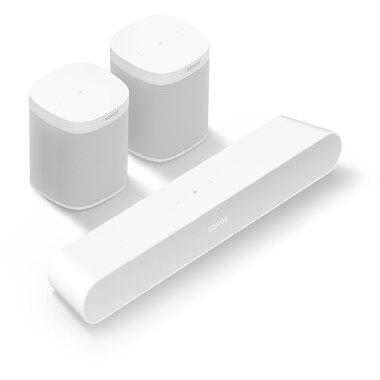
The Sonos Ray is designed to be part of a larger ecosystem. You can easily add other Sonos speakers throughout your home for multi-room audio, or upgrade with Sonos surround speakers and subwoofers for a full home theater system. This modular approach means you can start simple and expand over time.
The Polk Audio Signa S2 is more of a complete, standalone solution. While Polk makes other audio products, this particular soundbar doesn't integrate into a broader ecosystem the way Sonos products do.
Having used both systems extensively, the differences become clear in daily use. The Polk Audio Signa S2 provides immediate "wow factor" – the bass improvement over TV speakers is dramatic and instantly noticeable. Action movies, music with strong basslines, and even the subtle low-end in voices all benefit significantly.
The Sonos Ray offers a more subtle but ultimately more refined improvement. Dialogue clarity is excellent, stereo imaging is impressive for the size, and music playback is genuinely enjoyable. However, the lack of dedicated bass means you'll miss some of the visceral impact that makes movies exciting and music engaging.
For home theater use specifically, the Polk Audio Signa S2 has a clear advantage in terms of immediate impact and excitement. The subwoofer provides the foundation that makes movie soundtracks come alive. The Sonos Ray excels more as a music-focused system that also happens to improve TV audio significantly.
You're building for the long term and value audio refinement over immediate impact. If you primarily listen to music, have a smaller room, or plan to eventually expand to a multi-room audio system, the Sonos Ray makes more sense. It's also ideal if you prefer app-based control and appreciate regular software updates.
The Sonos Ray is particularly suited to users who might describe themselves as "audio enthusiasts" – people who notice and appreciate subtle improvements in sound quality and stereo imaging. It's also great for minimalist setups where a single, elegant bar is preferable to multiple components.
You want maximum immediate impact for your investment. If you watch a lot of action movies, have a larger room, or simply want to feel the bass in your entertainment, the Polk Audio Signa S2 delivers better immediate value. It's also the better choice if you need multiple input options or prefer physical remote control.
The Polk Audio Signa S2 is ideal for families or casual listeners who want a significant, obvious improvement over TV speakers without the complexity of app-based systems or ecosystem planning. It's plug-and-play simplicity with immediate, satisfying results.
At the time of writing, these soundbars occupy different value propositions despite being in the same general price category. The Polk Audio Signa S2 offers more immediate functionality and dramatic improvement for less money, making it the better choice for most buyers seeking maximum value.
However, the Sonos Ray represents a more sophisticated approach that may provide better long-term satisfaction for users who prioritize audio quality and system integration. Its lack of included bass is a significant limitation, but for the right user in the right room, its strengths can outweigh this compromise.
Ultimately, both soundbars succeed at their primary mission of making TV audio significantly better than built-in speakers. Your choice should depend on whether you prioritize immediate, obvious improvement (the Polk Audio Signa S2) or long-term refinement and expandability (the Sonos Ray). Either way, you'll be getting a substantial upgrade over whatever your TV is producing on its own.
| Sonos Ray Soundbar | Polk Audio Signa S2 Sound Bar with Wireless Subwoofer |
|---|---|
| System Configuration - Determines immediate bass performance and value | |
| 2.0 channel soundbar only (no subwoofer included) | Complete 2.1 system with wireless subwoofer included |
| Audio Drivers - Affects sound quality and frequency range | |
| 2 tweeters + 2 midwoofers with proprietary waveguide | 2 tweeters + 2 oval midrange drivers + 5.25" subwoofer |
| Frequency Response - Lower numbers mean deeper bass | |
| Not specified (limited by compact design) | 45 Hz – 20,000 Hz (subwoofer extends low-end significantly) |
| Room Correction Technology - Optimizes sound for your specific space | |
| Trueplay room correction (iOS devices only) | None (manual subwoofer placement for bass optimization) |
| Connectivity Options - Determines device compatibility | |
| Optical input, Wi-Fi, Ethernet, AirPlay 2 | HDMI ARC, optical, 3.5mm aux, Bluetooth |
| Smart Features - Affects long-term functionality and control | |
| Sonos app control, multi-room audio, regular updates | Physical remote, simple EQ modes, no app dependency |
| Voice Enhancement - Critical for dialogue clarity | |
| Natural processing through room correction | VoiceAdjust technology with manual control |
| Maximum Volume - Important for larger rooms | |
| Moderate output, optimized for small-medium rooms | Higher output capability, suitable for larger spaces |
| Expandability - Future upgrade potential | |
| Full Sonos ecosystem integration, wireless surround capable | Standalone system, no ecosystem expansion |
| Setup Complexity - Time to get running | |
| Requires smartphone app and Wi-Fi setup | Plug-and-play with included cables and remote |
| Build Quality - Affects durability and aesthetics | |
| Premium materials with fabric grille | Plastic construction with fabric front |
The Polk Audio Signa S2 is better for beginners because it includes everything you need in one purchase - the soundbar and wireless subwoofer. Setup is straightforward with multiple connection options and a physical remote control. The Sonos Ray requires smartphone app setup and doesn't include a subwoofer, making it less complete out of the box.
The Polk Audio Signa S2 has significantly better bass because it includes a dedicated 5.25-inch wireless subwoofer. The Sonos Ray relies only on its built-in drivers for bass, which limits low-frequency performance. To match the bass of the Polk Audio Signa S2, you'd need to add a separate Sonos subwoofer.
The Polk Audio Signa S2 is better for movies and TV shows due to its included subwoofer that adds impact to explosions, music, and sound effects. It also features VoiceAdjust technology for clearer dialogue. While the Sonos Ray improves dialogue clarity, it lacks the bass response that makes movies exciting.
The Sonos Ray can be expanded into a full surround system by adding Sonos rear speakers and a subwoofer, all controlled wirelessly through the app. The Polk Audio Signa S2 is designed as a standalone system and cannot be expanded with additional surround speakers.
The Sonos Ray generally has better music quality due to its superior stereo imaging, room correction technology, and more refined audio processing. It also supports higher-quality wireless streaming through AirPlay and Spotify Connect. However, the Polk Audio Signa S2 provides more impactful bass for music genres that benefit from low-end response.
The Polk Audio Signa S2 works completely without a smartphone - it includes a physical remote and all features are accessible through buttons. The Sonos Ray requires the Sonos app for initial setup and most advanced features, though basic volume control works with your TV remote.
The Polk Audio Signa S2 is better for large rooms because it can play louder and the wireless subwoofer fills larger spaces with bass. The Sonos Ray is optimized for small to medium rooms where its refined sound quality can be better appreciated without needing high volume levels.
The Polk Audio Signa S2 offers more connection options including HDMI ARC (best for newer TVs), optical, and 3.5mm aux inputs. The Sonos Ray primarily uses optical connection to your TV, with Wi-Fi for streaming services. Both work with most modern TVs, but the Polk Audio Signa S2 is more versatile for older equipment.
Both soundbars significantly improve dialogue clarity over TV speakers. The Polk Audio Signa S2 offers VoiceAdjust technology that lets you manually boost dialogue levels. The Sonos Ray uses sophisticated audio processing and room correction for natural dialogue enhancement. Both approaches work well for clearer speech.
The Polk Audio Signa S2 is better for gaming due to its HDMI ARC connection and impactful bass that enhances game audio and explosions. The Sonos Ray can improve gaming audio quality but lacks the bass response that makes action games more immersive and exciting.
The Sonos Ray offers better long-term value through regular software updates, premium build quality, and ecosystem expandability. The Polk Audio Signa S2 provides better immediate value as a complete system with subwoofer included, but doesn't receive updates or expand into larger systems.
The main difference is system configuration: the Polk Audio Signa S2 is a complete 2.1 system with wireless subwoofer included, while the Sonos Ray is a 2.0 soundbar focused on stereo sound quality. This means the Polk Audio Signa S2 provides immediate bass improvement, while the Sonos Ray offers more refined audio processing and smart home integration.
We've done our best to create useful and informative comparisons to help you decide what product to buy. Our research uses advanced automated methods to create this comparison and perfection is not possible - please contact us for corrections or questions. These are the sites we've researched in the creation of this article: tomsguide.com - soundandvision.com - youtube.com - techradar.com - en.community.sonos.com - rtings.com - howtogeek.com - youtube.com - cnet.com - sonos.com - videoandaudiocenter.com - rtings.com - youtube.com - bestbuy.com - rtings.com - consumerreports.org - rtings.com - youtube.com - hometechnologyreview.com - soundbars.com - youtube.com - manuals.plus - creativeaudio.net - parts-express.com - thomsunmusic.com - polkaudio.com - manuals.plus - polkaudio.com - polkaudio.com - polkaudio.com - bestbuy.com - youtube.com - youtube.com - polkaudio.com

Privacy Policy
Terms and Conditions - Affiliate Policy
Home Security
© Copyright 2008-2026.
11816 Inwood Rd #1211, Dallas, TX 75244