








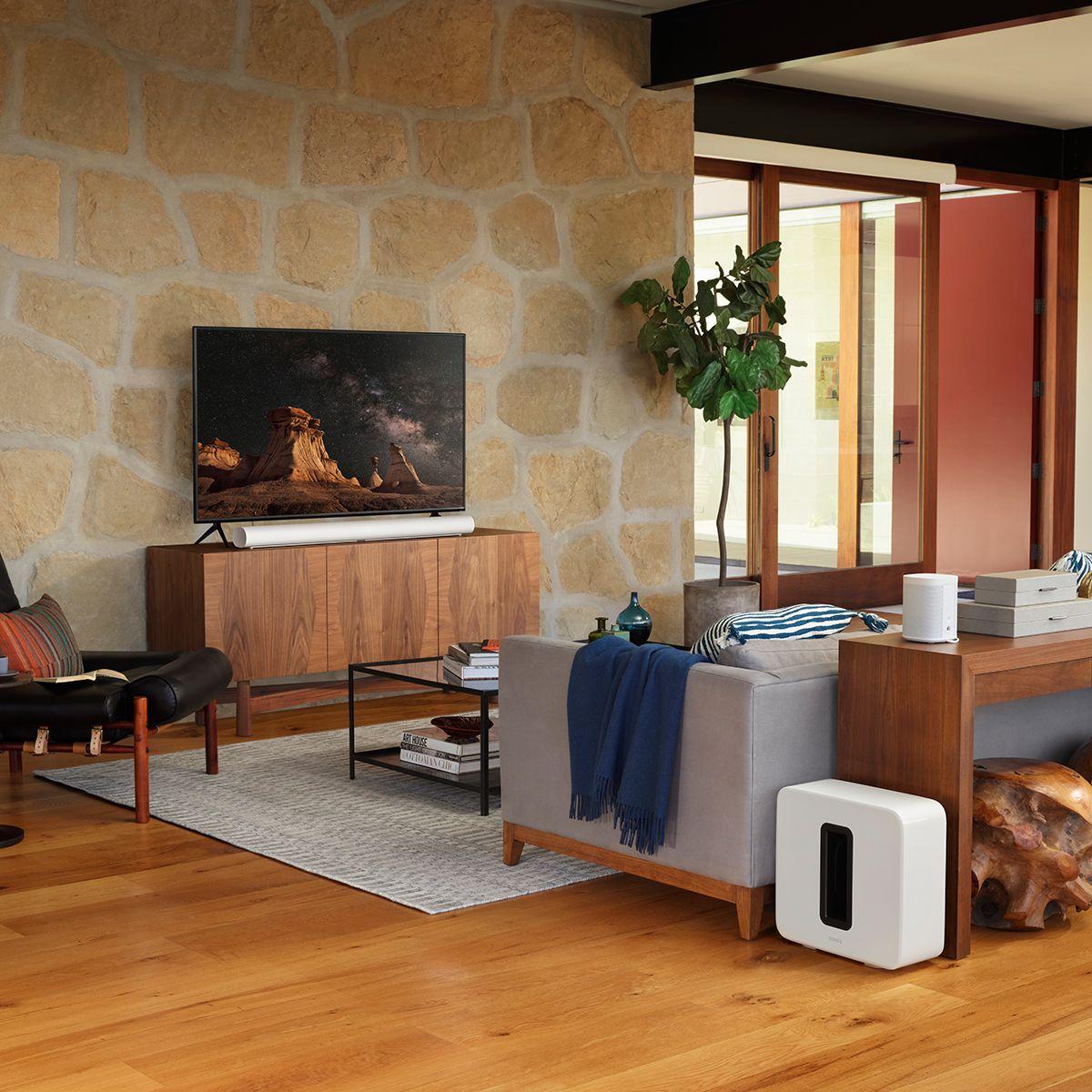










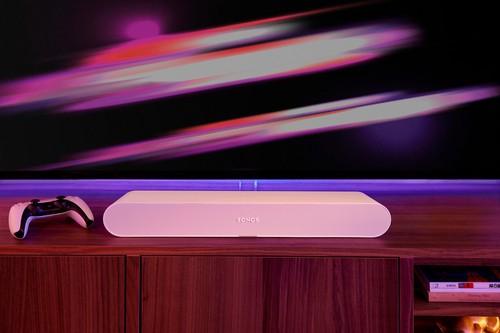
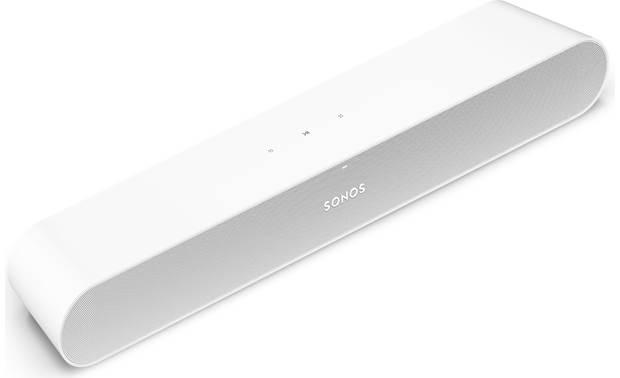

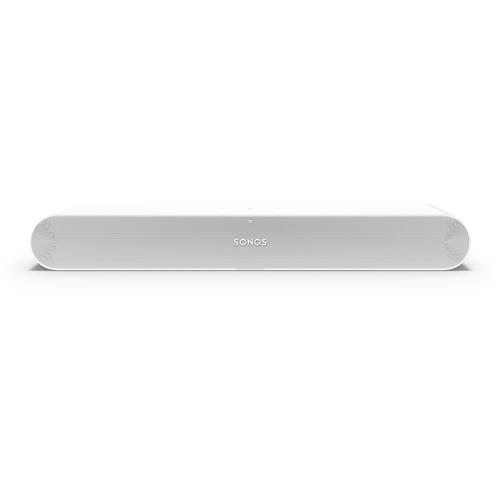

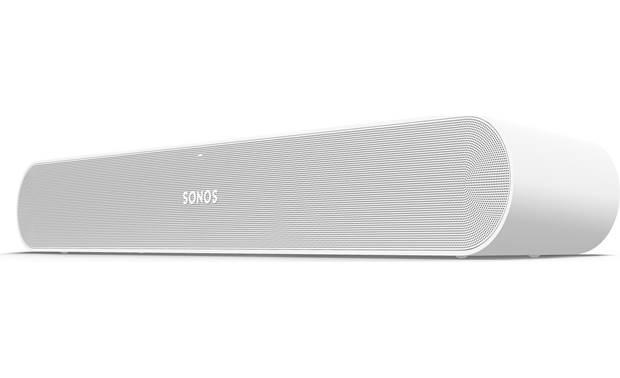
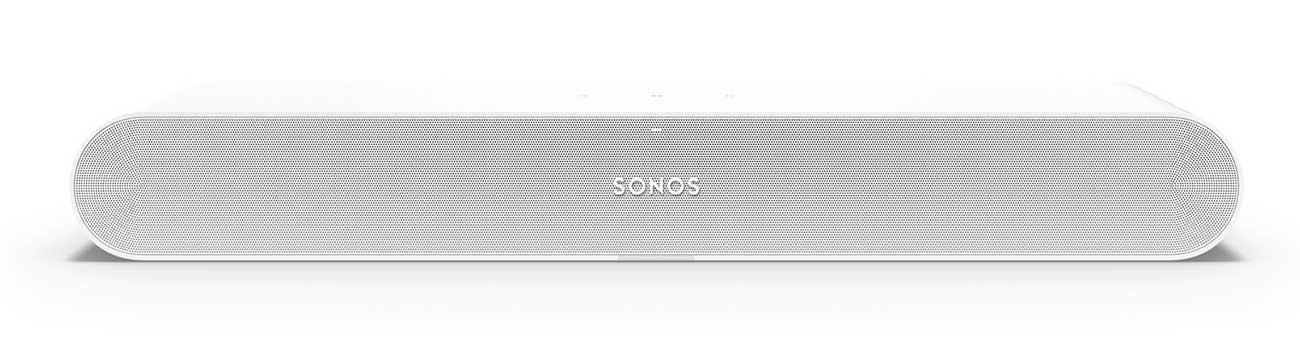
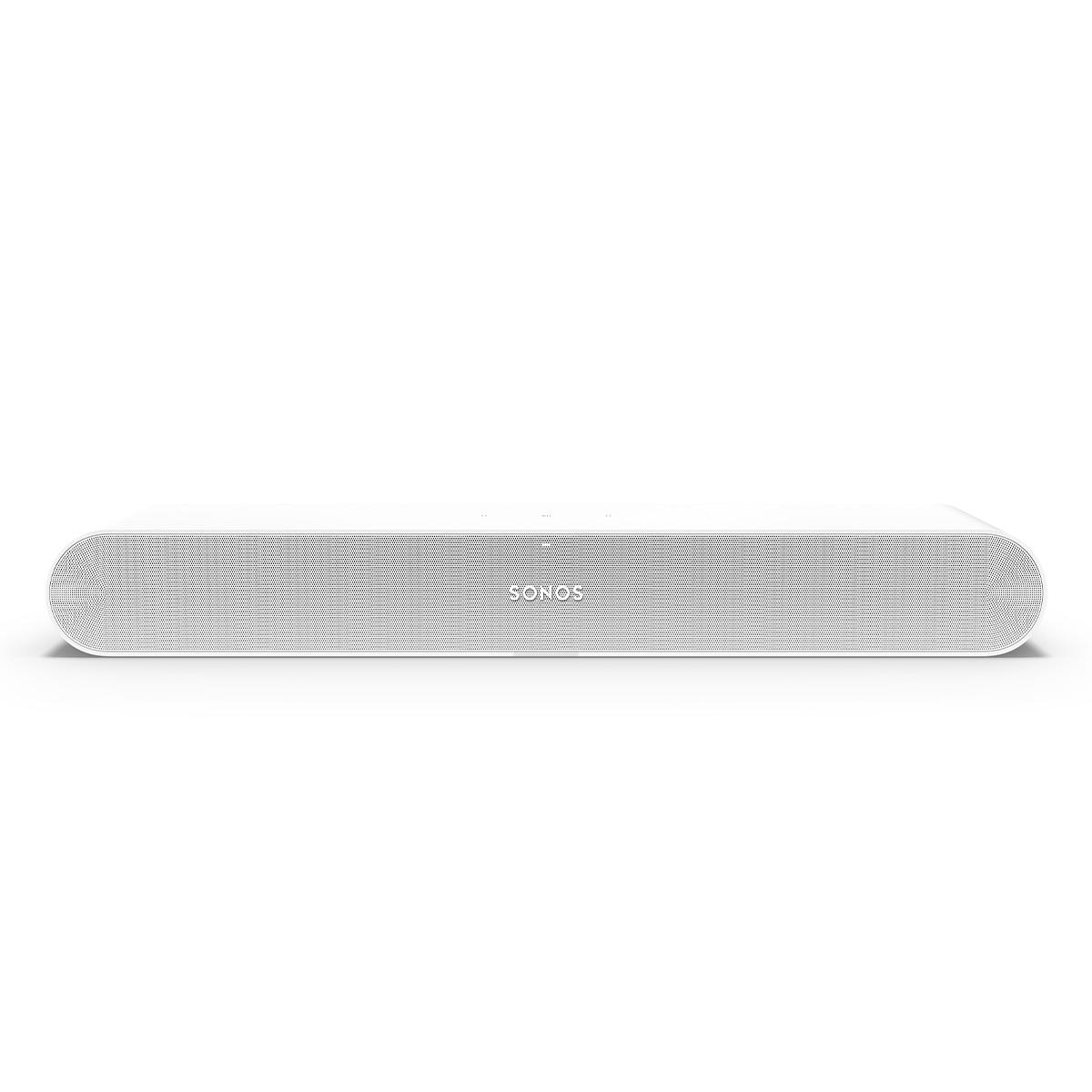

When it comes to upgrading your TV's audio, Sonos offers two compelling but very different approaches with the Ray and Arc. After spending considerable time with both soundbars, I can tell you they serve distinctly different purposes, and choosing the right one depends heavily on your room size, budget, and audio expectations.
Before diving into the specifics of these two Sonos models, it's worth understanding what makes a soundbar effective. At its core, a soundbar's job is to replace your TV's built-in speakers with something dramatically better. TV manufacturers prioritize thin designs over audio quality, which means most TVs sound terrible—dialogue gets lost, music lacks depth, and action scenes sound flat and lifeless.
The key factors that separate good soundbars from great ones include dialogue clarity (how well you can understand speech), soundstage width (how spread out the audio feels), bass response (low-frequency impact), and spatial processing (creating the illusion of surround sound). Modern premium soundbars also need to handle advanced audio formats like Dolby Atmos, which adds height channels to create truly three-dimensional sound.
Both the Sonos Ray and Arc excel in different areas, which is why understanding your priorities is crucial for making the right choice.
Released in 2022, the Sonos Ray represents Sonos's answer to a simple question: what if you just want great TV audio without breaking the bank or overwhelming your space? At roughly 22 inches wide, it's designed for smaller TVs and rooms where a massive soundbar would look out of place.
The Ray's acoustic architecture centers around four carefully tuned drivers: two tweeters handle high frequencies (like dialogue and music details), while two midwoofers manage everything else, including bass. This might sound modest compared to larger soundbars, but Sonos has engineered these drivers to punch well above their weight class. The proprietary waveguide technology focuses high frequencies directly at your listening position, ensuring dialogue remains crystal clear even at lower volumes.
What impressed me most about the Ray during testing was its dialogue enhancement mode. This feature specifically boosts voice frequencies, making it easier to follow conversations during action-heavy scenes or when characters speak quietly. Combined with the night sound feature—which compresses dynamic range to balance loud and quiet sounds—the Ray becomes incredibly practical for everyday TV watching.
The Ray connects to your TV through optical digital audio, the round cable that's been standard on TVs for years. While this limits the audio formats it can receive (no uncompressed Dolby Atmos, for instance), it handles the most common formats like Dolby Digital perfectly well. Most streaming services and cable broadcasts use these compressed formats anyway, so the limitation rarely matters in practice.
One area where the Ray particularly shines is music playback. Thanks to Sonos's expertise in wireless speakers, the Ray doubles as a surprisingly capable music speaker when your TV is off. The balanced frequency response means everything from jazz to rock sounds natural and engaging, though you'll want to add a Sonos Sub if deep bass is important to you.
The Arc, launched in 2020, targets an entirely different audience. At 45 inches wide and packed with 11 drivers, it's built for large living rooms and serious home theater enthusiasts who want the best possible audio experience. The size difference isn't just aesthetic—those additional drivers enable capabilities the smaller Ray simply can't match.
The Arc's party trick is true Dolby Atmos support. Unlike traditional surround sound that places audio around you horizontally, Dolby Atmos adds height channels that place sounds above you as well. When a helicopter flies overhead in a movie, you'll hear it travel from behind you, over your head, and off into the distance. The Arc achieves this through dedicated upward-firing drivers that bounce sound off your ceiling, creating convincing overhead effects without requiring ceiling speakers.
This 5.0.2 configuration means five main channels (front left, center, right, and two simulated rear channels) plus two height channels. The processing power required for this is substantial—the Arc includes a quad-core processor and advanced digital signal processing to create these spatial effects in real-time.
The driver complement tells the story of the Arc's capabilities: three silk-dome tweeters handle high frequencies with exceptional clarity, while eight elliptical woofers manage midrange and bass frequencies. This isn't just about having more drivers—it's about having specialized drivers optimized for specific frequency ranges. The result is audio that can fill large rooms while maintaining clarity and detail.
One of the most significant differences between these soundbars lies in their connectivity options. The Ray uses optical digital audio, which has been reliable for decades but limits bandwidth. The Arc connects via HDMI eARC (enhanced Audio Return Channel), a newer standard that provides much higher bandwidth and additional features.
HDMI eARC enables the Arc to receive uncompressed audio formats like Dolby TrueHD and Dolby Atmos from Blu-ray players and gaming consoles. It also allows your TV remote to control the soundbar's volume, creating a more seamless experience. The Arc can even turn on automatically when you start your TV, thanks to CEC (Consumer Electronics Control) signaling through the HDMI connection.
This might seem like a technical detail, but it matters for user experience. With the Arc, everything works more intuitively—one remote controls everything, the soundbar powers on when needed, and you get access to the highest quality audio your sources can provide.
After extensive testing with both soundbars, the performance differences become clear in specific scenarios. For dialogue-heavy content like news, talk shows, and drama series, both excel, but in different ways. The Ray focuses dialogue with laser precision, making every word clear and present. The Arc provides similar clarity but within a wider, more immersive soundstage that makes voices feel more naturally placed in space.
For action movies and blockbusters, the difference becomes more pronounced. The Ray delivers solid impact and clear dialogue, but effects can feel somewhat constrained to the front of the room. The Arc creates a much more enveloping experience—explosions have spatial dimension, ambient effects seem to come from around you, and the overall experience feels closer to a commercial theater.
Music performance reveals another interesting distinction. The Ray excels with acoustic music, jazz, and vocals, where its focused presentation works beautifully. Electronic music and rock benefit from the Ray's clarity, though deep bass requires adding a subwoofer. The Arc handles these genres well but truly excels with complex orchestral music and live recordings where its wider soundstage and superior bass extension create a more convincing illusion of being at the performance.
Bass response deserves special attention since it's crucial for both music and movies. The Ray produces respectable bass for its size, but physics limits what small drivers can achieve. The Arc goes noticeably deeper and with more authority, though even it benefits significantly from adding Sonos's dedicated subwoofer for full-range performance.
Both soundbars integrate into Sonos's multiroom ecosystem, but the Arc offers additional smart features that the Ray lacks entirely. The Arc includes built-in microphones and supports both Amazon Alexa and Google Assistant, plus Sonos's own voice control system. This means you can adjust volume, skip tracks, check the weather, or control smart home devices using voice commands.
The microphone array in the Arc uses advanced beamforming technology to focus on your voice while filtering out background noise and the soundbar's own audio output. During testing, voice recognition worked reliably even with moderate background noise, though very loud content could occasionally interfere.
The Ray requires the Sonos app or an IR remote for control. While this might seem limiting, many users prefer this approach for privacy reasons or simply don't want another always-listening device in their home.
Both soundbars support Sonos's Trueplay room correction technology, which uses an iOS device's microphone to measure your room's acoustics and automatically adjust the soundbar's output. This feature works particularly well with the Arc in larger rooms where reflections and room modes can significantly impact sound quality.
Perhaps the most crucial factor in choosing between these soundbars is matching them to your space. I've tested both in various room sizes, and the differences are dramatic.
In smaller rooms (roughly 150 square feet or less), the Ray often outperforms the Arc. The Ray's compact size looks proportionate to smaller TVs, and its focused acoustic design works well in near-field listening situations. The Arc can actually sound overwhelming in small spaces, and its larger size can dominate the visual aesthetics of a modest entertainment setup.
Medium-sized living rooms (200-300 square feet) represent the crossover point where either could work, depending on your priorities. The Ray provides excellent dialogue clarity and respectable impact, while the Arc begins to show its spatial processing advantages.
Large living rooms and open floor plans strongly favor the Arc. The additional drivers and processing power become necessary to fill these spaces effectively. The Ray, while still pleasant to listen to, can feel somewhat lost in a large room, lacking the scale and impact needed for truly satisfying performance.
Both soundbars work well for gaming, but with different strengths. The Ray offers excellent dialogue clarity for story-driven games and maintains good timing synchronization with on-screen action. Its compact design also works well in gaming setups where desk space is limited.
The Arc transforms gaming experiences in larger rooms, particularly for immersive titles that support spatial audio. Racing games, first-person shooters, and adventure games benefit from the Arc's ability to place audio effects in three-dimensional space. The HDMI eARC connection also ensures minimal audio latency with compatible gaming consoles.
At the time of writing, these soundbars occupy very different price tiers, with the Ray positioned as Sonos's entry-level option and the Arc as their premium flagship. The price difference reflects their different target markets and capabilities.
The Ray offers exceptional value for smaller spaces and budget-conscious buyers. It delivers a dramatic upgrade over TV speakers and includes many of Sonos's ecosystem benefits at a more accessible price point. For secondary rooms like bedrooms or offices, it's often the perfect solution.
The Arc commands a significant premium but justifies this with advanced features, larger scale performance, and true Dolby Atmos capability. Whether this represents good value depends entirely on your room size, audio priorities, and budget flexibility.
Both soundbars benefit from Sonos's commitment to software updates. Since their respective launches, both have received regular feature additions and audio format support expansions. The Arc gained DTS support in 2021, addressing a significant limitation at launch. The Ray has received various refinements to its audio processing and app integration.
The Arc's HDMI eARC connection provides better future-proofing for new audio formats, while the Ray's optical connection, while more limited, should remain compatible with standard TV outputs for many years to come.
After extensive experience with both soundbars, my recommendations break down clearly:
Choose the Sonos Ray if you have a TV smaller than 50 inches, a room smaller than about 200 square feet, or if budget is your primary concern. It's also ideal for secondary installations in bedrooms, offices, or gaming setups. The Ray excels at dialogue clarity and music playback while providing a substantial upgrade over TV speakers without overwhelming smaller spaces.
Choose the Sonos Arc if you have a large living room, want true Dolby Atmos performance, or plan to build a complete surround sound system over time. The Arc justifies its premium price with advanced spatial processing, voice control integration, and the ability to create truly immersive home theater experiences.
The decision ultimately comes down to matching capabilities to your specific needs. Both soundbars excel within their intended use cases, and both integrate beautifully into Sonos's broader ecosystem. Start by honestly assessing your room size and audio priorities—the right choice usually becomes obvious once you understand what each soundbar does best.
| Sonos Ray Soundbar | Sonos Arc Wireless Sound Bar |
|---|---|
| Size and TV Compatibility - Critical for proper room proportions | |
| 22" wide, ideal for TVs under 49" and smaller rooms | 45" wide, designed for TVs 49"+ and large living spaces |
| Audio Channels - Determines surround sound capability | |
| Stereo only (2.0), no height channels | 5.0.2 with Dolby Atmos height channels for 3D audio |
| Driver Configuration - Affects sound quality and power | |
| 4 drivers: 2 tweeters, 2 midwoofers | 11 drivers: 3 tweeters, 8 elliptical woofers |
| Dolby Atmos Support - Essential for immersive movie experiences | |
| No Dolby Atmos (downmixes to stereo) | Full Dolby Atmos with dedicated upward-firing drivers |
| Connectivity - Impacts audio quality and convenience | |
| Optical input only (limits to compressed audio) | HDMI eARC (supports uncompressed formats, TV remote control) |
| Voice Assistant Integration - Adds smart home control | |
| None (app or IR remote control only) | Built-in Alexa, Google Assistant, and Sonos Voice Control |
| Release Date and Updates - Shows current technology level | |
| 2022 release, focused on core audio performance | 2020 release, regular software updates including DTS support |
| Room Size Optimization - Matching soundbar to space is crucial | |
| Best for rooms under 200 sq ft, near-field listening | Designed for large rooms 300+ sq ft and open floor plans |
| Expandability - Future upgrade potential within Sonos ecosystem | |
| Can add Sub and rear speakers for 5.1 system | Better foundation for full 5.1.2 system with Sub and rears |
| Music Performance - When TV is off | |
| Excellent for focused listening, balanced frequency response | Wider soundstage, handles complex orchestral music better |
| Gaming Audio - Low latency and spatial awareness | |
| Good dialogue clarity, compact design for gaming setups | Superior spatial audio for immersive gaming experiences |
For first-time soundbar buyers, the Sonos Ray is often the better starting point due to its simpler setup, lower cost, and excellent performance in typical home environments. The Sonos Arc is ideal for users who specifically want premium home theater features and have the room size to support its capabilities.
We've done our best to create useful and informative comparisons to help you decide what product to buy. Our research uses advanced automated methods to create this comparison and perfection is not possible - please contact us for corrections or questions. These are the sites we've researched in the creation of this article: tomsguide.com - soundandvision.com - youtube.com - techradar.com - en.community.sonos.com - rtings.com - howtogeek.com - youtube.com - cnet.com - sonos.com - videoandaudiocenter.com - whathifi.com - soundandvision.com - en.community.sonos.com - cnet.com - worldwidestereo.com - abt.com - creativeaudio.net - target.com - sonos.com - worldwidestereo.com - businessinsider.com - en.community.sonos.com - youtube.com

Privacy Policy
Terms and Conditions - Affiliate Policy
Home Security
© Copyright 2008-2026.
11816 Inwood Rd #1211, Dallas, TX 75244