










Shopping for premium home theater audio can feel overwhelming, especially when you're comparing systems that take completely different approaches to surround sound. The Sony HT-A9M2 BRAVIA Theater Quad and Samsung Q Series 9.1.2 Channel Soundbar both aim to deliver immersive movie experiences, but they couldn't be more different in how they get there.
Released in 2024, the Sony HT-A9M2 represents Sony's second-generation wireless speaker array technology, building on lessons learned from the original HT-A9. Meanwhile, Samsung's Q Series 9.1.2 continues their traditional soundbar approach but with significant refinements in room correction and TV integration. Both systems reflect where premium home audio is heading, but they'll appeal to very different types of buyers.
Before diving into these specific products, it's worth understanding what separates premium home theater systems from basic soundbars. Traditional surround sound uses multiple speakers placed around your room to create an immersive bubble of audio. When a helicopter flies overhead in a movie, you should hear it move from front to back and left to right around you.
Modern systems add height channels for Dolby Atmos and DTS:X — these 3D audio formats can place sounds above you too, so that helicopter can also climb and dive vertically. This creates what audio engineers call a "sound object" that moves through three-dimensional space rather than just around you horizontally.
The key considerations when choosing between premium systems include how they handle speaker placement (some are very picky about positioning), how they adapt to your specific room's acoustics, and whether they include all necessary components or require expensive add-ons.
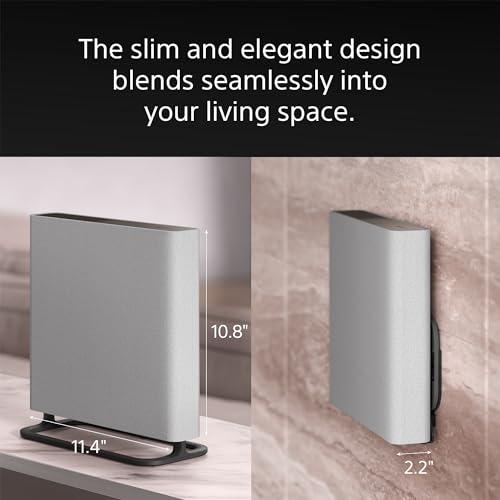
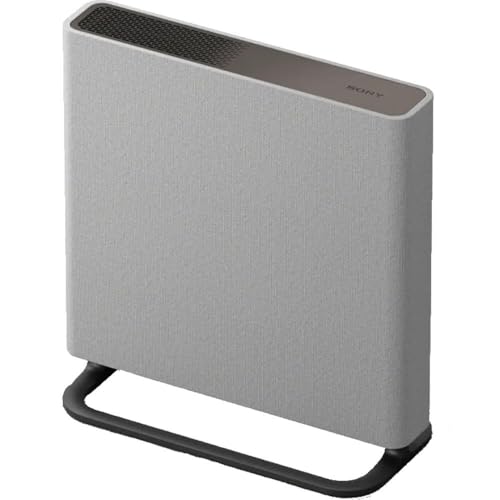
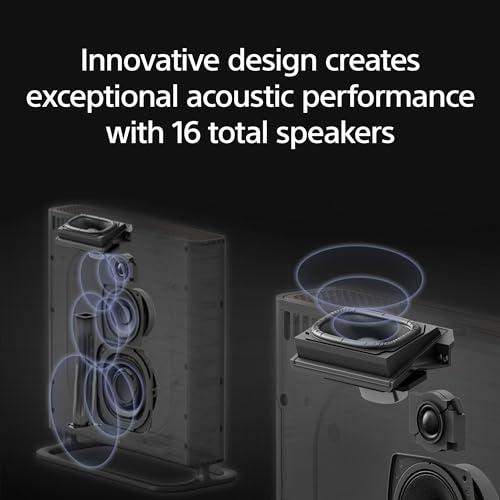
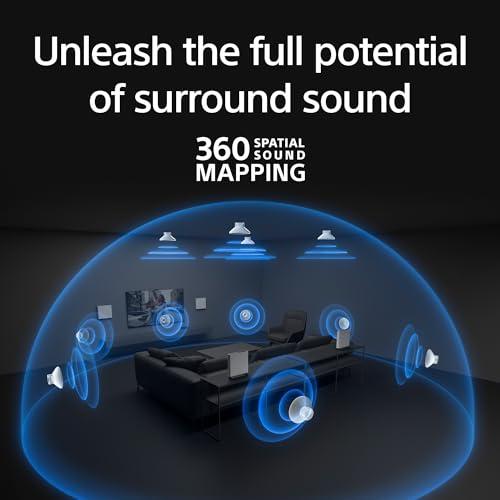
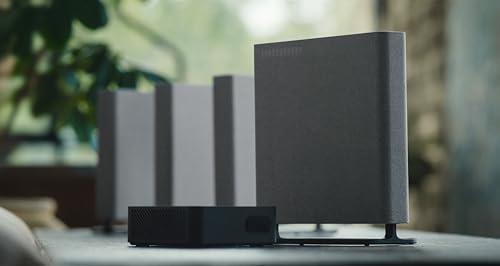
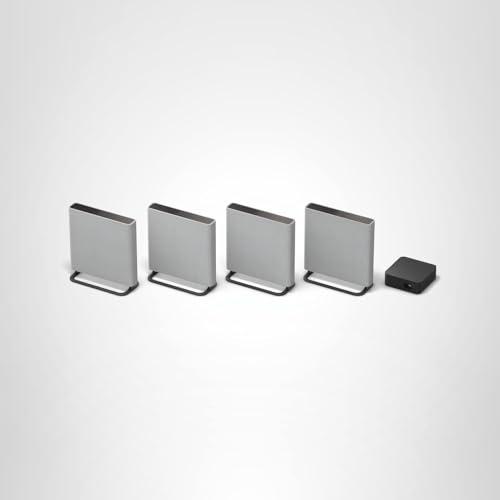
The Sony HT-A9M2 breaks from traditional home theater thinking entirely. Instead of a single soundbar, you get four identical wireless speakers that can be placed almost anywhere in your room. Each speaker contains four individual drivers: a woofer, midrange, tweeter, and an upward-firing driver for height effects.
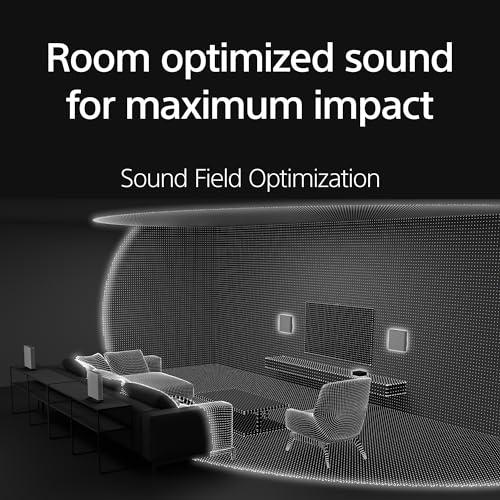
Sony calls this approach "360 Spatial Sound Mapping," and it's genuinely innovative. The system measures your room's acoustics and creates phantom speakers — virtual audio sources that seem to exist between and around the physical speakers. In ideal conditions, this can create the illusion of 12 or more speakers even though you only have four physical units.
The wireless connectivity deserves special mention here. Sony learned from reliability issues with the original HT-A9 and significantly upgraded the wireless transmission. The new system uses dual antennas and frequency hopping (automatically switching between radio channels to avoid interference) to maintain stable connections even in Wi-Fi-heavy environments.
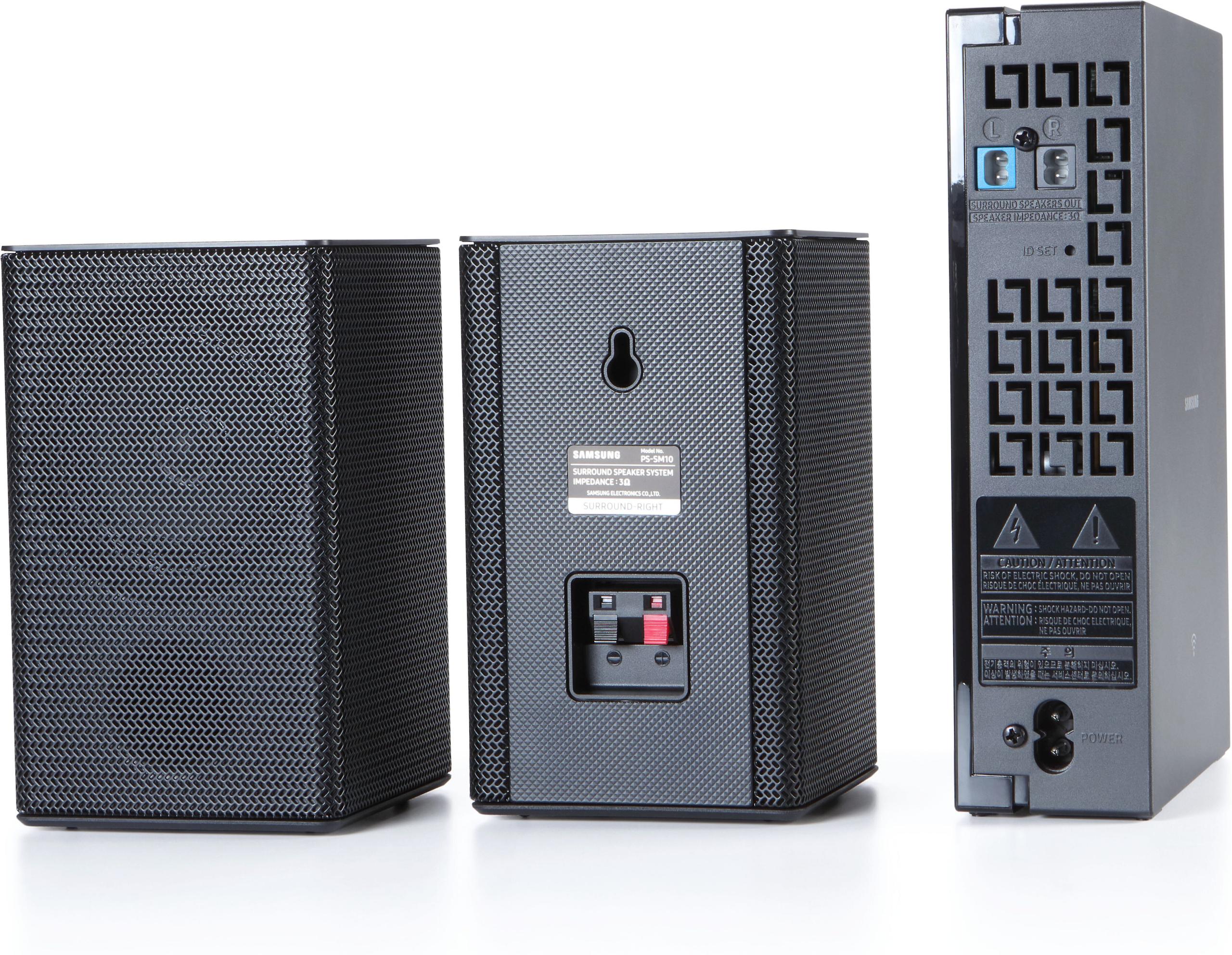
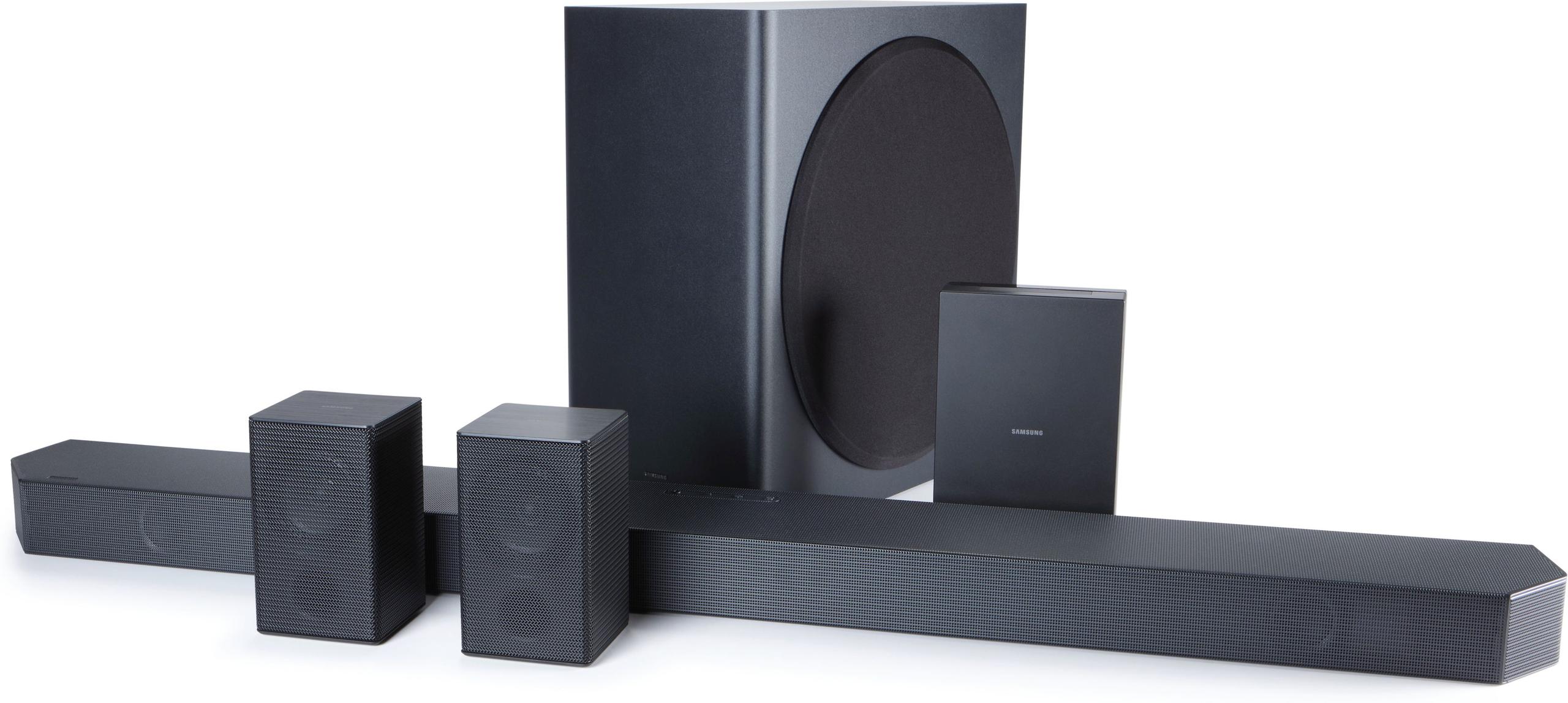
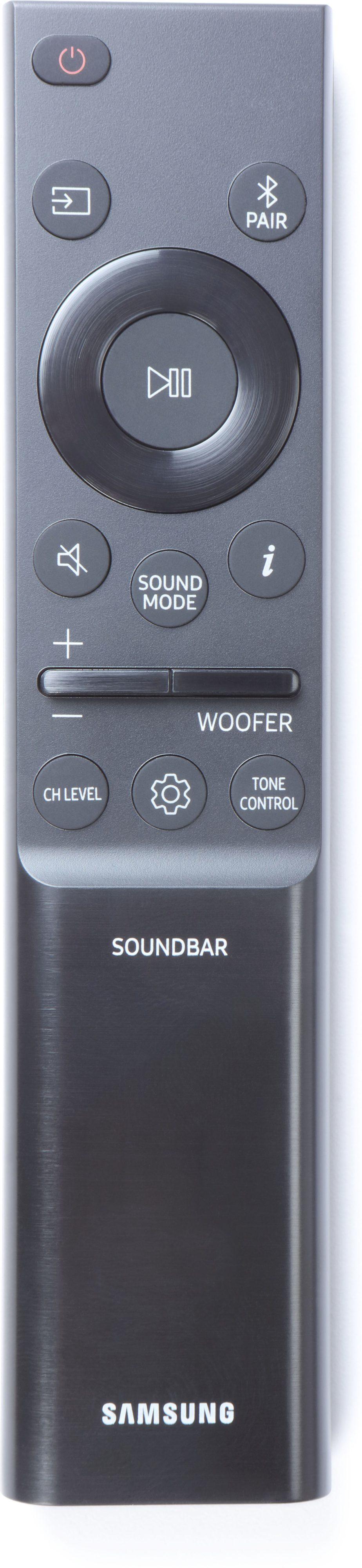
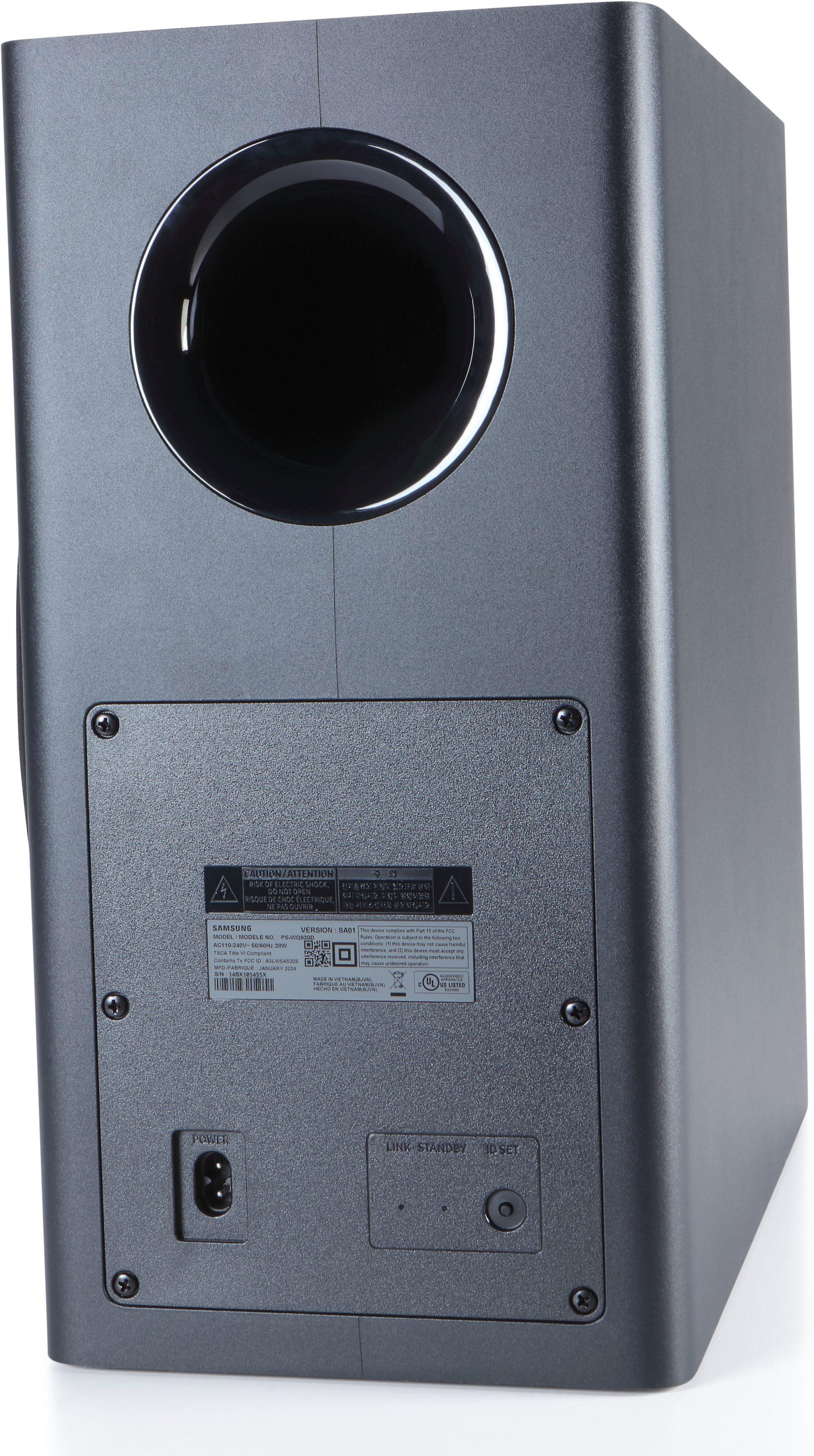
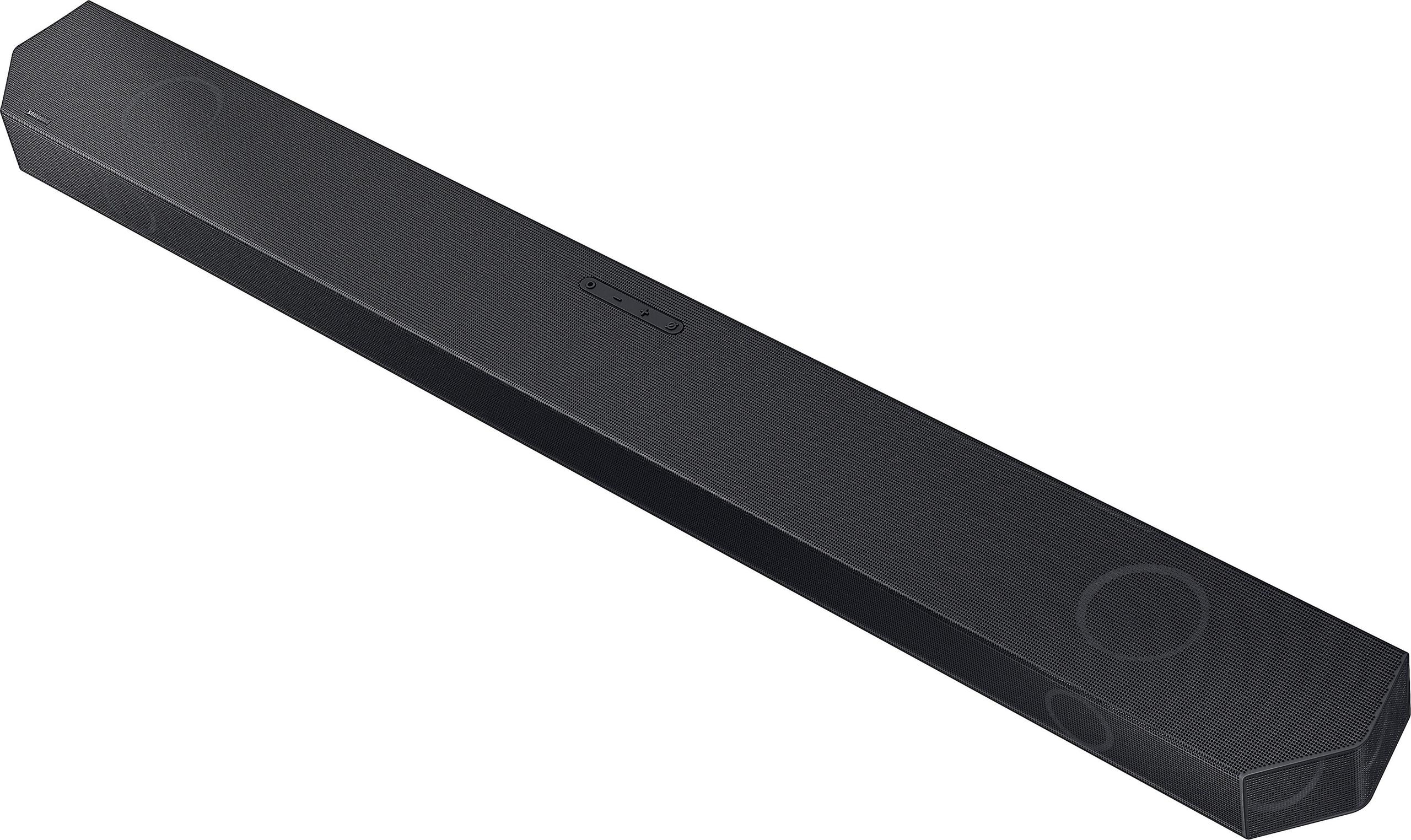
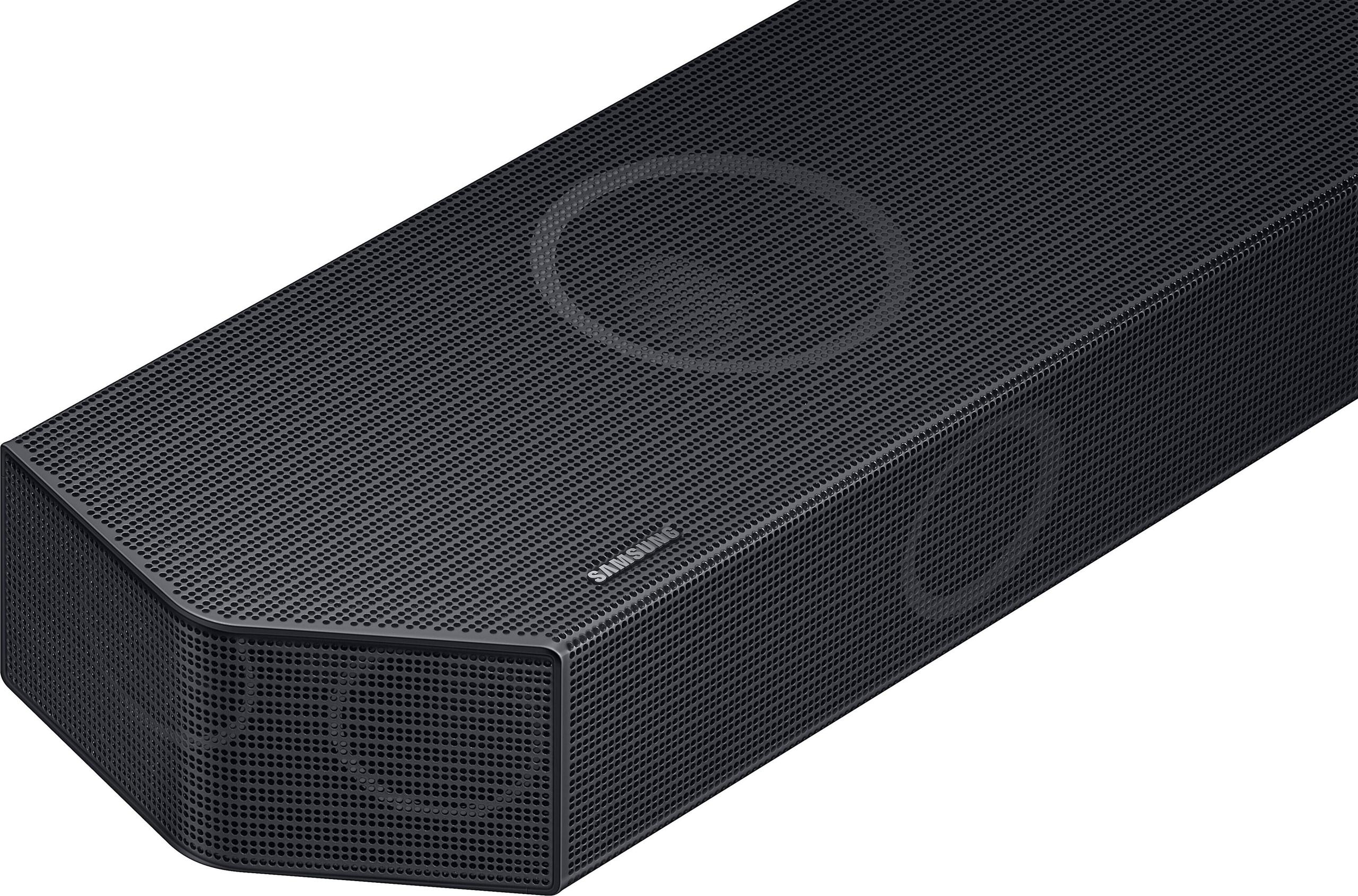
The Samsung Q Series 9.1.2 takes the more conventional route: a main soundbar with dedicated left, center, and right channels, plus separate rear speakers and a wireless subwoofer. The "9.1.2" designation means nine main channels at ear level, one dedicated subwoofer channel, and two height channels pointing upward.
What makes Samsung's approach special is Q-Symphony technology. When paired with compatible Samsung TVs, the soundbar doesn't replace your TV's speakers — it works with them. This effectively expands the system beyond 9.1.2 channels by incorporating your TV's built-in speakers as additional height and width channels.
Samsung also emphasizes room correction through SpaceFit Sound+, which analyzes your room's acoustics and adjusts the sound accordingly. Auto Sub EQ specifically focuses on optimizing the subwoofer's performance based on where you place it in your room.
This is where the fundamental differences between these systems become most apparent. The Sony HT-A9M2 excels at creating what reviewers consistently describe as a "bubble" of immersive sound. The 360 Spatial Sound Mapping technology can make effects seem to come from directions where no physical speakers exist.
Based on extensive professional testing, the Sony system creates a wider, more enveloping soundstage than most traditional setups. Effects in movies like Top Gun: Maverick or Dune feel like they're happening around and above you, with remarkable precision in positioning. The system's ability to place phantom speakers means a helicopter can seem to fly directly over your head even if the nearest physical speaker is several feet away.
However, this spatial magic comes with trade-offs. Some reviewers note that while the Sony creates an impressive bubble of sound, there can be occasional "holes" or inconsistencies in the surround field, especially compared to systems with more discrete physical channels.
The Samsung Q Series 9.1.2 takes a more traditional but reliable approach. With dedicated rear speakers and a true center channel, surround effects are more predictably positioned. When something happens behind you in a movie, it comes from the physical rear speakers rather than being processed into a phantom position. This can feel more natural and consistent, especially for listeners who move around the room or have multiple seating positions.
The Samsung's Q-Symphony feature genuinely expands the soundstage when used with compatible TVs. Instead of disabling your TV's speakers, the system incorporates them as additional channels, creating a wider and taller wall of sound than either component could achieve alone.
Here's where these systems diverge most significantly, and it's crucial for potential buyers to understand this difference. The Sony HT-A9M2 ships as a 4.0.4 system — that's four speakers at ear level and four height channels, but zero dedicated subwoofer channels.
Multiple professional reviews consistently point out that the Sony system lacks meaningful bass impact without an additional subwoofer. While the speakers contain woofers, they simply can't produce the deep, room-shaking bass that modern movie soundtracks demand. Action sequences that should rumble feel thin and lightweight.
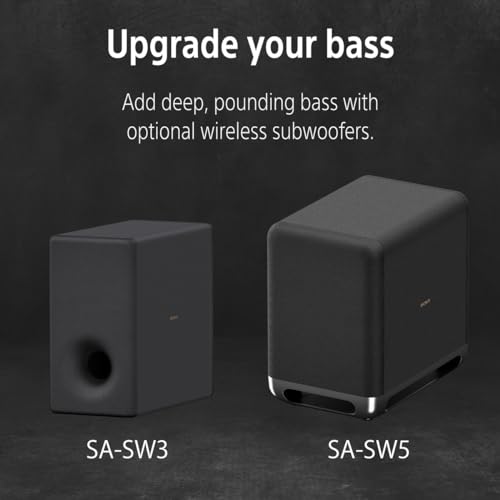
Sony clearly expects buyers to add their SA-SW3 or SA-SW5 wireless subwoofer, but this significantly increases the total system cost. At the time of writing, adding the necessary subwoofer can increase your investment by several hundred dollars.
The Samsung Q Series 9.1.2 includes a wireless subwoofer from day one. This isn't just a checkbox feature — the subwoofer uses Auto Sub EQ technology to optimize its performance based on your room and its placement. This means you get meaningful bass impact immediately, without additional purchases or complicated setup procedures.
For movie watching, this difference is substantial. Explosion scenes, music with deep bass lines, and the low-frequency effects that add weight to dramatic moments all benefit from dedicated subwoofer power that the Samsung provides out of the box.
Dialogue reproduction showcases another fundamental difference in these systems' approaches. The Samsung Q Series 9.1.2 includes a dedicated center channel speaker in the main soundbar. This physical speaker handles most dialogue, anchoring voices to the screen regardless of where you're sitting.
The system also includes Active Voice Amplifier (AVA) technology, which automatically adjusts dialogue levels based on ambient noise and the content being played. If you're watching late at night or in a noisy environment, AVA can boost voice frequencies to maintain clarity without requiring you to constantly adjust the volume.
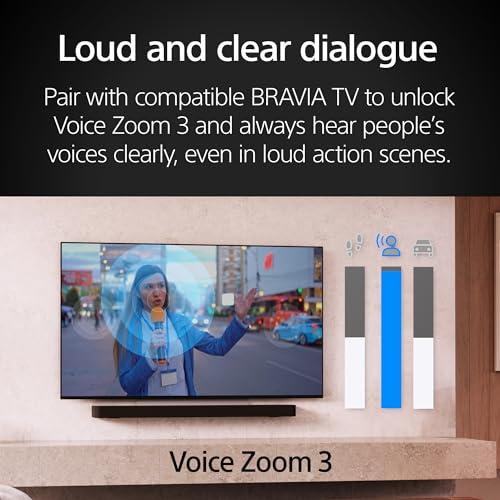
The Sony HT-A9M2 creates a phantom center channel by processing dialogue across multiple speakers. While Sony's Voice Zoom 3 technology uses AI to separate and enhance dialogue in the mix, the lack of a dedicated center speaker can impact focus and clarity, especially for off-axis listening positions.
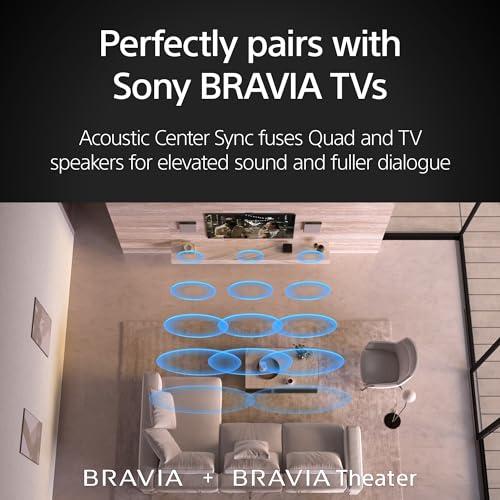
When paired with compatible BRAVIA TVs, the Sony system can use Acoustic Center Sync to incorporate the TV's speakers as a physical center channel. This helps anchor dialogue to the screen, but it requires a compatible Sony TV and proper calibration to work effectively.
Based on reviewer consensus, the Samsung generally provides more consistent dialogue performance across different seating positions and room configurations, while the Sony's phantom center approach can vary significantly depending on room acoustics and speaker placement.
The Sony HT-A9M2's greatest strength might be its placement flexibility. The Sound Field Optimization system can adapt to almost any speaker configuration. You can place speakers on different furniture heights, mount them on walls at varying angles, or position them asymmetrically around the room. The system measures distances and reflections, then creates a coherent surround field regardless of these placement compromises.
This flexibility is genuinely useful in real homes where ideal speaker placement often conflicts with furniture, doorways, or family living requirements. The wireless design means you only need power outlets near each speaker location — no running cables through walls or around rooms.
However, this flexibility comes with complexity. The initial setup requires patience as the system runs calibration routines and optimizes its processing. Some users find the BRAVIA Connect app setup process less intuitive than expected, and achieving optimal results often requires multiple calibration attempts as you fine-tune speaker positions.
The Samsung Q Series 9.1.2 requires more traditional placement considerations — the main soundbar needs to be centered with your TV, and the rear speakers work best in conventional surround positions. But within these constraints, setup is more straightforward. SpaceFit Sound+ handles room correction automatically, and the system starts delivering good results immediately.
At the time of writing, these systems occupy similar price ranges, but their total costs can differ significantly depending on your needs. The Sony HT-A9M2 commands a premium price for its innovative wireless technology and spatial processing capabilities. However, to achieve its full potential — particularly for movie watching — you'll likely need to budget for an additional subwoofer.
When factoring in the cost of Sony's wireless subwoofer options, the total investment can become quite substantial. This positions the complete Sony system as a premium choice that prioritizes flexibility and innovative audio processing over immediate value.
The Samsung Q Series 9.1.2 provides what many consider better immediate value. You receive a complete 9.1.2 system including subwoofer and rear speakers at a price point that makes it competitive with other premium soundbars. The included components work together seamlessly, and there are no essential additional purchases required for full functionality.
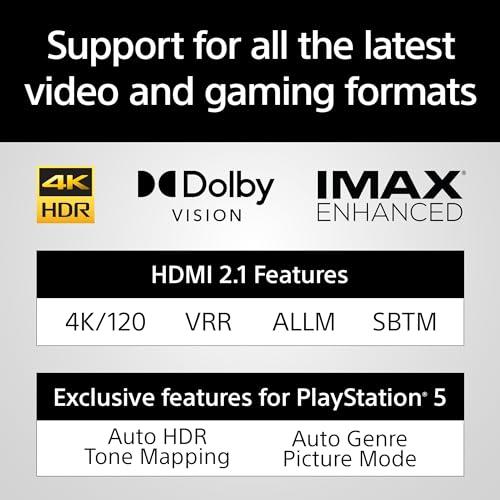
Both systems offer extensive smart features, but they excel in different areas. The Sony HT-A9M2 integrates deeply with Sony's ecosystem, particularly BRAVIA TVs and PlayStation 5 consoles. The Acoustic Center Sync feature, Auto HDR tone mapping for PS5, and seamless control integration make it especially appealing for existing Sony device owners.
The Sony also supports high-resolution audio formats up to 192kHz/24-bit and includes DSEE Ultimate processing to upscale compressed music. For users who prioritize music listening alongside movie watching, these features add significant value.
The Samsung Q Series 9.1.2 shines in smart home integration and streaming capabilities. The SmartThings platform compatibility allows integration with over 100 smart home brands, while built-in Chromecast, AirPlay 2, and multiple streaming service connections provide extensive flexibility.
Q-Symphony remains Samsung's most compelling exclusive feature. When properly configured with a compatible Samsung TV, it creates a uniquely wide and tall soundstage that neither component could achieve alone. This feature alone can justify the Samsung choice for owners of compatible TVs.
Gaming represents an interesting use case where these systems' different approaches become apparent. The Sony HT-A9M2 supports full HDMI 2.1 pass-through with 4K120Hz, Variable Refresh Rate (VRR), and Auto Low Latency Mode (ALLM). The spatial processing can create impressive positional audio for games, though the lack of included bass might reduce impact in action titles.
The Samsung Q Series 9.1.2 includes Game Mode Pro, which specifically optimizes audio processing for gaming scenarios. This mode enhances directional cues and reduces processing latency, potentially providing competitive advantages in multiplayer games where audio positioning matters.
Both systems handle modern gaming features well, but the Samsung's included subwoofer provides more immediate satisfaction for bass-heavy gaming content.
The choice between these systems ultimately depends on your priorities, room constraints, and existing equipment ecosystem.
Choose the Sony HT-A9M2 if you have challenging room layouts, prioritize innovative spatial audio technology, own Sony equipment (especially BRAVIA TVs), or value music listening equally with movie watching. The placement flexibility alone can be worth the premium for users dealing with difficult room configurations or rental properties where permanent installation isn't possible.
However, be prepared for the total cost including a subwoofer, and understand that the phantom center channel approach might not suit all listeners or room configurations.
Choose the Samsung Q Series 9.1.2 if you want immediate, complete surround sound performance, prioritize value, have a relatively standard room layout, or own Samsung TVs that can benefit from Q-Symphony. The included subwoofer and discrete channel approach provide more predictable results across different content types and listening scenarios.
The Samsung represents a more traditional but refined approach to surround sound, offering excellent performance with less complexity and potentially better value for most users.
Both systems represent significant steps forward in home theater audio, but they serve different needs and preferences. The Sony HT-A9M2 pushes boundaries with innovative wireless technology and spatial processing, while the Samsung Q Series 9.1.2 perfects the traditional surround sound formula with modern smart features and exceptional TV integration.
Consider your room, your budget including potential add-ons, your existing equipment ecosystem, and whether you prefer cutting-edge innovation or proven surround sound approaches. Either choice will significantly upgrade your home theater experience from basic TV audio or entry-level soundbars.
| Sony HT-A9M2 BRAVIA Theater Quad | Samsung Q Series 9.1.2 Channel Soundbar |
|---|---|
| System Configuration - Core difference in approach to surround sound | |
| 4.0.4 channels via four wireless speakers | 9.1.2 channels with soundbar + rear speakers + subwoofer |
| Included Components - What you get out of the box | |
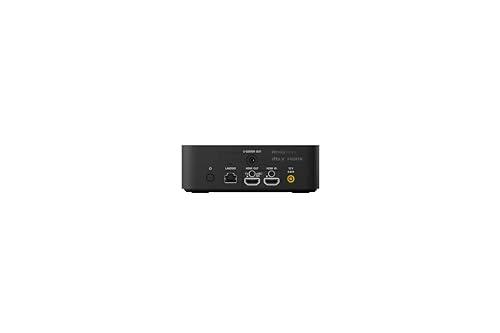
| Four wireless speakers + control hub (no subwoofer) | Main soundbar + wireless subwoofer + rear speakers |
| Speaker Placement Flexibility - How adaptable to your room layout | |
| Extreme flexibility - speakers can be placed asymmetrically at different heights | Traditional placement required - soundbar centered, rears in optimal positions |
| Bass Performance - Critical for movie impact and music enjoyment | |
| Requires separate subwoofer purchase for meaningful bass | Wireless subwoofer included with Auto Sub EQ room optimization |
| Center Channel - How dialogue is handled and anchored to screen | |
| Phantom center via processing (can use TV speakers with BRAVIA Sync) | Dedicated physical center channel in main soundbar |
| Total Driver Count - More drivers can mean better sound separation | |
| 16 drivers (4 per speaker: woofer, mid, tweeter, up-firing) | 11+ drivers across all components (exact count varies by model) |
| Room Calibration Technology - How system adapts to your space | |
| 360 Spatial Sound Mapping with Sound Field Optimization | SpaceFit Sound+ with Auto Sub EQ for subwoofer placement |
| Wireless Technology - Reliability of wireless connections | |
| Dual-antenna system with frequency hopping for improved stability | Traditional wireless for subwoofer and rears, proven reliability |
| TV Integration - Special features when paired with brand TVs | |
| Acoustic Center Sync and seamless control with Sony BRAVIA TVs | Q-Symphony technology expands soundstage with Samsung TVs |
| Gaming Features - Optimizations for console and PC gaming | |
| HDMI 2.1 pass-through with 4K120Hz, VRR, ALLM support | Game Mode Pro with enhanced directional audio and latency reduction |
| Music Performance - How well suited for stereo music listening | |
| Hi-Res Audio support up to 192kHz/24-bit, DSEE Ultimate upscaling | Good stereo imaging but optimized primarily for surround content |
| Smart Features - Streaming and voice control capabilities | |
| Spotify Connect, AirPlay 2, BRAVIA Connect app control | Chromecast built-in, AirPlay 2, SmartThings integration, multiple streaming services |
| Setup Complexity - How difficult to install and configure properly | |
| Moderate complexity due to wireless calibration and speaker positioning | Simpler traditional setup with automatic room correction |
| Value Consideration - Complete system cost and what's included | |
| Higher total cost when subwoofer added for optimal performance | Complete system included, better immediate value for traditional surround sound |
The Samsung Q Series 9.1.2 is generally better for movies due to its included wireless subwoofer that provides immediate bass impact for action scenes and explosions. The Sony HT-A9M2 creates an impressive immersive bubble of sound but requires purchasing a separate subwoofer to achieve full movie theater impact.
The Samsung Q Series 9.1.2 comes complete with everything needed - main soundbar, wireless subwoofer, and rear speakers. The Sony HT-A9M2 ships as a 4.0.4 system without a subwoofer, which most users will want to add for optimal bass performance in movies and music.
The Samsung Q Series 9.1.2 is easier to set up since it follows traditional soundbar placement - center the main bar with your TV and position the rear speakers conventionally. The Sony HT-A9M2 offers more placement flexibility but requires wireless calibration and fine-tuning through the BRAVIA Connect app.
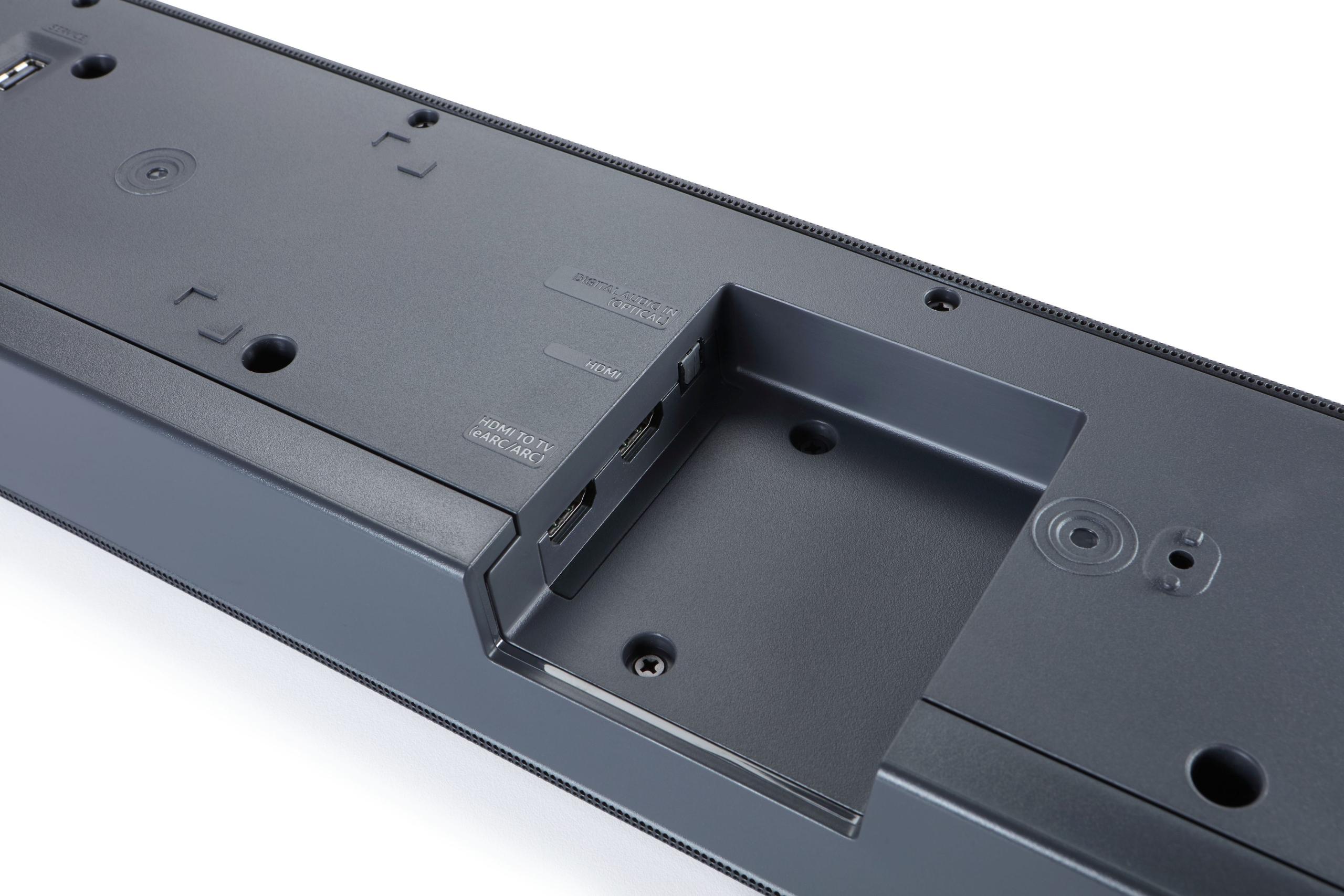
Both systems work with any TV that has HDMI ARC or eARC connections. However, the Sony HT-A9M2 offers special integration features with Sony BRAVIA TVs, while the Samsung Q Series 9.1.2 provides Q-Symphony technology that works exclusively with compatible Samsung TVs to expand the soundstage.
The Samsung Q Series 9.1.2 typically provides more consistent dialogue clarity due to its dedicated center channel speaker and Active Voice Amplifier technology. The Sony HT-A9M2 uses phantom center processing, which can vary in effectiveness depending on your seating position and room acoustics.
The Sony HT-A9M2 uses an advanced dual-antenna wireless system with frequency hopping to connect four separate speakers reliably. The Samsung Q Series 9.1.2 uses more traditional wireless connections for its subwoofer and rear speakers, which is generally more stable and proven in real-world use.
The Samsung Q Series 9.1.2 typically offers better immediate value since it includes all necessary components for a complete surround sound experience. The Sony HT-A9M2 requires additional subwoofer investment to reach its full potential, making the total system cost significantly higher.
The Sony HT-A9M2 offers exceptional placement flexibility - you can position the four speakers asymmetrically, at different heights, or on various furniture pieces. The Samsung Q Series 9.1.2 requires more traditional placement with the soundbar centered and rear speakers in optimal surround positions.
Both systems support modern gaming features like HDMI 2.1, but the Samsung Q Series 9.1.2 includes Game Mode Pro specifically designed for gaming with enhanced directional audio. The Sony HT-A9M2 offers excellent spatial positioning but may lack bass impact for action games without an additional subwoofer.
The Sony HT-A9M2 excels at music with Hi-Res Audio support up to 192kHz/24-bit and DSEE Ultimate upscaling technology. The Samsung Q Series 9.1.2 provides good stereo imaging but is optimized primarily for surround sound content rather than pure music listening.
The Samsung Q Series 9.1.2 often works better in smaller spaces since its traditional channel separation and included subwoofer provide immediate impact without complex calibration. The Sony HT-A9M2 can adapt to small rooms through its calibration system but may be overkill for very small spaces.
Both systems offer extensive smart features including AirPlay 2 and streaming capabilities. The Samsung Q Series 9.1.2 includes Chromecast built-in and SmartThings integration, while the Sony HT-A9M2 focuses on Spotify Connect, BRAVIA integration, and high-quality audio processing features.
We've done our best to create useful and informative comparisons to help you decide what product to buy. Our research uses advanced automated methods to create this comparison and perfection is not possible - please contact us for corrections or questions. These are the sites we've researched in the creation of this article: bestbuy.com - whathifi.com - whathifi.com - youtube.com - rtings.com - audiosciencereview.com - bhphotovideo.com - skybygramophone.com - sony.com - manuals.plus - audioadvice.com - dell.com - valueelectronics.com - youtube.com - merlinstv.com - videoandaudiocenter.com - electronics.sony.com - sony.com - bestbuy.com - beachcamera.com - sony.com - win.consulting - sony.com - rtings.com - samsung.com - markselectrical.co.uk - techradar.com - walmart.com - samsung.com - samsung.com - youtube.com - samsung.com - biancos.com - crutchfield.com - samsung.com

Privacy Policy
Terms and Conditions - Affiliate Policy
Home Security
© Copyright 2008-2026.
11816 Inwood Rd #1211, Dallas, TX 75244