







If you've ever found yourself leaning forward during a movie, straining to hear what the actors are saying while explosions blast your eardrums, you're not alone. Modern TVs have gotten incredibly thin and beautiful, but their built-in speakers? They're often terrible. That's where soundbars come in – they're the most popular solution for upgrading your TV's audio without the complexity of a full surround sound system.
Today we're comparing two very different approaches to solving this problem: the Bose TV Speaker Soundbar at $199 and the Samsung Q Series 9.1.2 Channel Soundbar at $898. These products represent opposite ends of the soundbar spectrum, and understanding their differences will help you choose the right one for your home.
Before diving into specifics, let's talk about what soundbars actually do and why the differences matter. A soundbar is essentially a collection of speakers in one long enclosure that sits below or near your TV. The goal is to create better sound than your TV's tiny built-in speakers can manage.
The key considerations when shopping for a soundbar include audio quality (how good it sounds), spatial audio capabilities (whether it can create surround sound effects), room compatibility (how well it works in your space), setup complexity, and overall value. Some soundbars focus purely on making dialogue clearer, while others aim to recreate a full movie theater experience in your living room.
The term "channels" you'll see in soundbar specs refers to how many separate audio streams the system can handle. A 2.1 system has left and right speakers plus a subwoofer (the ".1" represents the subwoofer). A 9.1.2 system like Samsung's has nine main speakers, one subwoofer, and two "height" speakers that fire sound upward to bounce off your ceiling, creating the illusion of overhead audio.
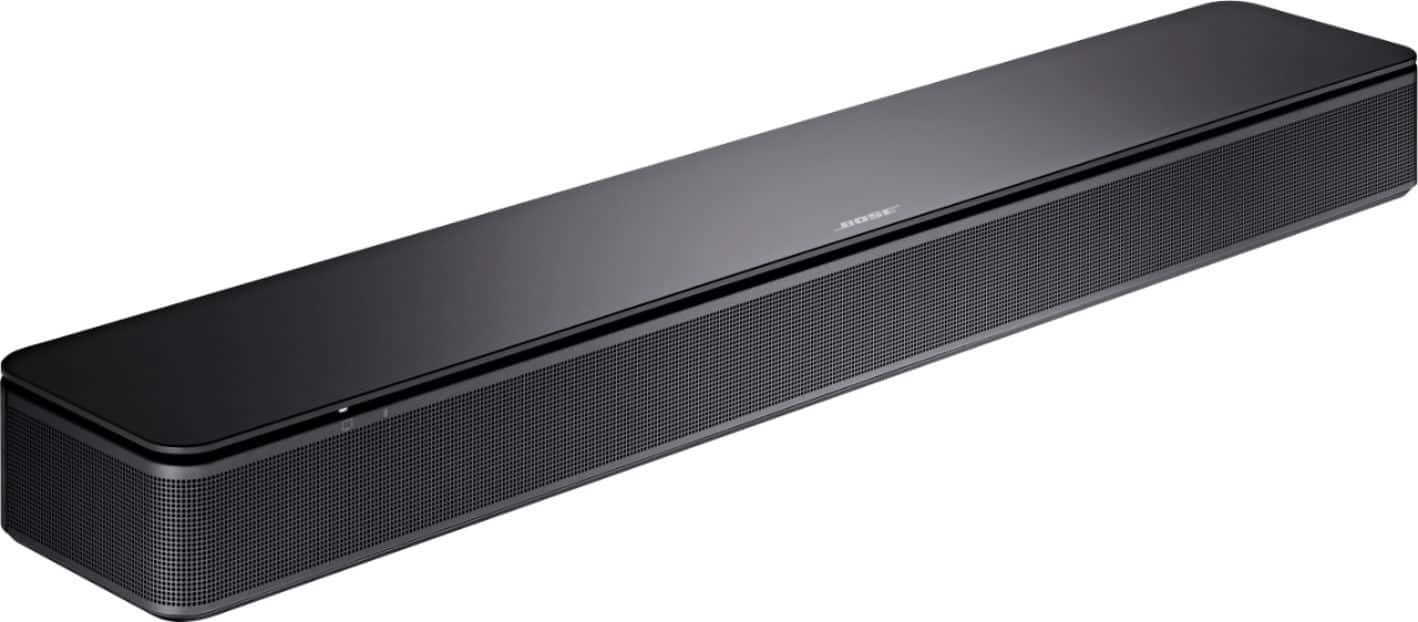
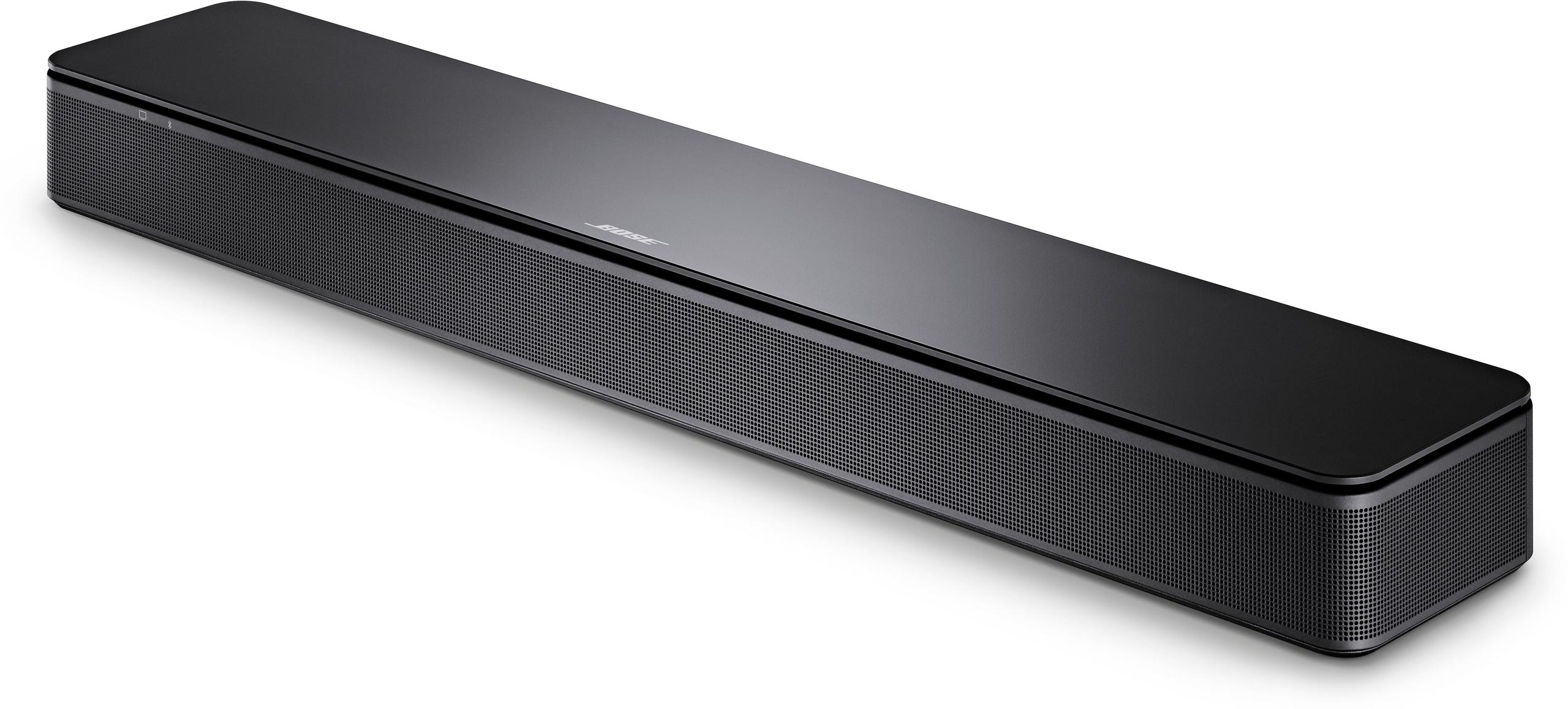
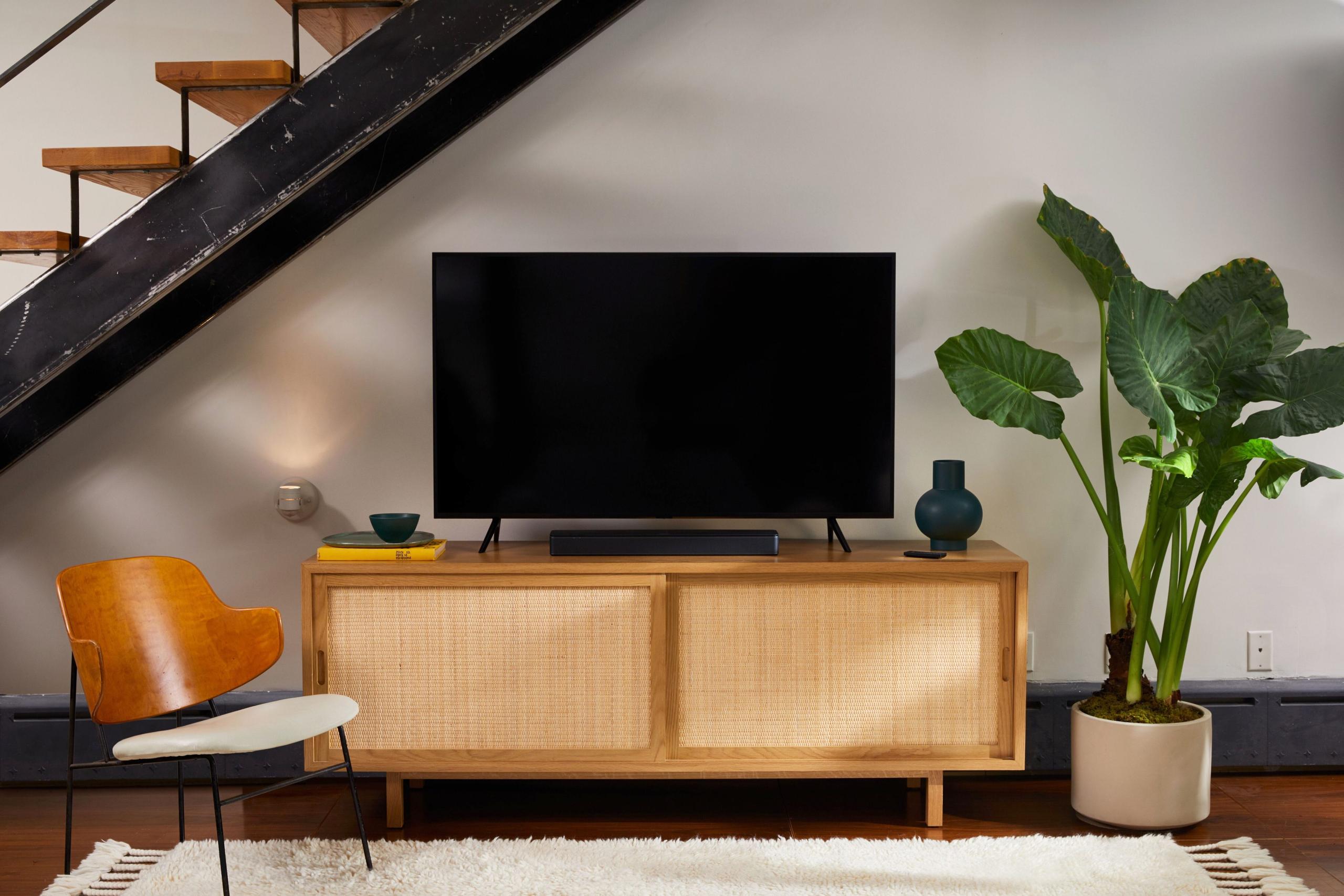
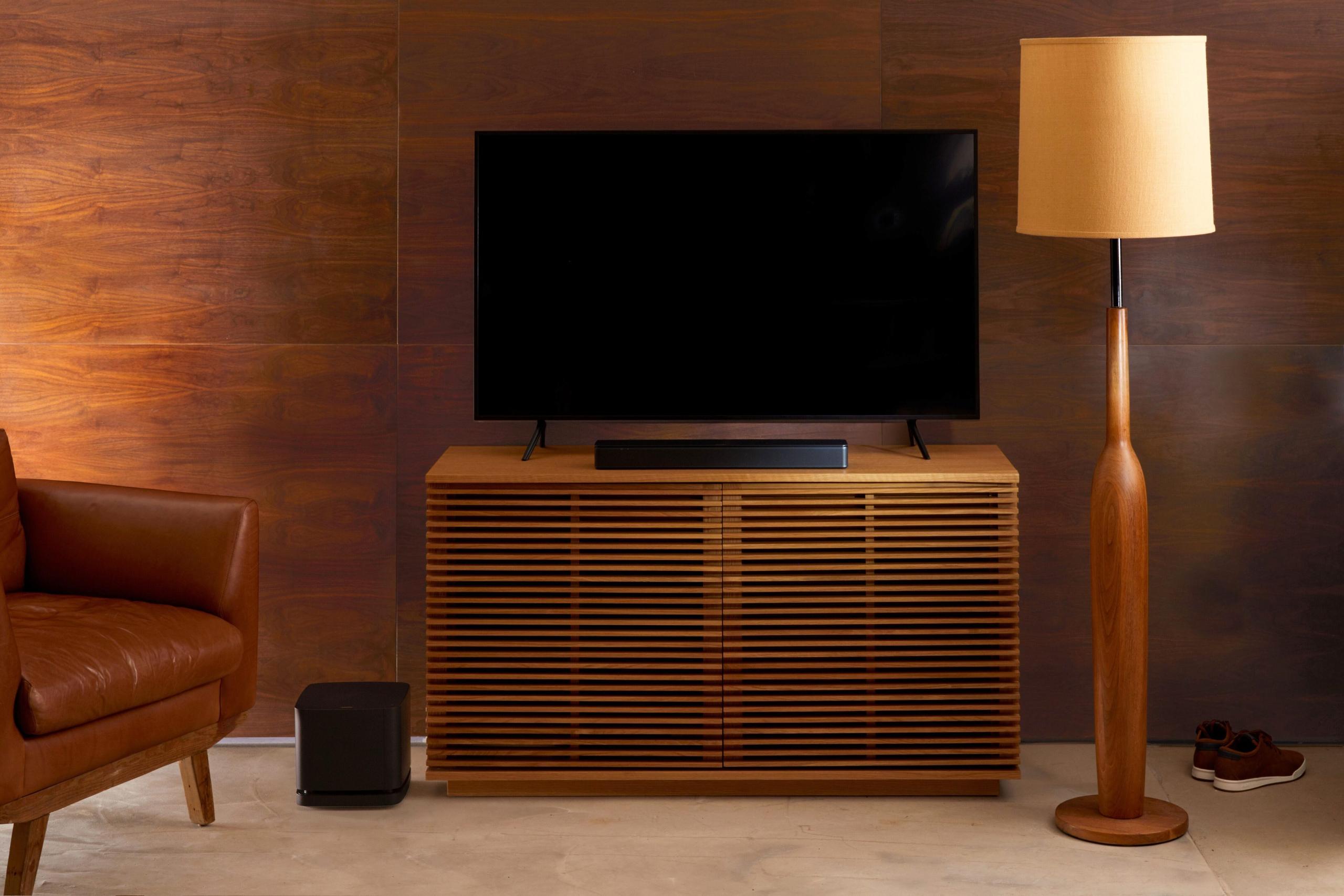
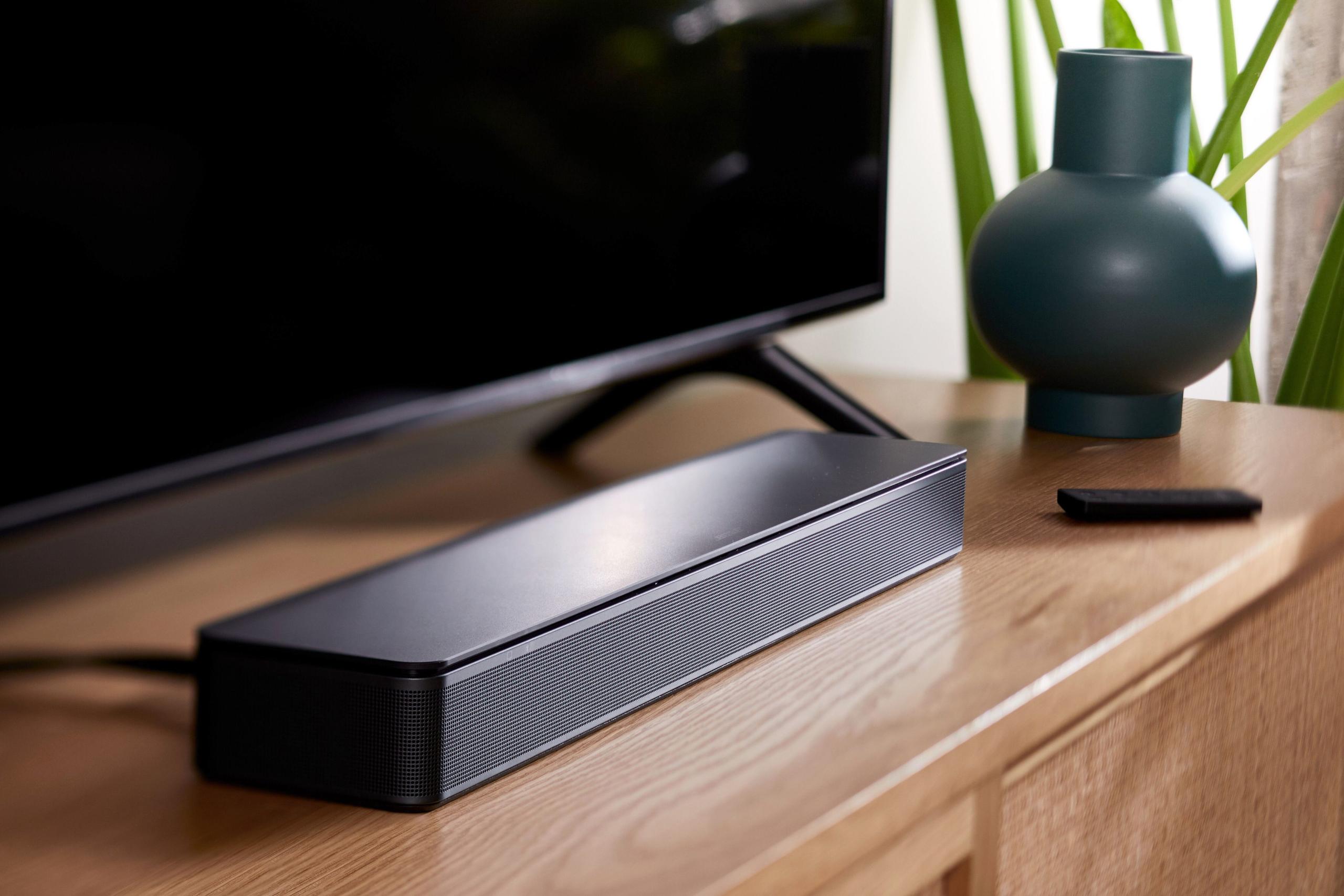
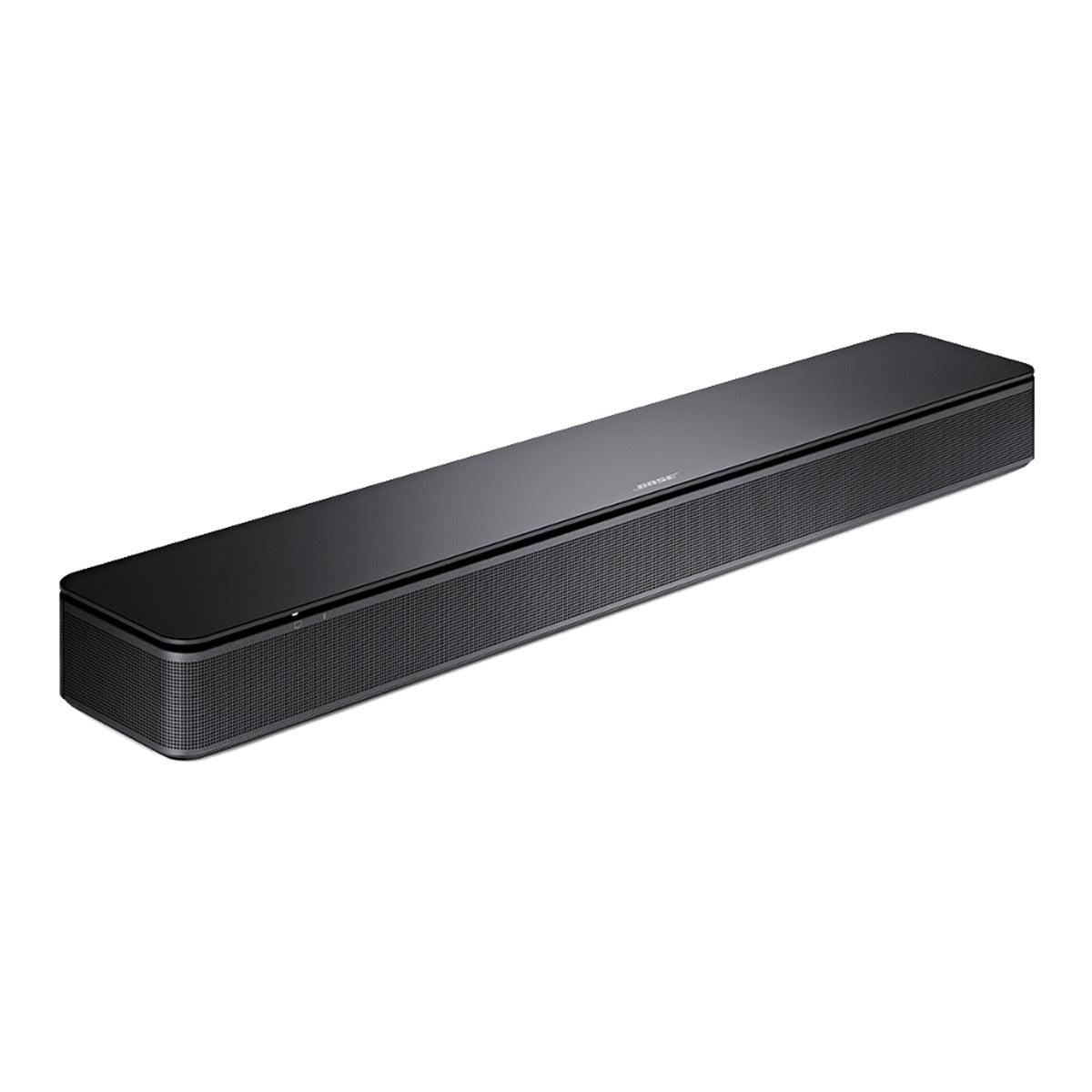
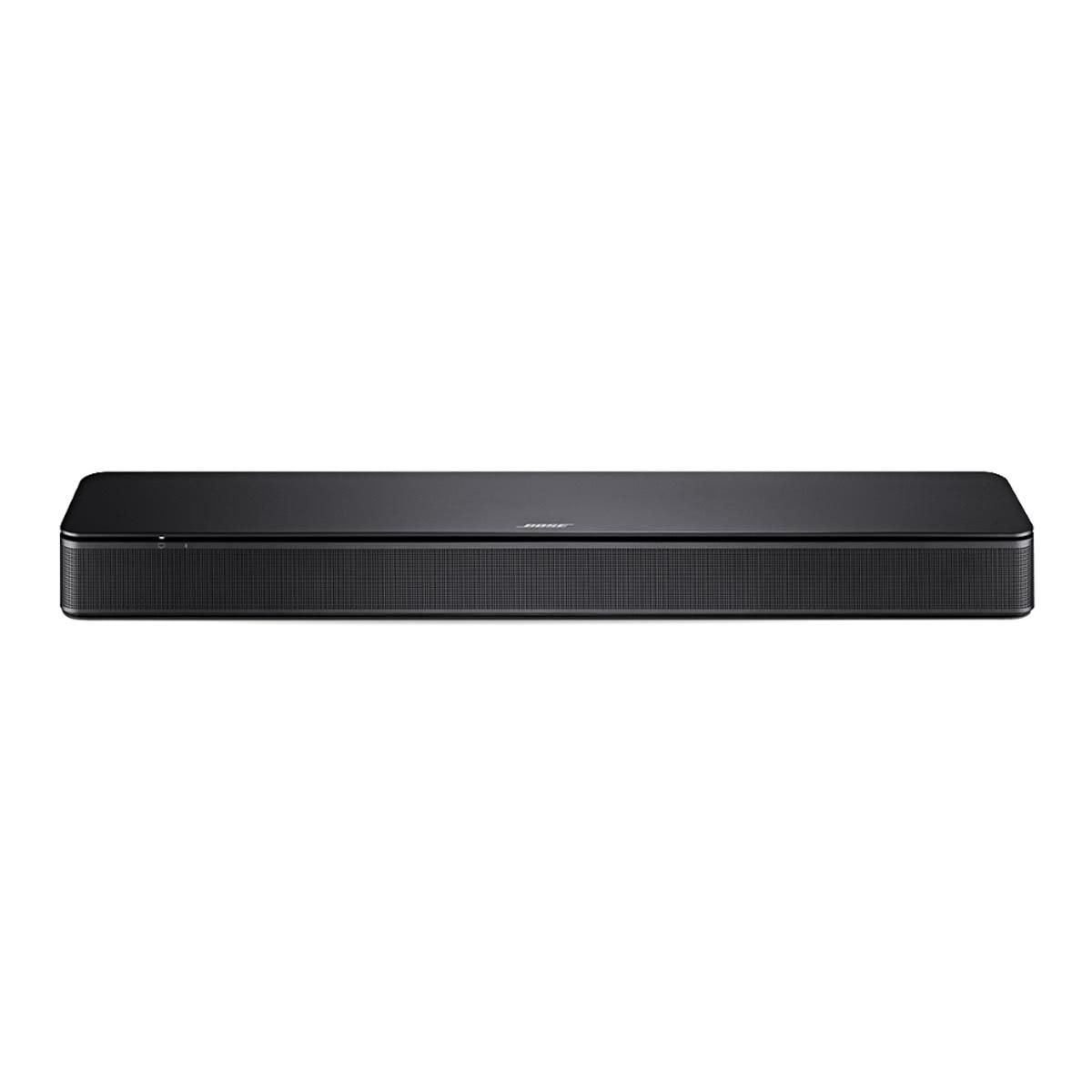
Released in 2020, the Bose TV Speaker represents Bose's minimalist approach to TV audio improvement. This compact soundbar measures just 2.2 inches tall and 23.4 inches wide, making it one of the most space-efficient options available. Bose designed it specifically for people who want better TV dialogue without dealing with multiple speakers, complex setup, or learning new remote controls.
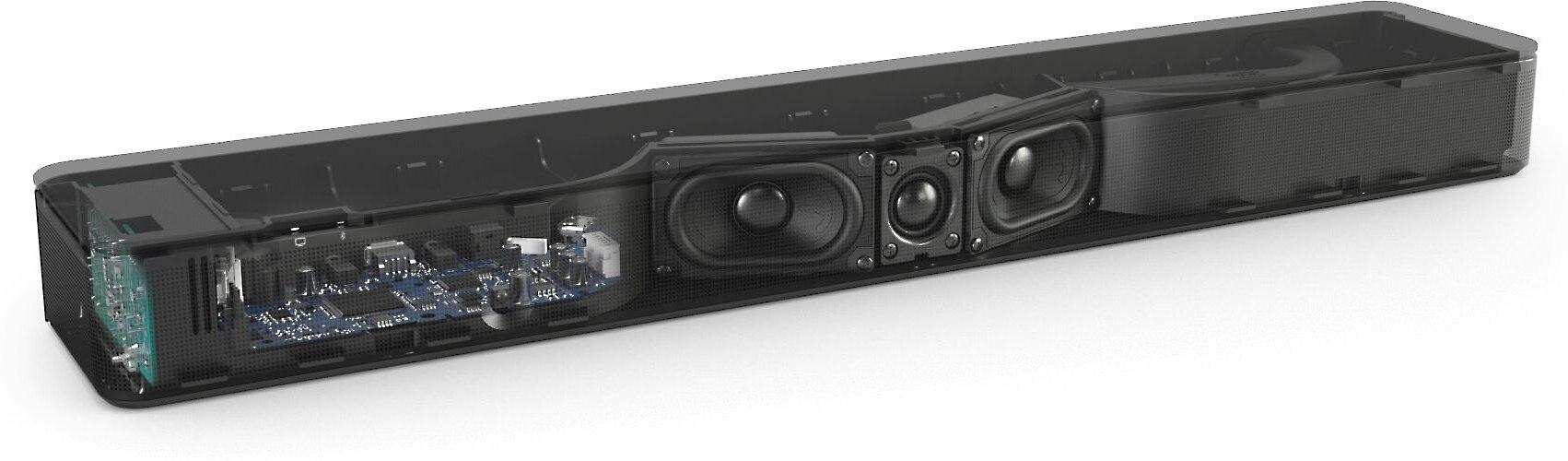
The TV Speaker uses a 3.1 channel configuration, meaning it has separate left, center, and right speakers, plus the option to add a subwoofer later. What makes it interesting is Bose's focus on dialogue enhancement – they've included a dedicated "Dialogue Mode" that analyzes what you're watching and boosts vocal frequencies to make speech clearer.
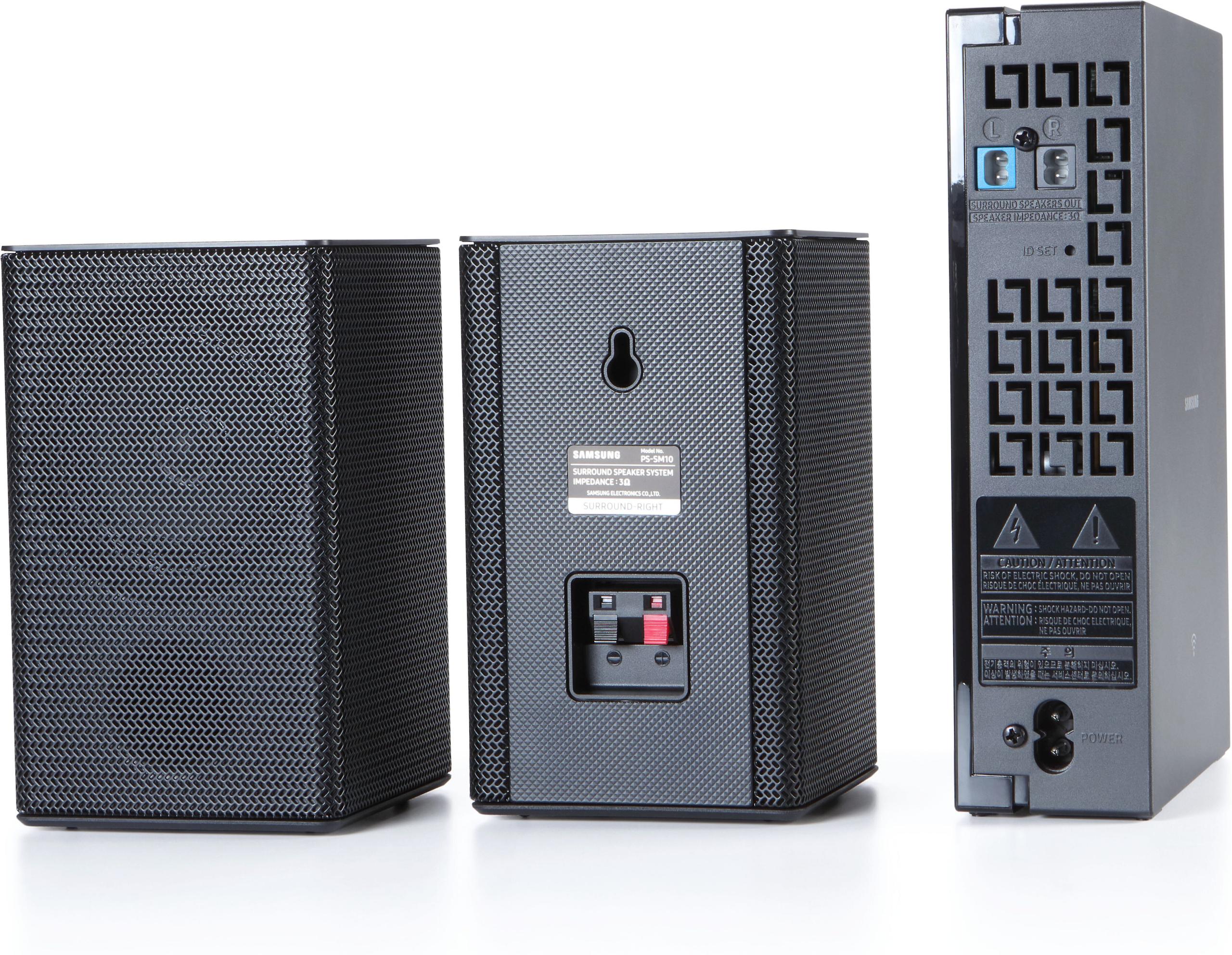
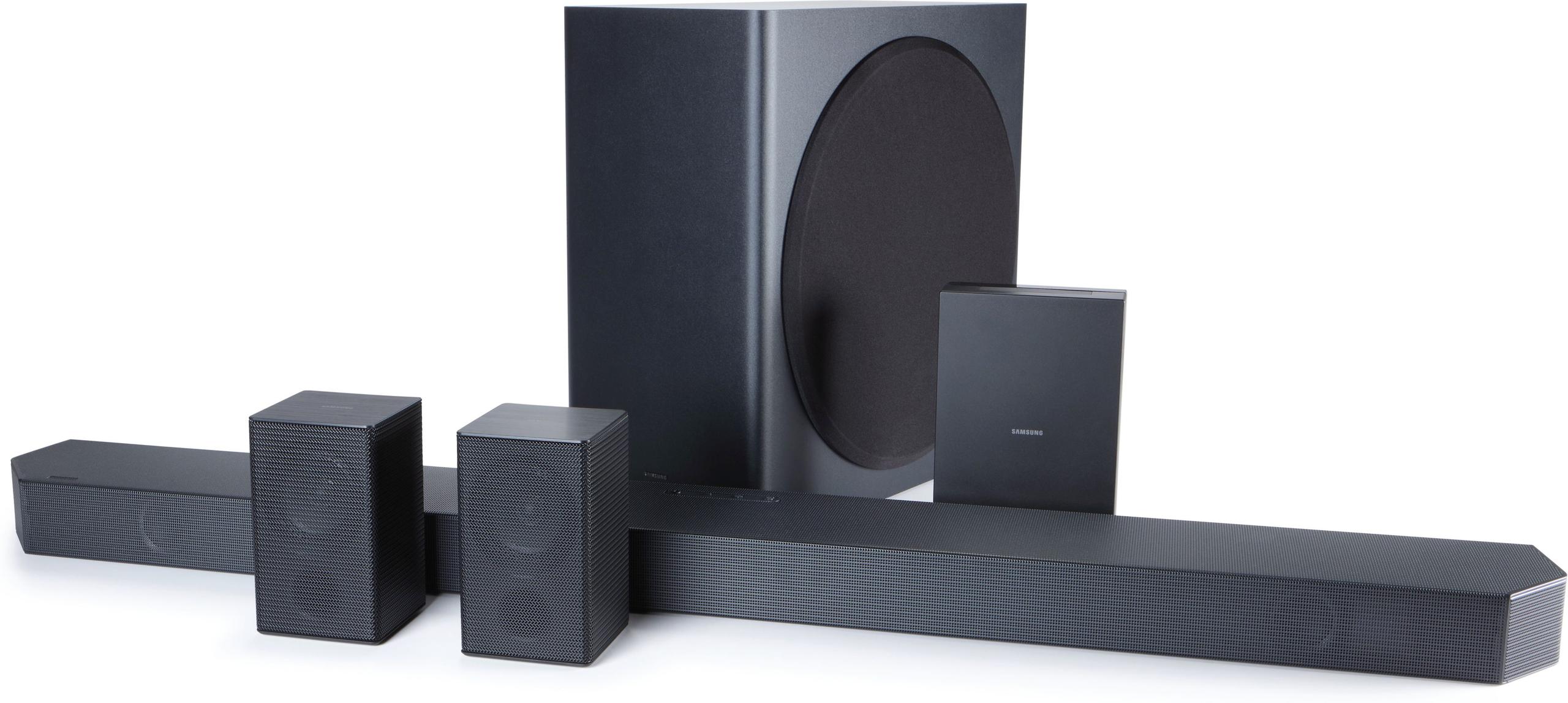
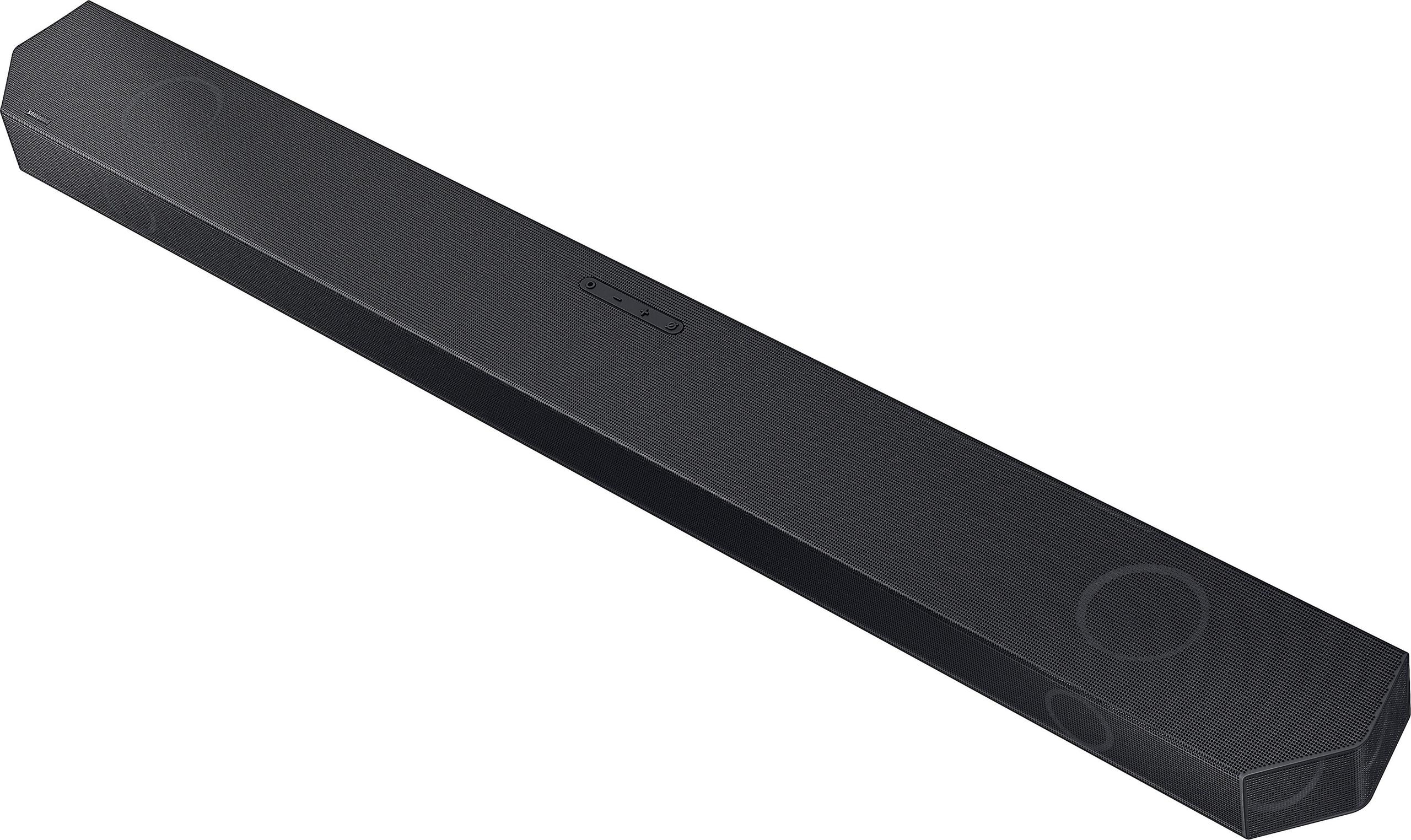
Samsung's Q-Series 9.1.2 soundbar, part of their premium audio lineup, takes a completely different approach. This system includes not just the main soundbar, but also a wireless subwoofer and rear speakers, creating a true surround sound setup. The 9.1.2 designation means it has nine main channels, one subwoofer, and two up-firing speakers that bounce sound off your ceiling to create height effects.
Released as part of Samsung's 2025 lineup, this soundbar supports advanced audio formats like Dolby Atmos and DTS:X. These technologies allow sound designers to place audio effects anywhere in a three-dimensional space around you – imagine hearing a helicopter fly overhead in a movie, with the sound actually seeming to come from above your head rather than just from the front speakers.
The Bose TV Speaker punches well above its weight class in terms of pure audio quality. Bose has always been exceptional at making small speakers sound bigger than they are, and the TV Speaker continues this tradition. The sound is balanced and natural, with vocals sitting prominently in the mix. When you activate Dialogue Mode, the difference is immediately noticeable – voices become clearer and more separated from background music and sound effects.
However, there are limitations. Without a separate subwoofer, bass response is adequate for casual listening but won't satisfy anyone who enjoys action movies or music with deep low-end. The soundbar does include a bass boost feature that helps somewhat, but physics ultimately limits what these small drivers can accomplish.
The Samsung Q-Series operates in a different league entirely. With 17 total speakers spread across the soundbar, subwoofer, and rear speakers, it can create a much more detailed and dynamic soundscape. The dedicated center channel handles dialogue duties, while separate left and right channels handle music and effects. The result is audio that sounds more spacious and detailed than what the Bose can achieve.
Where Samsung really shines is in complex audio passages. During action scenes with multiple simultaneous sound elements – dialogue, explosions, musical score, and ambient effects – the Samsung can keep everything separated and clear. The Bose TV Speaker, being a stereo system, tends to compress everything into a narrower soundstage.
This is where the biggest practical difference emerges. The Bose TV Speaker includes no subwoofer in its base price. While it can produce some low-frequency sound, anyone who enjoys action movies, sports, or music will likely find it lacking. Bose does offer optional subwoofers (like their Bass Module 500 or 700), but these add $300-400 to the total cost.
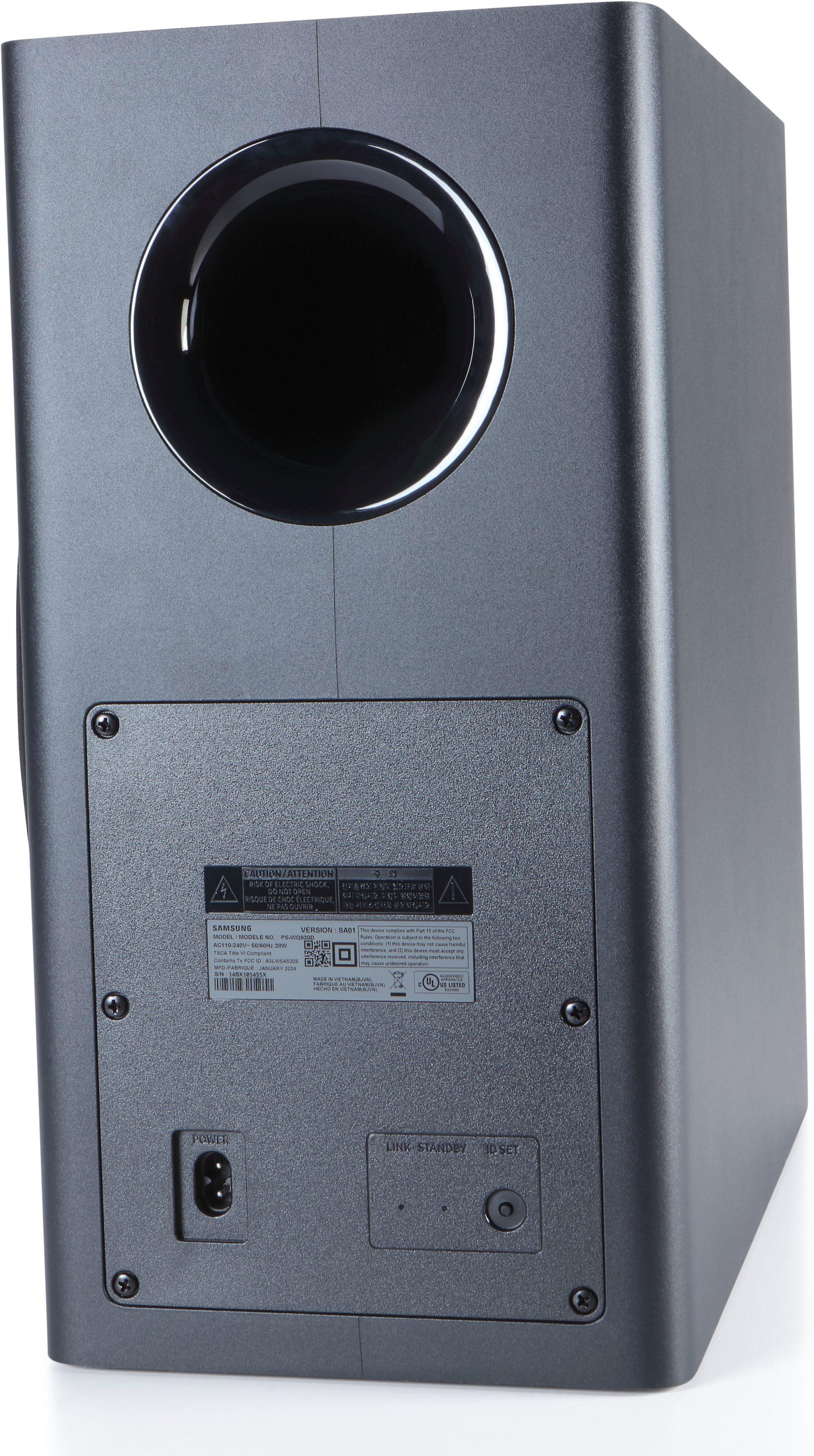
The Samsung Q Series includes an 8-inch wireless subwoofer that provides substantial bass extension. This isn't just about making explosions louder – good bass response adds weight and impact to music, makes dialogue sound more natural (human voices actually extend quite low in frequency), and creates the physical sensation that makes movies more engaging.
From my testing experience, the difference is dramatic. Movie soundtracks that sound thin and lifeless through the Bose alone come alive with proper bass support. The Samsung's subwoofer also includes automatic calibration technology that adjusts its output based on where it's placed in your room, ensuring optimal performance regardless of your furniture arrangement.
Here's where these products diverge most dramatically. The Bose TV Speaker is fundamentally a stereo system. It can create a wider soundstage than your TV speakers, but it cannot produce true surround sound effects. All audio comes from the front of your room.
The Samsung system creates genuine surround sound through its rear speakers and up-firing drivers. When properly set up, sounds can appear to come from beside you, behind you, and even overhead. This isn't just a gimmick – it's how movie soundtracks are designed to be heard. Directors and sound engineers spend enormous effort creating immersive audio experiences that only work with proper surround sound systems.
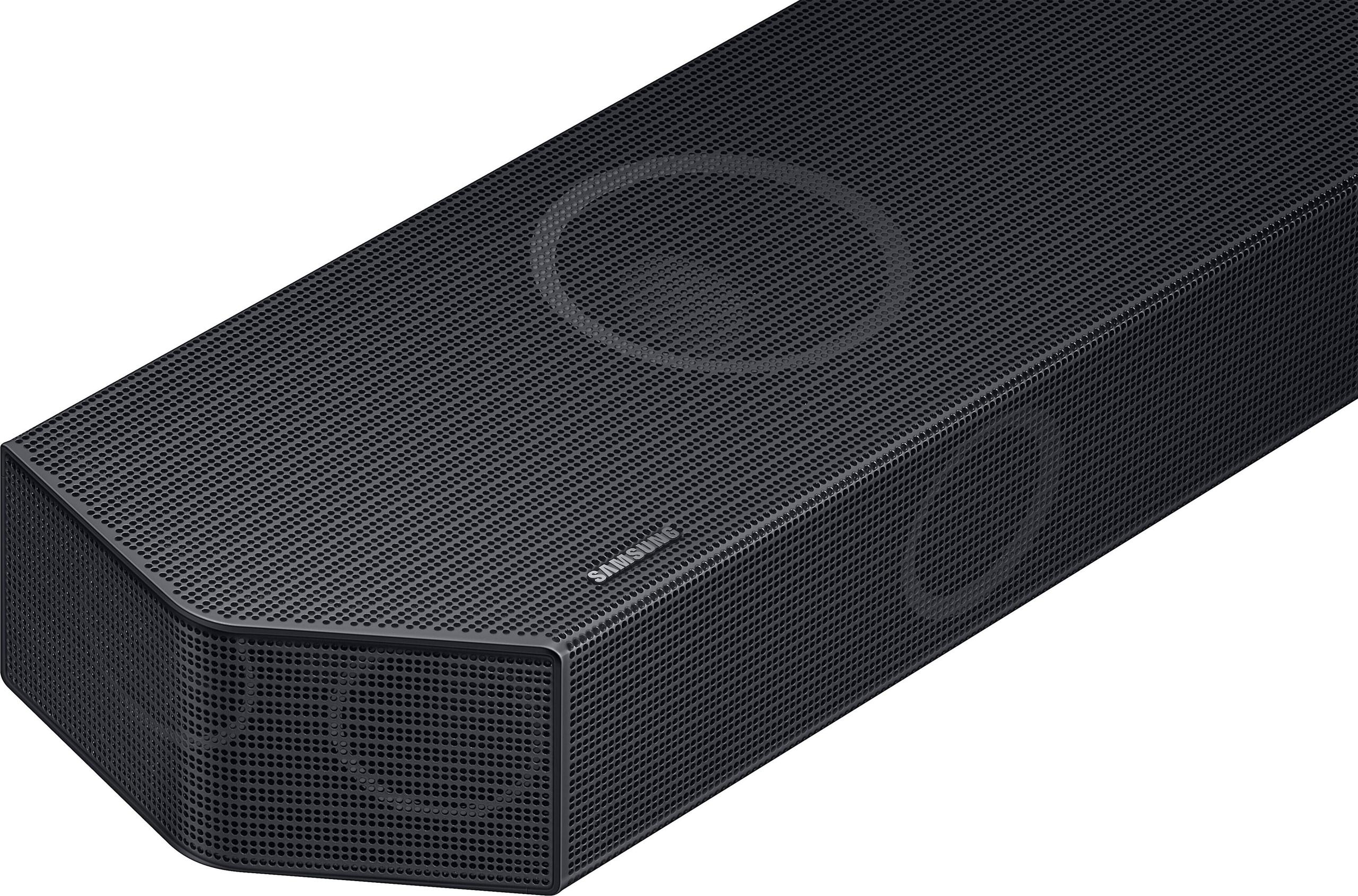
The up-firing speakers deserve special mention. These fire sound upward toward your ceiling, which then reflects back down to your listening position. When combined with Dolby Atmos content, this creates the illusion of overhead sound effects. Hearing rain fall from above or aircraft fly overhead adds a dimension of realism that stereo systems simply cannot achieve.
Samsung's Q-Symphony technology is another interesting feature. If you have a compatible Samsung TV, the soundbar can actually use your TV's speakers as additional channels, creating an even wider soundstage. It's a clever way to extract more performance from components you already own.
The Bose TV Speaker excels in smaller spaces. If you live in an apartment or have a compact living room, its small size and focused audio delivery work perfectly. It won't overwhelm small spaces, and its dialogue-focused tuning is ideal for close-range listening.
The Samsung system requires more space and consideration. You need room for the main soundbar, space to place the subwoofer (though it's wireless, so placement is flexible), and ideally the ability to position rear speakers behind your seating area. In large rooms, this extra complexity pays dividends with room-filling sound that maintains clarity at higher volumes.
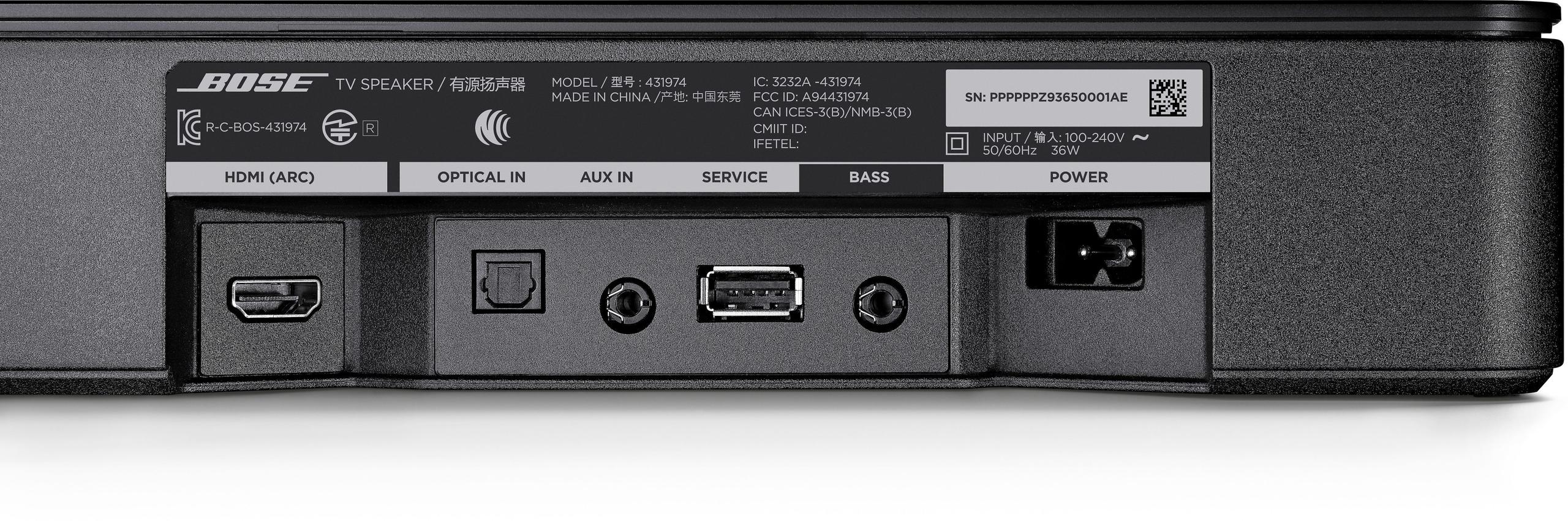
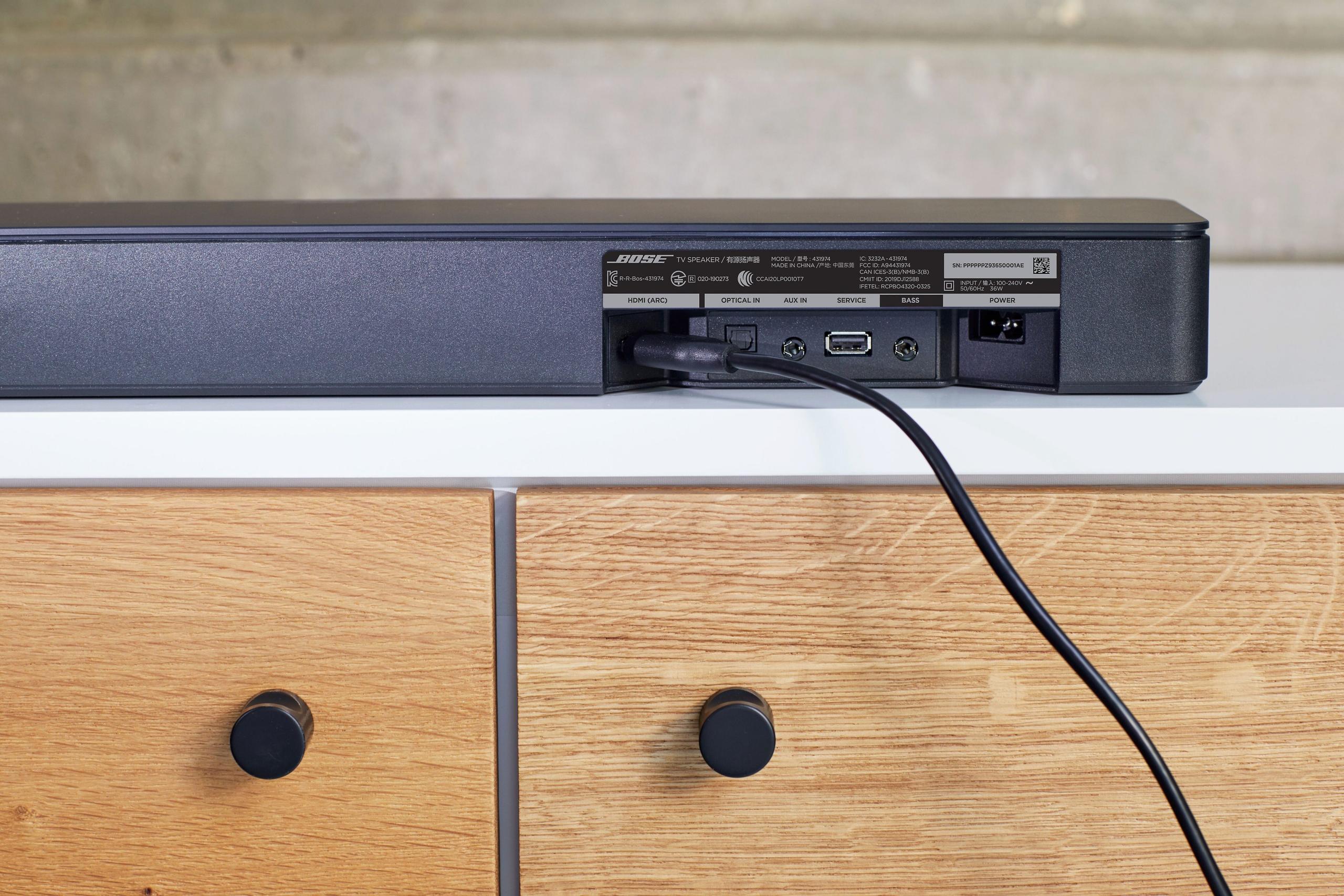
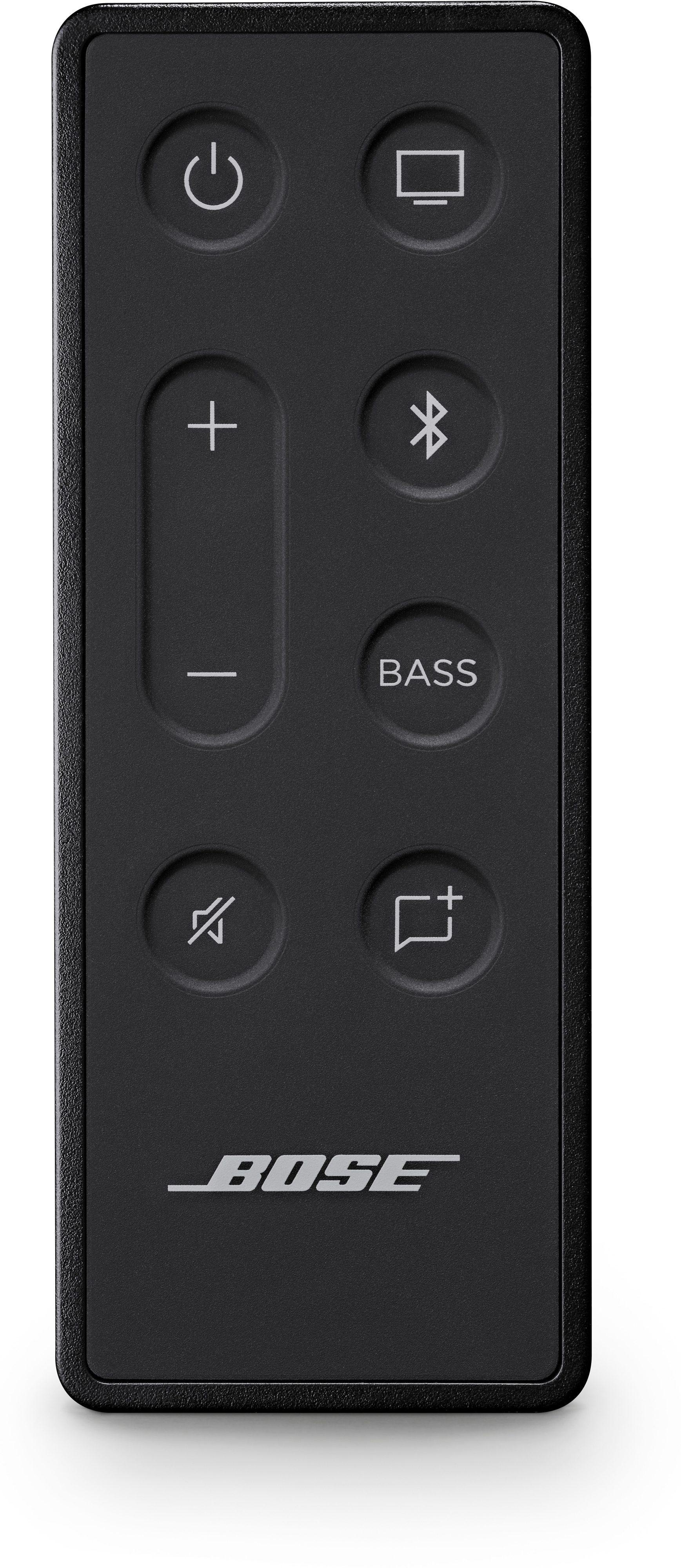
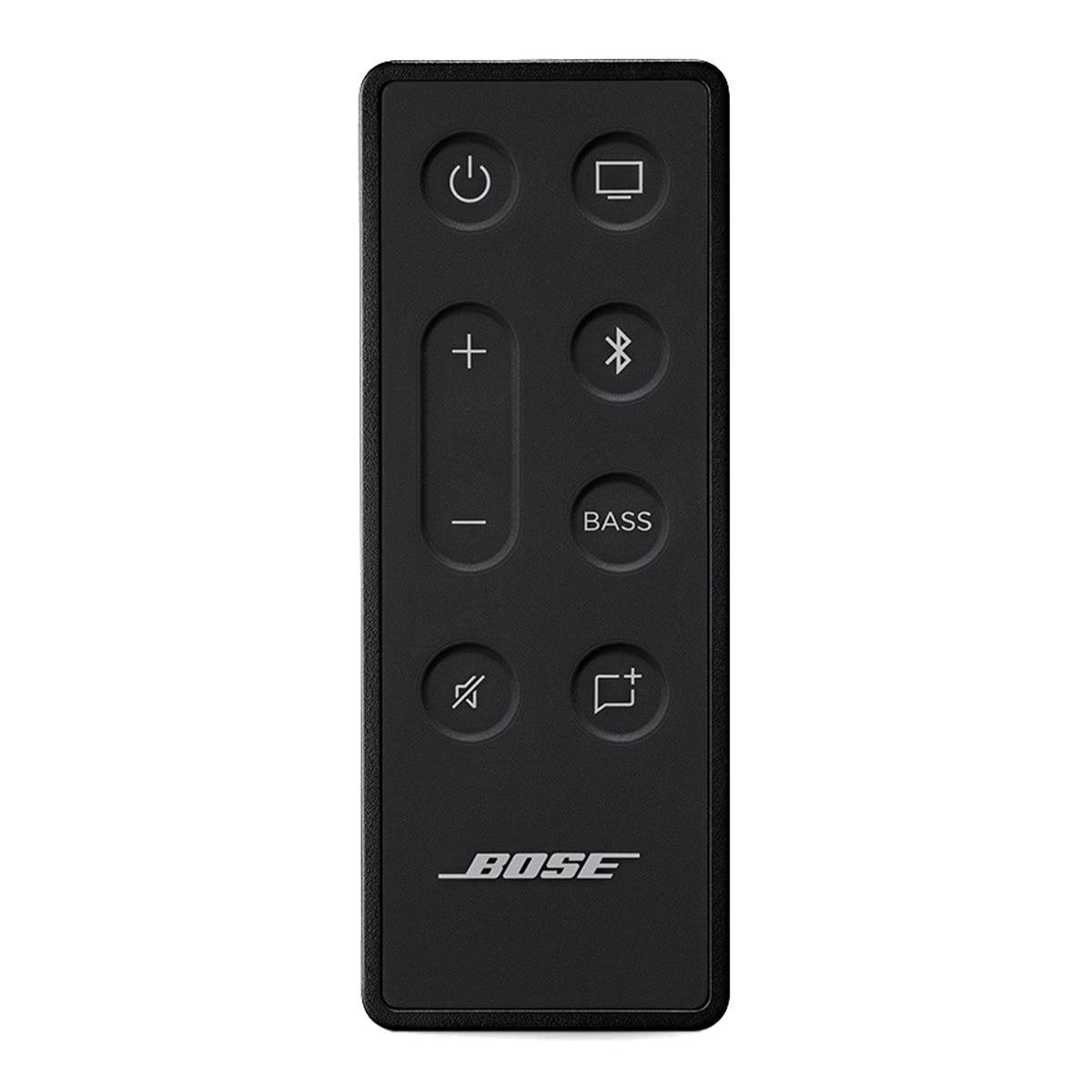
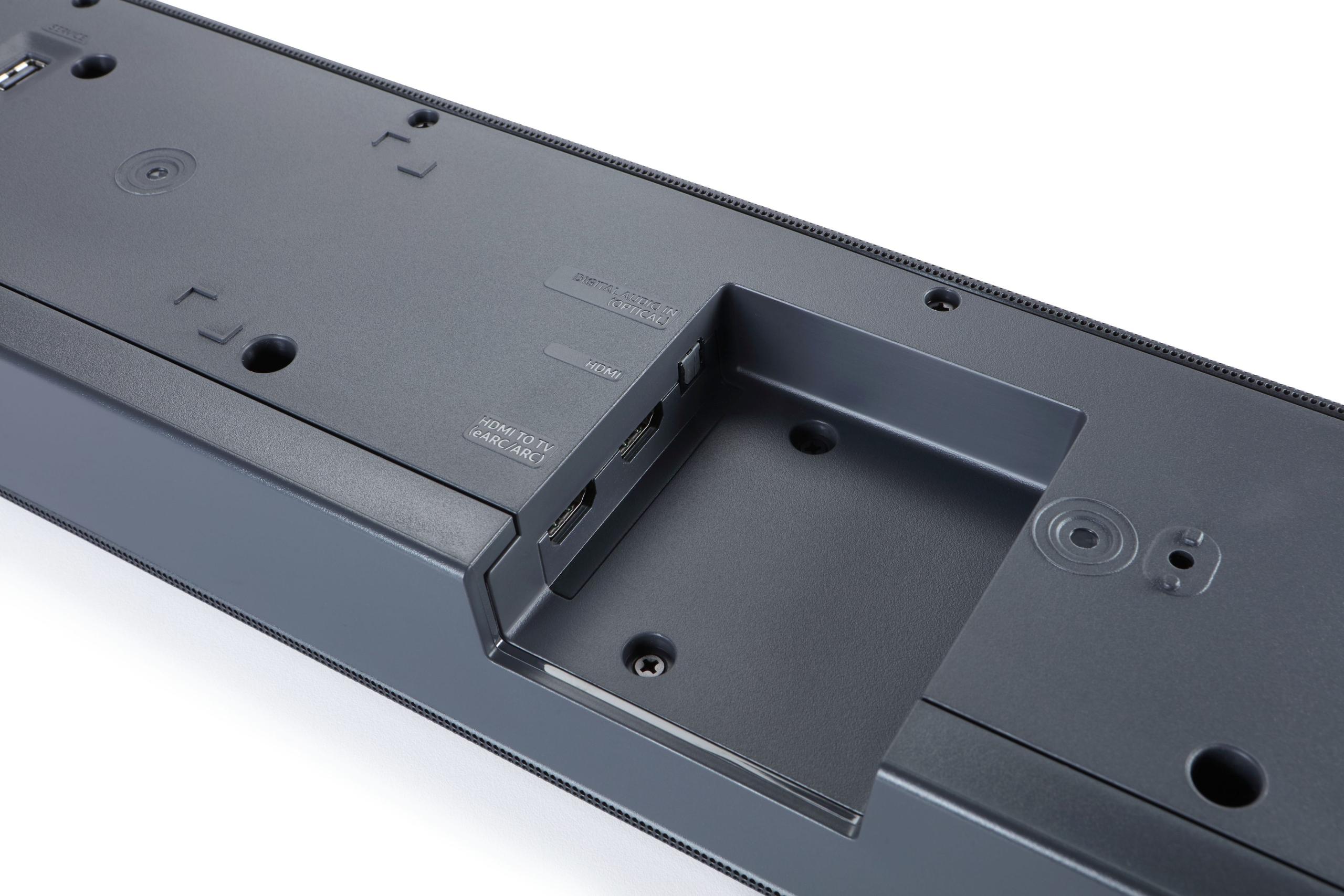
One practical advantage of the Bose is its extreme simplicity. You connect one cable (optical or HDMI), and it works. The remote has just a few buttons. There's no app to download, no WiFi network to join, no speakers to pair. For many people, this simplicity is worth more than additional features they might never use.
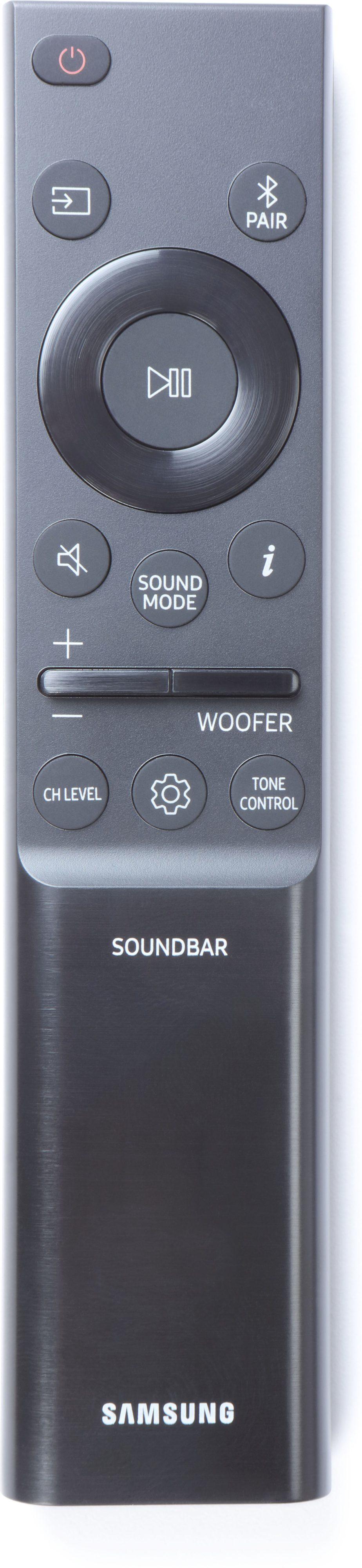
The Samsung system, while more complex initially, offers greater long-term flexibility. It can stream music directly from your phone via Bluetooth or WiFi, supports voice assistants, and receives regular firmware updates that add new features. If you're someone who enjoys tinkering with settings and optimizing performance, Samsung provides extensive customization options.
At $199, the Bose TV Speaker offers exceptional value for its intended purpose. If your primary goal is making TV dialogue clearer without adding complexity to your setup, it's hard to beat. The build quality is excellent, setup is foolproof, and the audio improvement over TV speakers is immediately apparent.
However, the value equation changes if you need bass response. Adding Bose's optional subwoofer brings the total cost to nearly $600 – suddenly, the Samsung system's $898 price seems more reasonable for what you get.
The Samsung Q Series asks for a significant upfront investment, but it includes everything needed for a complete home theater audio system. When you compare it to buying separate components (soundbar, subwoofer, rear speakers), the bundled price is actually competitive. Plus, you get advanced features like Dolby Atmos, automatic room calibration, and smart home integration.
From a longevity perspective, the Samsung system is more future-proof. As streaming services continue adding Atmos content and audio technology evolves, you'll be able to take advantage of these improvements. The Bose system, while excellent at what it does, has reached its technological ceiling.
The soundbar market has evolved rapidly over the past few years. When the Bose TV Speaker launched in 2020, it was competing mainly against other basic stereo soundbars. Its focus on dialogue clarity and simple operation made perfect sense in that context.
However, the market has shifted toward more immersive audio experiences. Dolby Atmos, once limited to high-end home theaters, is now standard in mid-range soundbars. Streaming services like Netflix, Disney+, and Apple TV+ increasingly offer Atmos content. Game consoles support 3D audio that benefits from proper surround sound systems.
This evolution doesn't make the Bose obsolete – there's still a large market for simple, effective TV audio improvement. But it does mean that buyers should consider whether they might want surround sound capabilities in the future, as retrofitting can be more expensive than buying a complete system initially.
Samsung has continued updating their Q-Series with new features through firmware updates. Recent additions include enhanced gaming modes that reduce audio latency for competitive gaming, improved voice assistant integration, and better streaming codec support. This ongoing development adds value that extends beyond the initial purchase.
If you're building a dedicated home theater space, the choice becomes clearer. The Samsung Q Series provides the immersive audio experience that makes movies truly engaging. The ability to hear subtle details in movie soundtracks – the rustle of leaves positioned precisely in space, the whisper of wind that seems to surround you – transforms the viewing experience.
For home theater use, the Samsung's higher power output also matters. In larger rooms, you need more acoustic energy to achieve the same perceived volume level. The Bose system, optimized for near-field listening, may sound strained when pushed to high volumes in big spaces.
However, don't overlook the importance of proper setup for home theater use. The Samsung system's rear speakers need to be positioned correctly to create convincing surround effects. If your room layout makes this difficult, some of the system's advantages disappear.
Choose the Bose TV Speaker if you're primarily interested in clearer dialogue and simpler operation. It's perfect for small to medium-sized rooms, apartments where neighbor-friendly volume levels are important, and situations where you want immediate improvement without complexity. The $199 price makes it an easy upgrade to try, and if you later decide you want more bass, you can add a subwoofer.
The Samsung Q Series makes sense if you want a complete home theater audio solution. It's ideal for larger rooms, regular movie watching, gaming, and anyone who values having the latest audio technology. The higher price is justified by the complete feature set and room-filling performance.
Consider your content consumption habits honestly. If you primarily watch news, sitcoms, and dialogue-heavy dramas, the Bose delivers 90% of the benefit at a fraction of the cost. If you're a movie enthusiast who regularly watches action films, science fiction, or any content where the soundtrack plays a major role in the experience, the Samsung's immersive capabilities justify the investment.
Both products excel at their intended purposes – the key is choosing the one that matches your actual needs rather than aspirational ones. The Bose TV Speaker proves that sometimes the simple solution is the right solution, while the Samsung Q Series demonstrates that when you want the full cinematic experience at home, there's no substitute for a properly designed surround sound system.
| Bose TV Speaker Soundbar | Samsung Q Series 9.1.2 Channel Soundbar |
|---|---|
| Price - Entry point vs premium investment | |
| $199 (additional $300-400 for optional subwoofer) | $898 (complete system included) |
| Channel Configuration - Determines surround sound capabilities | |
| 3.1 channels (stereo plus center, no height effects) | 9.1.2 channels (true surround with overhead audio) |
| Subwoofer Inclusion - Critical for bass response in movies and music | |
| Optional purchase ($300-400 extra for meaningful bass) | 8" wireless subwoofer included |
| Dolby Atmos Support - Essential for modern movie soundtracks | |
| No (limited to stereo enhancement only) | Yes (full 3D spatial audio with height channels) |
| Physical Size - Important for TV console fit and room aesthetics | |
| Compact: 2.2"H × 23.4"W × 4"D (fits anywhere) | Larger system requiring space for soundbar, sub, and rear speakers |
| Setup Complexity - Time from box to working system | |
| Single cable connection, ready in 5 minutes | Multi-component wireless pairing, 15-30 minute setup |
| Dialogue Enhancement - Key feature for speech clarity | |
| Dedicated Dialogue Mode with vocal frequency boost | Advanced center channel plus Adaptive Sound processing |
| Smart Features - Future-proofing and convenience | |
| Basic Bluetooth only, no app or voice control | Wi-Fi streaming, voice assistants, smartphone app, regular updates |
| Room Size Optimization - Matching power to space | |
| Best for small-medium rooms (under 200 sq ft) | Designed for medium-large rooms (200+ sq ft) with room calibration |
| Gaming Audio - Important for console and PC gaming | |
| Standard stereo output only | Game Mode Pro with directional audio and low latency |
| Music Streaming Quality - Beyond TV audio improvement | |
| Bluetooth streaming with compressed audio | Wi-Fi streaming with lossless audio, AirPlay 2, Spotify Connect |
| Total Speaker Count - Impacts audio detail and separation | |
| 2 main drivers plus tweeter | 17 speakers across all components for detailed soundstage |
Both the Bose TV Speaker Soundbar and Samsung Q Series 9.1.2 Channel Soundbar excel at dialogue clarity, but in different ways. The Bose includes a dedicated Dialogue Mode that specifically boosts vocal frequencies, making it excellent for news and TV shows. The Samsung uses a dedicated center channel speaker that naturally separates dialogue from other sounds, providing clearer speech in movies and complex audio scenes.
The Bose TV Speaker Soundbar costs $199, while the Samsung Q Series 9.1.2 Channel Soundbar is priced at $898. However, the Bose requires a separate subwoofer purchase ($300-400) for meaningful bass, bringing its total cost to $500-600 for a complete system. The Samsung includes everything needed for surround sound out of the box.
The Bose TV Speaker Soundbar has limited bass without an optional subwoofer, which costs extra. For movies and music, you'll likely want to add one. The Samsung Q Series 9.1.2 Channel Soundbar includes an 8-inch wireless subwoofer, providing deep bass for action movies and music without additional purchases.
Only the Samsung Q Series 9.1.2 Channel Soundbar supports Dolby Atmos, creating overhead sound effects through up-firing speakers. The Bose TV Speaker Soundbar doesn't support Dolby Atmos or any surround sound formats, focusing instead on enhanced stereo audio with dialogue improvement.
The Bose TV Speaker Soundbar offers extremely simple setup with just one cable connection and is ready to use in under 5 minutes. The Samsung Q Series 9.1.2 Channel Soundbar requires more time due to multiple components - you'll need to pair the wireless subwoofer, position rear speakers, and run room calibration, typically taking 15-30 minutes.
The Bose TV Speaker Soundbar is ideal for small rooms and apartments due to its compact size and near-field audio optimization. The Samsung Q Series 9.1.2 Channel Soundbar is designed for larger spaces and may overwhelm very small rooms, though it includes room calibration to optimize performance for different space sizes.
The Bose TV Speaker Soundbar offers basic Bluetooth streaming for music from your phone. The Samsung Q Series 9.1.2 Channel Soundbar provides more advanced wireless options including Wi-Fi streaming, AirPlay 2, Spotify Connect, and Chromecast built-in for higher quality music playback.
For dedicated home theater setups, the Samsung Q Series 9.1.2 Channel Soundbar is significantly better with true surround sound, Dolby Atmos support, and room-filling power. The Bose TV Speaker Soundbar focuses on TV audio improvement rather than cinematic experiences, making it less suitable for serious home theater applications.
The Bose TV Speaker Soundbar contains 3 speakers (left, right, and center tweeter) in its compact design. The Samsung Q Series 9.1.2 Channel Soundbar features 17 total speakers across the soundbar, subwoofer, and rear speakers, enabling detailed audio separation and surround sound effects.
The Bose TV Speaker Soundbar doesn't support voice assistants - it uses a simple remote control only. The Samsung Q Series 9.1.2 Channel Soundbar is compatible with both Alexa and Google Assistant, plus includes smartphone app control for advanced settings and features.
For basic TV audio improvement and dialogue clarity, the Bose TV Speaker Soundbar at $199 offers excellent value. For a complete home theater experience with surround sound and modern features, the Samsung Q Series 9.1.2 Channel Soundbar at $898 provides better value than buying separate components, especially considering it includes subwoofer and rear speakers.
The Bose TV Speaker Soundbar includes a standard 1-year warranty covering manufacturing defects. The Samsung Q Series 9.1.2 Channel Soundbar also comes with manufacturer warranty coverage, though specific terms may vary by retailer. Both brands offer customer support for setup and troubleshooting issues.
We've done our best to create useful and informative comparisons to help you decide what product to buy. Our research uses advanced automated methods to create this comparison and perfection is not possible - please contact us for corrections or questions. These are the sites we've researched in the creation of this article: bestbuy.com - projectorscreen.com - forums.audioholics.com - digitaltrends.com - abt.com - crutchfield.com - staples.com - bestbuy.com - pcrichard.com - visions.ca - bose.com - assets.bose.com - rtings.com - samsung.com - markselectrical.co.uk - techradar.com - walmart.com - samsung.com - samsung.com - youtube.com - samsung.com - biancos.com - crutchfield.com - samsung.com

Privacy Policy
Terms and Conditions - Affiliate Policy
Home Security
© Copyright 2008-2026.
11816 Inwood Rd #1211, Dallas, TX 75244