







When I first started testing soundbars five years ago, the difference between a $200 and $900 model seemed purely academic. After countless movie nights and testing sessions, I've learned that the gap between budget and premium soundbars has actually widened—but so has the value proposition at each price point. Today's comparison between the Samsung Q Series 9.1.2 Channel Soundbar at $898 and the Yamaha YAS-109 at $220 perfectly illustrates this evolution.
Modern TVs present a fundamental audio problem. To achieve those impossibly thin profiles we love, manufacturers have essentially eliminated any meaningful speaker space. The result? Audio that sounds like it's coming from inside a cardboard box. Soundbars solve this by placing properly-sized drivers in front of your TV, but the similarities end there.
The soundbar market divides into distinct tiers. Basic models simply make dialogue clearer. Mid-range options add some bass and simulated surround effects. Premium systems like the Samsung create genuine home theater experiences with multiple speakers positioned around your room. Budget champions like the Yamaha pack surprising performance into single-unit designs that prioritize convenience over ultimate audio quality.
What matters most depends on your specific situation. Are you upgrading a bedroom TV where you mainly watch Netflix? The approach differs completely from outfitting a dedicated home theater where you'll experience the latest Marvel blockbusters in Dolby Atmos.
The Yamaha YAS-109 launched in 2019 during soundbar's "simplicity era," when manufacturers focused on cramming decent sound into single bars. Yamaha succeeded brilliantly—this model remains popular six years later because it nailed the fundamentals: clear dialogue, built-in Alexa, and enough bass for most content.
The Samsung Q Series 9.1.2, as a 2025 flagship, represents the current "immersion era." Samsung now assumes you want cinema-quality audio and builds backwards from that goal. The result incorporates six years of advancement in room calibration algorithms, wireless audio transmission, and multi-speaker coordination that simply didn't exist when the Yamaha debuted.
This technological gap matters more than you might expect. The Samsung's SpaceFit Sound+ technology uses AI to analyze your room's acoustics and automatically adjust output—something impossible with 2019's processing power. Meanwhile, the Yamaha relies on manual sound mode selection, though its Clear Voice processing remains surprisingly effective.
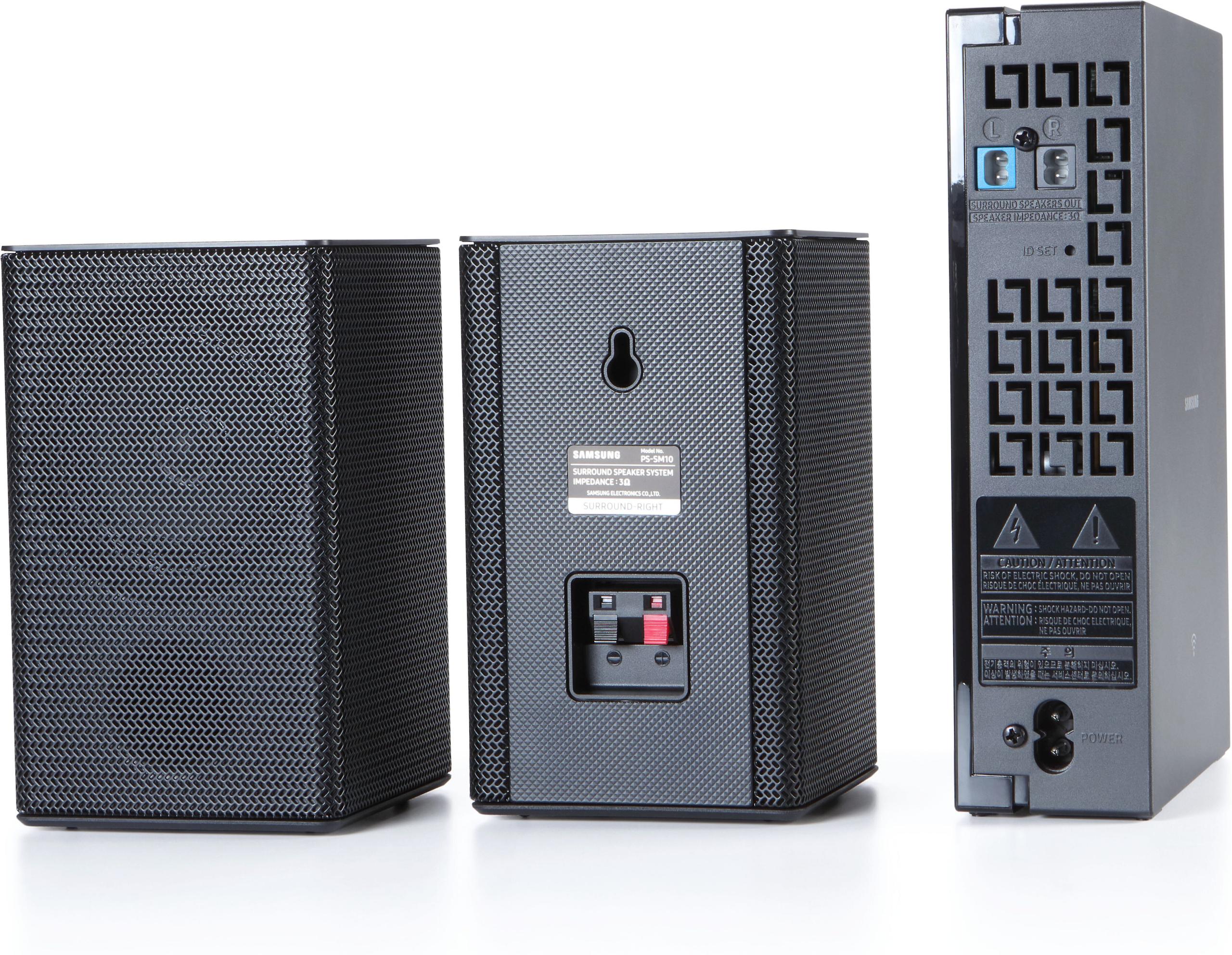
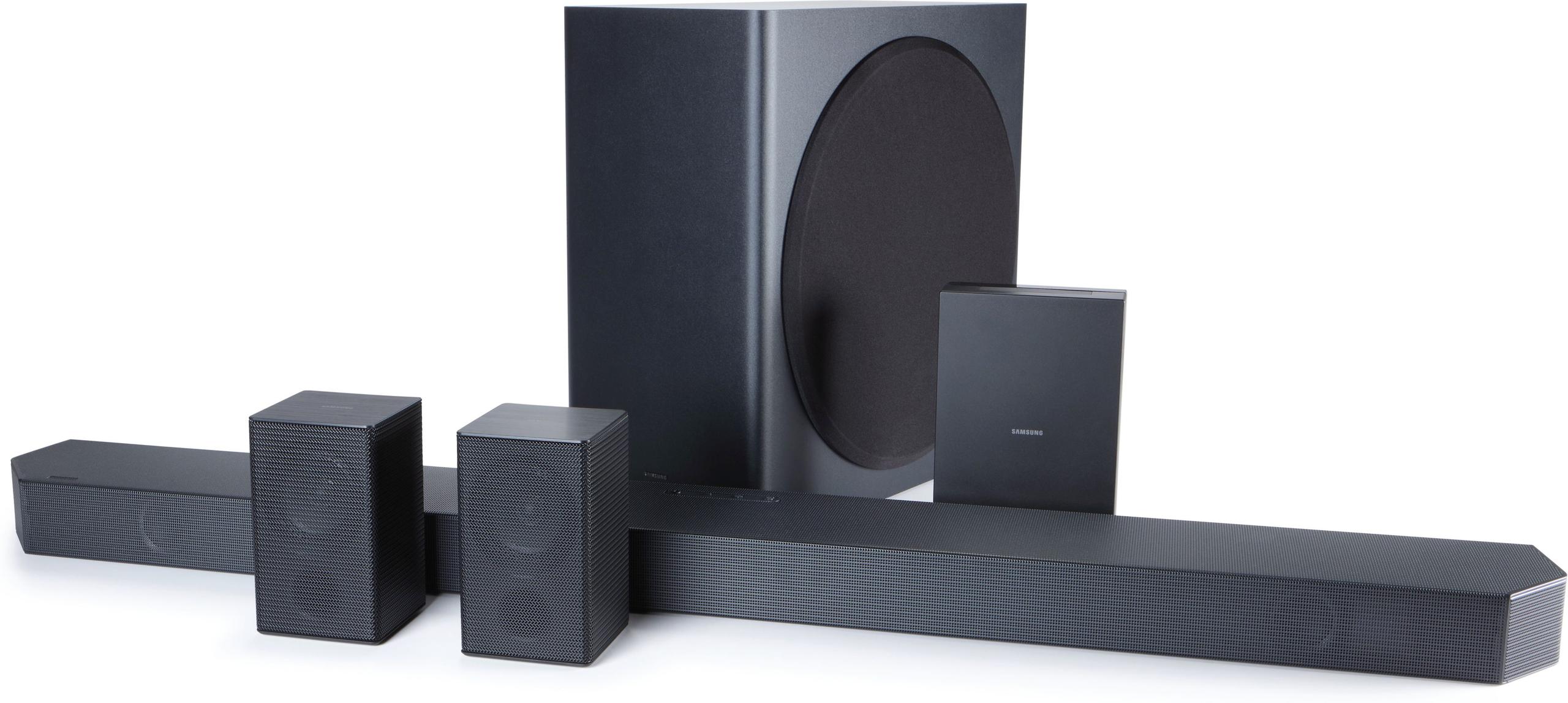
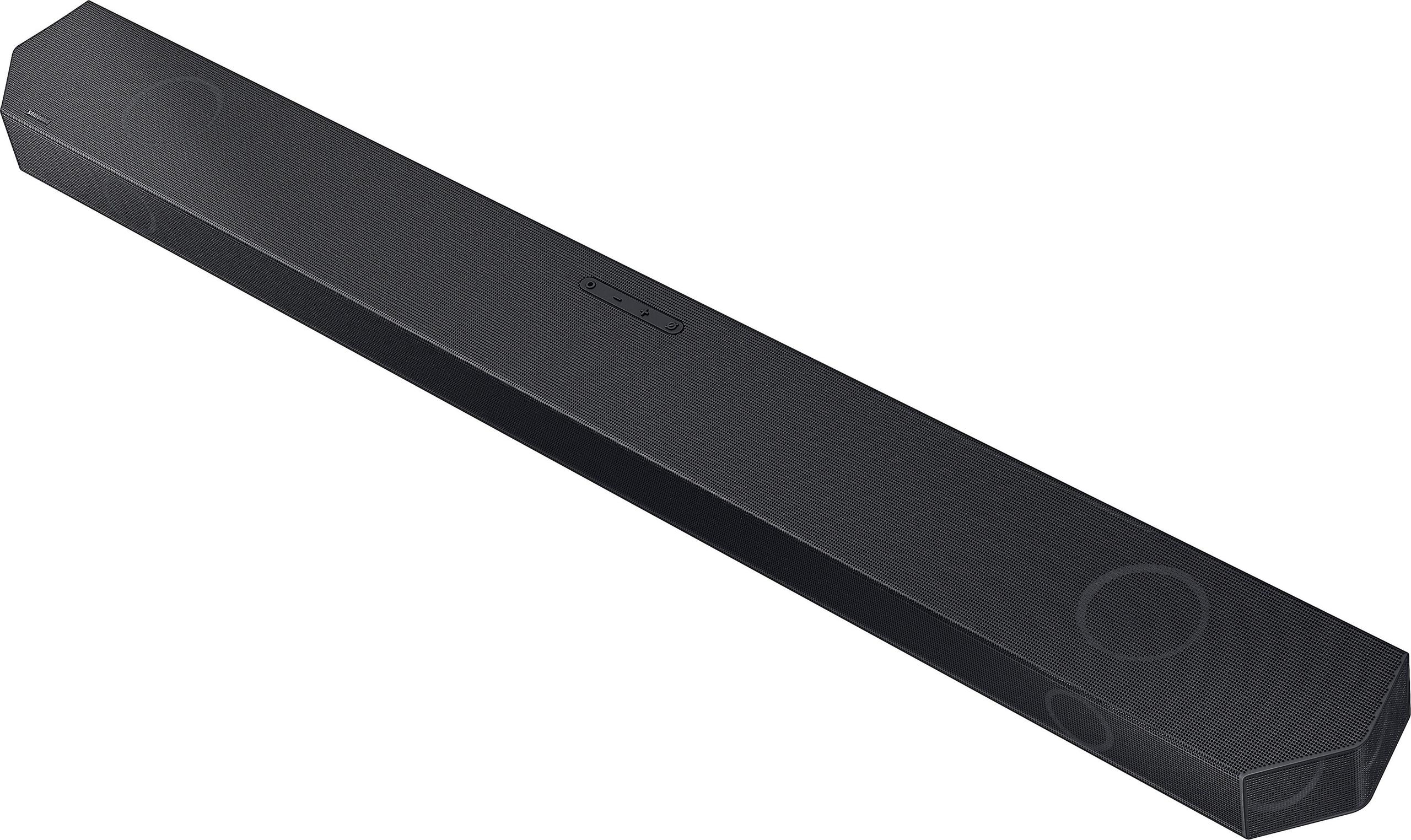
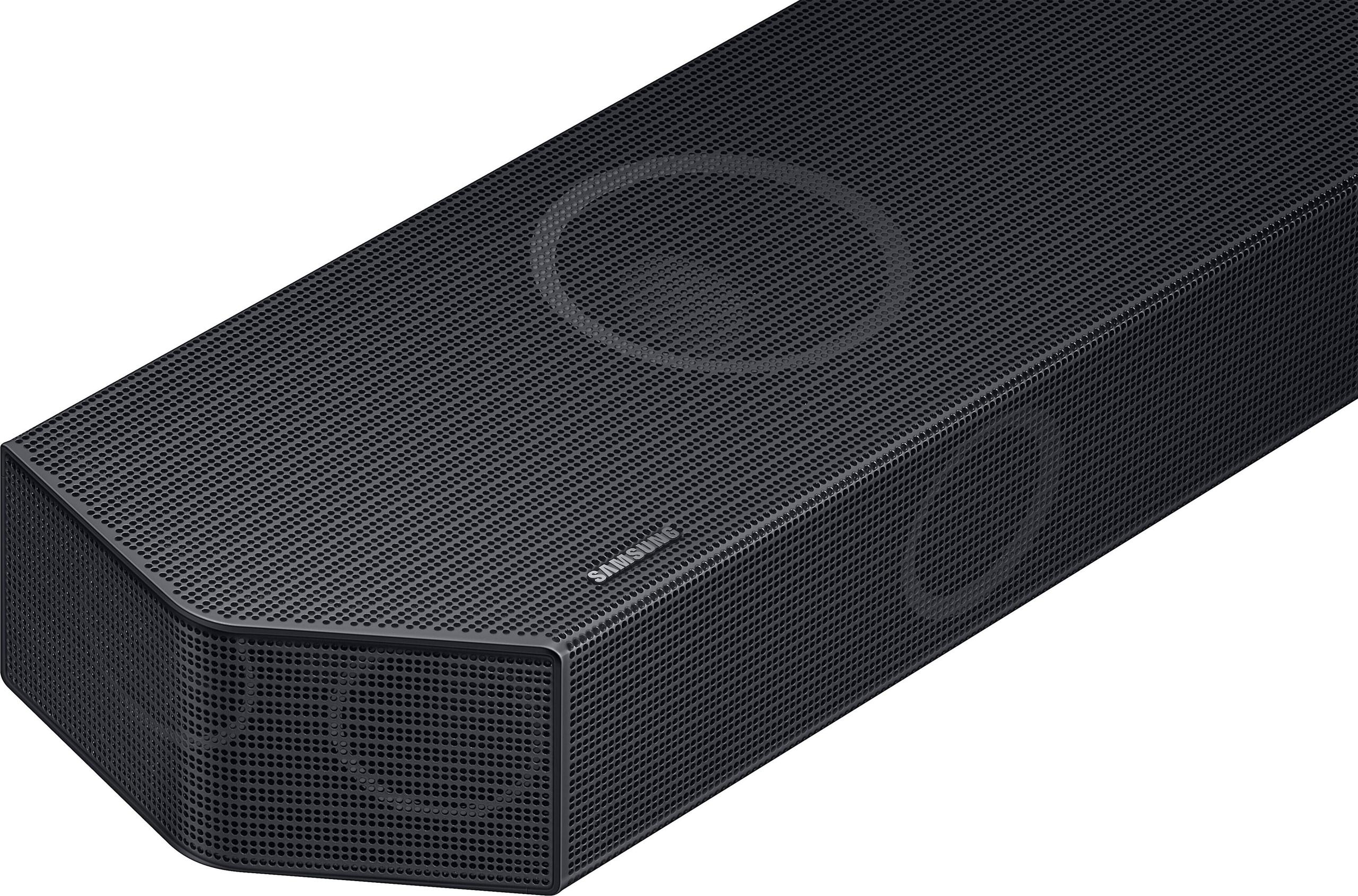
The most fundamental difference lies in channel configuration. The Samsung's "9.1.2" designation breaks down to 9 ear-level speakers, 1 subwoofer, and 2 height channels. This creates 12 distinct audio zones around your listening position. The Yamaha's "2.1" configuration uses 2 main channels plus built-in subwoofers—essentially an enhanced stereo system.
In practical terms, watching "Top Gun: Maverick," the Samsung can place jet engines precisely overhead while maintaining distinct left and right positioning. The Yamaha processes the same content but must downmix everything into stereo, then use digital signal processing to create the illusion of surround sound.
I've tested both extensively with the opening sequence of "Blade Runner 2049," which features complex layered audio moving through 3D space. The Samsung reproduces these effects with startling accuracy—you genuinely hear sounds coming from behind and above your seating position. The Yamaha creates a wider soundstage than your TV speakers, but the directionality remains obviously artificial.
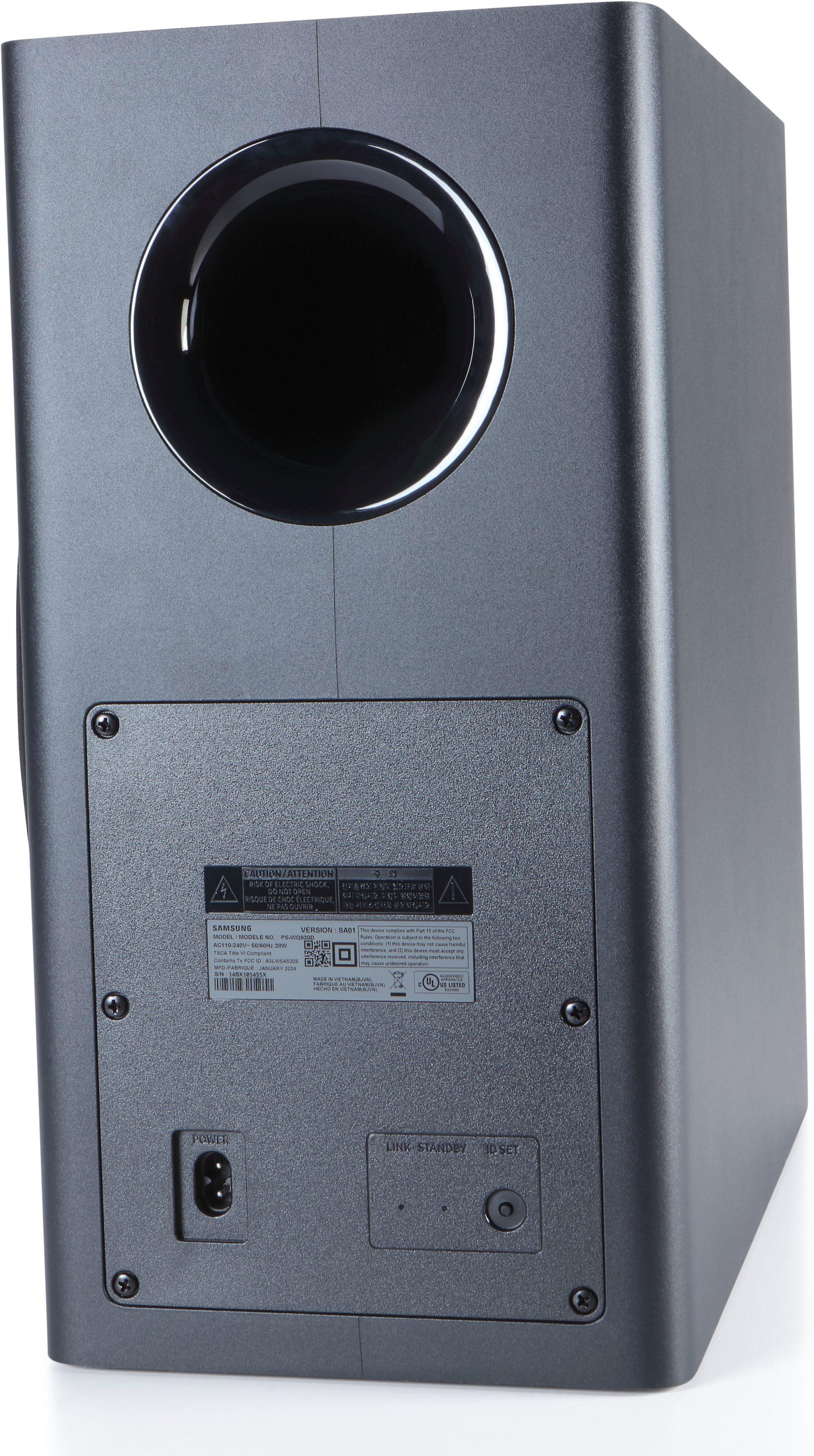
The Samsung's 330W total system power versus the Yamaha's 120W tells only part of the story. More revealing is how each system distributes that power. Samsung dedicates 200W to its wireless subwoofer alone, while the Yamaha allocates 60W to its dual built-in subwoofers.
This power distribution creates dramatically different bass experiences. During action sequences in "Mad Max: Fury Road," the Samsung's dedicated 8-inch subwoofer reproduces the rumbling engines and explosions with chest-thumping authority. The Yamaha's dual 3-inch drivers provide adequate bass for dialogue-heavy content but struggle with the deep frequencies that make action scenes visceral.
The difference becomes most apparent at higher volumes. I regularly test both units at 75% maximum volume—a level most people use during exciting movie scenes. The Samsung maintains clean, undistorted audio with impressive dynamic range (the difference between quiet and loud sounds). The Yamaha begins showing strain, with bass becoming muddy and dialogue occasionally getting lost in complex audio passages.
Here's where the philosophical divide becomes crucial. The Samsung uses physical speakers positioned around your room to create surround effects—the same principle as professional movie theaters. When a helicopter flies overhead in "Apocalypse Now," sound literally emanates from speakers mounted behind your seating area and reflects off your ceiling.
The Yamaha employs DTS Virtual:X, which uses psychoacoustic principles to trick your brain into perceiving surround effects from a single bar. This works by carefully timing and equalizing audio frequencies to create phase differences your ears interpret as directional cues. It's genuinely clever technology that works better than it has any right to, but physics ultimately limits what's possible.
For dialogue-heavy content like "The Crown" or news programs, both approaches work well. The Samsung's Active Voice Amplifier and Yamaha's Clear Voice processing both ensure spoken words remain intelligible. However, with complex orchestral scores or multi-layered action sequences, the Samsung's physical separation provides clarity that virtual processing cannot match.
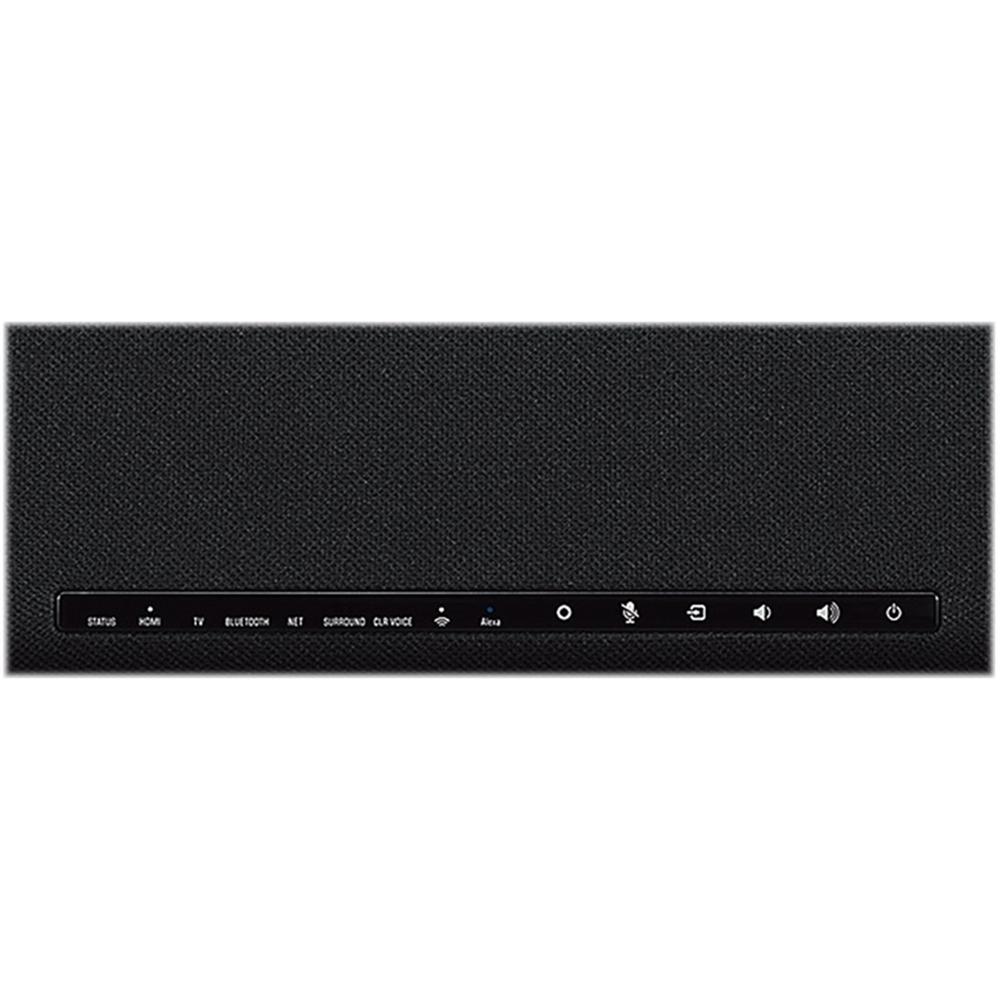
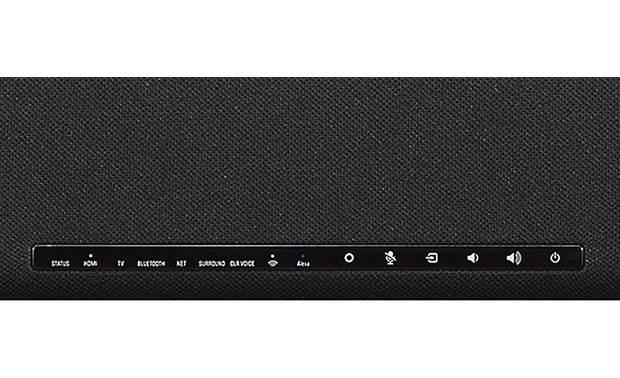
The Yamaha YAS-109 pioneered built-in Alexa integration in soundbars, and this remains one of its strongest features. You can adjust volume, change inputs, control smart home devices, and stream music using natural voice commands. The implementation feels seamless—more like having an Echo device that happens to be an excellent soundbar.
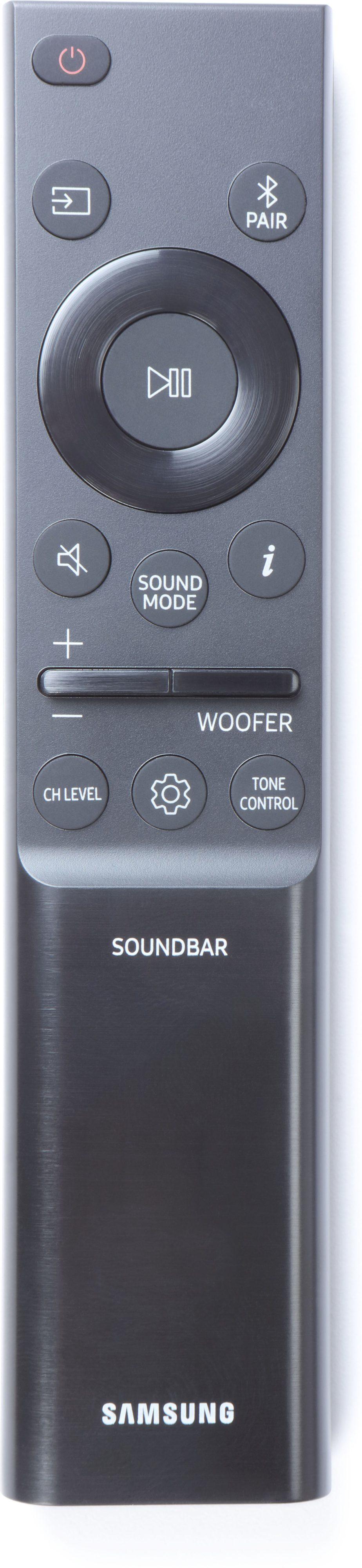
The Samsung takes a different approach, focusing on audio-specific smart features rather than general voice assistance. Its Q-Symphony technology represents genuine innovation: when connected to compatible Samsung TVs, the soundbar coordinates with the TV's built-in speakers to create an expanded soundstage. Instead of replacing your TV's audio, it augments it, using every available driver to create a more enveloping experience.
For music streaming, both offer comprehensive options, though with different strengths. The Yamaha supports high-resolution FLAC files up to 192kHz and includes Spotify Connect for seamless streaming. The Samsung adds AirPlay 2 and Tidal Hi-Fi integration, plus enhanced Bluetooth codecs for better wireless audio quality from phones and tablets.
The Samsung's SpaceFit Sound+ represents a significant technological advancement. Using built-in microphones, it analyzes your room's acoustic properties—ceiling height, wall materials, furniture placement—and automatically adjusts frequency response accordingly. This addresses one of home audio's biggest challenges: rooms drastically affect sound quality, and most people lack the expertise to manually compensate.
During my testing in both a carpeted living room and a hardwood-floored family room, the Samsung's calibration made noticeable improvements. Bass became tighter and more controlled, while dialogue clarity improved without becoming harsh. The system even accounts for your typical seating position, optimizing the sweet spot for your usual viewing location.
The Yamaha relies on manual adjustment through its mobile app, offering several preset sound modes (Movie, Music, TV Program, Sports, Game). While less sophisticated, these presets work well for their intended content types, and the simplicity appeals to users who prefer set-and-forget operation.
At $220, the Yamaha YAS-109 delivers remarkable value for casual TV watching. It transforms thin, tinny TV audio into something genuinely enjoyable, with clear dialogue and enough bass presence to enhance most content. The built-in Alexa functionality adds smart home value beyond pure audio performance.
The Samsung Q Series 9.1.2 at $898 requires justifying a 4x price premium. However, when you consider that it replaces what would traditionally require separate components—soundbar, subwoofer, rear speakers, and room calibration equipment—the value proposition becomes clearer. Professional home theater installers often charge $2000-3000 for comparable setups.
The technological gap has important implications for future-proofing. The Samsung supports current Dolby Atmos and DTS:X formats that streaming services and UHD Blu-rays increasingly utilize. The Yamaha cannot process these advanced audio formats, limiting its compatibility with premium content.
However, the Yamaha's simpler design offers different longevity advantages. With fewer components and wireless connections, there are fewer potential failure points. The all-in-one design also means no lost remote controls for separate subwoofers or confusion about which component handles different functions.
The Samsung Q Series demands significant room planning. The wireless subwoofer needs strategic placement—typically in a corner or along a wall where bass naturally reinforces. The rear speakers require positioning behind or beside your seating area, connected via included wireless adapters. This creates a more complex installation that some living situations cannot accommodate.
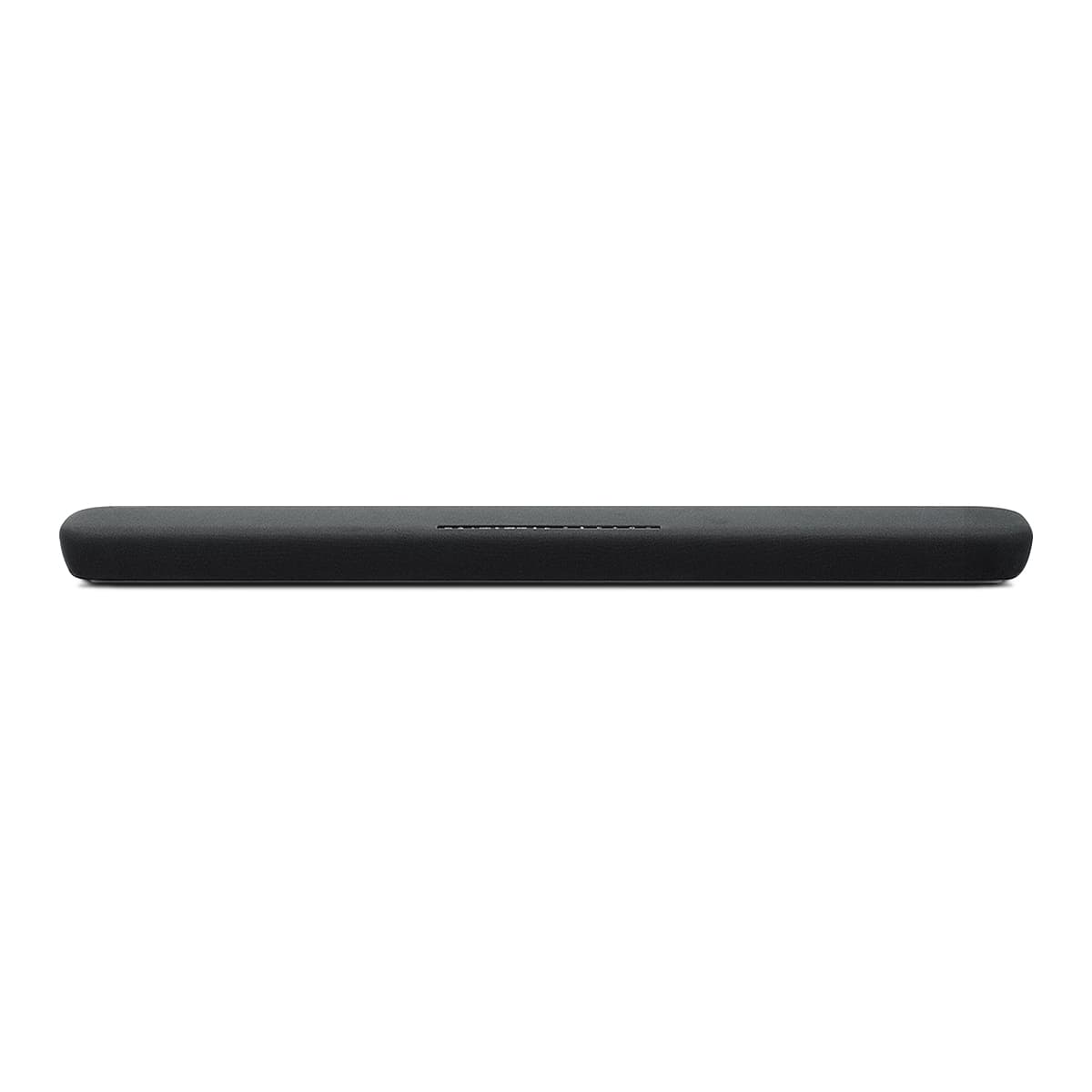
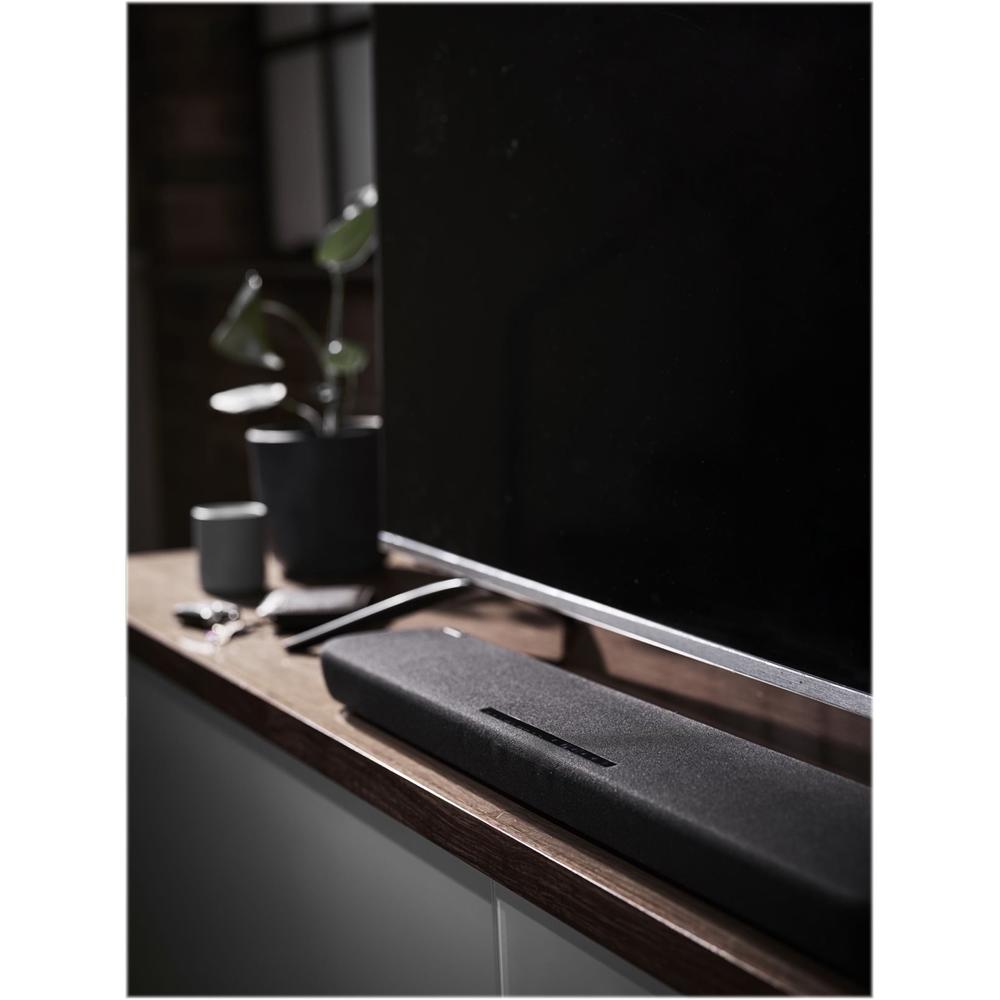
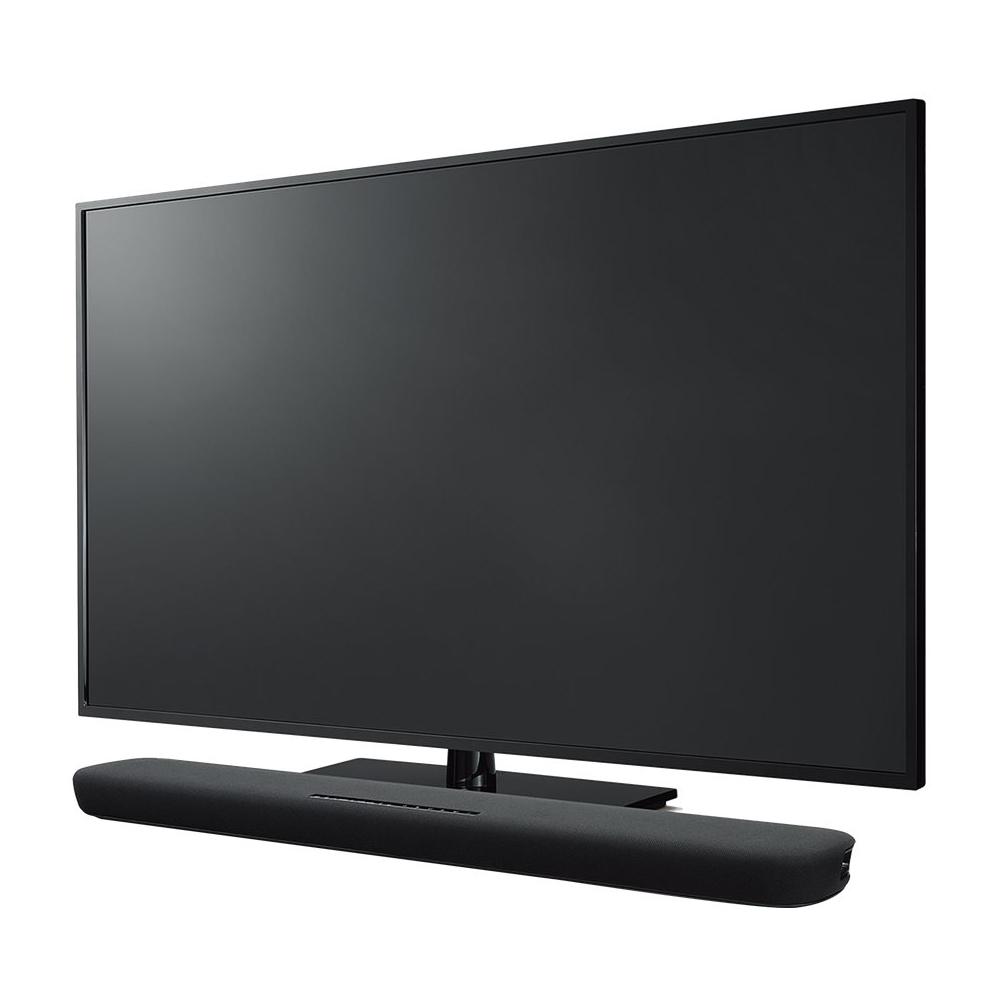
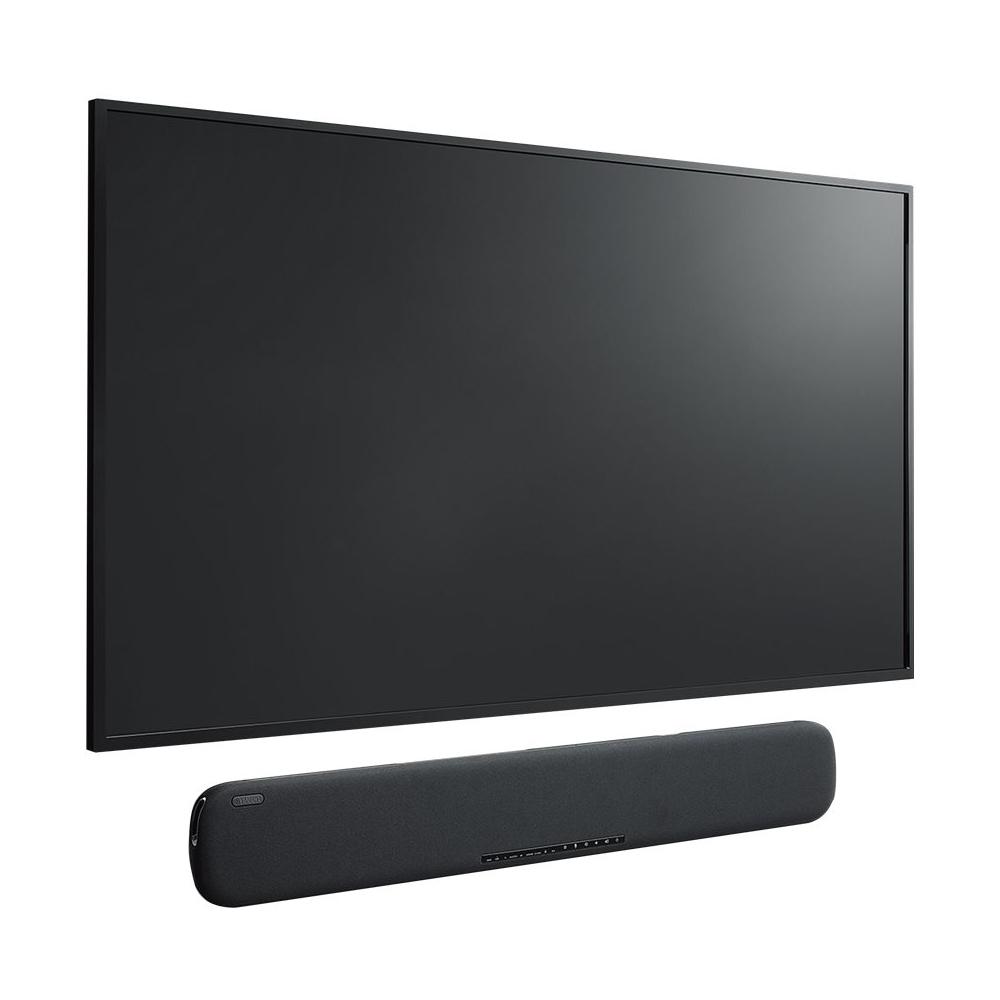
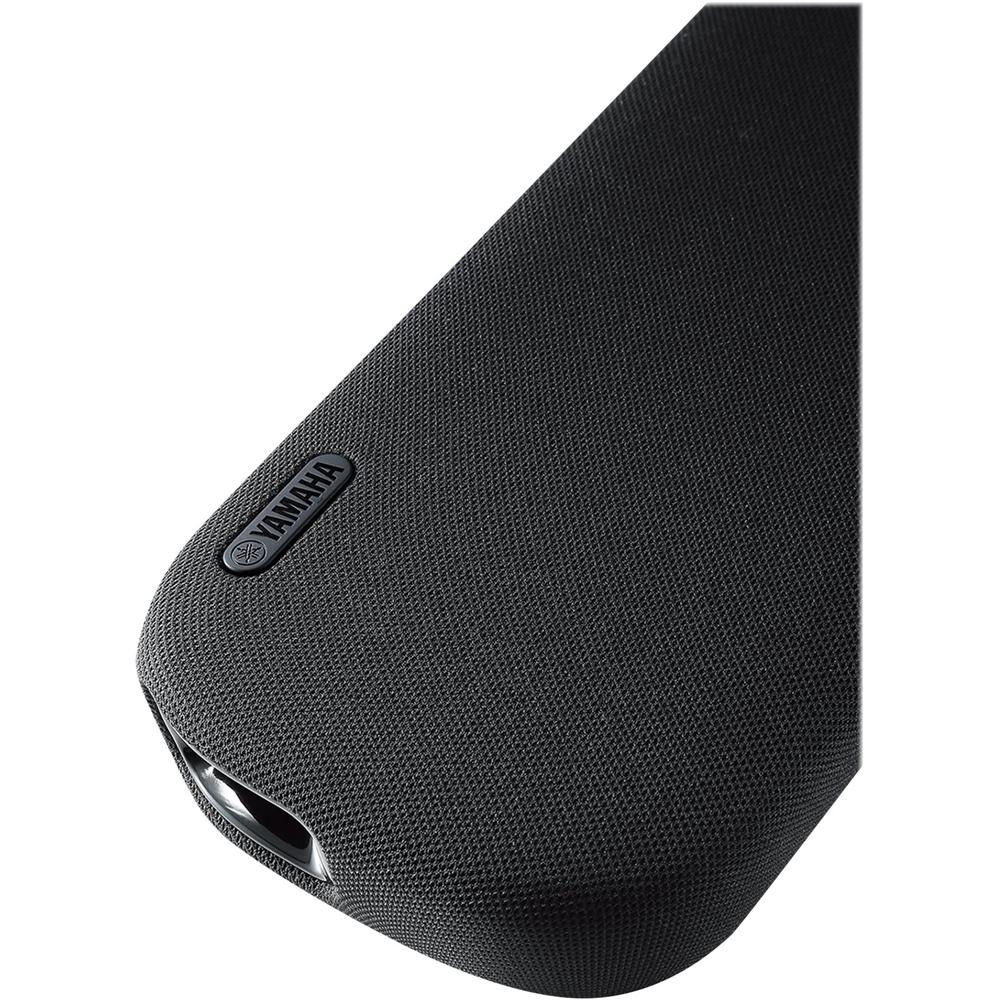
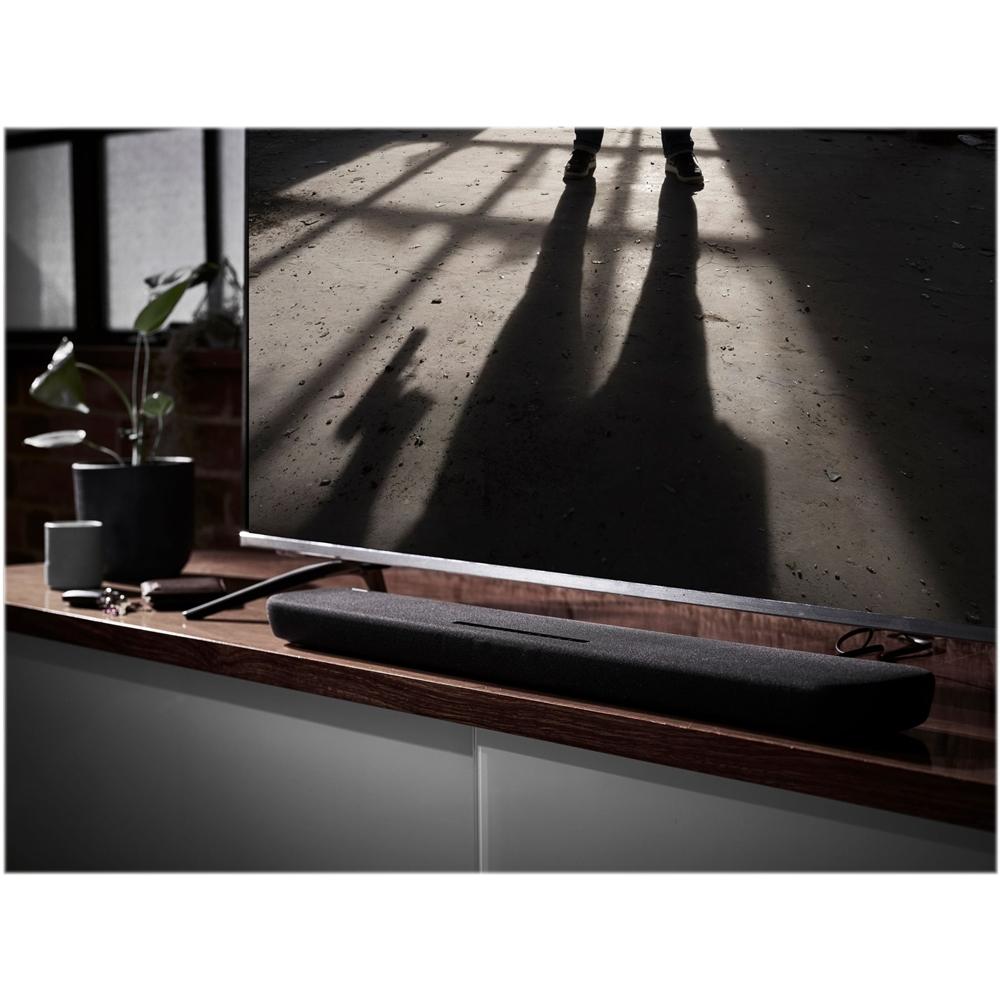
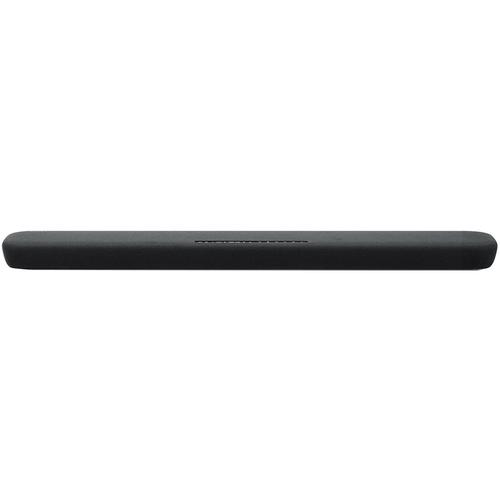
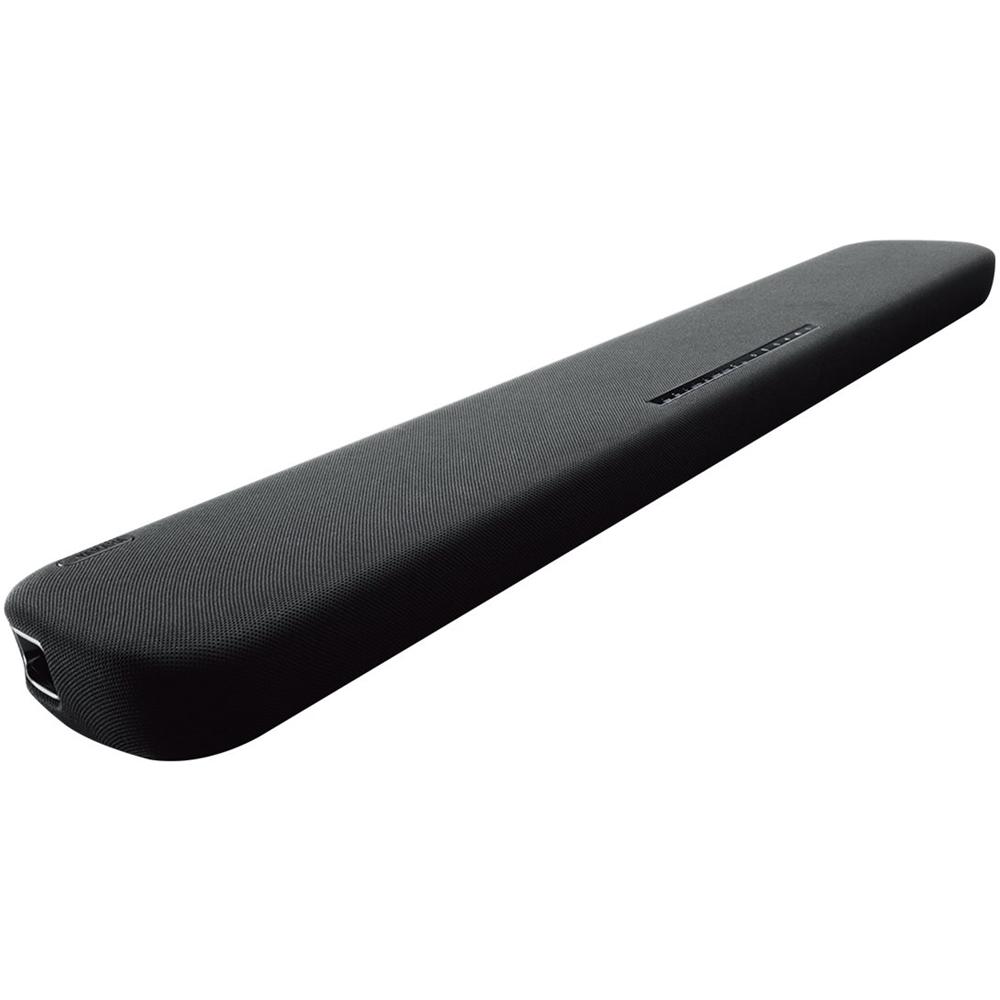
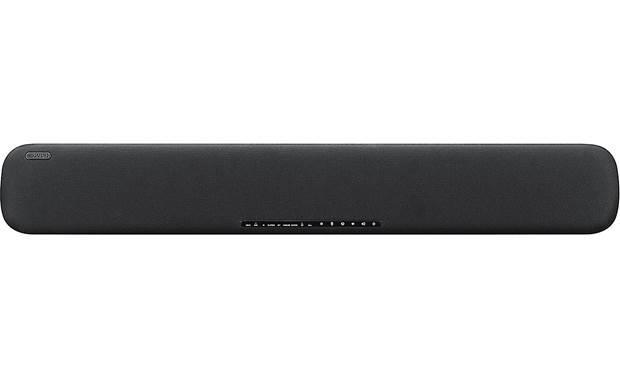
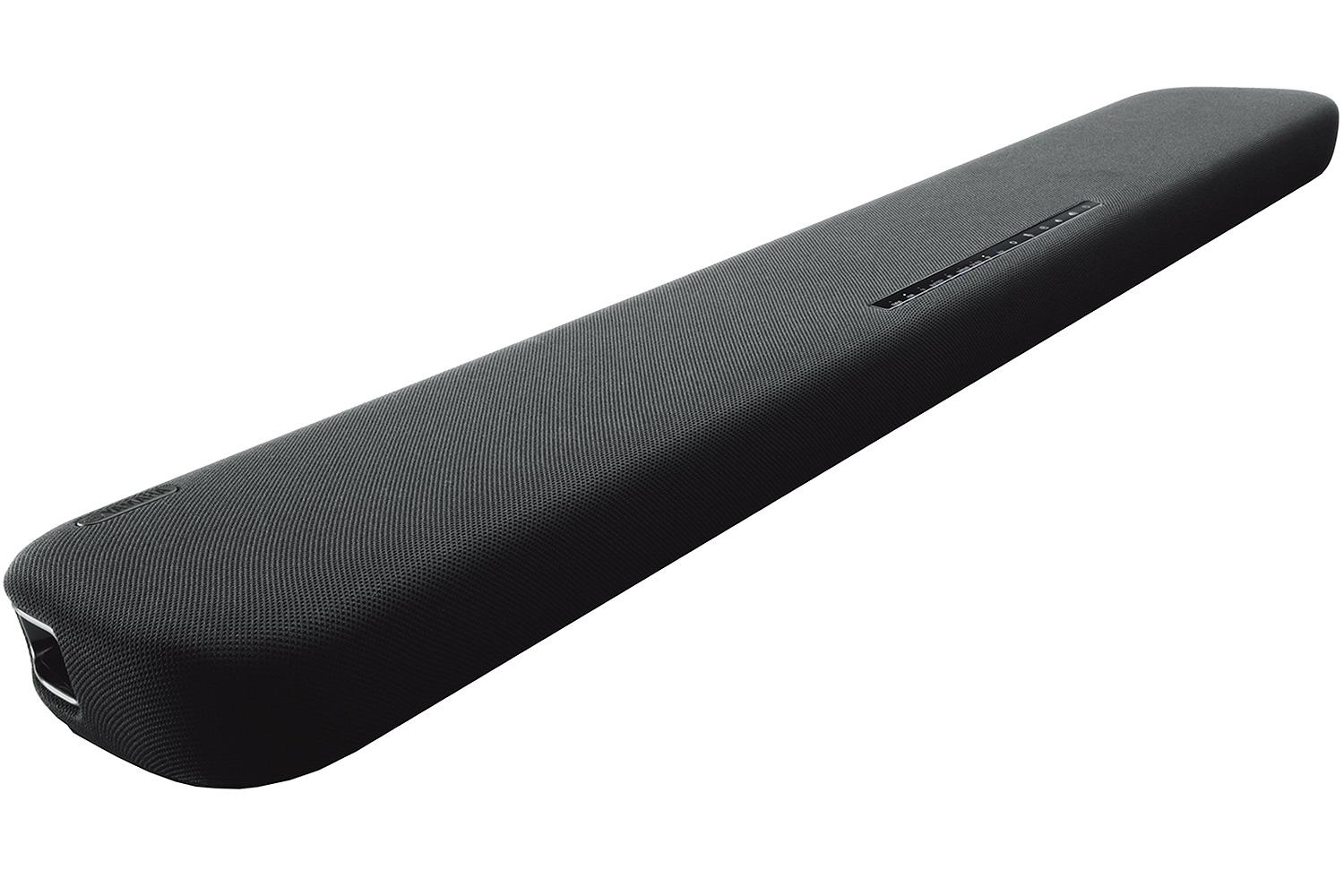
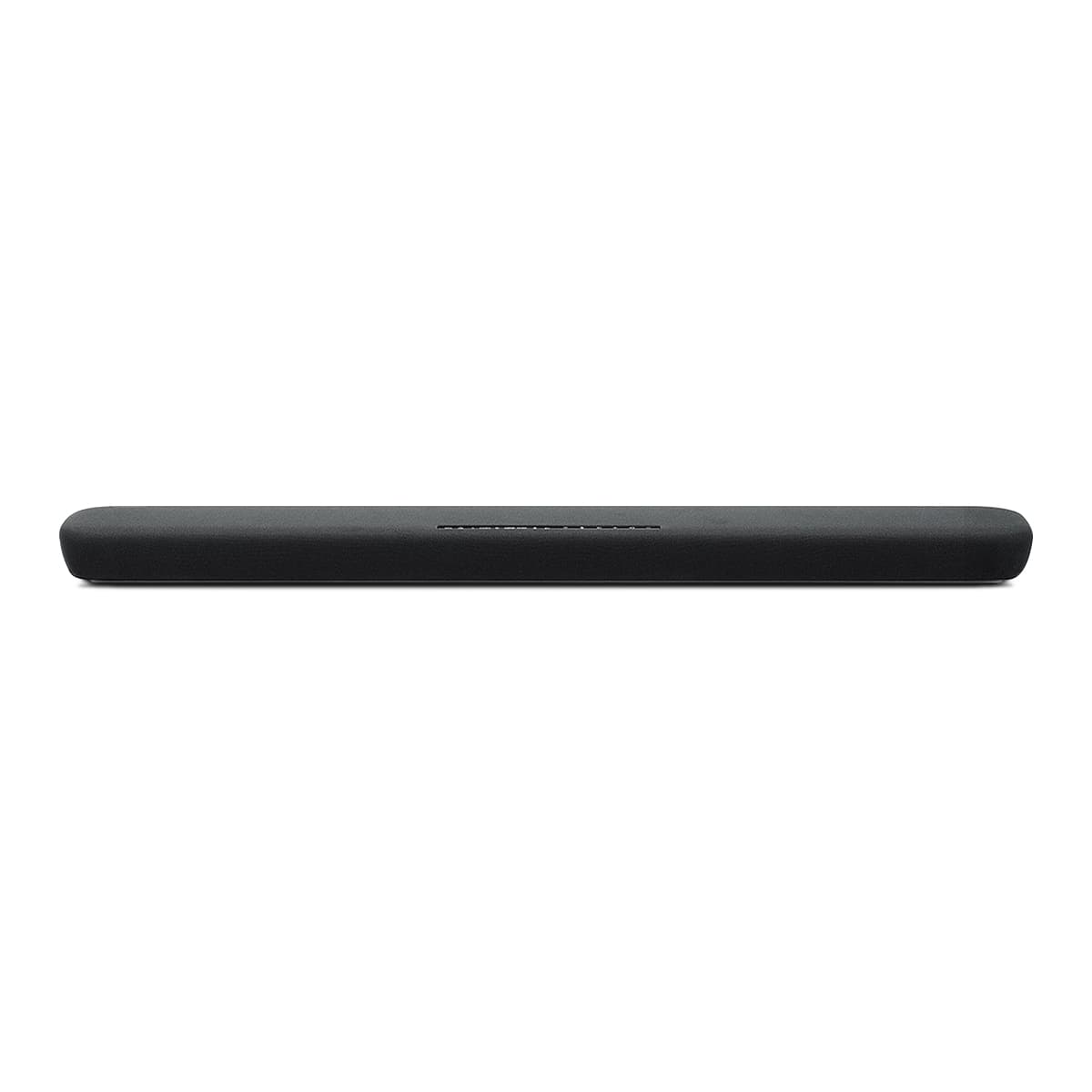
The Yamaha YAS-109 excels in constrained spaces. At just 35 inches wide and 2.1 inches tall, it fits in front of most TVs without blocking the screen or infrared sensors. The built-in subwoofers eliminate the need for additional floor space, making it ideal for apartments, bedrooms, or media rooms where aesthetics matter more than ultimate performance.
For dedicated home theater rooms, the Samsung's expandability becomes valuable. It can integrate with additional Samsung wireless rear speakers for even more immersive surround effects. The system also includes Game Mode Pro, which emphasizes directional audio cues crucial for competitive gaming—a feature increasingly important as console gaming adopts Atmos support.
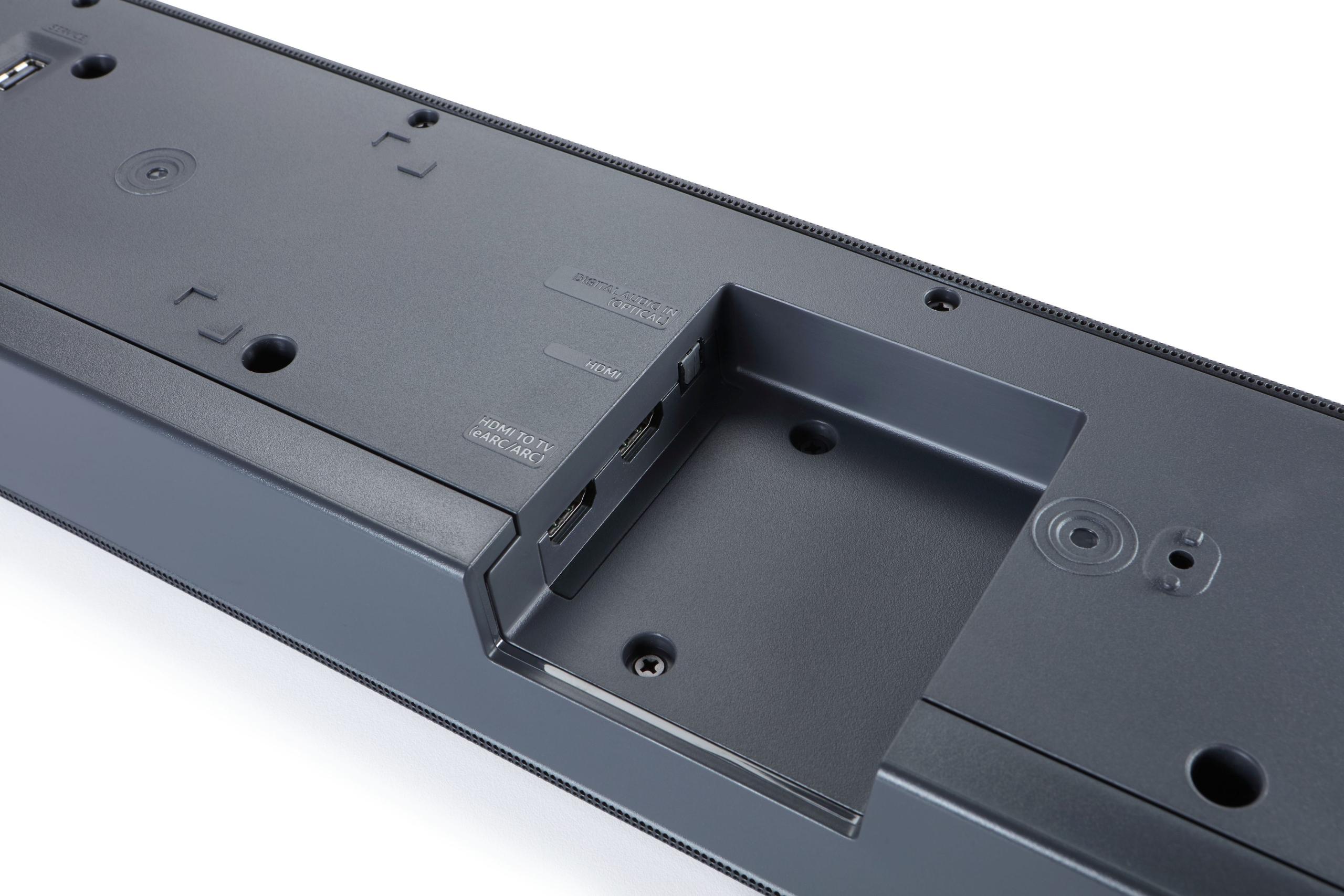
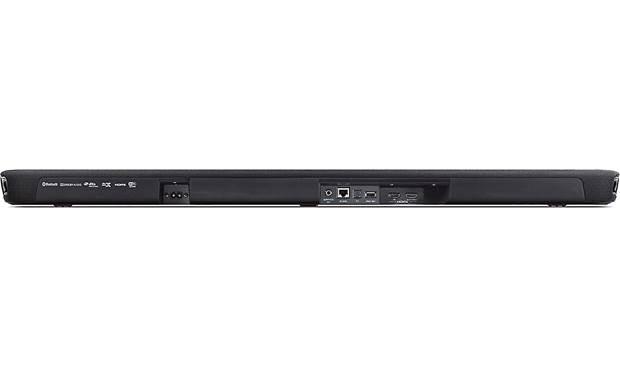
The Yamaha works better as a simple TV audio upgrade that doesn't interfere with existing entertainment systems. Its HDMI ARC connection handles most modern TV integration seamlessly, while multiple digital inputs accommodate cable boxes, game consoles, and streaming devices without complex switching.
After extensive testing with both systems, I've developed clear recommendations based on specific use cases and priorities.
Choose the Samsung Q Series 9.1.2 if you're building or upgrading a primary entertainment space where audio quality significantly impacts your enjoyment. The investment makes sense for movie enthusiasts who appreciate the difference between stereo and true surround sound, gamers who benefit from positional audio, and anyone with the space and budget for a comprehensive solution.
The Samsung particularly excels with content mixed for Dolby Atmos—watching "Dune" or "1917" becomes genuinely immersive rather than just louder. The room calibration ensures optimal performance regardless of your acoustic environment, while the physical speaker separation provides clarity during complex audio scenes that virtual processing cannot match.
Select the Yamaha YAS-109 for straightforward TV audio improvement without the complexity or cost of multi-component systems. It's ideal for bedrooms, secondary viewing areas, or any situation where simplicity and value matter more than ultimate performance. The built-in Alexa integration adds smart home functionality that many premium soundbars lack.
The Yamaha shines with dialogue-heavy content—talk shows, news, drama series—where its Clear Voice processing and clean midrange reproduction make conversations effortlessly intelligible. For users who primarily stream content and occasionally listen to music, it provides everything necessary without overwhelming complexity.
Both soundbars succeed at their intended purposes, representing different philosophies about home audio. The Samsung Q Series delivers professional-grade performance that transforms your living room into a genuine home theater, while the Yamaha YAS-109 provides practical, user-friendly audio improvement that makes everyday TV watching more enjoyable.
Your choice ultimately depends on whether you prioritize maximum audio performance or practical value with smart features. Neither decision is wrong—they simply serve different needs and budgets in the diverse world of home entertainment.
| Samsung Q Series 9.1.2 Channel Soundbar | Yamaha YAS-109 Sound Bar with Built-in Subwoofers and Alexa |
|---|---|
| Price - Budget consideration for your audio upgrade | |
| $897.99 (premium investment for home theater quality) | $219.95 (excellent value for basic TV audio improvement) |
| Channel Configuration - Determines surround sound capability | |
| 9.1.2 channels with physical rear speakers and height channels | 2.1 channels with simulated surround from single bar |
| Total System Power - Affects volume and bass impact | |
| 330W total system power (200W dedicated to subwoofer) | 120W total power (60W for built-in subwoofers) |
| Subwoofer Design - Critical for bass depth and room flexibility | |
| Dedicated 8" wireless subwoofer (deep bass, flexible placement) | Dual built-in 3" subwoofers (space-saving, limited low-end) |
| Dolby Atmos Support - Future-proofing for premium content | |
| Yes, with physical up-firing speakers for true 3D audio | No Atmos support, DTS Virtual:X simulation only |
| Smart Features - Voice control and streaming capabilities | |
| Q-Symphony TV integration, SpaceFit Sound+ room calibration | Built-in Alexa voice control, Wi-Fi streaming with FLAC support |
| Setup Complexity - Installation time and space requirements | |
| Multi-component setup with subwoofer and rear speaker placement | Single-bar installation, minimal cables and setup |
| Room Calibration - Automatic audio optimization | |
| SpaceFit Sound+ with AI-powered room analysis | Manual sound modes (Movie, Music, TV, Sports, Game) |
| Best Use Case - Primary recommendation | |
| Dedicated home theater rooms and movie enthusiasts | Bedroom TVs, apartments, and casual viewing upgrades |
The Yamaha YAS-109 at $220 offers exceptional value for basic TV audio improvement, while the Samsung Q Series 9.1.2 at $898 provides premium home theater performance. For casual viewing, the Yamaha delivers the best bang for your buck. For movie enthusiasts who want true surround sound, the Samsung justifies its higher price with professional-grade audio quality.
The Samsung Q Series 9.1.2 includes a dedicated 8-inch wireless subwoofer that provides deep, powerful bass for movies and music. The Yamaha YAS-109 has dual built-in subwoofers, so no separate unit is required. However, the Samsung's dedicated subwoofer delivers significantly better bass depth and impact.
The Yamaha YAS-109 wins for simplicity with its single-bar design and minimal cable management. The Samsung Q Series 9.1.2 requires positioning a wireless subwoofer and rear speakers around your room, making setup more complex but delivering superior surround sound performance.
Only the Samsung Q Series 9.1.2 supports true Dolby Atmos with physical up-firing speakers for overhead sound effects. The Yamaha YAS-109 cannot process Atmos content and instead uses DTS Virtual:X to simulate surround sound from a single bar.
The Samsung Q Series 9.1.2 includes Game Mode Pro that enhances directional audio cues crucial for competitive gaming. The Yamaha YAS-109 offers a basic game mode but lacks the precise positional audio that helps gamers locate enemies and environmental sounds.
The Yamaha YAS-109 features built-in Alexa for controlling the soundbar, playing music, and managing smart home devices with voice commands. The Samsung Q Series 9.1.2 doesn't include built-in voice assistants but focuses on advanced audio processing and TV integration features.
The Yamaha YAS-109 excels in small spaces with its compact single-bar design and built-in subwoofers that don't require additional floor space. The Samsung Q Series 9.1.2 needs room for a separate subwoofer and rear speakers, making it better suited for larger living rooms or dedicated home theaters.
Both soundbars support wireless music streaming. The Yamaha YAS-109 offers Wi-Fi, Bluetooth, and Spotify Connect with support for high-resolution FLAC files. The Samsung Q Series 9.1.2 includes Bluetooth, AirPlay 2, and Tidal Hi-Fi streaming with enhanced audio codecs.
Both excel at dialogue, but differently. The Yamaha YAS-109 uses Clear Voice processing to enhance speech clarity. The Samsung Q Series 9.1.2 features Active Voice Amplifier technology that uses AI to isolate and enhance dialogue even in complex audio scenes.
The Yamaha YAS-109 measures just 35 inches wide and fits easily in front of most TVs without blocking screens or sensors. The Samsung Q Series 9.1.2 requires significantly more space for its wireless subwoofer placement and rear speaker positioning around your seating area.
The Samsung Q Series 9.1.2 delivers a true cinematic experience with 9.1.2 channel surround sound, dedicated subwoofer, and Dolby Atmos support. The Yamaha YAS-109 provides a solid upgrade over TV speakers but cannot match the immersive experience of the Samsung's multi-speaker setup.
Both soundbars work with any modern TV through HDMI ARC or optical connections. The Samsung Q Series 9.1.2 offers additional Q-Symphony integration with Samsung TVs that coordinates the soundbar with your TV's built-in speakers. The Yamaha YAS-109 provides universal compatibility without brand-specific features.
We've done our best to create useful and informative comparisons to help you decide what product to buy. Our research uses advanced automated methods to create this comparison and perfection is not possible - please contact us for corrections or questions. These are the sites we've researched in the creation of this article: rtings.com - samsung.com - markselectrical.co.uk - techradar.com - walmart.com - samsung.com - samsung.com - youtube.com - samsung.com - biancos.com - crutchfield.com - samsung.com - rtings.com - crutchfield.com - usa.yamaha.com - digitaltrends.com - tomsguide.com - listenup.com - youtube.com - usa.yamaha.com - hub.yamaha.com - youtube.com - hub.yamaha.com

Privacy Policy
Terms and Conditions - Affiliate Policy
Home Security
© Copyright 2008-2026.
11816 Inwood Rd #1211, Dallas, TX 75244