

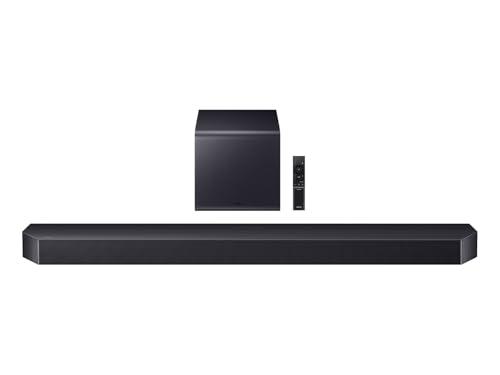
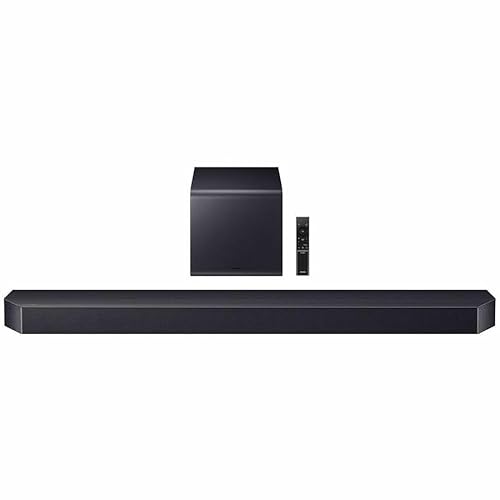




Shopping for a soundbar can feel overwhelming when you're comparing products that seem to exist in completely different universes. The Samsung Q990F and Sonos Ray represent two fundamentally different philosophies in home audio: one delivers flagship theater-level performance, while the other focuses on simplicity and value. Both were released in the 2020s during a period of rapid soundbar innovation, but they've evolved to serve very different needs.
Understanding these differences matters because choosing the wrong approach can leave you either overpaying for features you'll never use, or underwhelmed by performance that doesn't match your expectations.
The soundbar market has matured significantly over the past few years, splitting into distinct categories that serve different user needs. At the entry level, you have compact stereo soundbars designed primarily to improve TV dialogue clarity. Mid-range options typically add wireless subwoofers and simulated surround effects. Premium models create true multi-channel surround sound experiences with dedicated rear speakers and overhead audio channels.
This evolution happened because manufacturers realized that not everyone wants or needs the same level of audio complexity. Some people just want their TV shows to sound clearer, while others want to recreate the cinema experience at home. The Samsung Q990F and Sonos Ray represent the extremes of this spectrum.
What makes this comparison particularly interesting is how both products excel in their intended roles while being completely unsuitable for each other's target audience. It's like comparing a sports car to a bicycle – both will get you places, but the journey and requirements are entirely different.
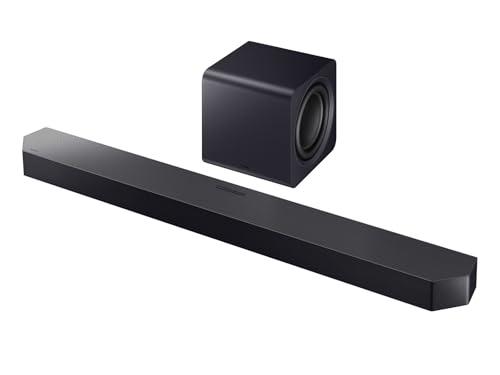
The Samsung Q990F represents Samsung's 2025 flagship release, building on years of soundbar development that began with their transition from simple stereo bars to complex multi-channel systems. Samsung's approach has consistently focused on maximizing the number of audio channels and driver count, essentially trying to replace traditional surround sound systems with soundbar convenience.
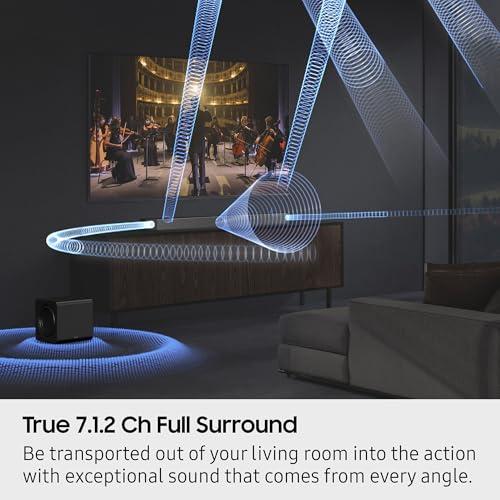
The latest iteration features an 11.1.4 channel configuration – a term that might sound like alphabet soup but actually tells you exactly what you're getting. The first number (11) represents the main horizontal channels: left, center, right, plus additional side and rear channels. The second number (1) indicates one dedicated subwoofer channel for bass. The final number (4) shows how many overhead channels create height effects for Dolby Atmos content (surround sound that can place audio above you, like helicopters flying overhead).
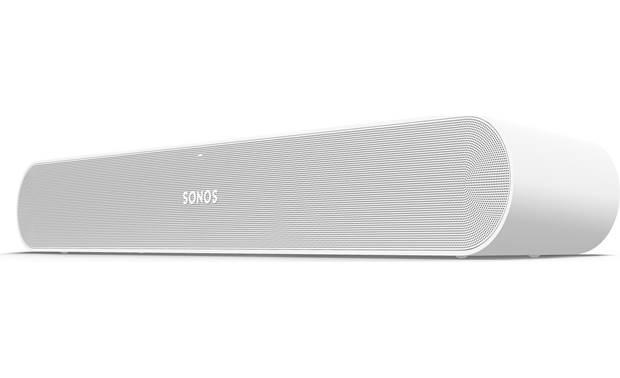
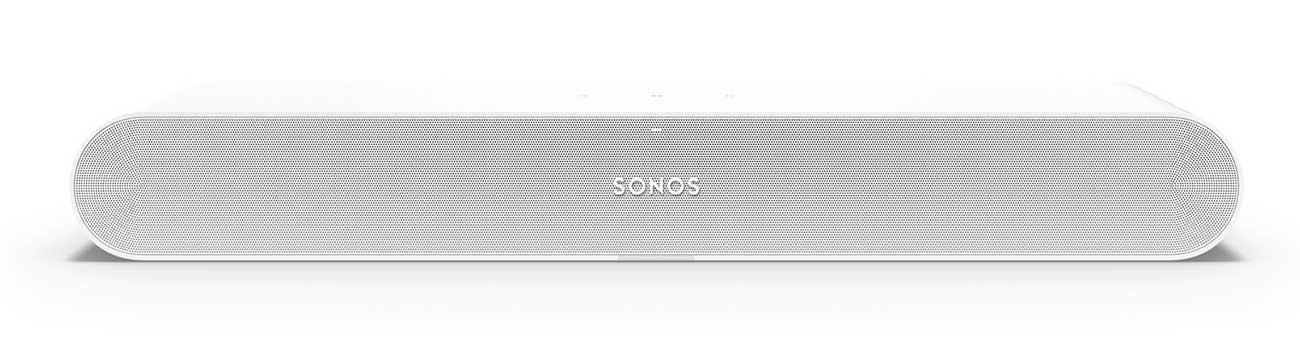
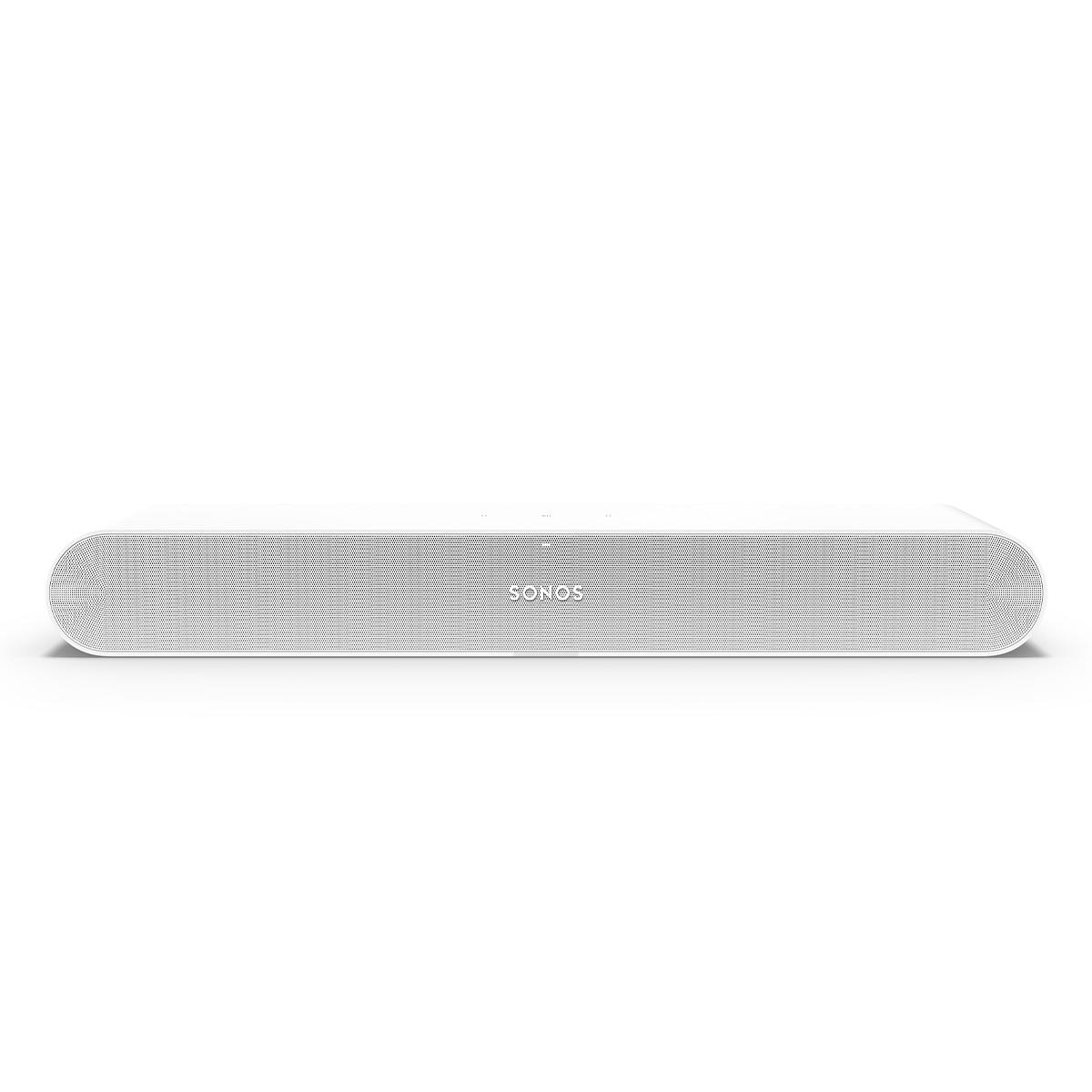
In contrast, the Sonos Ray launched in 2022 as part of Sonos's strategy to offer an entry point into their ecosystem without compromising their reputation for audio quality. Rather than competing on channel count, Sonos focused on perfecting stereo reproduction and dialogue clarity – the two things most people actually care about when upgrading from TV speakers.
This philosophical difference runs deep through both products' DNA and explains why they perform so differently across various use cases.
The Samsung Q990F creates genuine surround sound through its 23-driver system spread across multiple components. The main soundbar houses 15 drivers arranged to handle left, center, and right channels, plus side-firing and up-firing speakers for ambient effects. The wireless rear speakers each contain three full-range drivers positioned to fire forward, to the side, and upward at an angle.
This complexity serves a purpose: when you're watching a movie with Dolby Atmos audio (a format that can precisely place sounds in three-dimensional space), the system can actually make you hear helicopters above your head or footsteps moving behind you. The effect is genuinely immersive when everything works correctly, though it requires specific content and room conditions to shine.
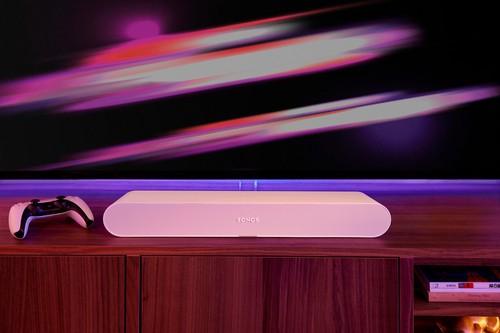
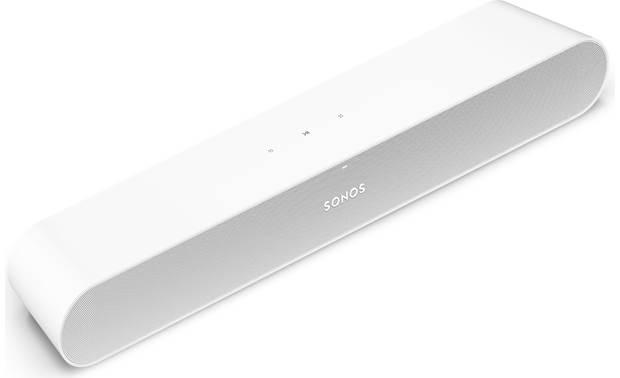
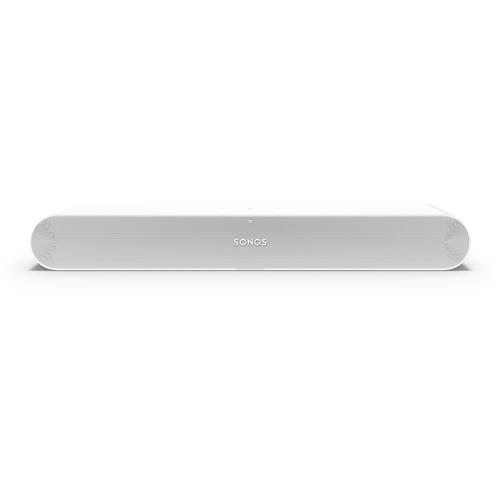
The Sonos Ray takes a completely different approach with its 2.0 stereo configuration. Four drivers – two tweeters for high frequencies and two midwoofers for everything else – focus exclusively on front-facing audio. When the Ray encounters surround sound content, it downmixes everything to stereo, essentially flattening the spatial information into left and right channels.
This might sound like a limitation, but it's actually a strength for many users. The Ray doesn't try to fake surround effects that often sound artificial in compact spaces. Instead, it delivers exceptional stereo imaging and dialogue clarity that works consistently regardless of your room layout or seating position.
Here's where things get interesting: despite the massive price difference, both soundbars excel at dialogue clarity, just through different methods. The Samsung Q990F uses a dedicated center channel speaker – the same approach high-end home theater systems employ. This center channel handles most dialogue in movies and TV shows, while Active Voice Amplifier Pro technology analyzes ambient room noise and automatically boosts voice frequencies to maintain clarity.
The Sonos Ray achieves remarkable dialogue clarity without a dedicated center channel by carefully tuning its midrange drivers and using advanced digital processing. Reviews consistently praise its vocal reproduction, with many noting that dialogue sounds more natural and less processed than some premium soundbars. The built-in Dialogue Enhancement mode can boost voice frequencies when needed, but the default tuning is often sufficient.
This difference matters more than you might think. If you primarily watch dialogue-heavy content like news, sitcoms, or dramas, the Sonos Ray's approach might actually sound more natural and less fatiguing over long listening sessions.
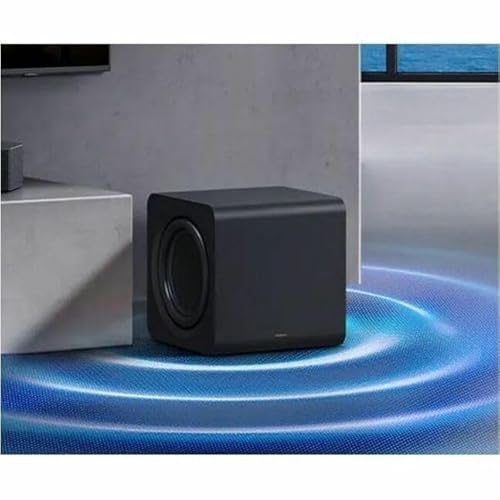
Bass reproduction reveals the most obvious performance gap between these products. The Samsung Q990F includes a completely redesigned wireless subwoofer with dual 8-inch drivers arranged in a force-canceling configuration. This design minimizes cabinet vibrations while delivering room-shaking low-end performance that can properly reproduce movie explosions and music bass lines.
The subwoofer also features AI-powered nonlinear control algorithms that predict and minimize distortion at high volumes – essentially smart bass management that keeps the sound clean even when you crank it up. At normal listening levels, this system delivers deep, articulate bass that adds significant weight and impact to both movies and music.
The Sonos Ray uses an integrated bass reflex system built into its compact cabinet. While Sonos engineered a proprietary low-velocity port design to minimize turbulence and extend bass response, physics ultimately limits what's possible from such a small enclosure. The bass is solid for the size but can't match the depth or impact of a dedicated subwoofer system.
This limitation becomes most apparent with action movies or bass-heavy music genres. The Ray can sound somewhat constrained during intense low-frequency scenes, though it never sounds unpleasant or boomy – just limited by its physical constraints.
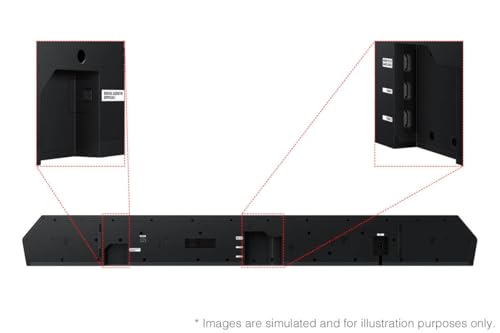
The Samsung Q990F represents the cutting edge of soundbar connectivity with three HDMI 2.1 ports supporting the latest video standards. This means it can pass through 4K video at 120Hz refresh rates with full color accuracy – crucial for modern gaming consoles and high-end streaming content. The eARC (enhanced Audio Return Channel) support enables full-resolution audio from compatible TVs without compression.
For gamers, this soundbar includes optimizations for variable refresh rate technologies like FreeSync and G-SYNC, plus low-latency gaming modes that provide spatial audio cues without introducing delay. The comprehensive HDMI implementation essentially makes it a hub for all your entertainment devices.
The Sonos Ray deliberately simplifies connectivity with only an optical digital input. This decision reflects Sonos's philosophy of reducing complexity – optical connections work reliably with virtually any TV made in the last decade, and the setup process involves just two cables (power and optical).
This limitation means you can't use the Ray as a video switching hub, and you'll miss out on some advanced audio formats. However, for most streaming content and TV broadcasts, optical provides sufficient quality, and the simplified connection often means fewer potential points of failure.
Both products support modern wireless streaming, but with different emphases. The Samsung Q990F casts the widest net with support for virtually every streaming protocol: Wi-Fi, Bluetooth 5.3, Apple AirPlay 2, Spotify Connect, TIDAL Connect, Google Cast, and Roon Ready certification for audiophile streaming. Built-in voice assistants (Bixby and Alexa) add smart home integration.
The Sonos Ray focuses on the streaming services that matter most to general users: Apple AirPlay 2, Spotify Connect, and TIDAL Connect. However, its real strength lies in Sonos's multiroom ecosystem – if you have other Sonos speakers, the Ray integrates seamlessly for whole-home audio that's genuinely convenient to use.
The absence of Bluetooth on the Ray initially seems like a major omission, but Sonos argues that Wi-Fi streaming provides better quality and reliability. In practice, this philosophy works well for stationary home use, though it does limit flexibility for quick device connections.
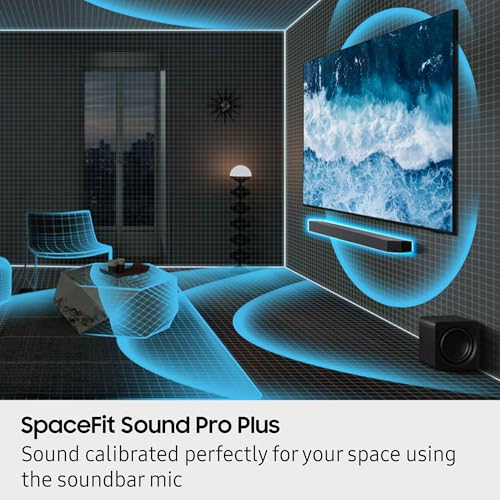
Both systems include room calibration features, but they work quite differently. The Samsung Q990F uses SpaceFit Sound Pro Plus, which employs built-in microphones to analyze your room's acoustic characteristics automatically. The system then adjusts speaker output, timing, and frequency response to optimize performance for your specific space.
This automatic approach works well in most situations and requires no user intervention beyond initial setup. However, the effectiveness depends on room size and complexity – the system works best in typical rectangular living rooms and may struggle with unusual layouts or highly reflective surfaces.
The Sonos Ray offers Trueplay room correction, but only through iOS devices (iPhones or iPads). The process involves walking around your room while the app plays test tones through your device's microphone. This manual approach can be more precise than automatic systems when performed correctly, but it requires an iOS device and user involvement.
The iOS limitation frustrates Android users, though Sonos's default tuning is generally well-balanced enough that room correction isn't always necessary for good results.
At the time of writing, the Samsung Q990F commands premium pricing that reflects its flagship positioning and comprehensive feature set. You're paying for genuine surround sound performance, extensive connectivity, and build quality that aims to compete with traditional home theater systems.
The value equation makes sense if you're serious about home theater performance and have the room size to take advantage of the multi-channel setup. The system can genuinely replace a much more expensive and complex traditional surround sound system while offering modern conveniences like wireless connectivity and automatic setup.
However, this premium pricing means the system needs to be your primary entertainment hub to justify the investment. If you're just looking for better TV audio or plan to use it occasionally, the feature set far exceeds what you'll actually utilize.
The Sonos Ray represents outstanding value in the entry-level soundbar category, delivering performance that significantly exceeds its modest pricing. At the time of writing, it costs roughly one-seventh the price of the Samsung while still providing the primary benefit most people seek: dramatically better TV audio than built-in speakers.
The value proposition becomes even stronger when you consider build quality and ecosystem integration. Sonos products are renowned for longevity, and the Ray's integration with other Sonos speakers means it can grow with your needs over time.
For secondary room placement – bedrooms, offices, or kitchen viewing areas – the Ray's combination of compact size, simple setup, and reliable performance is difficult to match at any price point.
For a dedicated home theater or main living room entertainment system, the Samsung Q990F justifies its complexity and cost through genuine surround sound immersion. The multi-channel setup creates a convincing bubble of sound that enhances both movies and gaming experiences.
The system works best in rooms large enough to accommodate the rear speakers (which need to be positioned behind or to the sides of your seating area) and with enough space for the subwoofer to operate effectively. If you regularly watch action movies, play immersive games, or listen to music at higher volumes, the Samsung's performance advantages become clearly apparent.
However, setup complexity increases significantly compared to a single-bar solution. You'll need to position three separate components optimally and ensure reliable wireless connections between them.
The Sonos Ray excels in applications where the Samsung Q990F would be overkill or impractical. Bedroom TV viewing, kitchen entertainment, or office setups benefit from the Ray's compact footprint and simplified connectivity.
The Ray's forward-facing acoustic design works particularly well when mounted on TV stands or shelves where there isn't room for rear speakers. The dialogue clarity ensures you can follow shows even with background noise or at lower volumes that won't disturb others.
For apartment living or any situation where bass impact might bother neighbors, the Ray's more restrained low-end response can actually be an advantage over the Samsung's room-shaking subwoofer.
Both products handle music well but with different strengths. The Samsung Q990F provides more dynamic range, deeper bass extension, and wider stereo imaging that can make music feel more spacious and impactful. The 7-band equalizer allows detailed customization for different genres.
The Sonos Ray offers more natural tonal balance and excels with vocal-heavy music. Its integration with Sonos's ecosystem means you can easily extend music playback to other rooms, making it part of a larger whole-home audio system.
If music listening is your primary concern, consider whether you value impact and customization (Samsung) or natural tone and ecosystem integration (Sonos).
Choose the Samsung Q990F if:
You're building a primary home theater system and want genuine surround sound immersion. The investment makes sense if you regularly watch movies with surround soundtracks, play immersive games, or want room-filling audio for larger spaces. The extensive connectivity options future-proof your setup for new devices and formats.
The Samsung also suits users who enjoy customizing audio settings and want maximum flexibility in how their system sounds. If you're coming from a traditional surround sound setup or want to avoid the complexity of separate receivers and speakers, this system provides comparable performance with modern convenience.
Choose the Sonos Ray if:
You want significantly better TV audio without complexity or high cost. The Ray makes sense for secondary rooms, compact living situations, or as an entry point into better home audio. Its exceptional dialogue clarity and natural sound make it ideal for users who primarily watch dialogue-heavy content.
The Ray also suits anyone already invested in the Sonos ecosystem or planning to build a multiroom audio system over time. If you value simplicity, reliability, and natural sound over maximum impact and features, the Ray delivers exactly what you need without excess.
The choice ultimately comes down to your specific priorities: maximum performance and features versus focused functionality and value. Both products excel in their intended roles, but they serve fundamentally different needs and expectations. Understanding which category matches your actual usage patterns will guide you to the right decision.
| Samsung Q-Series HW-Q990F Soundbar | Sonos Ray Soundbar |
|---|---|
| Audio Channels - Determines surround sound capability and immersion level | |
| 11.1.4 channels with 23 total drivers (true surround sound with overhead effects) | 2.0 stereo channels with 4 drivers (focused front audio, no surround) |
| Included Components - Affects setup complexity and performance potential | |
| Soundbar + wireless subwoofer + wireless rear speakers (3-piece system) | Single soundbar only (all-in-one design) |
| Dolby Atmos Support - Critical for modern movie and streaming content | |
| Full Dolby Atmos and DTS:X with dedicated height channels | No Atmos support (downmixes surround content to stereo) |
| Bass Performance - Important for movies, music, and overall impact | |
| Dedicated dual 8" wireless subwoofer with AI distortion control | Integrated bass reflex system (limited by compact size) |
| HDMI Connectivity - Determines device compatibility and video features | |
| 3x HDMI 2.1 ports with 4K/120Hz passthrough and eARC | No HDMI (optical input only) |
| Room Calibration - Optimizes sound for your specific space | |
| SpaceFit Sound Pro Plus (automatic microphone-based calibration) | Trueplay room correction (manual setup via iOS devices only) |
| Wireless Streaming - Affects music playback and smart features | |
| Wi-Fi, Bluetooth 5.3, AirPlay 2, Spotify Connect, Google Cast, built-in voice assistants | Wi-Fi, AirPlay 2, Spotify Connect (no Bluetooth, designed for Sonos ecosystem) |
| Physical Size - Impacts placement options and room compatibility | |
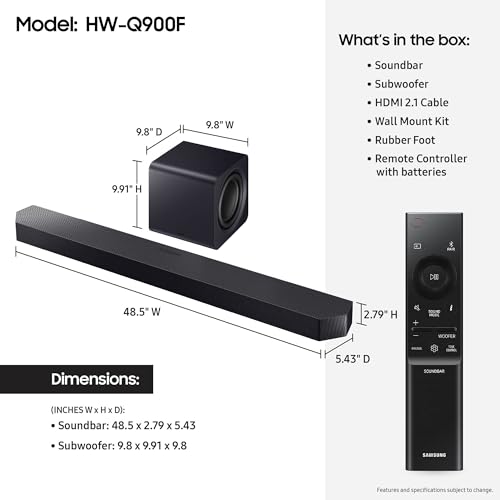
| Large system requiring multiple component placement and rear speaker positioning | Compact single bar ideal for tight spaces and TV stands |
| Setup Complexity - Affects installation time and technical requirements | |
| Multi-component wireless setup with optimal positioning required | Simple 2-cable setup (power + optical) |
| Voice Enhancement - Critical for dialogue clarity in TV and movies | |
| Dedicated center channel with Active Voice Amplifier Pro technology | Excellent dialogue clarity through tuned midrange and enhancement mode |
| Price Category - Determines value proposition and target audience | |
| Premium flagship pricing (significant investment) | Entry-level pricing (excellent value for basic upgrade) |
| Best Use Case - Who should choose this product | |
| Primary home theater systems, large rooms, surround sound enthusiasts | Secondary rooms, compact spaces, dialogue-focused viewing, budget-conscious buyers |
The Samsung Q-Series HW-Q990F Soundbar is significantly better for home theater use. It delivers true 11.1.4-channel surround sound with Dolby Atmos support, creating an immersive experience with sounds coming from all directions including overhead. The Sonos Ray Soundbar only provides stereo audio and lacks surround sound capabilities, making it unsuitable for serious home theater setups.
The main difference is complexity and performance level. The Samsung Q-Series HW-Q990F Soundbar is a premium multi-component system with a wireless subwoofer, rear speakers, and 23 total drivers for full surround sound. The Sonos Ray Soundbar is a simple single-bar solution with 4 drivers focused on improving TV dialogue and basic audio enhancement.
The Samsung Q-Series HW-Q990F Soundbar has dramatically better bass performance with its dedicated wireless subwoofer featuring dual 8-inch drivers. The Sonos Ray Soundbar relies on built-in bass drivers in its compact cabinet, which provides decent bass for its size but cannot match the depth and impact of a dedicated subwoofer system.
No, only the Samsung Q-Series HW-Q990F Soundbar supports Dolby Atmos with dedicated height channels for overhead audio effects. The Sonos Ray Soundbar does not support Dolby Atmos and will downmix surround sound content to stereo, which limits its immersive capabilities.
The Sonos Ray Soundbar is much easier to set up, requiring only two cables (power and optical) and basic app configuration. The Samsung Q-Series HW-Q990F Soundbar requires positioning three separate components (soundbar, subwoofer, and rear speakers) and ensuring proper wireless connections between all parts.
Both work well for music but serve different needs. The Samsung Q-Series HW-Q990F Soundbar provides wider stereo imaging, deeper bass, and customizable EQ settings for dynamic music playback. The Sonos Ray Soundbar offers natural sound reproduction and integrates seamlessly with other Sonos speakers for multi-room music systems.
This depends on your needs. The Sonos Ray Soundbar offers exceptional value for basic TV audio improvement at an entry-level price point. The Samsung Q-Series HW-Q990F Soundbar provides better value if you want premium home theater performance and plan to use all its advanced features regularly.
The Samsung Q-Series HW-Q990F Soundbar offers extensive connectivity with 3 HDMI 2.1 ports, optical input, Wi-Fi, Bluetooth, and multiple streaming services. The Sonos Ray Soundbar has limited connectivity with only optical input and Wi-Fi, but supports key streaming services like AirPlay 2 and Spotify Connect.
The Sonos Ray Soundbar is ideal for small spaces with its compact single-bar design and controlled bass output that won't disturb neighbors. The Samsung Q-Series HW-Q990F Soundbar requires more space for optimal performance and its powerful subwoofer may be too much for small rooms or thin walls.
Yes, both soundbars work with any TV that has the appropriate connections. The Samsung Q-Series HW-Q990F Soundbar works best with HDMI eARC connections but is compatible with any TV. The Sonos Ray Soundbar connects via optical cable, which is available on virtually all modern TVs regardless of brand.
Both excel at dialogue clarity but through different approaches. The Samsung Q-Series HW-Q990F Soundbar uses a dedicated center channel and voice enhancement technology. The Sonos Ray Soundbar achieves excellent dialogue clarity through carefully tuned drivers and is often praised as best-in-class for vocal reproduction at its price point.
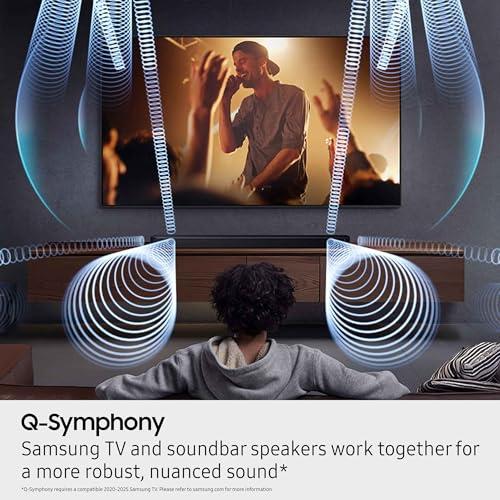
The Samsung Q-Series HW-Q990F Soundbar comes as a complete system and cannot be expanded further, but includes Q-Symphony technology to work with compatible Samsung TVs. The Sonos Ray Soundbar can be expanded by adding other Sonos speakers to create a multi-room audio system, though you cannot add a separate subwoofer to the Ray itself.
We've done our best to create useful and informative comparisons to help you decide what product to buy. Our research uses advanced automated methods to create this comparison and perfection is not possible - please contact us for corrections or questions. These are the sites we've researched in the creation of this article: rtings.com - crutchfield.com - sound-advice.online - samsung.com - soundandvision.com - samsung.com - whathifi.com - youtube.com - youtube.com - bestbuy.com - avsforum.com - content.syndigo.com - samsung.com - businessinsider.com - dolby.com - youtube.com - abcwarehouse.com - tomsguide.com - soundandvision.com - youtube.com - techradar.com - en.community.sonos.com - rtings.com - howtogeek.com - youtube.com - cnet.com - sonos.com - videoandaudiocenter.com

Privacy Policy
Terms and Conditions - Affiliate Policy
Home Security
© Copyright 2008-2026.
11816 Inwood Rd #1211, Dallas, TX 75244