









When your TV's built-in speakers sound like someone talking through a cardboard tube, it's time for an upgrade. But choosing between a $200 soundbar and a $2,000+ home theater system isn't just about budget—it's about understanding what you actually need and how much better sound is worth to you.
The Sony HT-A9M2 and Sonos Ray represent two completely different philosophies for solving the same basic problem: making your TV sound better. Released in 2024 and 2022 respectively, these products showcase how home audio has evolved in recent years, with Sony pushing the boundaries of spatial audio processing while Sonos focuses on accessible, ecosystem-integrated solutions.
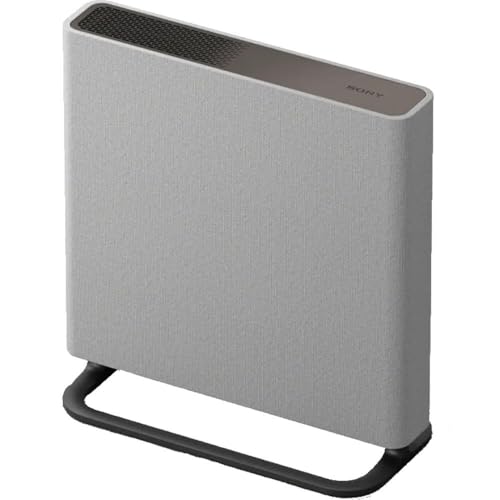
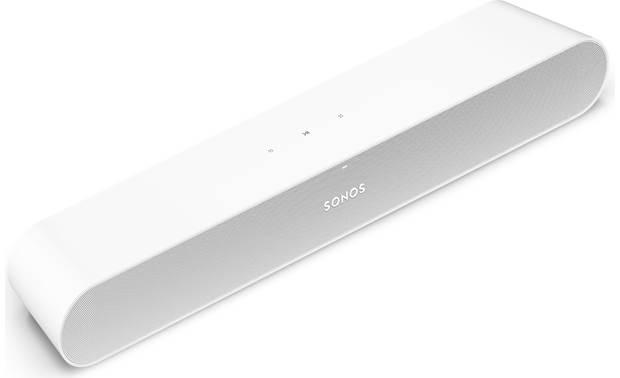
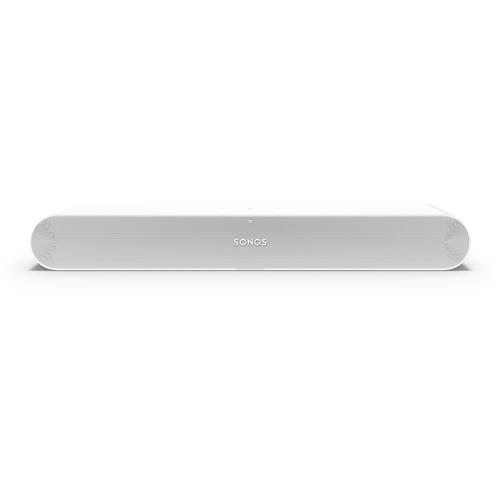
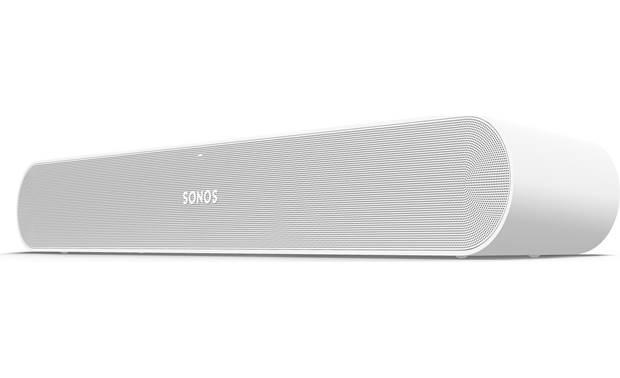
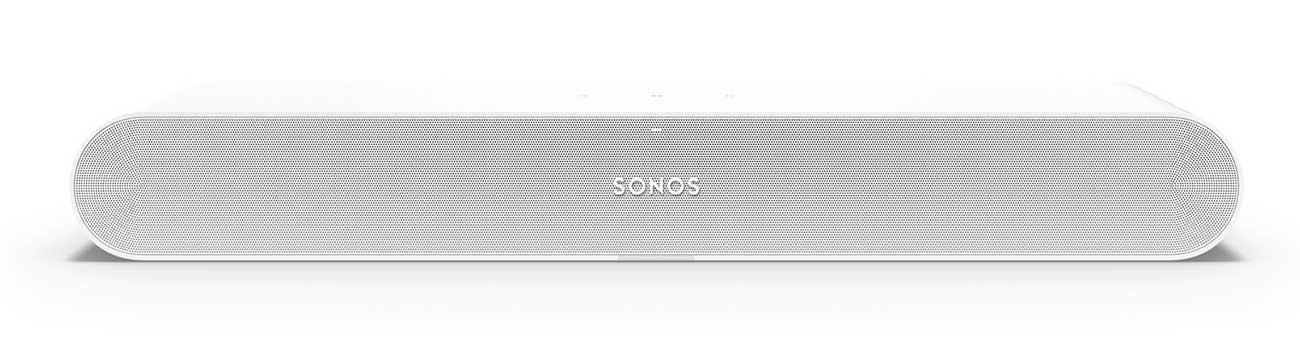
Before diving into specifics, it's worth understanding what we're actually comparing. The Sonos Ray is what most people picture when they think "soundbar"—a single horizontal speaker that sits below your TV and makes dialogue clearer than your TV's speakers. The Sony HT-A9M2, despite being marketed as a "theater system," is actually something more like a deconstructed surround sound system that uses wireless magic to create cinema-like audio without running speaker wires around your room.
Both products aim to solve the fundamental problem of TV audio: built-in TV speakers are terrible because TVs have gotten so thin that there's no space for decent drivers (the individual speakers that actually make sound). But they take radically different approaches to the solution.
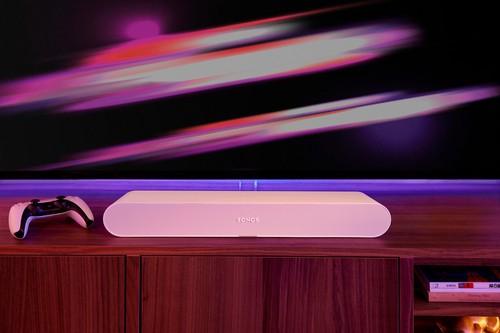
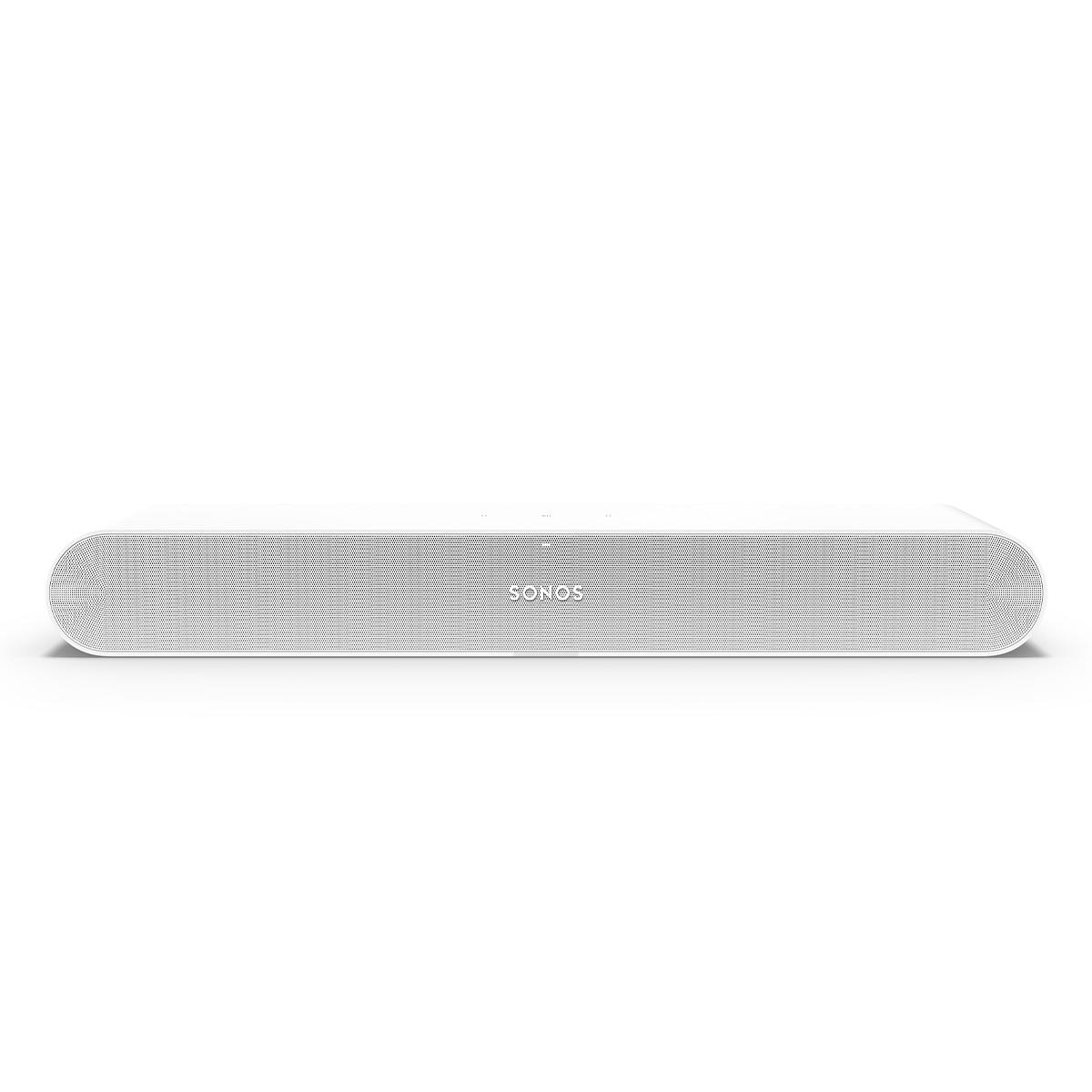
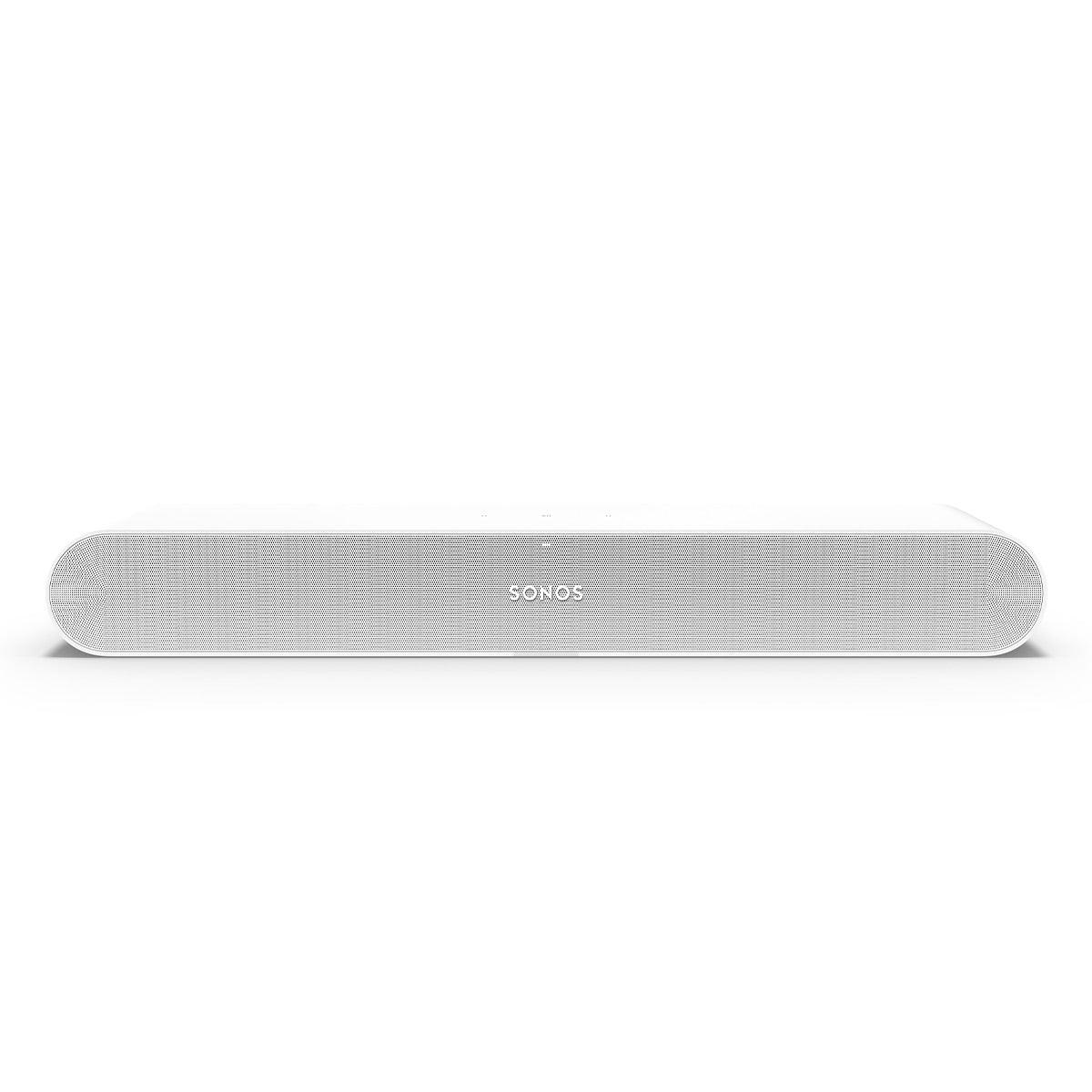
The Sonos Ray follows the traditional soundbar playbook. It's essentially a left and right speaker crammed into one enclosure, with two tweeters (small speakers for high frequencies) and two midwoofers (medium-sized speakers for voices and most music). This configuration is called "2.0 channel"—the first number represents left/right channels, the second represents surround channels, and a third number (when present) indicates height channels for overhead effects.
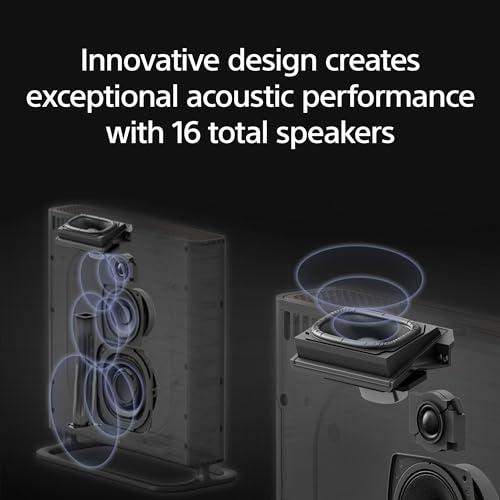
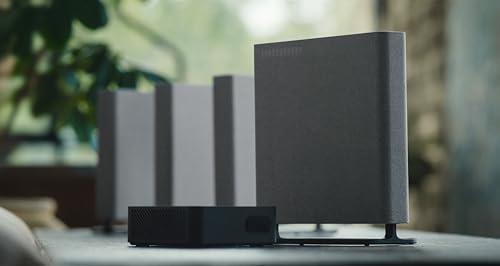
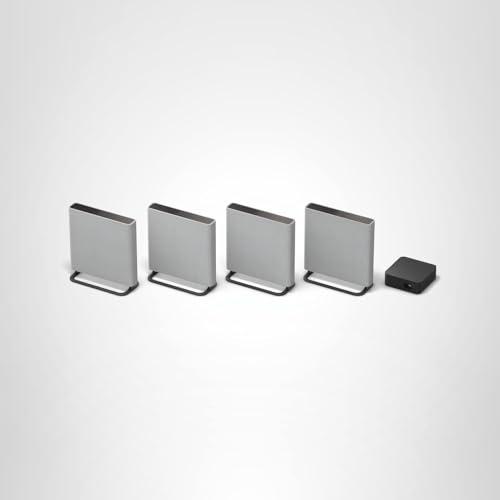
The Sony HT-A9M2, on the other hand, is something of an audio engineering marvel. It's a 4.0.4-channel system, meaning four main speakers plus four height channels. But here's where it gets interesting: instead of traditional surround speakers behind you, it uses four identical satellite speakers that can be placed anywhere in your room. Each speaker contains four individual drivers—a woofer for bass, a midrange for voices, a tweeter for highs, and an upfiring driver that bounces sound off your ceiling to create overhead effects.
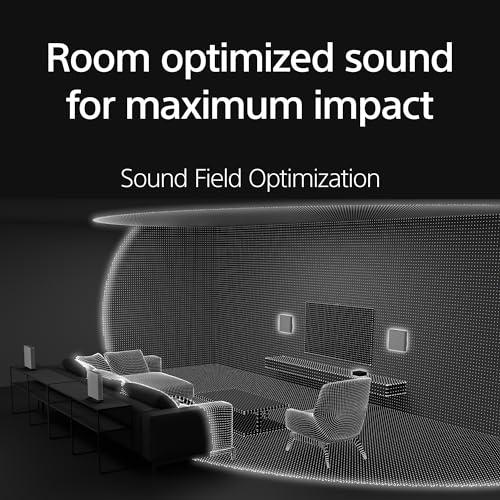
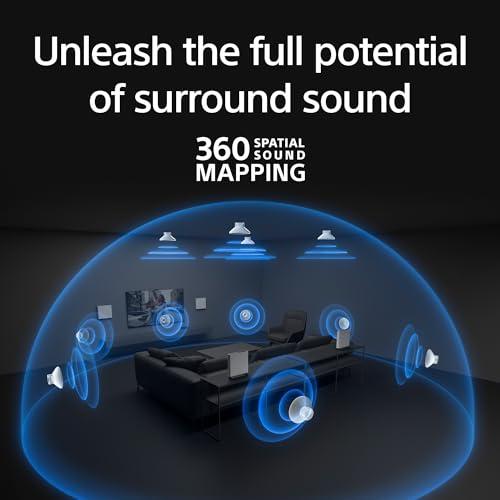
The real magic happens with Sony's "360 Spatial Sound Mapping" technology. Using microphones built into each speaker, the system measures your room's acoustics—how sound bounces off walls, where your furniture is, how high your ceiling is. Then it uses this information to create "phantom speakers"—virtual sound sources that seem to exist in locations where there are no actual speakers. Our research into expert reviews consistently shows this creates an audio experience that feels much larger than just four speakers should be able to produce.
This is where the differences become dramatic. The Sonos Ray can make voices clearer and add some stereo separation (left and right channels sounding distinct), but it's fundamentally limited by physics. Sound coming from a single location below your TV can only do so much to create the illusion of surround sound.
The Sony HT-A9M2 creates what reviewers consistently describe as an "audio bubble" around your listening position. When a helicopter flies overhead in a movie, you actually hear it moving above you, thanks to the upfiring drivers bouncing sound off your ceiling. When someone speaks from off-screen, their voice appears to come from the correct location in your room, not just from the general direction of your TV.
This spatial audio processing represents a significant advancement since the technology became mainstream around 2020. Earlier systems relied on basic psychoacoustic tricks—essentially fooling your brain into thinking sounds were coming from different directions. Modern systems like the Sony HT-A9M2 use room measurement and sophisticated digital signal processing to create genuinely convincing 3D audio fields.
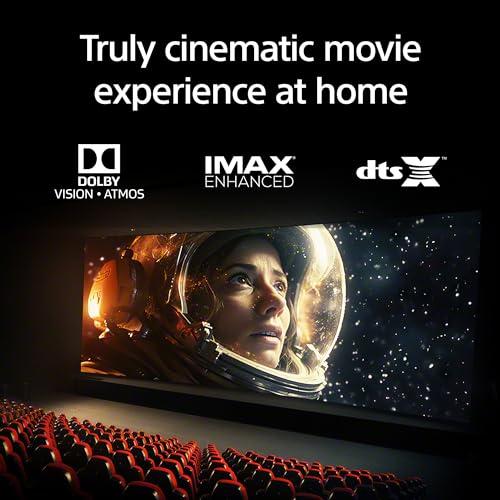
The difference is particularly noticeable with Dolby Atmos content—a newer audio format that treats sounds as objects that can be placed anywhere in 3D space, rather than just assigning them to specific channels. Netflix, Disney+, and most new movies support Atmos, and the difference between experiencing it on the Sony system versus the Sonos Ray (which doesn't support Atmos at all) is like comparing a movie theater to a transistor radio.
One area where both products aim to excel is dialogue clarity—arguably the most important factor for TV watching. Most complaints about TV audio center on not being able to understand what people are saying, especially when background music or sound effects compete for attention.
The Sonos Ray includes a "Dialogue Enhancement" mode that boosts the frequency ranges where human voices naturally occur. It's a straightforward approach that works reasonably well for most content. The system also includes a "Night Sound" mode that compresses the dynamic range—essentially making quiet sounds louder and loud sounds quieter—so you can hear dialogue without explosive sound effects waking the neighbors.
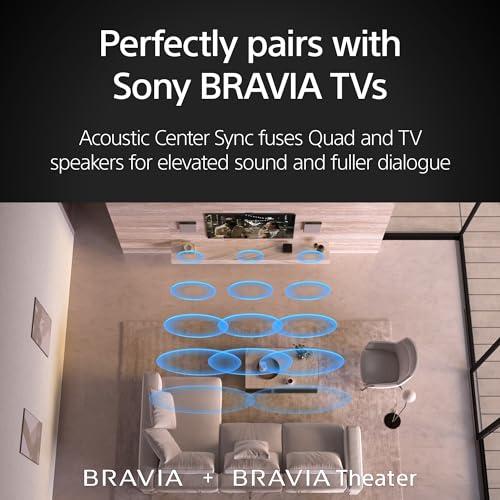
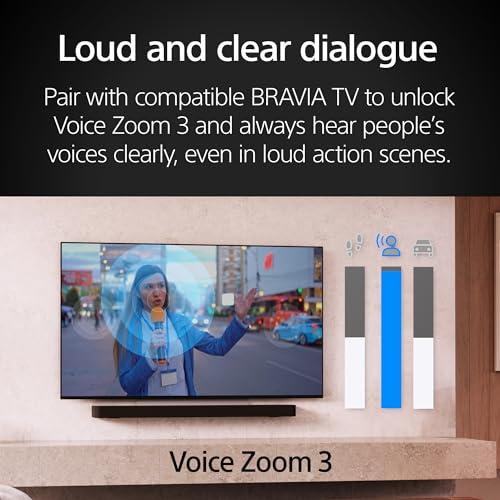
The Sony HT-A9M2 takes a more sophisticated approach with its "Voice Zoom 3" technology. This system uses artificial intelligence to actually separate human voices from background sounds in real-time, then allows you to adjust how prominent those voices are in the mix. When paired with a compatible Sony BRAVIA TV, the system can even use the TV's own speakers as a dedicated center channel through "Acoustic Center Sync," anchoring dialogue directly to the screen.
However, there's a trade-off here that's worth understanding. The Sony system creates its center channel through processing rather than having a dedicated center speaker. While this works well, some expert reviews note it doesn't quite match the pinpoint dialogue focus you'd get from a traditional center channel speaker positioned directly below your TV.
This is where the fundamental differences in approach become obvious. The Sonos Ray, being a compact soundbar, is physically limited in how much bass it can produce. Small speakers simply cannot move enough air to create the deep, room-shaking bass that makes action movies exciting. The Ray does what it can with bass reflex ports (openings that help boost low-frequency response) and careful tuning, but it's fighting against the laws of physics.
The Sony HT-A9M2 has a significant advantage here. Each of its four speakers contains dedicated woofers using Sony's "X-Balanced Speaker Unit" design—rectangular drivers that can move more air than traditional round drivers of the same size. With 504 watts of total amplification power distributed across 16 individual drivers, the system can produce substantial bass impact even without a separate subwoofer.
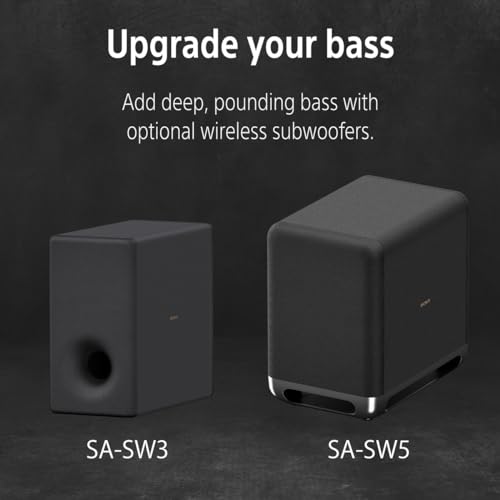
That said, expert reviews consistently note that the Sony system really comes alive when paired with Sony's optional wireless subwoofer. The SA-SW3 or SA-SW5 subwoofers connect wirelessly and handle the deepest bass frequencies, allowing the satellite speakers to focus on what they do best. This modular approach means you can start with just the four speakers and add a subwoofer later if you find you want more bass impact.
Gaming represents another area where these products diverge significantly. The Sonos Ray, with its basic optical digital input and limited processing power, provides minimal benefits for gaming beyond basic audio cleanup.
The Sony HT-A9M2, however, was clearly designed with modern gaming in mind. Its HDMI 2.1 support enables features that serious gamers demand: Variable Refresh Rate (VRR) eliminates screen tearing, Auto Low Latency Mode (ALLM) minimizes input lag, and 4K at 120Hz support maximizes visual quality for PlayStation 5 and Xbox Series X games.
The system includes specific PlayStation 5 optimizations that automatically adjust picture and sound settings based on what type of game you're playing. More importantly, the 360 Spatial Sound Mapping creates genuinely useful positional audio—in competitive games, you can actually hear where enemies are located around you, which can provide a real gameplay advantage.
The Sonos Ray wins decisively on simplicity. Connect power, connect one optical cable to your TV, download the Sonos app, and you're done. The setup process takes maybe ten minutes, and the system immediately starts improving your TV's audio. The Trueplay room correction (available only on iOS devices) uses your phone's microphone to measure your room and adjust the sound accordingly, though this feature is more limited than what you'll find on premium systems.
The Sony HT-A9M2 requires more thought and planning. You need to position four speakers around your room (they can be on furniture, wall-mounted, or even placed asymmetrically), plug each into power, then run the system's automatic calibration routine. This process takes about 15 minutes and involves the system playing test tones while using built-in microphones to measure your room's acoustics.
The payoff for this extra complexity is significant flexibility. Unlike traditional surround systems that require specific speaker placement, the Sony system adapts to wherever you can actually place speakers in your real living room. Have a couch against the wall? Asymmetrical furniture? Open-concept space? The 360 Spatial Sound Mapping adjusts accordingly.
Both systems can play music, but they approach it differently. The Sonos Ray benefits from being part of the broader Sonos ecosystem, which is genuinely excellent for multi-room music. If you have other Sonos speakers around your house, the Ray can play synchronized music throughout your home. For casual music listening in your TV room, it provides balanced sound that works well for most genres, though bass-heavy music will expose its low-frequency limitations.
The Sony HT-A9M2 approaches music more like a high-end audio system. It supports high-resolution audio formats up to 192kHz/24-bit (much higher quality than CD or streaming), includes Sony's DSEE Ultimate technology that uses AI to enhance compressed music files, and supports LDAC—a high-quality Bluetooth codec that maintains more audio detail than standard Bluetooth.
For music listening, the wide spacing between the Sony system's four speakers creates an expansive soundstage that can make you feel like you're sitting in the recording studio. However, some music purists might prefer a more traditional stereo setup for critical listening.
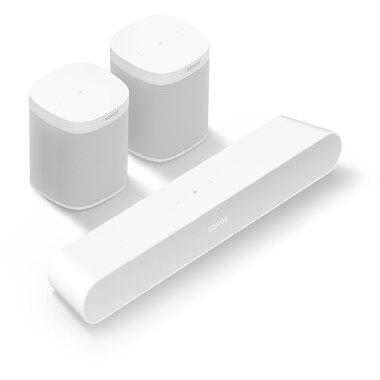
The Sonos Ray is designed as an entry point into Sonos's multi-room ecosystem. You can start with the Ray and later add a Sonos Sub for bass, Sonos surrounds for the rear channels, or additional Sonos speakers for other rooms. Everything integrates seamlessly through the Sonos app, creating a whole-home audio system that's genuinely convenient to use.
The Sony HT-A9M2 is more of a complete statement piece. While it can integrate with Sony BRAVIA TVs and accepts optional Sony subwoofers, it's primarily designed to be your main (and possibly only) audio system. The integration with Sony's ecosystem is deep but narrow—excellent if you use Sony products, less relevant if you don't.
Room size significantly impacts how these systems perform. The Sonos Ray works best in small to medium rooms where its limited power output and single-point sound source can adequately fill the space. In larger rooms or open-concept spaces, it can sound thin and struggle to provide adequate volume without distortion.
The Sony HT-A9M2 actually thrives in challenging acoustic environments. Large rooms, open concepts, irregular layouts—these are situations where the spatial processing and four-speaker array show their advantages. The system's ability to adapt its sound field based on room measurements means it can provide consistent performance even in acoustically difficult spaces.
At the time of writing, the Sonos Ray represents solid value for what it does—basic TV audio improvement at an accessible price point. You're getting reliable build quality, ecosystem integration, and meaningful (if limited) audio enhancement. For someone whose primary goal is making dialogue clearer and who values simplicity, it's hard to argue with the value proposition.
The Sony HT-A9M2 costs roughly ten times more but delivers an exponentially different experience. You're paying for genuinely advanced technology, cinema-quality audio processing, and the kind of immersive sound that was impossible at any price just a few years ago. The question isn't whether it's "worth" the premium—it's whether that level of audio performance matters enough to you to justify the investment.
Choose the Sonos Ray if you want better TV audio without complexity or major expense. It's perfect for apartments, secondary TVs, or situations where you primarily watch dialogue-heavy content like news or sitcoms. The Sonos ecosystem integration makes it an especially good choice if you plan to add other Sonos products over time.
Choose the Sony HT-A9M2 if audio quality is a priority and you have the budget for a premium solution. It's the right choice for movie enthusiasts, serious gamers, or anyone who wants their home entertainment system to rival a commercial cinema. The flexibility in speaker placement makes it work in rooms where traditional surround systems would be impractical.
The reality is that both products succeed at what they're designed to do. The Sonos Ray transforms bad TV audio into acceptable audio with minimal fuss. The Sony HT-A9M2 creates an immersive audio environment that can make your living room feel like a private movie theater. The question isn't which is "better"—it's which approach fits your priorities, space, and budget.
If you're on the fence, consider starting with the Sonos Ray and seeing how much audio improvement actually matters to your daily viewing experience. You can always upgrade later if you find yourself wanting more immersion. But if you know you're an audio enthusiast or serious movie watcher, the Sony HT-A9M2 represents the kind of technological advancement that can fundamentally change how you experience entertainment at home.
| Sony HT-A9M2 BRAVIA Theater Quad | Sonos Ray Soundbar |
|---|---|
| Channel Configuration - Determines surround sound capabilities | |
| 4.0.4-channel with 16 total drivers across 4 wireless speakers | 2.0-channel stereo with 4 drivers in single soundbar |
| Dolby Atmos Support - Essential for modern movie immersion | |
| Full Dolby Atmos with upfiring drivers and 3D object placement | No Dolby Atmos support (stereo only) |
| Power Output - Affects volume and bass impact | |
| 504W total (126W per speaker) with dedicated amplification | Not specified (estimated 40-50W based on size) |
| Speaker Layout Per Unit - Shows audio complexity | |
| 4 drivers each: woofer, midrange, tweeter, upfiring height | 2 tweeters + 2 midwoofers in compact enclosure |
| Room Calibration - Optimizes sound for your space | |
| 360 Spatial Sound Mapping with automatic room measurement | Trueplay (iOS only) basic room correction |
| HDMI Connectivity - Important for modern devices | |
| HDMI 2.1 with eARC, 4K120, VRR, ALLM for gaming | Optical digital only (no HDMI) |
| Wireless Audio Codecs - Affects streaming music quality | |
| Bluetooth 5.2 with LDAC, AAC, SBC high-res support | Basic Bluetooth with standard codecs |
| Setup Complexity - Time and effort required | |
| 4 speakers to position + wireless calibration (~30 minutes) | Single unit plug-and-play (~5 minutes) |
| Expandability - Future upgrade options | |
| Compatible with Sony wireless subwoofers and BRAVIA TVs | Integrates with full Sonos ecosystem for multi-room |
| Gaming Features - Benefits for console players | |
| PS5 optimization, low latency, spatial audio for positioning | No gaming-specific features or optimizations |
| Music Streaming Services - Built-in platform support | |
| Sony HT-A9M2: Spotify Connect, AirPlay 2 | Sonos Ray: AirPlay 2, Spotify Connect, Sonos ecosystem |
The Sony HT-A9M2 BRAVIA Theater Quad is a premium 4-speaker wireless home theater system that creates true surround sound with Dolby Atmos support, while the Sonos Ray is a compact single soundbar that provides basic stereo audio enhancement. The Sony system offers immersive 3D audio with overhead effects, whereas the Ray focuses on improving dialogue clarity and basic left/right stereo separation.
The Sonos Ray is better suited for small rooms due to its compact single-unit design and lower power output that won't overwhelm tight spaces. The Sony HT-A9M2 is designed for medium to large rooms where its four speakers can be properly positioned to create the intended surround sound experience.
Only the Sony HT-A9M2 supports Dolby Atmos with dedicated upfiring drivers in each speaker that bounce sound off your ceiling for overhead effects. The Sonos Ray does not support Dolby Atmos and is limited to stereo audio processing, which significantly limits its ability to create immersive movie experiences.
The Sonos Ray is much easier to set up, requiring only power and one optical cable connection to your TV with setup completed in about 5 minutes. The Sony HT-A9M2 requires positioning four speakers around your room, connecting each to power, and running a 15-30 minute calibration process to optimize the spatial audio mapping.
Yes, both systems can be expanded with subwoofers. The Sony HT-A9M2 works with Sony's wireless subwoofers (SA-SW3 or SA-SW5) that connect seamlessly to the system. The Sonos Ray can be paired with the Sonos Sub, which integrates through the Sonos app and provides significant bass improvement for the compact soundbar.
The Sony HT-A9M2 is significantly better for gaming with HDMI 2.1 support, 4K120Hz passthrough, Variable Refresh Rate (VRR), and Auto Low Latency Mode (ALLM). It also includes PlayStation 5-specific optimizations and spatial audio that helps with positional awareness in games. The Sonos Ray offers no gaming-specific features and uses basic optical connectivity.
The Sony HT-A9M2 excels at music with high-resolution audio support up to 192kHz/24-bit, LDAC Bluetooth codec, and wide speaker separation that creates an expansive soundstage. The Sonos Ray provides decent music playback with the advantage of Sonos ecosystem integration for multi-room audio, but is limited by its compact size and basic audio processing.
The Sonos Ray works universally with any TV that has an optical audio output, making it more compatible across different TV brands. The Sony HT-A9M2 works with any TV through HDMI eARC/ARC but offers enhanced features like Acoustic Center Sync only with compatible Sony BRAVIA TVs.
The Sony HT-A9M2 delivers dramatically superior sound quality with true surround sound, overhead effects, 504W of power, and 16 individual drivers creating an immersive audio bubble around your seating area. The Sonos Ray provides good dialogue clarity and stereo enhancement but cannot match the spatial audio experience and dynamic range of the Sony system.
The Sonos Ray includes an IR receiver that allows basic volume control with most TV remotes. The Sony HT-A9M2 supports HDMI CEC and BRAVIA Sync, enabling comprehensive control through compatible TV remotes, including power on/off, volume, and input switching.
The Sonos Ray is generally better for apartments due to its compact size, simpler setup that doesn't require multiple speaker placement, and Night Sound mode that reduces dynamic range for neighbor-friendly late-night viewing. The Sony HT-A9M2 may be too powerful and complex for typical apartment spaces and living situations.
Both the Sony HT-A9M2 and Sonos Ray typically come with standard 1-year manufacturer warranties. Sony offers support through their consumer electronics network, while Sonos provides support through their dedicated audio ecosystem with generally strong customer service reputation and longer software update support for their connected speakers.
We've done our best to create useful and informative comparisons to help you decide what product to buy. Our research uses advanced automated methods to create this comparison and perfection is not possible - please contact us for corrections or questions. These are the sites we've researched in the creation of this article: bestbuy.com - whathifi.com - whathifi.com - youtube.com - rtings.com - audiosciencereview.com - bhphotovideo.com - skybygramophone.com - sony.com - manuals.plus - audioadvice.com - dell.com - valueelectronics.com - youtube.com - merlinstv.com - videoandaudiocenter.com - electronics.sony.com - sony.com - bestbuy.com - beachcamera.com - sony.com - win.consulting - sony.com - tomsguide.com - soundandvision.com - youtube.com - techradar.com - en.community.sonos.com - rtings.com - howtogeek.com - youtube.com - cnet.com - sonos.com - videoandaudiocenter.com

Privacy Policy
Terms and Conditions - Affiliate Policy
Home Security
© Copyright 2008-2026.
11816 Inwood Rd #1211, Dallas, TX 75244