








If you've been living with your TV's built-in speakers, you're missing out on a lot more than just louder sound. Modern soundbars can transform how you experience movies, music, and games, but choosing the right one means understanding two very different philosophies in audio design.
Today we're comparing the Ultimea Poseidon D50 5.1 Soundbar (2025) against the Sonos Ray Soundbar (2022). These represent fundamentally different approaches to upgrading your audio: complete surround sound versus premium stereo performance with ecosystem integration.
Before diving into specifics, let's establish what actually matters when upgrading from TV speakers. The most important considerations are dialogue clarity, overall sound balance, and how well the system fits your space and usage patterns.
Dialogue clarity is crucial because it's the primary reason people buy soundbars. TV speakers often muddy voices with background music and effects. A good soundbar separates these elements, making conversations crisp and understandable without constantly adjusting volume.
Sound staging refers to how audio elements are positioned in space around you. Stereo soundbars create a left-right soundstage, while surround systems add rear and bass channels for a more immersive, theater-like experience.
Connectivity flexibility determines how easily the soundbar works with your devices. HDMI eARC (enhanced Audio Return Channel) provides the best connection, allowing your TV remote to control the soundbar volume. Optical connections work with most TVs but offer fewer advanced features.
The Ultimea Poseidon D50 and Sonos Ray take completely different approaches to these challenges, making them suitable for different users and scenarios.
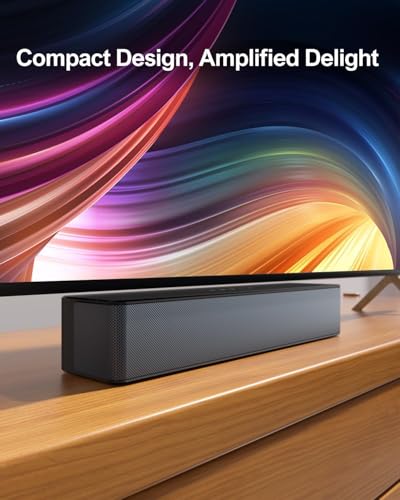
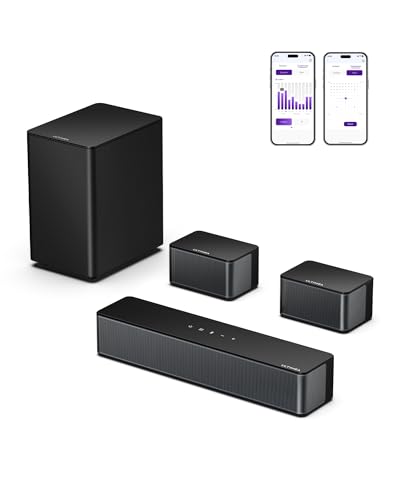
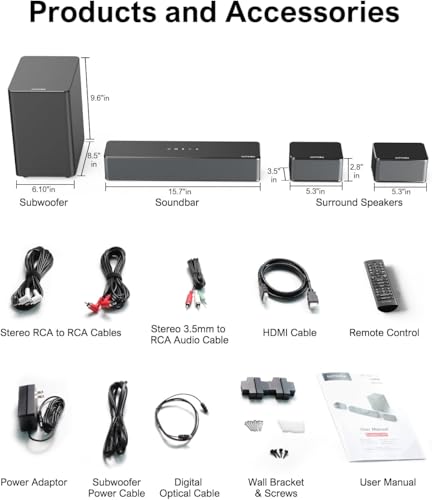
Released in 2025, the Ultimea Poseidon D50 represents the "everything included" philosophy. When you unbox this system, you get a main soundbar, wireless subwoofer, and two satellite speakers that create genuine 5.1 surround sound.
The key advantage of the Poseidon D50 is its true 5.1 configuration. Unlike many budget soundbars that simulate surround sound, this system includes physical rear speakers connected by 19.6-foot cables. This means when a helicopter flies overhead in a movie, you actually hear it move from front to back through dedicated speakers positioned behind you.
The system uses what Ultimea calls SurroundX™ Technology, which includes a digital signal processor (DSP) chip that can take regular stereo audio and convert it into multi-channel surround sound. Think of it as an intelligent audio interpreter that takes a two-channel signal and spreads it across five speakers plus a subwoofer, creating a more immersive experience even from content that wasn't originally mixed in surround sound.
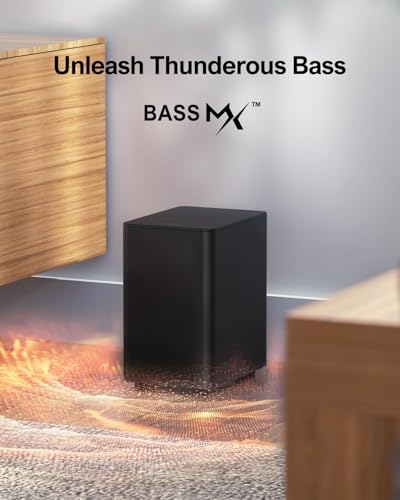
The wireless subwoofer deserves special attention. Using BassMX™ Technology, it features a 5.25-inch driver with 15mm diaphragm excursion—that's how far the speaker cone moves back and forth. More excursion generally means deeper, more impactful bass. Our research into user feedback consistently highlights the subwoofer's ability to deliver satisfying low-end punch for movie explosions and music.
With a peak output of 320 watts, the Poseidon D50 is designed for medium to large rooms (250-380 square feet). In practical terms, this means it can fill a typical living room or dedicated home theater without straining.
One standout feature is the dedicated smartphone app that provides extensive control over the audio experience. You get access to 121 preset EQ matrices and a 10-band equalizer, which sounds complicated but basically means you can fine-tune how different frequencies sound. Whether you want punchier bass for action movies or clearer dialogue for TV shows, the app lets you adjust these settings precisely.
The independent volume control for satellite speakers is particularly useful. If the rear channels feel too loud or quiet for your room layout, you can adjust them separately without affecting the front soundbar or subwoofer levels.
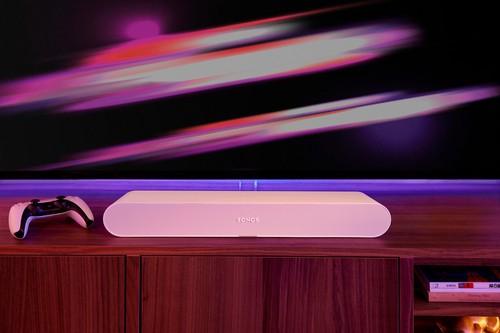
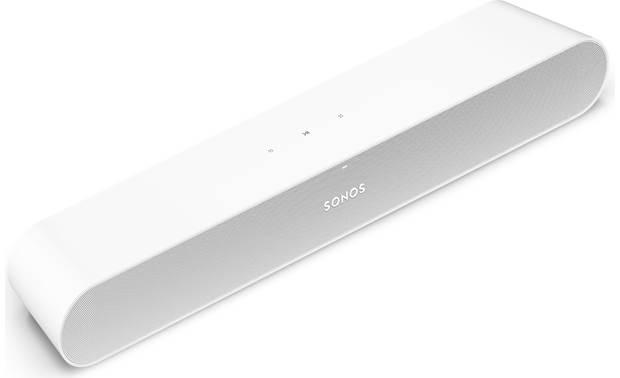
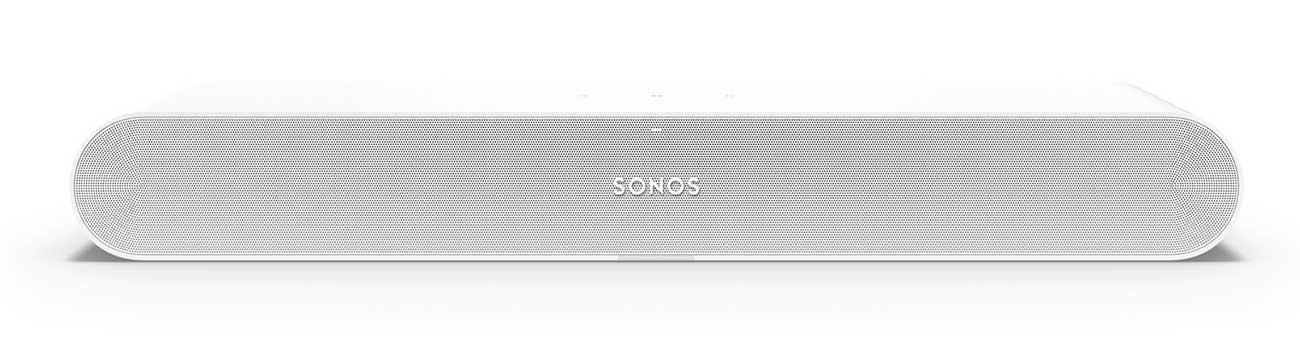
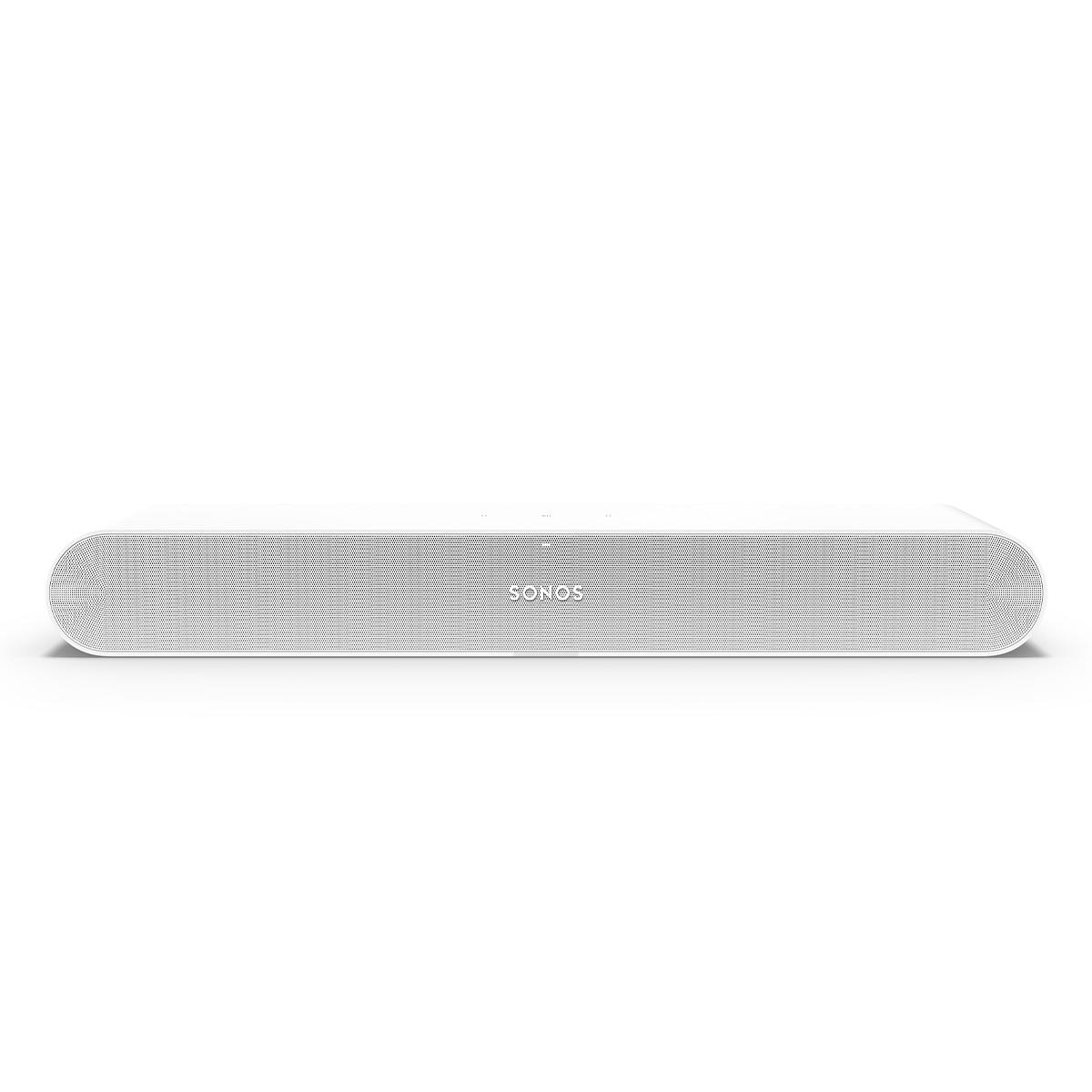
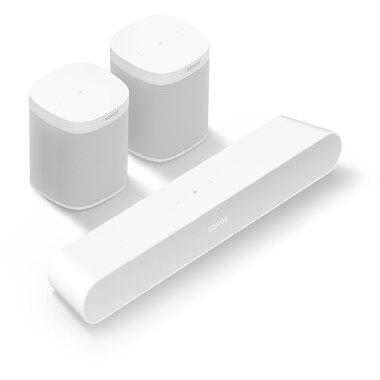
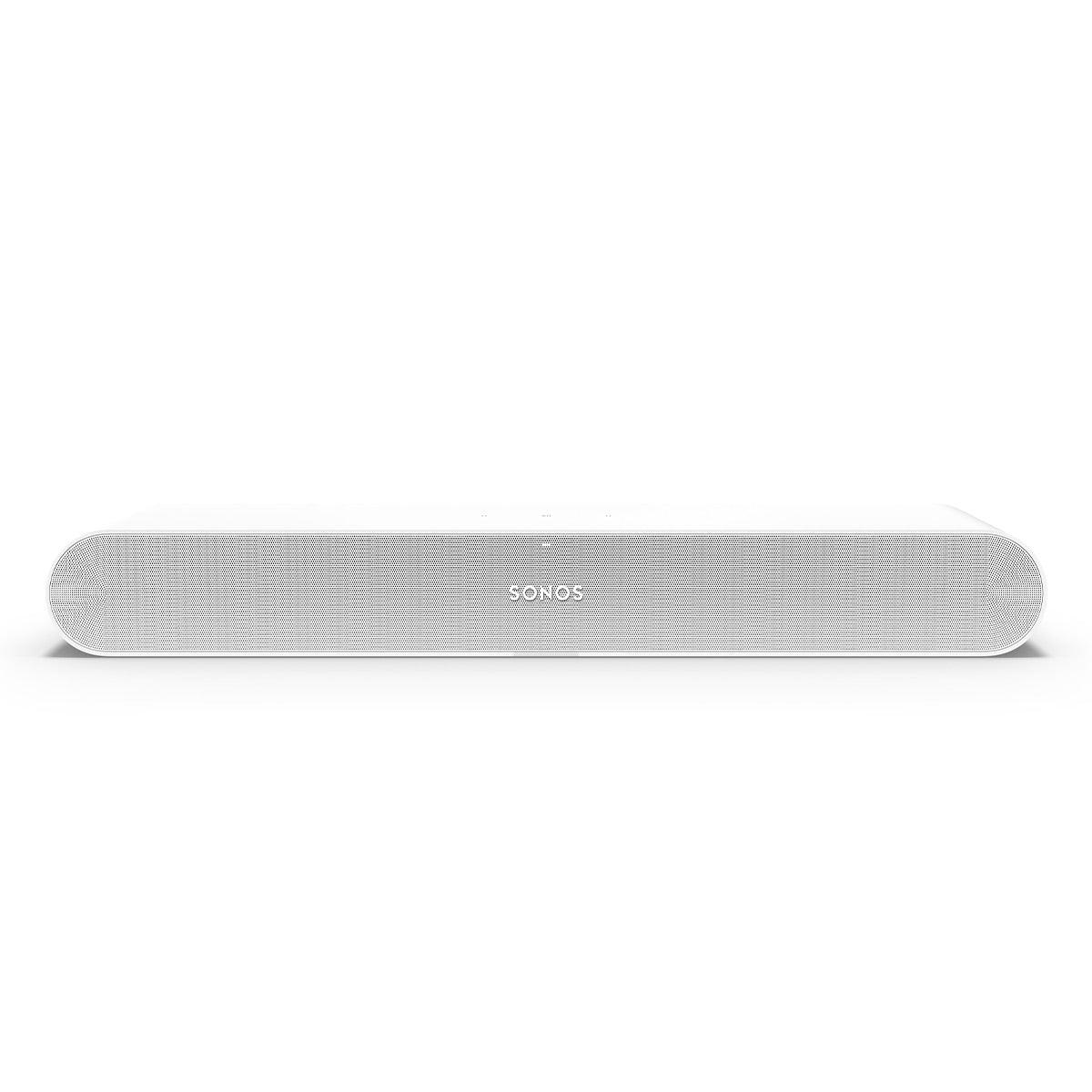
The Sonos Ray, released in 2022, takes a completely different approach. Instead of including everything upfront, it focuses on delivering exceptional stereo performance while offering the option to expand into a full surround system later.
Sonos built its reputation on audio quality, and the Ray demonstrates this with sophisticated acoustic engineering. It uses four Class-D digital amplifiers powering two tweeters and two high-efficiency midwoofers. The proprietary waveguide technology helps focus high-frequency sounds more precisely, creating better stereo imaging—the ability to pinpoint where different instruments and voices are positioned in the soundstage.
What sets the Sonos Ray apart is its Trueplay room correction technology. Using compatible iOS devices, the system actually listens to how sound reflects off your walls, furniture, and ceiling, then automatically adjusts its output to compensate for your room's acoustic characteristics. This is sophisticated stuff that you typically find in much more expensive audio equipment.
Our analysis of user reviews consistently highlights the Ray's exceptional dialogue clarity. The Speech Enhancement mode specifically boosts voice frequencies, while Night Sound compresses the dynamic range—reducing the volume difference between quiet dialogue and loud explosions. These features make the Ray particularly effective for TV and movie watching.
Where the Sonos Ray really shines is in its streaming capabilities. It supports Wi-Fi streaming through Apple AirPlay 2, Spotify Connect, and Tidal Connect, providing high-quality wireless audio that's more stable and better sounding than Bluetooth. The trade-off is that it doesn't include Bluetooth at all, which some users find limiting.
The Ray integrates into Sonos's multiroom ecosystem, meaning you can eventually add speakers throughout your home and control them all through one app. This long-term expandability is a major selling point for users who want to build a comprehensive home audio system over time.
For cinematic experiences, the Ultimea Poseidon D50 has clear advantages. The physical rear speakers create genuine surround effects that the Sonos Ray simply cannot match in its stereo configuration. When playing games or watching action movies, the positional audio from the Poseidon D50 adds immersion that makes you feel more connected to the content.
However, the Ray shouldn't be dismissed for movie watching. Its superior dialogue clarity and balanced frequency response often make it easier to follow complex plots without constantly adjusting volume. The Trueplay tuning also helps optimize performance for your specific room, something the Poseidon D50 can't do automatically.
This is where the philosophical differences become most apparent. The Sonos Ray delivers noticeably more refined music reproduction, with better instrumental separation and more natural tonal balance. Our research into professional reviews consistently notes the Ray's ability to present music with proper stereo imaging and minimal coloration.
The Poseidon D50 is decent for casual music listening, particularly genres that benefit from strong bass response like electronic music or hip-hop. However, for critical music listening or acoustic genres, the Ray provides more accurate and engaging reproduction.
The Poseidon D50 requires more thoughtful setup due to its multiple components. You need to position the satellite speakers behind your listening area and find appropriate placement for the subwoofer. The 19.6-foot speaker cables provide flexibility, but running them neatly can be challenging in some room layouts.
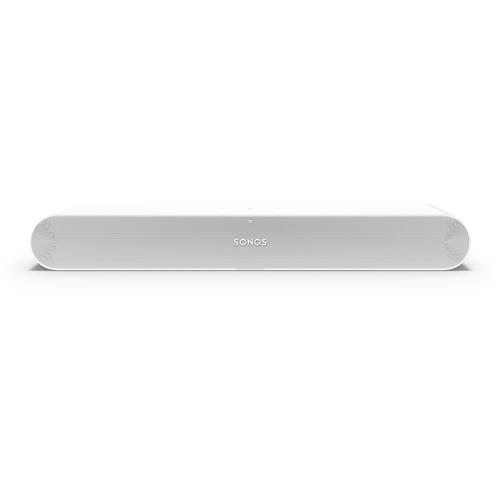
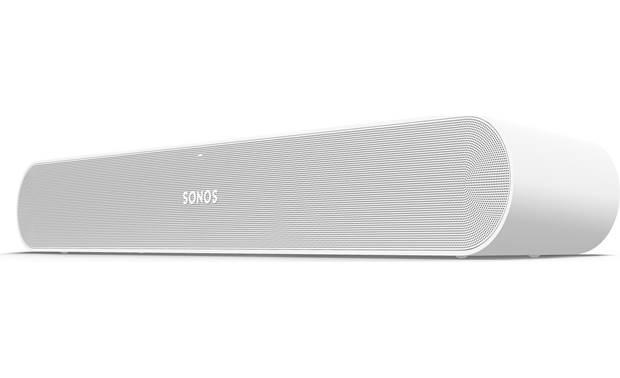
The Ray offers plug-and-play simplicity with just two cables—power and optical audio. Its compact 22-inch width and 2.8-inch height make it easy to fit under most TVs or mount on a wall. The automatic Trueplay tuning means optimal performance with minimal effort.
The Ultimea Poseidon D50 takes a traditional approach with comprehensive physical connectivity. HDMI eARC provides the best connection quality and allows TV remote control of the soundbar. Bluetooth 5.3 offers stable wireless streaming from phones and tablets. USB ports allow direct playback from storage devices, while optical and AUX inputs ensure compatibility with older equipment.
The Sonos Ray deliberately limits physical connections to optical input only, focusing instead on Wi-Fi streaming. This streaming-first approach provides better audio quality than Bluetooth and integrates seamlessly with music services, but it means fewer options for connecting gaming consoles, Blu-ray players, or other devices directly.
At the time of writing, these products represent different value philosophies. The Poseidon D50 provides immediate complete surround sound at a competitive price point, making it excellent value for users who want everything included upfront.
The Ray costs more initially but offers a different kind of value through superior build quality, brand reputation, and ecosystem expandability. Adding Sonos's subwoofer and rear speakers later creates a premium surround system, but the total investment becomes significantly higher than the Poseidon D50's all-inclusive approach.
Sonos has a track record of supporting products for many years with software updates and maintaining compatibility across their ecosystem. This longevity adds value for users planning to build a comprehensive home audio system over time.
Want immediate surround sound without additional purchases or complex decisions. It's ideal for dedicated home theater rooms where you can properly position all components. Gaming enthusiasts particularly benefit from the positional audio capabilities, and movie lovers appreciate the immersive surround effects.
The comprehensive connectivity makes the Poseidon D50 suitable for users with varied device types who need flexibility in how they connect equipment. If your priority is maximizing surround sound performance per dollar spent, this system delivers excellent value.
Prioritize audio quality over surround sound effects, particularly for music listening. It's perfect for smaller spaces where a compact footprint is essential, and for users who primarily consume streaming content rather than physical media.
The Ray appeals to users interested in building a premium audio ecosystem over time. If you value automatic room correction, superior build quality, and the option to expand gradually, the higher initial investment makes sense.
The system works especially well as a secondary speaker for bedrooms, offices, or kitchens where excellent stereo performance matters more than surround effects.
These soundbars solve different problems, making the choice depend on your priorities and usage patterns. The Ultimea Poseidon D50 delivers complete surround sound immediately, making it ideal for entertainment-focused users who want maximum impact from movies and games. Its comprehensive connectivity and included components provide excellent value for dedicated home theater setups.
The Sonos Ray offers superior stereo performance and long-term ecosystem benefits, making it perfect for music lovers and users who value premium engineering over immediate surround effects. Its streaming integration and expansion potential appeal to users building comprehensive home audio systems.
Both approaches have merit, but understanding which philosophy aligns with your needs and space constraints will guide you toward the right choice. The Poseidon D50 maximizes immediate entertainment value, while the Ray prioritizes long-term audio quality and ecosystem integration.
| Ultimea Poseidon D50 5.1 Soundbar | Sonos Ray Soundbar |
|---|---|
| Audio Configuration - Determines immersion level and spatial sound quality | |
| True 5.1 surround with physical rear speakers and wireless subwoofer | Stereo only (expandable to surround with additional purchases) |
| Power Output - Affects room-filling capability and dynamic range | |
| 320W peak output (suitable for rooms up to 380 sq ft) | Not specified (designed for smaller to medium rooms) |
| Connectivity Options - Determines device compatibility and ease of use | |
| HDMI eARC, Optical, AUX, USB, Bluetooth 5.3 | Optical input only, Wi-Fi streaming, Apple AirPlay 2 |
| Included Components - What you get out of the box | |
| Soundbar, wireless subwoofer, 2 wired satellite speakers, all cables | Soundbar only (subwoofer and rear speakers sold separately) |
| Room Correction Technology - Optimizes sound for your specific space | |
| Manual EQ adjustment via smartphone app with 121 presets | Automatic Trueplay tuning using iOS devices |
| Streaming Integration - Wireless music playback capabilities | |
| Basic Bluetooth streaming | Extensive Wi-Fi streaming (Spotify Connect, Tidal Connect, multiroom) |
| Setup Complexity - Time and effort required for installation | |
| Multi-component setup with speaker placement considerations | Simple 2-cable setup with compact single-unit design |
| Expandability - Future upgrade potential | |
| Fixed 5.1 system with limited expansion options | Full Sonos ecosystem integration with gradual expansion |
| Dialogue Enhancement - TV and movie voice clarity features | |
| Standard dialogue processing with EQ customization | Dedicated Speech Enhancement and Night Sound modes |
| Music Performance Focus - Audio quality for music listening | |
| Good for casual listening, strong bass response | Premium stereo imaging with audiophile-grade engineering |
| Physical Dimensions - Space requirements and aesthetics | |
| Multiple components requiring strategic room placement | Compact 22" x 2.8" x 3.7" single unit |
| Brand Support History - Long-term software updates and compatibility | |
| Newer brand with unknown long-term support record | Established 20+ year track record of product longevity |
The Ultimea Poseidon D50 is significantly better for dedicated home theater use because it provides true 5.1 surround sound with physical rear speakers and a wireless subwoofer. This creates genuine positional audio for movies and games that the stereo-only Sonos Ray cannot match without additional purchases.
For surround sound and bass impact, the Ultimea Poseidon D50 excels with its complete 5.1 system and dedicated subwoofer. However, the Sonos Ray delivers superior stereo audio quality with more refined music reproduction, better dialogue clarity, and automatic room correction through Trueplay technology.
The Ultimea Poseidon D50 includes everything needed for 5.1 surround sound: the main soundbar, wireless subwoofer, two wired satellite speakers, and all necessary cables. The Sonos Ray includes only the soundbar unit, power cable, and optical cable - the subwoofer and rear speakers are sold separately.
The Sonos Ray is much easier to set up, requiring only two cables and fitting compactly under most TVs. The Ultimea Poseidon D50 involves positioning multiple components including rear speakers and a subwoofer, plus running 19.6-foot speaker cables to the satellite speakers.
The Ultimea Poseidon D50 includes HDMI eARC connectivity for the best audio quality and TV remote control integration. The Sonos Ray only has optical input, which limits some advanced features but works with virtually all TVs.
The Sonos Ray is superior for music with its precision-tuned stereo drivers, better frequency response, and integration with streaming services like Spotify Connect and Apple AirPlay 2. The Ultimea Poseidon D50 is decent for casual music but focuses more on movie and gaming performance.
The Ultimea Poseidon D50 is essentially a complete, fixed system with limited expansion options. The Sonos Ray can be expanded into a full surround system by adding Sonos Sub and rear speakers, plus it integrates into the broader Sonos multiroom ecosystem.
The Ultimea Poseidon D50 offers more comprehensive connectivity with HDMI eARC, optical, AUX, USB, and Bluetooth 5.3 for connecting various devices. The Sonos Ray focuses on Wi-Fi streaming with excellent app integration but lacks Bluetooth and has only optical wired input.
Both excel at dialogue clarity but in different ways. The Ultimea Poseidon D50 provides clear voices through its dedicated center channel and EQ customization. The Sonos Ray offers specialized Speech Enhancement and Night Sound modes that are particularly effective for TV watching.
The Sonos Ray is ideal for small spaces with its compact 22-inch design that fits easily under TVs or mounts on walls. The Ultimea Poseidon D50 requires more room for proper placement of its satellite speakers and subwoofer components.
The Ultimea Poseidon D50 supports Bluetooth 5.3 for basic wireless streaming from phones and tablets. The Sonos Ray offers more advanced Wi-Fi streaming through Apple AirPlay 2, Spotify Connect, and the Sonos app, but doesn't include Bluetooth connectivity.
The Ultimea Poseidon D50 provides excellent upfront value by including a complete 5.1 surround system in one purchase. The Sonos Ray costs more initially and requires additional purchases for full surround sound, but offers superior build quality, brand support, and long-term ecosystem benefits.
We've done our best to create useful and informative comparisons to help you decide what product to buy. Our research uses advanced automated methods to create this comparison and perfection is not possible - please contact us for corrections or questions. These are the sites we've researched in the creation of this article: youtube.com - eu.ultimea.com - newegg.com - tvsbook.com - youtube.com - provantage.com - ultimea.com - techradar.com - community.ultimea.com - homedepot.com - community.ultimea.com - ultimea.com - ultimea.de - youtube.com - medisamhealthcenter.com - ultimea.com - youtube.com - walmart.com - tomsguide.com - soundandvision.com - youtube.com - techradar.com - en.community.sonos.com - rtings.com - howtogeek.com - youtube.com - cnet.com - sonos.com - videoandaudiocenter.com

Privacy Policy
Terms and Conditions - Affiliate Policy
Home Security
© Copyright 2008-2026.
11816 Inwood Rd #1211, Dallas, TX 75244