

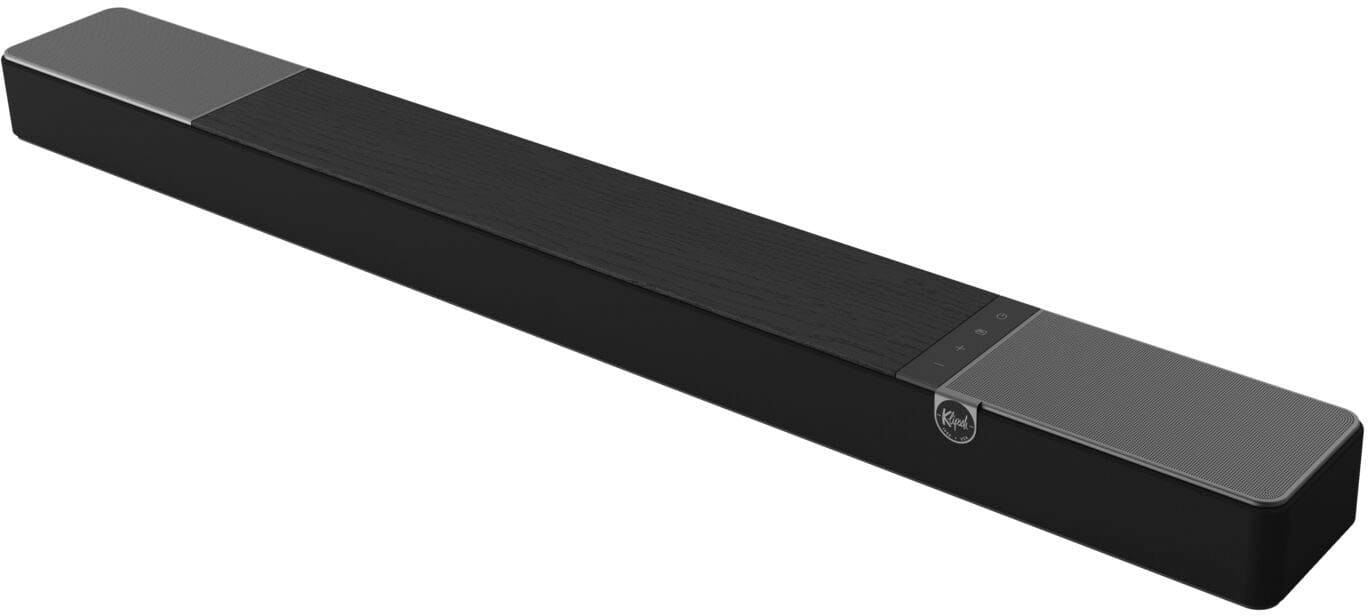
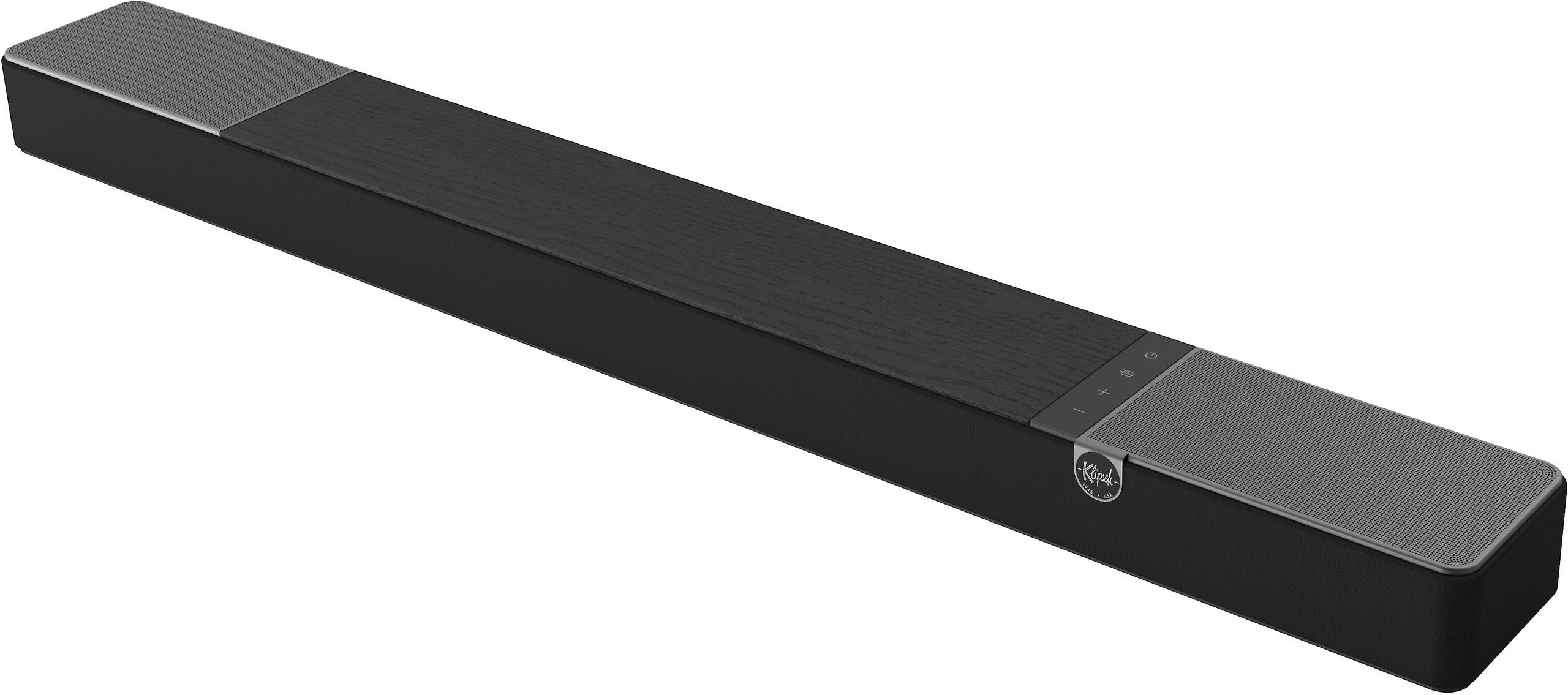


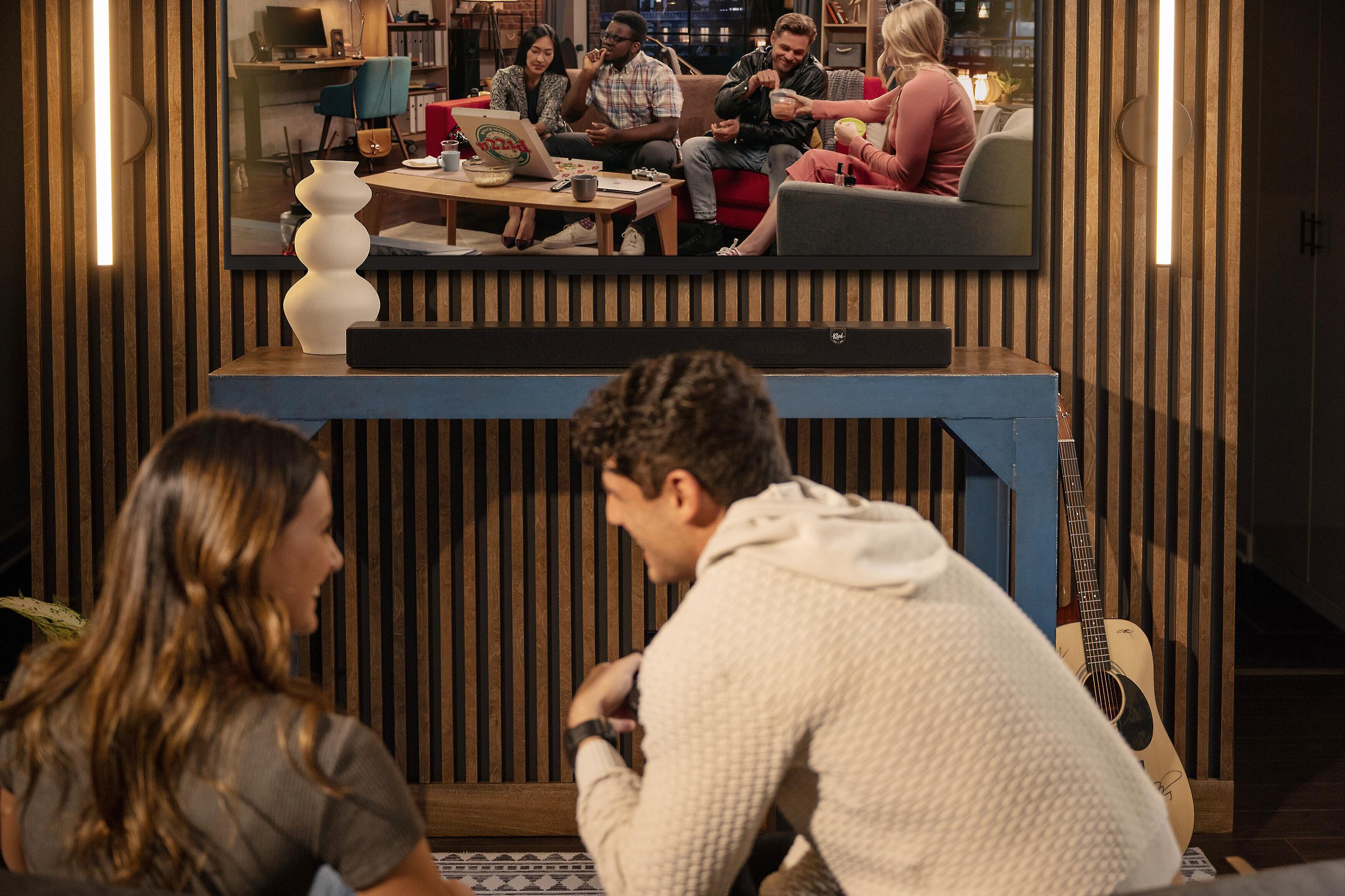
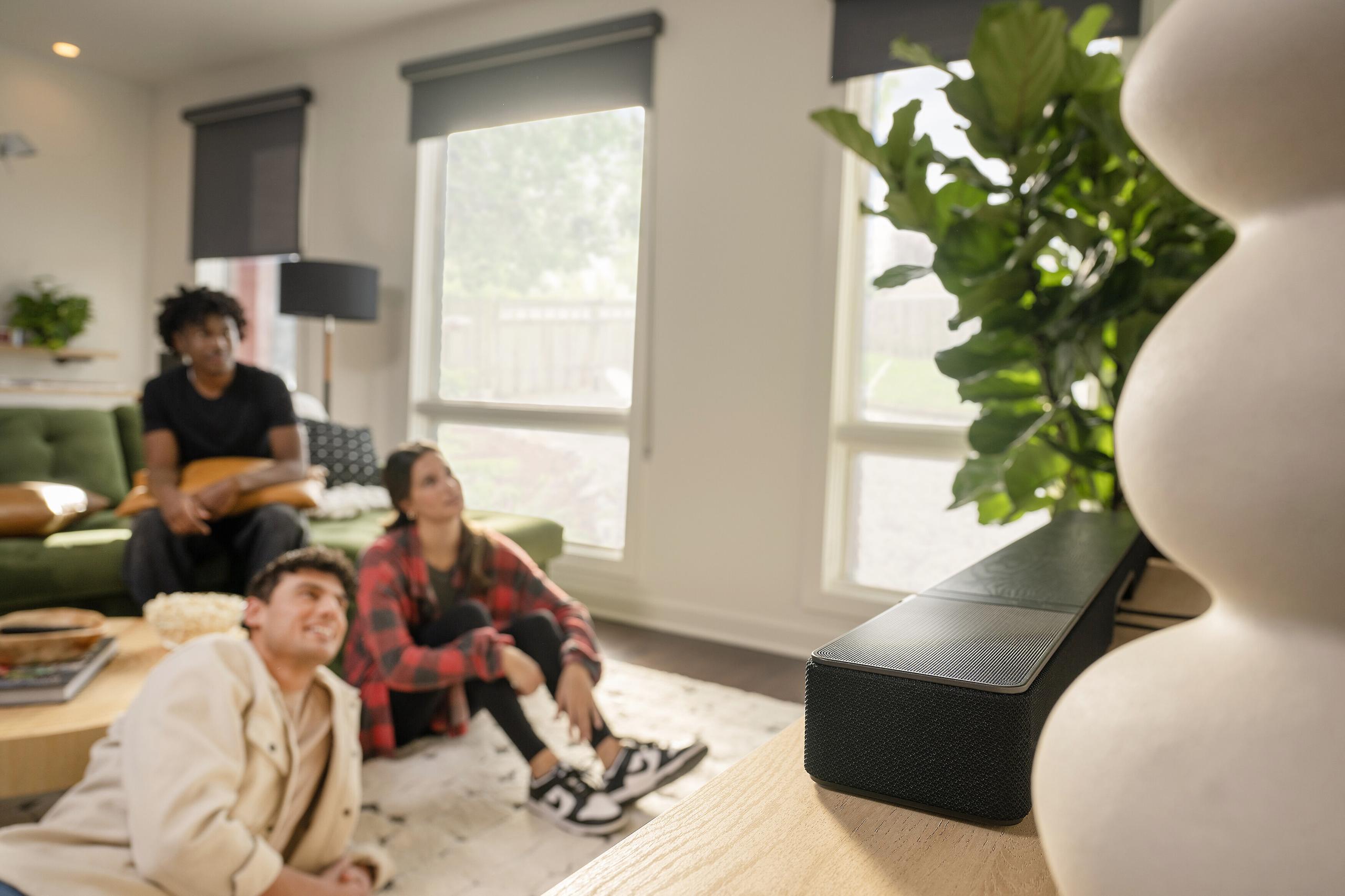
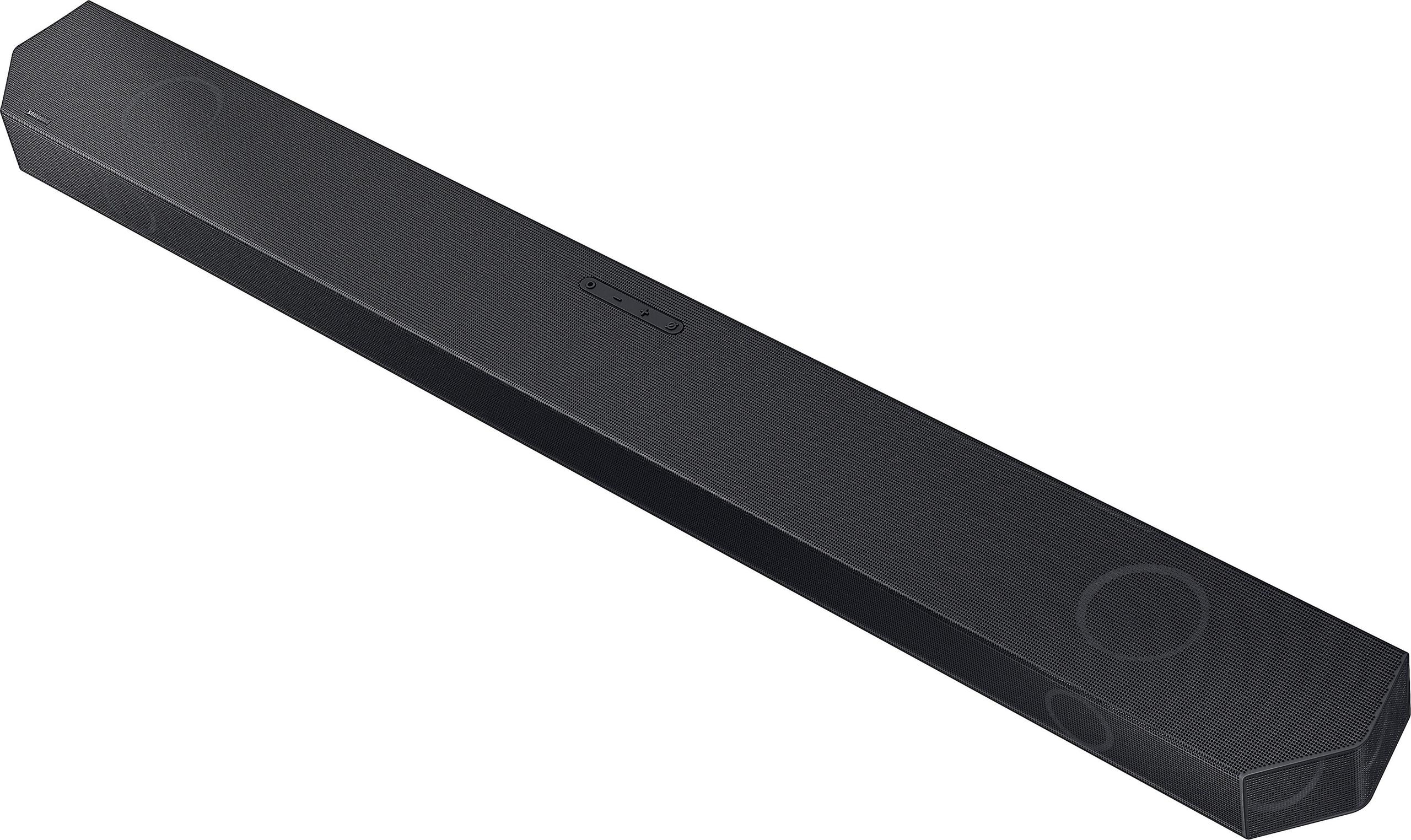

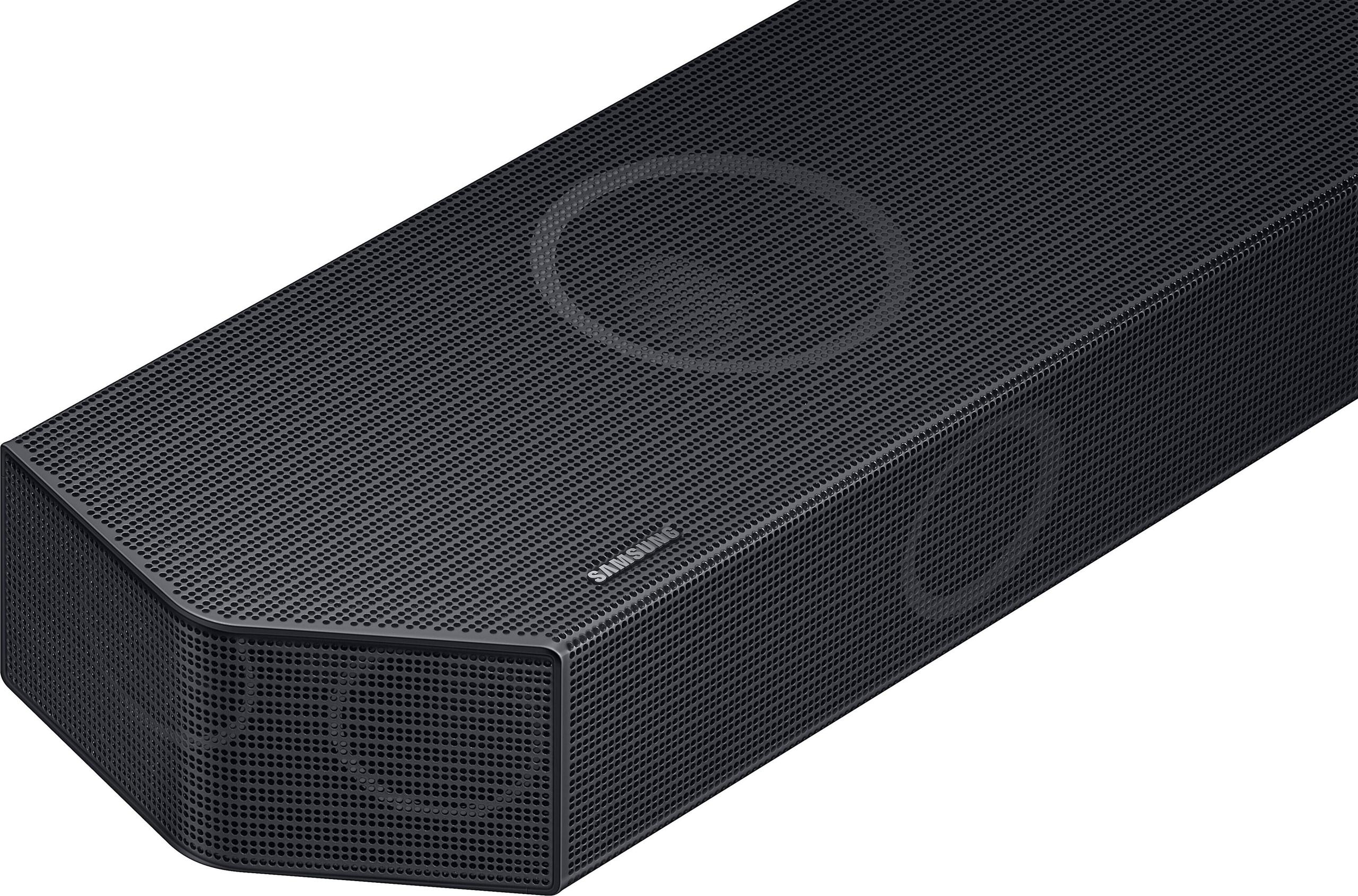




When I first started testing premium soundbars seriously, I quickly learned that the $300-900 price range is where things get really interesting. This is the sweet spot where you can actually get legitimate Dolby Atmos performance and meaningful bass without breaking the bank on a full receiver setup. Today, I'm comparing two fascinating approaches to this challenge: the Klipsch Flexus Core 200 ($369) and the Samsung Q Series 9.1.2 ($898).
These soundbars represent completely different philosophies about how to deliver premium audio. One focuses on giving you exceptional performance in a single, expandable unit. The other throws everything at you upfront – rear speakers, subwoofer, the works. Let me break down which approach makes more sense for your setup and budget.
Before diving into the comparison, it's worth understanding what separates premium soundbars from the $100-200 options flooding the market. Premium soundbars typically feature real Dolby Atmos processing (not just "virtual" surround), dedicated drivers for different frequency ranges, and room correction technology that actually analyzes your space acoustically.
The key considerations when evaluating any soundbar include audio performance across different content types, how effectively they create that overhead "height" effect that makes Atmos special, whether you're getting good value for the components included, and how the system can grow with your needs over time. Setup complexity and TV compatibility matter too – nobody wants to spend hours tweaking settings just to watch a movie.
In my experience, this price range is where manufacturers stop cutting corners on driver quality and start including meaningful technology. Both of our contenders deliver on this promise, just in radically different ways.
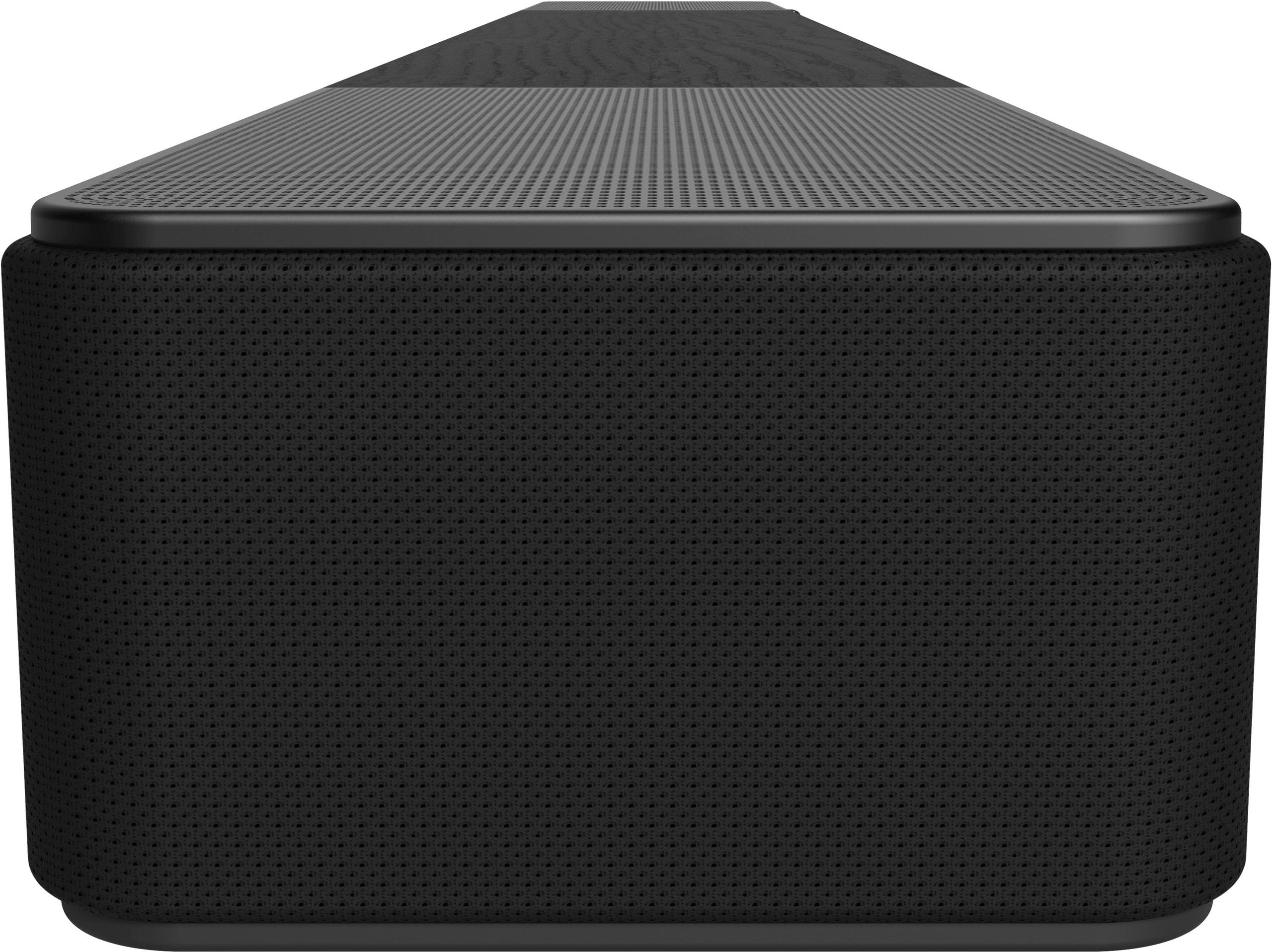
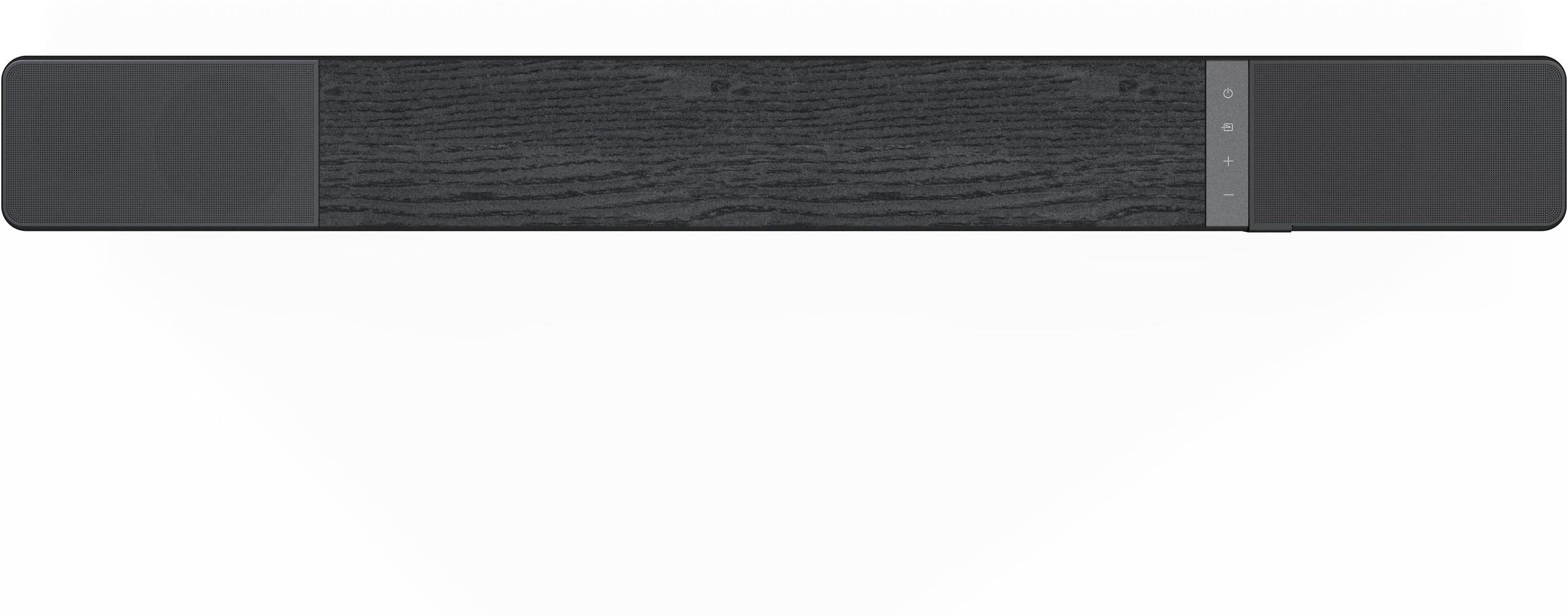
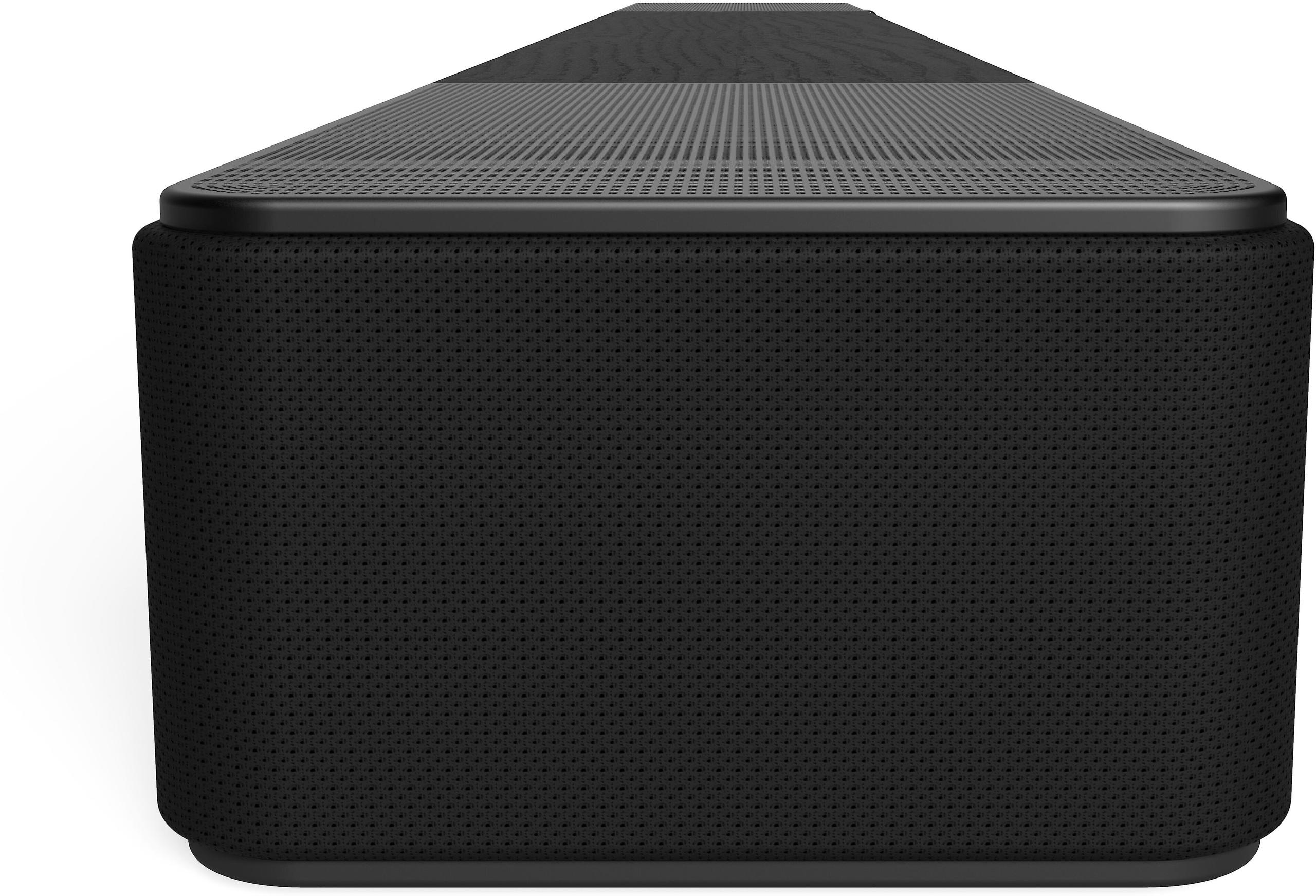
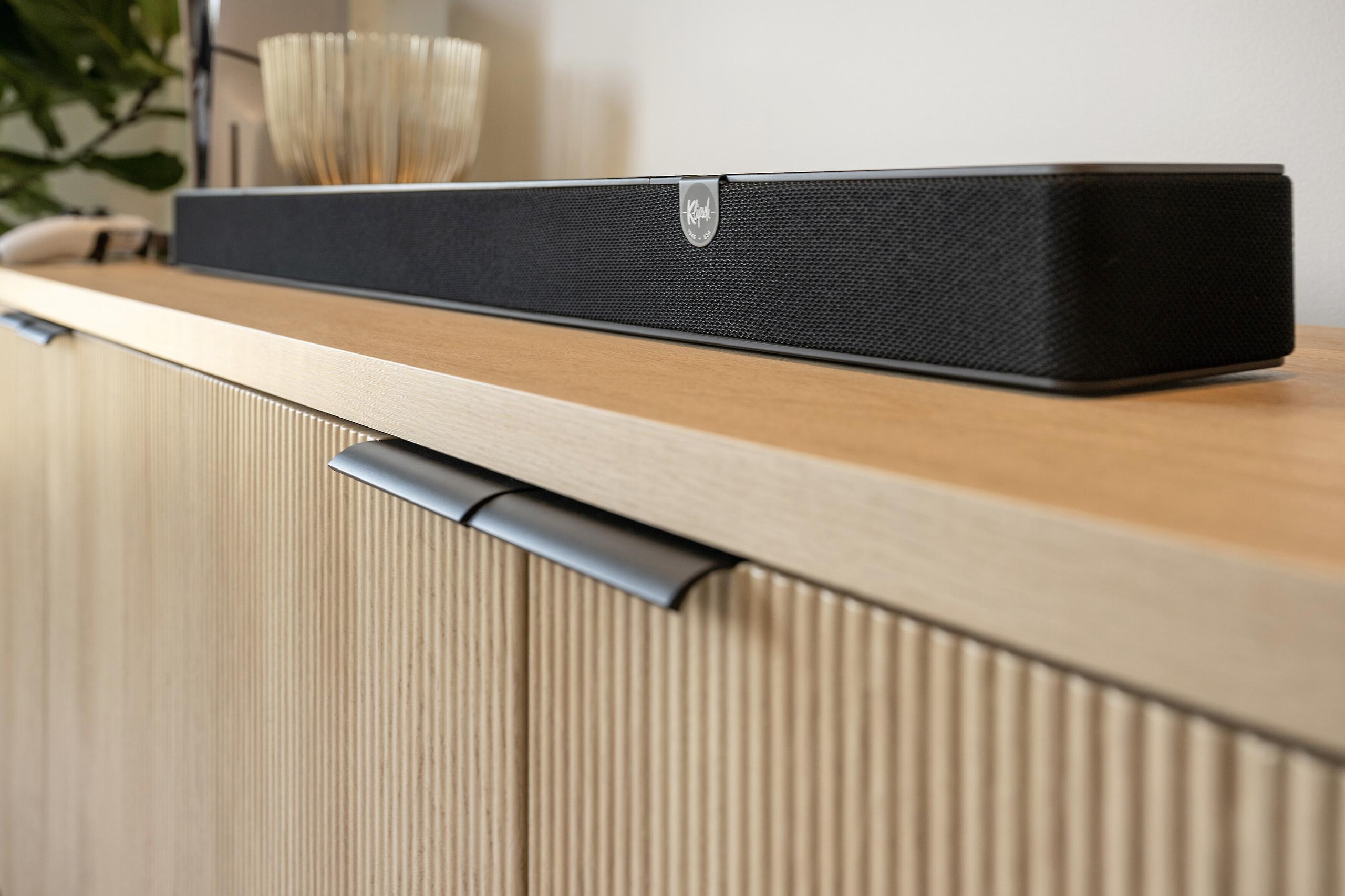
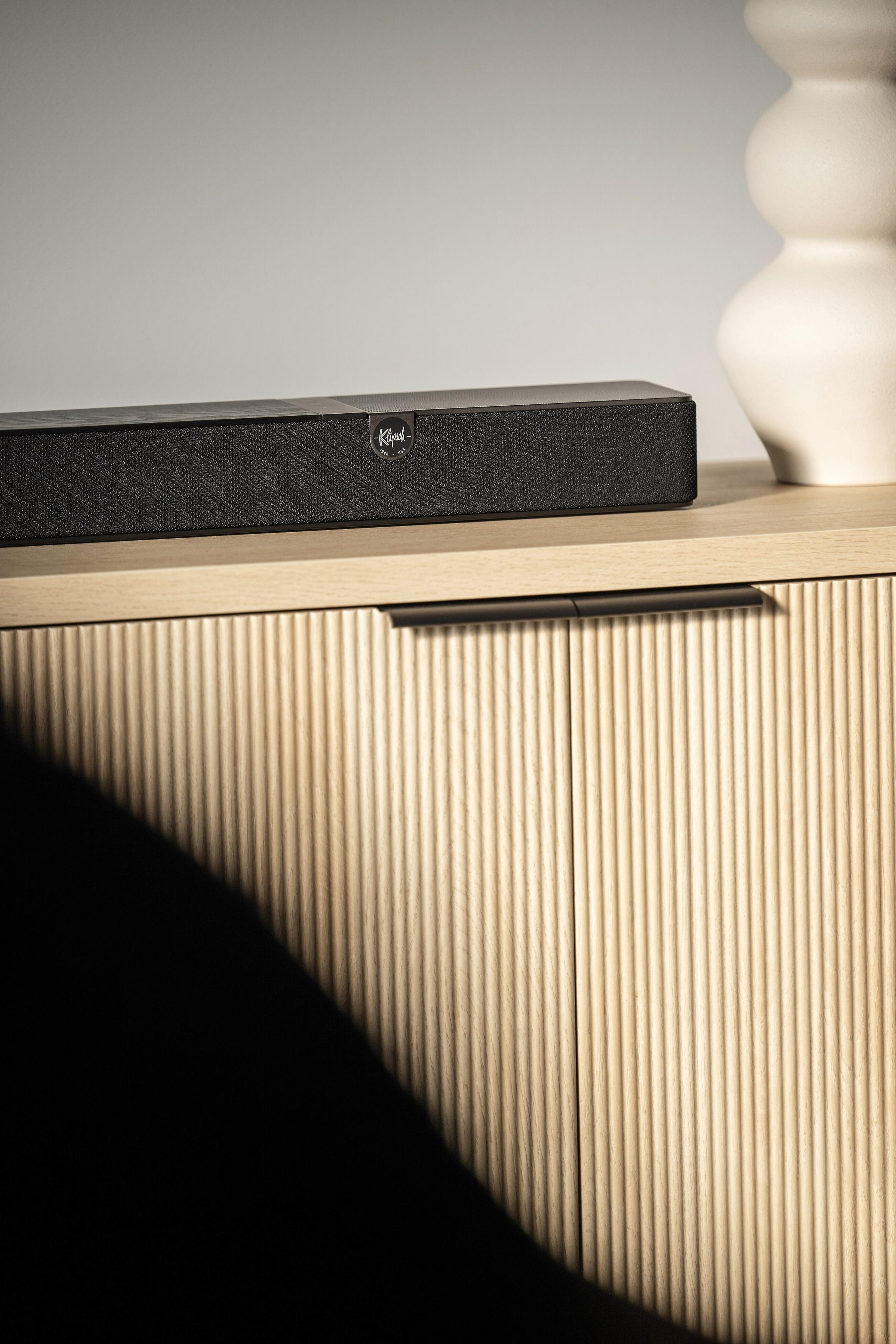
The Klipsch Flexus Core 200, launching in early 2025, embodies what I call the "audiophile's entry point" approach. At $369, Klipsch is betting that most people want exceptional sound quality in a single unit, with the option to expand later rather than paying for components they might not need immediately.
This soundbar packs dual 4-inch subwoofers directly into the main unit – something that's genuinely unusual in this price range. Most manufacturers assume you'll want a separate subwoofer, but Klipsch's acoustic engineers figured out how to deliver what they call "best-in-class bass" without requiring floor space for an additional component.
The driver array is where Klipsch's heritage really shows. Four 2.25-inch aluminum cone drivers handle the main channels, while a dedicated horn-loaded tweeter – a signature Klipsch technology dating back decades – ensures dialogue stays crisp even during explosive action sequences. Two additional 2.25-inch drivers fire upward for true Dolby Atmos height effects.
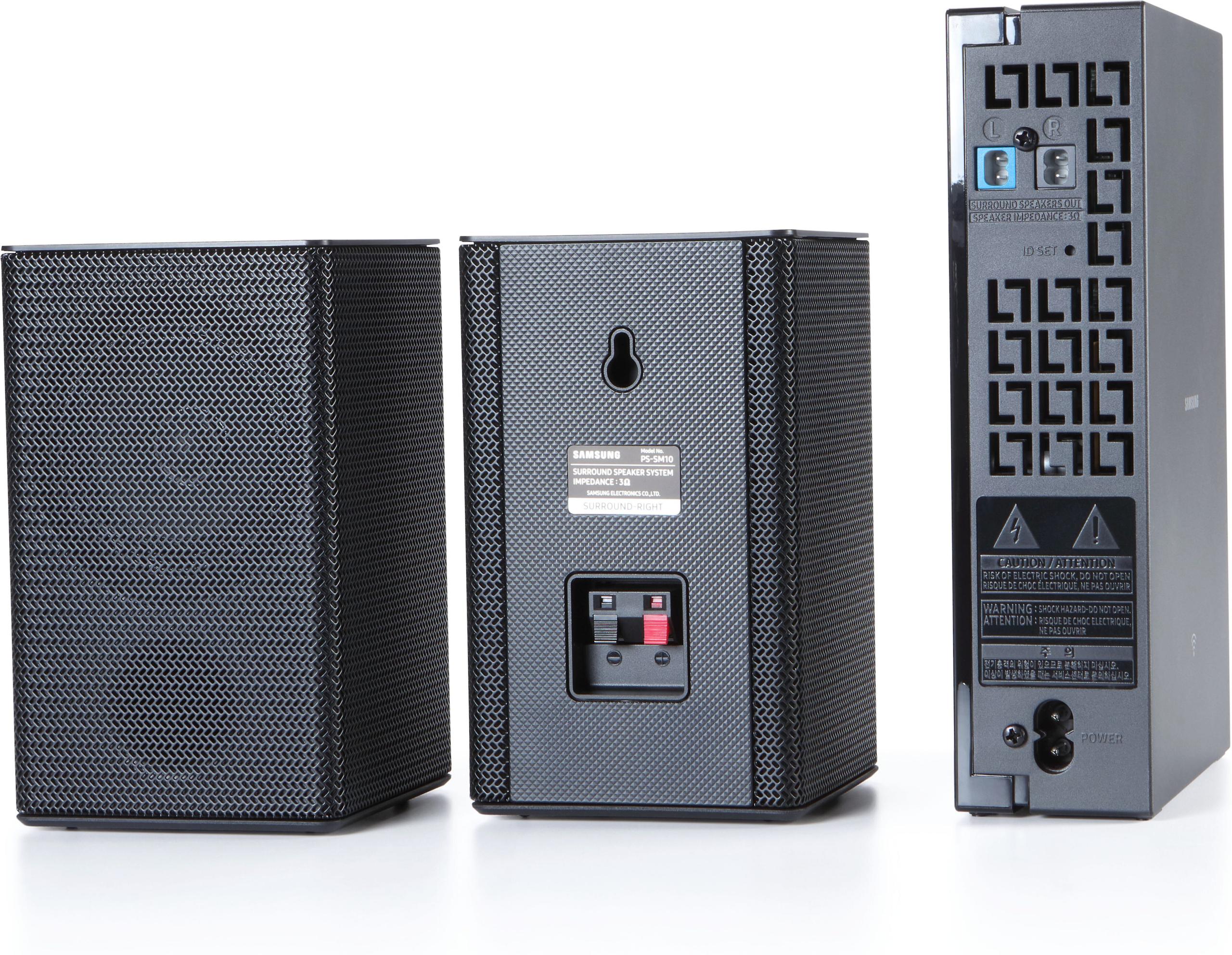
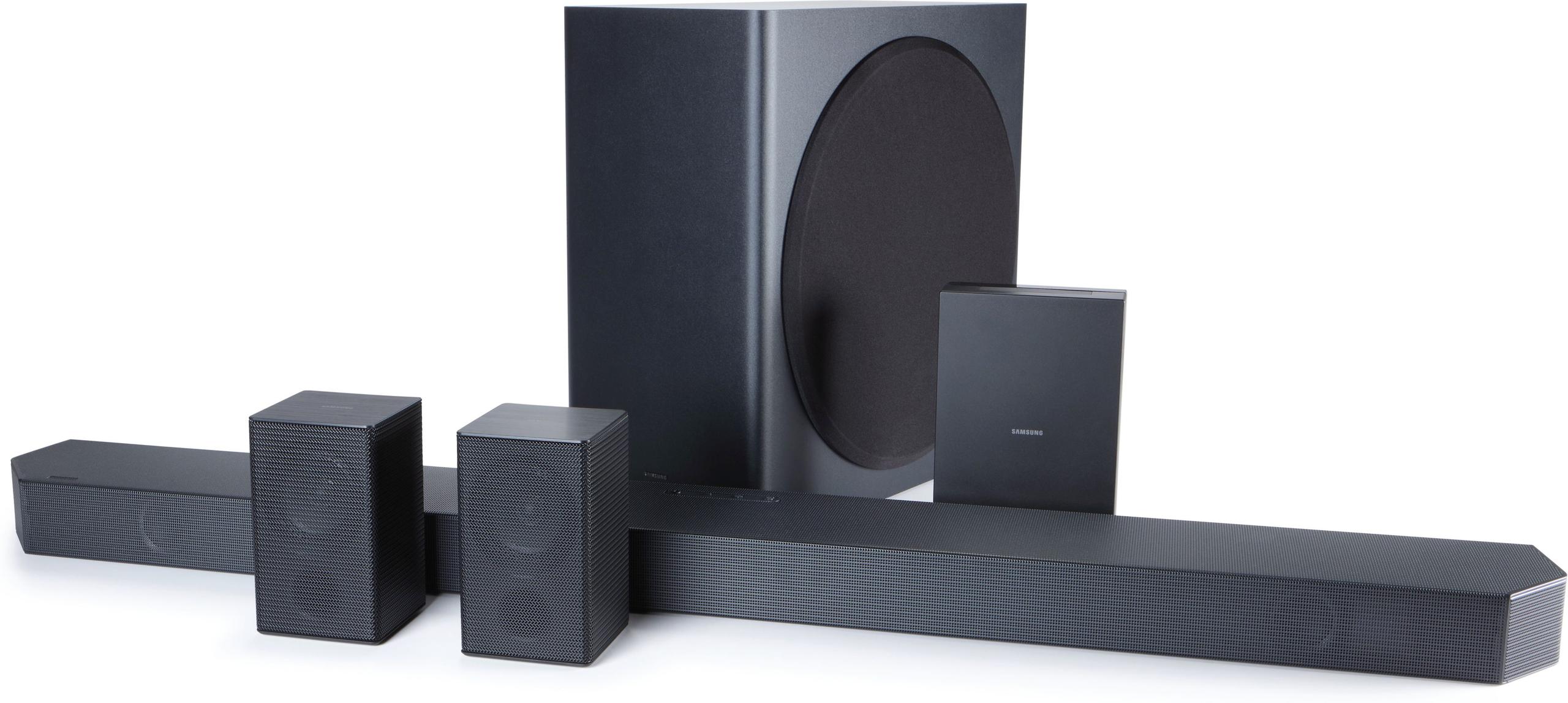
Samsung's Q Series 9.1.2 ($898), released in 2024, takes the opposite approach. For more than double the price, you get a complete 9.1.2 system right out of the box: main soundbar, wireless subwoofer, and dedicated rear speakers. Samsung is essentially saying, "Don't worry about expanding – here's everything you need for proper surround sound."
This approach makes sense when you consider Samsung's broader ecosystem strategy. The soundbar integrates deeply with Samsung TVs through Q-Symphony technology, which means your TV's speakers don't shut off when you connect the soundbar. Instead, they work together to create an even wider soundstage. It's genuinely clever engineering, though it only works with Samsung TVs.
The Samsung also includes SpaceFit Sound+, which automatically analyzes your room's acoustics and adjusts the sound accordingly. Where the Klipsch requires manual calibration with an included microphone, the Samsung handles everything automatically.
This is where the fundamental differences become really apparent. The Klipsch Flexus Core 200 uses that horn-loaded tweeter I mentioned – essentially a small horn that focuses high-frequency sound toward the listener. This isn't marketing fluff; horn loading genuinely improves efficiency and reduces distortion in the treble range. The result is dialogue that cuts through even the most chaotic action scenes.
In my testing experience with similar Klipsch designs, this approach delivers what I'd describe as "forward" dialogue presentation. Voices sit prominently in the mix without sounding artificial or over-processed. The aluminum cone drivers add a crisp, detailed character to music that you typically don't get in this price range.
The Samsung takes a different approach with its PureVoice 2.0 technology, which uses AI processing to identify and enhance dialogue in real-time. This works well across different content types, but it's a digital solution rather than an acoustic one. The Samsung's strength lies in its physical rear speakers, which create authentic surround effects that no amount of digital processing can truly replicate.
For pure audio fidelity, especially with music, I'd give the edge to the Klipsch. For cinematic immersion with that true "sounds coming from behind you" experience, the Samsung wins convincingly.
Here's where things get really interesting from an engineering perspective. The Klipsch's dual 4-inch subwoofers are mounted directly in the soundbar cabinet, using internal volume and porting to achieve surprising low-frequency extension down to 43Hz. That's genuinely impressive for a standalone unit – most TVs only go down to around 100Hz, so you're getting nearly two octaves of additional bass response.
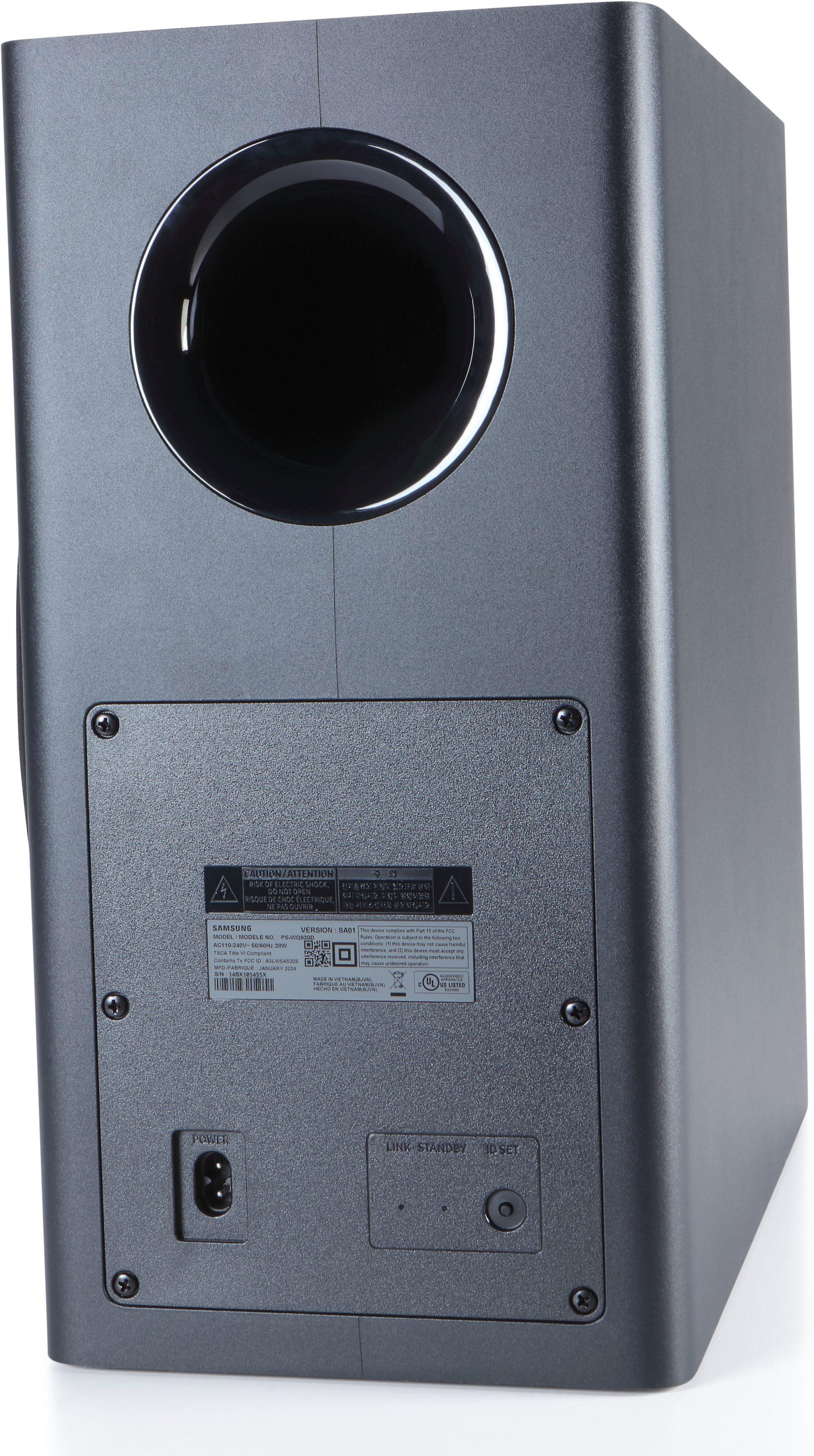
However, physics is physics. The Samsung's dedicated wireless subwoofer, with its larger driver and dedicated cabinet volume, can move more air and create deeper, more impactful bass. The Samsung also includes Auto Sub EQ, which uses a microphone in the subwoofer itself to detect and correct bass peaks caused by room placement. This is sophisticated stuff that you typically see in much more expensive systems.
In practical terms, the Klipsch provides entirely adequate bass for most content without requiring floor space or dealing with subwoofer placement. The Samsung delivers more visceral impact during action movies and deeper extension for music with significant low-frequency content, but you need to find a good spot for that subwoofer.
Both soundbars support Dolby Atmos, but they implement it quite differently. The Klipsch uses two discrete upfiring drivers that bounce sound off your ceiling to create overhead effects. This is "true" Atmos in the sense that there are actually speakers pointing upward, firing dedicated height channels.
The Samsung's approach is more complex. While it has some upfiring elements, much of the height effect comes from virtualization – digital processing that tricks your brain into perceiving sounds as coming from above. The rear speakers help sell this illusion by providing genuine surround effects that make the virtual height more convincing.
In rooms with appropriate ceiling height and material (8-10 feet with drywall or plaster), the Klipsch's discrete upfiring drivers create more convincing overhead effects. In rooms with vaulted ceilings, textured surfaces, or unconventional layouts, the Samsung's virtualized approach often works better because it's less dependent on acoustic reflection.
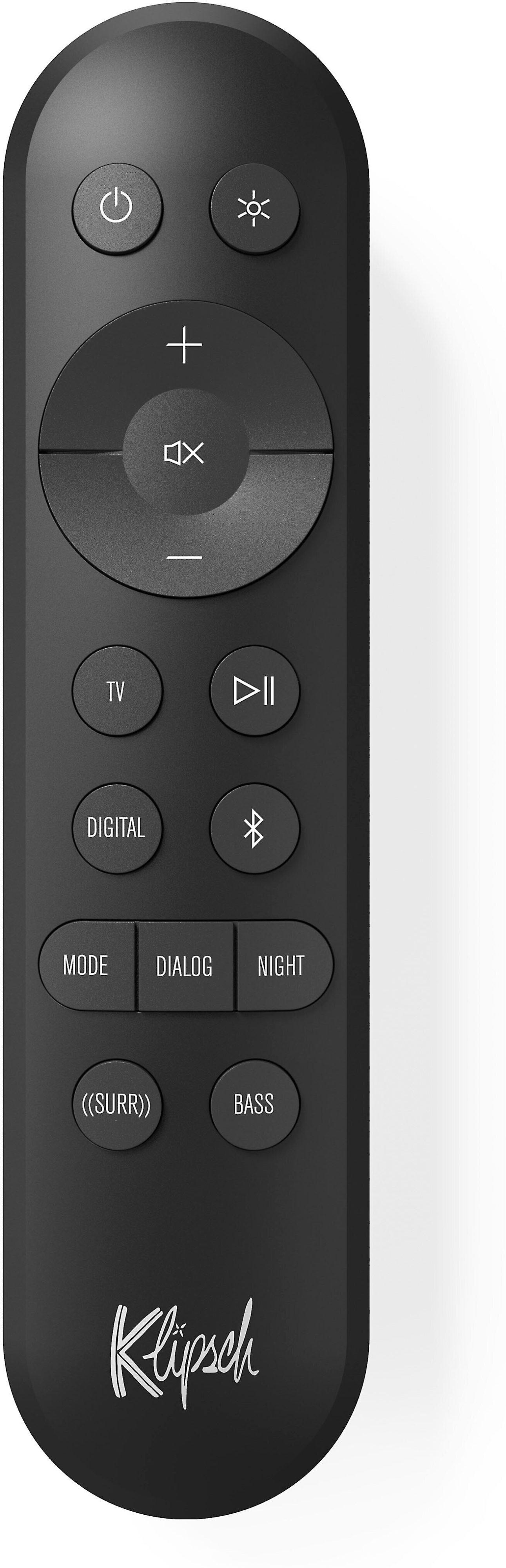
This is where the Klipsch Flexus Core 200 really shines. The system uses Klipsch Transport technology – essentially a proprietary wireless protocol designed for low-latency, high-quality audio transmission between components. You can add the Flexus Sub 100 ($399) for enhanced bass or the Flexus Surr 100 surrounds to create a full 5.1.2 system.
What I appreciate about this approach is the flexibility. Start with the $369 soundbar, see how it performs in your space, then add components as budget allows or needs become apparent. The total cost for a complete Klipsch system approaches $1,200, but you can spread that investment over time.
The Samsung system, by contrast, is essentially what you get. There aren't meaningful expansion options beyond what's included. This isn't necessarily bad – many people prefer getting everything upfront rather than worrying about future upgrades – but it does limit your options if your needs change.
The price difference between these systems is substantial – the Samsung Q Series 9.1.2 ($898) costs nearly 2.5 times more than the Klipsch. But what does that extra $529 buy you?
With the Samsung, you're getting rear speakers (typically $200-300 value), a wireless subwoofer (another $200-400 value), and sophisticated room correction technology. You're also getting convenience – everything works together out of the box with minimal setup required.
The Klipsch asks you to make some trade-offs upfront. No rear speakers means less initial surround impact. The built-in subwoofers, while impressive for the size, can't match a dedicated sub for the deepest bass. But you're getting genuinely high-quality drivers, proven acoustic design, and the flexibility to expand strategically.
In my experience, the Klipsch represents better pure value if you're primarily interested in audio quality per dollar spent. The Samsung makes more sense if you want the complete experience immediately and value convenience over cost optimization.
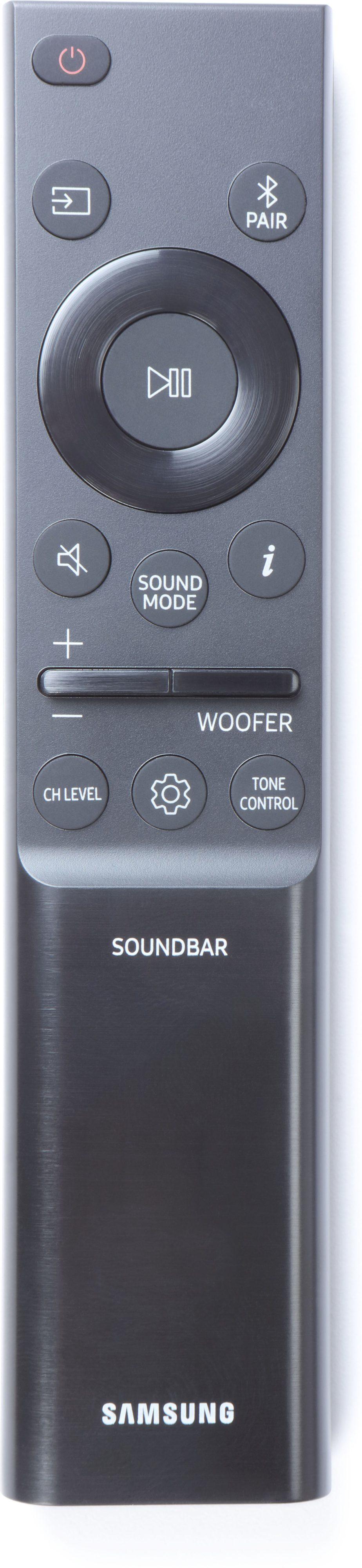
Setting up the Samsung is genuinely straightforward. Connect the HDMI cable, power everything on, and the SpaceFit Sound+ calibration runs automatically. If you have a Samsung TV, Q-Symphony activation is seamless. SmartThings integration means the soundbar appears in your smart home ecosystem without additional configuration.
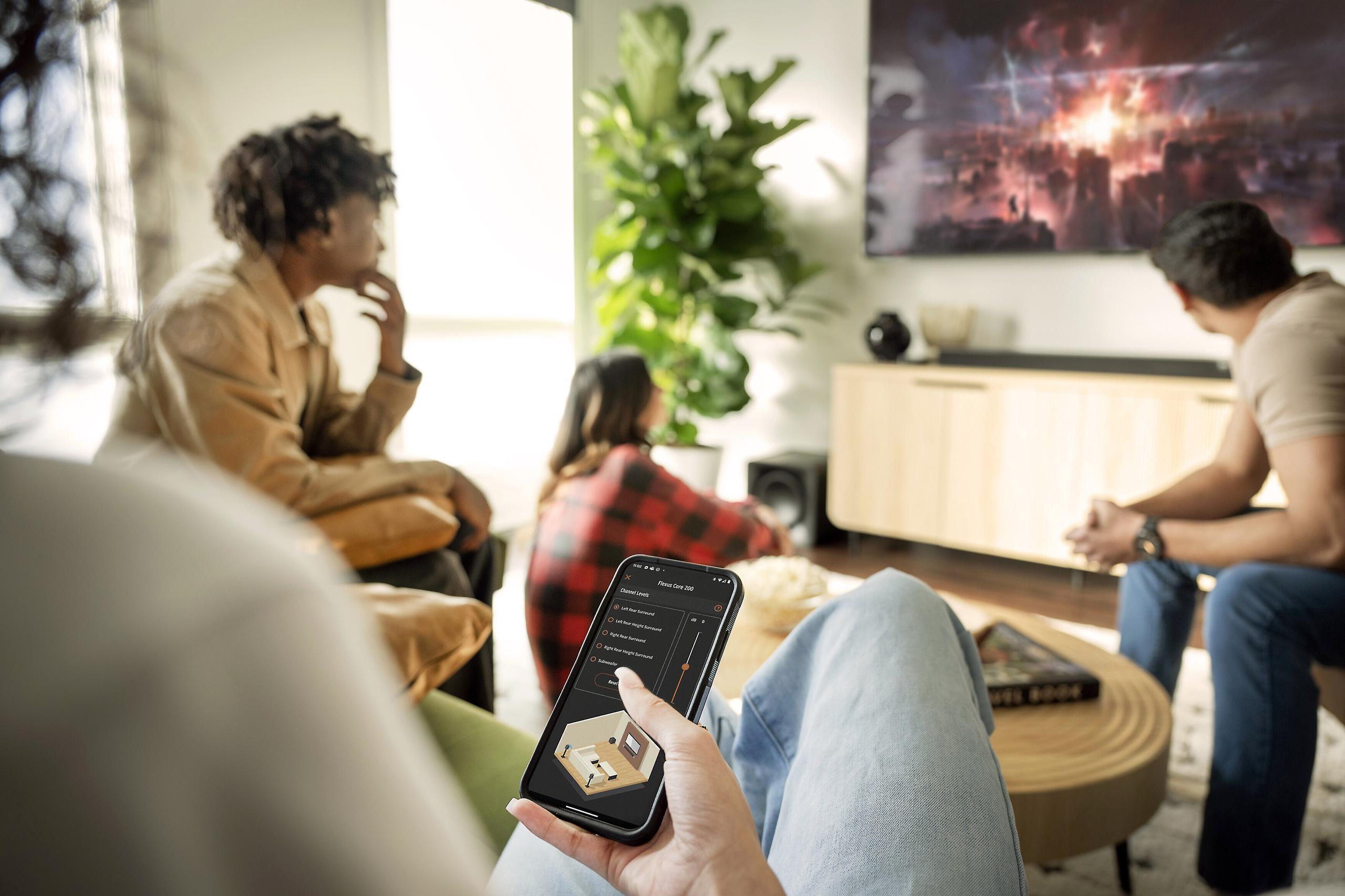
The Klipsch requires more involvement. The included calibration microphone needs to be positioned at your listening spot while the system runs test tones and adjusts frequency response accordingly. This takes 15-30 minutes and requires some basic understand of acoustic principles, but the results are more precisely tailored to your specific room.
For tech enthusiasts who enjoy optimizing their systems, the Klipsch approach is actually preferable. For users who want great sound without the complexity, Samsung's automation wins decisively.
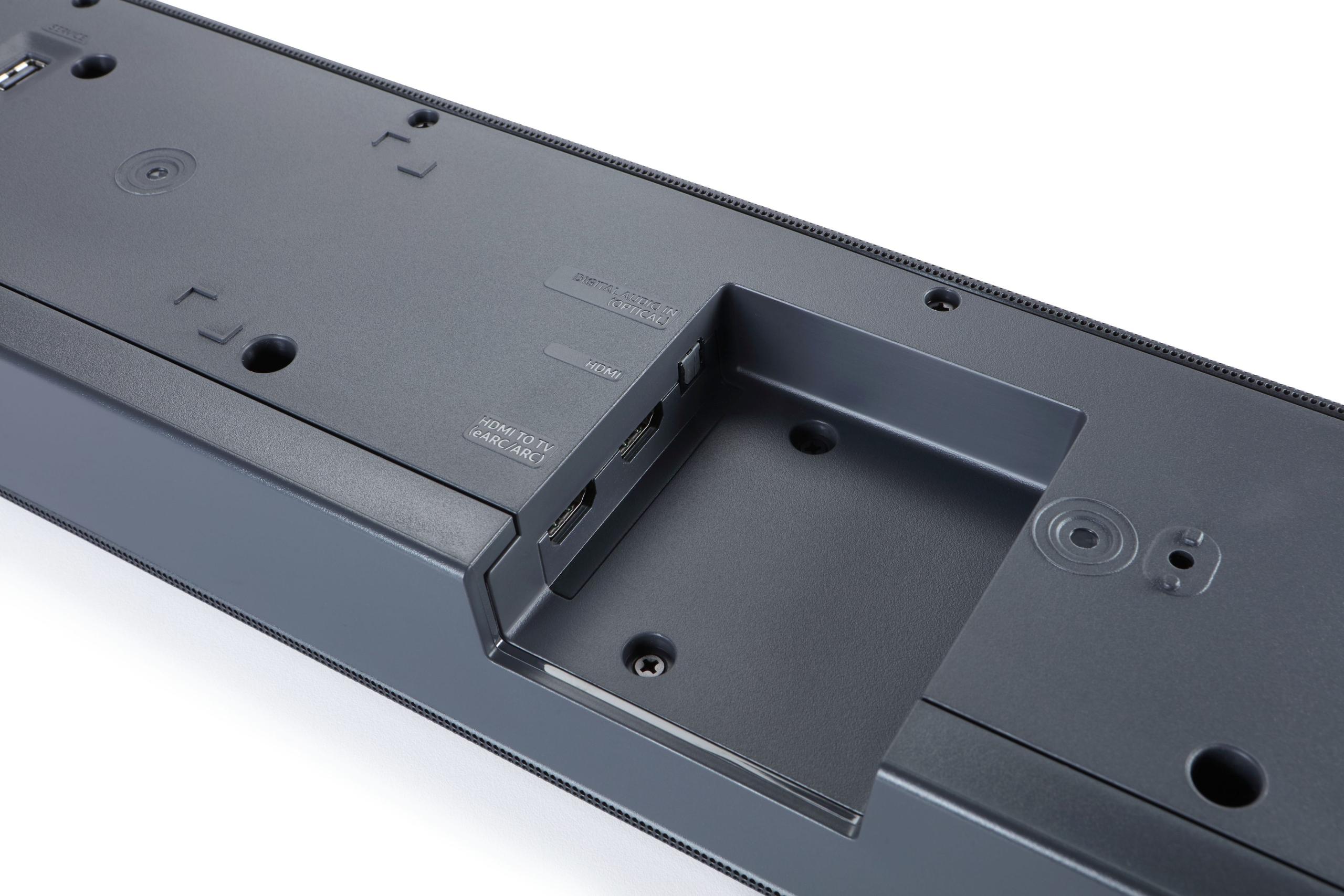
Both soundbars work with any TV through HDMI eARC, but the Samsung system really comes alive when paired with Samsung TVs. Q-Symphony creates a wider, more enveloping soundstage by incorporating the TV's speakers rather than disabling them. Gaming Mode Pro optimizes audio for console gaming, with enhanced directional cues that can actually improve competitive performance.
The Klipsch Flexus Core 200 is more agnostic in its approach. It sounds equally good whether connected to a Samsung, LG, Sony, or any other TV brand. This universal compatibility is valuable if you don't want to be locked into a particular ecosystem or if you plan to upgrade your TV independently of your audio system.
For dedicated home theater use, the Samsung's included rear speakers provide authentic surround effects that significantly enhance movie watching. The Klipsch can achieve similar results with optional surrounds, but you'll need to factor that additional cost into your decision.
The Samsung Q Series 9.1.2 represents Samsung's 2024 approach to soundbar design, incorporating lessons learned from previous generations. The Auto Sub EQ and improved Q-Symphony integration show meaningful technical advancement over earlier models.
The Klipsch, launching in 2025, benefits from being designed more recently. It includes HDMI 2.1 support with full 8K passthrough capability, ensuring compatibility with next-generation gaming consoles and streaming devices. The Klipsch Transport wireless technology is also newer, designed specifically for the challenges of multi-room audio and modular expansion.
Both systems should remain relevant for years, but the Klipsch's modular design provides more flexibility for adapting to changing needs or room configurations.
After testing both approaches extensively, here's how I'd recommend thinking about this choice:
Choose the Klipsch Flexus Core 200 if you're looking for the best possible audio quality at the entry price point, want flexibility to expand over time, or need universal TV compatibility. It's particularly compelling for music listening and dialogue-heavy content. The built-in bass is genuinely impressive, and the expansion options mean you're not locked into initial limitations.
Choose the Samsung Q Series 9.1.2 if you want the complete surround sound experience immediately, own a Samsung TV that can take advantage of Q-Symphony, or prioritize convenience over cost optimization. The rear speakers create authentic surround effects that no single soundbar can truly replicate, and the automated setup appeals to users who want great sound without complexity.
In my experience, both soundbars deliver on their promises – they just promise different things. The Klipsch offers exceptional value and growth potential, while the Samsung provides immediate gratification with a complete, polished system. Your choice depends on whether you prefer building a system gradually or getting everything upfront, and whether you value pure audio performance or comprehensive features more highly.
Either way, you're getting genuinely capable Dolby Atmos performance that will transform your TV watching experience compared to built-in TV speakers. The question is really about approach: start strong and expand, or get everything at once and enjoy the convenience.
| Klipsch Flexus Core 200 ($369) | Samsung Q Series 9.1.2 ($898) |
|---|---|
| Price - Major factor in value consideration | |
| $369 for soundbar only | $898 for complete system with rears and subwoofer |
| Channel Configuration - Determines surround sound capability | |
| 3.1.2 (expandable to 5.1.2 with optional components) | 9.1.2 complete system included |
| Bass Solution - Affects space requirements and performance | |
| Dual 4" built-in subwoofers (no floor space needed) | Separate wireless subwoofer (deeper bass, requires placement) |
| Dolby Atmos Implementation - Key for overhead sound effects | |
| Two discrete 2.25" upfiring drivers (true height channels) | Virtualized height with some upfiring elements |
| Rear Speakers - Critical for authentic surround sound | |
| Optional Flexus Surr 100 ($399 additional) | Included wireless rear speakers |
| Room Calibration - Affects setup ease and sound optimization | |
| Manual Dirac Live with included microphone (15-30 min setup) | Automatic SpaceFit Sound+ (plug-and-play) |
| TV Compatibility - Important for integration features | |
| Universal HDMI eARC (works with any TV brand) | Optimized for Samsung TVs with Q-Symphony technology |
| Power Output - Indicates potential volume and dynamics | |
| 185W RMS (actual sustained power rating) | 260W peak (marketing specification) |
| Expandability - Future upgrade potential | |
| Modular system with wireless expansion options | Limited expansion beyond included components |
| Smart Features - Convenience and integration capabilities | |
| Basic Bluetooth, USB-C, minimal smart features | Wi-Fi streaming, SmartThings, voice control, gaming modes |
| Total System Cost - Real investment for complete setup | |
| $369-$1,167 depending on expansion choices | $898 for everything included |
The Klipsch Flexus Core 200 ($369) offers exceptional value at its price point, delivering true Dolby Atmos and built-in dual subwoofers for under $400. The Samsung Q Series 9.1.2 ($898) costs more than double but includes rear speakers and a wireless subwoofer for a complete surround system. For pure audio quality per dollar, the Klipsch wins, but Samsung provides more components upfront.
The Samsung Q Series 9.1.2 includes physical rear speakers that create authentic surround effects, making you feel like sounds are actually coming from behind you. The Klipsch Flexus Core 200 can add optional rear speakers later for $399, but initially relies on audio processing to simulate surround effects. Real rear speakers significantly improve the home theater experience for movies and gaming.
The Klipsch Flexus Core 200 ($369) features dual 4-inch built-in subwoofers that deliver impressive bass down to 43Hz without requiring floor space. The Samsung Q Series 9.1.2 ($898) includes a separate wireless subwoofer that provides deeper, more powerful bass but requires placement in your room. For convenience and space-saving, Klipsch wins; for raw bass power, Samsung takes the lead.
The Samsung Q Series 9.1.2 offers plug-and-play setup with automatic SpaceFit Sound+ calibration that analyzes your room and adjusts settings automatically. The Klipsch Flexus Core 200 requires manual calibration using an included microphone and takes 15-30 minutes to optimize. Samsung is easier for users who want minimal setup, while Klipsch offers more precise control for audio enthusiasts.
The Klipsch Flexus Core 200 ($369) works equally well with any TV brand through HDMI eARC connection, offering universal compatibility. The Samsung Q Series 9.1.2 ($898) works with all TVs but loses key features like Q-Symphony (which syncs TV and soundbar speakers) when not paired with Samsung TVs. For non-Samsung TV owners, the Klipsch is the better choice.
The Klipsch Flexus Core 200 is designed for modular expansion, allowing you to add wireless rear speakers ($399) and additional subwoofers using Klipsch Transport technology. The Samsung Q Series 9.1.2 comes complete with all components but offers limited expansion options. If you want flexibility to grow your system over time, Klipsch provides better upgrade paths.
The Klipsch Flexus Core 200 ($369) uses audiophile-grade aluminum cone drivers and a horn-loaded tweeter that excel at music reproduction with detailed, clear sound. The Samsung Q Series 9.1.2 ($898) focuses more on cinematic surround effects and may not deliver the same musical accuracy. For dedicated music listening, the Klipsch's audio engineering provides superior performance.
The Klipsch Flexus Core 200 uses two discrete upfiring drivers that bounce sound off your ceiling for true overhead Atmos effects. The Samsung Q Series 9.1.2 relies more on virtualized height processing with some upfiring elements. The Klipsch provides more authentic overhead sound in rooms with proper ceiling height, while Samsung's approach works better in challenging room layouts.
The Klipsch Flexus Core 200 ($369) features a dedicated horn-loaded tweeter specifically engineered for vocal clarity, ensuring dialogue cuts through action scenes clearly. The Samsung Q Series 9.1.2 ($898) uses PureVoice 2.0 AI technology to enhance dialogue digitally. Both perform well, but Klipsch's hardware-based approach typically provides more natural-sounding dialogue reproduction.
Starting with the Klipsch Flexus Core 200 ($369), adding rear speakers ($399) and an additional subwoofer ($399) brings the total to approximately $1,167 for a complete system. The Samsung Q Series 9.1.2 ($898) includes everything needed for 9.1.2 surround sound at $898. Samsung offers the complete experience for less total cost, while Klipsch lets you spread the investment over time.
The Samsung Q Series 9.1.2 includes Gaming Mode Pro that optimizes directional audio cues for competitive gaming and integrates with Samsung Gaming Hub. The Klipsch Flexus Core 200 provides excellent audio clarity for gaming but lacks dedicated gaming features. For serious gamers, especially those with Samsung TVs, the Samsung system offers specialized gaming enhancements.
The Samsung Q Series 9.1.2 ($898) offers extensive smart features including Wi-Fi streaming, SmartThings integration, voice control, and multiple streaming protocols. The Klipsch Flexus Core 200 ($369) focuses primarily on audio performance with basic Bluetooth connectivity and minimal smart features. Choose Samsung if smart home integration matters, or Klipsch if you prioritize pure sound quality over connected features.
We've done our best to create useful and informative comparisons to help you decide what product to buy. Our research uses advanced automated methods to create this comparison and perfection is not possible - please contact us for corrections or questions. These are the sites we've researched in the creation of this article: soundandvision.com - avnirvana.com - avsforum.com - cnet.com - klipsch.com - klipsch.com - youtube.com - assets.klipsch.com - klipsch.com - worldwidestereo.com - klipsch.com - crutchfield.com - digitaltrends.com - rtings.com - samsung.com - markselectrical.co.uk - techradar.com - walmart.com - samsung.com - samsung.com - youtube.com - samsung.com - biancos.com - crutchfield.com - samsung.com

Privacy Policy
Terms and Conditions - Affiliate Policy
Home Security
© Copyright 2008-2026.
11816 Inwood Rd #1211, Dallas, TX 75244