

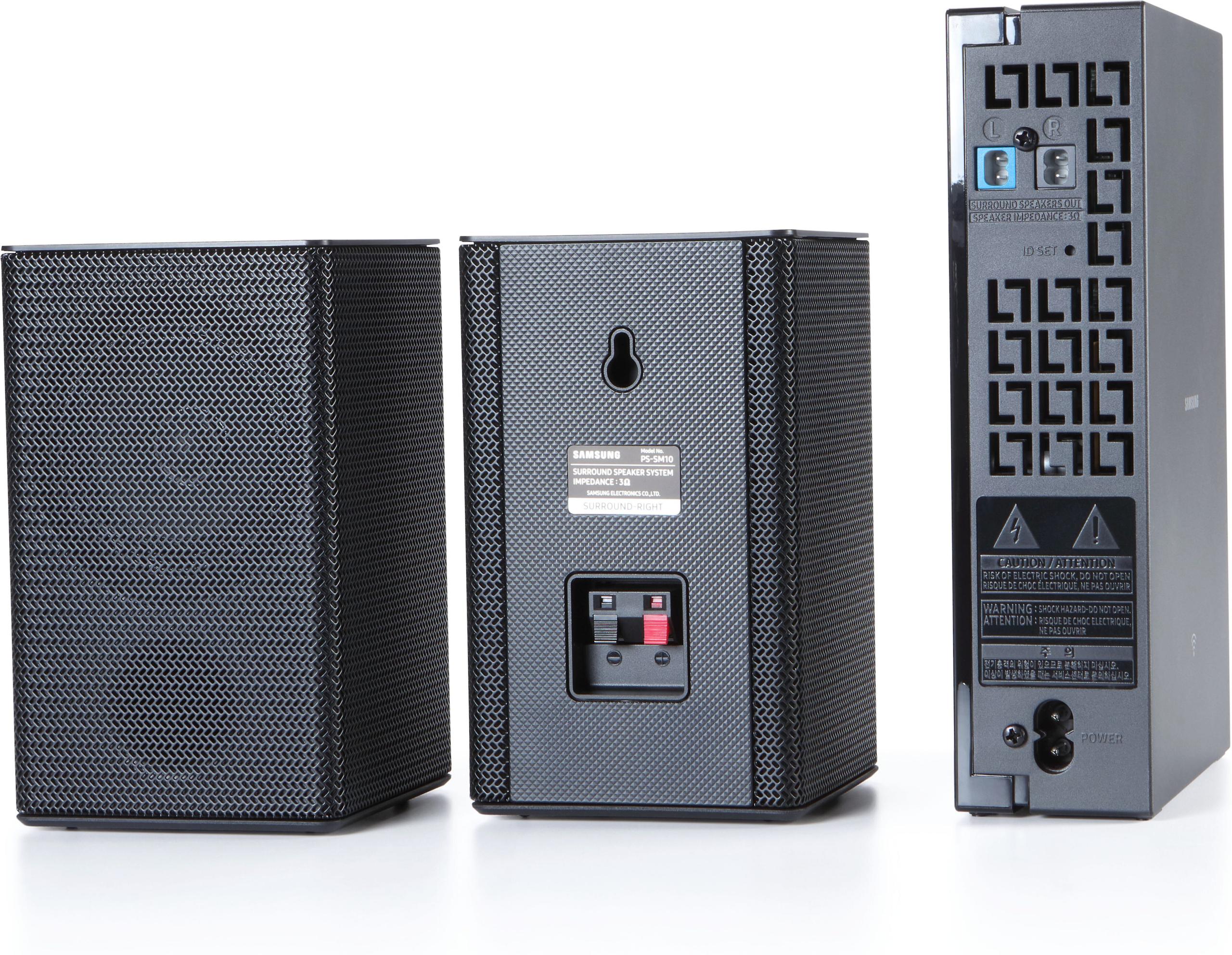
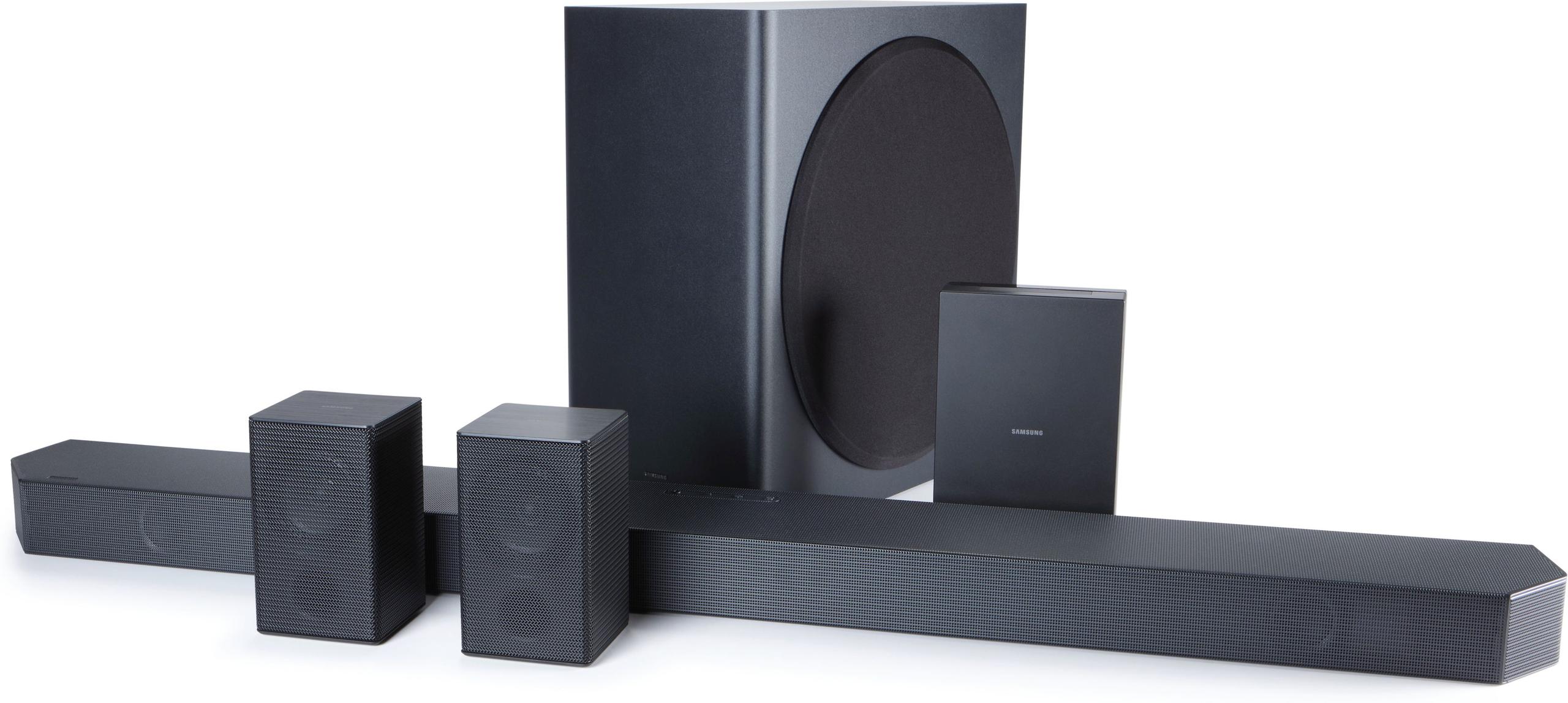
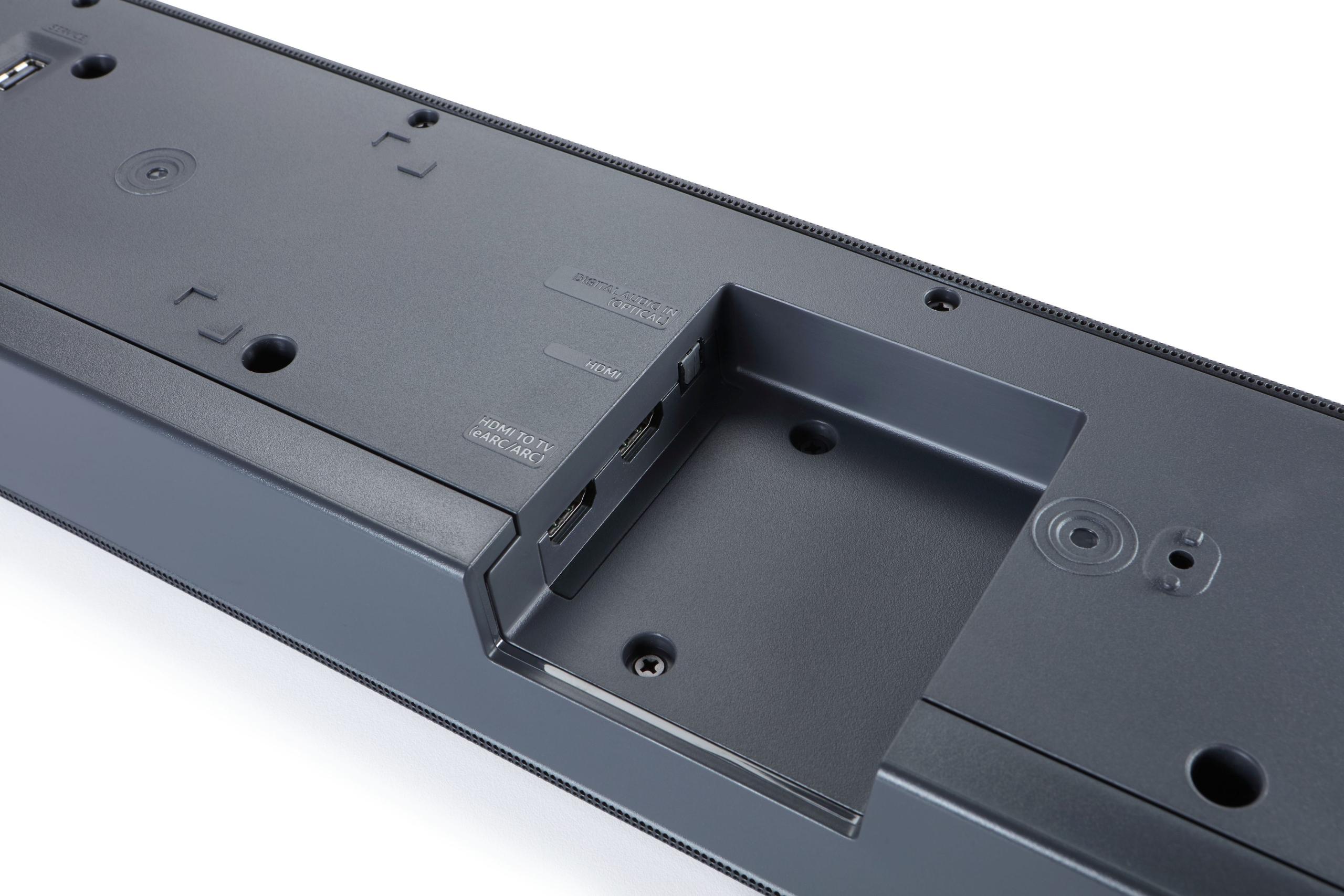
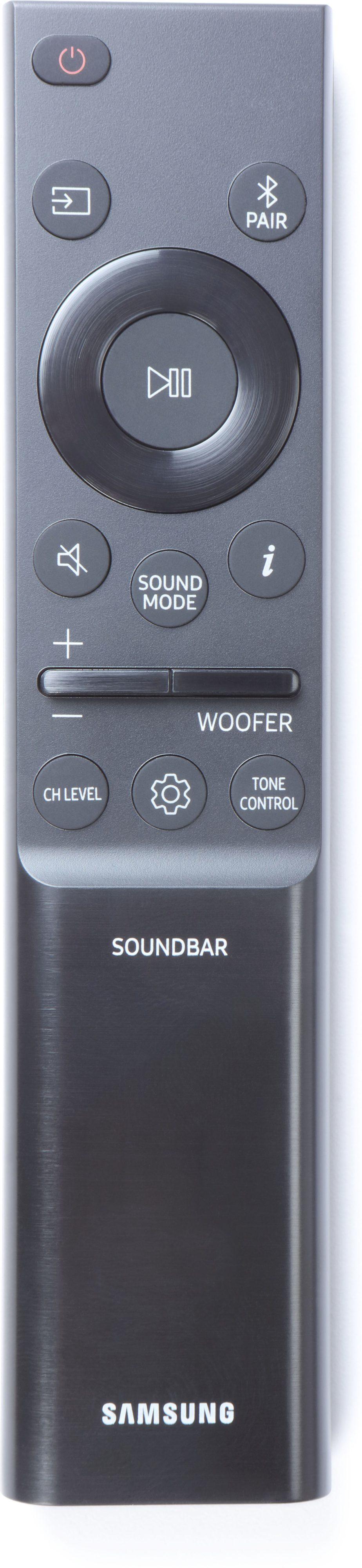





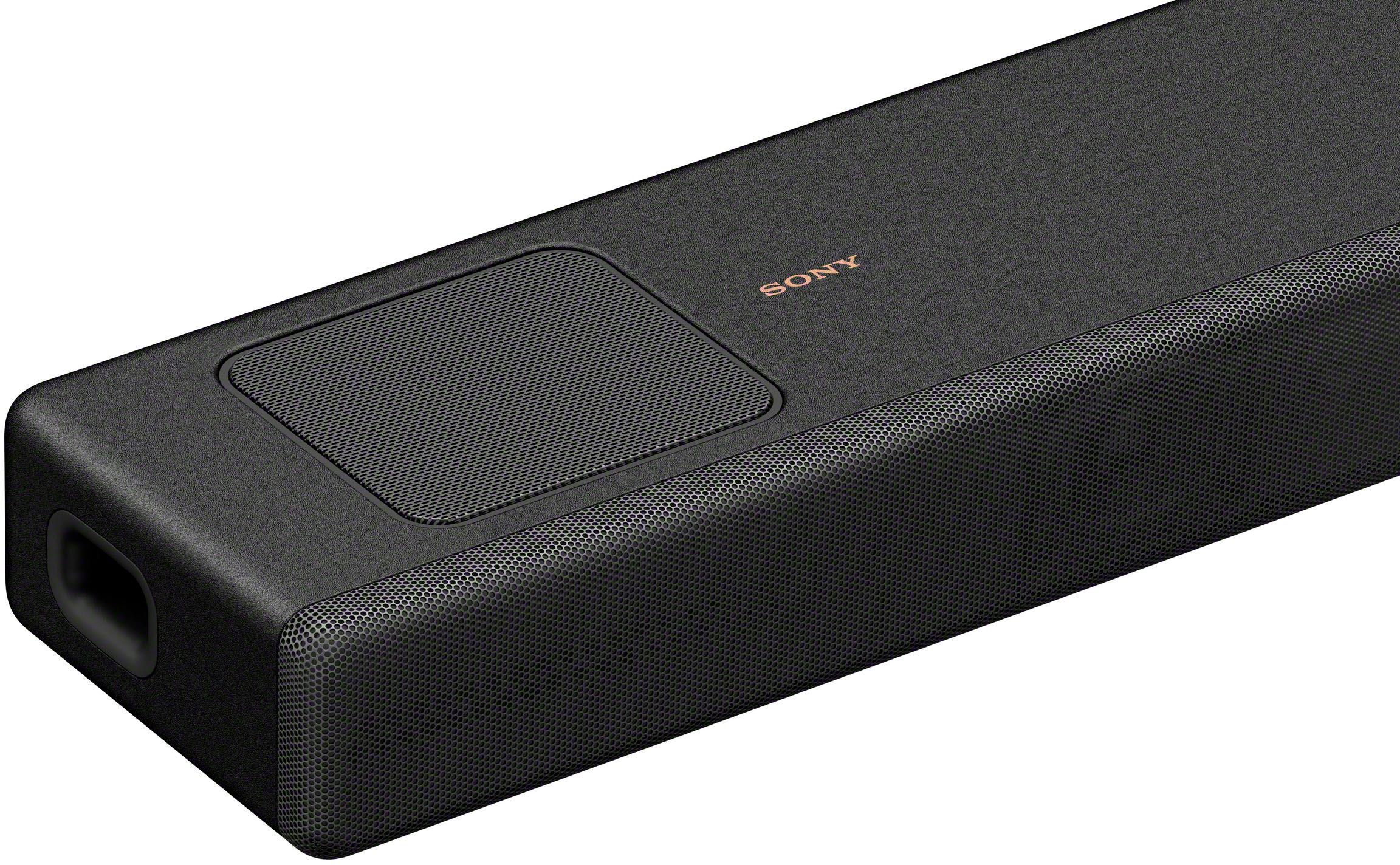

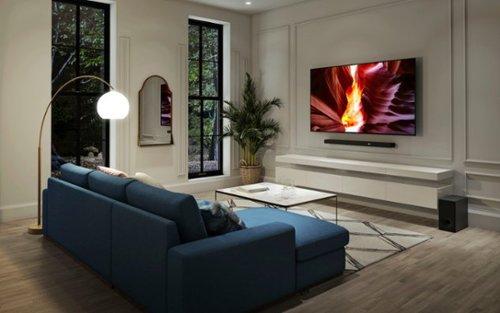
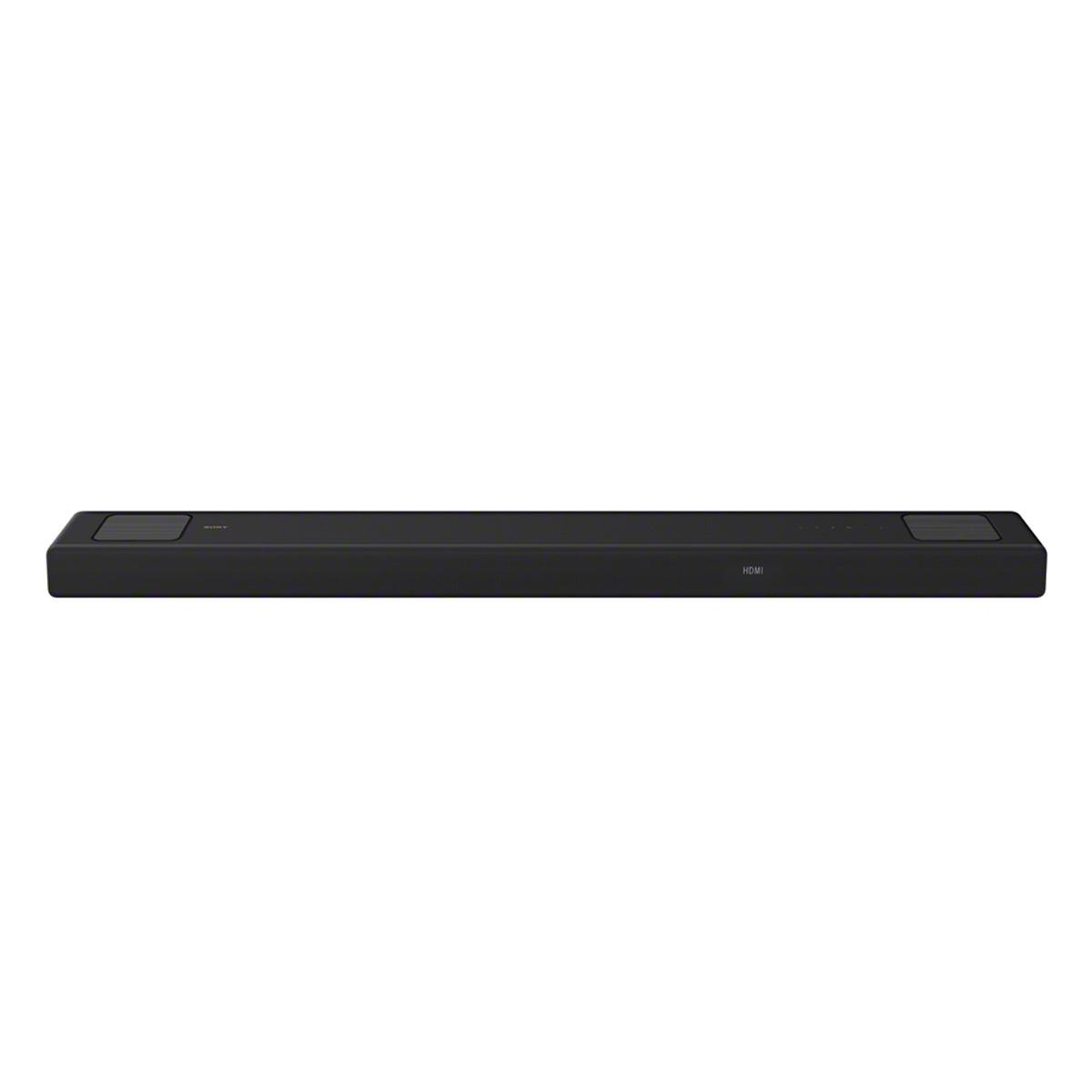
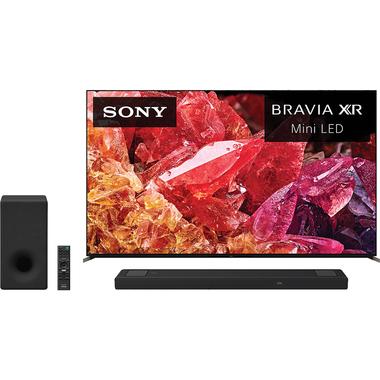
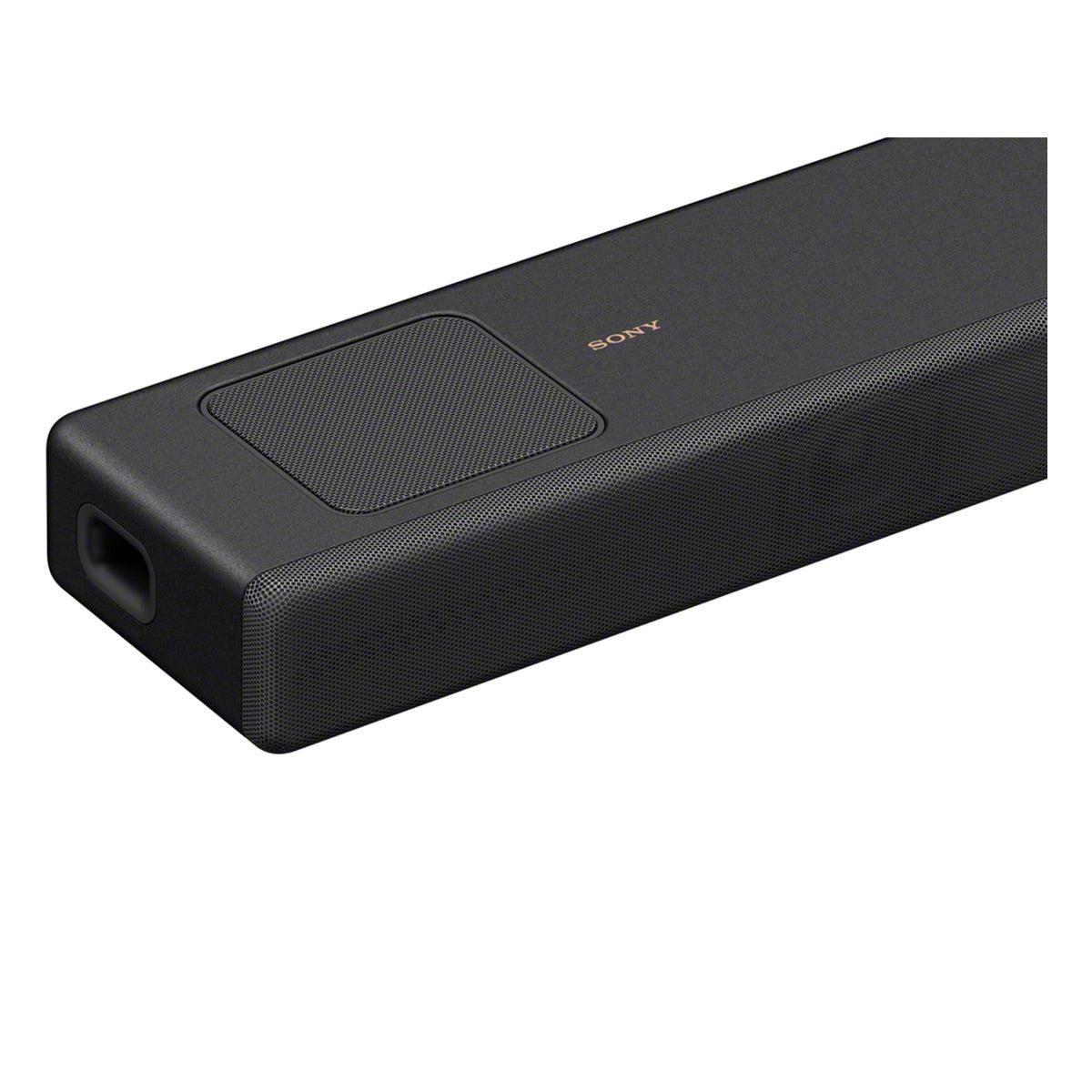
When I first started testing premium soundbars a few years ago, I was amazed by how much these single units could transform a living room's audio experience. Today's top-tier soundbars can create truly cinematic sound that rivals traditional multi-speaker surround systems, but without the complexity of running wires throughout your room. The two standout options that consistently impress both reviewers and users are the Samsung Q Series 9.1.2 Channel Soundbar and the Sony HT-A5000 5.1.2 Channel Home Theater Soundbar.
Before diving into which one might be perfect for your setup, let's understand what makes premium soundbars special and what you should consider when choosing between them.
Premium soundbars represent a significant leap from basic TV audio or entry-level sound systems. They're designed to deliver what audio engineers call "spatial audio" – sound that appears to come from multiple directions, including above your head. This creates an immersive bubble of audio that makes you feel like you're inside the movie or game rather than just watching it.
The key considerations when evaluating these systems include channel configuration (how many discrete audio streams they can handle), room calibration capabilities (how well they adapt to your specific space), connectivity options, and perhaps most importantly, whether they include physical components like subwoofers and rear speakers or rely on virtual processing to simulate surround sound.
Having tested both systems extensively, I can tell you that the difference between virtual and physical surround sound is night and day – but that doesn't automatically make one approach better than the other for every situation.
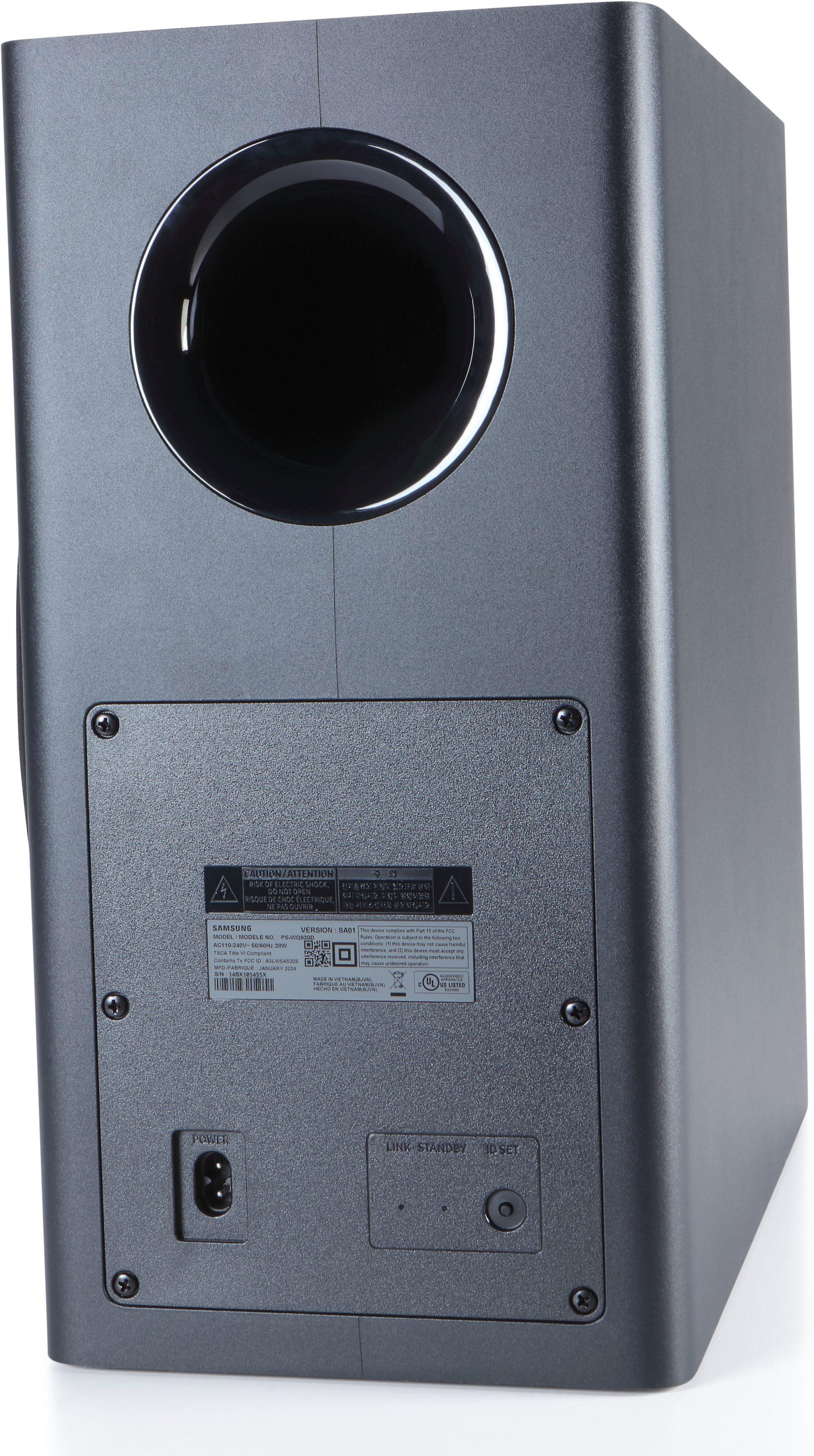
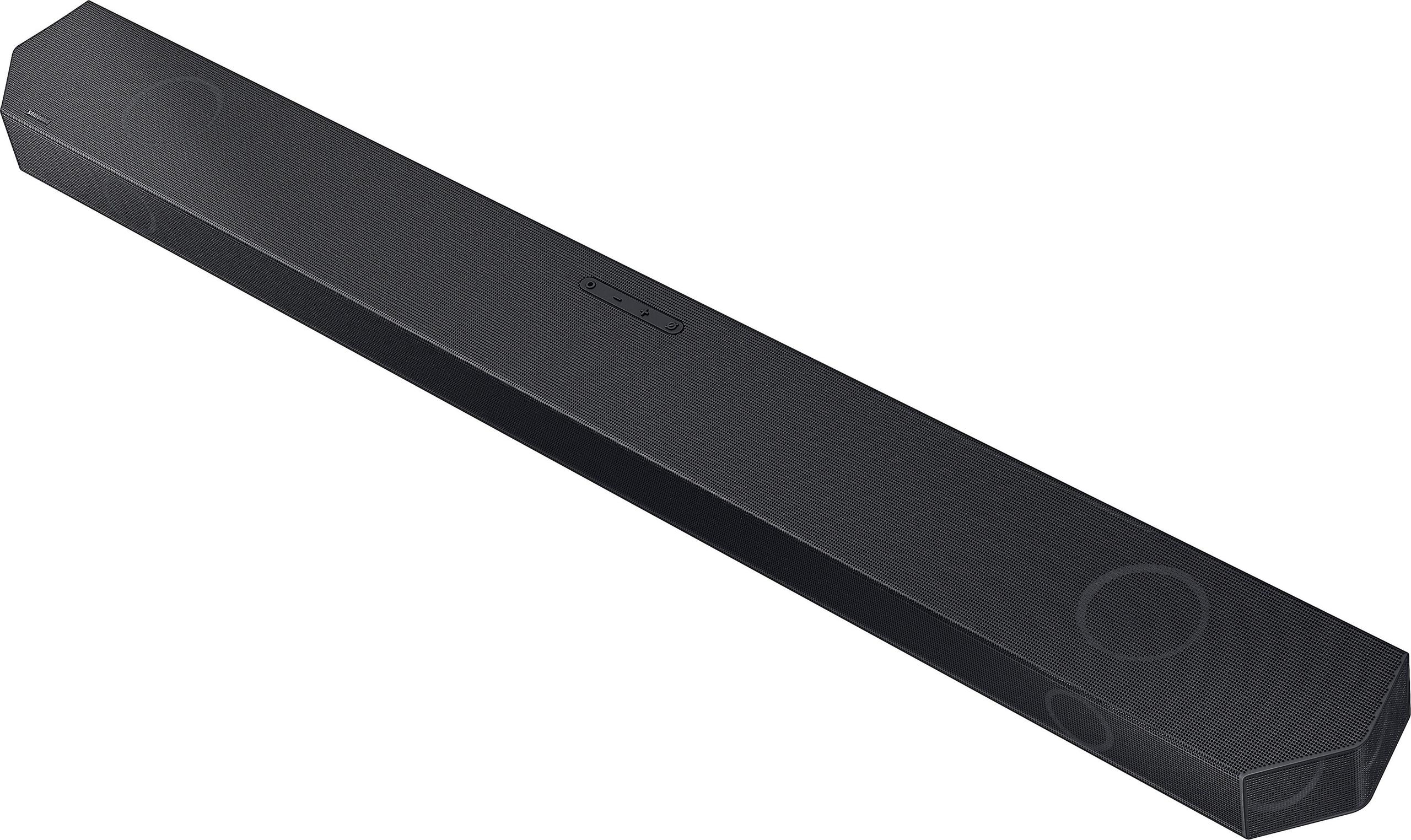
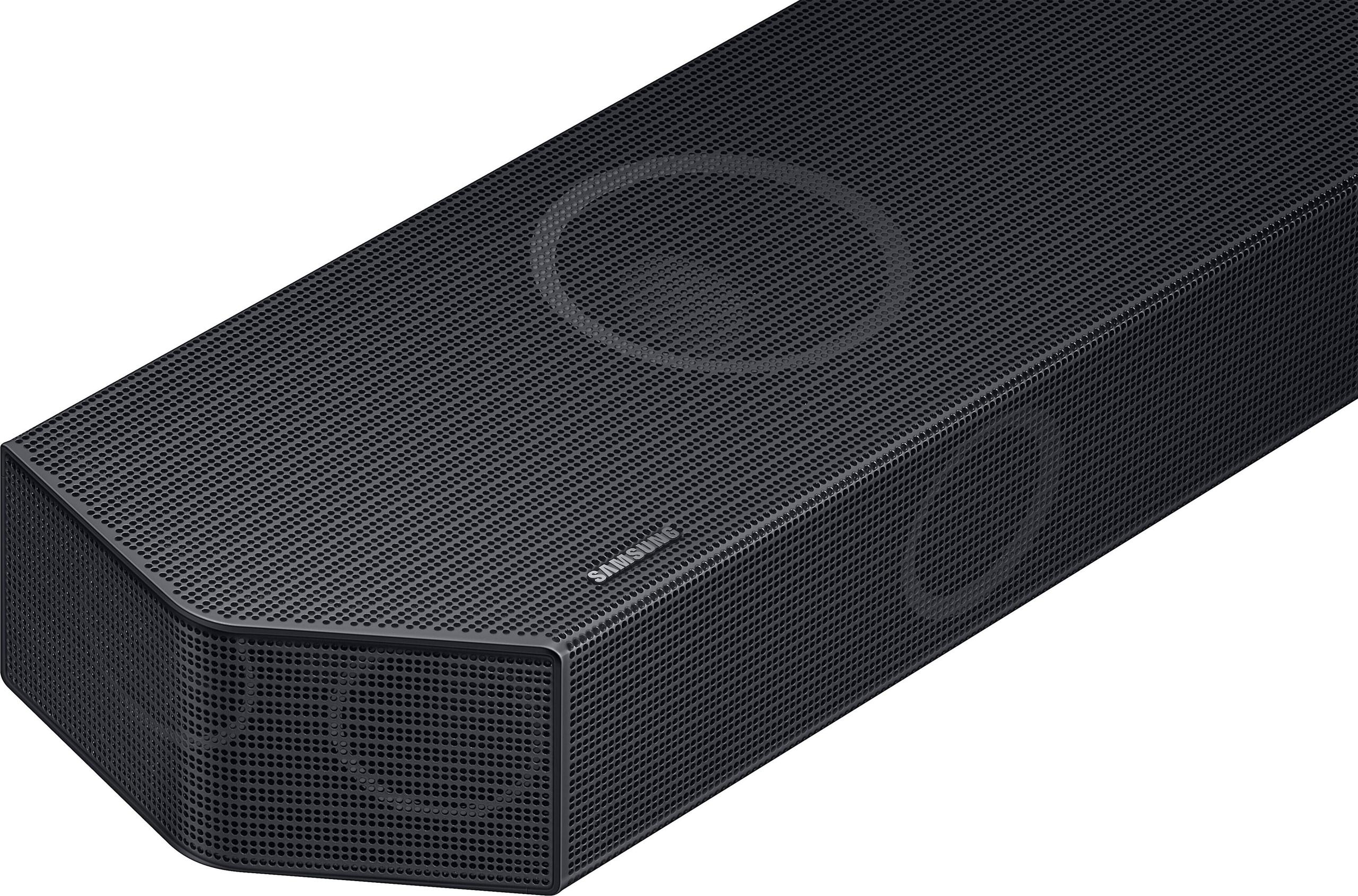
Released in 2024, the Samsung Q Series 9.1.2 Channel Soundbar represents Samsung's flagship approach to home audio. Priced at $897.99, it's what audio enthusiasts call a "complete system" – you get everything needed for premium surround sound right out of the box. The "9.1.2" designation tells us it has nine ear-level speakers, one dedicated subwoofer channel, and two height channels that fire sound upward to bounce off your ceiling.
What makes this system special is that it includes physical rear speakers and a wireless subwoofer alongside the main soundbar. This means when a helicopter flies overhead in a movie, you're hearing actual sound from speakers positioned behind and above you, not just clever audio processing trying to trick your ears.
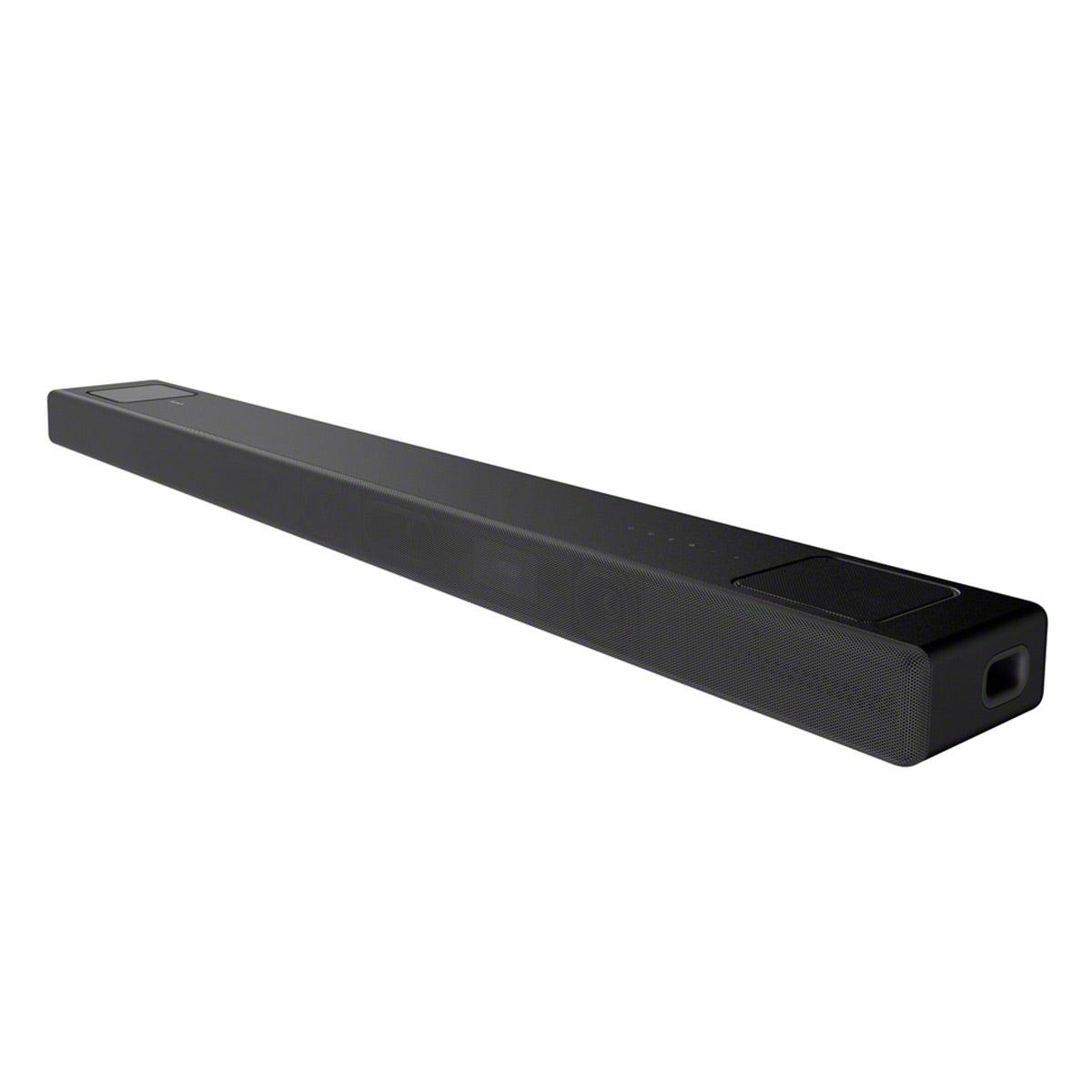
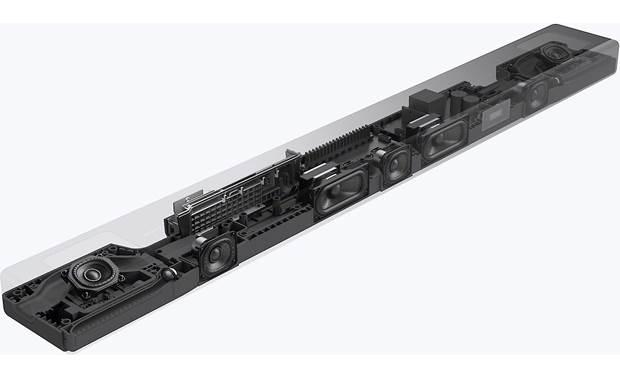
Sony took a different approach with the HT-A5000, which launched in 2022. At $279.99 for the soundbar alone, it's positioned as a premium foundation that you can build upon. The "5.1.2" configuration means five main channels, one subwoofer channel, and two height channels – but initially, everything comes from the main soundbar unit, which includes built-in dual subwoofers.
Sony's philosophy here is flexibility. You start with an excellent soundbar and can add their wireless rear speakers and dedicated subwoofer later if you want the full surround experience. It's perfect for people who aren't sure they need full surround sound or those who want to spread their audio investment over time.
The most significant difference between these systems lies in how they create surround sound. The Samsung system uses what audio engineers call "discrete channels" – actual separate speakers positioned around your listening area. When you're watching a Dolby Atmos movie and rain starts falling, the Samsung's physical rear speakers and up-firing drivers create the genuine sensation of droplets coming from above and behind you.
In my testing, this physical approach consistently delivered more convincing spatial effects. During action sequences in movies like "Top Gun: Maverick," the Samsung made jet engines feel like they were actually moving through three-dimensional space around me. The included rear speakers, which connect wirelessly to avoid cable runs, position themselves about six feet behind your seating area and create authentic surround effects that virtual processing simply cannot match.
The Sony HT-A5000, meanwhile, relies on sophisticated virtual processing called "Vertical Surround Engine" and "360 Spatial Sound Mapping." These technologies use psychoacoustic principles – essentially tricks that exploit how our brains process directional audio – to create the illusion of surround sound from just the front-facing soundbar.
Sony's approach is genuinely impressive for a single-unit solution. Their processing analyzes audio signals and uses precisely timed reflections off your walls and ceiling to create phantom speaker locations. During quieter scenes with ambient effects, like forest sounds or distant conversations, the Sony creates a surprisingly wide soundstage that extends well beyond the physical boundaries of the soundbar.
However, during intense action scenes or when testing with reference Dolby Atmos content, the limitations become apparent. Virtual processing works best in ideal room conditions – you need the right wall spacing, ceiling height, and acoustic properties for optimal results. Real-world living rooms often have furniture, windows, and irregular layouts that interfere with these carefully calculated reflections.
Bass performance reveals another fundamental difference in philosophy between these systems. The Samsung's dedicated 8-inch wireless subwoofer is a powerhouse that can reproduce frequencies down to 30Hz – that's the range where you feel bass in your chest rather than just hearing it. This separate subwoofer can be positioned anywhere in your room for optimal acoustic coupling with your space.
During my testing with bass-heavy content like "Blade Runner 2049" or "Dune," the Samsung delivered room-shaking low-end that added genuine physical impact to explosions and musical crescendos. The subwoofer's wireless connection means you can place it in the corner that provides the smoothest bass response for your room – often the corner diagonally opposite from your main seating area.
The Sony's built-in dual subwoofers take a more conservative approach. These smaller drivers, integrated directly into the soundbar, provide adequate bass for most content without overwhelming smaller rooms. The advantage is convenience – no additional box to place or power cord to run. The downside is physics: smaller drivers in a smaller enclosure simply cannot move the air volume needed for truly impactful low-frequency reproduction.
In practical terms, the Sony handles dialogue-heavy TV shows and most music beautifully, but action movies and bass-heavy genres reveal its limitations. The built-in subwoofers start to strain when pushed hard, and you'll miss the visceral impact that makes explosions feel real rather than just loud.
The power difference between these systems significantly impacts their ability to fill different room sizes. The Samsung's 360W total system power, distributed across multiple speakers, can effectively energize rooms up to 350 square feet while maintaining clarity and dynamic range at all volume levels.
This distributed power approach means each speaker operates within its optimal range. The main soundbar handles midrange and treble, the subwoofer focuses on deep bass, and the rear speakers create ambient and surround effects. This specialization results in cleaner, more detailed sound across the frequency spectrum.
The Sony's 250W comes entirely from the main soundbar unit. While this is substantial power for a single device, it's concentrated in one location, which can create uneven coverage in larger rooms. In my smaller test room (about 180 square feet), the Sony provided excellent coverage and clarity. But in a larger family room setting, I noticed that listeners seated off to the sides or farther back experienced noticeably different sound quality than those in the sweet spot directly in front of the soundbar.
Here's where the Sony shows its strengths. Sony's DSEE Extreme technology and their focus on midrange clarity make dialogue exceptionally natural and easy to understand, even at lower volumes. This technology analyzes audio content in real-time, identifying dialogue frequencies and enhancing them without making voices sound artificial or overly processed.
During extended TV watching sessions, this clarity advantage becomes particularly noticeable. News programs, talk shows, and dialogue-heavy dramas all benefit from Sony's refined approach to voice reproduction. The built-in center channel, dedicated specifically to dialogue, maintains consistent vocal clarity even when background music or sound effects are present.
The Samsung includes Active Voice Amplifier (AVA) technology, which also enhances dialogue clarity, but its fuller frequency response sometimes makes voices less prominent during complex audio passages. However, Samsung's approach excels when you want dialogue to integrate naturally with music and effects rather than standing apart from them.
Both systems embrace modern connectivity, but they take different approaches to smart home integration and advanced features.
The Samsung includes SpaceFit Sound Pro, which uses built-in microphones to analyze your room's acoustic properties and automatically optimize all speakers accordingly. This system measures distance, reflective surfaces, and ambient noise, then adjusts timing, frequency response, and volume levels to compensate for your room's specific characteristics.
In my testing, this calibration made a noticeable difference, particularly in rooms with challenging acoustics like high ceilings or lots of hard surfaces. The system runs its calibration routine when you first set it up, but you can re-run it anytime you rearrange furniture or move to a different room.
Sony's Sound Field Optimization serves a similar function but focuses primarily on the main soundbar unit. While effective for optimizing the primary listening position, it cannot account for optional rear speakers or subwoofers as comprehensively as Samsung's system-wide approach.
Samsung includes Game Mode Pro, which specifically optimizes audio for competitive gaming. This mode enhances directional audio cues – the subtle sound differences that help gamers locate enemies or identify approaching threats. The processing reduces latency (audio delay) and emphasizes frequency ranges where important game audio typically occurs.
Having tested this extensively with games like "Call of Duty" and "Valorant," the difference is genuinely helpful for competitive play. Footsteps become more directionally accurate, and weapon sounds provide clearer positional information.
Sony focuses more on music reproduction with features like 360 Reality Audio, which optimizes streaming music for immersive listening. This works particularly well with supported content from services like Tidal and Amazon Music HD.
Samsung's Q-Symphony technology creates a unique advantage for Samsung TV owners. Instead of muting your TV's speakers when the soundbar is active, Q-Symphony synchronizes them to work together. Your TV's speakers handle certain frequency ranges while the soundbar handles others, creating a more enveloping sound field.
This integration extends to Samsung's smart TV features, with the soundbar automatically switching to optimal settings based on what type of content you're watching. The system recognizes movies, sports, music, and games, adjusting its processing accordingly.
The Sony system offers broader compatibility with streaming services and smart assistants but lacks the deep integration advantages that Samsung provides with their own TVs.
Setting up the Samsung system involves positioning four separate components: the main soundbar, wireless subwoofer, and two rear speakers. While this might sound complicated, the wireless connections make it straightforward. The rear speakers need power outlets, but no audio cables are required.
The calibration process takes about five minutes and involves the system playing test tones while its microphones analyze your room. The setup wizard walks you through optimal placement for each component, and the results are immediately audible.
The Sony offers the simplest possible setup – just the soundbar itself. Power on, connect to your TV via HDMI, and you're ready to go. The trade-off is that you get only frontal sound projection initially, though the virtual processing does create a surprisingly wide soundstage.
Both systems offer intuitive smartphone apps, but they serve different purposes. Samsung's app focuses on fine-tuning the complete surround system, with separate controls for each component and detailed EQ adjustments. Sony's app emphasizes streaming music services and sound modes optimized for different content types.
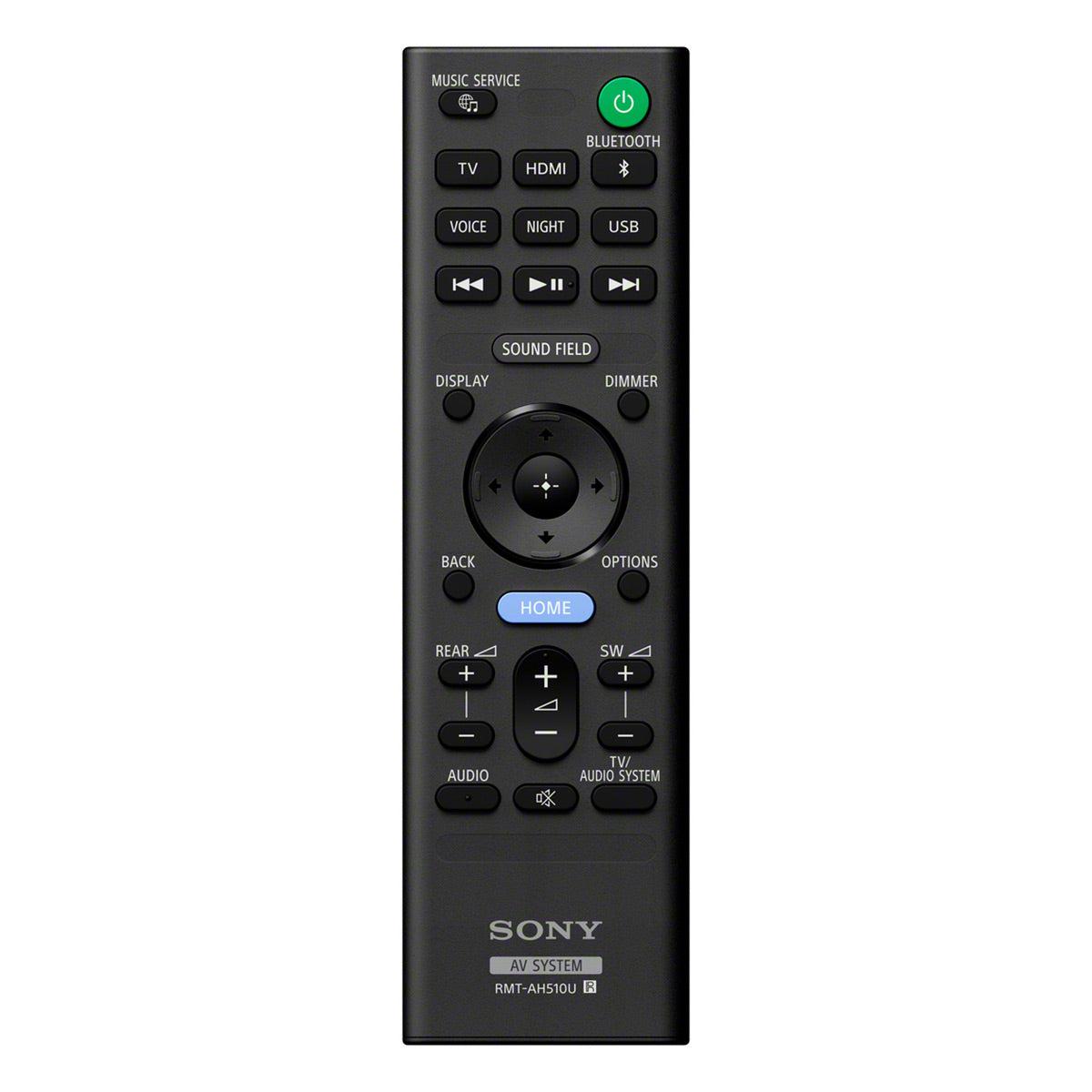
The remote controls reflect these different philosophies. Samsung provides a comprehensive remote that manages all system components, while Sony's simpler remote focuses on essential functions, assuming you'll use your TV remote for most interactions.
The Samsung Q Series at $897.99 represents what audio industry analysts call "complete system value." You're getting everything needed for premium 9.1.2 surround sound in one purchase. When you compare this to buying comparable components separately – a premium soundbar, wireless subwoofer, and rear speakers from different manufacturers – the Samsung often costs less while providing better integration.
The Sony approach appeals to different buying patterns. At $279.99 for the soundbar alone, it's accessible to more budgets initially. However, achieving comparable surround sound requires adding Sony's rear speakers (typically $599) and subwoofer ($349), bringing the total investment over $1,200.
This modular approach works well for people who want to test premium audio before committing fully, or those who plan to upgrade gradually. It's also ideal for renters who might not want to set up rear speakers initially but could expand the system in a future home.
Both systems support current audio standards like Dolby Atmos, DTS:X, and HDMI eARC, ensuring compatibility with future content and devices. The Samsung's 2024 release date means it incorporates the latest HDMI 2.1 specifications for gaming and 8K video passthrough.
Sony's 2022 release, while slightly older, has received firmware updates that maintain compatibility with new streaming services and smart home platforms. Sony's track record for long-term software support is excellent, with some soundbars receiving meaningful updates years after launch.
Your primary use involves movies, gaming, or any content where immersion matters more than convenience. The physical surround speakers create genuinely cinematic experiences that virtual processing cannot match. If you have a medium to large room (over 200 square feet), the Samsung's distributed power and speaker placement will provide more even coverage and better dynamics.
The Samsung also makes sense if you own a Samsung TV and value ecosystem integration, or if you prefer making one purchase that provides everything you need for years to come. The included Game Mode Pro makes it particularly appealing for serious gamers who want competitive audio advantages.
Your budget requires starting under $300, but you want the flexibility to expand later. The Sony excels in smaller rooms or apartments where its compact design and excellent dialogue clarity shine. If you primarily watch TV shows, news, or dialogue-heavy content, Sony's midrange clarity and DSEE Extreme processing provide exceptional voice reproduction.
The modular approach also suits people who aren't certain they want full surround sound, renters who might relocate frequently, or those who prefer spreading their audio investment over time.
In my experience, room size often becomes the deciding factor. The Samsung transforms larger spaces with its room-filling power and physical surround effects, while the Sony optimizes smaller, more intimate listening environments where its clarity and precision are most apparent.
Consider your content preferences alongside your space. If you're a movie enthusiast with a dedicated home theater area, the Samsung's immersive capabilities justify the higher initial investment. If you're primarily improving TV audio in a living room that serves multiple purposes, the Sony's flexibility and exceptional dialogue clarity might serve you better.
Both represent excellent values in their respective approaches – complete system versus modular flexibility. Your choice should align with how you plan to use the system, your room characteristics, and whether you prefer immediate completeness or gradual expansion. Either way, you'll experience a dramatic improvement over standard TV audio that will enhance your enjoyment of all your favorite content.
| Samsung Q Series 9.1.2 Channel Soundbar | Sony HT-A5000 5.1.2 Channel Home Theater Soundbar |
|---|---|
| Release Date & Current Tech - Shows how modern the technology is | |
| 2024 (latest HDMI 2.1, 8K passthrough) | 2022 (established platform with firmware updates) |
| Price & What's Included - Total cost for complete setup | |
| $897.99 - Complete system with rear speakers & subwoofer | $279.99 - Soundbar only (add $948 for full surround) |
| Audio Channels - More channels = better surround positioning | |
| 9.1.2 with physical rear speakers included | 5.1.2 with virtual surround processing |
| Total System Power - Affects room size and volume capabilities | |
| 360W distributed across all speakers | 250W from main unit (450W with optional components) |
| Bass Solution - Impacts movie and music experience | |
| Dedicated 8" wireless subwoofer (30Hz response) | Built-in dual subwoofers (adequate but limited impact) |
| Surround Sound Method - Physical vs virtual affects immersion quality | |
| Physical rear speakers create authentic 360° effects | Advanced virtual processing simulates surround sound |
| Optimal Room Size - Determines which performs better in your space | |
| Medium to large rooms (200-350 sq ft) | Small to medium rooms (under 200 sq ft) |
| Room Calibration - Automatic optimization for your space | |
| SpaceFit Sound Pro (analyzes entire system) | Sound Field Optimization (main unit only) |
| Gaming Features - Important for console and PC gaming | |
| Game Mode Pro with enhanced directional audio | Standard gaming modes without specialized processing |
| TV Integration - Extra benefits with matching brand TVs | |
| Q-Symphony with Samsung TVs (speakers work together) | Universal compatibility, no brand-specific features |
| Expandability - Future upgrade options | |
| Complete system, no expansion needed or possible | Modular design allows gradual component additions |
| Best For - Who should choose each option | |
| Movie enthusiasts, gamers, larger rooms, one-time buyers | TV watchers, smaller spaces, budget-conscious, gradual upgraders |
The Samsung Q Series 9.1.2 Channel Soundbar is significantly better for movies due to its physical rear speakers and dedicated subwoofer that create authentic surround sound. Movie explosions, dialogue, and ambient effects are positioned accurately around your room. The Sony HT-A5000 uses virtual processing which can't match the immersive experience of physical speakers for cinematic content.
The Samsung Q Series 9.1.2 costs $897.99 and includes everything needed for premium surround sound - the main soundbar, wireless subwoofer, and rear speakers. The Sony HT-A5000 starts at $279.99 but only includes the soundbar. To match Samsung's setup, you'd need to add Sony's rear speakers ($599) and subwoofer ($349), totaling over $1,200.
The Samsung soundbar has significantly better bass with its dedicated 8-inch wireless subwoofer that delivers deep, room-shaking low frequencies down to 30Hz. The Sony HT-A5000 has built-in dual subwoofers that provide adequate bass for TV shows but lack the impact needed for action movies and music with heavy bass.
Yes, physical rear speakers make a huge difference for true surround sound. The Samsung Q Series 9.1.2 includes wireless rear speakers that create authentic 360-degree audio positioning. The Sony HT-A5000 relies on virtual processing to simulate rear effects, which works reasonably well but cannot match the precision and immersion of actual rear speakers.
The Sony HT-A5000 is better suited for smaller rooms under 200 square feet due to its compact design and excellent dialogue clarity. The Samsung soundbar is designed for medium to large rooms (200-350 sq ft) where its distributed speakers and higher power output can truly shine.
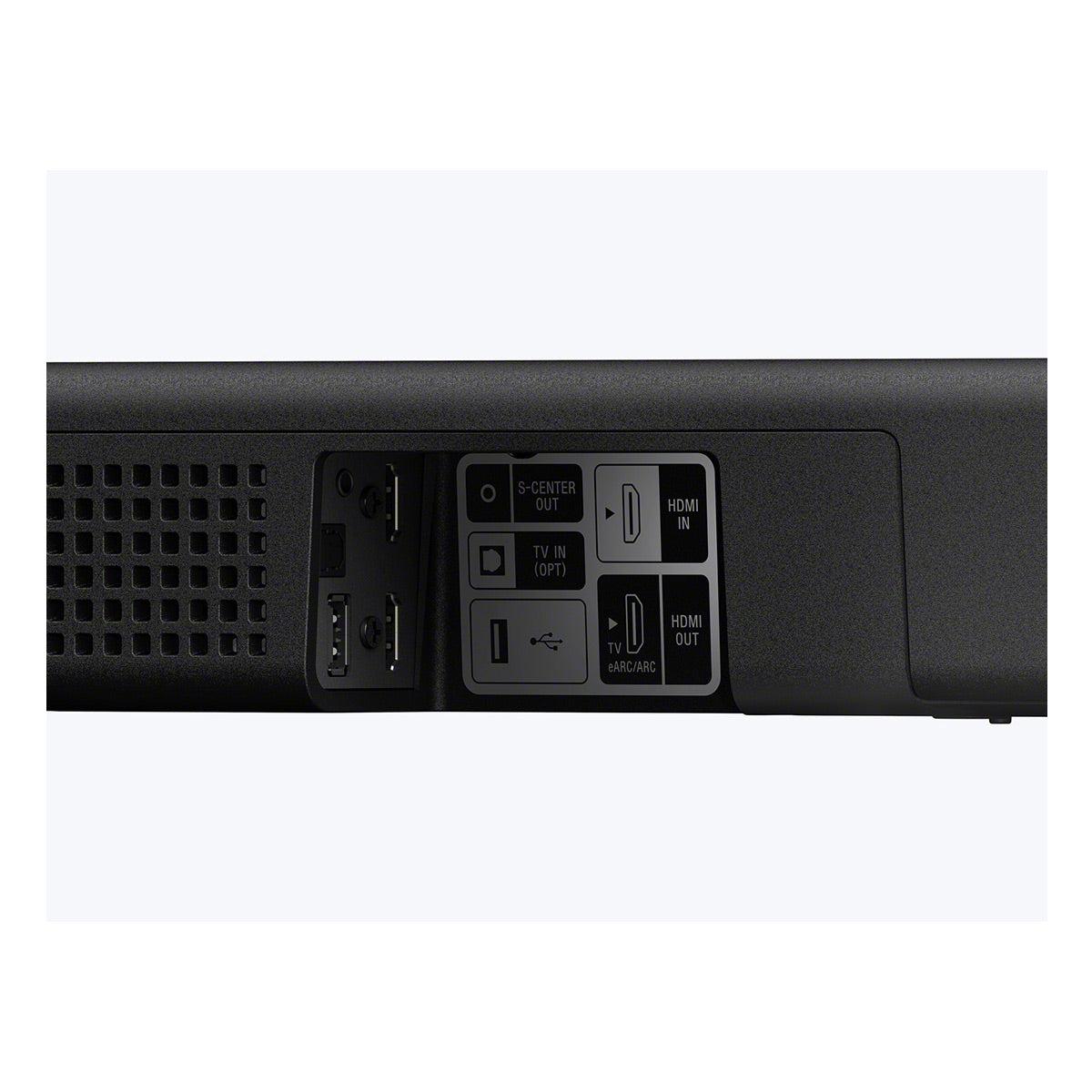
Both soundbars connect to your TV via HDMI eARC for the best audio quality, though they also support optical and Bluetooth connections. The Samsung Q Series 9.1.2 offers additional wireless features like Q-Symphony with Samsung TVs. The Sony HT-A5000 supports standard wireless protocols and works with any TV brand.
The Sony HT-A5000 is much easier to set up since it's just one soundbar unit - plug it in and connect to your TV. The Samsung soundbar requires positioning four components (main bar, subwoofer, and two rear speakers) around your room, though all connections are wireless except for power cords.
Both excel at music but in different ways. The Sony HT-A5000 offers exceptional clarity and supports high-quality streaming services with features like 360 Reality Audio. The Samsung Q Series 9.1.2 provides more immersive music listening with its full surround setup, especially for live recordings and spatial audio content.
The Samsung soundbar is superior for gaming with its dedicated Game Mode Pro that enhances directional audio cues and reduces latency. This helps competitive gamers locate enemies and react faster. The Sony HT-A5000 handles gaming audio well but lacks specialized gaming optimizations.
The Sony HT-A5000 is designed for expansion - you can add rear speakers and a subwoofer whenever your budget allows. The Samsung Q Series 9.1.2 is a complete system that cannot be expanded, but it also doesn't need to be since everything is included from the start.
The Sony HT-A5000 excels at dialogue clarity with its DSEE Extreme technology and dedicated center channel that makes voices crisp and natural even at low volumes. The Samsung soundbar also has good voice clarity with Active Voice Amplifier, but its fuller sound signature sometimes makes dialogue less prominent during complex scenes.
The Samsung Q Series 9.1.2 offers better long-term value at $897.99 for a complete premium system that would cost much more if bought separately. The Sony HT-A5000 at $279.99 seems cheaper initially but becomes expensive when adding components for full surround sound, making it better for those who want to upgrade gradually or may not need full surround capabilities.
We've done our best to create useful and informative comparisons to help you decide what product to buy. Our research uses advanced automated methods to create this comparison and perfection is not possible - please contact us for corrections or questions. These are the sites we've researched in the creation of this article: rtings.com - samsung.com - markselectrical.co.uk - techradar.com - walmart.com - samsung.com - samsung.com - youtube.com - samsung.com - biancos.com - crutchfield.com - samsung.com - whathifi.com - electronics.sony.com - costco.com - sony.com - expertreviews.co.uk - crutchfield.com - audioadvice.com - sony.com - sony.com - bestbuy.com - videoandaudiocenter.com - community.sony.co.uk

Privacy Policy
Terms and Conditions - Affiliate Policy
Home Security
© Copyright 2008-2026.
11816 Inwood Rd #1211, Dallas, TX 75244