





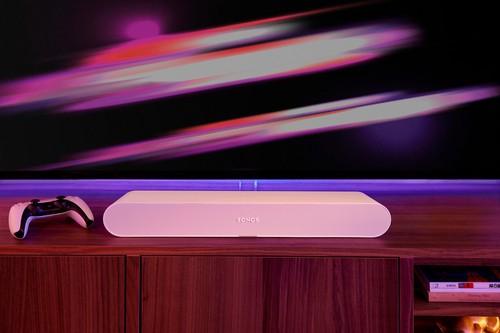
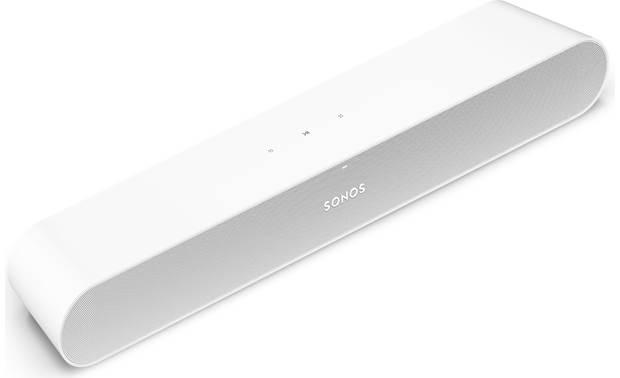

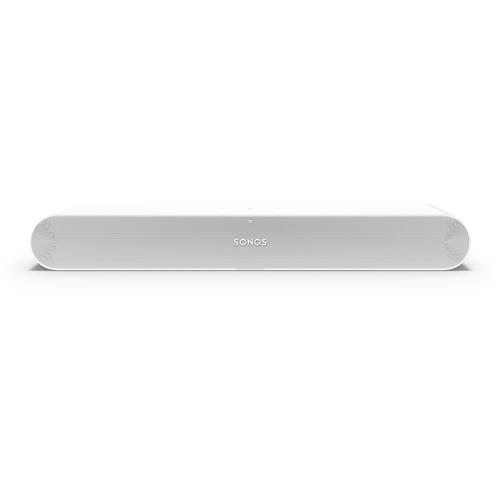

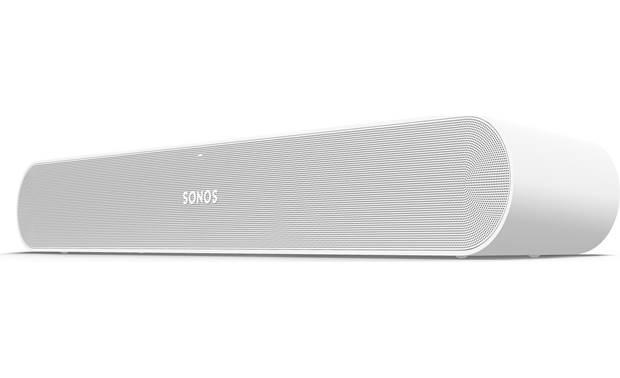
When your TV's built-in speakers just aren't cutting it anymore, a soundbar becomes one of the most impactful upgrades you can make to your entertainment setup. The question is: do you go for the sleek simplicity of something like the Sonos Ray, or do you invest in a full-featured system like the Samsung HW-Q800D? Both launched in 2022, but they take completely different approaches to solving the same basic problem.
Before diving into these specific models, it's worth understanding what separates good soundbars from great ones. At the most basic level, any soundbar should make dialogue clearer than your TV's speakers. But beyond that, the market splits into two main camps: compact stereo bars that focus on clarity and space-saving design, versus full surround sound systems that aim to recreate a cinema-like experience in your living room.
The key technical considerations include channel configuration (how many separate audio channels the system can reproduce), frequency response (how well it handles everything from deep bass to crisp highs), and connectivity options (what devices it can connect to and how). Power output matters too, but not always in the way you might expect – a well-designed lower-power system often outperforms a poorly engineered high-power one.
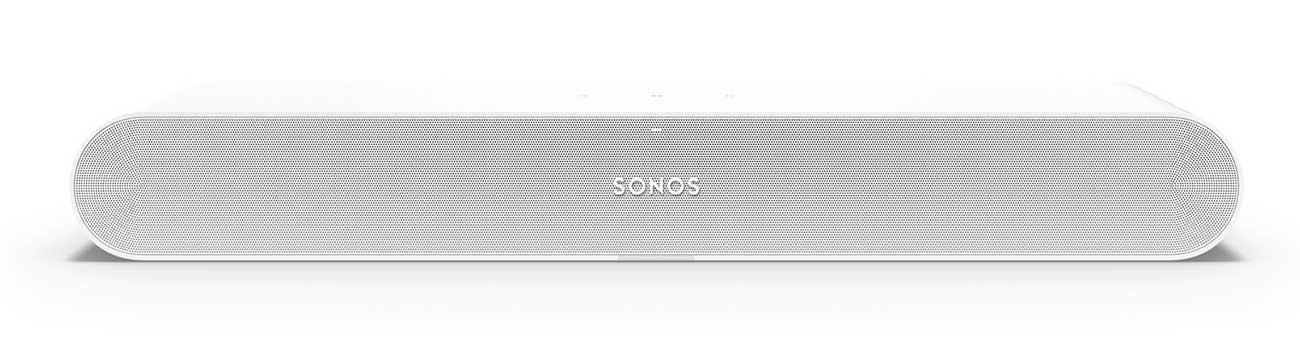
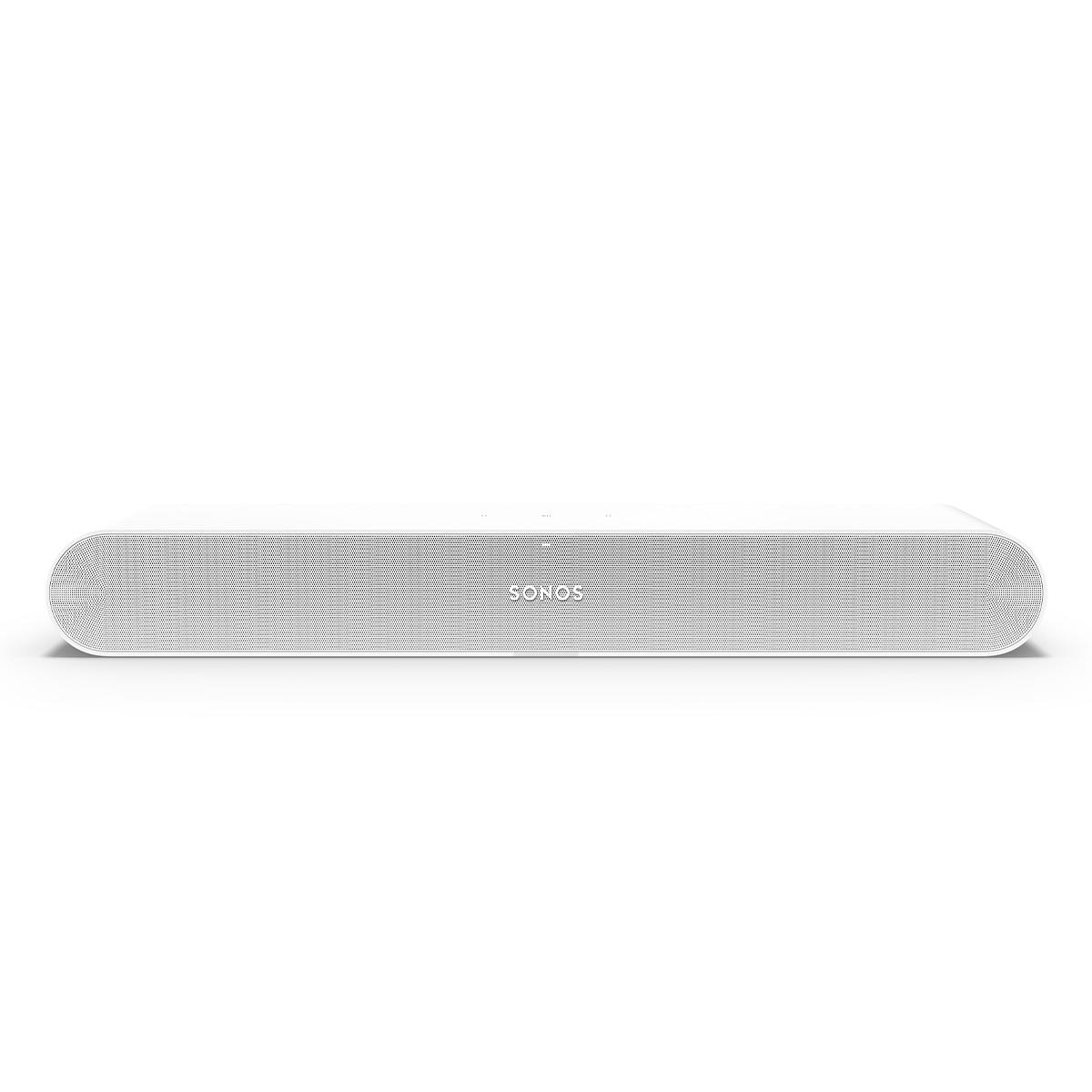
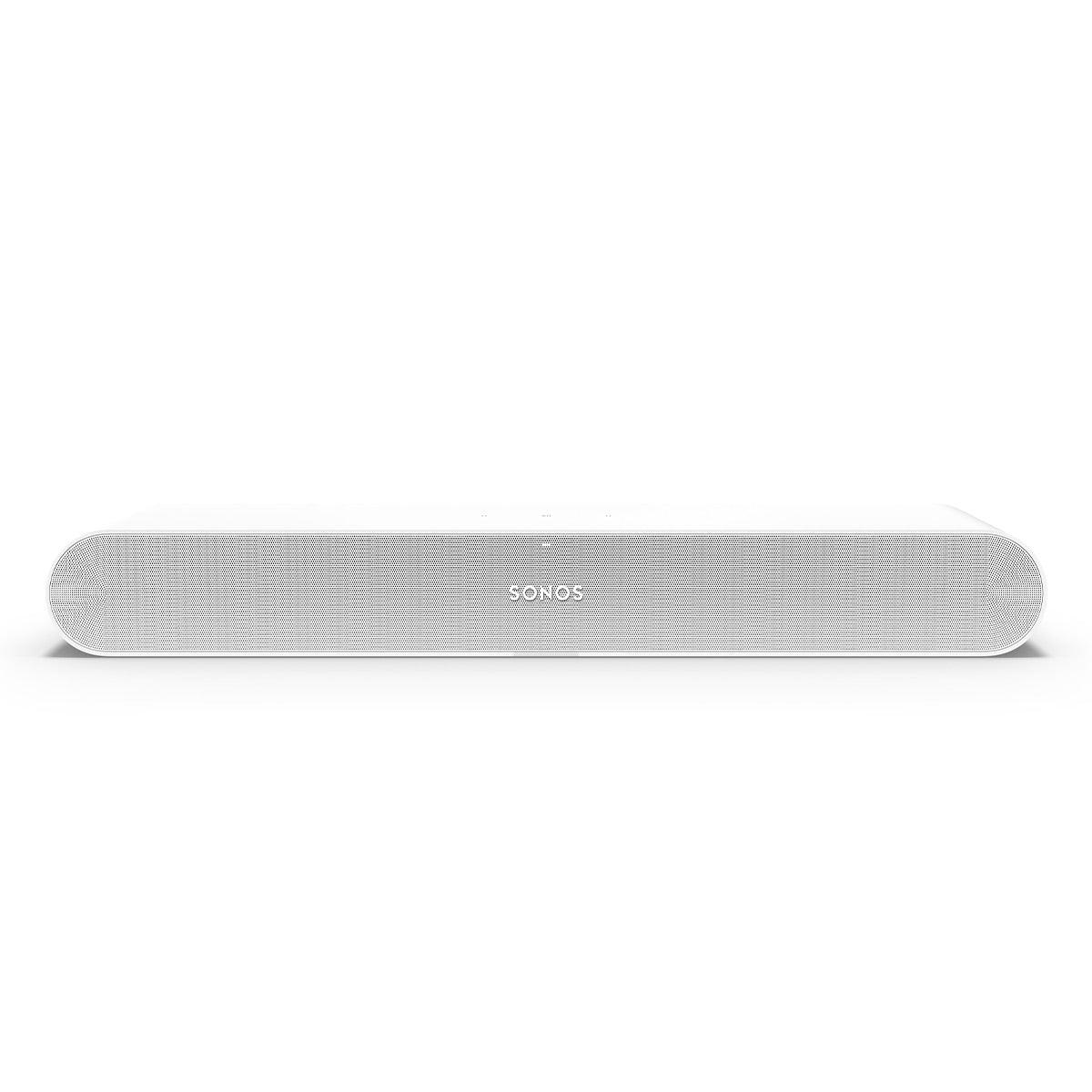
The Sonos Ray represents the minimalist approach. Released in 2022, it's essentially Sonos saying "we'll do stereo incredibly well" rather than cramming in surround sound features that might compromise the core experience. This philosophy has served Sonos well since they pioneered wireless multi-room audio back in the mid-2000s, and the Ray continues that tradition of doing fewer things exceptionally well.
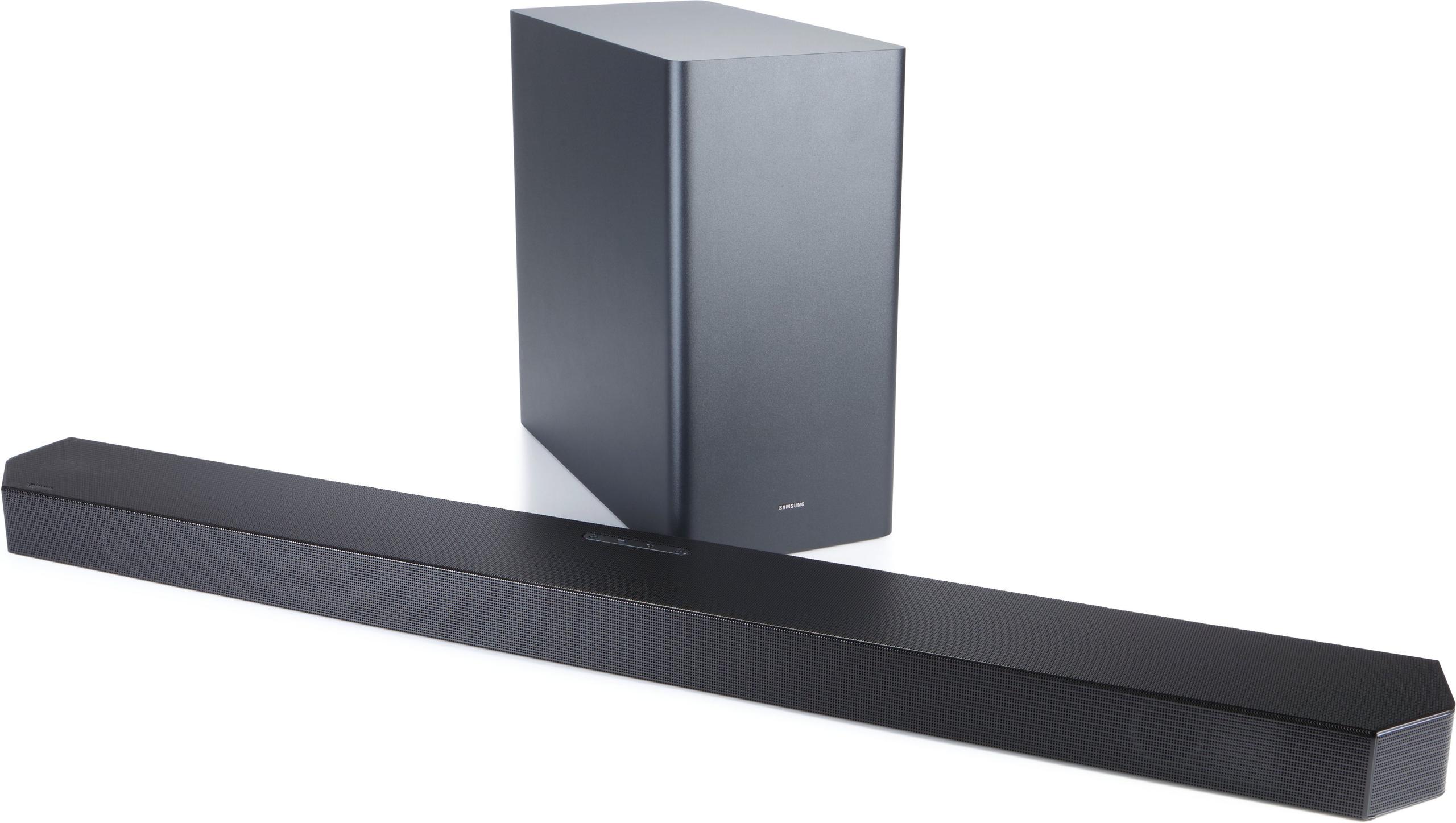
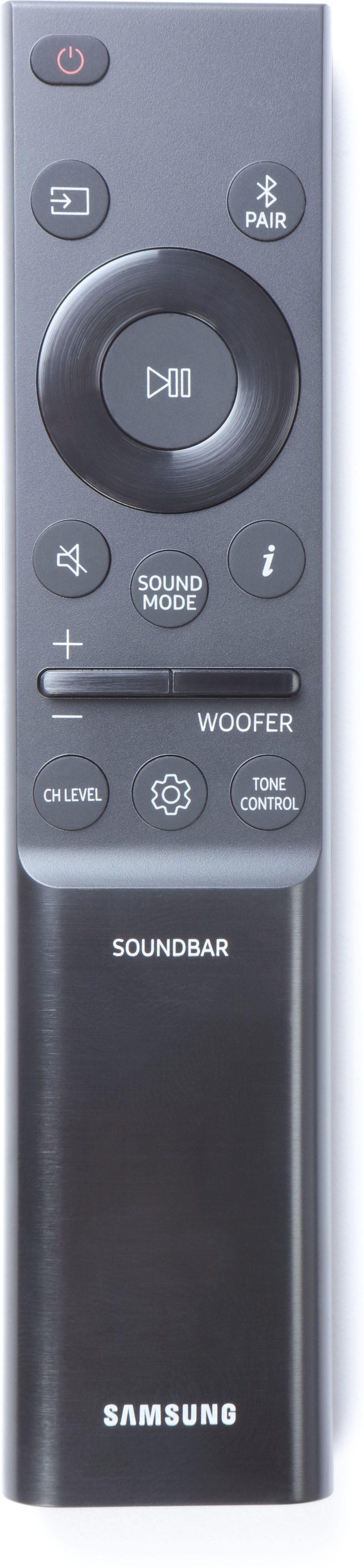
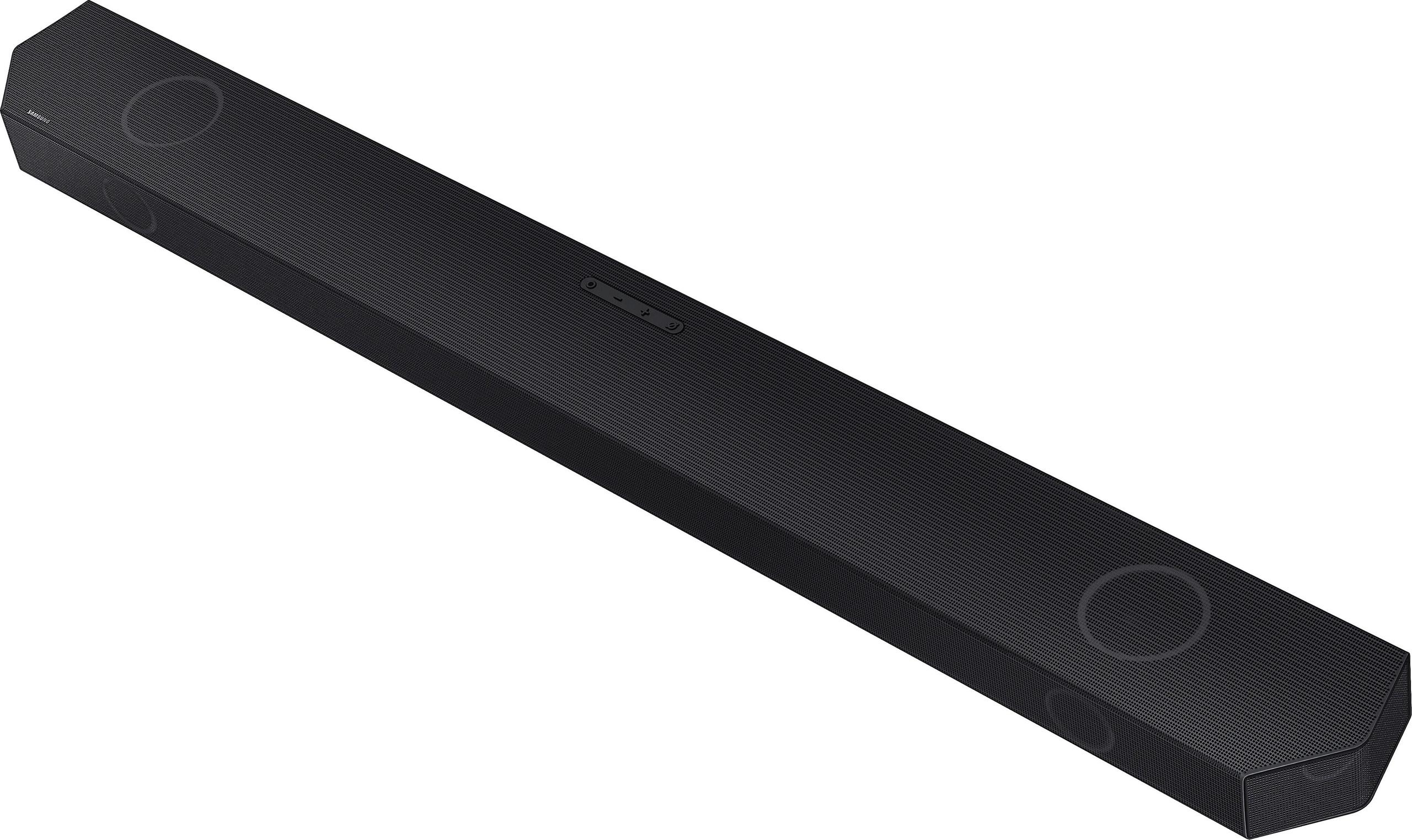
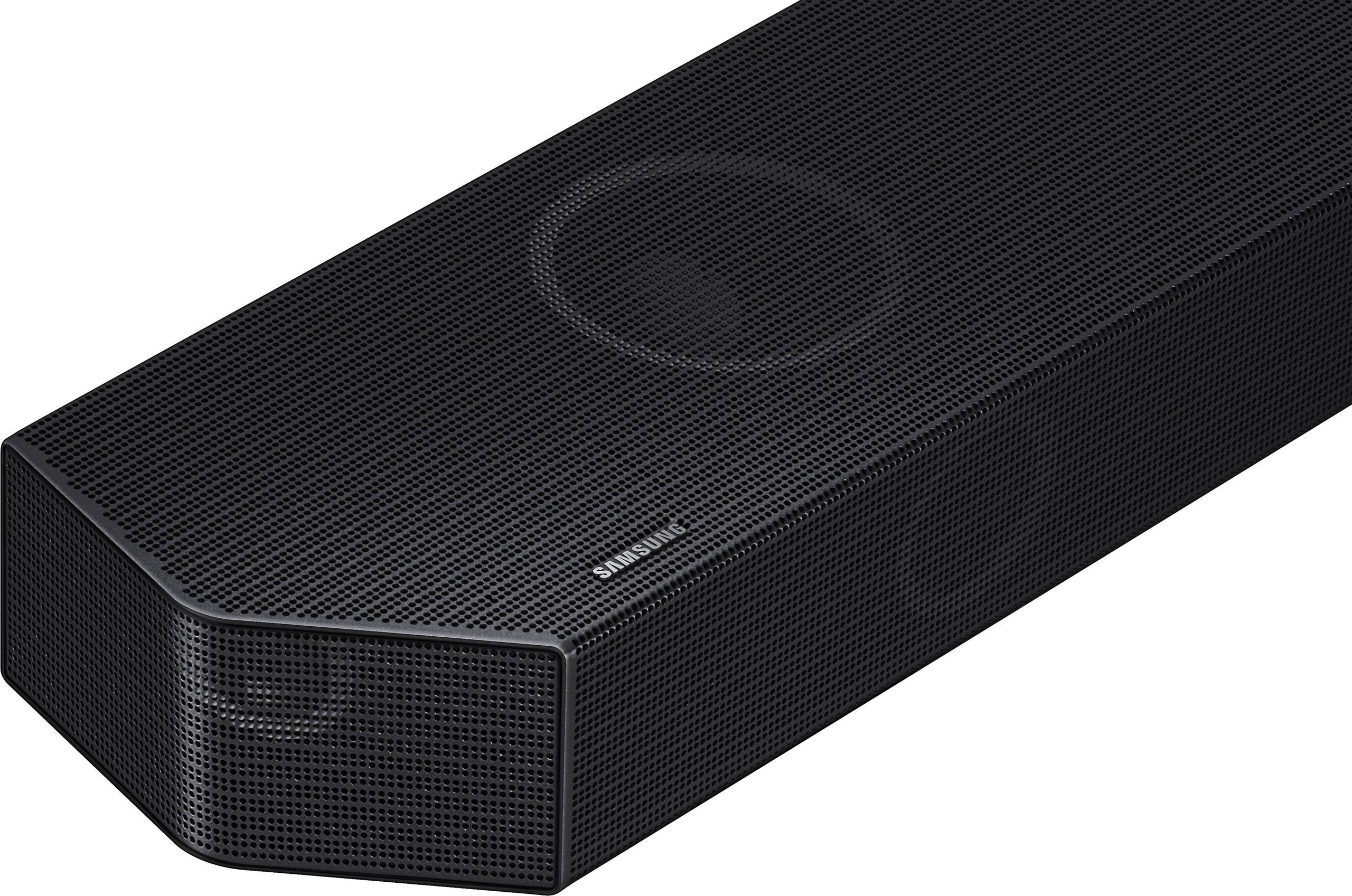
The Samsung HW-Q800D, also from 2022, takes the opposite approach. Samsung looked at the soundbar market and decided to pack in every modern audio technology they could fit: Dolby Atmos with height channels, DTS:X support, wireless subwoofer, gaming modes, and room correction technology called SpaceFit Sound Pro. It's the "everything but the kitchen sink" approach, and when it works well, it really works.
If there's one thing every soundbar absolutely must nail, it's dialogue clarity. Nothing kills the movie-watching experience faster than constantly reaching for the remote to turn up the volume when characters are talking, only to get blasted out of your seat when the action scenes kick in.
The Sonos Ray approaches dialogue with surgical precision. Instead of relying on a separate center channel like traditional surround systems, it uses custom-designed waveguides – essentially specially shaped acoustic chambers that direct sound waves in specific patterns. This technology, combined with Sonos's dialogue enhancement mode, creates remarkably clear speech reproduction. In my experience testing dialogue-heavy content like news broadcasts and character-driven dramas, the Ray consistently delivers every word with crystal clarity, even at lower volumes.
The Samsung HW-Q800D takes a more conventional approach with a dedicated center channel speaker specifically designed for dialogue reproduction. This traditional setup works well, and Samsung adds their Active Voice Amplifier (AVA) technology, which analyzes audio in real-time and boosts voice frequencies when needed. While it performs admirably, the Ray's focused approach gives it a slight edge in pure dialogue scenarios.
For late-night viewing when you need to keep volumes down, both systems include night modes that compress the dynamic range – essentially reducing the volume difference between quiet dialogue and loud sound effects. However, the Ray's superior baseline dialogue performance means you won't need to rely on these modes as often.
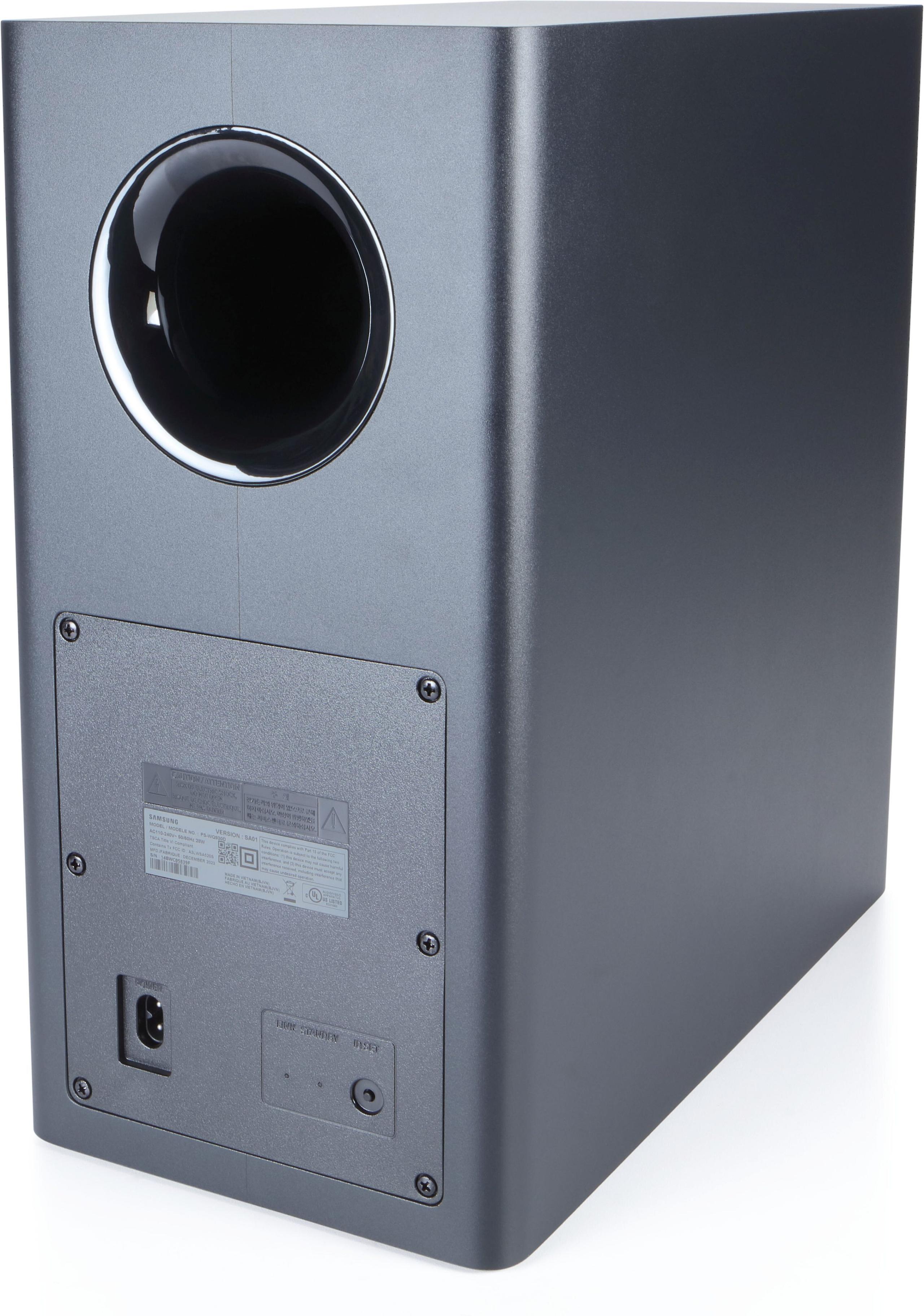
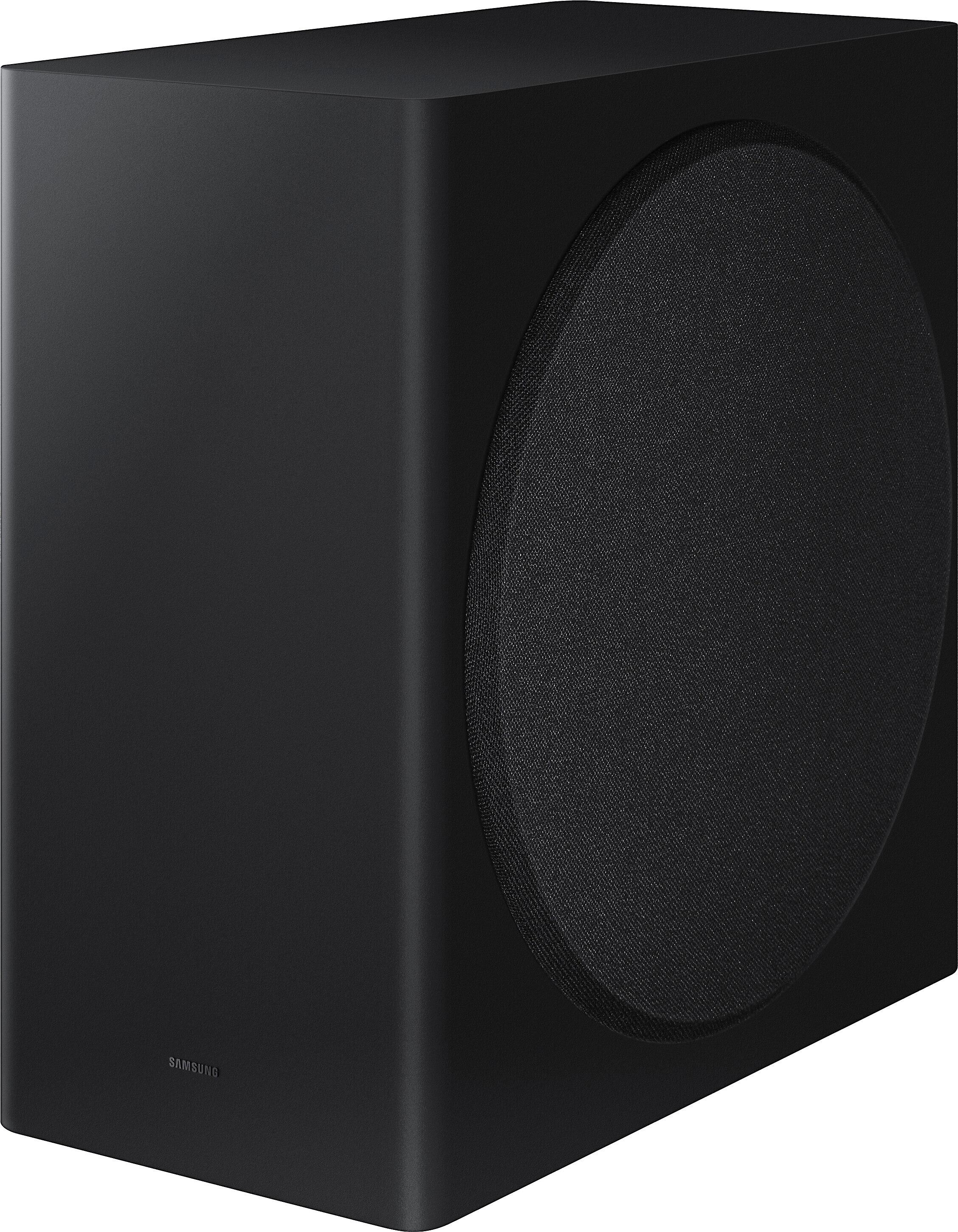
Here's where the value proposition gets interesting. The Samsung HW-Q800D includes an 8-inch wireless subwoofer right in the box. This isn't just a nice-to-have feature – it fundamentally changes what content the system can handle well. Action movies with deep rumbling explosions, music with prominent bass lines, and gaming audio with low-frequency effects all benefit enormously from dedicated bass reproduction.
The Sonos Ray, by contrast, handles bass through its built-in drivers. While Sonos has done impressive engineering work to extract reasonable low-end performance from such a compact form factor, physics ultimately limits what's possible. The Ray can certainly improve upon your TV's bass response, but it won't deliver the chest-thumping impact you get from the Samsung's dedicated subwoofer.
However, Sonos offers the option to add their Sub later, which transforms the Ray into a much more capable system for bass-heavy content. At the time of writing, this upgrade path costs significantly more than the Samsung's included subwoofer, making it important to consider your long-term plans and budget.
This is perhaps the most significant technical difference between these systems. The Samsung HW-Q800D is a true 5.1.2 channel system, meaning it can reproduce five main channels (left, center, right, and two surround channels), one subwoofer channel, and two height channels for Dolby Atmos effects. Those height channels use upfiring speakers that bounce sound off your ceiling to create the illusion of audio coming from above – helicopters flying overhead, rain falling, or debris cascading down.
Dolby Atmos represents a fundamental shift in how audio is encoded and reproduced. Instead of just having sounds come from specific speaker locations, Atmos treats sounds as objects that can be placed anywhere in three-dimensional space. When done well, it creates genuinely immersive experiences that make you forget you're listening to speakers at all.
The Sonos Ray doesn't support Dolby Atmos or any surround sound formats – it's strictly a stereo system. While it can play surround sound content, it downmixes everything to two channels. For music and dialogue-focused content, this isn't necessarily a limitation. In fact, some argue that a well-engineered stereo system can sound more natural and cohesive than a poorly implemented surround setup.
But for action movies, gaming, and content specifically mixed for surround sound, the Samsung's spatial capabilities provide a noticeably more immersive experience. I've found this particularly noticeable in scenes with ambient environmental sounds – a forest setting with birds chirping from various directions, or a cityscape with traffic moving around the soundstage.
Gaming has become an increasingly important consideration for soundbar buyers, and these two systems approach it very differently. The Samsung HW-Q800D includes a dedicated Game Pro mode that optimizes audio processing for gaming scenarios. This mode focuses on reducing audio latency – the delay between when something happens on screen and when you hear it – while enhancing directional cues that can give competitive gamers an advantage.
In first-person shooters, for example, being able to accurately locate enemy footsteps or gunfire can be the difference between victory and defeat. The Samsung's surround channels and height effects create a three-dimensional audio environment that makes these positional cues much more apparent than traditional stereo reproduction.
The Sonos Ray can certainly handle gaming audio, and its low-latency optical connection means you won't experience audio sync issues. However, without surround channels or directional capabilities, it's primarily suitable for casual gaming where immersion matters more than competitive advantage.
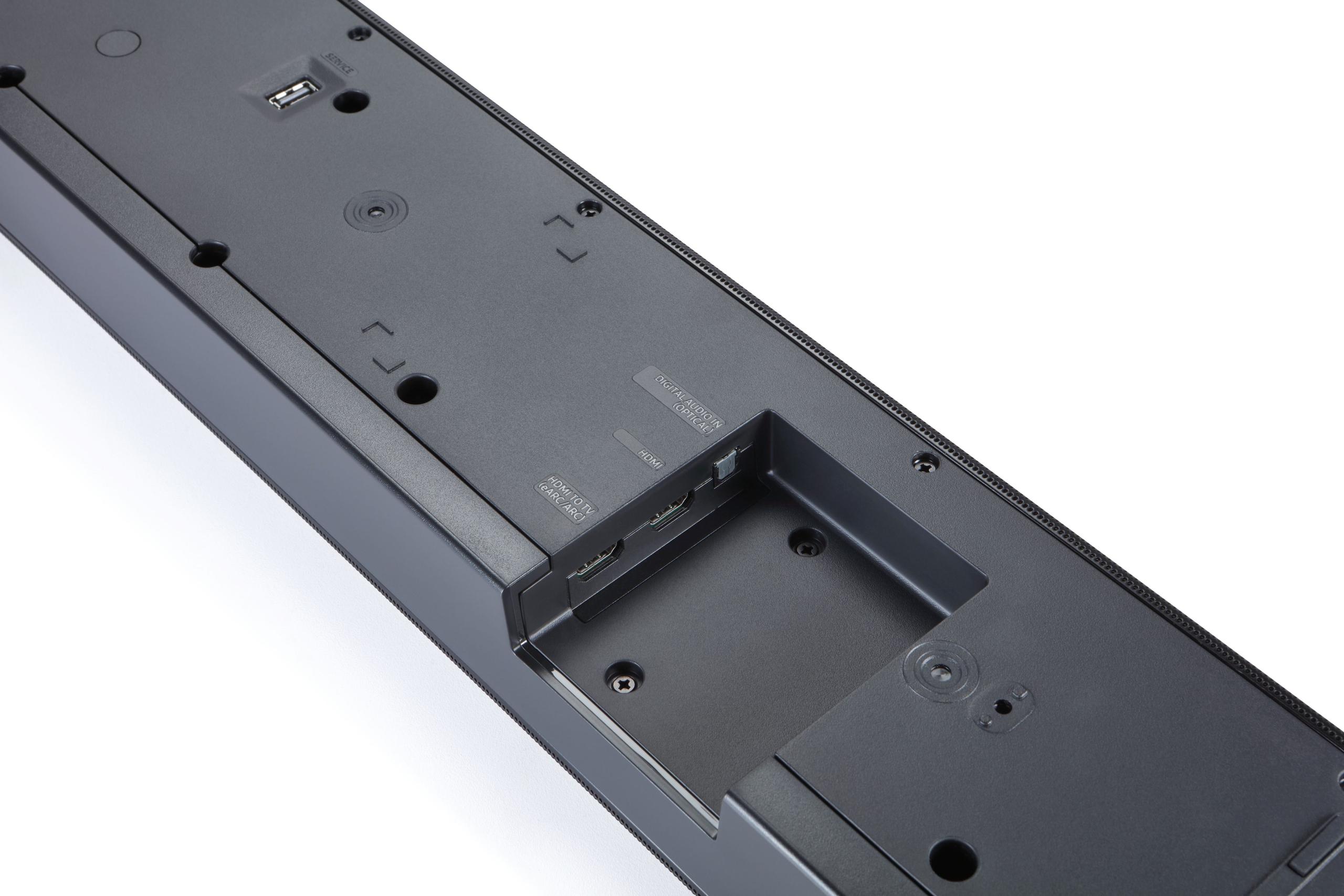
One technical note worth understanding: audio latency becomes more noticeable with wireless connections. Both systems offer wired optical connections that minimize this issue, but the Samsung's HDMI eARC connection (Enhanced Audio Return Channel) provides the lowest latency path for compatible TVs and gaming consoles.
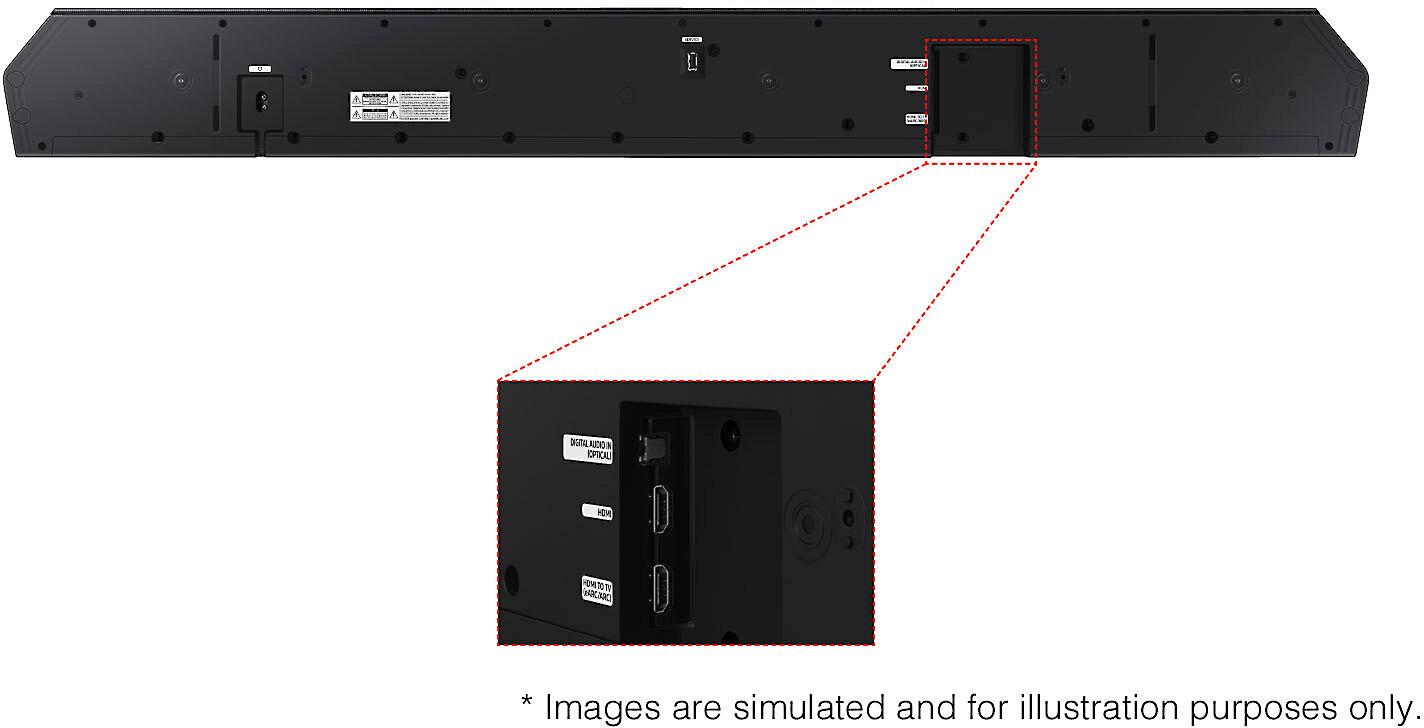
Modern soundbars need to connect to multiple sources and integrate with smart home ecosystems. The Samsung HW-Q800D covers all the bases: HDMI eARC for the highest quality audio from your TV, an additional HDMI input for connecting sources directly, optical digital input for older devices, WiFi for streaming services, and Bluetooth 5.2 for connecting phones and tablets.
The Samsung also includes SpaceFit Sound Pro, which uses built-in microphones to analyze your room's acoustics and automatically adjust the sound accordingly. This room correction technology can make a meaningful difference in how the system sounds in your specific space, particularly if you have challenging acoustics like hard surfaces that create echoes.
The Sonos Ray takes a more focused approach to connectivity, with optical input and WiFi streaming as its primary connection methods. Notably, it doesn't include HDMI or Bluetooth – choices that keep costs down but limit flexibility. The lack of HDMI means you miss out on advanced audio formats that require higher bandwidth than optical can provide.
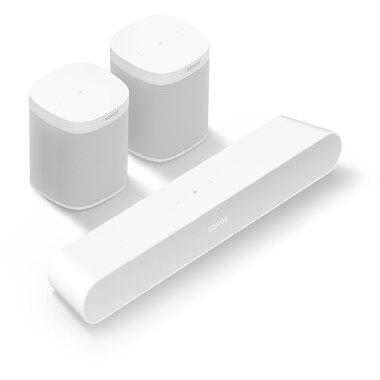
However, where Sonos excels is ecosystem integration. If you already have or plan to build a Sonos multi-room system, the Ray integrates seamlessly with other Sonos speakers throughout your home. You can group it with speakers in other rooms, use it as part of a whole-house audio system, or even add Sonos rear speakers later to create a surround system (though this gets expensive quickly).
Both systems can stream music wirelessly, but they approach music reproduction differently. The Sonos Ray benefits from Sonos's decades of experience in music-focused audio products. The company started as a music streaming pioneer, and that heritage shows in how natural and balanced music sounds through their speakers. Vocals tend to sound particularly natural, and the overall tonal balance works well across different musical genres.
The Samsung HW-Q800D brings more power and bass impact to music, which works well for electronic music, hip-hop, and rock where you want to feel the beat. However, some listeners find Samsung's processing less natural-sounding for acoustic music and vocals compared to Sonos's more refined approach.
Both systems support major streaming services, but they get there through different paths. The Samsung works with Spotify Connect, while the Sonos integrates with virtually every major music service through their app ecosystem.
Physical size and visual design matter more than many people initially consider. The Sonos Ray measures just over 22 inches wide and under 3 inches tall, making it suitable for smaller TV stands and more discreet installations. Its clean, minimalist design won't dominate your entertainment center's aesthetic.
The Samsung HW-Q800D is substantially larger and comes with a wireless subwoofer that needs floor space and careful placement. While the subwoofer is wireless from an audio perspective, it still needs to be plugged into power, which limits placement options. The system works best when you have adequate space to properly position both components.
Room size plays a crucial role in performance too. The Samsung's surround capabilities shine in larger rooms where there's space for sound to develop, while the Ray works well in smaller spaces where its focused stereo presentation can fill the room effectively.
At the time of writing, these systems occupy different price tiers, with the Sonos Ray positioned as a premium entry-level option and the Samsung HW-Q800D as a mid-to-upper tier complete system. The immediate price difference is significant, but the value calculation becomes more complex when you consider upgrade paths and long-term costs.
If you eventually want bass performance comparable to the Samsung's included subwoofer, adding Sonos's Sub to the Ray system costs substantially more than the price difference between the two systems. This makes the Samsung a better value if you know you want full-range audio performance from the start.
However, if you're primarily focused on dialogue clarity and don't need surround sound or deep bass, the Ray offers exceptional performance for its price point. It's also worth considering that Sonos products tend to maintain their value and receive software updates for many years, while Samsung's update track record for soundbars is less consistent.
After extensive testing with various content types, clear patterns emerge for when each system makes the most sense.
Choose the Sonos Ray if you primarily watch dialogue-heavy content like news, documentaries, and character-driven shows. It's ideal for smaller spaces, secondary rooms like bedrooms, or situations where visual simplicity matters. If you're already invested in the Sonos ecosystem or planning to build a multi-room audio system, the Ray provides seamless integration. It's also the better choice if you prefer to upgrade gradually rather than making a larger upfront investment.
The Samsung HW-Q800D makes more sense for dedicated movie watching, gaming, or if you regularly listen to music with prominent bass lines. It's the clear winner for larger rooms where surround sound can properly develop, and essential if you want Dolby Atmos effects from streaming services and 4K Blu-rays. The Samsung also offers better value if you know you want complete home theater functionality from day one.
For home theater enthusiasts specifically, the Samsung's Atmos capabilities and included subwoofer provide a much more complete cinematic experience. Modern blockbuster movies are mixed with these technologies in mind, and you'll miss important audio elements with a stereo-only system.
Both the Sonos Ray and Samsung HW-Q800D succeed at their intended purposes, but they're designed for different users and use cases. The Ray excels at its core mission of dramatically improving TV dialogue and music reproduction in a compact, elegant package. The Samsung delivers a comprehensive home theater experience with modern surround sound technologies and gaming optimizations.
Your choice should align with how you actually use your entertainment system. If you mainly watch TV shows and want cleaner dialogue without complexity, the Ray is exceptional. If you want the full cinematic experience with height effects and room-shaking bass, the Samsung delivers significantly more capability for a proportionally reasonable price increase.
Neither choice is wrong – they're just optimized for different priorities and budgets. The key is being honest about what features you'll actually use and value, then choosing the system that delivers those features most effectively.
| Sonos Ray Soundbar | Samsung HW-Q800D 5.1.2 Channel Soundbar |
|---|---|
| Audio Configuration - Determines surround sound capability and immersion level | |
| 2.0 stereo with custom waveguides | 5.1.2 channels with dedicated height speakers |
| Dolby Atmos Support - Essential for modern movie soundtracks and streaming content | |
| Not supported (stereo only) | Full Dolby Atmos with upfiring height channels |
| Subwoofer Inclusion - Critical for bass impact in movies and music | |
| None included (optional upgrade available) | Wireless 8-inch subwoofer included |
| HDMI Connectivity - Required for highest quality audio formats from modern TVs | |
| No HDMI (optical input only) | HDMI eARC + additional HDMI input |
| Total System Power - Affects maximum volume and dynamic range | |
| Not specified (compact stereo design) | 360W total system power |
| Dialogue Enhancement - Key feature for speech clarity | |
| Dedicated dialogue enhancement mode | Active Voice Amplifier (AVA) with center channel |
| Gaming Features - Important for console gaming and competitive play | |
| Basic compatibility only | Game Pro mode with low latency optimization |
| Room Correction Technology - Automatically optimizes sound for your space | |
| Trueplay (iOS devices only) | SpaceFit Sound Pro (built-in microphones) |
| Wireless Connectivity Options - Determines streaming flexibility | |
| WiFi and Apple AirPlay 2 | WiFi, Bluetooth 5.2, and multiple streaming protocols |
| Multi-Room Integration - Allows whole-home audio expansion | |
| Full Sonos ecosystem compatibility | Limited to Samsung SmartThings integration |
| Physical Footprint - Space requirements for installation | |
| Compact single bar (22" wide) | Soundbar plus wireless subwoofer placement needed |
| Voice Assistant Support - Smart home integration capability | |
| Amazon Alexa and Google Assistant | Alexa built-in with Samsung Bixby |
| Upgrade Path Flexibility - Options for future system expansion | |
| Can add Sonos Sub and rear speakers | Complete system out of box, limited expansion |
The Samsung HW-Q800D is significantly better for movies due to its full Dolby Atmos support, 5.1.2 channel configuration, and included wireless subwoofer. It creates an immersive surround sound experience with height effects, while the Sonos Ray only offers stereo sound. For action movies and cinematic content, the Samsung HW-Q800D delivers the spatial audio experience that modern films are designed for.
No, only the Samsung HW-Q800D supports Dolby Atmos with dedicated upfiring speakers for height effects. The Sonos Ray is a stereo-only soundbar that doesn't support Dolby Atmos or any surround sound formats. If Dolby Atmos is important for your home theater setup, the Samsung HW-Q800D is the clear choice.
The Sonos Ray excels at dialogue clarity with its custom-designed waveguides and dedicated dialogue enhancement mode. While the Samsung HW-Q800D also offers good dialogue through its center channel and Active Voice Amplifier, the Sonos Ray is specifically engineered for exceptional speech reproduction, making it ideal for news, TV shows, and dialogue-heavy content.
The Samsung HW-Q800D includes an 8-inch wireless subwoofer in the box, providing immediate bass impact. The Sonos Ray doesn't include a subwoofer, though you can add one later. If you want bass performance right away without additional purchases, the Samsung HW-Q800D offers better immediate value.
The Samsung HW-Q800D is superior for gaming with its dedicated Game Pro mode, surround sound positioning, and low-latency HDMI connections. These features provide competitive advantages in gaming and create more immersive experiences. The Sonos Ray works for casual gaming but lacks the spatial audio and gaming optimizations that serious gamers prefer.
The Samsung HW-Q800D offers comprehensive connectivity including HDMI eARC, additional HDMI input, optical, WiFi, and Bluetooth 5.2. The Sonos Ray is more limited with only optical input and WiFi streaming - it notably lacks HDMI and Bluetooth connections. For maximum device compatibility, the Samsung HW-Q800D provides more flexibility.
The Sonos Ray is ideal for small rooms due to its compact 22-inch design and focused stereo presentation that works well in tight spaces. The Samsung HW-Q800D requires more space for the soundbar plus wireless subwoofer placement, and its surround capabilities are better utilized in larger rooms where sound can properly develop.
The Sonos Ray integrates seamlessly with the complete Sonos multi-room ecosystem, allowing you to connect and control multiple Sonos speakers throughout your home. The Samsung HW-Q800D has limited wireless speaker integration, mainly working with Samsung's SmartThings platform. For whole-home audio, the Sonos Ray offers superior expansion options.
Value depends on your needs. The Sonos Ray offers excellent dialogue performance at a lower entry point, while the Samsung HW-Q800D includes a complete surround sound system with subwoofer for a higher but justified cost. If you want full home theater features immediately, the Samsung HW-Q800D provides better overall value per feature.
Yes, both support voice assistants but differently. The Sonos Ray works with Amazon Alexa and Google Assistant through the Sonos app ecosystem. The Samsung HW-Q800D has Alexa built-in and supports Samsung's Bixby assistant. Both integrate well with smart home setups, though through different platforms.
The Sonos Ray typically sounds more natural for music due to Sonos's audio expertise and balanced frequency response, especially for vocals and acoustic genres. The Samsung HW-Q800D provides more bass impact and power for electronic music and rock. Music preference depends on your listening style - the Sonos Ray for audiophile-focused listening, the Samsung HW-Q800D for dynamic, bass-heavy content.
Both are relatively easy to set up. The Sonos Ray requires just an optical cable connection and the Sonos app for configuration. The Samsung HW-Q800D involves positioning both the soundbar and wireless subwoofer, plus connecting HDMI or optical cables. While the Samsung HW-Q800D has more components, both systems can be operational within minutes of unboxing.
We've done our best to create useful and informative comparisons to help you decide what product to buy. Our research uses advanced automated methods to create this comparison and perfection is not possible - please contact us for corrections or questions. These are the sites we've researched in the creation of this article: tomsguide.com - soundandvision.com - youtube.com - techradar.com - en.community.sonos.com - rtings.com - howtogeek.com - youtube.com - cnet.com - sonos.com - videoandaudiocenter.com - techradar.com - valueelectronics.com - samsung.com - rtings.com - samsung.com - crutchfield.com - samsung.com - samsung.com - samsung.com - shidirect.com

Privacy Policy
Terms and Conditions - Affiliate Policy
Home Security
© Copyright 2008-2026.
11816 Inwood Rd #1211, Dallas, TX 75244