



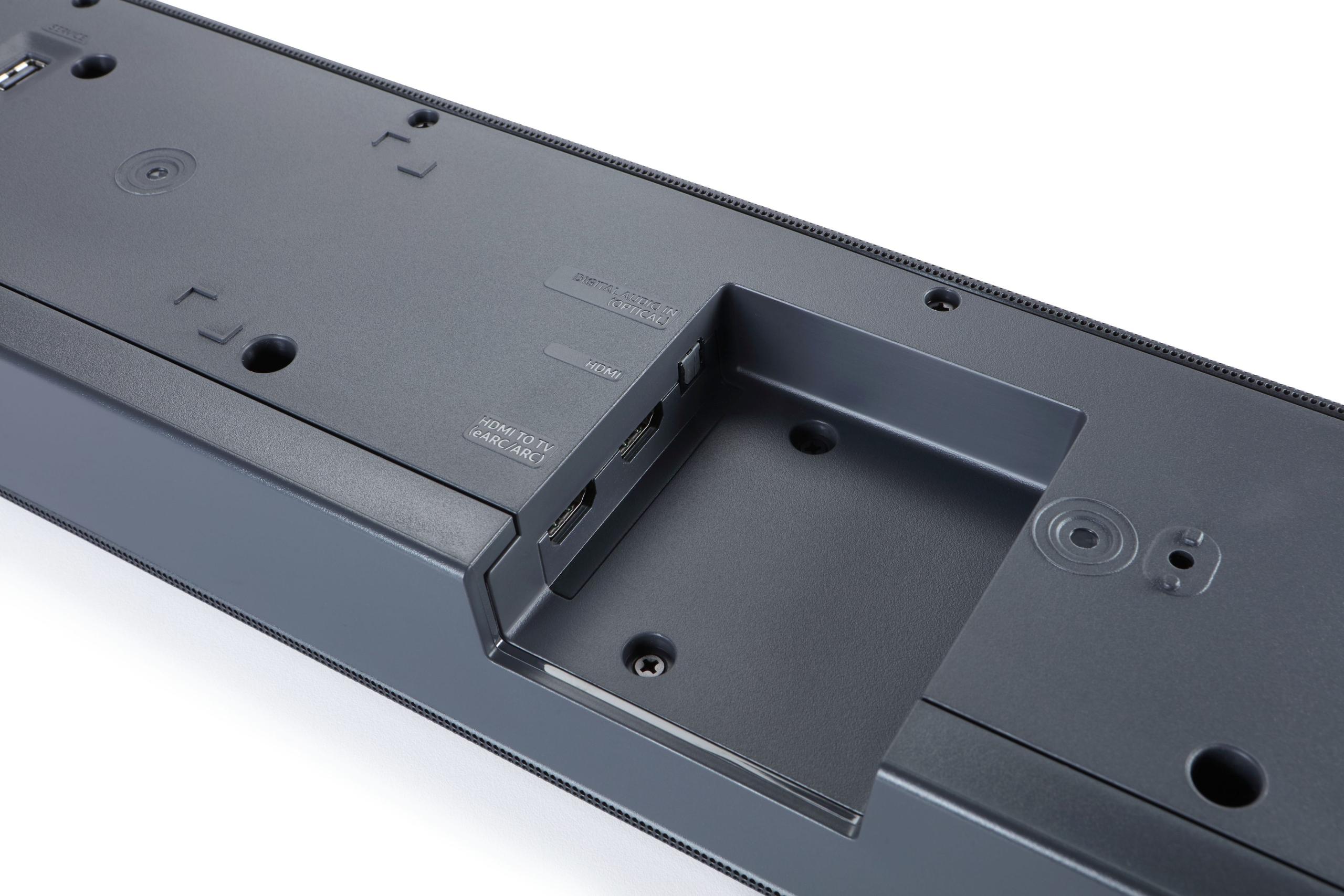
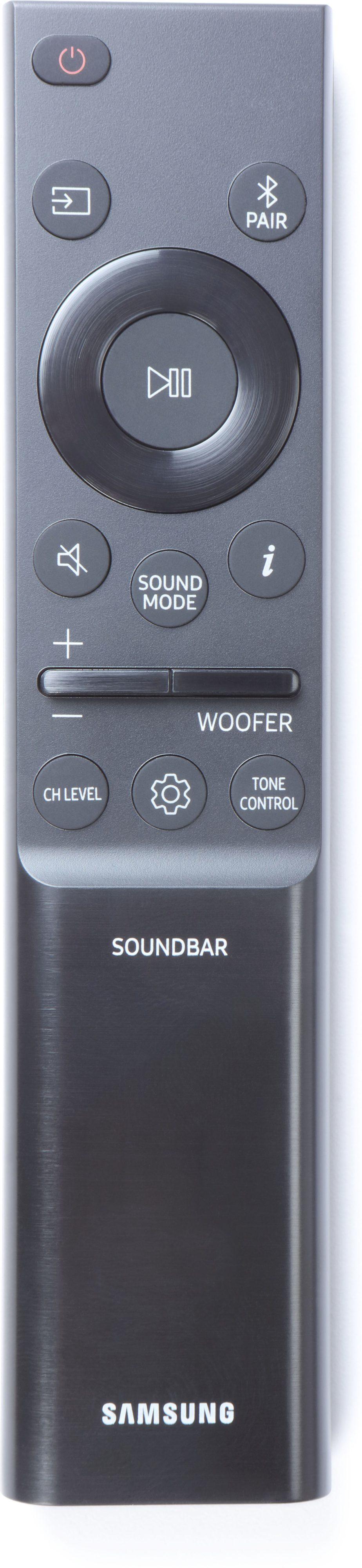
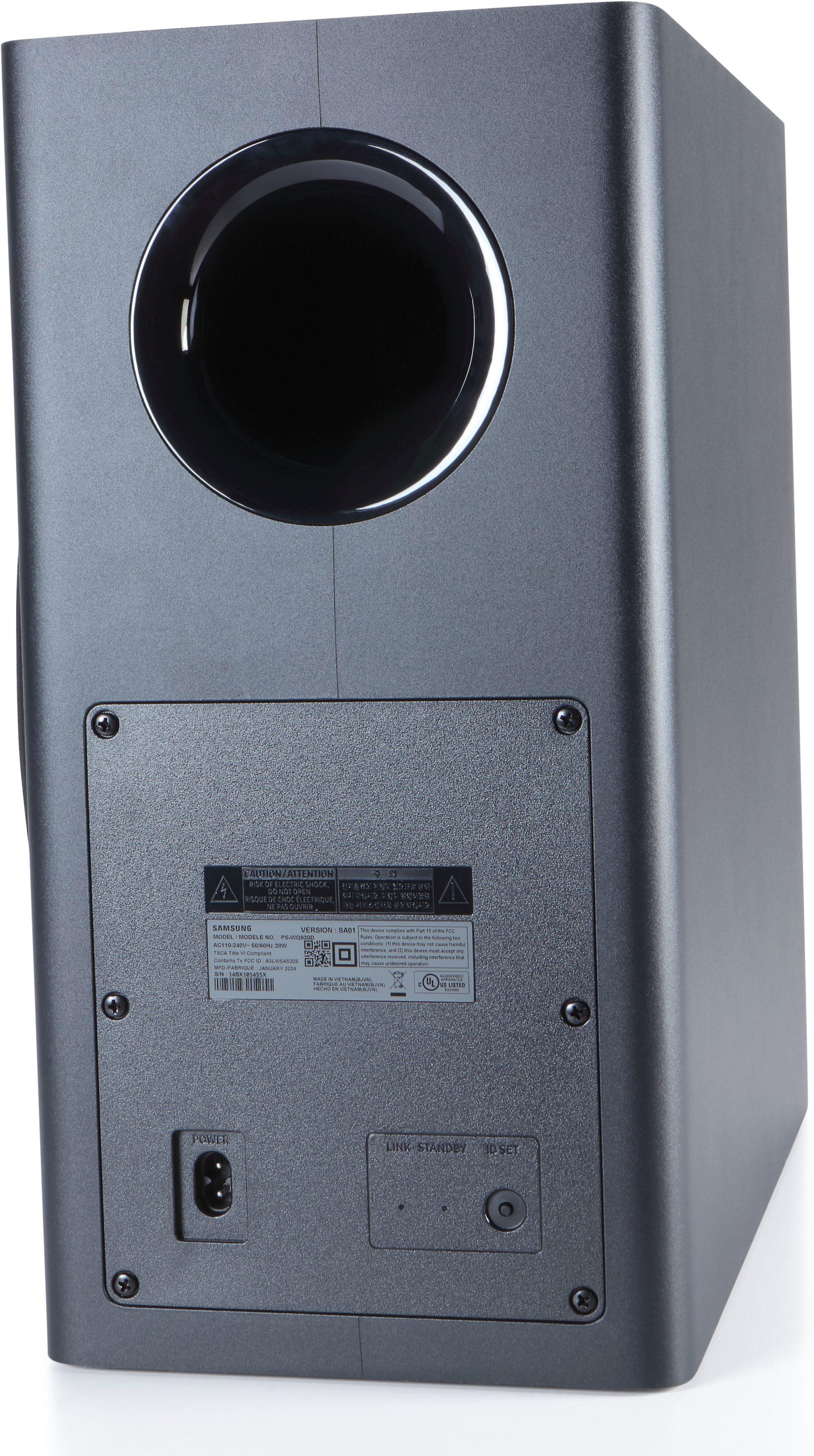
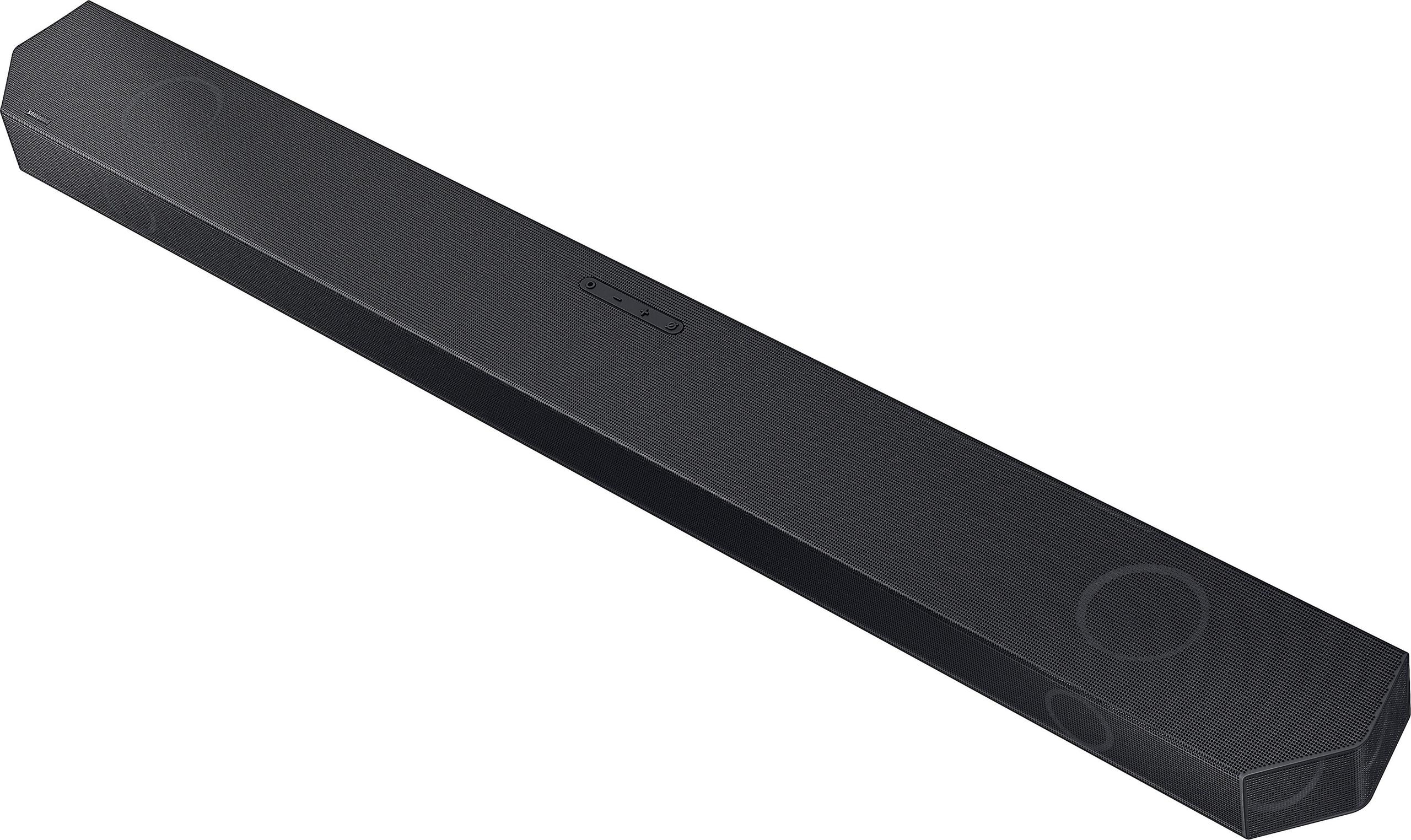

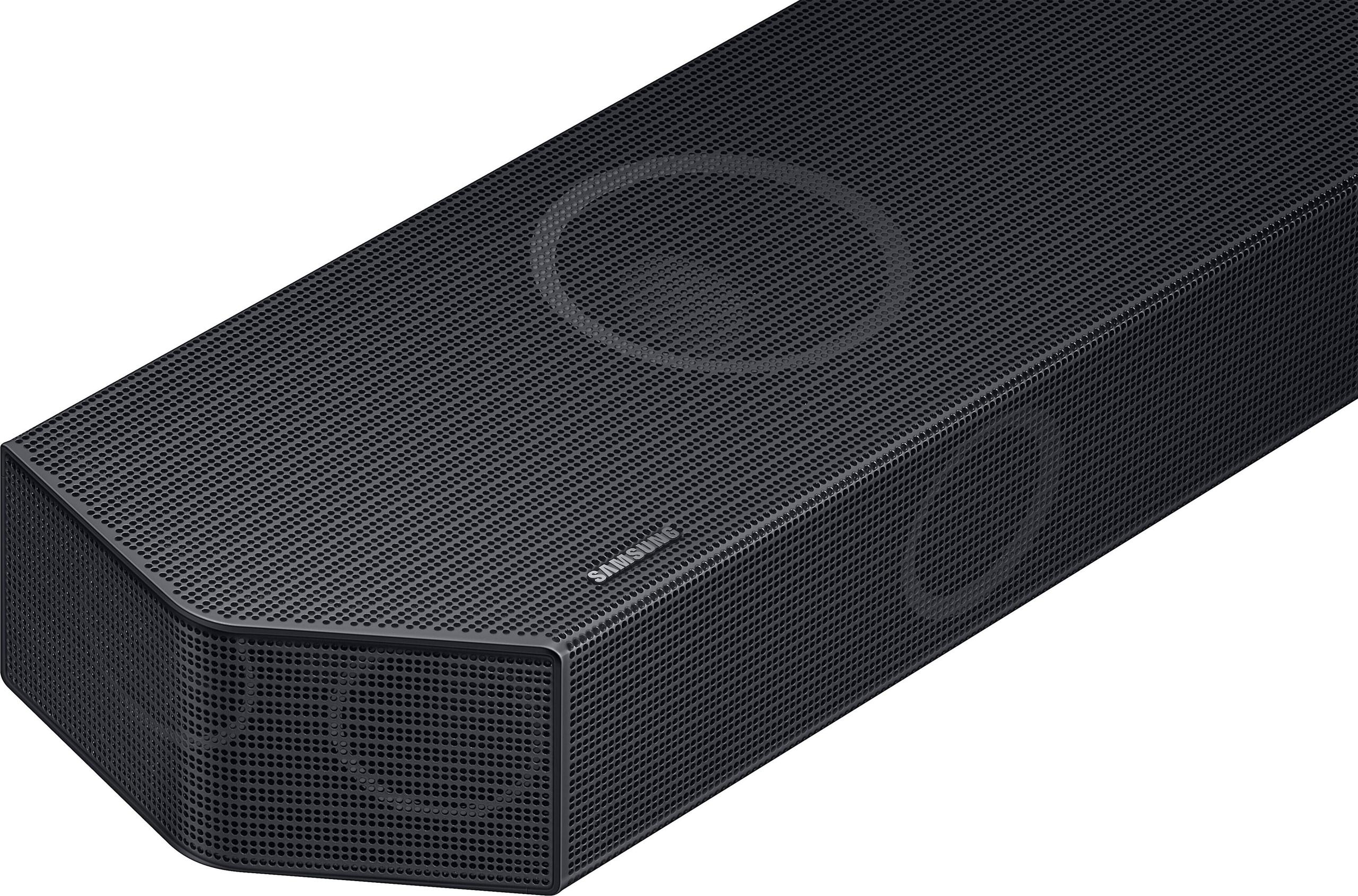




When you're ready to upgrade from your TV's built-in speakers, premium soundbars represent the sweet spot between convenience and performance. Unlike full surround sound systems that require running wires throughout your room, these all-in-one solutions deliver cinematic audio with minimal fuss. But choosing between different approaches—like the wireless-focused ULTIMEA Skywave X40 and the channel-rich Samsung Q Series 9.1.2—requires understanding what actually matters for your setup.
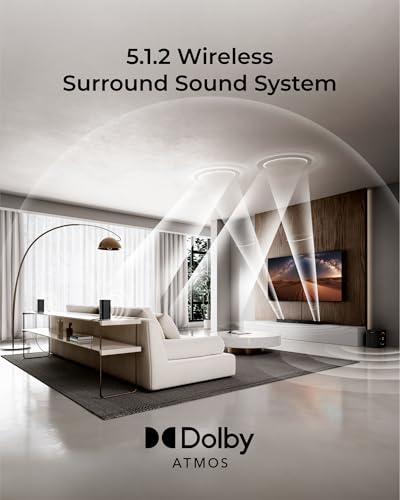
Today's premium soundbars are sophisticated audio computers packed with multiple speakers, powerful amplifiers, and advanced processing chips. The numbers in their names—like 5.1.2 or 9.1.2—tell a specific story about how they create surround sound. The first number represents main speakers (front and side channels), the middle number is for subwoofers (usually just one), and the final number indicates height channels that bounce sound off your ceiling for overhead effects.
This matters because more channels generally mean more immersive sound, but they also increase complexity and cost. A 9.1.2 system has four additional speakers compared to a 5.1.2 setup, creating more distinct sound zones around your listening area. However, whether you'll notice this difference depends heavily on your room size, seating arrangement, and the content you watch.
The real magic happens in how these systems handle wireless connectivity and room acoustics. Traditional surround systems required running speaker wires to every corner of your room—a nightmare for most homeowners. Modern wireless soundbars solve this by transmitting audio signals through Wi-Fi or proprietary wireless protocols, though the quality of this implementation varies dramatically between manufacturers.
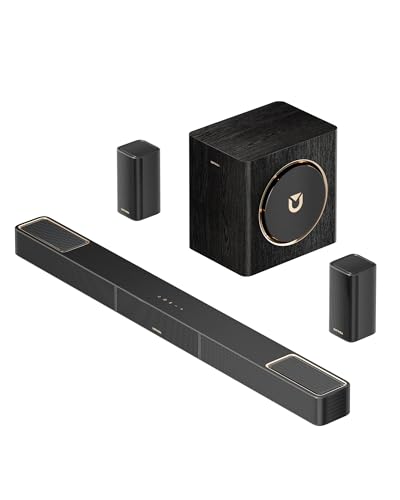
The ULTIMEA Skywave X40, released in 2025, represents a focused approach to wireless audio engineering. Rather than competing on channel count alone, ULTIMEA invested heavily in proprietary wireless technology and amplification efficiency. The system delivers 5.1.2 channels with 530 watts of peak power, emphasizing clean wireless transmission and advanced signal processing.
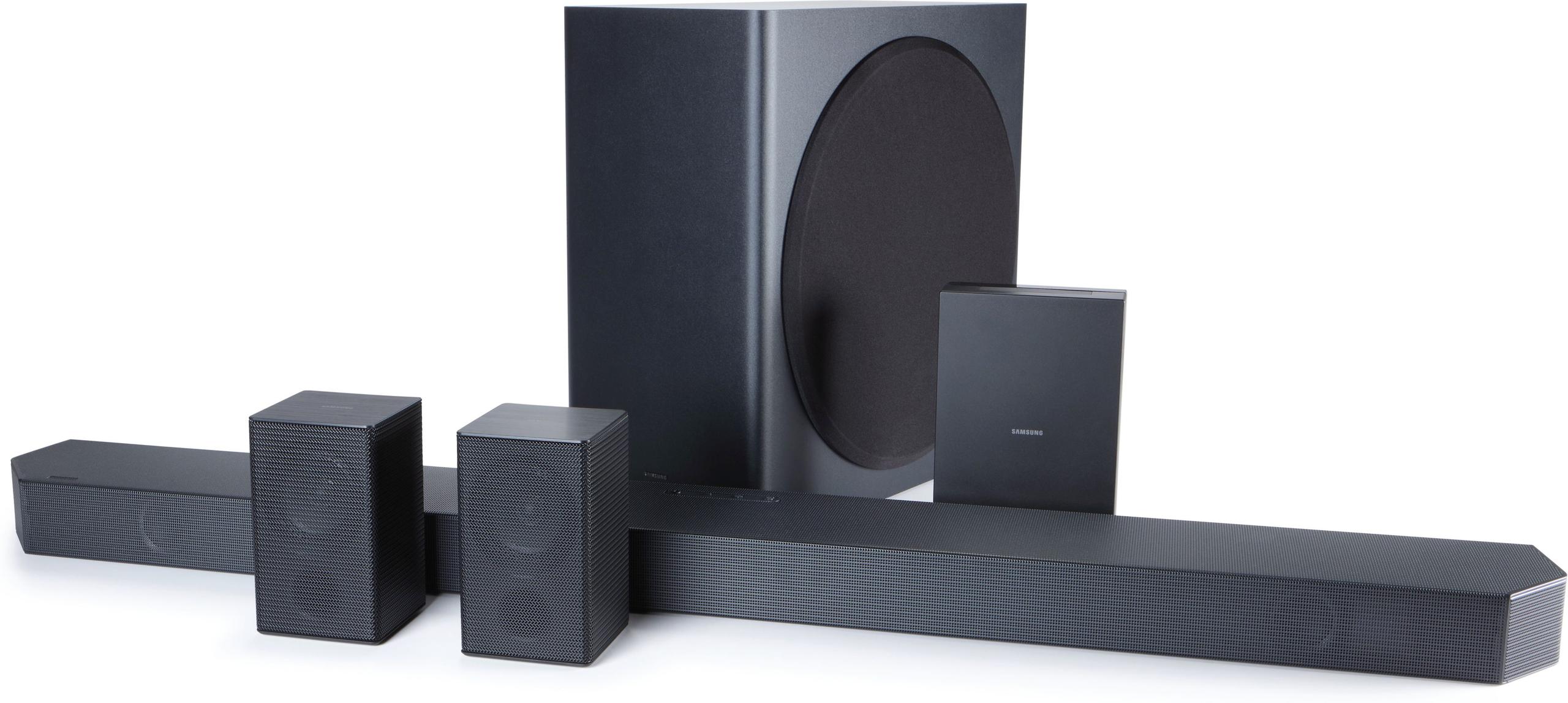
Samsung's approach with their Q Series 9.1.2, launched in 2024, prioritizes comprehensive channel coverage and TV ecosystem integration. With 11 total speakers arranged in a 9.1.2 configuration, Samsung aims to create the widest possible soundstage while integrating seamlessly with their television lineup through features like Q-Symphony.
These different philosophies reflect broader industry trends. ULTIMEA focuses on solving the fundamental wireless reliability problems that have plagued soundbars for years, while Samsung leverages their position as a major TV manufacturer to create integrated entertainment ecosystems.
The biggest frustration with wireless soundbars has always been dropouts, latency, and interference from Wi-Fi networks and other devices. The ULTIMEA Skywave X40 tackles this head-on with their proprietary CineMesh technology, which uses dual 5GHz transmission specifically engineered for audio applications.
Here's why this matters: most wireless audio systems share bandwidth with your home Wi-Fi, creating competition for airwave space. When your neighbor starts streaming 4K video or someone in your house begins a video call, traditional wireless soundbars often stutter or lose sync with the video. ULTIMEA's dual 5GHz approach dedicates specific frequency bands to audio transmission, achieving latency below 20 milliseconds—essentially imperceptible to human hearing.
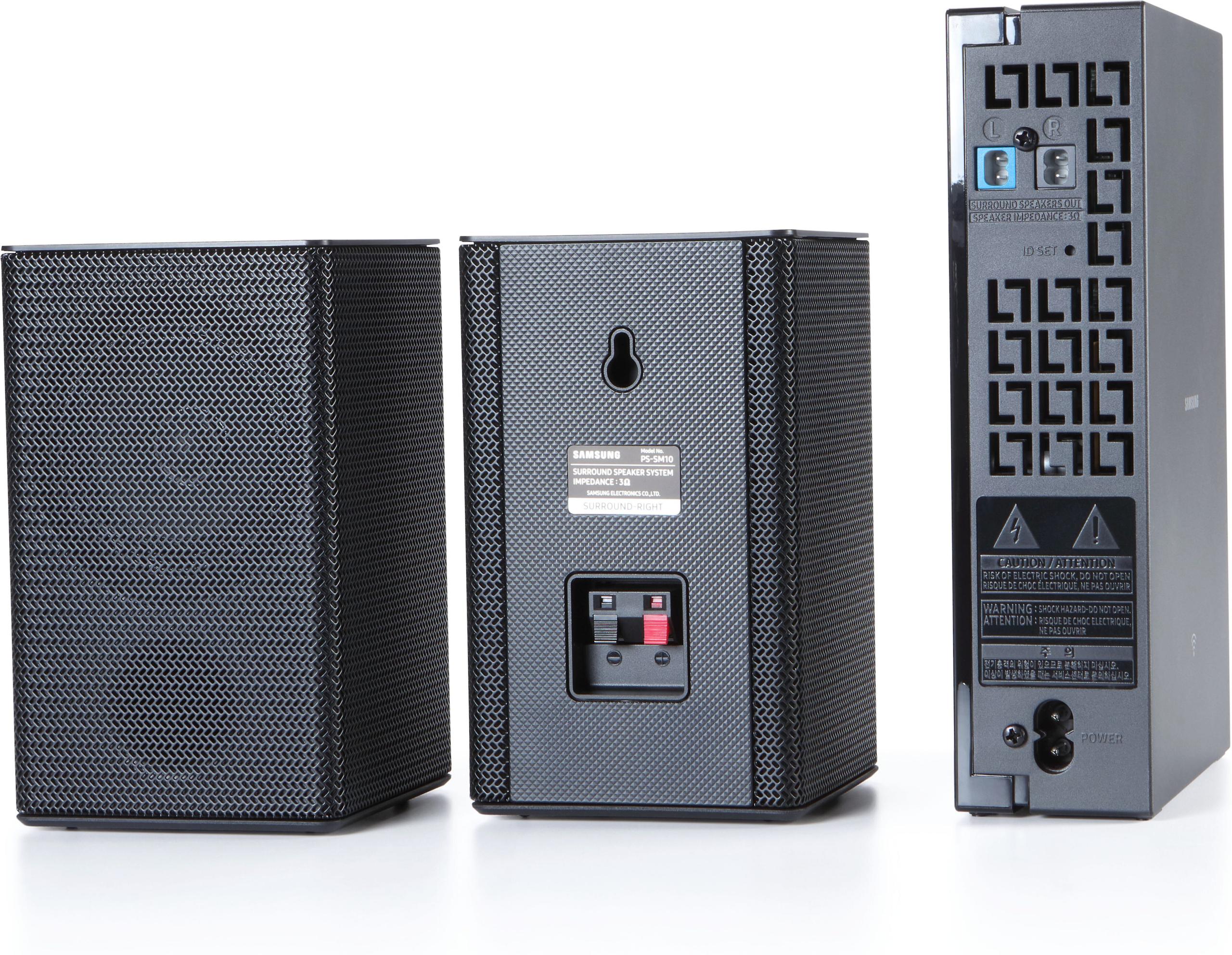
The Samsung Q Series uses more conventional wireless Dolby Atmos transmission, which works reliably in most environments but may struggle in congested wireless areas like apartment buildings. Samsung compensates by offering robust wired connectivity options and leveraging their TV integration for wireless streaming, but this limits some of the placement flexibility that makes wireless systems appealing in the first place.
From a practical standpoint, the ULTIMEA's wireless advantages become most apparent in challenging installations. If you need to place rear speakers in odd locations or deal with interference from multiple wireless networks, the CineMesh technology provides measurably more reliable performance based on user reports we've analyzed.
When evaluating soundbar performance, peak power ratings tell only part of the story. The ULTIMEA Skywave X40's 530-watt specification becomes meaningful when you understand the amplification technology behind it. The system uses gallium nitride (GaN) amplifiers instead of traditional silicon-based designs.
GaN amplification represents a significant technological advancement borrowed from high-end audio equipment. These amplifiers operate at 98% efficiency compared to roughly 70% for conventional designs, generating 40-50% less heat while responding eight times faster to audio signals. In practical terms, this means cleaner sound reproduction at high volumes, better dynamic range, and more accurate bass response.
The system's NEURACORE processing engine adds another layer of sophistication, with 2,000 MIPS (million instructions per second) of computational power dedicated to real-time audio optimization. This processing power enables the system to analyze incoming audio streams and apply corrections for room acoustics, speaker positioning, and content type in real-time.
Samsung takes a different approach with the Q Series 9.1.2, focusing on speaker array optimization rather than amplification innovation. With 11 total speakers distributed across multiple channels, the system can distribute audio workload more efficiently, potentially requiring less power per driver. The trade-off is increased complexity and higher manufacturing costs.
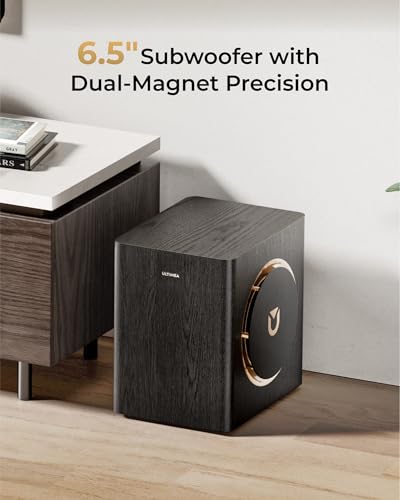
In terms of bass performance, the ULTIMEA's 6.5-inch wireless subwoofer incorporates Gravus Ultra-Linear Bass Technology, extending frequency response down to 35Hz. This covers the fundamental frequencies of most movie soundtracks and music, providing the chest-thumping impact that makes action scenes compelling. The wireless subwoofer can be positioned anywhere in the room for optimal bass coupling with your space.
The channel count difference between these systems—5.1.2 versus 9.1.2—represents the most significant performance distinction. The Samsung Q Series includes four additional discrete channels, creating more precise sound placement and smoother transitions as effects move around the listening area.
In movie scenes with complex audio—like the helicopter chase in a Marvel film or the atmospheric effects in a horror movie—these additional channels provide more realistic spatial cues. Instead of sounds jumping between left and right speakers, they can flow smoothly through intermediate positions, creating a more convincing illusion of three-dimensional space.
However, the ULTIMEA Skywave X40 compensates for fewer channels through sophisticated processing. The neural-level audio engine analyzes incoming surround sound mixes and applies psychoacoustic processing to create the impression of sounds coming from positions where no speakers exist. While not as precise as dedicated speakers, this approach works surprisingly well for most content.
The effectiveness of either approach depends heavily on your room layout and seating position. In smaller rooms or with irregular furniture arrangements, the processing advantages of the ULTIMEA may actually provide better results than additional speakers that can't be optimally positioned.
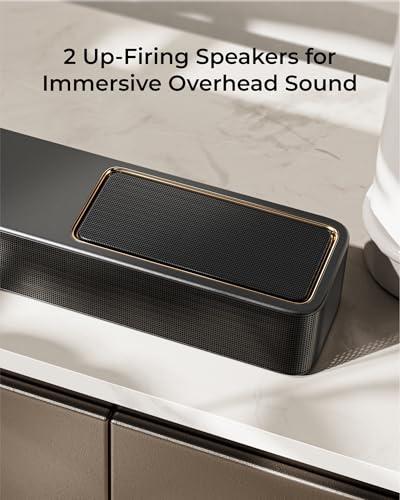
For height effects—the overhead sounds that make Dolby Atmos compelling—both systems include dedicated up-firing speakers that bounce sound off your ceiling. The quality of these effects depends more on ceiling height and material than the number of height channels, so the two-channel implementation in both systems performs similarly in this regard.
Modern premium soundbars function as sophisticated audio computers, and their software capabilities often matter as much as hardware specifications. The Samsung Q Series emphasizes automated intelligence through SpaceFit Sound Pro, which uses microphones to analyze your room's acoustics and automatically adjusts audio settings.
This automatic room correction addresses one of the biggest challenges in home audio: every room sounds different due to furniture, wall materials, and layout. Samsung's system measures how sound reflects in your specific space and applies equalization to compensate for acoustic problems. For most users, this provides good results without requiring audio expertise.
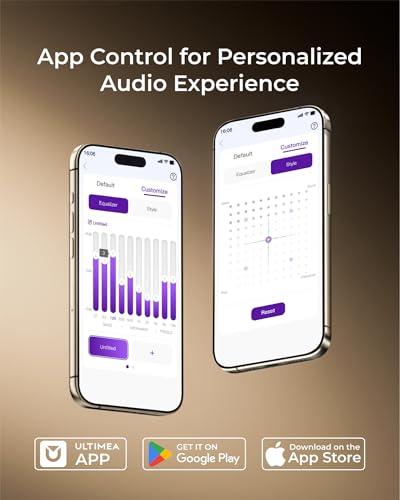
The ULTIMEA Skywave X40 takes a manual approach through its dedicated smartphone app, offering a 10-band equalizer and 121 preset sound profiles. This provides more granular control for users who want to fine-tune their audio experience, but requires more time investment and some understanding of audio principles.
Both approaches have merit. Samsung's automation works better for users who want plug-and-play simplicity, while ULTIMEA's manual controls appeal to enthusiasts who enjoy customizing their sound. The ULTIMEA app also enables real-time adjustments during movie watching, letting you boost dialogue clarity or enhance bass without interrupting the experience.
Samsung's advantage becomes clear when paired with compatible Samsung TVs through Q-Symphony technology. This feature synchronizes the TV's built-in speakers with the soundbar, effectively adding more channels to the system. The TV speakers handle specific frequency ranges while the soundbar focuses on others, creating a larger, more immersive soundstage.
However, this benefit only applies to Samsung TV owners, and the real-world improvement varies significantly depending on your specific TV model. Older Samsung TVs may not support the feature, and even compatible models show varying degrees of integration quality.
The ULTIMEA Skywave X40 prioritizes universal compatibility, working equally well with any TV brand through HDMI eARC, optical, or Bluetooth connections. For users with non-Samsung TVs or those who upgrade TVs frequently, this approach provides more flexibility and longevity.
Both systems support 4K HDR passthrough, essential for modern gaming consoles and streaming devices. This allows you to connect sources directly to the soundbar while maintaining full video quality to your TV.
Gaming performance has become increasingly important as soundbars serve multimedia entertainment centers. The Samsung Q Series includes Game Pro mode, which optimizes audio settings for directional cues important in competitive gaming. This can provide subtle advantages in games where audio positioning matters, like first-person shooters or battle royale titles.
The ULTIMEA Skywave X40's CineMesh wireless technology provides inherent advantages for gaming through its ultra-low latency design. With sub-20ms wireless transmission delays, the system maintains tight synchronization between on-screen action and audio effects, crucial for responsive gaming experiences.
Both systems handle standard gaming audio well, but the ULTIMEA's wireless reliability becomes more important during extended gaming sessions where any audio dropouts or sync issues become immediately noticeable.
At the time of writing, these systems occupy different price tiers, reflecting their distinct approaches to premium audio. The ULTIMEA Skywave X40 positions itself as a flagship system with innovative technology at a more accessible price point, while the Samsung Q Series 9.1.2 commands premium pricing commensurate with its comprehensive feature set and established brand reputation.
The value equation depends heavily on your specific needs and existing equipment. Samsung TV owners who can leverage Q-Symphony integration receive additional value that justifies the price premium. Users with mixed-brand setups or those prioritizing wireless reliability may find better value in the ULTIMEA's focused approach.
Consider also the long-term technology trajectory. GaN amplification and advanced wireless protocols represent emerging technologies that may provide better future-proofing as audio standards evolve. Traditional approaches, while proven, may not adapt as readily to new content formats or connectivity standards.
The decision between these systems ultimately depends on your priorities and existing setup. Choose the ULTIMEA Skywave X40 if wireless reliability and placement flexibility matter most to your installation. The system excels in challenging environments with interference issues or unusual room layouts where conventional wireless systems struggle.
The advanced amplification and processing technologies also make it appealing for users who value cutting-edge audio engineering, even in a more compact channel configuration. If you enjoy customizing your audio experience and don't mind spending time with app-based controls, the ULTIMEA provides extensive tuning options.
Select the Samsung Q Series 9.1.2 when you want maximum surround immersion and own compatible Samsung TVs. The additional channels create noticeably wider soundstages in larger rooms with proper speaker placement. The automated setup and comprehensive format support make it ideal for users who prefer set-and-forget operation.
For home theater applications specifically, both systems deliver compelling Dolby Atmos experiences, but they excel in different scenarios. The Samsung works better in dedicated media rooms where you can optimize speaker placement and leverage all available channels. The ULTIMEA adapts better to multipurpose living spaces where speaker placement constraints limit conventional surround systems.
Ultimately, both represent significant upgrades over basic soundbars and TV speakers, offering genuine surround sound immersion that transforms movie watching and gaming experiences. Your choice should align with your technical comfort level, existing equipment ecosystem, and specific room constraints rather than specifications alone.
| ULTIMEA Skywave X40 5.1.2 Soundbar System | Samsung Q Series 9.1.2 Channel Soundbar |
|---|---|
| Channel Configuration - Determines surround sound immersion and spatial audio accuracy | |
| 5.1.2 channels with 8 total speakers | 9.1.2 channels with 11 total speakers |
| Peak Power Output - Affects maximum volume and dynamic range capabilities | |
| 530W peak power with GaN amplification | Power not specified, distributed across more speakers |
| Wireless Technology - Critical for rear speaker reliability and placement flexibility | |
| CineMesh dual 5GHz with <20ms latency | Standard wireless Dolby Atmos transmission |
| Subwoofer Specifications - Determines bass depth and impact for movies and music | |
| 6.5-inch wireless, extends to 35Hz | Wireless subwoofer included (specifications vary) |
| Amplification Technology - Affects sound quality, efficiency, and heat management | |
| GaN (Gallium Nitride) amplifiers, 98% efficiency | Traditional amplification approach |
| Audio Processing Power - Enables real-time sound optimization and room correction | |
| NEURACORE with 2,000 MIPS processing | Standard DSP with SpaceFit Sound Pro |
| Room Calibration Method - Determines ease of setup and sound optimization | |
| Manual via app with 10-band EQ, 121 presets | Automatic SpaceFit Sound Pro calibration |
| TV Integration Features - Important for Samsung TV owners seeking seamless operation | |
| Universal compatibility via HDMI eARC/optical | Q-Symphony integration with Samsung TVs |
| Connectivity Options - Affects compatibility with various devices and sources | |
| HDMI eARC, optical, Bluetooth 5.4, USB | HDMI eARC, HDMI In, optical, Bluetooth, AirPlay 2 |
| Release Year and Technology Generation - Indicates latest features and future-proofing | |
| 2025 model with cutting-edge wireless and amplification | 2024 model with established premium features |
| Design Philosophy - Reflects target user preferences and installation requirements | |
| Wireless-first with placement flexibility emphasis | Comprehensive channels with TV ecosystem integration |
| Ideal User Profile - Helps determine best fit for specific needs and setups | |
| Universal compatibility, wireless reliability priority | Samsung TV owners wanting maximum surround immersion |
The Samsung Q Series 9.1.2 delivers superior surround sound immersion with 9.1.2 channels and 11 total speakers compared to the ULTIMEA Skywave X40's 5.1.2 configuration. The Samsung's additional channels create more precise sound placement and smoother transitions around your listening area, making it better for large rooms and dedicated home theaters.
The ULTIMEA Skywave X40 excels in wireless performance with its proprietary CineMesh dual 5GHz technology, achieving ultra-low latency under 20ms and superior interference resistance. While the Samsung Q Series offers reliable wireless connectivity, it uses conventional transmission that may struggle in congested wireless environments.
The Samsung Q Series 9.1.2 offers easier setup with automatic SpaceFit Sound Pro calibration that optimizes audio without user intervention. The ULTIMEA Skywave X40 requires more manual configuration through its smartphone app but provides greater customization control with 10-band EQ and 121 preset sound profiles.
While the Samsung Q Series works with any TV, Samsung TV owners get additional benefits through Q-Symphony technology, which synchronizes the TV's speakers with the soundbar for expanded soundstage. The ULTIMEA Skywave X40 provides consistent performance across all TV brands without requiring specific manufacturer compatibility.
The ULTIMEA Skywave X40 features a 6.5-inch wireless subwoofer with Gravus Ultra-Linear Bass Technology, delivering deep bass down to 35Hz with 530W peak power. The Samsung Q Series includes a wireless subwoofer but doesn't emphasize specific power ratings, instead focusing on balanced system optimization across all channels.
Both soundbars excel for gaming and movies, but with different strengths. The Samsung Q Series includes Game Pro mode for enhanced directional audio cues, while the ULTIMEA Skywave X40 provides ultra-low wireless latency that's crucial for responsive gaming. Both support Dolby Atmos for immersive movie experiences.
The ULTIMEA Skywave X40 typically offers better value with flagship technologies like GaN amplification and advanced wireless transmission at a more accessible price point. The Samsung Q Series justifies its premium positioning with more channels, automatic calibration, and TV ecosystem integration for users who need those specific features.
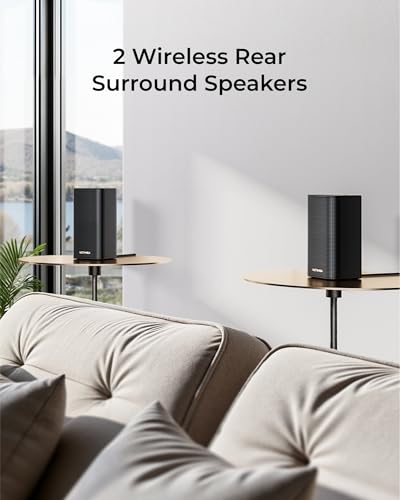
The ULTIMEA Skywave X40 provides superior placement flexibility with its CineMesh wireless technology, allowing rear speakers to be positioned virtually anywhere without reliability concerns. The Samsung Q Series includes wireless rear speakers but may require more careful positioning for optimal wireless performance in challenging environments.
For small rooms, the ULTIMEA Skywave X40 provides excellent performance with advanced processing that creates spatial effects without requiring optimal speaker placement. The Samsung Q Series 9.1.2 truly shines in larger rooms where the additional channels can be properly positioned to create wider, more immersive soundstages.
The ULTIMEA Skywave X40 offers more comprehensive app control with detailed EQ settings, multiple preset profiles, and real-time adjustments during playback. The Samsung Q Series focuses on simplified control and automatic optimization, requiring less user input but providing fewer manual customization options.
The Samsung Q Series supports a broader range of audio formats including DTS:X, Dolby TrueHD, and legacy formats, plus offers more connectivity with HDMI In, AirPlay 2, and Chromecast. The ULTIMEA Skywave X40 covers essential formats and connections but focuses more on wireless audio quality than comprehensive format support.
Choose the Samsung Q Series 9.1.2 for dedicated home theaters where you can optimize speaker placement and want maximum surround immersion with automatic setup. Select the ULTIMEA Skywave X40 for multipurpose living spaces where wireless reliability and placement flexibility matter more than having the maximum number of channels.
We've done our best to create useful and informative comparisons to help you decide what product to buy. Our research uses advanced automated methods to create this comparison and perfection is not possible - please contact us for corrections or questions. These are the sites we've researched in the creation of this article: bestbuy.com - shopabunda.com - youtube.com - youtube.com - youtube.com - youtube.com - ultimea.com - walmart.com - youtube.com - hometechnologyreview.com - community.ultimea.com - avsforum.com - youtube.com - youtube.com - youtube.com - bestbuy.com - hometechnologyreview.com - rtings.com - samsung.com - markselectrical.co.uk - techradar.com - walmart.com - samsung.com - samsung.com - youtube.com - samsung.com - biancos.com - crutchfield.com - samsung.com

Privacy Policy
Terms and Conditions - Affiliate Policy
Home Security
© Copyright 2008-2026.
11816 Inwood Rd #1211, Dallas, TX 75244