

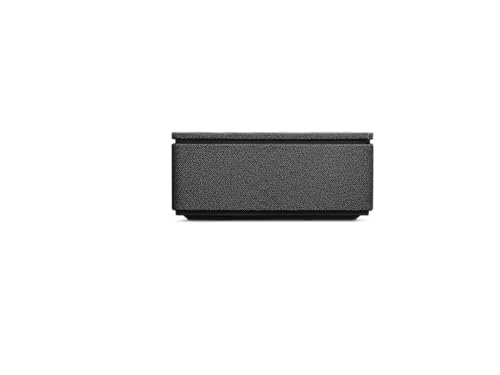
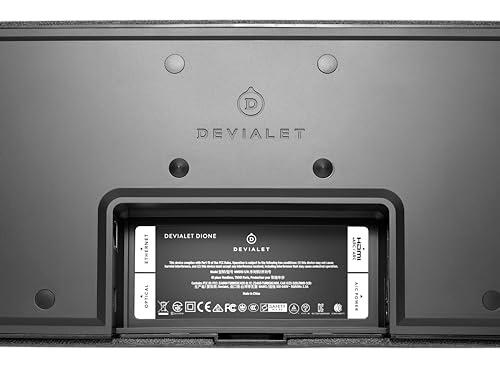
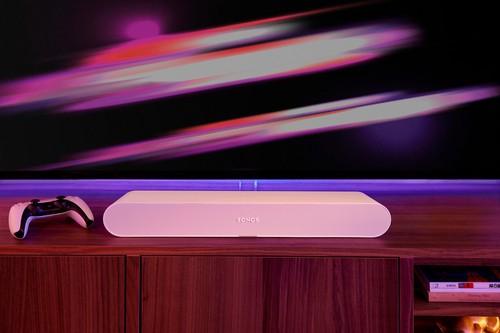


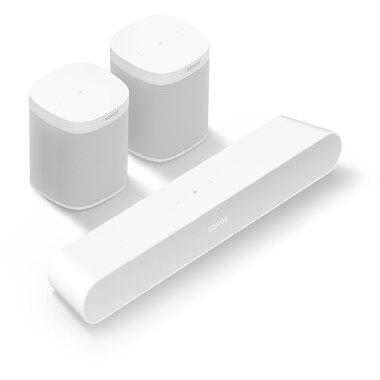
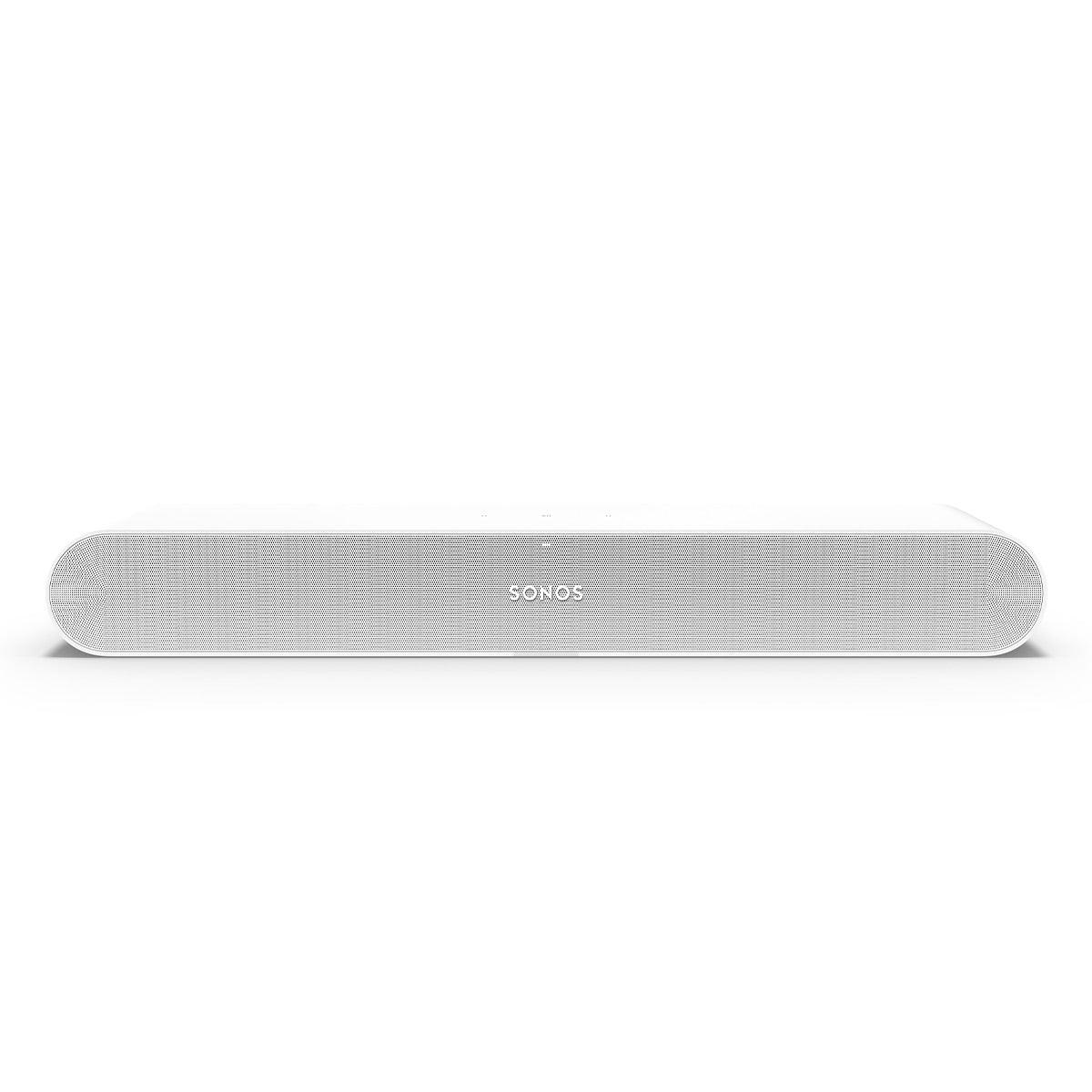
When shopping for a soundbar in 2024, you'll quickly discover that not all soundbars are created equal. The difference between the premium Devialet Dione and the budget-friendly Sonos Ray perfectly illustrates just how wide this gap can be. At the time of writing, these products sit at opposite ends of the pricing spectrum – with the Dione commanding a luxury price tag roughly twelve times higher than the Ray's entry-level cost.
But this isn't just about expensive versus cheap. These soundbars represent fundamentally different philosophies about what TV audio should be, and understanding their approaches will help you figure out which direction makes sense for your home.
Before diving into these specific products, it's worth understanding what separates basic TV audio enhancement from premium home theater replacement systems. The most important factors are channel configuration (how many separate audio streams the device can handle), driver quality and quantity (the speakers inside), processing power (the computer brain that manages everything), and connectivity options.
Channel configuration might sound technical, but it's actually straightforward. Stereo sound uses two channels – left and right. Surround sound adds more: 5.1 means five main speakers plus a subwoofer, while 5.1.2 adds two height channels above you for three-dimensional audio. The more channels, the more immersive the experience, but also the more complex and expensive the system becomes.
Driver quality matters because these tiny speakers need to reproduce everything from whispered dialogue to explosive movie scenes. Premium drivers use better materials and more precise engineering, resulting in clearer sound with less distortion when pushed to high volumes.
The Devialet Dione, released in 2022, represents what happens when a high-end audio company decides to reimagine what a single soundbar can accomplish. The Sonos Ray, also from 2022, shows Sonos's approach to bringing their multiroom ecosystem to budget-conscious buyers. Both arrived during a period of rapid soundbar evolution, with manufacturers racing to pack more features into slimmer designs.
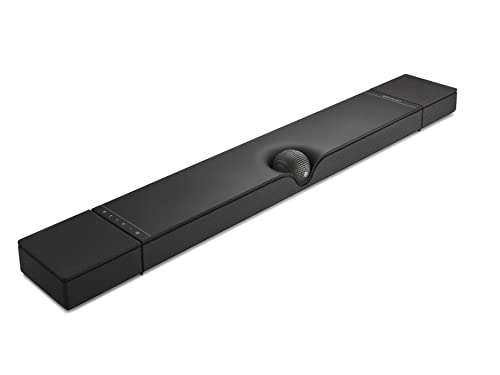
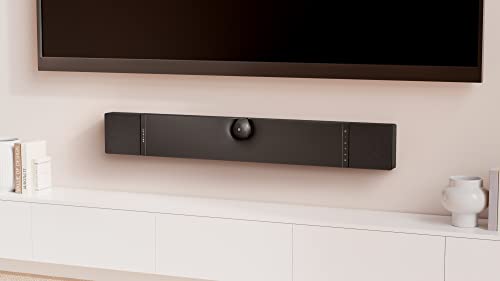
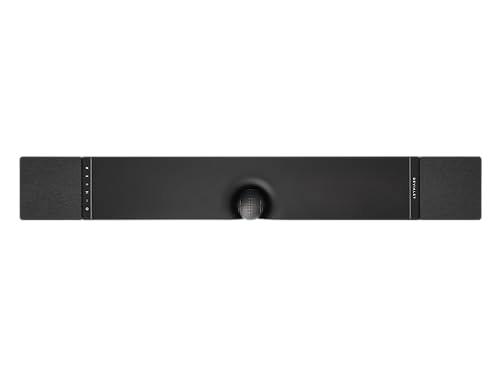
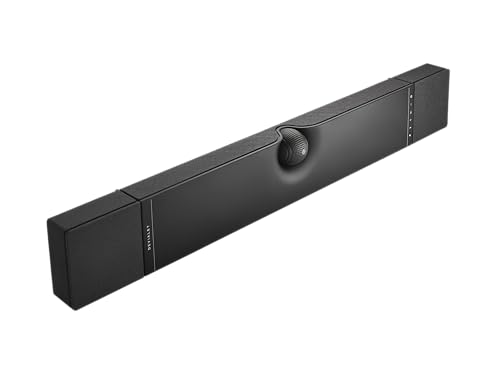
The Devialet Dione is essentially Devialet's attempt to replace your entire home theater system with one meticulously engineered box. This French audio company, known for their $3,000+ wireless speakers, brought that same obsessive engineering approach to soundbars.
Inside the Dione's sleek aluminum chassis live 17 separate drivers – that's more individual speakers than many people have in their entire home theater setup. Nine of these are full-range aluminum drivers handling midrange and treble, while eight dedicated subwoofers manage the low end. This isn't just about quantity; it's about having the right driver for each frequency range and spatial position.
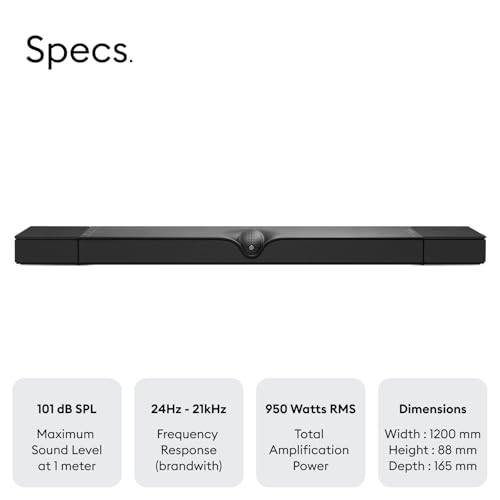
Those eight subwoofers deserve special attention. They're arranged in what Devialet calls a "push-push" configuration, where opposing drivers cancel out each other's vibrations. This means the soundbar itself doesn't shake or rattle, even when producing deep bass that extends down to 24Hz – lower than most dedicated subwoofers can reach. For context, that's deep enough to feel the rumble of a T-Rex footstep in Jurassic Park, not just hear it.
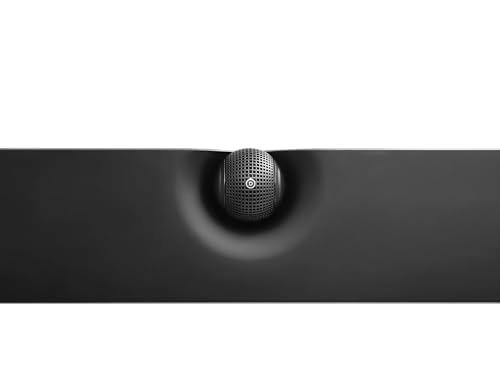
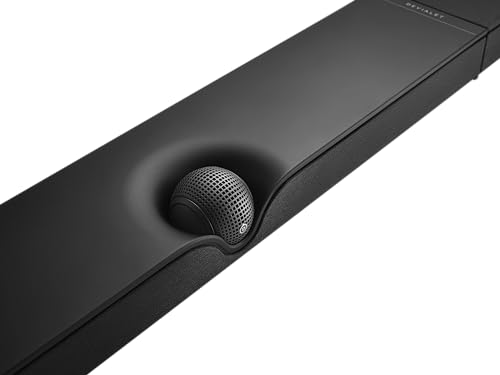
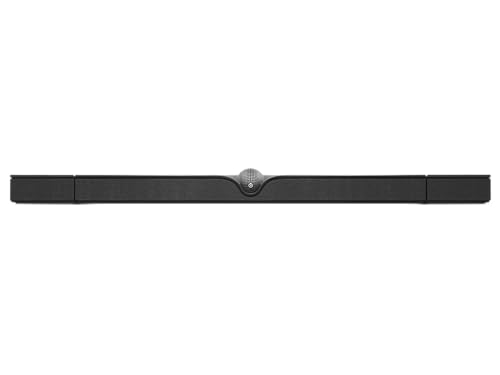
The Dione's most distinctive feature is its central "ORB" – a spherical speaker that houses the center channel. This isn't just design flair; it's a mechanical solution to a real acoustic problem. When you wall-mount a soundbar, the center channel might fire toward the ceiling instead of toward your ears. The ORB rotates 180 degrees to maintain proper alignment regardless of how you install the bar.
This attention to center channel performance matters enormously for dialogue clarity. In our research of professional reviews and user feedback, the Dione consistently receives praise for crystal-clear speech reproduction, even in complex movie scenes with lots of background noise.
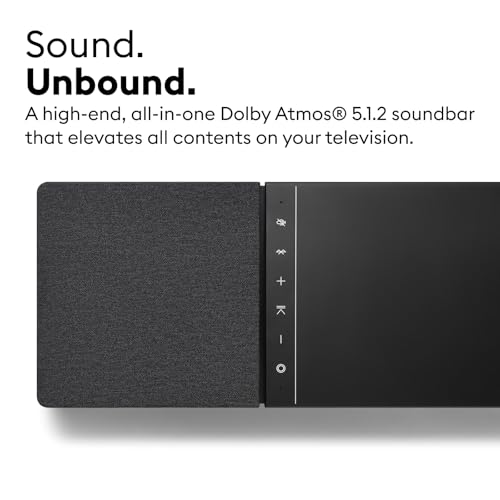
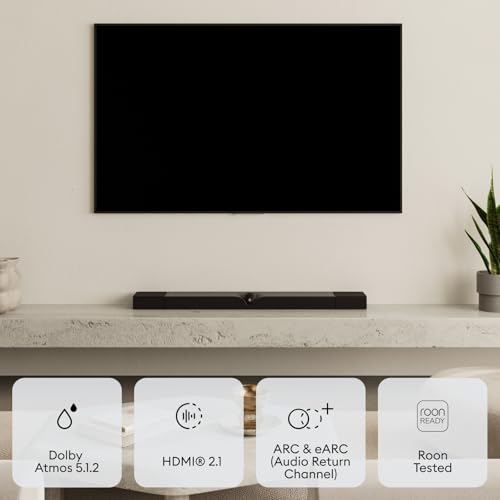
The Devialet Dione is a true 5.1.2 Dolby Atmos system, meaning it can create height effects that seem to come from above your head. This isn't the "virtual" surround sound that many soundbars attempt; it's discrete channel processing that places specific sounds in three-dimensional space around you.
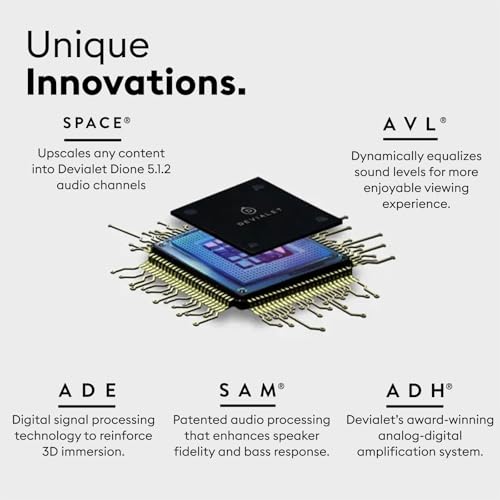
Devialet's SPACE technology takes this further by analyzing any audio content – even old stereo recordings – and intelligently distributing elements across all channels. The system's ADE (Advanced Dimensional Experience) uses beamforming to bounce sound off your walls and ceiling, creating surround effects that adapt to your room's acoustics.
Under the hood, the Dione runs on a custom processor with four ARM cores specifically designed for audio processing. This computational power enables real-time room correction, dynamic range optimization, and the complex calculations needed for convincing spatial audio. The ADH (Analog Digital Hybrid) amplification system combines the warmth of analog circuits with the efficiency of digital power, producing 950 watts of total power with minimal distortion.
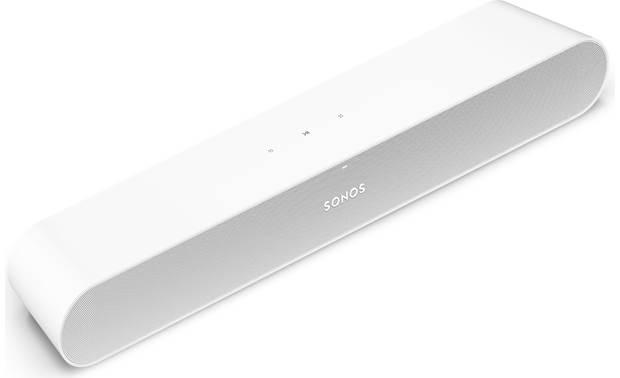
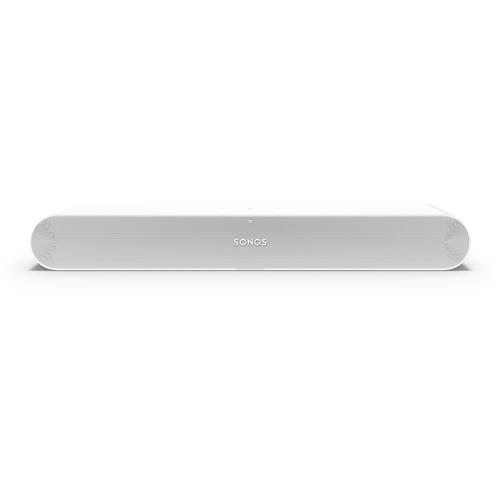
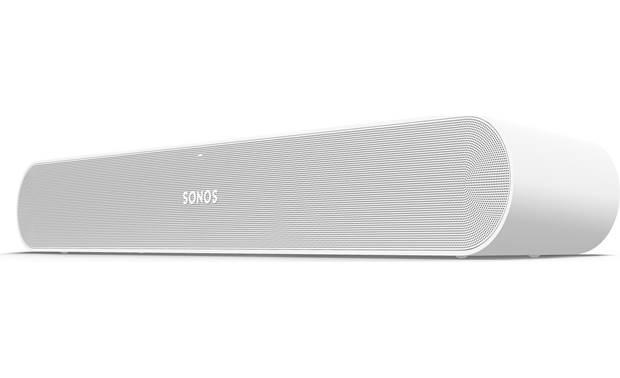
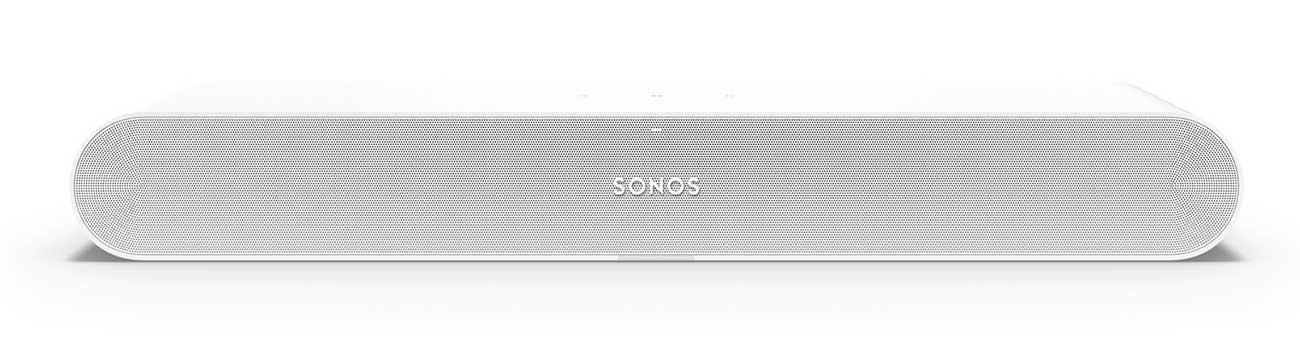
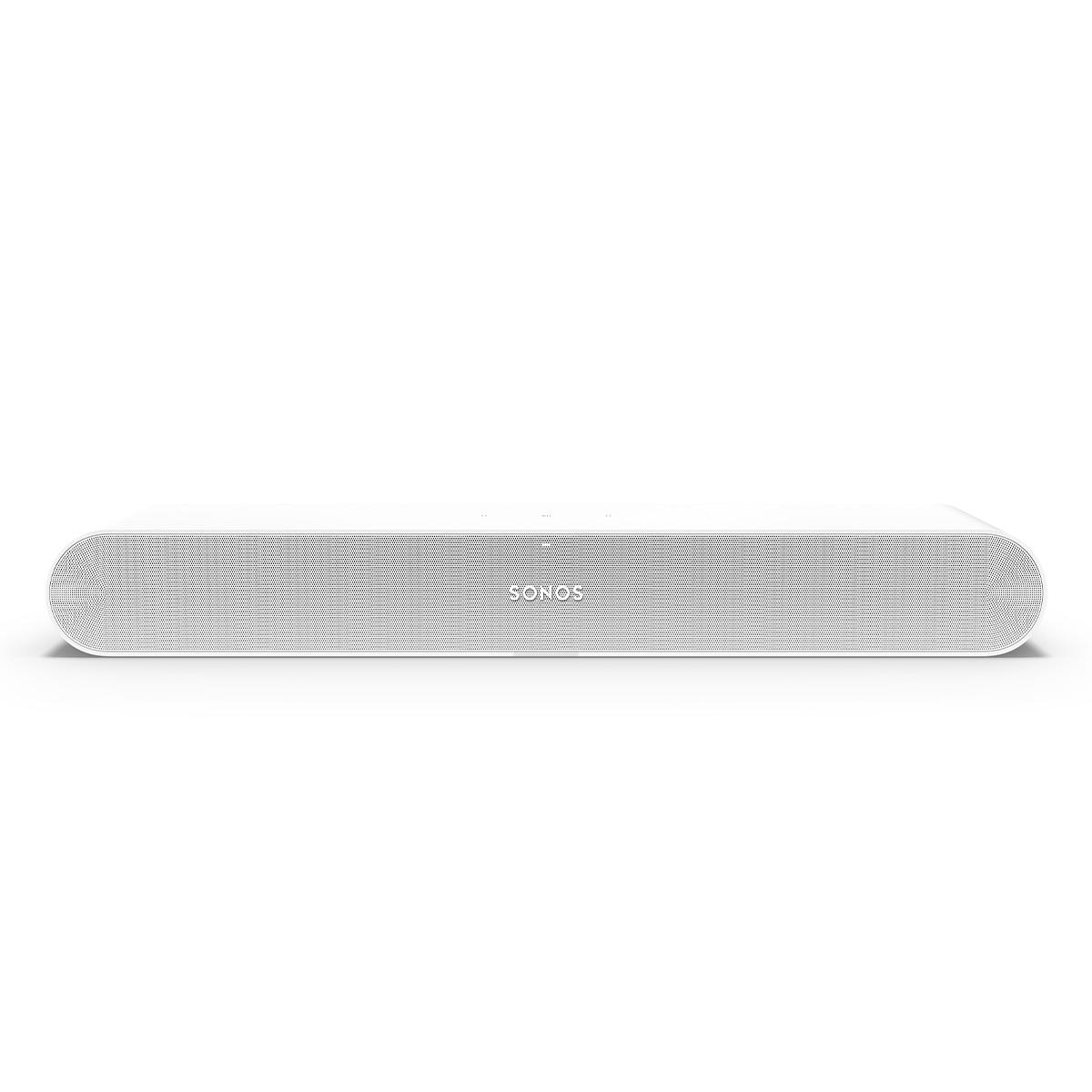
Where the Devialet Dione goes all-in on premium performance, the Sonos Ray takes a completely different approach. Released the same year as the Dione, it represents Sonos's belief that most people want better TV audio without complexity or massive expense.
The Ray is fundamentally a stereo soundbar – just left and right channels, like high-quality bookshelf speakers in a slim package. It uses two tweeters for highs and two midwoofers for everything else, along with a bass reflex port design to enhance low-frequency response. This might sound basic compared to the Dione's 17-driver array, but it's precisely tuned for its intended purpose.
The compact design means it fits in spaces where larger soundbars simply won't work. If you have a TV in a cabinet or on a narrow stand, the Ray's modest footprint becomes a real advantage. Its forward-firing acoustic design also means it's less sensitive to placement than soundbars that rely on wall reflections for surround effects.
Here's where the Sonos Ray makes its most controversial compromise: no Bluetooth and no HDMI inputs. You connect it via optical cable or integrate it into your Wi-Fi network for wireless streaming. For some users, this is a deal-breaker. For others, it's liberating – once set up, everything just works through the Sonos app or AirPlay.
This Wi-Fi-first approach enables the Ray's party trick: seamless integration with the broader Sonos ecosystem. You can group it with other Sonos speakers throughout your home, creating a whole-house audio system that starts with better TV sound but grows into something much larger.
While the Ray lacks the Dione's advanced processing power, it includes Trueplay room correction. Using an iPhone's microphone, the system analyzes your room's acoustics and adjusts the soundbar's output accordingly. It's not as sophisticated as the Dione's real-time adaptation, but it's effective at optimizing performance for your specific space.
The difference in bass capability between these soundbars is dramatic. The Devialet Dione's eight dedicated subwoofers produce bass that rival dedicated subwoofer systems, extending down to frequencies you feel more than hear. Professional reviews consistently note that it delivers bass impact comparable to full home theater systems, with tight control that prevents the boomy, one-note bass that plagues many soundbars.
The Sonos Ray, by contrast, produces respectable bass for its size and price, but it's operating in a different league entirely. It can handle most TV content admirably, but action movies with deep bass effects will reveal its limitations. This isn't necessarily a flaw – many users prefer controlled, unobtrusive bass that won't disturb neighbors or family members.
Both soundbars prioritize dialogue clarity, but they achieve it differently. The Dione's dedicated center channel and sophisticated processing create a locked-in vocal image that remains stable across a wide listening area. Its Adaptive Volume Level (AVL) technology continuously analyzes content to boost dialogue during quiet scenes while controlling explosive moments.
The Ray takes a simpler approach with dialogue enhancement mode that boosts vocal frequencies, plus night mode for evening viewing. While effective, it's not as nuanced as the Dione's real-time processing. However, for typical TV viewing, the Ray provides clear, intelligible dialogue that's a massive improvement over built-in TV speakers.
This is where the philosophical difference becomes most apparent. The Devialet Dione creates convincing surround sound through its multi-driver array and sophisticated beamforming. Dolby Atmos content sounds genuinely three-dimensional, with effects that seem to move around and above you. Even stereo content gets spatially enhanced through SPACE processing.
The Sonos Ray doesn't attempt surround sound simulation. It's honest about what it is – a really good stereo soundbar. When it receives surround sound content, it downmixes everything to stereo. Some users actually prefer this approach, finding it more natural than the sometimes artificial-sounding surround processing of other budget soundbars.
At the time of writing, the price difference between these products is substantial enough that they're really competing for different customers. The Devialet Dione costs about as much as a good used car, while the Sonos Ray costs less than a nice dinner for two.
For the Dione's premium price, you're getting audio performance that can replace a full home theater system. When compared to buying separate speakers, a receiver, and a subwoofer from high-end audio brands, the Dione's cost begins to make sense. It's also a complete, optimized system where every component is designed to work together perfectly.
The trade-off is inflexibility. You can't upgrade individual components or add rear speakers later. What you buy is what you get, which is either liberating or limiting depending on your perspective.
The Sonos Ray represents a different kind of value – the entry point to a larger ecosystem. Starting with the Ray, you can gradually add other Sonos speakers throughout your home, eventually creating a sophisticated multiroom system. The initial investment is low, but the long-term cost can add up if you catch the Sonos bug.
This modular approach also means the Ray can evolve with your needs. Move to a larger space? Add more speakers. Want rear surrounds? Sonos sells rear speaker kits that integrate seamlessly.
You're serious about home theater audio and have the budget to match your ambitions. The Devialet Dione makes sense for dedicated media rooms, high-end living spaces, or situations where you want the best possible sound from a single device. It's perfect for audiophiles who appreciate engineering excellence and don't mind paying for it.
The Dione also suits people who want a "buy once, cry once" approach. Despite its high price, it delivers performance that should satisfy for many years without requiring upgrades or additions. If you primarily watch movies and want that cinema-like experience at home, the Dione's Dolby Atmos implementation and bass performance justify the investment.
You want better TV audio without drama, complexity, or massive expense. The Sonos Ray is ideal for secondary rooms, apartments, or situations where you need something compact and unobtrusive. It's also perfect for people who are curious about the Sonos ecosystem but don't want to commit heavily upfront.
The Ray makes particular sense for music lovers who want a soundbar that can pull double duty as a wireless speaker. While it can't match the Dione's cinematic capabilities, it handles music very well and integrates beautifully with Sonos's streaming services and multiroom features.
Both products arrived in 2022 during a wave of soundbar innovation. Since then, we've seen continued improvements in spatial audio processing, better room correction systems, and more sophisticated wireless connectivity. The Devialet Dione represents the cutting edge of this trend, while the Sonos Ray focuses on proven technologies implemented well.
Looking ahead, the Dione's processing power should enable software updates that add new features over time. Sonos has a strong track record of long-term software support, regularly adding new streaming services and features to older products like the Ray.
These aren't really competing products – they're addressing different needs and budgets entirely. The Devialet Dione is for people who want the absolute best sound quality from a single device and are willing to pay accordingly. The Sonos Ray is for people who want better TV audio at a reasonable price, with the option to expand later.
Both succeed at what they're trying to do. The Dione delivers audio performance that genuinely competes with traditional home theater systems, while the Ray provides excellent value and ecosystem integration. Your choice should depend on your budget, space constraints, and how seriously you take audio quality.
The real question isn't which is better – it's which approach aligns with your priorities and lifestyle. Want cinematic sound that will blow you away? The Dione delivers. Want good sound that just works without fuss? The Ray is your answer.
| Devialet Dione | Sonos Ray |
|---|---|
| Audio Channels - Determines surround sound capability and immersion | |
| 5.1.2 Dolby Atmos with dedicated height channels for true 3D audio | 2.0 stereo only - no surround sound or height effects |
| Driver Count - More drivers typically mean better sound separation and power | |
| 17 total drivers (9 full-range + 8 subwoofers) for premium audio quality | 4 drivers (2 tweeters + 2 midwoofers) for basic stereo sound |
| Frequency Response - How deep the bass goes and how high the treble extends | |
| 24Hz-21kHz (cinema-grade bass extension without external subwoofer) | Not specified (limited bass depth due to compact size) |
| Power Output - Determines maximum volume and dynamic range | |
| 950W RMS with hybrid amplification for reference-level sound | Not specified (significantly lower power for casual listening) |
| HDMI Connectivity - Critical for high-quality TV audio and ease of use | |
| HDMI 2.1 with eARC support for uncompressed Dolby Atmos | No HDMI - optical input only (limits audio format support) |
| Wireless Audio - Flexibility for music streaming from devices | |
| Bluetooth 5.0, AirPlay 2, Spotify Connect for versatile streaming | No Bluetooth - AirPlay 2 and Spotify Connect via Wi-Fi only |
| Room Correction - Automatically optimizes sound for your space | |
| Advanced auto-calibration with real-time room adaptation | Trueplay room tuning (requires iOS device for setup) |
| Physical Size - Important for placement and visual integration | |
| Large premium form factor (47" wide, 26 lbs) requires substantial space | Compact design fits in tight spaces and enclosed TV stands |
| Expandability - Ability to add more speakers for larger setups | |
| No expansion options - complete all-in-one system | Full Sonos ecosystem integration with multiroom capability |
| Build Quality - Materials and construction affect longevity and aesthetics | |
| Premium aluminum and acoustic fabric construction | Standard plastic housing with minimalist design |
| Target Use Case - Who each product is designed for | |
| Premium home theater replacement for audiophiles and large rooms | Entry-level TV audio upgrade and Sonos ecosystem starter |
The Devialet Dione is significantly better for home theater use. It offers true 5.1.2 Dolby Atmos surround sound with 17 drivers and dedicated height channels, creating an immersive cinema-like experience. The Sonos Ray only provides stereo sound and cannot process surround sound formats, making it unsuitable for serious home theater setups.
The Devialet Dione has dramatically better bass performance with eight dedicated subwoofers that extend down to 24Hz, eliminating the need for a separate subwoofer. The Sonos Ray has limited bass output due to its compact size and basic driver configuration, suitable only for casual TV viewing.
Both soundbars support AirPlay 2 and Spotify Connect, but the Devialet Dione also includes Bluetooth 5.0 for direct device pairing. The Sonos Ray lacks Bluetooth but offers better ecosystem integration with other Sonos speakers for multiroom audio throughout your home.
The Devialet Dione cannot be expanded - it's designed as a complete all-in-one system. The Sonos Ray can be easily expanded with additional Sonos speakers, subwoofers, and rear surrounds to create a full surround sound system over time.
The Sonos Ray is better for small spaces due to its compact design and controlled bass output that won't disturb neighbors. The Devialet Dione is quite large and produces powerful bass that may be overwhelming in small rooms or thin-walled apartments.
Only the Devialet Dione supports true Dolby Atmos with dedicated height channels for overhead effects. The Sonos Ray does not support Dolby Atmos and will downmix any surround sound content to basic stereo output.
The Devialet Dione has superior dialogue clarity with its dedicated rotating center channel and advanced processing that maintains clear speech even during loud action scenes. While the Sonos Ray offers good dialogue clarity for its price range, it cannot match the Dione's specialized center channel performance.
The Devialet Dione delivers audiophile-grade sound quality with 17 premium drivers, 950W of power, and advanced acoustic technologies that rival high-end speaker systems. The Sonos Ray provides good basic stereo sound that's a significant upgrade from TV speakers but operates in a much lower performance tier.
The Sonos Ray is easier to set up with simple optical cable connection and intuitive app control. The Devialet Dione offers more setup options with HDMI eARC and automatic room calibration, but its advanced features may require more initial configuration time.
Both soundbars work for music, but the Devialet Dione excels with its high-end drivers and spatial processing that can enhance stereo music into an immersive experience. The Sonos Ray provides good music playback and integrates well with streaming services through the Sonos ecosystem.
This depends on your budget and needs. The Sonos Ray offers excellent value as an affordable TV audio upgrade and entry point into the Sonos ecosystem. The Devialet Dione provides exceptional value for its premium price tier, delivering performance that can replace entire home theater systems.
For most first-time soundbar buyers, the Sonos Ray is the better choice due to its affordable price, simple setup, and room for future expansion. The Devialet Dione is better suited for audio enthusiasts who want premium performance and have the budget for a high-end all-in-one solution.
We've done our best to create useful and informative comparisons to help you decide what product to buy. Our research uses advanced automated methods to create this comparison and perfection is not possible - please contact us for corrections or questions. These are the sites we've researched in the creation of this article: rtings.com - crutchfield.com - devialet.com - ooberpad.com - bhphotovideo.com - kjwestone.co.uk - whathifi.com - devialet.com - devialet.com - sound-advice.online - kjwestone.co.uk - device.report - tmraudio.com - devialet.com - devialetchat.com - projectorscreen.com - soundandvision.com - bestbuy.com - youtube.com - av.com - audiofi.ca - devialet.com - blog.son-video.com - audioconnection.com.au - baybloorradio.com - cdn.abicart.com - smarthomesounds.co.uk - e-piphany.co.za - cloneyaudio.com - devialet.com - catalog.asbis.ee - av.com - soundandvision.com - youtube.com - comparisontabl.es - tomsguide.com - soundandvision.com - youtube.com - techradar.com - en.community.sonos.com - rtings.com - howtogeek.com - youtube.com - cnet.com - sonos.com - videoandaudiocenter.com

Privacy Policy
Terms and Conditions - Affiliate Policy
Home Security
© Copyright 2008-2026.
11816 Inwood Rd #1211, Dallas, TX 75244