





When your TV's built-in speakers make dialogue sound like it's coming through a tin can, it's time for an upgrade. But here's the thing about budget soundbars—they're not all created equal, and the differences between them can make or break your viewing experience.
I've spent considerable time researching two popular options that represent completely different philosophies in the budget soundbar space: the Hisense HS2100 and the Sonos Ray. Released in 2022, both target cost-conscious buyers but take radically different approaches to delivering better TV audio. One throws in everything including a wireless subwoofer at a rock-bottom price, while the other focuses on smart features and room optimization as an entry point into a premium ecosystem.
Before diving into specifics, let's talk about what makes a budget soundbar worth buying. At this price level, you're not getting reference-quality home theater audio—that's just reality. Instead, you're looking for meaningful improvements over TV speakers in a few key areas.
Dialogue clarity sits at the top of the priority list. Most people buy soundbars because they can't understand what characters are saying on TV. This happens because modern TVs are impossibly thin, forcing tiny speakers to fire downward or backward instead of toward your ears. A good soundbar places drivers (the individual speakers inside) in a forward-firing configuration that sends sound directly to your listening position.
Bass response comes next. TV speakers simply can't move enough air to reproduce low-frequency sounds like explosions, rumbling engines, or the deep notes in music. Some soundbars include a separate subwoofer—a specialized speaker designed specifically for bass frequencies—while others rely on processing tricks to simulate deeper sound.
Setup complexity matters more than many people realize. The best soundbar in the world is useless if you can't get it working properly with your TV. This involves both physical connections (HDMI ARC, optical cables) and software integration (getting your TV remote to control volume).
The Hisense HS2100 and Sonos Ray approach these challenges very differently, and understanding their philosophies helps explain why they might appeal to different types of buyers.
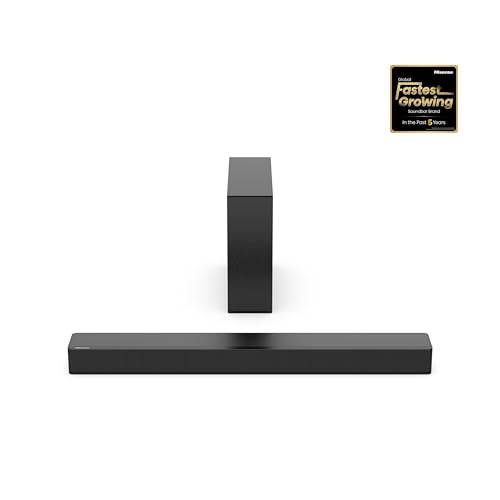
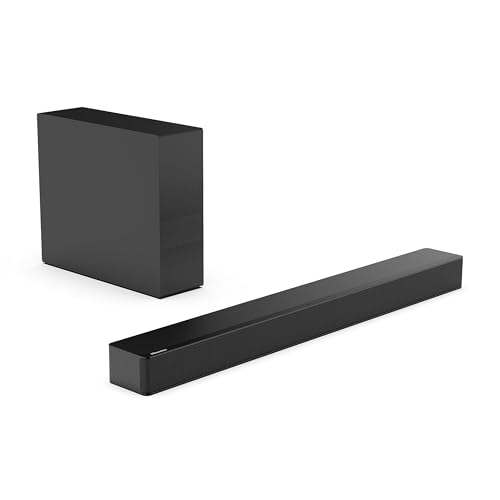
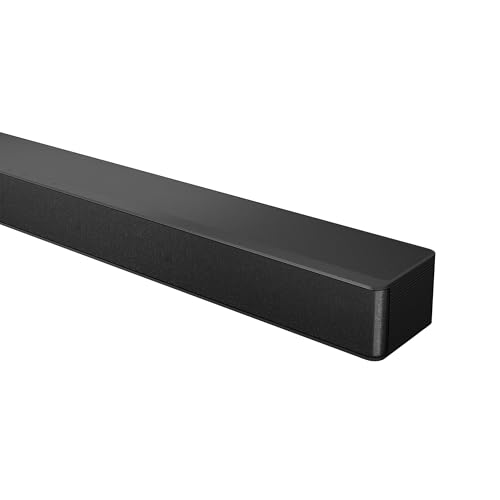
The Hisense HS2100 represents the "throw everything in the box" approach to budget audio. When it launched in 2022, Hisense made a clear statement: they wanted to deliver the most complete soundbar package possible at an aggressive price point.
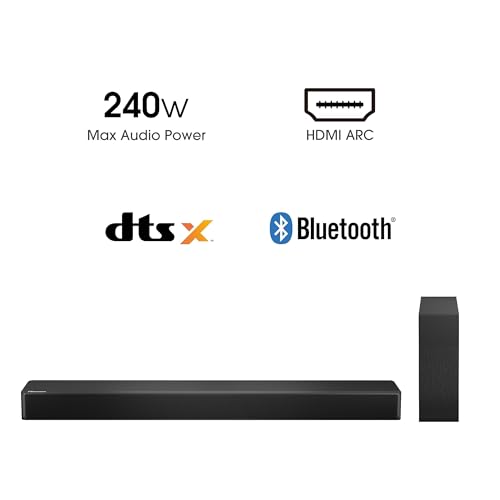
The system's 2.1 configuration means you get two main speakers in the soundbar itself plus one subwoofer. That "point-one" refers to the subwoofer, which handles frequencies roughly below 120Hz—the deep rumble in action movies and the foundation notes in music. The total power output hits 240 watts, with 120 watts dedicated just to that wireless subwoofer.
Here's where things get interesting from a technical standpoint. The Hisense HS2100 includes DTS Virtual:X processing, which uses psychoacoustic algorithms (fancy math that tricks your brain) to create the impression of surround sound from just two speakers. It's not real surround sound—you'd need speakers behind and beside you for that—but it does expand the perceived soundstage beyond the physical width of the soundbar.
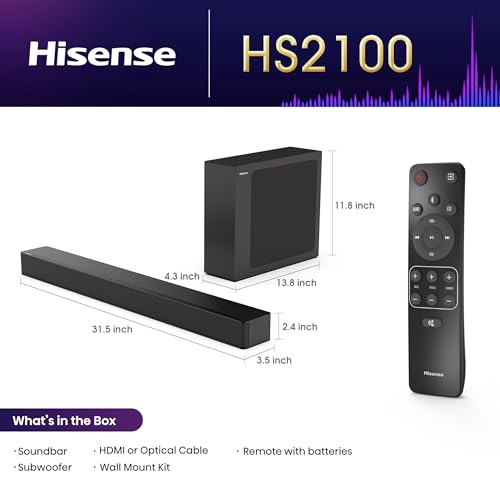
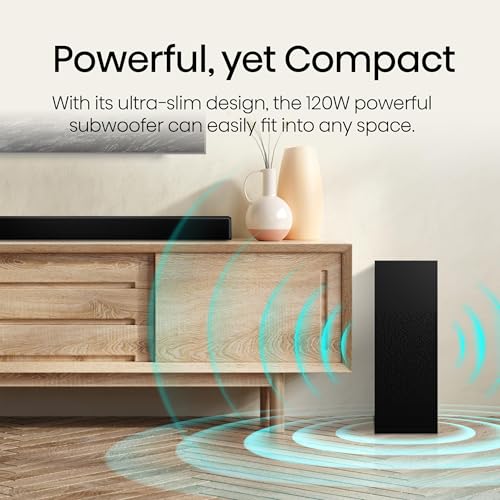
The wireless subwoofer deserves special mention because it's genuinely unusual at this price point. Most budget soundbars either skip the subwoofer entirely or tether it to the main unit with a cable. The Hisense HS2100's sub connects wirelessly, giving you placement flexibility without running cables across your room. At roughly 4.3 inches deep, it's designed to slip into tight spaces—under furniture or against a wall—without dominating the room visually.
Based on our research into expert reviews and user feedback, the Hisense HS2100 delivers a warm, balanced sound signature that works well for both TV and music. That warmth comes from a slight emphasis in the mid-bass region (roughly 80-200Hz), which gives voices more body and makes music sound fuller. The trade-off is slightly recessed treble, meaning high-frequency details like cymbal crashes or vocal "air" don't sparkle quite as much as they might on more expensive systems.
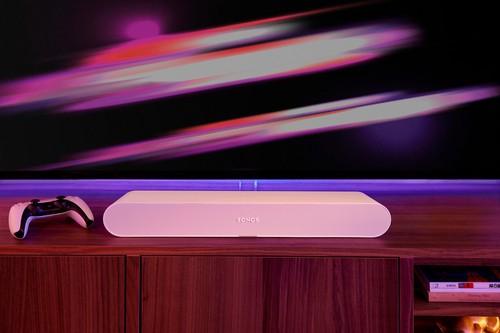
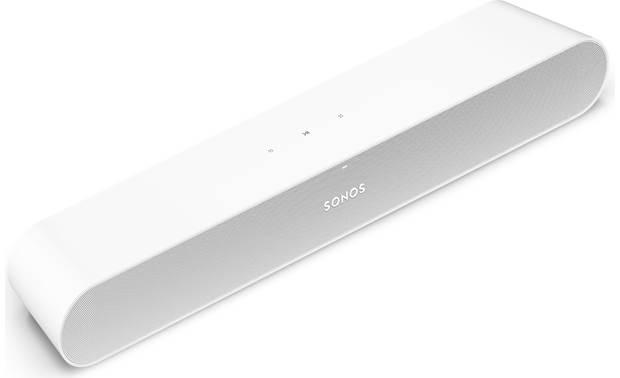
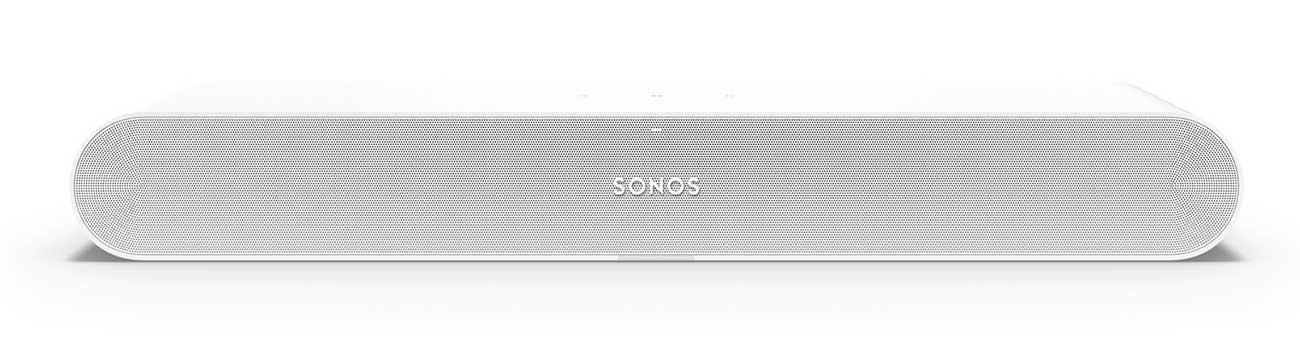
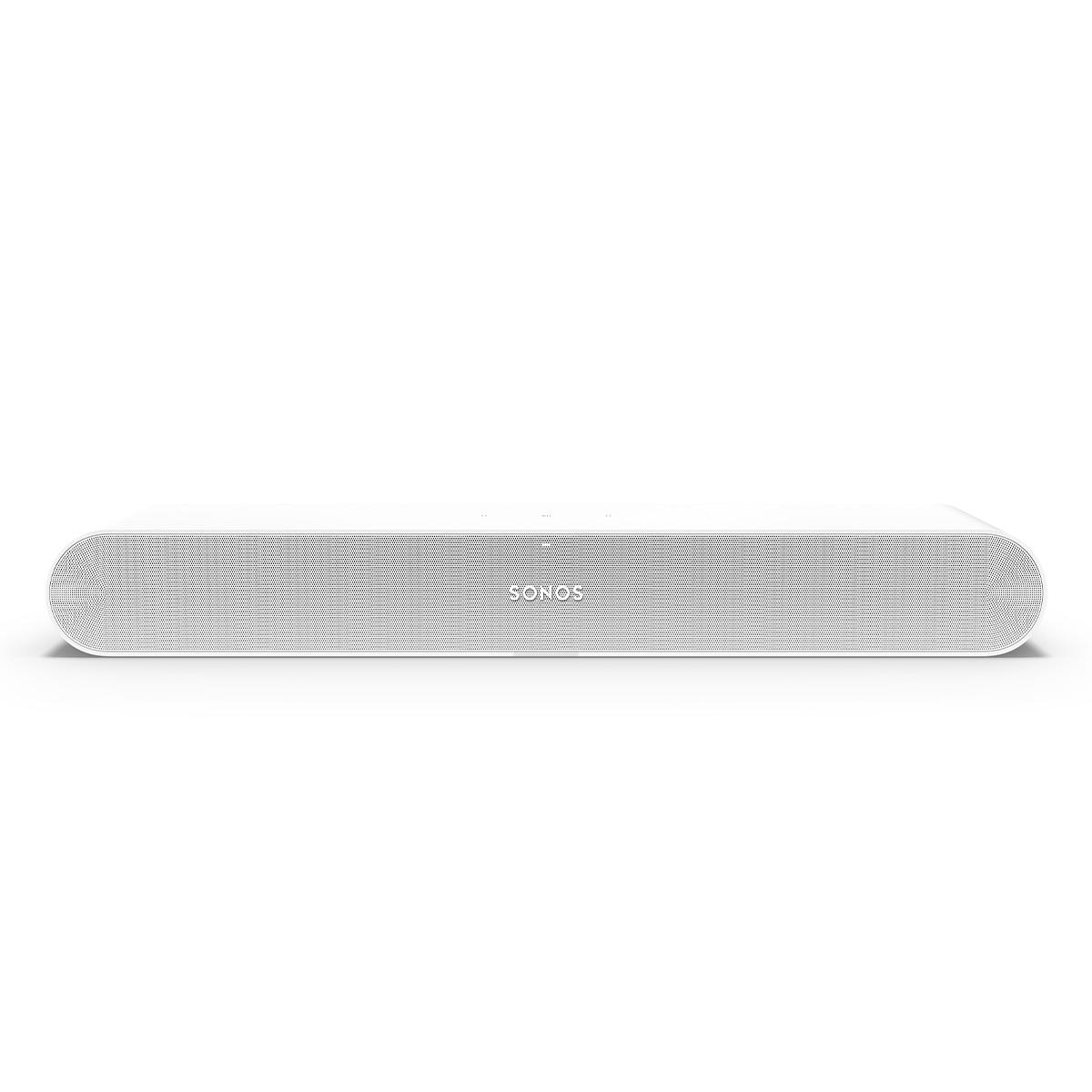
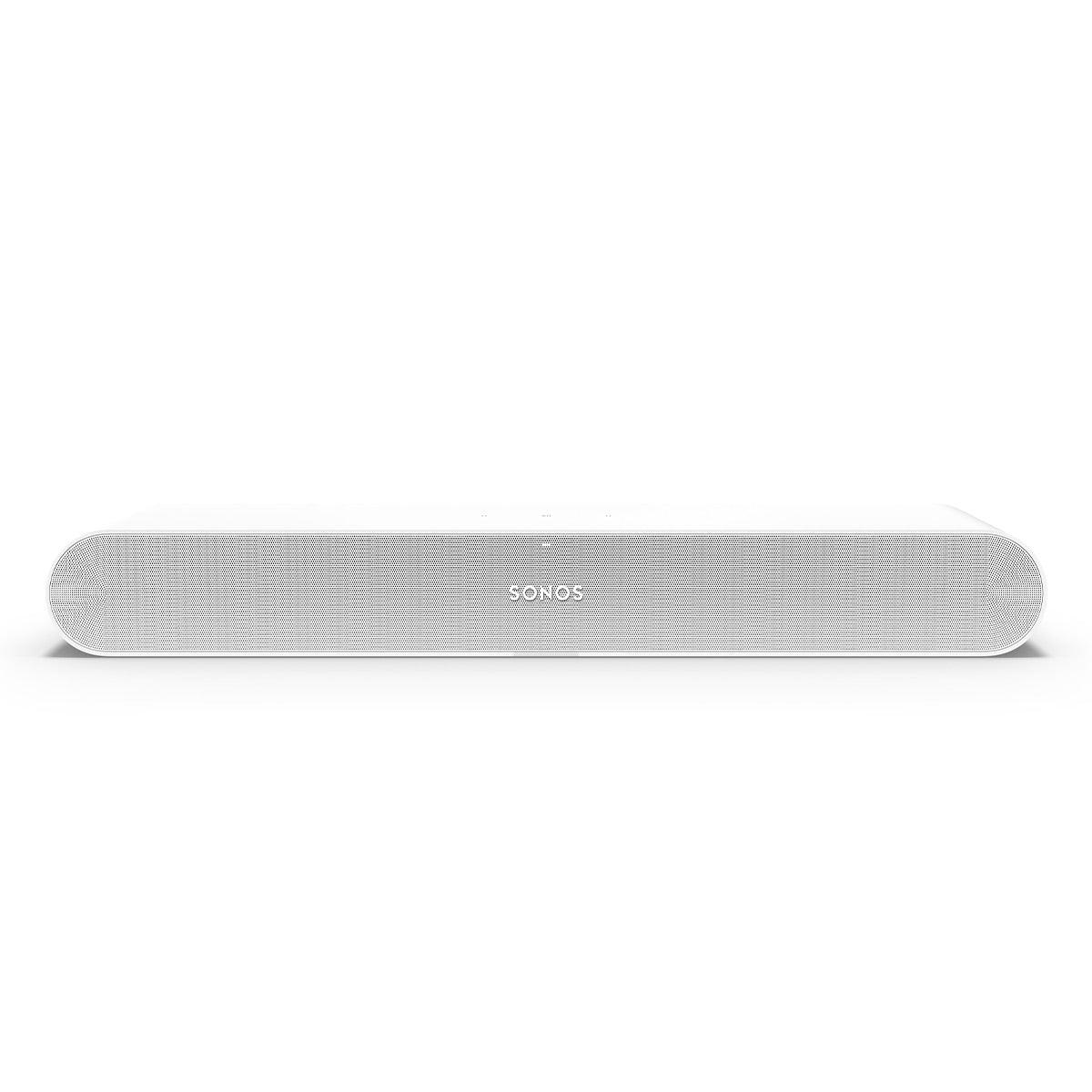
The Sonos Ray, also launched in 2022, takes an entirely different approach. Instead of maximizing hardware for the lowest price, Sonos focused on smart features, room optimization, and ecosystem integration.
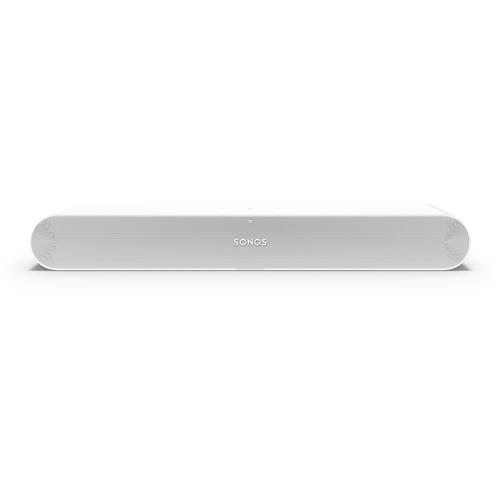
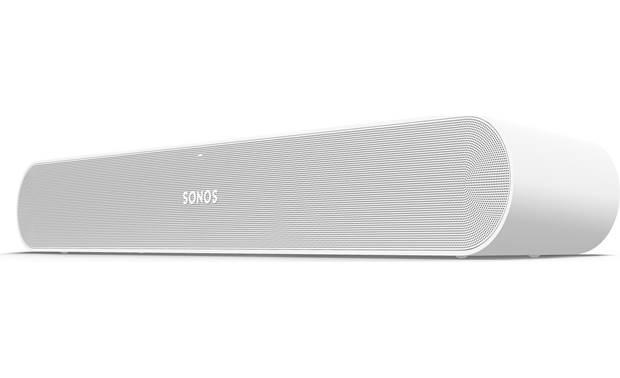
The Ray uses a stereo configuration—just two channels with no separate subwoofer included. Inside that compact 22-inch chassis, you'll find two tweeters for high frequencies and two midwoofers for everything else, powered by four separate Class-D amplifiers. This multi-amp design allows more precise control over each driver compared to systems that split power from a single amplifier.
But the real magic happens in software. The Sonos Ray includes Trueplay room correction, a feature that uses your iPhone or iPad as a measurement microphone to analyze your room's acoustics. You literally walk around your space while the app plays test tones, and the system automatically adjusts its output to compensate for things like hard surfaces, furniture placement, and room size. This addresses one of the biggest challenges in audio: every room sounds different, and what works perfectly in a showroom might sound muddy or harsh in your living room.
The Ray also supports virtual Dolby Atmos processing. Dolby Atmos normally requires ceiling speakers or upward-firing drivers to create height effects, but the Sonos Ray uses signal processing to simulate those overhead sounds through its forward-firing speakers. It's not as convincing as real Atmos speakers, but it does add some vertical dimension to the sound.
From a connectivity standpoint, the Sonos Ray leans heavily into wireless. It supports Apple AirPlay 2 for streaming directly from iOS devices, plus WiFi connectivity for accessing streaming services through the Sonos app. However, for TV audio, you're limited to optical digital input—no HDMI ARC, which might complicate setup with newer TVs that default to HDMI for audio output.
Based on expert measurements and user reports, the Sonos Ray has a clear advantage for dialogue clarity. This comes down to careful frequency response tuning in the critical 1-4kHz range where most speech occurs. Sonos worked with Hollywood sound engineers to optimize this region, and it shows in real-world performance.
The Hisense HS2100 handles dialogue well too, particularly in its "News" mode, but lacks the precision tuning that gives the Sonos Ray its edge. If you primarily watch dialogue-heavy content—news, talk shows, dramas—this difference matters more than raw power or bass response.
Here's where the Hisense HS2100 pulls ahead decisively. That included wireless subwoofer provides immediate low-end impact that the stereo-only Sonos Ray simply can't match. Action movies, music with electronic drums, even sporting events with crowd noise all benefit from having a dedicated driver handling frequencies below 120Hz.
The Sonos Ray does offer optional subwoofers, but they're sold separately and significantly increase the total system cost. This creates an interesting value proposition: you can start with the Ray and add bass later, but you'll pay considerably more for equivalent low-end performance compared to getting it bundled with the Hisense HS2100.
The Hisense HS2100 reaches higher peak volumes—important for larger rooms or outdoor spaces. Its 240-watt power rating translates to room-filling sound that works well for parties or background music throughout the house.
However, the Sonos Ray maintains better sound quality as volume increases. Its multi-amplifier design and anti-distortion processing keep the sound cleaner at higher levels, even if it can't match the Hisense's raw output. For typical TV viewing levels, this usually isn't a deciding factor, but it's worth considering if you like your action movies loud.
Soundstage refers to how wide and spacious the audio seems—basically, whether sound appears to come from a narrow point or spreads across your room. Both systems are limited by their physical size and forward-firing design, but they handle this limitation differently.
The Hisense HS2100 uses DTS Virtual:X processing to artificially widen the soundstage. It works to some extent, creating a broader sense of space than you'd expect from a compact soundbar. However, the effect can sound artificial, particularly with music.
The Sonos Ray takes a more subtle approach, using custom waveguides (shaped channels that control how sound disperses) to naturally spread high frequencies across a wider area. Combined with Trueplay room correction, this often creates a more natural-sounding, if less dramatically wide, presentation.
This is where the philosophies really diverge. The Hisense HS2100 works as a traditional electronics component—you connect it to your TV, adjust some basic settings, and it does its job without requiring ongoing interaction.
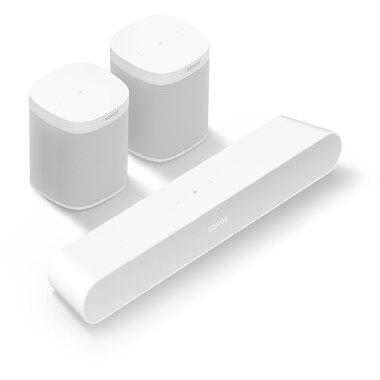
The Sonos Ray wants to be part of your smart home. The Sonos app provides detailed EQ controls, streaming service integration, and multi-room audio capabilities. If you already have other Sonos speakers, the Ray integrates seamlessly, letting you play synchronized music throughout your home or use other Sonos speakers as surrounds for the Ray.
Apple users get additional benefits through AirPlay 2 integration. You can stream directly from your iPhone, iPad, or Mac without opening a separate app, and the audio quality is noticeably better than Bluetooth. The Hisense HS2100 includes Bluetooth 5.3, which is perfectly functional but compressed compared to AirPlay 2's lossless transmission.
Both products represent the state of budget soundbar technology as of their 2022 launch, and it's worth considering how the landscape has evolved since then. The rise of spatial audio formats like Dolby Atmos has pushed even budget systems to include virtual processing, which both of these models support in different forms.
Bluetooth technology has also improved, with newer codecs providing better audio quality for wireless streaming. The Hisense HS2100's Bluetooth 5.3 implementation was actually ahead of the curve for budget soundbars, offering lower latency and better connection stability than earlier versions.
Room correction technology, pioneered by companies like Sonos with Trueplay, has become increasingly important as people recognize how much room acoustics affect sound quality. The Sonos Ray's implementation remains among the most user-friendly, requiring only an iOS device and a few minutes of setup.
If you're building a dedicated home theater setup, both of these systems have limitations you should understand. Neither supports modern lossless audio formats like Dolby TrueHD or DTS-HD Master Audio that you'd find on 4K Blu-ray discs. Both downmix surround sound content to stereo, which eliminates the directional effects that make action movies more immersive.
That said, for casual TV viewing and streaming content, these limitations matter less. Most streaming services still use compressed audio formats that both systems handle perfectly well. The bigger question for home theater use is whether you can accept stereo-plus-virtual-surround (both systems) versus planning for future expansion to true surround sound.
The Sonos Ray offers a clearer upgrade path here. You can add Sonos Era 300 speakers as wireless surrounds, creating a genuine 5.1 system without running cables. The Hisense HS2100 works as a complete, standalone system with no official expansion options.
After researching extensive user feedback and expert reviews, clear usage patterns emerge for each system.
The Hisense HS2100 makes the most sense for budget-conscious buyers who want immediate, dramatic improvement over TV speakers. If you primarily watch TV shows, news, and movies with occasional music listening, and you want bass impact without additional purchases, it delivers exceptional value. The included subwoofer alone would cost more than the entire system from many other manufacturers.
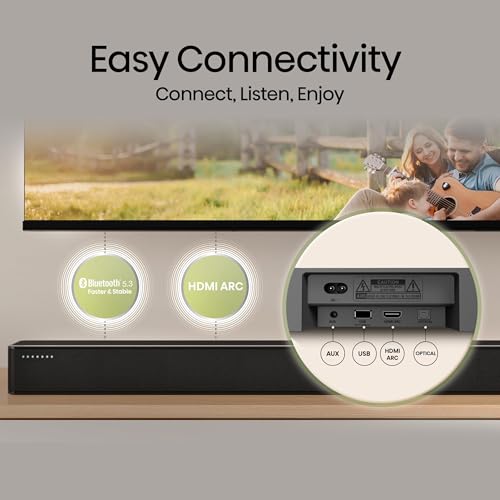
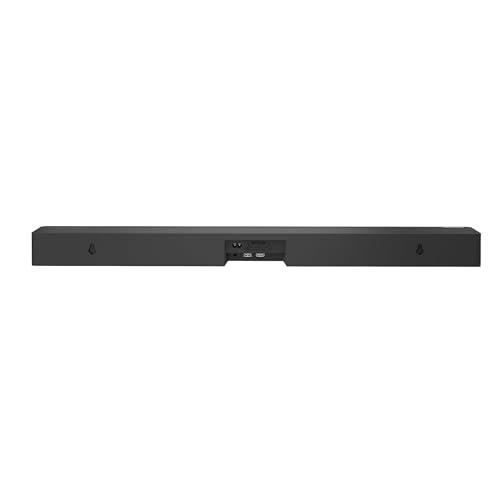
I'd also recommend the Hisense HS2100 for secondary TV locations—bedrooms, kitchens, or offices where you want better sound without complex setup or app dependencies. Its multiple input options (HDMI ARC, optical, analog, USB) make it compatible with older devices that might not support modern wireless protocols.
The Sonos Ray appeals to a different buyer profile. If dialogue clarity is your primary concern, if you appreciate smart features and app control, or if you plan to build a multi-room audio system over time, it's worth the premium. The Trueplay room correction alone can make a significant difference in challenging acoustic environments.
Apple ecosystem users get additional value from the Sonos Ray through seamless AirPlay 2 integration. If you regularly stream music from iOS devices, the convenience and audio quality improvements justify the higher entry price.
At the time of writing, the Hisense HS2100 costs roughly two-thirds what you'd pay for the Sonos Ray. That price difference becomes even more significant when you consider that matching the Hisense's bass response requires adding a separate Sonos subwoofer, which can cost more than twice the Ray's price by itself.
However, value isn't just about upfront cost. The Sonos Ray's superior build quality, software support, and upgrade path might provide better long-term value for users who plan to expand their audio setup over several years.
Choose the Hisense HS2100 if you want the biggest immediate improvement in TV audio for the least money, don't mind skipping smart features, and prefer simple plug-and-play operation. Its combination of decent dialogue clarity, room-filling volume, and genuine bass response makes it hard to beat for pure audio improvement per dollar spent.
Choose the Sonos Ray if dialogue clarity is paramount, if you value smart features and room optimization, or if you see this purchase as the foundation of a larger audio system. The premium you pay upfront gets you better engineering, more sophisticated software, and genuine expansion possibilities.
Both represent solid values in the budget soundbar category, but they serve different needs and different types of users. Understanding which category you fall into makes the decision much easier.
| Hisense HS2100 | Sonos Ray |
|---|---|
| Channel Configuration - Determines bass response and surround capabilities | |
| 2.1 channels with wireless subwoofer included | Stereo-only, subwoofer sold separately |
| Total Power Output - Affects maximum volume and room-filling capability | |
| 240W (soundbar 120W + subwoofer 120W) | Not specified, but lower than Hisense |
| Audio Processing - Virtual surround and format support | |
| DTS Virtual:X, Dolby Digital/Digital Plus | Virtual Dolby Atmos, Dolby Digital downmixed to stereo |
| Room Optimization - Automatically tunes sound for your space | |
| None (manual EQ presets only) | Trueplay tuning using iOS devices |
| Connectivity Options - How you connect devices and stream audio | |
| HDMI ARC, optical, 3.5mm aux, USB, Bluetooth 5.3 | Optical only for TV, WiFi, Ethernet, Apple AirPlay 2 |
| Smart Features - App control and streaming integration | |
| Basic remote control, no app required | Full Sonos app with streaming services and multi-room |
| Bass Extension - How deep the low frequencies reach | |
| 45Hz with dedicated 5.25" subwoofer driver | Limited without separate subwoofer purchase |
| Dialogue Clarity - Most important for TV and movie watching | |
| Good with News mode preset | Excellent with Hollywood-engineered tuning |
| Expandability - Ability to add speakers for full surround | |
| None (complete standalone system) | Can add Sonos Ray surrounds and subwoofers wirelessly |
| Setup Complexity - How easy it is to get working properly | |
| Plug-and-play, automatic subwoofer pairing | Requires WiFi setup and iOS device for Trueplay |
| Physical Size - Soundbar dimensions for TV compatibility | |
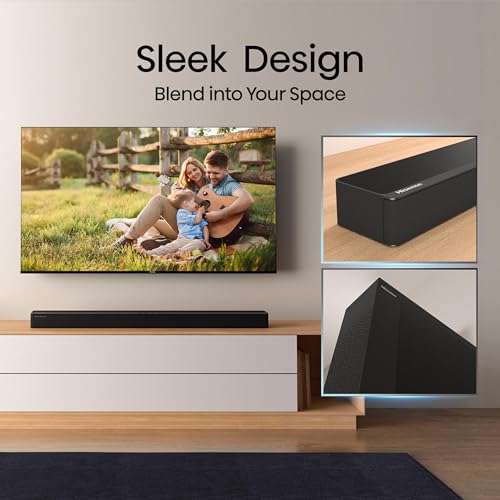
| 31.5" × 2.4" × 3.5" (fits under most TVs) | 21.9" × 2.8" × 3.7" (more compact for smaller TVs) |
| Best Use Case - Who should choose this product | |
| Budget buyers wanting immediate bass impact | Apple users prioritizing dialogue and future expansion |
The Sonos Ray excels at dialogue clarity thanks to its Hollywood-engineered tuning that specifically optimizes speech frequencies. It features Trueplay room correction that adapts the sound to your specific room acoustics, ensuring voices come through clearly. While the Hisense HS2100 also provides good dialogue reproduction with its balanced midrange and dedicated News mode, the Sonos Ray has the edge for speech-heavy content like TV shows and news programs.
The Hisense HS2100 includes a wireless subwoofer in the box, providing immediate bass impact for movies and music without additional purchases. The Sonos Ray is a stereo-only soundbar that requires a separate subwoofer purchase for meaningful bass response. If you want bass without extra cost, the Hisense HS2100 offers better immediate value.
The Sonos Ray integrates seamlessly with Apple devices through AirPlay 2 support, allowing high-quality wireless streaming directly from iPhones, iPads, and Macs. It also requires an iOS device for Trueplay room calibration. The Hisense HS2100 connects to Apple devices via Bluetooth 5.3, which works well but doesn't offer the same audio quality or integration features as the Sonos Ray.
The Sonos Ray can be expanded with additional Sonos speakers to create a wireless 5.1 surround system, plus it integrates into Sonos' multi-room ecosystem. The Hisense HS2100 functions as a complete standalone system with no official expansion options. If you plan to build a larger audio system over time, the Sonos Ray provides a better foundation for growth.
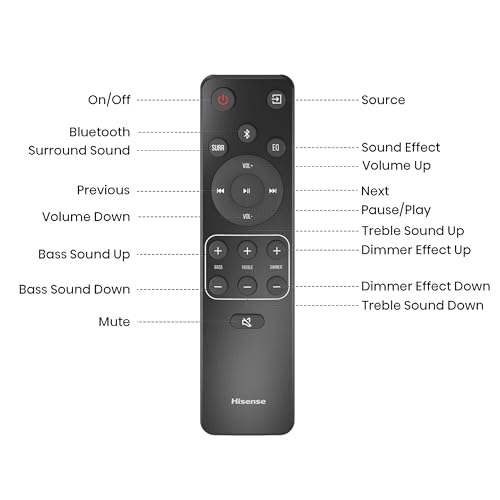
The Hisense HS2100 offers simpler plug-and-play setup with automatic subwoofer pairing and no app requirements. It connects via HDMI ARC, optical, or auxiliary inputs and works immediately. The Sonos Ray requires WiFi network setup, the Sonos app installation, and an iOS device for optimal Trueplay calibration. For users wanting minimal setup complexity, the Hisense HS2100 is more straightforward.
Both soundbars handle music well, but with different strengths. The Hisense HS2100 provides fuller sound with its included subwoofer, making it better for bass-heavy genres like electronic and hip-hop. The Sonos Ray offers more precise stereo imaging and can be fine-tuned with Trueplay calibration for your room. Music enthusiasts who prioritize bass should choose the Hisense HS2100, while those wanting refined clarity might prefer the Sonos Ray.
The Hisense HS2100 achieves higher maximum volume levels thanks to its 240W power output, making it suitable for larger rooms or outdoor use. However, the Sonos Ray maintains better sound quality at higher volumes due to its multi-amplifier design and anti-distortion processing. For peak loudness, the Hisense HS2100 wins, but the Sonos Ray sounds cleaner when pushed to its limits.
The Sonos Ray supports virtual Dolby Atmos processing, simulating overhead sound effects through its forward-firing speakers. The Hisense HS2100 doesn't support Dolby Atmos but includes DTS Virtual:X for simulated surround sound. Neither provides true Atmos height effects like ceiling speakers would, but the Sonos Ray offers better compatibility with modern streaming content that uses Atmos encoding.
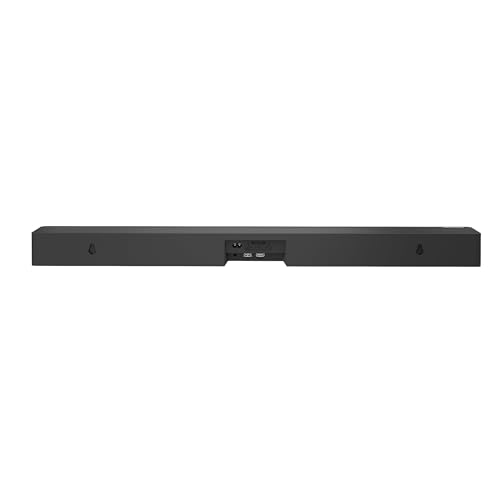
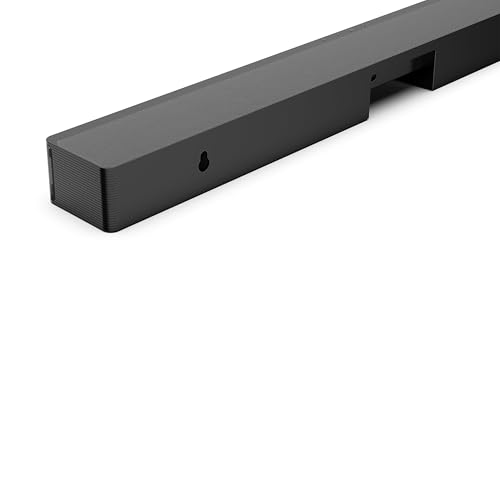
The Hisense HS2100 provides more physical connection options including HDMI ARC, optical, 3.5mm auxiliary, USB, and Bluetooth 5.3. The Sonos Ray only offers optical input for TV connections, plus WiFi and AirPlay 2 for wireless streaming. If you need to connect multiple devices or older equipment, the Hisense HS2100 offers greater flexibility.
Both soundbars improve significantly over TV speakers but have limitations for dedicated home theater setups. The Hisense HS2100 provides better immediate cinematic impact with its subwoofer, while the Sonos Ray offers superior dialogue clarity and expansion potential. Neither supports lossless audio formats or true surround sound. For casual movie watching, both work well, but serious home theater enthusiasts should consider the Sonos Ray for its upgrade path to full surround sound.
The Hisense HS2100 offers exceptional immediate value by including a wireless subwoofer at a budget price point. The Sonos Ray costs more upfront but provides smart features, room optimization, and expansion capabilities. If you want the most audio improvement for the least money, choose the Hisense HS2100. If you value advanced features and long-term flexibility, the Sonos Ray justifies its premium.
Both soundbars support TV remote control through different methods. The Hisense HS2100 works with HDMI ARC and CEC, allowing most modern TV remotes to control volume and power. The Sonos Ray also supports CEC control through its optical connection and can learn IR commands from your TV remote. Both offer convenient single-remote operation, though the Hisense HS2100 may have broader TV compatibility due to its HDMI ARC connection.
We've done our best to create useful and informative comparisons to help you decide what product to buy. Our research uses advanced automated methods to create this comparison and perfection is not possible - please contact us for corrections or questions. These are the sites we've researched in the creation of this article: rtings.com - shop.hisense-usa.com - bestbuy.com - content.syndigo.com - bestbuy.com - hisensedealers.co.ke - stuff.co.za - dtc-aus-api.hisense.com - youtube.com - manuals.plus - youtube.com - bestbuy.com - youtube.com - gallifurniture.com - hisense-usa.com - manuals.plus - uk.hisense.com - device.report - youtube.com - costco.ca - elmcreekwsa.com - gallifurniture.com - tomsguide.com - soundandvision.com - youtube.com - techradar.com - en.community.sonos.com - rtings.com - howtogeek.com - youtube.com - cnet.com - sonos.com - videoandaudiocenter.com

Privacy Policy
Terms and Conditions - Affiliate Policy
Home Security
© Copyright 2008-2026.
11816 Inwood Rd #1211, Dallas, TX 75244