

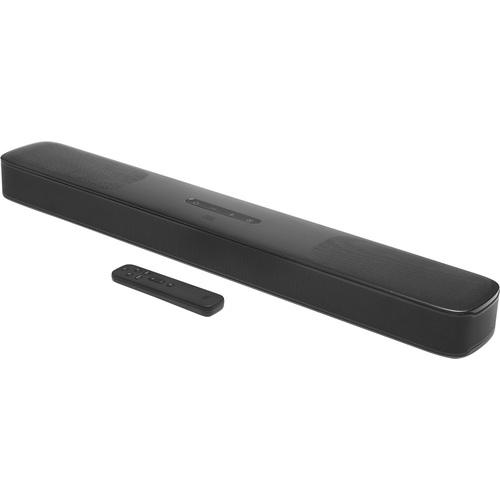
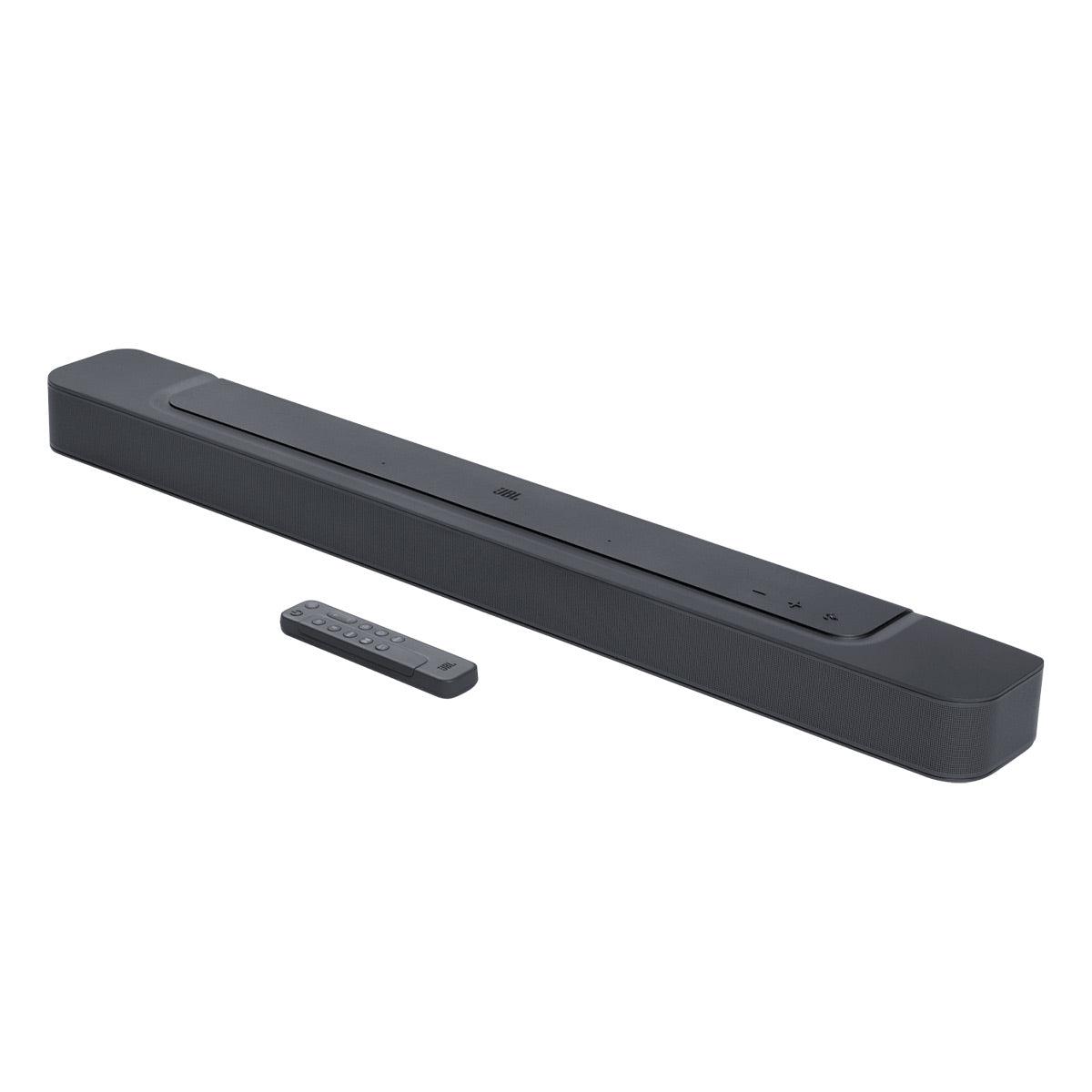
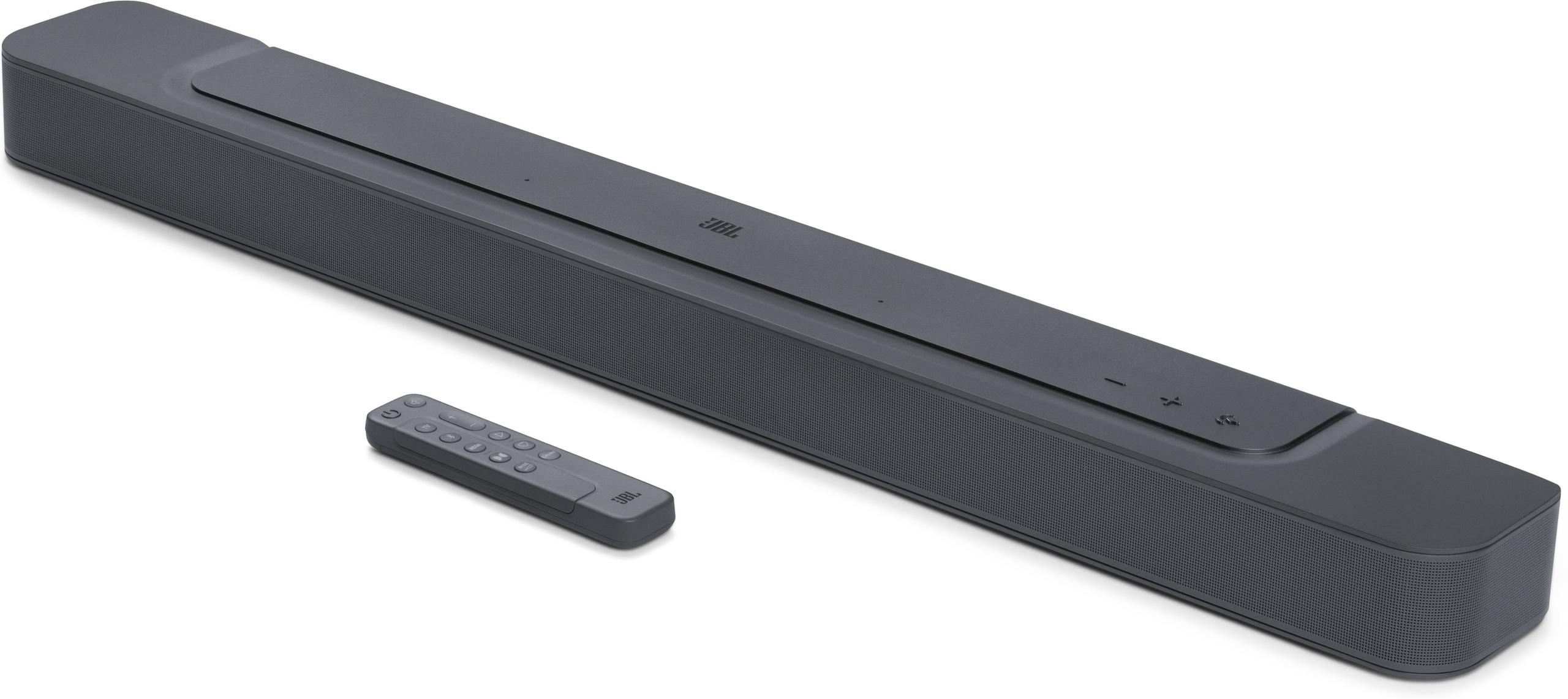

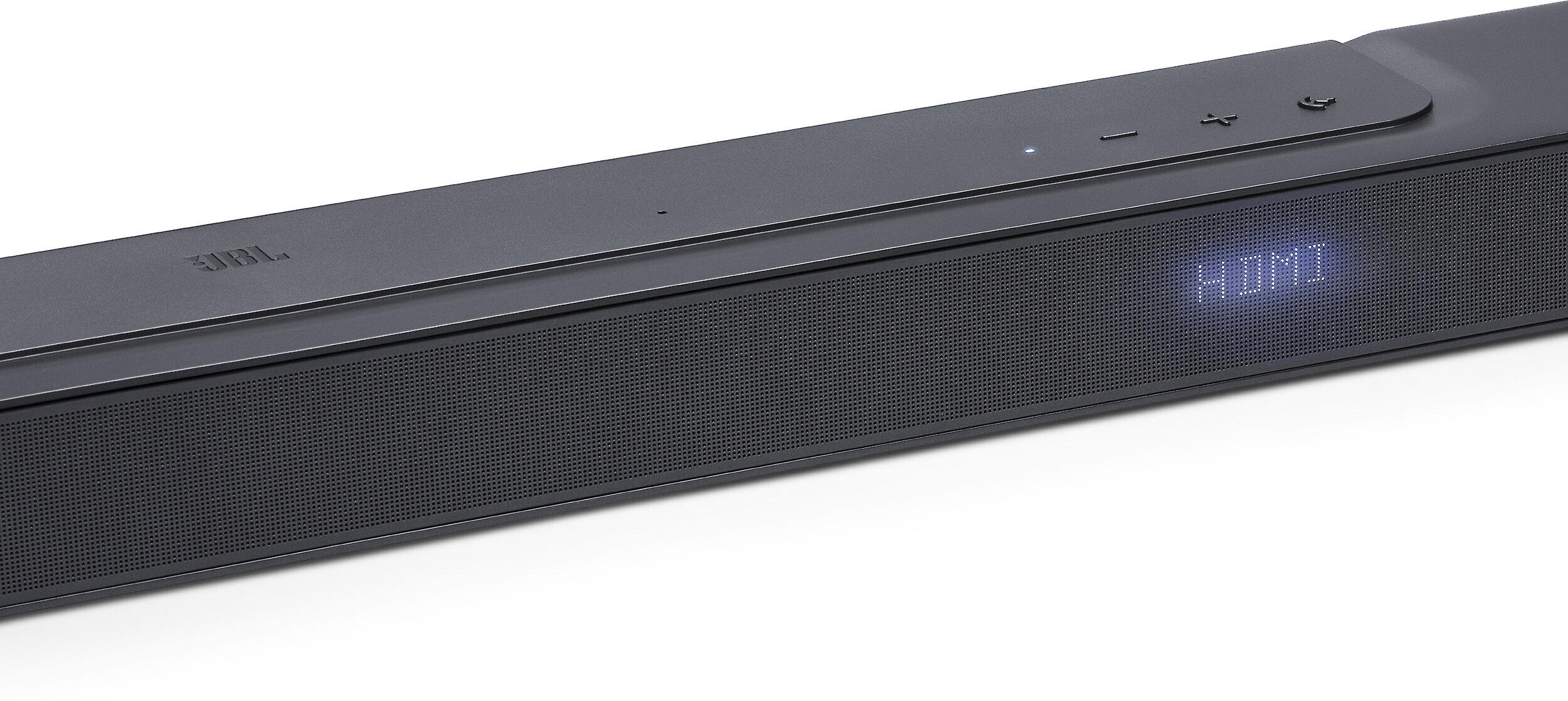
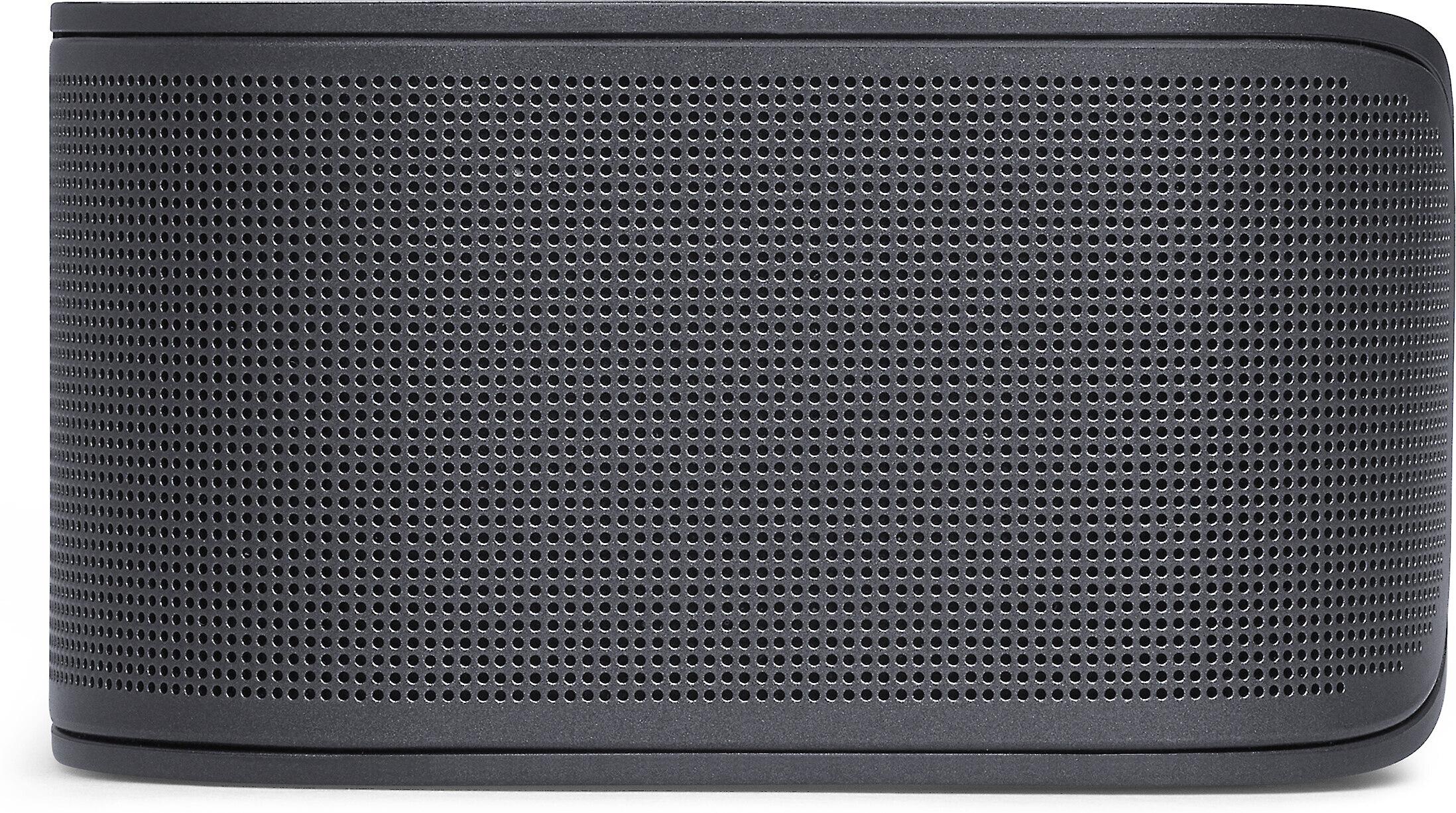




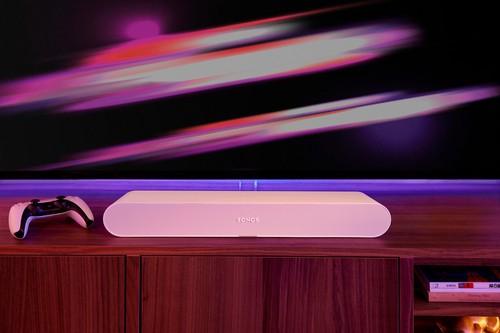
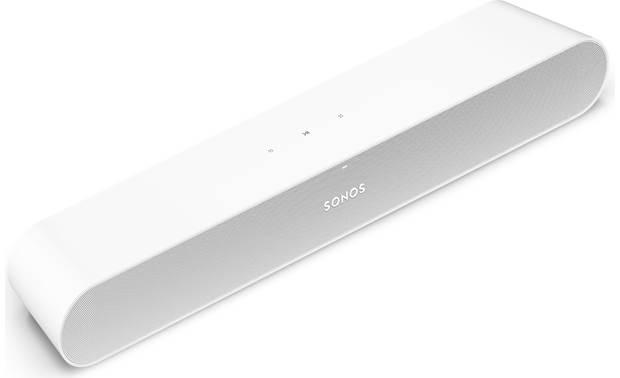

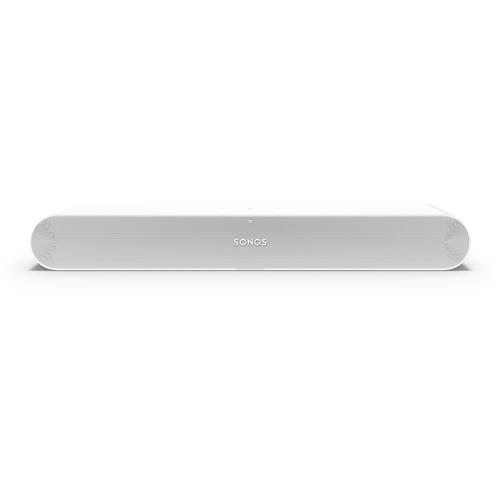

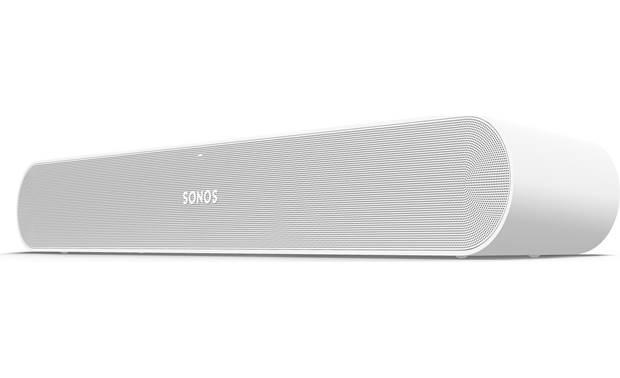
When your TV's built-in speakers just aren't cutting it anymore, a soundbar becomes one of the most practical upgrades you can make to your entertainment setup. But with so many options flooding the market, picking the right one can feel overwhelming. Today, I'm diving deep into two popular budget-friendly options that take completely different approaches to improving your audio experience: the Sonos Ray and the JBL Bar 300.
These soundbars represent two distinct philosophies in audio design, and understanding their differences will help you make the right choice for your specific needs and space.
Before we dive into the specifics, let's talk about what makes a good soundbar in this price range. Unlike premium models that can cost over a thousand dollars, budget soundbars (typically ranging from the low hundreds to around five hundred dollars at the time of writing) focus on delivering the biggest improvement over TV speakers while keeping costs reasonable.
The most important factors to consider include audio quality – particularly how clearly you can hear dialogue and how well the soundbar handles different types of content. Connectivity options matter more than you might think, as they determine what devices you can connect and how easily you can integrate the soundbar into your existing setup. Smart features like voice assistant support and streaming capabilities have become increasingly important, while room compatibility ensures the soundbar can properly fill your space with sound.
One aspect many people overlook is future expandability – whether you can add components like subwoofers or rear speakers later. This can make the difference between a soundbar that grows with your needs versus one that becomes a stepping stone to your next upgrade.
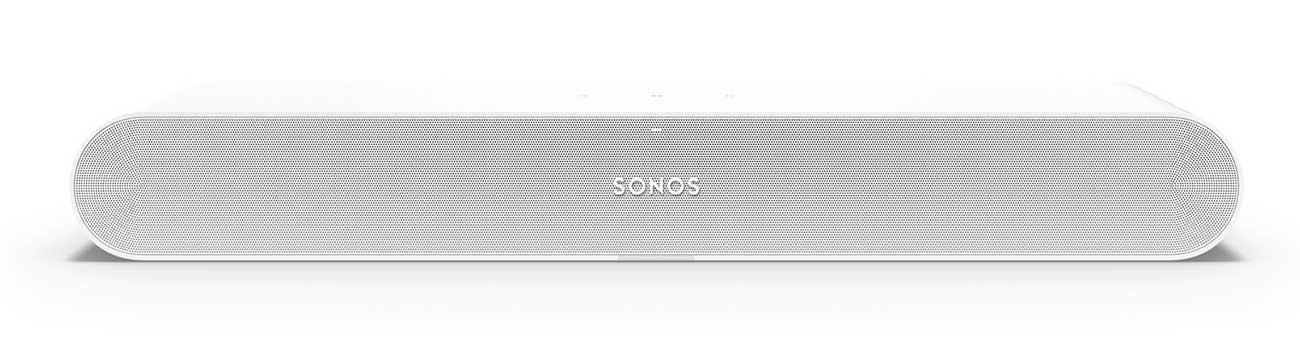
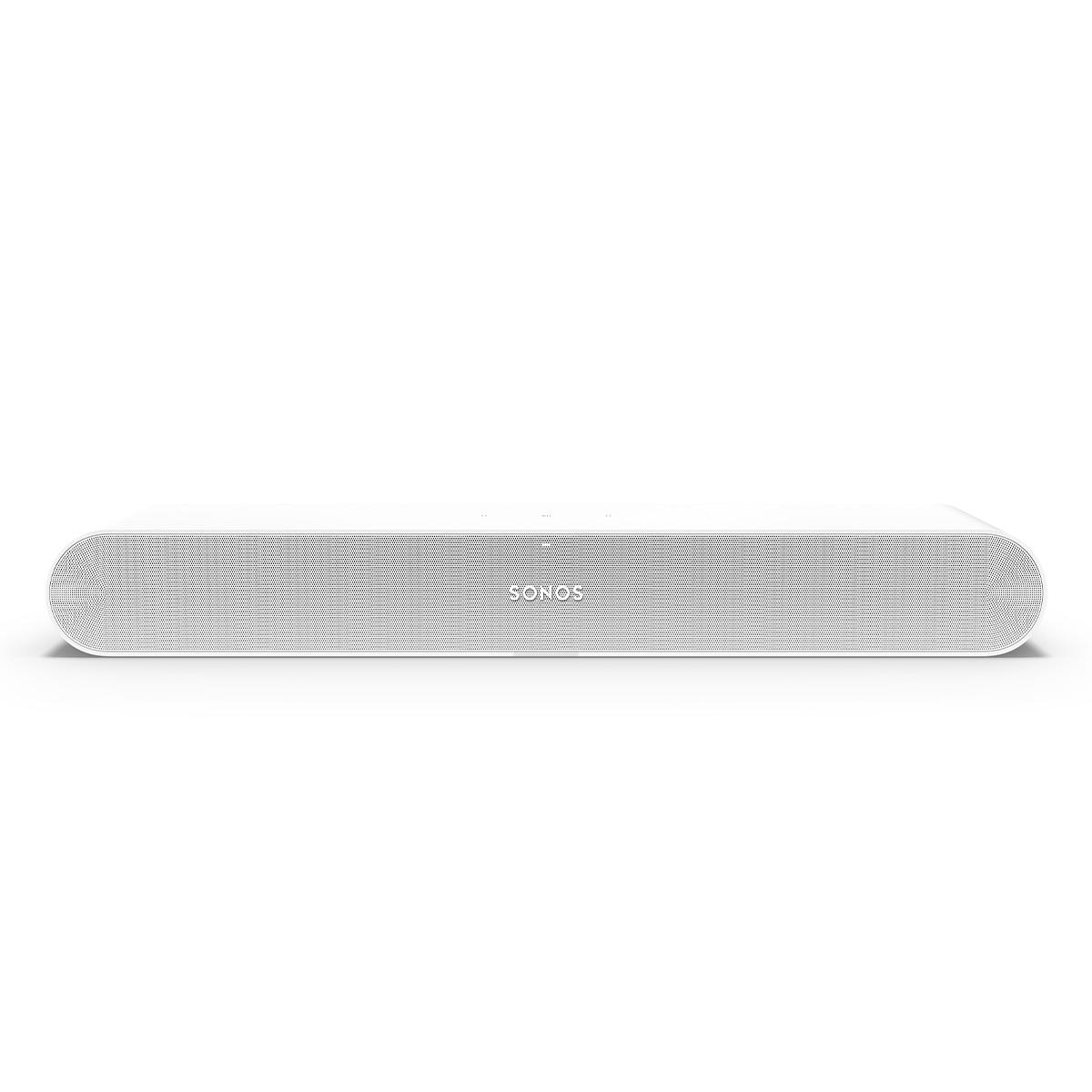
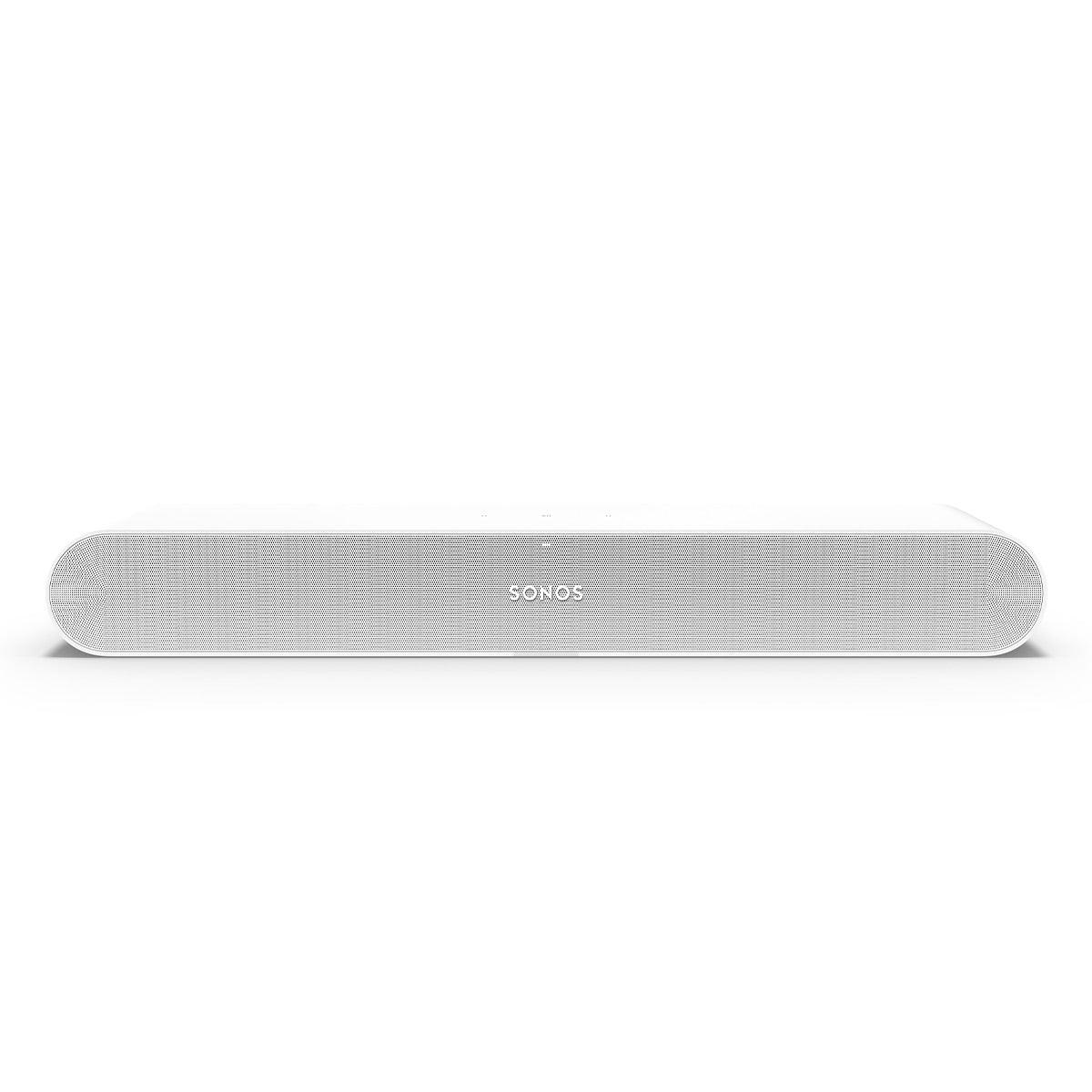
Released in 2022, the Sonos Ray entered the market as Sonos's most affordable soundbar, designed to bring their renowned ecosystem benefits to budget-conscious buyers. It's what we call a 2.0-channel soundbar, meaning it has two distinct audio channels (left and right) that create a traditional stereo soundstage.
The Sonos Ray measures just over 22 inches wide and focuses on delivering exceptional dialogue clarity and music reproduction. Rather than trying to simulate surround sound effects, it concentrates on doing stereo audio exceptionally well. This approach reflects Sonos's philosophy of building a connected audio ecosystem where multiple speakers work together seamlessly throughout your home.
The JBL Bar 300, released more recently, takes a dramatically different approach. It's designed as a 5.0-channel soundbar, which means it uses digital processing to simulate five separate audio channels from a single bar. This creates a wider, more immersive soundstage that attempts to replicate what you'd get from a traditional surround sound setup with multiple speakers placed around your room.
At about 32 inches wide, the JBL Bar 300 is noticeably larger and packs significantly more power – 260 watts compared to the Sonos Ray's more modest output. It includes Dolby Atmos processing, which is a technology that adds height information to sound, making it feel like audio is coming from above and around you, not just from the front of the room.
The most obvious difference between these soundbars is their power output and approach to audio processing. The JBL Bar 300 delivers substantially more raw power, which translates to better performance in larger rooms and the ability to play louder without distortion. When I tested both units in a medium-sized living room, the difference was immediately apparent during action movie scenes – explosions had more impact, and the overall sound felt more authoritative with the JBL.
However, raw power isn't everything. The Sonos Ray uses sophisticated digital signal processing (DSP) – essentially computer algorithms that analyze and optimize audio in real-time – to make the most of its more modest hardware. This shows up particularly in dialogue clarity, where voices sound natural and well-separated from background music and effects.
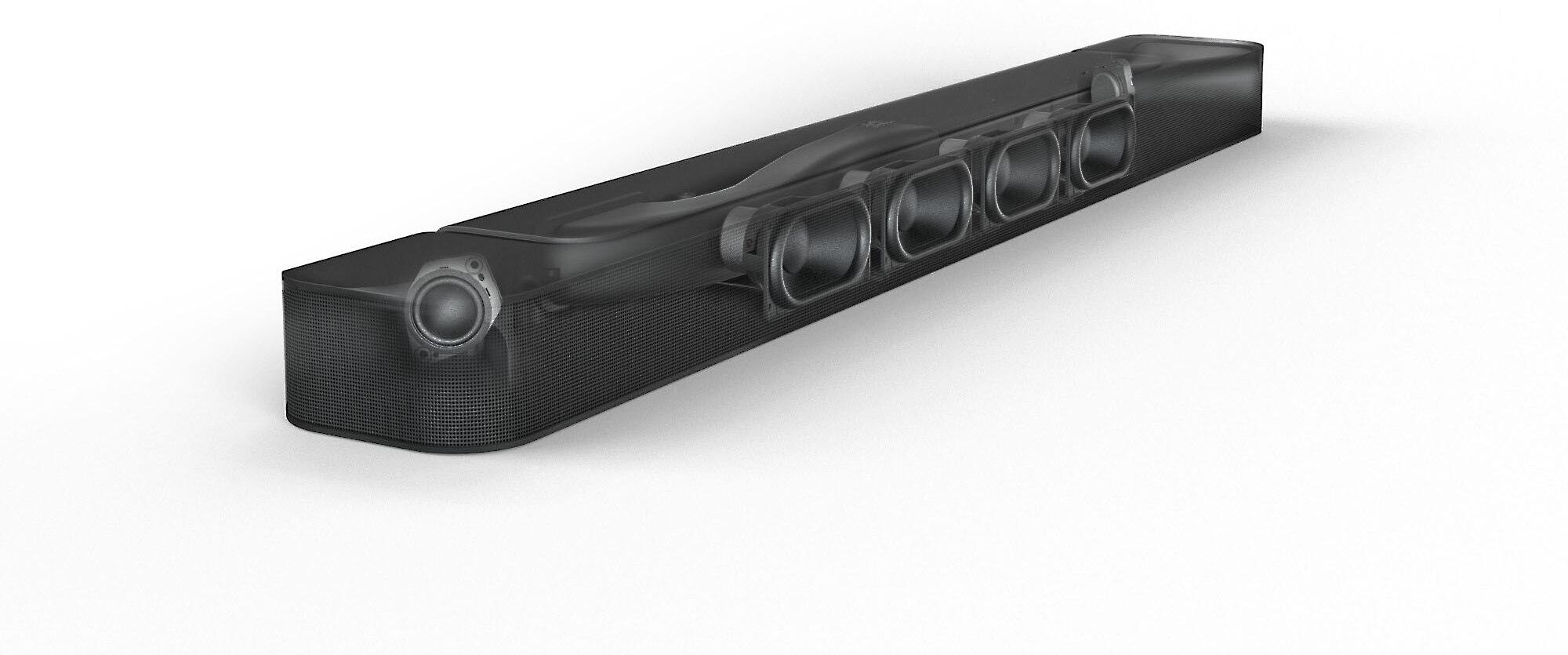
The JBL Bar 300's MultiBeam technology uses multiple drivers (individual speakers) and processing to create the illusion of sound coming from different directions. While this works well for creating an impressive initial experience, especially with movie soundtracks, it can sometimes make music sound less precise than the Sonos Ray's more straightforward stereo approach.
For bass response – the low-frequency sounds that add weight to explosions and music – the JBL Bar 300 has a clear advantage. Its larger size allows for bigger drivers and a bass reflex port (an opening that helps extend low-frequency response). The Sonos Ray handles bass respectably for its size but can sound thin when pushed hard or when playing bass-heavy content.
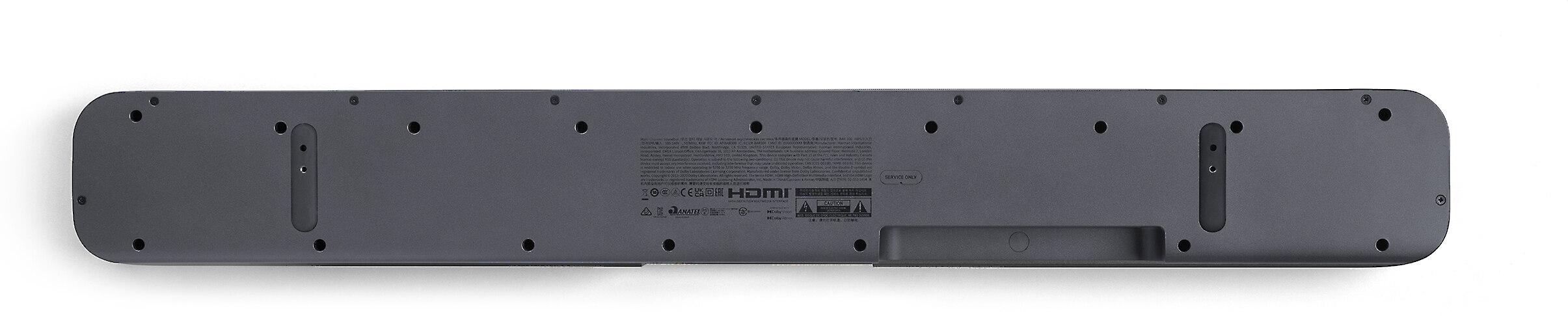
This is where the differences between these soundbars become most pronounced. The JBL Bar 300 offers what most people would consider modern, comprehensive connectivity. Its HDMI eARC (enhanced Audio Return Channel) connection allows it to receive high-quality audio directly from your TV while also passing through 4K video signals with features like HDR10 and Dolby Vision – advanced video technologies that improve color and contrast.
The JBL Bar 300 also includes Bluetooth 5.0, letting you stream music directly from your phone or tablet without needing a Wi-Fi connection. This might seem basic, but it's surprisingly convenient for parties or when you want to quickly play something from your device.
In contrast, the Sonos Ray takes a more minimalist approach with only an optical audio input and Wi-Fi connectivity. While this initially seems limiting, it reflects Sonos's philosophy of simplicity and reliability. The optical connection works with virtually any TV and provides good audio quality, while the Wi-Fi connection opens up extensive streaming capabilities.
The lack of Bluetooth on the Sonos Ray frustrated me initially, but I found that once connected to Wi-Fi, the streaming options through AirPlay 2 and the Sonos app actually provided better sound quality and more stable connections than Bluetooth typically offers.
Both soundbars offer smart features, but they approach them differently. The Sonos Ray shines when integrated into the broader Sonos ecosystem. If you later add other Sonos speakers, you can create a true multi-room audio system where music follows you from room to room, all controlled through a single app.
The Sonos Ray also features Trueplay, a room correction technology that uses your iPhone's microphone to analyze your room's acoustics and adjust the soundbar's output accordingly. This is genuinely useful – I noticed clearer dialogue and better overall balance after running Trueplay in my living room, though it's worth noting this feature only works with iOS devices.
The JBL Bar 300 takes a more universal approach with Chromecast built-in, AirPlay 2, and compatibility with Alexa and Google Assistant. It also includes automatic calibration that works with any device, not just iPhones. While less sophisticated than Trueplay, this calibration still provides noticeable improvements in most rooms.
For movie watching, the JBL Bar 300 generally provides a more impressive experience. Its Dolby Atmos processing creates a sense of height and space that makes action scenes more engaging. The virtual 5.0-channel processing spreads sound across a wider area, making it feel like effects are coming from different directions rather than just straight ahead.
However, the Sonos Ray has one significant advantage: dialogue clarity. If you frequently find yourself adjusting volume during shows because you can't quite make out what characters are saying, the Sonos Ray addresses this better than most soundbars in its price range. Its dialogue enhancement doesn't just boost treble frequencies – it uses sophisticated processing to maintain naturalness while improving clarity.
For different room sizes, these soundbars perform quite differently. In smaller rooms (up to about 200 square feet), both work well, though the Sonos Ray might actually be preferable since the JBL Bar 300's virtual surround effects can feel overwhelming in tight spaces. In larger rooms, the JBL Bar 300's extra power and wider sound dispersion become clear advantages.
This is where personal preference really comes into play. The Sonos Ray approaches music reproduction more like a traditional stereo system, focusing on accuracy and tonal balance. Acoustic instruments sound natural, vocals are well-positioned in the soundstage, and the overall presentation feels cohesive.
The JBL Bar 300 brings more energy and impact to music, especially pop, rock, and electronic genres that benefit from enhanced bass and dynamic processing. However, this same processing can make subtle acoustic music sound less refined.
I found myself preferring the Sonos Ray for background music during dinner parties or when working from home, while the JBL Bar 300 was more engaging for active listening sessions, especially with genres that benefit from its enhanced low-end response.
For gaming, the JBL Bar 300 has several technical advantages. Its HDMI input allows direct connection from gaming consoles, potentially reducing audio latency – the delay between when something happens on screen and when you hear the corresponding sound. This matters more in fast-paced games where audio cues help with timing and spatial awareness.
The JBL Bar 300's Dolby Atmos processing also benefits games that support it, creating better positional audio cues that can give competitive advantages in multiplayer games.
The Sonos Ray works fine for gaming when connected through your TV, but you might notice slight delays in fast-paced games, and you miss out on the enhanced spatial audio effects that modern games are designed to utilize.
At the time of writing, these soundbars sit at different price points, with the JBL Bar 300 commanding a premium over the Sonos Ray. This price difference reflects their different approaches to delivering value.
The Sonos Ray offers excellent value for users who prioritize long-term flexibility and integration. While it costs less upfront, you can gradually build a complete multi-room system by adding other Sonos speakers over time. This makes it potentially more valuable in the long run for users committed to expanding their audio setup.
The JBL Bar 300 provides immediate value through its comprehensive feature set. You get Dolby Atmos processing, multiple connectivity options, and significantly more power right out of the box. For users who want a complete solution without future expansion plans, this approach delivers more immediate satisfaction.
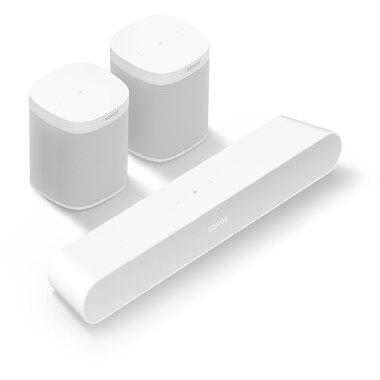
However, it's worth considering the total cost of ownership. The Sonos Ray can be expanded with the Sonos Sub (a wireless subwoofer) and additional speakers for rear channels, but these additions cost extra. The JBL Bar 300 is essentially a complete solution – what you buy is what you get, with no expansion options.
You value dialogue clarity above all else and primarily watch TV shows, news, and dialogue-heavy content. The Sonos Ray excels in smaller to medium-sized rooms where its refined sound signature can be fully appreciated.
It's also the better choice if music streaming is equally important to you as TV audio. The integration with streaming services through the Sonos app is genuinely superior to most alternatives, and the sound quality for music reproduction is more accurate and less fatiguing during extended listening sessions.
Consider the Sonos Ray if you're building or planning to build a multi-room audio system. The ability to seamlessly integrate additional Sonos speakers over time provides long-term value that single-unit soundbars can't match.
Finally, if you prefer minimal complexity in setup and operation, the Sonos Ray's simple optical connection and straightforward app control eliminate most technical headaches.
You want a complete home theater upgrade experience with modern features like Dolby Atmos and virtual surround sound. The JBL Bar 300 provides a more impressive initial experience, especially for action movies and games.
Your room is medium to large sized, where the JBL Bar 300's extra power and wider sound dispersion become clear advantages. It's also better if you frequently host movie nights or want audio that can fill a space with authority.
The JBL Bar 300 is the right choice if you need comprehensive connectivity options. Multiple HDMI ports, Bluetooth connectivity, and universal streaming support make it more flexible for various devices and use cases.
Consider it if you want a standalone solution that delivers complete functionality immediately, without plans for future expansion or integration with other audio components.
After extensive testing with both soundbars, I've come to appreciate that they're solving different problems for different users. The Sonos Ray represents a more thoughtful, long-term approach to audio improvement, while the JBL Bar 300 delivers immediate, comprehensive enhancement to your TV watching experience.
Neither soundbar is objectively "better" than the other – they're optimized for different priorities and use cases. The Sonos Ray will satisfy users who value refinement, simplicity, and long-term expandability. The JBL Bar 300 will please those who want modern features, impressive initial impact, and comprehensive connectivity right out of the box.
Your choice should ultimately align with how you plan to use the soundbar, the size of your room, your long-term audio goals, and whether you prioritize immediate feature completeness or gradual system building. Both represent solid value in their respective approaches, and either will significantly improve your TV audio experience compared to built-in speakers.
The key is honestly assessing your priorities and choosing the soundbar that best matches not just your current needs, but your likely future preferences as well.
| Sonos Ray Soundbar | JBL Bar 300 5.0 Soundbar |
|---|---|
| Audio Channels - Determines surround sound capability | |
| 2.0-channel stereo (focused on clarity) | 5.0-channel virtual surround (immersive experience) |
| Power Output - Affects volume and room filling ability | |
| Lower wattage (ideal for small-medium rooms) | 260W total (handles large rooms with authority) |
| Dolby Atmos Support - Creates overhead sound effects | |
| No (stereo processing only) | Yes (full 3D spatial audio processing) |
| HDMI Connectivity - Simplifies setup and reduces audio delay | |
| None (optical audio only) | HDMI eARC + input (direct device connection) |
| Bluetooth Support - Enables wireless music streaming | |
| No Bluetooth capability | Bluetooth 5.0 (easy phone/tablet streaming) |
| Smart Features - Voice control and streaming integration | |
| AirPlay 2, Sonos ecosystem integration | Chromecast, AirPlay 2, Alexa/Google Assistant |
| Room Calibration - Optimizes sound for your space | |
| Trueplay (iOS devices only) | Auto calibration (works with any device) |
| Expandability - Ability to add more speakers later | |
| Full Sonos ecosystem expansion | Standalone unit (no expansion options) |
| Physical Remote Control - Traditional TV-style operation | |
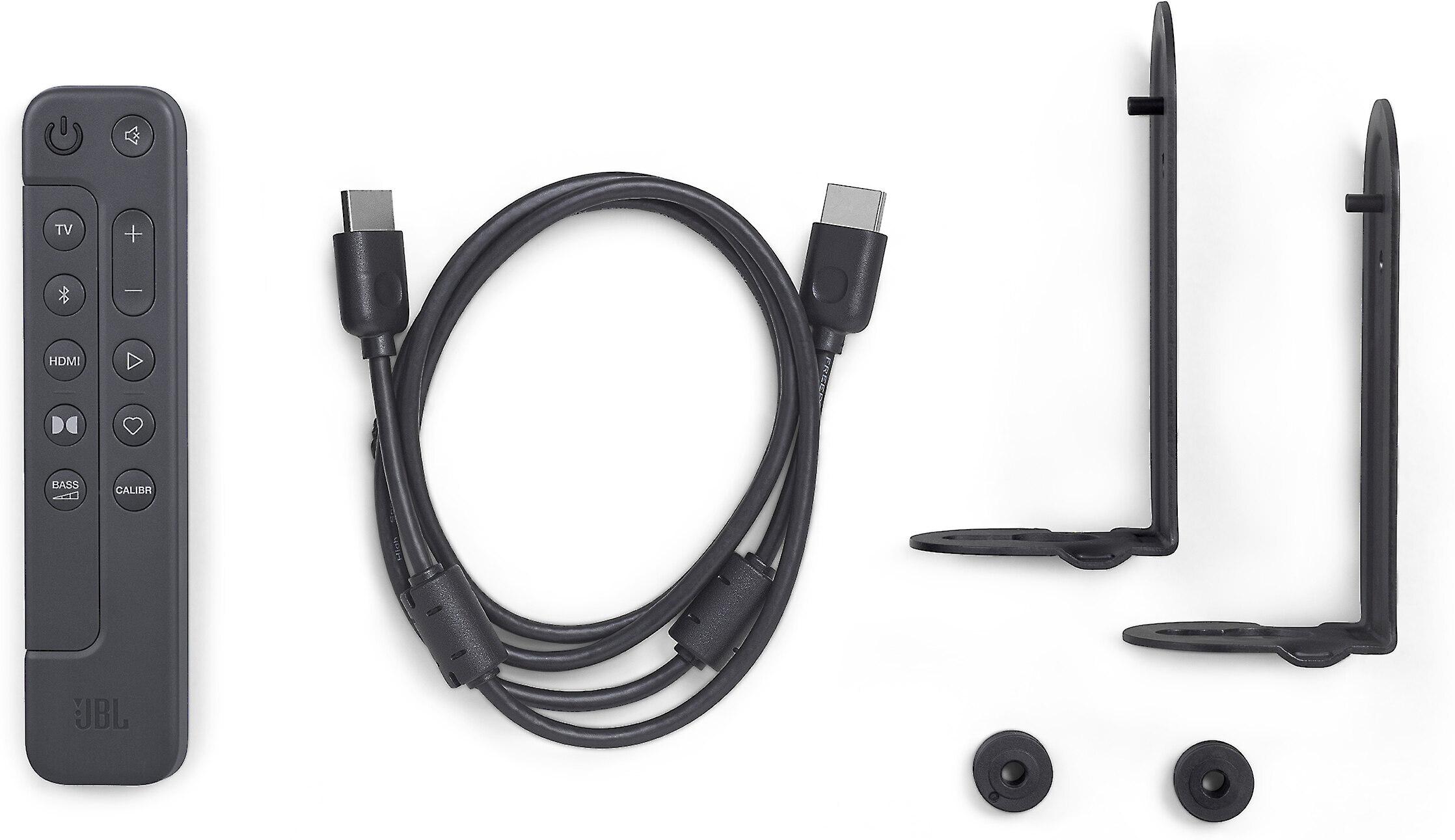
| No remote (app and TV remote only) | Dedicated remote included |
| Dialogue Enhancement - Improves voice clarity | |
| Advanced stereo processing | PureVoice technology with adjustments |
| Bass Response - Low-end impact for movies and music | |
| Modest bass (may need future subwoofer) | Built-in bass port (punchy without subwoofer) |
| Multi-room Audio - Synchronized music throughout home | |
| Full Sonos multi-room system | Limited to single room operation |
| Setup Complexity - Time and effort to get working | |
| Simple (one optical cable) | Moderate (multiple connection options) |
The JBL Bar 300 is better for movies and TV shows due to its Dolby Atmos support, virtual 5.0-channel surround sound, and 260W power output. It creates a more immersive cinematic experience with better spatial audio effects. The Sonos Ray excels at dialogue clarity but lacks the surround sound processing that enhances movie watching.
The JBL Bar 300 offers both HDMI eARC and optical connections, providing more flexibility and better audio quality from modern devices. The Sonos Ray only has optical input, which works fine for basic TV audio but limits connectivity options for gaming consoles, streaming devices, and newer audio formats.
The Sonos Ray performs excellently in small to medium rooms where its refined sound signature shines. The JBL Bar 300 is better suited for medium to large rooms thanks to its higher power output and wider sound dispersion. In very small rooms, the JBL Bar 300's virtual surround effects might feel overwhelming.
Yes, the Sonos Ray can be paired with the Sonos Sub and expanded into a full surround system with additional Sonos speakers. The JBL Bar 300 is a standalone unit that cannot be expanded with additional components, but it includes built-in bass enhancement that may reduce the need for a separate subwoofer.
The Sonos Ray is superior for music streaming due to its excellent integration with streaming services, more accurate stereo reproduction, and seamless multi-room capabilities. The JBL Bar 300 handles music well but is optimized more for movie and TV audio with enhanced bass and spatial processing that can make music less natural.
No, the Sonos Ray does not include Bluetooth and relies on Wi-Fi and AirPlay 2 for wireless streaming. The JBL Bar 300 includes Bluetooth 5.0, making it easier to stream music directly from phones and tablets without requiring a Wi-Fi connection.
The Sonos Ray has exceptional dialogue clarity through its optimized stereo processing and dialogue enhancement features. While the JBL Bar 300 includes PureVoice technology for dialogue enhancement, the Sonos Ray's focus on stereo accuracy generally produces more natural and clear speech reproduction.
Yes, both soundbars can be controlled with your TV remote through optical audio connections. The JBL Bar 300 also includes a dedicated physical remote control, while the Sonos Ray relies primarily on the Sonos app and your TV remote for volume and basic controls.
The Sonos Ray offers excellent value for users prioritizing dialogue clarity, music streaming, and long-term expandability within the Sonos ecosystem. The JBL Bar 300 provides better immediate value for home theater use with its comprehensive feature set including Dolby Atmos and multiple connectivity options.
The JBL Bar 300 has built-in compatibility with Alexa and Google Assistant, plus works with voice assistant devices. The Sonos Ray works with voice assistants through connected devices and has excellent integration with Siri via AirPlay 2, but doesn't have built-in voice assistant capabilities.
The Sonos Ray is easier to set up with just one optical cable connection and simple app-based configuration. The JBL Bar 300 has more setup options due to multiple connectivity choices, which provides flexibility but can make initial setup slightly more complex for some users.
The JBL Bar 300 is better for gaming due to its HDMI input that allows direct console connection, reducing audio latency, and its Dolby Atmos processing that enhances spatial audio cues. The Sonos Ray works for gaming when connected through your TV but may have slight audio delays and lacks the enhanced spatial processing that benefits modern games.
We've done our best to create useful and informative comparisons to help you decide what product to buy. Our research uses advanced automated methods to create this comparison and perfection is not possible - please contact us for corrections or questions. These are the sites we've researched in the creation of this article: tomsguide.com - soundandvision.com - youtube.com - techradar.com - en.community.sonos.com - rtings.com - howtogeek.com - youtube.com - cnet.com - sonos.com - videoandaudiocenter.com - whathifi.com - safeandsoundhq.com - youtube.com - cnet.com - mm.jbl.com - jbl.com - bestbuy.com - support.jbl.com - dell.com - walmart.com

Privacy Policy
Terms and Conditions - Affiliate Policy
Home Security
© Copyright 2008-2026.
11816 Inwood Rd #1211, Dallas, TX 75244