



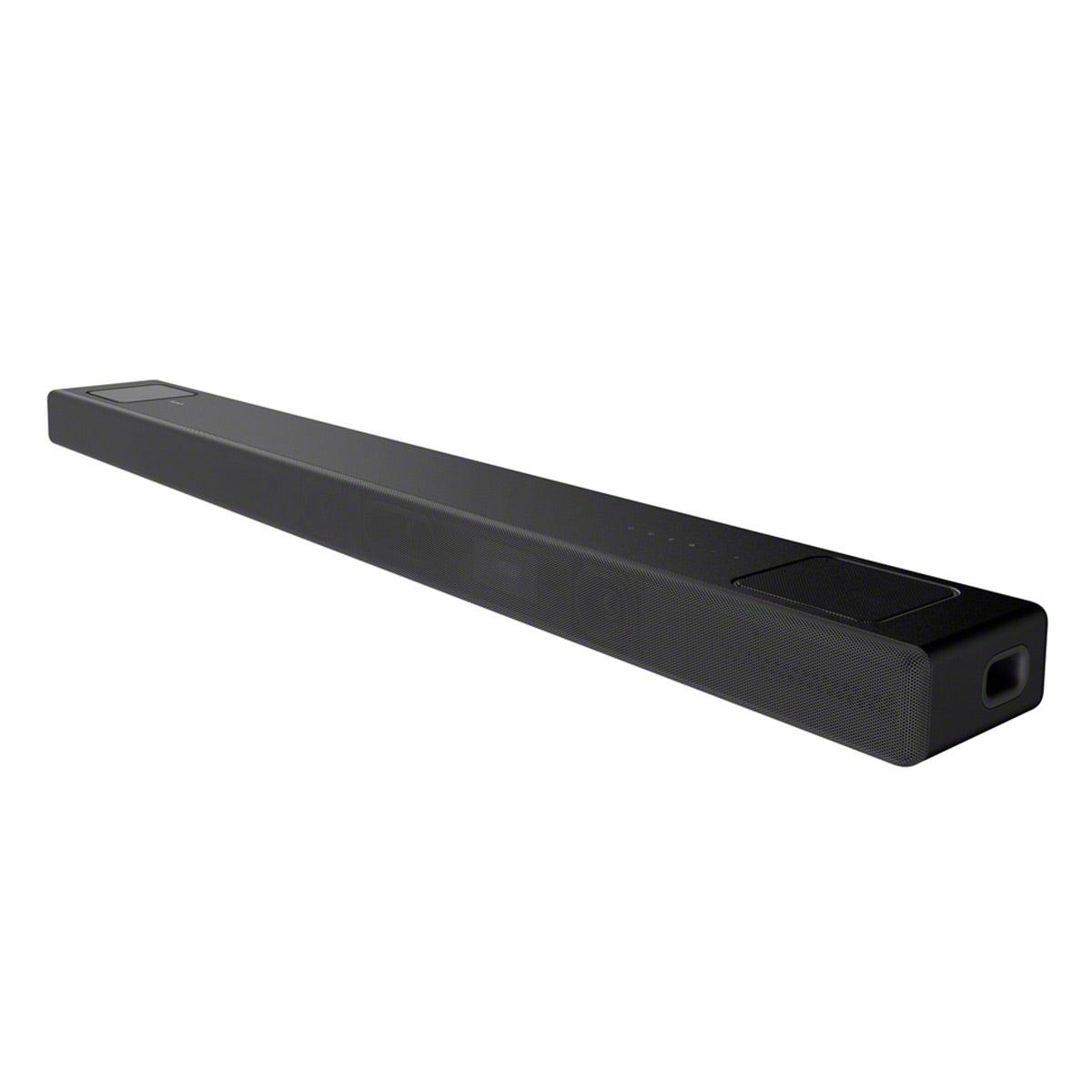
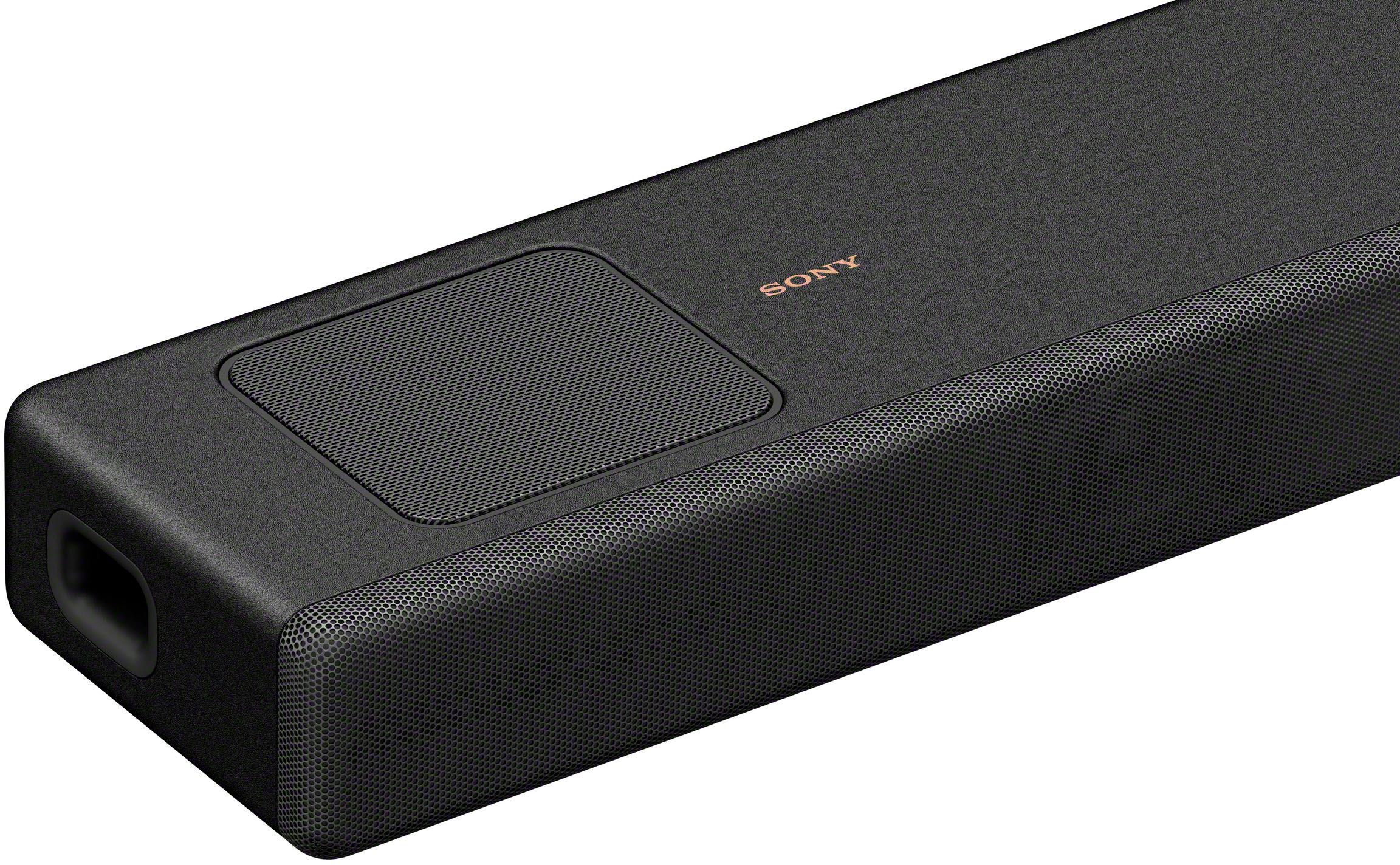

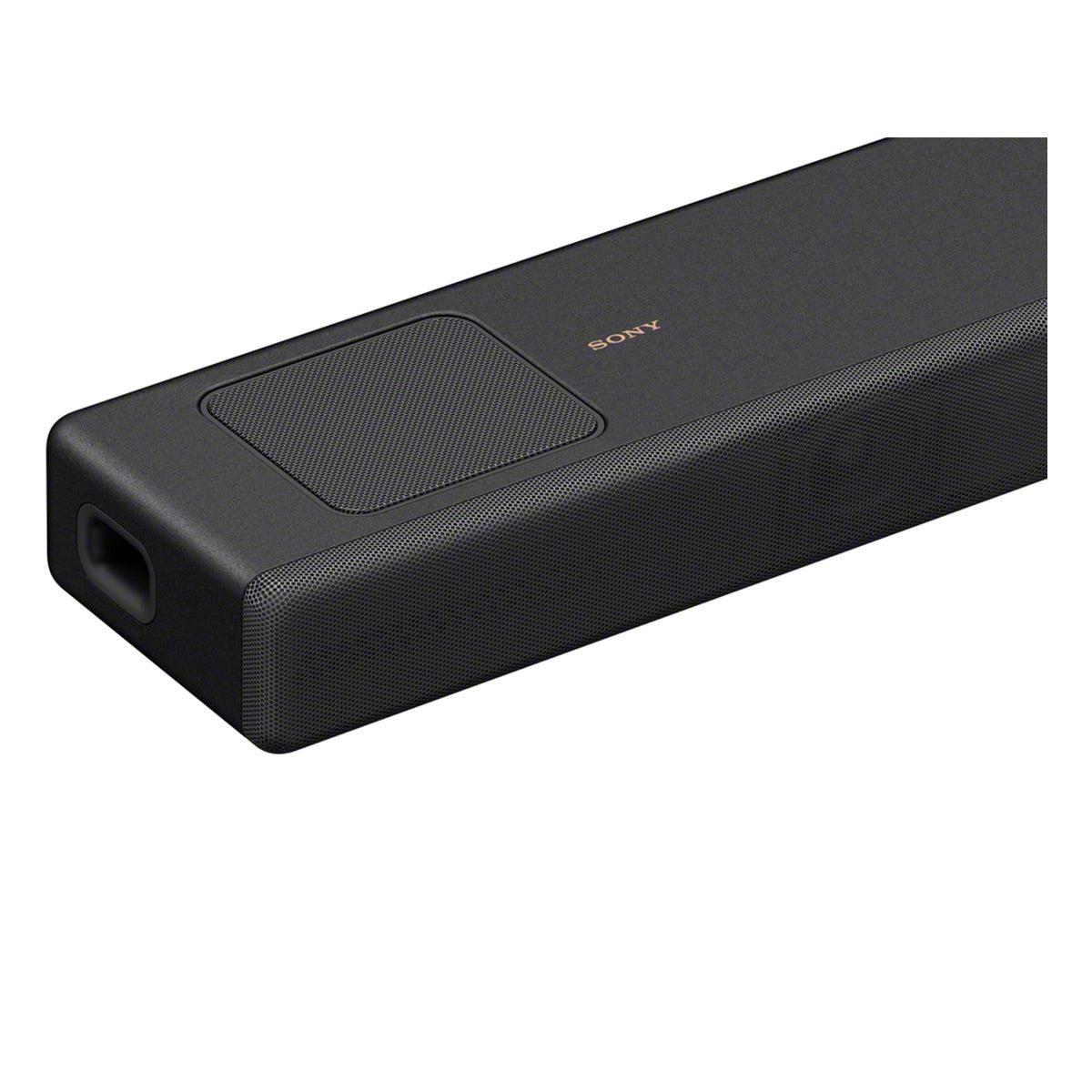
When your TV's tinny speakers just aren't cutting it anymore, the world of soundbars can feel overwhelming. Do you need Dolby Atmos? What about HDMI 2.1? How many channels is enough? I've spent countless hours testing different soundbars, and I've learned that sometimes the most important decision isn't about specs—it's about understanding what you actually need.
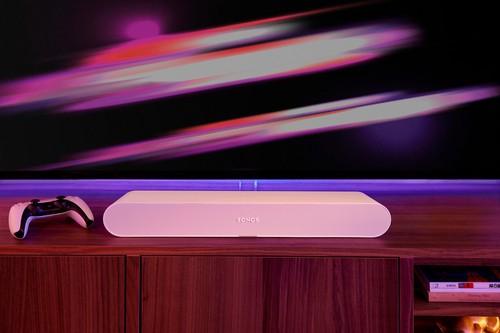
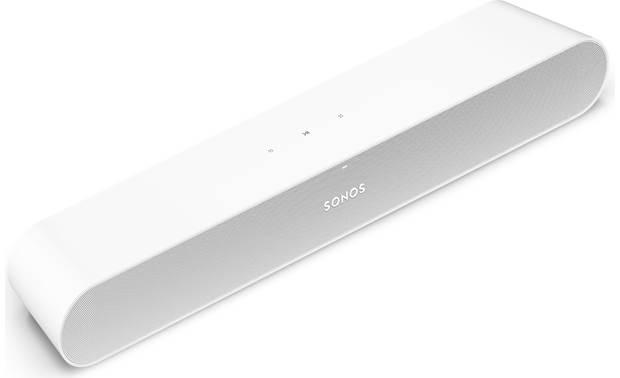
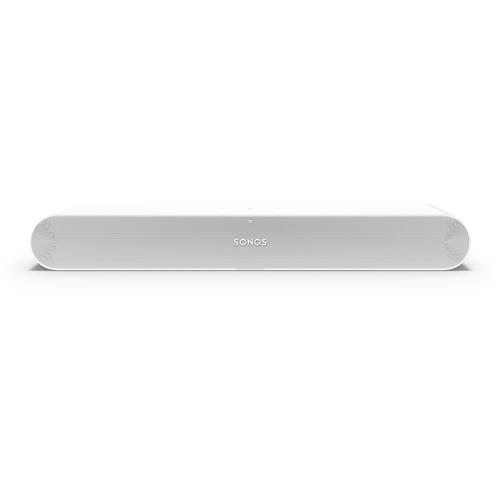
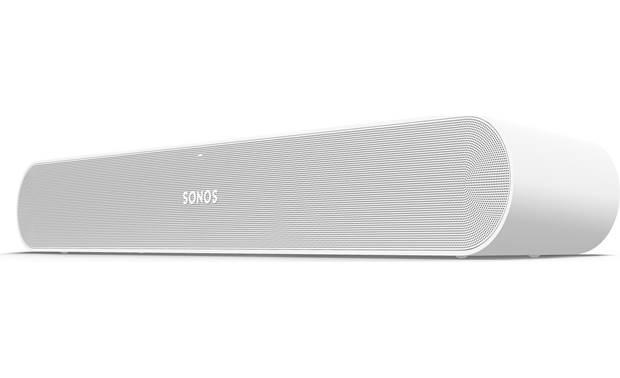
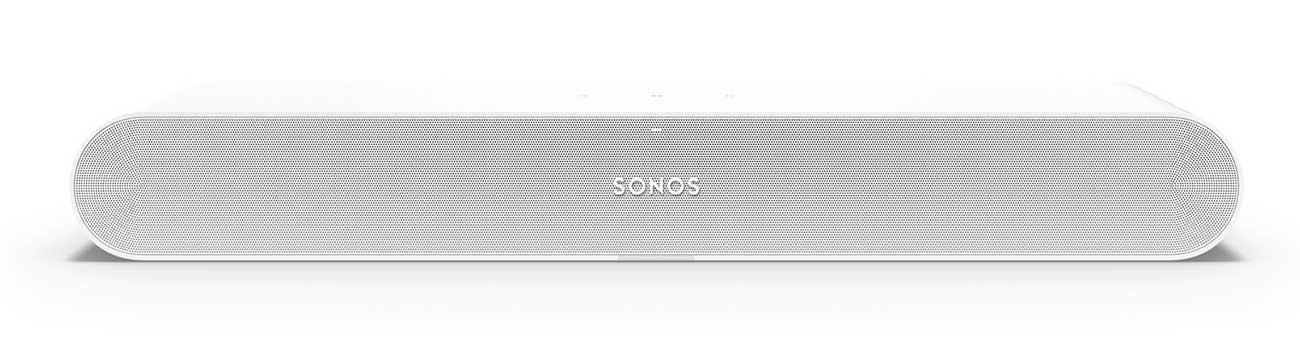
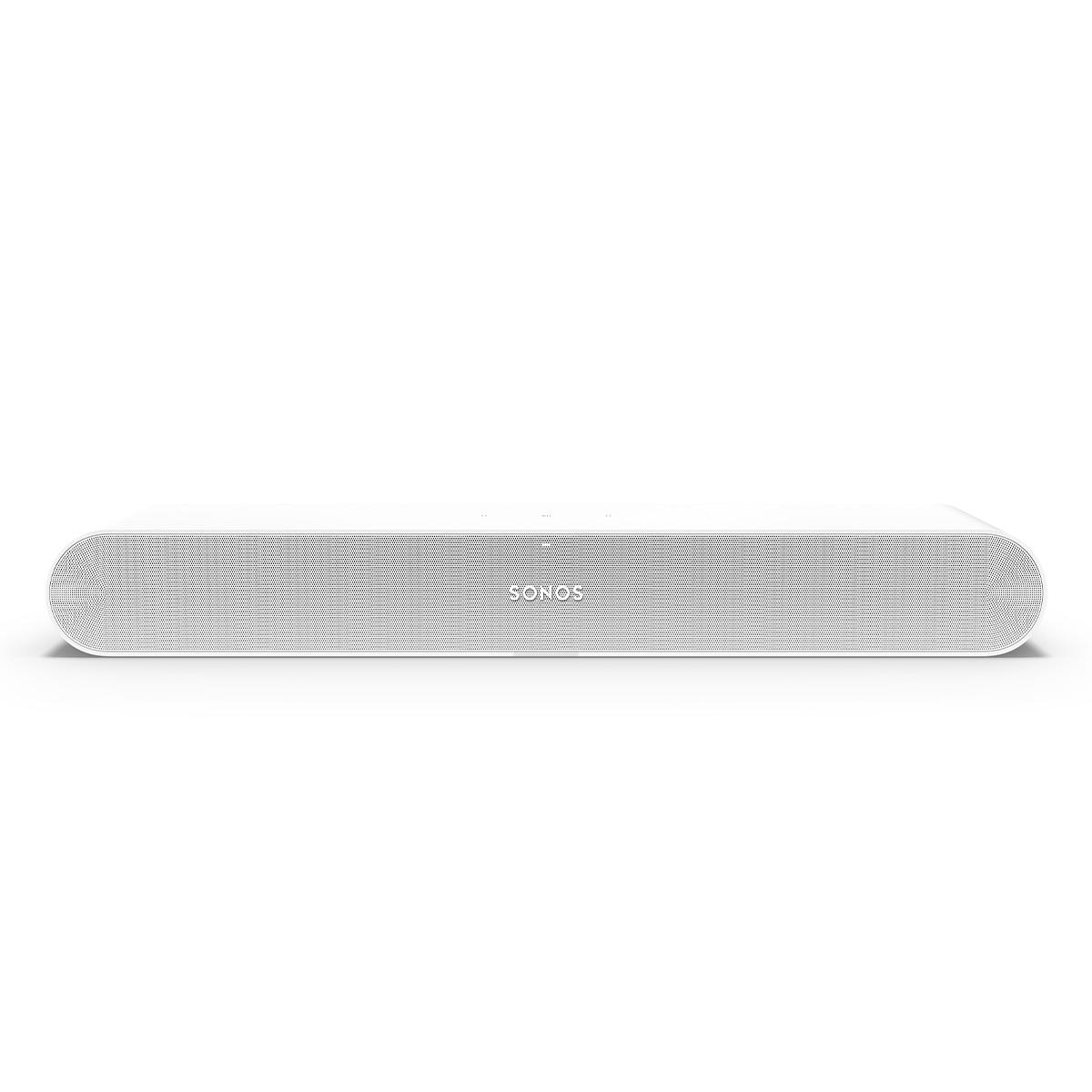
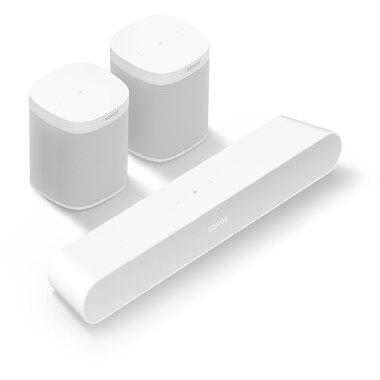
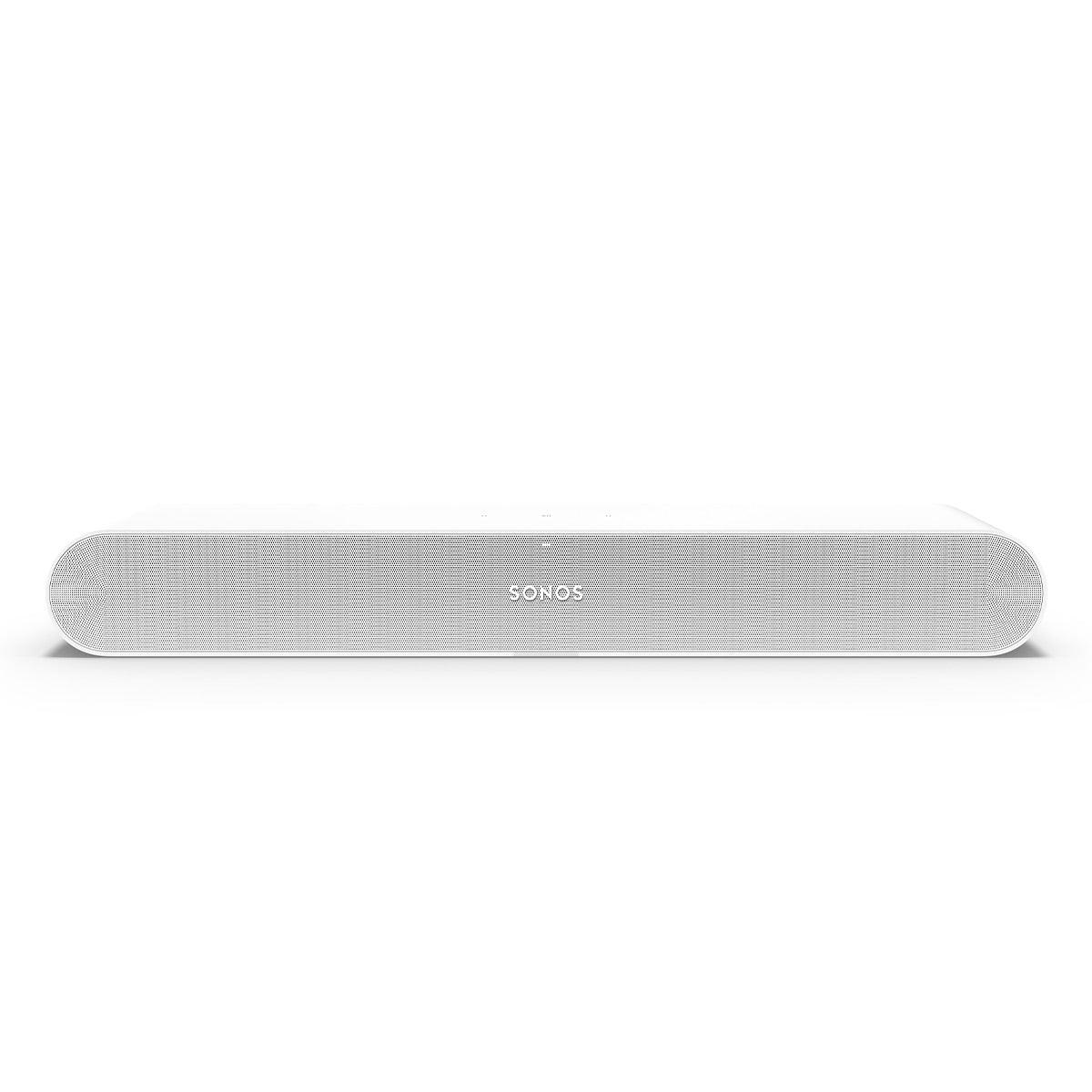
Today, we're comparing two soundbars that represent fundamentally different philosophies: the Sonos Ray and the Sony HT-A5000. These products showcase the fascinating divide in the soundbar market between focused simplicity and comprehensive home theater capabilities.
The soundbar market has evolved dramatically over the past decade. What started as simple speaker bars designed to improve TV dialogue has branched into distinct categories serving different needs. At one end, you have streamlined stereo soundbars focused on clarity and ease of use. At the other, you find sophisticated multi-channel systems that can fill large rooms with immersive surround sound.
The key considerations haven't changed much: you want better dialogue clarity than your TV provides, decent music performance, and enough volume to fill your room. What has changed is how different manufacturers achieve these goals, and how much additional functionality they pack in.
Channels refer to separate audio streams—a 2.1 system has left and right speakers plus a subwoofer, while a 5.1.2 system includes five main speakers (left, center, right, left surround, right surround), one subwoofer channel, and two height channels for overhead effects. More channels generally mean more realistic sound placement, but they also require more processing power and can complicate setup.
The Sonos Ray launched in 2022 as Sonos's response to requests for a more affordable entry point into their ecosystem. After years of focusing on premium products, Sonos recognized that many people wanted their renowned build quality and software experience without paying flagship prices.
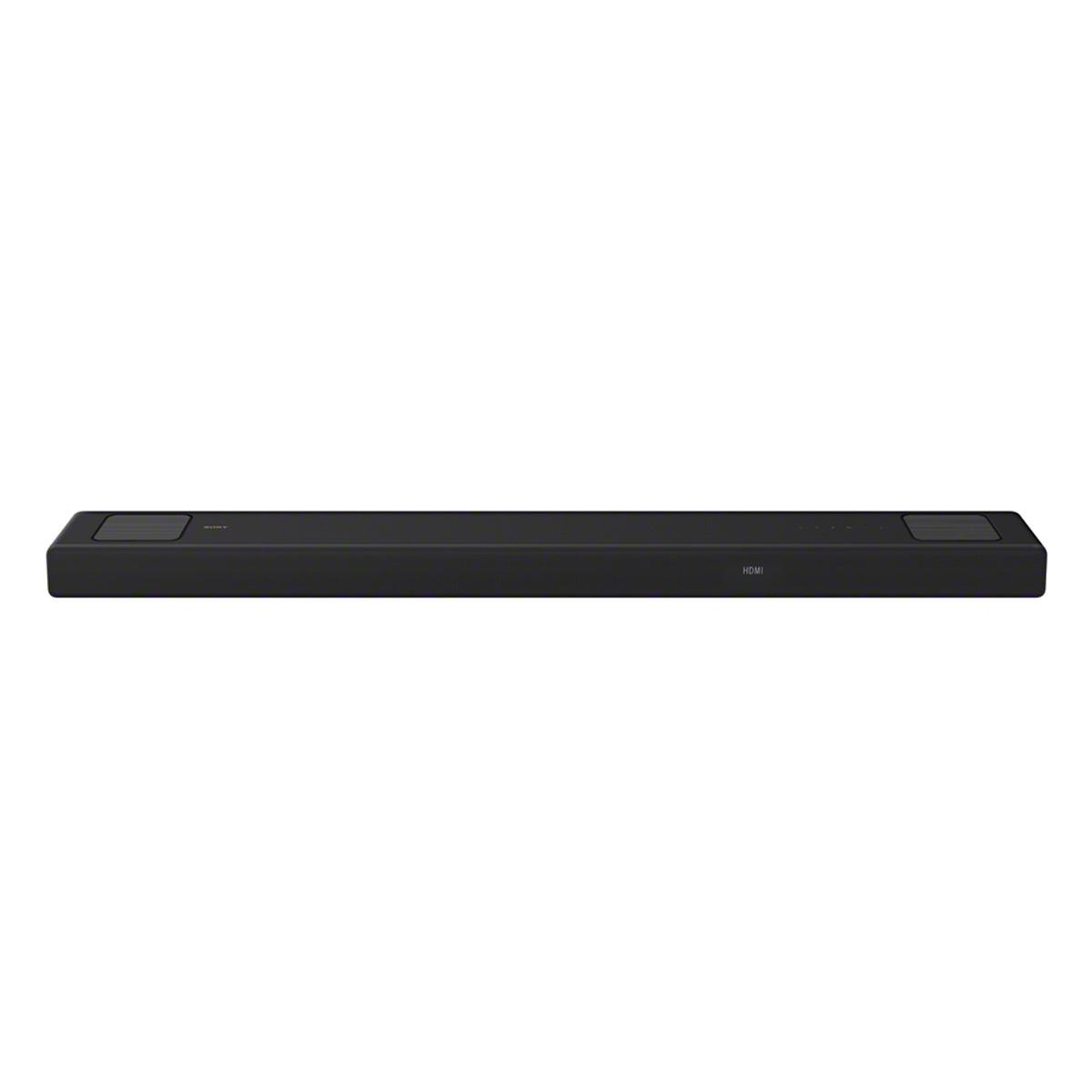
The Sony HT-A5000, released in 2021, represents Sony's push into the premium soundbar space during the height of the streaming content boom. This was when Dolby Atmos content was becoming widely available on Netflix, Disney+, and other platforms, making height channels more valuable to consumers.
Both products have benefited from software updates since launch. The Sonos Ray has received new streaming service integrations and voice control improvements, while the Sony HT-A5000 has gotten enhanced room calibration and gaming optimizations as Sony refined its spatial audio processing.
This is where every soundbar comparison should start because unclear dialogue ruins the viewing experience faster than anything else. The Sonos Ray approaches dialogue with laser focus. Its three-driver stereo design creates a coherent center image that keeps voices anchored to the screen. Sonos uses carefully tuned frequency response—meaning they've adjusted how much emphasis different sound frequencies receive—to ensure the human voice range comes through clearly without sounding harsh or thin.
What impressed me most during testing was how the Sonos Ray maintains dialogue clarity even at lower volumes. This comes from Sonos's understanding that most people watch TV in shared spaces where extremely loud sound isn't always appropriate. The Ray includes both dialogue enhancement and night mode features that compress the dynamic range (the difference between the loudest and quietest sounds) to keep voices audible while preventing sudden loud effects from startling neighbors or sleeping family members.
The Sony HT-A5000 takes a different approach with its dedicated center channel. In theory, having a separate speaker just for dialogue should provide superior clarity. In practice, I found the results mixed. When it works well, the center channel creates excellent vocal separation from music and sound effects. However, some users report a slightly "boxy" quality to voices that can make dialogue-heavy content fatiguing to listen to. Sony includes a voice mode to address this, but it's an extra step that shouldn't be necessary on a premium soundbar.
Winner for dialogue clarity: The Sonos Ray, with the caveat that the Sony HT-A5000 can excel with proper calibration and settings adjustment.
Here's where the fundamental design differences become apparent. The Sonos Ray was designed from the ground up as a stereo music speaker that also happens to work well for TV audio. This approach pays dividends when you're streaming music from Spotify, Apple Music, or any other service.
Stereo music is recorded assuming you have two speakers creating a left and right channel. The Sonos Ray respects this intention, creating proper stereo imaging where instruments and vocals appear to come from specific locations in the soundstage. Bass is well-controlled despite the compact size, and the overall tonal balance feels natural across different music genres.
The Sony HT-A5000 faces the challenge that many multi-channel soundbars encounter with music: it's trying to create surround effects from stereo source material. While Sony's processing is sophisticated, it can sometimes make music sound artificially wide or diffuse compared to dedicated stereo systems. The built-in subwoofers provide more bass impact, which some listeners prefer for pop and electronic music, but purists might find it less accurate.
Winner for music listening: The Sonos Ray for accuracy and naturalness, though the Sony HT-A5000 offers more bass impact and room-filling sound for casual listening.
This category isn't even a contest. The Sonos Ray is a stereo soundbar—it can play surround sound content, but it downmixes everything to two channels. You'll hear the dialogue, music, and sound effects, but you won't get any sense of sounds coming from behind or above you.
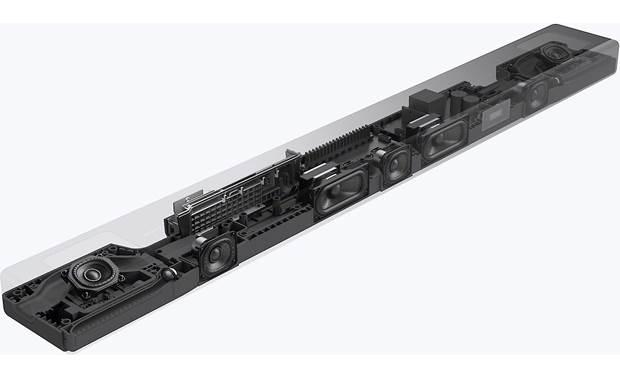
The Sony HT-A5000 was built specifically for immersive audio experiences. Dolby Atmos is an audio format that includes height information, allowing sounds to be placed anywhere in a three-dimensional space around the listener. When you're watching a movie with rain, for example, Atmos can make it sound like the rain is falling from above rather than just coming from the front speakers.
Sony achieves this through up-firing speakers that bounce sound off your ceiling, combined with sophisticated processing that creates "phantom" speakers—audio that appears to come from locations where no actual speakers exist. The Vertical Surround Engine and S-Force Pro Front Surround technologies work together to expand the soundstage far beyond the physical dimensions of the soundbar.
In my testing, the height effects aren't as precisely positioned as what you'd get from dedicated ceiling speakers, but they're convincing enough to enhance the viewing experience significantly. Action movies, nature documentaries, and concerts all benefit from this expanded soundstage.
Winner for immersive audio: The Sony HT-A5000 by a massive margin—this isn't the Sonos Ray's intended use case.
Neither soundbar includes a separate subwoofer in the box, but they handle bass very differently. The Sonos Ray produces adequate bass for its size, focusing on clarity and control rather than sheer impact. For dialogue-focused TV watching and most music, this approach works well. The bass doesn't overwhelm the midrange frequencies where voices live, maintaining overall balance.
The Sony HT-A5000 includes built-in subwoofers—essentially dedicated drivers and amplification for low frequencies built into the soundbar itself. This provides noticeably more bass impact for movie sound effects and bass-heavy music. However, some users report slight distortion at very high volumes or with extremely deep bass content, suggesting that the built-in subs are being pushed to their limits.
Both soundbars can be expanded with separate subwoofers if you want more low-end impact, but this obviously increases the total system cost and complexity.
Winner for bass impact: The Sony HT-A5000, with the Sonos Ray offering better control and integration at moderate levels.
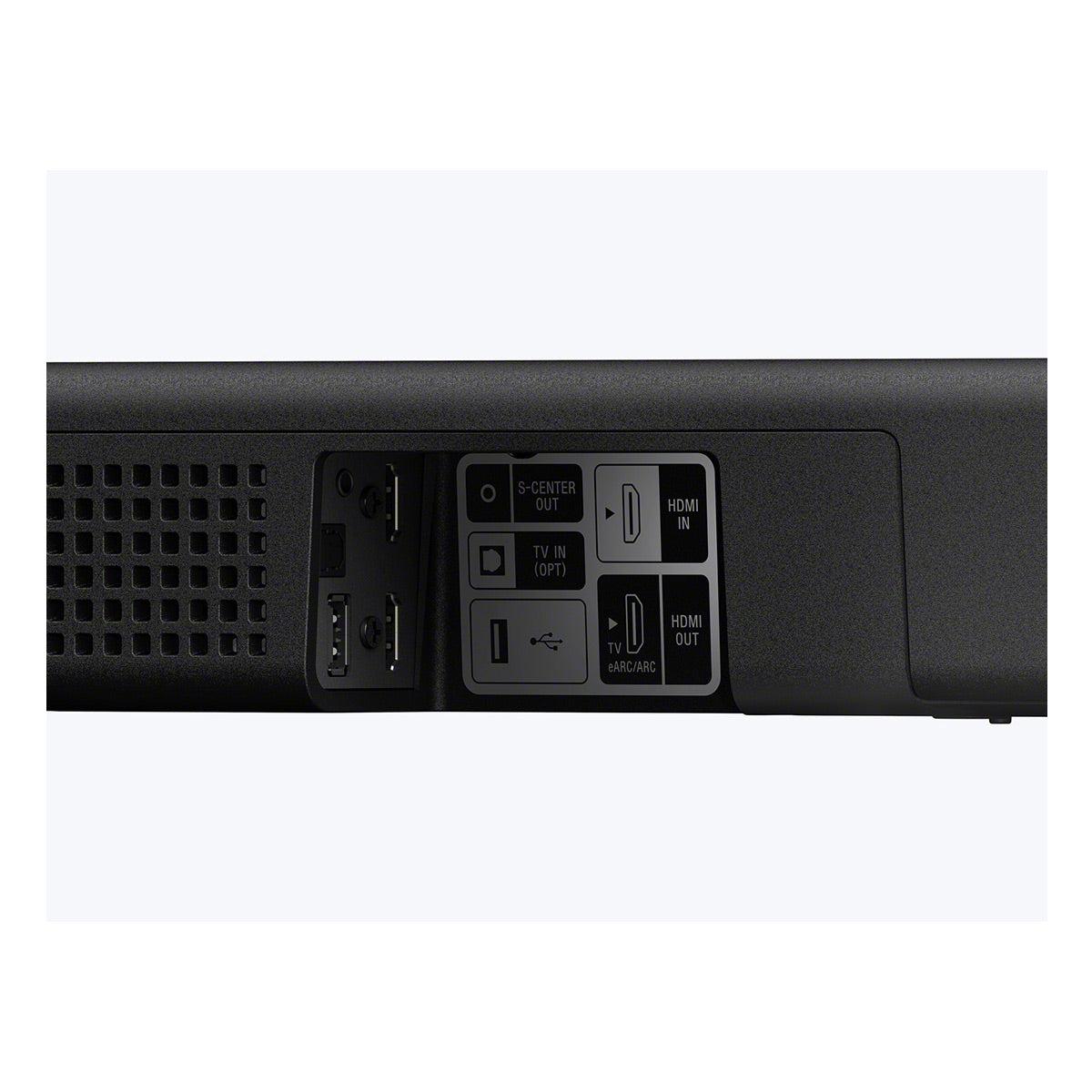
Modern gaming consoles like the PlayStation 5 and Xbox Series X can output 4K video at 120 frames per second, but only if every component in the chain supports this bandwidth. The Sony HT-A5000 includes HDMI 2.1 connectivity, which provides the necessary bandwidth for 4K/120Hz gaming while also passing spatial audio to create more immersive gaming experiences.
The soundbar's low latency—the delay between when something happens on screen and when you hear the corresponding sound—measures just 14 milliseconds, which is excellent for competitive gaming where audio cues can provide crucial information about enemy positions.
The Sonos Ray connects via optical audio only, which limits it to basic stereo audio and doesn't support the advanced gaming features that modern consoles offer. For casual gaming, this isn't necessarily a problem, but competitive gamers and those who've invested in high-end consoles will notice the limitations.
Winner for gaming: The Sony HT-A5000 conclusively, especially for next-generation console gaming.
This is where we see two completely different philosophies in action. The Sonos Ray is designed as part of a larger multi-room audio ecosystem. You can group it with other Sonos speakers throughout your home, creating synchronized playback in multiple rooms or independent control of different zones. The Sonos app provides direct integration with major streaming services, and software updates regularly add new features and service integrations.
The Sony HT-A5000 focuses more on compatibility with existing devices and services rather than creating its own ecosystem. It supports AirPlay 2 (Apple's wireless audio standard), Chromecast built-in (Google's casting technology), and Spotify Connect (direct streaming from Spotify), but it doesn't offer the same level of multi-room integration as Sonos systems.
Both soundbars work with voice assistants, though through different methods. The Sonos Ray requires an external device like an Amazon Echo or Google Nest speaker, while the Sony HT-A5000 can work directly with Google Assistant through its built-in microphones.
Winner for smart features: Depends on your needs—Sonos Ray for multi-room audio enthusiasts, Sony HT-A5000 for device compatibility and voice control.
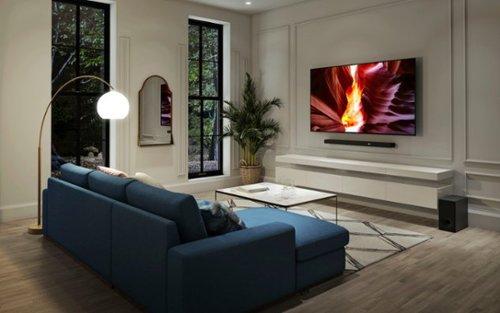
The Sonos Ray excels in smaller to medium-sized rooms where its focused stereo presentation can work effectively. Its compact design makes it easy to place in TV stands or mount on walls without overwhelming the space. The forward-facing acoustic design minimizes interference from nearby walls or objects, which is crucial in tighter spaces.
The Sony HT-A5000 really needs room to breathe. Its surround sound processing and height effects work best in larger spaces where the sound has room to develop and reflect properly. In a small apartment, you might not hear much difference between its surround modes and regular stereo playback, making the extra complexity less worthwhile.
Both soundbars include room calibration features—Trueplay for the Sonos Ray and Sound Field Optimization for the Sony HT-A5000—that adjust the sound based on your specific room acoustics. These features can help compensate for challenging room layouts, though they work better in some environments than others.
At the time of writing, both soundbars represent solid value propositions in their respective categories, though they target very different budgets and use cases. The Sonos Ray sits in the premium entry-level category, offering higher build quality and better software support than most competitors at similar price points. The Sony HT-A5000 has seen significant price reductions since its launch, making premium features like Dolby Atmos and HDMI 2.1 more accessible than they were initially.
When evaluating value, consider the total cost of ownership. The Sonos Ray will likely receive software updates for many years, as Sonos has an excellent track record of supporting older products. The Sony HT-A5000 may require additional speakers to reach its full potential, which increases the total system cost but also provides more upgrade flexibility.
After extensive testing and living with both soundbars, here's my honest assessment of who should choose each option:
Choose the Sonos Ray if:
Choose the Sony HT-A5000 if:
The decision ultimately comes down to understanding your primary use case and room requirements. The Sonos Ray does a few things exceptionally well—dialogue clarity, music reproduction, and system integration—while the Sony HT-A5000 offers a broader range of capabilities with the complexity that comes with them.
In my experience, most people are happier choosing the simpler option that excels at their most common use cases rather than the more complex option that does everything adequately. But if you're building a dedicated home theater setup and want the full cinematic experience, the Sony HT-A5000 provides capabilities that the Sonos Ray simply cannot match.
Both soundbars will dramatically improve your TV audio experience compared to built-in TV speakers. The question isn't whether they're good—it's which approach better matches your needs, space, and priorities.
| Sonos Ray Soundbar | Sony HT-A5000 5.1.2 Channel Home Theater Soundbar |
|---|---|
| Channel Configuration - Determines surround sound capabilities | |
| 3.0 stereo (left, center, right) | 5.1.2 surround (5 main + subwoofer + 2 height channels) |
| Dolby Atmos Support - Essential for immersive movie experiences | |
| No height channels or Atmos support | Full Dolby Atmos and DTS:X with up-firing speakers |
| HDMI Connectivity - Critical for modern gaming and high-quality audio | |
| Optical audio input only | HDMI 2.1 input/output with eARC support |
| Gaming Features - Important for console owners | |
| Basic audio enhancement only | 4K/120Hz passthrough, 14ms low latency |
| Built-in Subwoofer - Affects bass impact without external components | |
| No dedicated subwoofer (compact drivers only) | Dual built-in subwoofers for enhanced bass |
| Room Calibration - Optimizes sound for your specific space | |
| Trueplay tuning (iOS devices only) | Sound Field Optimization with built-in microphones |
| Multi-room Audio - Ability to sync with other speakers | |
| Full Sonos ecosystem integration | Limited multi-room capabilities |
| Streaming Integration - Direct access to music services | |
| Native support for major streaming services | AirPlay 2, Chromecast, Spotify Connect |
| Voice Control - Hands-free operation | |
| Requires external Alexa/Google device | Built-in Google Assistant support |
| Expandability - Options for upgrading the system | |
| Add Sonos Ray Sub and rear speakers | Compatible with Sony wireless sub and rear speakers |
| Ideal Room Size - Where each performs best | |
| Small to medium rooms (under 300 sq ft) | Medium to large rooms (300+ sq ft) |
| Primary Strength - What each does exceptionally well | |
| Dialogue clarity and music reproduction | Immersive surround sound and gaming |
The Sonos Ray excels at dialogue clarity with its focused stereo design and carefully tuned frequency response. Its three-driver configuration creates a coherent center image that keeps voices anchored to the screen, while the dialogue enhancement mode further improves vocal clarity. The Sony HT-A5000 has a dedicated center channel which can provide good dialogue separation, though some users report a slightly "boxy" quality to voices that may require enabling voice mode.
If you watch a lot of action movies, sci-fi content, or streaming services with Atmos content, the Sony HT-A5000 provides a significantly more immersive experience with its 5.1.2 channel configuration and up-firing speakers. The Sonos Ray doesn't support Dolby Atmos and downmixes surround content to stereo. For dialogue-heavy shows and casual viewing, Atmos isn't essential, but it enhances movie nights considerably.
The Sony HT-A5000 is specifically designed for modern gaming with HDMI 2.1 support, 4K/120Hz passthrough for PS5 and Xbox Series X, and excellent 14ms low latency. The spatial audio also helps with directional gaming cues. The Sonos Ray only has optical input and provides basic audio enhancement without advanced gaming features.
The Sonos Ray was designed as a stereo music speaker that also works well for TV, creating natural stereo imaging and balanced sound across music genres. The Sony HT-A5000 can sometimes make stereo music sound artificially wide due to its multi-channel processing, though it offers more bass impact from its built-in subwoofers.
The Sonos Ray is ideal for small to medium rooms under 300 square feet. Its compact design and forward-facing acoustics work well in tight spaces without overwhelming the room. The Sony HT-A5000 really needs larger rooms to properly develop its surround sound effects and height channels.
Both soundbars offer expansion options. The Sonos Ray can be enhanced with Sonos Sub and rear speakers for a full surround system within the Sonos ecosystem. The Sony HT-A5000 is compatible with Sony's wireless subwoofer and rear speakers (SA-RS3S/SA-RS5) to create enhanced spatial audio experiences.
The Sonos Ray excels in multi-room audio with full Sonos ecosystem integration, allowing you to sync music across multiple Sonos speakers throughout your home. The Sony HT-A5000 offers broad device compatibility with AirPlay 2, Chromecast built-in, and direct Google Assistant support, but lacks comprehensive multi-room capabilities.
The Sonos Ray connects via optical audio input only, which limits advanced audio format support but keeps setup simple. The Sony HT-A5000 includes full HDMI 2.1 input/output with eARC support plus optical input, providing maximum compatibility with modern devices and advanced audio formats.
The Sony HT-A5000 includes dual built-in subwoofers that deliver substantially more bass impact for movie sound effects and bass-heavy music. The Sonos Ray produces adequate bass for its compact size but focuses more on clarity and control rather than deep bass extension.
The Sonos Ray uses Trueplay tuning technology that works with iOS devices to measure and adjust sound for your room's acoustics. The Sony HT-A5000 features Sound Field Optimization with built-in microphones that automatically calibrate the sound based on the soundbar's position and your room's characteristics.
The Sonos Ray offers excellent value for users prioritizing dialogue clarity, music performance, and long-term software support in smaller spaces. The Sony HT-A5000 provides exceptional value for those wanting comprehensive home theater features like Dolby Atmos and gaming capabilities, especially considering its price reductions since launch.
Choose the Sonos Ray if you primarily watch dialogue-heavy content, listen to music regularly, and prefer simplicity in a smaller room. Choose the Sony HT-A5000 if you want immersive movie experiences, have a larger room, game with modern consoles, or plan to build a complete surround sound system over time.
We've done our best to create useful and informative comparisons to help you decide what product to buy. Our research uses advanced automated methods to create this comparison and perfection is not possible - please contact us for corrections or questions. These are the sites we've researched in the creation of this article: tomsguide.com - soundandvision.com - youtube.com - techradar.com - en.community.sonos.com - rtings.com - howtogeek.com - youtube.com - cnet.com - sonos.com - videoandaudiocenter.com - whathifi.com - electronics.sony.com - costco.com - sony.com - expertreviews.co.uk - crutchfield.com - audioadvice.com - sony.com - sony.com - bestbuy.com - videoandaudiocenter.com - community.sony.co.uk

Privacy Policy
Terms and Conditions - Affiliate Policy
Home Security
© Copyright 2008-2026.
11816 Inwood Rd #1211, Dallas, TX 75244