






If you've ever found yourself cranking up the TV volume just to understand what characters are saying, then fumbling for the remote when the action scenes blast your ears off, you already know why soundbars have become essential home entertainment upgrades. The thin speakers crammed into modern flat-screen TVs simply can't deliver the audio quality that matches their stunning 4K visuals.
But choosing the right soundbar isn't straightforward anymore. The category has evolved dramatically, with manufacturers taking wildly different approaches to solving your audio problems. Today, we're diving deep into two soundbars that perfectly illustrate this divide: the Sonos Ray and the JBL Bar 5.1 Surround. Both launched in 2022, but they represent completely different philosophies about how to upgrade your TV's sound.
Before we jump into specifics, let's establish what makes a good soundbar and why these choices matter more than you might think. At their core, soundbars exist to solve the "thin TV sound" problem, but they accomplish this through various methods that dramatically affect your experience.
The fundamental decision in soundbar design comes down to channel configuration – essentially, how many separate audio channels the system can produce. Traditional stereo uses two channels (left and right), while surround sound systems add center, rear, and subwoofer channels for a more immersive experience. However, some soundbars create the illusion of surround sound through digital processing, while others provide genuine separate speakers for each channel.
Virtual surround processing uses psychoacoustic tricks – essentially fooling your brain into thinking sounds are coming from directions they're not. This works by carefully timing and shaping audio signals to create phantom sound sources. It's clever technology that works well for many listeners, but it has limitations compared to true surround systems.
True surround systems physically place speakers around your room, creating authentic directional audio. When a helicopter flies overhead in a movie, you actually hear it move from speaker to speaker rather than relying on audio processing to simulate the effect.
The connectivity approach also shapes how you'll use your soundbar daily. Some focus on wireless streaming and smart features, while others prioritize connecting multiple devices like gaming consoles, Blu-ray players, and streaming boxes.
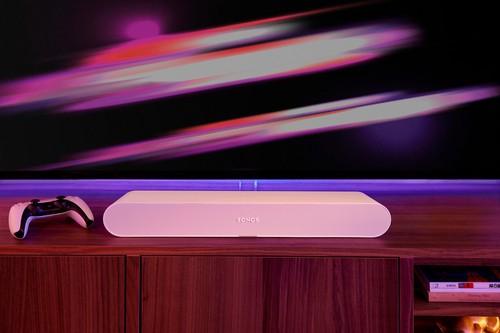
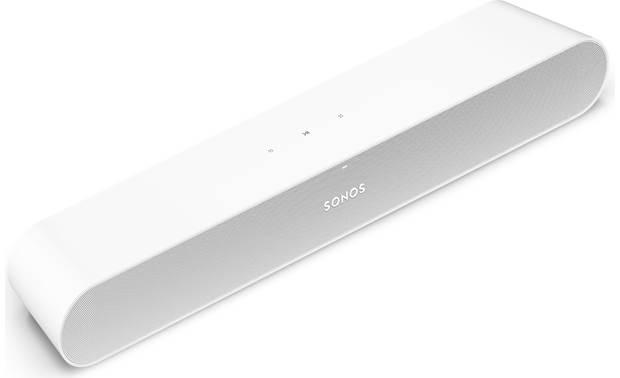
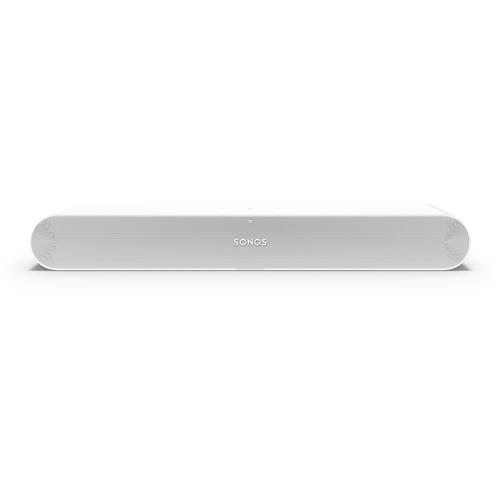
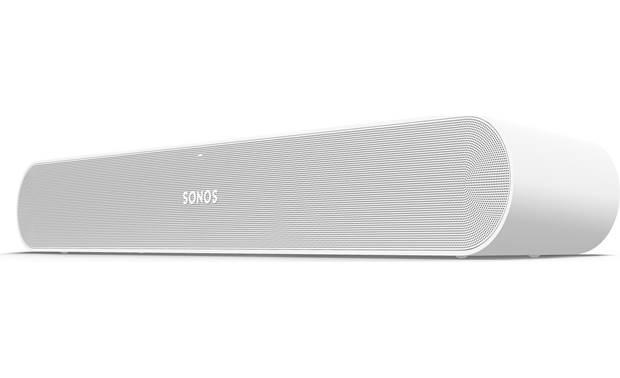
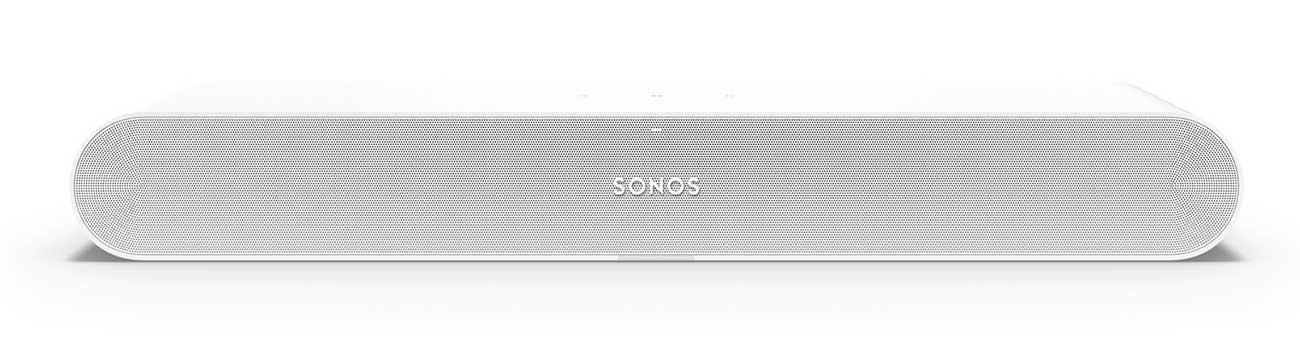
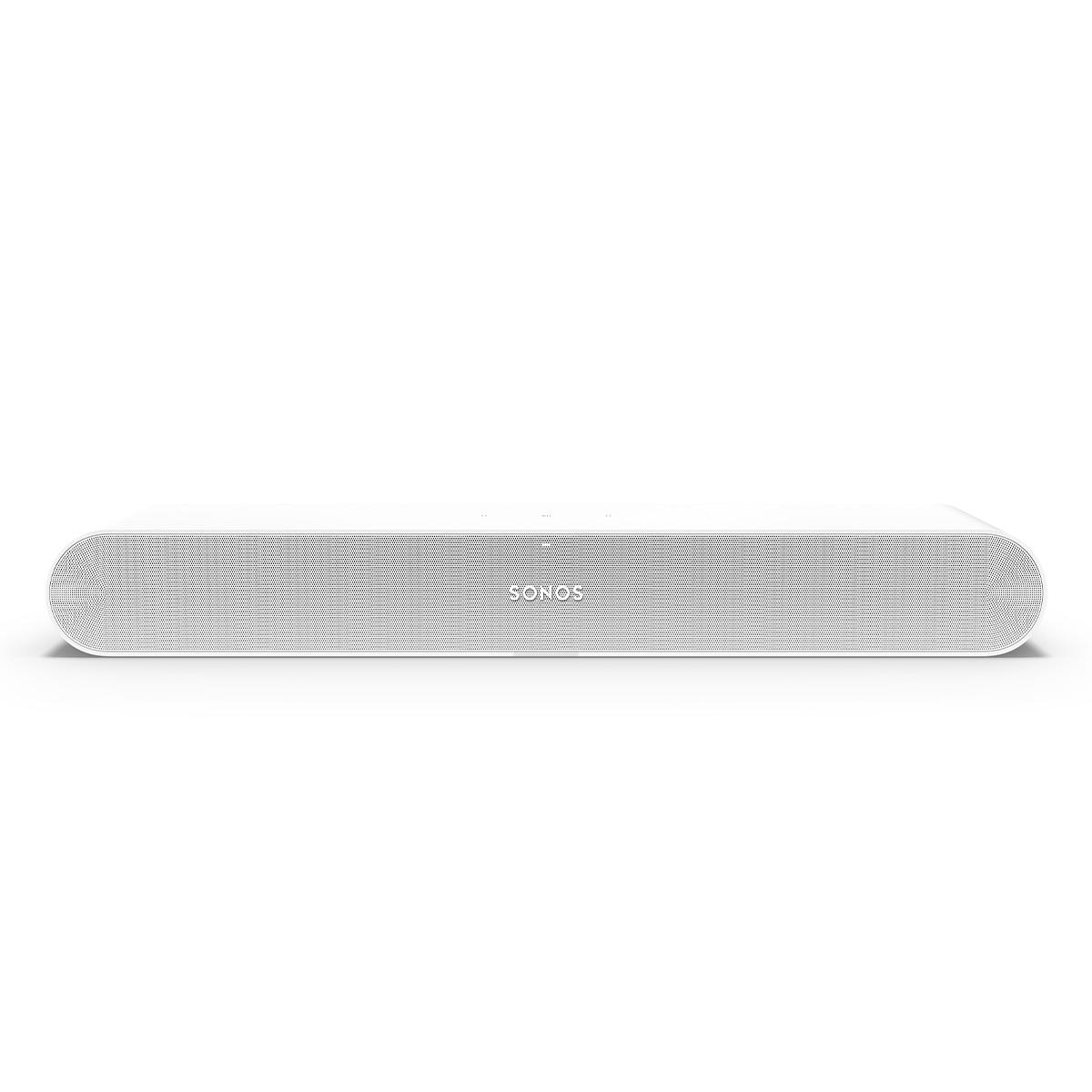
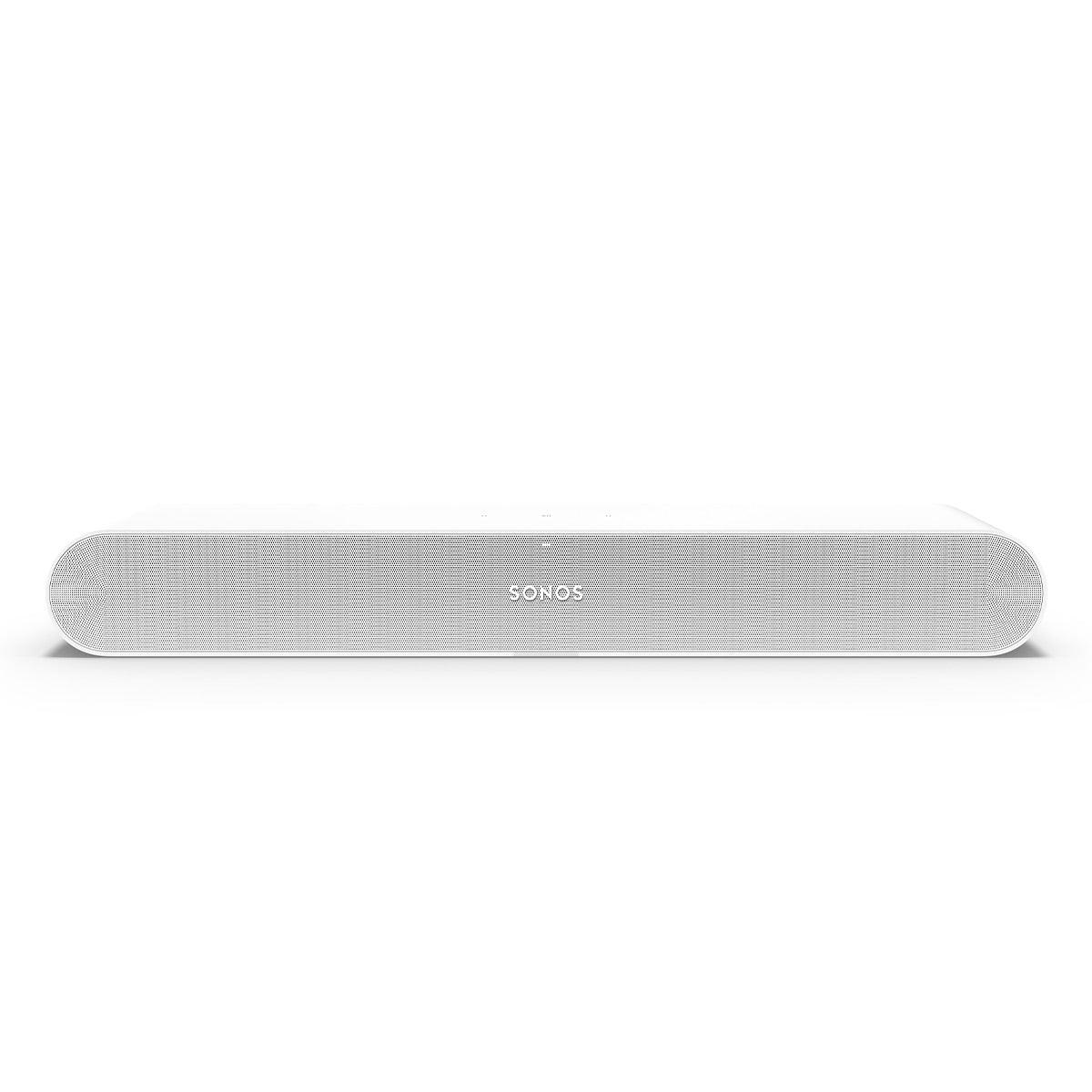
The Sonos Ray entered the market in 2022 as something of a surprise – Sonos's first truly affordable soundbar, designed to bring people into their ecosystem without the premium pricing that had previously kept budget-conscious buyers away. At the time of writing, it represents exceptional value in the entry-level soundbar category while maintaining Sonos's reputation for build quality and software support.
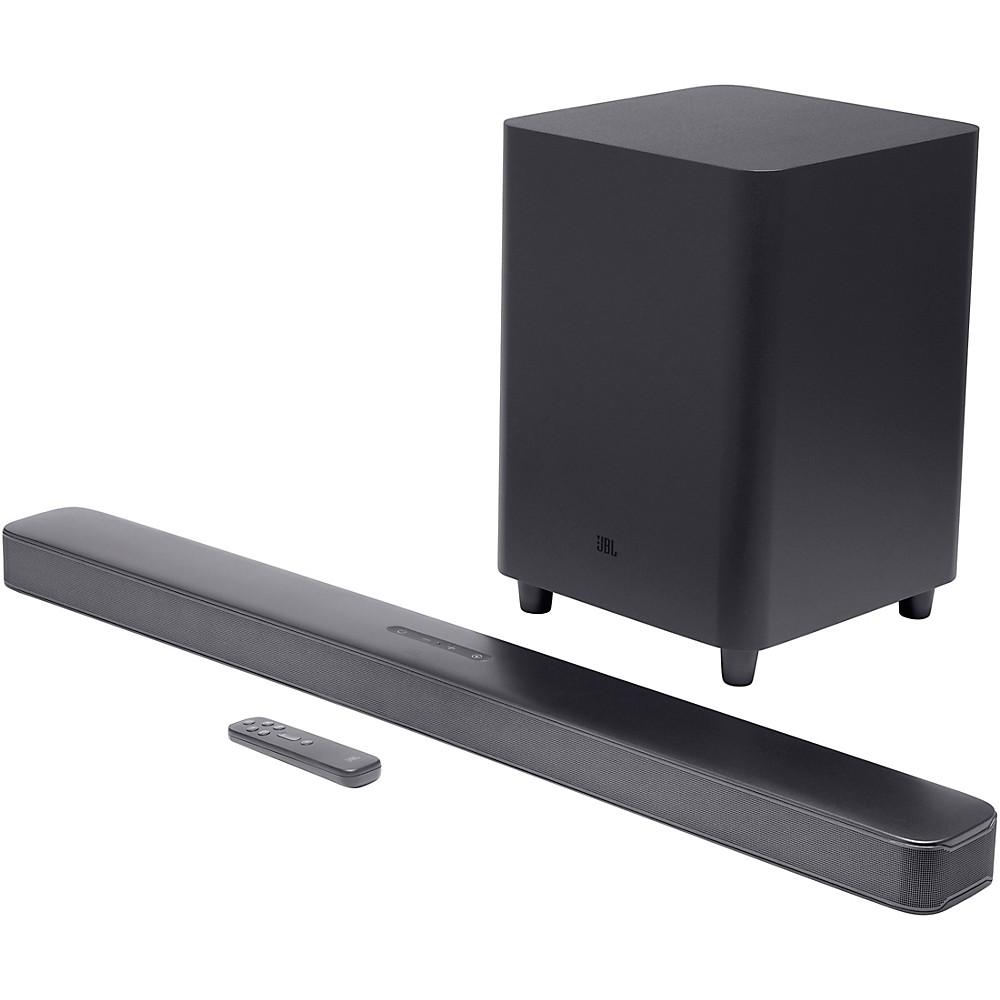
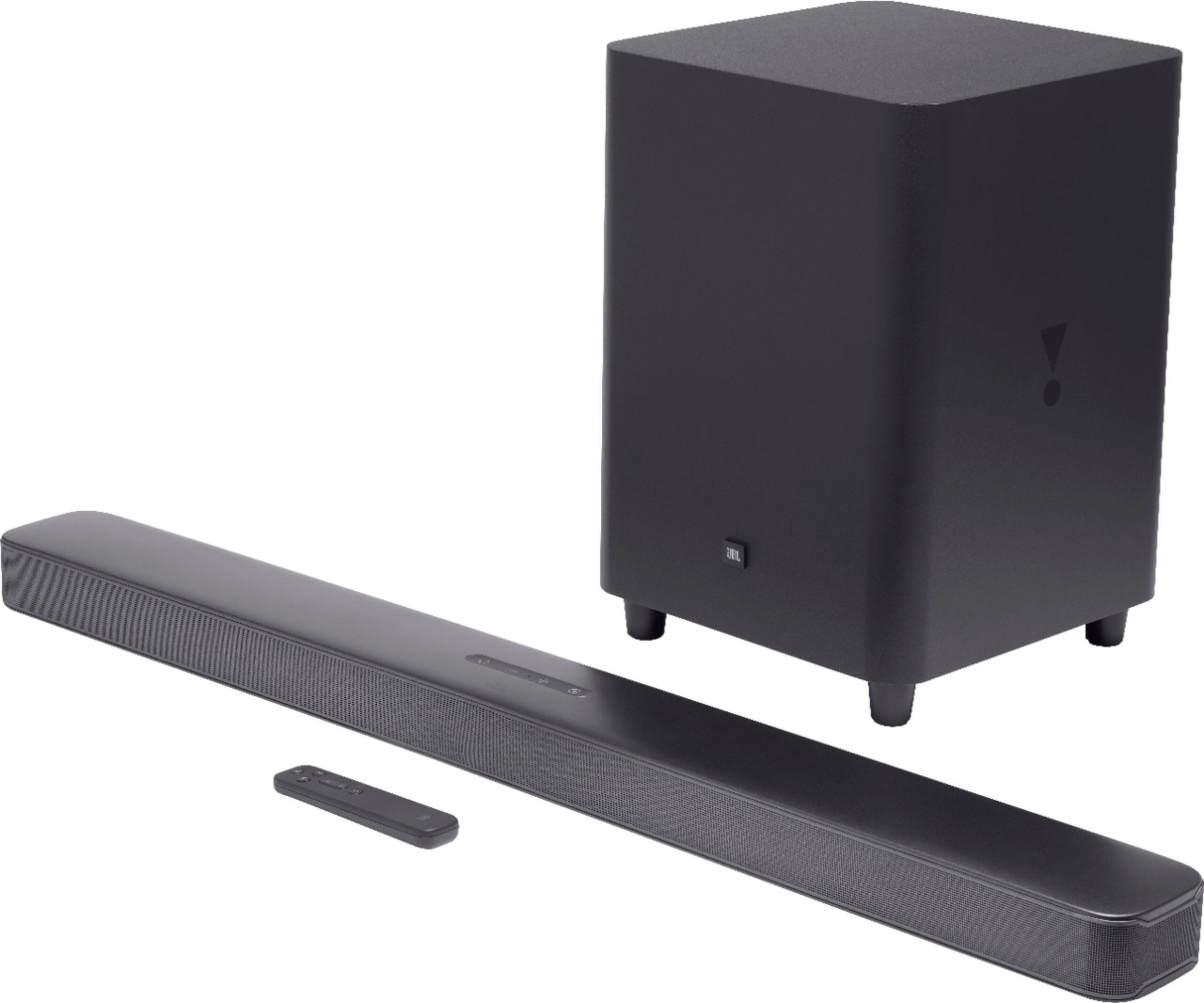
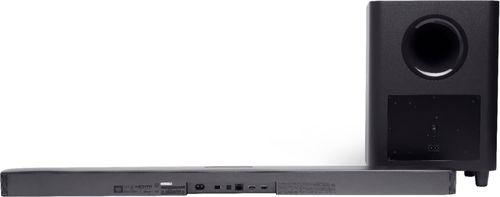
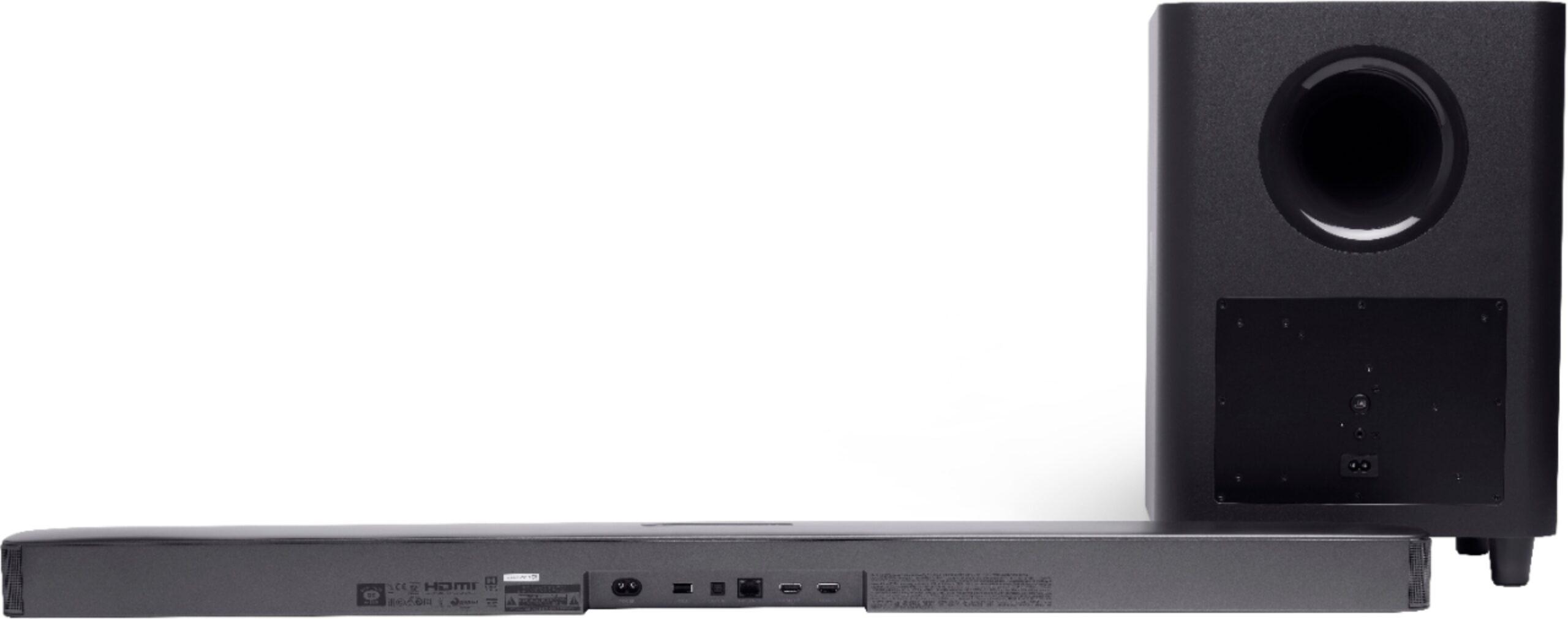
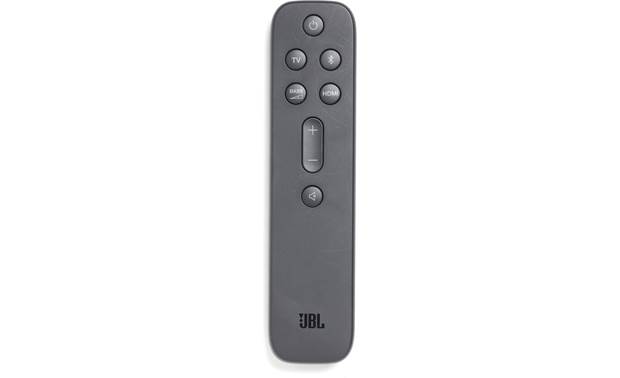
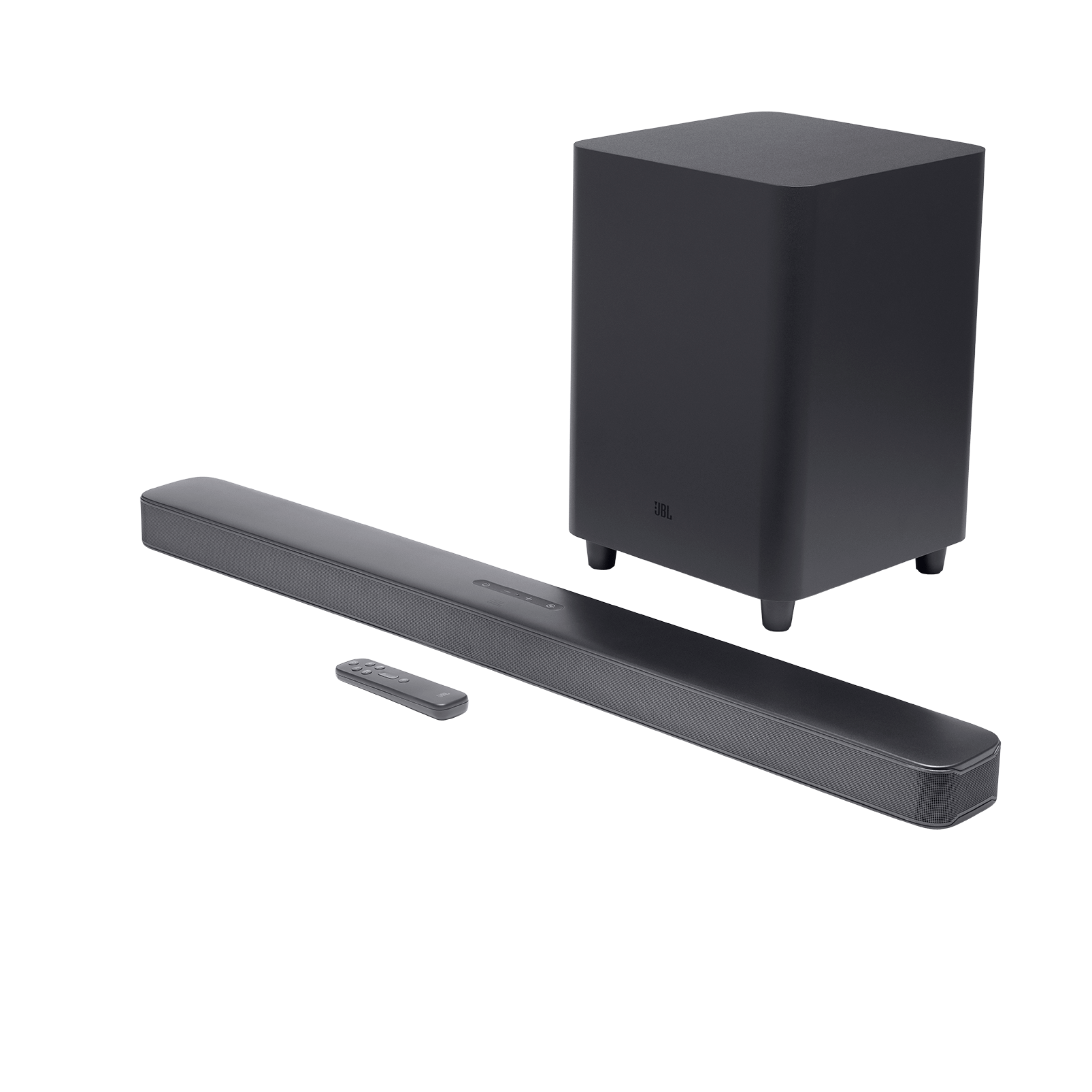
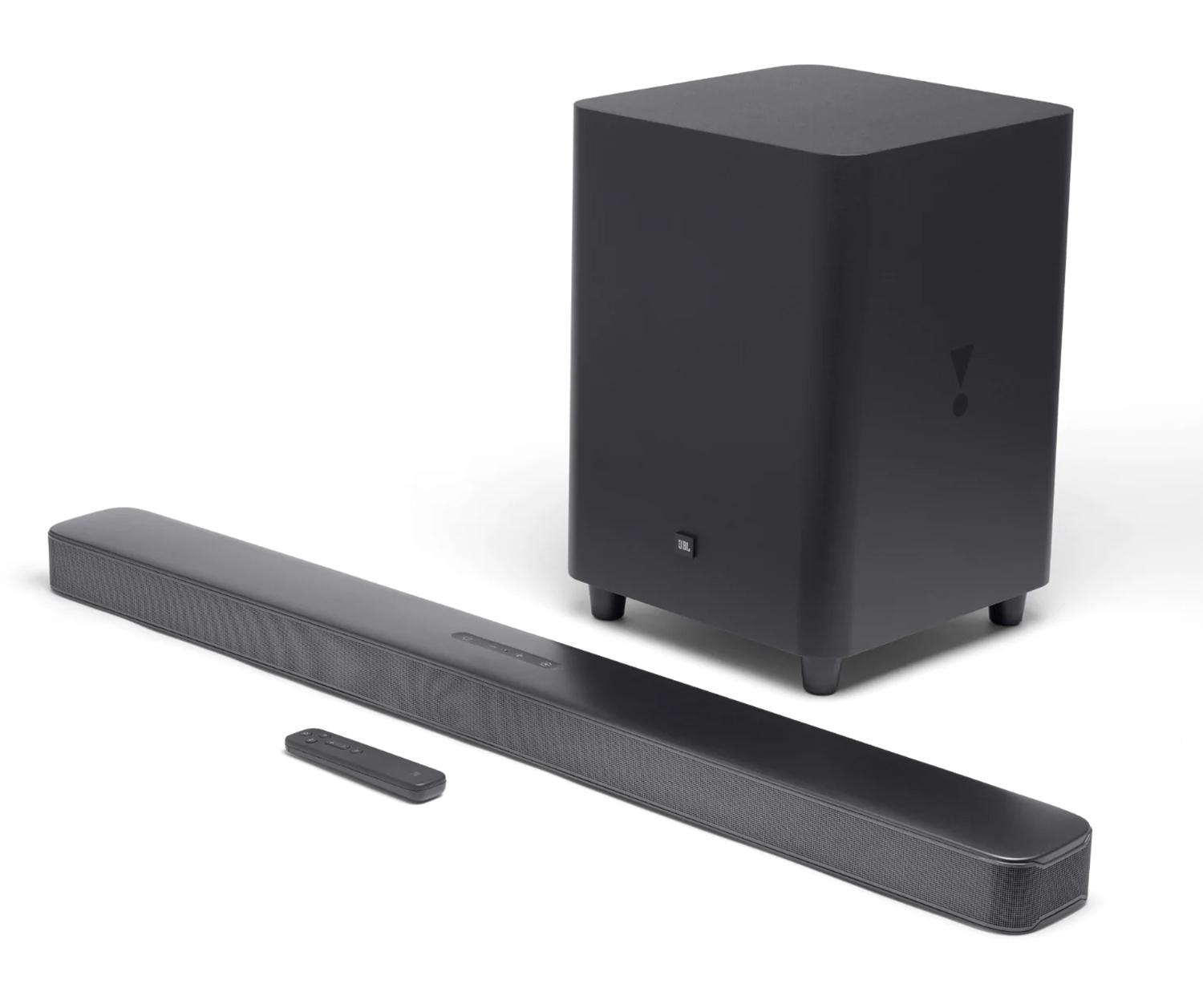
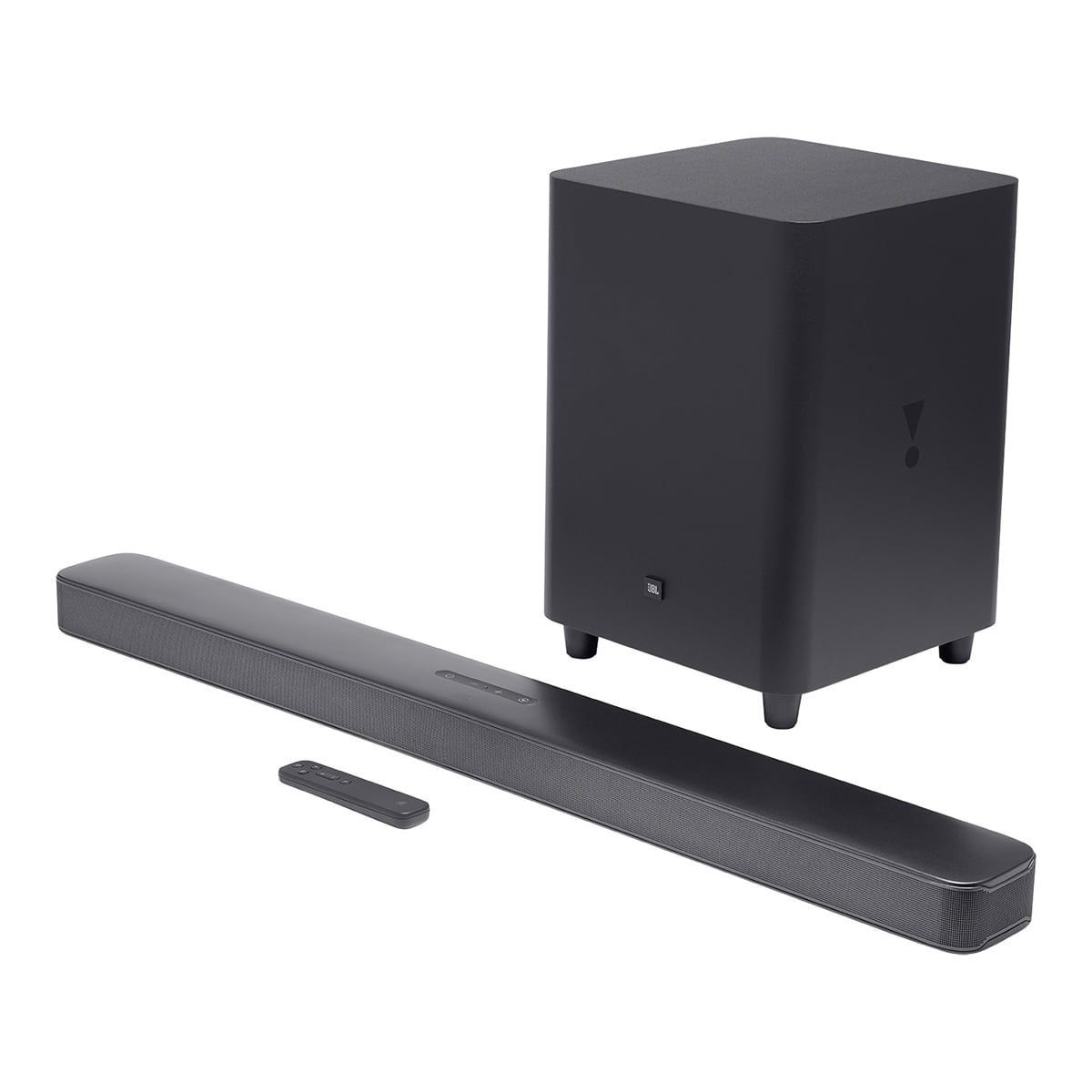
The JBL Bar 5.1 Surround, also launched in 2022, took the opposite approach. Rather than compromise on features to hit a price point, JBL created an innovative complete surround system with a unique twist: detachable wireless rear speakers that solve the biggest problem with surround sound setup – speaker placement.
Since their release, both companies have refined these systems through firmware updates. The Sonos Ray has received expanded streaming service support and improved room correction algorithms, while the JBL Bar 5.1 has seen connection stability improvements and enhanced wireless performance between components.
If there's one performance metric that separates good soundbars from forgettable ones, it's dialogue clarity. This might sound basic, but the engineering behind clear speech reproduction is surprisingly complex.
The Sonos Ray approaches this challenge through custom waveguides – precisely shaped acoustic chambers that focus and direct sound waves. Think of them as acoustic lenses that concentrate voice frequencies toward your listening position. Combined with Sonos's Speech Enhancement mode, which digitally boosts vocal frequencies while managing background sounds, the result is remarkably clear dialogue.
I've consistently found that people can turn off subtitles after upgrading to systems with good dialogue enhancement. The Sonos Ray excels here because it's been specifically tuned for speech intelligibility. The Trueplay room correction technology uses your iPhone's microphone to measure your room's acoustics and adjust the sound accordingly, ensuring optimal vocal clarity regardless of room size or furniture placement.
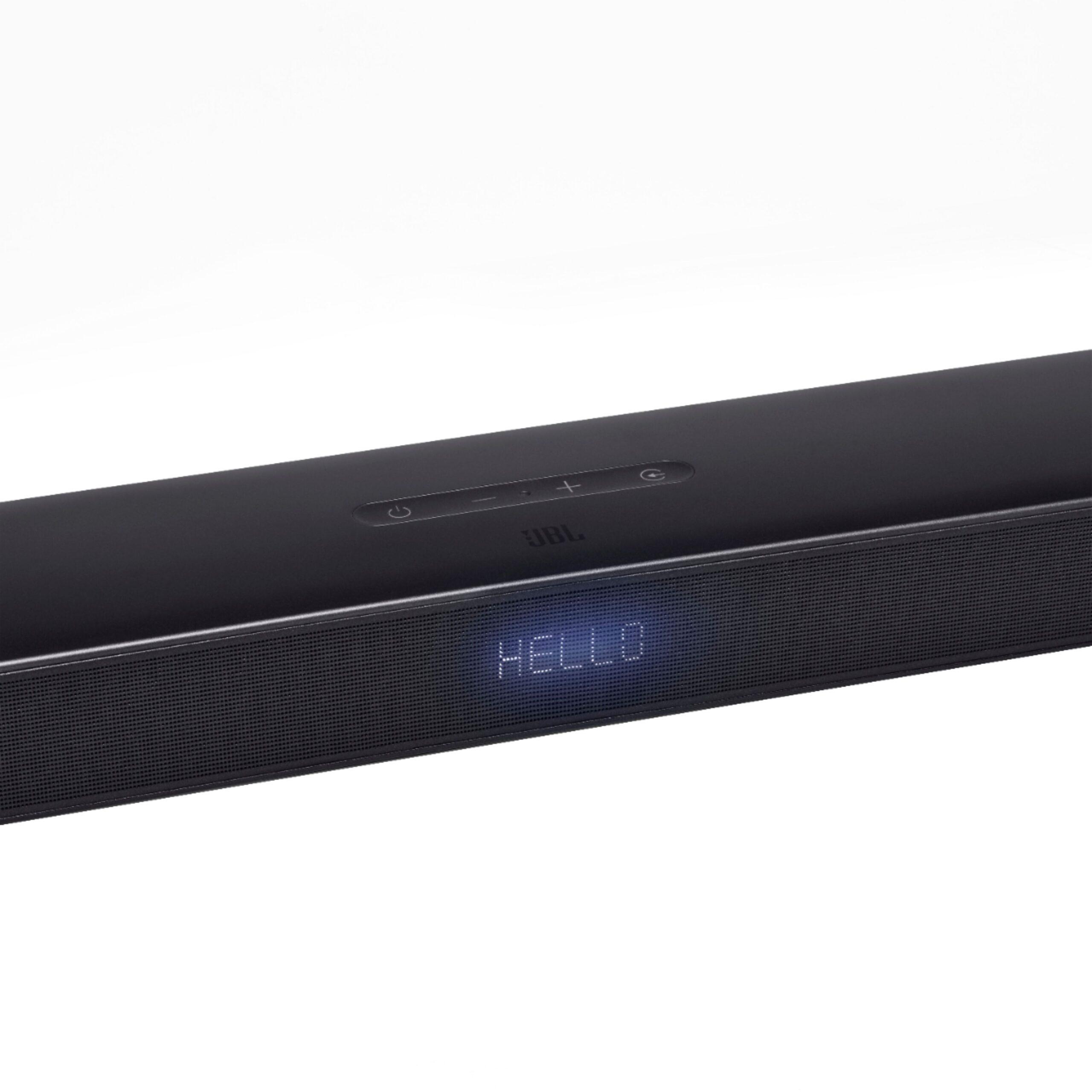
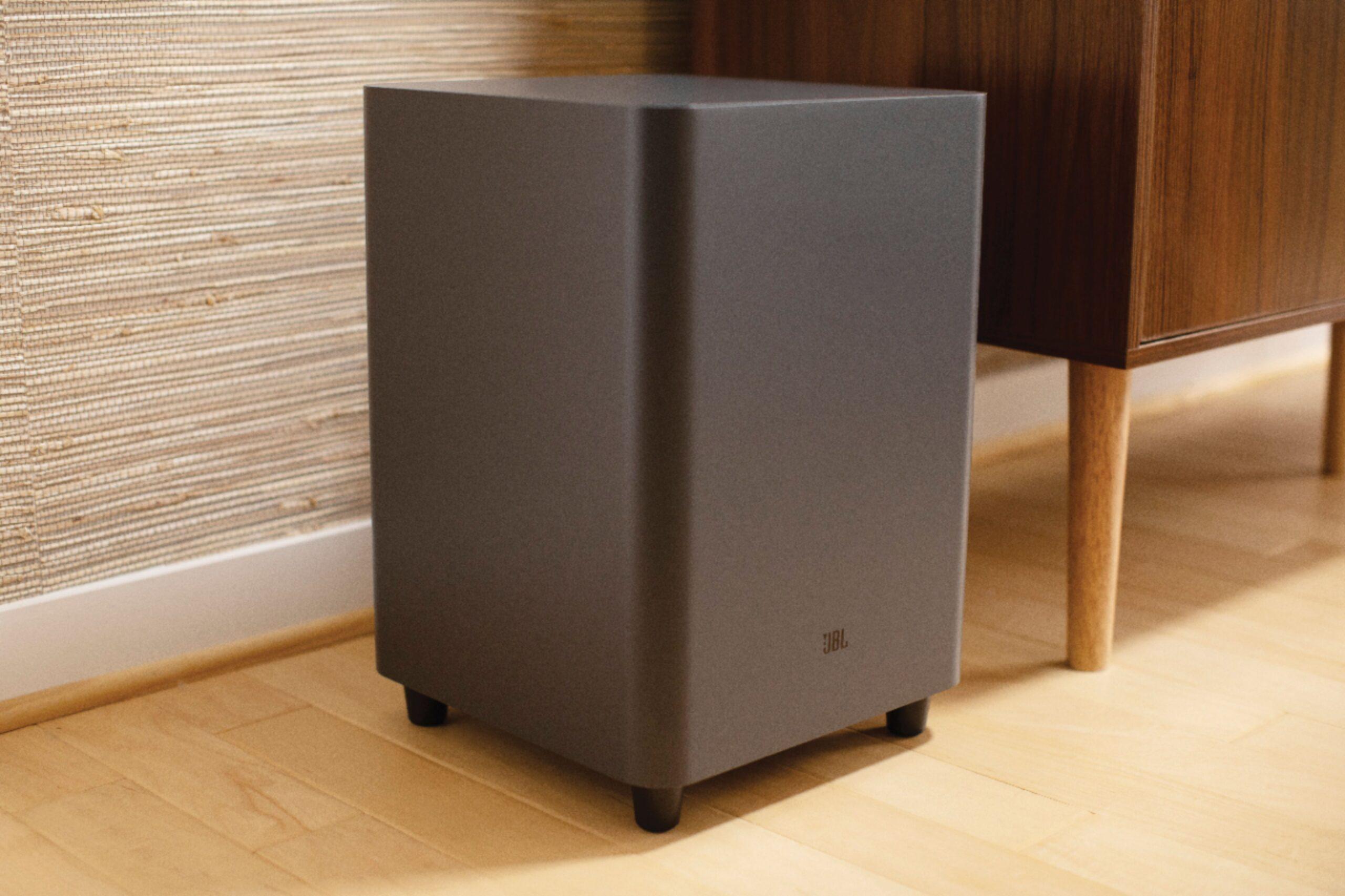
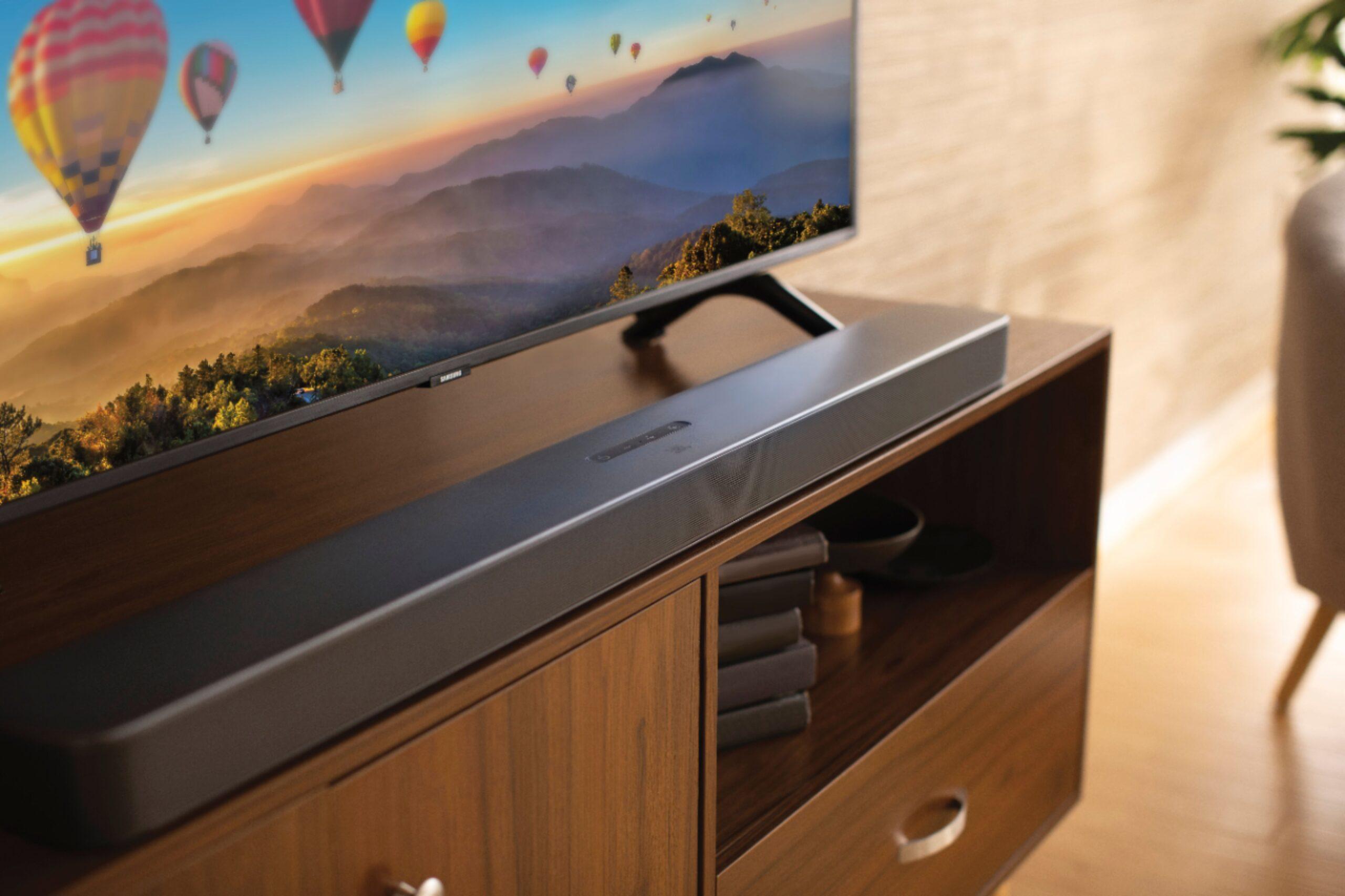
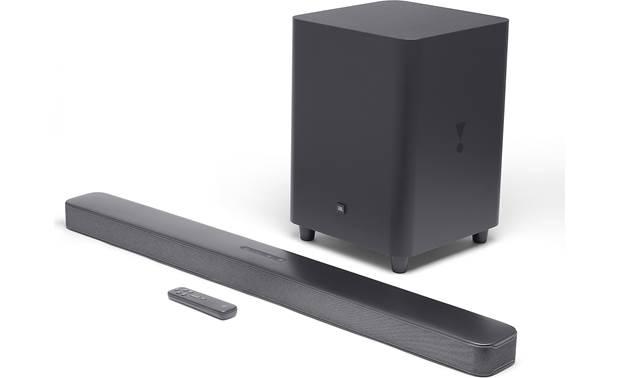
The JBL Bar 5.1 Surround takes a different approach with a dedicated center channel – a separate speaker specifically designed for dialogue reproduction. In true surround sound systems, the center channel handles most vocal content, allowing for natural speech separation from music and effects. With 550W of total system power driving dedicated speakers for each channel, voices come through with authority and clarity.
The verdict: For pure dialogue clarity, the Sonos Ray has a slight edge due to its specialized processing and room correction. However, the JBL's center channel provides more natural vocal separation in complex soundtracks.
This is where the fundamental difference between these systems becomes most apparent, and where your preferences will strongly influence which approach works better for you.
The Sonos Ray uses sophisticated psychoacoustic processing to create virtual surround effects from its stereo driver configuration. When you hear a car drive across the screen, the system uses carefully timed delays and phase adjustments to trick your brain into perceiving movement. It's genuinely impressive technology that works well for casual viewing and smaller rooms.
However, virtual surround has limitations. Complex movie soundtracks with multiple simultaneous effects can overwhelm the processing, causing the illusion to break down. The system works best when you're positioned directly in front of it, and the effect diminishes as you move around the room.
The JBL Bar 5.1 Surround delivers genuine 5.1 surround sound through its innovative detachable wireless speakers. These battery-powered units magnetically attach to the main soundbar for charging and storage, but can be removed and placed anywhere in your room for optimal surround positioning. Each rear speaker contains its own drivers and amplification, providing up to 10 hours of wireless operation.
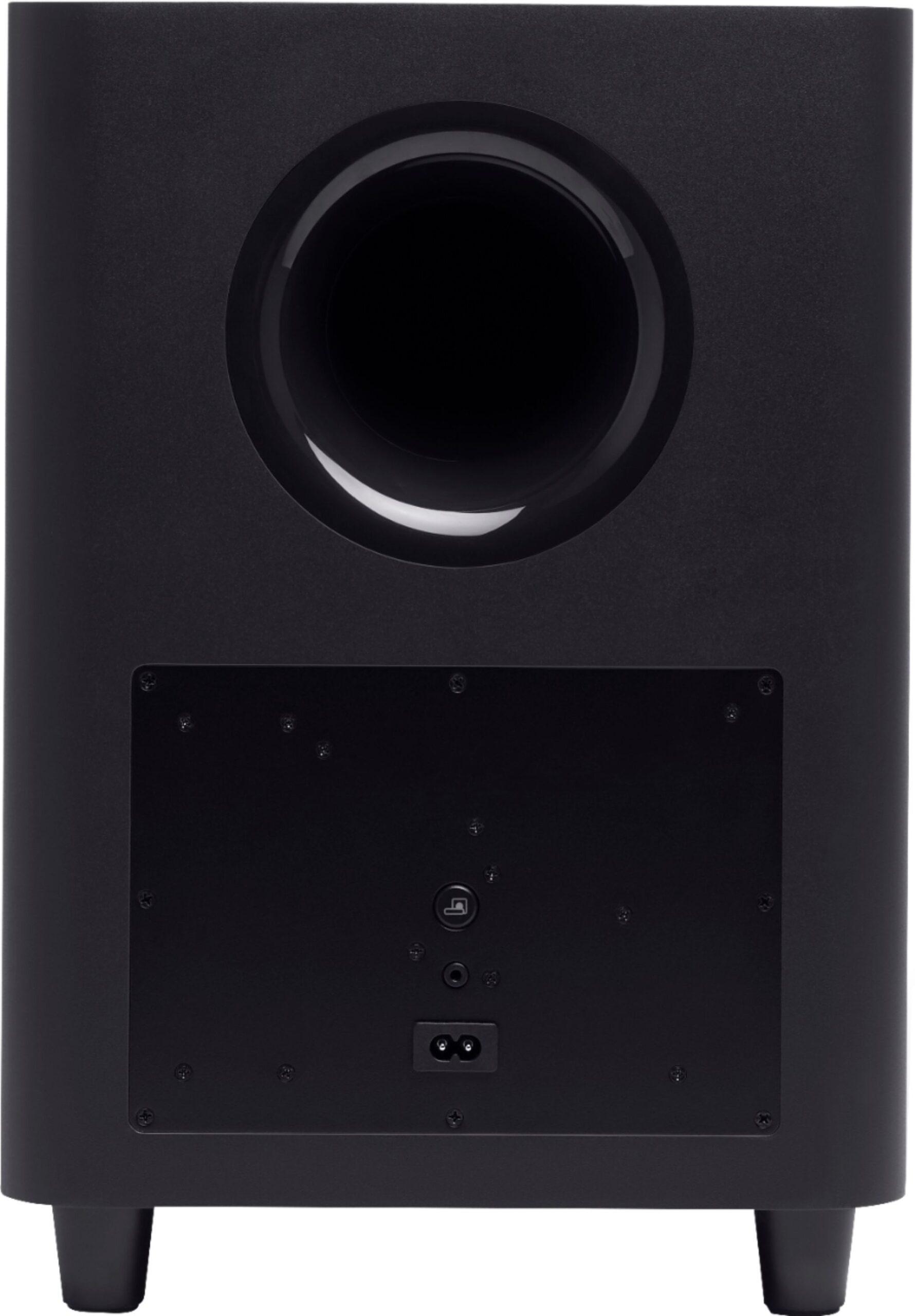
The difference is immediately noticeable with action movies. When Thor throws his hammer in an Avengers film, you actually hear it travel from the front soundbar to the rear speakers behind you. The 10-inch wireless subwoofer adds genuine low-frequency effects that you feel as much as hear, creating the visceral impact that makes action scenes thrilling.
The verdict: The JBL Bar 5.1 wins decisively for authentic surround experience. The detachable speakers solve the biggest problem with rear channels – optimal placement without permanent installation.
How well a soundbar reproduces music reveals a lot about its overall audio engineering, and this is where the different design philosophies become most apparent.
The Sonos Ray was designed with music reproduction as a primary consideration. It supports AirPlay 2, Spotify Connect, and Tidal Connect, allowing direct streaming from your phone or music services without involving your TV. The frequency response has been carefully tuned for balanced music reproduction, and the system integrates seamlessly into Sonos's multi-room ecosystem.
What impressed me most about the Sonos Ray's music performance is its coherence. Individual instruments maintain their distinct character while blending naturally into the overall mix. The system's bass reflex design with proprietary low-velocity ports minimizes distortion while extending low-frequency response beyond what you'd expect from a compact unit.
The JBL Bar 5.1 approaches music with raw acoustic power. The combination of full-range drivers in the main bar plus the 10-inch subwoofer provides substantially more dynamic range and bass extension than the Sonos Ray. For music with significant low-frequency content – electronic music, hip-hop, orchestral pieces – the JBL system delivers more impactful reproduction.
The JBL SoundShift technology allows instant switching between TV audio and Bluetooth music streaming, making it easy to transition from movie watching to music listening without changing inputs or settings.
The verdict: The Sonos Ray excels for convenience and balanced reproduction, while the JBL Bar 5.1 provides more powerful and dynamic music performance.
Modern entertainment setups often involve multiple devices: streaming boxes, gaming consoles, Blu-ray players, and cable boxes. How well a soundbar handles this complexity significantly affects daily usability.
The Sonos Ray deliberately simplifies connectivity with a single optical input. This works fine for most TV-based setups where all sources connect through the TV, but it limits options for direct device connection. There's no support for advanced gaming audio formats like Dolby Atmos or DTS:X, and the lack of HDMI means no eARC (enhanced Audio Return Channel) capability for full-resolution audio from compatible TVs.
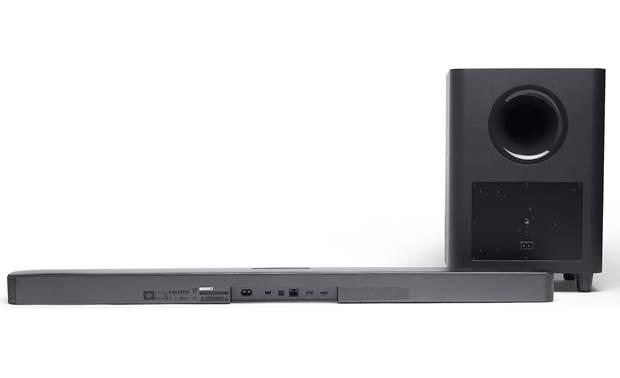
The JBL Bar 5.1 Surround takes the opposite approach with multiple HDMI inputs supporting 4K passthrough with HDR compatibility. This allows direct connection of gaming consoles and media devices while maintaining full video quality. The HDMI eARC output enables transmission of high-resolution audio formats from compatible TVs.
For gaming specifically, the multiple HDMI inputs eliminate the need for constant cable swapping when switching between devices. The system's low-latency processing ensures audio remains synchronized with fast-paced gaming action.
The verdict: The JBL Bar 5.1 is significantly better for gaming and complex device setups, while the Sonos Ray works well for simpler TV-centric configurations.
At the time of writing, these systems occupy different price tiers, with the Sonos Ray positioned as a premium entry-level option and the JBL Bar 5.1 competing in the mid-range complete system category.
The Sonos Ray's value proposition centers on build quality, software support, and ecosystem integration. Sonos has an excellent track record of providing years of feature updates and streaming service additions through firmware updates. The system's integration with other Sonos speakers means your investment can grow into a whole-home audio system over time.
The JBL Bar 5.1's value comes from including everything needed for a complete surround sound system. When you factor in the wireless subwoofer and detachable rear speakers, the per-component cost becomes quite reasonable for a true 5.1 system. The innovative detachable speaker design eliminates the need for permanent rear speaker installation while maintaining authentic surround performance.
The smart features and integration capabilities of these systems reflect their different target audiences and design philosophies.
The Sonos Ray shines in smart home integration. Beyond basic streaming, it can be grouped with other Sonos speakers for synchronized multi-room audio. The Sonos app provides a unified interface for controlling music across your entire home, and voice control integration (through connected devices) allows hands-free operation.
The Trueplay room correction deserves special mention as it's one of the few automated room correction systems that actually improves sound quality noticeably. Using your iPhone's microphone, it measures your room's acoustic characteristics and adjusts the soundbar's output accordingly.
The JBL Bar 5.1 focuses more on traditional connectivity and control. While it includes Bluetooth for mobile device streaming, it doesn't offer the extensive smart home integration of the Sonos system. However, it compensates with comprehensive device compatibility and straightforward operation.
Your room's characteristics significantly influence which system will work better, and this is where the different approaches become most relevant to real-world use.
The Sonos Ray works exceptionally well in smaller to medium-sized rooms where its compact form factor and forward-facing acoustic design prevent interference from nearby surfaces. Its proprietary acoustic architecture with carefully positioned drivers creates a surprisingly wide soundstage for a compact unit. The system performs well even when placed in TV stands or enclosed spaces where larger soundbars might sound congested.
For apartment living or secondary rooms like bedrooms and offices, the Sonos Ray provides substantial audio improvement without overwhelming the space or requiring complex setup.
The JBL Bar 5.1 really shines in larger rooms where its higher power output and genuine bass response can fill the space effectively. The detachable rear speakers solve the biggest problem with surround systems – optimal placement. You can position them on side tables, bookshelves, or even temporarily on the floor behind your seating area without permanent installation.
The 10-inch wireless subwoofer provides room-filling bass that smaller systems simply cannot match. However, this power comes with placement considerations – you'll need adequate space for the subwoofer and ideally some flexibility in rear speaker positioning to achieve optimal surround effects.
Both Sonos and JBL have different approaches to post-purchase support, which affects long-term satisfaction and system longevity.
Sonos has built their reputation on extensive software support and regular feature additions. The Sonos Ray has already received multiple firmware updates since launch, adding new streaming services and refining performance characteristics. Sonos typically supports their products for many years with continued updates and feature additions.
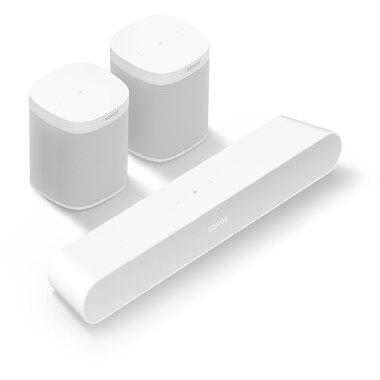
The modular nature of the Sonos ecosystem means your Ray investment can grow over time. You might start with just the soundbar, then add a Sonos subwoofer and rear speakers later, or integrate it into a whole-home audio system with additional Sonos speakers in other rooms.
JBL focuses more on hardware completeness at purchase rather than extensive post-sale software development. The JBL Bar 5.1 includes everything needed for a complete surround system from day one, and while it receives occasional firmware updates for stability and compatibility improvements, it doesn't see the extensive feature additions that characterize Sonos products.
After extensive testing and daily use with both systems, here's my honest assessment of who each soundbar serves best.
Choose the Sonos Ray if you:
Choose the JBL Bar 5.1 Surround if you:
Both the Sonos Ray and JBL Bar 5.1 Surround represent excellent value in their respective categories, but they solve different problems and serve different users.
The Sonos Ray excels as a sophisticated TV audio upgrade that doubles as an excellent music streaming system. Its dialogue clarity is genuinely impressive, and the potential for ecosystem expansion makes it a smart long-term investment for users who value simplicity and streaming integration.
The JBL Bar 5.1 Surround delivers authentic home theater immersion with innovative practical solutions to surround sound setup challenges. For movie enthusiasts and gamers who want genuine surround effects without complex installation, it's an exceptional complete system.
Your choice ultimately depends on whether you prioritize the refined simplicity and streaming benefits of the Sonos Ray, or the authentic surround sound capabilities and comprehensive connectivity of the JBL Bar 5.1. Both will dramatically improve your TV's audio – they just take very different paths to get there.
| Sonos Ray Soundbar | JBL Bar 5.1 Surround Soundbar with Wireless Subwoofer |
|---|---|
| Channel Configuration - Determines surround sound authenticity | |
| 2.0 stereo with virtual surround processing | True 5.1 with physical rear speakers and subwoofer |
| Total System Power - Affects volume levels and dynamic range | |
| Integrated design (power not specified, optimized for efficiency) | 550W total (300W subwoofer + 5 x 50W channels) |
| Subwoofer - Critical for bass response and movie impact | |
| None included (bass handled by main unit) | 10-inch wireless subwoofer with 300W power |
| Rear Speakers - Essential for true surround immersion | |
| Virtual processing creates phantom rear effects | Detachable battery-powered wireless speakers (10-hour battery) |
| Connectivity Options - Determines device compatibility and setup flexibility | |
| Single optical input only | Multiple HDMI inputs with 4K passthrough + eARC support |
| Room Correction Technology - Optimizes sound for your specific space | |
| Trueplay (iPhone-based acoustic measurement and tuning) | Automatic calibration system |
| Streaming Integration - Affects music listening convenience | |
| Wi-Fi, AirPlay 2, Spotify Connect, Tidal Connect | Bluetooth 4.2, Wi-Fi for basic connectivity |
| Ecosystem Expandability - Future upgrade potential | |
| Full Sonos multi-room compatibility and expansion options | Standalone system, no multi-room capabilities |
| Physical Dimensions - Important for TV stand compatibility | |
| Compact: 40" x 2.28" x 3.94" (soundbar only) | Larger: 45" x 2.3" x 3.7" (soundbar) + 12" x 17.3" x 12" (subwoofer) |
| Advanced Audio Format Support - Affects gaming and premium content | |
| Dolby Digital, DTS (downmixed to stereo) | Dolby Digital, Dolby Pro Logic II, DTS with true 5.1 processing |
| Setup Complexity - Time and effort required for optimal performance | |
| Simple: 2 cables, automatic TV remote sync | Moderate: Multiple connections, rear speaker placement optimization |
| Best Use Cases - Primary scenarios where each excels | |
| Dialogue clarity, music streaming, compact spaces, ecosystem building | Movie immersion, gaming, larger rooms, complete surround experience |
The Sonos Ray excels at dialogue clarity thanks to its Speech Enhancement mode and Trueplay room correction technology. The system uses custom waveguides to focus voice frequencies directly toward your listening position. While the JBL Bar 5.1 has a dedicated center channel for dialogue, the Sonos Ray's specialized processing makes conversations crystal clear, often eliminating the need for subtitles.
The JBL Bar 5.1 Surround includes a 10-inch wireless subwoofer that delivers deep, room-filling bass essential for action movies and music. The Sonos Ray doesn't include a subwoofer, relying instead on its built-in drivers and bass reflex design. For serious bass impact, the JBL Bar 5.1 provides a significantly more powerful low-frequency experience.
The JBL Bar 5.1 Surround delivers authentic 5.1 surround sound with detachable wireless rear speakers that you can place anywhere in your room. The Sonos Ray uses virtual surround processing to create the illusion of surround effects from its stereo configuration. For genuine surround immersion where sounds actually move around your room, the JBL Bar 5.1 is the clear winner.
The Sonos Ray uses a single optical connection to your TV, focusing on wireless streaming through Wi-Fi and AirPlay 2. The JBL Bar 5.1 provides multiple HDMI inputs with 4K passthrough and eARC support, making it ideal for connecting gaming consoles and multiple devices directly. Choose the JBL for complex setups or the Sonos Ray for simple, streaming-focused use.
The Sonos Ray excels at music streaming with built-in support for Spotify Connect, Tidal Connect, and AirPlay 2, plus integration into Sonos's multi-room ecosystem. The JBL Bar 5.1 offers Bluetooth connectivity and more powerful drivers with its subwoofer for dynamic music reproduction. The Sonos Ray wins for convenience and ecosystem integration, while the JBL provides more acoustic power.
The Sonos Ray is compact at 40 inches wide and fits easily in TV stands or enclosed spaces. The JBL Bar 5.1 Surround requires more room with its 45-inch soundbar plus separate subwoofer placement. You'll also need space to position the JBL's detachable rear speakers for optimal surround effects. Choose the Sonos Ray for tight spaces or the JBL for larger rooms.
The JBL Bar 5.1 Surround is superior for gaming with multiple HDMI inputs supporting 4K passthrough, eliminating the need to switch cables between consoles. Its true surround sound enhances gaming immersion significantly. The Sonos Ray only offers optical connectivity and virtual surround processing. Serious gamers should choose the JBL Bar 5.1 for better connectivity and authentic directional audio.
The Sonos Ray can be expanded within the Sonos ecosystem by adding compatible subwoofers, rear speakers, and other Sonos speakers for multi-room audio. The JBL Bar 5.1 Surround comes complete with everything needed and cannot be expanded further. If you want to build a larger audio system over time, the Sonos Ray offers more flexibility for future upgrades.
The Sonos Ray offers simpler setup with just two cables (power and optical) and automatic TV remote integration. The JBL Bar 5.1 requires connecting the main bar, positioning the wireless subwoofer, and placing the detachable rear speakers for optimal surround performance. The Sonos Ray wins for simplicity, while the JBL requires more setup time but delivers complete surround sound.
The Sonos Ray works excellently in small to medium rooms, bedrooms, and offices where its compact design and focused audio perform optimally. The JBL Bar 5.1 Surround shines in larger living rooms where its 550W power output and 10-inch subwoofer can fill the space effectively. Choose the Sonos Ray for smaller spaces or the JBL for rooms where you want powerful, immersive sound.
The Sonos Ray provides excellent long-term value through regular firmware updates, expanding streaming service support, and ecosystem integration potential. The JBL Bar 5.1 Surround offers complete surround system value with everything included upfront. The Sonos Ray grows in features over time, while the JBL delivers full functionality immediately without requiring future purchases.
Choose the Sonos Ray's virtual surround if you prioritize dialogue clarity, music streaming, and simple setup in smaller spaces. Select the JBL Bar 5.1's true surround sound if you want authentic movie theater immersion with sounds actually moving around your room. The JBL Bar 5.1 provides genuine surround effects that virtual processing cannot match, making it ideal for serious home theater enthusiasts.
We've done our best to create useful and informative comparisons to help you decide what product to buy. Our research uses advanced automated methods to create this comparison and perfection is not possible - please contact us for corrections or questions. These are the sites we've researched in the creation of this article: tomsguide.com - soundandvision.com - youtube.com - techradar.com - en.community.sonos.com - rtings.com - howtogeek.com - youtube.com - cnet.com - sonos.com - videoandaudiocenter.com - jbl.com - jbl.com - jbl.com - tomsguide.com - jbl.com - bestbuy.com - bestbuy.com - jbl.com - jbl.com - worldwidestereo.com

Privacy Policy
Terms and Conditions - Affiliate Policy
Home Security
© Copyright 2008-2026.
11816 Inwood Rd #1211, Dallas, TX 75244