

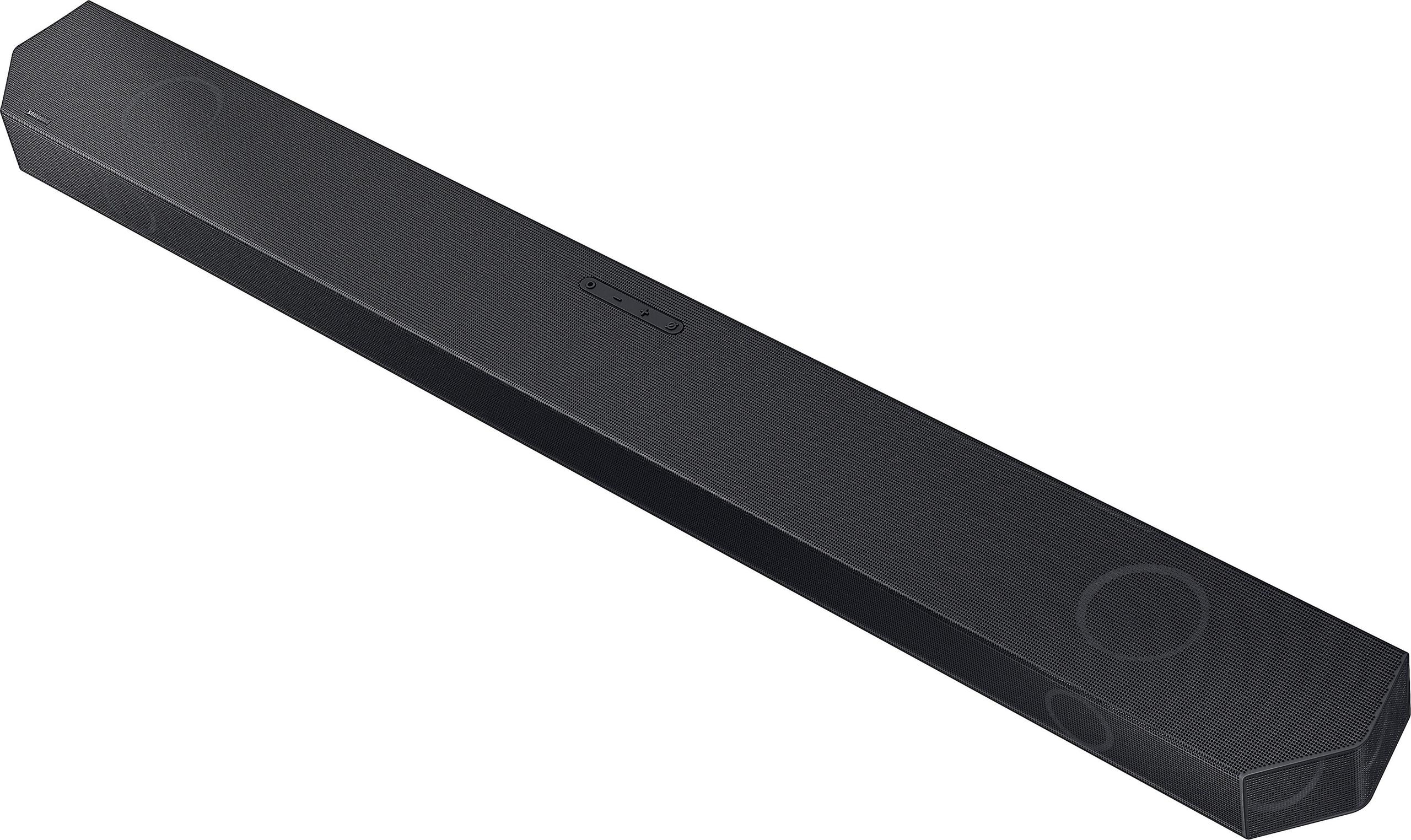

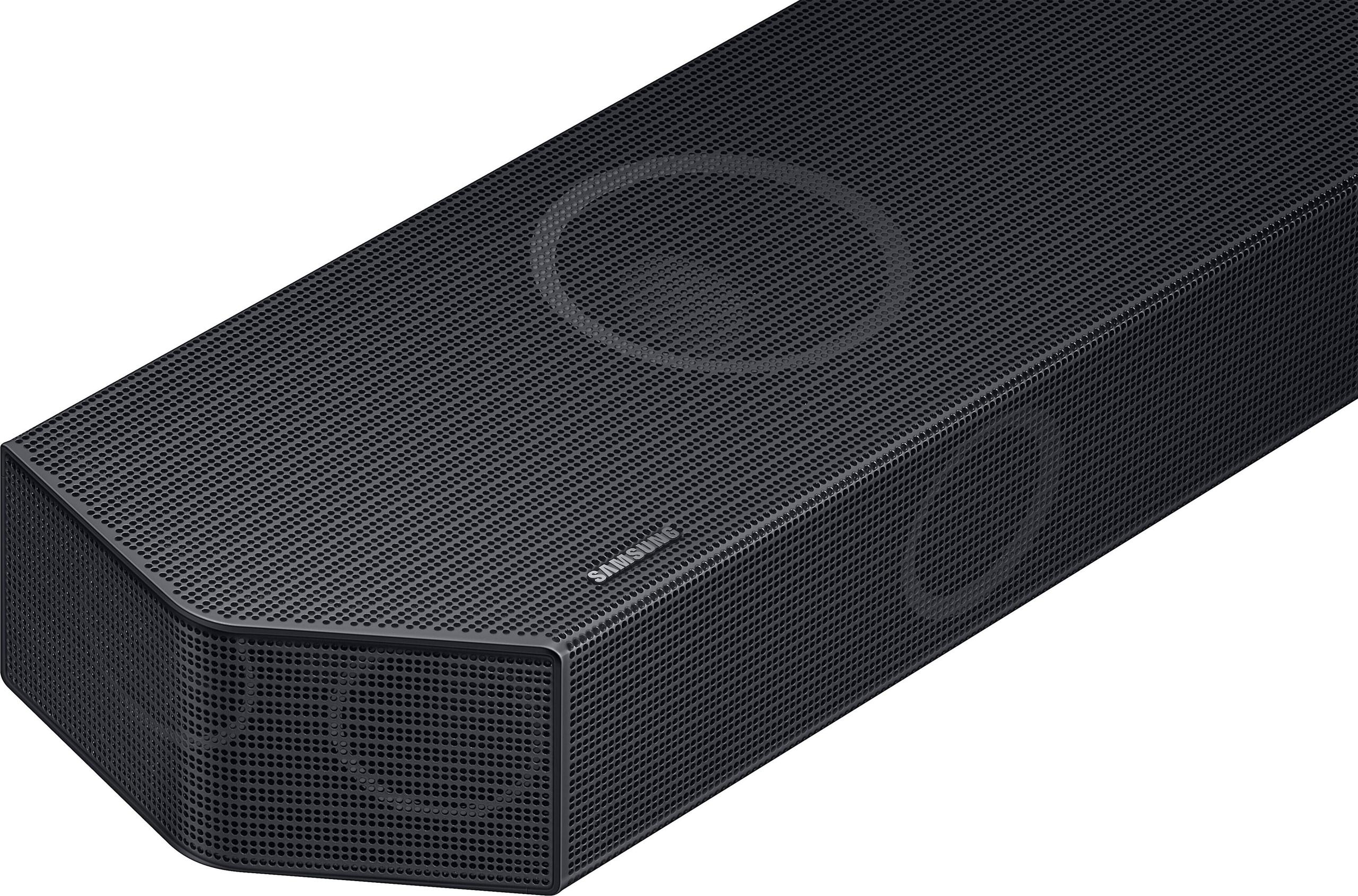




Choosing the right soundbar in 2025 feels more complex than ever. The market has split into distinct camps: budget systems that maximize features through clever engineering, and premium models that push technical boundaries with advanced processing. This comparison between the Ultimea Aura A40 U2601 and Samsung Q Series 9.1.2 Channel Soundbar perfectly illustrates this divide.
Before diving into specifics, it's worth understanding what separates modern soundbars from the simple TV audio upgrades of the past. Today's systems fall into three main categories: basic stereo soundbars, virtual surround processors, and true multi-channel systems. The distinction matters because it fundamentally changes how audio reaches your ears.
Virtual surround uses digital signal processing (DSP) to trick your brain into perceiving sounds coming from directions where no speakers exist. True multi-channel systems place actual speakers around your listening area. Object-based audio, like Dolby Atmos, goes further by treating sounds as individual objects that can move freely through three-dimensional space rather than being locked to specific channels.
The most important performance metrics for any soundbar system include dialogue clarity (how well you understand speech), soundstage width (how far beyond the physical speakers the audio seems to extend), bass response (the depth and control of low frequencies), and dynamic range (the difference between the quietest and loudest sounds the system can reproduce cleanly).
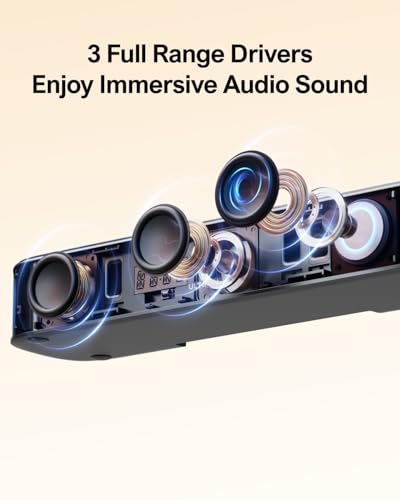
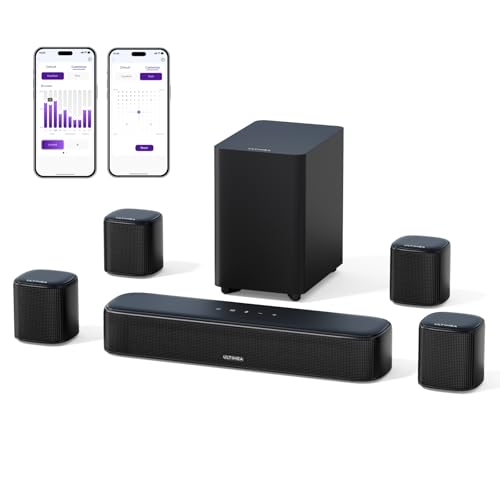
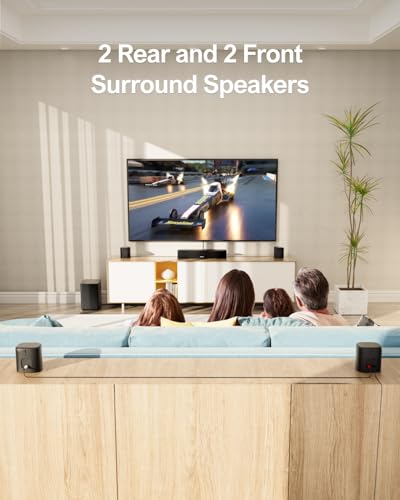
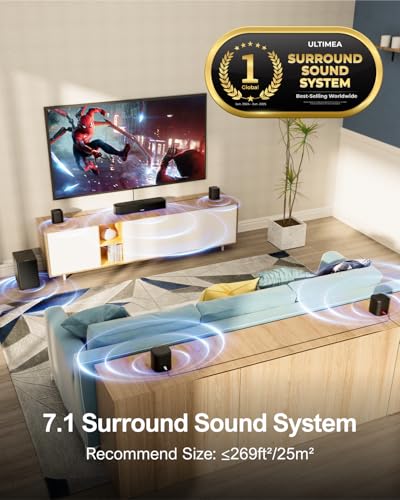
Released in 2023, the Ultimea Aura A40 takes an unconventional approach to affordable surround sound. Instead of relying purely on virtual processing like most budget soundbars, Ultimea includes four physical surround speakers—two for the front channels and two for the rear. This 7.1 virtual configuration creates what the company calls "SurroundX Technology," which combines real speaker placement with digital processing.
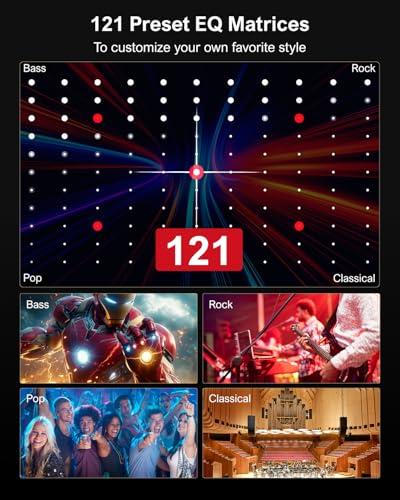
The system's BassMX Technology optimizes the 4-inch subwoofer's output, while 121 preset EQ matrices provide extensive customization options. At the time of writing, this level of physical surround speaker inclusion at the Aura A40's price point remains unusual in the market.
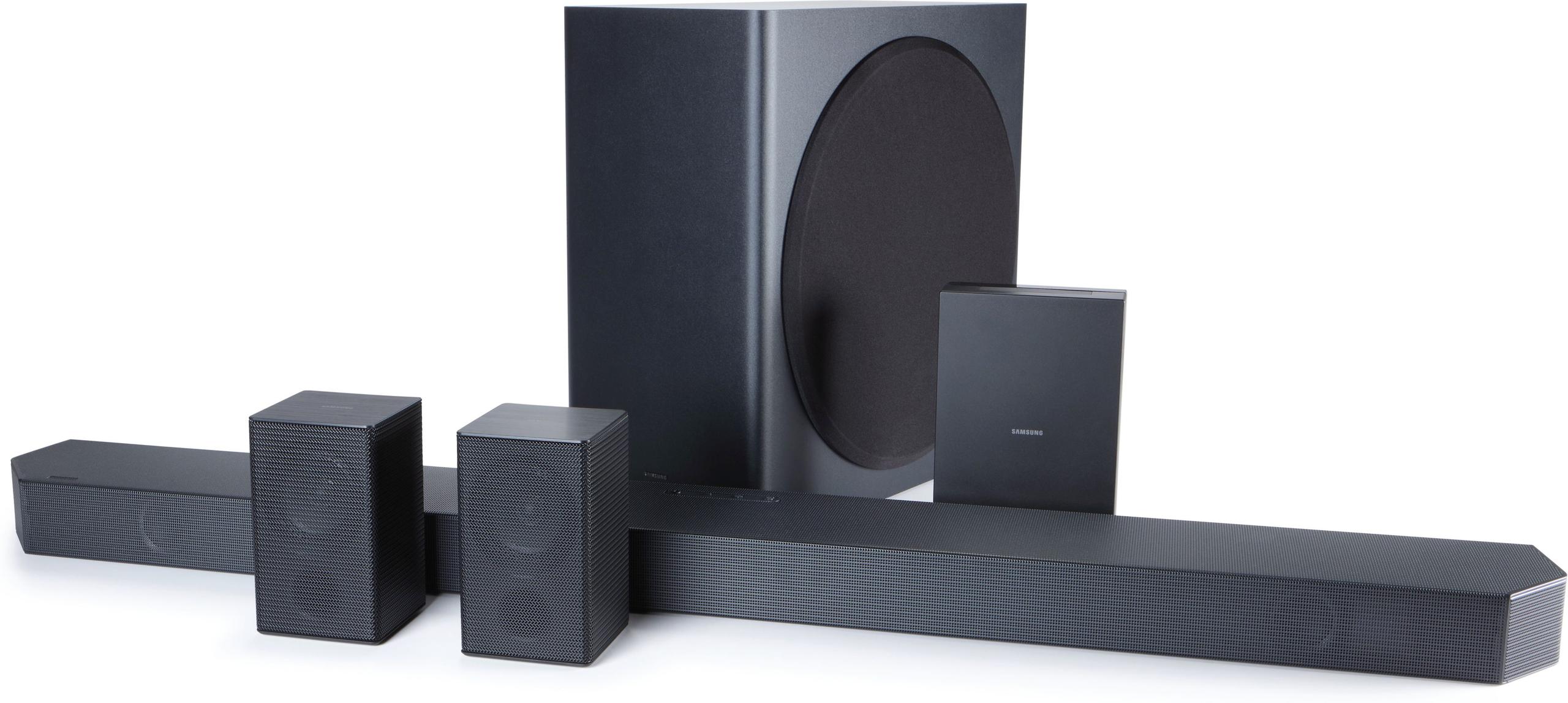
Samsung's Q Series 9.1.2 represents the company's 2025 approach to premium home theater audio. The ".2" designation indicates two upward-firing speakers that bounce sound off your ceiling to create height effects—a key component of true Dolby Atmos reproduction. This object-based audio system can place sounds anywhere in a three-dimensional bubble around your listening position.
The system's Q-Symphony technology, introduced in Samsung's 2020 soundbar lineup and refined over several generations, allows compatible Samsung TVs to work in concert with the soundbar rather than going silent when external audio is connected. SpaceFit Sound Pro automatically analyzes your room's acoustics and adjusts the audio accordingly—a significant evolution from earlier Samsung soundbars that required manual adjustment.
The Ultimea Aura A40 creates genuine 360-degree audio placement through its four surround speakers. When watching movies, effects like helicopters overhead or footsteps behind you register as coming from those actual directions because speakers are physically located there. Our research into user experiences consistently highlights this spatial accuracy as the system's standout feature.
The trade-off comes in vertical dimensionality. Without upward-firing drivers, the Aura A40 can't reproduce true height effects. Sounds remain locked to a horizontal plane around your listening position, which limits the system's ability to create the dome-like audio bubble that defines premium surround sound.
The Samsung Q Series 9.1.2, by contrast, excels at vertical audio placement. Its upward-firing speakers create convincing height effects when your room has appropriate ceiling height and reflective surfaces. Rainfall in movies feels like it's coming from above, while aircraft seem to move through the air space over your head. This three-dimensional audio bubble represents the current pinnacle of soundbar technology.
However, our evaluation of expert and user consensus reveals that Samsung's horizontal surround effects, while good, don't match the precise directional placement of physical surround speakers. The Q Series creates a more diffuse surround field that's atmospheric but less pinpoint-accurate for specific sound placement.
Both systems prioritize dialogue clarity, but achieve it differently. The Ultimea Aura A40 uses dedicated drivers in its main soundbar combined with Active Voice Amplifier technology to maintain speech intelligibility even during complex audio scenes. User reports consistently praise the system's ability to keep dialogue clear during loud action sequences.
The Samsung Q Series 9.1.2 includes a discrete center channel—a dedicated speaker solely responsible for dialogue reproduction. This approach, borrowed from traditional home theater receivers, provides exceptional speech clarity and allows for independent volume adjustment of dialogue versus effects. The system's Adaptive Sound feature also automatically adjusts dialogue levels based on content type and ambient noise.
From a technical standpoint, the discrete center channel approach typically provides superior dialogue performance, especially in challenging acoustic environments or when listening at lower volumes during late-night viewing sessions.
The Aura A40's 4-inch subwoofer, enhanced by BassMX Technology, delivers surprisingly deep bass for its size class. User feedback highlights controlled, punchy low-end response that doesn't overwhelm smaller listening spaces. The system's bass remains tight and musical, avoiding the boomy, one-note response common in budget subwoofers.
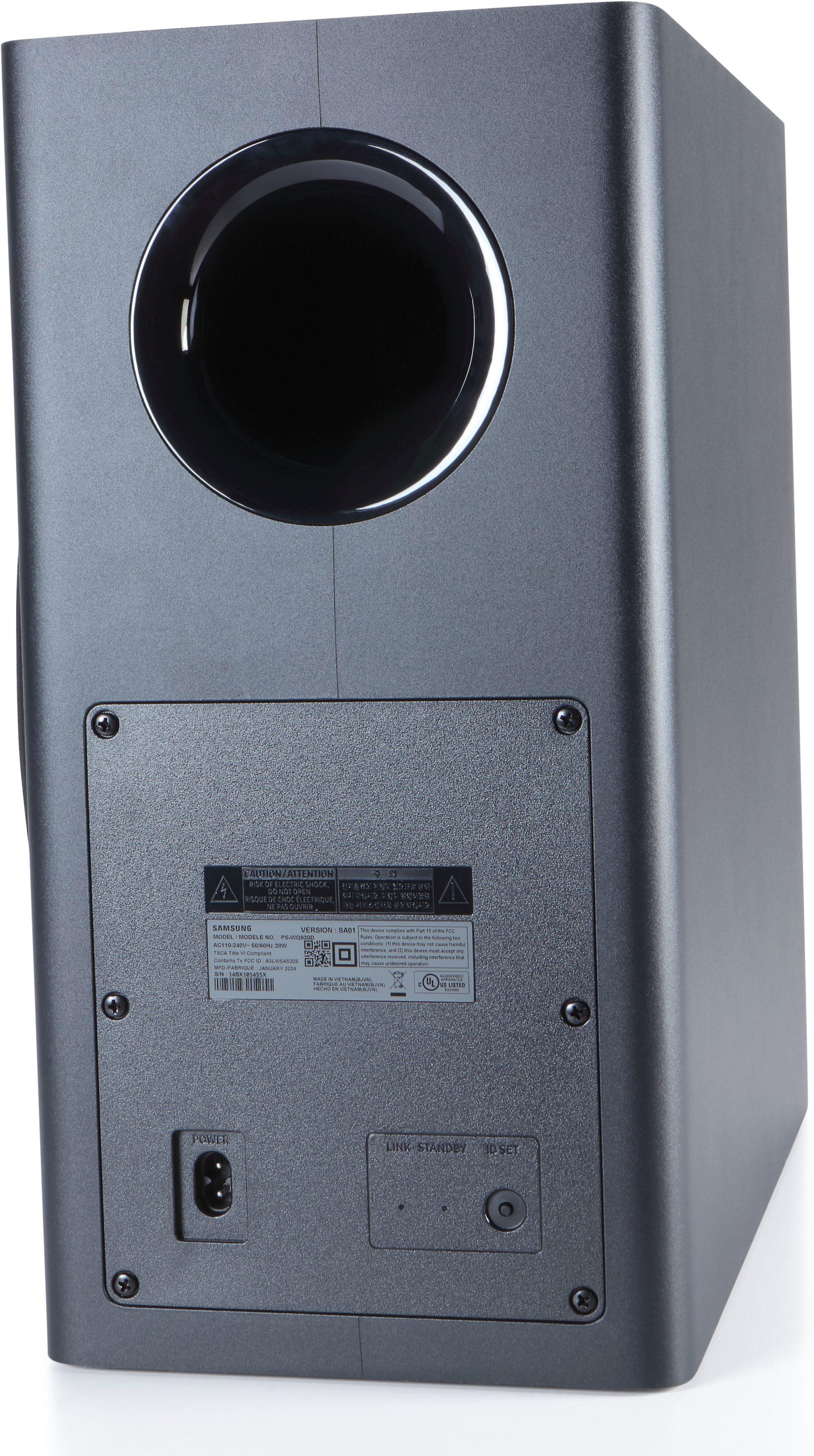
The Samsung Q Series 9.1.2 includes Auto Sub EQ, which uses a microphone in the wireless subwoofer to analyze your room's low-frequency response and automatically correct peaks caused by room dimensions and subwoofer placement. This technology, developed over Samsung's years of soundbar refinement, results in more neutral bass response across different room types.
The Samsung system's larger subwoofer and more sophisticated processing provide deeper extension and better control, particularly important for home theater use where movie soundtracks demand both subtle low-frequency detail and explosive impact.
The Ultimea Aura A40 shines in manual customization options. Its 121 preset EQ matrices cover everything from specific music genres to room types, while the 10-band equalizer allows precise frequency adjustment. The six adjustable surround levels let users fine-tune the balance between main speakers and surround channels based on room size and personal preference.
This extensive customization comes with a learning curve. Users who enjoy tweaking audio settings will appreciate the granular control, but those preferring plug-and-play simplicity might find the options overwhelming.
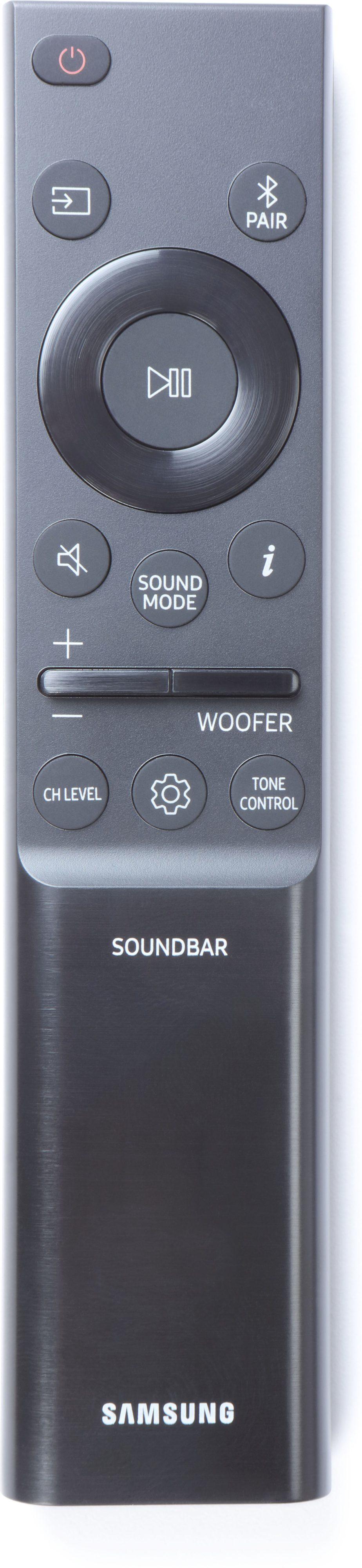
The Samsung Q Series 9.1.2 takes the opposite approach with intelligent automation. SpaceFit Sound Pro analyzes your room's acoustic signature and automatically optimizes the system's response. Game Pro Mode adjusts settings for gaming scenarios, while Adaptive Sound continuously monitors content and adjusts processing accordingly.
Both approaches have merit. Manual control provides precise customization for specific preferences, while automation delivers optimized performance without user intervention. Your preference likely depends on how much time you want to spend fine-tuning your audio experience.
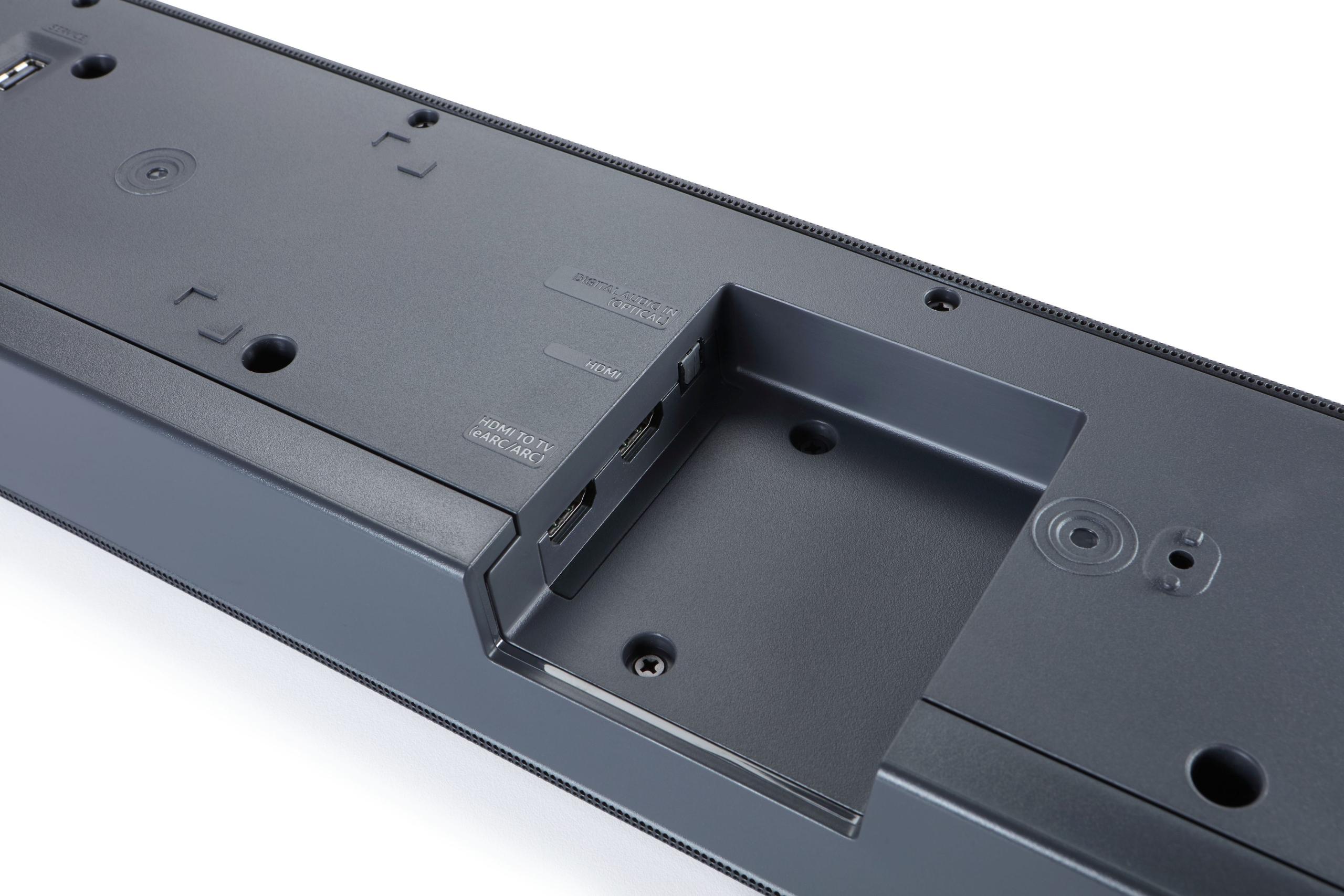
Modern soundbar connectivity extends far beyond simple TV audio. The Samsung Q Series 9.1.2 includes comprehensive HDMI 2.1 support with eARC (enhanced Audio Return Channel), enabling full-bandwidth Dolby Atmos and DTS:X transmission from compatible sources. The system supports AirPlay 2, Spotify Hi-Fi Connect, and Tidal Hi-Fi Connect for high-quality music streaming.
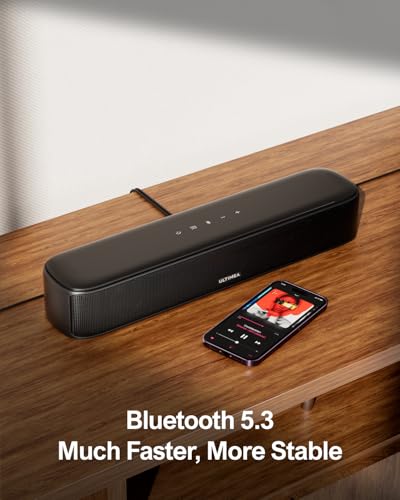
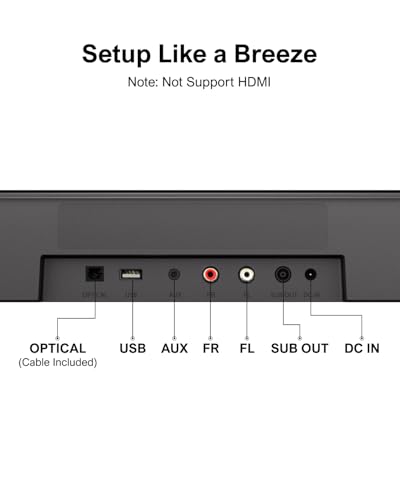
The Ultimea Aura A40 notably lacks HDMI connectivity entirely, relying on optical, auxiliary, and Bluetooth 5.3 connections. While Bluetooth 5.3 provides improved stability and range over earlier versions, the absence of HDMI limits compatibility with modern gaming consoles and streaming devices that benefit from higher-bandwidth audio transmission.
For home theater use, HDMI connectivity has become increasingly important as streaming services and gaming systems deliver more sophisticated audio formats that require the bandwidth that optical connections cannot provide.
In dedicated home theater environments, the Samsung Q Series 9.1.2 demonstrates clear advantages. Its true Dolby Atmos processing creates the three-dimensional audio bubble that modern movie soundtracks are designed to exploit. Action sequences benefit from precise object placement, while quiet dramatic scenes maintain exceptional dialogue clarity through the discrete center channel.
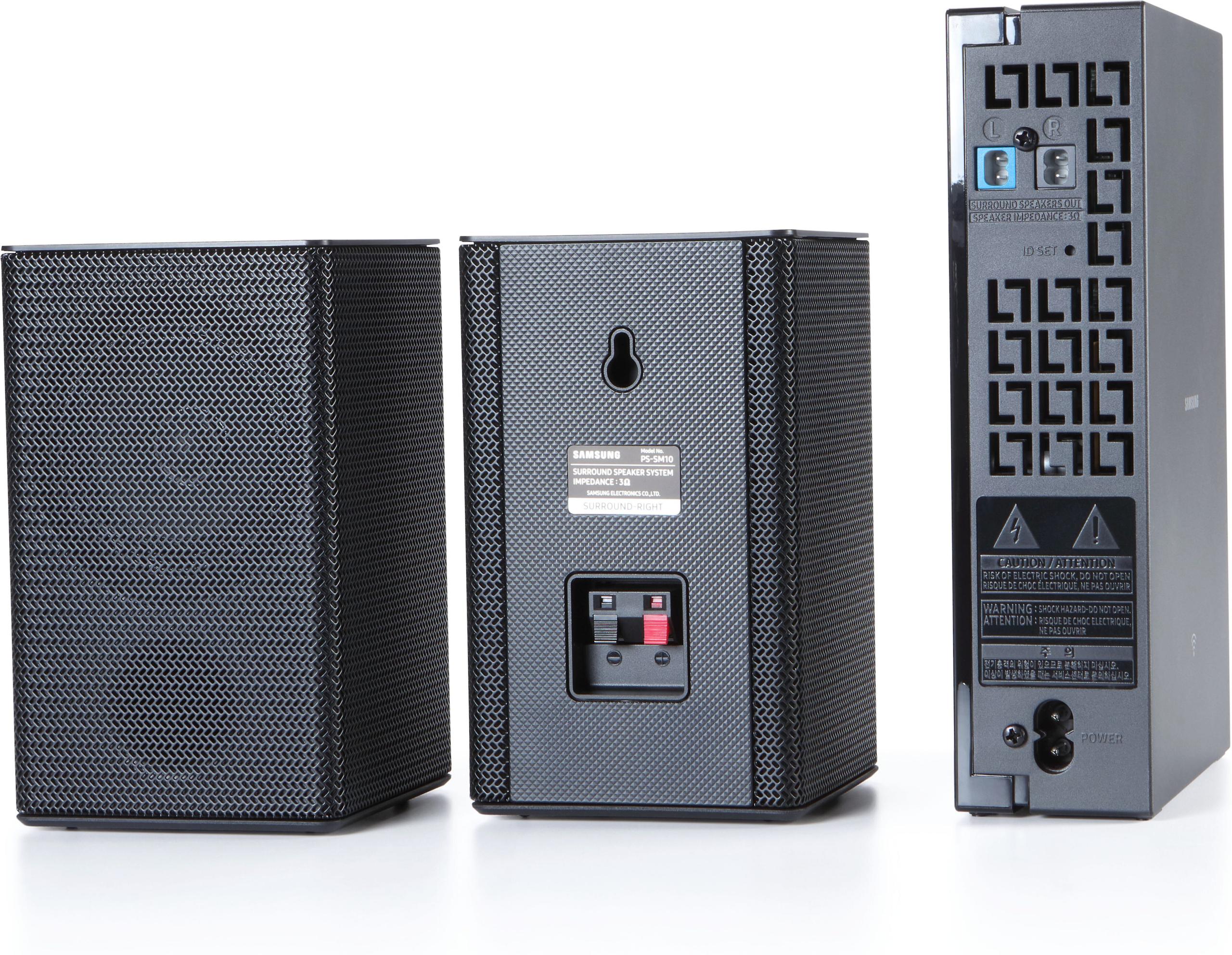
The system's room calibration ensures consistent performance across different seating positions—important when multiple people are watching together. The wireless rear speakers can be positioned optimally for the primary listening area without cable management concerns.
The Ultimea Aura A40 provides impressive home theater performance for its price category, with physical surround speakers creating convincing directional effects. However, the lack of height information limits the system's ability to reproduce the full dimensionality of modern movie soundtracks.
For music listening, both systems offer distinct advantages. The Aura A40's extensive EQ customization allows precise tuning for different genres and personal preferences. The system's balanced default signature works well across various music types, from acoustic performances to electronic music.
The Samsung Q Series 9.1.2 provides more neutral tonal balance out of the box, with wider stereo imaging that extends well beyond the physical soundbar boundaries. The system's higher-quality drivers and more sophisticated processing result in better detail retrieval and dynamic range for critical music listening.
Gaming presents unique audio challenges, requiring precise directional cues for competitive play while maintaining immersive atmosphere for single-player experiences. The Aura A40's physical surround speakers excel at providing accurate directional information, making it easier to locate enemies in first-person shooters or environmental audio cues in adventure games.
The Samsung Q Series 9.1.2's Game Pro Mode optimizes processing for gaming scenarios, reducing latency while enhancing directional audio. The HDMI connectivity enables full-bandwidth audio from gaming consoles, supporting advanced formats that optical connections cannot handle.
At the time of writing, the Ultimea Aura A40 represents exceptional value in the budget soundbar segment. Including four physical surround speakers at this price point is unprecedented, providing genuine surround sound immersion typically reserved for systems costing several times more.
The system's limitations—particularly the lack of HDMI connectivity and true height channels—become more significant as room size and expectations increase. For smaller living spaces and users primarily connecting via optical or Bluetooth, these limitations matter less.
The Samsung Q Series 9.1.2 commands premium pricing but delivers technical capabilities that justify the investment for serious home theater enthusiasts. The true Dolby Atmos implementation, automatic room calibration, and comprehensive connectivity create an experience that approaches dedicated home theater receiver systems.
For Samsung TV owners, the Q-Symphony integration provides unique value unavailable from other manufacturers. This ecosystem approach means the soundbar and TV work together rather than independently, creating a more cohesive audio experience.
Choose the Ultimea Aura A40 if you prioritize maximum surround sound immersion at an accessible price point. The system works best for users comfortable with extensive manual customization who don't require cutting-edge connectivity options. It's ideal for smaller to medium-sized rooms where the physical surround speakers can be positioned effectively.
The Aura A40 also suits users whose current setup relies on optical or Bluetooth connectivity and who won't be upgrading to HDMI-dependent sources in the near future. If you enjoy tweaking audio settings and want genuine 360-degree sound placement without premium pricing, this system delivers exceptional value.
Select the Samsung Q Series 9.1.2 for technically superior audio reproduction with modern convenience features. The system justifies its premium positioning through true Dolby Atmos processing, automatic optimization, and comprehensive connectivity. It's the better choice for dedicated home theater rooms where the height effects can be properly reproduced.
Samsung TV owners should strongly consider this system due to Q-Symphony integration benefits unavailable elsewhere. The combination creates a more immersive experience than either component can achieve independently.
The Samsung system also makes sense for users who prefer automated setup and optimization over manual adjustment, and for those requiring HDMI 2.1 connectivity for gaming consoles or high-end streaming devices.
Both systems represent thoughtful approaches to different market segments. The Ultimea Aura A40 maximizes immersive features at budget pricing through clever engineering, while the Samsung Q Series 9.1.2 pushes technical boundaries for users seeking the best possible soundbar experience. Your choice should align with your budget, room requirements, and preference for manual customization versus automated optimization.
| Ultimea Aura A40 U2601 Soundbar System | Samsung Q Series 9.1.2 Channel Soundbar |
|---|---|
| Channel Configuration - Determines surround sound capability and immersion level | |
| 7.1 Virtual Surround with 4 physical surround speakers | 9.1.2 True Dolby Atmos with dedicated height channels |
| Total Speaker Count - More speakers typically mean better sound separation | |
| 8 speakers (3 soundbar + 4 surround + 1 subwoofer) | 11 speakers including up-firing drivers for height effects |
| Dolby Atmos Support - Essential for modern movie soundtracks with 3D audio | |
| No (virtual surround processing only) | Yes (true object-based Atmos with height channels) |
| Physical Surround Speakers - Creates genuine 360° sound placement | |
| Yes (2 front + 2 rear wired speakers included) | Yes (detachable wireless rear speakers) |
| HDMI Connectivity - Required for modern gaming consoles and streaming devices | |
| None (optical, AUX, USB, Bluetooth only) | HDMI 2.1 with eARC support |
| Room Calibration - Automatically optimizes sound for your space | |
| Manual adjustment via 6 surround levels | Automatic SpaceFit Sound Pro analysis |
| Audio Customization - Control over sound signature and preferences | |
| Extensive (121 preset EQ matrices + 10-band equalizer) | Moderate (7-band EQ + adaptive sound modes) |
| Smart TV Integration - Enhanced performance with specific TV brands | |
| Universal compatibility (no special TV features) | Q-Symphony with compatible Samsung TVs only |
| Subwoofer Type - Affects bass depth and room flexibility | |
| 4-inch wired subwoofer with BassMX technology | Wireless subwoofer with Auto Sub EQ |
| Frequency Response - Range of sounds the system can reproduce | |
| 65 Hz - 18 kHz (good low-end extension for the price) | Not specified (likely superior based on premium positioning) |
| Power Output - Affects maximum volume and dynamic range | |
| 330W peak power across all channels | Not specified (likely higher given premium status) |
| Streaming Services - Built-in music platform support | |
| Bluetooth 5.3 only | AirPlay 2, Spotify Hi-Fi, Tidal Hi-Fi, Chromecast |
| Setup Complexity - Time and effort required for installation | |
| Moderate (wired surround speakers require cable management) | Simple (wireless components with automatic calibration) |
| Recommended Room Size - Optimal performance space | |
| 108-270 sq ft (small to medium rooms) | Not specified (suitable for larger spaces given power/features) |
| Release Timeline - Indicates how current the technology is | |
| 2023 (recent but established technology) | 2025 (latest generation with current features) |
| Value Proposition - What you get for the investment | |
| Maximum surround immersion at budget pricing | Premium Atmos experience with advanced features |
For dedicated home theater use, the Samsung Q Series 9.1.2 Channel Soundbar is superior due to its true Dolby Atmos support with height channels and discrete center channel for dialogue clarity. The Ultimea Aura A40 U2601 Soundbar System provides excellent surround immersion through physical speakers but lacks the vertical audio dimension that modern movie soundtracks are designed to exploit.
Yes, both the Ultimea Aura A40 and Samsung Q Series 9.1.2 include physical surround speakers. The Ultimea Aura A40 comes with four wired surround speakers (two front, two rear), while the Samsung Q Series 9.1.2 includes detachable wireless rear speakers that offer more placement flexibility.
The Ultimea Aura A40 U2601 Soundbar System offers exceptional value by including physical surround speakers and extensive customization options at a budget-friendly price point. The Samsung Q Series 9.1.2 provides premium value through advanced Dolby Atmos processing and smart features, but at a significantly higher investment level.
The Ultimea Aura A40 uses 7.1 virtual surround processing with physical speakers for horizontal sound placement, while the Samsung Q Series 9.1.2 features true 9.1.2 Dolby Atmos with dedicated height channels that create three-dimensional object-based audio. The Samsung system can place sounds above you, while the Ultimea system is limited to horizontal surround effects.
The Samsung Q Series 9.1.2 Channel Soundbar is easier to set up due to its wireless rear speakers and automatic SpaceFit Sound Pro calibration. The Ultimea Aura A40 requires more manual setup with wired surround speaker placement and cable management, though it offers more customization options once installed.
The Ultimea Aura A40 U2601 Soundbar System works universally with any TV through optical, AUX, or Bluetooth connections. The Samsung Q Series 9.1.2 also works with any TV but provides special Q-Symphony integration features exclusively with compatible Samsung TVs for enhanced performance.
The Samsung Q Series 9.1.2 Channel Soundbar offers superior gaming connectivity with HDMI 2.1 support and Game Pro Mode optimization. The Ultimea Aura A40 lacks HDMI connectivity entirely, relying on optical and Bluetooth connections that may limit compatibility with modern gaming consoles and advanced audio formats.
The Ultimea Aura A40 features a 4-inch wired subwoofer with BassMX technology that delivers controlled, punchy bass suitable for smaller rooms. The Samsung Q Series 9.1.2 includes a larger wireless subwoofer with Auto Sub EQ that automatically calibrates bass response for your room, typically providing deeper extension and better control.
The Ultimea Aura A40 U2601 Soundbar System provides extensive manual customization with 121 preset EQ matrices, a 10-band equalizer, and adjustable surround levels. The Samsung Q Series 9.1.2 focuses on intelligent automation with fewer manual controls but includes adaptive sound processing that automatically optimizes audio based on content.
Yes, both soundbars perform well for music. The Ultimea Aura A40 offers balanced sound with extensive EQ customization for different genres, while the Samsung Q Series 9.1.2 Channel Soundbar provides more neutral tonal balance and wider stereo imaging with support for high-quality streaming services like Spotify Hi-Fi and Tidal Hi-Fi.
The Ultimea Aura A40 U2601 Soundbar System is specifically designed for rooms between 108-270 square feet and offers adjustable surround levels to optimize performance for smaller spaces. While the Samsung Q Series 9.1.2 works in smaller rooms, it's better suited for larger spaces where its Dolby Atmos height effects can be fully appreciated.
The Ultimea Aura A40 lacks HDMI connectivity and true Dolby Atmos height effects, limiting compatibility with modern sources and vertical audio dimension. The Samsung Q Series 9.1.2 Channel Soundbar commands premium pricing and provides maximum benefit only when paired with Samsung TVs, making it less compelling for users with other TV brands or budget constraints.
We've done our best to create useful and informative comparisons to help you decide what product to buy. Our research uses advanced automated methods to create this comparison and perfection is not possible - please contact us for corrections or questions. These are the sites we've researched in the creation of this article: walmart.com - newegg.com - youtube.com - ultimea.com - youtube.com - device.report - ultimea.co - manuals.plus - homestudiobasics.com - youtube.com - bestbuy.com - community.ultimea.com - manuals.plus - eu.ultimea.com - navesapeugeot.com.br - bestbuy.com - images.thdstatic.com - provantage.com - ultimea.com - bestbuy.com - rtings.com - samsung.com - markselectrical.co.uk - techradar.com - walmart.com - samsung.com - samsung.com - youtube.com - samsung.com - biancos.com - crutchfield.com - samsung.com

Privacy Policy
Terms and Conditions - Affiliate Policy
Home Security
© Copyright 2008-2026.
11816 Inwood Rd #1211, Dallas, TX 75244