

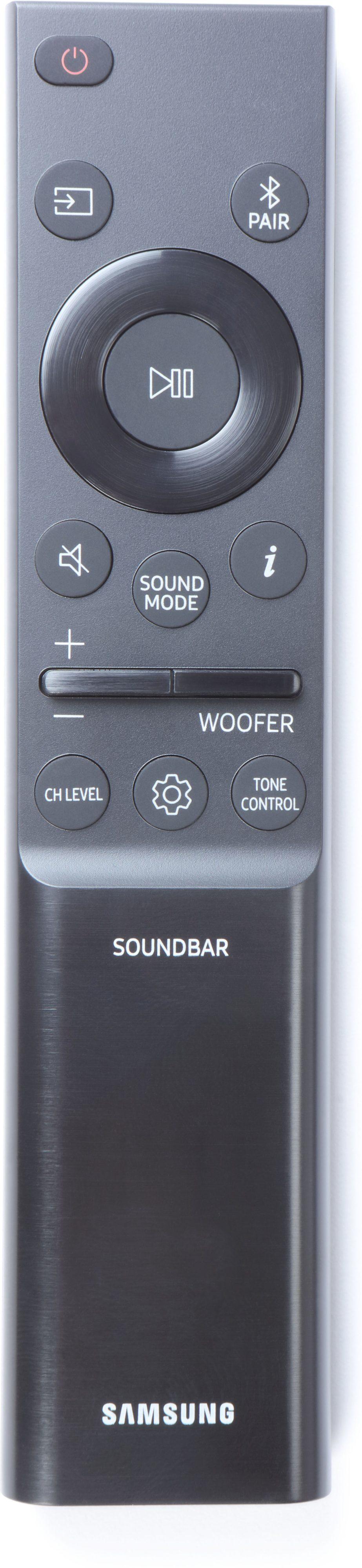
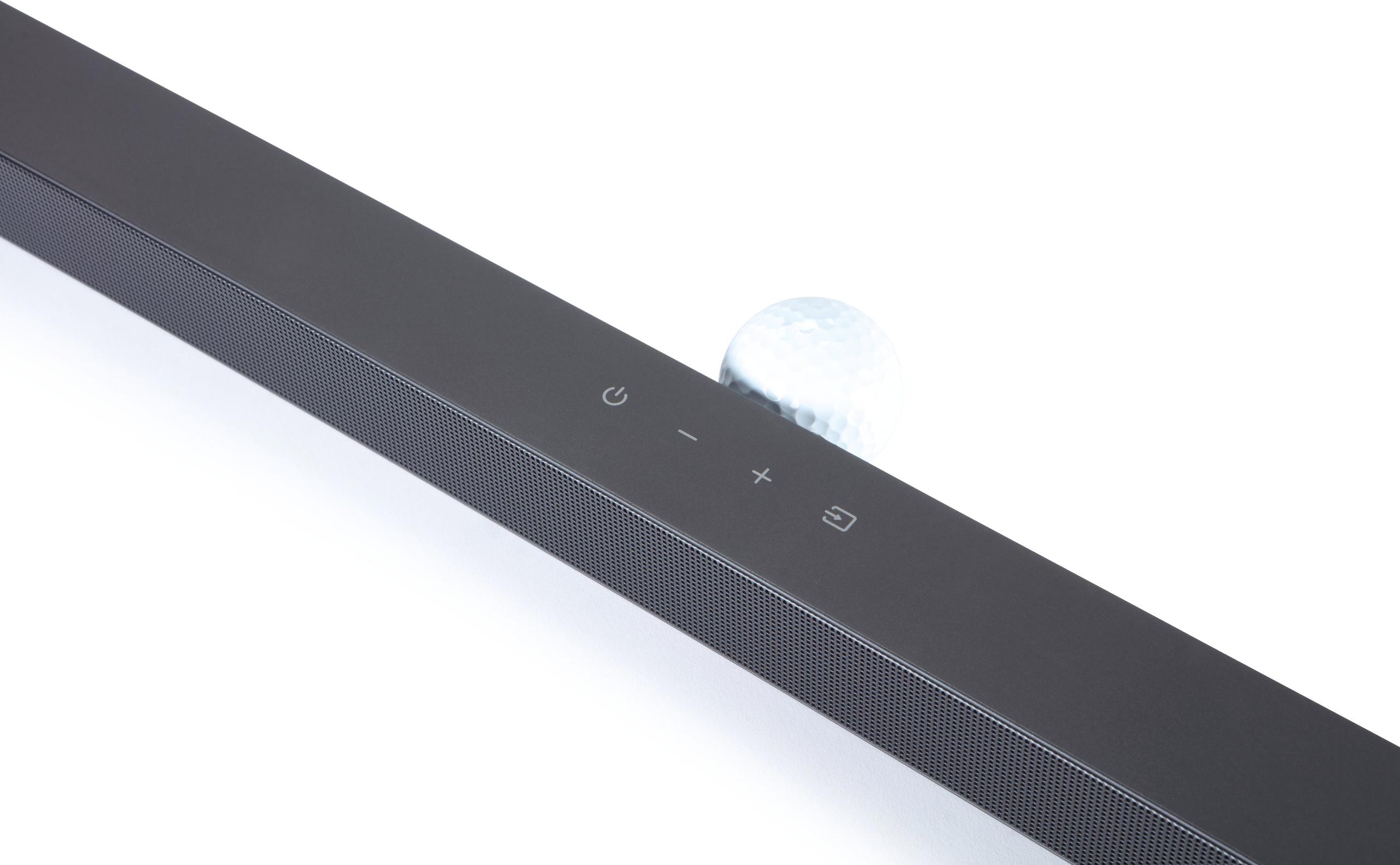


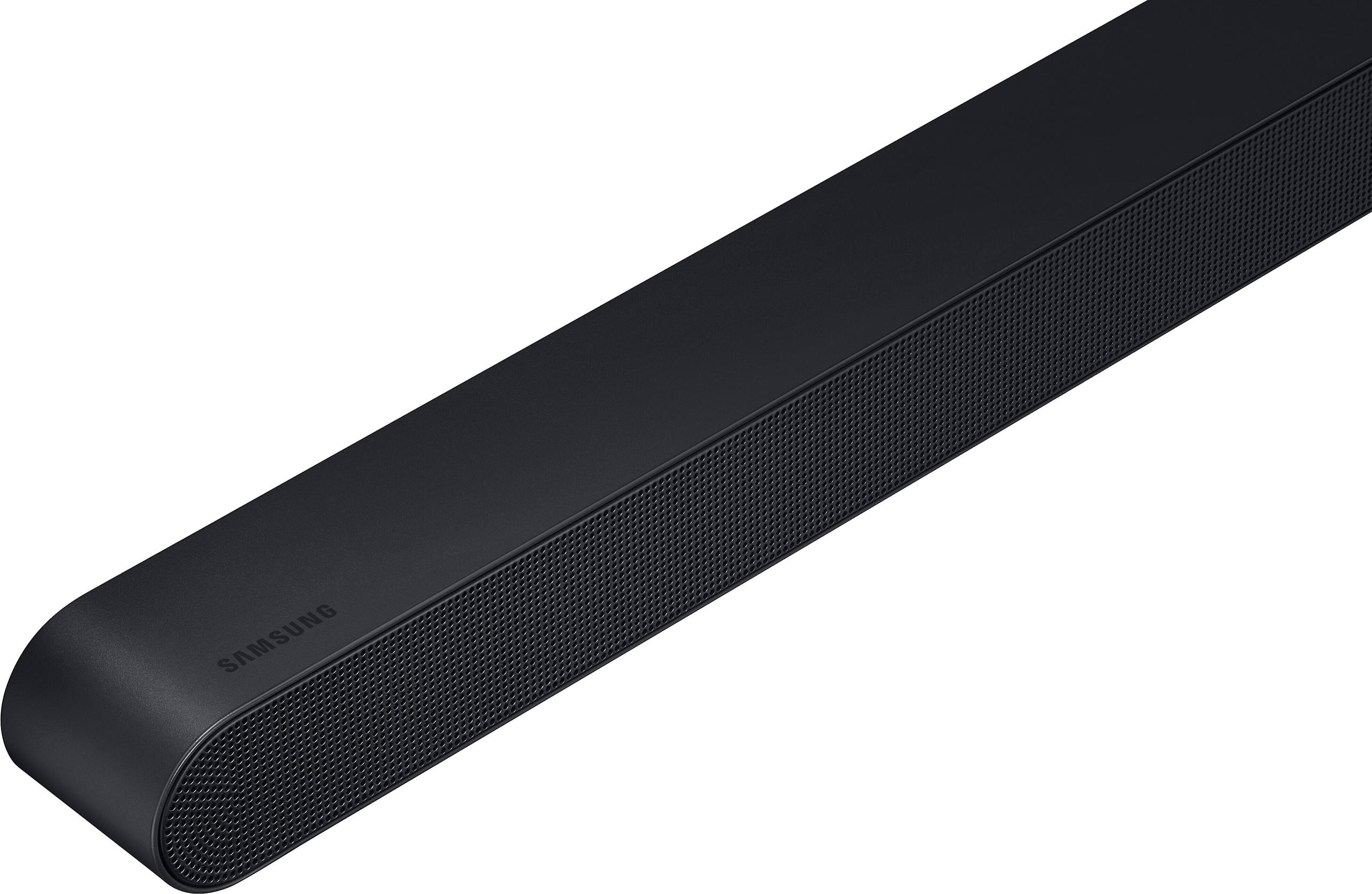

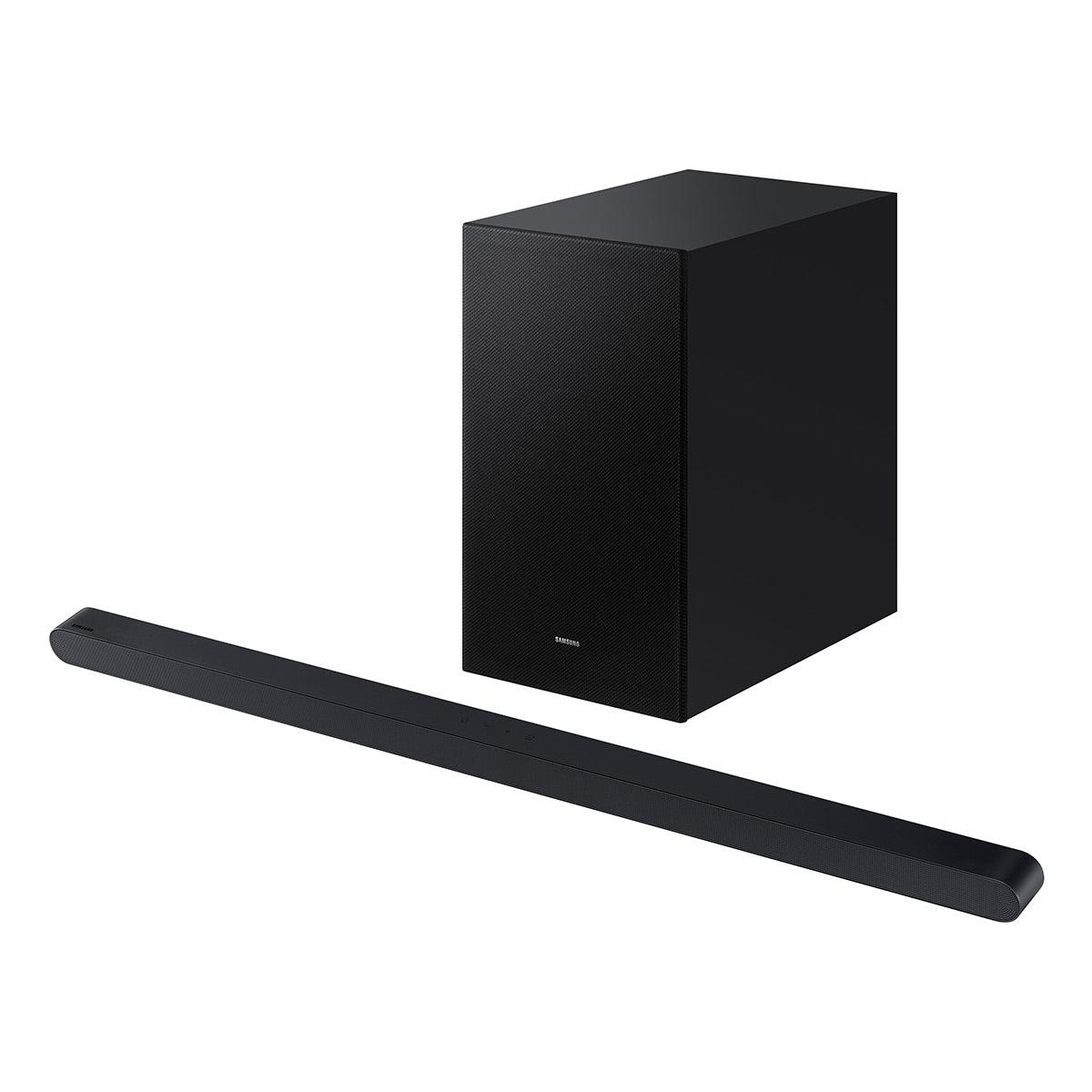


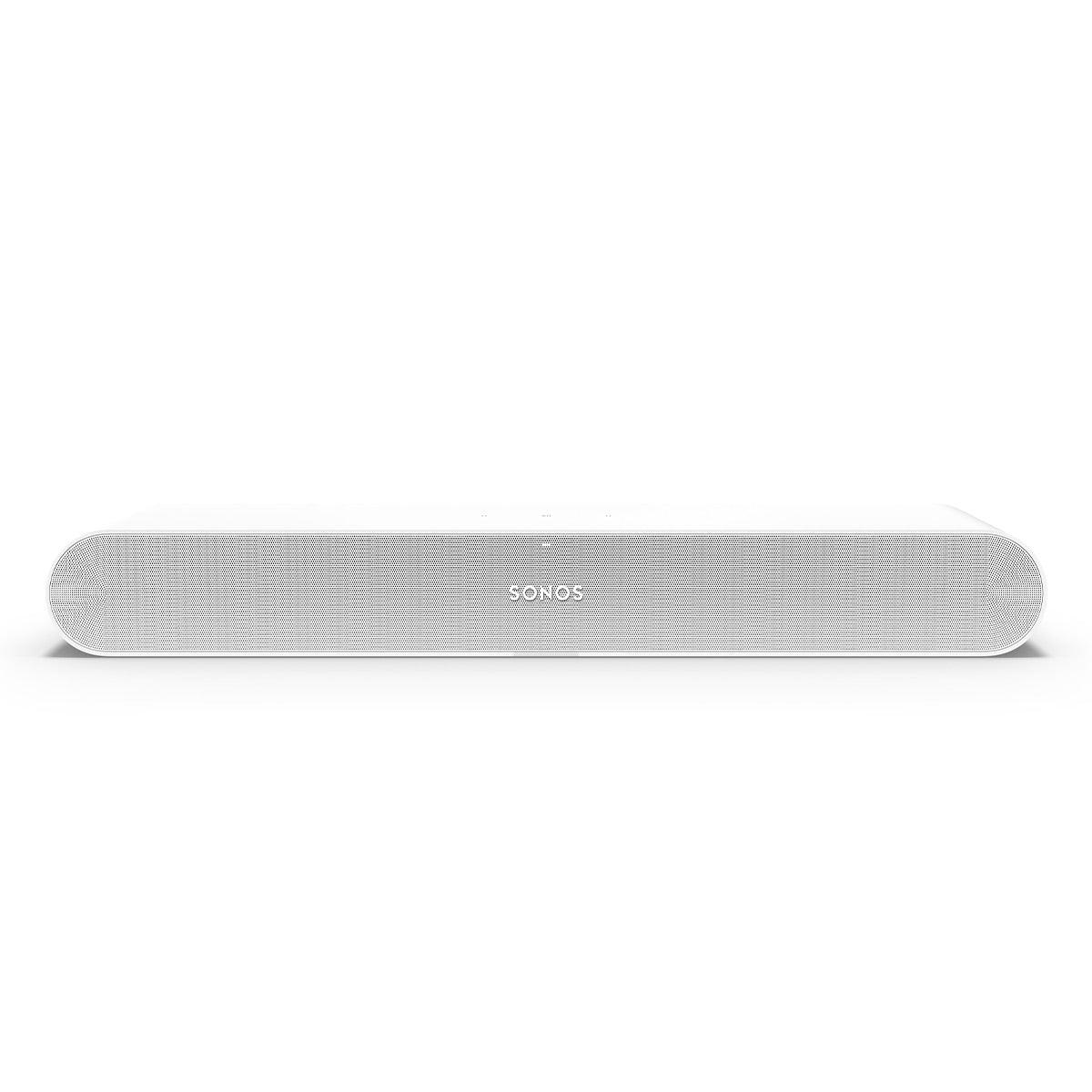
When your TV's built-in speakers sound like they're trapped inside a tin can, you know it's time for an upgrade. The world of soundbars can feel overwhelming, but today we're diving deep into two very different approaches to better audio: the Sonos Ray and the Samsung HW-S700D. These aren't just different models—they represent fundamentally different philosophies about what great TV audio should be.
Before we dive into specifics, let's talk about what soundbars actually do and why these differences matter so much. A soundbar is essentially multiple speakers crammed into one sleek package, designed to sit beneath your TV and dramatically improve your audio experience without the complexity of a full surround sound system.
The magic happens in how manufacturers arrange and tune these speakers. Some focus on creating precise stereo imaging—that's the ability to hear exactly where sounds are coming from in a left-to-right soundscape. Others prioritize creating an immersive bubble of sound that wraps around you, making you feel like you're inside the movie or game.
Think of it like the difference between sitting in the front row of a concert (precise, detailed) versus being in the middle of the orchestra pit (surrounded by sound). Both have their merits, and your preference will largely determine which approach works better for your space and listening habits.
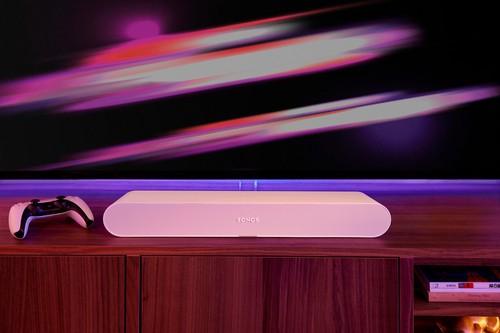
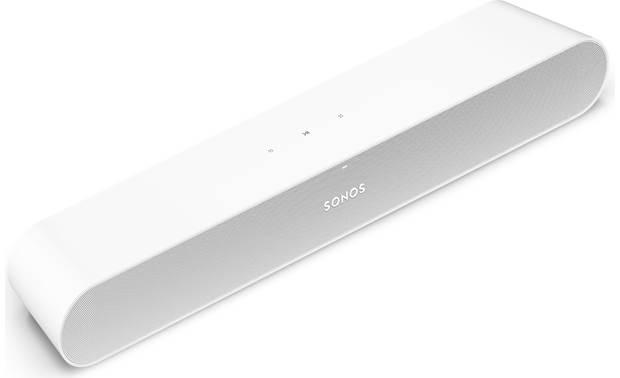
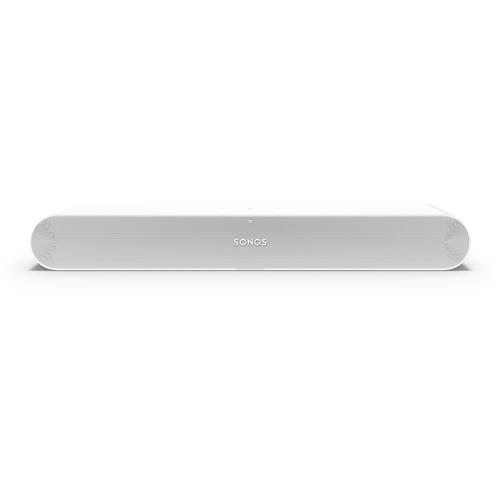
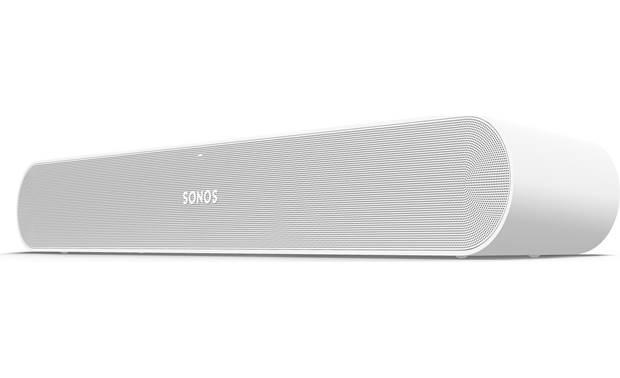
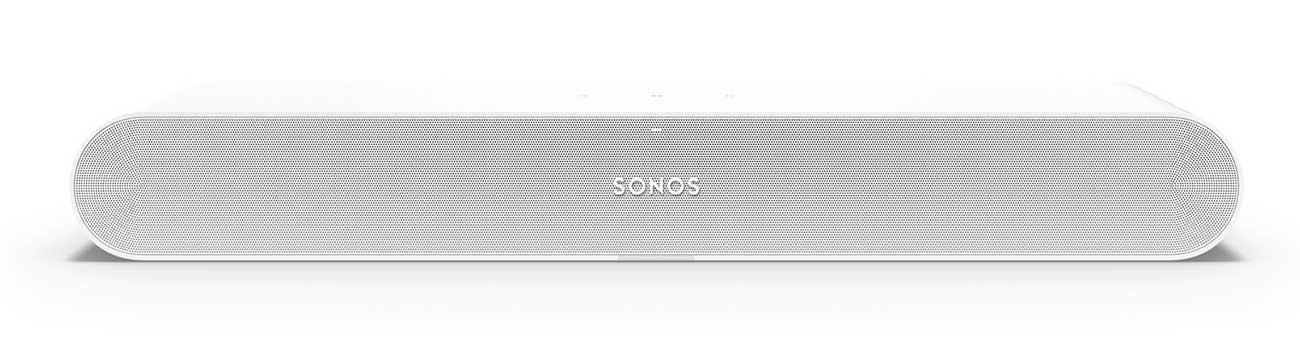
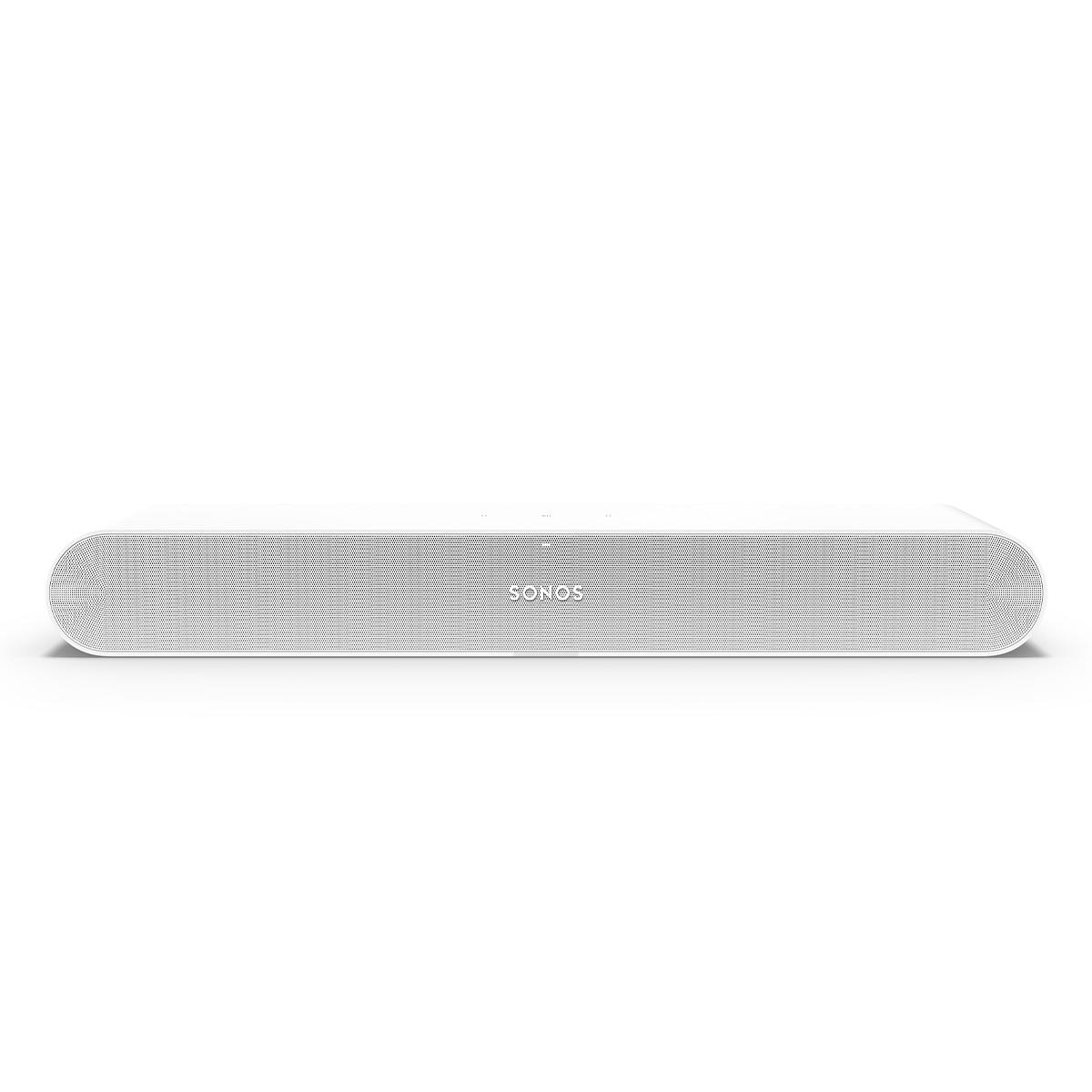
The Sonos Ray, launched in 2022, represents the minimalist philosophy. At roughly half the cost of many premium soundbars at the time of writing, it focuses on doing stereo audio exceptionally well rather than trying to be everything to everyone. Sonos built their reputation on multi-room audio systems, and the Ray serves as an entry point into that ecosystem while delivering the company's signature sound quality.
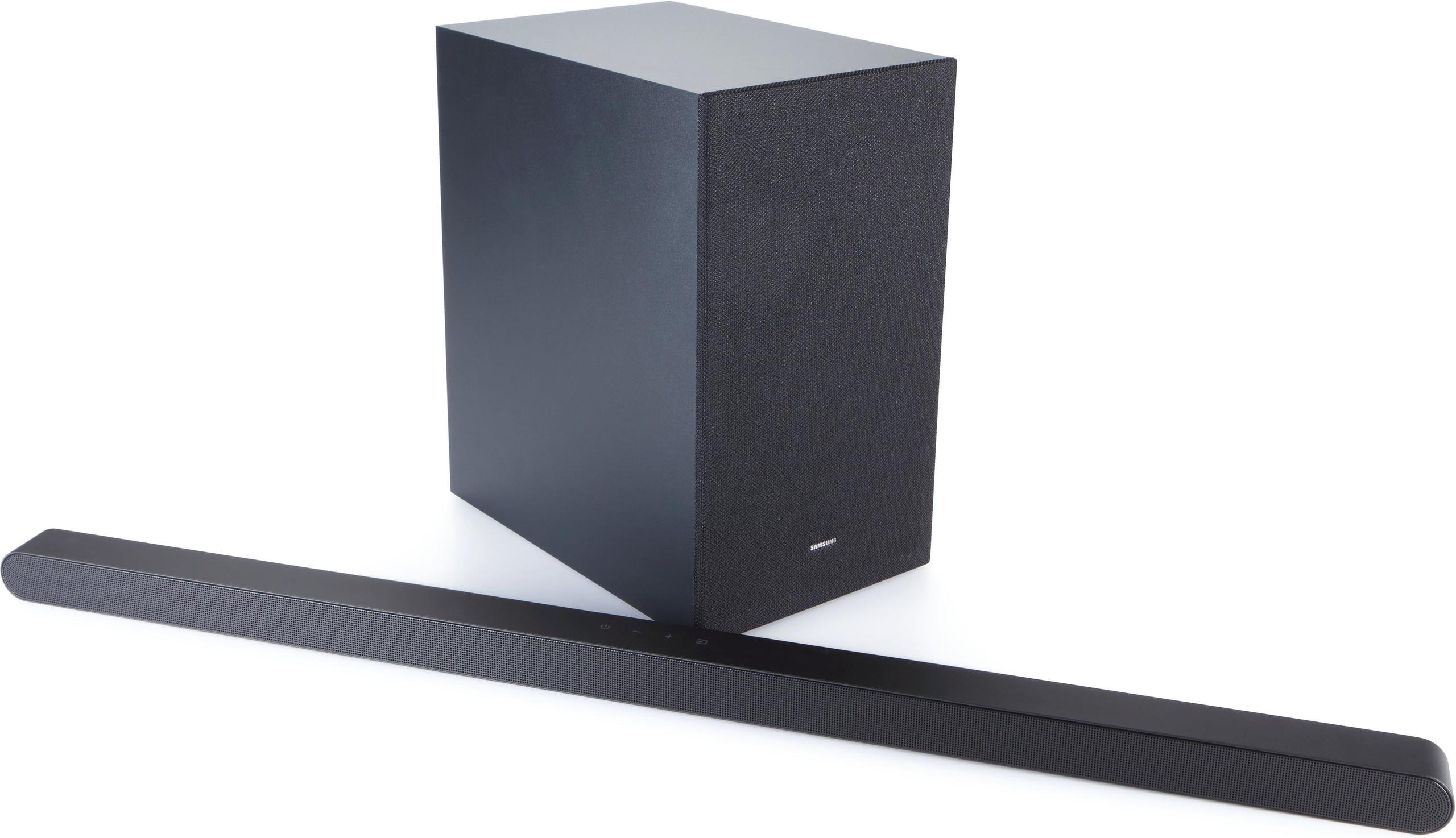
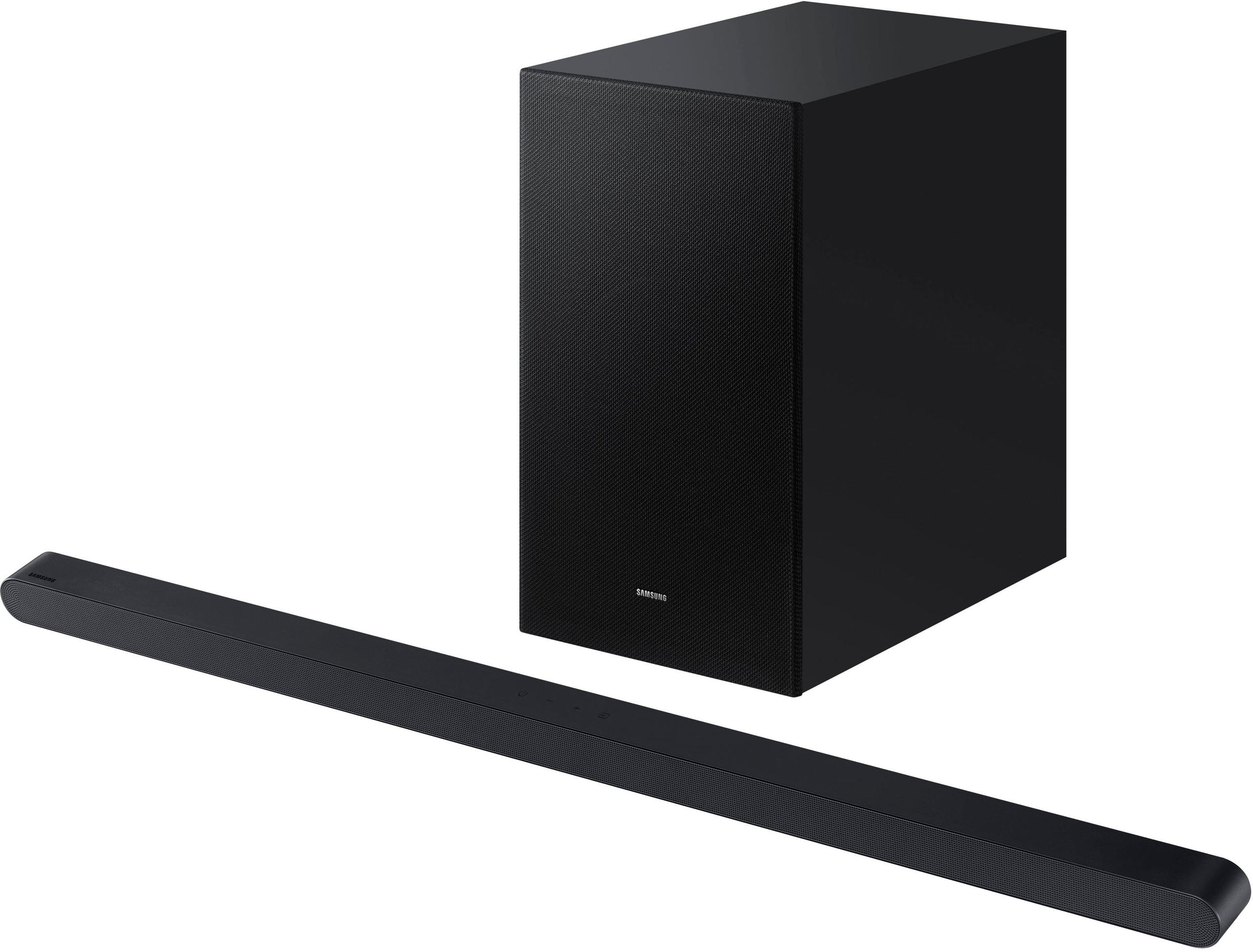
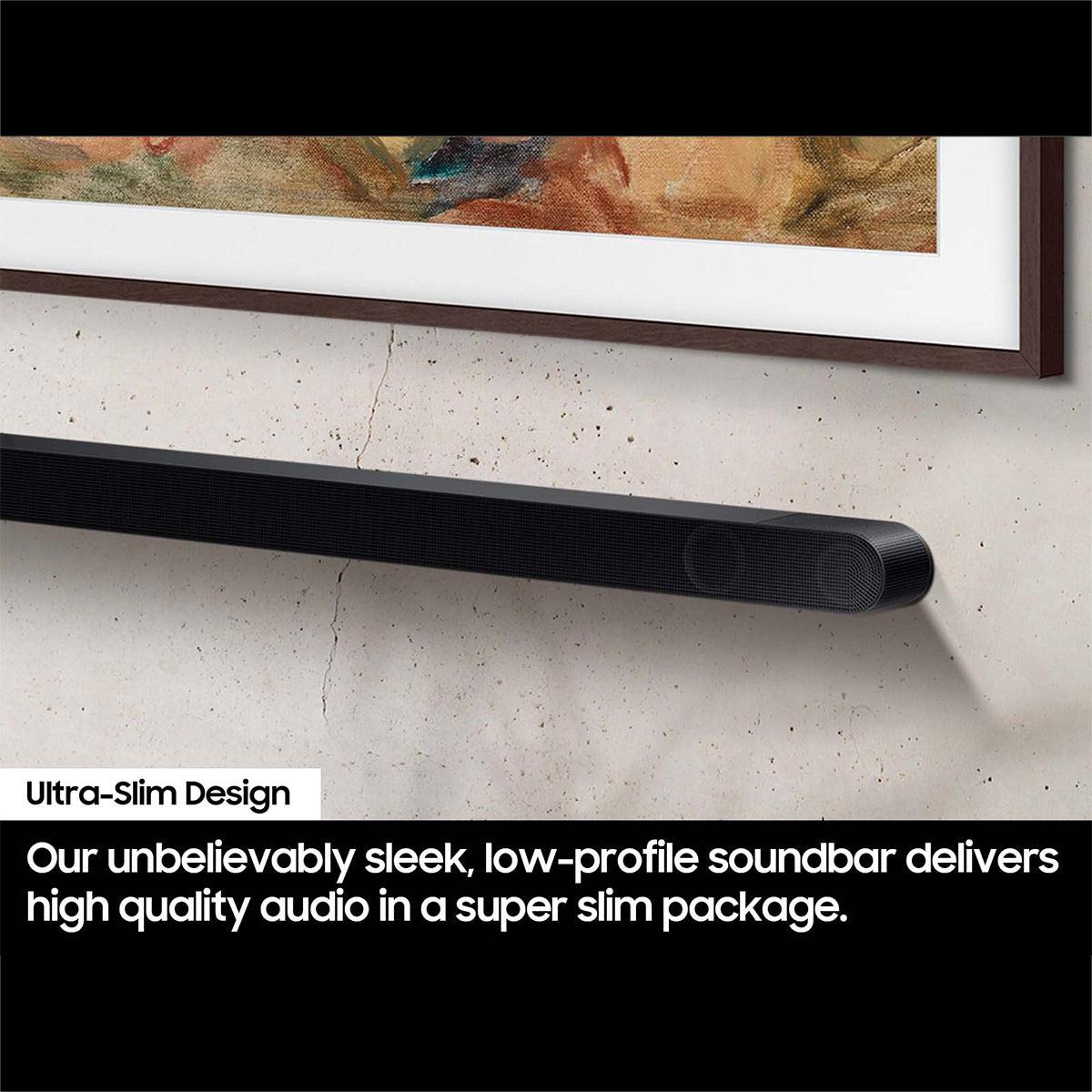
The Samsung HW-S700D, part of Samsung's 2024 lineup, takes the opposite approach. This is a comprehensive home theater solution packed with modern features like Dolby Atmos (virtual surround sound that creates the illusion of height), wireless subwoofer connectivity, and deep integration with Samsung's smart TV ecosystem. It costs significantly more than the Ray at the time of writing, but includes features that would require expensive add-ons from Sonos.
Here's where the fundamental difference becomes crystal clear. The Sonos Ray uses a 2.0 channel configuration—that's left and right speakers, period. No center channel for dialogue, no subwoofer for bass, no surround channels for immersion. This might sound limiting, but Sonos has engineered some clever acoustic tricks to maximize what those two channels can accomplish.
Inside the Ray's compact frame are two tweeters (for high frequencies like cymbals and vocals) and two midwoofers (handling everything from guitar to most human voices). Sonos uses something called a proprietary waveguide—think of it as a carefully shaped tunnel that focuses sound waves—to ensure the high frequencies reach your ears clearly without getting scattered around the room.
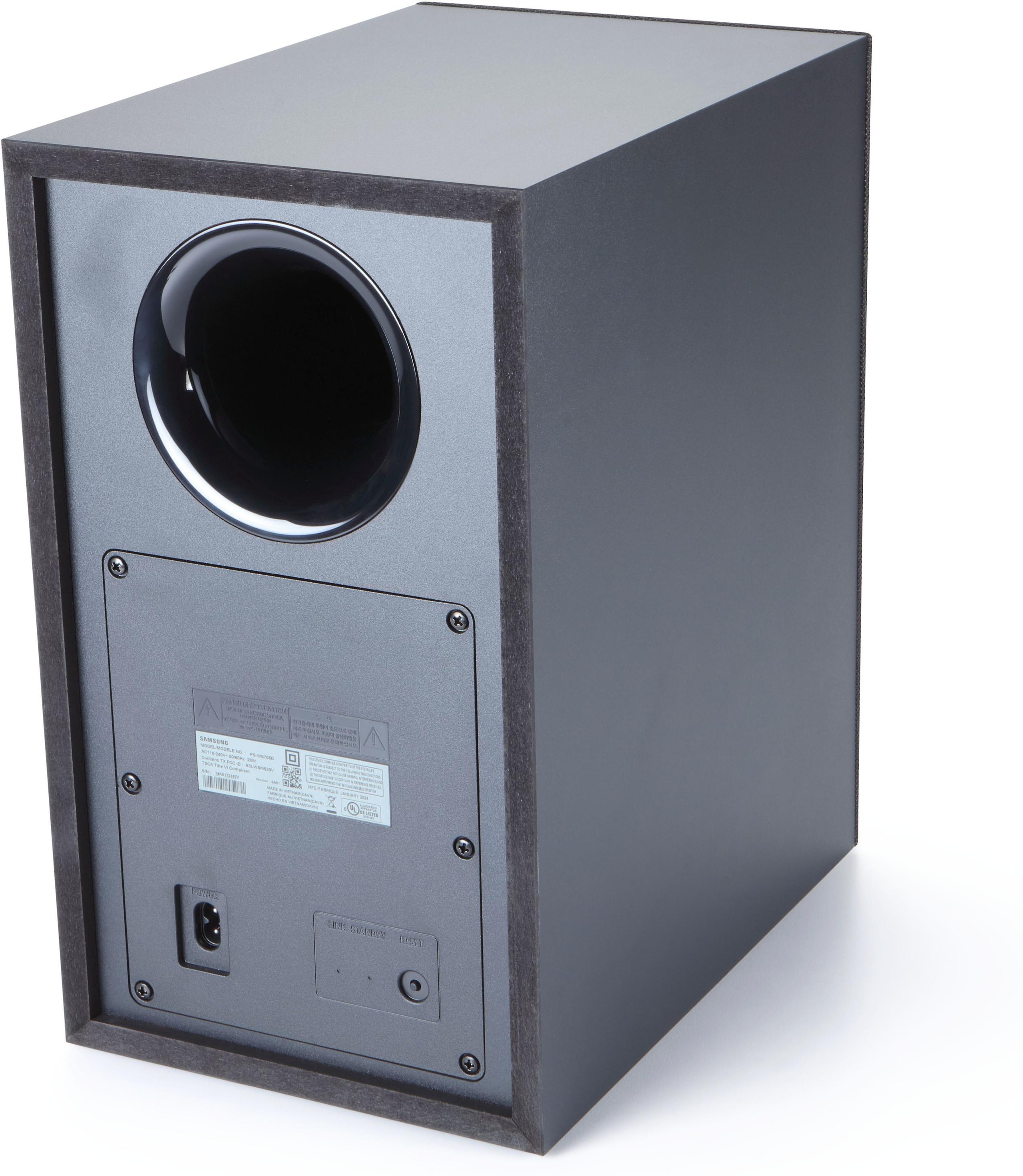
The Samsung HW-S700D goes all-in with a 3.1 channel system. That extra ".1" represents a dedicated subwoofer—a 6-inch wireless unit that handles all the deep bass your main soundbar can't produce. The "3" means you get left, right, and center channels, with that center channel being crucial for dialogue clarity in movies and TV shows.
This difference is huge in practice. When watching a Marvel movie, the Ray has to squeeze all those explosive sound effects, dialogue, and background music through just two speakers. The result is clean and detailed, but it lacks the chest-thumping bass and precise dialogue separation that the Samsung delivers through its dedicated components.
Bass isn't just about loud explosions—it's the foundation that makes music and movies feel full and engaging. Without proper bass, even dialogue can sound thin and unnatural. Here's where the philosophical divide between these soundbars becomes most apparent.
The Sonos Ray relies entirely on its two midwoofers for bass production. While Sonos has tuned these drivers well and uses a bass reflex port (a carefully calculated opening that helps extend low-frequency response), physics ultimately wins. Small drivers in a compact enclosure simply cannot move enough air to produce deep, impactful bass. You'll hear the bass, but you won't feel it in your chest the way you would with a dedicated subwoofer.
The Samsung's wireless subwoofer changes everything. With a 6-inch dedicated driver in its own enclosure, it can reproduce frequencies that the Ray simply cannot reach. When a T-Rex stomps across the screen in Jurassic Park, or when you're listening to hip-hop with deep synthesized bass lines, the difference is immediately obvious.
However, there's a trade-off. The Ray's bass, while limited in depth, integrates seamlessly with the rest of the frequency spectrum. There's no risk of boomy, overwhelming low-end that can muddy dialogue or overpower neighbors in apartment settings. The Samsung requires more careful positioning and adjustment to avoid bass that's either too weak (subwoofer too far away) or too strong (overwhelming the main soundbar).
Let's be honest—if you can't understand what people are saying on screen, nothing else matters. This is where soundbar design philosophy really shows its impact on daily use.
The Sonos Ray handles dialogue through its excellent midrange reproduction. Those proprietary waveguides ensure that vocal frequencies reach your ears clearly, and Sonos includes a dialogue enhancement mode that can boost voice frequencies when needed. The company's Trueplay room correction feature uses your iPhone's microphone to measure your room's acoustics and adjust the sound accordingly—pretty clever technology that most people never think about but really does make a difference.
The Samsung HW-S700D takes a more direct approach with its dedicated center channel. In movie and TV audio mixing, dialogue is primarily assigned to the center channel, so having a physical speaker dedicated to this task means voices remain clear and anchored to the screen even during complex action scenes. Samsung adds their Active Voice Amplifier (AVA) technology, which analyzes incoming audio in real-time and automatically adjusts dialogue levels based on what's happening in the scene.
In my experience testing both, the Samsung has a slight edge for dialogue clarity in movies, while the Ray excels with music where vocals need to integrate seamlessly with instruments rather than standing apart from them.
This is where we see the biggest performance gap between these two approaches. The Sonos Ray is fundamentally a stereo soundbar. When it receives surround sound content—like Dolby Digital 5.1 from Netflix or a Blu-ray—it has to downmix all that spatial information into just two channels. You'll hear everything, but you won't get any sense of sounds coming from beside or behind you.
The Samsung HW-S700D supports Dolby Atmos, which is an object-based audio format that places specific sounds in three-dimensional space. Even though the Samsung doesn't have physical height speakers or rear surrounds, it uses psychoacoustic processing to create virtual height and surround effects. This digital signal processing bounces sound waves off your ceiling and walls to create the illusion that sound is coming from above and around you.
Samsung's Q-Symphony technology adds another dimension if you own a compatible Samsung QLED TV. Instead of turning off your TV speakers when you connect the soundbar (as most systems do), Q-Symphony allows the TV's built-in speakers to work in harmony with the soundbar, effectively creating more channels and a wider soundstage.
The effectiveness of virtual surround sound is highly dependent on your room layout and personal sensitivity to these effects. Some people immediately notice and appreciate the enhanced immersion, while others find it subtle or even distracting. Physical surround speakers will always be more convincing, but virtual processing like what the Samsung uses can create a surprisingly engaging experience.
Here's where the Sonos Ray shows its age and philosophy most clearly. Sonos deliberately kept connections minimal: one optical audio input, Wi-Fi for streaming, and that's essentially it. No HDMI means no eARC (enhanced audio return channel) support, which is how modern TVs send high-quality audio formats to soundbars. No Bluetooth means you can't easily connect your phone for quick music playback.
This minimalist approach has pros and cons. Setup is dead simple—one optical cable from your TV, and you're done. But if you have multiple devices or want the flexibility to connect various sources, you might find yourself frustrated. Need to connect a game console directly? You'll need to run it through your TV and hope it properly passes the audio signal.
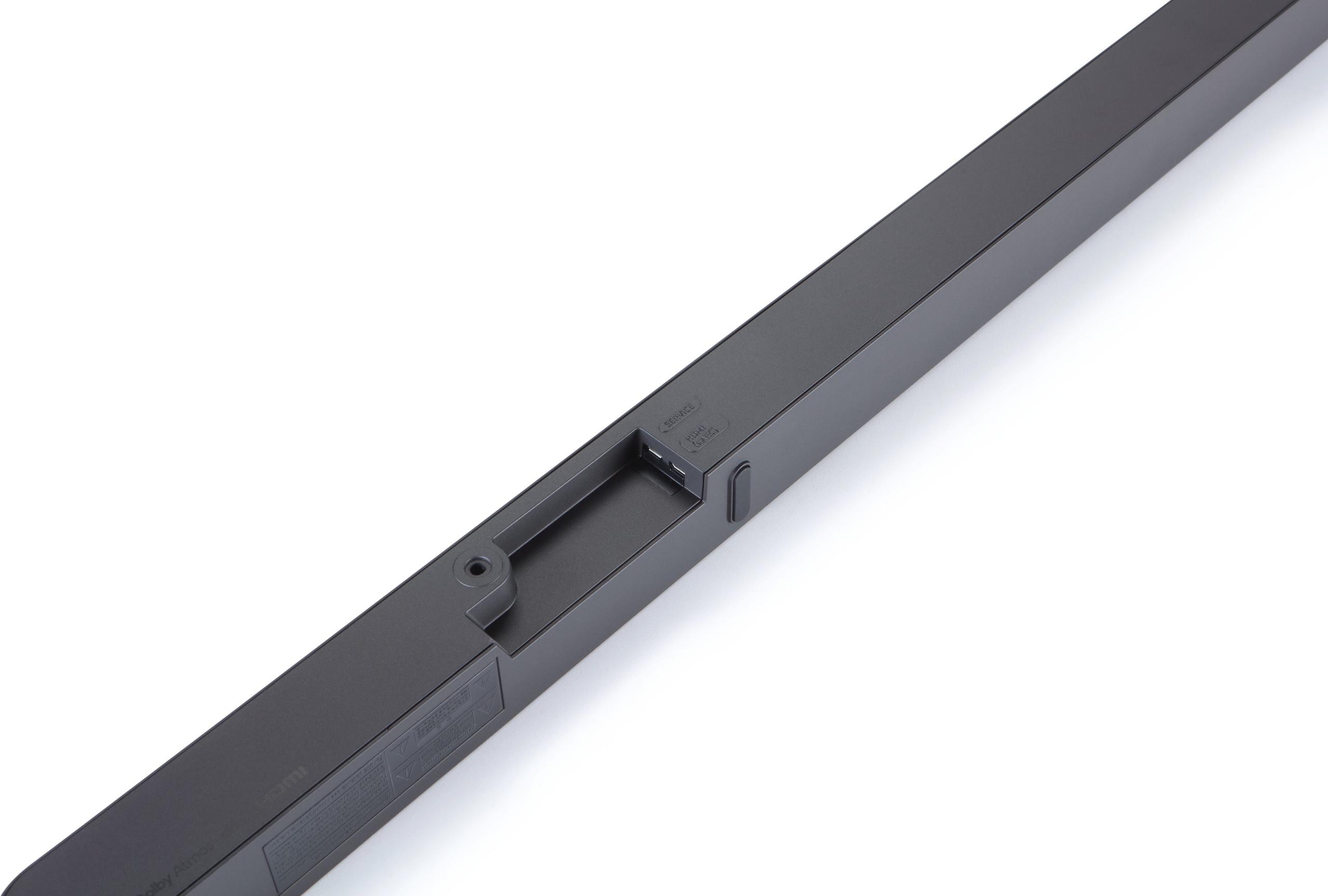
The Samsung HW-S700D provides modern connectivity expectations: HDMI eARC for the highest quality audio formats, optical input for older devices, and Bluetooth 5.2 for wireless music streaming from phones and tablets. The HDMI connection is particularly important because it can handle uncompressed audio formats and allows the soundbar to communicate with your TV for features like automatic volume control.
The Samsung includes built-in voice assistants (Alexa and Google Assistant), meaning you can control volume, skip tracks, or even ask for weather updates without reaching for a remote. It also integrates with Samsung's SmartThings ecosystem, so if you're already using Samsung appliances or smart home devices, everything works together.
The Sonos Ray takes a different approach, focusing entirely on the Sonos app experience and multi-room functionality. While you can't talk directly to the Ray, if you have other Sonos speakers in your home, you can group them together for synchronized music throughout your house. This party trick is genuinely impressive when you experience it—having the same song playing in perfect sync across multiple rooms creates an almost magical atmosphere.
Both soundbars support high-quality music streaming, but through different methods. The Ray connects to services like Spotify Connect and Tidal Connect directly, bypassing your phone entirely once you start playback. This approach often provides better audio quality and doesn't drain your phone's battery.
The Samsung supports AirPlay 2 and Chromecast built-in, giving you flexibility to stream from both iOS and Android devices. It also includes Samsung's Music service integration and can connect to various streaming platforms through the SmartThings app.
The physical dimensions of these soundbars tell an important story about their intended use cases. The Sonos Ray, at 22 inches wide, is designed for smaller TVs and intimate spaces. Its forward-facing acoustic design means it performs well even when placed in a TV stand's enclosed shelf—something that would muffle many soundbars.
The Samsung HW-S700D, stretching over 43 inches wide, is clearly designed for larger TVs and rooms. That extra width isn't just for show—it allows for better stereo separation and gives the virtual surround processing more space to work with. The included wall-mount kit suggests Samsung expects many users to mount this soundbar beneath wall-mounted TVs.
Room acoustics play a huge role in performance. The Ray's Trueplay calibration helps optimize sound for your specific space, but it only works with iOS devices—a limitation that feels increasingly dated. The Samsung's SpaceFit Sound Pro uses the soundbar's own microphone to automatically adjust sound based on your room's characteristics, and it works regardless of what phone you own.
At the time of writing, these soundbars sit in different price categories, with the Samsung HW-S700D costing significantly more than the Sonos Ray. But raw price doesn't tell the whole value story.
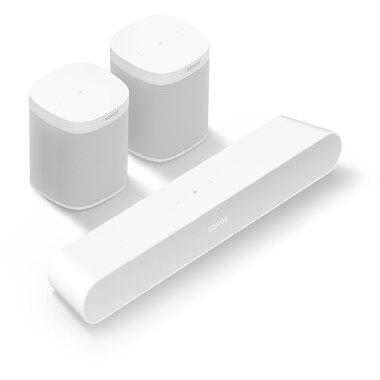
The Ray represents exceptional value if your priorities align with its strengths. You're getting Sonos's premium build quality, excellent stereo sound reproduction, and entry into their multi-room ecosystem. However, if you later decide you want bass impact or surround sound, adding Sonos's Sub Mini and rear speakers would cost more than twice the Samsung's price.
The Samsung includes features that would cost hundreds of dollars to add to the Sonos system: a wireless subwoofer, center channel for dialogue, Dolby Atmos processing, and comprehensive connectivity. From a features-per-dollar perspective, the Samsung offers more complete functionality out of the box.
If your primary goal is creating a compelling home theater experience, the Samsung HW-S700D delivers significantly more impact. The wireless subwoofer provides the foundation that makes movie soundtracks engaging, while the center channel ensures dialogue remains clear even during complex action sequences.
The Samsung's Game Mode Pro deserves special mention for gaming enthusiasts. This feature reduces audio latency—the delay between when something happens on screen and when you hear it—which is crucial for competitive gaming where audio cues can mean the difference between victory and defeat.
The Sonos Ray can certainly improve your TV watching experience, but it's more about refinement than transformation. Dialogue becomes clearer, and overall sound quality improves dramatically compared to TV speakers, but you won't get that spine-tingling immersion that comes from properly reproduced movie soundtracks.
After extensive testing and living with both soundbars, I believe the choice comes down to understanding your priorities and being honest about how you actually use your entertainment system.
Choose the Sonos Ray if music streaming is as important to you as TV audio improvement. Its stereo precision and integration with the Sonos ecosystem make it excellent for background music, casual listening, and situations where simplicity trumps features. It's perfect for bedrooms, small apartments, or secondary viewing areas where bass might disturb neighbors.
The Samsung HW-S700D is the clear winner for dedicated home theater setups. Its comprehensive feature set, powerful bass response, and immersive processing capabilities create a significantly more engaging movie and gaming experience. If you own a Samsung TV, the integration benefits make it an even more compelling choice.
Consider your viewing habits honestly. Do you primarily watch dialogue-heavy content like news, documentaries, or drama series? Either soundbar will serve you well, with a slight edge to the Samsung for dialogue clarity. Are you a movie enthusiast who loves action films, sci-fi, or anything with a dynamic soundtrack? The Samsung is worth every penny of its premium.
Budget considerations matter too, but think beyond the initial purchase. The Ray might seem like the economical choice, but if you find yourself wanting more bass or surround sound later, the upgrade path becomes expensive quickly. The Samsung provides most users with a complete, satisfying audio experience that won't leave you wanting more.
Both soundbars represent quality engineering and will dramatically improve your audio experience compared to TV speakers. The key is matching the right approach to your space, preferences, and budget. In the end, the best soundbar is the one that makes you excited to turn on your TV and lose yourself in great audio.
| Sonos Ray Soundbar | Samsung HW-S700D 3.1 Channel Slim Soundbar |
|---|---|
| Audio Configuration - Determines soundstage width and bass capability | |
| 2.0 stereo (left/right only) | 3.1 channels with wireless subwoofer |
| Power Output - Affects volume levels and dynamic range | |
| Modest power for small-medium rooms | 320W total system power |
| Dolby Atmos Support - Creates virtual surround and height effects | |
| None (stereo downmix only) | Wireless Dolby Atmos with virtual height |
| Bass Response - Critical for movies, music impact, and overall fullness | |
| Limited bass from small midwoofers | Dedicated 6-inch wireless subwoofer |
| Connectivity Options - Determines device compatibility and setup flexibility | |
| Optical input only (no HDMI or Bluetooth) | HDMI eARC, optical, Bluetooth 5.2 |
| Room Correction - Automatically optimizes sound for your space | |
| Trueplay (iOS devices only) | SpaceFit Sound Pro (built-in microphone) |
| Voice Assistant Support - Hands-free control and smart home integration | |
| None (app control only) | Built-in Alexa and Google Assistant |
| Dialogue Enhancement - Improves speech clarity in movies and shows | |
| Dialogue enhancement mode | Dedicated center channel + Active Voice Amplifier |
| Multi-room Audio - Expand to whole-house sound system | |
| Full Sonos ecosystem integration | Samsung SmartThings compatibility |
| TV Integration - Seamless operation with your television | |
| Universal optical compatibility | One Remote control + Q-Symphony (Samsung TVs) |
| Physical Size - Important for TV compatibility and room aesthetics | |
| 22" wide (compact for smaller TVs) | 43.3" wide (designed for larger displays) |
| Streaming Services - Direct music playback without phone | |
| Spotify Connect, Tidal Connect, AirPlay 2 | AirPlay 2, Chromecast, Samsung Music |
The Samsung HW-S700D is significantly better for movies and TV shows due to its 3.1 channel configuration with a dedicated center channel for dialogue clarity and wireless subwoofer for impactful bass. The Sonos Ray is limited to stereo sound, which means it downmixes surround sound content and lacks the bass response needed for action movies and dramatic soundtracks.
The primary difference is audio configuration: the Sonos Ray is a 2.0 stereo soundbar focused on music and simple TV audio improvement, while the Samsung HW-S700D is a complete 3.1 home theater system with a wireless subwoofer, center channel, and Dolby Atmos support for immersive movie experiences.
The Samsung HW-S700D has significantly better bass thanks to its dedicated 6-inch wireless subwoofer, which can produce deep, room-filling low frequencies. The Sonos Ray relies only on small built-in drivers for bass, resulting in limited low-end response that's adequate for dialogue and music but insufficient for movies.
No, only the Samsung HW-S700D supports Dolby Atmos with virtual height effects that create a more immersive surround sound experience. The Sonos Ray does not support Dolby Atmos and can only play surround sound content in stereo format.
The Sonos Ray is easier to set up with just one optical cable connection and the Sonos app for configuration. The Samsung HW-S700D requires connecting both the main soundbar and positioning the wireless subwoofer, though it offers more connection options including HDMI eARC for better audio quality.
The Sonos Ray excels at music reproduction with precise stereo imaging, excellent vocal clarity, and seamless integration with music streaming services like Spotify Connect. While the Samsung HW-S700D can play music well, it's optimized more for home theater use than pure musical performance.
The Sonos Ray offers limited connectivity with only optical input and Wi-Fi streaming (no Bluetooth or HDMI). The Samsung HW-S700D provides comprehensive connectivity including HDMI eARC, optical input, Bluetooth 5.2, and wireless streaming options like AirPlay 2 and Chromecast.
The Sonos Ray is better suited for small rooms due to its compact 22-inch width and controlled bass output that won't overwhelm tight spaces or disturb neighbors. The Samsung HW-S700D at 43 inches wide with a powerful subwoofer is designed for medium to large rooms.
The Samsung HW-S700D has built-in Alexa and Google Assistant support for hands-free control. The Sonos Ray does not have built-in voice assistants but can be controlled through the Sonos app and works with voice assistants on other devices.
Value depends on your needs: the Sonos Ray offers excellent value for music-focused users wanting simple TV audio improvement, while the Samsung HW-S700D provides better value for home theater enthusiasts since it includes a subwoofer and surround sound features that would cost significantly more to add to the Sonos Ray system.
Both soundbars can be expanded but differently: the Sonos Ray can integrate with other Sonos speakers for multi-room audio and can add Sonos Sub and surround speakers for full home theater. The Samsung HW-S700D can connect to Samsung wireless rear speakers and integrates with the SmartThings ecosystem.
The Samsung HW-S700D is superior for gaming with its Game Mode Pro that reduces audio latency, powerful bass for immersive sound effects, and virtual surround sound that helps with directional audio cues. The Sonos Ray can improve game audio over TV speakers but lacks the low latency and bass impact that enhance gaming experiences.
We've done our best to create useful and informative comparisons to help you decide what product to buy. Our research uses advanced automated methods to create this comparison and perfection is not possible - please contact us for corrections or questions. These are the sites we've researched in the creation of this article: tomsguide.com - soundandvision.com - youtube.com - techradar.com - en.community.sonos.com - rtings.com - howtogeek.com - youtube.com - cnet.com - sonos.com - videoandaudiocenter.com - crutchfield.com - samsung.com - bestbuy.com - avsforum.com - walts.com - samsung.com - samsung.com - videoandaudiocenter.com - samsung.com - samsung.com - samsung.com - pcrichard.com

Privacy Policy
Terms and Conditions - Affiliate Policy
Home Security
© Copyright 2008-2026.
11816 Inwood Rd #1211, Dallas, TX 75244