






If you've ever struggled to hear dialogue in your favorite shows or felt like your TV's speakers make explosions sound like gentle puffs of air, you're not alone. Most TVs today prioritize thin designs over audio quality, leaving millions of viewers with subpar sound. That's where soundbars come in, but choosing between different approaches can be confusing.
Today, we're comparing two fundamentally different solutions: the compact Sonos Ray and the full-featured LG S80TR. These products represent opposite philosophies in soundbar design, and understanding their differences will help you make the right choice for your space and needs.
Before diving into specifics, it's worth understanding what makes soundbars so popular. Unlike traditional home theater systems with multiple speakers scattered around your room, soundbars consolidate everything into a sleek package that sits below or in front of your TV. They use clever acoustic engineering to create a wider soundstage than what their compact size might suggest.
However, not all soundbars are created equal. Some focus on delivering excellent stereo sound (two-channel audio), while others attempt to recreate the surround sound experience you'd get in a movie theater. The choice between these approaches significantly impacts your listening experience, room requirements, and budget.
The Sonos Ray, released in 2022, represents the "less is more" philosophy. It's a single bar that excels at what most people need most: clear dialogue and balanced music playback. The LG S80TR, launched in 2024, takes the "everything included" approach, providing true surround sound with wireless rear speakers and a subwoofer right out of the box.
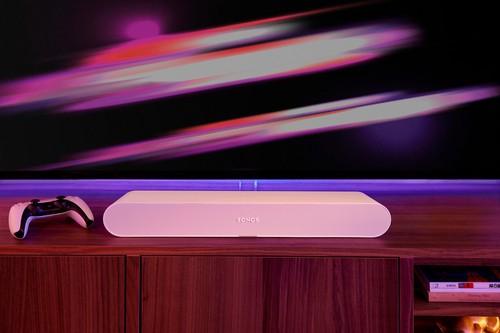
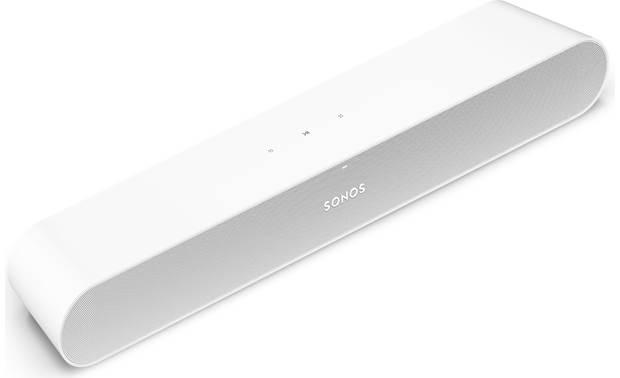
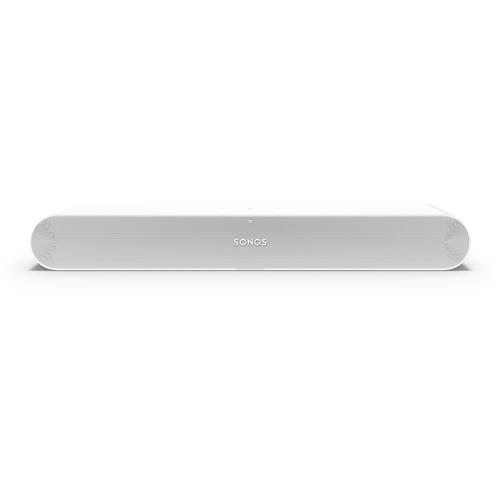
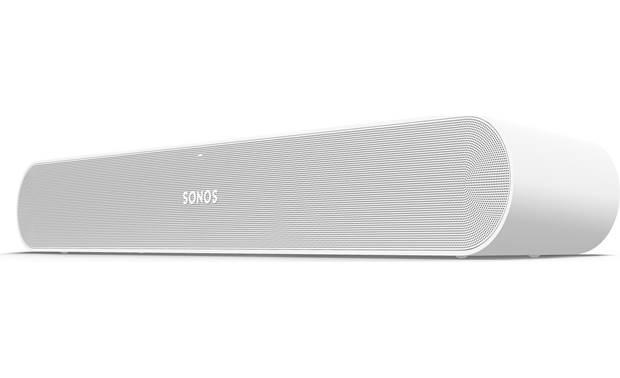
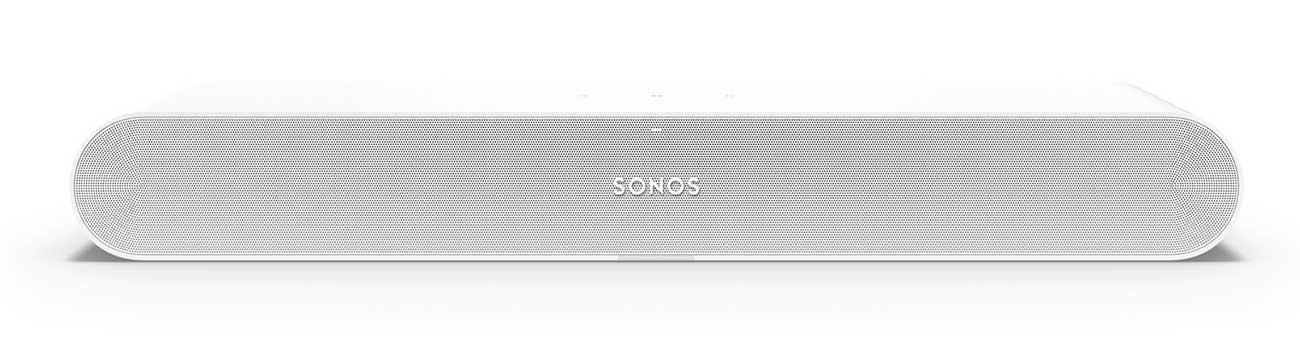
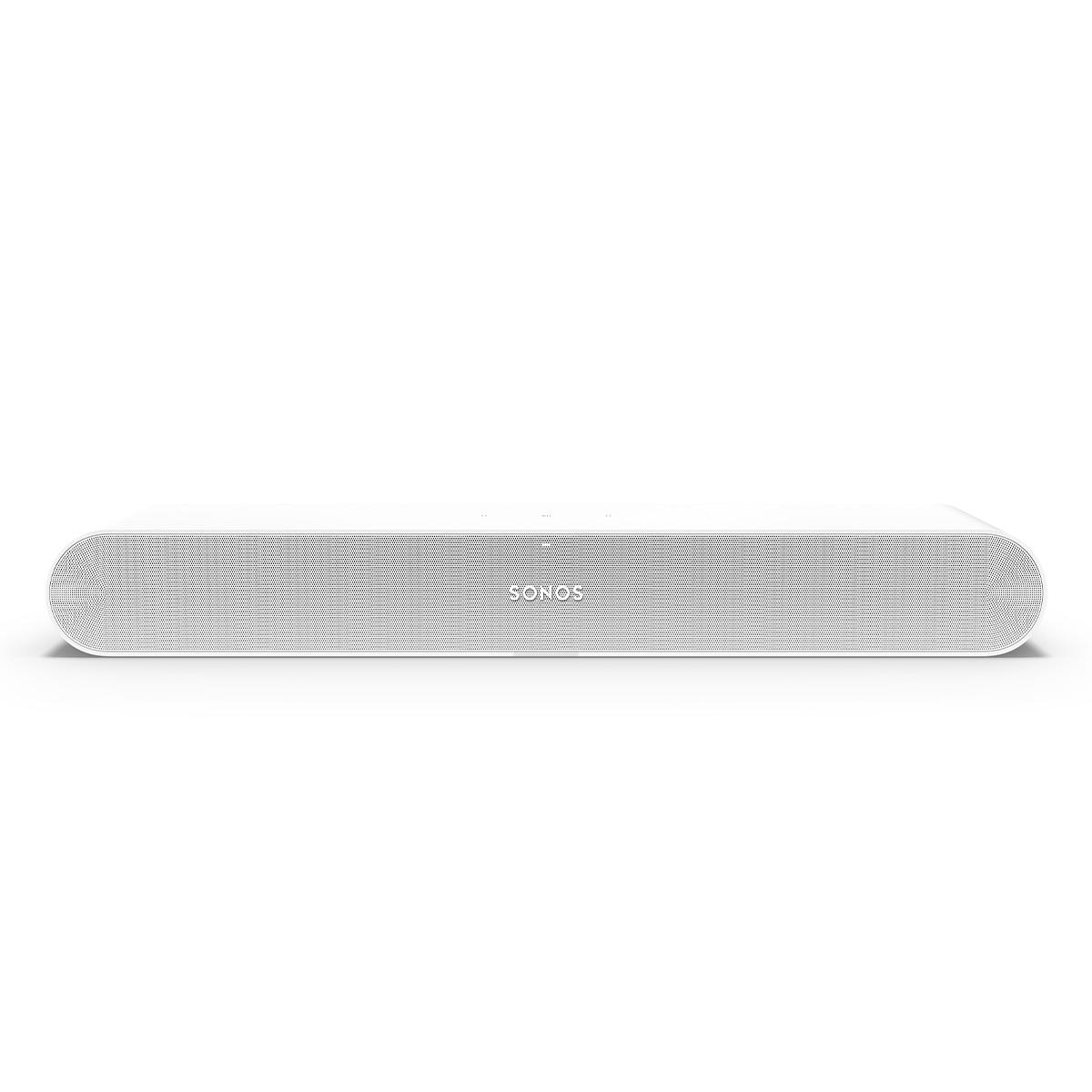
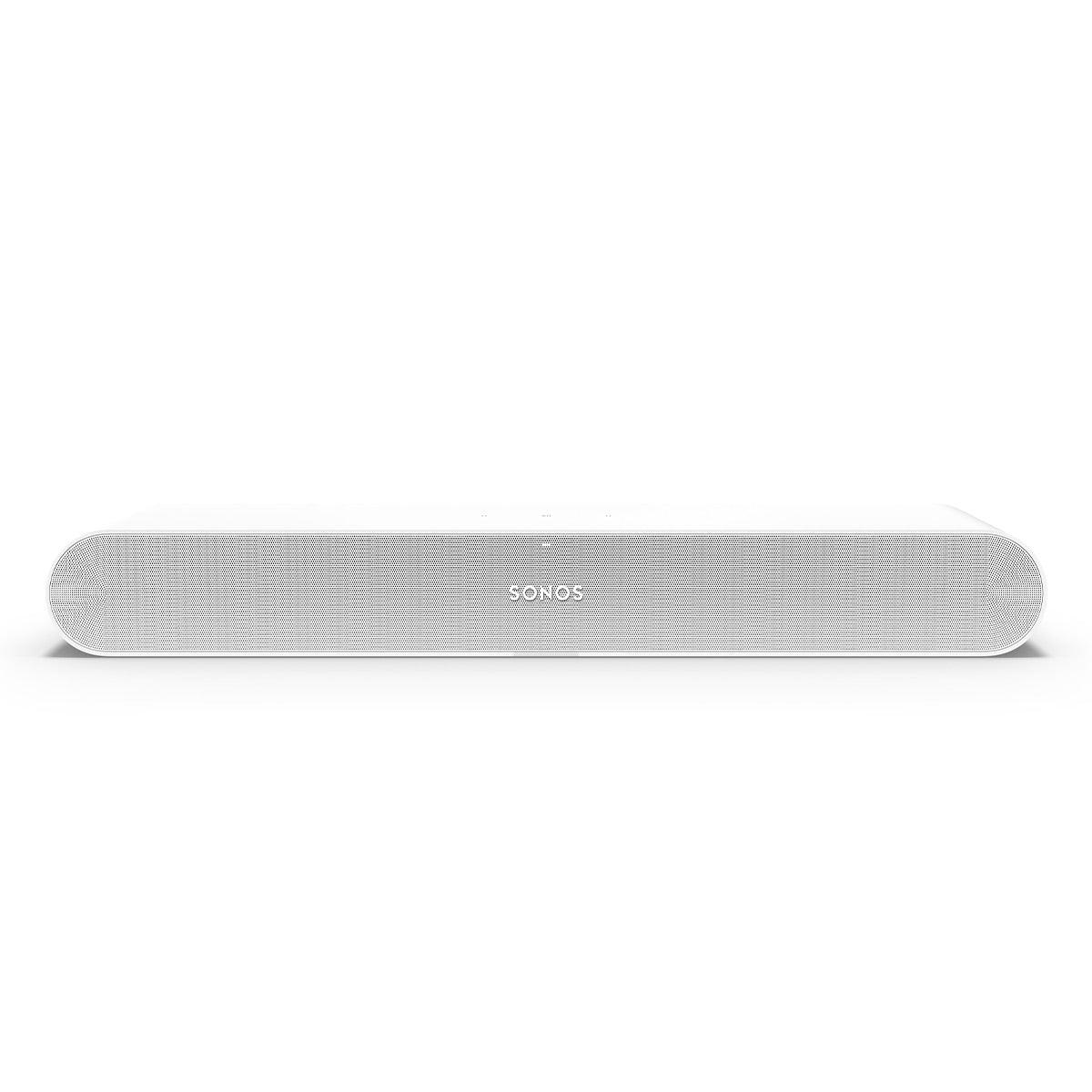
The Sonos Ray embodies Sonos's decades of experience in making speakers that sound bigger than they look. At roughly 22 inches wide, it's designed to fit in spaces where larger soundbars simply won't work – think TV stands with limited depth or wall-mounted setups in smaller rooms.
What makes the Ray special is its focus on getting the fundamentals right. It uses four Class-D digital amplifiers (these are efficient, cool-running amplifiers that take up less space than traditional designs) to power two tweeters for high frequencies and two mid-woofers for everything else. The clever part is Sonos's proprietary waveguide technology, which shapes how sound disperses from the tweeters to create better focus and clarity.
The bass reflex system deserves special mention. Instead of just stuffing drivers in a box, Sonos uses a carefully designed port system that minimizes distortion while maximizing the bass you can get from such a compact design. It's like having a larger speaker in a smaller package, though physics still limits how deep the bass can go.
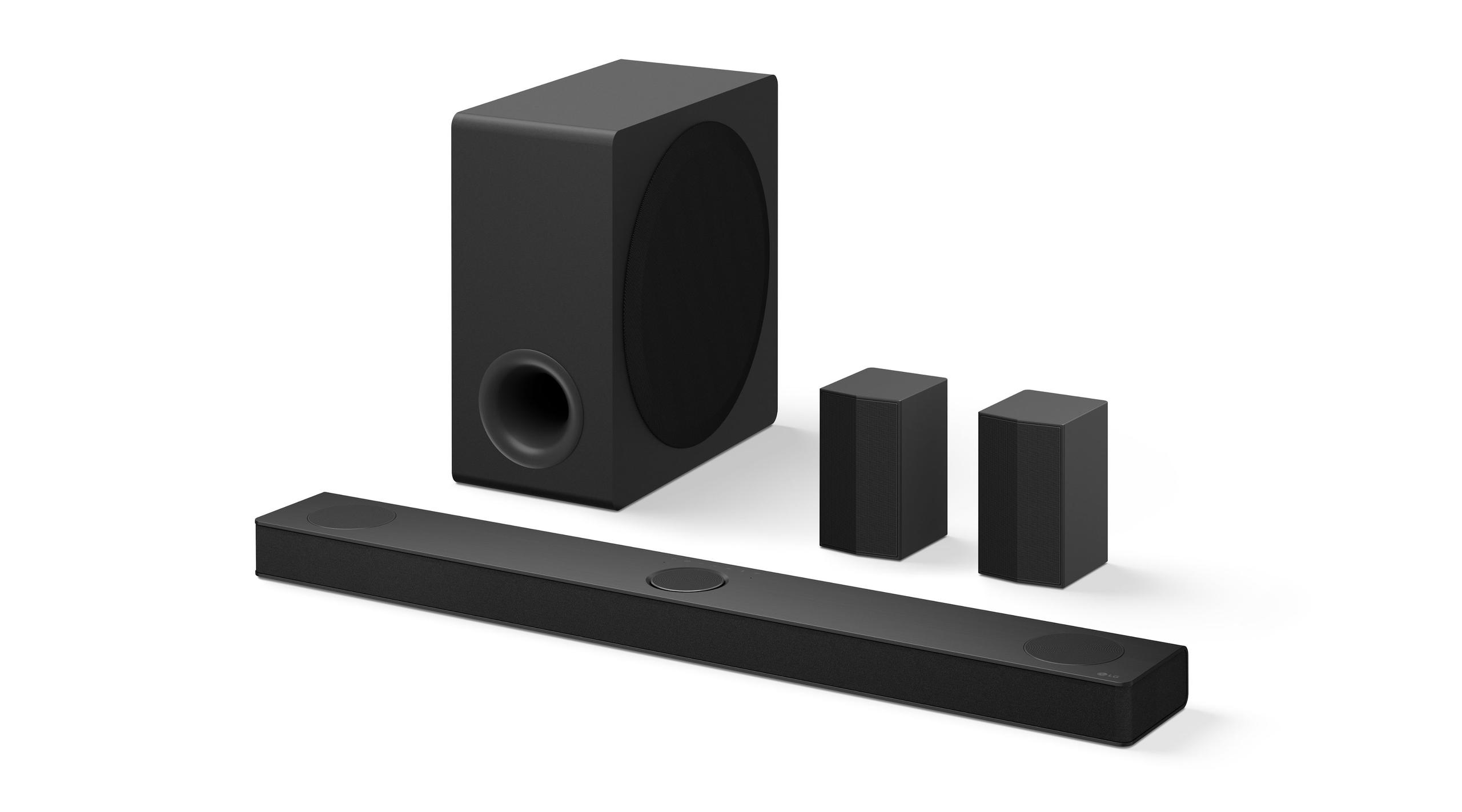
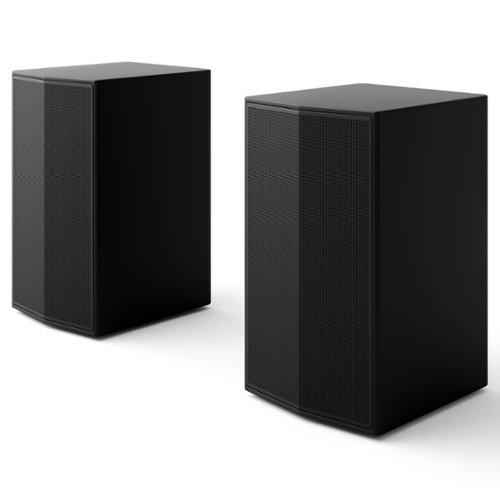
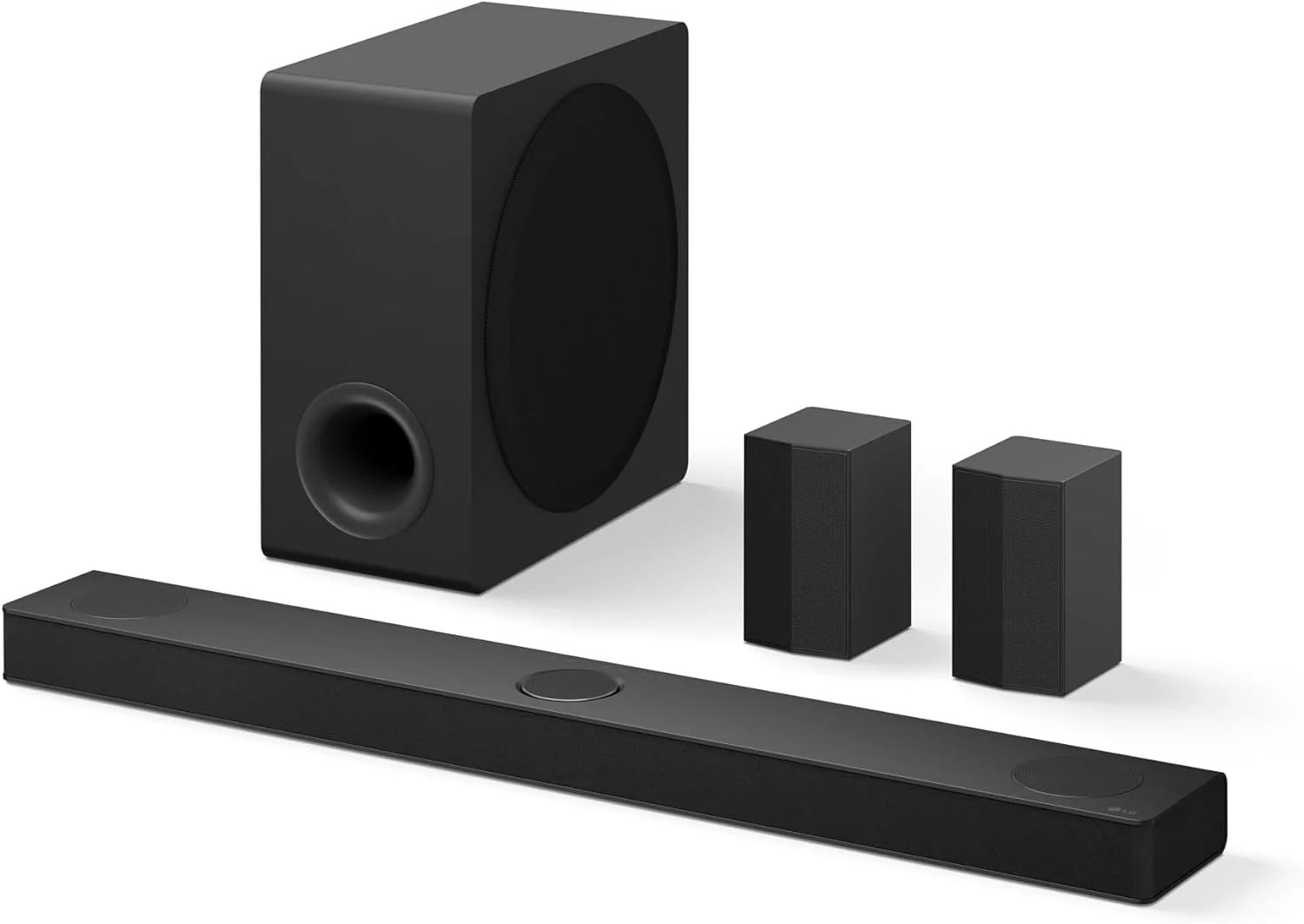
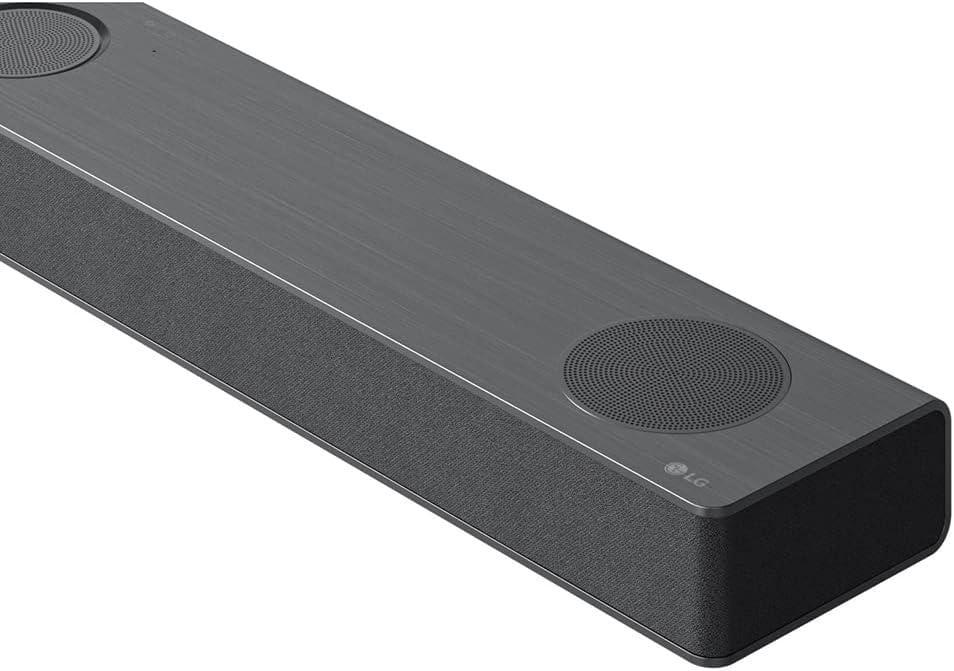
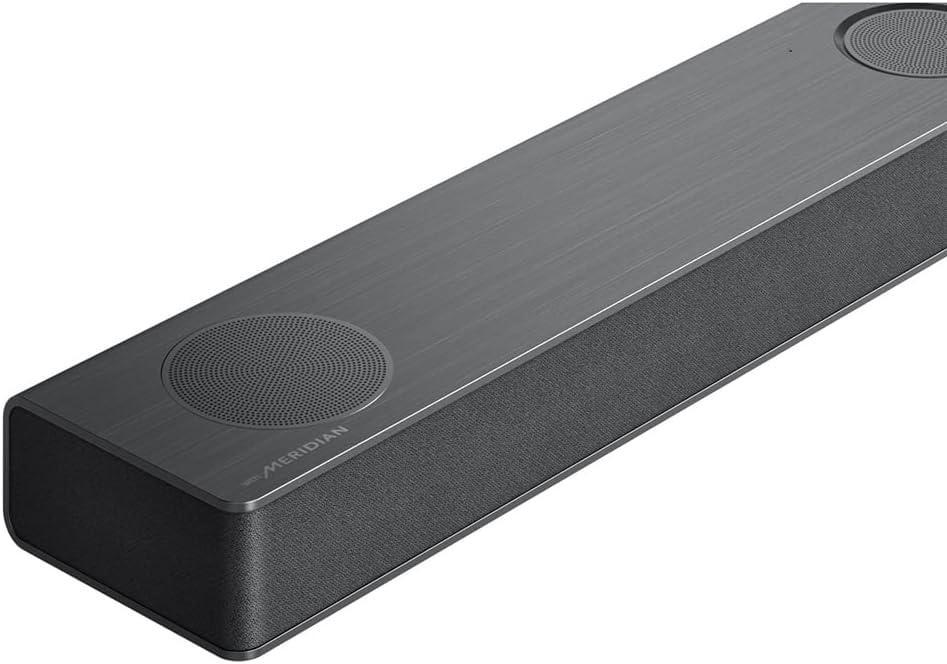
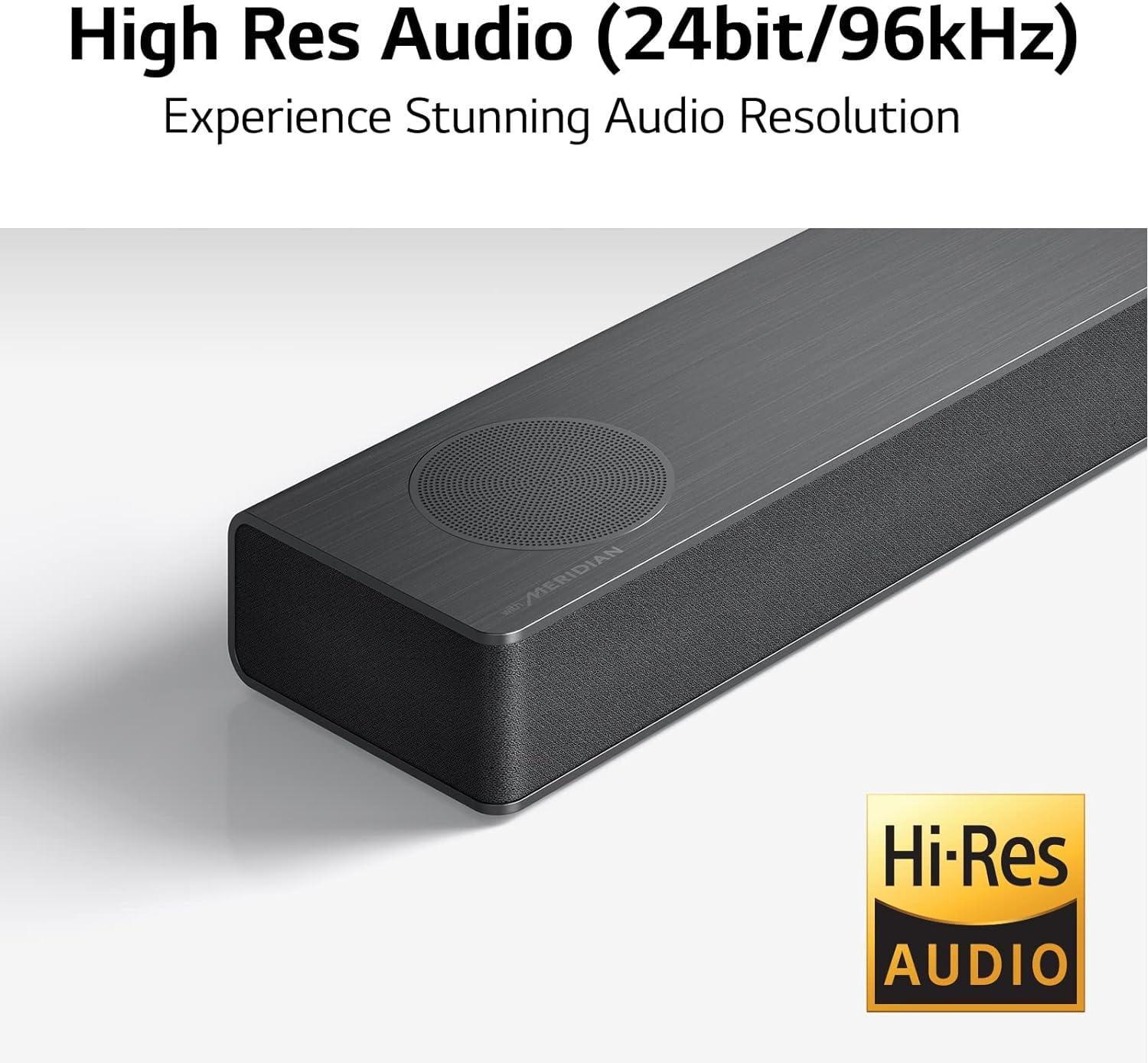
The LG S80TR takes a completely different approach. Rather than trying to do everything with one small bar, it embraces the reality that true surround sound requires speakers in multiple locations. The system includes a main soundbar, an 8-inch wireless subwoofer, and two wireless rear speakers that you position behind your seating area.
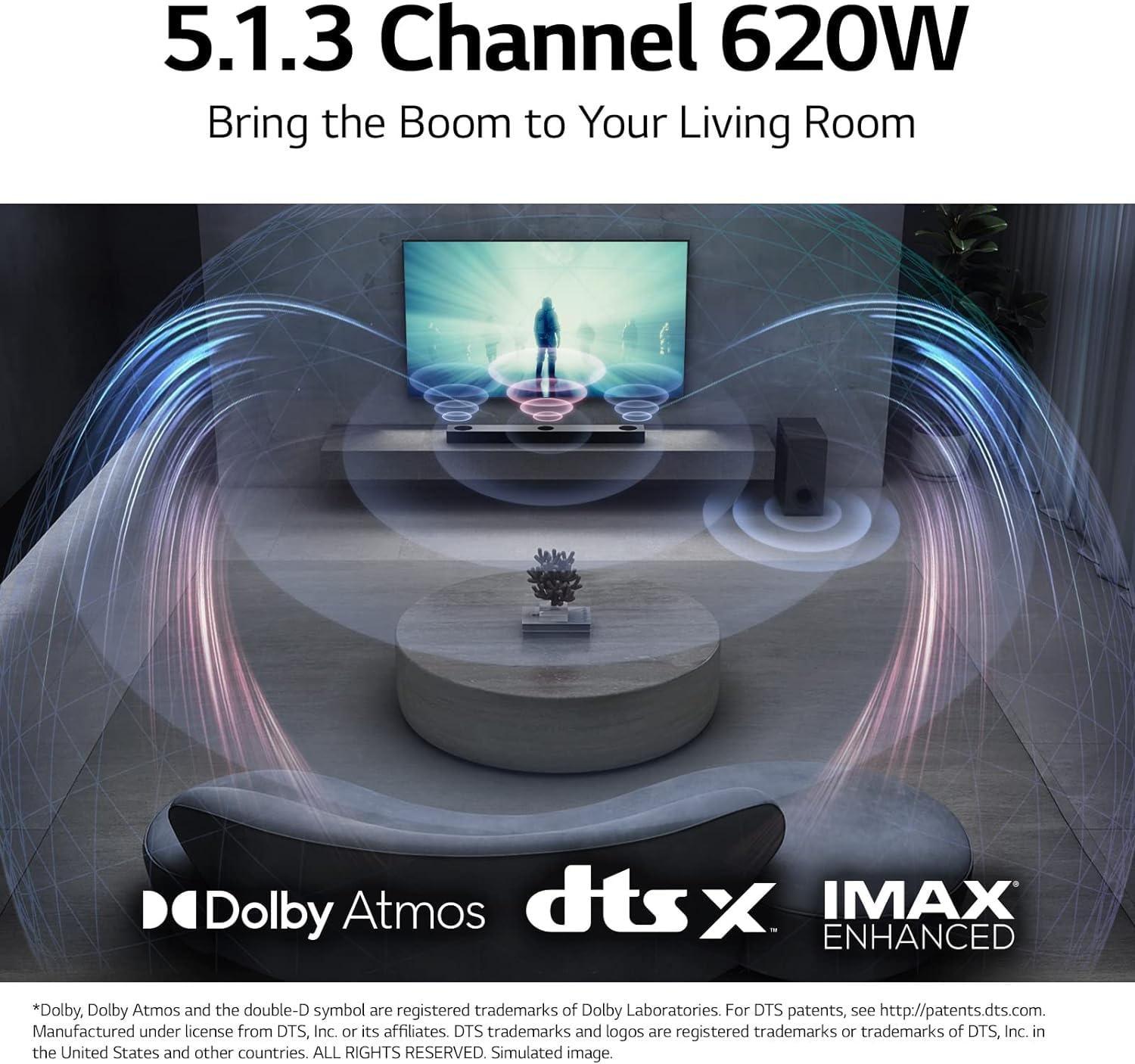
This 5.1.3 configuration breaks down like this: five main channels (left, center, right, and two surrounds), one subwoofer channel for deep bass, and three height channels for Dolby Atmos effects. Dolby Atmos is a newer audio format that adds height information to soundtracks, making helicopters sound like they're flying overhead or rain seem like it's falling from above.
The S80TR also includes up-firing drivers – speakers that bounce sound off your ceiling to create the illusion of height speakers mounted above you. While not as precise as actual ceiling speakers, this approach works surprisingly well in rooms with standard 8-10 foot ceilings.
If there's one thing that separates good soundbars from mediocre ones, it's dialogue clarity. Both products excel here, but for different reasons.
The Sonos Ray achieves exceptional vocal clarity through careful frequency tuning and its Speech Enhancement feature. When you enable this mode, the soundbar boosts the specific frequency ranges where human voices live (roughly 300Hz to 3kHz) while reducing competing frequencies. The result is dialogue that cuts through background music and sound effects with remarkable precision.
Having tested dozens of soundbars over the years, I can confidently say the Ray's dialogue clarity punches well above its price point. It's the kind of improvement that makes you wonder how you tolerated your TV's built-in speakers for so long.
The LG S80TR takes a different approach with its dedicated center channel. In true surround sound systems, the center channel handles most dialogue, keeping voices anchored to the screen even when other sounds move around the room. This physical separation of dialogue from other audio elements creates incredibly natural speech reproduction.
Both approaches work well, but the S80TR's dedicated center channel provides slightly more natural dialogue placement, especially when multiple characters are speaking simultaneously.
This is where the two products diverge most dramatically. The Sonos Ray can only produce so much bass given its compact size – it's adequate for most TV content and music but won't rattle your windows during action scenes. Physics is physics, and small speakers have bass limitations.
The LG S80TR includes an 8-inch wireless subwoofer that changes everything. This dedicated bass speaker can reproduce frequencies down to around 30Hz – low enough to feel the rumble of explosions, the thump of electronic music, and the subtle low-frequency information that makes audio feel more realistic.
The difference is immediately apparent when watching action movies. Scenes that sound restrained on the Ray come alive with physical impact on the S80TR. It's not just louder bass – it's more complete audio that engages both your ears and your body.
However, the S80TR's Bass Blast modes can be overwhelming in smaller rooms. I've found that the default settings often need adjustment to prevent bass from drowning out dialogue, especially in apartments with thin walls where excessive bass might disturb neighbors.
Here's where the fundamental difference between these products becomes crystal clear. The Sonos Ray is a stereo soundbar – it can create the illusion of sounds moving from left to right across your TV screen, but it cannot place sounds beside or behind you.
The LG S80TR provides genuine surround sound through its wireless rear speakers. When a car chase moves from the front of the screen to behind the characters, you actually hear it travel around your room. Rain falls from above through the height channels, and ambient sounds fill the space around you.
This difference is most noticeable with modern movie soundtracks and video games that use sophisticated audio mixing. The S80TR can reproduce the director's intent, while the Ray must compress all that spatial information into a stereo presentation.
That said, the Ray's stereo imaging is excellent for what it is. Sounds pan smoothly across the soundstage, and the wide dispersion creates a larger apparent sound field than most stereo soundbars achieve.
Gaming has become increasingly important for soundbar buyers, especially with newer consoles supporting advanced audio formats and high refresh rate displays.
The LG S80TR shines here with its HDMI eARC connection supporting 4K/120Hz passthrough, Variable Refresh Rate (VRR), and Auto Low Latency Mode (ALLM). These gaming features ensure minimal delay between your controller input and what you see and hear on screen – crucial for competitive gaming.
The Ray connects only via optical audio, limiting it to compressed audio formats and offering no gaming-specific features. While it works fine for casual gaming, serious gamers will appreciate the S80TR's full-bandwidth audio support and dedicated gaming sound mode.
Both soundbars offer modern connectivity, but with different strengths. The Sonos Ray integrates seamlessly with the Sonos ecosystem – if you already own Sonos speakers, the Ray becomes part of your whole-home audio system. You can group it with other Sonos speakers for synchronized music throughout your house, and the Sonos app provides reliable, intuitive control.
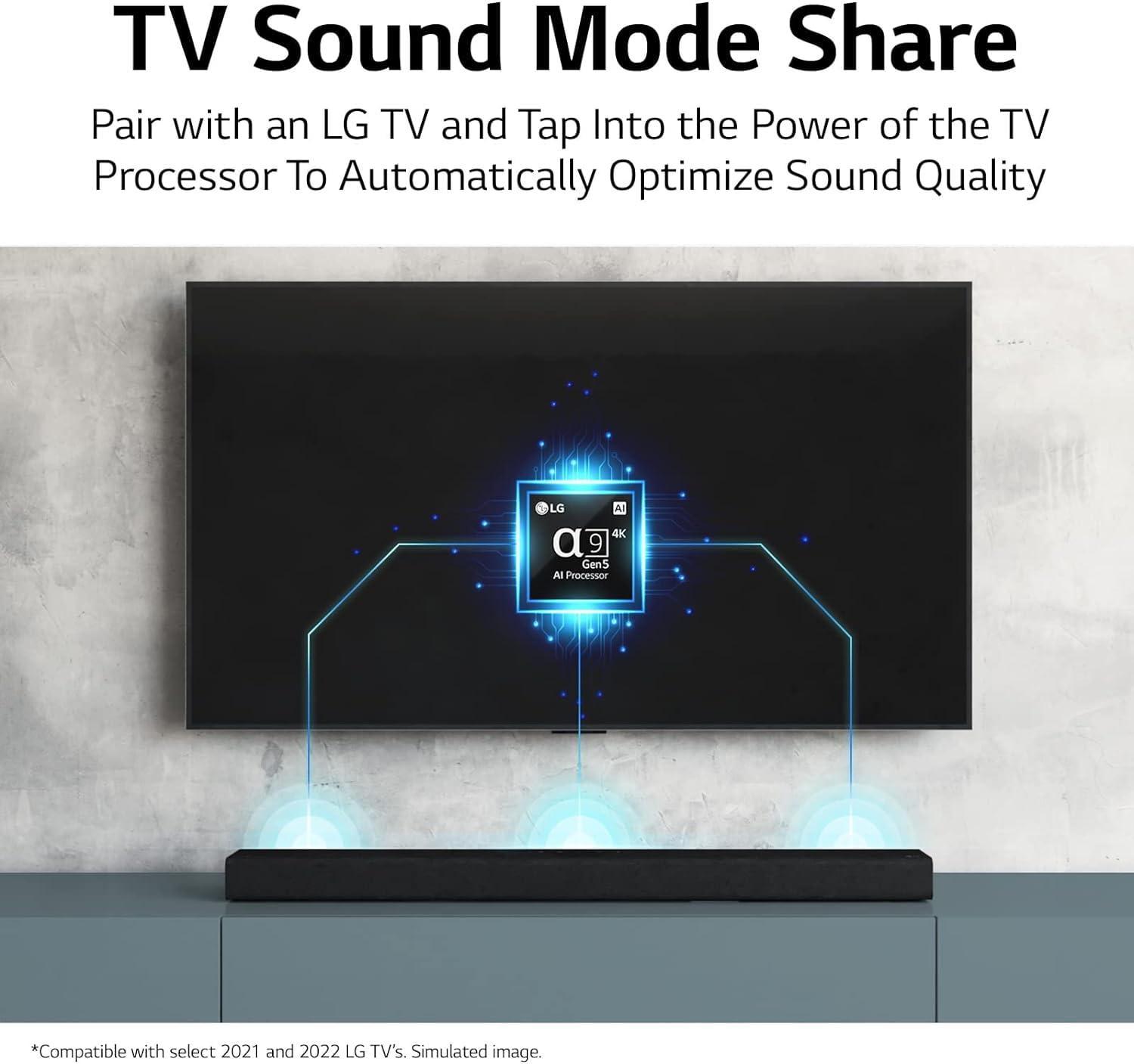
The S80TR offers broader smart home integration with built-in Alexa and Google Assistant support. It also includes Chromecast, AirPlay 2, and Spotify Connect, making it easy to stream music from virtually any device or service. The AI Room Calibration feature automatically adjusts the sound based on your room's acoustics – a helpful feature that the Ray achieves through its Trueplay technology (though Trueplay requires an iOS device).
Your room significantly influences which product makes sense. The Sonos Ray works beautifully in smaller spaces – bedrooms, kitchens, apartments, or anywhere space is at a premium. Its compact design fits in TV stands that can't accommodate larger soundbars, and since it's just one component, setup is straightforward.
The LG S80TR needs more space and planning. You'll need places for the subwoofer (preferably along a wall where it can interact with room boundaries for better bass) and the rear speakers (positioned behind your seating area). The wireless rear speakers eliminate the need for long cable runs, but you still need power outlets near each rear speaker location.
I've found the S80TR works best in medium to large rooms where the rear speakers have enough distance from the main bar to create convincing surround effects. In very small rooms, the benefit of rear speakers diminishes, and you might be better served by the Ray's focused stereo presentation.
At the time of writing, the price difference between these products reflects their different ambitions. The Sonos Ray represents excellent value for a premium stereo soundbar, especially given Sonos's reputation for long-term software support and build quality.
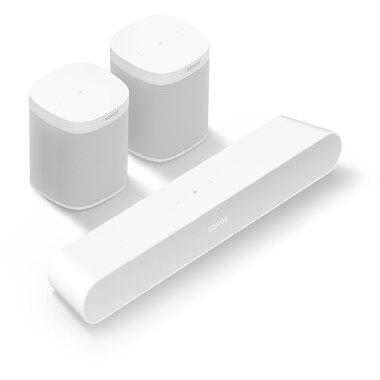
However, if you want to expand the Ray into a surround system later, costs escalate quickly. Adding Sonos's Sub Mini and rear speakers transforms a modest investment into a premium purchase that exceeds the S80TR's price significantly.
The LG S80TR provides remarkable value for what you get – a complete surround sound system with Dolby Atmos support for less than many premium soundbars alone. This makes it an excellent choice for buyers who know they want the full surround experience from day one.
After extensive testing with both products, here's my guidance:
Choose the Sonos Ray if you live in a smaller space, prioritize dialogue clarity and music listening, or want something that integrates with existing Sonos products. It's perfect for bedrooms, kitchens, or apartments where a full surround system would be overkill or impractical. The Ray also makes sense if you're budget-conscious initially but might expand your system gradually over time.
The LG S80TR makes more sense for dedicated home theater setups, larger rooms, or if you consume lots of action-heavy content. Gamers will appreciate its modern features, and anyone who wants immediate surround sound satisfaction will love having everything included. It's also the better choice if you don't already own Sonos products and want maximum features for your investment.
Both soundbars represent excellent engineering focused on different goals. The Sonos Ray proves that bigger isn't always better – sometimes focused excellence in a compact package delivers exactly what you need. The LG S80TR demonstrates that complete surround systems don't have to be complicated or expensive.
Your choice ultimately depends on your space, content preferences, and audio ambitions. If clear dialogue and quality music playback in a small package appeal to you, the Ray delivers that beautifully. If you want the full home theater experience with deep bass and surround effects, the S80TR provides incredible value for a complete system.
Either way, you'll enjoy a massive upgrade over built-in TV speakers and wonder why you waited so long to make the change.
| Sonos Ray Soundbar | LG S80TR 5.1.3 Channel Soundbar |
|---|---|
| Channel Configuration - Determines surround sound capability and immersion level | |
| 2.0 stereo (front-facing speakers only) | 5.1.3 with Dolby Atmos (true surround with height channels) |
| Included Components - What you get in the box affects total value | |
| Soundbar only | Soundbar + wireless subwoofer + wireless rear speakers |
| Room Size Suitability - Critical for optimal performance and placement | |
| Small to medium rooms (under 200 sq ft) | Medium to large rooms (200+ sq ft) |
| Bass Performance - Essential for action movies and music enjoyment | |
| Limited bass from compact drivers | Deep bass from dedicated 8-inch wireless subwoofer |
| Dialogue Clarity - Most important feature for TV and movie watching | |
| Exceptional with Speech Enhancement mode | Excellent with dedicated center channel |
| Gaming Features - Important for console and PC gaming setups | |
| Basic optical connection only | 4K/120Hz passthrough, VRR, ALLM support via HDMI eARC |
| Smart Features - Convenience and streaming capabilities | |
| Sonos ecosystem, AirPlay 2, Wi-Fi streaming | Built-in Alexa/Google, Chromecast, AirPlay 2, Spotify Connect |
| Setup Complexity - Time and effort required for installation | |
| Simple single-bar setup with optical cable | Multi-component system requiring rear speaker placement |
| Expandability - Future upgrade potential and cost | |
| Can add subwoofer and rears (expensive expansion) | Complete system included from start |
| Best Use Cases - Ideal scenarios for each product | |
| Apartments, bedrooms, dialogue-focused viewing | Home theaters, action movies, gaming setups |
The Sonos Ray is specifically designed for small rooms and compact spaces. Its 22-inch width fits easily on TV stands or wall mounts in apartments, bedrooms, and smaller living areas. The LG S80TR requires more space for its wireless subwoofer and rear speakers, making it better suited for medium to large rooms where the surround components have room to work effectively.
Both excel at dialogue clarity but use different approaches. The Sonos Ray offers exceptional vocal clarity through its Speech Enhancement feature and carefully tuned frequency response. The LG S80TR uses a dedicated center channel speaker specifically for dialogue, which provides natural speech reproduction and excellent clarity during multi-character scenes.
The Sonos Ray offers excellent value for a premium stereo soundbar, especially for smaller spaces. The LG S80TR provides exceptional value as a complete surround sound system, including everything you need for home theater audio at a competitive price point compared to building a similar system separately.
The LG S80TR is purpose-built for home theater use with true 5.1.3 surround sound, Dolby Atmos support, and deep bass from its included subwoofer. The Sonos Ray works well for casual TV watching but lacks the surround sound positioning and bass impact that make movies truly immersive in a dedicated home theater room.
We've done our best to create useful and informative comparisons to help you decide what product to buy. Our research uses advanced automated methods to create this comparison and perfection is not possible - please contact us for corrections or questions. These are the sites we've researched in the creation of this article: tomsguide.com - soundandvision.com - youtube.com - techradar.com - en.community.sonos.com - rtings.com - howtogeek.com - youtube.com - cnet.com - sonos.com - videoandaudiocenter.com - bestbuy.com - billsmith.com - brandsmartusa.com - avsforum.com - youtube.com - lg.com - buydig.com - louisdoehomecenter.com - lg.com - videoandaudiocenter.com - mynavyexchange.com - walts.com - bestbuy.com

Privacy Policy
Terms and Conditions - Affiliate Policy
Home Security
© Copyright 2008-2026.
11816 Inwood Rd #1211, Dallas, TX 75244