




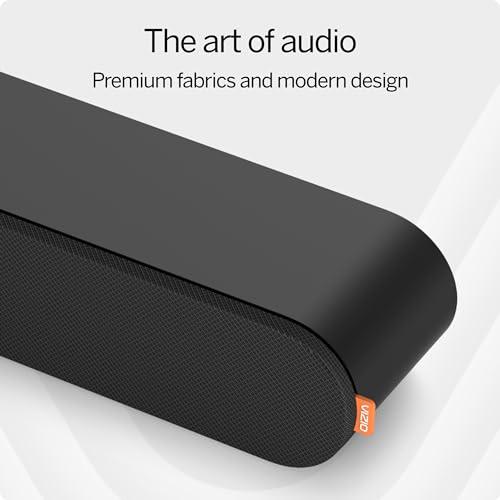
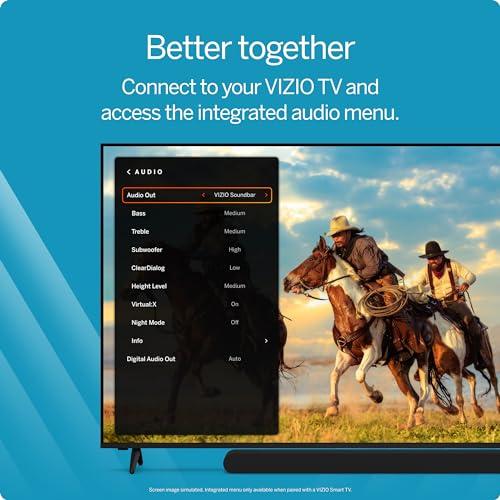
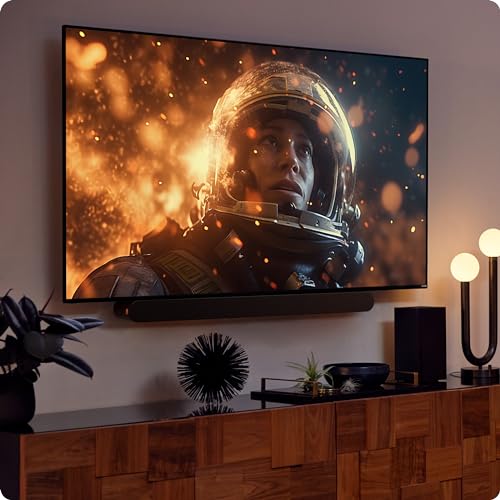
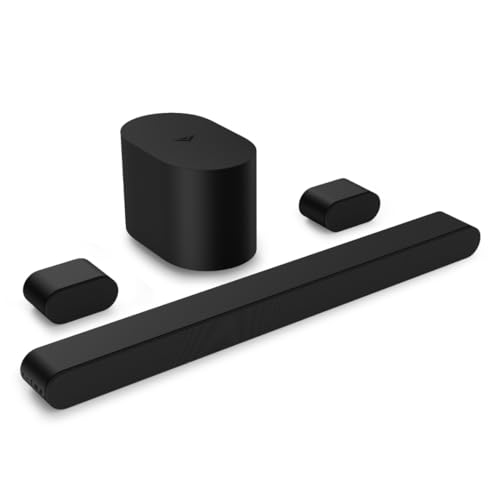

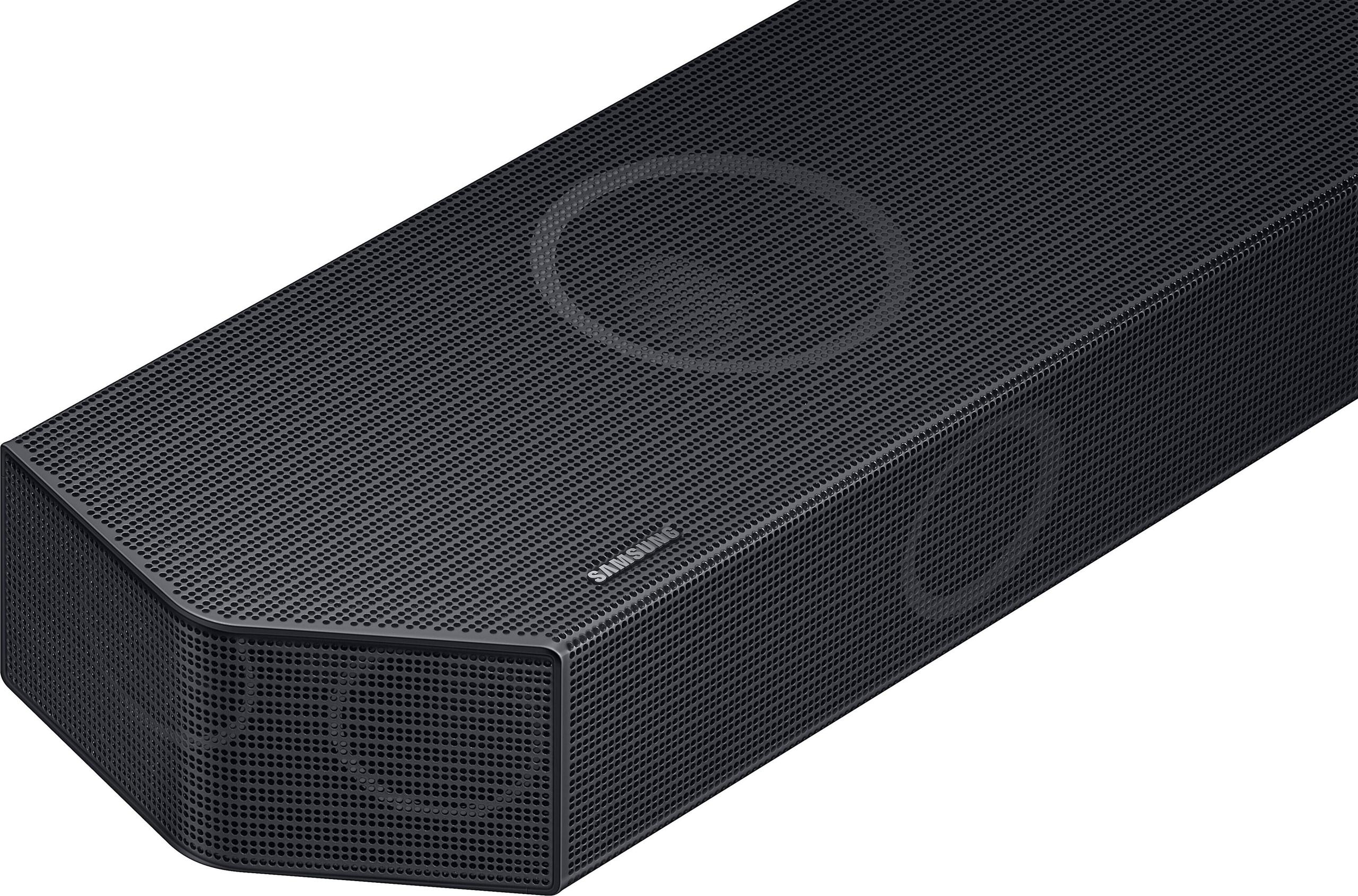




When your TV's built-in speakers sound like they're trapped in a tin can, it's time to consider a soundbar upgrade. But with options ranging from basic stereo units to complex multi-channel systems, choosing the right one can feel overwhelming. Today, we're diving deep into two very different approaches to home audio: the budget-friendly VIZIO 5.1 Soundbar SE and the feature-packed Samsung Q910D Q-Series.
These two soundbars represent opposite ends of the value spectrum, and understanding their differences will help you make the right choice for your living room and wallet.
Before we jump into specifics, let's talk about what actually matters when choosing a soundbar. The most important factor is channel configuration – this tells you how many discrete audio channels the system can produce. A 5.1 system has five main speakers (front left, center, front right, and two surrounds) plus one subwoofer for bass. The Samsung Q910D takes this further with a 9.1.2 setup, adding height channels that fire sound upward to bounce off your ceiling.
Room size compatibility is crucial too. A small soundbar might get lost in a large living room, while an overpowered system could overwhelm a cozy apartment. Content support matters because modern movies and shows increasingly use advanced audio formats like Dolby Atmos – a technology that places sounds in three-dimensional space around you, rather than just left and right.
The setup complexity varies dramatically between models. Some plug in with one cable and work immediately, while others require careful positioning of multiple speakers and room calibration. Finally, there's the eternal balance of value – getting the most performance for your investment.
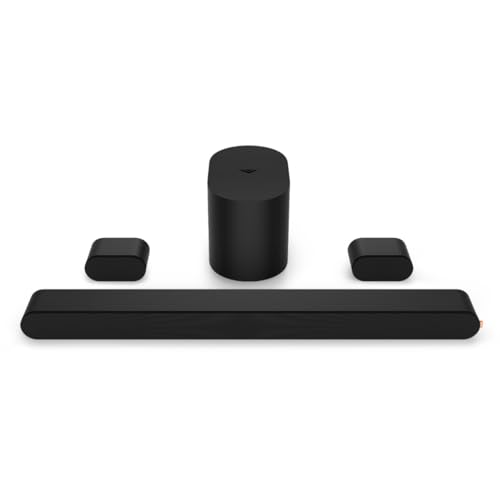
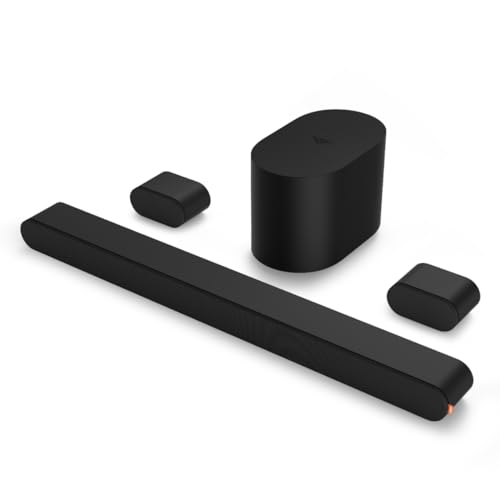
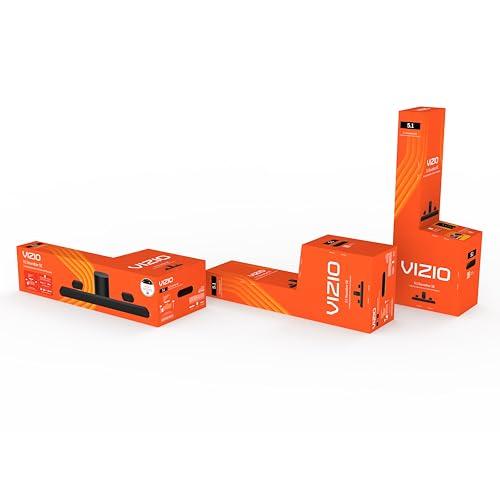
The VIZIO 5.1 Soundbar SE, released in 2023, represents VIZIO's commitment to making true surround sound accessible to everyone. At the time of writing, it sits in the budget category while still delivering a complete 5.1 experience with physical surround speakers – something many competitors skip to save costs.
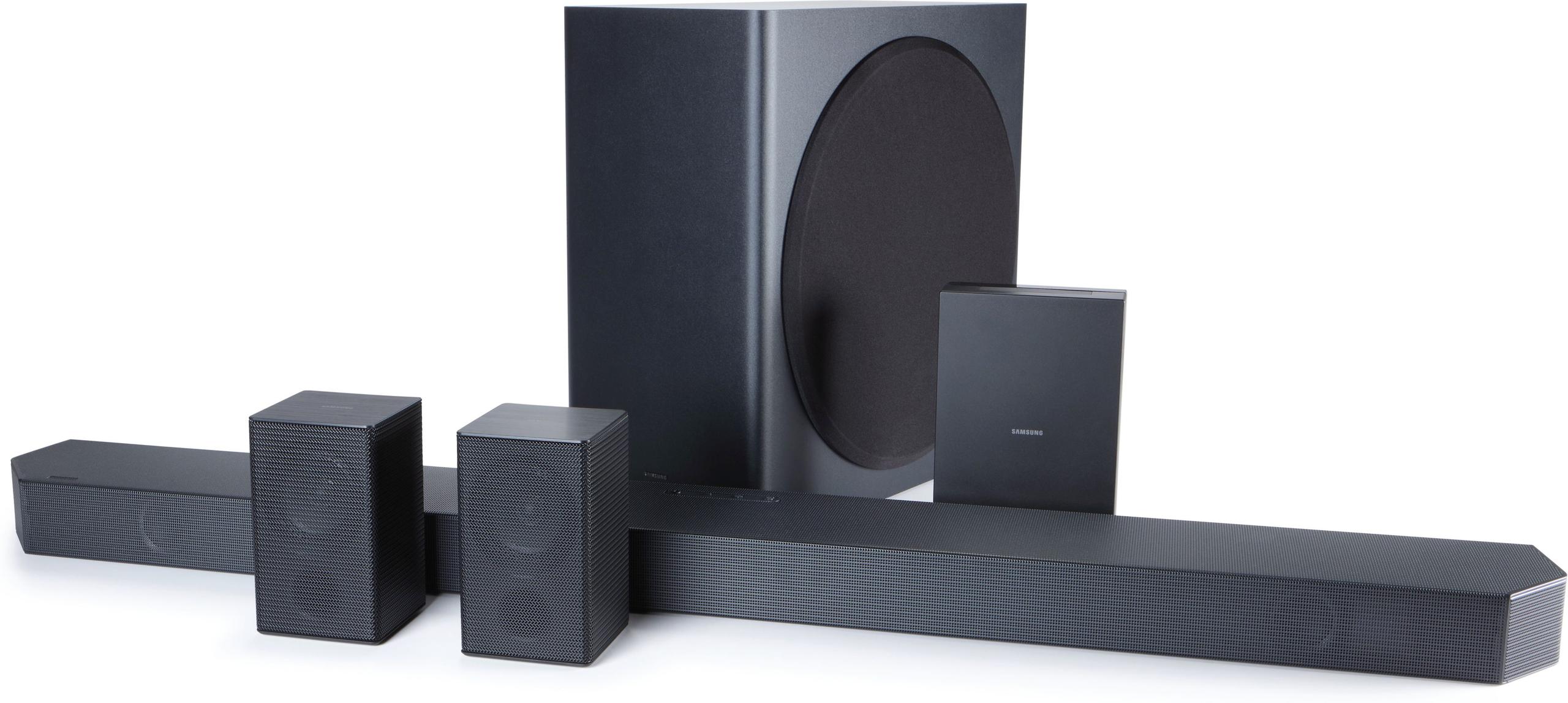
The Samsung Q910D, part of Samsung's 2024 Q-Series lineup, takes a decidedly premium approach. It's packed with cutting-edge features like room calibration, AI-powered sound processing, and seamless integration with Samsung's smart home ecosystem. This represents Samsung's evolution from simple soundbars to comprehensive audio solutions.
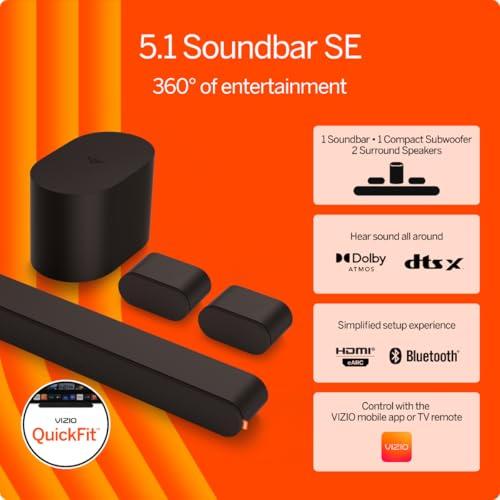
The VIZIO 5.1 SE delivers something remarkable for its price point: genuine surround sound. Unlike many budget soundbars that fake surround effects through digital processing, this system includes actual rear speakers that you place behind your seating area. This creates authentic positional audio – when a helicopter flies overhead in a movie, you'll hear it travel from front to back through real speakers, not virtual ones.
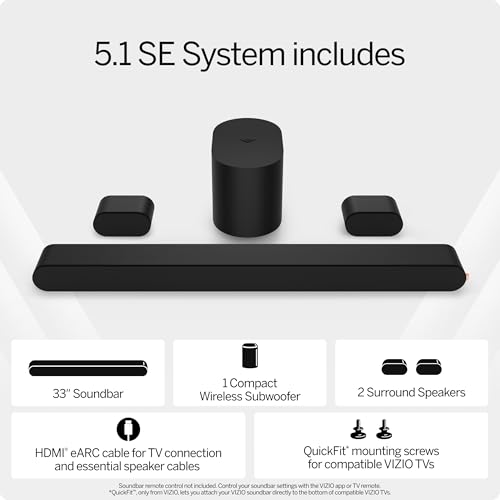
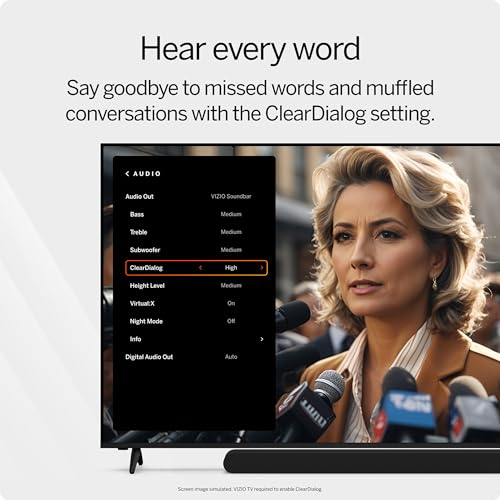
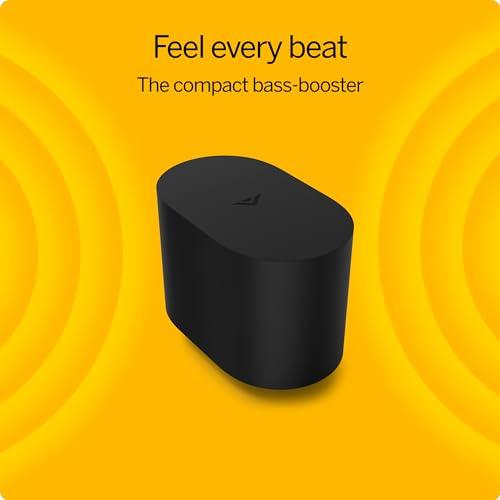
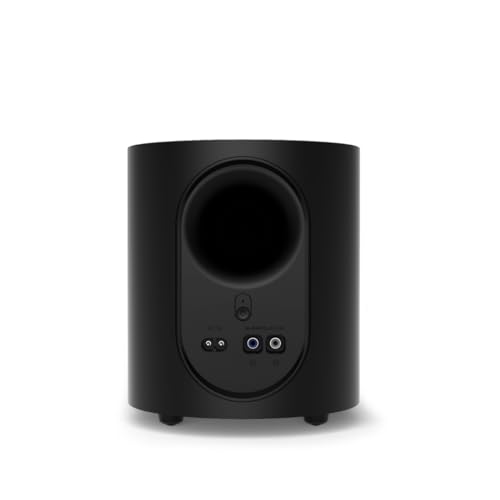
The system's 33-inch soundbar houses three full-range drivers handling the front left, center, and right channels. The center channel is crucial for dialogue clarity – it ensures actors' voices stay anchored to the screen rather than floating around your room. The wireless subwoofer reaches down to 50Hz, which covers the deep rumble of explosions and the low-end punch of music.
With a maximum output of 96 decibels, the VIZIO 5.1 SE can fill medium-sized rooms (up to about 300 square feet) without strain. In my experience, 96dB is plenty loud for most home use – it's roughly equivalent to standing next to a lawn mower, though much more pleasant.
The system supports Dolby Atmos, but here's where we need to be realistic about expectations. Since only the main soundbar has speakers, the "height" effects are created through psychoacoustic processing rather than dedicated upward-firing drivers. This means you'll get some sense of overhead sound, but it won't be as convincing as systems with dedicated height channels.
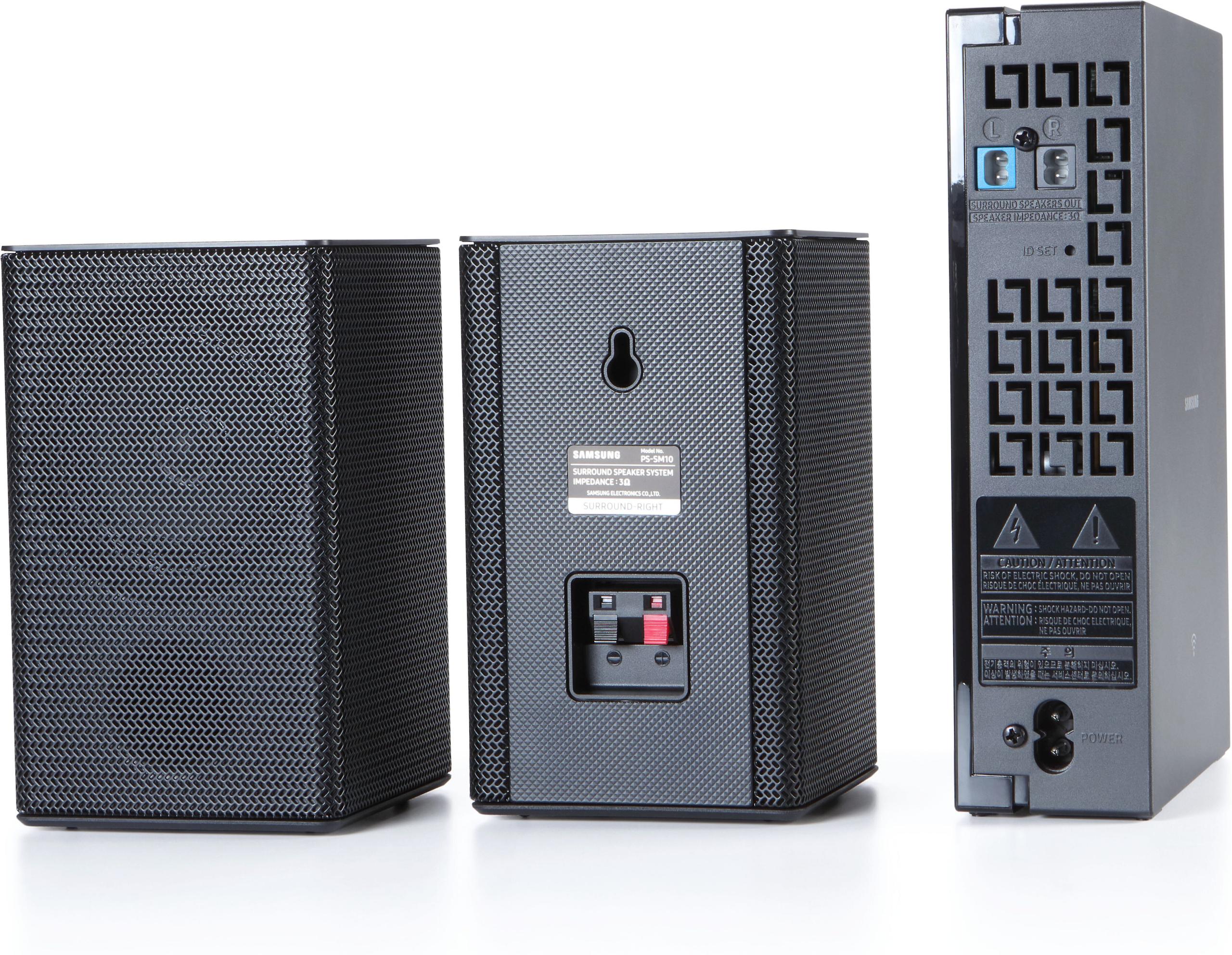
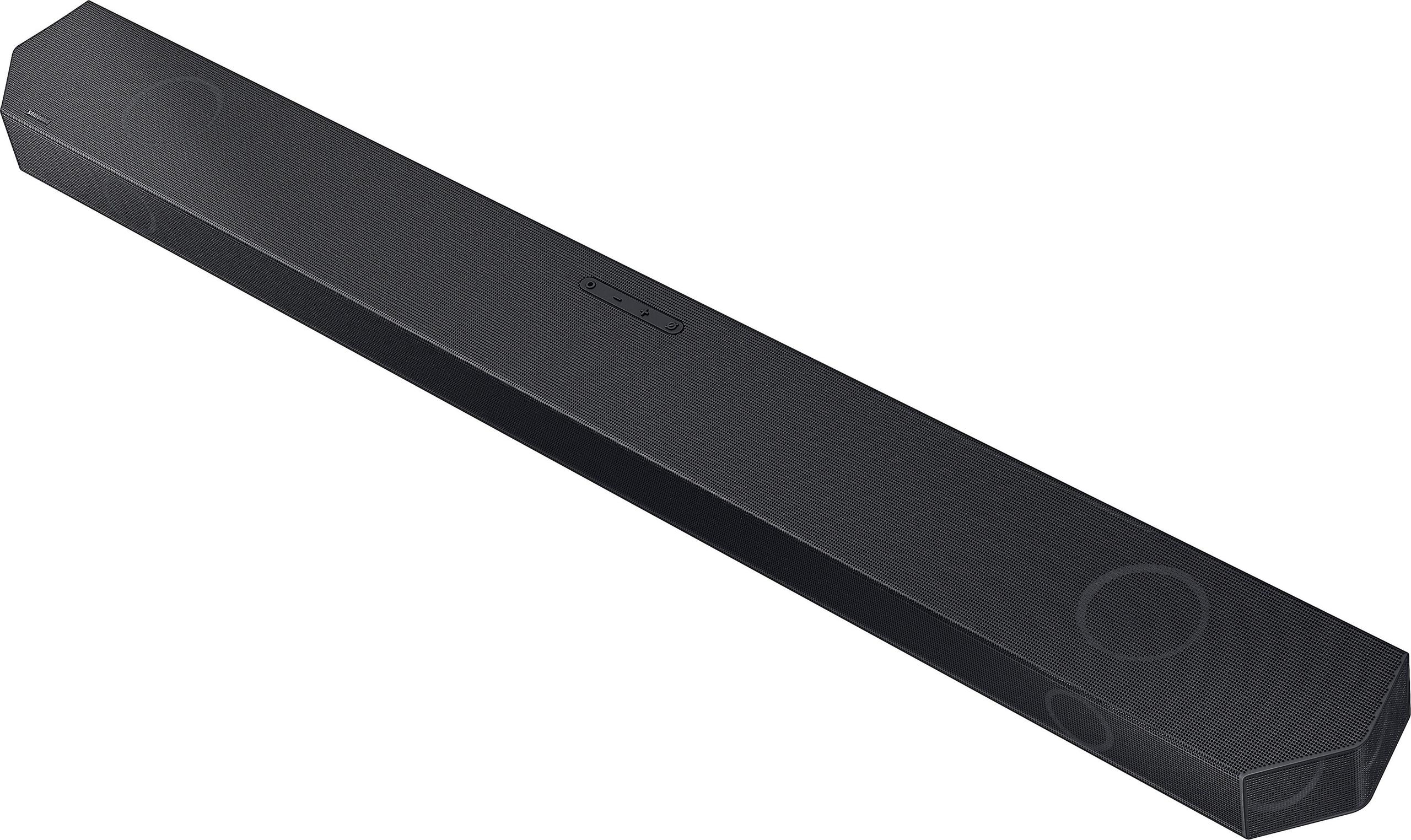
The Samsung Q910D plays in a completely different league. Its 9.1.2 configuration means nine main channels plus two dedicated height channels that actually fire sound upward. This creates what audio engineers call "true 3D audio" – sound that moves not just left and right or front and back, but also up and down around your listening position.
The difference is immediately noticeable with Dolby Atmos content. Rain sounds like it's actually falling from above, helicopters trace realistic paths through your room's airspace, and ambient sounds create a convincing bubble of audio around you. The additional channels also mean more precise sound placement – you can pinpoint exactly where different elements of a movie's soundtrack are positioned.
Samsung's SpaceFit Sound Pro technology automatically analyzes your room's acoustics and adjusts the audio accordingly. This isn't just marketing fluff – room acoustics significantly impact sound quality. Hard surfaces reflect sound waves while soft furnishings absorb them, and the Samsung Q910D compensates for these variations automatically.
The system also includes something called Q-Symphony, which coordinates the soundbar with your Samsung TV's built-in speakers. Instead of disabling the TV speakers (as most soundbars do), Q-Symphony uses them as additional channels in the audio mix. This effectively creates an even more immersive soundstage by utilizing every speaker in your entertainment setup.
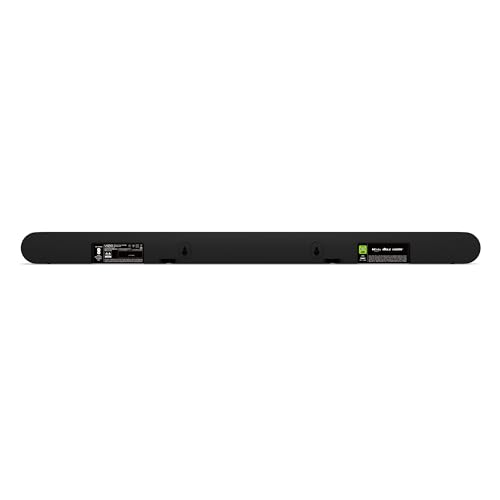
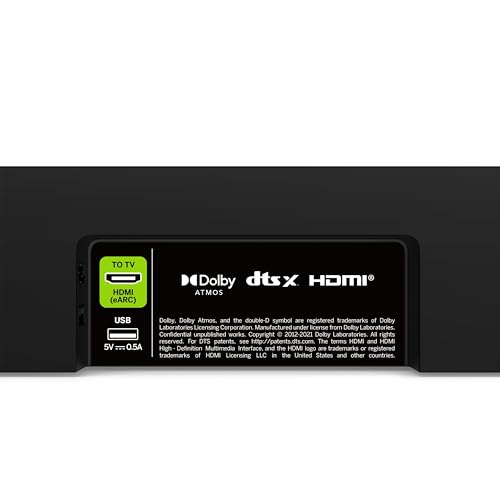
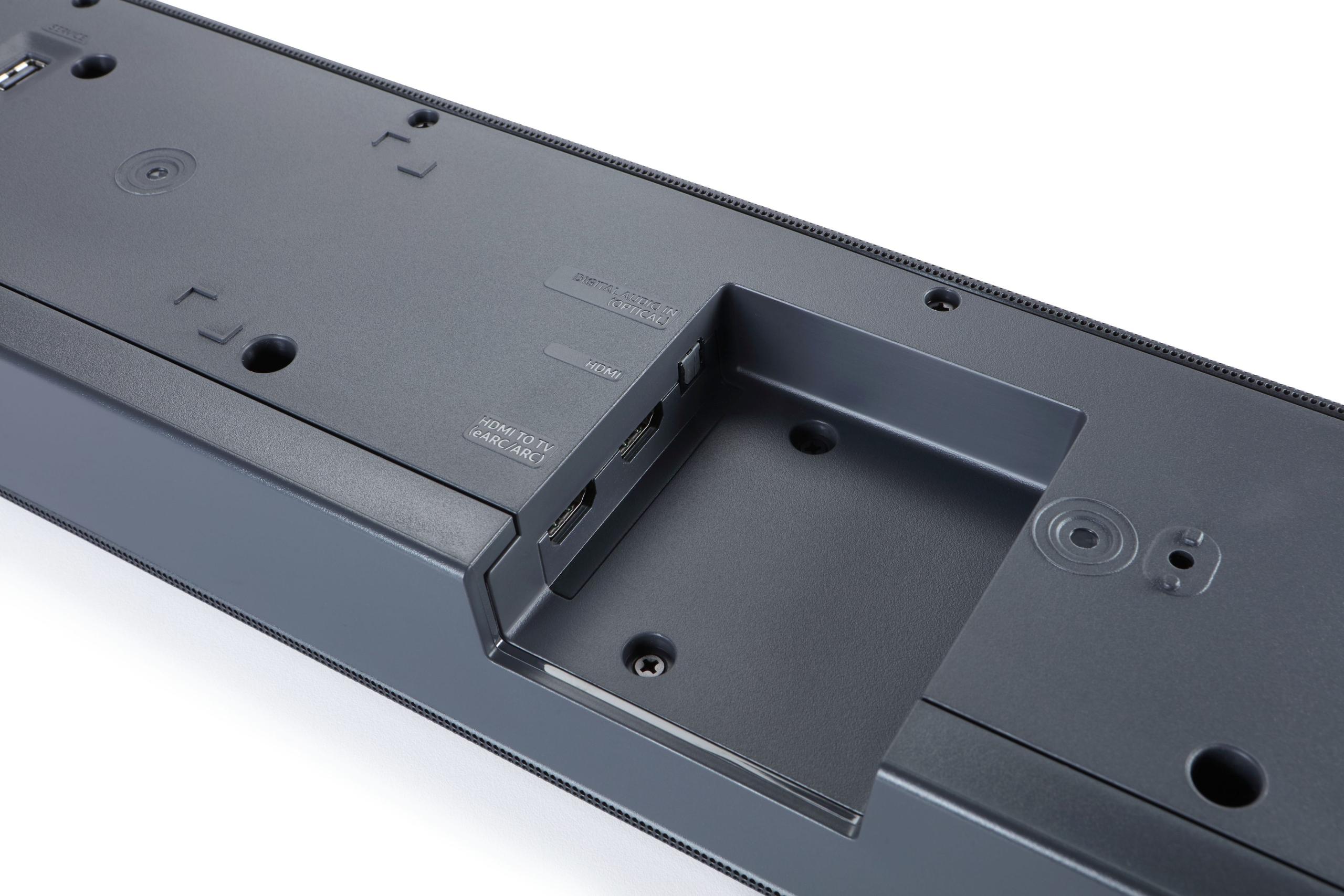
The VIZIO 5.1 SE keeps things relatively simple, which can be either a blessing or a limitation depending on your preferences. The system connects via a single HDMI eARC (enhanced Audio Return Channel) cable, which carries both audio from your TV and allows you to control volume with your existing TV remote. This is genuinely convenient – you're not juggling multiple remotes or learning new button layouts.
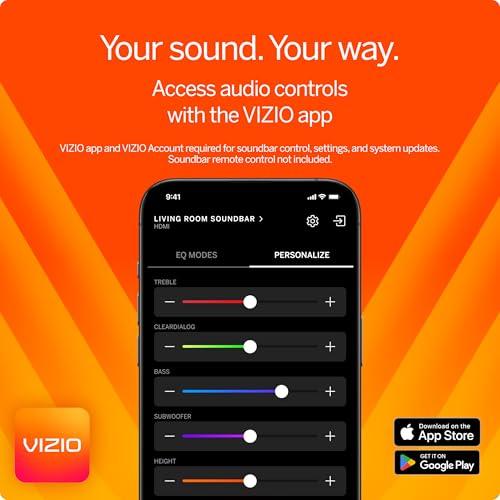
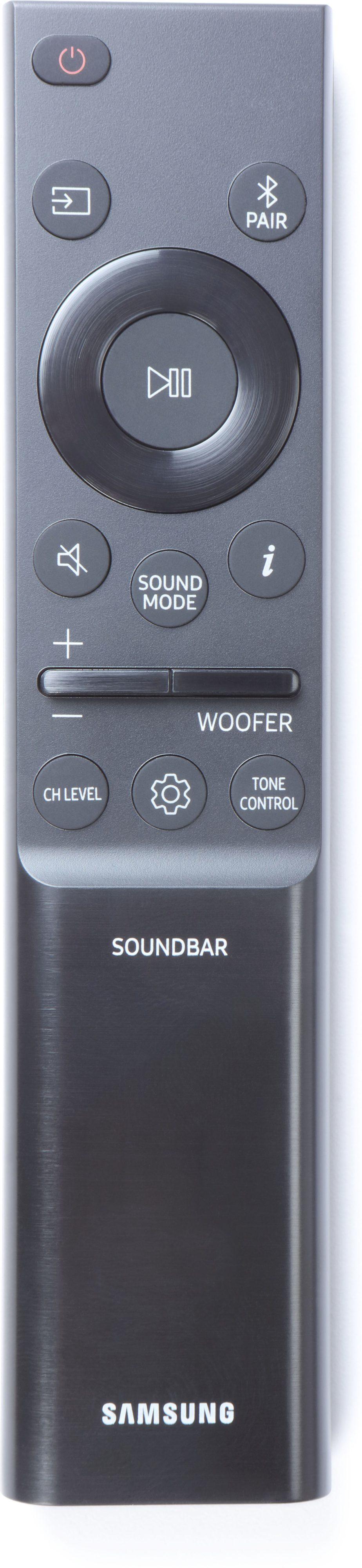
The VIZIO mobile app provides additional control and customization options. You can adjust bass and treble levels, modify surround sound intensity, and update the system's firmware. Notably, VIZIO sells the physical remote separately, which keeps the base price lower but means most users will rely on app or TV remote control.
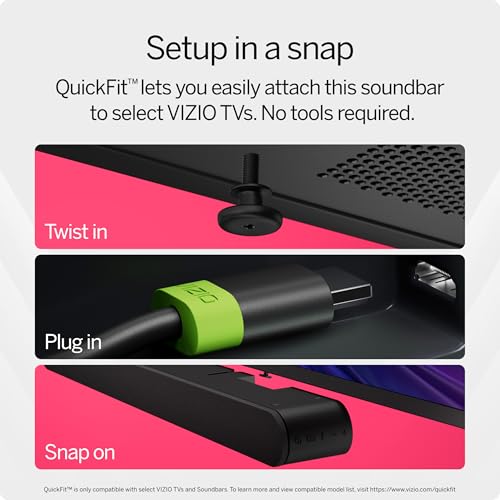
The QuickFit mounting system deserves mention for VIZIO TV owners. It allows the soundbar to attach directly to compatible VIZIO TVs without tools, creating a clean, integrated look. This attention to ecosystem compatibility shows VIZIO understands that many buyers want simplicity above all else.
The Samsung Q910D transforms your soundbar into a smart home hub. The SmartThings integration connects with over 100 compatible device brands, letting you control lights, temperature, and other smart devices through the same app that manages your audio.
Game Mode Pro automatically activates when it detects gaming content, optimizing audio for directional cues that help in competitive gaming. If you're playing a first-person shooter, for example, you'll more easily locate enemies based on their footsteps or gunfire. This isn't just a marketing gimmick – spatial audio genuinely improves gaming performance.
The Adaptive Sound feature uses AI to analyze whatever you're watching and adjust audio settings accordingly. News programs get enhanced dialogue clarity, action movies get more dynamic range, and music gets broader stereo imaging. This happens automatically without user intervention, which I appreciate since most people never adjust their audio settings manually.
Samsung's wireless connectivity options are extensive. The system can connect to your TV via Wi-Fi rather than cables, supports Bluetooth 5.2 for high-quality music streaming, and includes Chromecast built-in for easy casting from mobile devices. Apple users get AirPlay 2 support, while Spotify and Tidal subscribers can connect directly through their respective Hi-Fi services.
When evaluating soundbars, several technical specifications translate directly to real-world performance. Frequency response tells you how low and high the system can reproduce sound – humans can hear roughly 20Hz to 20,000Hz, so systems approaching these limits will sound more natural and complete.
Dynamic range measures the difference between the quietest and loudest sounds a system can produce simultaneously. This is crucial for movie watching, where you want to hear subtle dialogue clearly while still experiencing the full impact of explosions. Systems with poor dynamic range either lose quiet details or compress loud sounds unnaturally.
Total harmonic distortion (THD) measures how much the system changes the original audio signal. Lower numbers are better – anything under 1% is generally inaudible to human ears. Both systems we're discussing maintain low distortion at normal listening levels, though the Samsung Q910D likely handles higher volumes with less degradation due to its more robust amplification.
Sound pressure level (SPL) indicates maximum loudness. The VIZIO 5.1 SE's 96dB rating is adequate for most homes, while premium systems often exceed 100dB. However, remember that every 3dB increase requires double the amplifier power – it's an exponential scale, not linear.
Setting up the VIZIO 5.1 SE is refreshingly straightforward. The main soundbar connects to your TV with a single HDMI cable, the subwoofer pairs automatically when plugged in, and the surround speakers connect wirelessly after a brief pairing process. The entire setup typically takes under 30 minutes, including optimal speaker placement.
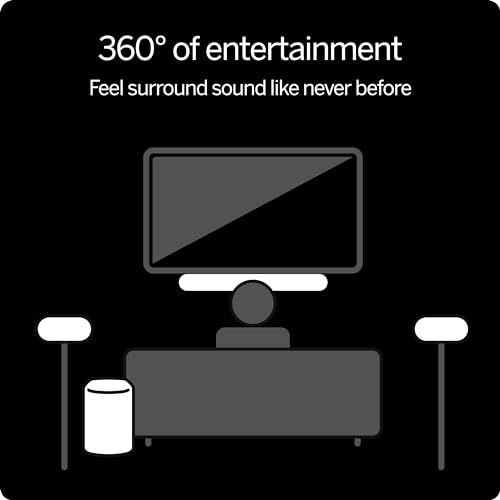
Speaker placement is crucial for surround systems. The rear speakers should ideally sit behind your main seating position at ear height, angled slightly toward your listening area. VIZIO provides basic guidance, but you'll need to experiment to find the sweet spot for your room layout.
The mobile app interface is clean and functional, though not particularly exciting. You get essential controls like volume, input selection, and basic EQ adjustments. Advanced users might find the customization options limited, but most people will find everything they need.
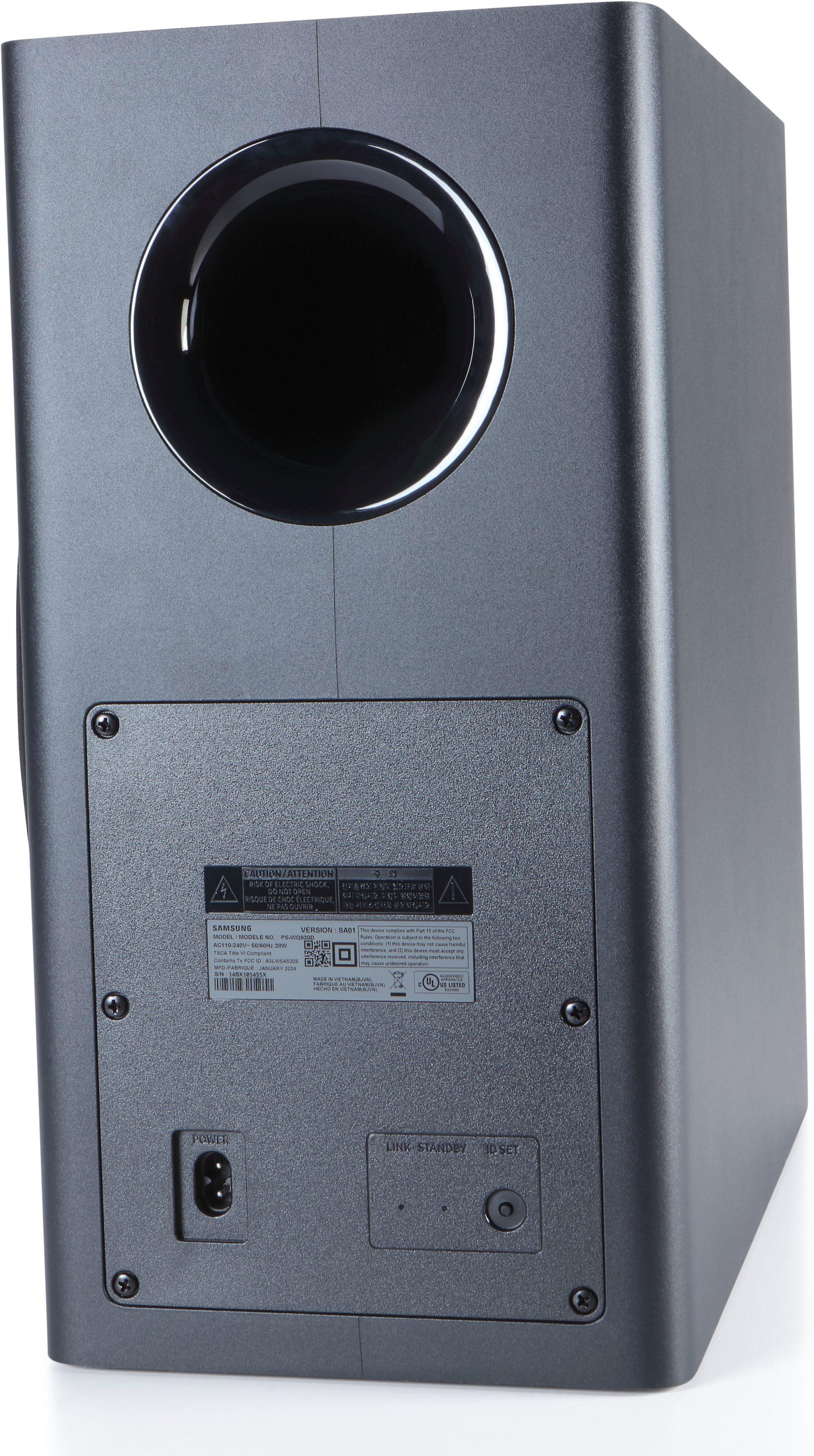
The Samsung Q910D requires more initial investment in setup time, but the payoff is substantial. After physical installation, the system runs through an automated calibration routine that optimizes performance for your specific room. This process uses the subwoofer's built-in microphone to analyze room acoustics and adjust frequency response accordingly.
The mobile app is significantly more sophisticated, offering detailed control over every aspect of performance. You can adjust individual channel levels, modify surround processing intensity, and even set up different profiles for various content types. The interface clearly benefits from Samsung's extensive experience in consumer electronics – it's intuitive despite its complexity.
For home theater enthusiasts, the Samsung Q910D offers professional-grade features typically found in much more expensive systems. The ability to fine-tune individual channel levels and delays means you can optimize performance even in challenging room layouts or with off-center seating positions.
If you're building a dedicated home theater space, both systems can work, but they serve different needs. The VIZIO 5.1 SE provides excellent value for smaller theaters (under 200 square feet) where budget constraints are primary concerns. Its authentic surround sound will significantly enhance the movie-watching experience compared to TV speakers or basic stereo soundbars.
However, larger theaters or rooms with challenging acoustics benefit enormously from the Samsung Q910D's advanced processing and room correction capabilities. The additional height channels create the immersive experience that makes home theater worthwhile, while the automated calibration ensures optimal performance regardless of room quirks.
For serious home theater applications, consider that the Samsung Q910D includes features like Game Mode Pro that automatically optimizes settings for different content types. This means switching from movies to gaming to music happens seamlessly without manual adjustments.
Budget-conscious families who want genuine surround sound without breaking the bank. At the time of writing, this system delivers authentic 5.1 audio at a price point where most competitors offer only stereo or virtual surround.
Apartment dwellers will appreciate the system's moderate power output and compact components. The wireless subwoofer can tuck into corners, and the small surround speakers won't dominate your living space.
First-time soundbar buyers benefit from the VIZIO 5.1 SE's straightforward operation. There's no complex calibration or overwhelming feature set – just significantly better audio than your TV provides.
VIZIO TV owners get additional integration benefits through the QuickFit mounting system and optimized remote control compatibility.
Audio enthusiasts who want the latest technology and best possible performance. The 9.1.2 configuration with dedicated height channels delivers genuinely immersive audio that budget systems can't match.
Large room owners need the Samsung Q910D's substantial power output and room correction capabilities. Systems without these features often sound thin or unbalanced in spaces over 300 square feet.
Smart home integrators benefit from extensive connectivity options and SmartThings compatibility. If you're building a connected home ecosystem, this soundbar becomes a valuable hub rather than just an audio device.
Samsung TV owners can maximize Q-Symphony benefits, essentially gaining additional audio channels from their TV's built-in speakers.
Gamers should consider the specialized Game Mode Pro features, which provide competitive advantages in spatial audio games.
Both systems represent significant improvements over their predecessors, but in different ways. VIZIO has focused on making genuine surround sound more affordable – five years ago, getting physical rear speakers at this price point was nearly impossible. Their achievement lies in engineering costs out of the system while maintaining performance integrity.
Samsung's evolution follows the premium path, incorporating cutting-edge processing and smart home integration. The 2024 Q-Series represents years of refinement in room calibration algorithms, wireless connectivity, and AI-powered audio processing. Features like SpaceFit Sound Pro and Q-Symphony were experimental concepts just a few years ago but are now mature, reliable technologies.
The broader industry trend shows soundbars becoming more sophisticated while entry-level options become more capable. This creates excellent opportunities for consumers – you can get genuine surround sound at budget prices or premium features that rival dedicated home theater systems.
Ultimately, your choice comes down to priorities and circumstances. The VIZIO 5.1 SE delivers exceptional value, providing authentic surround sound that transforms your TV watching experience without requiring a significant financial investment. It's honest about what it offers – genuine 5.1 audio with solid build quality and straightforward operation.
The Samsung Q910D justifies its premium positioning through advanced technology and comprehensive features. If you want the best possible audio quality, sophisticated smart home integration, and cutting-edge processing capabilities, the price difference becomes worthwhile.
Consider your room size, budget constraints, and feature priorities carefully. Both systems will dramatically improve your audio experience compared to TV speakers, but they serve different needs and expectations. The VIZIO 5.1 SE excels at delivering core surround sound functionality, while the Samsung Q910D provides a comprehensive audio solution with room to grow as your needs evolve.
In my experience, most people are happiest when they choose based on their actual needs rather than aspirational ones. If you primarily watch TV and occasional movies in a medium-sized room, the VIZIO system provides everything you need. If you're building a premium entertainment setup or have a large, acoustically challenging space, the Samsung system's advanced capabilities become essential rather than luxury features.
| VIZIO 5.1 Soundbar SE | Samsung Q910D Q-Series 9.1.2 |
|---|---|
| Channel Configuration - Determines surround sound immersion and positioning accuracy | |
| 5.1 channels with physical rear speakers | 9.1.2 channels with dedicated height speakers |
| Dolby Atmos Implementation - Creates overhead sound effects for movie immersion | |
| Virtual processing from front soundbar only | True 3D with dedicated up-firing drivers |
| Room Size Compatibility - Maximum effective coverage area | |
| Medium rooms up to 300 sq ft | Large rooms over 400 sq ft |
| Maximum Sound Output - How loud the system can play without distortion | |
| 96dB SPL (adequate for most homes) | Higher output suitable for large spaces |
| Smart Features - Convenience and integration capabilities | |
| Basic app control, HDMI eARC, QuickFit mounting | Q-Symphony, SpaceFit Sound Pro, SmartThings hub |
| Setup Complexity - Time and effort required for optimal performance | |
| Simple plug-and-play, manual speaker placement | Automated room calibration with advanced positioning |
| Subwoofer Design - Bass performance and placement flexibility | |
| Compact wireless, 50Hz low frequency response | Advanced wireless with room correction |
| TV Integration - How well it works with your existing TV setup | |
| Universal HDMI eARC, optimized for VIZIO TVs | Q-Symphony with Samsung TVs, universal compatibility |
| Gaming Features - Specialized audio modes for gaming performance | |
| Standard audio processing | Game Mode Pro with directional audio enhancement |
| Value Proposition - Performance per dollar at time of writing | |
| Exceptional value for true 5.1 surround | Premium features justify higher investment |
The VIZIO 5.1 Soundbar SE offers exceptional value by delivering true 5.1 surround sound with physical rear speakers at a budget-friendly price point. The Samsung Q910D Q-Series provides premium features like room calibration, AI processing, and 9.1.2 channels that justify its higher cost for those wanting cutting-edge performance.
The VIZIO 5.1 SE has 5 main speakers plus 1 subwoofer, creating surround sound around you. The Samsung Q910D adds 4 more channels and 2 height channels (9.1.2), placing sounds above you as well as around you for true 3D audio immersion.
Yes, both the VIZIO 5.1 Soundbar SE and Samsung Q910D Q-Series support Dolby Atmos. However, the VIZIO uses virtual processing to simulate height effects, while the Samsung has dedicated up-firing speakers for more convincing overhead sound placement.
The VIZIO 5.1 SE is significantly easier to set up with simple plug-and-play installation and basic speaker placement. The Samsung Q910D requires more initial setup time but includes automated room calibration that optimizes performance for your specific space.
The Samsung Q910D Q-Series is better suited for large rooms over 300 square feet, with higher power output and room correction technology. The VIZIO 5.1 Soundbar SE works best in medium-sized rooms up to 300 square feet.
The Samsung Q910D offers advanced smart features including Q-Symphony TV integration, SpaceFit Sound Pro room calibration, SmartThings hub functionality, and Game Mode Pro. The VIZIO 5.1 SE provides basic app control and HDMI eARC connectivity with simpler operation.
Yes, both the VIZIO 5.1 Soundbar SE and Samsung Q910D Q-Series include wireless rear speakers. The VIZIO system comes with dedicated surround speakers, while the Samsung system includes more advanced surround speakers as part of its 9-channel configuration.
The Samsung Q910D Q-Series is superior for gaming with its specialized Game Mode Pro that automatically optimizes directional audio for competitive gaming. The VIZIO 5.1 SE provides good surround sound for gaming but lacks specialized gaming audio processing.
Both the VIZIO 5.1 Soundbar SE and Samsung Q910D Q-Series work with any TV that has HDMI or optical audio outputs. However, the VIZIO offers QuickFit mounting for VIZIO TVs, while the Samsung provides enhanced Q-Symphony features when paired with Samsung TVs.
Both systems include wireless subwoofers, but the Samsung Q910D likely provides deeper, more controlled bass with advanced room correction. The VIZIO 5.1 SE delivers solid bass down to 50Hz that's adequate for most content and room sizes.
The Samsung Q910D Q-Series offers a more sophisticated mobile app with extensive customization options, room calibration controls, and smart home integration. The VIZIO 5.1 Soundbar SE provides a simpler app with basic controls and EQ adjustments that's easier to navigate for casual users.
For budget-conscious first-time buyers, the VIZIO 5.1 Soundbar SE provides authentic surround sound without overwhelming complexity. For those wanting a premium home theater experience with room to grow, the Samsung Q910D Q-Series offers professional-grade features and future-proof technology.
We've done our best to create useful and informative comparisons to help you decide what product to buy. Our research uses advanced automated methods to create this comparison and perfection is not possible - please contact us for corrections or questions. These are the sites we've researched in the creation of this article: bestbuy.com - vizio.com - rtings.com - vizio.com - vizio.com - vizio.com - youtube.com - vizio.com - vizio.com - cnet.com - samsclub.com - walmart.com - nfm.com - finelinesdesignstudio.com - dugoutnorthbrook.com - bestbuy.com - rtings.com - samsung.com - markselectrical.co.uk - techradar.com - walmart.com - samsung.com - samsung.com - youtube.com - samsung.com - biancos.com - crutchfield.com - samsung.com

Privacy Policy
Terms and Conditions - Affiliate Policy
Home Security
© Copyright 2008-2026.
11816 Inwood Rd #1211, Dallas, TX 75244