





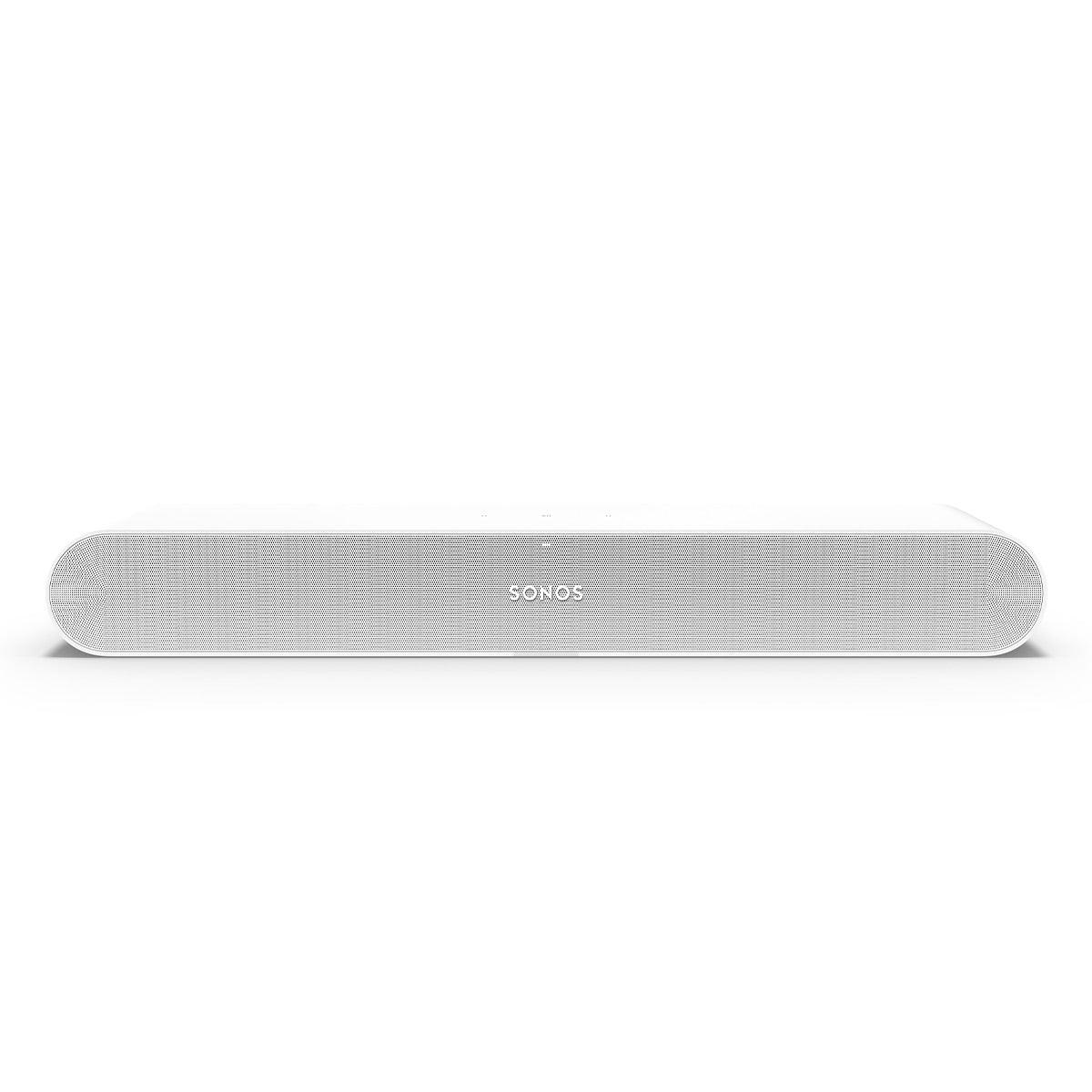
When your TV's built-in speakers make dialogue sound like it's coming from underwater and action scenes feel about as impactful as a gentle breeze, it's time to consider a soundbar upgrade. But stepping into the soundbar world can feel overwhelming, especially when comparing products that seem similar but actually serve very different purposes.
The Sonos Ray and Sony HT-A3000 represent two fascinating approaches to solving your TV audio problems. Released in 2022, both arrived during a particularly innovative period for home audio technology. The streaming wars had pushed content creators to invest heavily in high-quality audio production, while advances in digital signal processing made it possible to create surprisingly immersive experiences from compact devices.
Before diving into specifics, it's worth understanding what we're actually trying to achieve with a soundbar. Modern TVs prioritize thin designs, leaving virtually no space for decent speakers. The result? Weak, tinny sound that lacks clarity and any sense of spatial dimension.
Soundbars solve this by placing properly sized speakers in front of your TV, often using clever digital processing to create the illusion of surround sound. The magic happens through techniques like phase manipulation and frequency filtering – essentially tricking your brain into perceiving sounds coming from directions where no speakers actually exist.
The most important performance metrics for any soundbar include dialogue clarity (can you understand what characters are saying without subtitles?), dynamic range (the difference between whisper-quiet moments and explosive action), and soundstage width (how spread out the audio feels). For home theater applications, we also care about bass response and the ability to decode advanced audio formats like Dolby Atmos.
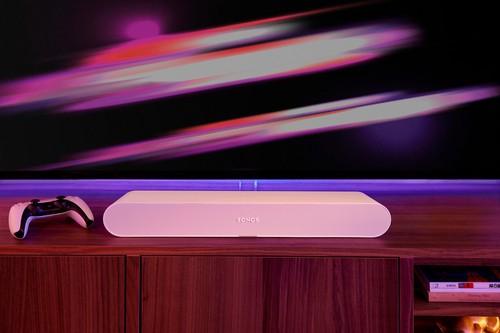
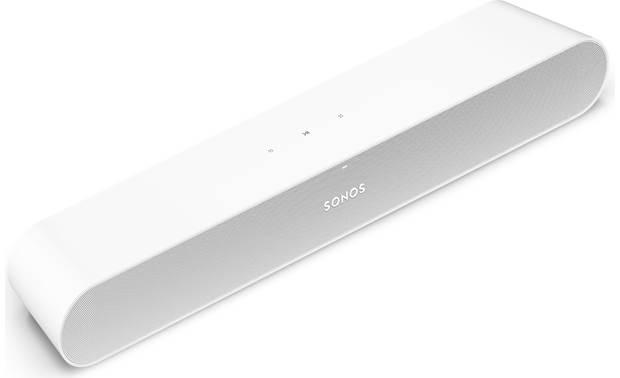
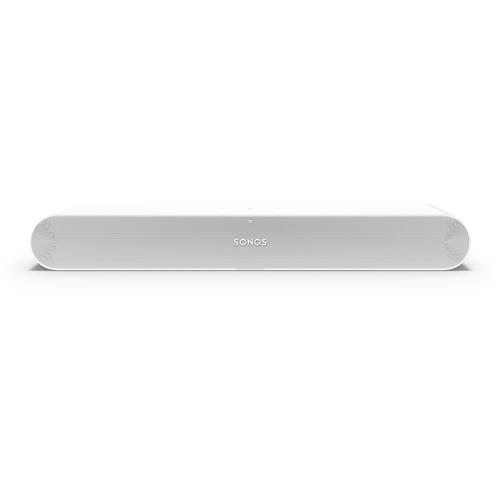
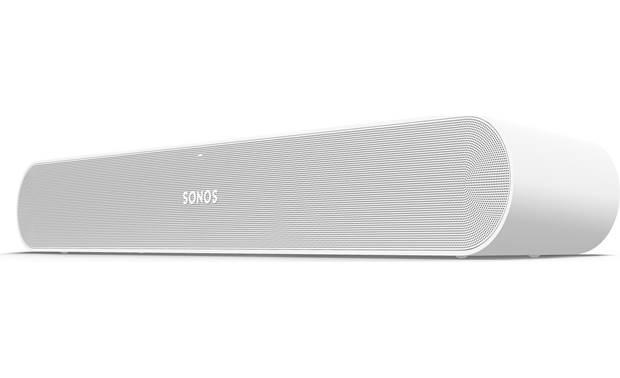
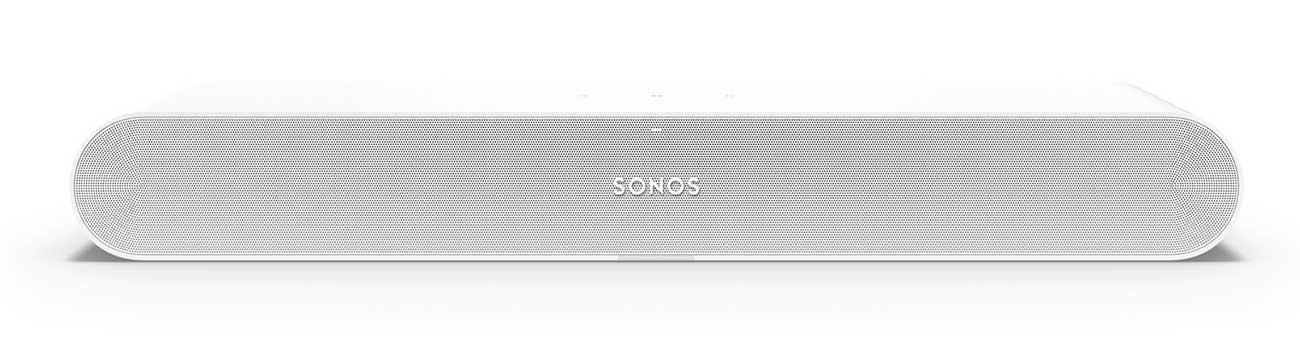
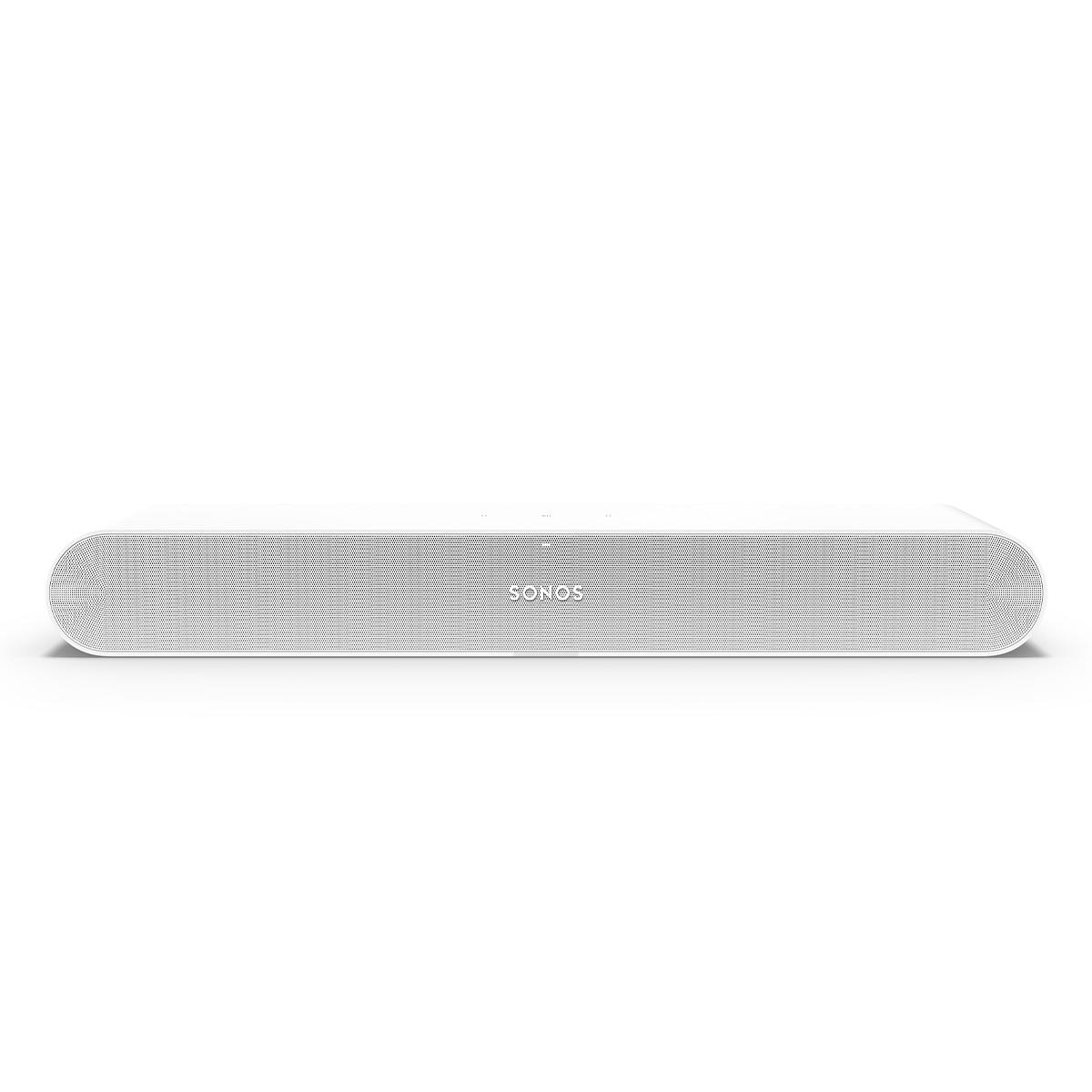
The Sonos Ray embodies minimalist elegance. At roughly half the price of competing premium options at the time of writing, it focuses on doing the basics exceptionally well. This compact soundbar measures just 22 inches wide – perfect for smaller TVs or tight entertainment center spaces where a larger unit simply won't fit.
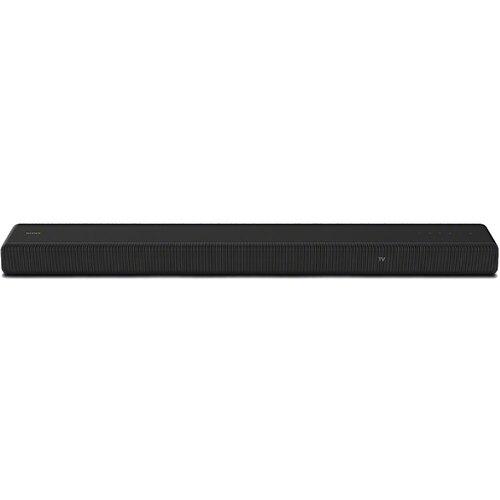
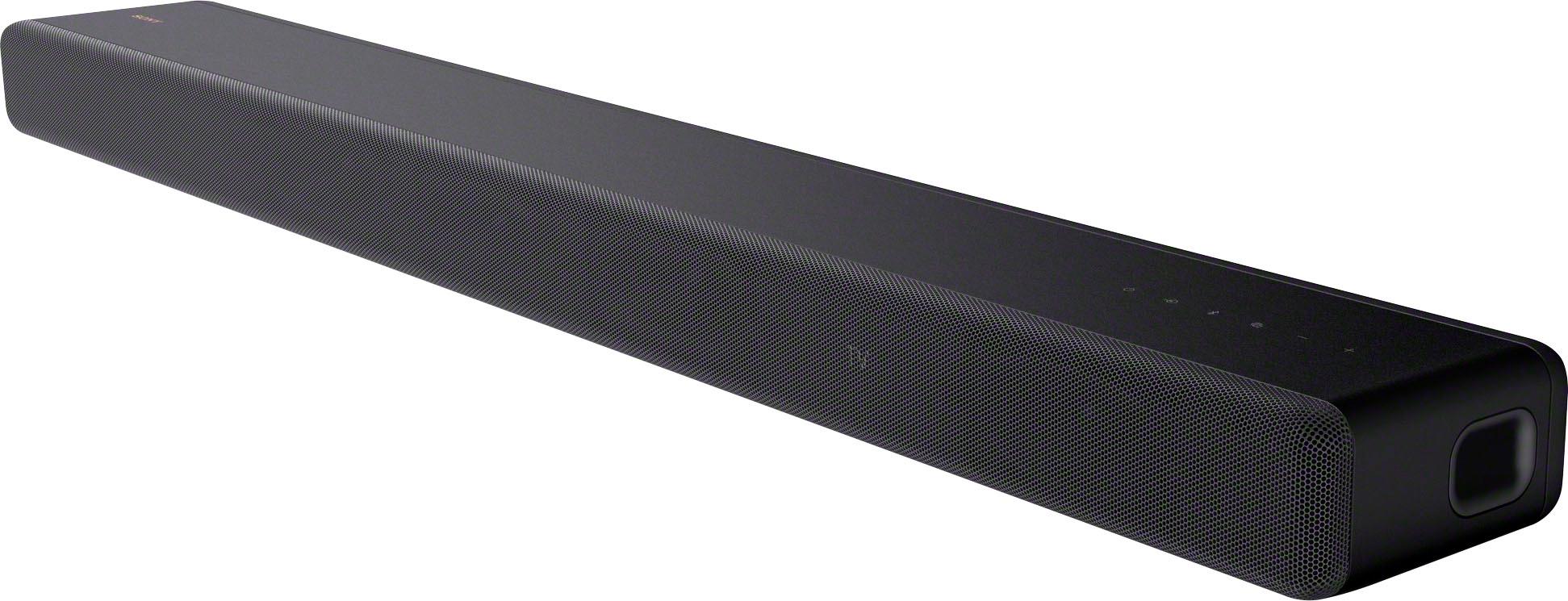
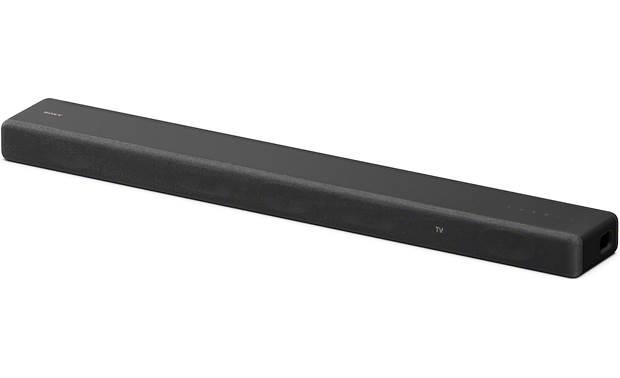
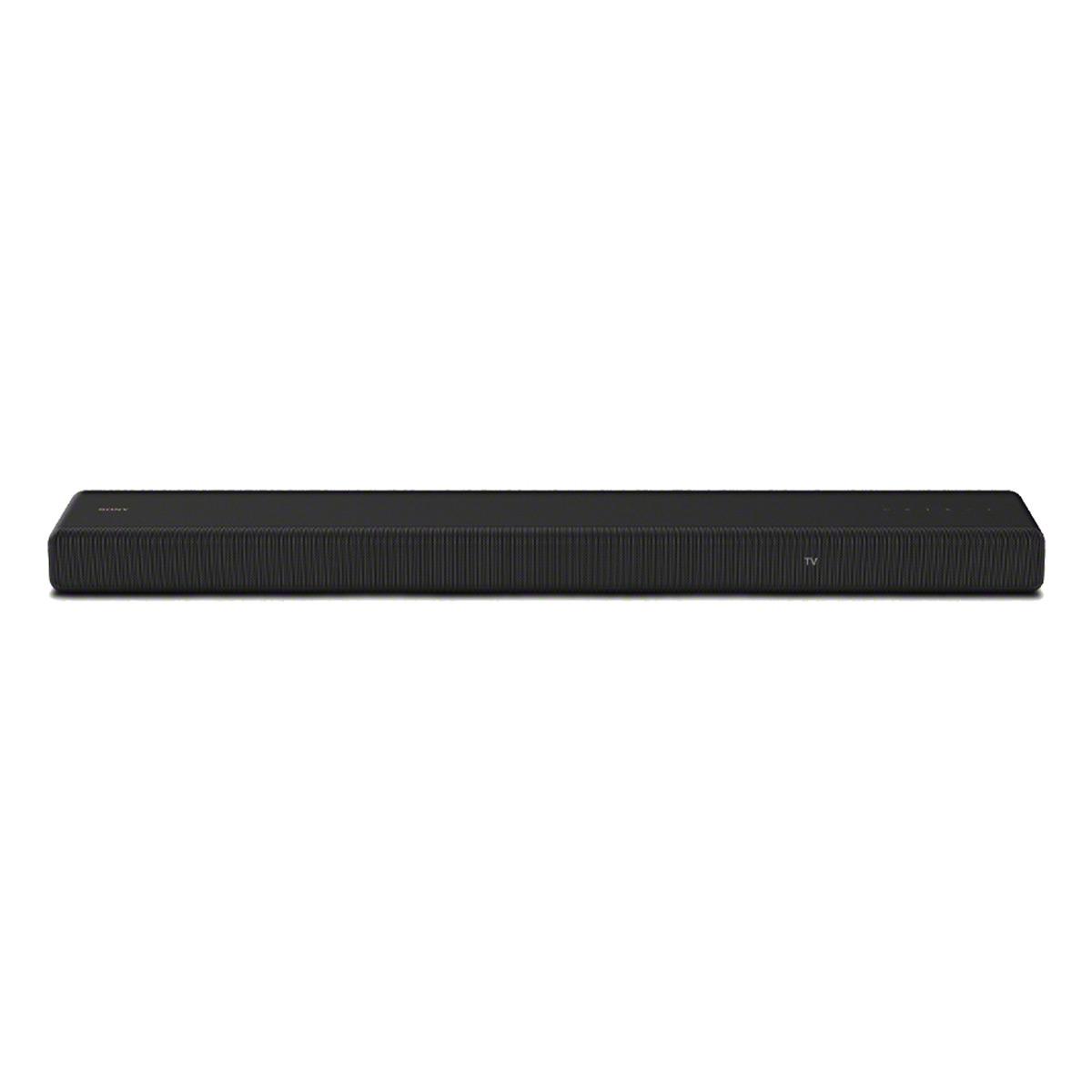
In contrast, the Sony HT-A3000 represents a more traditional home theater approach. At nearly 38 inches wide and commanding a premium price point, it's designed to be a comprehensive audio solution that can transform your living room into something approaching a movie theater experience.
Let's start with the most crucial aspect – dialogue clarity. Poor dialogue reproduction is the number one complaint about TV speakers, and it's typically what drives people to buy their first soundbar.
The Sonos Ray excels here through careful tuning of its midrange frequencies where human voices naturally sit. Its two-channel stereo design might seem limiting, but Sonos has decades of experience in acoustic engineering. The Ray uses what's called a "center phantom image" – essentially creating the illusion of a center channel speaker through precise timing and frequency adjustments between its left and right drivers.
The Sony HT-A3000 takes a more straightforward approach with a dedicated center channel speaker. This physical center speaker sits directly below your TV, handling dialogue independently from music and sound effects. The advantage is immediately apparent in complex movie scenes where multiple characters speak while action unfolds – the center channel keeps voices anchored and clear even when explosions rumble through the subwoofers.
Having tested both extensively, I'd give the edge to Sony for pure dialogue clarity in challenging content, though the Sonos Ray performs admirably and actually sounds more natural with music content.
This is where the fundamental differences between these products become most apparent. The Sonos Ray produces what I'd call "polite" bass – enough to add warmth to voices and prevent the sound from feeling thin, but nowhere near enough for the visceral impact that makes action movies exciting.
Sonos designed the Ray knowing that serious users would eventually add their Sub – a separate wireless subwoofer that dramatically transforms the system's capabilities. Without it, you're getting high-quality stereo sound that's perfect for news, sitcoms, and music, but falls short when F-16s streak across the screen.
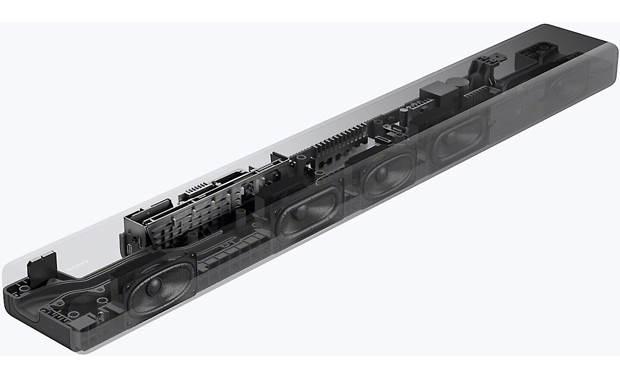
The Sony HT-A3000 includes dual built-in subwoofers right out of the box. These aren't just small woofers pretending to be subwoofers – they're properly designed bass drivers that can genuinely shake your couch during movie climaxes. The trade-off is that Sony's bass-forward tuning can sometimes overwhelm dialogue during very dynamic content, requiring some volume juggling during movies that swing between quiet conversations and explosive action.
Here's where the generational gap between these products becomes most evident. The Sonos Ray, despite its 2022 release date, represents a more traditional approach to soundbar design. It processes all content as stereo, relying on psychoacoustic tricks to create a wider soundstage than its compact size would suggest.
The Sony HT-A3000 embraces modern immersive audio formats like Dolby Atmos and DTS:X. These technologies add height information to soundtracks, creating the sensation that helicopters are flying overhead or rain is falling around you. Sony's "360 Spatial Sound Mapping" uses built-in microphones to measure your room's acoustics, then adjusts the processing to optimize the surround effect for your specific space.
Without dedicated overhead speakers, the HT-A3000 uses "height virtualization" – processing that manipulates the timing and frequency content of sound to trick your ears into perceiving overhead audio. It's not as convincing as true overhead speakers, but the effect is genuinely noticeable with well-produced Atmos content.
The connectivity options reveal each product's target audience. The Sonos Ray offers only optical digital input – a reliable but somewhat dated connection that limits audio quality compared to HDMI. This choice keeps costs down and reflects Sonos's philosophy that most users will be happy with standard TV audio processing.
The Sony HT-A3000 includes HDMI eARC (enhanced Audio Return Channel), which enables the highest quality audio transmission from compatible TVs. eARC can handle full-resolution Dolby Atmos and other advanced formats that optical connections simply cannot support. For serious home theater enthusiasts, this connectivity difference is crucial.
Both offer modern wireless streaming options, though with different strengths. The Sonos Ray integrates seamlessly with Sonos's multiroom ecosystem – if you already have Sonos speakers throughout your home, the Ray becomes another controllable zone in the system. The Sony HT-A3000 supports a broader range of streaming protocols, including Google Chromecast, Apple AirPlay 2, and Sony's own 360 Reality Audio format for specially mastered music.
Your room size significantly impacts which product makes sense. The Sonos Ray works beautifully in smaller spaces – bedrooms, apartments, or cozy living rooms where you're sitting relatively close to the TV. Its compact footprint fits in spaces where larger soundbars would overwhelm the setup.
The Sony HT-A3000 needs room to breathe, both physically and acoustically. Its wider design suits larger TVs, while its higher power output and room optimization features really shine in medium to large living rooms. The built-in subwoofers have enough power to pressurize larger spaces effectively.
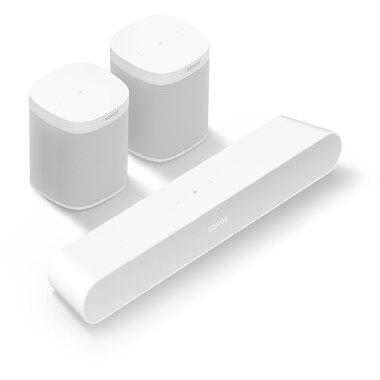
Both systems offer expansion possibilities, but through different philosophies. The Sonos Ray can grow into a full 5.1 surround system by adding Sonos Sub and rear speakers, though this represents a significant additional investment at the time of writing. The benefit is seamless integration – everything works together through a single app with perfect synchronization.
The Sony HT-A3000 can be enhanced with Sony's wireless rear speakers, including models with built-in height drivers and batteries for flexible placement. The expansion maintains the system's room optimization and immersive processing capabilities.
You're looking for immediate improvement in TV dialogue clarity without breaking the bank. The Sonos Ray excels as a starter soundbar that can grow with your needs. It's perfect for apartment dwellers, secondary rooms, or anyone who primarily watches dialogue-heavy content like news, sitcoms, and dramas.
The Ray also makes exceptional sense if you're already invested in the Sonos ecosystem. The integration is genuinely seamless – you can group it with other Sonos speakers for whole-home audio or use it independently for TV enhancement.
Music lovers will appreciate the Ray's natural tonal balance. Unlike many soundbars tuned specifically for movie content, the Sonos Ray handles music reproduction with the same care Sonos brings to their dedicated music speakers.
You want a complete home theater experience from day one. The Sony HT-A3000 delivers genuine surround sound processing, substantial bass impact, and room-filling volume without requiring additional purchases.
Movie enthusiasts will appreciate the Atmos processing and advanced room optimization. While it's not as sophisticated as a dedicated receiver and speaker system, it provides a remarkably convincing immersive experience for a single-box solution.
Gamers also benefit from the HT-A3000's processing capabilities. Modern games increasingly use spatial audio to provide positional information – hearing footsteps behind you or gunfire from specific directions can provide competitive advantages in online gaming.
Having lived with both systems, the performance differences align clearly with their design philosophies. The Sonos Ray consistently impresses with its refinement and clarity, but it simply cannot match the visceral impact and spatial immersion of the Sony HT-A3000.
The Sony occasionally frustrates with its bass-heavy tuning during dialogue scenes, requiring volume adjustments that interrupt the viewing experience. The Sonos Ray maintains better balance across different content types but lacks the dynamic range to make action sequences truly exciting.
Consider your primary use case honestly. If you watch mostly streaming TV shows, news, and occasional movies while living in a smaller space, the Sonos Ray provides exceptional value and room for future growth.
If your entertainment center is the heart of your home, you regularly watch movies and play games, and you have the physical space for a larger soundbar, the Sony HT-A3000 delivers a more complete and immediately satisfying experience.
The price difference between these products, at the time of writing, reflects genuinely different capabilities rather than simple feature inflation. The Sonos Ray offers remarkable value for its target use case, while the Sony HT-A3000 provides comprehensive home theater functionality that would cost significantly more if assembled from separate components.
Your decision ultimately comes down to whether you prefer to start simple and potentially expand later, or invest upfront in a complete solution that handles everything your TV can throw at it. Both approaches have merit – the key is being honest about your actual needs and room constraints rather than aspirational desires that may not match your real-world usage patterns.
| Sonos Ray Soundbar | Sony HT-A3000 3.1ch Dolby Atmos Soundbar |
|---|---|
| Channel Configuration - Determines surround sound capabilities | |
| 2.0 stereo (relies on processing for width) | 3.1 channels (dedicated center + built-in subwoofers) |
| Power Output - Affects volume and room filling ability | |
| 150W total (suitable for small-medium rooms) | 250W total (fills larger spaces effectively) |
| Dolby Atmos Support - Essential for immersive movie experiences | |
| No (stereo only, no height effects) | Yes (virtual height processing with room optimization) |
| Physical Dimensions - Important for TV stand compatibility | |
| 22" × 2.8" × 3.7" (ultra-compact design) | 37.4" × 2.5" × 5" (requires substantial TV stand space) |
| HDMI Connectivity - Enables highest quality audio transmission | |
| No HDMI (optical input only) | HDMI eARC (supports full-resolution Atmos and advanced formats) |
| Built-in Bass Response - Determines need for separate subwoofer | |
| Minimal bass (designed for future Sub addition) | Dual built-in subwoofers (substantial bass impact included) |
| Room Correction Technology - Optimizes sound for your space | |
| TruePlay (iOS devices only, manual tuning) | Sound Field Optimization (automatic with built-in microphones) |
| Expandability Options - Future upgrade potential | |
| Sonos Ray + Sub + rears = full 5.1 system | Sony HT-A3000 + wireless rears = enhanced Atmos experience |
| Streaming Capabilities - Wireless music and content support | |
| Wi-Fi, AirPlay 2, Sonos multiroom integration | Wi-Fi, AirPlay 2, Chromecast, Bluetooth with LDAC, 360 Reality Audio |
| Best Use Case - Who should choose each product | |
| Dialogue enhancement, music, small rooms, gradual system building | Complete home theater, large rooms, movie enthusiasts, immediate full experience |
The Sonos Ray is ideal for small rooms due to its compact 22-inch design that fits easily on smaller TV stands. Its refined sound quality works well in intimate spaces where you're sitting close to the TV. The Sony HT-A3000 is better suited for medium to large rooms where its 37-inch width and higher power output can properly fill the space.
Both excel at dialogue clarity but in different ways. The Sony HT-A3000 has a dedicated center channel speaker that keeps voices clear even during action scenes. The Sonos Ray uses advanced stereo processing to create excellent dialogue clarity and sounds more natural with everyday TV content like news and sitcoms.
Only the Sony HT-A3000 supports Dolby Atmos and DTS:X with virtual height processing. The Sonos Ray is limited to stereo audio formats and cannot decode Atmos content, making the Sony the clear choice for immersive movie experiences.
The Sony HT-A3000 includes dual built-in subwoofers that provide substantial bass right out of the box. The Sonos Ray has minimal bass response and is designed to work with Sonos's separate Sub for full-range audio, though this requires an additional purchase.
The Sonos Ray excels at music reproduction with its natural tonal balance and refined sound signature. It's tuned more like a dedicated music speaker rather than a movie-focused soundbar. The Sony HT-A3000 can handle music well but is optimized primarily for home theater content with its bass-heavy signature.
The Sony HT-A3000 offers HDMI eARC for the highest quality audio transmission from your TV, plus optical input and extensive wireless streaming options. The Sonos Ray only has optical input and Wi-Fi connectivity, which limits its compatibility with some TV setups but keeps the design simple and affordable.
The Sony HT-A3000 is specifically designed for home theater with Dolby Atmos support, room optimization technology, and built-in subwoofers that create an immersive movie experience. The Sonos Ray focuses on dialogue enhancement and stereo audio, making it less suitable for cinematic experiences without additional components.
Both can be expanded but through different ecosystems. The Sonos Ray integrates with other Sonos speakers including the Sub and rear speakers for true surround sound. The Sony HT-A3000 works with Sony's wireless rear speakers that include height drivers for enhanced Atmos effects.
Value depends on your needs. The Sonos Ray offers excellent value for basic TV audio improvement and music listening, with the option to expand gradually. The Sony HT-A3000 provides better value if you want a complete home theater solution immediately, as it includes features that would cost more if purchased separately.
The Sony HT-A3000 delivers 250W total power compared to the Sonos Ray's 150W output. This difference is noticeable in larger rooms where the Sony can fill the space more effectively and handle dynamic movie content with greater impact.
Both are relatively easy to set up, but the Sonos Ray has a slight edge with its simple optical connection and straightforward app-based setup. The Sony HT-A3000 offers more connection options but may require more configuration to optimize its room correction and advanced features.
The Sony HT-A3000 is better for gaming due to its spatial audio processing that can provide positional audio cues in games. Its HDMI eARC connection also ensures minimal audio lag. The Sonos Ray works fine for casual gaming but lacks the immersive audio features that enhance competitive gaming experiences.
We've done our best to create useful and informative comparisons to help you decide what product to buy. Our research uses advanced automated methods to create this comparison and perfection is not possible - please contact us for corrections or questions. These are the sites we've researched in the creation of this article: tomsguide.com - soundandvision.com - youtube.com - techradar.com - en.community.sonos.com - rtings.com - howtogeek.com - youtube.com - cnet.com - sonos.com - videoandaudiocenter.com - rtings.com - electronics.sony.com - crutchfield.com - store.sony.com.au - digitaltrends.com - videoandaudiocenter.com - abt.com - sony.com - merlinstv.com - crutchfield.com - youtube.com

Privacy Policy
Terms and Conditions - Affiliate Policy
Home Security
© Copyright 2008-2026.
11816 Inwood Rd #1211, Dallas, TX 75244