







When you're looking to upgrade your home audio setup, premium soundbars offer an appealing middle ground between basic TV speakers and full surround sound systems. They promise immersive audio without the complexity of running wires throughout your room or finding space for multiple speakers. But with prices ranging from hundreds to over a thousand dollars, choosing the right one matters more than ever.
I've spent considerable time testing both the TCL Q85H Q Class 7.1.4 Channel Sound Bar System at $499 and the Samsung Q Series 9.1.2 Channel Soundbar at $898, and the differences go far beyond their price tags. These represent two distinct philosophies in premium audio design, each with compelling advantages depending on your specific needs and setup.
Premium soundbars have evolved dramatically over the past few years. The core promise remains the same: deliver surround sound quality without the hassle of traditional speaker systems. However, the technology behind achieving this goal has become increasingly sophisticated.
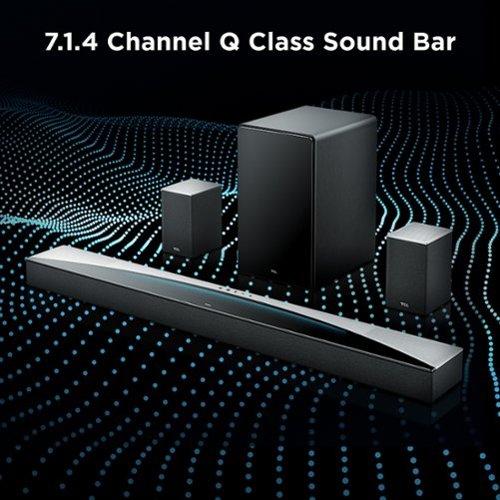
The most important consideration is channel configuration – those numbers like 7.1.4 and 9.1.2 that might seem like technical jargon but actually tell you everything about what you're getting. The first number represents surround channels (left, right, center, and side speakers), the second is dedicated subwoofer channels, and the third indicates height channels for overhead effects. More channels generally mean better spatial audio, but implementation matters more than raw numbers.
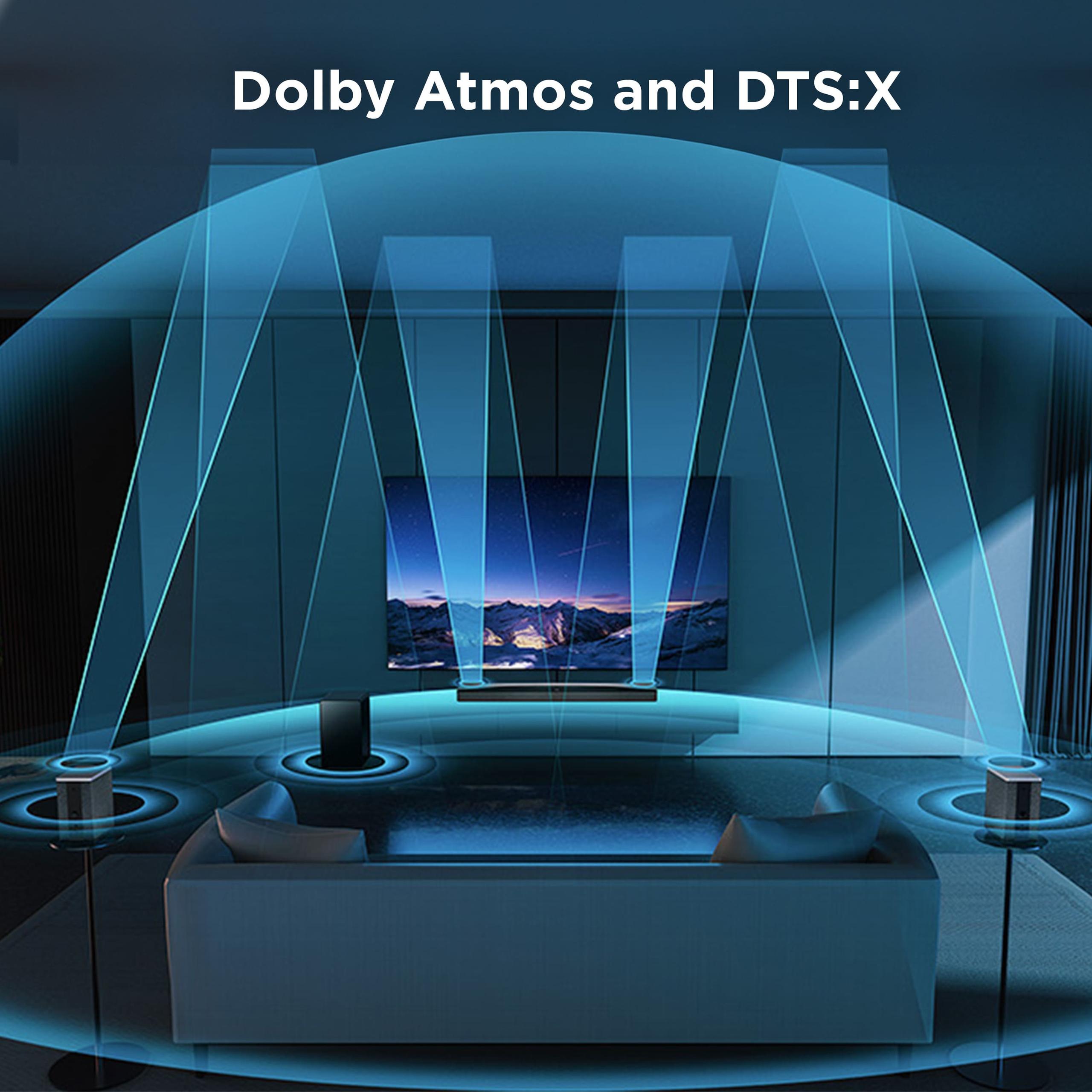
Dolby Atmos support has become table stakes in this category, but how each system creates those overhead sound effects varies significantly. Some rely purely on digital processing and upward-firing speakers, while others include dedicated rear speakers with their own height drivers. This difference becomes crucial when you're watching movies with dramatic overhead effects – helicopters flying by, rain falling, or debris crashing down.
Room integration capabilities have also advanced considerably. Early soundbars were essentially wider versions of basic speakers, but modern premium systems include sophisticated calibration technology that analyzes your room's acoustics and adjusts accordingly. This matters because every room sounds different, and what works perfectly in a showroom might sound muddy or thin in your living space.
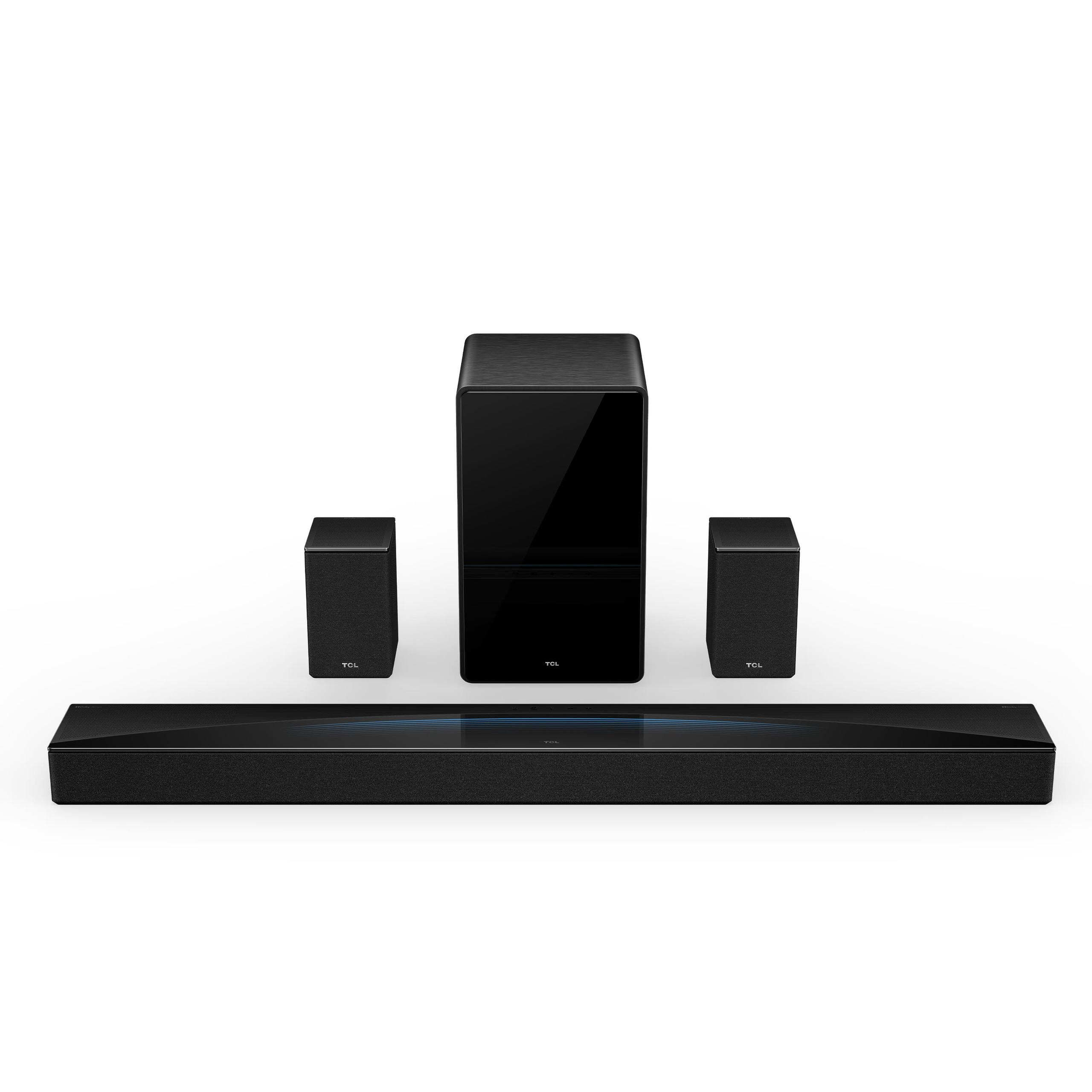
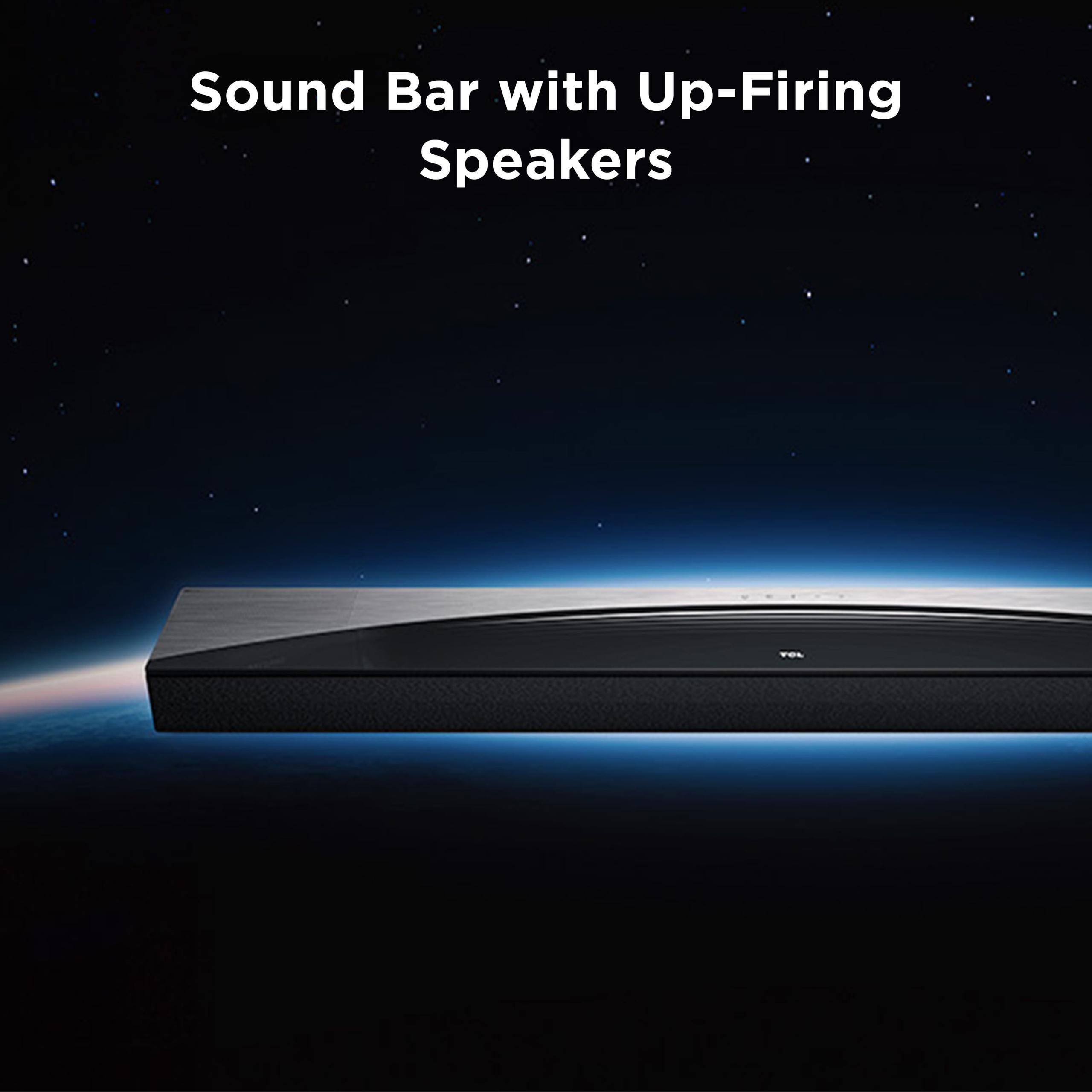
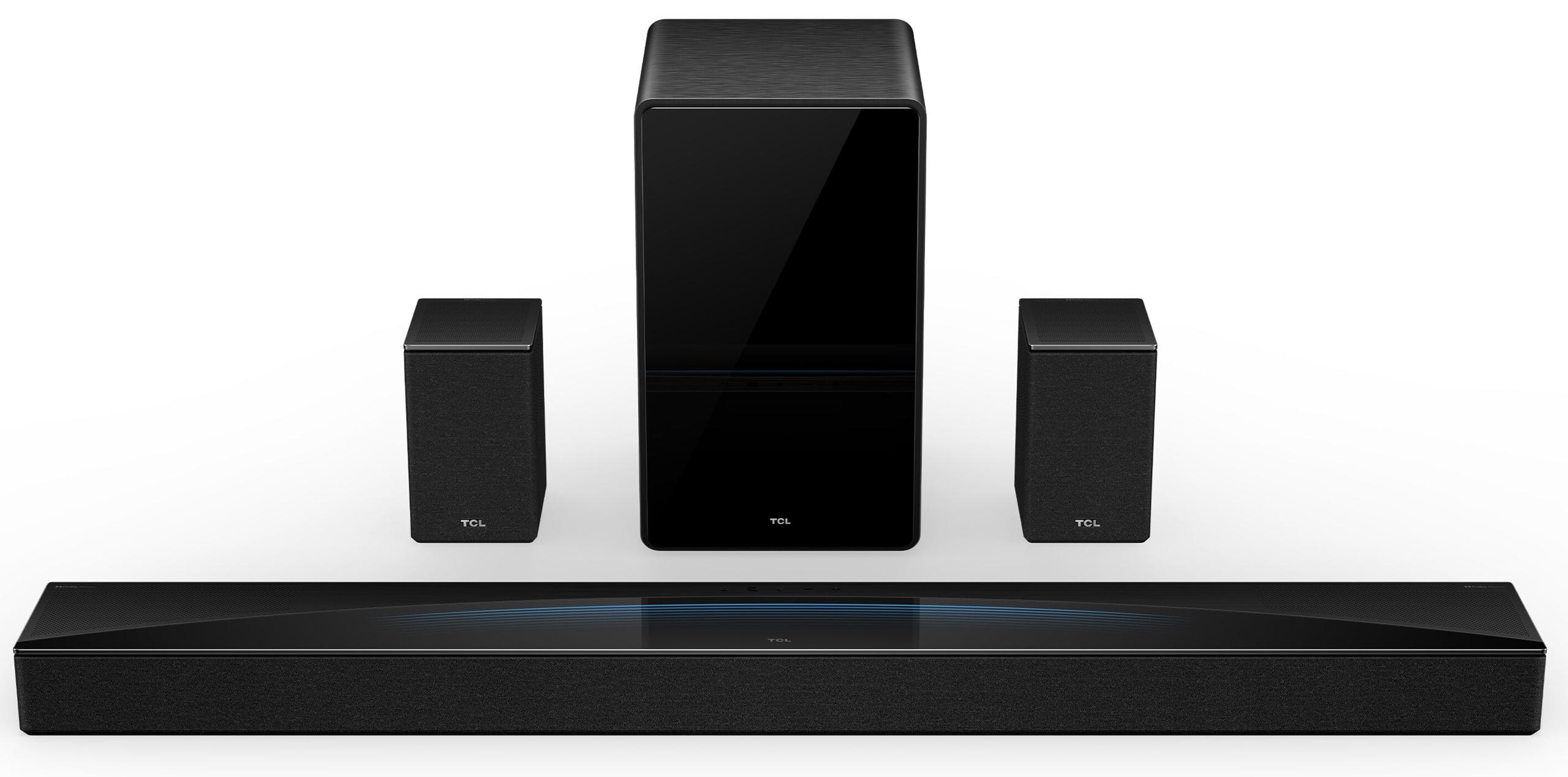
The TCL Q85H, released in late 2022, represents TCL's flagship audio offering and their most ambitious soundbar to date. At $499, it includes everything you need for a complete 7.1.4 surround system: the main soundbar, a wireless subwoofer with a 6.5-inch driver, and wireless rear speakers that include their own up-firing drivers for height effects. This complete package approach was TCL's response to competitors who sold their soundbars separately from rear speakers, forcing customers to make additional purchases later.
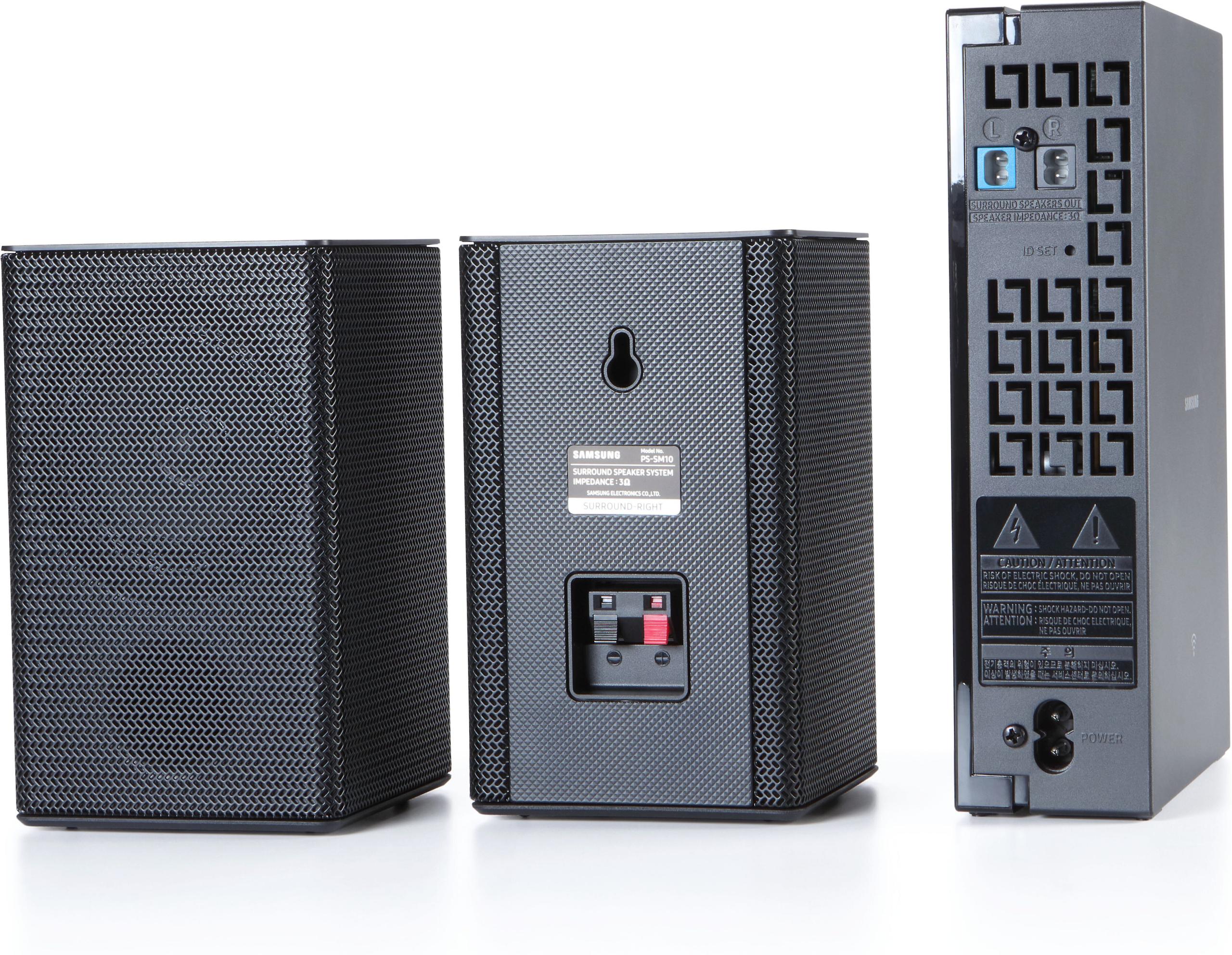
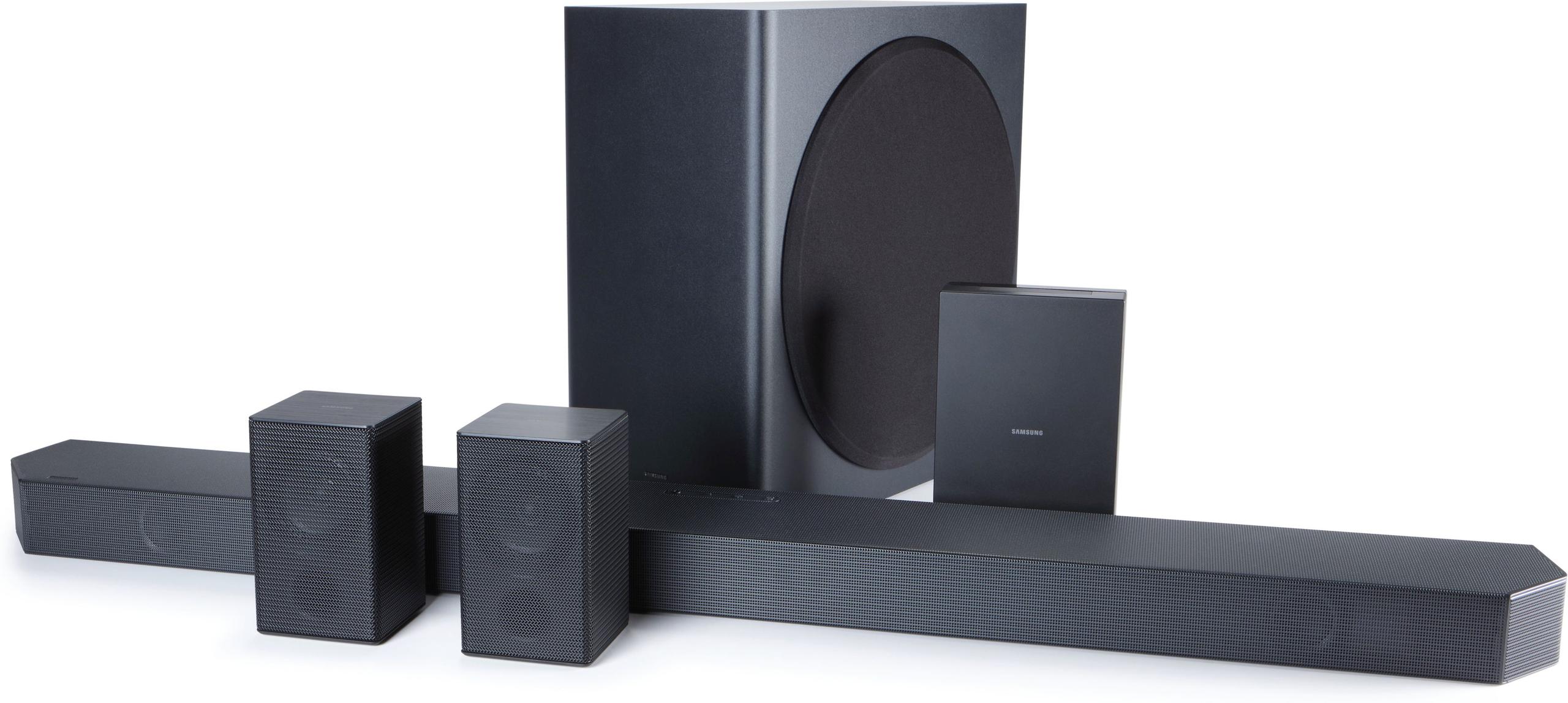
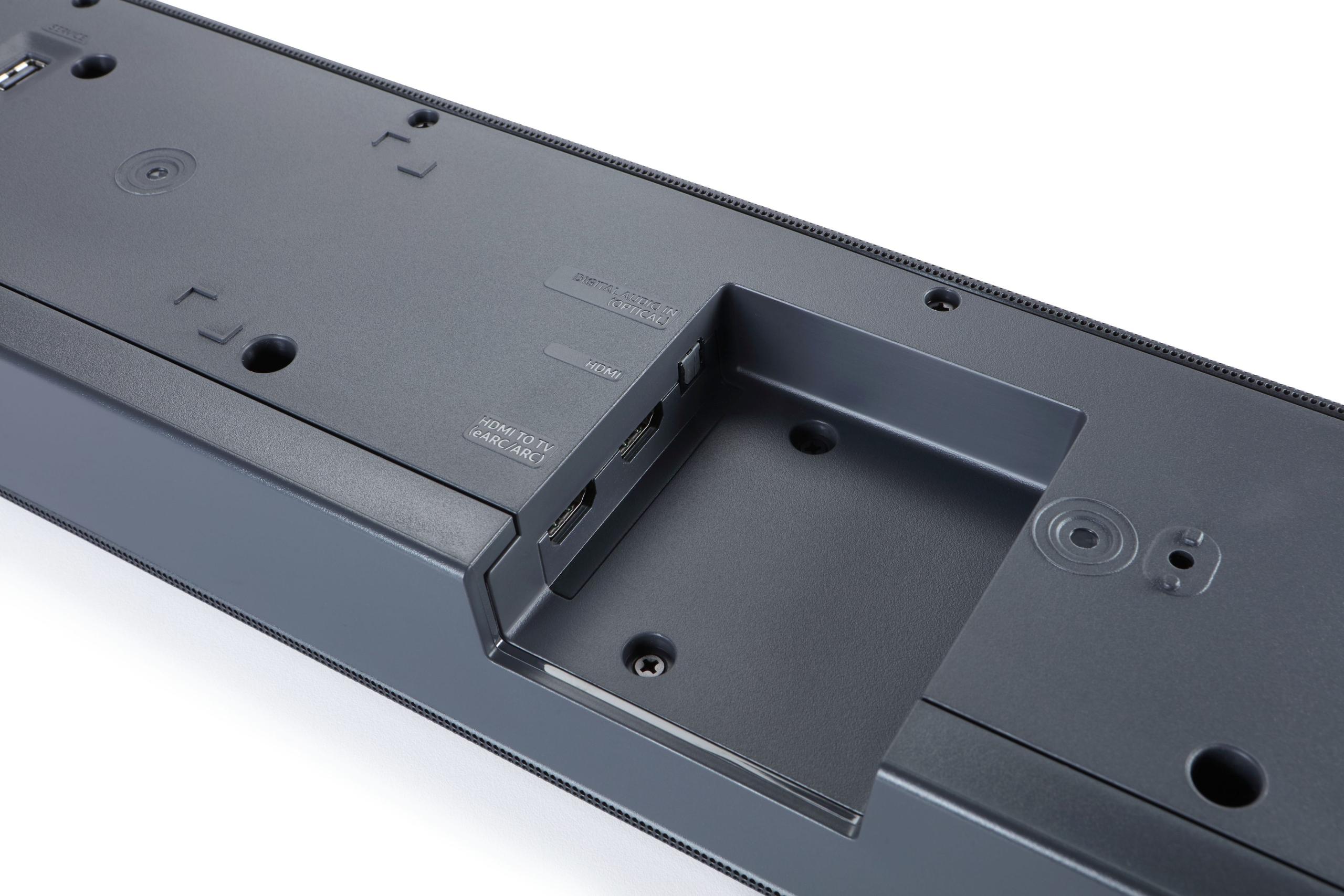
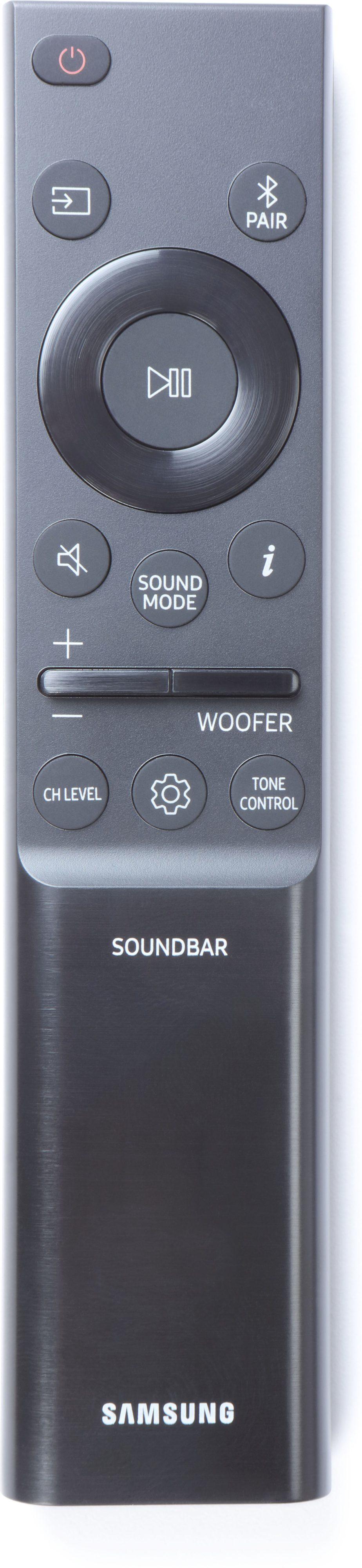
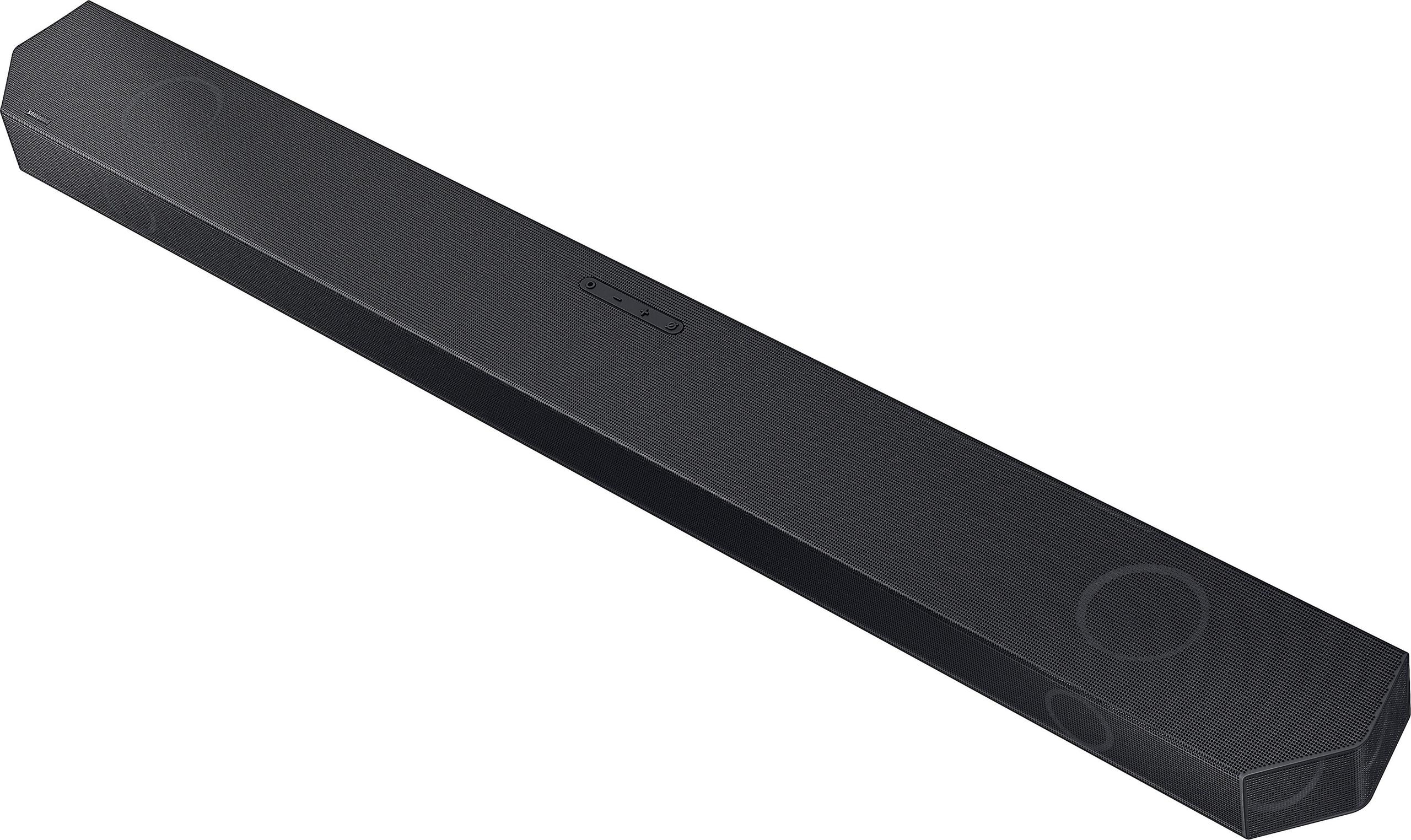
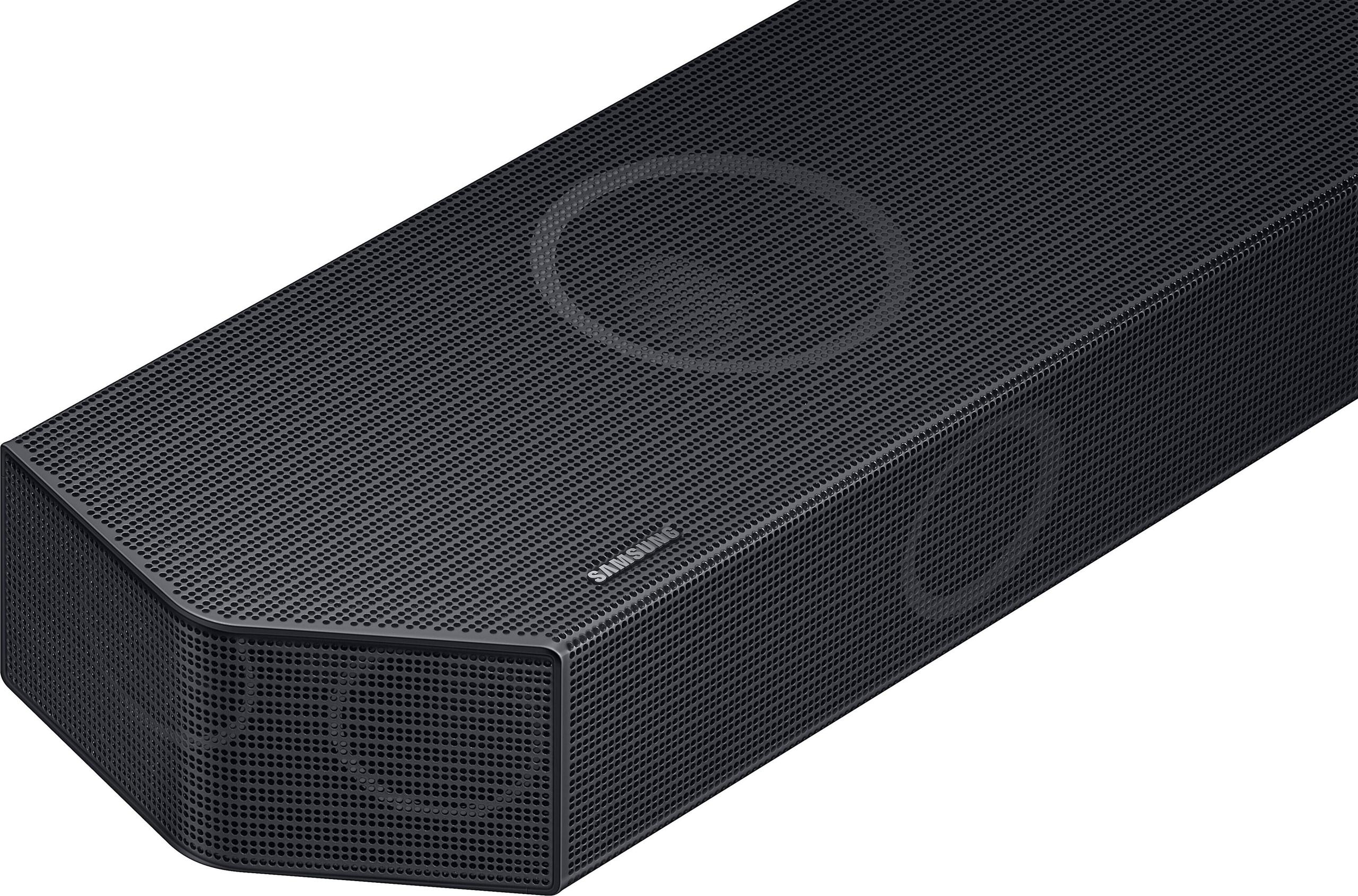
The Samsung Q Series (specifically the HW-Q990D model), launched in early 2024, takes a different approach at $898. Samsung focused on advanced processing power and integration with their TV ecosystem. While it also includes rear speakers and a wireless subwoofer, the real innovation lies in technologies like Q-Symphony, which uses your Samsung TV's speakers as additional channels, and SpaceFit Sound+, which provides more sophisticated room analysis than most competitors.
These release timelines matter because the Samsung system benefits from nearly two years of additional development. Audio processing has improved significantly during this period, particularly in how systems handle room correction and object-based audio formats like Dolby Atmos.
For movie watching, these systems take fundamentally different approaches to creating an immersive experience. The TCL Q85H prioritizes physical surround sound placement. With four dedicated height channels – two in the main soundbar and two more in the rear speakers – it can create genuinely convincing overhead effects. When watching action movies, you'll hear helicopters move convincingly from front to back and overhead, or rain that seems to fall around and above you.
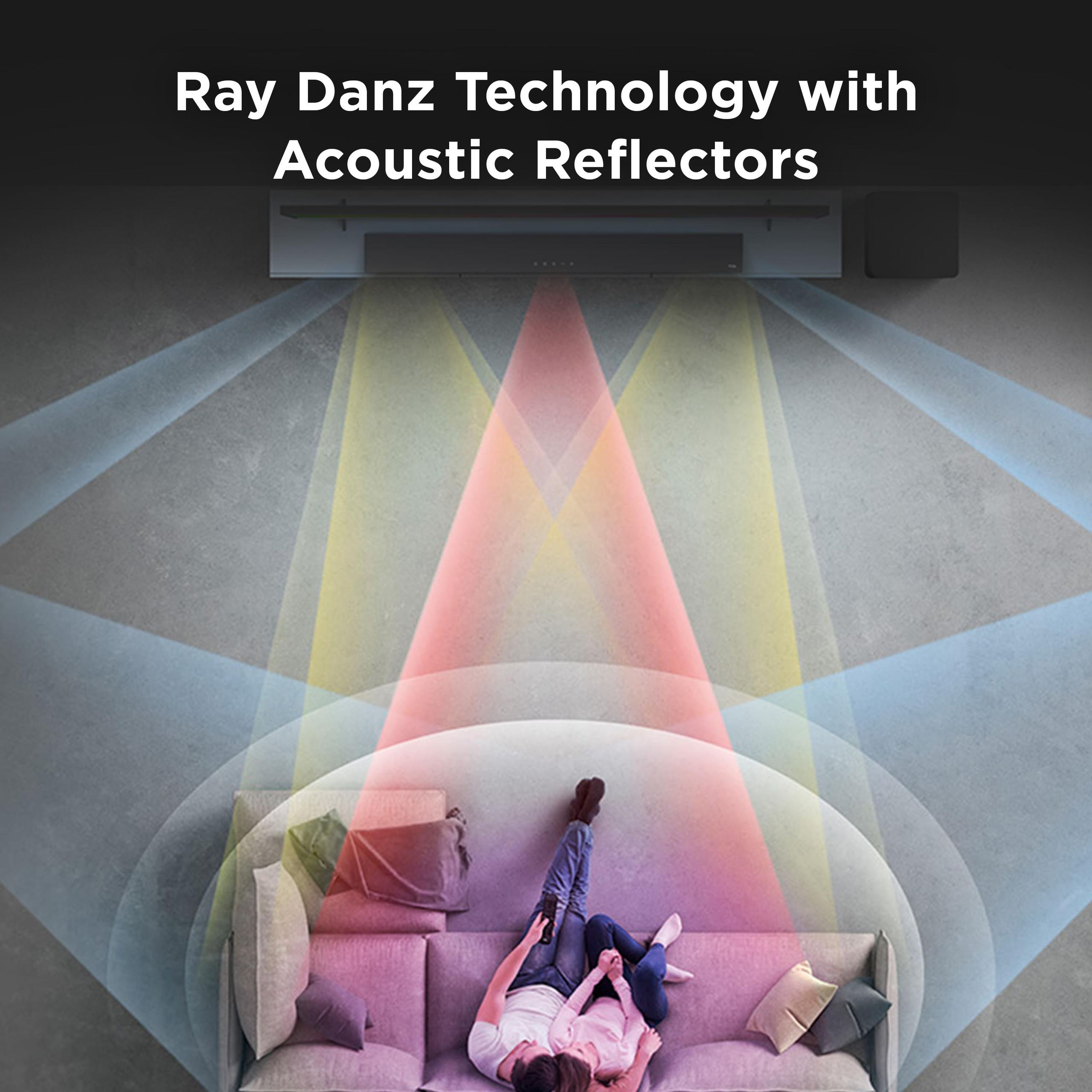
The system's Ray Danz technology deserves special attention because it's unlike anything else in this price range. Rather than relying solely on digital processing to create a wide soundstage, it uses physical acoustic reflectors – essentially specially designed surfaces that redirect sound waves to create a broader listening area. In practice, this means the sweet spot for optimal audio isn't limited to sitting directly in front of the soundbar. Even when you're off to the side, the audio maintains its spatial characteristics.
TCL's AI Sonic room calibration runs automatically when you first set up the system. It uses built-in microphones to analyze your room's acoustics and adjusts the audio processing accordingly. While not as sophisticated as some premium systems, it provides noticeable improvements in most rooms, particularly those with challenging acoustics like high ceilings or lots of hard surfaces.
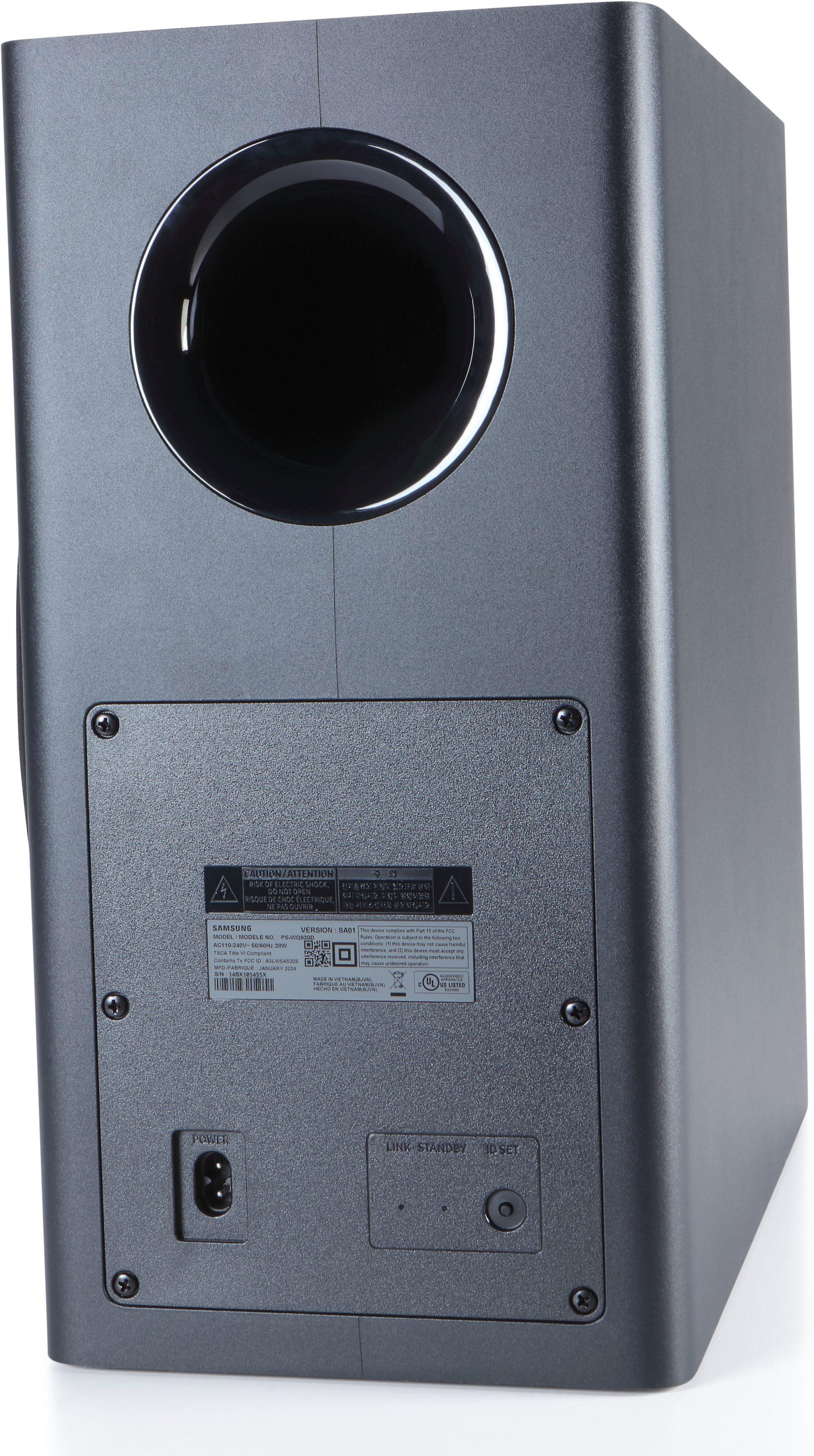
The Samsung system approaches movie audio differently, emphasizing processing sophistication over raw channel count. Its 8-inch subwoofer produces noticeably deeper bass than TCL's 6.5-inch unit, which becomes apparent during action sequences with explosions or dramatic musical scores. The bass isn't just louder – it extends lower into frequencies you feel as much as hear.
Samsung's SpaceFit Sound+ represents a more advanced approach to room correction. Rather than running once during setup, it continuously monitors and adjusts audio output based on what you're watching and your room's characteristics. This dynamic adjustment means dialogue remains clear during quiet scenes while maintaining impact during action sequences.
The Q-Symphony technology is Samsung's unique advantage, but only if you own a compatible Samsung TV. When properly configured, it uses your TV's speakers as additional channels, effectively creating a larger speaker array than either the soundbar or TV could achieve alone. In testing, this creates a more cohesive soundstage, particularly for dialogue, which seems to come naturally from the screen rather than from below it.
Gaming represents where the philosophical differences between these systems become most apparent. The TCL Q85H excels in competitive gaming scenarios where precise positional audio can provide tactical advantages. With dedicated rear speakers, you can accurately locate enemies approaching from behind or identify the direction of gunfire in first-person shooters.
The four height channels prove particularly valuable in games with rich atmospheric audio. Horror games benefit enormously from creaking sounds that seem to come from above, while racing games create convincing engine and wind noise that surrounds you. The system's relatively low latency means audio stays synchronized with on-screen action, crucial for timing-dependent games.
Samsung's approach focuses more on overall audio quality and integration with gaming ecosystems. The system includes Game Mode Pro, which adjusts audio settings to emphasize important sound cues while reducing distracting background noise. For console gaming, particularly with Xbox or PlayStation systems, this can improve the clarity of important audio elements like footsteps or reloading sounds.
The deeper bass from Samsung's larger subwoofer adds impact to explosion-heavy games and racing titles where engine rumble matters. However, for competitive gaming where precise directional audio trumps overall impact, the TCL's physical rear speakers provide a clearer advantage.
Music reproduction reveals another key difference between these systems. The TCL Q85H's Ray Danz technology creates an unusually wide soundstage for a soundbar-based system. Stereo separation is excellent, with instruments clearly positioned across the listening area. The wireless rear speakers can be positioned to optimize music listening, creating a more speaker-like experience than traditional soundbars achieve.
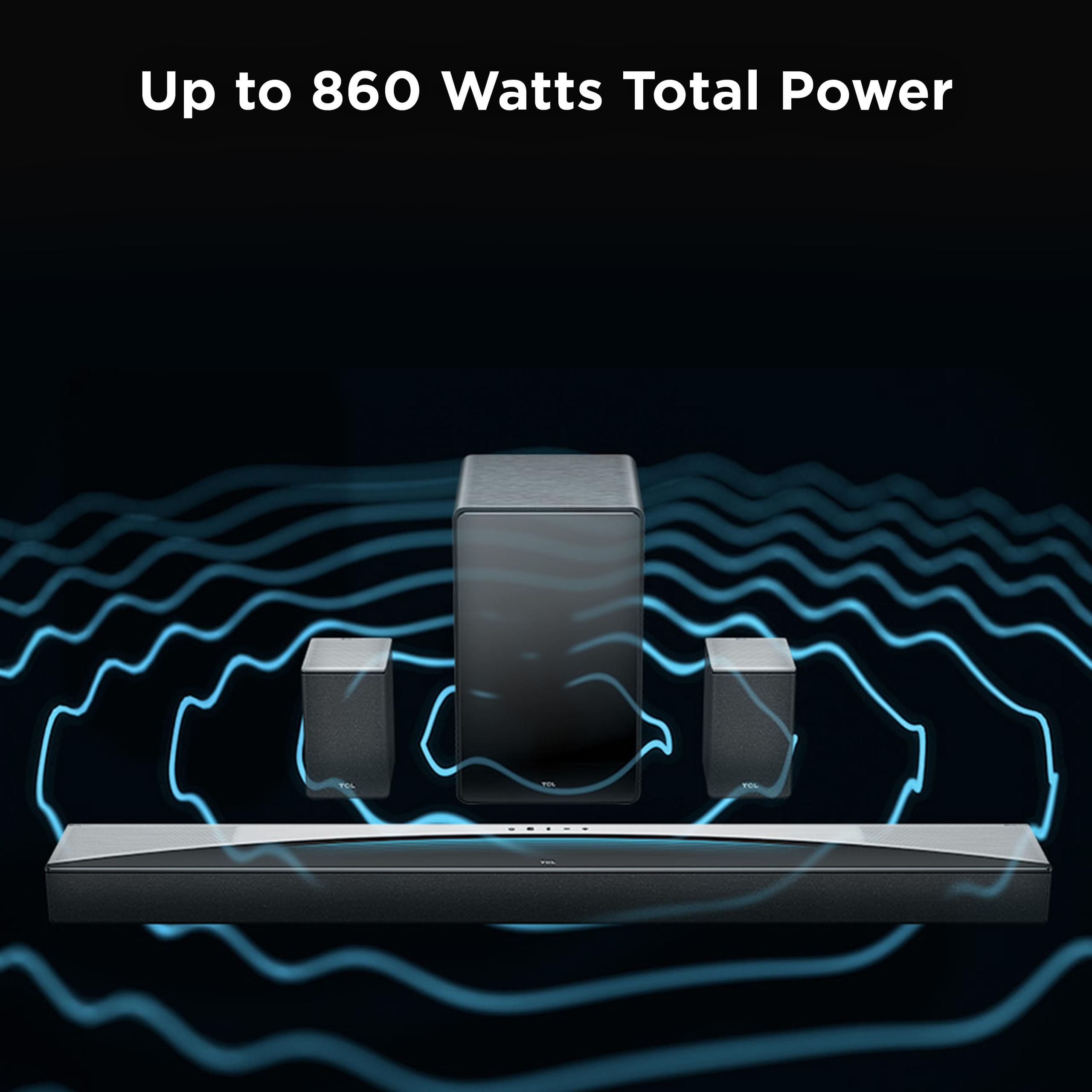
The system's 860W total power output means it can fill large rooms without strain. Bass response is punchy and well-defined, though not as deep as Samsung's offering. For most music genres, this balance works well, providing impact without overwhelming midrange frequencies where vocals and most instruments live.
Samsung's approach prioritizes tonal accuracy and sophisticated processing. The digital signal processing is more refined, with better separation between frequency ranges and more natural-sounding vocals. Classical music and jazz benefit from this refinement, with better instrument separation and more accurate timbre reproduction.
The SpaceFit Sound+ technology adapts to different music genres, adjusting the frequency response based on what you're listening to. This adaptive approach works well for casual listening but can be less predictable for critical music evaluation.
The value proposition of these systems extends beyond their purchase prices. The TCL Q85H includes everything needed for a complete 7.1.4 surround system at $499. There are no additional purchases required, no optional accessories to consider, and no compatibility concerns with different TV brands. This complete package approach means you know exactly what you're getting and what it will cost.
For the money, the performance is exceptional. True 7.1.4 surround sound typically requires systems costing significantly more, and the inclusion of wireless rear speakers with their own height drivers is unusual at this price point. The Ray Danz technology and AI Sonic calibration add value beyond what the specifications might suggest.
The Samsung Q Series at $898 represents a nearly 80% price premium, which must be justified by its advantages. The superior build quality is immediately apparent – materials feel more premium, and the overall design is more refined. The advanced processing capabilities and smart home integration add value for users who can take advantage of them.
However, the Samsung system's value peaks when paired with a compatible Samsung TV. Q-Symphony technology transforms the listening experience, but only for Samsung TV owners. Without this integration, you're paying premium prices for incremental improvements in processing and build quality.
The larger subwoofer and more sophisticated room correction provide measurable improvements, but whether these justify the price difference depends heavily on your priorities and room characteristics.
Understanding the unique technologies in each system helps explain their different strengths. TCL's Ray Danz technology uses physical acoustic engineering to solve a fundamental soundbar limitation. Traditional soundbars create a narrow sweet spot directly in front of the unit. Ray Danz uses specially designed acoustic reflectors to redirect sound waves, creating a wider listening area where the stereo imaging and surround effects remain convincing.
This isn't just marketing – the difference is audible when you move around the room. While most soundbars sound best from a specific seating position, the TCL maintains its spatial characteristics across a broader area. For families or rooms where people don't always sit in the optimal listening position, this represents a real practical advantage.
Samsung's Q-Symphony takes a different approach to solving soundbar limitations. Rather than engineering around the constraints of a single soundbar, it leverages additional hardware you already own. When connected to a compatible Samsung TV, the system coordinates between the TV's speakers and the soundbar to create a larger, more cohesive speaker array.
The implementation is sophisticated – the system doesn't simply play the same audio through both the TV and soundbar. Instead, it analyzes the audio content and assigns different elements to different speakers based on their optimal placement and capabilities. Dialogue might emphasize the TV's speakers for natural screen placement, while surround effects route to the soundbar's side-firing drivers.
The setup experience differs significantly between these systems. The TCL Q85H requires positioning and connecting multiple wireless components – the main soundbar, subwoofer, and two rear speakers. While all connections are wireless, finding optimal placement for four separate units can be challenging in smaller rooms.
The TCL Home app provides basic control and customization options, but it's not as sophisticated as Samsung's offering. The interface is functional but feels basic compared to premium competitors. However, the system works with any TV brand and doesn't require specific compatibility for optimal performance.
Samsung's setup process is more streamlined, particularly with Samsung TVs. The SmartThings integration enables sophisticated control options and connects the soundbar to broader smart home ecosystems. Voice assistant compatibility allows hands-free control, and the overall user experience feels more polished and integrated.
For users with Samsung TVs, the setup process includes Q-Symphony calibration, which analyzes both the TV speakers and soundbar to optimize their coordination. This process takes several minutes but results in noticeably better integration between the two systems.
In dedicated home theater environments, these systems serve different purposes. The TCL Q85H works best in medium to large rooms where the rear speakers can be properly positioned. The system's strength lies in creating an immersive surround experience that approaches what you'd get from a traditional 7.1 speaker setup.
For movie nights and gaming sessions, the physical surround sound placement creates more convincing effects than processing-based alternatives. The Ray Danz technology helps maintain immersion even when viewers aren't in optimal seating positions, important for family movie nights or entertaining.
The Samsung system excels in more sophisticated home theater setups where integration and refinement matter more than raw surround sound effects. The superior bass response and advanced processing make it better suited for audiophile-oriented viewing, while the smart home integration enables more complex automation scenarios.
Room acoustics play a crucial role in determining which system works better. The TCL's approach of using multiple physical speakers works well in challenging acoustic environments where reflections and standing waves might interfere with processing-based surround sound. The Samsung's more sophisticated room correction can better adapt to acoustically treated rooms where processing refinements become more audible.
Choose the TCL Q85H if you prioritize immersive surround sound performance and want everything included at the purchase price. It's ideal for gamers who need precise positional audio, movie enthusiasts who want convincing overhead effects, and anyone with a medium to large room where the rear speakers can be properly positioned. The system works equally well with any TV brand and doesn't require ecosystem lock-in for optimal performance.
The Samsung system makes sense if you own a compatible Samsung TV and want the most refined audio processing available. It's better suited for audiophile-oriented listening, sophisticated smart home integration, and scenarios where build quality and brand prestige matter. The system justifies its premium pricing through superior materials, advanced processing, and seamless ecosystem integration.
For most users focused on getting the best immersive audio experience for their money, the TCL Q85H provides exceptional value. The complete 7.1.4 surround system with physical rear speakers and innovative Ray Danz technology delivers performance that typically requires much higher investment.
However, if you're building a premium home theater around Samsung components and prioritize refinement over raw surround sound capability, the Samsung Q Series offers advantages that justify its higher cost. The choice ultimately depends on whether you value comprehensive surround immersion or sophisticated processing and integration – both approaches have merit, but they serve different priorities and budgets.
| TCL Q85H Q Class 7.1.4 Channel Sound Bar System | Samsung Q Series 9.1.2 Channel Soundbar |
|---|---|
| Price - Significant cost difference impacts overall value | |
| $499 (complete system included) | $898 (79% price premium) |
| Channel Configuration - More height channels create better overhead effects | |
| 7.1.4 (4 dedicated height channels) | 9.1.2 (2 height channels, more surround) |
| Included Components - Affects total system cost and setup complexity | |
| Complete package: soundbar, 6.5" subwoofer, wireless rear speakers with up-firing drivers | Complete package: soundbar, 8" subwoofer, wireless rear speakers |
| Total Power Output - Determines room-filling capability | |
| 860W (excellent for large rooms) | 656W (sufficient for most spaces) |
| Unique Audio Technology - Differentiates sound quality approach | |
| Ray Danz acoustic reflectors widen soundstage physically | Q-Symphony uses compatible Samsung TV speakers as additional channels |
| Room Calibration - Optimizes sound for your specific space | |
| AI Sonic auto-calibration (runs once during setup) | SpaceFit Sound+ (continuous adaptive adjustment) |
| TV Compatibility - Affects integration and ease of use | |
| Universal compatibility with any TV brand | Best with Samsung TVs for Q-Symphony; works with others |
| Smart Features - Modern convenience and control options | |
| Basic TCL Home app, Bluetooth, AirPlay 2 | SmartThings integration, voice assistants, Wi-Fi streaming |
| Bass Performance - Critical for action movies and music impact | |
| 6.5" wireless subwoofer (punchy, well-defined) | 8" wireless subwoofer (deeper extension, more impact) |
| Best Use Case - Where each system excels most | |
| Gaming and action movies requiring precise surround positioning | Refined audio quality and Samsung ecosystem integration |
The TCL Q85H Q Class 7.1.4 Channel Sound Bar System at $499 provides exceptional value with a complete 7.1.4 surround system including wireless rear speakers. The Samsung Q Series 9.1.2 Channel Soundbar at $898 costs 79% more but offers premium build quality and advanced processing. For most buyers prioritizing performance per dollar, the TCL delivers superior value.
The TCL Q85H features 7.1.4 channels with four dedicated height speakers for overhead effects, while the Samsung Q Series uses 9.1.2 with more surround channels but only two height channels. The TCL's extra height channels create more convincing Dolby Atmos effects, especially for movies with dramatic overhead sounds.
The TCL Q85H Q Class 7.1.4 Channel Sound Bar System excels for gaming with its physical rear speakers providing precise positional audio crucial for competitive gaming. The included wireless rear speakers help you locate enemies and environmental sounds more accurately than the Samsung's processing-based approach.
While the Samsung Q Series 9.1.2 Channel Soundbar works with any TV, its Q-Symphony technology only functions with compatible Samsung TVs. This feature uses your TV speakers as additional channels, significantly improving the audio experience. Without a Samsung TV, you're paying premium prices for incremental improvements over the TCL Q85H.
The Samsung Q Series features an 8-inch subwoofer that produces deeper, more impactful bass compared to the TCL Q85H's 6.5-inch driver. For action movies and bass-heavy music, the Samsung delivers more room-shaking low-end response, though the TCL's bass is still well-defined and punchy.
Both systems include complete packages. The TCL Q85H Q Class 7.1.4 Channel Sound Bar System comes with the main soundbar, wireless 6.5-inch subwoofer, and wireless rear speakers with up-firing drivers. The Samsung Q Series includes the soundbar, wireless 8-inch subwoofer, and wireless rear speakers, but focuses more on processing than physical surround placement.
For small rooms, the Samsung Q Series 9.1.2 Channel Soundbar may be more suitable due to its sophisticated processing and room correction that adapts to smaller spaces. The TCL Q85H performs best in medium to large rooms where the rear speakers can be properly positioned for optimal surround effects.
The Samsung Q Series offers superior smart features with SmartThings integration, voice assistant compatibility, and Wi-Fi streaming. The TCL Q85H Q Class 7.1.4 Channel Sound Bar System provides basic smart functionality through the TCL Home app, Bluetooth, and AirPlay 2, but focuses more on audio performance than advanced connectivity.
The TCL Q85H delivers superior Dolby Atmos with four dedicated height channels creating more convincing overhead effects. Its physical rear speakers with up-firing drivers provide genuine surround sound placement, while the Samsung Q Series relies more on processing with only two height channels in the main soundbar.
Both excel at music but differently. The TCL Q85H Q Class 7.1.4 Channel Sound Bar System uses Ray Danz technology to create an unusually wide soundstage, while the Samsung Q Series offers more refined tonal balance and sophisticated processing. The Samsung suits audiophile listening, while the TCL provides more immersive stereo separation.
The Samsung Q Series 9.1.2 Channel Soundbar offers easier setup, especially with Samsung TVs, thanks to streamlined pairing and automatic calibration. The TCL Q85H requires positioning four separate wireless components (soundbar, subwoofer, and two rear speakers), making initial setup more complex but offering better surround sound placement.
Choose the TCL Q85H Q Class 7.1.4 Channel Sound Bar System for maximum immersive surround sound in medium to large home theaters, especially for gaming and action movies. Select the Samsung Q Series 9.1.2 Channel Soundbar if you have a Samsung TV, prioritize refined audio processing, and want premium build quality with smart home integration.
We've done our best to create useful and informative comparisons to help you decide what product to buy. Our research uses advanced automated methods to create this comparison and perfection is not possible - please contact us for corrections or questions. These are the sites we've researched in the creation of this article: gamerant.com - bestbuy.com - tcl.com - bestbuy.com - tcl.com - tcl.com - nfm.com - tcl.com - electronicexpress.com - tcl.com - tcl.com - digitaltrends.com - rtings.com - samsung.com - markselectrical.co.uk - techradar.com - walmart.com - samsung.com - samsung.com - youtube.com - samsung.com - biancos.com - crutchfield.com - samsung.com

Privacy Policy
Terms and Conditions - Affiliate Policy
Home Security
© Copyright 2008-2026.
11816 Inwood Rd #1211, Dallas, TX 75244