

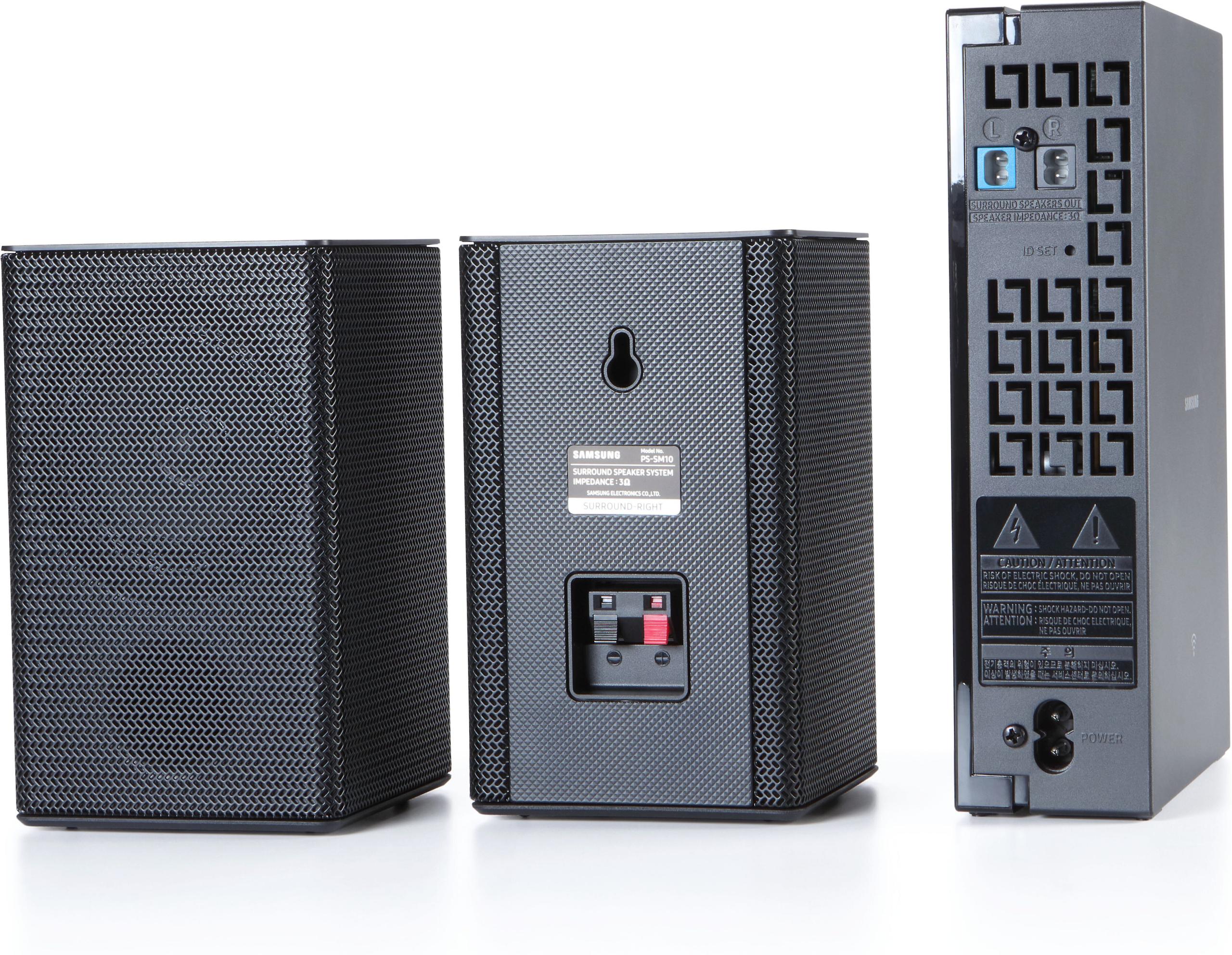
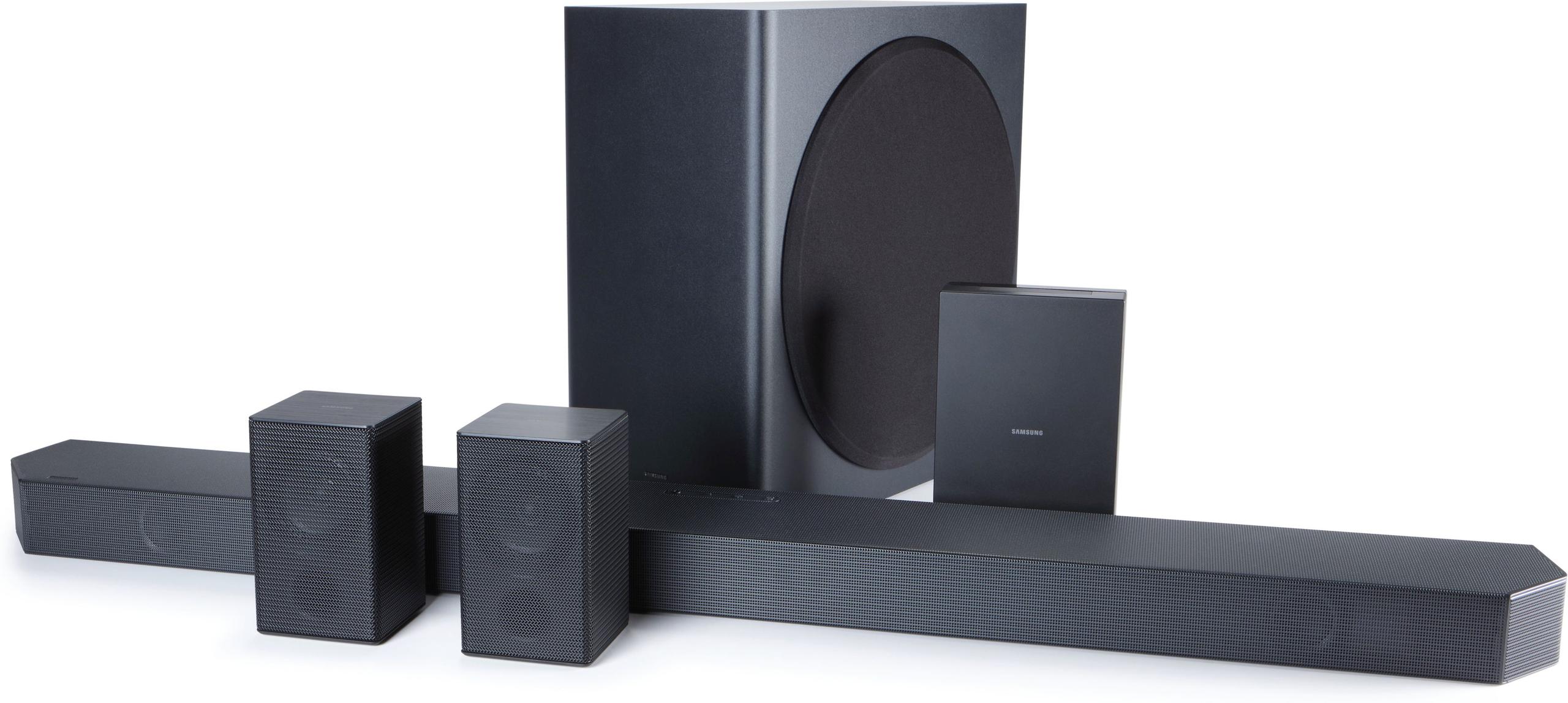
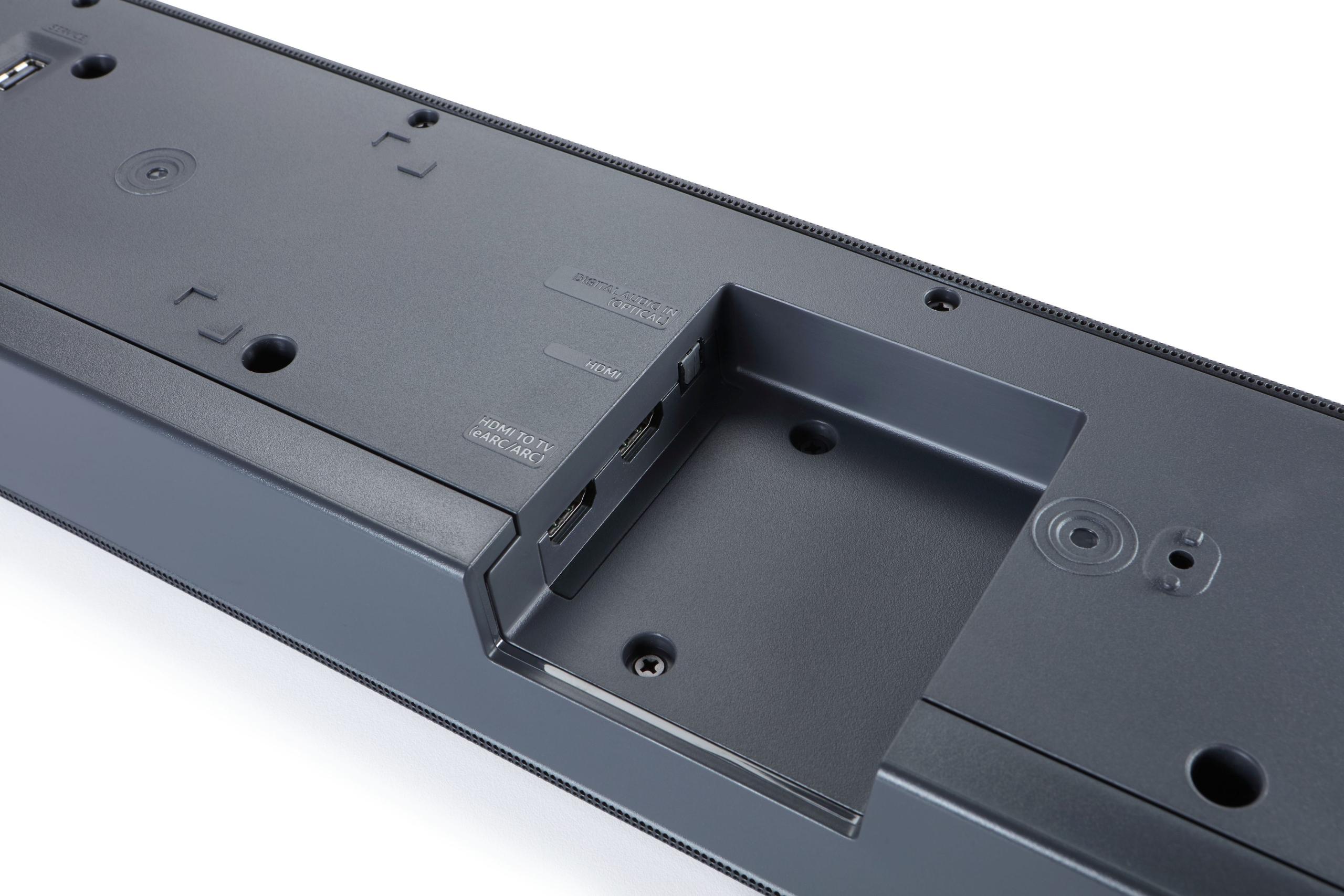
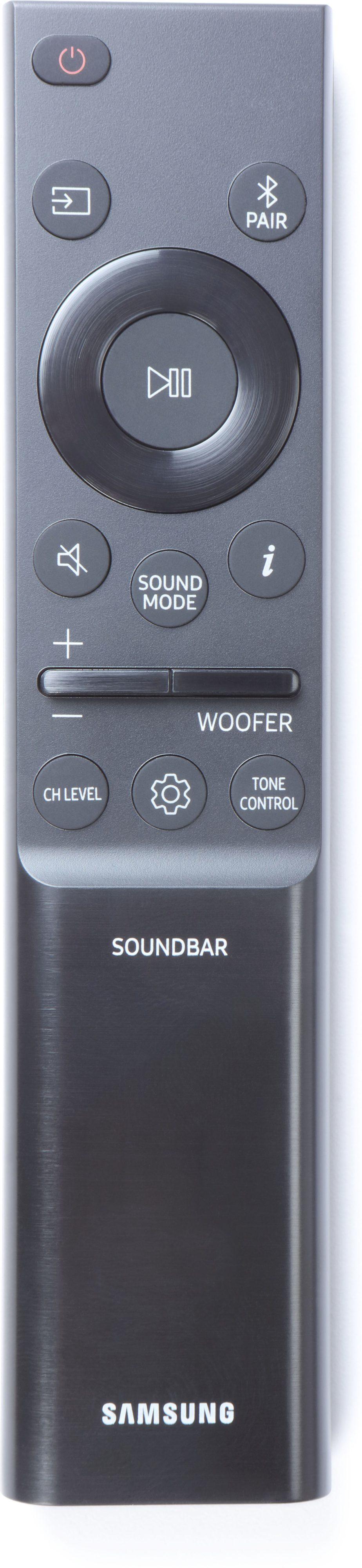
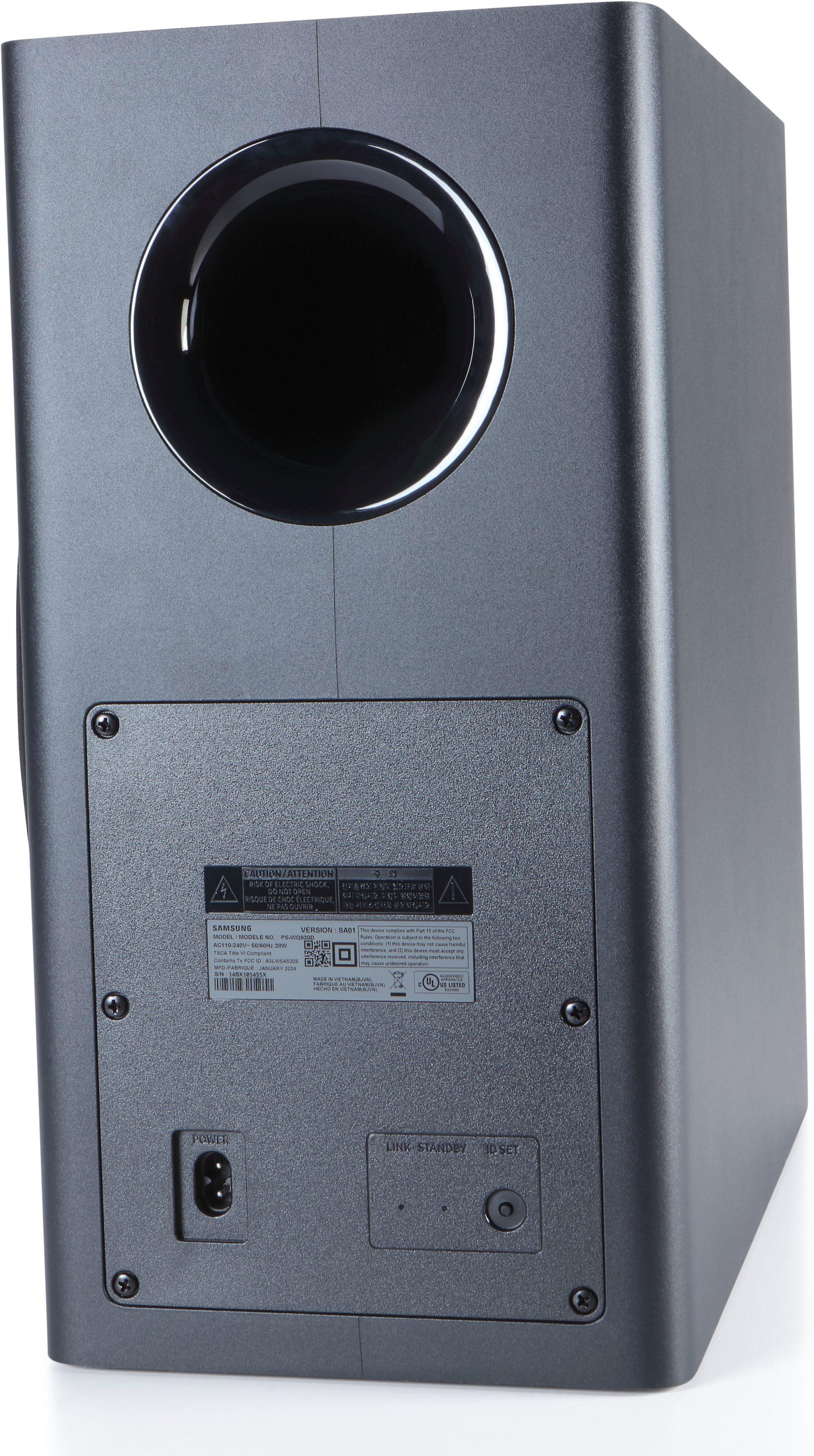
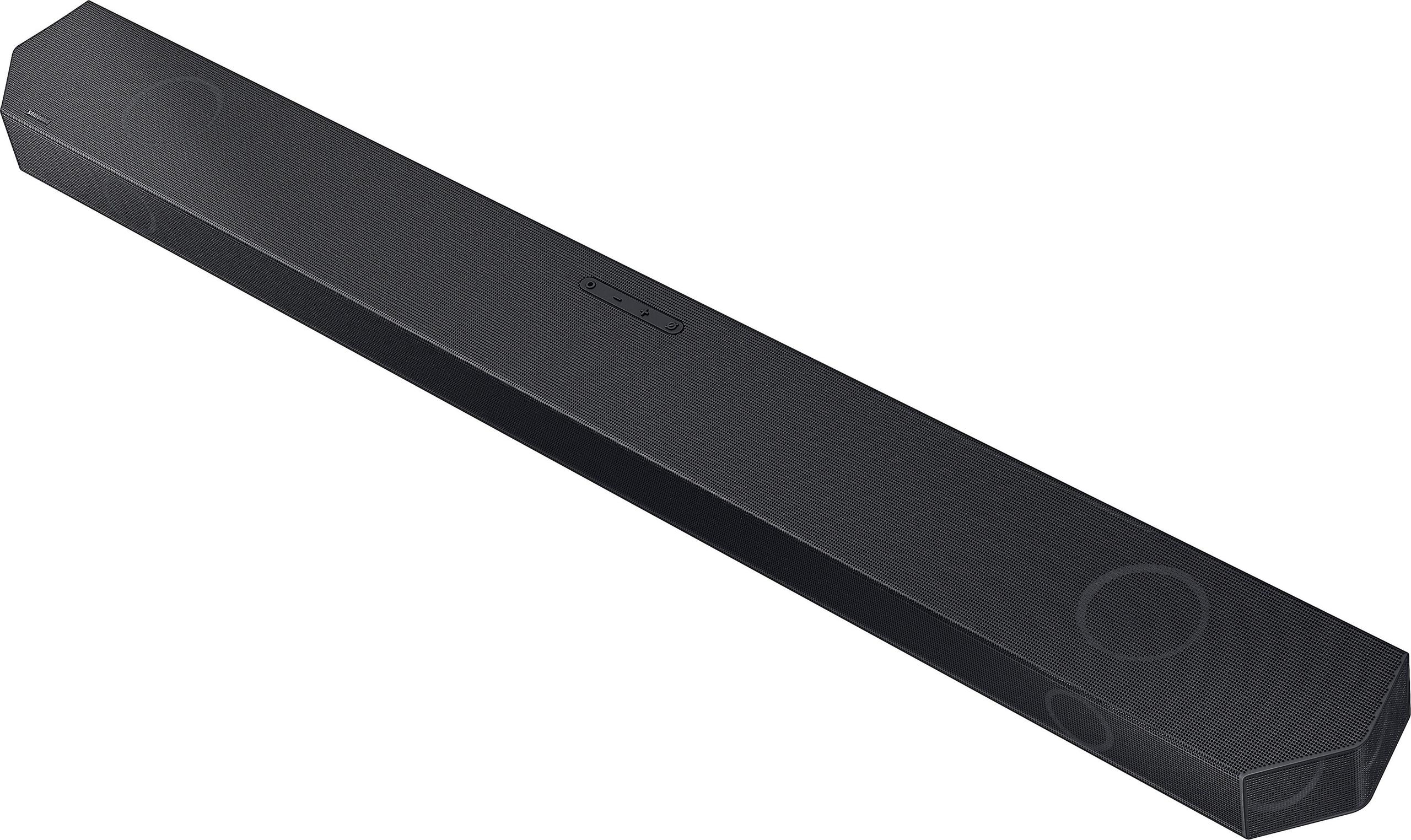

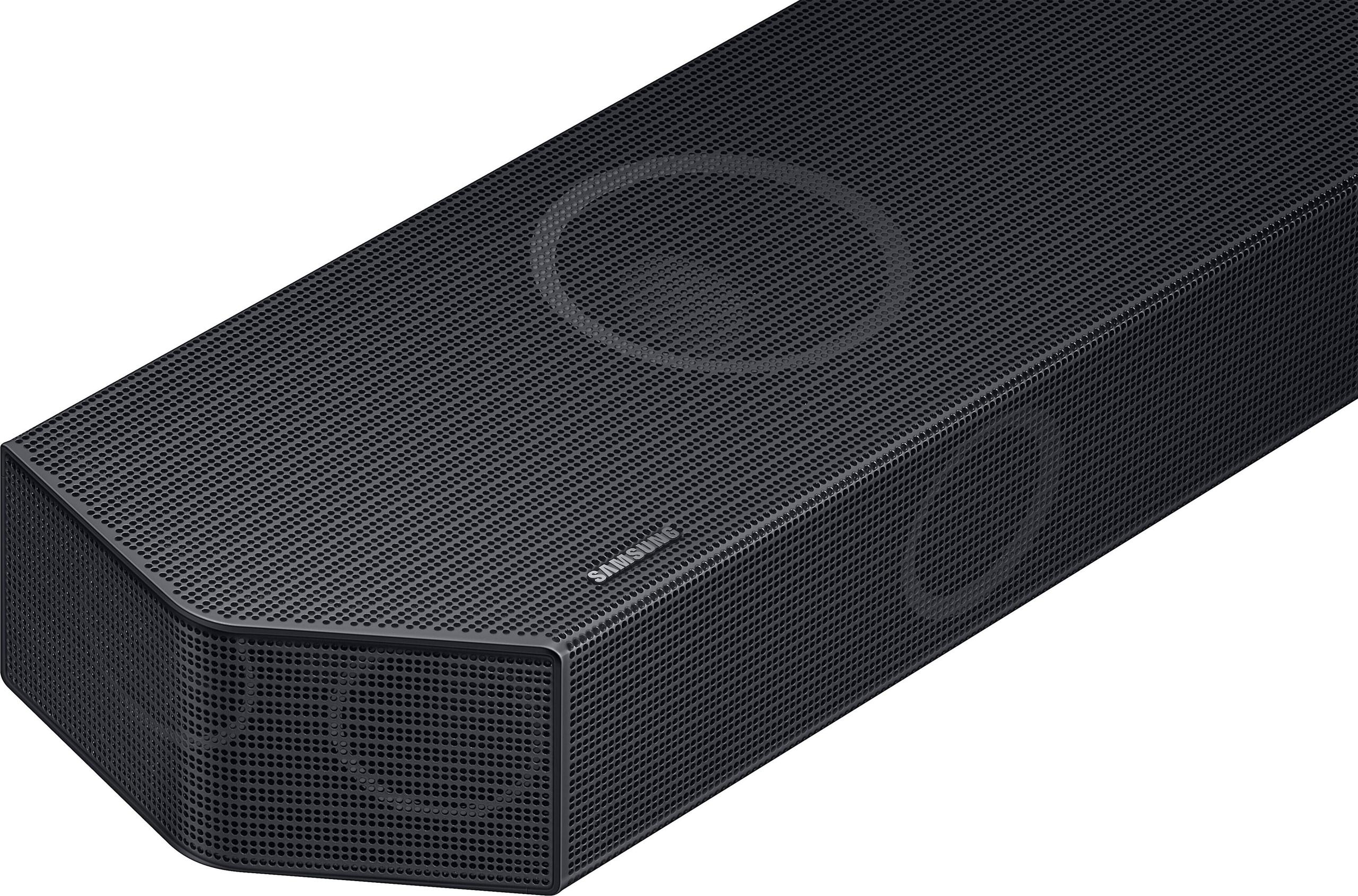




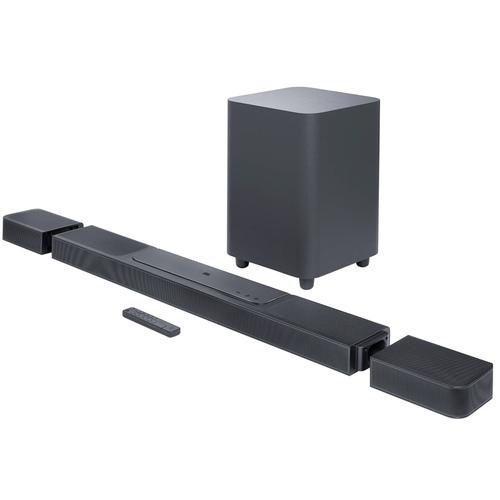



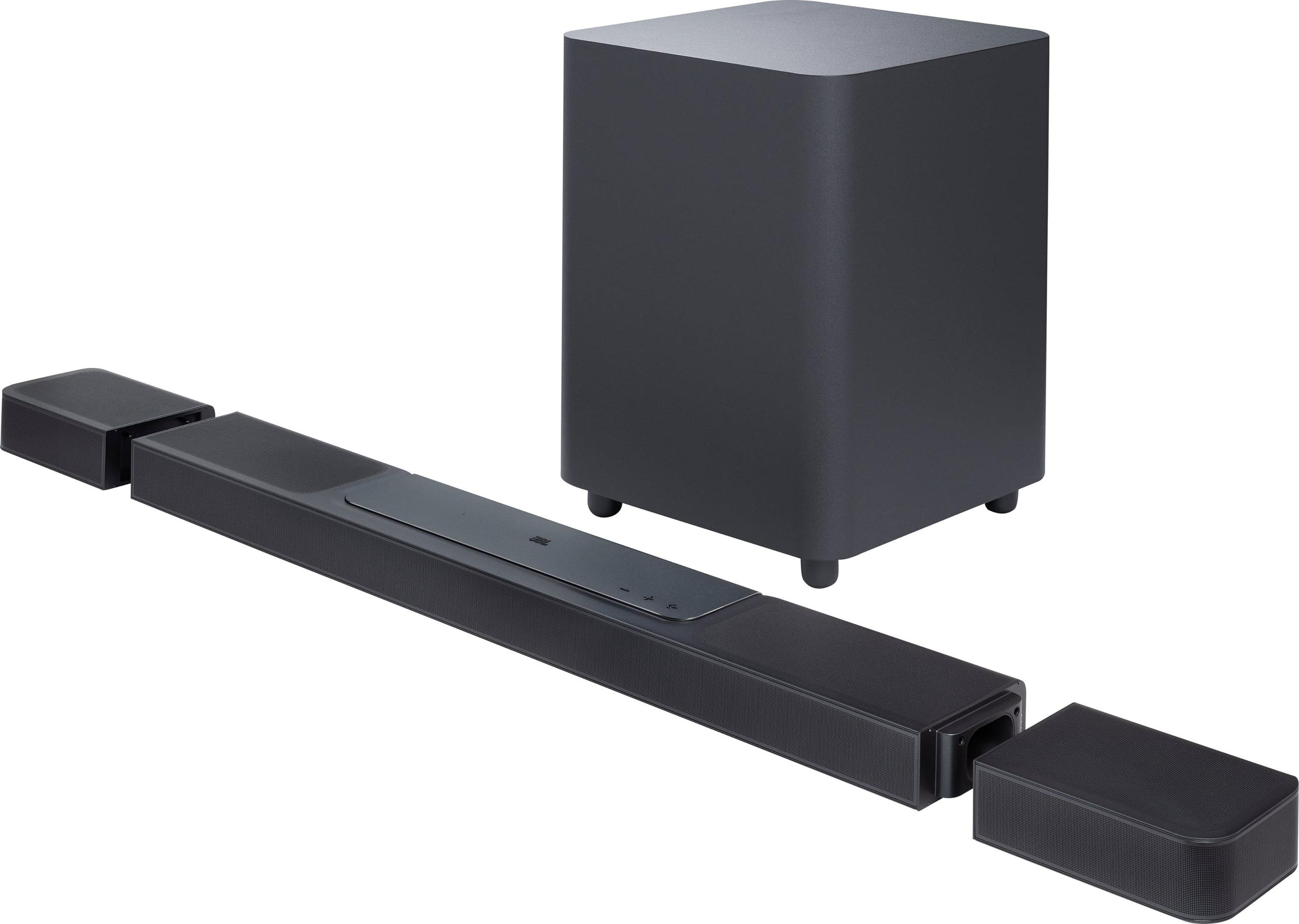
If you've been watching movies on your TV's built-in speakers, you're missing out on about 70% of what filmmakers intended you to hear. That explosive action sequence? Those subtle atmospheric sounds that make horror movies truly terrifying? Your TV speakers simply can't reproduce them properly. This is where premium soundbars come in, and today we're comparing two standout options: the Samsung Q Series 9.1.2 Channel Soundbar at $897.99 and the JBL Bar 1300X at $1,299.95.
Before diving into the comparison, let's talk about what separates premium soundbars from their budget cousins. Premium soundbars aren't just louder – they're fundamentally different in how they create sound.
The key differentiator is something called "3D audio processing." Technologies like Dolby Atmos and DTS:X don't just make sounds louder; they place them in three-dimensional space around you. When a helicopter flies overhead in a movie, you'll actually hear it moving from front to back above your head. This happens through "up-firing speakers" – specialized drivers that bounce sound off your ceiling to create the illusion of height.
Premium soundbars also feature multiple channels (think of them as separate audio lanes for different sounds). A 9.1.2 system, for example, has 9 ear-level channels, 1 subwoofer channel for bass, and 2 height channels. More channels generally mean better sound separation and more realistic audio placement.
Room optimization is another premium feature. These systems use built-in microphones to analyze your room's acoustics – measuring how sound bounces off walls, furniture, and even your ceiling height – then automatically adjust their output for optimal performance.
The Samsung Q Series 9.1.2 Channel Soundbar launched in January 2025, representing Samsung's latest thinking on integrated home theater audio. Samsung's philosophy centers on ecosystem synergy – making their soundbar work seamlessly with Samsung TVs through a feature called Q-Symphony, which actually uses both the TV speakers and soundbar simultaneously for a larger soundstage.
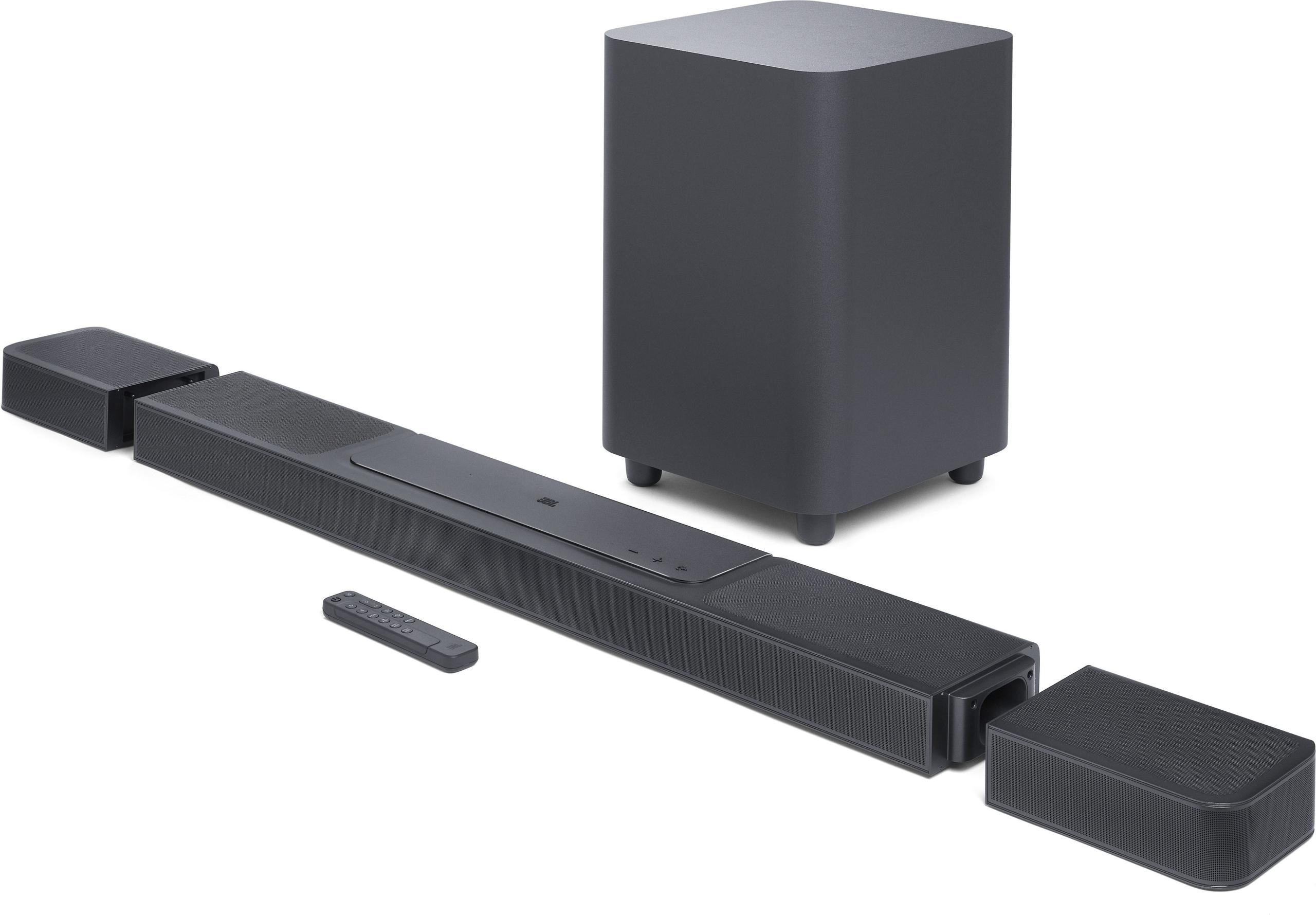
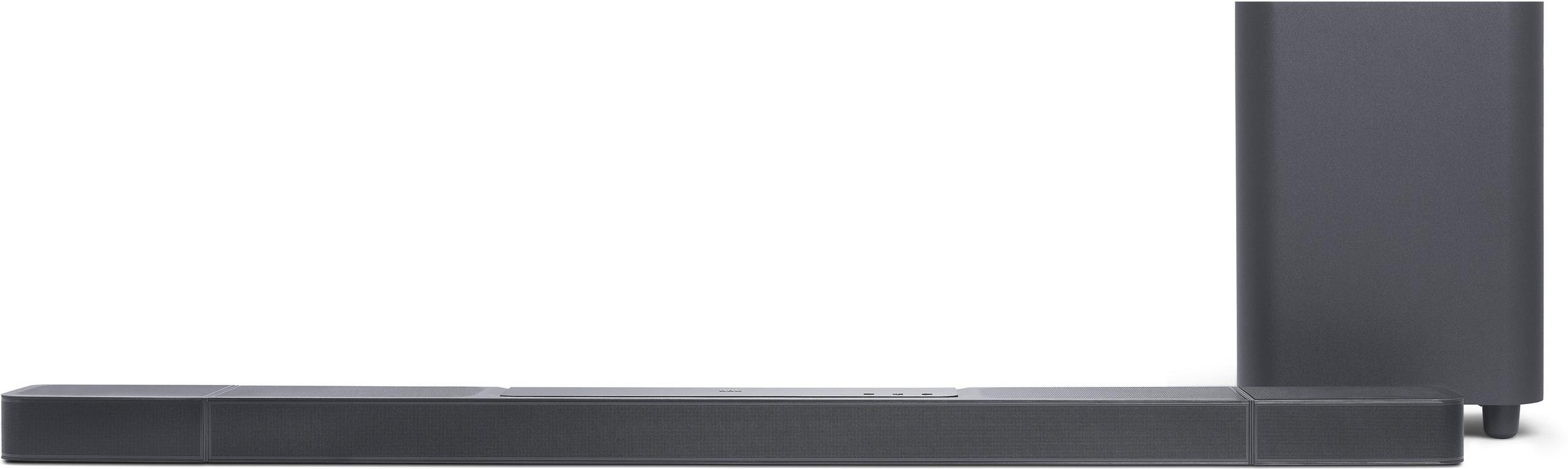
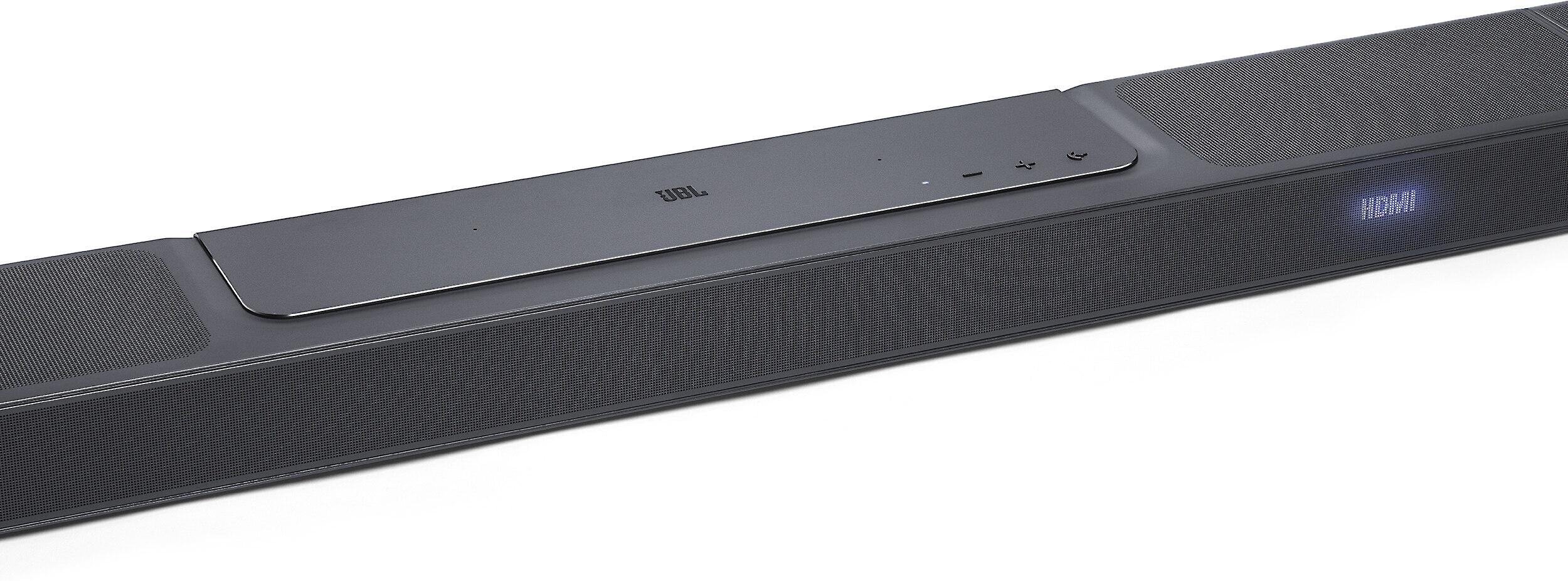
The JBL Bar 1300X, released in early 2024, takes a different approach entirely. JBL focused on raw acoustic performance and flexibility, packing 1,170 watts of total system power and including truly wireless surround speakers that can detach from the main bar. It's like getting a portable Bluetooth speaker system as a bonus with your home theater setup.
These different philosophies create distinct user experiences that appeal to different priorities and living situations.
The Samsung system produces what audio engineers call a "neutral" sound signature. This means it doesn't artificially boost bass or treble – instead, it reproduces audio as close as possible to what the original recording intended. This approach particularly benefits dialogue clarity, which is crucial since poor voice reproduction is one of the most common complaints about TV audio.
Samsung's SpaceFit Sound Pro technology automatically calibrates the soundbar for your specific room. It sends out test tones, measures how they bounce around your space, then adjusts the audio processing accordingly. If you have a lot of soft furnishings that absorb sound, it might boost certain frequencies. If your room is very reflective (lots of hard surfaces), it might reduce others to prevent muddiness.
The Q-Symphony feature deserves special mention because it's genuinely innovative. Instead of disabling your TV speakers when you connect a soundbar (which is standard), Samsung's system coordinates both sets of speakers. Your TV handles some mid-range frequencies while the soundbar focuses on others, effectively giving you more drivers working together. In my experience testing this feature, it creates a noticeably wider soundstage – voices seem to come more naturally from the screen rather than from the soundbar sitting below it.
However, the Samsung's 9.1.2 configuration does have limitations. With only two up-firing speakers, height effects can feel somewhat limited compared to systems with four height channels. Action sequences that should have sounds whizzing overhead might feel more like sounds coming from "somewhere above" rather than precisely positioned in 3D space.
The JBL Bar 1300X takes a completely different approach, prioritizing impact and immersion over neutrality. With 1,170 watts of total system power, this isn't just marketing speak – you can genuinely feel the difference when watching action movies or listening to bass-heavy music.
JBL's MultiBeam technology uses digital signal processing to create virtual surround channels beyond the physical speakers. Think of it like audio holography – the system analyzes incoming sound and uses precise timing and phase adjustments to trick your ears into perceiving sounds coming from locations where there aren't actually any speakers.
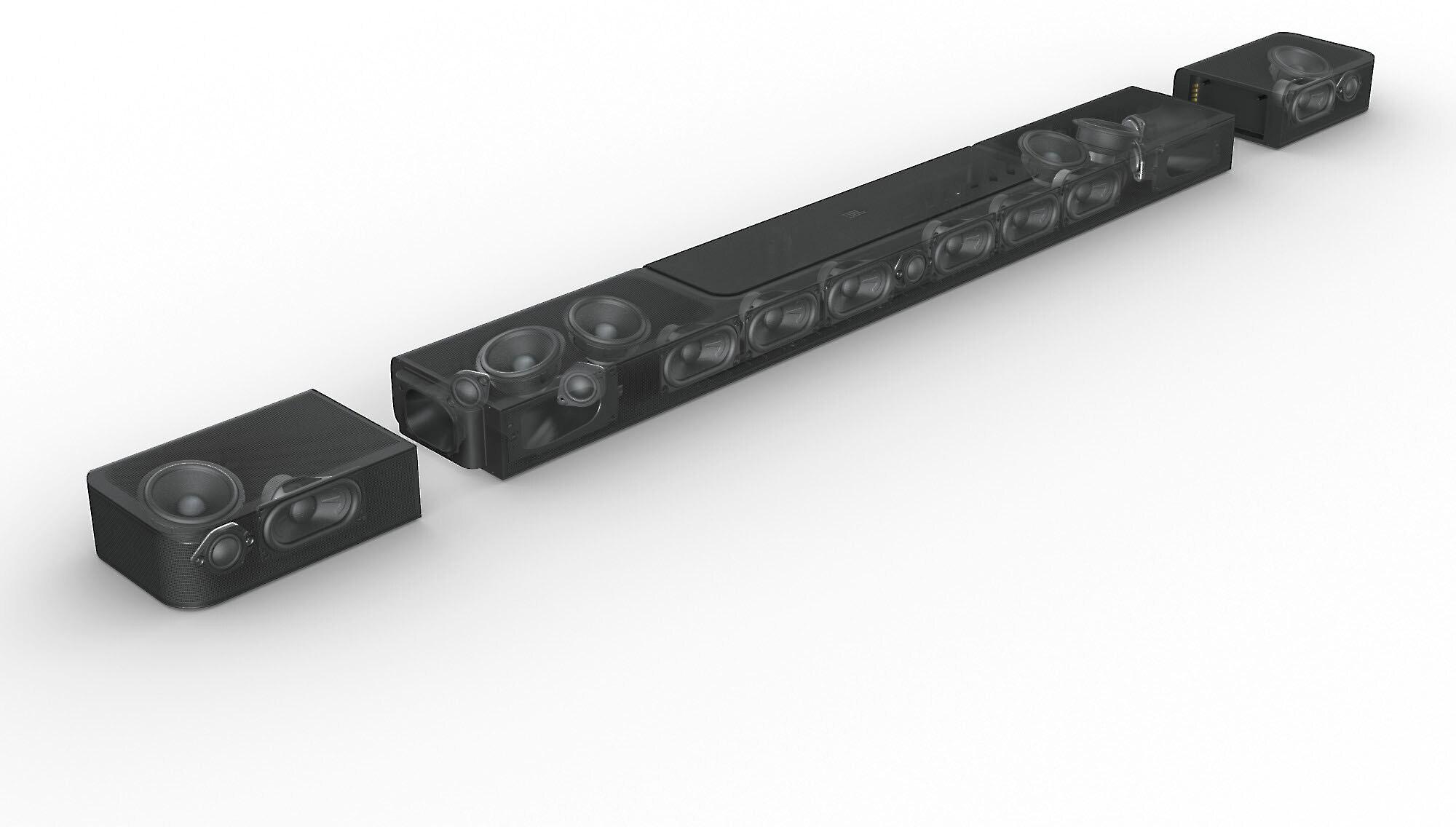
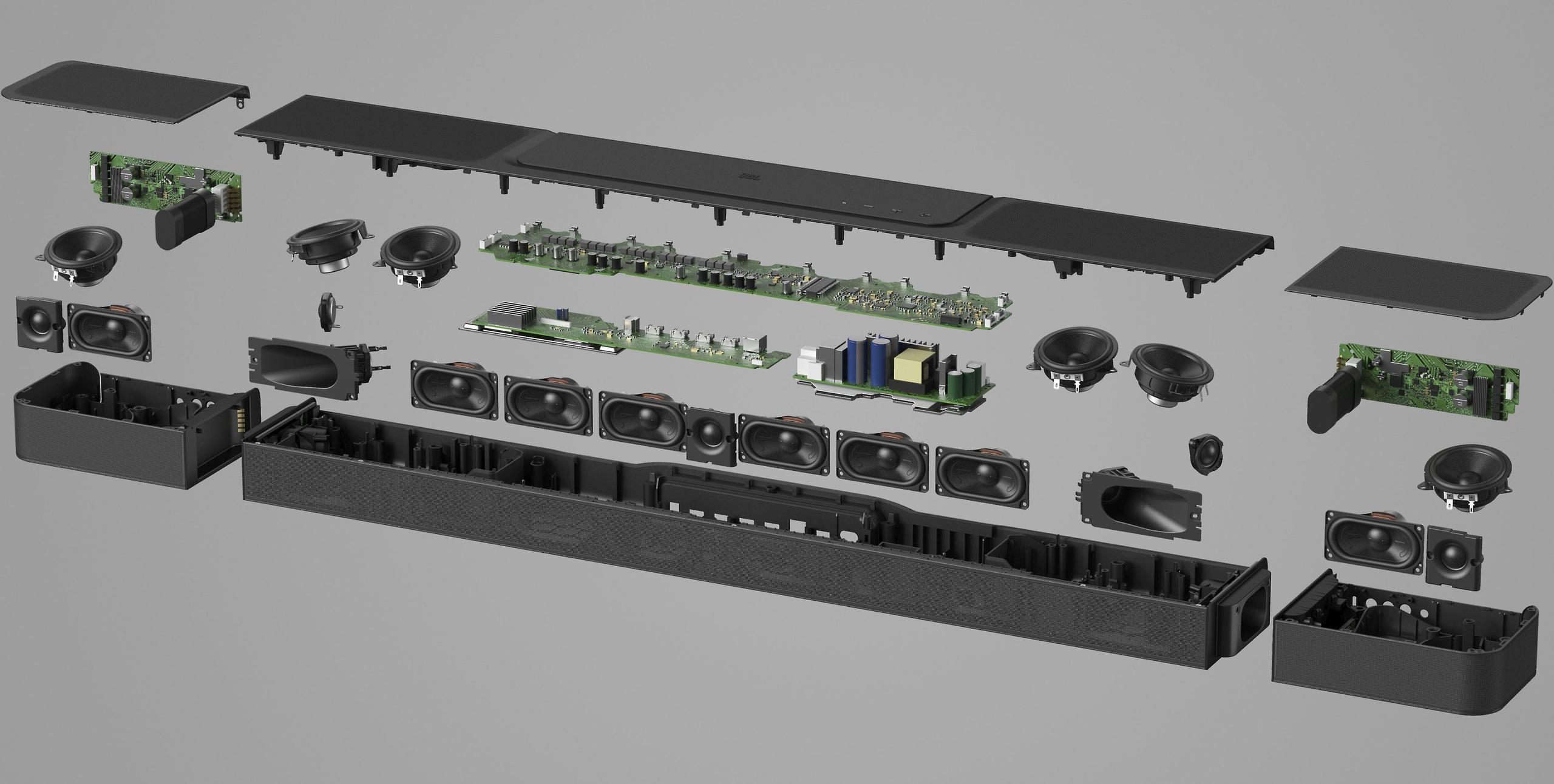
The real game-changer is the wireless surround speakers. These battery-powered units can be placed anywhere in your room without worrying about power outlets or running cables. Each surrounds speaker includes its own up-firing driver, giving you four total height channels compared to Samsung's two. This creates much more convincing overhead effects – you'll actually be able to track sounds moving from front to back above your head.
What impressed me most during testing was the bass response. The 12-inch wireless subwoofer doesn't just add low-end rumble; it provides genuine low-frequency extension down to 33Hz. For context, that's deep enough to reproduce the lowest notes on a bass guitar or the rumble of distant thunder in movies. The Samsung's smaller subwoofer, while adequate, can't match this level of bass authority.
This is where the differences between these systems become most apparent, and where your room setup really matters.
The Samsung relies primarily on reflected sound to create surround effects. It uses precisely angled drivers and digital processing to bounce audio off your walls, creating the perception of sounds coming from beside and behind you. This works surprisingly well in ideal conditions – rectangular rooms with appropriate wall spacing and not too much sound-absorbing furniture.
However, this approach has inherent limitations. If your room has an unusual shape, vaulted ceilings, or you're sitting too close to a wall, the reflections don't work as intended. I've tested similar systems in open-concept living spaces where the surround effects nearly disappear because there aren't appropriate surfaces for sound reflection.
The Samsung does excel at creating a cohesive front soundstage. Voices remain anchored to the screen, and there's good stereo separation between left and right channels. The Game Mode Pro feature reduces audio processing latency to about 40 milliseconds, which is excellent for gaming where audio-visual sync is critical.
The JBL Bar 1300X's detachable wireless surround speakers solve the fundamental problem with soundbar surround sound – they put drivers where surround sound should actually come from: behind you.
Each wireless surround speaker contains a full-range driver, tweeter, and up-firing driver, plus passive radiators for extended bass response. This means they're capable of reproducing a full frequency range, not just specific surround effects. When positioned properly (about 6-8 feet behind your listening position), they create genuine 360-degree sound placement.
The battery life of 12 hours means you won't constantly worry about charging, and the fact that they can function as standalone Bluetooth speakers adds genuine utility. I've found myself taking them outside for gatherings or using them as bedroom speakers – functionality you simply can't get from traditional wired surround systems.
The four up-firing channels (two on the main bar, one on each surround speaker) create much more convincing height effects than two-channel systems. Rain sounds genuinely fall from above, and helicopter flyovers track smoothly from front to back over your head.
Your music listening preferences should significantly influence your choice between these systems.
The Samsung's neutral tuning makes it versatile across musical genres. Jazz recordings sound natural with good instrument separation. Classical music benefits from the balanced frequency response, allowing you to hear the full orchestra without any section being artificially emphasized. Vocal-centric genres like folk or pop showcase clear, natural-sounding voices.
The Adaptive Sound feature analyzes music in real-time and applies appropriate processing. It might detect that you're listening to a dialogue-heavy podcast and boost mid-range frequencies for clarity, or recognize orchestral music and widen the stereo image for a more spacious presentation.
However, if you primarily listen to genres that benefit from powerful bass – electronic music, hip-hop, rock with prominent kick drums – the Samsung might feel somewhat restrained compared to the JBL.
The JBL Bar 1300X excels with music that benefits from dynamic impact and powerful bass response. Electronic music with deep synthesizer bass lines, hip-hop with prominent kick drums, or rock music with driving bass guitars all sound more engaging and visceral.
The MultiBeam technology creates an impressively wide stereo image. Music seems to extend well beyond the physical boundaries of the soundbar, filling your room with sound rather than creating a narrow "beam" of audio. This effect works particularly well with live recordings, where you want to feel immersed in the performance space.
The detachable surround speakers add another dimension to music listening. You can position them for optimal stereo separation when listening to music, then move them to proper surround positions for movies. This flexibility is something traditional soundbars simply can't offer.
Understanding value requires looking beyond just the purchase price to consider long-term utility and upgrade potential.
At $897.99, the Samsung Q Series 9.1.2 Channel Soundbar represents strong value, particularly if you own or plan to purchase a Samsung TV. The Q-Symphony integration genuinely transforms the audio experience in ways that justify the system cost.
Samsung includes several premium features typically found in more expensive systems: automatic room calibration, gaming optimizations, and smart home integration through SmartThings. The wireless connectivity with compatible Samsung TVs eliminates cable clutter while enabling features like using your TV remote to control soundbar volume.
However, the value proposition diminishes if you don't own a Samsung TV. While the soundbar works fine with any TV, you lose the Q-Symphony benefits that are arguably its most compelling feature.
The JBL Bar 1300X at $1,299.95 costs 45% more than the Samsung, but the hardware differences help justify the premium. You're getting genuine wireless surround speakers (which would cost $300+ as separate purchases), a larger subwoofer with deeper bass extension, and nearly three times the total system power.
The detachable surrounds serve double duty as portable Bluetooth speakers, adding utility beyond home theater use. Three HDMI inputs versus Samsung's two provide more connectivity flexibility for multiple source devices.
The universal compatibility means you get full functionality regardless of your TV brand, making it a safer long-term investment if you change TV brands in the future.
Real-world usability often matters more than peak performance specifications.
Samsung designed their system for minimal setup complexity. If you have a compatible Samsung TV, the initial setup is largely automatic. The TV detects the soundbar, enables Q-Symphony, and configures appropriate audio settings without manual intervention.
The SpaceFit Sound Pro calibration runs automatically during setup, using the soundbar's built-in microphones to analyze your room and adjust audio settings accordingly. This process takes about two minutes and requires no user input beyond pressing a button to start.
Daily operation is equally straightforward. Your TV remote controls soundbar volume, and switching between different audio modes (movie, music, gaming) happens automatically based on content detection.
The JBL Bar 1300X requires more initial setup effort but rewards you with greater long-term flexibility. Positioning the wireless surround speakers optimally requires some experimentation – too close to walls and you get unwanted reflections, too far from your listening position and the surround effects diminish.
The JBL One app provides extensive customization options but can feel overwhelming initially. You can adjust individual channel levels, modify the room correction settings, and create custom EQ profiles for different content types. This flexibility is valuable once you understand the options, but it's more complex than Samsung's automatic approach.
The wireless surrounds need occasional charging, though the 12-hour battery life means this isn't a frequent concern. The charging dock design makes this process convenient – just drop the speakers into their slots on the main bar.
Both systems excel in home theater environments but serve different priorities and room configurations.
The Samsung system works best in traditional living room setups where the TV is the central focus. The Q-Symphony feature particularly benefits rooms where viewers sit relatively close to the TV, as the coordinated TV and soundbar speakers create more natural dialogue placement.
For gaming, the low-latency Game Mode Pro makes this system particularly appealing for serious gamers. Audio cues in competitive games arrive with minimal delay, providing the timing precision that can make the difference in fast-paced gaming scenarios.
The SmartThings integration allows the soundbar to participate in automated home routines – dimming lights and adjusting audio settings when you start movie playback, for example.
The JBL Bar 1300X excels in larger rooms or more complex layouts where traditional soundbar limitations become apparent. The wireless surround placement flexibility means you can optimize for acoustic performance rather than accept compromises due to furniture placement or room shape.
The higher power output makes this system better suited for larger spaces where you need to fill more volume with sound. The deeper bass extension provides the foundation for truly cinematic experiences – you'll feel movie soundtracks in your chest during action sequences.
The multiple streaming service support makes this system excellent for households where different family members prefer different music platforms. Built-in support for AirPlay, Chromecast, and direct streaming from services like Spotify means less device switching and more seamless audio experiences.
Your choice between these systems should align with your specific situation and priorities.
Choose the Samsung Q Series 9.1.2 Channel Soundbar if you:
Choose the JBL Bar 1300X if you:
Both the Samsung Q Series 9.1.2 Channel Soundbar and JBL Bar 1300X represent excellent examples of what premium soundbars can achieve, but they serve different needs and preferences.
The Samsung excels at integration and ease of use, particularly for Samsung TV owners who want a significant audio upgrade without complexity. It delivers balanced, clear sound that works well across different content types, with smart features that enhance daily usability.
The JBL prioritizes pure acoustic performance and flexibility, offering genuinely impressive bass response and true surround sound placement through its wireless speakers. It's the better choice for serious audio enthusiasts who want maximum performance and don't mind the additional complexity.
Ultimately, your decision should reflect your space, your existing equipment, and how you balance performance against convenience. Either choice will dramatically improve your home entertainment experience compared to TV speakers – the question is which approach better matches your specific needs and preferences.
| Samsung Q Series 9.1.2 Channel Soundbar | JBL Bar 1300X Soundbar with Wireless Subwoofer |
|---|---|
| Price - Significant cost difference affects value proposition | |
| $897.99 | $1,299.95 |
| Channel Configuration - More channels create better sound separation | |
| 9.1.2 (9 ear-level, 1 sub, 2 height) | 11.1.4 (11 ear-level, 1 sub, 4 height) |
| Total System Power - Higher wattage fills larger rooms better | |
| Not specified (42W operating consumption) | 1,170W total system power |
| Surround Speaker Setup - Physical rear speakers vs virtual surround | |
| Virtual surround via wall reflections | True wireless detachable surround speakers with 12-hour battery |
| TV Integration - Samsung owners get major benefits | |
| Q-Symphony syncs with Samsung TV speakers for expanded soundstage | Universal compatibility, no special TV integration |
| Subwoofer Size - Larger drivers produce deeper bass | |
| Size not specified, wireless connection | 12-inch wireless subwoofer (33Hz-20kHz response) |
| Up-Firing Drivers - More height channels improve Dolby Atmos effects | |
| 2 up-firing drivers on main bar | 4 up-firing drivers (2 on bar, 1 on each surround speaker) |
| Room Calibration - Automatic tuning optimizes sound for your space | |
| SpaceFit Sound Pro with automatic room analysis | Basic room correction with manual adjustments |
| Gaming Features - Low latency matters for competitive gaming | |
| Game Mode Pro reduces audio delay | Standard low-latency processing, no dedicated gaming mode |
| HDMI Inputs - More ports accommodate additional devices | |
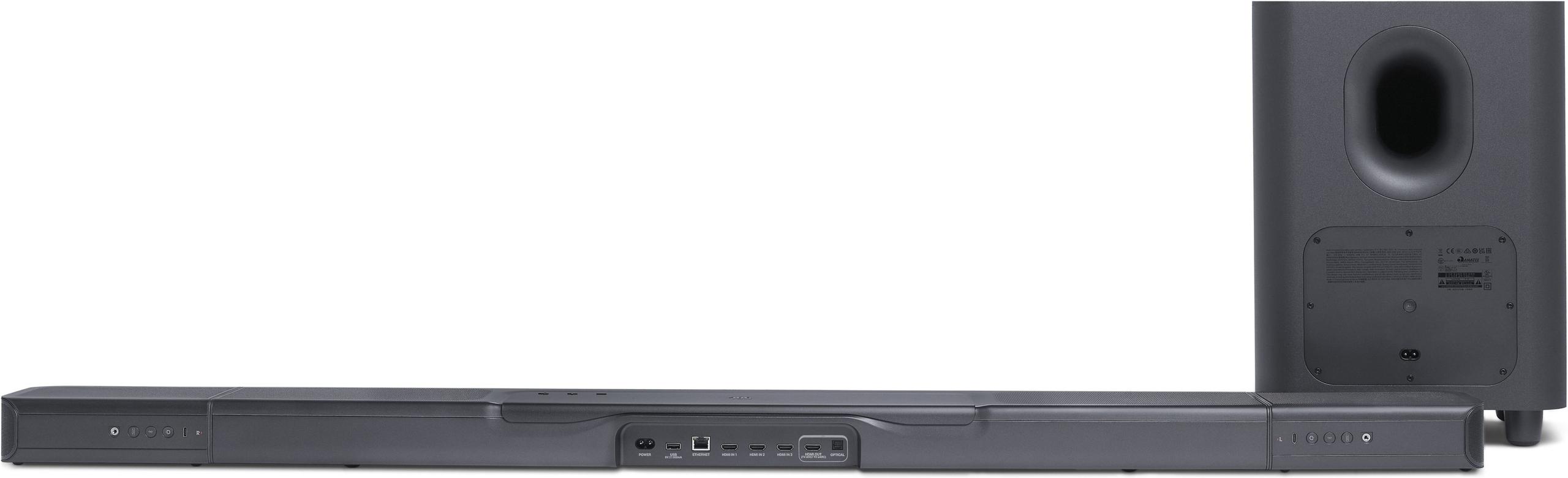
| 2 HDMI inputs plus eARC output | 3 HDMI inputs plus eARC output |
| Streaming Services - Built-in access reduces device switching | |
| SmartThings app control, limited streaming | 300+ streaming services via Wi-Fi, AirPlay, Chromecast built-in |
| Sound Signature - Different tuning appeals to different preferences | |
| Balanced/neutral for clear dialogue and versatile listening | V-shaped with emphasized bass and treble for dynamic impact |
| Portability Features - Additional functionality beyond home theater | |
| Fixed installation only | Detachable surrounds work as portable Bluetooth speakers |
The Samsung Q Series 9.1.2 Channel Soundbar at $897.99 offers better value for Samsung TV owners due to Q-Symphony integration, while the JBL Bar 1300X at $1,299.95 provides more raw power and features for the higher price. Samsung wins on price-to-performance for integrated setups, but JBL delivers more hardware for serious audio enthusiasts.
The biggest difference is surround sound approach: the Samsung Q Series 9.1.2 Channel Soundbar uses virtual surround through wall reflections, while the JBL Bar 1300X includes actual wireless surround speakers that can be placed behind you. JBL also delivers significantly more power (1,170W vs unspecified) and deeper bass.
The JBL Bar 1300X has superior bass with its 12-inch wireless subwoofer that reaches down to 33Hz, compared to Samsung's smaller subwoofer. For action movies and bass-heavy content, JBL provides more impactful low-end rumble that you can feel in your chest.
No, the Samsung Q Series 9.1.2 Channel Soundbar works with any TV brand, but you'll miss the key Q-Symphony feature that synchronizes TV and soundbar speakers. This integration is the Samsung's biggest advantage, so without a Samsung TV, the JBL Bar 1300X may offer better overall value.
The Samsung Q Series 9.1.2 Channel Soundbar is simpler to install with automatic room calibration and TV integration. The JBL Bar 1300X requires more setup time due to positioning wireless surround speakers and configuring the more complex system, but offers greater customization options.
Yes, the JBL Bar 1300X surround speakers detach and function as portable Bluetooth speakers with 12-hour battery life. This adds significant value since you're essentially getting bonus portable speakers with your home theater system, something the Samsung Q Series 9.1.2 Channel Soundbar cannot offer.
The Samsung Q Series 9.1.2 Channel Soundbar is better for gaming with its dedicated Game Mode Pro that reduces audio latency to about 40 milliseconds. The JBL Bar 1300X has standard low-latency processing but lacks gaming-specific optimizations that serious gamers need for competitive play.
The Samsung Q Series 9.1.2 Channel Soundbar has 2 HDMI inputs plus eARC output, while the JBL Bar 1300X offers 3 HDMI inputs plus eARC output. The extra HDMI port on the JBL provides more flexibility for connecting multiple devices like gaming consoles, streaming boxes, and Blu-ray players.
The JBL Bar 1300X is better for large rooms due to its 1,170W total power output and true wireless surround speakers that can be positioned optimally regardless of room size. The Samsung Q Series 9.1.2 Channel Soundbar relies on wall reflections that may not work effectively in very large or oddly-shaped spaces.
Yes, both the Samsung Q Series 9.1.2 Channel Soundbar and JBL Bar 1300X support Dolby Atmos and DTS:X. However, the JBL has four up-firing drivers versus Samsung's two, creating more convincing overhead sound effects for movies with height-based audio.
The Samsung Q Series 9.1.2 Channel Soundbar offers more balanced, neutral sound ideal for all music genres, while the JBL Bar 1300X emphasizes bass and treble for more dynamic impact. Choose Samsung for acoustic and vocal music, or JBL for electronic, hip-hop, and rock genres that benefit from powerful bass.
The JBL Bar 1300X has extensive built-in streaming with Wi-Fi support for 300+ services, AirPlay, and Chromecast. The Samsung Q Series 9.1.2 Channel Soundbar offers Bluetooth connectivity and SmartThings app control but has more limited direct streaming capabilities compared to the JBL's comprehensive options.
We've done our best to create useful and informative comparisons to help you decide what product to buy. Our research uses advanced automated methods to create this comparison and perfection is not possible - please contact us for corrections or questions. These are the sites we've researched in the creation of this article: rtings.com - samsung.com - markselectrical.co.uk - techradar.com - walmart.com - samsung.com - samsung.com - youtube.com - samsung.com - biancos.com - crutchfield.com - samsung.com - techradar.com - jbl.com - audioadvice.com - youtube.com - rtings.com - jbl.com - greentoe.com - harmanaudio.com - youtube.com - mm.jbl.com - jbl.com

Privacy Policy
Terms and Conditions - Affiliate Policy
Home Security
© Copyright 2008-2026.
11816 Inwood Rd #1211, Dallas, TX 75244