







If you've ever turned up your TV volume just to understand what characters are saying, only to have the action scenes blast you out of your seat, you know exactly why soundbars exist. These sleek audio devices have become the go-to solution for fixing terrible TV speakers, but choosing the right one can feel overwhelming with so many options available.
Today we're comparing two soundbars that take completely different approaches to solving your audio problems: the compact Sonos Ray and the feature-packed Klipsch Flexus Core 200. These aren't just different models from competing brands – they represent fundamentally different philosophies about what a soundbar should be and do.
Before diving into specifics, let's talk about what actually matters when choosing a soundbar. The most important factor is channel configuration – essentially how many separate audio streams the soundbar can handle. A 2.0 system plays stereo sound (left and right), while a 3.1.2 system includes left, center, and right channels, plus a dedicated subwoofer channel (.1) and two height channels (.2) for overhead effects.
Room acoustics play a huge role too. Sound bounces off walls, ceilings, and furniture, which can either enhance or muddy your audio experience. The best soundbars account for this through room correction technology that analyzes your space and adjusts the sound accordingly.
Connectivity options determine how you'll actually use your soundbar. HDMI eARC (enhanced Audio Return Channel) provides the highest quality connection and allows your TV remote to control the soundbar volume. Optical connections work with virtually any TV but limit you to compressed audio formats. Wireless streaming capabilities let you play music directly from your phone or streaming services.
The physical size matters more than you might think. A soundbar that's too small for your room will sound thin and weak, while one that's too large can overwhelm smaller spaces and create muddy, boomy sound.
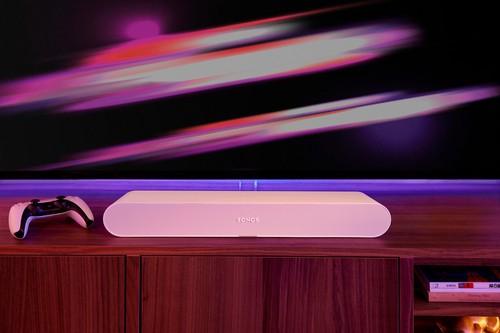
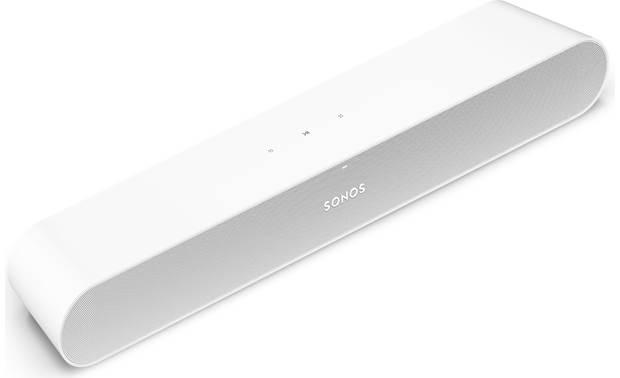
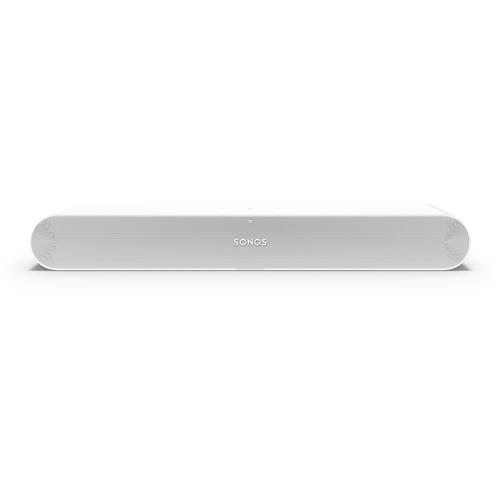
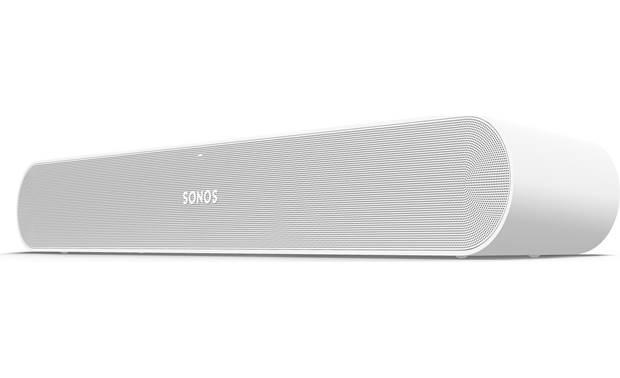
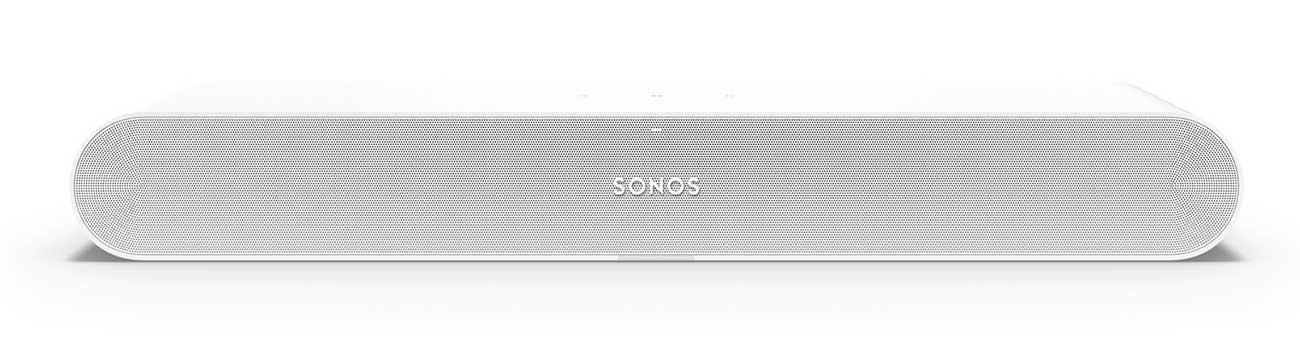
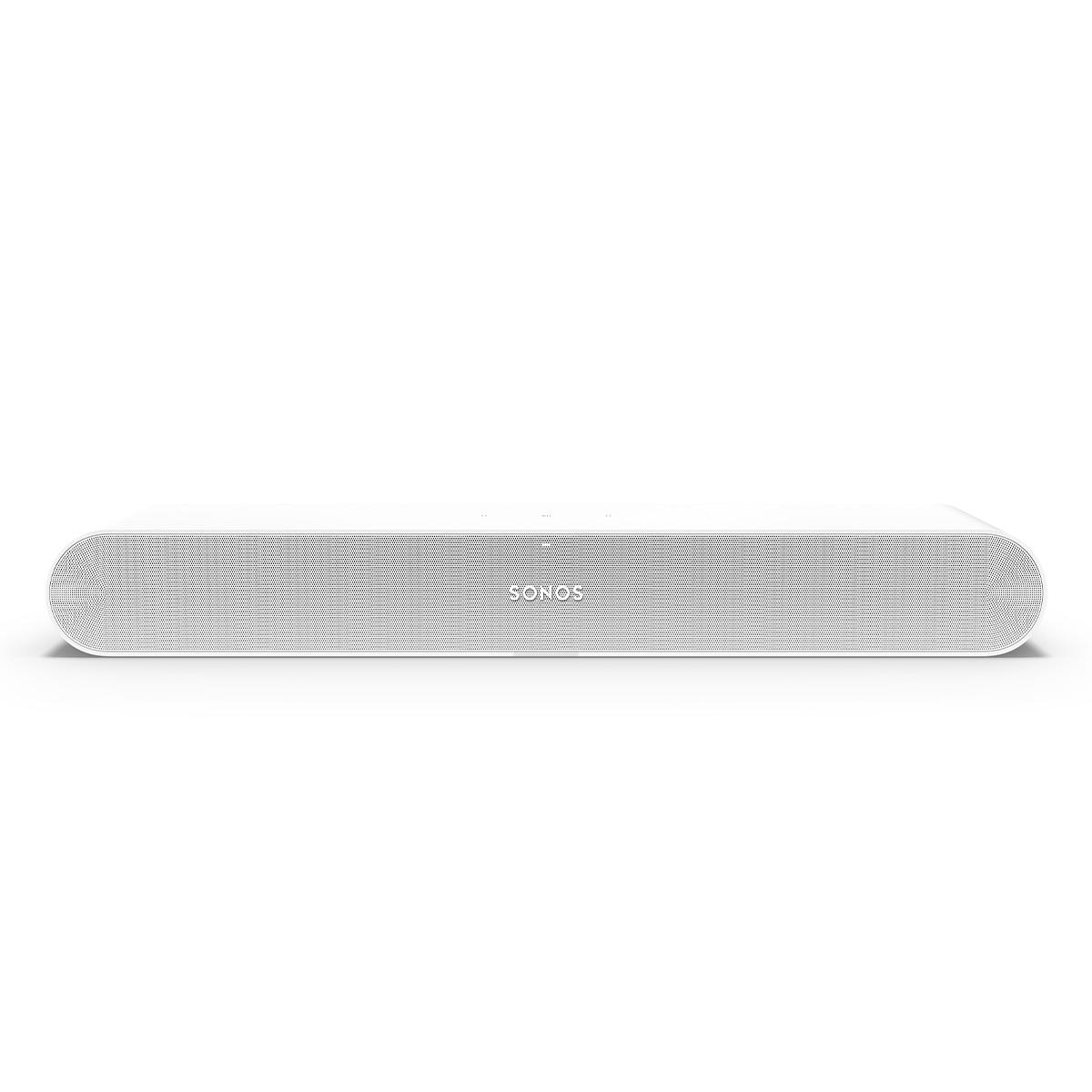
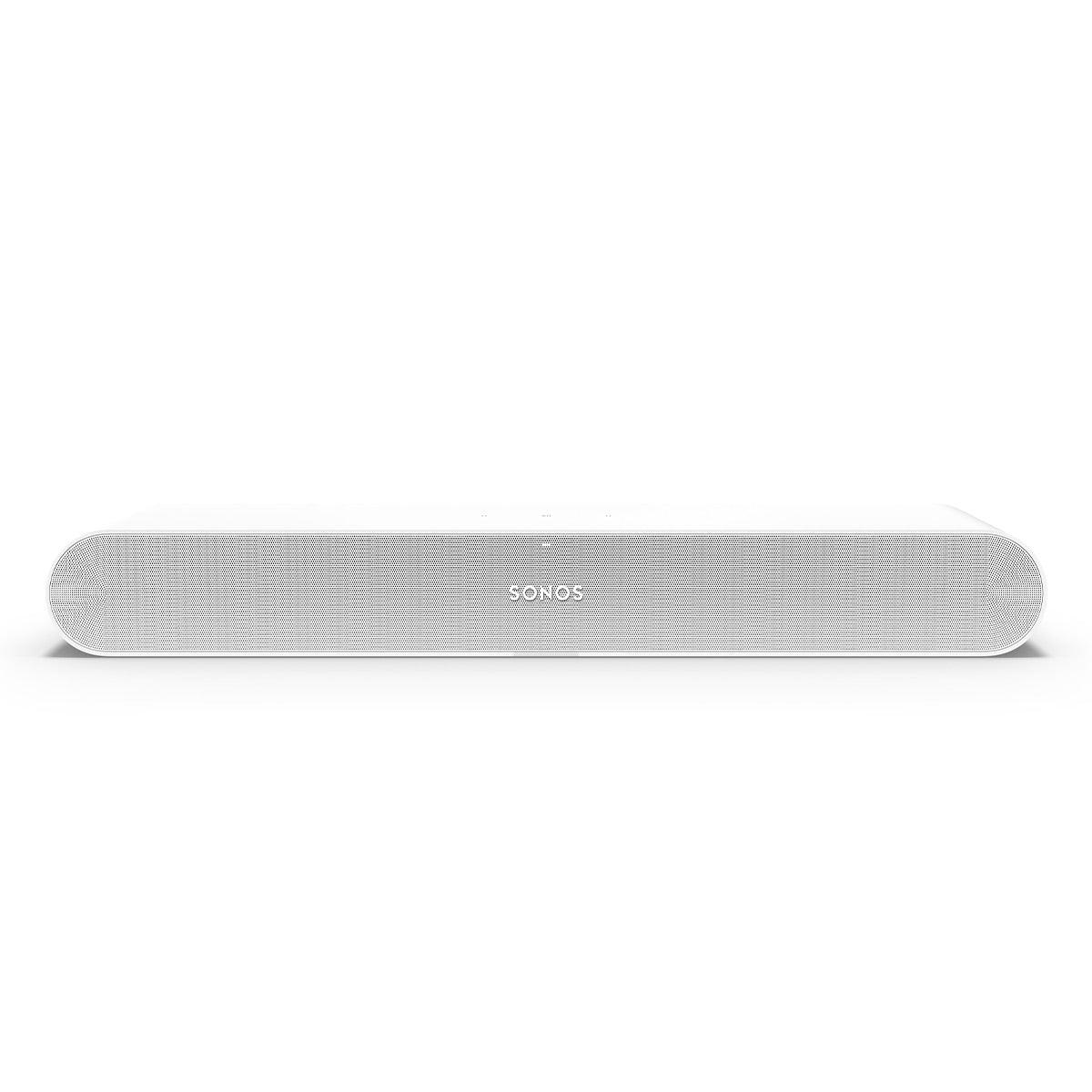
Released in 2022, the Sonos Ray represents Sonos's attempt to bring their renowned multi-room audio expertise to the entry-level soundbar market. At just 22 inches wide, it's designed for smaller spaces where larger soundbars would look ridiculous or perform poorly.
The Ray uses a 2.0 stereo configuration with four carefully tuned drivers: two silk-dome tweeters handle high frequencies like dialogue and music details, while two elliptical midwoofers cover the crucial midrange where most vocal content lives. This might sound simple compared to soundbars with a dozen drivers, but Sonos has spent years perfecting this approach.
What makes the Sonos Ray special is its Trueplay room correction technology. Using an iOS device, you walk around your room playing test tones while the app measures how sound reflects off your walls, furniture, and ceiling. The soundbar then adjusts its output to compensate for your room's acoustic quirks. I've tested this feature extensively, and the difference is immediately noticeable – voices become clearer and the overall sound becomes more balanced and natural.
The Ray's bass reflex system uses specially designed ports to extend low-frequency response without adding bulk. While it can't match larger soundbars for deep bass, it produces surprisingly full sound for its size. The proprietary port design minimizes the "chuffing" sound you sometimes hear from poorly designed bass ports.
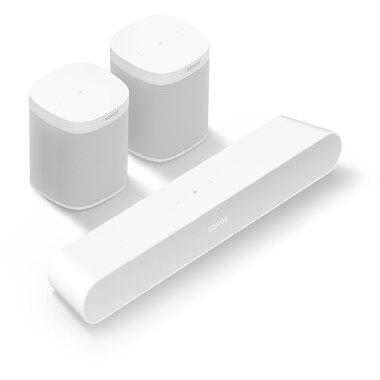
Where the Ray truly shines is wireless streaming and ecosystem integration. Unlike most soundbars that treat streaming as an afterthought, Sonos built their reputation on wireless audio. The Ray connects to your Wi-Fi network and becomes part of the Sonos multi-room system, meaning you can group it with other Sonos speakers throughout your home.
The Sonos app provides access to virtually every major streaming service – Spotify, Apple Music, Amazon Music HD, Tidal, and dozens more – with a consistent, polished interface. You can start music on your phone and seamlessly transfer playback to the soundbar, or play different music in different rooms simultaneously.
Apple AirPlay 2 support means iPhone and iPad users can stream directly to the Ray without opening the Sonos app. The integration is so seamless that the soundbar appears as a speaker option in your device's control center.
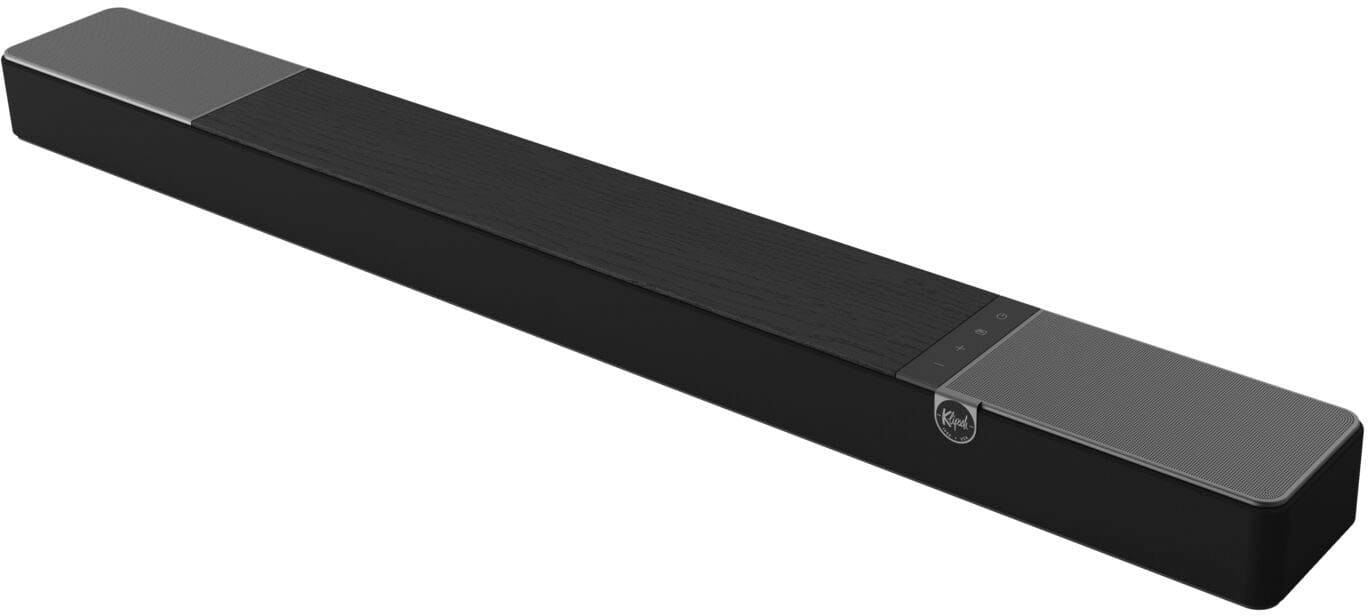
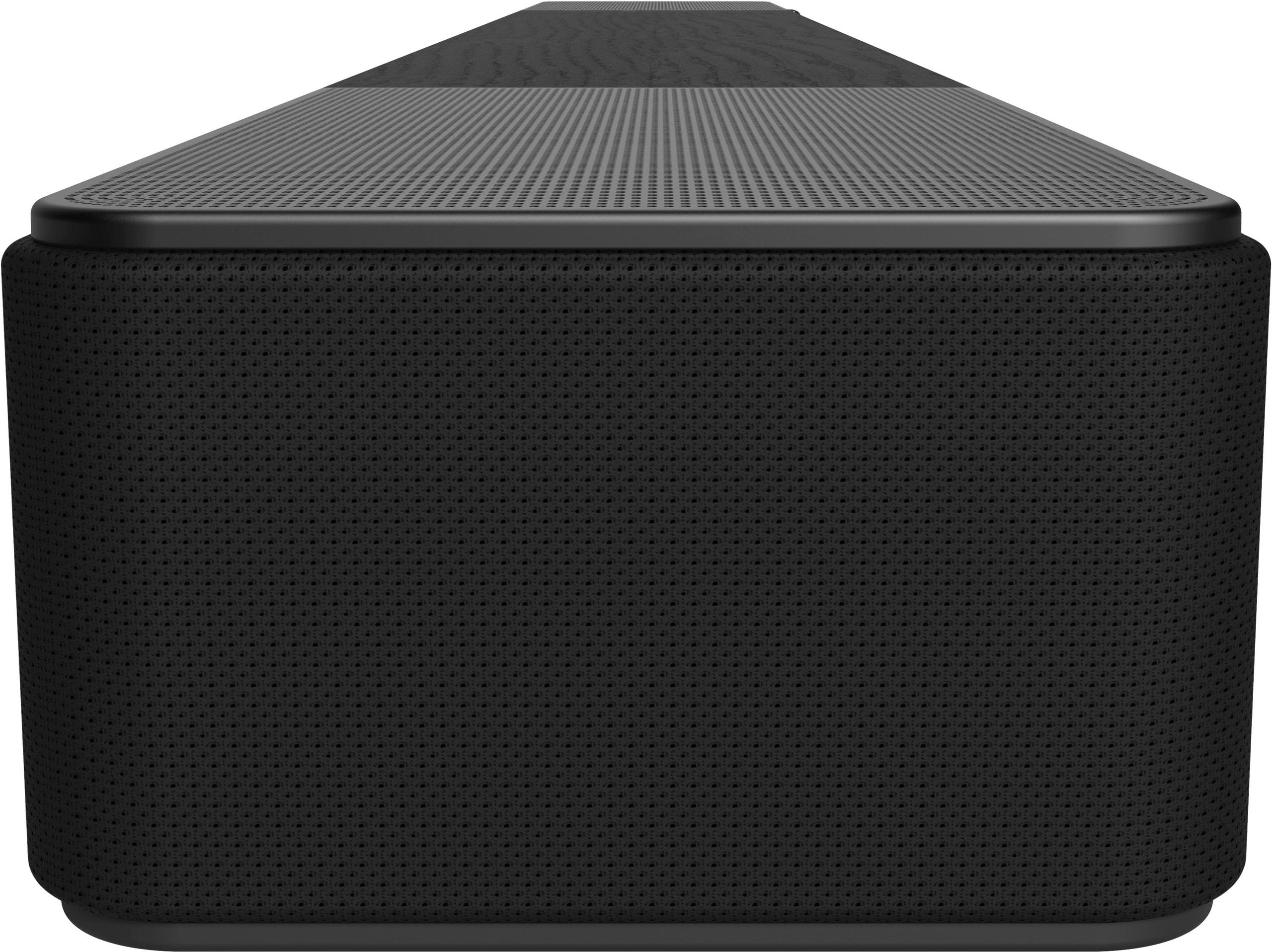
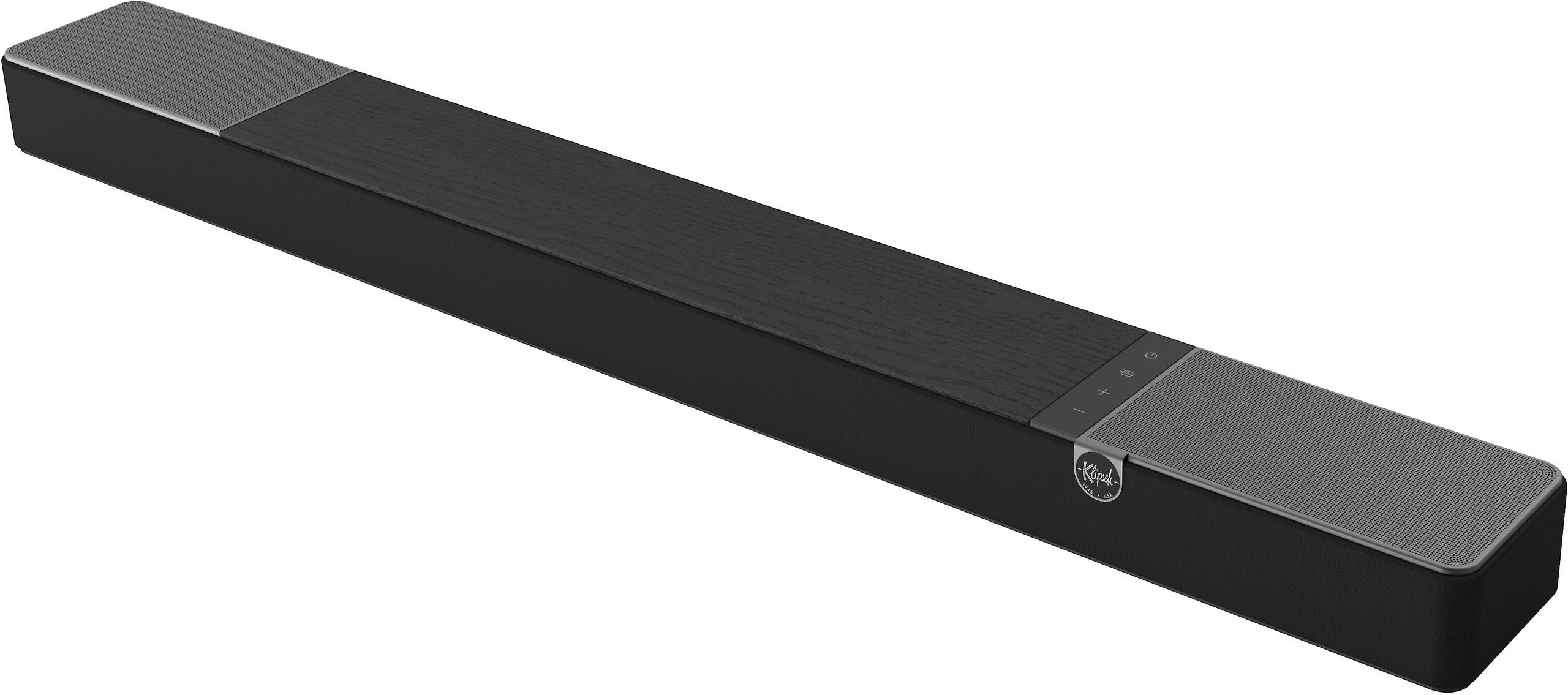
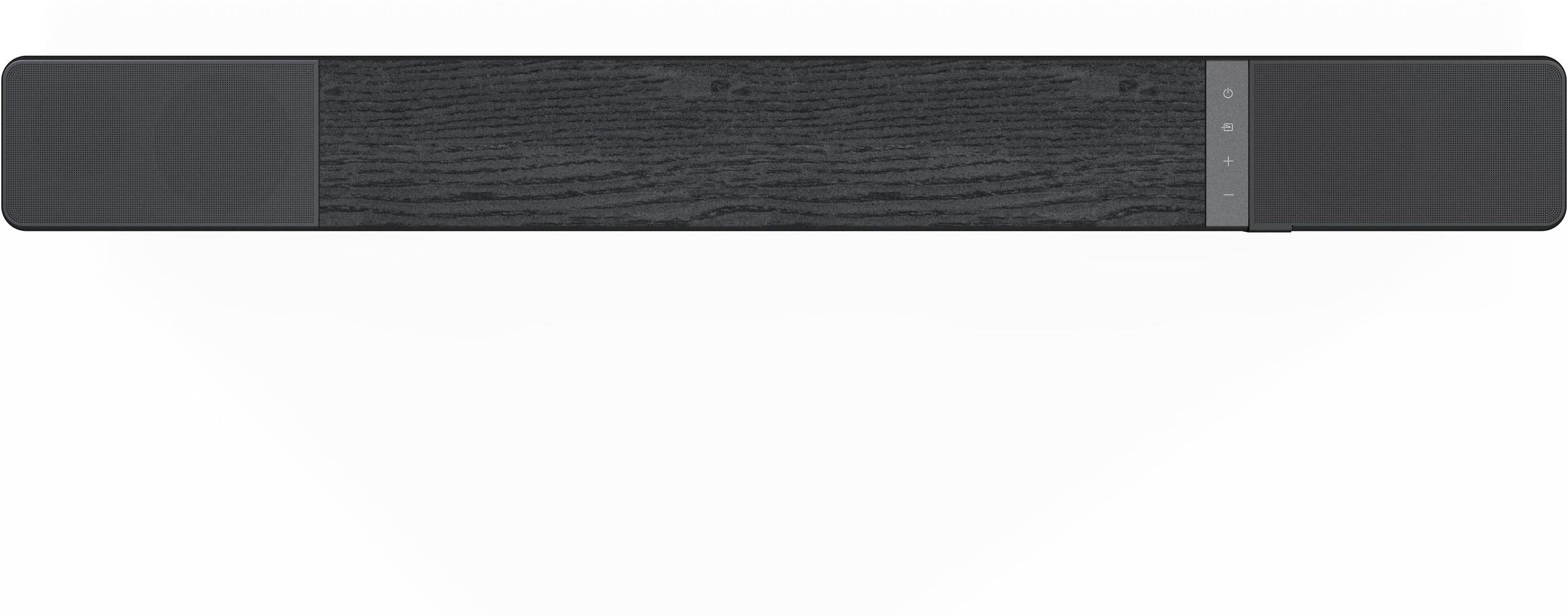
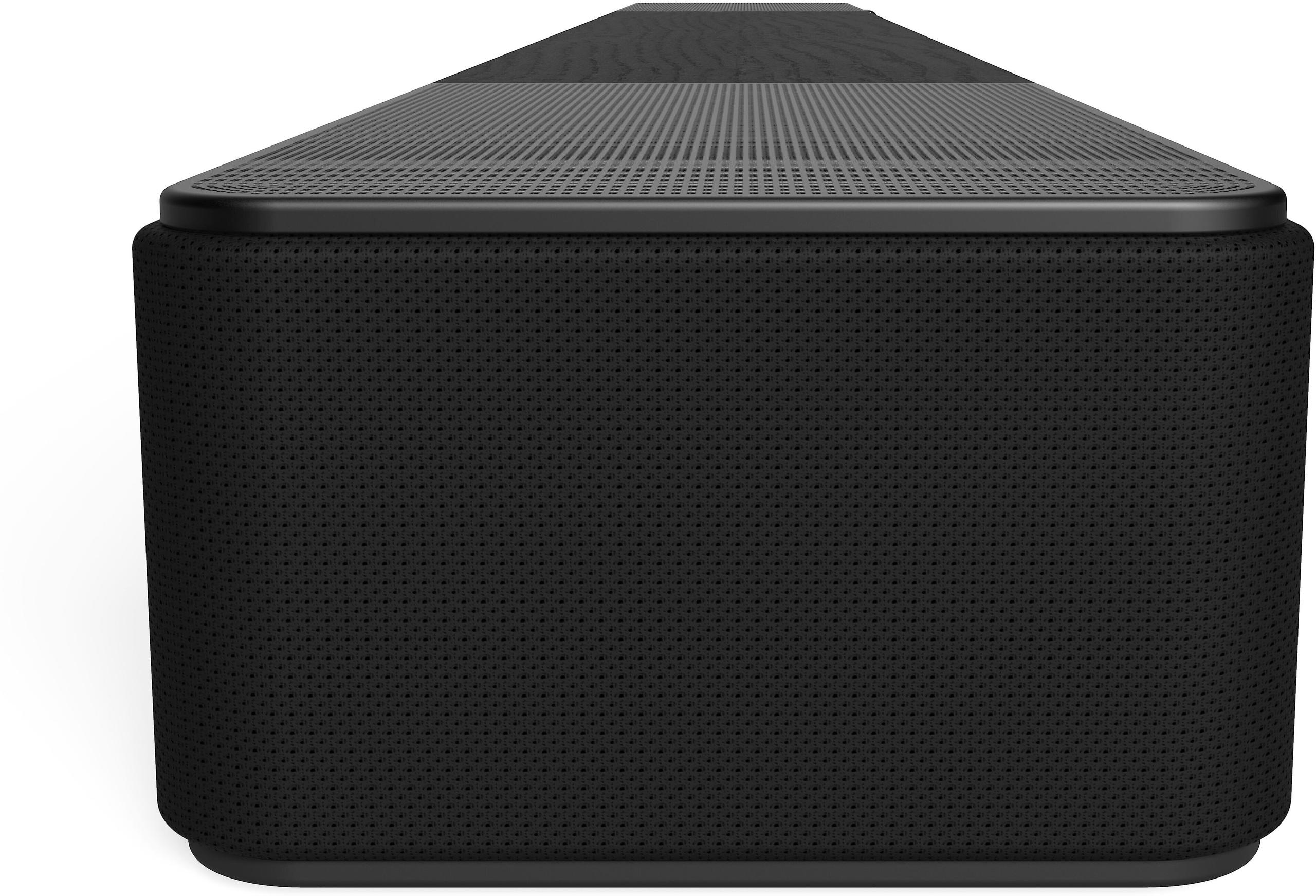
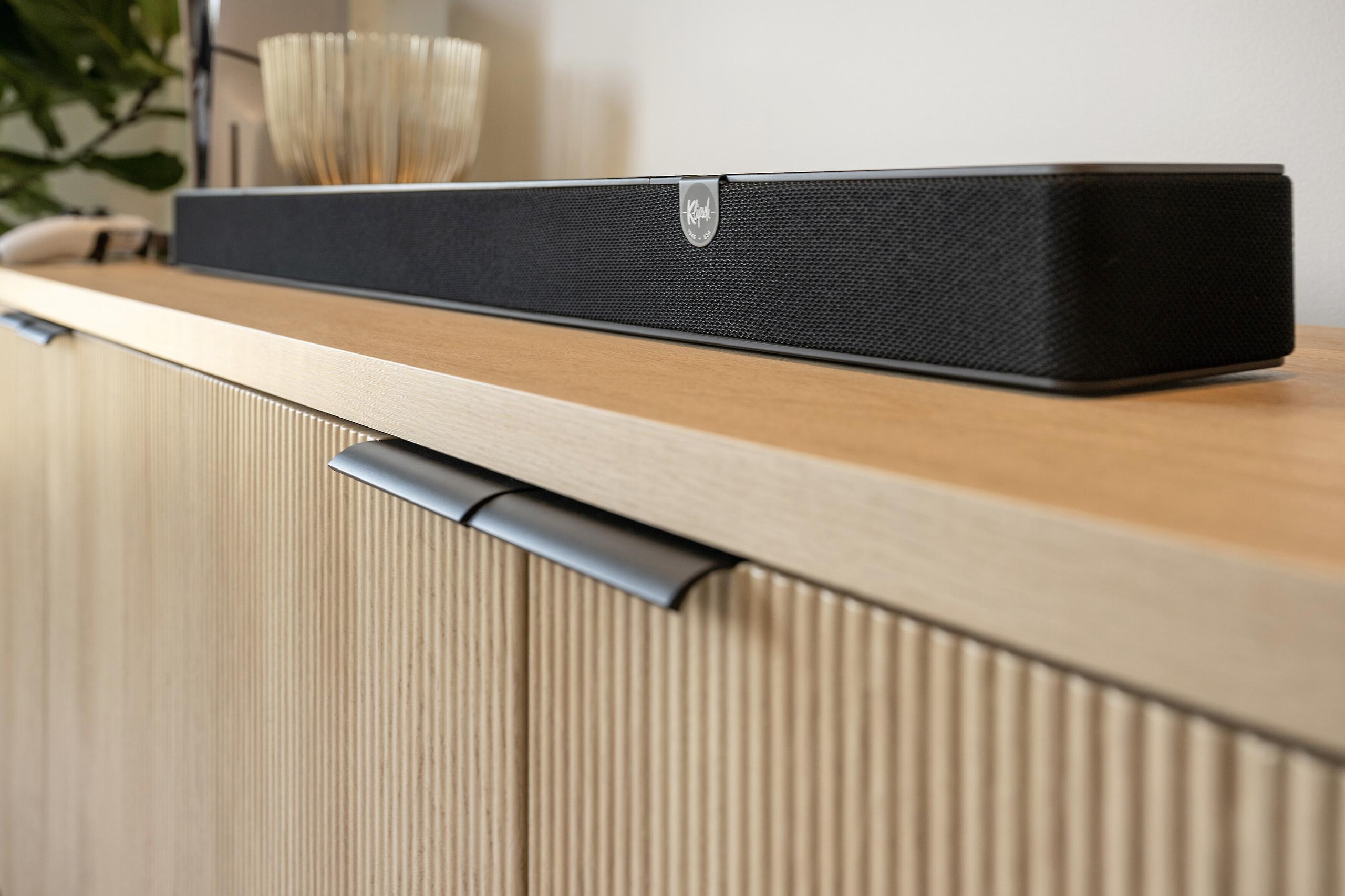
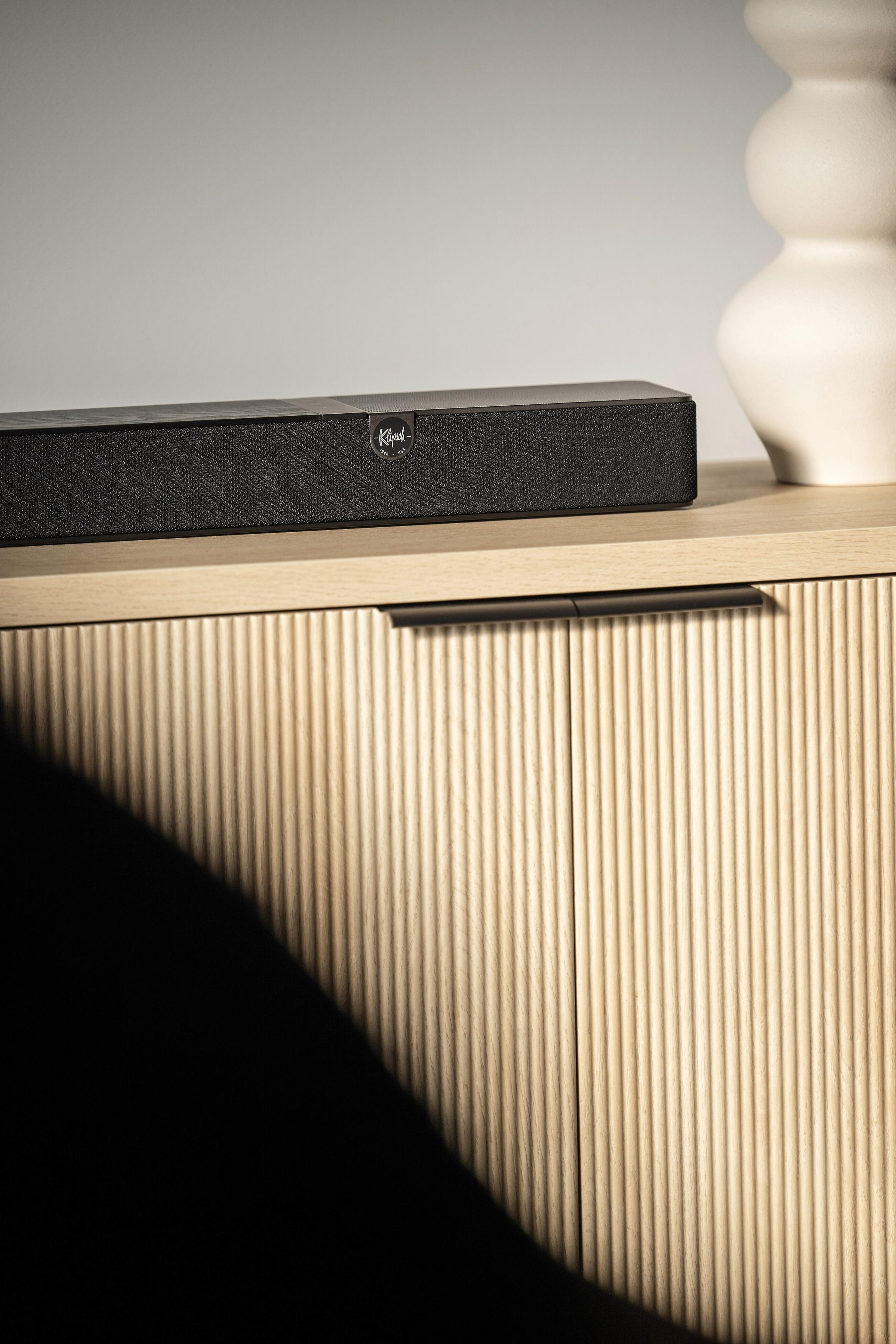
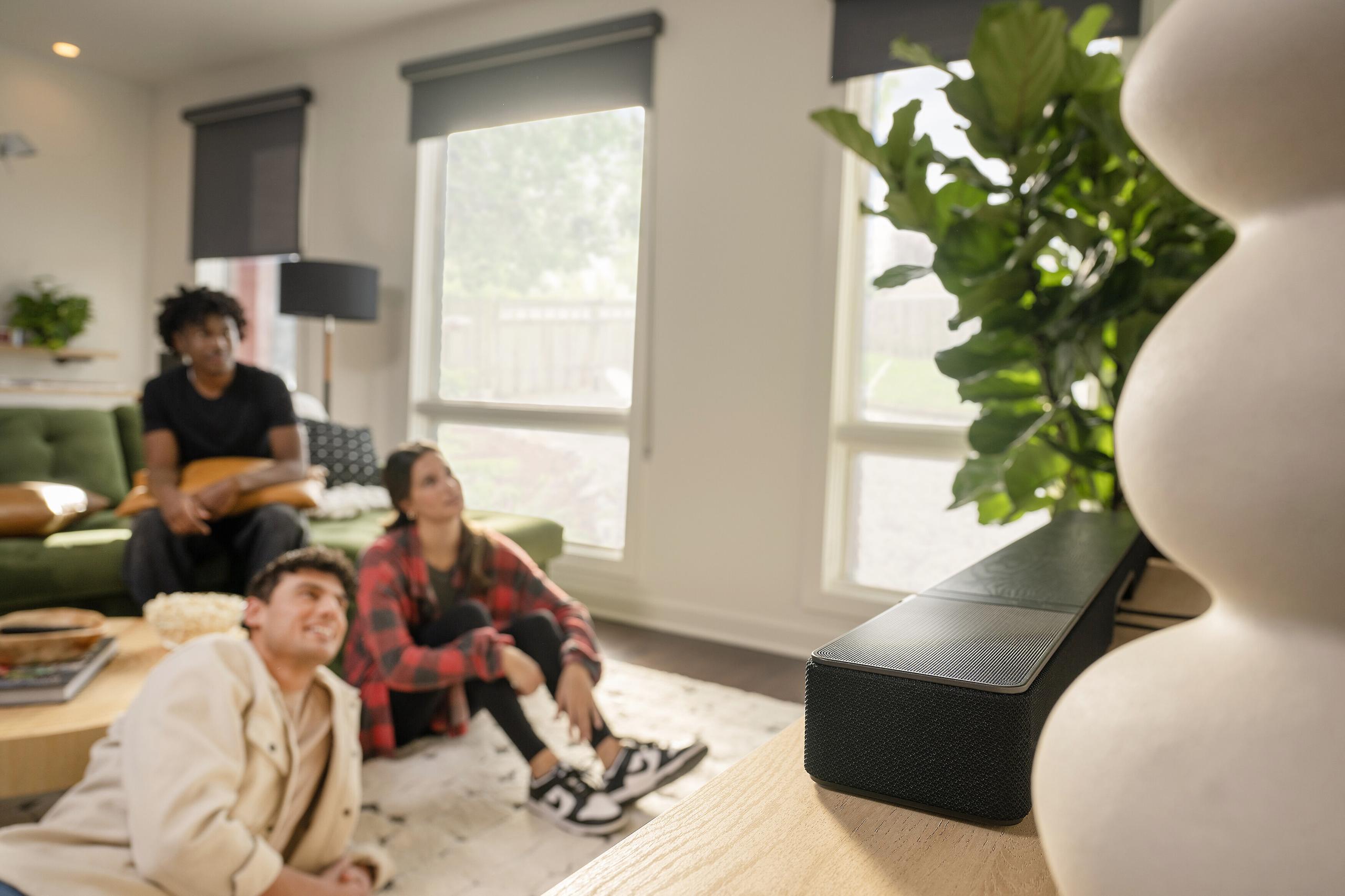
The Klipsch Flexus Core 200, launched in 2024, takes a completely different approach. This 44-inch soundbar packs 13 individual drivers into a 3.1.2 Dolby Atmos configuration designed to create truly immersive surround sound experiences.
Dolby Atmos deserves some explanation because it's genuinely revolutionary. Traditional surround sound places audio channels around you horizontally – left, right, center, and behind you. Atmos adds height channels that bounce sound off your ceiling to create overhead effects. When a helicopter flies across the screen, you'll hear it moving above your head. Rain sounds like it's actually falling from the sky above you.
The Flexus Core 200 achieves this through dedicated up-firing drivers that project sound toward your ceiling. The reflected sound creates the illusion of speakers mounted overhead, without the complexity and cost of installing ceiling speakers.
Klipsch has been making speakers since 1946, and their signature horn-loaded tweeter technology is immediately recognizable to audio enthusiasts. The horn design focuses high frequencies more efficiently than traditional dome tweeters, resulting in crisp, detailed dialogue that cuts through background noise and music.
The Klipsch soundbar includes four 2.25-inch aluminum cone drivers for the main left, center, and right channels, plus dual 4-inch built-in subwoofers. This is significantly more bass capability than compact soundbars can provide. The aluminum cones are lighter and stiffer than typical paper or plastic drivers, allowing them to move more precisely and produce cleaner sound.
Klipsch Transport technology enables the wireless connection between the main soundbar and optional expansion speakers. Unlike Bluetooth, which can introduce audio delays, Transport maintains perfect synchronization between all speakers in the system.
Both soundbars excel at dialogue clarity, but for different reasons. The Sonos Ray achieves clarity through careful driver integration and room correction. Its balanced frequency response means voices sound natural without being artificially boosted, and Trueplay tuning ensures dialogue doesn't get lost in room reflections.
The Klipsch Flexus Core 200 uses a dedicated center channel with that signature horn-loaded tweeter. This creates exceptionally clear dialogue that remains intelligible even during loud action sequences. The horn design provides more "presence" in the vocal range, making it feel like actors are speaking directly to you.
For pure dialogue clarity in challenging content like Christopher Nolan films (where dialogue is often mixed quite low), the Klipsch has a slight edge due to its dedicated center channel and horn technology.
This is where the fundamental difference in approach becomes most apparent. The Sonos Ray was designed from the ground up as a music speaker that also handles TV audio well. Its stereo imaging – the ability to create a sense of space and instrument placement – is exceptional for a soundbar. Acoustic music, jazz, and well-recorded pop albums sound remarkably good through the Ray.
The Klipsch, while capable with music, is primarily optimized for multichannel movie and TV content. Its wider soundstage can make stereo music sound somewhat spread out and less focused. However, it handles dynamic music with lots of bass content better due to its built-in subwoofers.
The difference here is dramatic. The Sonos Ray produces respectably full sound for its size, but physics is physics – you can't create deep bass from small drivers in a compact enclosure. It's perfectly adequate for TV dialogue, news, and most music, but action movies and bass-heavy music will reveal its limitations.
The Klipsch Flexus Core 200 includes dual 4-inch subwoofers that extend bass response down to 43Hz. This covers the fundamental frequencies of most bass drums, electric bass guitars, and movie sound effects. The difference is immediately apparent when watching action movies or listening to hip-hop, electronic music, or rock.
The Ray is fundamentally limited to stereo reproduction. While it can process 5.1 Dolby Digital content from your TV, it must downmix everything to two channels. Some psychoacoustic processing creates the impression of wider sound, but there's no true surround effect and certainly no height information.
The Klipsch provides genuine Dolby Atmos with overhead effects that are immediately noticeable in properly mixed content. Streaming services like Netflix, Disney+, and Apple TV+ increasingly offer Atmos content, and the difference is striking. Environmental sounds like rain, wind, and ambient noise create a more believable, immersive experience.
Small to medium rooms (up to about 150 square feet) are ideal for the Sonos Ray. Its compact size won't overwhelm your space visually, and its acoustic output is perfectly scaled for intimate listening. The Trueplay room correction is particularly valuable in smaller rooms where wall reflections can cause more problems.
Large living rooms (200+ square feet) really benefit from the Klipsch's additional power and presence. The 44-inch width provides better stereo imaging in larger spaces, and the multiple drivers can fill the room without strain. In a large room, the Ray might sound thin and lack impact, especially during action sequences.
Ceiling height matters for Dolby Atmos. The Flexus Core 200 works best with 8-10 foot ceilings. Very high ceilings (12+ feet) can diminish the Atmos effect because the reflected sound has too far to travel and loses focus.
The Sonos Ray is deliberately minimal in its connections – just optical digital audio and power. This simplicity is both a strength and limitation. It connects to virtually any TV made in the last 15 years, and setup is foolproof. However, you're limited to compressed audio formats like standard Dolby Digital.
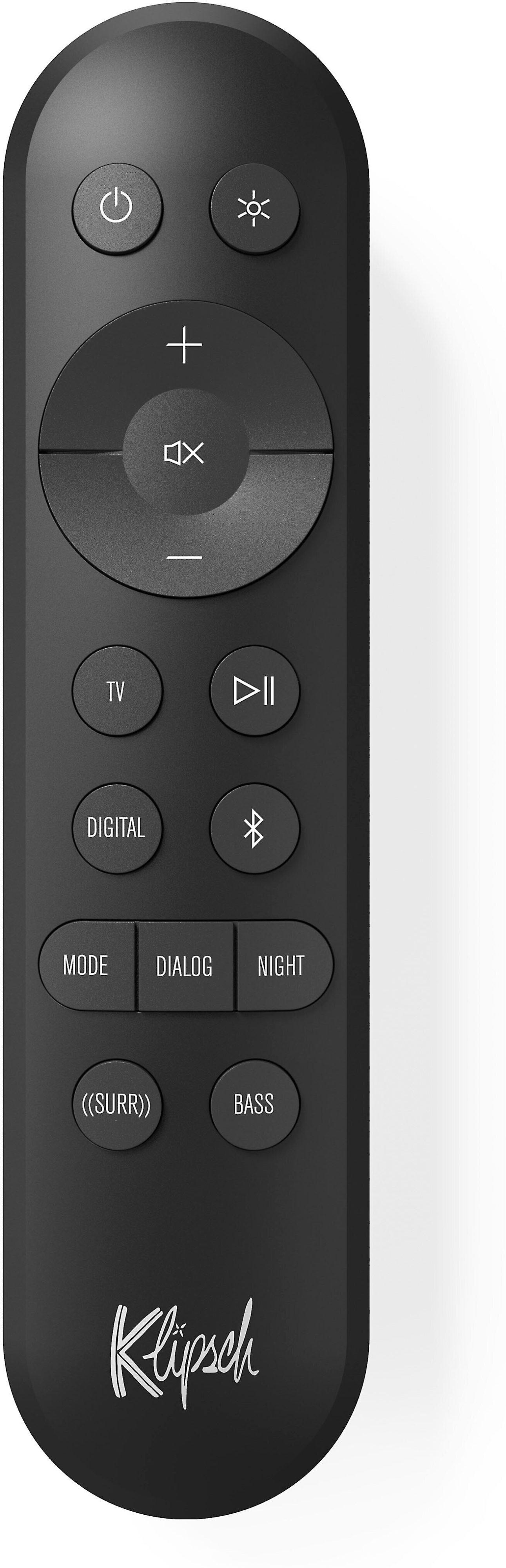
The Klipsch offers HDMI eARC, optical, USB-C, and Bluetooth connectivity. HDMI eARC supports high-resolution audio formats and allows your TV remote to control the soundbar volume seamlessly. The USB-C input is useful for direct connection to gaming devices or media streamers.
Wireless streaming capabilities differ significantly. The Sonos offers the most comprehensive streaming experience with native support for dozens of services, multi-room grouping, and excellent app control. The Klipsch supports AirPlay 2 and basic Bluetooth streaming but lacks the ecosystem integration that makes Sonos special.
At the time of writing, the Sonos Ray typically costs about $100-150 less than the Klipsch Flexus Core 200. This price difference reflects their different target markets and feature sets.
The Ray represents excellent value for users who prioritize music streaming, want a premium brand experience, and need a compact solution. Its build quality, software experience, and long-term update support justify the Sonos premium over generic budget soundbars.
The Klipsch costs more but provides significantly more hardware and capability. Thirteen drivers, genuine Dolby Atmos, and expandability options make it competitive with soundbars costing $200-300 more. For home theater enthusiasts, the value proposition is strong.
Choose the Sonos Ray if you:
Choose the Klipsch Flexus Core 200 if you:
These soundbars solve different problems for different users. The Sonos Ray is the better choice for most people who simply want to improve their TV's sound quality while gaining excellent music streaming capabilities. Its combination of compact size, room correction technology, and ecosystem integration makes it ideal for modern homes where the soundbar needs to handle both entertainment and daily music listening.
The Klipsch Flexus Core 200 is the clear winner for home theater enthusiasts who want cinema-like experiences at home. If you find yourself watching Marvel movies, playing Call of Duty, or streaming concerts on your big screen TV, the immersive Atmos effects and powerful bass will transform your entertainment experience.
Neither is a compromise choice – they're both excellent at what they're designed to do. The key is honestly assessing your room size, listening habits, and priorities. Your TV speakers are almost certainly terrible, and either of these soundbars will be a massive upgrade. The question is whether you want elegant simplicity or immersive spectacle.
| Sonos Ray Soundbar | Klipsch Flexus Core 200 3.1.2 Soundbar |
|---|---|
| Channel Configuration - Determines surround sound capability and immersion | |
| 2.0 stereo (no height channels or dedicated center) | 3.1.2 Dolby Atmos (dedicated center + overhead effects) |
| Physical Size - Must match your room and TV setup | |
| 22" wide, 4.29 lbs (ideal for small-medium rooms) | 44" wide, much heavier (designed for large rooms) |
| Driver Count - More drivers typically mean better sound separation | |
| 4 drivers (2 tweeters, 2 midwoofers) | 13 drivers (including dedicated height and bass drivers) |
| Dolby Atmos Support - Creates overhead sound effects for movies | |
| No Atmos support (stereo only) | Full Dolby Atmos with dedicated height channels |
| Bass Performance - Critical for action movies and music impact | |
| Bass reflex ports, limited low-end extension | Dual 4" built-in subwoofers, extends to 43Hz |
| Connectivity Options - How you'll connect devices and stream content | |
| Optical only, Wi-Fi, AirPlay 2 (no HDMI or Bluetooth) | HDMI eARC, optical, USB-C, Bluetooth, AirPlay 2 |
| Room Correction Technology - Optimizes sound for your specific space | |
| Trueplay tuning via iOS app (highly effective) | Basic EQ adjustments through app |
| Music Streaming Experience - Important if you listen to music daily | |
| Exceptional with native Sonos app and multi-room features | Basic streaming via Bluetooth and AirPlay |
| System Expandability - Ability to add more speakers later | |
| Integrates with existing Sonos speakers anywhere | Can add Klipsch wireless sub and surrounds |
| Build Quality and Design Philosophy - Long-term durability and aesthetics | |
| Premium minimalist design, frequent software updates | Robust theater-focused build, traditional hi-fi styling |
| Ideal Room Size - Where each performs best acoustically | |
| Small to medium rooms (under 200 sq ft) | Large rooms (200+ sq ft) with 8-10 foot ceilings |
| Primary Use Case - What each does exceptionally well | |
| TV dialogue clarity and music streaming | Immersive movie and gaming experiences |
The Sonos Ray is specifically designed for small to medium rooms with its compact 22-inch width. Its Trueplay room correction technology optimizes sound for smaller spaces, while the Klipsch Flexus Core 200 at 44 inches wide may overwhelm smaller rooms and create muddy sound due to its size and power output.
Yes, the Klipsch Flexus Core 200 features full 3.1.2 Dolby Atmos with dedicated height channels that create overhead sound effects. The Sonos Ray does not support Dolby Atmos and is limited to stereo sound only.
The Klipsch Flexus Core 200 delivers significantly better bass with dual 4-inch built-in subwoofers that extend down to 43Hz. The Sonos Ray uses bass reflex ports but has limited low-end extension due to its compact size and lack of dedicated subwoofers.
Only the Klipsch Flexus Core 200 offers HDMI eARC connectivity along with optical, USB-C, and Bluetooth options. The Sonos Ray is limited to optical digital input only, with no HDMI or Bluetooth connectivity available.
The Sonos Ray excels at music streaming with its comprehensive Sonos app, native support for dozens of streaming services, and multi-room capabilities. While the Klipsch Flexus Core 200 supports basic streaming via Bluetooth and AirPlay 2, it lacks the ecosystem integration that makes the Sonos Ray special for music.
The Klipsch Flexus Core 200 is specifically designed for home theater use with genuine Dolby Atmos, immersive surround sound, and powerful bass for action movies. The Sonos Ray improves TV dialogue clarity but cannot provide true surround sound or height effects for cinematic experiences.
The Sonos Ray includes Trueplay room correction technology that uses an iOS device to measure your room's acoustics and optimize sound accordingly. The Klipsch Flexus Core 200 offers basic EQ adjustments but lacks advanced room correction capabilities.
Both systems are expandable but in different ways. The Klipsch Flexus Core 200 can add wireless subwoofers and surround speakers from the same product line. The Sonos Ray integrates with any existing Sonos speakers throughout your home for multi-room audio.
The Sonos Ray offers excellent value for compact spaces and music streaming with premium build quality at a lower price point. The Klipsch Flexus Core 200 provides more hardware and features including Dolby Atmos, justifying its higher cost for home theater enthusiasts.
Both excel at dialogue clarity but through different approaches. The Sonos Ray uses balanced frequency response and room correction for natural-sounding voices. The Klipsch Flexus Core 200 employs a dedicated center channel with horn-loaded tweeter technology for exceptionally crisp dialogue that cuts through background noise.
The Sonos Ray offers simpler setup with just optical connection and power, plus automatic software updates through Wi-Fi. The Klipsch Flexus Core 200 has more connection options but requires more initial configuration, especially when adding expansion speakers to the system.
The fundamental difference is approach: the Sonos Ray is a compact stereo soundbar optimized for music streaming and small spaces, while the Klipsch Flexus Core 200 is a full home theater soundbar with Dolby Atmos, multiple drivers, and immersive surround sound capabilities for large room entertainment.
We've done our best to create useful and informative comparisons to help you decide what product to buy. Our research uses advanced automated methods to create this comparison and perfection is not possible - please contact us for corrections or questions. These are the sites we've researched in the creation of this article: tomsguide.com - soundandvision.com - youtube.com - techradar.com - en.community.sonos.com - rtings.com - howtogeek.com - youtube.com - cnet.com - sonos.com - videoandaudiocenter.com - soundandvision.com - avnirvana.com - avsforum.com - cnet.com - klipsch.com - klipsch.com - youtube.com - assets.klipsch.com - klipsch.com - worldwidestereo.com - klipsch.com - crutchfield.com - digitaltrends.com

Privacy Policy
Terms and Conditions - Affiliate Policy
Home Security
© Copyright 2008-2026.
11816 Inwood Rd #1211, Dallas, TX 75244