








When your TV's built-in speakers just aren't cutting it anymore, you're facing a decision that goes far beyond simply "getting better sound." The compact soundbar market has evolved dramatically since 2020, with manufacturers taking radically different approaches to solving the same basic problem: how do you dramatically improve your TV audio without filling your room with speakers and wires?
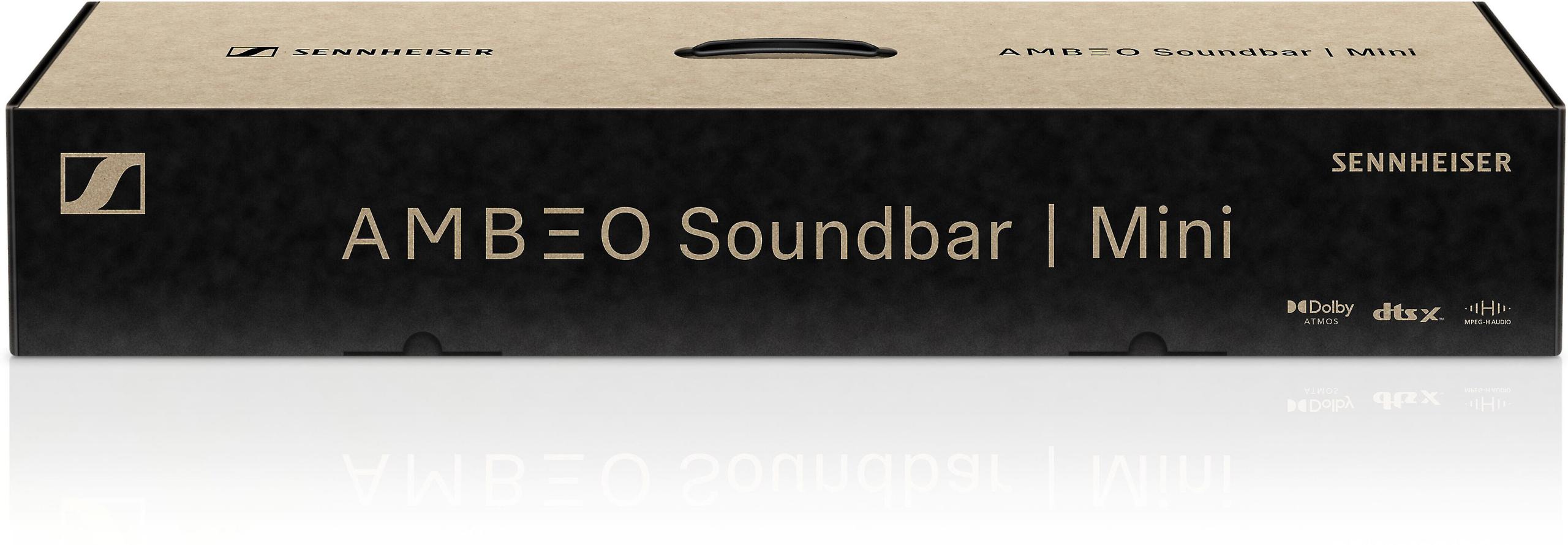
Today we're comparing two products that represent completely different philosophies in this space. The Sonos Ray, released in 2022, embodies the "less is more" approach, while the Sennheiser AMBEO Mini, which hit the market in 2023, attempts to pack premium surround sound processing into a surprisingly small package. At the time of writing, these products sit in different price tiers – the Sonos Ray occupies the budget-friendly category while the AMBEO Mini commands a premium price that's roughly two and a half times higher.
Before diving into specifics, it's worth understanding what these devices are actually trying to accomplish. Every soundbar faces the same fundamental challenge: creating an engaging audio experience using drivers (the actual speakers that move air) arranged in a single horizontal bar. This is inherently limiting compared to a traditional surround sound system where speakers are positioned all around your room.
The key considerations when evaluating any compact soundbar include audio processing capabilities (how the device handles different types of audio signals), connectivity options (what devices can connect and how), physical footprint (size and placement requirements), and most importantly, the value proposition – what you're getting for your money.
What's particularly interesting about the current market is how manufacturers have chosen such different paths. Some, like Sonos, focus on doing stereo audio exceptionally well while building toward ecosystem expansion. Others, like Sennheiser, attempt to use advanced digital processing to simulate surround sound from a single device.
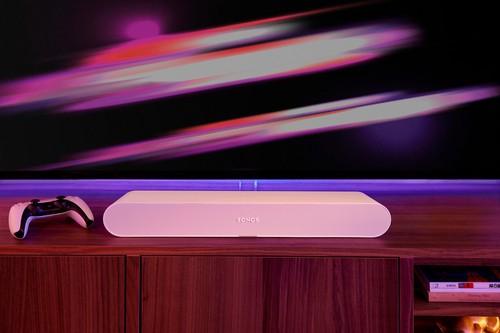
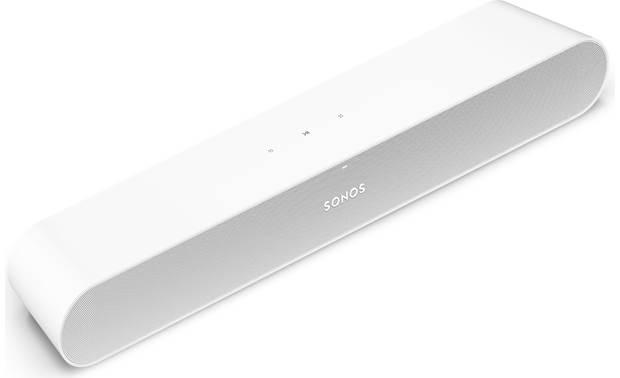
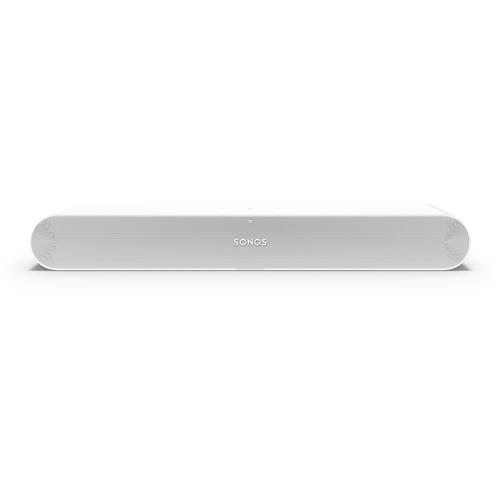
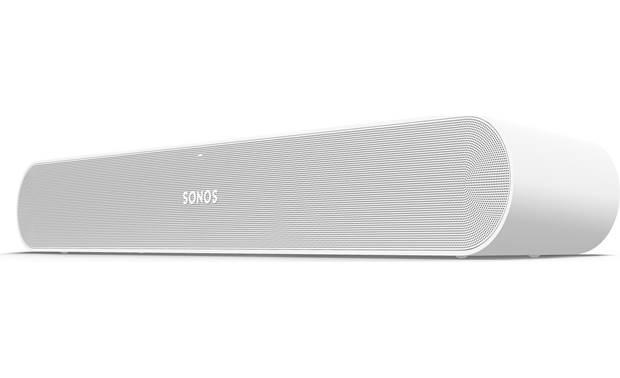
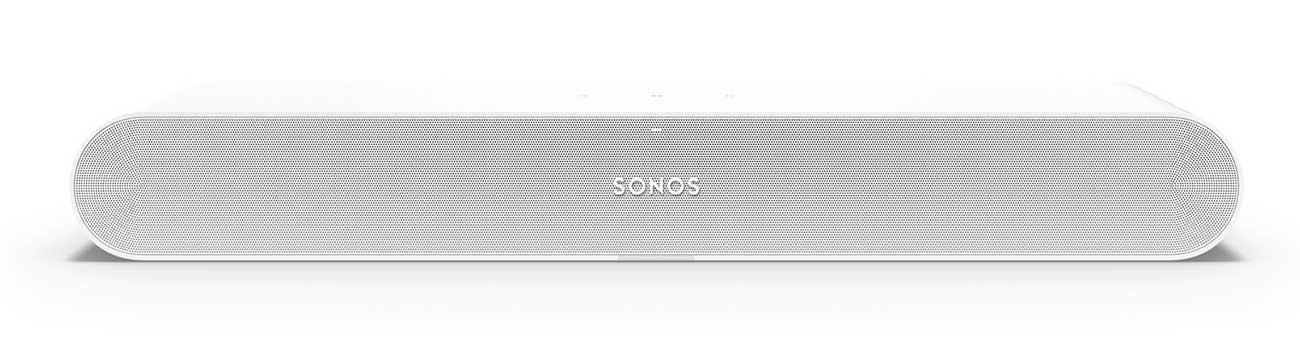
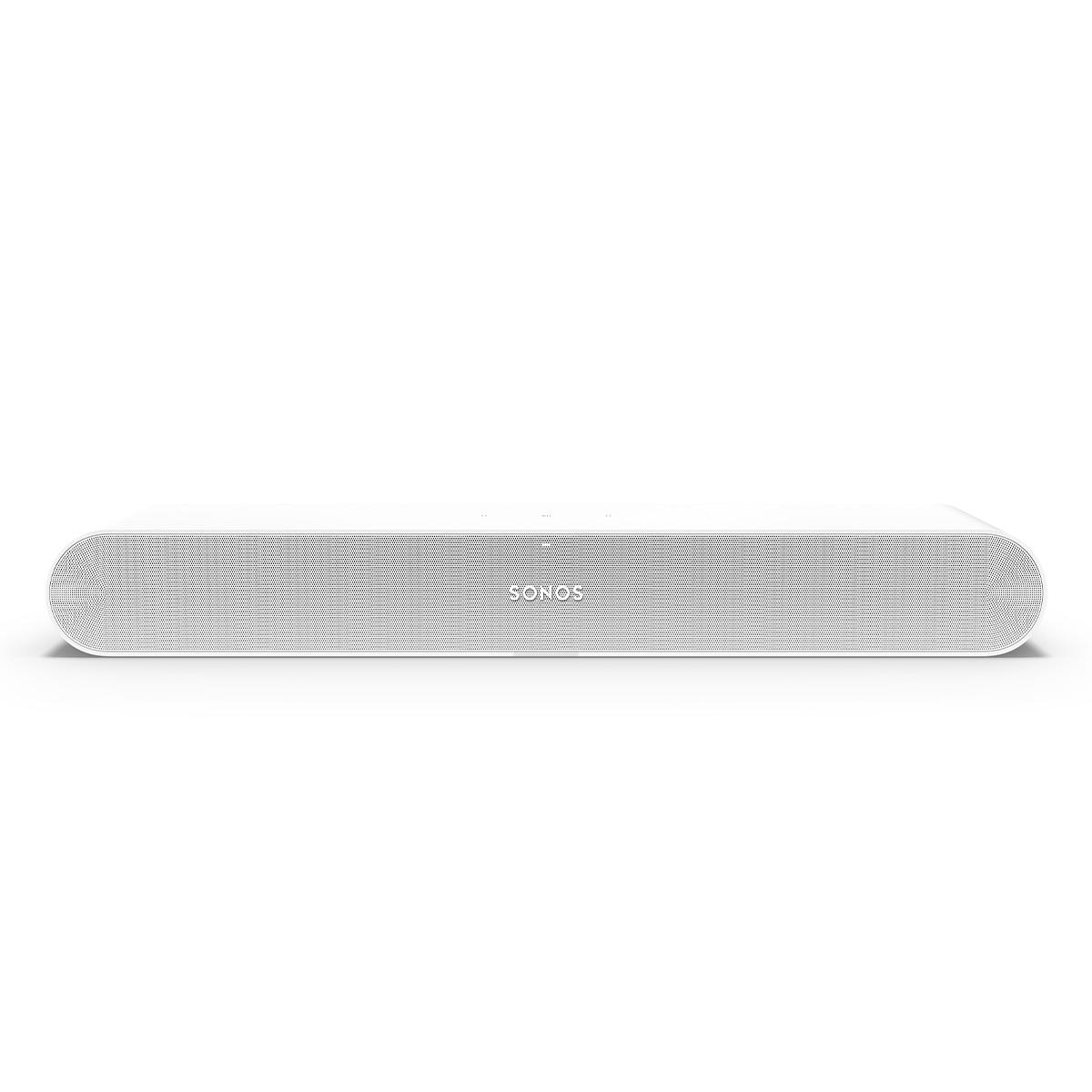
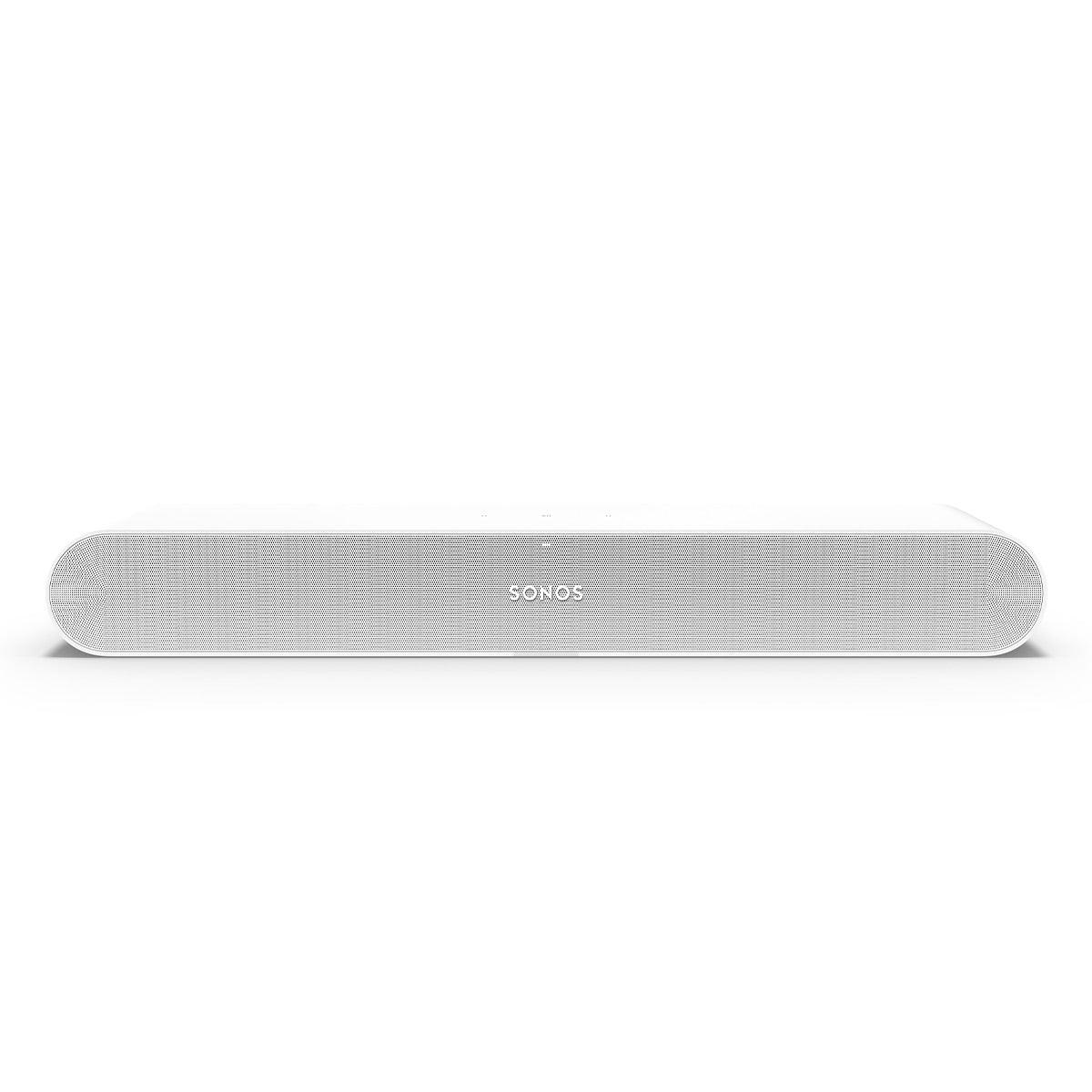
The Sonos Ray represents what I'd call the "honest soundbar" approach. When Sonos designed this device, they made a conscious decision to focus exclusively on stereo audio – that's two-channel sound coming from left and right speakers, the same format used for most music and basic TV content.
Inside the Ray's compact 22-inch frame, you'll find four carefully selected drivers: two mid-woofers that handle the crucial middle frequencies where voices live, and two tweeters that reproduce the crisp high frequencies that add detail and sparkle to your audio. This might sound simple, but the execution is anything but basic.
The real magic happens in how these drivers work together. Sonos uses a bass reflex system – essentially a specially designed internal port that allows the soundbar to produce much deeper bass than its small size would suggest. The result is bass response down to 43Hz, which is genuinely impressive for such a compact device. To put that in perspective, that's low enough to reproduce the fundamental frequencies of most bass guitars and kick drums.
What the Ray doesn't do is attempt to create surround sound effects. When you feed it 5.1 surround content (like most movies and TV shows), it downmixes everything to stereo. This means all those carefully positioned sound effects get collapsed into a left and right presentation. While this might sound limiting, there's actually a compelling argument for this approach: it does what it does exceptionally well, without making promises it can't keep.
The Sonos Ray's connectivity reflects this focused philosophy. You get a single optical digital input – no HDMI, no Bluetooth, no wireless streaming beyond the Sonos ecosystem features. This might seem restrictive, but it also eliminates complexity and potential connection issues.
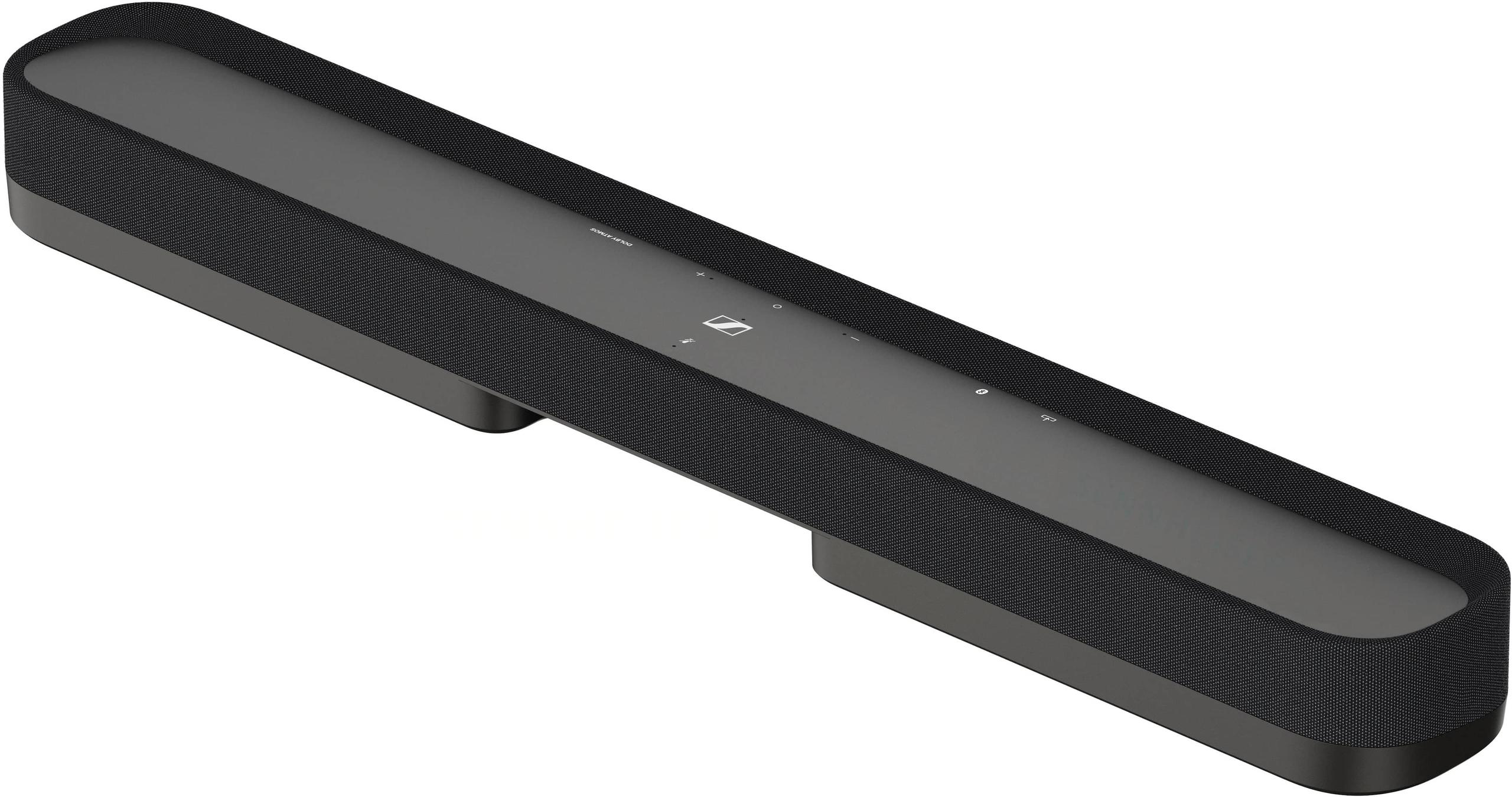
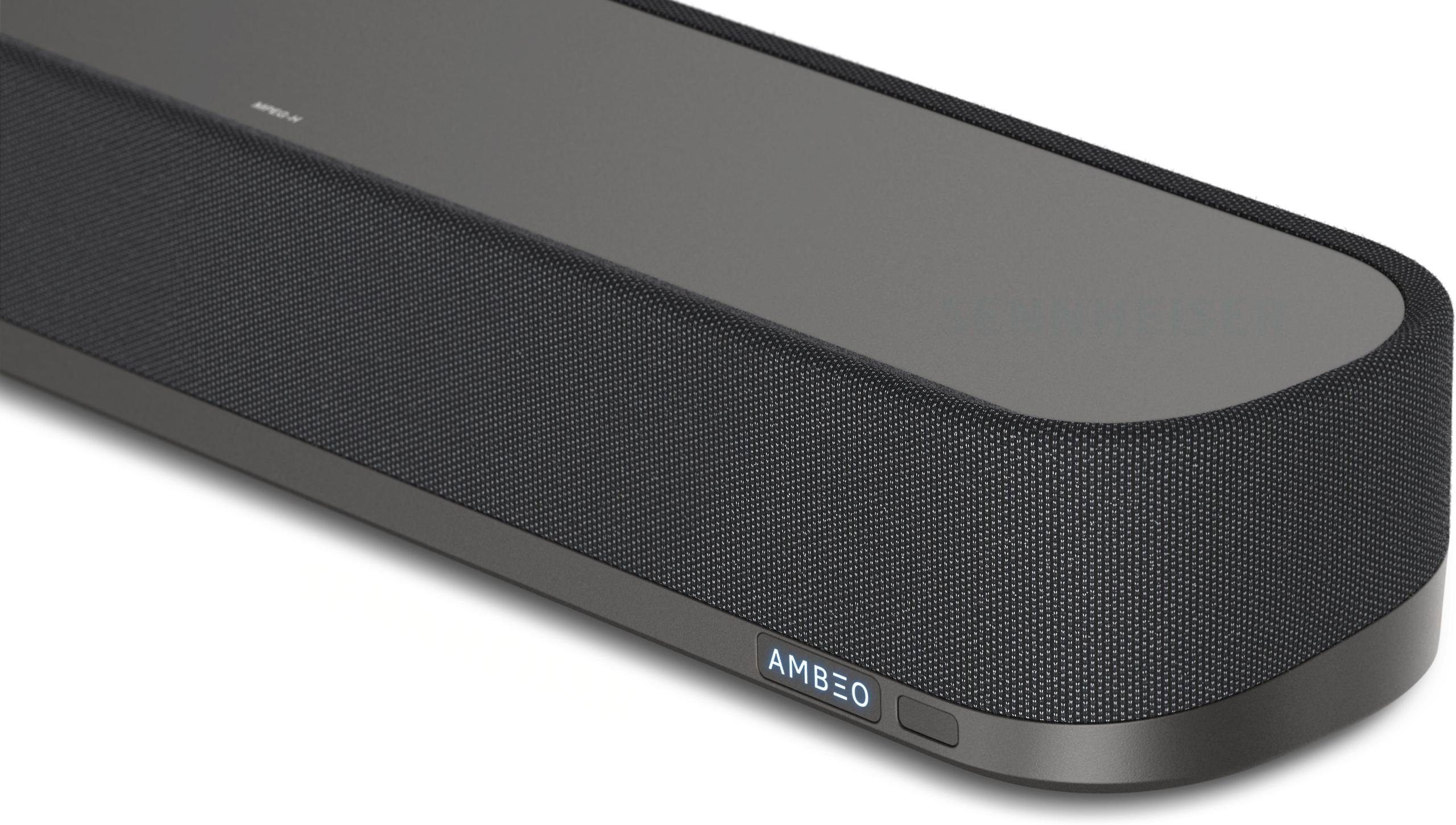
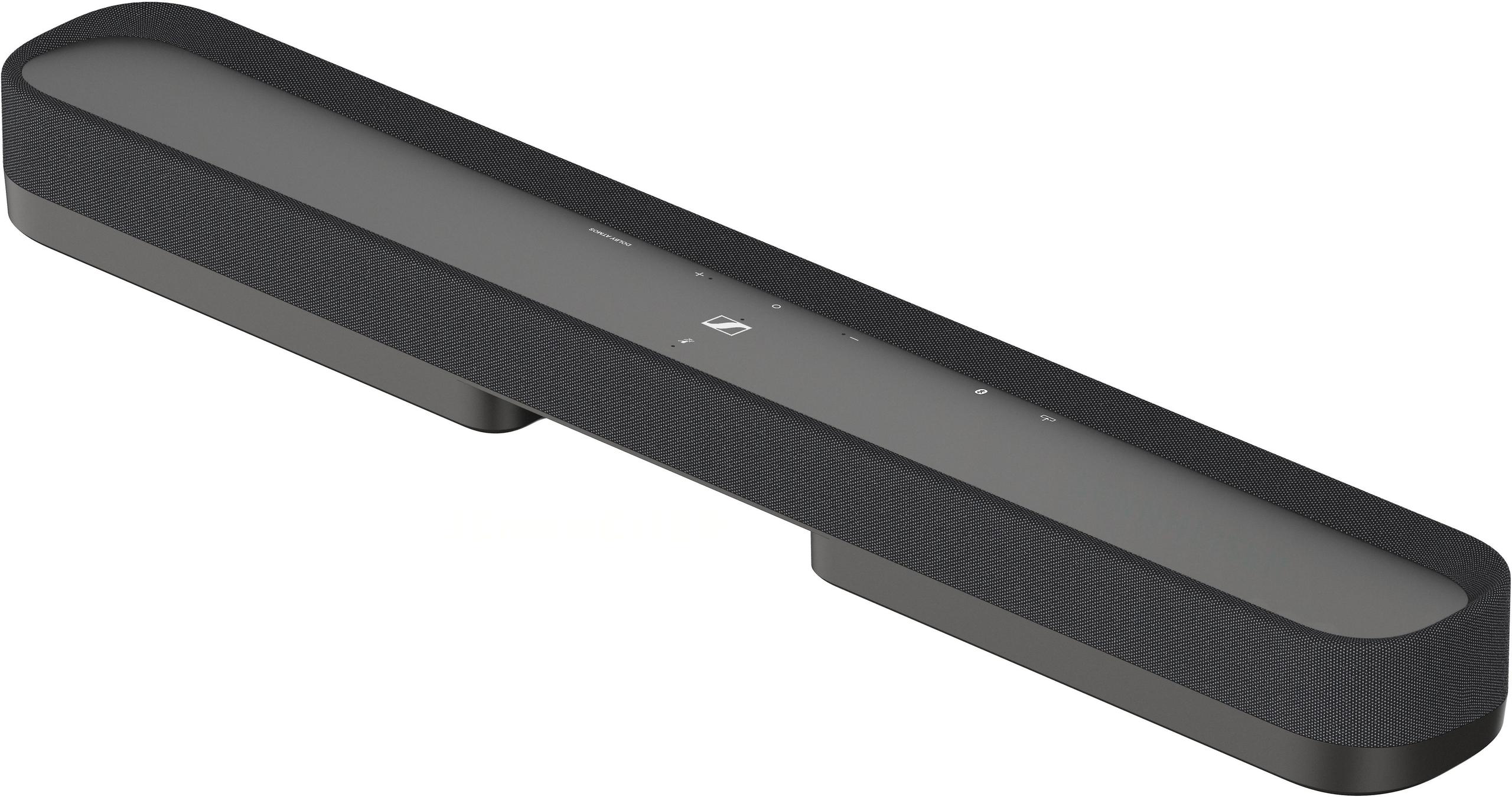
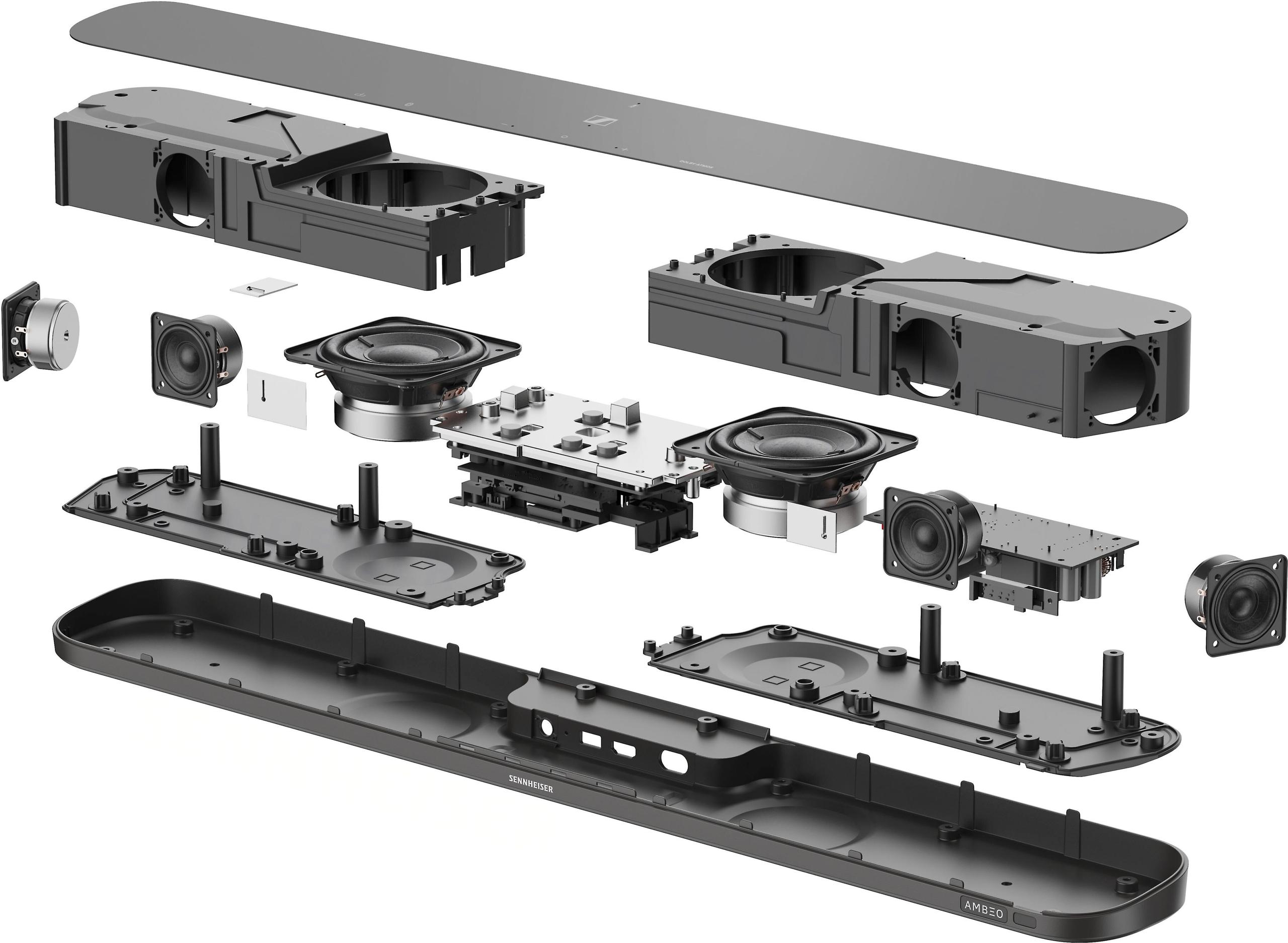
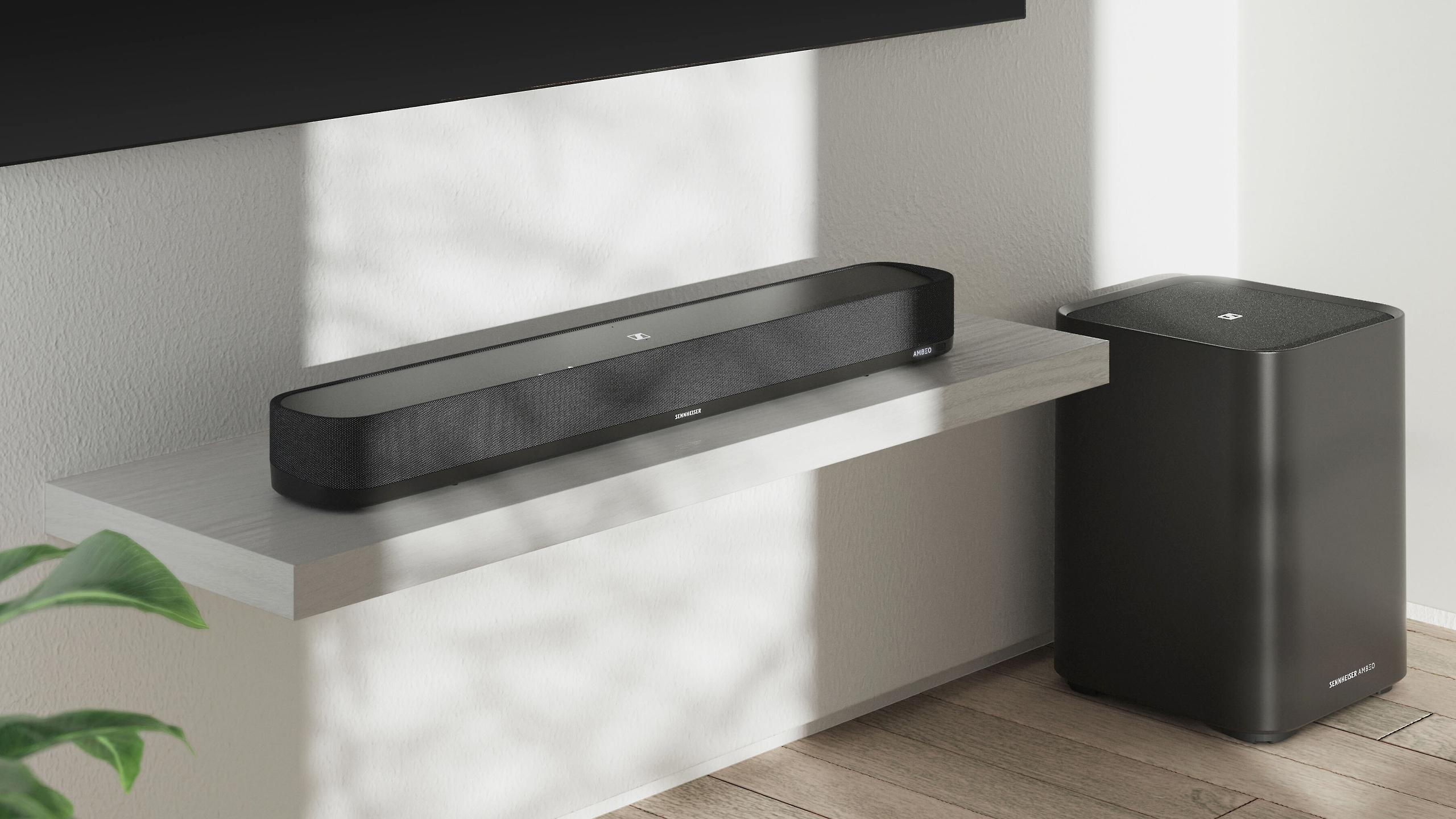
The AMBEO Mini takes a fundamentally different approach, one that's frankly quite ambitious for such a compact device. Sennheiser's engineers attempted to create what they call virtual 7.1.4 surround sound – that's seven main speakers, one subwoofer, and four height channels, all simulated through clever audio processing and just six physical drivers.
The driver arrangement tells the story of this ambition. You get two forward-firing drivers for main stereo content, two side-firing drivers that bounce sound off your walls to create width, and two larger 4-inch woofers for bass response. All of this is powered by 250 watts of Class D amplification and controlled by the same quad-core processor found in Sennheiser's much larger (and more expensive) AMBEO Plus.
The virtualization technology is where things get interesting, and frankly, where your experience will vary the most. Using advanced digital signal processing, the AMBEO Mini attempts to trick your brain into hearing sounds coming from positions where no speakers actually exist. This includes height effects for Dolby Atmos content – those overhead sounds like helicopters passing by or rain falling from above.
Here's where I need to be honest about the reality versus the marketing: virtual surround sound has come a long way, but it's still not magic. The effectiveness depends heavily on your room's acoustics, your seating position, the specific content you're watching, and even the shape of your ears. When it works well, it can be genuinely impressive. When it doesn't, you're left with audio that might sound processed or artificial.
In my testing, the performance differences between these soundbars become immediately apparent. The Sonos Ray delivers what I'd describe as reference-quality stereo audio at this price point. Dialogue reproduction is exceptional – voices sound natural and clear, with proper weight and presence. Music playback is genuinely enjoyable, with good separation between instruments and a balanced frequency response that doesn't favor any particular range.
The bass response deserves special mention. Despite having no dedicated subwoofer output or wireless sub option, the Ray produces surprisingly solid low-end response. You'll feel the impact of explosions and music's rhythm section, though it's not going to replicate the chest-thumping experience of a dedicated subwoofer system.
The AMBEO Mini, with its more complex driver array and powerful amplification, can produce louder volumes and theoretically more dynamic range. However, the results are more variable. With well-mastered Dolby Atmos content and proper room setup, it can create an impressively wide and enveloping soundstage. The spatial effects can genuinely fool your brain into hearing sounds coming from behind or above you.
But here's where things get complicated: the AMBEO Mini's performance is heavily dependent on variables you can't always control. Room acoustics play a huge role in how well the side-firing drivers create their spatial effects. If your soundbar is placed in a cabinet or against a wall without proper side clearance, much of the spatial processing becomes ineffective.
The connectivity story reveals each manufacturer's priorities clearly. The Ray's optical-only connection might seem limiting in 2024, but it actually serves Sonos's broader strategy. This isn't meant to be your final audio solution – it's designed as the entry point to a complete Sonos ecosystem.
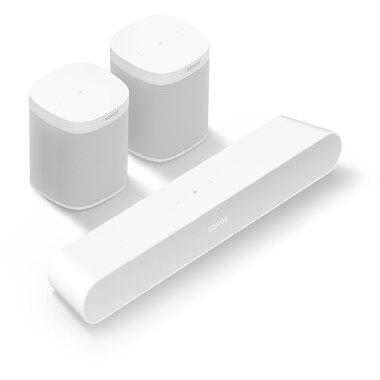
What makes the Sonos approach compelling is the expansion path. You can add a Sonos Sub for deep bass, Sonos One speakers for rear surrounds, or integrate the Ray into a whole-home audio system. The Trueplay room calibration (available on iOS devices) actually measures your room's acoustics and adjusts the sound accordingly, though this feature requires an iPhone or iPad to function.
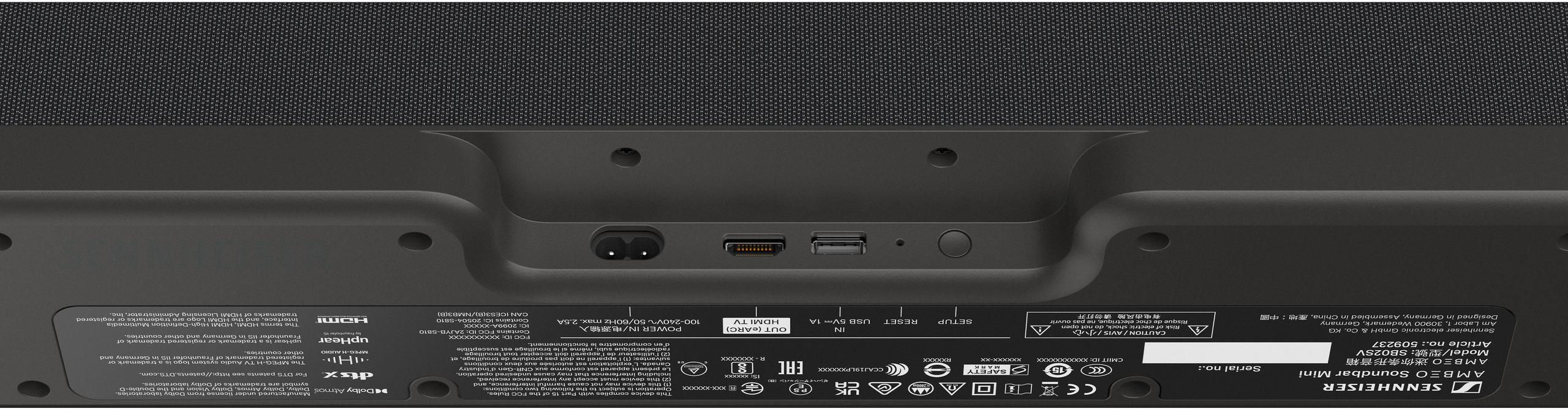
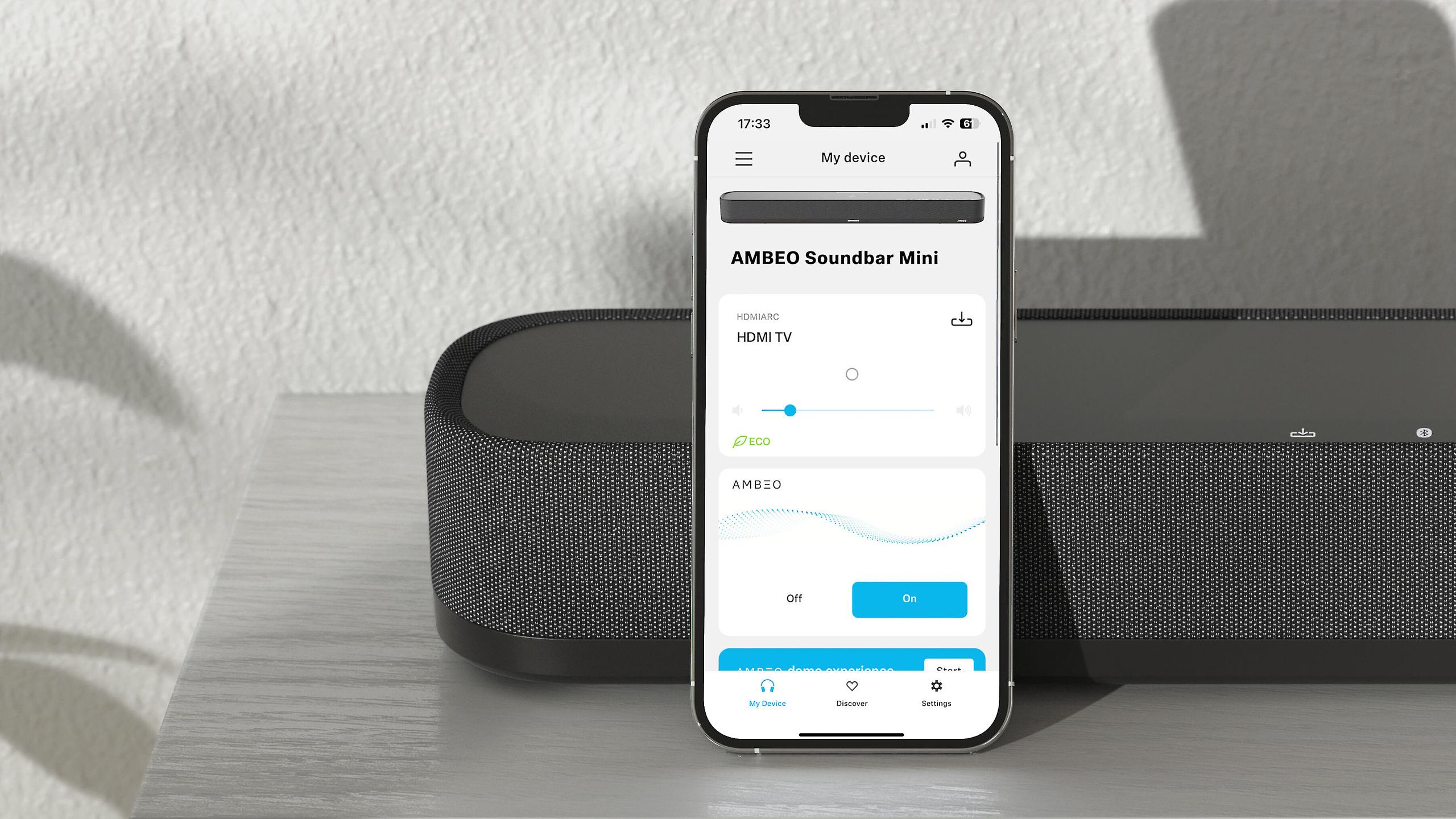
The AMBEO Mini takes the opposite approach with comprehensive connectivity options. The HDMI eARC connection supports all modern audio formats including Dolby Atmos and DTS:X. You get Bluetooth for direct device pairing, Chromecast built-in, AirPlay 2, and even voice assistant integration. The automatic room calibration works with any smartphone and uses built-in microphones to optimize the sound for your space.
However, there's a practical issue worth mentioning: the AMBEO Mini's power connector is positioned awkwardly close to the HDMI input, and the included right-angle power cable can interfere with HDMI connections. It's a design oversight that shouldn't exist on a premium product.
For home theater use, these soundbars serve very different audiences. The Ray makes no pretense about surround sound – it processes everything in stereo, but it does so exceptionally well. Dialogue clarity is outstanding, which is arguably the most important factor for TV and movie watching. Action sequences have good impact, though you won't get the spatial positioning effects of true surround sound.
The AMBEO Mini attempts to deliver that surround sound experience through processing alone. With Dolby Atmos content, it can create some genuinely impressive effects – helicopters that seem to move overhead, ambient sounds that appear to come from beside or behind you. The key word here is "can" – these effects are highly dependent on your room setup and the specific content.
What's particularly interesting is how each handles dialogue differently. The Ray presents dialogue naturally, as if actors were speaking directly to you from the TV screen. The AMBEO Mini can sometimes make dialogue sound like it's coming from a wider area, which some users find more immersive but others find less natural.
Since the Ray's 2022 release, we've seen the soundbar market become increasingly focused on spatial audio features, largely driven by the popularity of Dolby Atmos content on streaming services. The AMBEO Mini's 2023 launch represents Sennheiser's attempt to bring their premium virtualization technology to a more accessible form factor and price point.
The timing is significant because 2023 marked a turning point where Dolby Atmos became genuinely mainstream. Most major streaming services now offer Atmos content, and even modest TV shows are mixed in surround sound formats. This context makes the Ray's stereo-only approach seem increasingly dated, even if the audio quality remains excellent.
However, there's a counter-argument worth considering: most people still consume a significant amount of stereo content, particularly music and news programming. The Ray's handles this content without any processing artifacts or complications – what you put in is what you get out, just significantly better than your TV speakers.
At the time of writing, the price difference between these soundbars is substantial – the AMBEO Mini costs roughly two and a half times more than the Ray. This price gap raises important questions about value and expectations.
The Ray offers what I'd call guaranteed value – you will definitely get better sound than your TV speakers, and you'll get it in a simple, reliable package that integrates well if you decide to expand your system later. The performance ceiling is limited, but so are the potential disappointments.
The AMBEO Mini is a higher risk, higher reward proposition. When everything aligns – good content, proper setup, favorable room acoustics – it can deliver an experience that justifies its premium pricing. But it's also more likely to disappoint if your expectations don't match reality or if your setup isn't optimal.
After extensive testing and living with both soundbars, I've developed clear opinions about when each makes sense.
Choose the Sonos Ray if:
You prioritize consistency and reliability over maximum features. If your primary content is dialogue-heavy (news, talk shows, dramas) or music, the Ray's honest stereo presentation will serve you better than complex processing. This is also the right choice if you're planning to build a complete audio system over time – the expansion path through Sonos products is genuinely compelling.
The Ray is particularly well-suited to smaller rooms, bedrooms, or secondary viewing areas where a larger soundbar would be overkill. Its compact size and forward-firing acoustics make it less sensitive to placement, and you're not paying for surround sound features you might not be able to properly utilize in smaller spaces.
Choose the AMBEO Mini if:
You consume primarily movie and gaming content with surround sound mixes, and you have the room setup to properly utilize spatial audio processing. This means adequate space on either side of the soundbar for the side-firing drivers to work effectively, and a willingness to invest time in proper calibration and setup.
The AMBEO Mini makes most sense for users who want a single-purchase solution and don't plan to expand their system. If you're not interested in adding subwoofers or rear speakers later, the comprehensive processing and connectivity options provide good long-term value despite the higher initial cost.
Both soundbars succeed at their intended goals, but they're solving different problems. The Sonos Ray transforms your TV audio experience while maintaining simplicity and providing a clear upgrade path. The AMBEO Mini attempts to deliver premium surround sound processing in a compact package, with mixed but sometimes impressive results.
For most buyers, especially those new to soundbars, the Ray represents a safer choice that's more likely to meet or exceed expectations. Its limitations are clearly defined, and what it does well, it does exceptionally well.
The AMBEO Mini is better suited to enthusiasts who understand the limitations of virtual surround sound but want to explore what's possible with advanced processing. It's a more complex product that can deliver more complex results – both good and bad.
Ultimately, your choice should align with your content preferences, room setup, and expansion plans. The Ray builds toward something bigger, while the AMBEO Mini attempts to be that bigger thing right from the start. Both approaches have merit, but only one will be right for your specific situation.
| Sonos Ray Soundbar | Sennheiser AMBEO Soundbar Mini |
|---|---|
| Audio Channels - Determines surround sound capabilities | |
| 2.0 stereo only (no surround processing) | Virtual 7.1.4 surround sound with Dolby Atmos |
| Driver Configuration - Affects sound quality and staging | |
| 4 drivers: 2 mid-woofers + 2 tweeters (forward-firing) | 6 drivers: 2 forward + 2 side-firing + 2 woofers |
| Amplification Power - Controls maximum volume and dynamics | |
| Undisclosed (estimated 100W) | 250 watts Class D amplification |
| Bass Response - Important for movies and music impact | |
| 43Hz (impressive for size, no subwoofer output) | 43Hz (same extension, supports wireless subwoofer) |
| Primary Connectivity - Determines what devices can connect | |
| Optical digital input only | HDMI eARC (supports all modern audio formats) |
| Dolby Atmos Support - Critical for modern movie content | |
| No (downmixes surround content to stereo) | Yes (virtual height processing without upward drivers) |
| Room Calibration - Optimizes sound for your space | |
| Trueplay (iOS devices only, manual setup) | Automatic calibration with built-in microphones |
| Wireless Connectivity - Affects streaming convenience | |
| Wi-Fi, AirPlay 2 (no Bluetooth) | Bluetooth, Wi-Fi, AirPlay 2, Chromecast built-in |
| Physical Dimensions - Placement flexibility | |
| 22" x 2.79" x 3.66" (very compact) | 27.6" x 2.6" x 3.9" (larger but still compact) |
| Ecosystem Integration - Future expansion options | |
| Full Sonos multiroom system compatibility | Limited to AMBEO subwoofer expansion only |
| Setup Complexity - Time investment required | |
| Plug-and-play simplicity | Requires calibration and optimization for best results |
| Voice Enhancement - Dialogue clarity features | |
| Natural stereo presentation with dialogue mode | Dedicated voice enhancement with variable effectiveness |
| Ideal Room Size - Where each performs best | |
| Small to medium rooms, secondary spaces | Medium rooms with proper side clearance for spatial effects |
The Sennheiser AMBEO Soundbar Mini is better for movies due to its Dolby Atmos support and virtual 7.1.4 surround sound processing. It can create spatial audio effects that make action scenes more immersive. The Sonos Ray Soundbar excels at dialogue clarity but only processes audio in stereo, so you'll miss out on surround sound effects in movies.
The key difference is audio processing approach. The Sonos Ray focuses on excellent stereo sound quality, while the AMBEO Mini attempts to create virtual surround sound with height effects. The Sonos Ray is simpler and more reliable, while the AMBEO Mini offers more advanced features but with variable performance depending on your room setup.
The Sennheiser AMBEO Mini offers superior connectivity with HDMI eARC, Bluetooth, Wi-Fi, AirPlay 2, and Chromecast built-in. The Sonos Ray is more limited with only optical input and Wi-Fi connectivity through the Sonos ecosystem, with no Bluetooth support.
Both soundbars produce decent bass down to 43Hz without a subwoofer, but your needs may vary. The Sonos Ray has no subwoofer output, so you'd need to add a Sonos Sub wirelessly. The AMBEO Mini can connect to Sennheiser's wireless subwoofer for deeper bass if desired.
The Sonos Ray is significantly easier to set up with a simple plug-and-play approach using just an optical cable. The AMBEO Mini requires more time for proper calibration and room optimization to achieve its best performance, though it does offer automatic room calibration features.
The Sennheiser AMBEO Mini has built-in support for voice assistants and works with Alexa and Google Assistant. The Sonos Ray can work with voice assistants through other Sonos speakers in your system but doesn't have built-in voice control capabilities.
The Sonos Ray generally provides better music listening experience with its clean, balanced stereo presentation and integration with music streaming services through the Sonos ecosystem. The AMBEO Mini can create wider soundstaging for music but may sound processed compared to the Ray's natural stereo presentation.
The Sonos Ray is ideal for small rooms due to its compact size and forward-firing design that doesn't rely on wall reflections. The AMBEO Mini needs adequate side clearance to work properly and may not deliver its spatial audio benefits in very small or enclosed spaces.
The Sonos Ray offers better value for most users, delivering excellent audio quality at a lower price point with clear upgrade paths. The AMBEO Mini costs significantly more and requires specific room conditions to justify the premium, making it better value only for users who specifically need its advanced features.
The Sonos Ray offers extensive expansion options through the complete Sonos ecosystem, including wireless subwoofers, rear speakers, and whole-home audio integration. The AMBEO Mini has limited expansion options, primarily just the addition of a compatible wireless subwoofer.
Both soundbars excel at dialogue clarity, but in different ways. The Sonos Ray provides natural, direct dialogue presentation that sounds clear and unprocessed. The AMBEO Mini includes dedicated voice enhancement features but may make dialogue sound wider or more processed, which some users prefer while others find less natural.
The AMBEO Mini supports direct streaming from most services through Bluetooth, Chromecast, and AirPlay 2 connectivity. The Sonos Ray works with streaming services through the Sonos app ecosystem and AirPlay 2, but lacks direct Bluetooth streaming. Both soundbars will play audio from any connected TV source regardless of the streaming service being used.
We've done our best to create useful and informative comparisons to help you decide what product to buy. Our research uses advanced automated methods to create this comparison and perfection is not possible - please contact us for corrections or questions. These are the sites we've researched in the creation of this article: tomsguide.com - soundandvision.com - youtube.com - techradar.com - en.community.sonos.com - rtings.com - howtogeek.com - youtube.com - cnet.com - sonos.com - videoandaudiocenter.com - techradar.com - sennheiser-hearing.com - stereonet.com - rtings.com - youtube.com - youtube.com - newsroom.sennheiser.com - whathifi.com - baybloorradio.com - sennheiser-hearing.com - files.bbystatic.com

Privacy Policy
Terms and Conditions - Affiliate Policy
Home Security
© Copyright 2008-2026.
11816 Inwood Rd #1211, Dallas, TX 75244