






When your TV's built-in speakers sound like they're broadcasting from inside a tin can, you know it's time for a soundbar upgrade. But walking into the soundbar world can feel overwhelming—there are dozens of options ranging from basic stereo units to premium systems that cost more than some people's entire entertainment setup. Today, we're diving deep into two products that represent completely different philosophies: the Sonos Ray and the JBL Bar 1300X.
These aren't just different price points of similar products. They're fundamentally different approaches to solving the same problem: making your TV audio actually worth listening to. One focuses on simplicity and gradual expansion, while the other delivers everything you could want from day one.
Before we jump into the comparison, let's talk about what you should actually care about when shopping for a soundbar. The most important consideration is channel configuration—this tells you how many separate audio streams the system can handle. A 2.0 system has left and right channels (stereo), while a 5.1 system adds a center channel, subwoofer, and two surround channels. More advanced systems like 7.1.4 setups include height channels that fire sound at your ceiling to create overhead effects.
The second crucial factor is connectivity. Modern soundbars need to handle everything from your smart TV's streaming apps to gaming consoles and Bluetooth music from your phone. Some focus on wireless streaming through Wi-Fi, while others emphasize direct connections through HDMI ports.
Room acoustics matter more than most people realize. A soundbar that sounds incredible in a showroom might disappoint in your living room if it's not designed to handle real-world placement challenges like being stuck inside a TV cabinet or dealing with hard surfaces that create echoes.
Finally, there's the expansion question: do you want everything now, or would you prefer to start simple and build over time? This decision significantly impacts both your immediate budget and long-term satisfaction.
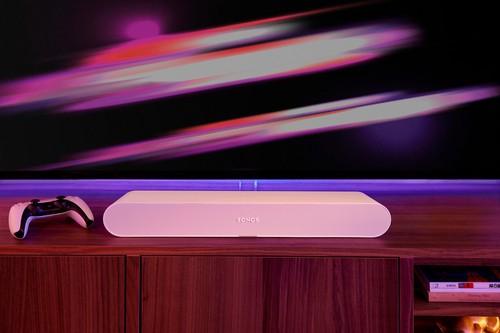
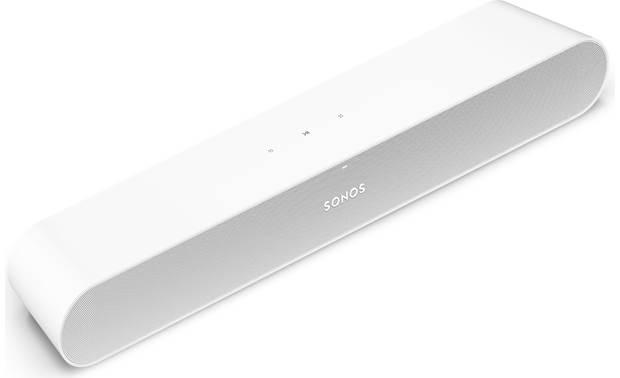
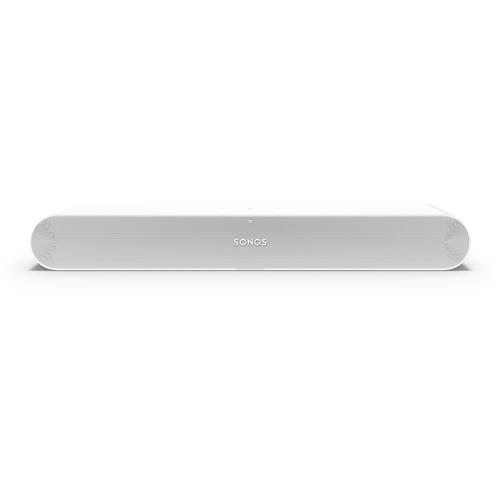
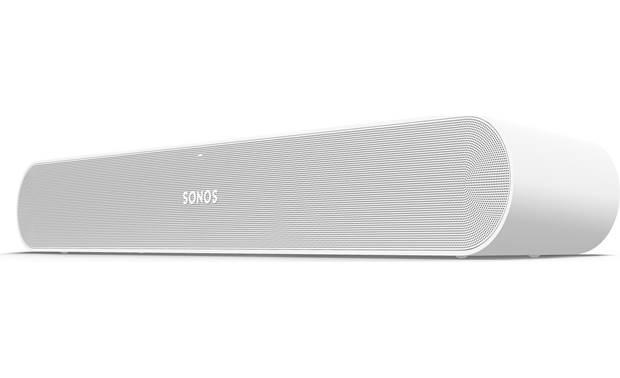
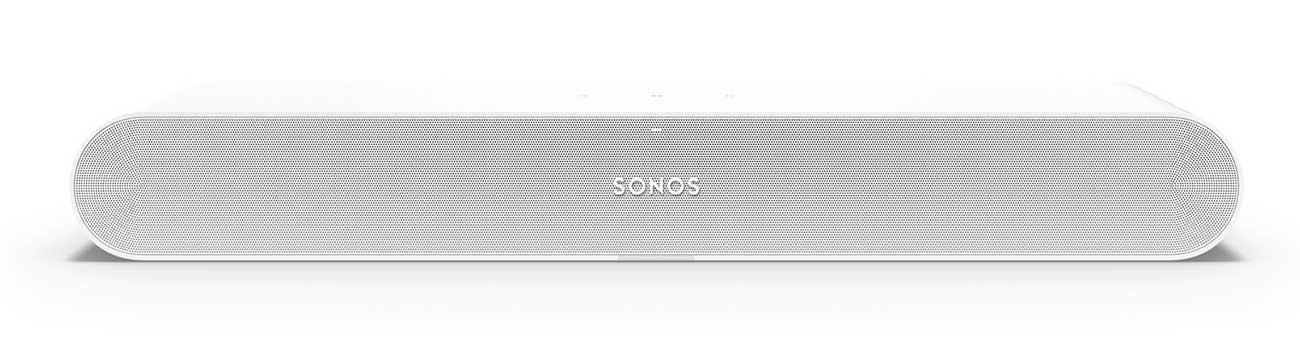
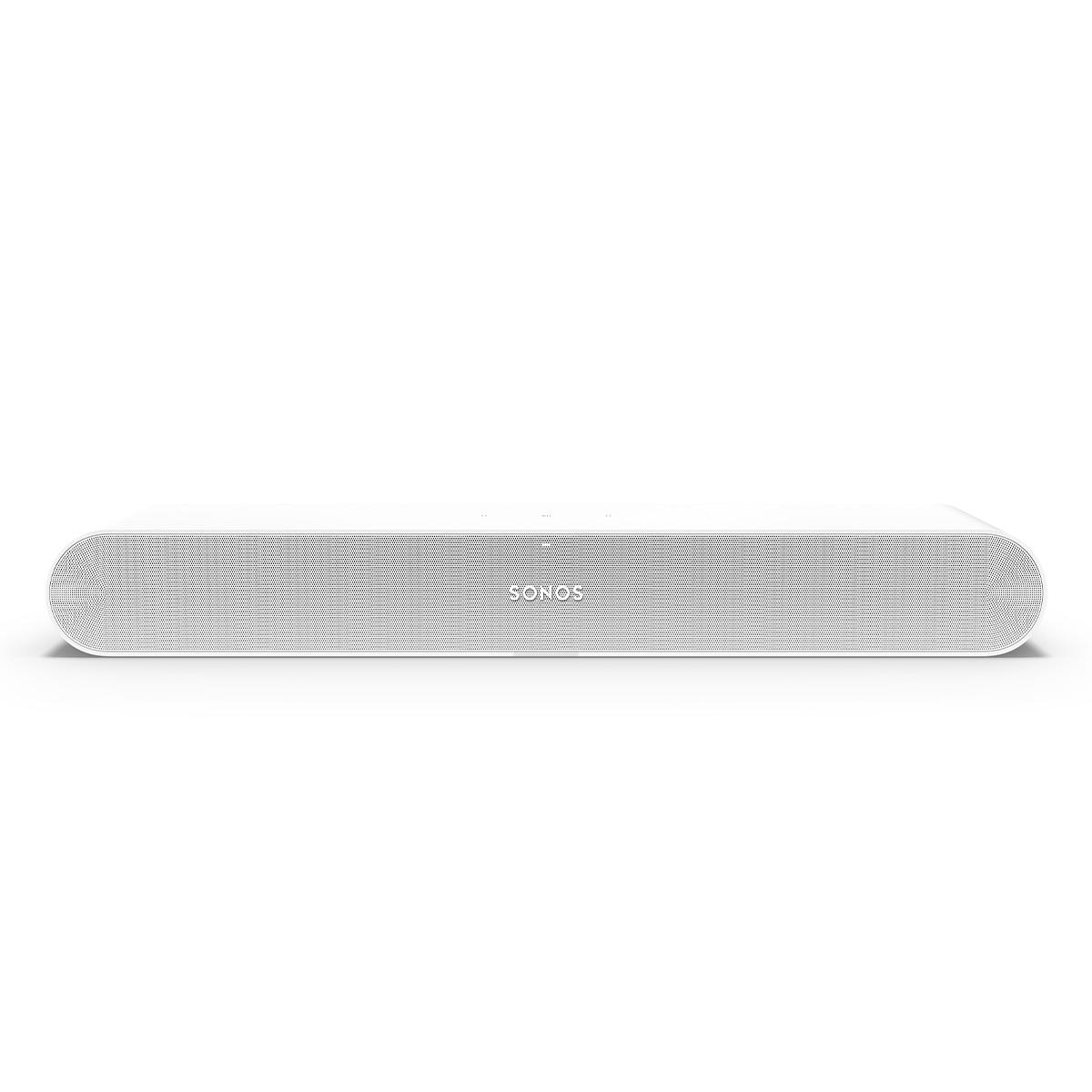
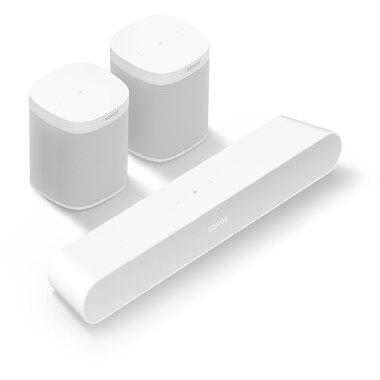
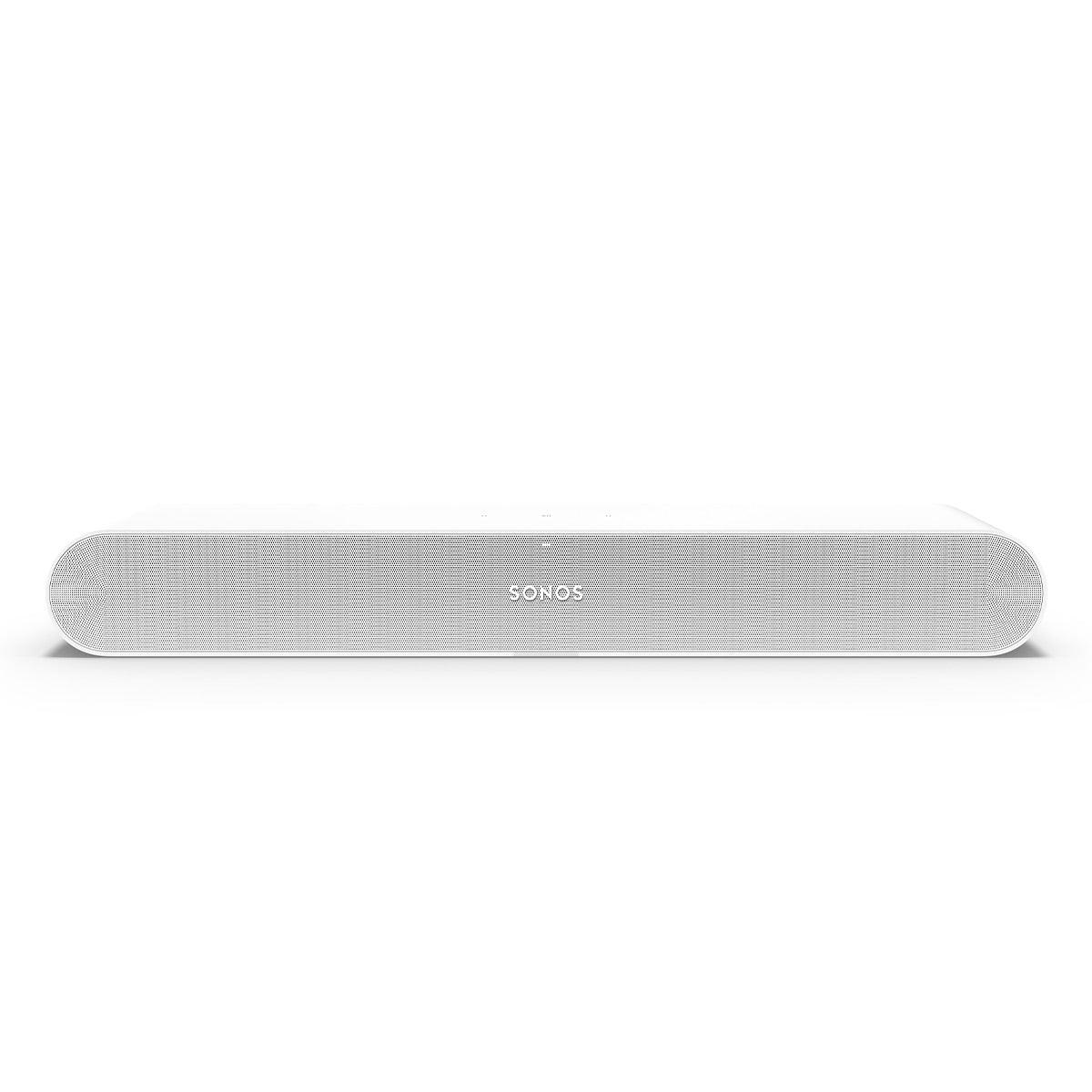
Released in 2022, the Sonos Ray represented something new for Sonos—their first truly budget-friendly entry point into their premium ecosystem. At the time of writing, it's positioned as their most affordable soundbar, though "affordable" in Sonos terms still means you're paying for thoughtful engineering rather than racing to the bottom on price.
The Ray is fundamentally a 2.0 stereo soundbar, meaning it has left and right channels but no dedicated center channel or built-in subwoofer. This might sound limiting, but Sonos has spent considerable effort optimizing dialogue reproduction through custom waveguides—specially shaped acoustic chambers that direct sound precisely where it needs to go. Think of waveguides like acoustic lenses that focus sound waves just as optical lenses focus light.
What sets the Sonos Ray apart is its Trueplay room correction technology. Using your iPhone's microphone (sorry, Android users), the system measures your room's acoustic properties and adjusts its output accordingly. This isn't just marketing fluff—room acoustics genuinely make or break audio systems. Hard surfaces create echoes, soft furnishings absorb sound, and unusual room shapes can create dead zones where audio seems muffled.
The connectivity approach reveals Sonos's priorities: there's no Bluetooth, no HDMI, just optical audio input and Wi-Fi for streaming. This might seem restrictive, but it reflects Sonos's focus on integration over universal compatibility. The system supports AirPlay 2, Spotify Connect, and over 300 streaming services through the Sonos app ecosystem.
From a technical standpoint, the Ray uses four Class-D amplifiers driving two tweeters and two midwoofers. The bass reflex design includes a low-velocity port that minimizes the whooshing sounds you sometimes hear from poorly designed subwoofers. While it won't shake your room, the Ray delivers surprisingly solid low-end response for its size.
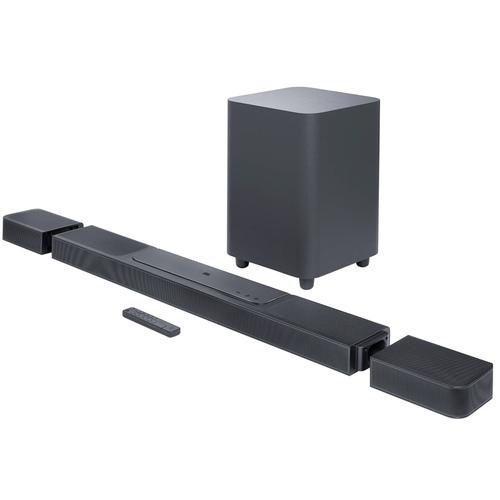
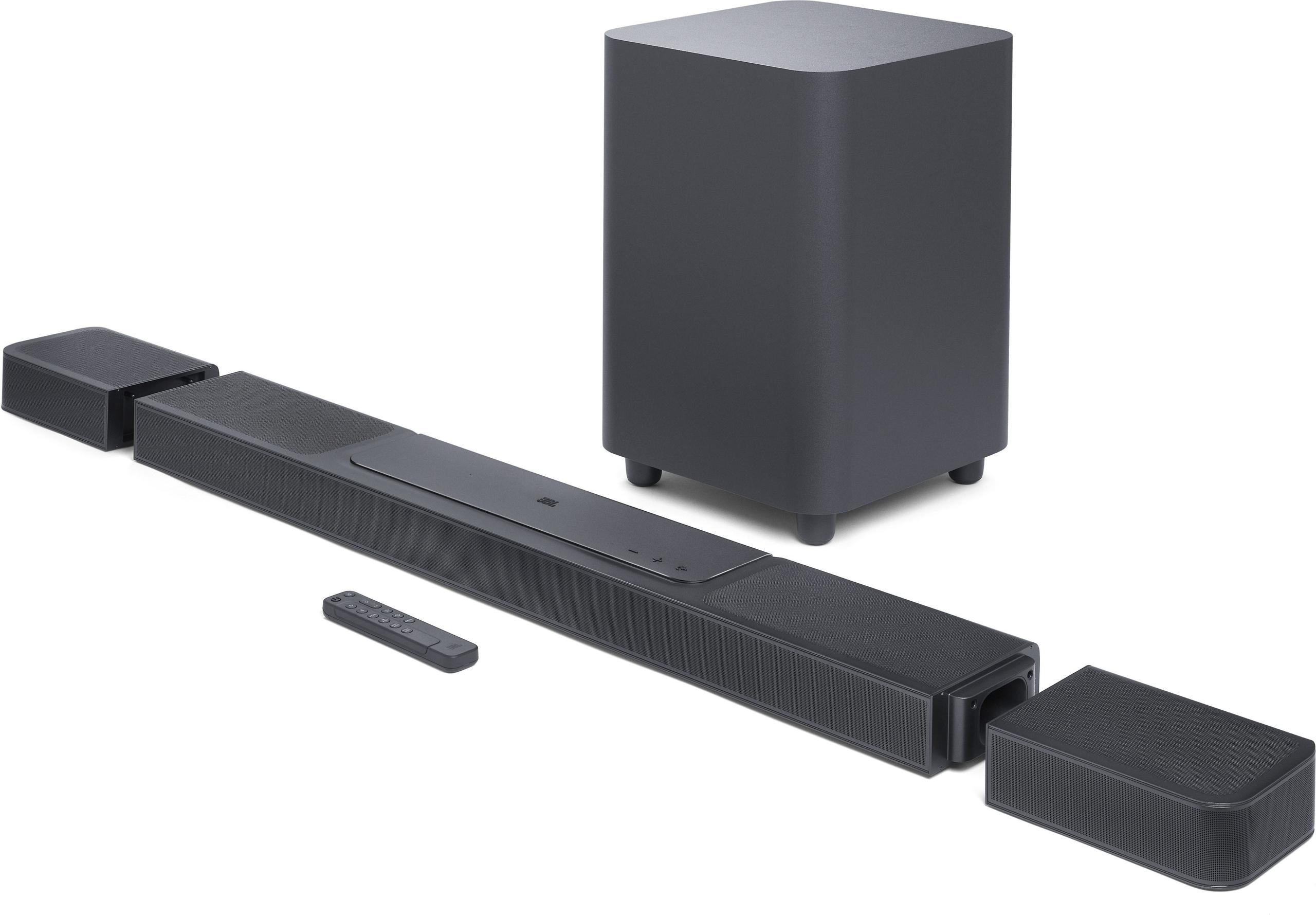
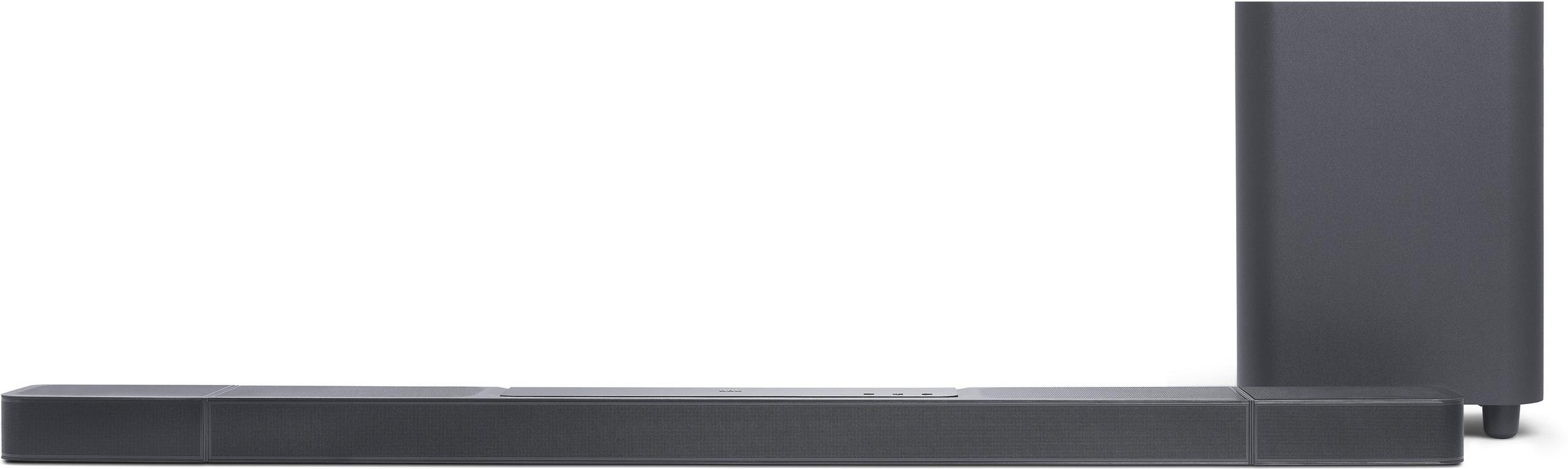
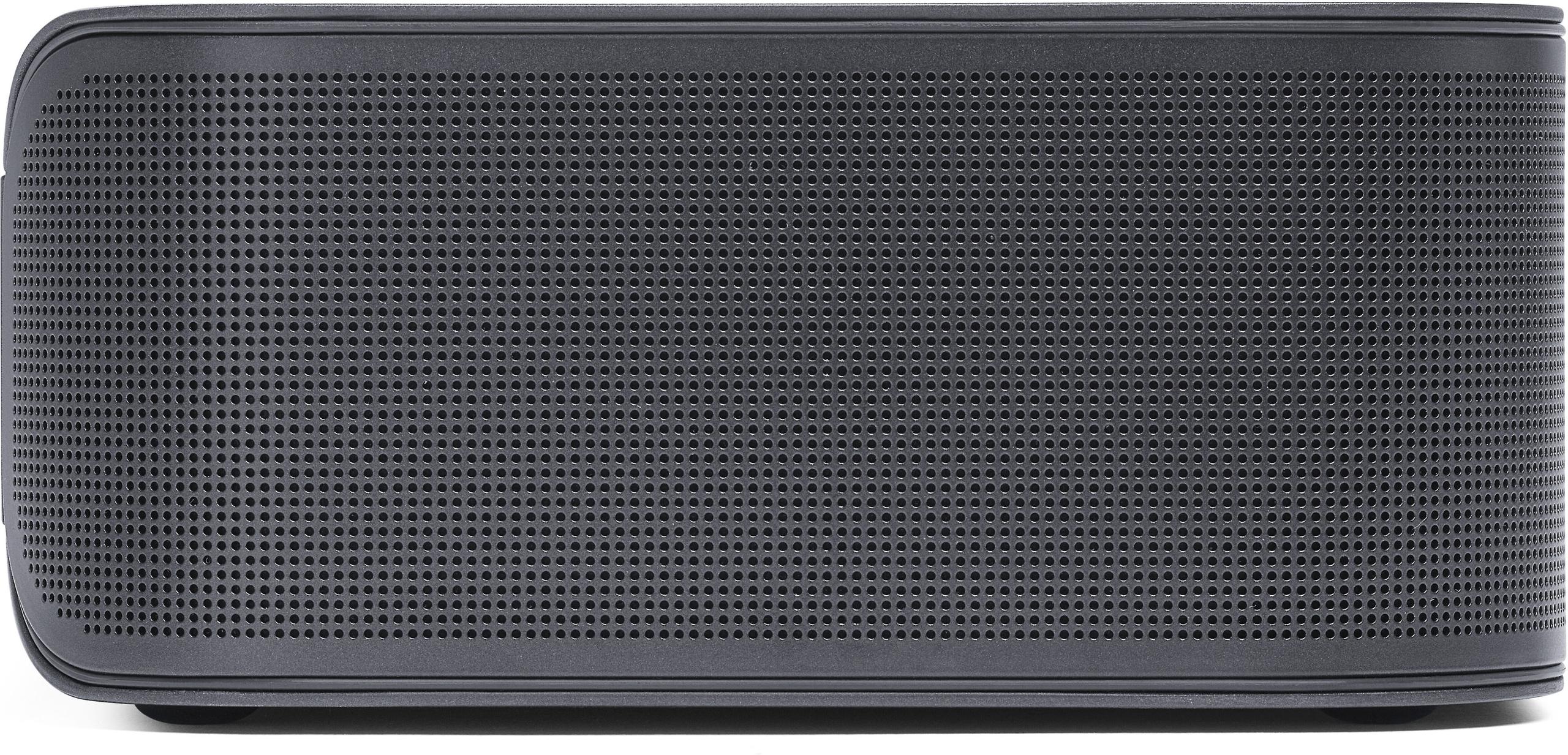
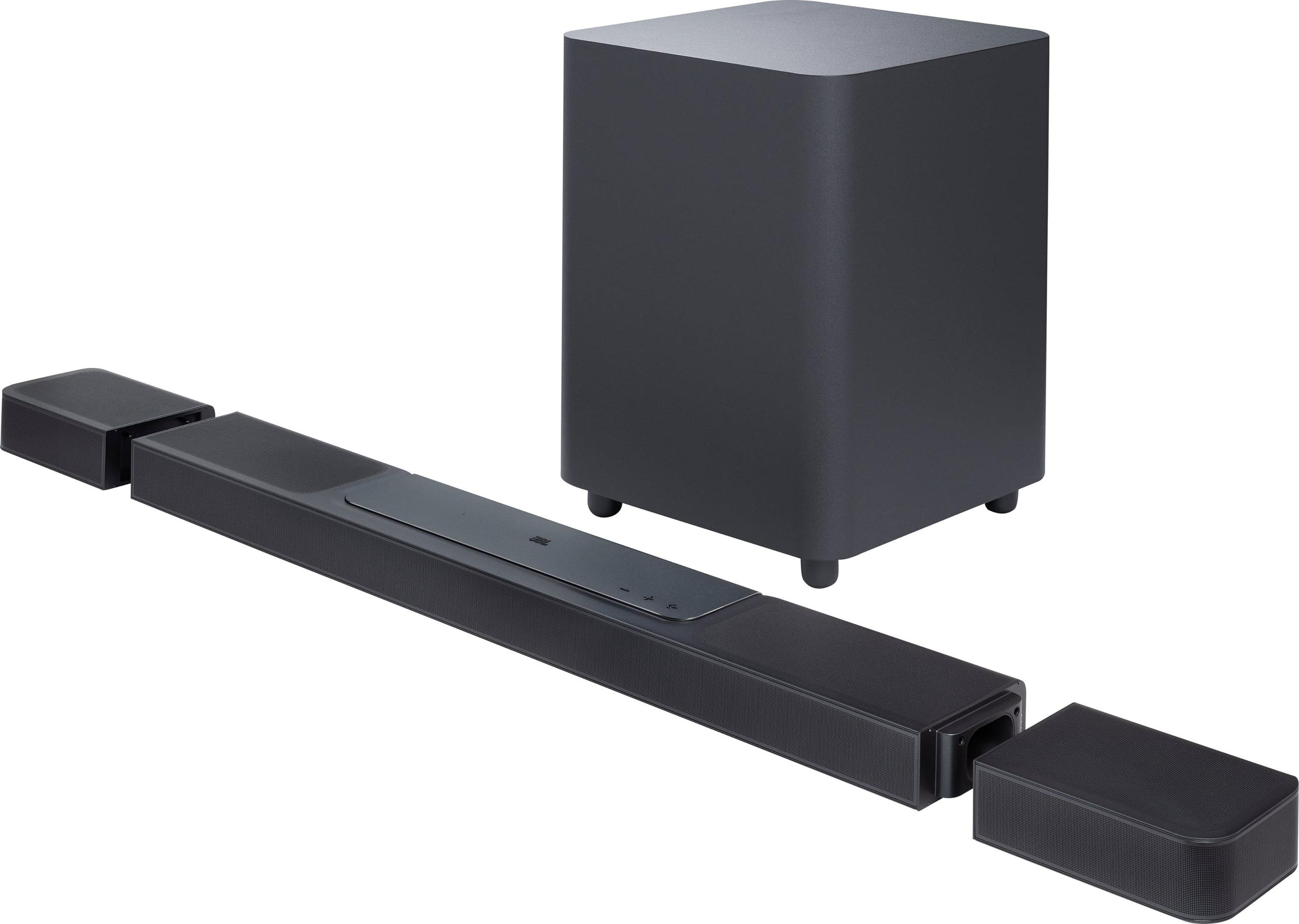
The JBL Bar 1300X, released in 2023, takes the opposite approach. This is JBL's flagship soundbar system, designed for people who want the full home theater experience without compromising on any aspect. At the time of writing, it commands a premium price that's roughly four to five times higher than the Sonos Ray, but that price gap reflects a fundamentally different product category.
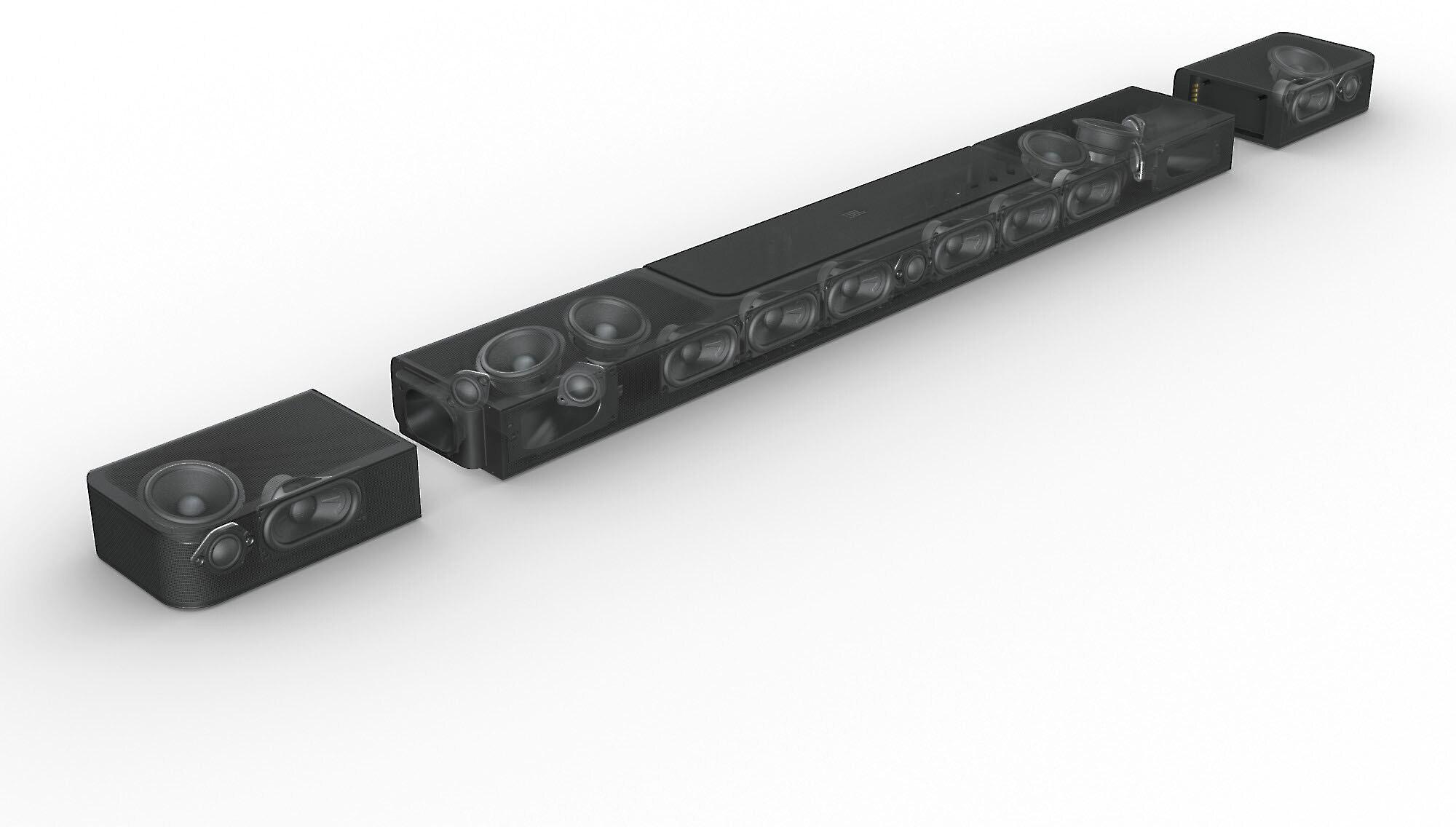
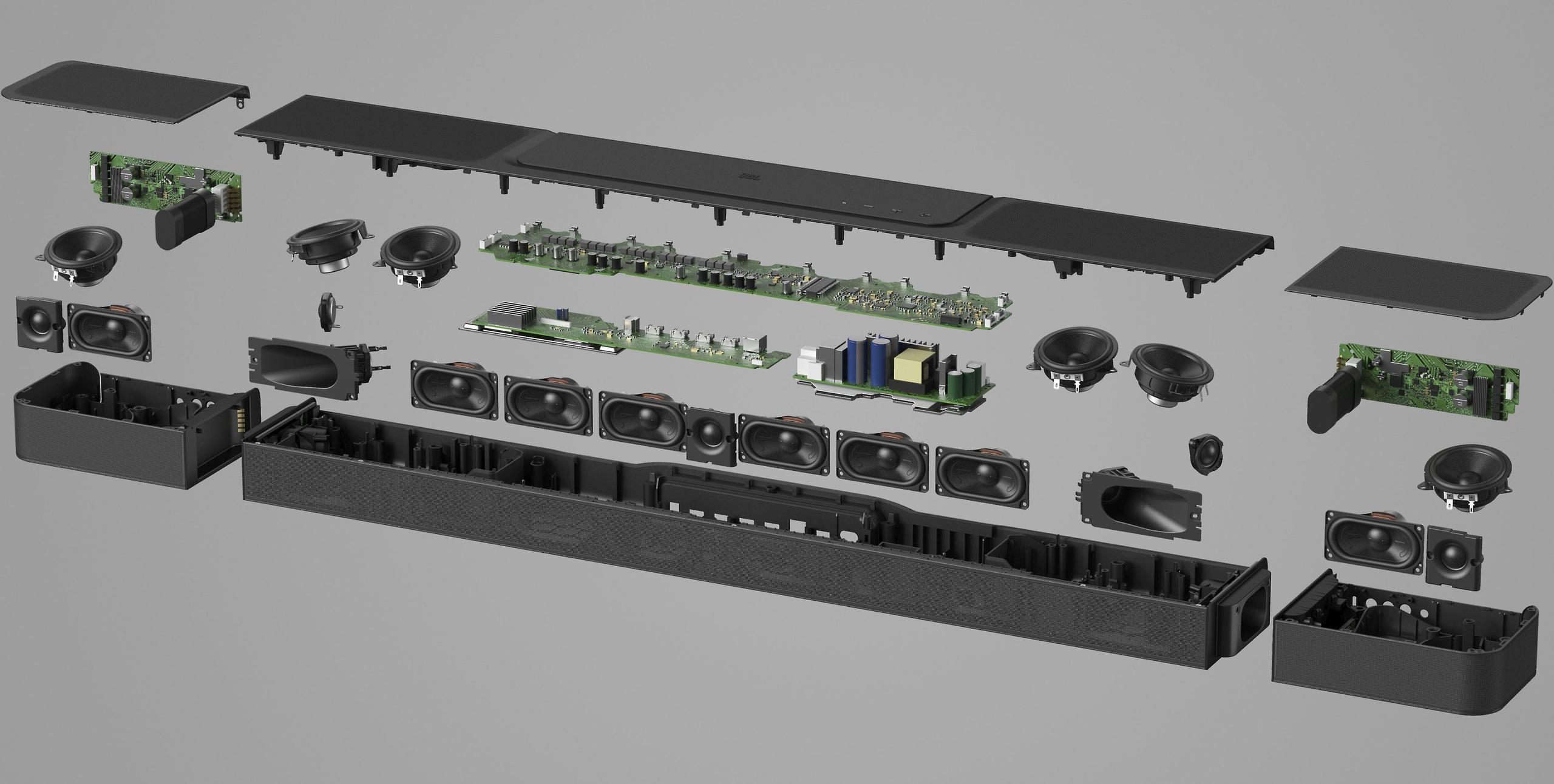
This is an 11.1.4 channel system, which means it includes eleven main channels, one subwoofer channel, and four height channels. Those height channels are crucial for Dolby Atmos content—they fire sound upward to bounce off your ceiling, creating the illusion that helicopters are flying overhead or rain is falling around you. The JBL Bar 1300X achieves this through six physical up-firing drivers: four in the main soundbar and two in the detachable surround speakers.
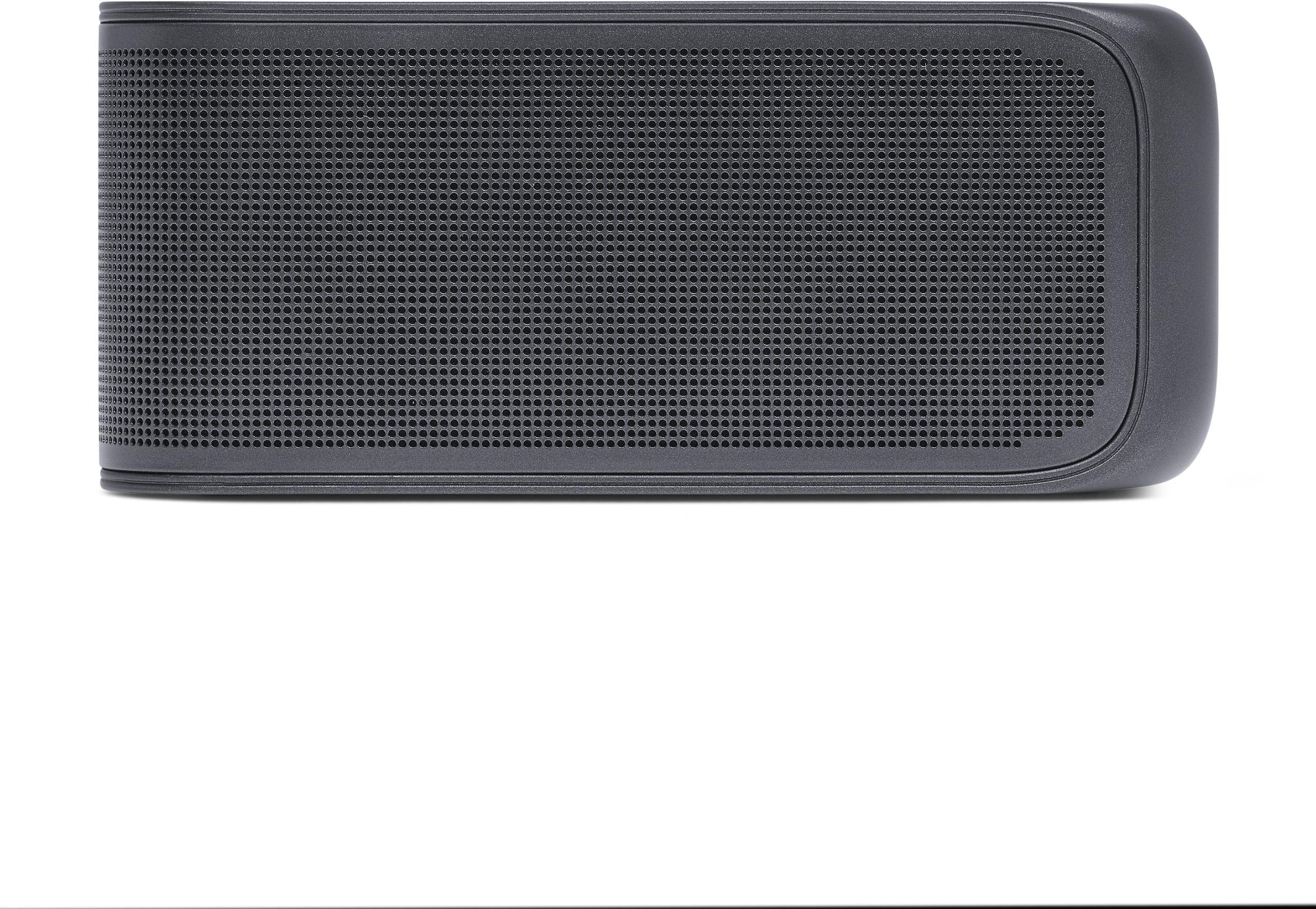
The detachable surround speakers deserve special mention because they're genuinely innovative. These battery-powered units can be removed from the main soundbar and placed anywhere in your room, creating true surround sound without running wires to your back wall. Each speaker includes its own amplification, drivers, and a battery that lasts over 10 hours. When you're not using them for home theater duty, they function as portable Bluetooth speakers for outdoor parties or bedroom listening.
The included 12-inch wireless subwoofer is a powerhouse, delivering the kind of deep bass that makes action movies genuinely thrilling. While the Sonos Ray handles dialogue beautifully, it simply cannot match the visceral impact of dedicated bass reproduction. The difference becomes obvious during movie scenes with explosions, car chases, or even music with significant low-end content.
JBL's MultiBeam technology deserves explanation because it's central to the system's performance. Rather than just firing sound straight forward, MultiBeam uses digital processing to analyze incoming audio and distribute it across multiple drivers in specific patterns. This creates a wider, more enveloping soundstage that makes stereo content feel more spacious and surround content more precise in its positioning.
Dialogue clarity might sound boring compared to explosive action scenes, but it's actually the most important performance metric for most users. If you can't understand what characters are saying without constantly adjusting volume or turning on subtitles, even the most impressive bass won't save your viewing experience.
The Sonos Ray excels here through careful engineering rather than brute force. Its custom waveguides ensure that vocal frequencies reach your ears directly rather than bouncing around the room. The system's digital processing emphasizes the frequency ranges where human speech occurs, making conversations clear even when background music or sound effects are present.
The JBL Bar 1300X takes a different approach with its PureVoice technology, which dynamically adjusts dialogue levels based on the surrounding audio content. During quiet scenes, voices remain natural, but when explosions start rumbling, the system automatically boosts vocal frequencies to cut through the chaos. Both systems handle dialogue well, but the Sonos approach feels more consistent while the JBL system provides more dramatic contrast.
This is where the fundamental difference between these products becomes obvious. The Sonos Ray, despite clever engineering, simply cannot produce deep bass without help. Its small drivers and compact cabinet can handle mid-bass frequencies that add warmth to voices and punch to music, but they won't deliver the subsonic rumble that makes movies feel cinematic.
The JBL Bar 1300X's dedicated subwoofer changes the entire experience. That 12-inch driver, powered by 300 watts of dedicated amplification, can reproduce frequencies down to around 30Hz—low enough to feel explosions in your chest and give music the foundation it deserves. The wireless connection means you can place the subwoofer wherever it sounds best in your room, rather than being constrained by cable lengths.
However, bass isn't just about quantity—it's about quality and integration. A poorly tuned subwoofer can sound boomy and disconnected from the main speakers. The JBL Bar 1300X handles this integration well, with crossover frequencies (the point where the subwoofer takes over from the main speakers) carefully matched to create seamless transitions.
Here's where these products serve completely different audiences. The Sonos Ray is a stereo soundbar that can process surround sound content, but it must downmix everything to two channels. This means you'll hear all the audio elements, but you won't get the directional effects that make surround sound worthwhile. Helicopters won't pan from left to right, and you won't hear footsteps approaching from behind.
The JBL Bar 1300X delivers genuine surround sound with proper channel separation and positioning. Those detachable rear speakers create real surround effects, while the up-firing drivers add height channels that most people don't realize they're missing until they experience them. When properly set up, Dolby Atmos content creates a three-dimensional audio bubble around your seating position.
The height channels deserve special attention because they're relatively new to home audio. Traditional surround sound systems create a horizontal plane of audio around you, but Dolby Atmos adds vertical positioning. This means sound designers can place audio objects anywhere in three-dimensional space—a helicopter can start behind you, fly overhead, and exit in front, all with convincing positional accuracy.
Both systems handle music well, but with different strengths. The Sonos Ray delivers balanced, articulate sound that reveals details in well-recorded music. Its integration with streaming services is seamless—you can start playing music from your phone and easily hand off control to other family members through the Sonos app. The system's room correction helps optimize music playback for your specific space.
The JBL Bar 1300X brings more power and dynamics to music reproduction. That subwoofer adds weight to bass lines and drum hits that the Sonos Ray simply cannot match. However, some listeners might find the more powerful system less refined for acoustic music or jazz where subtlety matters more than impact.
The detachable speakers add interesting versatility—you can take them outdoors for parties or use them in bedrooms where a full soundbar would be overkill. This flexibility extends the system's usefulness beyond the main listening room.
Both systems attempt to optimize their sound for your specific room, but through different methods. The Sonos Ray's Trueplay requires an iPhone and about five minutes of walking around your room while the phone's microphone measures acoustic reflections. The system then creates a custom EQ curve to compensate for your room's acoustic properties.
The JBL Bar 1300X uses automatic calibration that doesn't require manual measurement. Built-in microphones measure the room during initial setup and adjust the system's output accordingly. While convenient, this automated approach may not be as precise as Sonos's manual measurement process.
The connectivity differences reflect each company's philosophy about how people use audio systems. The Sonos Ray's Wi-Fi-focused approach provides access to high-quality streaming and seamless multi-room functionality. When Sonos updates their software, all compatible speakers receive new features simultaneously—a significant advantage for long-term ownership.
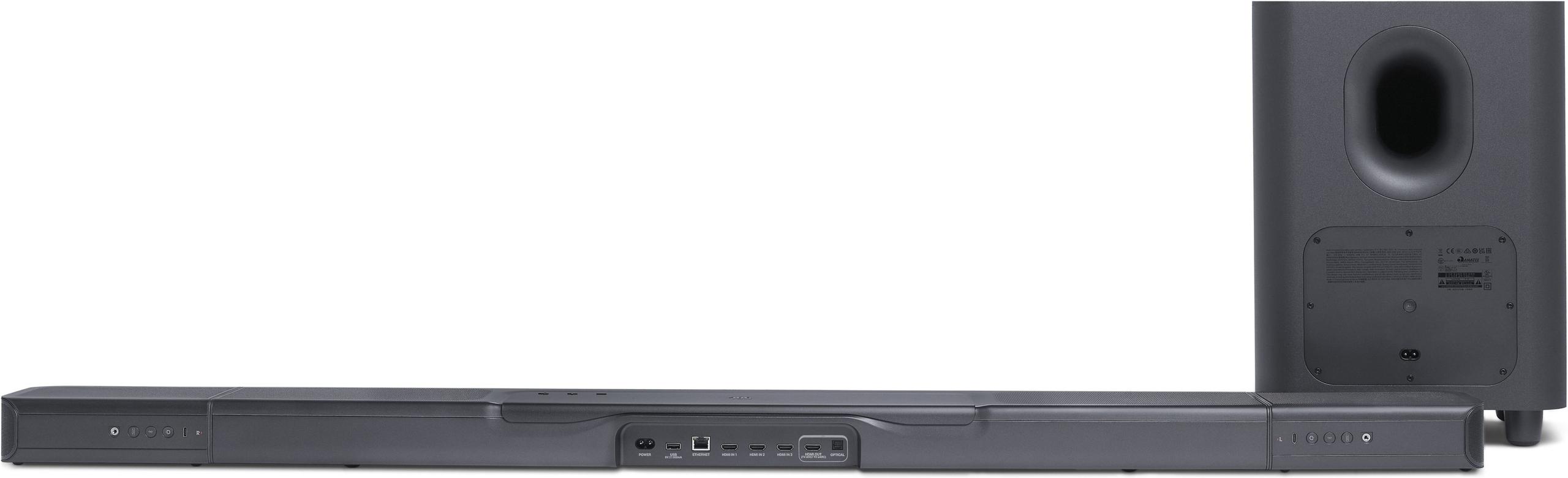
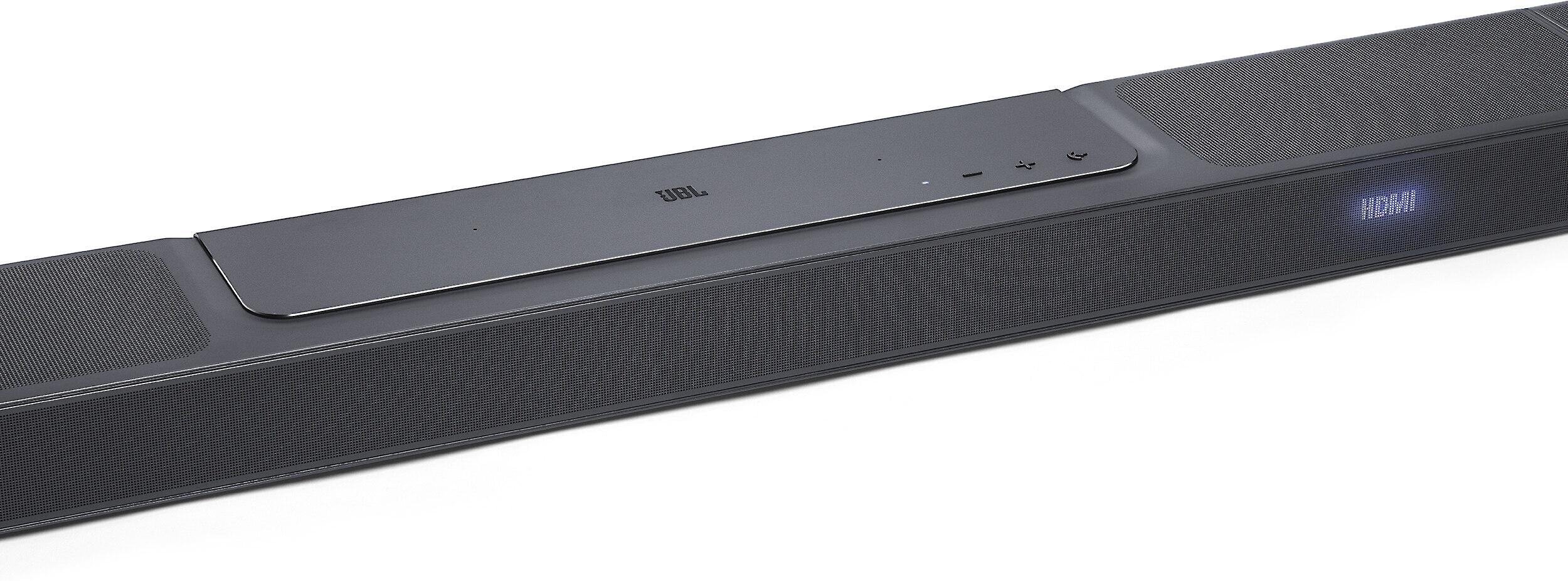
The JBL Bar 1300X offers more immediate connectivity options through multiple HDMI inputs, Bluetooth, and Wi-Fi streaming. This flexibility means you can connect any source device without worrying about compatibility, but the system won't receive the same level of ongoing software enhancement that Sonos provides.
The Sonos Ray works well in smaller to medium-sized rooms where its focused sound delivery and dialogue optimization shine. In larger spaces, it may struggle to fill the room with adequate volume, and the lack of surround speakers becomes more noticeable.
The JBL Bar 1300X is designed for larger spaces where its multiple speakers and powerful subwoofer can properly develop. In smaller rooms, the system might actually be overwhelming—that 12-inch subwoofer can easily produce too much bass for a compact space.
If you're building or expanding an existing audio system, the Sonos Ray offers clear advantages through its ecosystem integration. You can add the Sonos Sub for deep bass, rear speakers for surround sound, or additional Sonos speakers in other rooms for whole-home audio. This modular approach lets you spread costs over time while building toward a comprehensive system.
The JBL Bar 1300X is essentially complete as purchased. While this provides immediate satisfaction, it doesn't offer meaningful expansion options. You're buying a complete solution that either meets your needs or doesn't.
At the time of writing, these products exist in completely different price categories, making direct value comparisons challenging. The Sonos Ray offers exceptional value for users who prioritize dialogue clarity and want entry into a premium ecosystem. Its price point makes high-quality audio accessible to budget-conscious buyers.
However, if you expand the Sonos Ray with a subwoofer and surround speakers to match the JBL Bar 1300X's capabilities, the total cost approaches or exceeds the JBL system's price. This makes the comparison more complex—you're choosing between gradual investment flexibility and immediate complete functionality.
The JBL Bar 1300X provides substantial value for buyers who want everything immediately. The included subwoofer, surround speakers, and advanced processing would cost significantly more if purchased separately from most manufacturers.
Want exceptional dialogue clarity above all else. If you primarily watch TV shows, news, and dialogue-heavy content, the Sonos Ray's focus on vocal reproduction will serve you better than systems optimized for explosive action scenes.
Prefer to build systems gradually. The modular approach lets you start with solid stereo sound and add components as budget allows. This approach works particularly well for people who aren't sure about their long-term audio needs.
Value ecosystem integration and ongoing software updates. Sonos's commitment to long-term software support means your Sonos Ray will likely gain new features and streaming service support over time.
Have space constraints or prefer minimalist aesthetics. The single-unit design works well in small apartments or spaces where multiple speakers would create clutter.
Want immediate home theater immersion without compromise. The complete system delivers genuine surround sound and powerful bass from day one, making it ideal for movie enthusiasts and gamers.
Have a larger room that can benefit from multiple speakers. The system's power and channel separation work best when they have space to develop properly.
Value versatility and flexibility. The detachable speakers extend the system's usefulness beyond home theater applications, making it suitable for people who entertain frequently or want audio options throughout their home.
Prefer comprehensive connectivity options. Multiple HDMI inputs, Bluetooth, and Wi-Fi ensure compatibility with any source device now and in the future.
These products solve the same fundamental problem—poor TV audio—but through completely different approaches. The Sonos Ray focuses on doing a few things exceptionally well: dialogue clarity, music reproduction, and ecosystem integration. It's the thoughtful choice for people who want better audio without complexity or massive immediate investment.
The JBL Bar 1300X delivers comprehensive home theater experience without asking you to compromise or wait for future upgrades. It's the right choice for people who know they want the full surround sound experience and prefer to get everything at once.
Neither approach is inherently better—they serve different users with different priorities, budgets, and living situations. The key is honestly assessing your needs, space, and long-term plans before making a decision. Both products excel within their intended use cases, making either a solid choice when properly matched to user requirements.
| Sonos Ray | JBL Bar 1300X |
|---|---|
| Audio Configuration - Determines surround sound capabilities and bass response | |
| 2.0 stereo (no subwoofer or surround speakers included) | 11.1.4 system with wireless subwoofer and detachable surround speakers |
| Subwoofer - Critical for movie bass and music impact | |
| None included (can add Sonos Sub separately) | 12-inch wireless subwoofer with 300W amplification included |
| Surround Sound - Essential for immersive movie watching | |
| Stereo only (downmixes surround content to 2 channels) | True surround with detachable wireless rear speakers |
| Dolby Atmos Support - Creates overhead height effects for premium content | |
| Not supported | Full Dolby Atmos with 6 physical up-firing drivers |
| Room Correction - Optimizes sound for your specific space | |
| Trueplay tuning (requires iPhone for setup) | Automatic calibration with built-in microphones |
| Connectivity Options - Affects compatibility with your devices | |
| Optical input only, Wi-Fi streaming, AirPlay 2 | Multiple HDMI inputs, Bluetooth 5.2, Wi-Fi, AirPlay 2, Chromecast |
| Expandability - Future upgrade potential | |
| Full Sonos ecosystem compatibility (add Sub, surrounds, other rooms) | Complete system with no meaningful expansion options |
| Setup Complexity - Time and effort required to get optimal performance | |
| Simple 2-cable setup with guided app configuration | Complex multi-component setup with wireless pairing |
| Streaming Integration - Access to music services and smart features | |
| Premium Sonos app with 300+ services, seamless multi-room | Basic JBL One app, standard streaming protocol support |
| Detachable Speakers - Unique flexibility feature | |
| Not applicable | Battery-powered speakers (10+ hours) double as portable Bluetooth units |
| Voice Enhancement - Dialogue clarity for TV content | |
| Custom waveguides with digital vocal optimization | PureVoice technology with dynamic dialogue boosting |
| Best Use Cases - Where each product excels | |
| TV dialogue, music, gradual system building, smaller rooms | Movies, gaming, large rooms, immediate complete experience |
The Sonos Ray is a simple 2.0 stereo soundbar focused on dialogue clarity and music, while the JBL Bar 1300X is a complete 11.1.4 home theater system with wireless subwoofer, surround speakers, and Dolby Atmos support. The Sonos Ray offers expandability over time, whereas the JBL Bar 1300X delivers everything upfront.
The JBL Bar 1300X is significantly better for home theater use, offering true surround sound with detachable wireless rear speakers, a 12-inch subwoofer for deep bass, and Dolby Atmos height channels. The Sonos Ray excels at dialogue but lacks the immersive surround sound and bass impact needed for cinematic experiences.
The JBL Bar 1300X includes everything needed for surround sound - wireless subwoofer and detachable surround speakers come in the box. The Sonos Ray works as-is for stereo sound but requires separate purchases of the Sonos Sub and rear speakers to match the JBL Bar 1300X's capabilities.
Both soundbars excel at dialogue clarity, but through different approaches. The Sonos Ray uses custom waveguides and vocal optimization specifically designed for clear speech reproduction. The JBL Bar 1300X features PureVoice technology that dynamically adjusts dialogue levels during loud scenes.
Yes, both support music streaming but differently. The Sonos Ray integrates with 300+ streaming services through the premium Sonos app and supports multi-room audio. The JBL Bar 1300X offers Bluetooth, AirPlay, and Chromecast connectivity, plus the unique ability to use detachable speakers as portable Bluetooth units.
The Sonos Ray is much easier to set up, requiring only power and optical cables with guided app configuration. The JBL Bar 1300X involves setting up multiple wireless components including the subwoofer and pairing detachable surround speakers, making it more complex but still manageable.
The Sonos Ray connects via optical cable, which most modern TVs have, but lacks HDMI connectivity. The JBL Bar 1300X offers multiple HDMI inputs plus optical, ensuring compatibility with virtually any TV or source device configuration.
The Sonos Ray is ideal for smaller rooms where its focused sound delivery and compact design shine. The JBL Bar 1300X with its powerful subwoofer and multiple speakers may overwhelm smaller spaces and works best in medium to large rooms.
The Sonos Ray offers extensive expandability within the Sonos ecosystem - you can add the Sonos Sub, rear speakers, or additional room speakers over time. The JBL Bar 1300X comes complete with no meaningful expansion options available.
The JBL Bar 1300X has dramatically better bass with its included 12-inch wireless subwoofer delivering deep, room-shaking low frequencies. The Sonos Ray provides adequate bass for its size but cannot match dedicated subwoofer performance without adding the separate Sonos Sub.
The Sonos Ray works with Alexa and Google Assistant through compatible devices but doesn't have built-in voice control. The JBL Bar 1300X can connect to voice assistant devices for music control but focuses primarily on audio performance rather than smart home integration.
This depends on your needs. The Sonos Ray offers excellent entry-level value with room to grow, backed by Sonos's strong software update history. The JBL Bar 1300X provides complete home theater value immediately, eliminating the need for future purchases to achieve full surround sound capabilities.
We've done our best to create useful and informative comparisons to help you decide what product to buy. Our research uses advanced automated methods to create this comparison and perfection is not possible - please contact us for corrections or questions. These are the sites we've researched in the creation of this article: tomsguide.com - soundandvision.com - youtube.com - techradar.com - en.community.sonos.com - rtings.com - howtogeek.com - youtube.com - cnet.com - sonos.com - videoandaudiocenter.com - techradar.com - jbl.com - audioadvice.com - youtube.com - rtings.com - jbl.com - greentoe.com - harmanaudio.com - youtube.com - mm.jbl.com - jbl.com

Privacy Policy
Terms and Conditions - Affiliate Policy
Home Security
© Copyright 2008-2026.
11816 Inwood Rd #1211, Dallas, TX 75244