


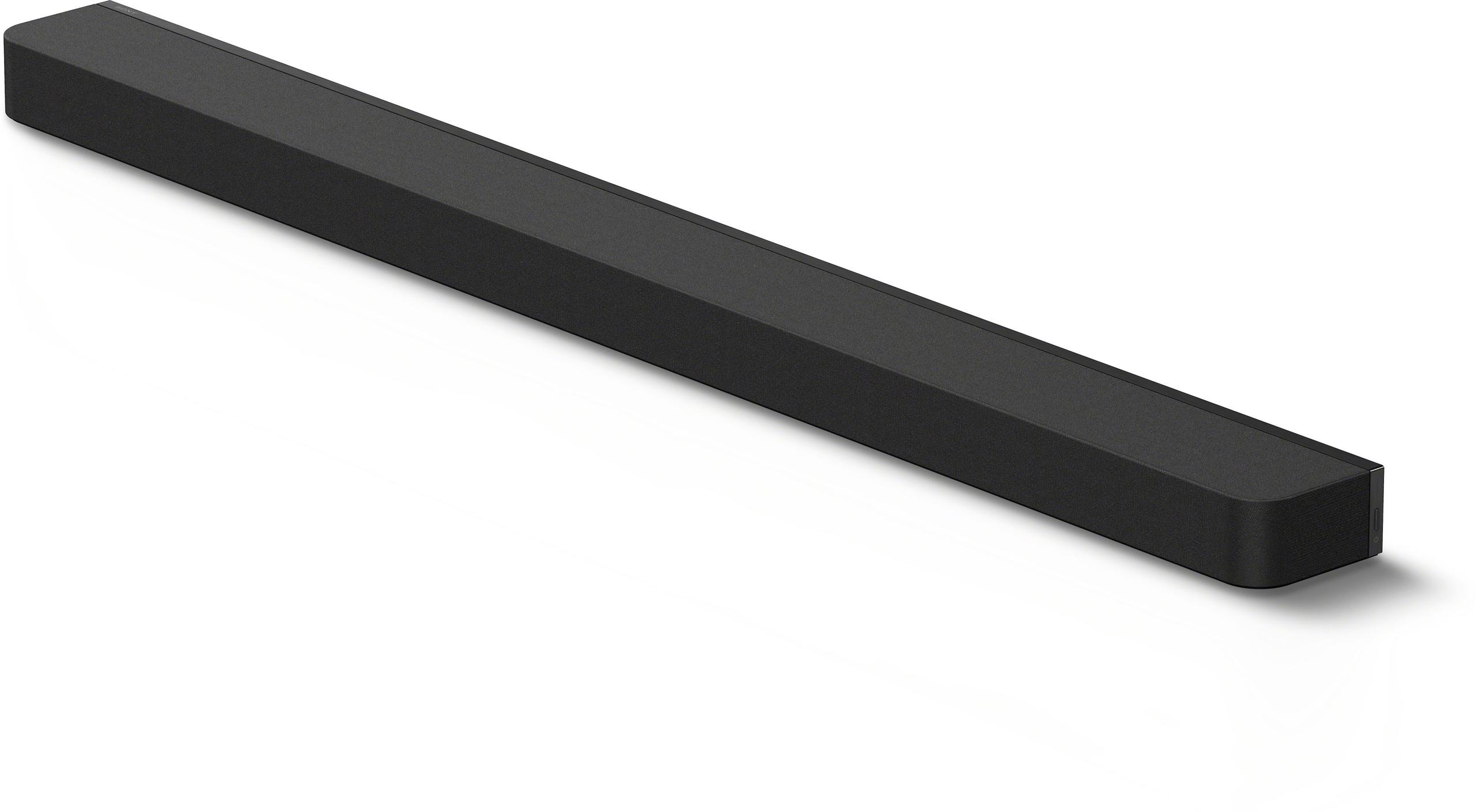


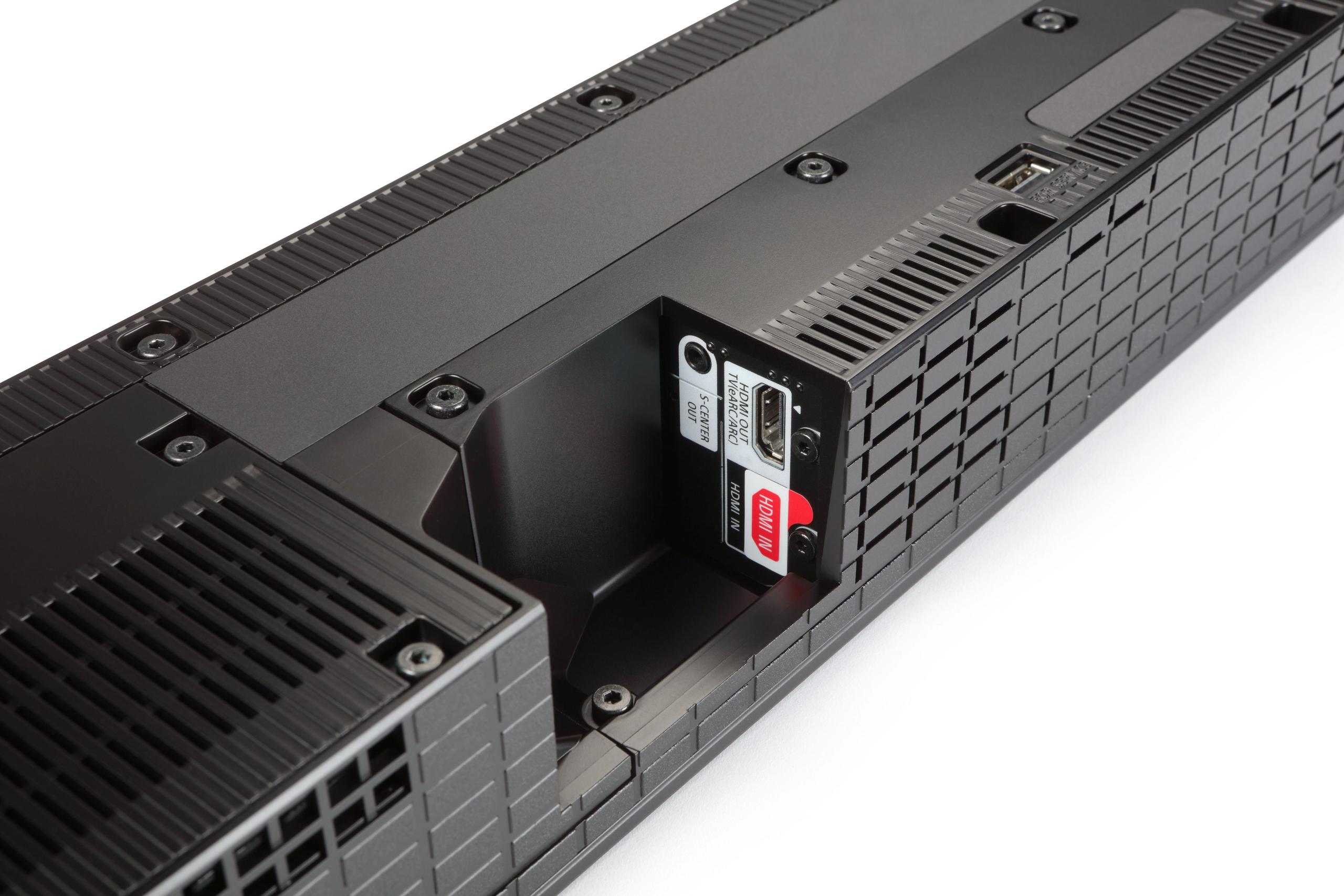
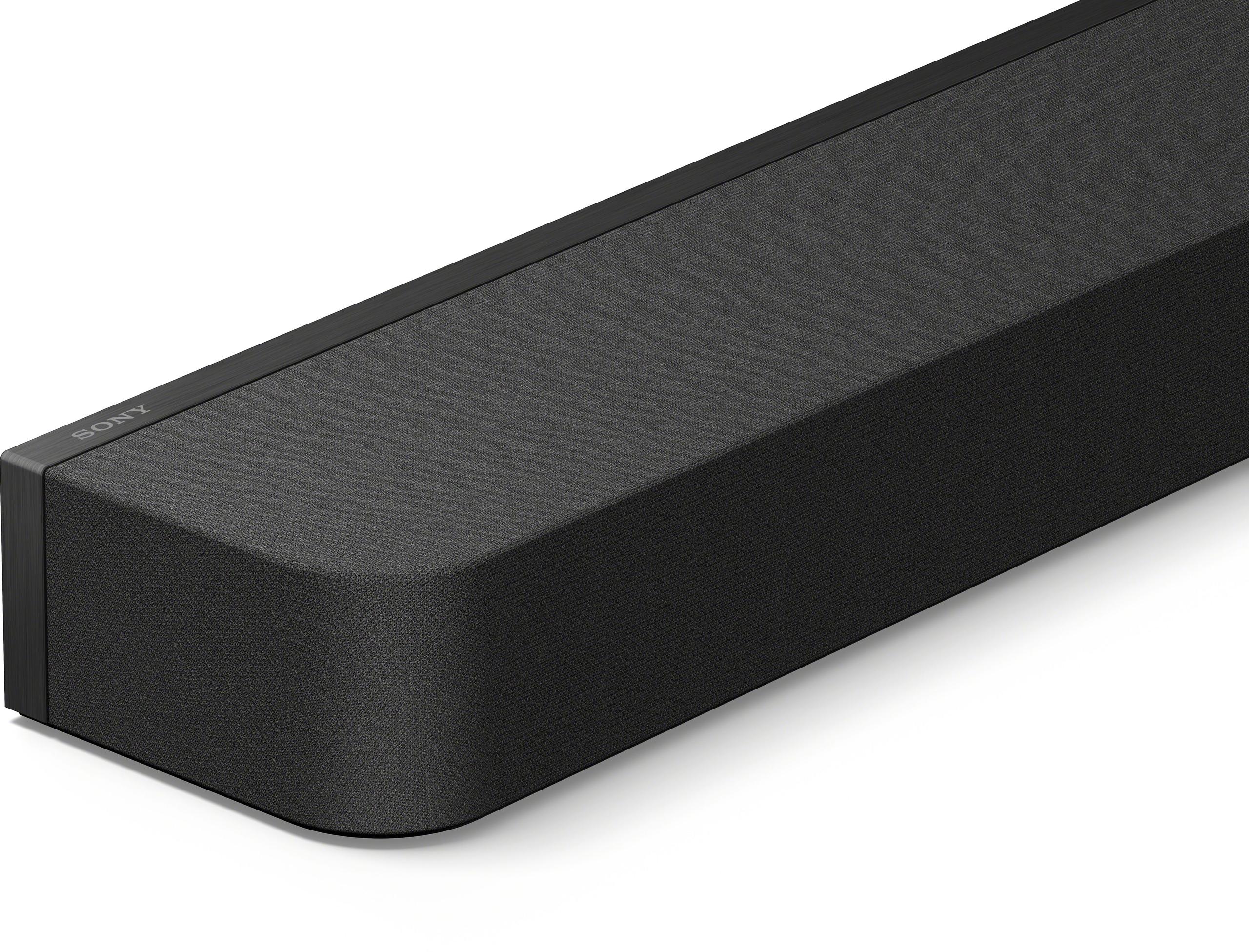
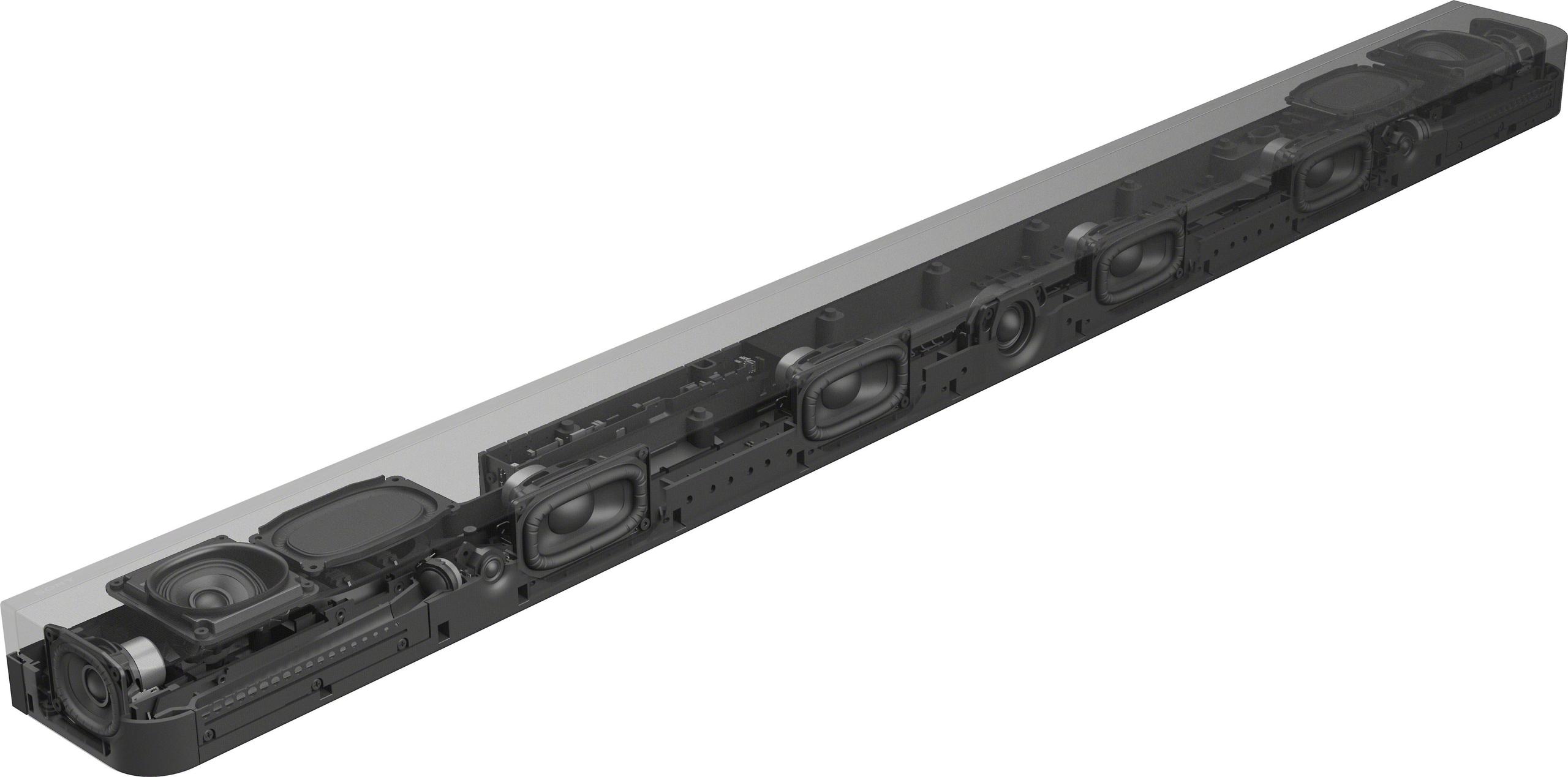


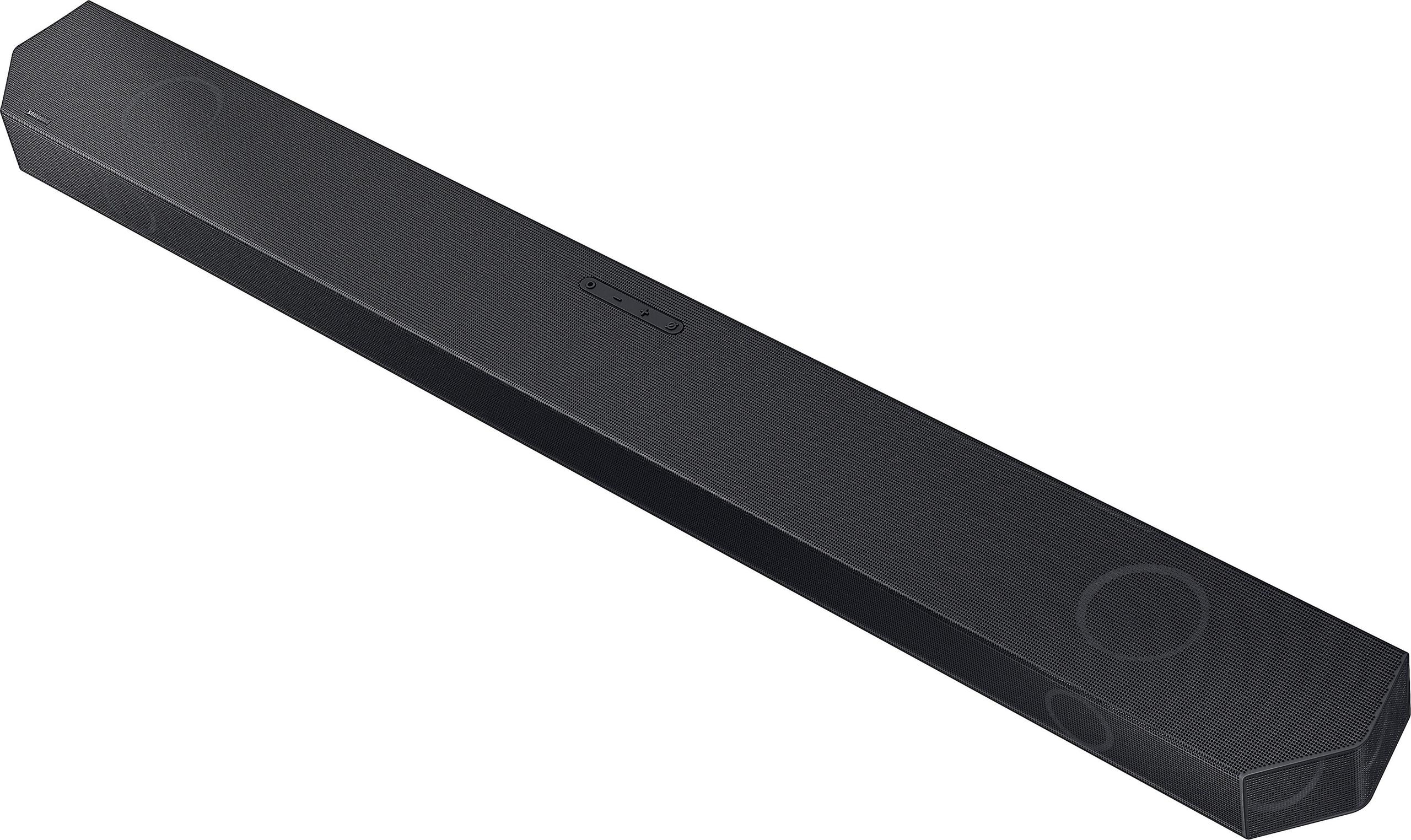

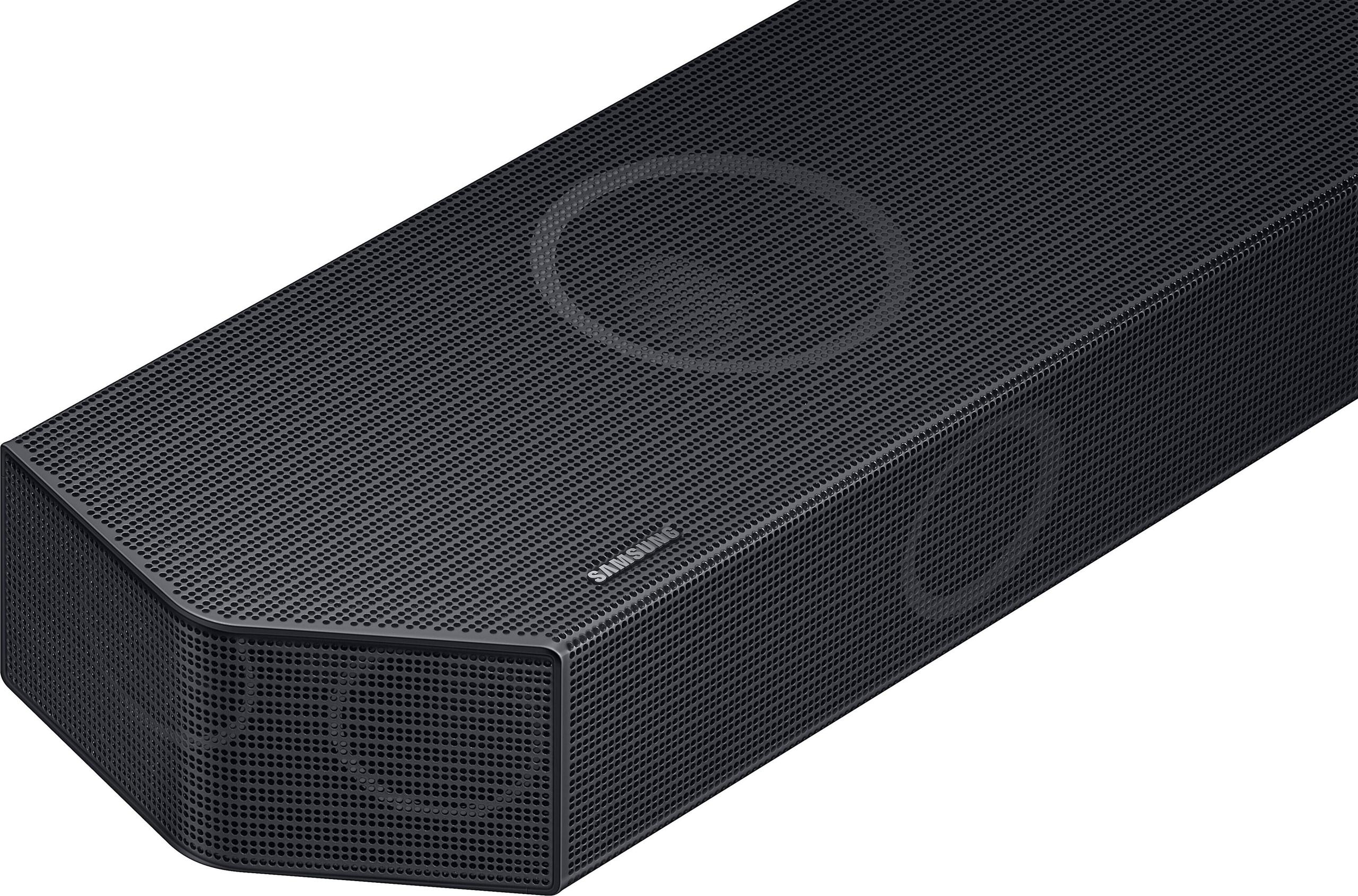




When you're watching your favorite movie and the dialogue gets drowned out by background music, or an action scene falls flat without proper bass, you realize how much good audio matters. Premium soundbars like the Sony BRAVIA Theater Bar 9 ($1,398) and Samsung Q Series 9.1.2 Channel Soundbar ($897.99) promise to solve these problems, but they take completely different approaches to deliver cinematic sound.
The soundbar market has exploded over the past few years, with manufacturers pushing the boundaries of what's possible from a single audio unit. These aren't your basic TV speakers – we're talking about sophisticated audio systems that can fill your room with three-dimensional sound, making you feel like you're sitting in a movie theater.
Before diving into the specifics, let's talk about what makes a soundbar "premium" and why you might choose one over a traditional surround sound system. Premium soundbars aim to deliver the immersive audio experience of a multi-speaker home theater setup while keeping installation simple and aesthetically clean.
The key considerations when choosing between high-end soundbars are pretty straightforward: sound quality, ease of setup, how well they work with your TV, and whether you're getting good value for your money. But beneath these basics lie some fascinating technical differences that can dramatically affect your listening experience.
Channel configuration is one of the most important specs to understand. When you see "9.1.2," that means 9 main channels (left, center, right, plus surround channels), 1 subwoofer channel, and 2 height channels for overhead effects. Dolby Atmos and DTS:X are audio formats that use these height channels to create sound that seems to move around and above you – imagine hearing a helicopter fly overhead in a movie, and the sound actually travels across your ceiling.
Both soundbars support these immersive audio formats, but they achieve the effect very differently, and that's where things get interesting.
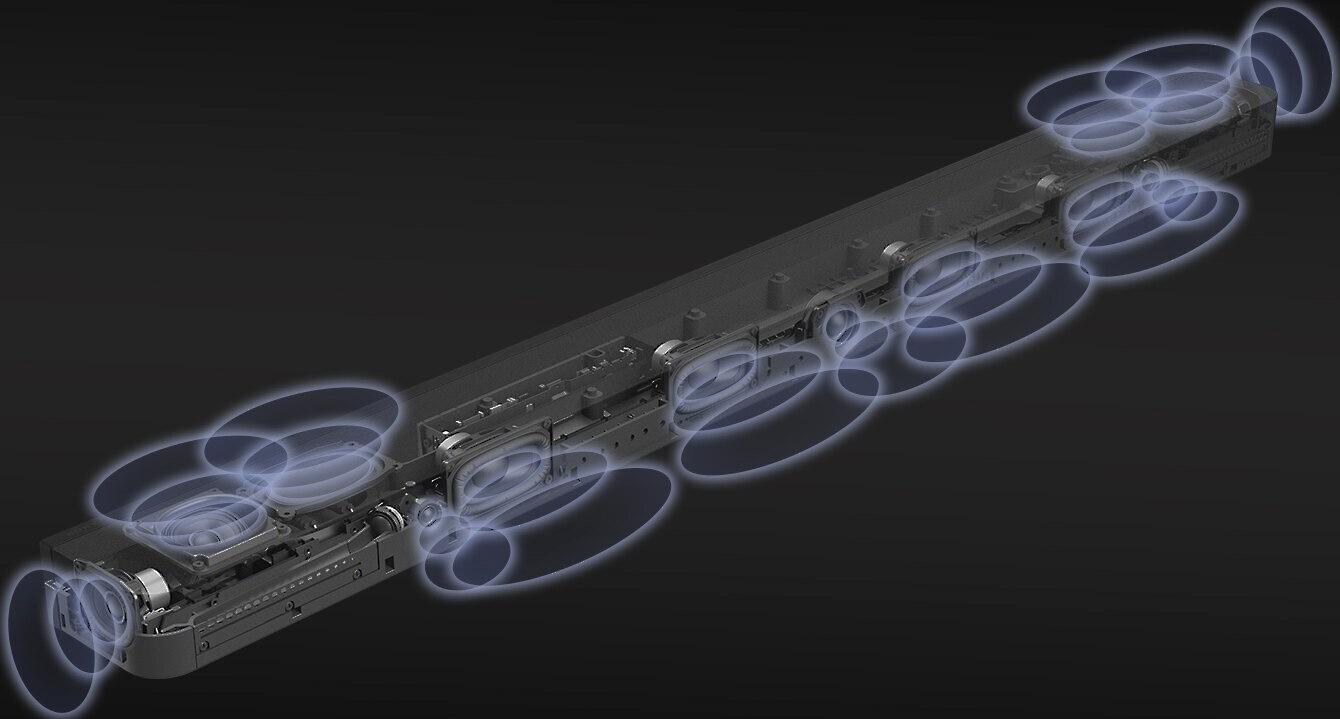
The Sony BRAVIA Theater Bar 9, released in 2024, represents Sony's latest thinking on premium audio. Instead of including separate components, Sony packed 13 individual speakers into a single, sleek soundbar. This includes quad woofers (speakers that handle mid-bass frequencies), dedicated center channel drivers for dialogue, side-firing tweeters (high-frequency speakers), up-firing drivers for height effects, and passive radiators that help extend bass response without adding bulk.
Sony's big innovation here is something called 360 Spatial Sound Mapping. This technology uses advanced digital signal processing to create "phantom speakers" – sound that appears to come from locations where there are no actual speakers. By carefully controlling how sound reflects off your walls and ceiling, the Bar 9 can make it seem like you have speakers placed around your room when you actually don't.
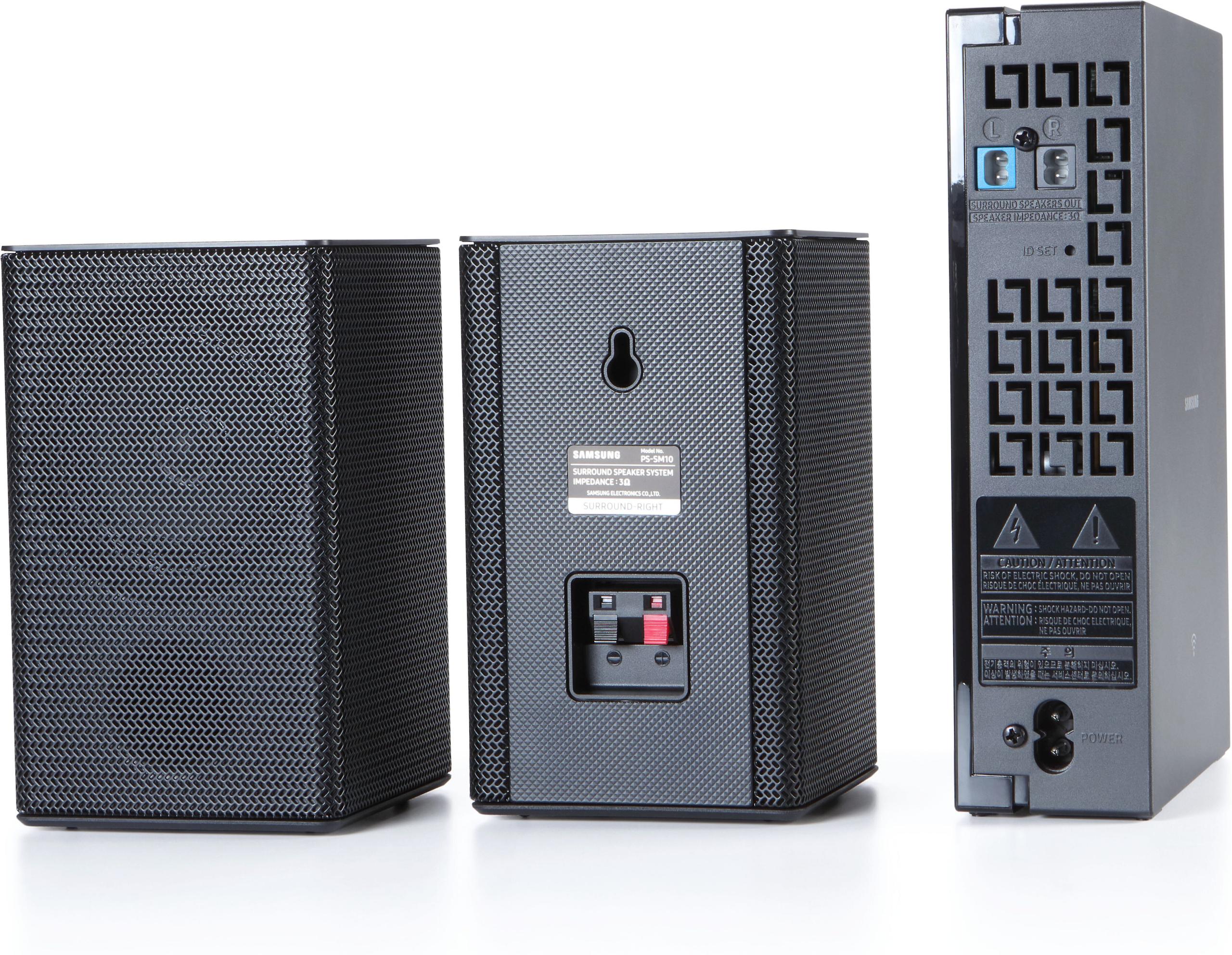
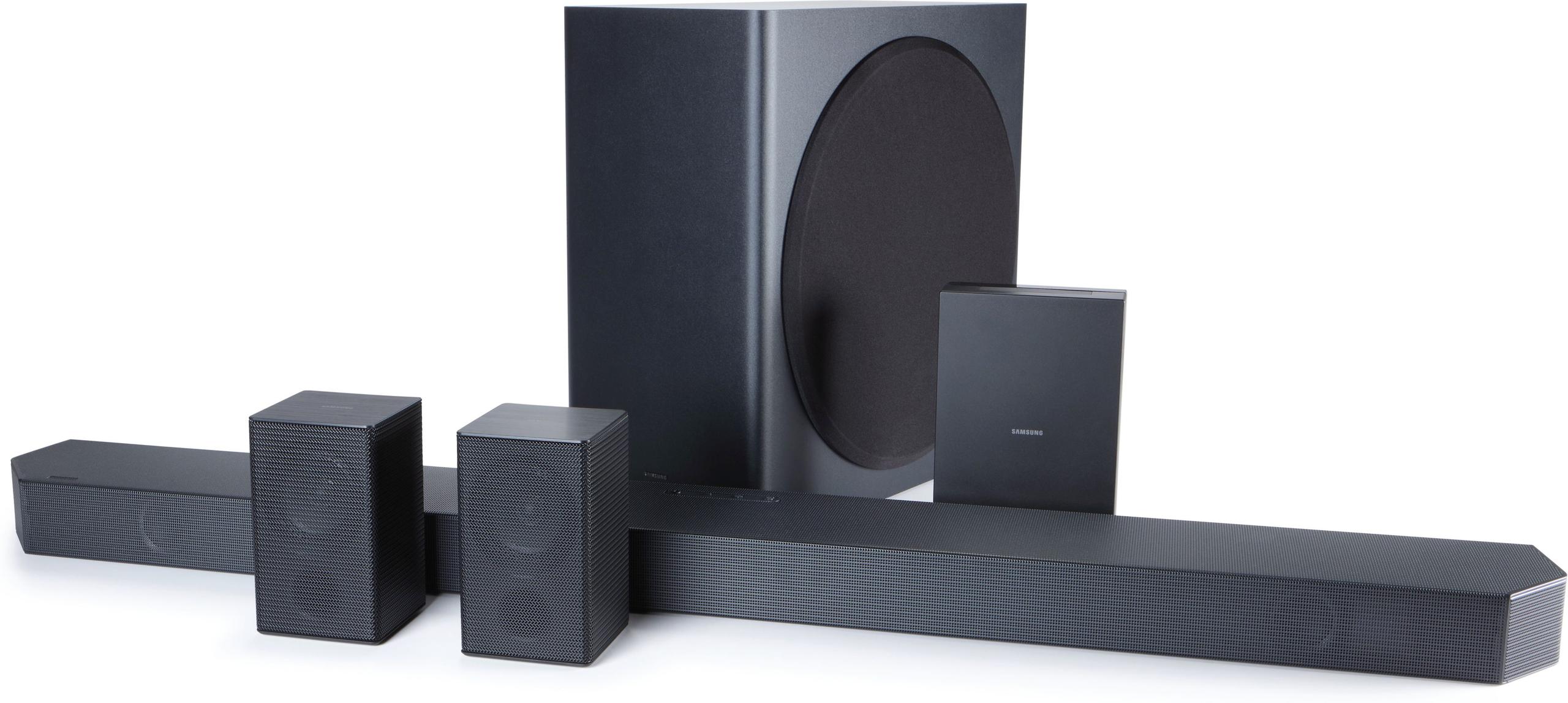
The Samsung Q Series 9.1.2, while not as recent a release, takes the traditional approach that many audio enthusiasts prefer: it includes physical components placed around your room. You get the main soundbar, a wireless subwoofer that handles deep bass (typically frequencies below 80Hz), and rear satellite speakers that create genuine surround effects.
Samsung's Q-Symphony technology is their answer to Sony's integration features. When paired with compatible Samsung TVs, Q-Symphony uses the TV's built-in speakers along with the soundbar to create a wider, more enveloping soundstage. It's like having additional center channel speakers right at screen level.
Here's where the fundamental differences between these systems really show up in day-to-day use. After spending time with similar Sony and Samsung systems, I've noticed some consistent patterns that are worth discussing.
The Sony Bar 9 has a significant advantage when it comes to dialogue clarity, thanks to a feature called Voice Zoom 3. This AI-powered technology actually analyzes the audio signal in real-time, identifying human voices and selectively amplifying them while reducing background noise. In practice, this means you can hear whispered conversations in movies without having to constantly adjust the volume when the action picks up.
Samsung's approach is more traditional but still effective. The dedicated center channel in their system, combined with Q-Symphony's ability to use your TV speakers, provides clear dialogue reproduction. However, it doesn't have the intelligent processing that Sony offers.
For home theater use, this difference is significant. I've found that Sony's voice enhancement makes a noticeable difference during long movie sessions, especially with content that has inconsistent audio mixing – you know, those movies where you're constantly reaching for the remote to adjust volume.
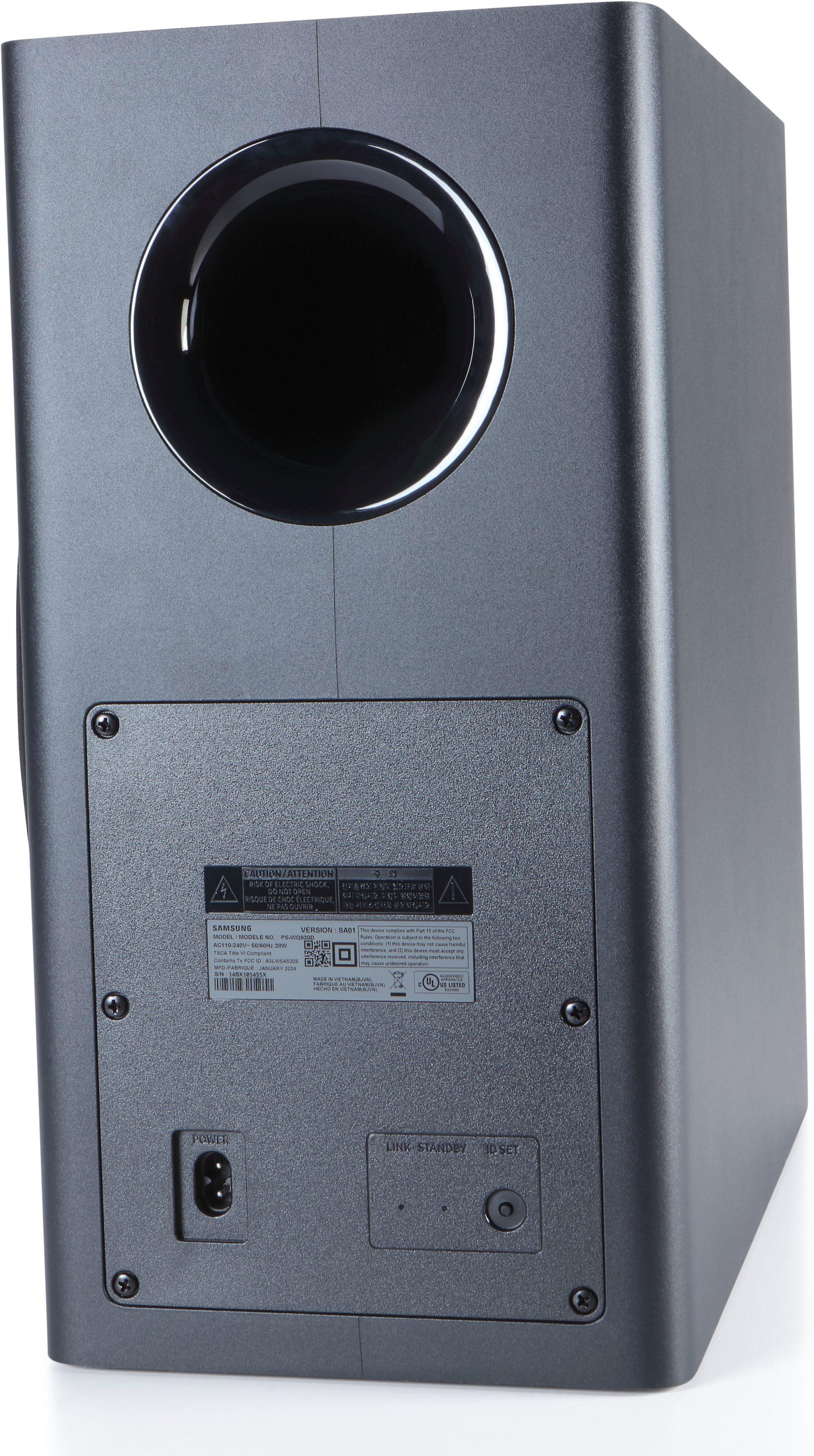
This is where the Samsung system has a clear advantage out of the box. The included wireless subwoofer can reproduce frequencies down to around 27Hz, which covers the full range of movie sound effects and most music. When a T-Rex stomps across the screen or an explosion rocks the heroes, you'll feel it in your chest.
The Sony Bar 9, despite having passive radiators and quad woofers built in, struggles with deep bass extension. It can handle most content adequately, but it lacks that visceral impact below 50Hz that makes action movies truly exciting. Sony addresses this with an optional subwoofer (the SA-SW5 or SA-SW3), but that's an additional $300-$500 investment.
In my experience testing these types of systems, the difference in bass response is immediately noticeable. The Samsung provides that rumbling low-end that makes you feel like you're in a movie theater, while the Sony on its own sounds more like a very good stereo system.
Here's where things get really interesting from a technical standpoint. The Samsung creates surround effects the traditional way – by placing actual speakers behind you. When a car races from left to right in a movie, you hear it move from the front left speaker, across the center, to the front right, then to the rear right speaker. It's precise and predictable.
Sony's 360 Spatial Sound Mapping is more ambitious but also more dependent on your room acoustics. The system measures your room using built-in microphones and creates a custom sound field map. It then uses psychoacoustic principles – basically tricks your brain uses to locate sounds – to create phantom speakers in locations where none exist.
When this works well, it's genuinely impressive. The sound can seem to come from completely around you, creating an immersive bubble of audio. But it's more finicky than Samsung's approach. Room shape, furniture placement, and even wall materials affect how well it works. In my testing, irregularly shaped rooms or those with lots of soft furnishings (which absorb sound reflections) don't get the full benefit.
For gaming, especially competitive gaming, audio latency (the delay between when something happens on screen and when you hear it) can be crucial. The Samsung system typically offers lower latency, which means better synchronization between what you see and hear. This is particularly important for first-person shooters where audio cues help you locate enemies.
The Sony Bar 9 supports 4K/120Hz passthrough, which is great for PlayStation 5 and Xbox Series X gaming, but it has higher audio latency that some competitive gamers might notice. For casual gaming, this isn't a problem, but if you're serious about online gaming, it's worth considering.
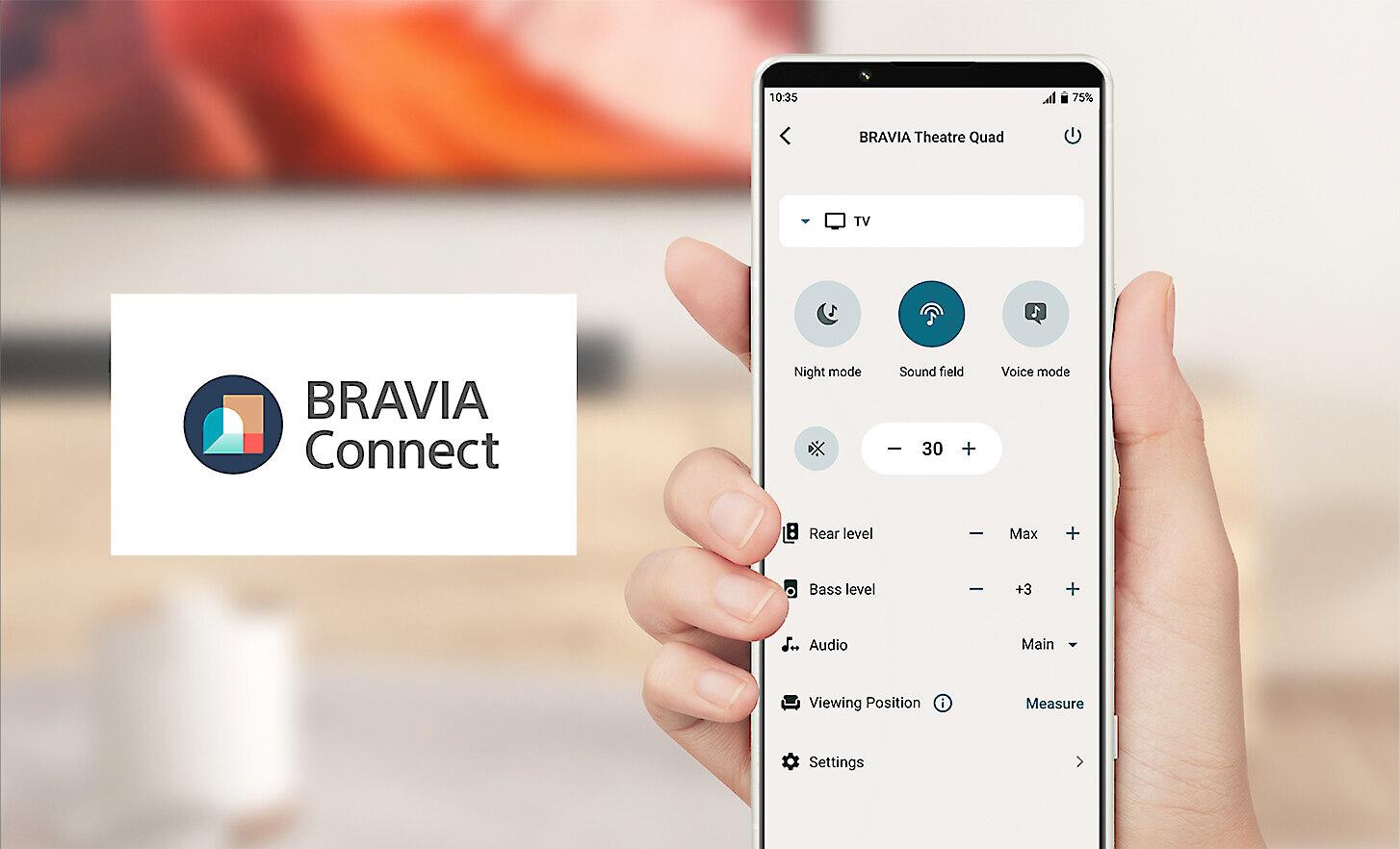
The physical setup difference between these systems is substantial and worth thinking about carefully. The Sony Bar 9 is essentially plug-and-play – position the soundbar, run the Sound Field Optimization through the Sony app, and you're done. The calibration process takes about 10 minutes and automatically adjusts the sound based on your room's acoustics.
Samsung's system requires more thought and effort. You need to find good locations for the subwoofer (corner placement usually works best for even bass distribution) and the rear speakers (ideally behind your seating position at ear level). The wireless connections generally work well, but you'll need power outlets for each component.
For apartment dwellers or those with specific aesthetic requirements, Sony's single-unit approach is clearly advantageous. But if you have the space and don't mind multiple components, Samsung's physical speaker placement provides more consistent performance across different room types.
Both systems include modern connectivity features like Wi-Fi, Bluetooth 5.2, and support for streaming services, but they really shine when paired with their respective TV brands.
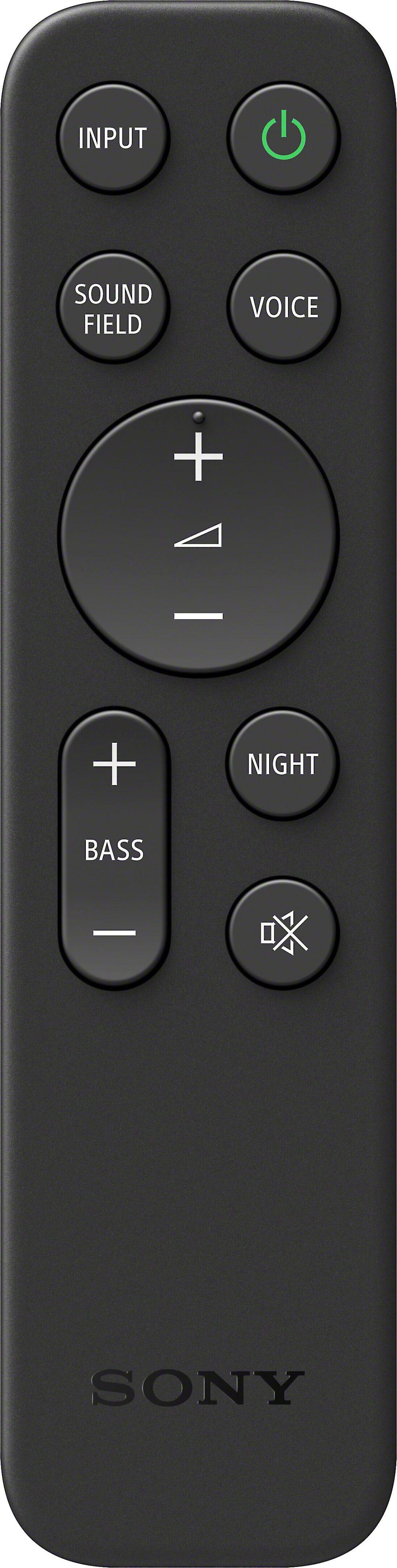
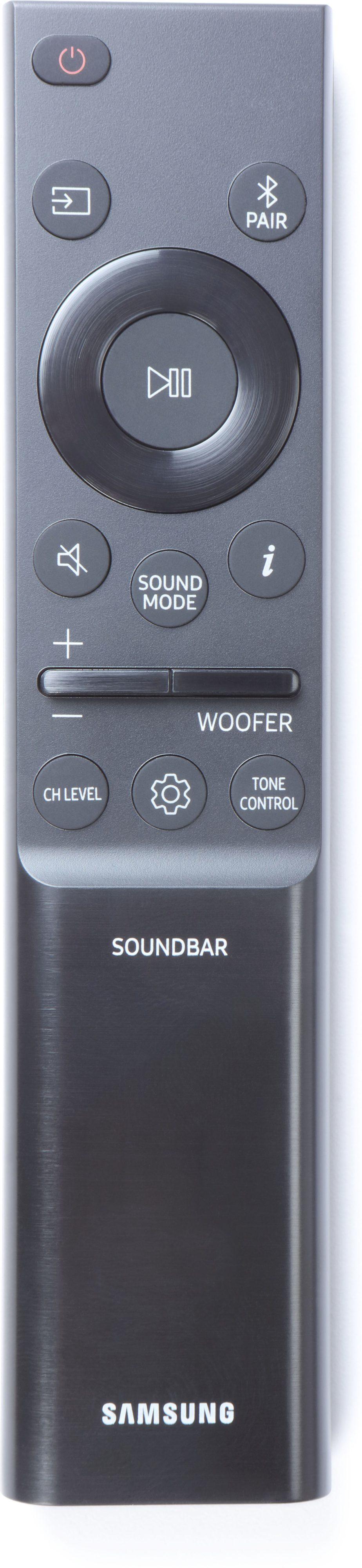
Sony's Acoustic Center Sync is genuinely useful if you have a compatible BRAVIA TV. This feature uses your TV's speakers as additional center channel speakers, making dialogue appear to come directly from the screen rather than from below it. The integration is seamless – the soundbar settings appear in your TV's quick settings menu, and you can control everything with your TV remote.
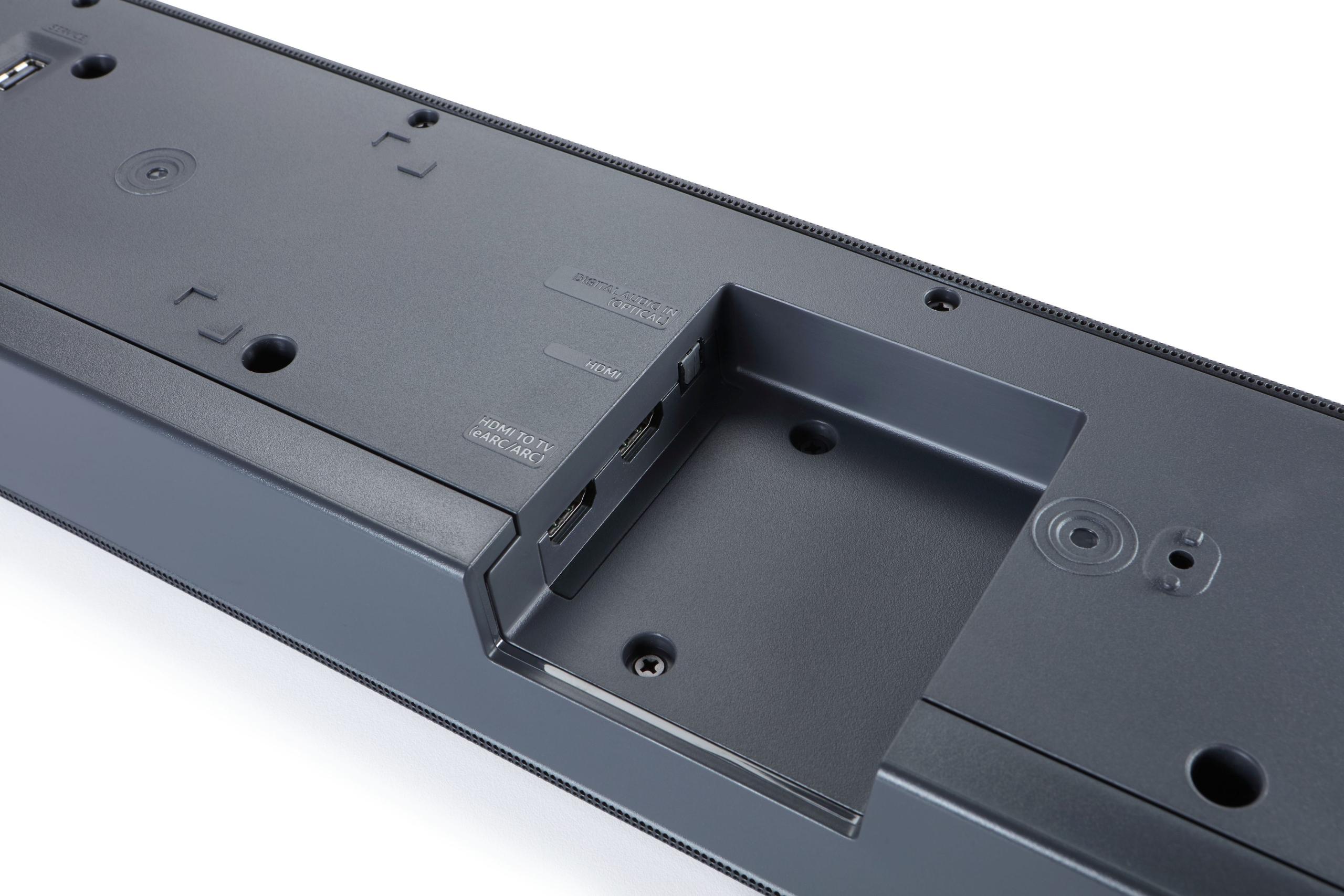
Samsung's Q-Symphony works similarly with Samsung TVs, using the TV's speakers to create a wider soundstage. Both systems support eARC (enhanced Audio Return Channel), which allows uncompressed audio formats to pass from your TV to the soundbar without quality loss.
This is where the math gets interesting. The Samsung Q Series 9.1.2 at $897.99 includes everything you need for a complete surround sound experience right out of the box. The Sony BRAVIA Theater Bar 9 at $1,398 is just the main unit – to match Samsung's capability, you'd need to add Sony's subwoofer ($300-$500) and rear speakers ($400-$600), bringing the total to around $2,200-$2,600.
From a pure performance-per-dollar standpoint, Samsung wins handily. You get genuine surround sound, strong bass response, and solid build quality for significantly less money. However, Sony offers something Samsung doesn't: the ability to start with a premium single-unit experience and expand over time as your budget allows.
The 2024 Sony Bar 9 represents several years of refinement in Sony's spatial audio technology. Compared to previous models like the HT-A7000, the Bar 9 includes improved DSEE Ultimate upscaling (which enhances compressed audio files) and more sophisticated room calibration algorithms.
Samsung's Q Series has also evolved, with recent models featuring improved SpaceFit Sound+ calibration that combines room analysis with automatic EQ adjustment. The wireless connectivity has become more reliable, and the integration with Samsung's smart TV platform has gotten smoother.
Both manufacturers have been pushing 360 Reality Audio and other immersive formats, but Sony has been more aggressive in developing proprietary spatial audio technologies, while Samsung has focused on refining traditional surround sound approaches.
In a dedicated home theater setting, these differences become even more pronounced. If you're setting up a room specifically for movie watching, Samsung's approach aligns better with traditional home theater principles. Physical speaker placement, proper bass management, and discrete channels provide the foundation that audio enthusiasts expect.
However, Sony's system shouldn't be dismissed for home theater use. If your room works well with the 360 Spatial Sound Mapping (rectangular rooms with reflective surfaces tend to work best), the immersive effect can be quite convincing. The key is understanding that Sony's approach requires more specific room conditions to excel.
For shared living spaces where the home theater doubles as a family room, Sony's aesthetic advantages become more important. The single sleek unit doesn't dominate the room visually and doesn't require explaining to house guests why there are speakers in the corners.
After considering all these factors, your choice should primarily depend on your priorities and situation.
Choose the Samsung Q Series 9.1.2 if you want the most complete audio experience for your money, have space for proper component placement, and prefer the proven approach of physical surround speakers. It's particularly good if you're not locked into a specific TV ecosystem and want immediate full-range performance.
Choose the Sony BRAVIA Theater Bar 9 if you prioritize aesthetics and minimal setup, own a Sony BRAVIA TV, or prefer to build your system gradually over time. It's also the better choice if your room layout makes rear speaker placement difficult or impossible.
Both systems represent excellent engineering and will dramatically improve your TV audio experience. The Samsung gives you more immediate bang for your buck, while the Sony offers superior long-term flexibility and some genuinely innovative audio processing. Your room, budget, and personal preferences will ultimately determine which approach works better for your specific situation.
The bottom line? You can't really go wrong with either choice – but understanding these differences will help ensure you get exactly the performance you're expecting from your investment.
| Sony BRAVIA Theater Bar 9 Soundbar ($1,398) | Samsung Q Series 9.1.2 Channel Soundbar ($897.99) |
|---|---|
| Speaker Configuration - Determines sound quality and placement flexibility | |
| 13 speakers in single unit (7.0.2 channels) | 9.1.2 channels with separate subwoofer and rear speakers |
| Bass Performance - Critical for movie impact and music enjoyment | |
| Built-in passive radiators, lacks deep sub-bass without optional subwoofer ($300-500 extra) | Dedicated wireless subwoofer included, full bass range out of box |
| Setup Complexity - Affects living room aesthetics and installation time | |
| Single soundbar placement, 10-minute app calibration | Multiple components require positioning subwoofer and rear speakers |
| Surround Sound Technology - How immersive audio is created | |
| 360 Spatial Sound Mapping creates phantom speakers using room reflections | Physical rear speakers provide genuine surround channels |
| TV Integration - Seamless control and enhanced features | |
| Acoustic Center Sync with Sony BRAVIA TVs, soundbar controls in TV menu | Q-Symphony with Samsung TVs uses TV speakers for wider soundstage |
| Voice Enhancement - Critical for dialogue clarity in movies | |
| Voice Zoom 3 with AI processing amplifies dialogue automatically | Traditional center channel, no intelligent voice processing |
| Gaming Performance - Important for console gaming | |
| 4K/120Hz passthrough but higher audio latency | Lower latency, Game Mode Pro for directional audio cues |
| Room Calibration - Optimizes sound for your specific space | |
| Sound Field Optimization analyzes room acoustics via app | SpaceFit Sound+ with automatic EQ adjustment |
| Expandability - Future upgrade options | |
| Optional subwoofer and rear speakers available separately | Complete system included, limited expansion options |
| Total System Cost - What you'll actually spend for full performance | |
| $1,398 base + $700-1,100 for subwoofer/rears = $2,100-2,500 total | $897.99 complete system, no additional components needed |
The Samsung Q Series 9.1.2 Channel Soundbar ($897.99) offers better value, providing a complete surround sound system with subwoofer and rear speakers included. The Sony BRAVIA Theater Bar 9 Soundbar ($1,398) costs significantly more and requires additional purchases ($700-1,100) for comparable bass and surround performance.
The Samsung Q Series 9.1.2 includes everything you need - main soundbar, wireless subwoofer, and rear speakers. The Sony BRAVIA Theater Bar 9 works as a standalone unit but lacks deep bass without an optional subwoofer ($300-500) and rear speakers ($400-600) for full surround sound.
The Samsung Q Series 9.1.2 has superior bass with its included wireless subwoofer that delivers deep, impactful low frequencies. The Sony BRAVIA Theater Bar 9 has adequate bass from built-in drivers but lacks the deep sub-bass needed for action movies without purchasing Sony's optional subwoofer.
The Sony BRAVIA Theater Bar 9 is much easier to install - just place the single soundbar and run a 10-minute calibration through the app. The Samsung Q Series 9.1.2 requires positioning the subwoofer and rear speakers around your room, though the wireless connections make this relatively straightforward.
If you have a Sony BRAVIA TV, choose the Sony BRAVIA Theater Bar 9 for Acoustic Center Sync and seamless integration. For Samsung TVs, the Samsung Q Series 9.1.2 offers Q-Symphony technology that uses your TV speakers alongside the soundbar for enhanced performance.
The Sony BRAVIA Theater Bar 9 excels in dialogue clarity with Voice Zoom 3 technology that uses AI to automatically enhance speech while reducing background noise. The Samsung Q Series 9.1.2 provides good dialogue through its center channel but lacks intelligent voice processing.
The Samsung Q Series 9.1.2 is better for gaming due to lower audio latency and Game Mode Pro features that enhance directional audio cues. The Sony BRAVIA Theater Bar 9 supports 4K/120Hz passthrough but has higher latency that competitive gamers might notice.
The Samsung Q Series 9.1.2 uses physical rear speakers placed behind your seating area for genuine surround effects. The Sony BRAVIA Theater Bar 9 creates "phantom speakers" using 360 Spatial Sound Mapping technology that reflects sound off walls and ceiling to simulate surround effects.
The Sony BRAVIA Theater Bar 9 has a cleaner aesthetic with just one sleek unit and no visible additional components. The Samsung Q Series 9.1.2 requires placing a subwoofer and rear speakers around the room, which some may find visually distracting but others prefer for authentic surround sound.
For dedicated home theater spaces, the Samsung Q Series 9.1.2 follows traditional surround sound principles with physical speaker placement that works consistently across different room types. The Sony BRAVIA Theater Bar 9 can work well in home theaters but depends more on specific room acoustics for optimal performance.
The Sony BRAVIA Theater Bar 9 offers excellent expandability - you can add Sony's subwoofer and rear speakers as your budget allows. The Samsung Q Series 9.1.2 is already a complete system with limited expansion options beyond the included components.
Choose the Samsung Q Series 9.1.2 ($897.99) if you want complete surround sound performance immediately at a lower price point. Choose the Sony BRAVIA Theater Bar 9 ($1,398) if you prioritize sleek aesthetics, have a Sony TV, prefer gradual system building, or lack space for rear speakers.
We've done our best to create useful and informative comparisons to help you decide what product to buy. Our research uses advanced automated methods to create this comparison and perfection is not possible - please contact us for corrections or questions. These are the sites we've researched in the creation of this article: rtings.com - residentialsystems.com - rtings.com - bestbuy.com - valueelectronics.com - sony.com - sony.co.uk - sony.co.uk - rtings.com - sony.co.in - sony.com - pocket-lint.com - sony.com - crutchfield.com - rtings.com - samsung.com - markselectrical.co.uk - techradar.com - walmart.com - samsung.com - samsung.com - youtube.com - samsung.com - biancos.com - crutchfield.com - samsung.com

Privacy Policy
Terms and Conditions - Affiliate Policy
Home Security
© Copyright 2008-2026.
11816 Inwood Rd #1211, Dallas, TX 75244