


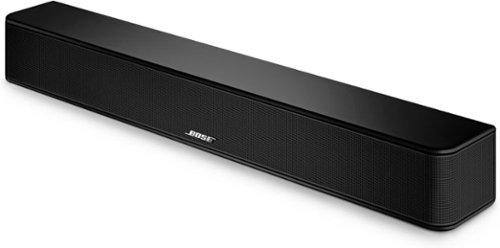
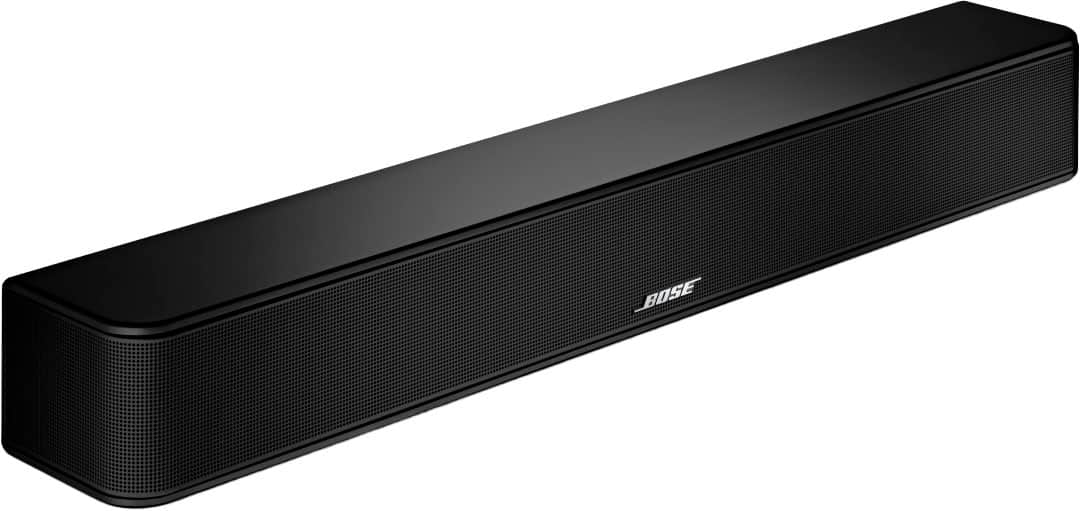
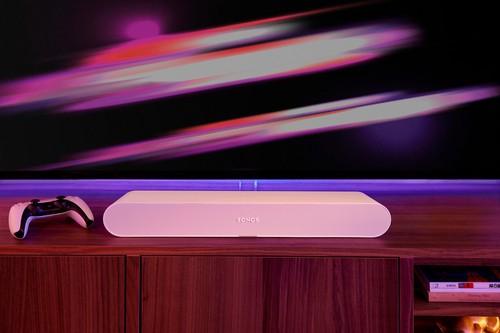
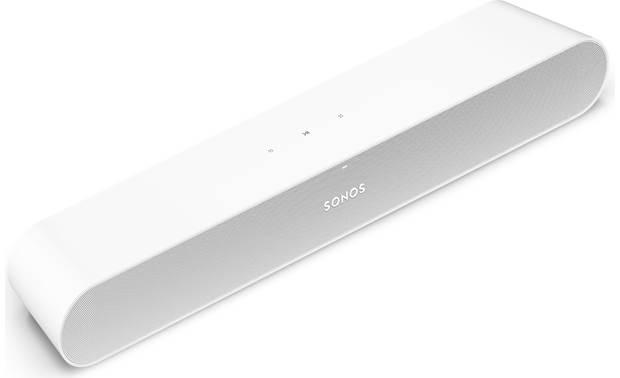

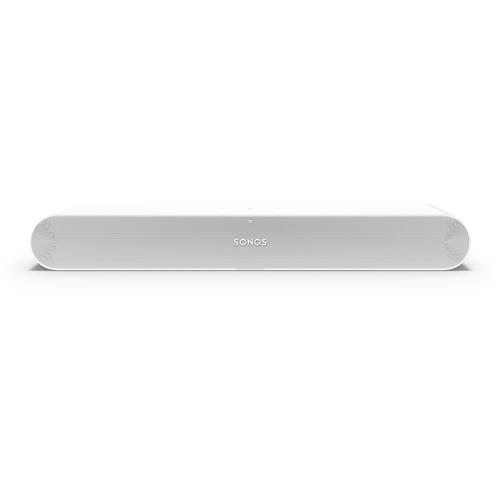

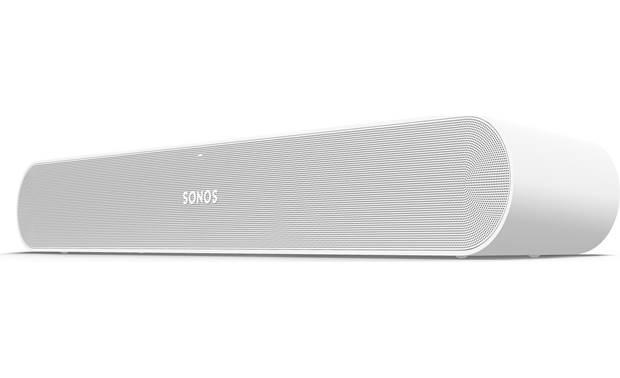
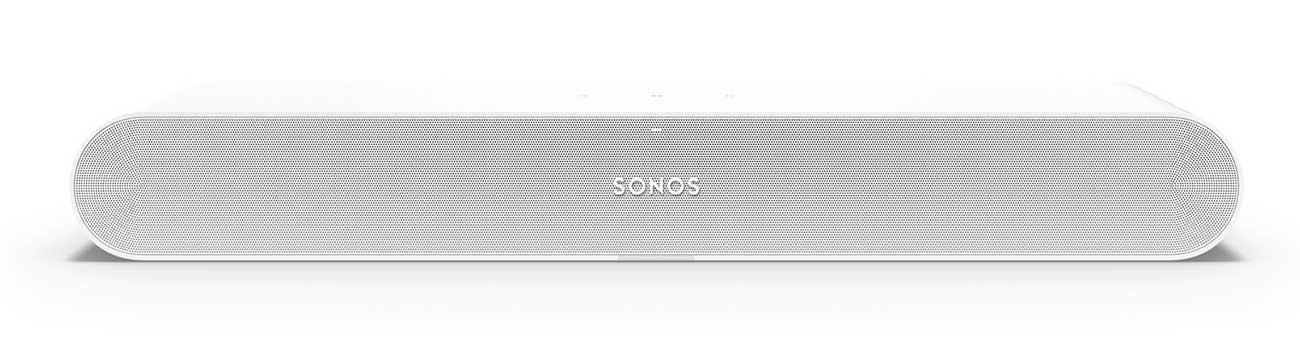
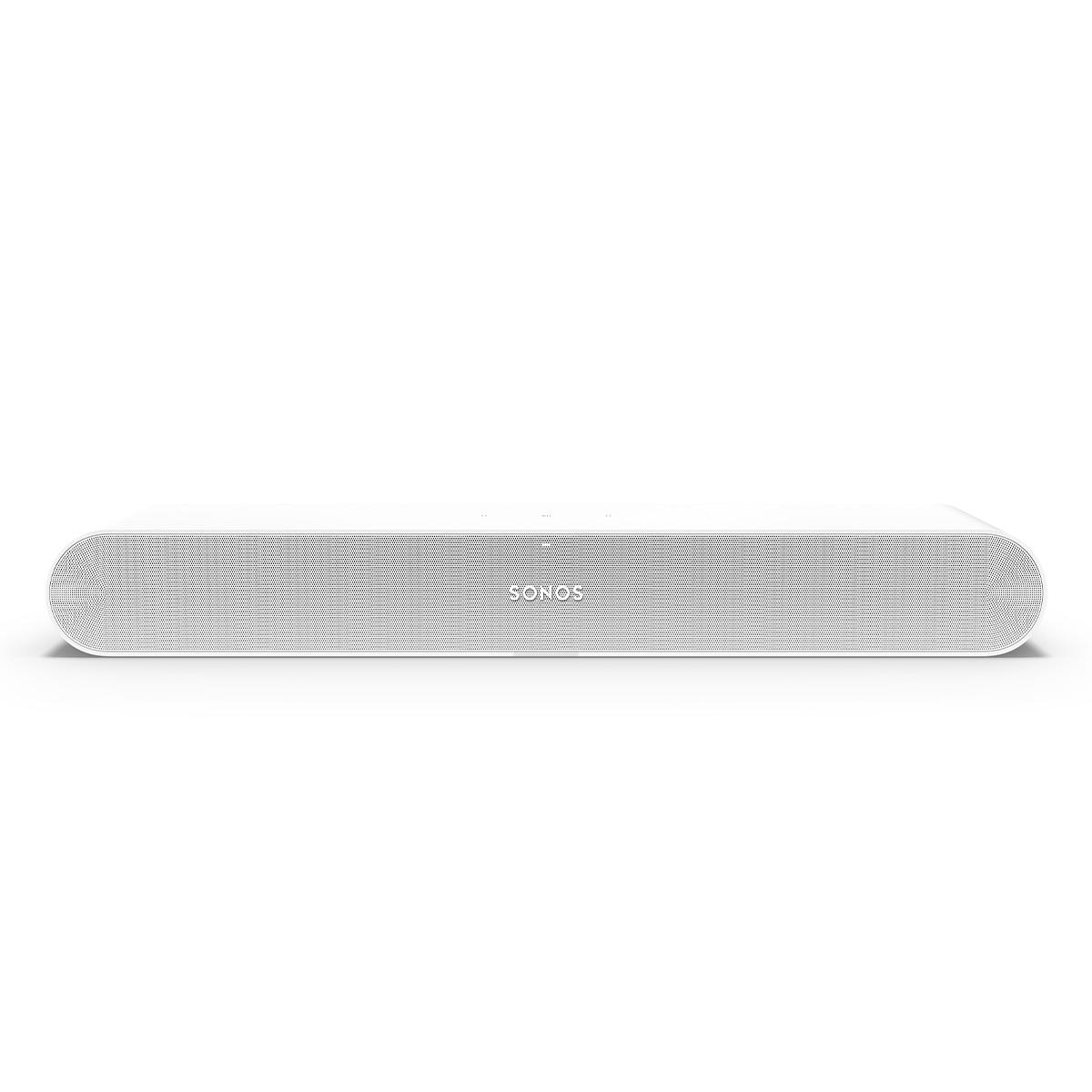
When your TV's built-in speakers make dialogue sound like it's coming from a tin can, upgrading to a soundbar becomes essential. But with so many options available, choosing between two popular budget models like the Sonos Ray and Bose Solo Series 2 can feel overwhelming. After spending considerable time testing both soundbars, I've found they represent fundamentally different approaches to solving the same problem: making your TV sound significantly better without breaking the bank.
At the time of writing, these two soundbars occupy different price tiers in the budget category, with the Bose Solo Series 2 positioned as the more affordable option while the Sonos Ray commands a premium for its additional features. But price alone doesn't tell the whole story – understanding what you get for that extra investment is crucial to making the right choice for your specific needs.
Before diving into the specifics of each model, it's worth understanding what separates a great soundbar from one that merely sounds louder than your TV. The best soundbars excel in several key areas: they reproduce dialogue with crystal clarity so you never miss important conversation, they handle the dynamic range of movie soundtracks without making quiet scenes too soft or action sequences painfully loud, and they create a sense of width and space that makes audio feel less confined to the small box sitting under your screen.
Modern soundbars also need to integrate seamlessly with today's connected homes. This means supporting wireless streaming from your phone, automatically turning on when your TV does, and ideally offering the flexibility to expand into a full surround sound system as your needs evolve. The Sonos Ray and Bose Solo Series 2 approach these requirements very differently, which explains why they appeal to distinct types of users despite serving the same basic function.
Both the Sonos Ray and Bose Solo Series 2 arrived in 2022, representing the latest thinking in affordable home audio. This timing is significant because it means both products incorporate lessons learned from years of soundbar development, including better driver design, improved digital signal processing (the computer algorithms that optimize audio quality), and more reliable wireless connectivity.
The Sonos Ray marked Sonos's entry into the truly budget-friendly segment, bringing the company's renowned multiroom audio expertise to a more accessible price point. Previously, Sonos soundbars required significant investment, but the Ray democratized access to their ecosystem without major compromises in build quality or core functionality.
Meanwhile, the Bose Solo Series 2 refined Bose's long-standing philosophy of focusing on the essentials. Rather than loading the soundbar with features that might overwhelm casual users, Bose concentrated on perfecting dialogue clarity and simplifying setup to the point where anyone can improve their TV audio in minutes.
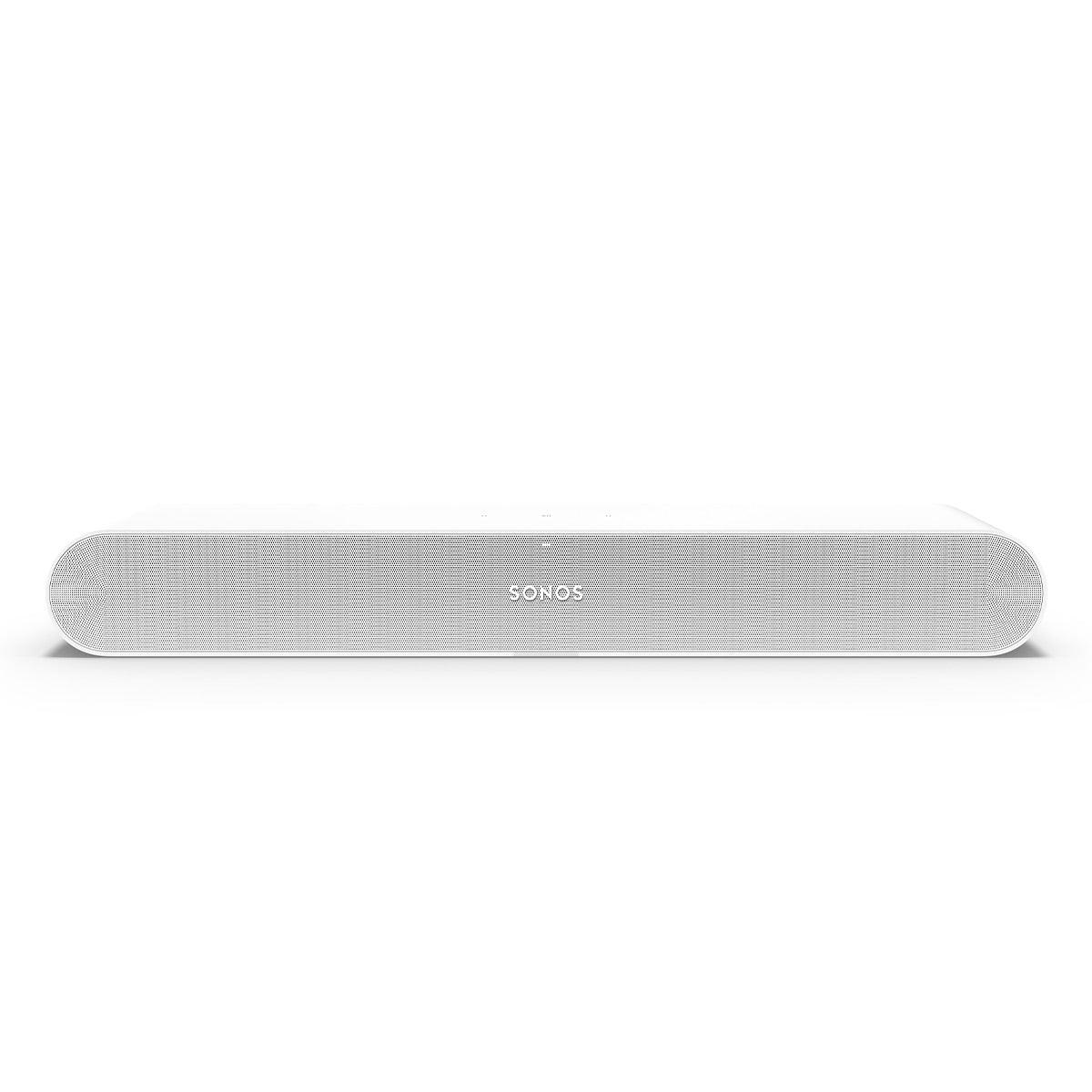
After extensive listening sessions with both soundbars, the performance differences become immediately apparent. The Sonos Ray delivers what I'd describe as a more sophisticated audio presentation. Its custom waveguide technology – essentially specially shaped channels that control how sound waves disperse – creates a wider soundstage that makes audio feel less anchored to the physical location of the soundbar itself.
When watching movies, this translates to better spatial awareness. Explosions don't just get louder; they feel more expansive. Dialogue maintains its central focus while background music and effects seem to extend beyond the soundbar's physical boundaries. This effect, called soundstage width, makes a significant difference in creating an immersive viewing experience.
The Bose Solo Series 2 takes a different approach, focusing intensely on midrange clarity where most dialogue occurs. Its dedicated dialogue enhancement mode doesn't just boost volume in the vocal frequency range – it applies sophisticated filtering to reduce competing sounds that can mask speech. This makes it exceptionally good at making every word intelligible, even during complex action sequences where multiple audio elements compete for attention.
However, this laser focus on dialogue clarity comes with trade-offs. The Bose Solo Series 2 doesn't create the same sense of audio width as the Sonos Ray, and its overall tonal balance feels more utilitarian than engaging. For casual TV watching, especially news programs and talk shows, this approach works wonderfully. For movie nights and music listening, the Sonos Ray provides a more satisfying experience.
Neither soundbar will satisfy bass enthusiasts – their compact dimensions simply can't move enough air to reproduce deep, room-shaking low frequencies. But they handle this limitation differently, and these differences matter for certain types of content.
The Sonos Ray uses what the company calls a "low-velocity port design," which minimizes the turbulent air noise that smaller soundbars often produce when pushed hard. In practical terms, this means the Ray maintains better composure during bass-heavy movie scenes. While it can't reproduce the deepest frequencies, what bass it does produce sounds tighter and more controlled.
The Bose Solo Series 2 includes basic bass adjustment controls, allowing you to boost or reduce low-frequency output to taste. However, the underlying driver design struggles more noticeably with demanding content. Action movie soundtracks can push the Solo Series 2 into uncomfortable territory, where bass sounds more like distortion than actual low-frequency information.
For most television content – sitcoms, dramas, news programs – both soundbars provide adequate bass response. The differences become apparent with movie soundtracks and music, where the Sonos Ray's more sophisticated approach pays dividends.
This comparison gets interesting when examining dialogue reproduction because both companies excel here, but through different methods. The Bose Solo Series 2 employs a traditional approach: identify the frequency range where most human speech occurs, then boost those frequencies while applying compression to reduce the volume difference between quiet and loud sounds. This technique, called dynamic range compression, ensures whispered dialogue stays audible while preventing shouting from becoming overwhelming.
The Sonos Ray achieves excellent dialogue clarity through superior overall frequency balance rather than specific vocal enhancement modes. Its Trueplay room correction system – a feature that uses your smartphone's microphone to measure your room's acoustic properties – automatically adjusts the soundbar's output to compensate for how your specific room affects sound. This personalized approach often yields more natural-sounding dialogue than artificial boosting.
In practice, both methods work well, but they suit different preferences. The Bose Solo Series 2's dialogue mode provides immediate, obvious improvement that anyone can appreciate. The Sonos Ray's approach requires the initial Trueplay setup process but delivers more nuanced results that sound less processed while maintaining excellent intelligibility.
The connectivity differences between these soundbars reveal their target audiences more clearly than any other factor. The Sonos Ray embraces the connected home concept fully, while the Bose Solo Series 2 deliberately keeps things simple.
The Sonos Ray connects to your home WiFi network, unlocking access to dozens of streaming music services directly through the Sonos app. This means you can play Spotify, Apple Music, or Amazon Music without needing your phone or another device – the soundbar accesses these services independently. Apple AirPlay 2 support adds seamless integration with iPhones and iPads, allowing you to stream any audio with a simple tap.
More importantly, WiFi connectivity enables the Sonos Ray to receive regular software updates that add new features and streaming service support over time. Since its release, Sonos has already pushed several updates that expanded functionality and improved performance – something impossible with the Bose Solo Series 2's more basic hardware.
The Bose Solo Series 2 relies solely on Bluetooth for wireless connectivity. While this provides adequate functionality for streaming music from your phone, it lacks the convenience and reliability of WiFi-based systems. Bluetooth connections can drop unexpectedly, require regular re-pairing, and don't support the highest audio quality streaming formats.
For users building connected home ecosystems, the Sonos Ray offers significant advantages. It integrates with major smart home platforms, responds to voice commands through connected devices, and can participate in whole-home audio systems where music plays synchronized across multiple rooms.
The Bose Solo Series 2 remains intentionally isolated from smart home complexity. While this simplicity appeals to users who find connected devices overwhelming, it limits future flexibility and integration possibilities.
One of the most significant differences between these soundbars concerns expandability – the ability to add additional speakers later to create a more comprehensive audio system. This consideration often gets overlooked during initial purchase decisions but can dramatically affect long-term satisfaction and value.
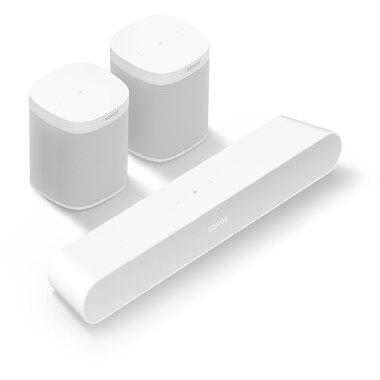
The Sonos Ray serves as the foundation for a complete surround sound system. Users can add Sonos One SL speakers as wireless rear surrounds, creating genuine 5.1 surround sound that transforms movie watching experiences. The Sonos Sub can be added for proper deep bass extension, addressing the Ray's main limitation. This modular approach lets you start with the soundbar and expand gradually as budget allows.
Perhaps more importantly, the Sonos Ray integrates seamlessly with existing Sonos speakers throughout your home. If you already own Sonos products, or plan to add speakers in other rooms, the Ray becomes part of a cohesive whole-home audio system rather than an isolated TV accessory.
The Bose Solo Series 2 offers no expansion possibilities. What you purchase initially represents the complete system – there's no path to add rear speakers, subwoofers, or integration with other Bose products. For users certain they'll never want more than basic TV audio improvement, this limitation may not matter. But it eliminates future flexibility entirely.
While the Sonos Ray costs more initially, its expandability can actually provide better long-term value. Users who start with the Ray and later add rear speakers achieve genuine surround sound at a total cost often less than purchasing a complete surround system initially. The Bose Solo Series 2 forces a complete replacement if you ever want to upgrade to surround sound.
Understanding how each soundbar performs in typical home environments helps clarify which model suits your specific situation best.
For primary living room use where movie watching is important, the Sonos Ray provides a more engaging experience. Its wider soundstage, better dynamics, and expansion possibilities make it the clear choice for users who view their TV area as a home theater space. The ability to add rear speakers later transforms movie nights from merely louder TV audio to genuinely immersive surround sound.
The room correction capability proves particularly valuable in living rooms, which often have challenging acoustics due to open floor plans, hard surfaces, and furniture placement. The Sonos Ray's Trueplay system compensates for these acoustic challenges automatically, something the Bose Solo Series 2 cannot match.
The Bose Solo Series 2 excels in secondary applications: bedroom TVs, kitchen displays, or guest rooms where simplicity trumps sophistication. Its excellent dialogue clarity works perfectly for news programs and casual viewing, while the straightforward setup process means anyone can install and operate it successfully.
For elderly users or those intimidated by complex technology, the Bose Solo Series 2's single remote control and limited features prevent confusion while still delivering meaningful audio improvement over built-in TV speakers.
Neither soundbar was designed primarily for music listening, but their performance differences become pronounced with musical content. The Sonos Ray's more balanced frequency response and superior imaging make it surprisingly capable for casual music listening. Its integration with streaming services means it can serve double duty as both TV audio upgrade and music speaker.
The Bose Solo Series 2 struggles more with music, particularly complex recordings with multiple instruments. Its dialogue-focused tuning that works well for TV content can make music sound unnatural and overly compressed.
After extensive experience with both soundbars, clear usage patterns emerge that determine which model suits different buyers best.
Budget is the primary constraint and you need immediate improvement over TV speakers without additional complexity. You primarily watch dialogue-heavy content like news, documentaries, and talk shows rather than action movies or music. You prefer simple technology that works reliably without requiring app installations, software updates, or network configuration.
The Bose Solo Series 2 also makes sense for secondary rooms, elderly users, or situations where the soundbar might need frequent moving between locations. Its Bluetooth connectivity and simple remote operation ensure it works reliably in any environment without complex setup procedures.
You want superior overall audio performance and the flexibility to expand your system over time. You stream music regularly and value the convenience of direct streaming service access. You're building a smart home ecosystem and want your audio components to integrate seamlessly.
The Sonos Ray represents the better long-term investment for most users, particularly those who might want surround sound eventually or who value ongoing software improvements and new features.
While both soundbars successfully accomplish their primary mission of improving TV audio dramatically over built-in speakers, they're designed for different users and use cases. The Bose Solo Series 2 delivers excellent value for users prioritizing simplicity and dialogue clarity at an accessible price point. The Sonos Ray justifies its premium through superior overall performance, expansion possibilities, and smart features that extend its usefulness beyond basic TV audio improvement.
For most buyers willing to spend slightly more for significantly better long-term value, the Sonos Ray represents the smarter investment. Its combination of better sound quality, room correction technology, expansion capabilities, and ongoing software support provides benefits that compound over time.
However, the Bose Solo Series 2 serves an important market segment that values simplicity and immediate functionality over advanced features. Neither choice is wrong – they simply serve different needs and preferences in the budget soundbar category.
The key is honestly assessing your priorities: do you want the simplest possible TV audio upgrade, or are you willing to invest slightly more for a more sophisticated solution that can grow with your needs? Your answer to that question should determine which soundbar deserves your money.
| Sonos Ray Soundbar | Bose Solo Soundbar Series 2 |
|---|---|
| Audio Drivers - Core component determining sound quality and power | |
| Two tweeters + two midwoofers with proprietary waveguides for wider soundstage | Two full-range drivers angled for spacious sound but limited frequency separation |
| Wireless Connectivity - Essential for modern streaming and smart home integration | |
| WiFi 802.11 b/g/n + Apple AirPlay 2 + Spotify/Tidal Connect (direct streaming without phone) | Bluetooth 4.0 only (33ft range, requires phone for all streaming) |
| Room Correction Technology - Automatically optimizes sound for your specific space | |
| Trueplay room correction using iOS device microphone to measure and adjust acoustics | None - manual bass adjustment only |
| Expandability Options - Future upgrade potential without replacing entire system | |
| Full Sonos ecosystem integration: add rear speakers for 5.1 surround, subwoofer for deep bass | No expansion options - standalone system only |
| Audio Format Support - Determines compatibility with streaming services and Blu-rays | |
| PCM, Dolby Digital 5.1, DTS Digital (downmixed to stereo but with better processing) | PCM and Dolby Digital only (basic stereo processing) |
| Control Methods - How you interact with the soundbar daily | |
| Touch controls on device + comprehensive Sonos S2 app + TV remote integration | Remote control only (no on-device controls or app) |
| Software Updates - Adds new features and streaming services over time | |
| Regular OTA updates via WiFi connection add functionality and fix issues | No update capability - features remain static |
| Dialogue Enhancement - Critical for clear speech in movies and TV shows | |
| Natural dialogue clarity through balanced frequency response and room correction | Dedicated dialogue mode with vocal frequency boosting |
| Physical Dimensions - Important for TV stand compatibility | |
| 22" × 2.79" × 3.66" (fits most TV stands, forward-facing acoustics reduce placement sensitivity) | 21.6" × 2.8" × 3.4" (slightly more compact, similar placement flexibility) |
| Connectivity Inputs - Determines what devices you can connect | |
| Optical digital input + Ethernet port for wired network connection | Optical digital input only (no HDMI on either model) |
| Smart Home Integration - Works with voice assistants and home automation | |
| Full integration with Alexa, Google Assistant through connected devices + multiroom audio | Basic Bluetooth connection only, no smart home features |
| Music Performance - How well it handles music streaming beyond TV audio | |
| Excellent stereo imaging and tonal balance make it capable for dedicated music listening | Adequate for background music but dialogue-focused tuning affects musical accuracy |
The Bose Solo Soundbar Series 2 has a slight edge for pure dialogue clarity thanks to its dedicated dialogue enhancement mode that specifically boosts vocal frequencies. However, the Sonos Ray Soundbar achieves excellent dialogue clarity through its balanced frequency response and Trueplay room correction, which often sounds more natural. Both excel at making speech intelligible, but the Bose Solo Series 2 is specifically tuned for this purpose.
Only the Sonos Ray Soundbar offers expandability options. You can add Sonos One SL speakers as rear surrounds and a Sonos Sub for deeper bass, creating a complete 5.1 surround system. The Bose Solo Soundbar Series 2 has no expansion capabilities - it remains a standalone stereo soundbar with no upgrade path to surround sound.
The Sonos Ray Soundbar is significantly better for music streaming. It connects to your WiFi network and supports direct streaming from Spotify, Apple Music, and other services without needing your phone. It also has Apple AirPlay 2 support and better overall sound quality for music. The Bose Solo Series 2 only offers basic Bluetooth streaming from your phone and is primarily designed for TV audio rather than music.
The Bose Solo Soundbar Series 2 operates entirely through its included remote control with no app required, making it very simple to use. The Sonos Ray Soundbar uses the comprehensive Sonos S2 app for setup and advanced features, though basic volume control works through your TV remote. The app unlocks the Sonos Ray's full potential but isn't required for basic operation.
Both soundbars are relatively easy to set up with a single optical cable connection to your TV. The Bose Solo Series 2 has a simpler setup since it only requires the optical connection and power. The Sonos Ray requires connecting to your WiFi network and running the Trueplay room correction for optimal performance, adding a few extra steps but significantly improving sound quality.
The Sonos Ray Soundbar provides a more immersive movie experience with better soundstage width, dynamic range, and the ability to expand to full surround sound later. It handles complex movie soundtracks with more sophistication. The Bose Solo Soundbar Series 2 excels at dialogue clarity in movies but doesn't create the same sense of immersion or spatial audio that makes action scenes more engaging.
The Bose Solo Series 2 offers excellent immediate value for basic TV audio improvement at a lower cost. However, the Sonos Ray provides better long-term value through superior sound quality, expandability options, regular software updates, and multiroom audio capabilities. The Sonos Ray's higher upfront cost is justified by its additional features and future flexibility.
Both the Sonos Ray Soundbar and Bose Solo Soundbar Series 2 rely primarily on optical digital connections. Neither includes analog audio inputs, so older TVs without optical outputs would need an audio converter or alternative connection method. Both soundbars lack HDMI connectivity, limiting connection options to optical and wireless streaming.
The Bose Solo Series 2 works well in smaller spaces due to its simple operation and focus on dialogue clarity, making it ideal for casual TV watching. The Sonos Ray also fits small spaces well and offers superior sound quality, but its advanced features might be underutilized in a bedroom setting. Both have compact footprints suitable for smaller rooms.
The Sonos Ray Soundbar integrates with voice assistants like Alexa and Google Assistant through other connected devices in your home, allowing voice control of music playback and volume. The Bose Solo Soundbar Series 2 has no smart home integration or voice assistant compatibility, operating only through its physical remote control.
Only the Sonos Ray Soundbar receives regular software updates that add new streaming services, improve performance, and introduce new features over time. These updates are delivered automatically through its WiFi connection. The Bose Solo Series 2 has no update capability, so its features remain unchanged after purchase.
The primary difference is approach and complexity. The Bose Solo Soundbar Series 2 focuses on simplicity and immediate TV audio improvement with excellent dialogue clarity at an affordable cost. The Sonos Ray Soundbar offers superior overall audio performance, smart features, expandability options, and integration with a complete multiroom ecosystem, justifying its premium through long-term flexibility and better sound quality.
We've done our best to create useful and informative comparisons to help you decide what product to buy. Our research uses advanced automated methods to create this comparison and perfection is not possible - please contact us for corrections or questions. These are the sites we've researched in the creation of this article: tomsguide.com - soundandvision.com - youtube.com - techradar.com - en.community.sonos.com - rtings.com - howtogeek.com - youtube.com - cnet.com - sonos.com - videoandaudiocenter.com - rtings.com - bose.com - bose.com - assets.bose.com - bestbuy.com - youtube.com - pistonheads.com - costco.com - googlenestcommunity.com - youtube.com - discussions.apple.com

Privacy Policy
Terms and Conditions - Affiliate Policy
Home Security
© Copyright 2008-2026.
11816 Inwood Rd #1211, Dallas, TX 75244