



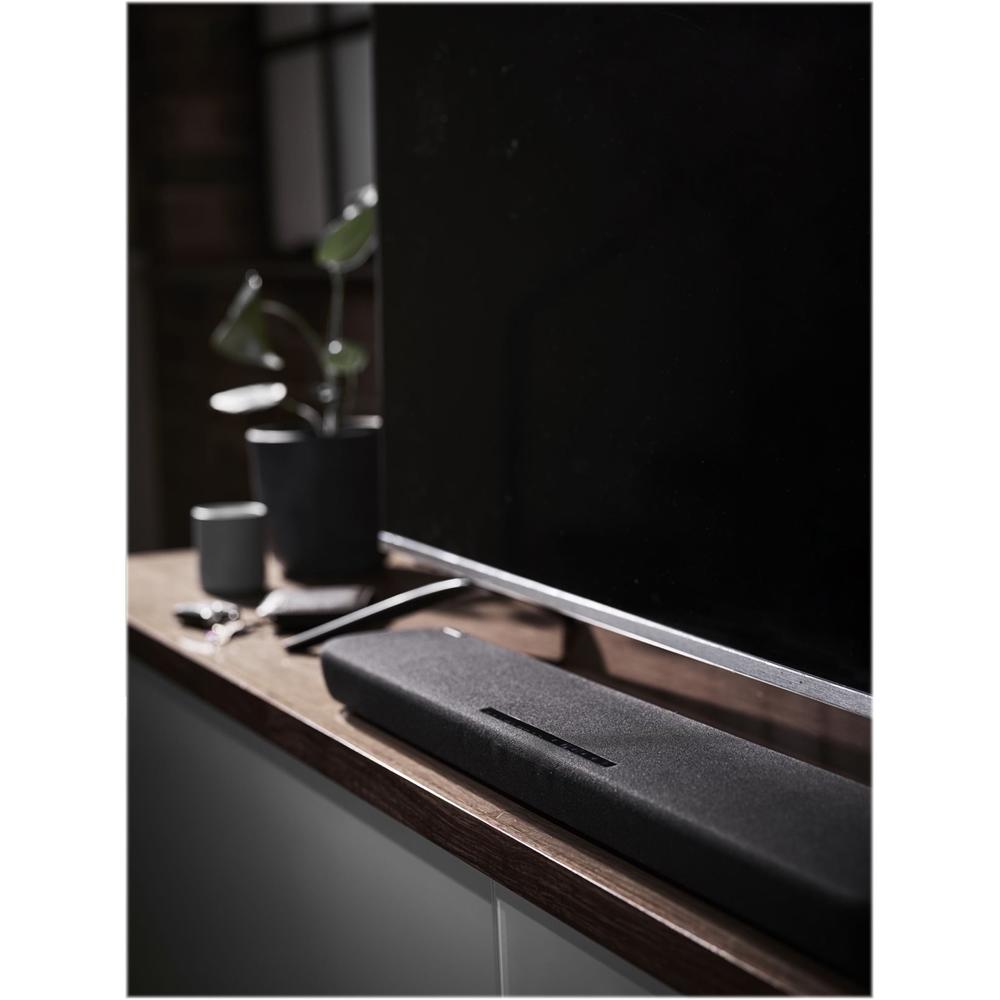



When your TV's built-in speakers make dialogue sound like it's coming from the bottom of a well, it's time for a soundbar upgrade. The compact soundbar market has exploded over the past few years, giving us affordable options that can transform your viewing experience without taking over your living room.
Today we're comparing two popular choices that take fundamentally different approaches: the Sonos Ray and the Yamaha YAS-109. While both aim to improve your TV audio, they represent distinct philosophies about what matters most in a compact soundbar.
Before diving into specifics, let's establish what makes a great compact soundbar. Unlike their larger cousins with separate subwoofers and rear speakers, compact soundbars must pack everything into a single, TV-friendly package. This creates some interesting engineering challenges.
Dialogue clarity sits at the top of the priority list. Most people upgrade from TV speakers because they're tired of constantly adjusting volume or turning on subtitles. A good soundbar uses dedicated drivers (the individual speakers inside) and signal processing to make voices pop out clearly from background music and sound effects.
Bass response becomes tricky in compact designs. Physics dictates that bigger speakers move more air and create deeper bass. Compact soundbars either use clever port designs (tubes that help amplify low frequencies) or built-in subwoofers to tackle this challenge.
Connectivity options determine how easily the soundbar integrates with your setup. HDMI ARC (Audio Return Channel) lets your TV send audio back to the soundbar through the same cable that carries video signals. Optical connections use fiber optic cables for digital audio, while wireless options like Bluetooth and Wi-Fi offer cable-free streaming.
Smart features have become increasingly important since around 2019, when voice assistants and streaming services became mainstream expectations rather than luxury add-ons.
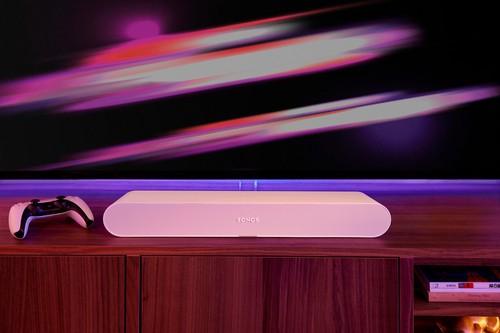
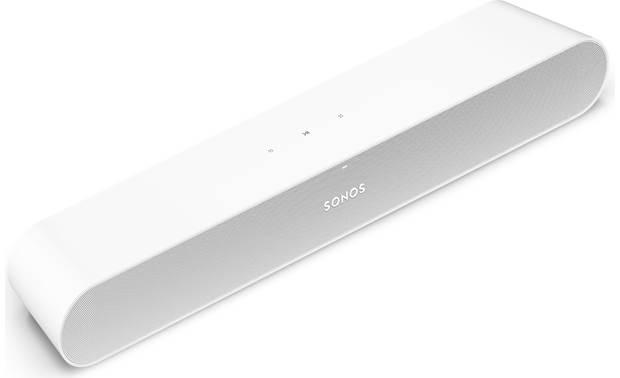
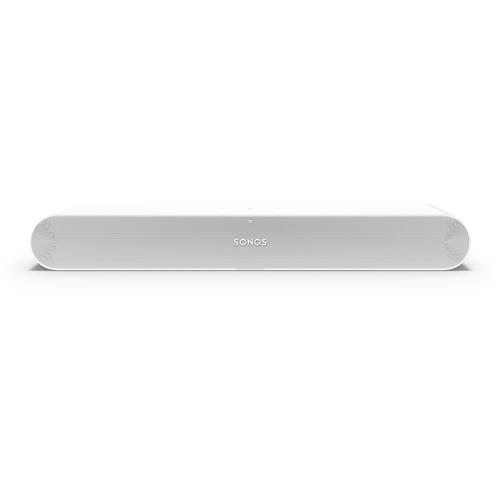
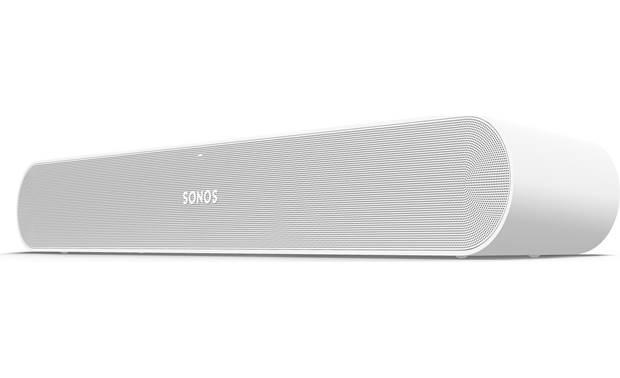
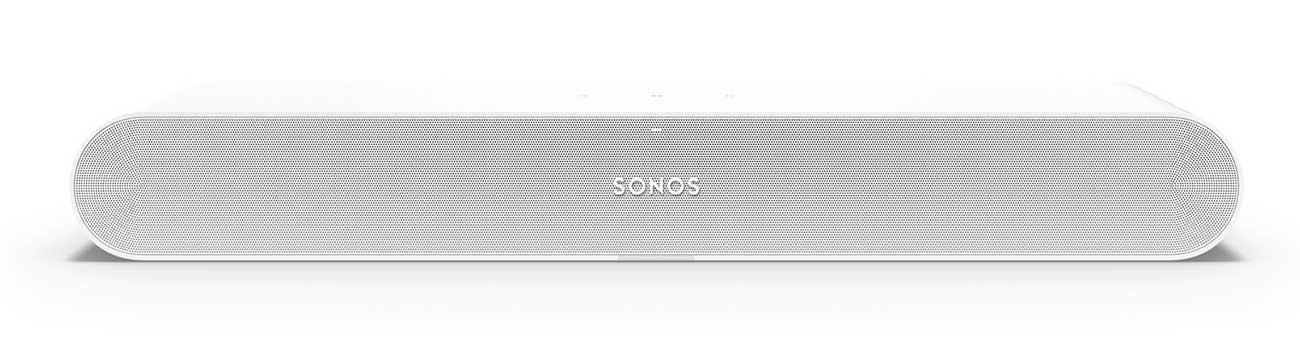
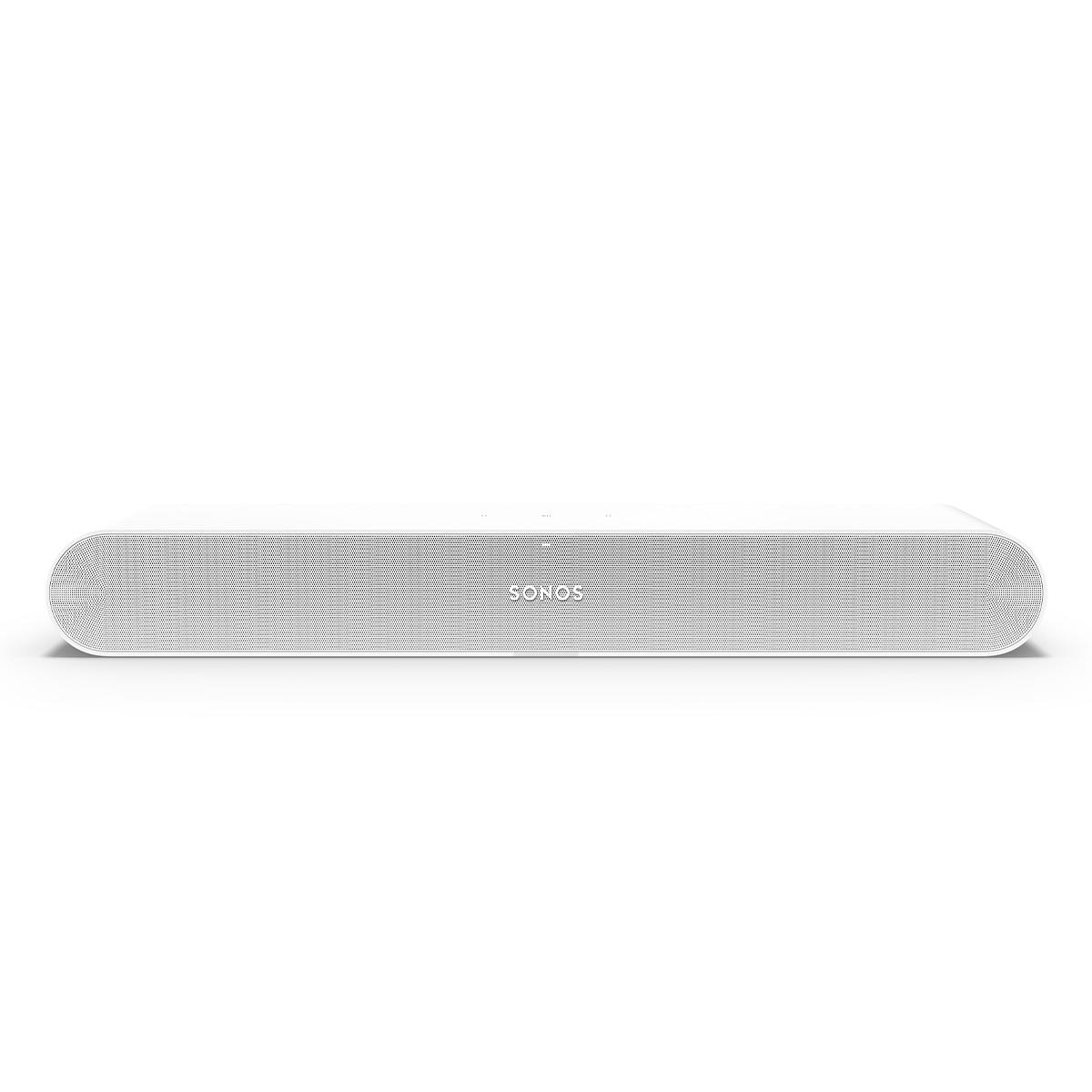
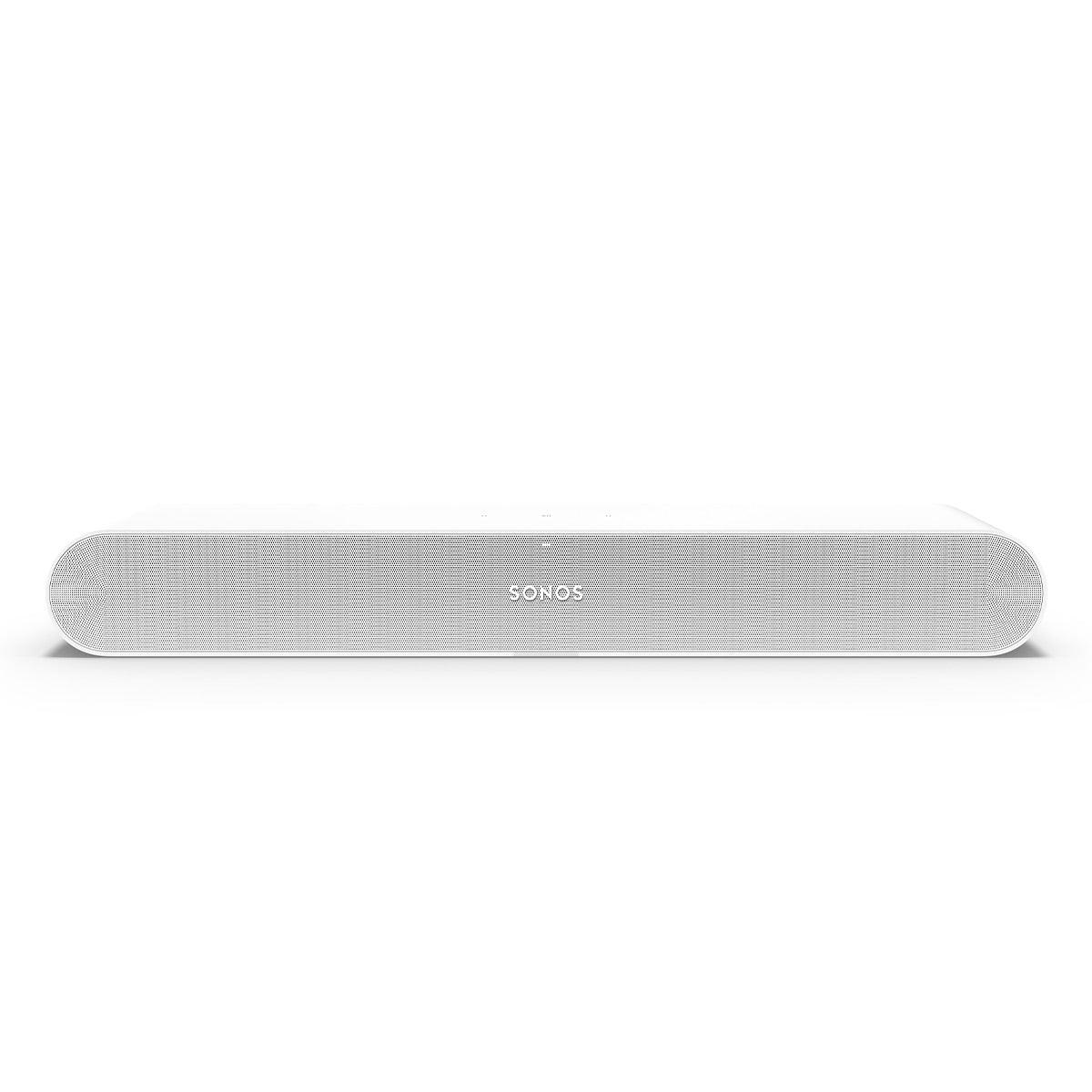
The Sonos Ray, released in 2022, represents Sonos's entry into the compact soundbar space. At 22 inches wide, it's designed specifically for smaller TVs and tight spaces, emphasizing audio refinement and ecosystem integration over raw features.
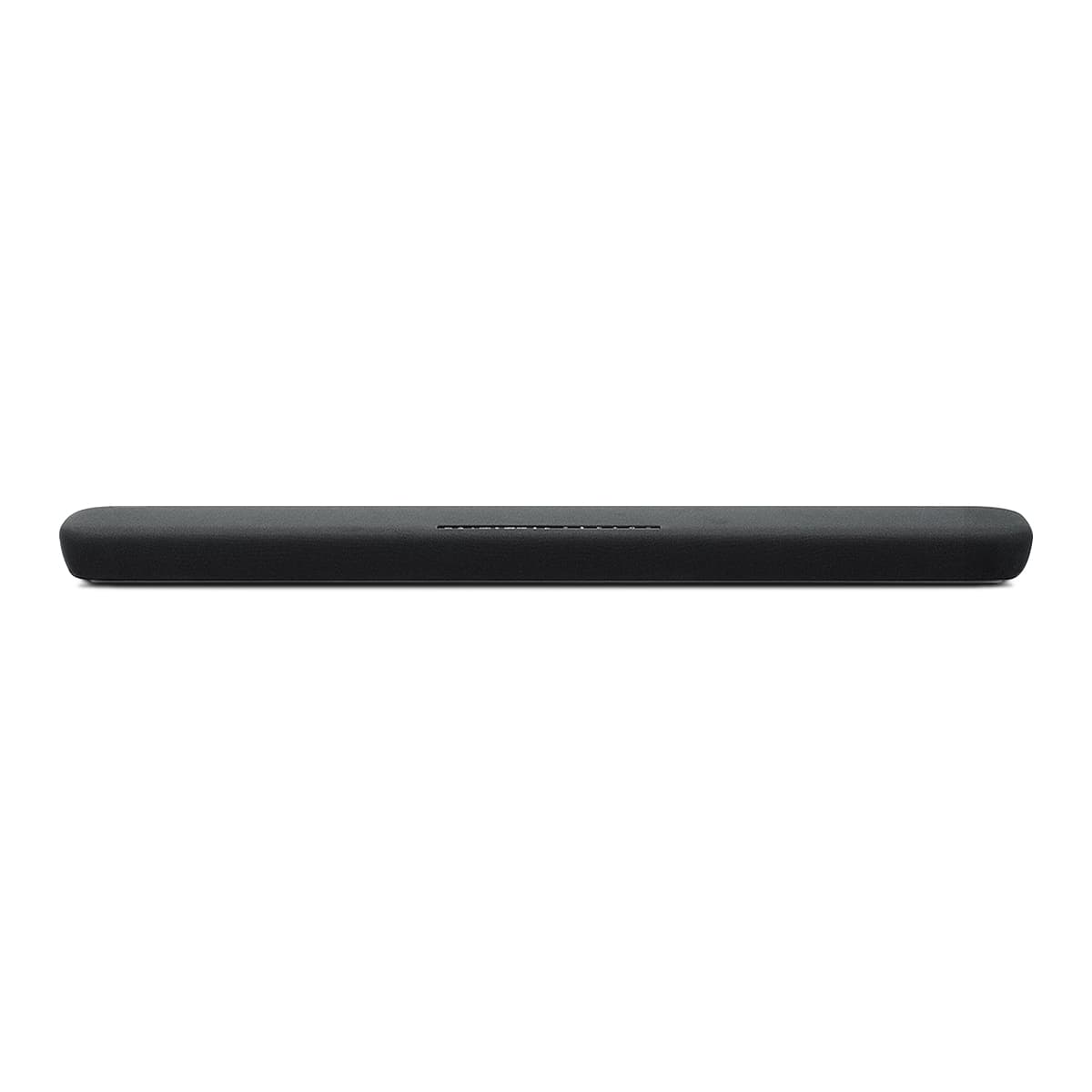
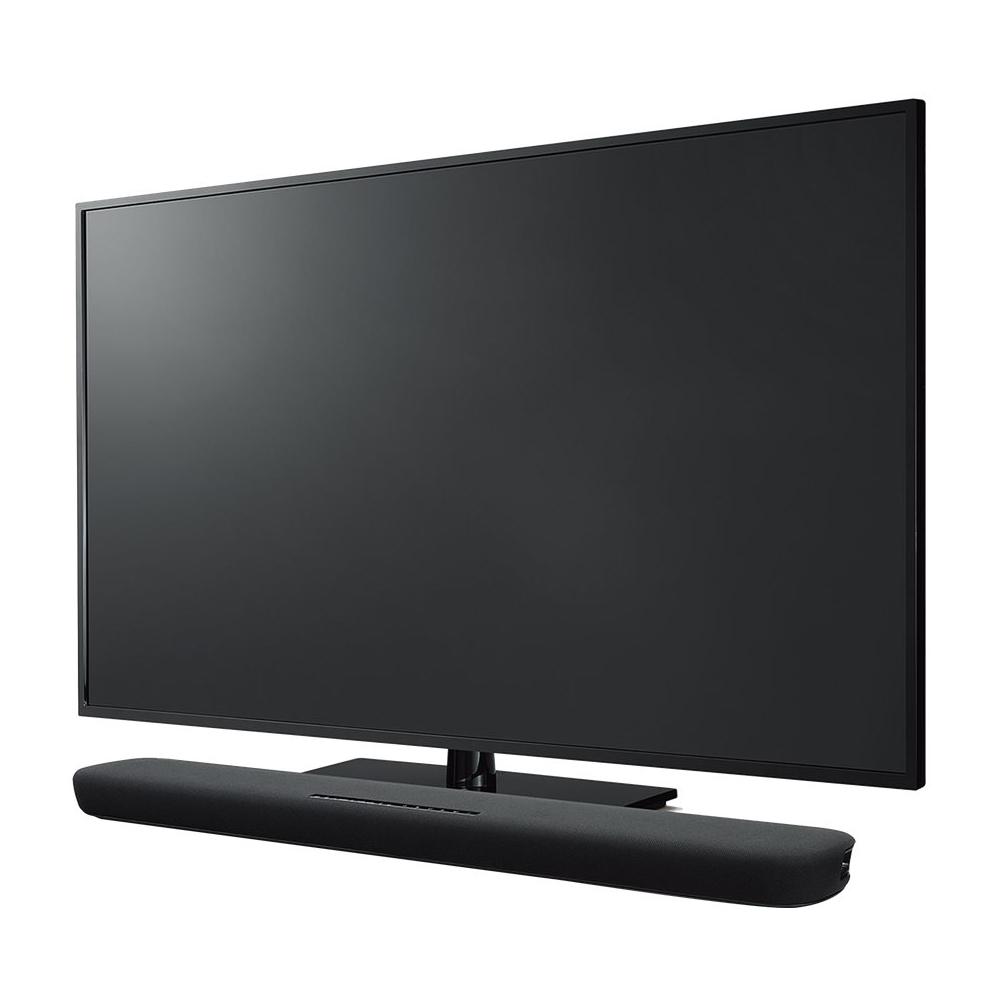
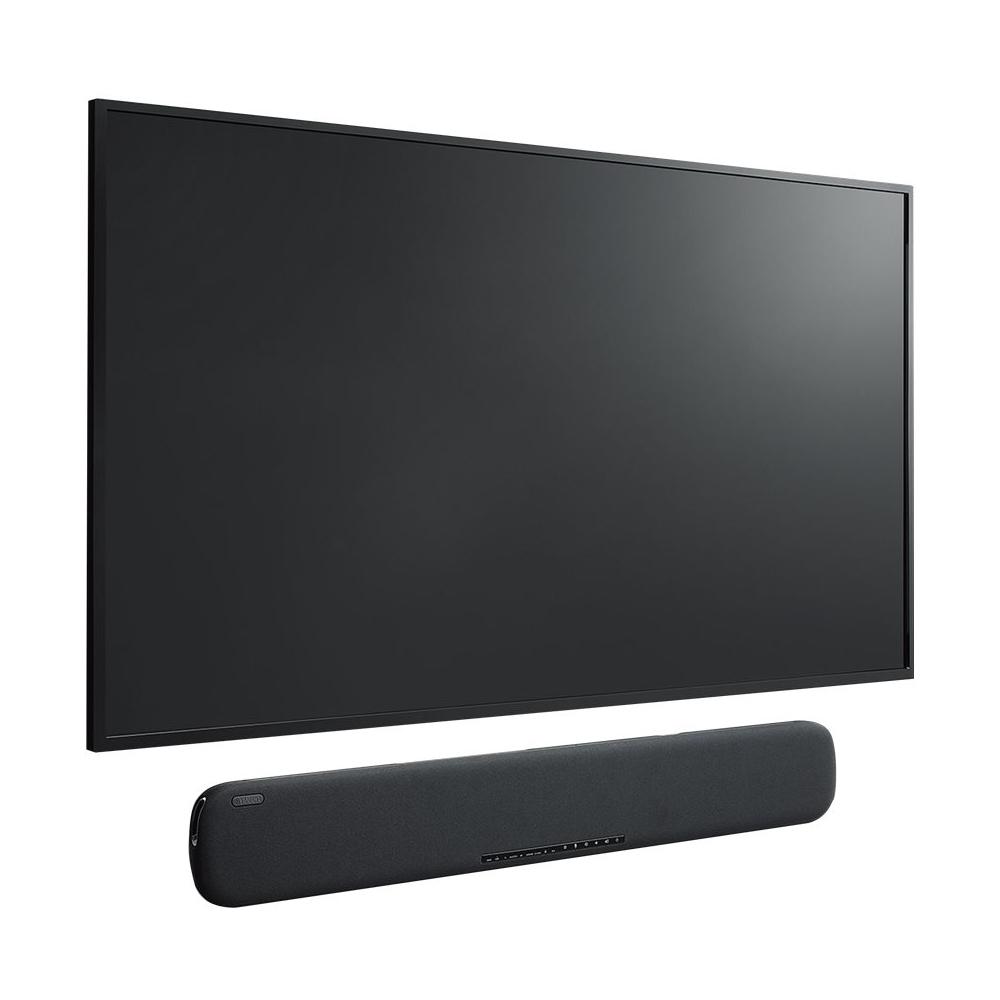
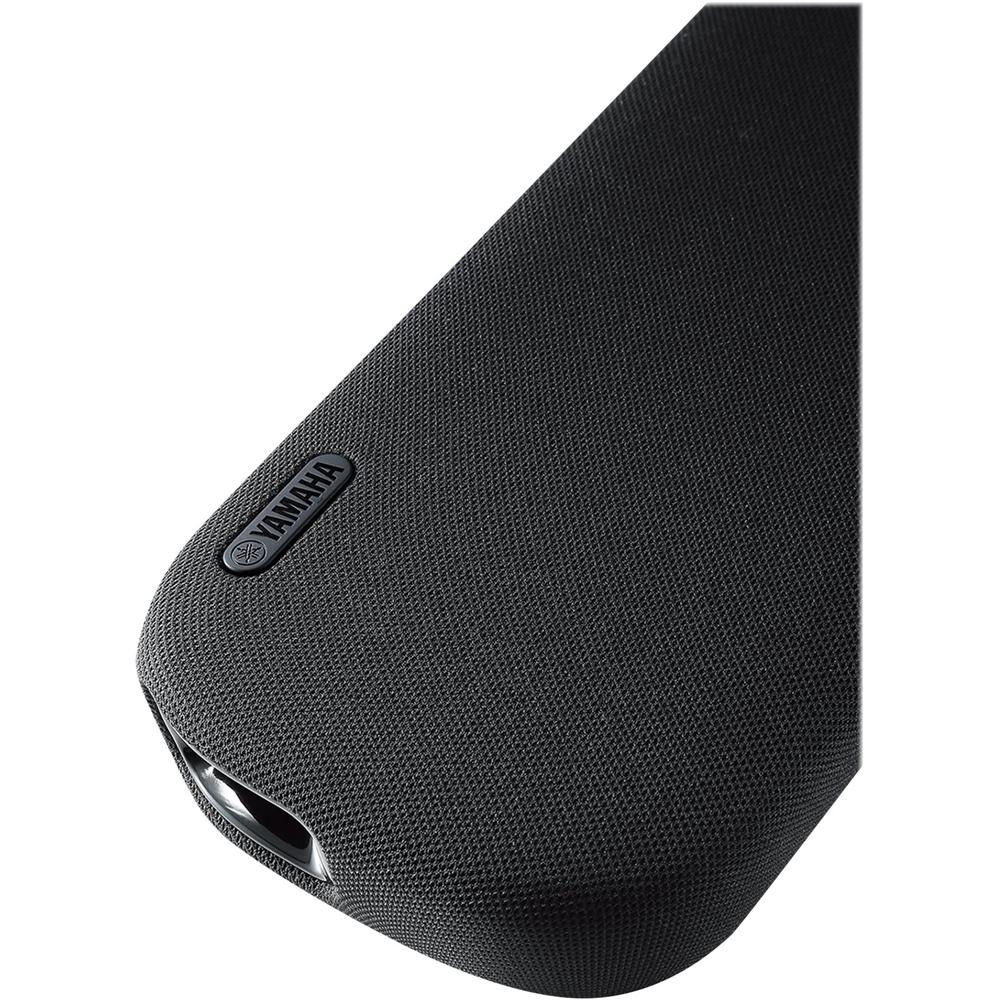
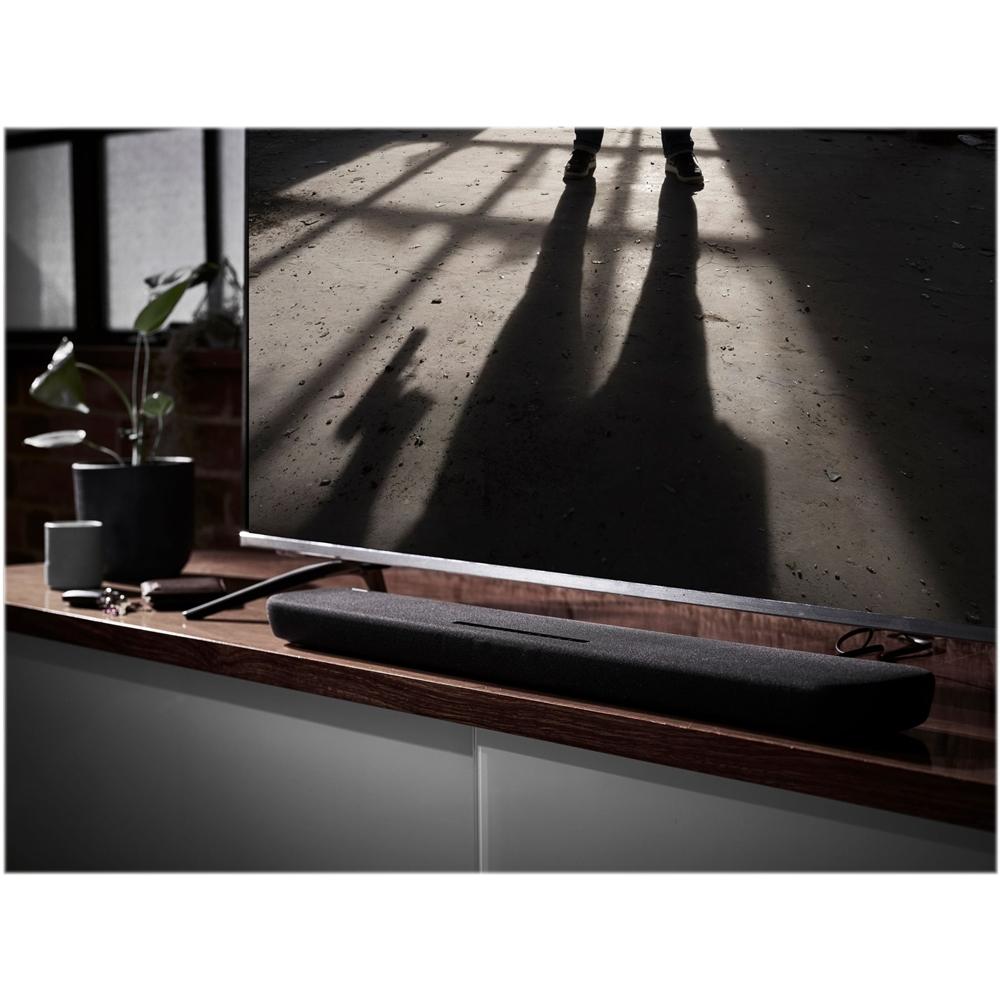
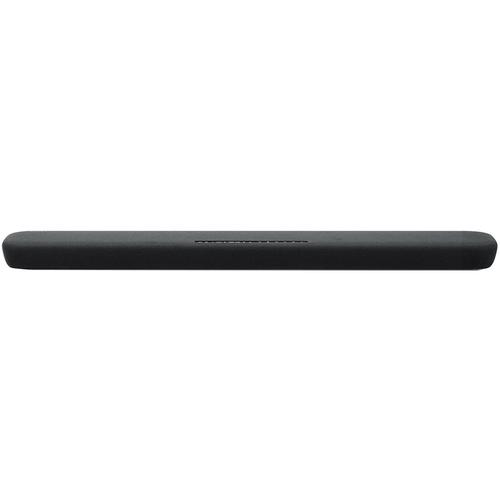
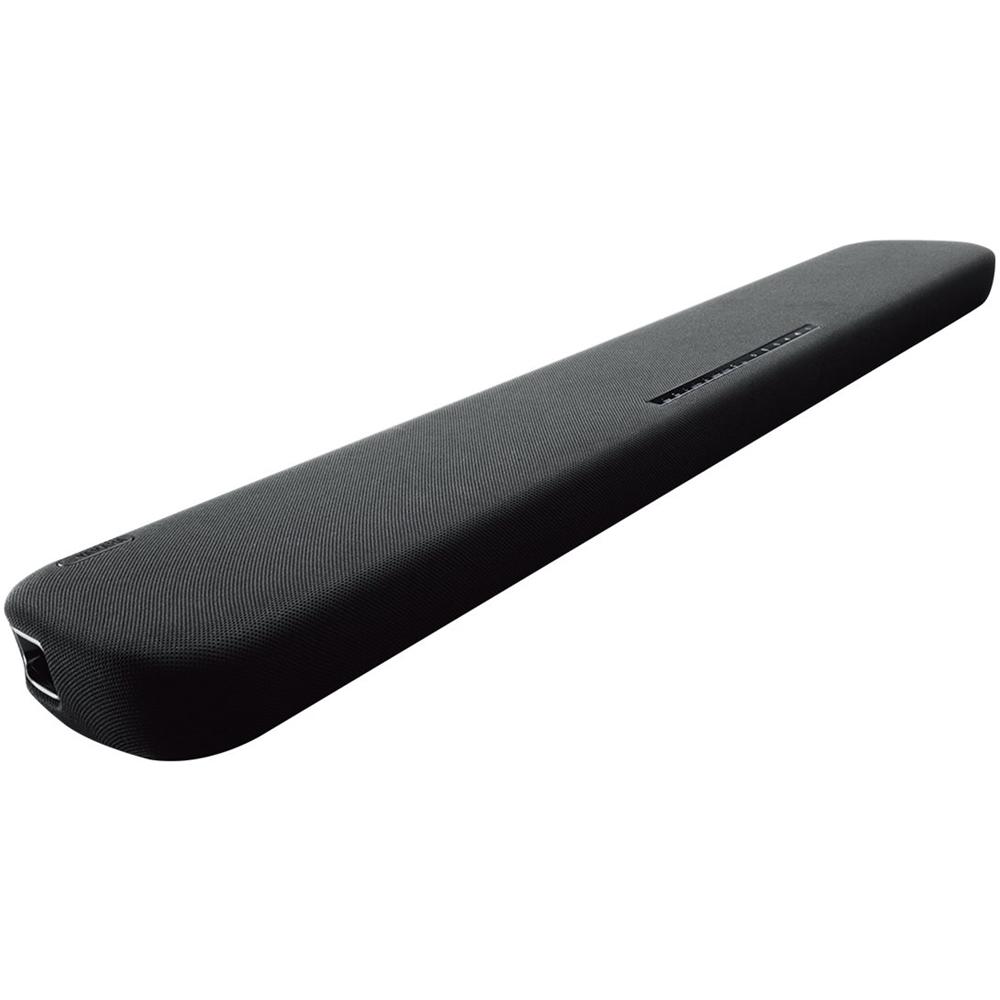
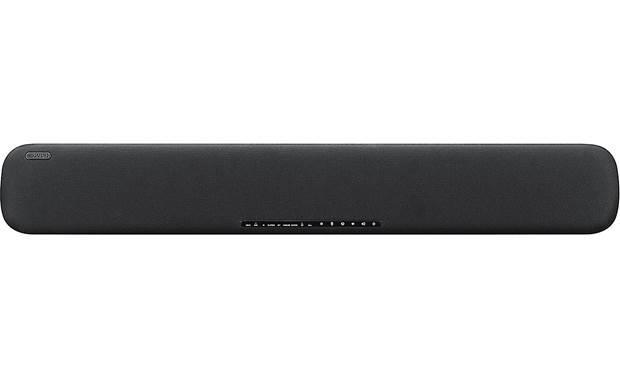
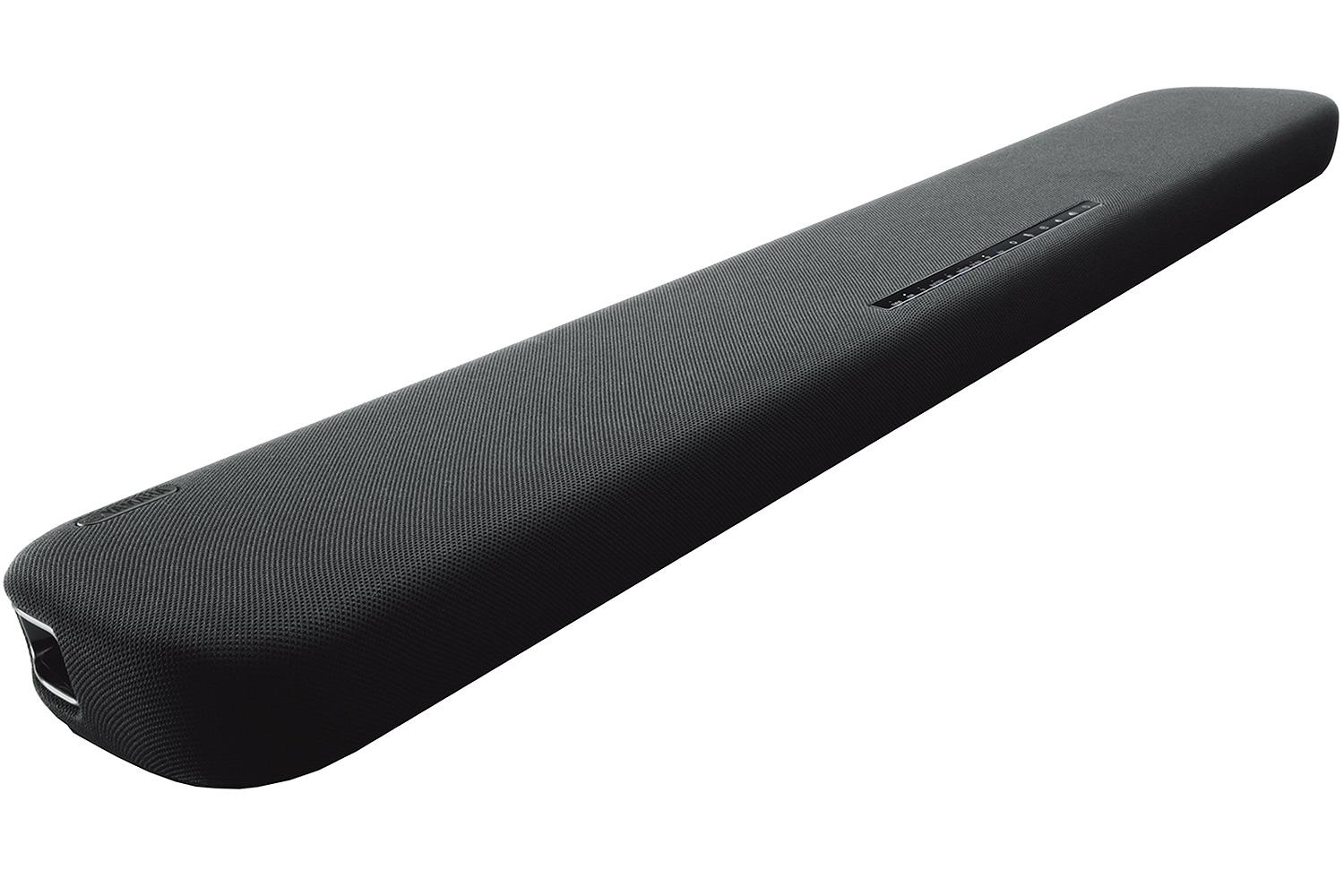
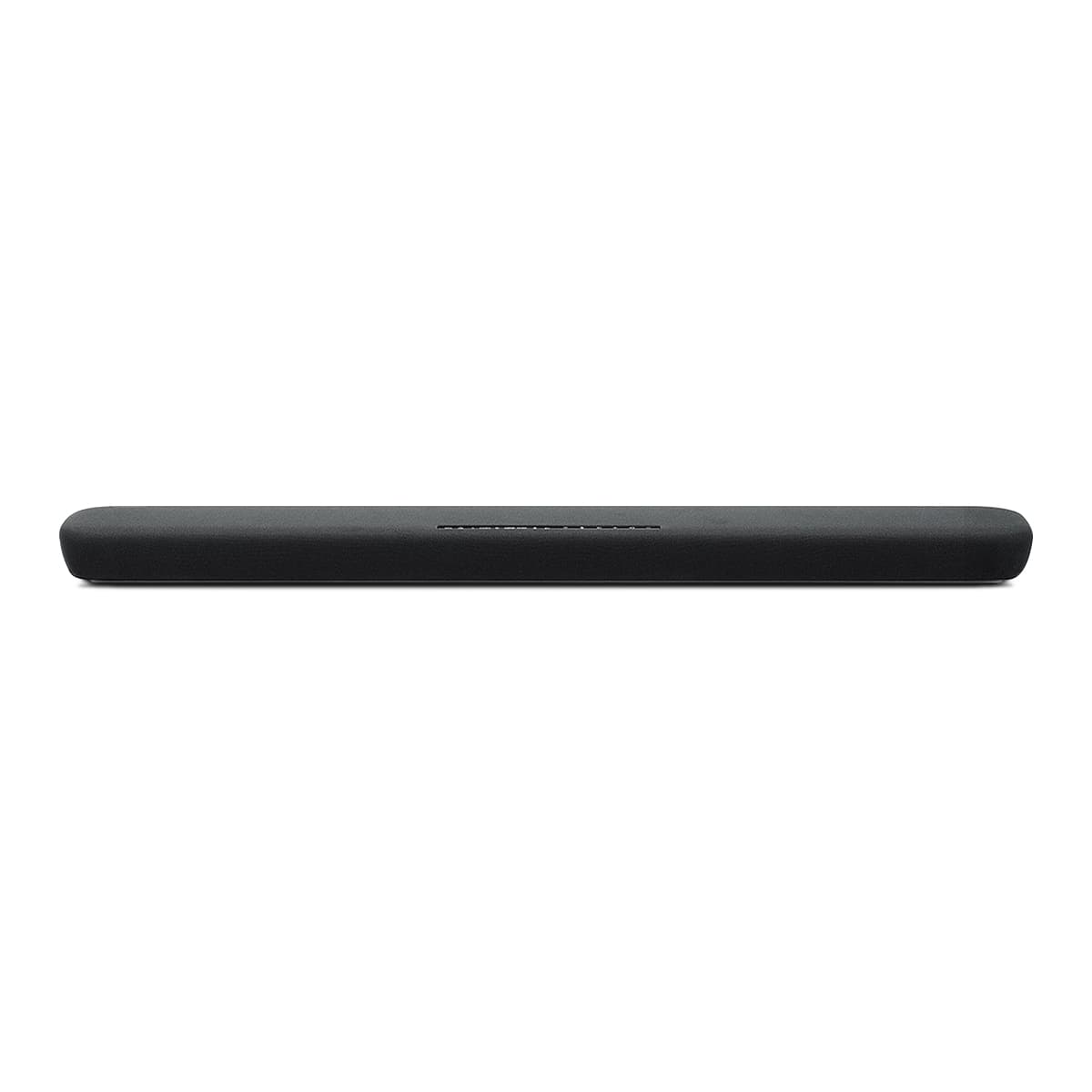
The Yamaha YAS-109 launched in 2019 during the height of the Alexa integration trend. At 35 inches wide with built-in subwoofers, it takes a more traditional approach, packing maximum features and connectivity into an affordable package.
The price difference between these models (at the time of writing, the Yamaha costs roughly $60 less) reflects their different priorities and target audiences.
Here's where the Sonos Ray truly shines. Sonos developed their Speech Enhancement technology in partnership with Hollywood sound engineers, and it shows. The Ray uses a sophisticated four-driver array with two tweeters (high-frequency speakers) and two midwoofers (mid-range speakers) arranged with precise timing to create what's called a "phantom center channel."
Think of it this way: in a proper surround sound setup, dialogue comes from a dedicated center speaker positioned directly below or above your TV. Since compact soundbars can't physically place a speaker there, they use psychoacoustics—basically tricking your brain—to make dialogue appear to come from that center position.
The Ray's implementation of this concept is exceptionally good. During testing with complex scenes where dialogue, music, and sound effects overlap, voices remained consistently intelligible without that hollow, compressed quality that plagues many budget soundbars.
The Yamaha YAS-109 takes a more straightforward approach with its Clear Voice processing. This technology emphasizes frequencies in the 2-4 kHz range where human speech naturally sits. While effective, it's less sophisticated than Sonos's approach and occasionally struggles when dealing with layered audio content like action sequences with lots of background noise.
This is where the physical differences between these soundbars become most apparent. The Yamaha YAS-109 includes two built-in subwoofers—essentially small speakers designed specifically for low frequencies. These 3-inch drivers, combined with 60 watts of dedicated power, deliver noticeably more impactful bass than you'd expect from a soundbar this size.
For action movies, this makes a real difference. Explosions have more weight, music feels fuller, and even dialogue benefits from the additional low-frequency support that makes voices sound more natural and less thin.
The Sonos Ray takes a more nuanced approach. Instead of built-in subwoofers, it uses a bass reflex system with what Sonos calls a "proprietary low-velocity port design." This is essentially a carefully tuned tube that helps amplify and extend low frequencies without the distortion that often comes from cramming subwoofers into tight spaces.
The result is more controlled, articulate bass that works particularly well in smaller rooms where the Yamaha's approach might become overwhelming. However, if you're a fan of bass-heavy music genres like hip-hop or electronic, or you love feeling movie explosions, the Yamaha's more aggressive approach will likely satisfy you more.
The Sonos Ray aims for what audio engineers call a "neutral" frequency response—meaning it doesn't artificially boost or cut any particular frequency range. This creates a balanced, refined sound that works well across different content types but might seem less exciting initially.
The Ray's frequency response in the midrange (where most music and voices live) is impressively smooth. This translates to clearer vocals, more natural-sounding instruments, and better overall coherence when multiple sounds play simultaneously.
The Yamaha YAS-109 has what reviewers often describe as a "boomy" sound profile. This isn't necessarily negative—it means the soundbar emphasizes lower frequencies to create a fuller, more impactful sound. However, this can sometimes make the midrange less clear during complex audio passages.
Here's a feature that showcases why the Sonos Ray commands a higher price. Trueplay room correction technology uses your iPhone's microphones (unfortunately, Android isn't supported) to measure how sound bounces around your specific room, then automatically adjusts the soundbar's output to compensate.
This matters more than you might think. Every room has different acoustics based on size, furniture placement, wall materials, and even carpet versus hardwood floors. What sounds perfect in a showroom might sound boomy or thin in your living room.
During my testing, Trueplay made a noticeable difference, particularly in reducing the boominess that can occur when placing soundbars in entertainment centers or against walls. The process takes about two minutes and genuinely improves the listening experience.
The Yamaha YAS-109 doesn't include room correction technology. Instead, it offers preset sound modes (Movie, Music, Sports, TV, Game) that apply different EQ curves. While helpful, these are generic solutions that can't account for your room's specific characteristics.
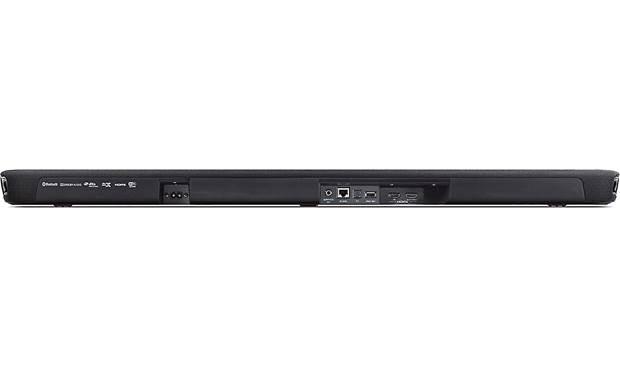
The Yamaha YAS-109 wins decisively in the connectivity department. Its HDMI ARC input with 4K and HDR passthrough means you can connect it directly to your TV with a single HDMI cable, maintaining full video quality while getting audio back to the soundbar. This also enables CEC (Consumer Electronics Control), allowing your TV remote to control soundbar volume.
The inclusion of Bluetooth 4.2 adds significant convenience for streaming music directly from phones or tablets without network setup. The optical input provides compatibility with older TVs, while the subwoofer output offers future expansion possibilities.
The Sonos Ray takes a more minimalist approach with only optical digital input. This means no HDMI connectivity and no Bluetooth support. For wireless streaming, you'll need to use Wi-Fi and Apple's AirPlay 2 protocol.
This limitation isn't accidental—it reflects Sonos's ecosystem-focused philosophy. The company assumes users will primarily stream content through their phones or other Sonos speakers rather than connecting multiple devices directly to the soundbar.
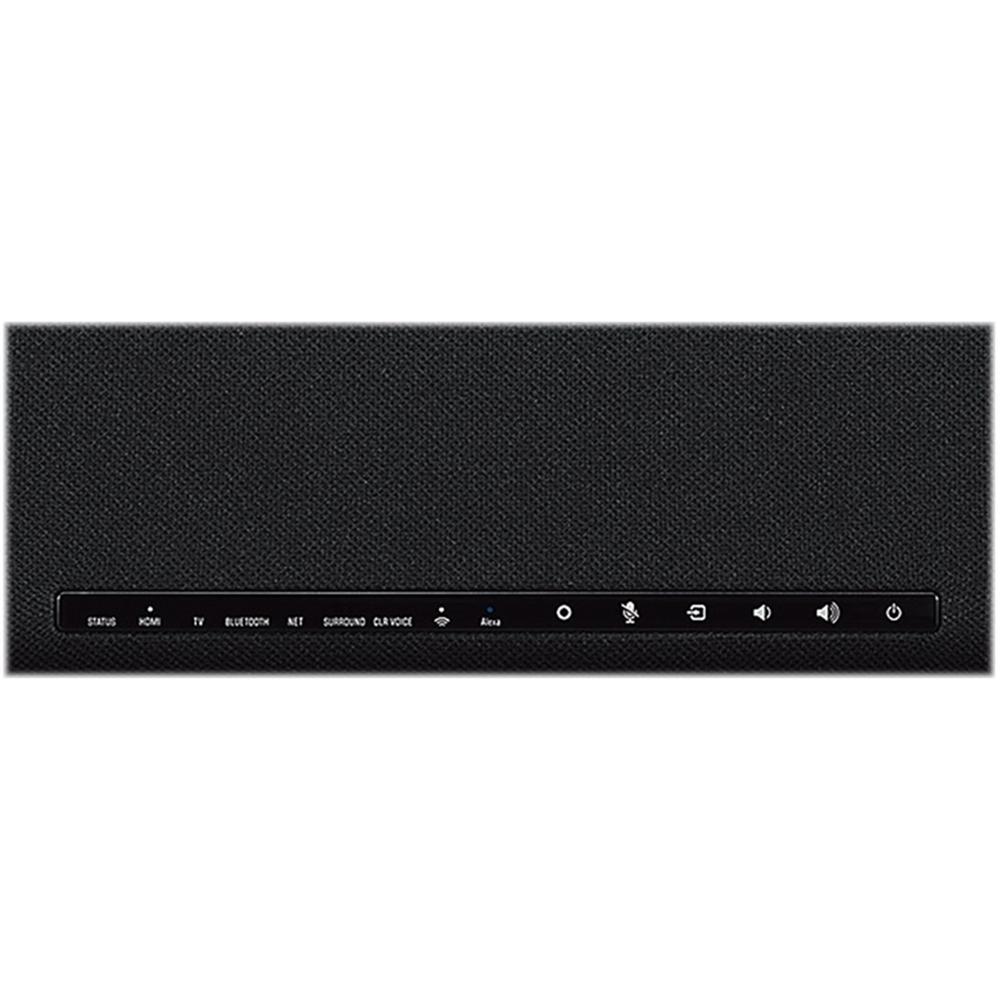
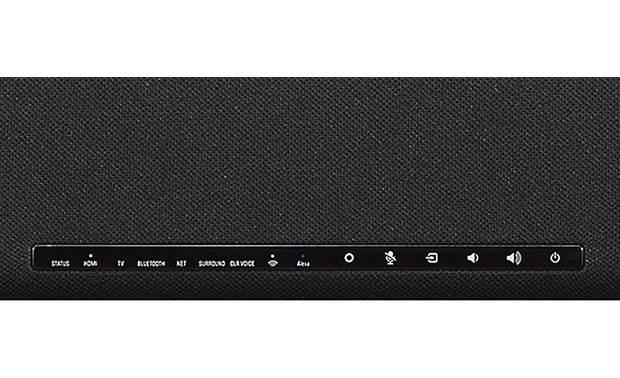
The Yamaha YAS-109 includes Amazon Alexa built directly into the soundbar, complete with far-field microphones that can hear commands across the room. This means you can control volume, ask about weather, set timers, or control smart home devices without picking up a remote or phone.
The implementation works well in practice. The LED display shows when Alexa is listening, and response time is comparable to dedicated Echo devices. For users already invested in Amazon's ecosystem, this integration feels natural and convenient.
The Sonos Ray doesn't include built-in voice assistants but works with existing Alexa or Google devices in your home. You can say "Alexa, turn up the soundbar" to an Echo device, and it will adjust the Ray's volume. While less direct than built-in integration, this approach offers more flexibility if you prefer Google Assistant or want to avoid additional always-listening devices.
Sonos has always excelled at software, and the S2 app controlling the Sonos Ray continues this tradition. The interface is intuitive, setup is streamlined, and features like Night Sound (which reduces the dynamic range for late-night viewing) and TV Audio Swap (for seamlessly switching to Sonos Ace headphones) add genuine utility.
The Yamaha YAS-109 uses Yamaha's Sound Bar Controller app, which covers the basics adequately but lacks the polish and feature depth of the Sonos app. However, the included physical remote provides comprehensive control for users who prefer traditional interfaces.
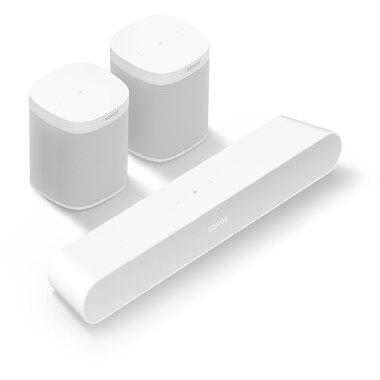
This represents perhaps the biggest philosophical difference between these products. The Sonos Ray serves as an entry point into Sonos's multi-room ecosystem. You can add a Sonos Sub for enhanced bass, incorporate rear speakers for true surround sound, or expand to other rooms with additional Sonos products that all work together seamlessly.
This expandability comes with a premium price tag for additional components, but it offers genuine long-term flexibility. Your investment grows and adapts as your needs change or your living situation evolves.
The Yamaha YAS-109 includes a subwoofer output for adding an external subwoofer, but it's primarily designed as a standalone solution. While this limits future expansion options, it also means you get maximum functionality immediately without needing to purchase additional components.
For dedicated home theater setups, both soundbars face limitations inherent to compact designs. Neither supports Dolby Atmos (object-based surround sound that includes height channels), though the Yamaha YAS-109 includes DTS Virtual:X processing that simulates overhead sound effects.
The Yamaha's HDMI ARC connectivity makes it more suitable for complex home theater setups with multiple source devices, gaming consoles, and streaming boxes. The 4K passthrough ensures video quality isn't compromised, while CEC integration simplifies remote control management.
The Sonos Ray's optical-only connectivity limits its home theater applications somewhat, though it works perfectly well for most TV-based viewing scenarios.
At the time of writing, the Yamaha YAS-109 offers exceptional immediate value. You get built-in subwoofers, comprehensive connectivity, Alexa integration, and multiple smart features at a lower price point than the Sonos Ray. For budget-conscious buyers wanting maximum features per dollar, it's hard to argue with this proposition.
The Sonos Ray justifies its higher cost through superior audio processing, room correction technology, and long-term expandability within a premium ecosystem. The initial price premium pays dividends in dialogue clarity and system flexibility, but only if you value these advantages over immediate feature richness.
Choose the Yamaha YAS-109 if:
Choose the Sonos Ray if:
Both soundbars successfully address the fundamental problem of poor TV audio, but they do so with different philosophies and priorities. The Yamaha YAS-109 maximizes immediate value and features, while the Sonos Ray focuses on audio quality and long-term flexibility.
Your choice ultimately depends on whether you prioritize feature richness and immediate bass impact (Yamaha) or dialogue clarity and ecosystem expandability (Sonos). Both represent solid value propositions within their respective approaches, and either will dramatically improve your TV viewing experience compared to built-in TV speakers.
The good news? You really can't go wrong with either choice. The Yamaha delivers impressive performance for its price point, while the Sonos provides a more refined experience that can grow with your needs. Consider your budget, space constraints, and long-term audio plans, and either soundbar will serve you well for years to come.
| Sonos Ray Soundbar | Yamaha YAS-109 Sound Bar |
|---|---|
| Audio Configuration - Determines bass performance and overall sound character | |
| 2.0 channel (no built-in subwoofer) | 2.1 channel with dual built-in subwoofers |
| Physical Dimensions - Critical for TV stand compatibility and room aesthetics | |
| 22" W × 2.79" H × 4.1" D (compact design) | 35" W × 2.1" H × 5.1" D (larger footprint) |
| Connectivity Options - Affects compatibility with TVs and devices | |
| Optical input only, Wi-Fi, AirPlay 2 | HDMI ARC, Optical, Bluetooth 4.2, Wi-Fi |
| Voice Assistant Integration - Convenience for hands-free control | |
| Works with existing Alexa/Google devices | Built-in Amazon Alexa with far-field mics |
| Room Correction Technology - Optimizes sound for your specific space | |
| Trueplay room correction (iOS devices only) | Preset sound modes only |
| Total Power Output - Influences maximum volume and dynamic range | |
| Not specified (uses 4 Class-D amplifiers) | 120W total (60W for subwoofers, 60W for mains) |
| Expandability - Future upgrade potential without replacing entire system | |
| Full Sonos ecosystem integration (Sub, surrounds, multi-room) | Subwoofer output for external sub only |
| App Control Experience - Daily usability and feature access | |
| Sonos S2 app (premium interface, frequent updates) | Yamaha Sound Bar Controller (basic functionality) |
| Dialogue Enhancement - Most important feature for TV viewing | |
| Speech Enhancement with phantom center channel | Clear Voice processing with frequency emphasis |
| Release Year - Indicates technology generation and feature set | |
| 2022 (latest Sonos compact design) | 2019 (established Alexa integration era) |
The Sonos Ray excels at dialogue clarity thanks to its Speech Enhancement technology developed with Hollywood sound engineers. It creates a "phantom center channel" effect that makes voices pop out clearly from background noise. The Yamaha YAS-109 uses Clear Voice processing which is effective but less sophisticated, occasionally struggling with complex audio scenes where dialogue, music, and sound effects overlap.
The Yamaha YAS-109 includes dual built-in subwoofers that deliver significantly more impactful bass for action movies and music. The Sonos Ray uses a bass reflex system without dedicated subwoofers, providing more controlled and articulate bass that works well in smaller rooms but lacks the punch for bass-heavy content.
The Yamaha YAS-109 wins with comprehensive connectivity including HDMI ARC, optical input, Bluetooth 4.2, and Wi-Fi. The Sonos Ray is more limited with only optical input and Wi-Fi connectivity, plus AirPlay 2 support. The Yamaha's HDMI ARC connection is particularly valuable for modern TV setups.
The Yamaha YAS-109 has Amazon Alexa built-in with far-field microphones for direct voice control across the room. The Sonos Ray doesn't include built-in voice assistants but works with existing Alexa or Google devices in your home, requiring you to speak to those devices to control the soundbar.
The Sonos Ray is specifically designed for compact setups at just 22 inches wide, making it perfect for smaller TVs and tight entertainment centers. The Yamaha YAS-109 measures 35 inches wide, which may overwhelm smaller setups but provides more powerful sound in larger rooms.
The Sonos Ray offers extensive expandability within the Sonos ecosystem, allowing you to add a Sonos Sub, rear speakers for surround sound, and multi-room audio throughout your home. The Yamaha YAS-109 includes a subwoofer output for adding an external subwoofer but lacks comprehensive system expansion options.
The Yamaha YAS-109 provides exceptional immediate value with built-in subwoofers, Alexa integration, comprehensive connectivity, and multiple smart features at a lower price point. The Sonos Ray costs more upfront but offers superior dialogue processing, room correction technology, and long-term expandability that may justify the premium for some users.
The Sonos Ray includes Trueplay room correction that uses your iPhone's microphones to measure your room's acoustics and automatically optimize sound output. The Yamaha YAS-109 doesn't offer room correction but provides preset sound modes (Movie, Music, Sports, TV, Game) for different content types.
Both the Yamaha YAS-109 and Sonos Ray handle music streaming well, but with different approaches. The Yamaha offers direct Bluetooth pairing for quick connections, while the Sonos provides superior app experience and multi-room capabilities for whole-home audio. The Sonos Ray delivers more balanced, refined sound for music, while the Yamaha YAS-109 offers more impactful bass.
The Yamaha YAS-109 offers straightforward setup with multiple connection options and a traditional remote control. The Sonos Ray requires the Sonos S2 app for setup but provides a more streamlined experience once configured, including features like Night Sound mode and seamless integration with other Sonos products.
The Yamaha YAS-109 is more suitable for dedicated home theater use thanks to its HDMI ARC connectivity with 4K passthrough, built-in subwoofers for action movie bass, and DTS Virtual:X processing. The Sonos Ray works well for TV viewing but its optical-only connectivity limits home theater applications, though it can be expanded into a full surround system with additional Sonos components.
Choose the Yamaha YAS-109 if you want immediate bass impact, comprehensive connectivity, built-in voice control, and maximum features at a lower price. Choose the Sonos Ray if dialogue clarity is your top priority, you have space constraints, plan to build a multi-room audio system, or prefer superior audio processing technology despite the higher cost.
We've done our best to create useful and informative comparisons to help you decide what product to buy. Our research uses advanced automated methods to create this comparison and perfection is not possible - please contact us for corrections or questions. These are the sites we've researched in the creation of this article: tomsguide.com - soundandvision.com - youtube.com - techradar.com - en.community.sonos.com - rtings.com - howtogeek.com - youtube.com - cnet.com - sonos.com - videoandaudiocenter.com - rtings.com - crutchfield.com - usa.yamaha.com - digitaltrends.com - tomsguide.com - listenup.com - youtube.com - usa.yamaha.com - hub.yamaha.com - youtube.com - hub.yamaha.com

Privacy Policy
Terms and Conditions - Affiliate Policy
Home Security
© Copyright 2008-2026.
11816 Inwood Rd #1211, Dallas, TX 75244