


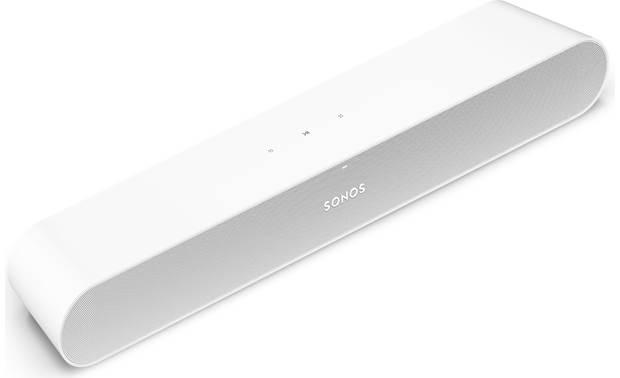

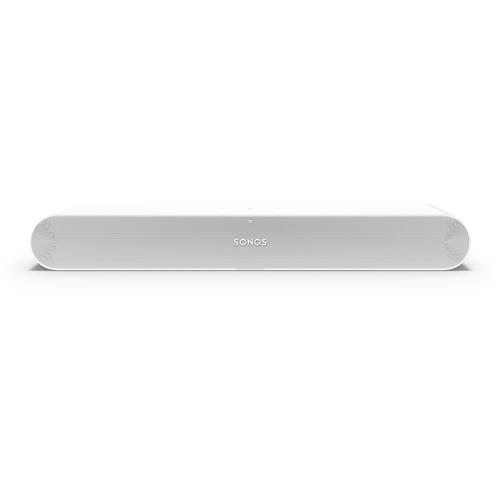

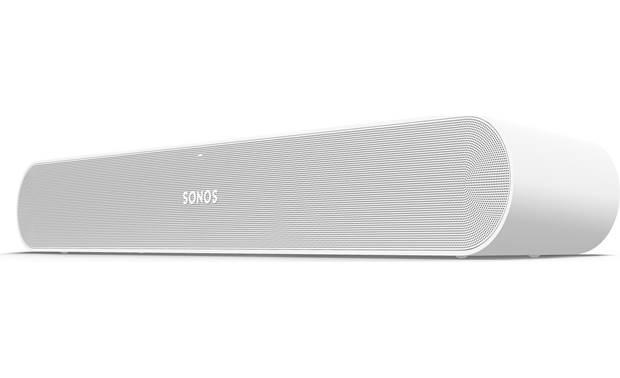
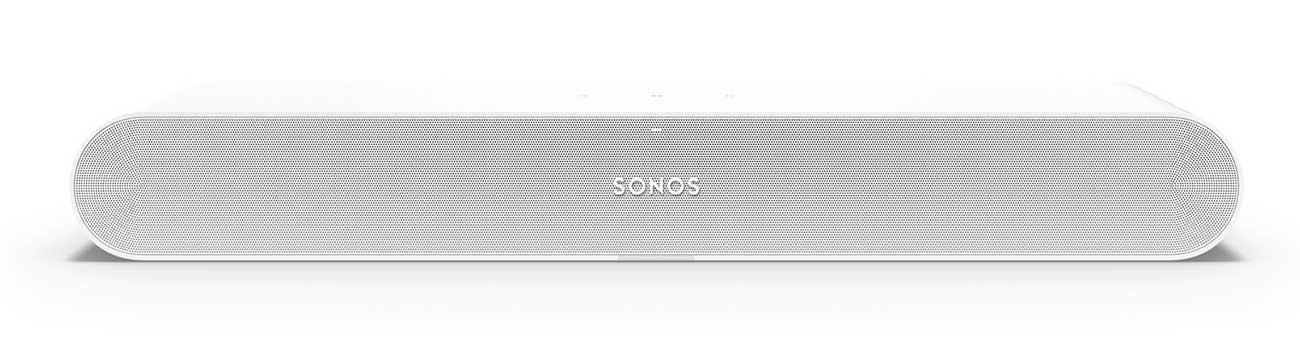
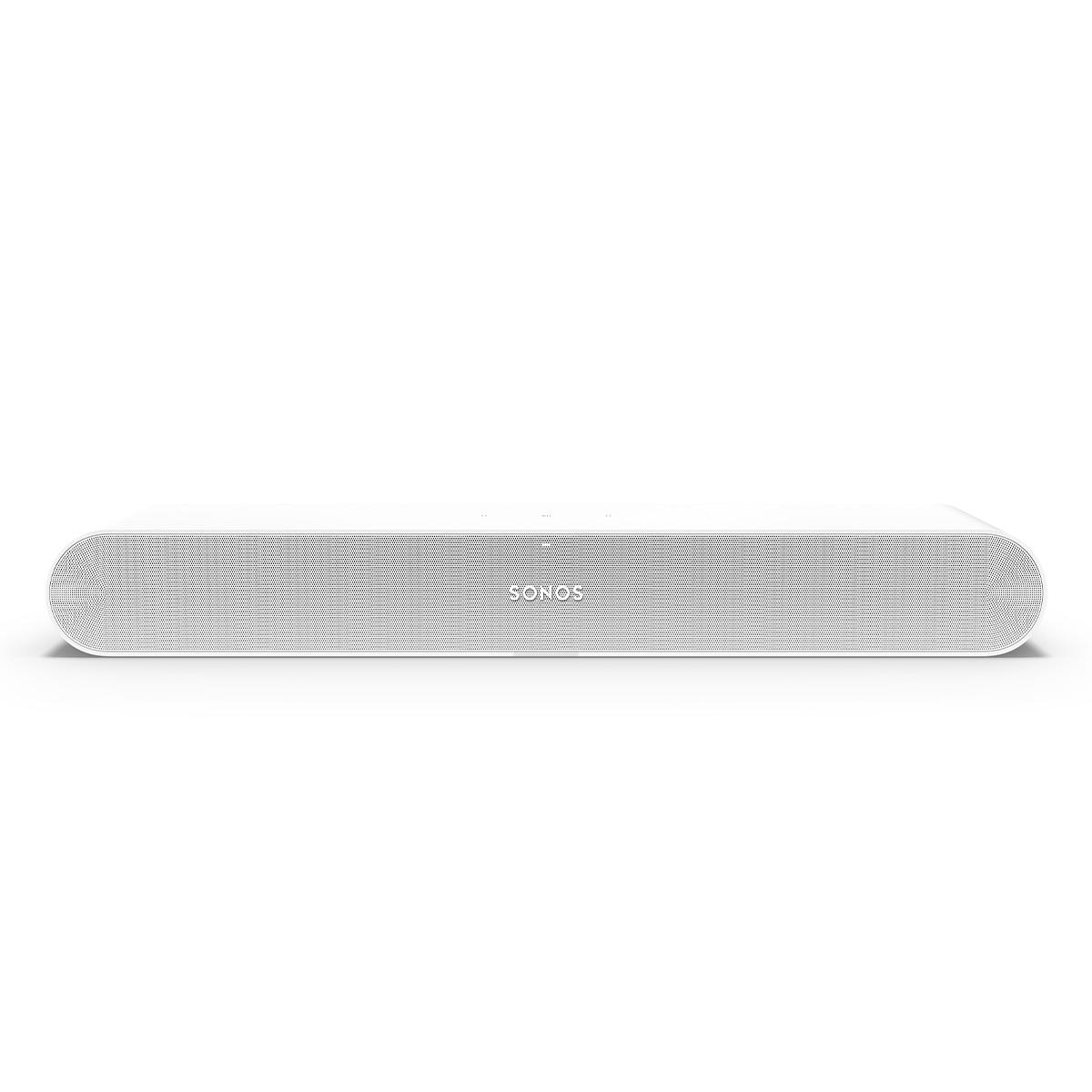
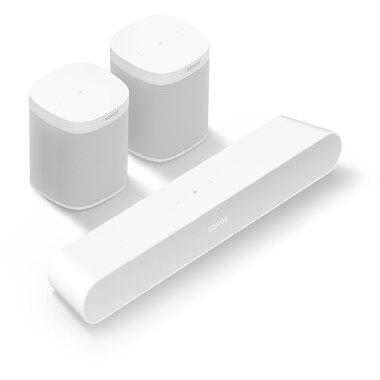
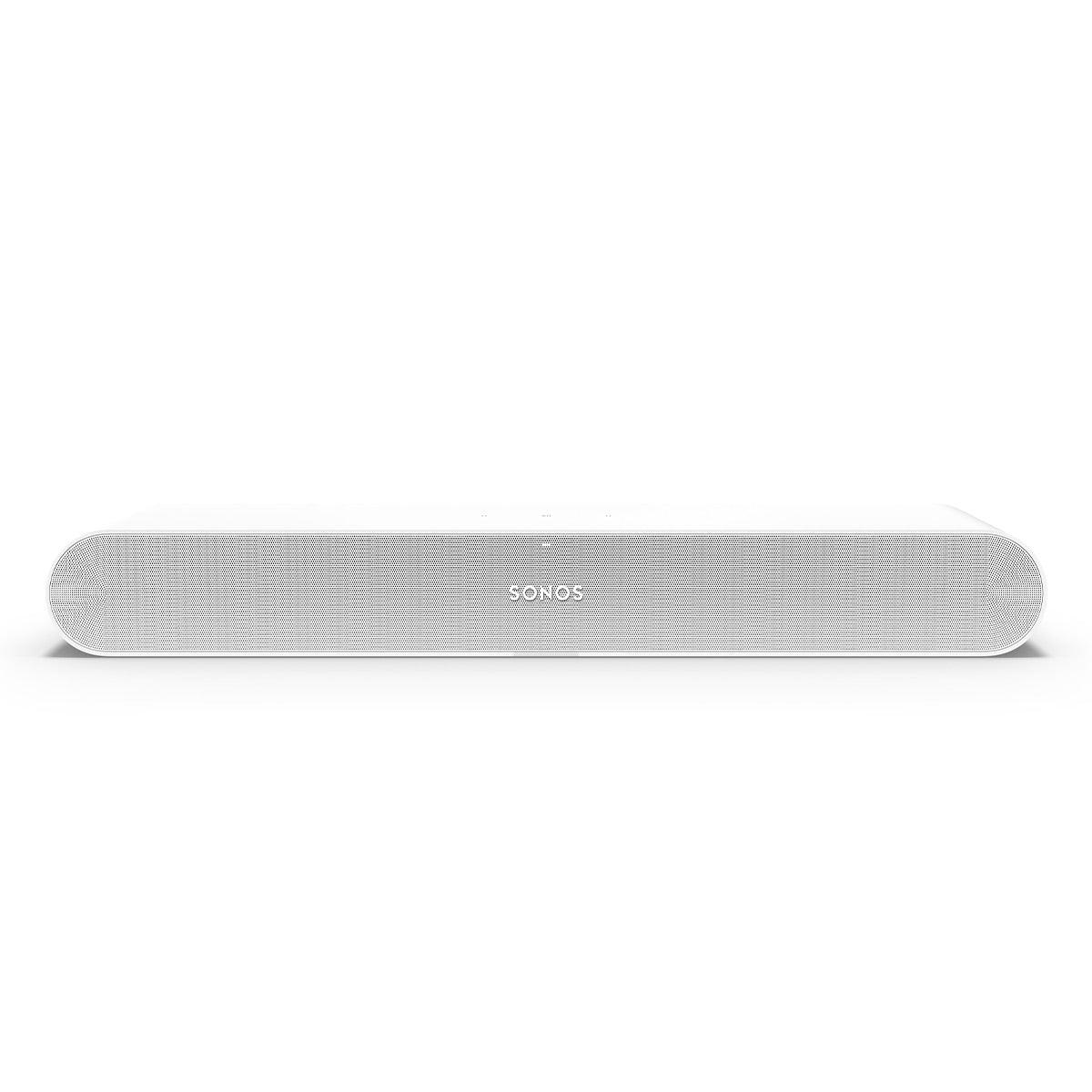
Shopping for a soundbar can feel overwhelming with all the technical jargon and feature lists, but it really comes down to understanding what you actually need for your space and how you watch TV. I've spent considerable time with both the Sonos Ray and Yamaha SR-B40A, and they represent two distinctly different approaches to upgrading your TV's audio – each with clear strengths depending on your situation.
Before diving into specifics, let's talk about what soundbars actually do and why the differences matter. Your TV's built-in speakers are terrible by design – they're paper-thin, face backward, and have no room for proper drivers (the actual speaker components that create sound). A soundbar fixes this by placing properly-sized drivers in front of you with enough internal space to produce real bass and clear dialogue.
The soundbar category has evolved significantly since both products launched. The Sonos Ray arrived in 2022 as Sonos's entry-level offering, while the Yamaha SR-B40A debuted around the same time as part of Yamaha's push into more affordable Dolby Atmos territory. Since then, we've seen the entire industry shift toward more sophisticated audio processing and better wireless connectivity, making both of these models strong representatives of modern soundbar capabilities at their respective price points.
When evaluating any soundbar, you're looking at several key factors: how it handles dialogue (since that's what you hear most), bass response (for movie impact and music enjoyment), soundstage width (how spread out the audio feels), and connectivity options. The Sonos Ray and Yamaha SR-B40A take fundamentally different approaches to each of these areas.
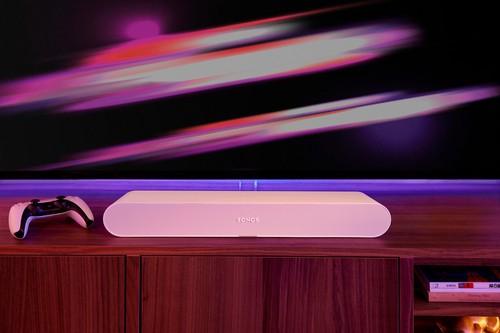
The most important thing to understand is that these soundbars were designed with different priorities. The Sonos Ray is a compact, 2.0-channel system (meaning two speakers with no separate subwoofer) that prioritizes music streaming, voice clarity, and integration with other Sonos products. Think of it as a high-quality stereo speaker that happens to work great with your TV.
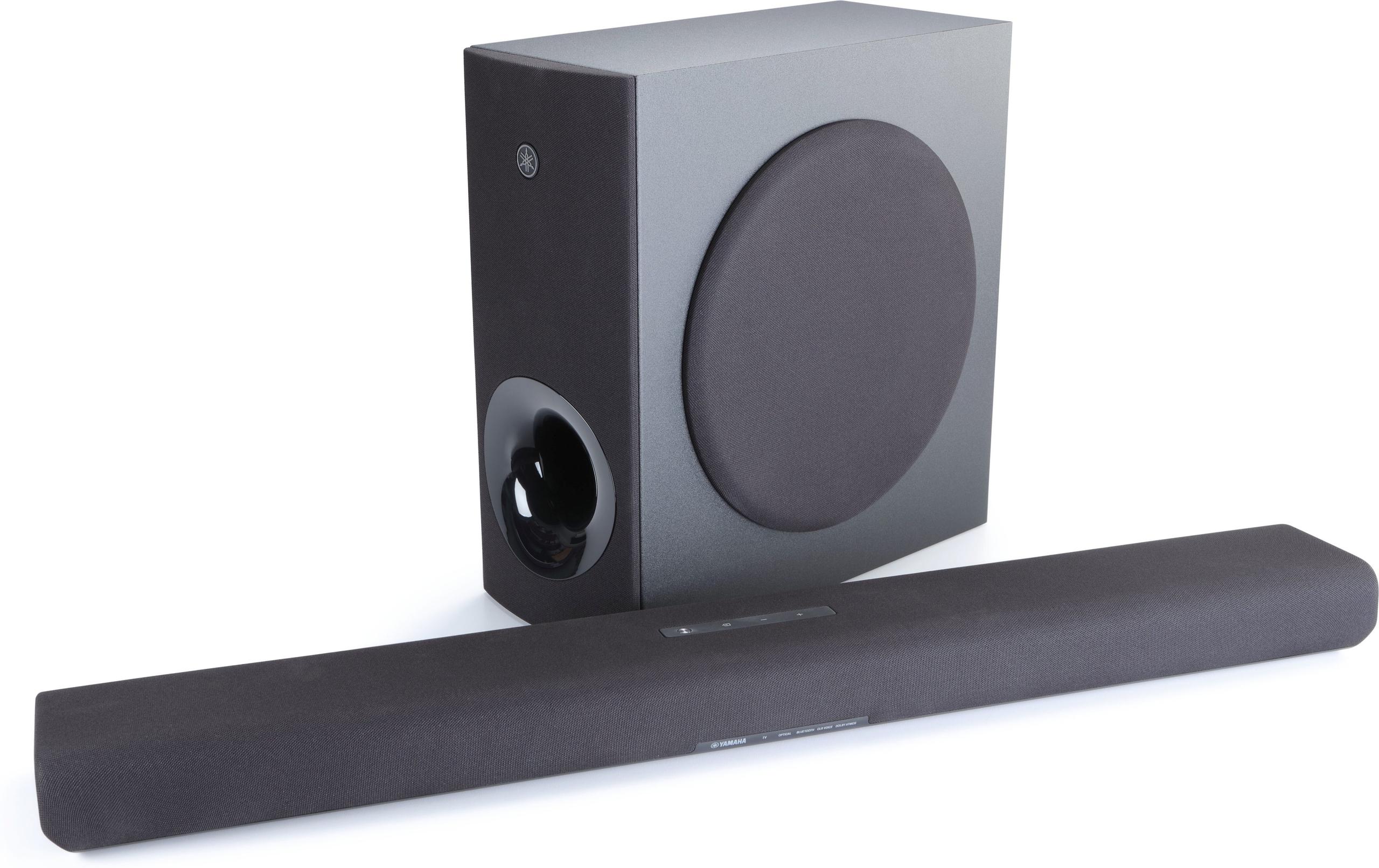
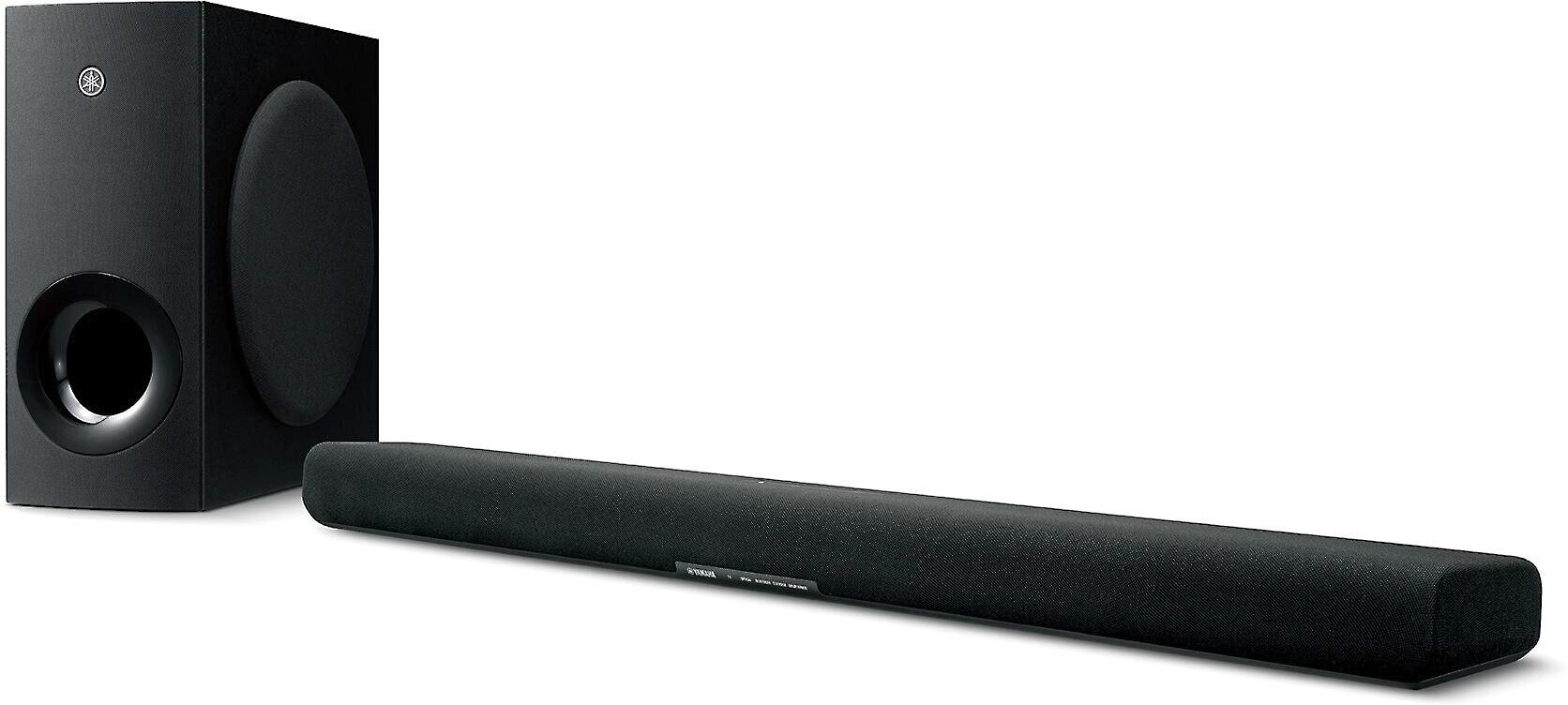
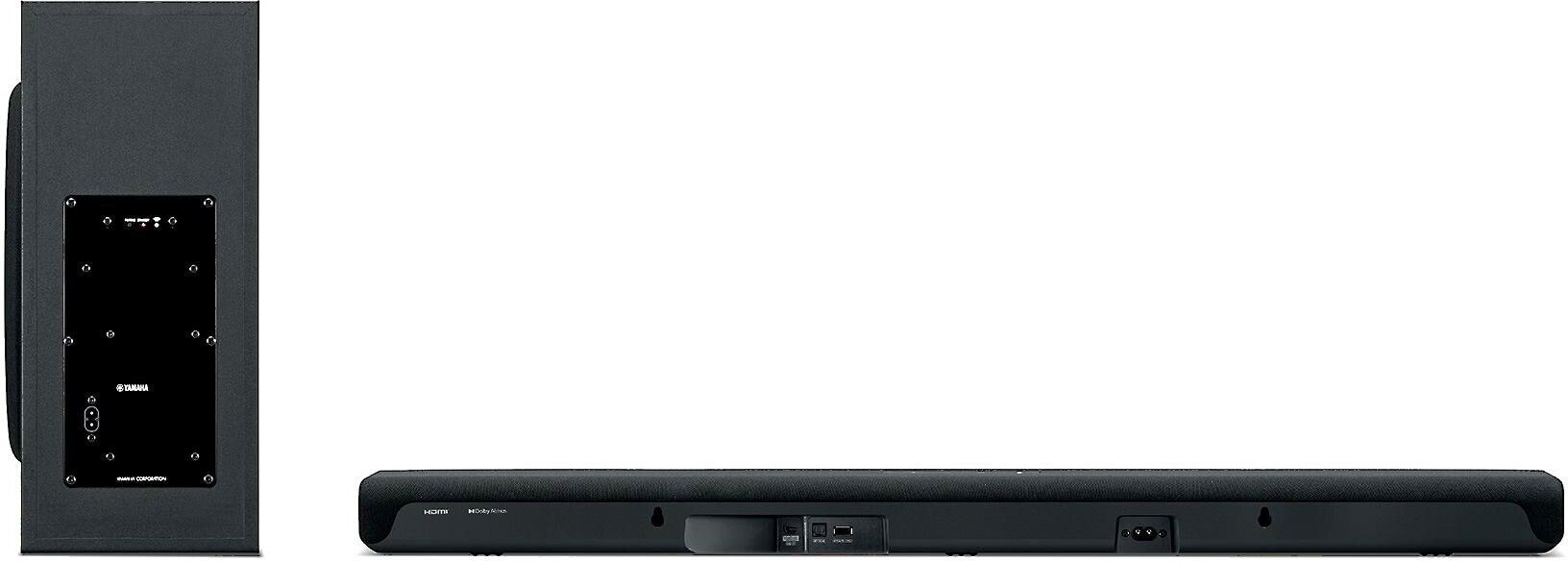
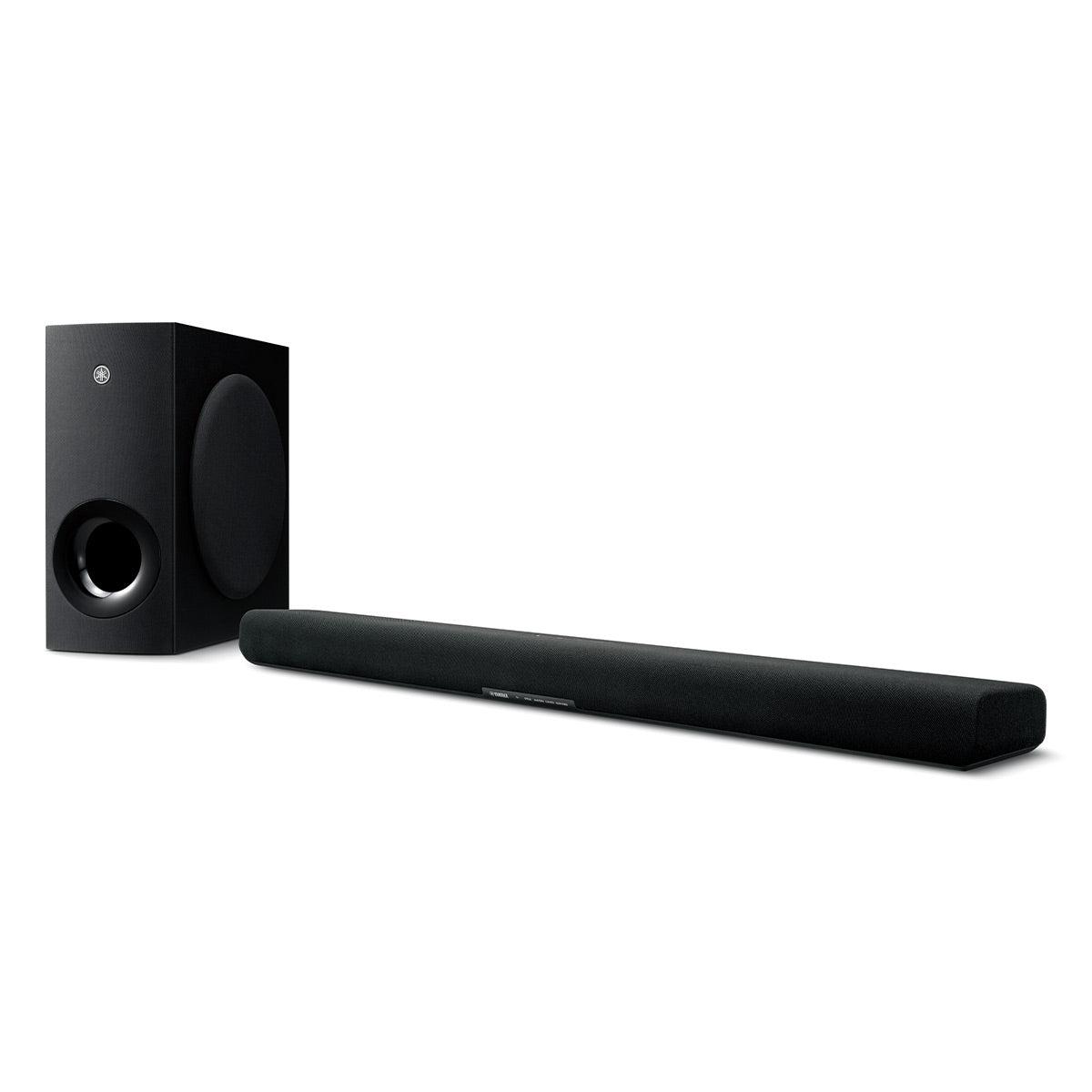
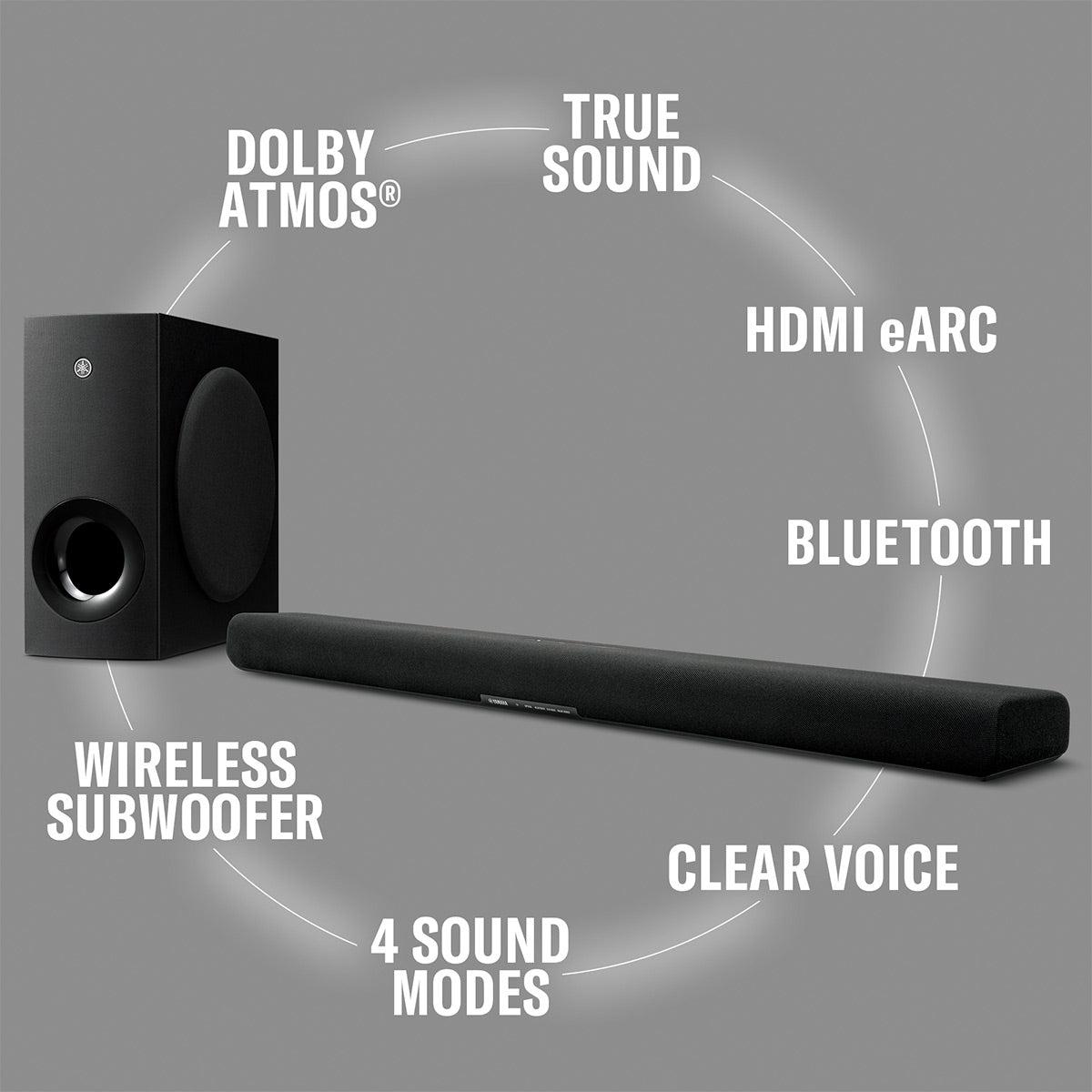
The Yamaha SR-B40A, on the other hand, is a traditional 2.1-channel home theater soundbar (two main speakers plus a separate subwoofer) designed specifically to enhance your movie and TV watching experience. It includes Dolby Atmos processing, which creates virtual surround sound that makes audio seem to come from all around you, not just from the soundbar itself.
This philosophical difference shapes everything about how these products perform and who should choose each one.
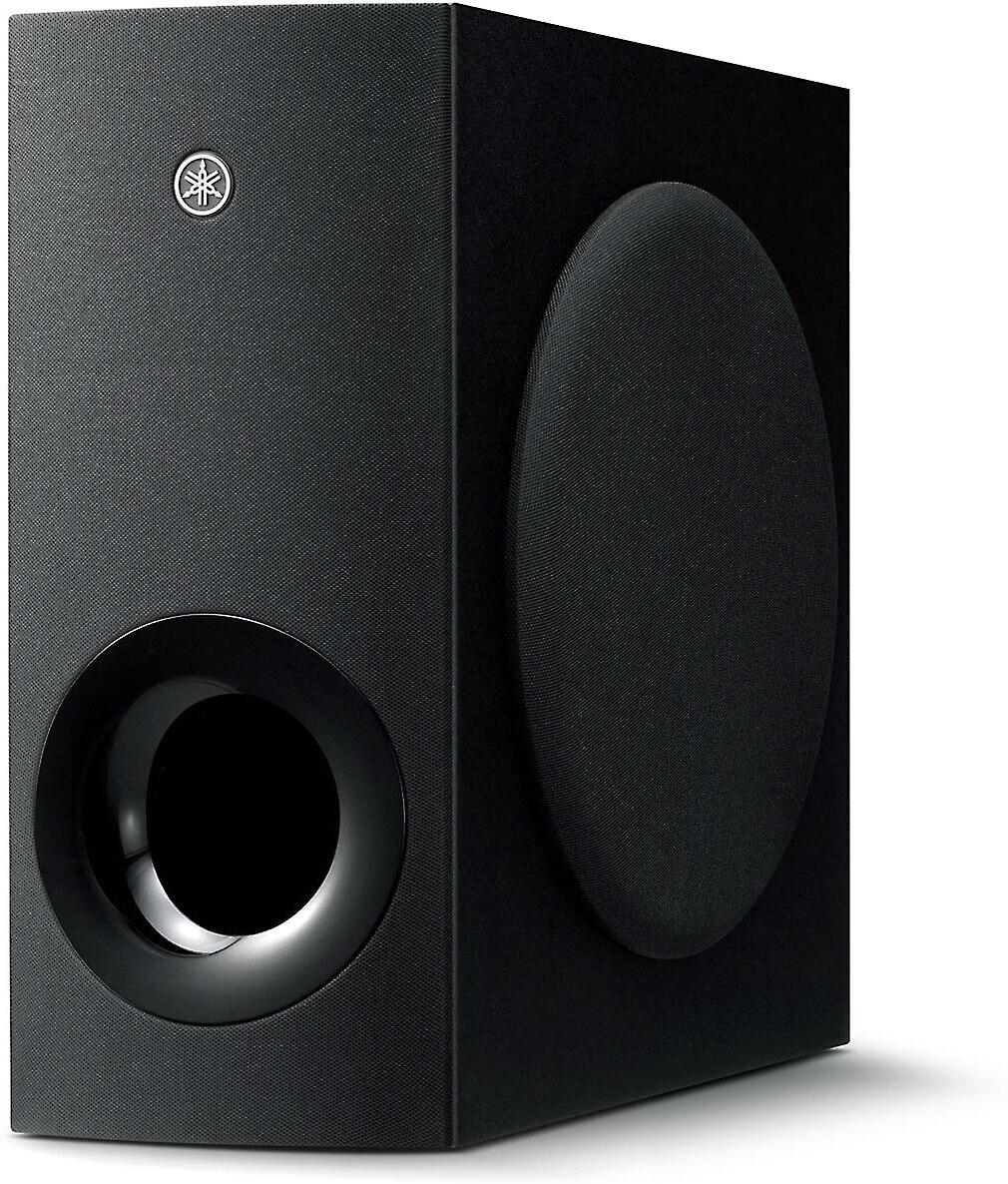
Let's start with what's probably the most obvious difference – bass. The Yamaha SR-B40A includes a wireless subwoofer about the size of a small trash can that you place somewhere in your room. This dedicated bass speaker uses a 6.25-inch driver powered by 100 watts to create the kind of low-frequency impact that makes explosions feel real and music sound full.
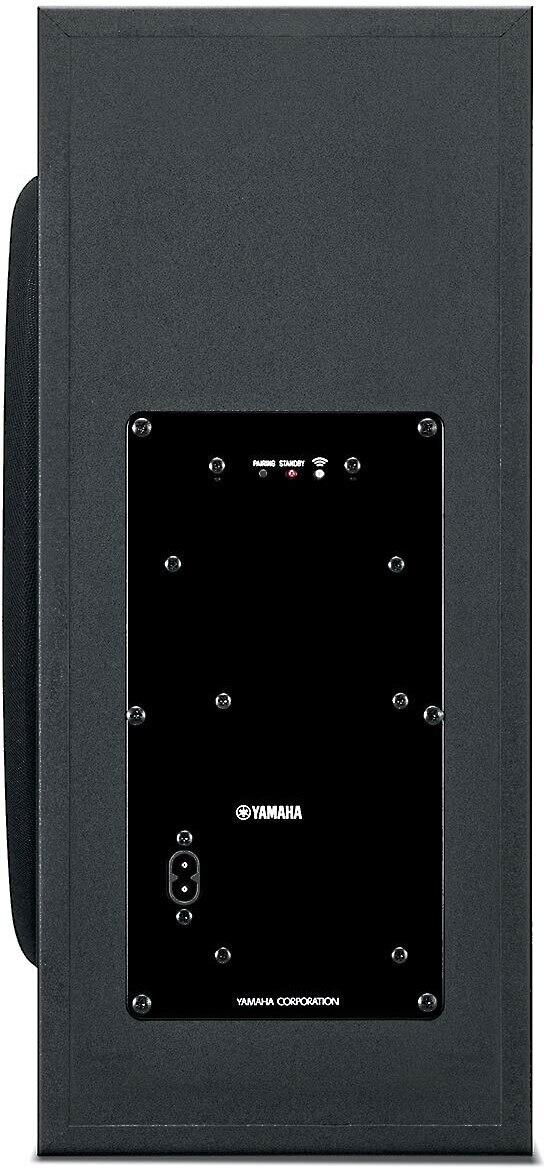
I've found the Yamaha's subwoofer genuinely impressive for the price range. During action scenes, you feel the bass in your chest – that physical sensation that tells your brain something big just happened on screen. The subwoofer connects wirelessly to the main bar, so you don't need to run cables, but you do need to find a spot for it and plug it into power.
The Sonos Ray takes a completely different approach. Instead of a separate subwoofer, it uses a clever internal design called a bass reflex system with dual 3-inch midwoofers (medium-sized drivers that handle both midrange and bass frequencies). Sonos engineered a proprietary low-velocity port design that minimizes distortion while maximizing the bass these small drivers can produce.
Here's the thing about the Ray's bass approach – it's surprisingly good for what it is, but it has clear physical limitations. The laws of physics dictate that small drivers in a compact enclosure simply cannot move the air volume needed for deep, room-shaking bass. What the Sonos Ray does well is produce controlled, articulate bass that enhances dialogue and music without overwhelming smaller rooms. If you're in an apartment or smaller living space, this might actually be preferable to a dedicated subwoofer.
Both soundbars excel at dialogue clarity but use different technologies to achieve it. This matters because dialogue intelligibility is arguably the most important feature of any soundbar – if you can't understand what characters are saying, nothing else matters.
The Sonos Ray uses something called Speech Enhancement that goes beyond simple frequency adjustment. The system analyzes incoming audio in real-time and uses its four-driver array to create what's called a "phantom center channel." This makes voices appear to come from a specific point between the left and right speakers rather than spreading across the entire soundbar. Combined with custom waveguides (specially shaped channels that direct sound waves), this creates remarkably focused dialogue that seems to emerge right from the TV screen.
I've noticed this phantom center effect is particularly effective with the Ray – voices have a presence and clarity that makes them easy to follow even at lower volumes. This is partly due to Sonos's background in music speakers, where midrange clarity is crucial for instrument separation.
The Yamaha SR-B40A uses Clear Voice technology, which is more traditional in its approach. It emphasizes frequencies in the 2-4kHz range where human speech is most intelligible, essentially acting like a smart equalizer that boosts dialogue without making everything sound tinny. However, I've found that in complex movie scenes with lots of background noise and effects, voices can sometimes get lost in the mix, and activating Clear Voice can make dialogue sound artificial.
This is where the Yamaha SR-B40A shows its home theater focus most clearly. Dolby Atmos is an audio format that doesn't just send sound to left and right speakers – it treats sounds as objects that can be placed anywhere in three-dimensional space around you. The Yamaha uses sophisticated processing to bounce sound off your ceiling and walls, creating the impression that audio is coming from above and behind you, not just from the soundbar.
When this works well, it's genuinely impressive. I've experienced crowd noise in sports broadcasts that seemed to come from the sides of the room, and helicopter sounds in movies that appeared to move overhead. The effect isn't as dramatic as a true surround sound system with actual rear speakers, but it's a significant step up from basic stereo soundbars.
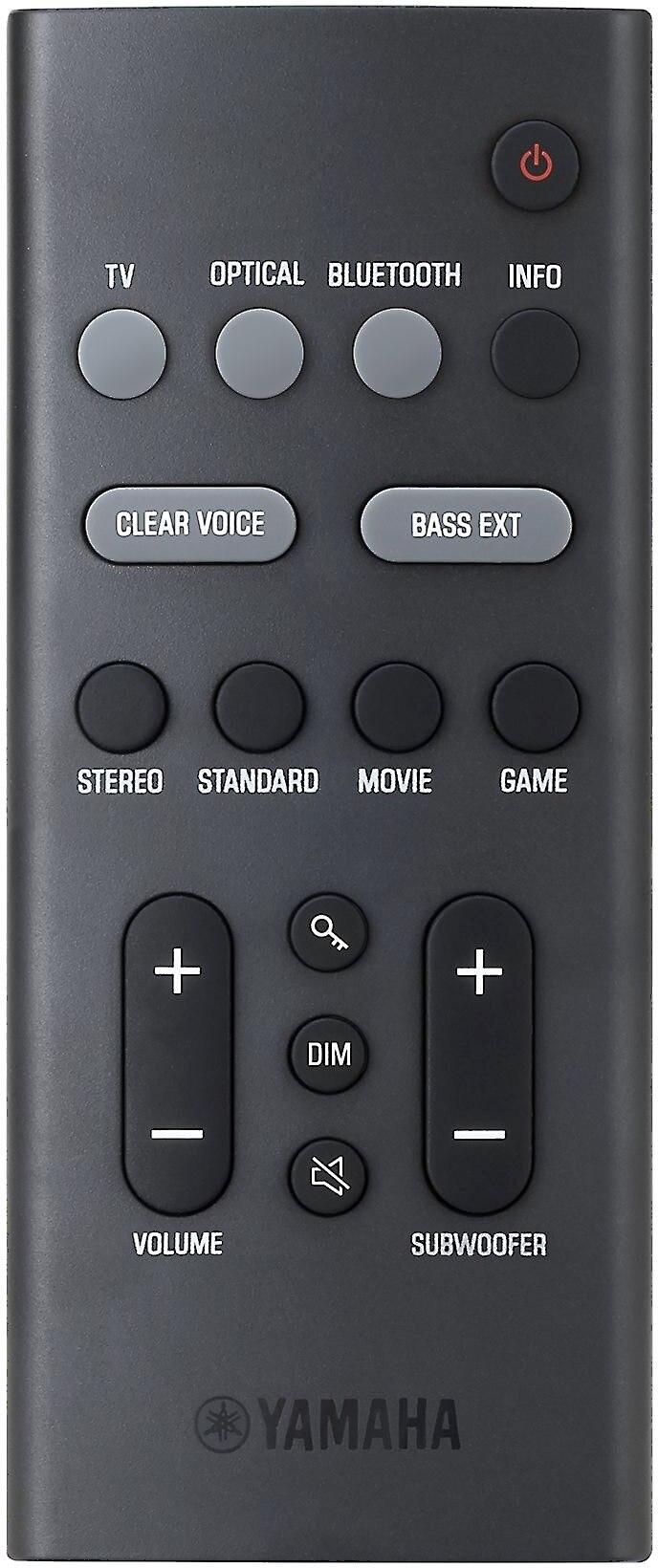
The Yamaha SR-B40A also includes multiple sound modes – Movie, Game, Standard, and Stereo – that optimize the audio processing for different content types. Game mode, for instance, enhances positional audio cues that help you locate enemies or environmental sounds in video games.
The Sonos Ray, being a 2.0-channel system, doesn't support Dolby Atmos. When it receives 5.1 surround sound content (like from Netflix or a Blu-ray player), it has to downmix everything into stereo. This means you lose the spatial separation of surround sound content, though the Ray does this downmixing intelligently to preserve as much audio information as possible.
While both soundbars can play music, the Sonos Ray was designed with music as a primary consideration, not an afterthought. Sonos built its reputation on music speakers, and that expertise shows in the Ray's frequency response and tonal balance.
The Ray reproduces music with exceptional midrange articulation – instruments sound distinct and properly separated rather than mushed together. Vocals have natural warmth, and the overall tonal balance is remarkably neutral for a soundbar in this price range. This makes it equally capable with classical music, rock, jazz, or podcasts.
The Sonos Ray also integrates seamlessly with streaming services through Wi-Fi, supporting everything from Spotify to Apple Music with high-quality audio codecs. The Sonos app makes it easy to browse and control music from multiple services, and you can use AirPlay 2 to stream directly from Apple devices.
The Yamaha SR-B40A handles music competently but shows its home theater optimization. The tuning emphasizes the frequency ranges that make movies exciting – enhanced bass for effects and boosted treble for clarity – which can make music sound less natural. It supports Bluetooth streaming, which is convenient for quick connections from phones and tablets, though Bluetooth doesn't support the highest quality audio codecs.
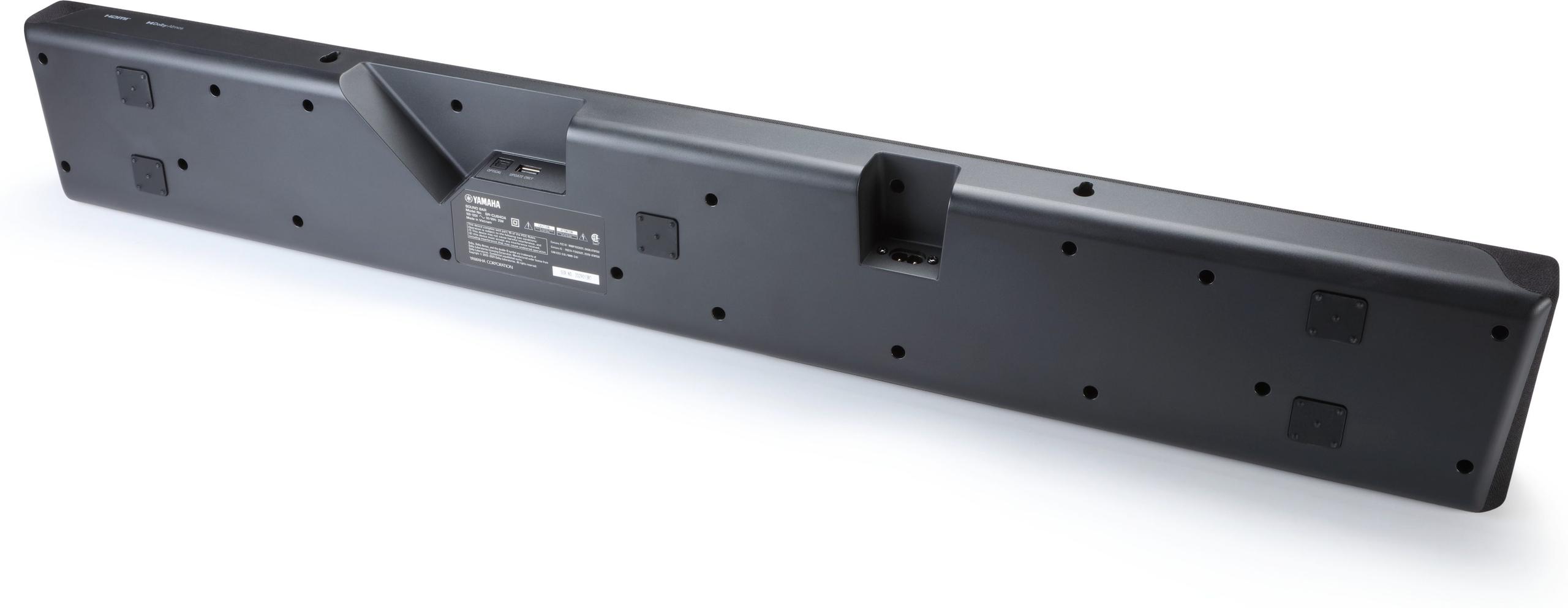
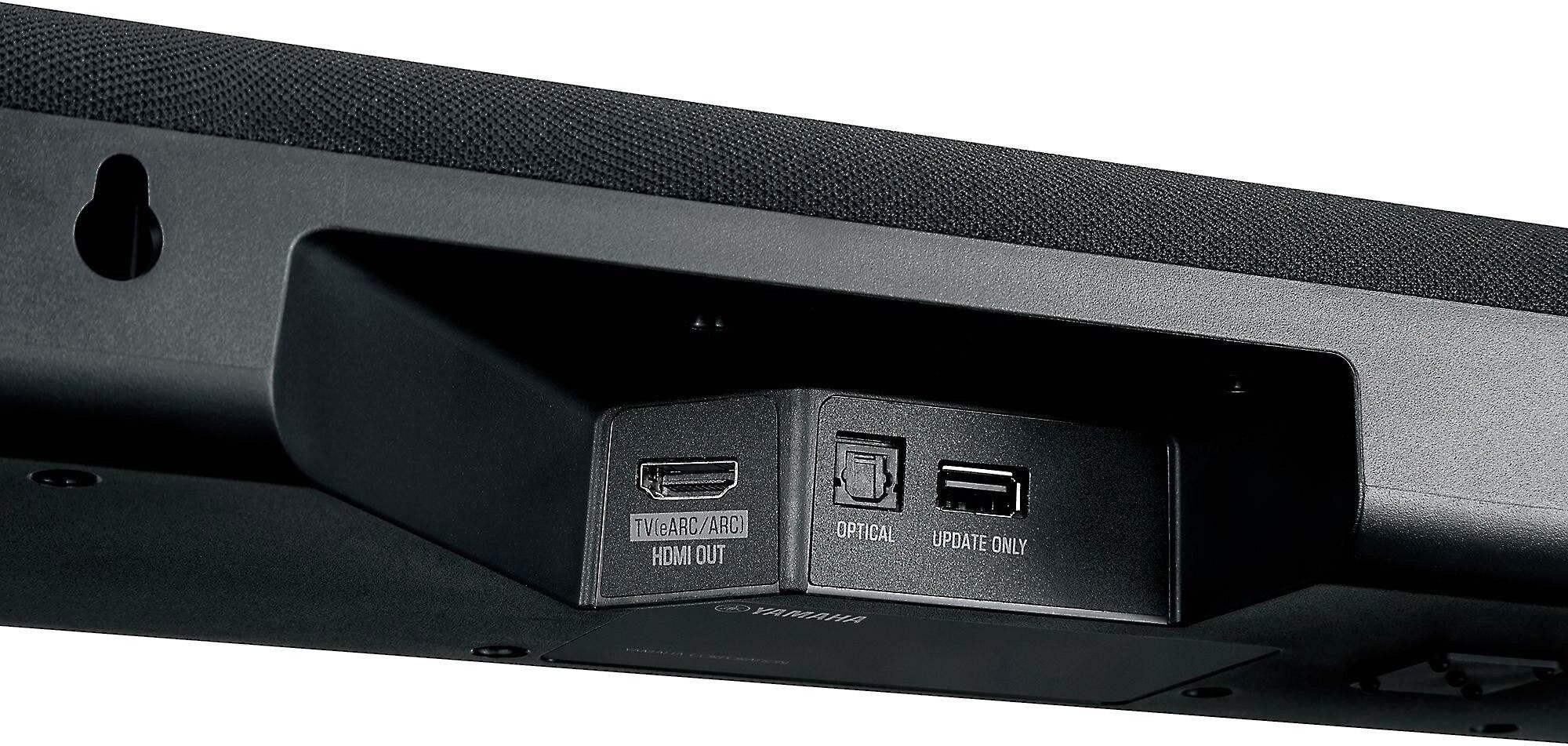
This is where the products show some interesting trade-offs. The Yamaha SR-B40A includes HDMI eARC (enhanced Audio Return Channel), which is increasingly important for modern TVs. This single cable connection handles high-quality audio from your TV and allows you to control the soundbar with your TV remote – a significant convenience factor.
The Yamaha also includes optical digital input and Bluetooth 5.1, giving you multiple ways to connect devices. This flexibility matters if you have older devices or want to stream music from various sources.
The Sonos Ray takes a more minimalist approach with optical input only – no HDMI, no Bluetooth. This might seem limiting, but Sonos made this choice to keep costs down while focusing on Wi-Fi-based streaming and TV audio. The optical connection handles TV audio perfectly well, though you'll need to use the TV's volume control rather than having integrated remote control.
The Sonos Ray truly shines when considered as part of the broader Sonos ecosystem. If you already have Sonos speakers or plan to add them later, the Ray integrates seamlessly for multi-room audio. You can group it with other Sonos speakers to play synchronized music throughout your home, or add Sonos surrounds and a subwoofer later for a complete home theater setup.
Sonos also includes Trueplay room correction, which uses your iPhone's microphone to measure your room's acoustics and adjust the sound accordingly. This automatic calibration can make a noticeable difference in how the soundbar performs in your specific space.
The Yamaha SR-B40A offers basic app control through the Sound Bar Remote app, but it's primarily a standalone system without broader ecosystem integration. What you buy is what you get – there's no expansion path or integration with other Yamaha products.
Room size plays a crucial role in determining which soundbar will work better for you. The Sonos Ray is optimized for smaller to medium-sized rooms, roughly up to 200 square feet. Its compact design makes it ideal for apartments, bedrooms, or offices where a full-sized soundbar system might be overwhelming.
The Ray's controlled bass response actually works in its favor in smaller spaces – you get meaningful low-end enhancement without the boom and rumble that can annoy neighbors or overpower dialogue in a small room.
The Yamaha SR-B40A can fill larger spaces effectively, handling rooms up to 400 square feet with authority. The dedicated subwoofer provides the bass impact needed to create an immersive experience in bigger rooms where the Ray might sound thin.
Placement flexibility differs between the products too. The Sonos Ray is designed to work well in enclosed spaces like TV stands, with forward-facing acoustics that minimize interaction with nearby surfaces. The Yamaha SR-B40A performs best with some breathing room and the ability to place the subwoofer optimally in the room.
At the time of writing, the Sonos Ray typically costs about $120 less than the Yamaha SR-B40A, but comparing their value requires looking beyond initial price. The Yamaha gives you a complete 2.1 system with Dolby Atmos capability that would typically require spending significantly more with other brands, especially when you factor in the wireless subwoofer.
However, the Sonos Ray offers different kinds of value. The build quality feels premium, with materials and construction that suggest it will last for years. More importantly, if you later want to expand to a full surround system, you can add Sonos surrounds and a subwoofer, essentially turning your Ray into the center channel of a larger system.
The Sonos also tends to hold its value better in the resale market, and the company has a track record of providing software updates that add new features over time.
After extensive use with both systems, I'd recommend the Sonos Ray if you primarily listen to music, have a smaller room, value dialogue clarity above all else, or plan to build a multi-room audio system over time. It's also the better choice if you prefer a clean, minimalist setup without additional components to place and power.
The Yamaha SR-B40A makes more sense if movies and TV are your primary use case, you have a medium to large room that can benefit from real bass impact, or you want Dolby Atmos capability without spending significantly more. It's also better if you need multiple connectivity options or prefer having physical remote control integration with your TV.
Neither choice is wrong – they're designed for different priorities and use cases. The key is understanding what matters most in your specific situation and choosing the soundbar that aligns with those priorities. Both represent solid value in their respective approaches to solving the problem of mediocre TV audio.
| Sonos Ray Soundbar | Yamaha SR-B40A 2.1-Channel Sound Bar |
|---|---|
| Channel Configuration - Determines bass capability and overall sound impact | |
| 2.0 stereo (no dedicated subwoofer) | 2.1 with wireless 6.25" subwoofer |
| Dolby Atmos Support - Essential for immersive movie experiences | |
| No Atmos support, downmixes surround to stereo | Full Dolby Atmos with virtual height channels |
| Room Size Optimization - Matching power to your space | |
| Best for small-medium rooms (up to 200 sq ft) | Handles larger rooms effectively (up to 400 sq ft) |
| Connectivity Options - How you'll connect devices | |
| Optical only, Wi-Fi streaming, AirPlay 2 (no HDMI/Bluetooth) | HDMI eARC, optical, Bluetooth 5.1 |
| Voice Enhancement Technology - Critical for dialogue clarity | |
| Speech Enhancement with phantom center channel | Clear Voice frequency boosting |
| Bass Extension - Low-end impact for movies and music | |
| Proprietary bass reflex, effective to ~50Hz | Dedicated 100W subwoofer, effective to ~40Hz |
| Smart Features - Long-term value and convenience | |
| Full Sonos ecosystem, Trueplay room correction, multi-room | Basic app control, wireless sub pairing |
| Expandability - Future upgrade potential | |
| Can add Sonos surrounds/sub for full 5.1 system | Standalone system, no expansion options |
| Music Streaming Focus - Audio quality for non-TV content | |
| Audiophile-tuned frequency response, multiple service integration | Movie-optimized tuning, basic Bluetooth streaming |
| Physical Design - Placement flexibility in your space | |
| Ultra-compact, works in enclosed TV stands | Larger soundbar plus separate subwoofer placement |
| Total System Power - Volume and dynamic range capability | |
| Moderate power optimized for efficiency | Higher total output with dedicated amplification |
The Sonos Ray is specifically designed for smaller spaces and works exceptionally well in rooms up to 200 square feet. Its compact design and controlled bass response won't overwhelm tight spaces, making it ideal for apartments, bedrooms, or offices. The Yamaha SR-B40A can work in smaller rooms but is really optimized for medium to large spaces where its wireless subwoofer can shine.
It depends on your priorities. The Yamaha SR-B40A includes a wireless subwoofer that delivers deep, room-filling bass essential for action movies and music with strong low-end. The Sonos Ray uses internal bass technology that's surprisingly effective for its size but can't match the physical impact of a dedicated subwoofer. If you watch a lot of movies or listen to bass-heavy music, the subwoofer makes a significant difference.
Both excel at dialogue but use different approaches. The Sonos Ray creates a "phantom center channel" effect that makes voices seem to come directly from your TV screen with exceptional clarity. The Yamaha SR-B40A uses Clear Voice technology that boosts speech frequencies, though it can sometimes make dialogue sound artificial in complex scenes. For pure dialogue clarity, the Sonos Ray has a slight edge.
Yes, but the Sonos Ray is significantly better for music. It's engineered with audiophile-quality tuning and integrates seamlessly with streaming services through Wi-Fi. The Yamaha SR-B40A can play music via Bluetooth but is optimized for movies, so music may not sound as natural or detailed as it does through the Sonos Ray.
Only the Yamaha SR-B40A supports Dolby Atmos, which creates virtual surround sound that makes audio seem to come from all around you. This is a major advantage for movie watching. The Sonos Ray doesn't support Atmos and will downmix surround sound content to stereo, though it does this intelligently to preserve audio quality.
The Yamaha SR-B40A offers more connection flexibility with HDMI eARC, optical input, and Bluetooth 5.1. The HDMI connection allows TV remote control and high-quality audio. The Sonos Ray only has optical input but compensates with excellent Wi-Fi streaming and AirPlay 2 support for Apple devices.
The Sonos Ray is simpler to set up with just one unit and an optical cable connection. The Yamaha SR-B40A requires placing and powering both the soundbar and wireless subwoofer, though the subwoofer pairs automatically. Both offer straightforward setup processes, but the Sonos Ray gets you up and running faster.
The Sonos Ray can be expanded by adding Sonos surround speakers and a subwoofer later, essentially building a complete home theater system over time. The Yamaha SR-B40A is a standalone system with no expansion options - what you buy is your complete setup.
The Yamaha SR-B40A provides more immediate home theater features including Dolby Atmos and a wireless subwoofer, typically found in much more expensive soundbars. The Sonos Ray offers different value through superior build quality, music performance, and ecosystem integration that can grow over time. Your choice depends on whether you prioritize immediate features or long-term flexibility.
The Yamaha SR-B40A includes a dedicated Game mode that enhances positional audio cues, plus the bass impact from its subwoofer makes explosions and effects more immersive. The Sonos Ray provides clear audio for gaming but lacks the spatial audio and bass impact that enhance the gaming experience.
The Yamaha SR-B40A offers broader TV compatibility through its HDMI eARC connection, which works with most modern TVs and allows seamless remote control integration. The Sonos Ray works with any TV that has an optical output (which is nearly all TVs) but requires using your TV's volume controls rather than integrated remote functionality.
Absolutely. Choose the Sonos Ray for rooms under 200 square feet where its controlled sound won't overwhelm the space. The Yamaha SR-B40A is better for medium to large rooms (200-400+ square feet) where you need the extra power and bass impact to fill the space effectively. Room size is one of the most important factors in soundbar selection.
We've done our best to create useful and informative comparisons to help you decide what product to buy. Our research uses advanced automated methods to create this comparison and perfection is not possible - please contact us for corrections or questions. These are the sites we've researched in the creation of this article: tomsguide.com - soundandvision.com - youtube.com - techradar.com - en.community.sonos.com - rtings.com - howtogeek.com - youtube.com - cnet.com - sonos.com - videoandaudiocenter.com - crutchfield.com - visions.ca - shop.usa.yamaha.com - bestbuy.com - bestbuy.com - usa.yamaha.com - my.yamaha.com - europe.yamaha.com - adorama.com - usa.yamaha.com - digitalhomecreations.com - europe.yamaha.com - sundownone.com

Privacy Policy
Terms and Conditions - Affiliate Policy
Home Security
© Copyright 2008-2026.
11816 Inwood Rd #1211, Dallas, TX 75244