

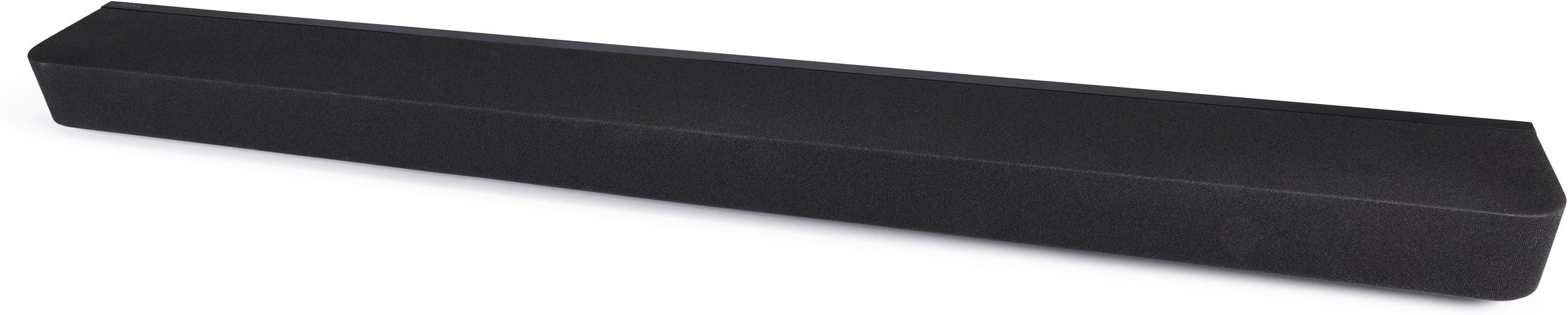
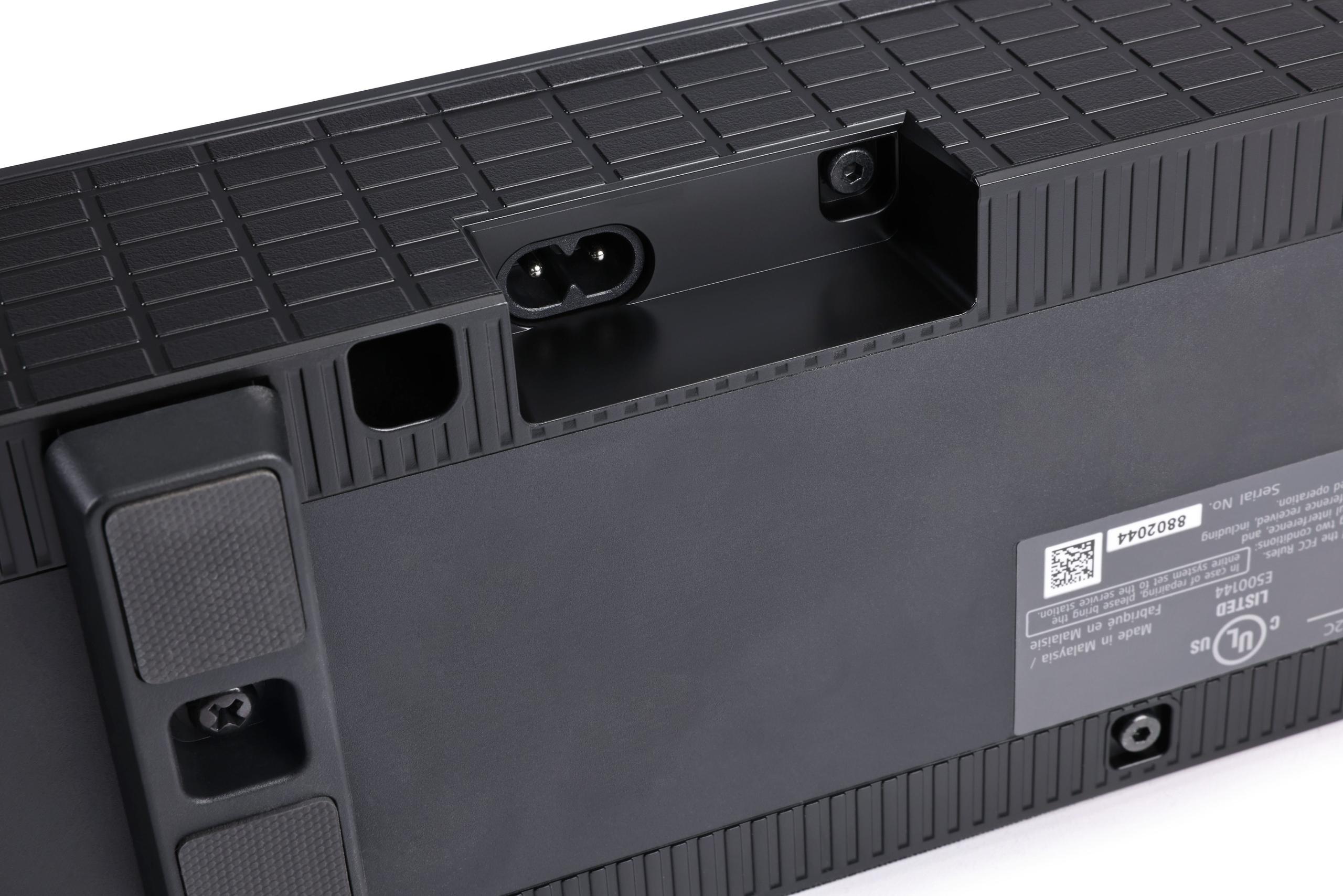
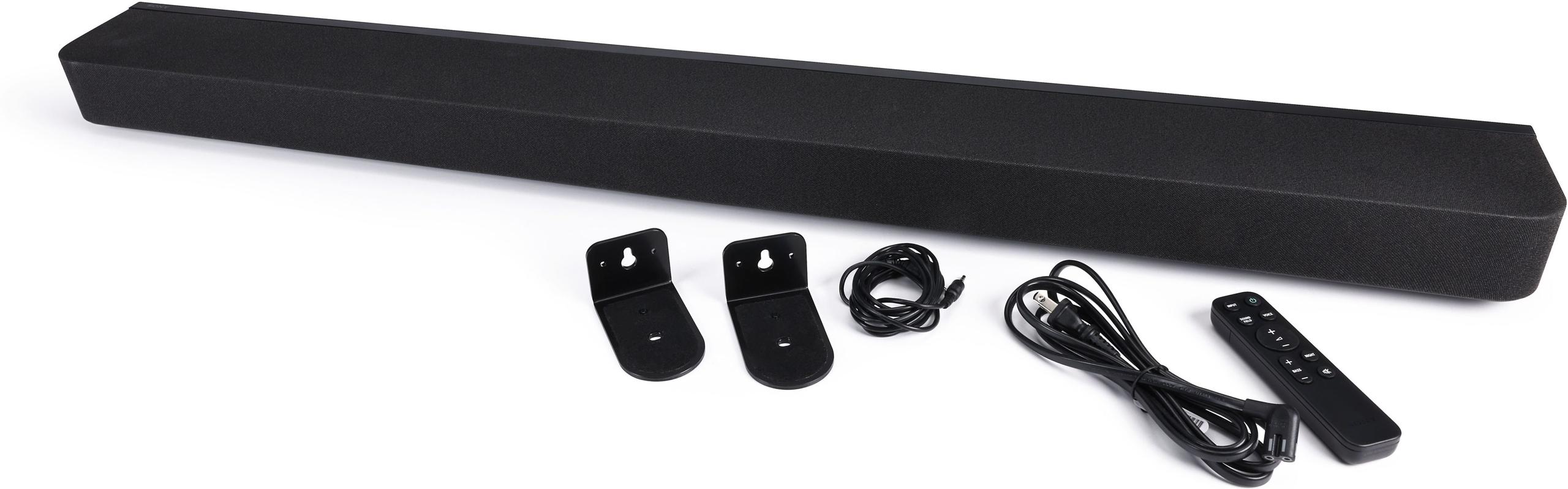
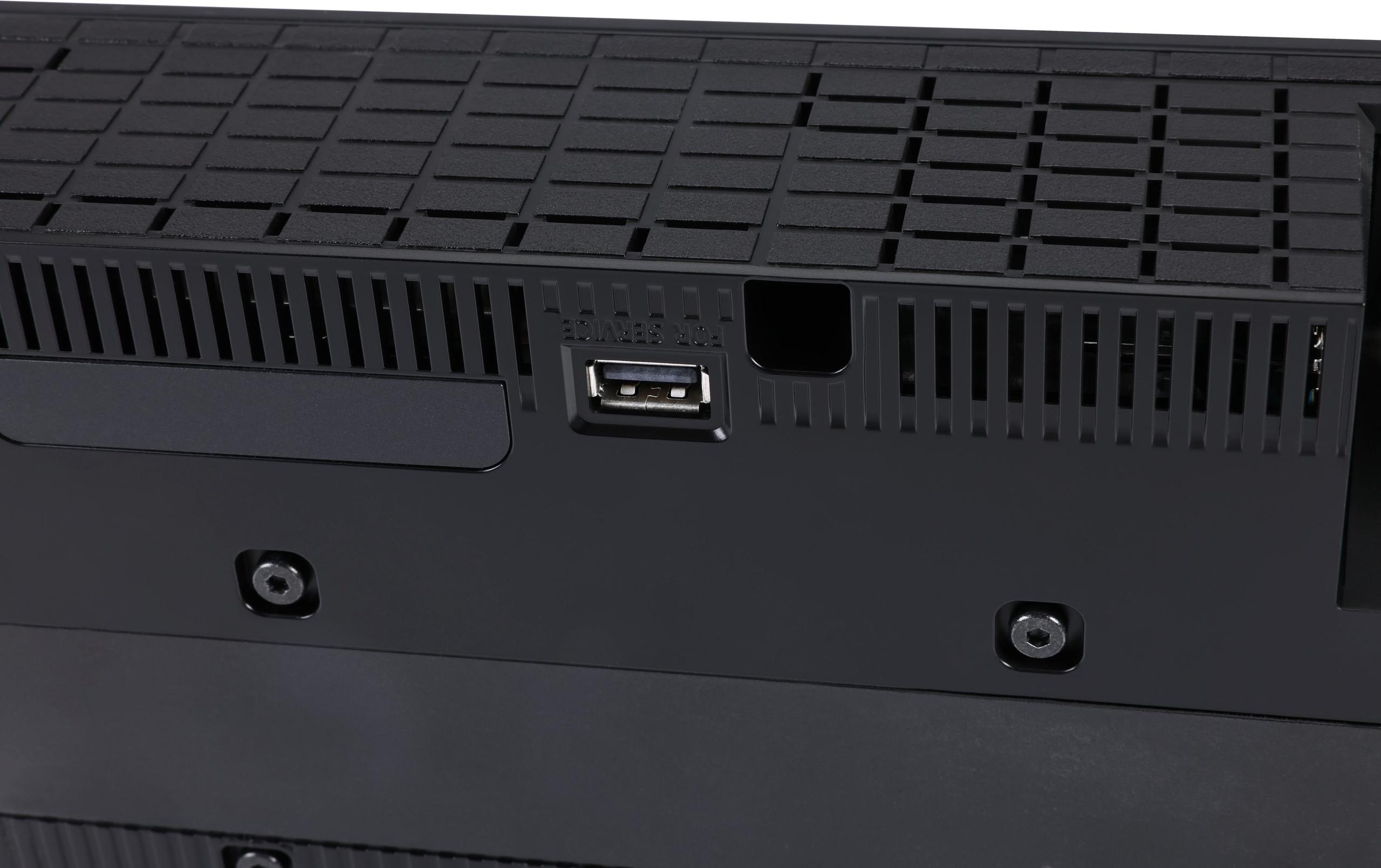

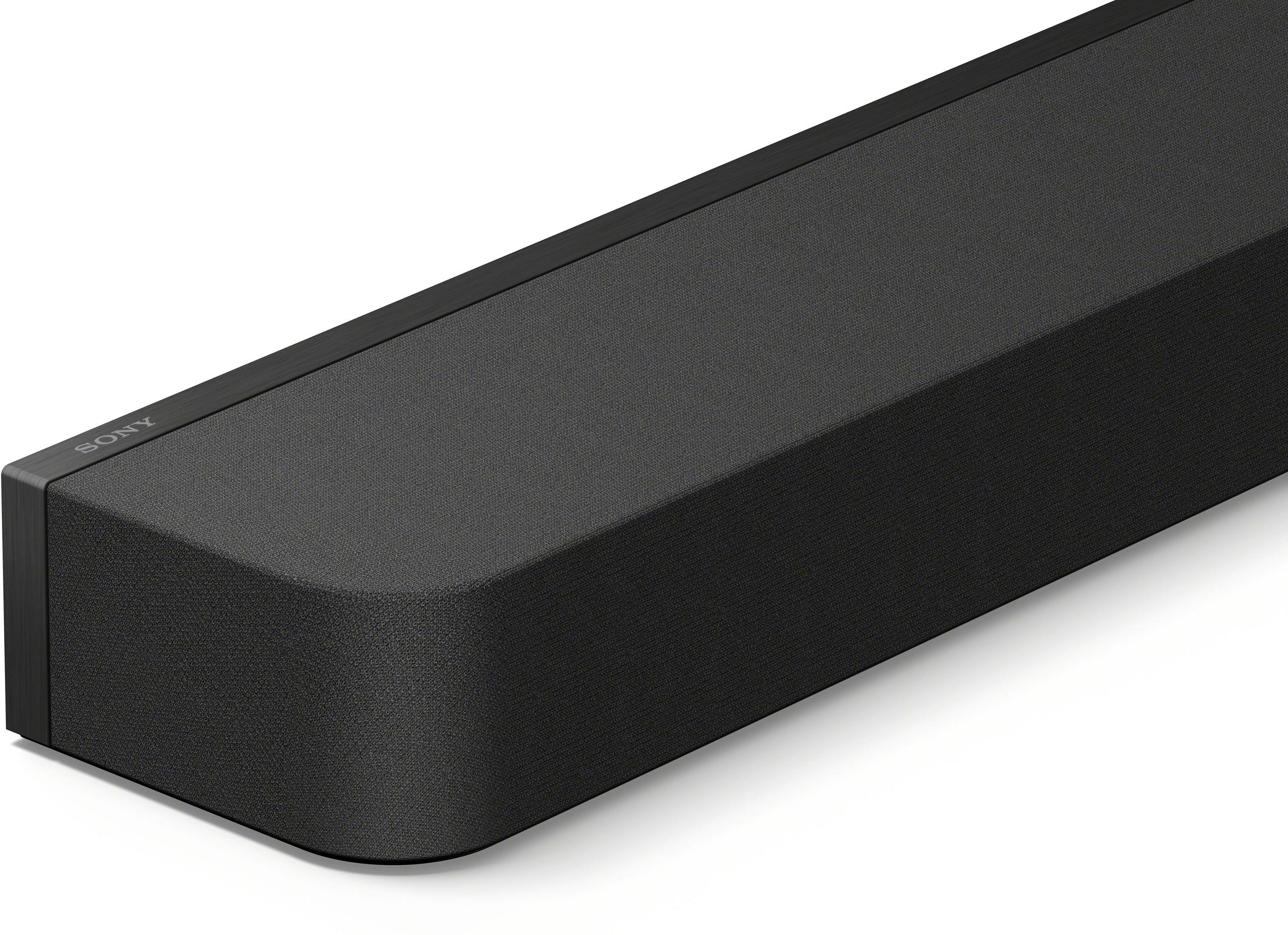


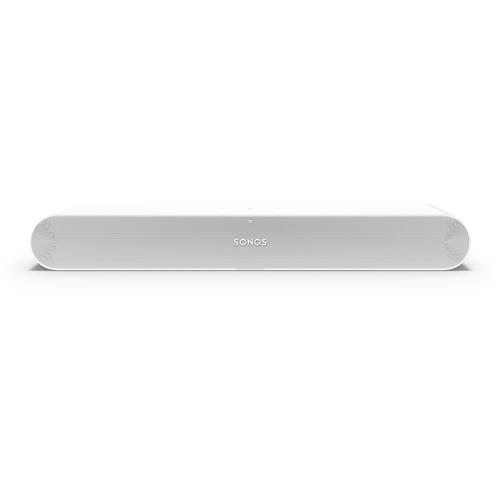

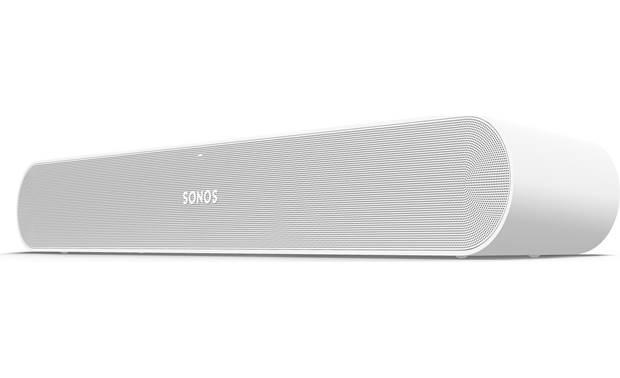
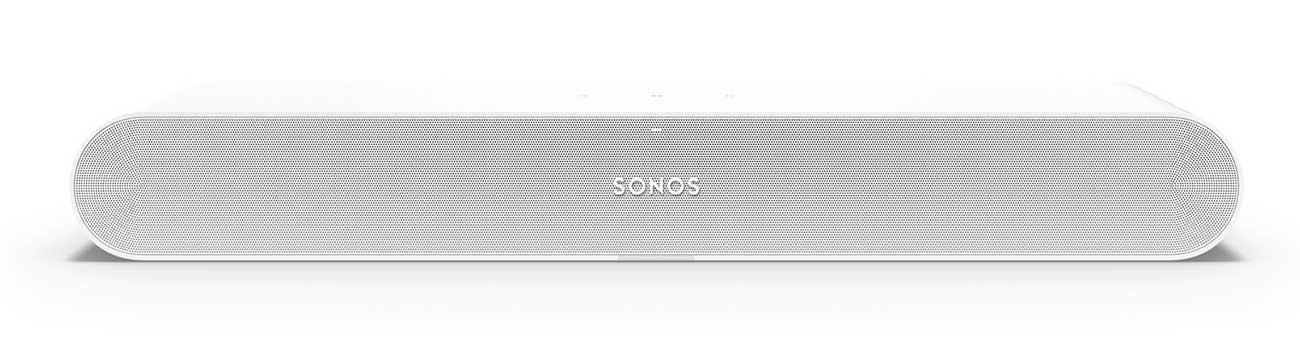
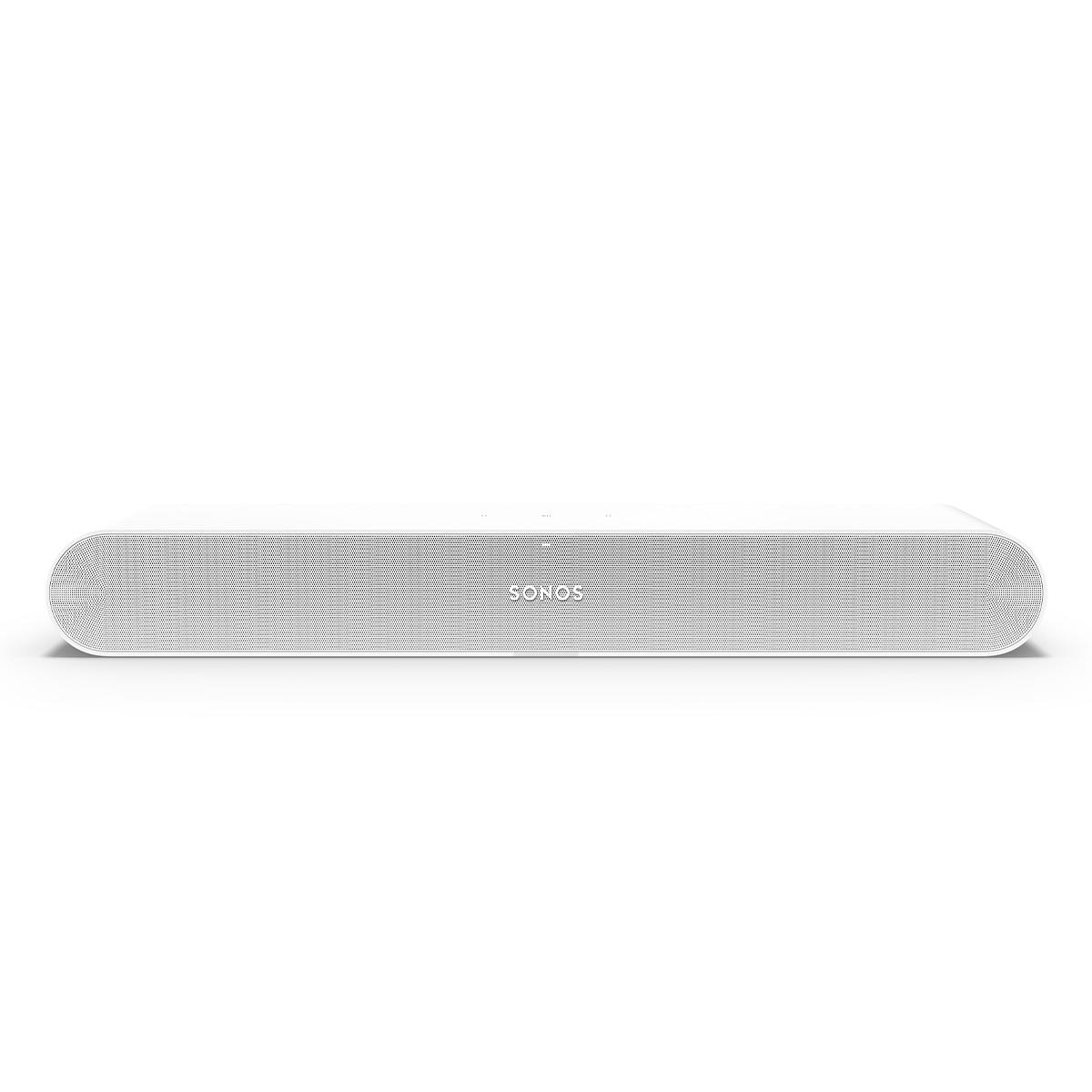
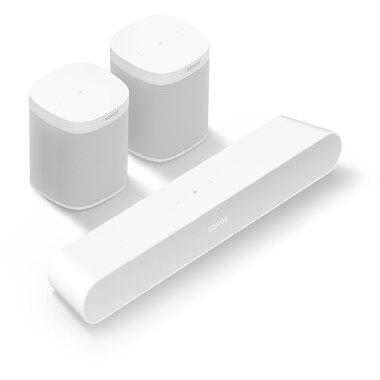
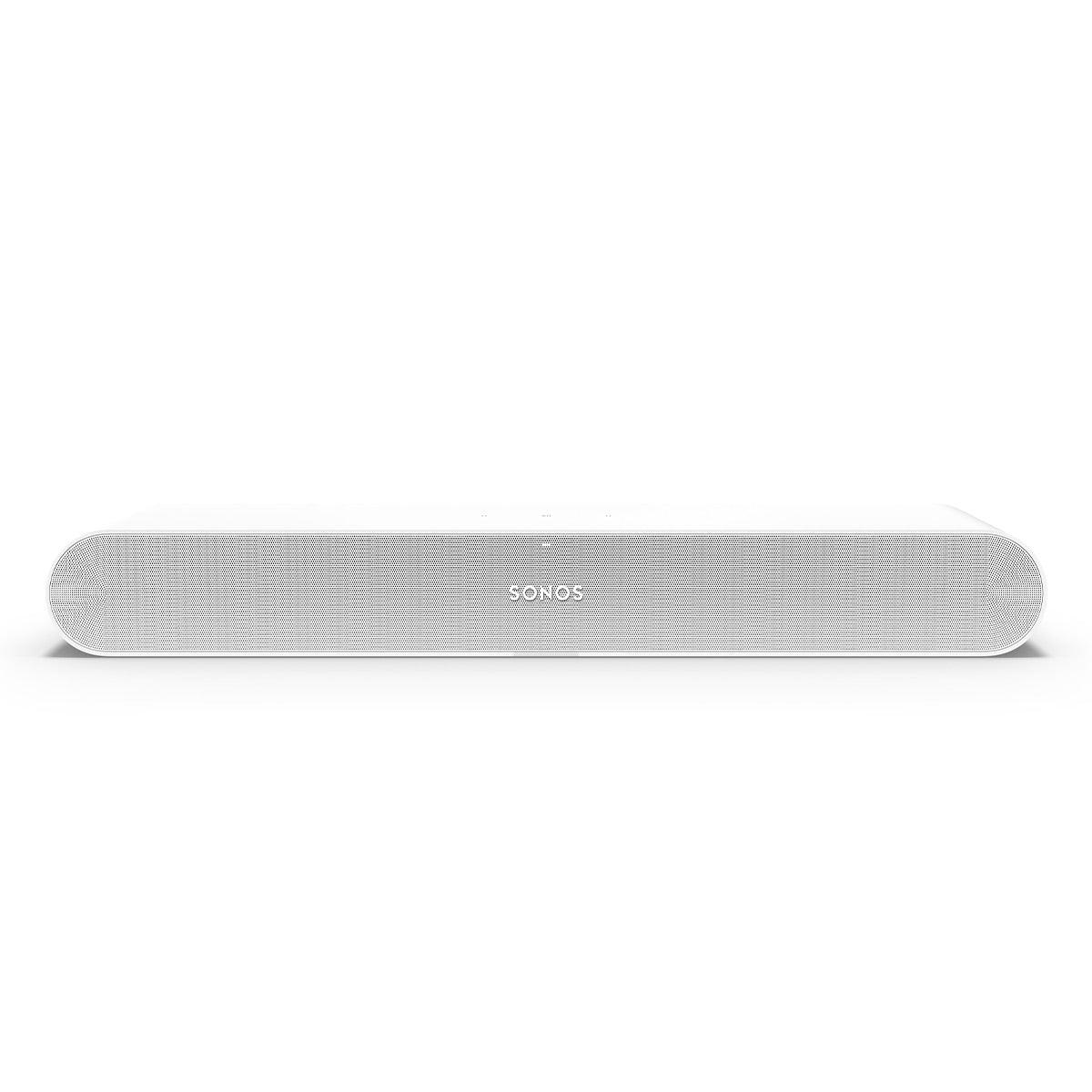
When your TV's built-in speakers leave dialogue sounding muffled and action scenes falling flat, a soundbar becomes essential. But choosing between different approaches to audio enhancement can feel overwhelming. Today we're comparing two distinctly different philosophies: the Sony HT-A8000 BRAVIA Theater Bar 8, which launched in 2024 as a comprehensive home theater solution, and the Sonos Ray, released in 2022 as a streamlined audio upgrade focused on simplicity and music streaming.
At the time of writing, these products sit in different price tiers—the Sony HT-A8000 costs roughly 2.5 times more than the Sonos Ray. This price gap reflects fundamentally different design philosophies and target audiences, making your choice less about which is "better" and more about which approach fits your needs and space.
Before diving into specifics, it's worth understanding why modern TVs sound so terrible in the first place. As displays have gotten thinner, there's simply no room for proper speakers. The tiny drivers that manufacturers squeeze in face downward or backward, creating muffled, directionless audio that lacks both clarity and impact.
Soundbars solve this by placing properly-sized speakers in front of you, but they take different approaches to creating an engaging audio experience. Some focus on basic stereo enhancement, while others attempt to recreate full surround sound using advanced processing and multiple speaker arrays.
The key technical specifications that matter most are channel configuration (how many distinct audio channels the soundbar can reproduce), connectivity options (what devices you can connect and how), and spatial audio support (whether it can create the illusion of sound coming from all around you).
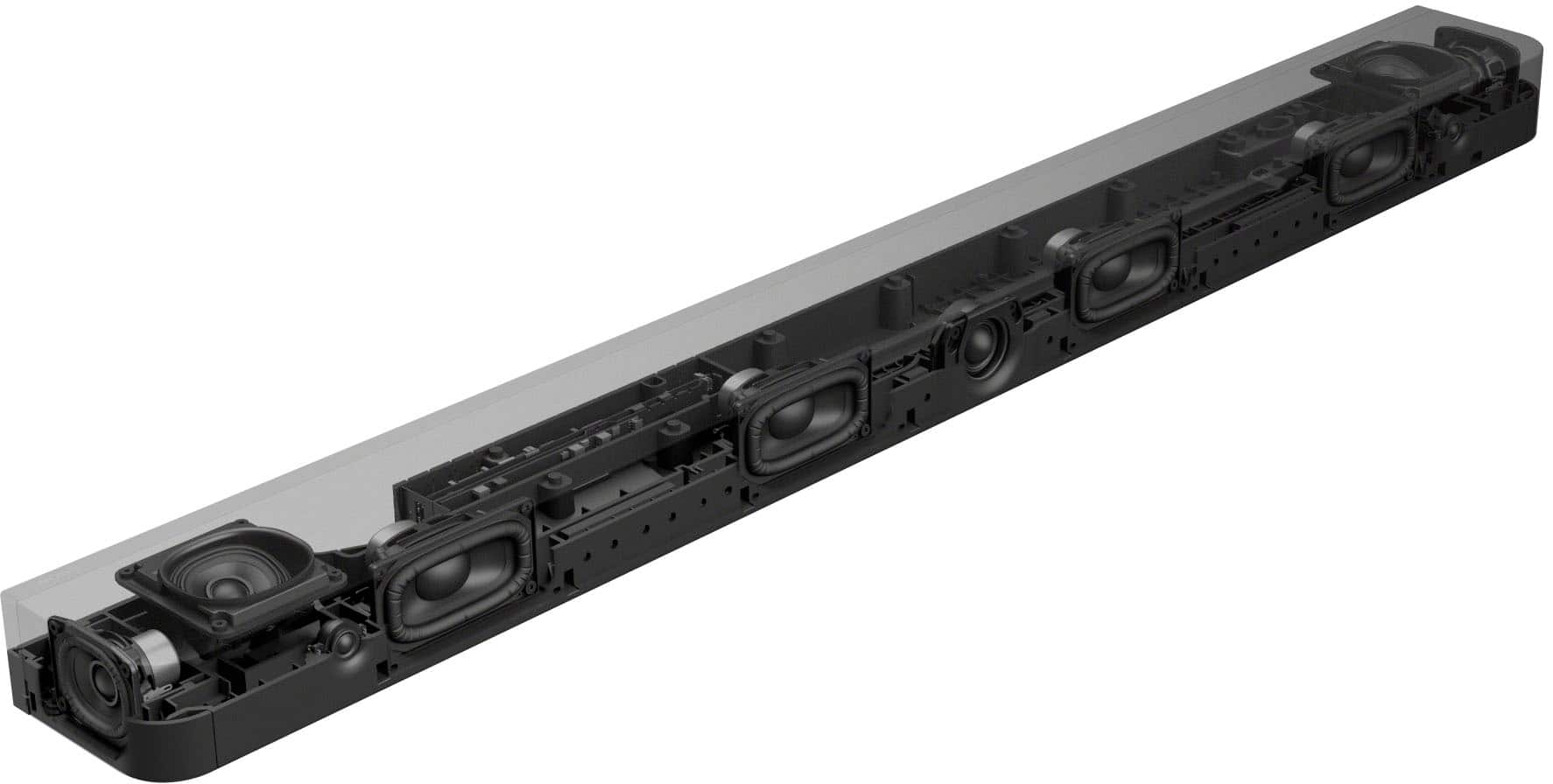
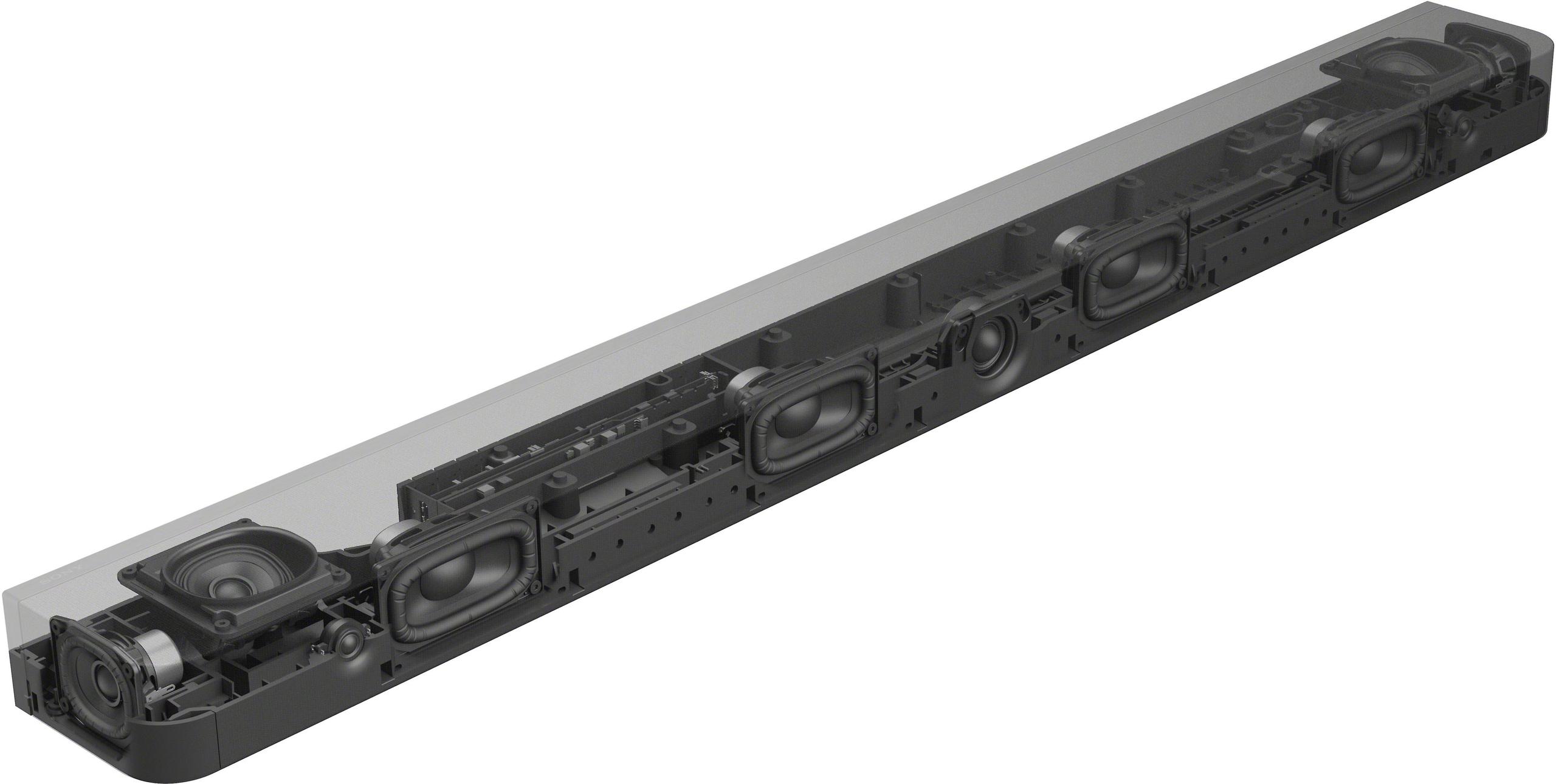
The Sony HT-A8000 represents what happens when engineers try to pack a complete home theater system into a single soundbar. Its 5.0.2 channel configuration means it has five main speakers (left, center, right, and two surround channels), zero separate subwoofer (though it has built-in woofers), and two height channels that fire sound upward to bounce off your ceiling.
This upward-firing approach is crucial for Dolby Atmos content—a surround sound format that adds height information to create three-dimensional audio. When you hear a helicopter flying overhead in a movie, Dolby Atmos tells those upward-firing speakers to create the illusion that the sound is actually coming from above you. It's remarkably effective when properly set up.
Sony's 360 Spatial Sound Mapping technology goes further, using advanced processing to create "phantom speakers"—the illusion of additional speakers that don't physically exist. Combined with Sound Field Optimization, which automatically adjusts the audio based on your room's acoustics, the Sony HT-A8000 attempts to fill your entire space with precisely positioned sound.
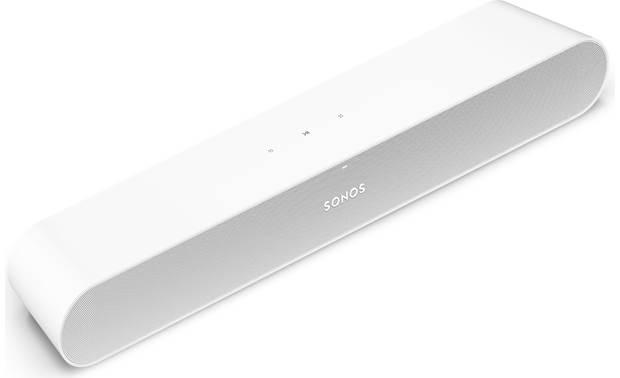
The Sonos Ray, by contrast, makes no attempt at surround sound wizardry. Its 2.0 channel configuration—just left and right stereo channels—focuses on doing the basics exceptionally well. Instead of trying to trick your ears into hearing phantom surround speakers, it prioritizes clear dialogue, balanced music reproduction, and seamless integration with streaming services.
What makes the Sonos Ray special isn't any single technical feat, but rather its role within the broader Sonos ecosystem. This soundbar is designed as either a standalone improvement over TV speakers or as the foundation for a gradually-expanding multi-room audio system. The Sonos S2 app, widely regarded as the best in the industry, makes controlling music throughout your home genuinely intuitive.
Trueplay, Sonos's room correction technology, uses an iPhone or iPad's microphone to measure your room's acoustics and adjust the sound accordingly. While this automatic calibration isn't as sophisticated as Sony's system, it's remarkably effective for the Sonos Ray's stereo output.
Here's where the philosophical differences become most apparent. The Sony HT-A8000 creates genuine surround sound that can make you forget you're listening to a single soundbar. During action sequences, explosions seem to wrap around you, while atmospheric effects like rain or crowd noise fill the entire room. The dedicated center channel ensures dialogue comes from the screen rather than somewhere to the left or right of it.
The Sonos Ray, meanwhile, processes surround sound content by downmixing it to stereo. This means a 5.1 channel movie soundtrack gets compressed into just two channels, losing much of its spatial information. While the result still sounds better than TV speakers, you won't get the immersive experience that modern movies are mixed for.
However, this difference matters much more for some content than others. If you primarily watch news, talk shows, or dialogue-heavy dramas, the Sonos Ray's excellent speech clarity might be more valuable than surround effects you'd rarely notice. For action movies, science fiction, or anything with complex sound design, the Sony HT-A8000's Dolby Atmos capabilities become genuinely compelling.
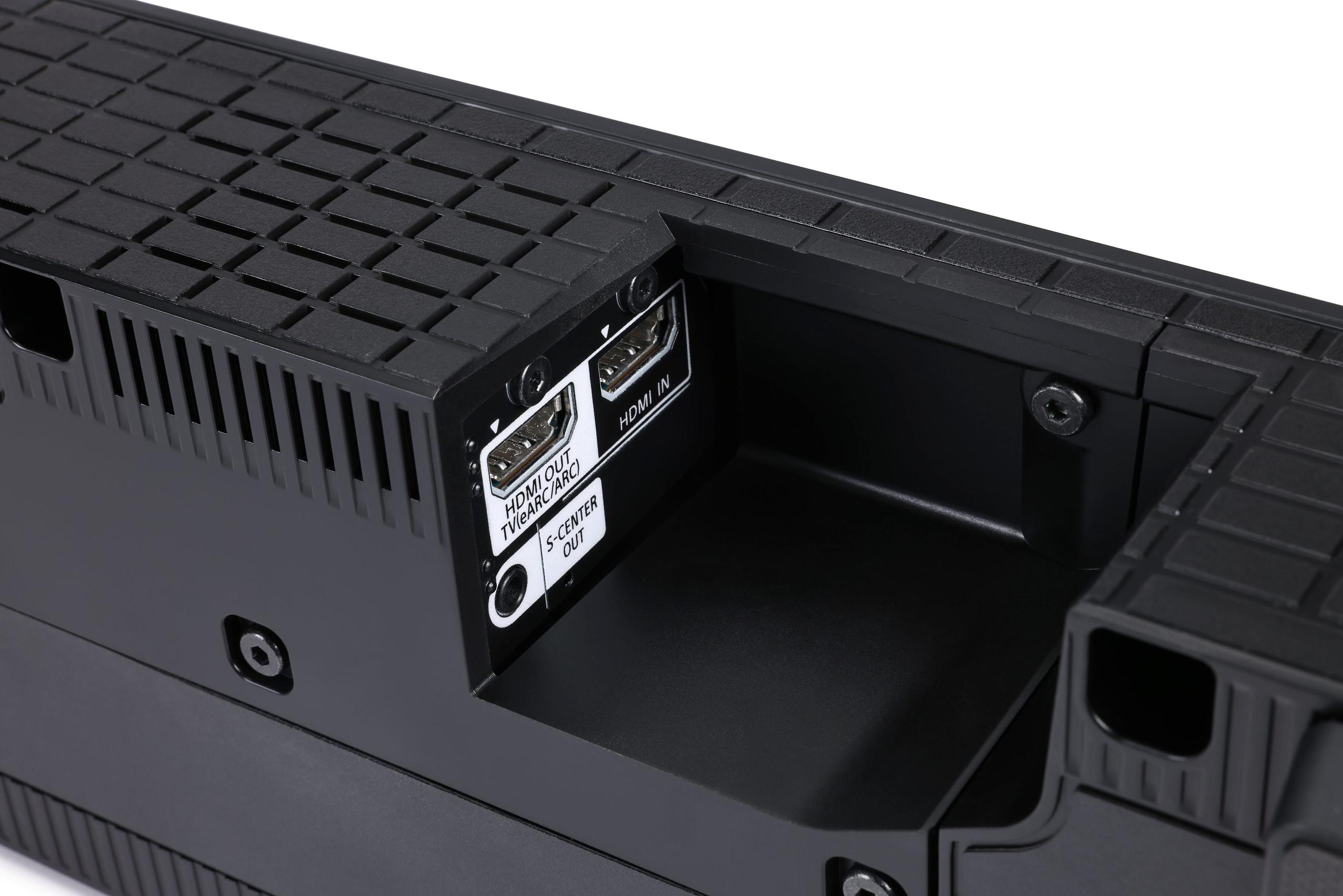
Modern gaming consoles like the PlayStation 5 and Xbox Series X have pushed video game audio to new heights, with many titles now supporting Dolby Atmos for incredibly immersive soundscapes. The Sony HT-A8000 supports all the latest gaming features through its HDMI 2.1 connectivity: 4K resolution at 120Hz refresh rates, Variable Refresh Rate (VRR) for smoother gameplay, and Auto Low Latency Mode (ALLM) to minimize audio delay.
The Sonos Ray connects only through optical audio, which limits it to older audio formats and prevents it from taking advantage of any modern gaming features. If gaming is important to you, especially on current-generation consoles, this isn't really a contest.
While both soundbars support wireless music streaming, the Sonos Ray was specifically designed with music as a priority. The Sonos app makes it effortless to queue up playlists, browse streaming services, or synchronize audio across multiple rooms. The Sonos Ray's tuning emphasizes clarity and balance for stereo music content, making it genuinely enjoyable for casual listening.
The Sony HT-A8000 supports multiple streaming protocols including AirPlay 2, Spotify Connect, and Bluetooth, offering more connection options. However, its complex surround processing can sometimes make stereo music sound less natural than it would on a dedicated stereo system. Sony's DSEE Ultimate technology attempts to enhance compressed music files, but the results are hit-or-miss depending on the source material.
For someone who listens to music as much as they watch movies, the Sonos Ray's approach often feels more satisfying for everyday use.
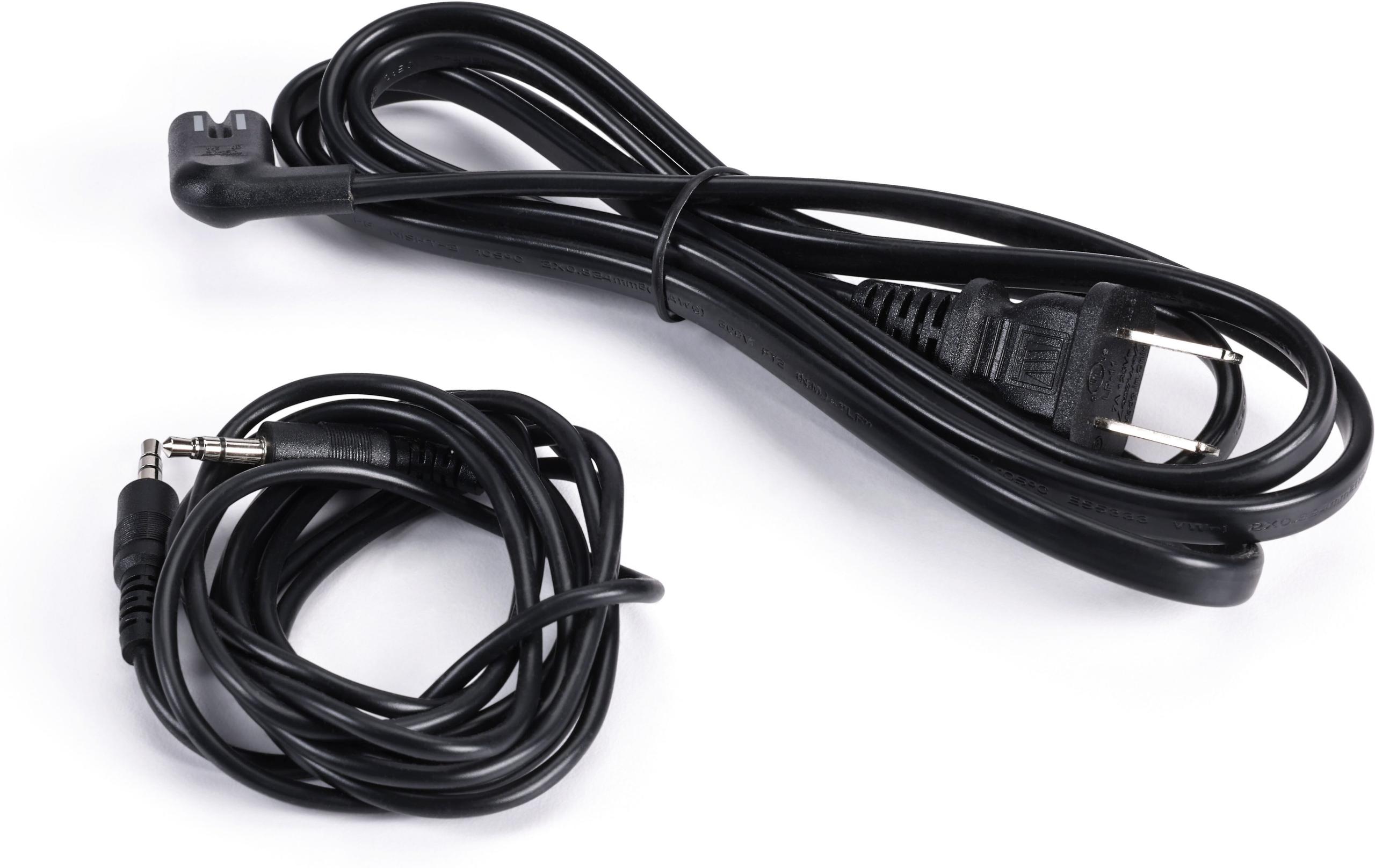
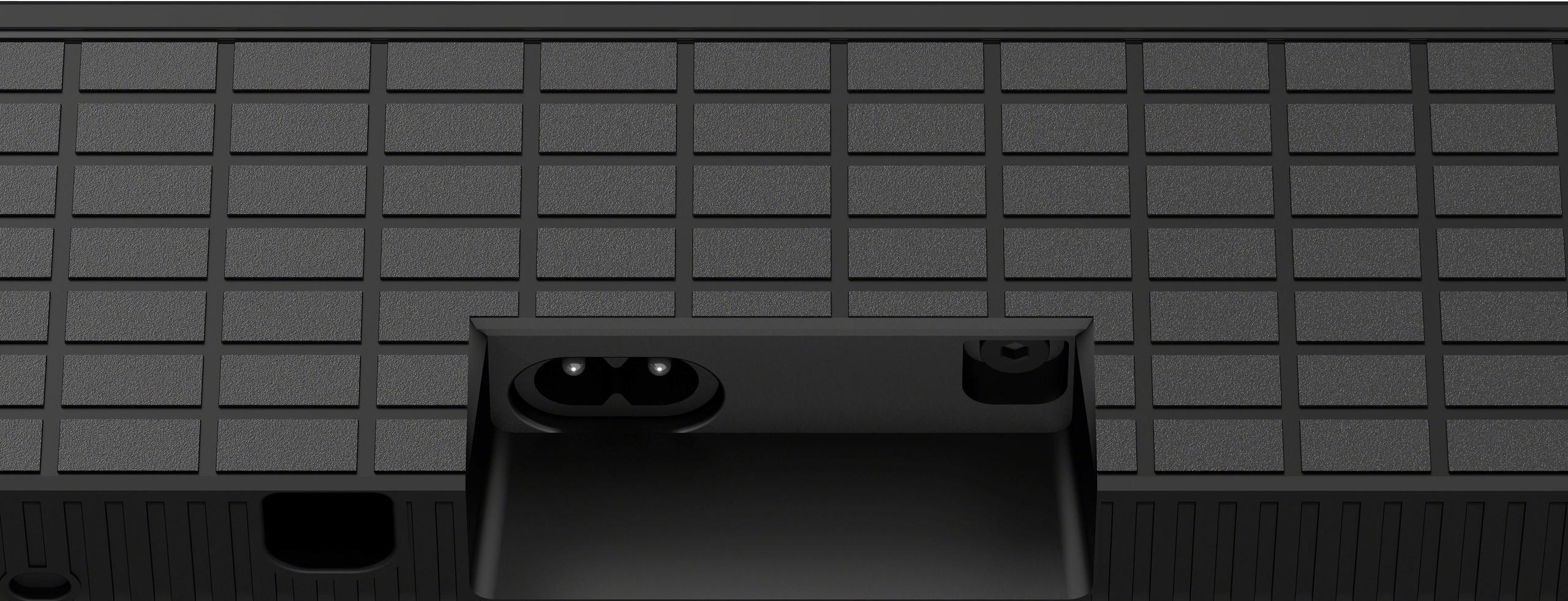
The setup experience reveals each product's design priorities. The Sonos Ray connects with a single optical cable and powers on ready to use. The Sonos app walks you through connecting to your home network, running Trueplay calibration takes about five minutes, and you're done. Even less technical users can have it working perfectly in under fifteen minutes.
The Sony HT-A8000 requires more patience and planning. You'll need to connect HDMI cables, position the soundbar properly for its upward-firing speakers to work, and navigate through various audio settings on both the soundbar and your TV. The Sound Field Optimization process involves playing test tones while you sit in different listening positions. While not difficult, it's definitely more involved and benefits from some technical comfort.
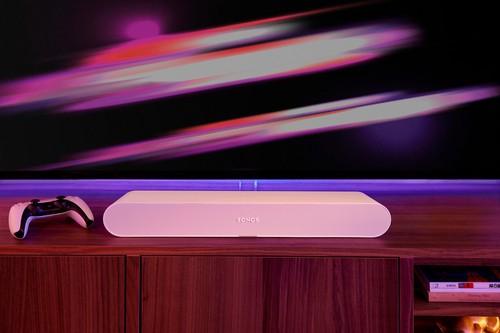
The Sonos Ray works well in smaller spaces because its forward-facing design doesn't rely on room acoustics to create its effect. It's perfect for bedrooms, offices, or apartments where space is limited. The compact design fits easily in enclosed TV stands without compromising performance.
The Sony HT-A8000 needs more room to breathe, both literally and acoustically. Its upward-firing Dolby Atmos speakers require adequate ceiling height and distance from walls to work properly. In rooms smaller than about 150 square feet, you might not notice much benefit from its surround sound processing. It's clearly designed for primary living spaces rather than secondary rooms.
Both soundbars support expansion, but in different ways. The Sonos Ray can grow into a complete multi-room system with other Sonos speakers, or add a Sonos Sub for deeper bass and rear speakers for actual surround sound. This modular approach lets you improve your system gradually as your budget and needs evolve.
The Sony HT-A8000 works with Sony's optional wireless subwoofer and rear speakers, which pair automatically when powered on. However, you're largely committed to Sony's ecosystem, which offers fewer options than Sonos's extensive product lineup.
At the time of writing, the price difference between these soundbars reflects their different ambitions and target markets. The Sonos Ray offers exceptional value for someone wanting better TV audio and music streaming without complexity. Its build quality, software support, and integration with streaming services justify its position as a premium entry-level option.
The Sony HT-A8000 costs significantly more, but that money buys genuine home theater capabilities that would typically require multiple separate components. When you consider that a basic Dolby Atmos receiver alone often costs as much as this entire soundbar, the value proposition becomes clearer for the right user.
However, value isn't just about features—it's about how well those features match your actual usage. If you rarely watch action movies or play games, paying extra for Dolby Atmos and gaming features you won't use makes little sense. Conversely, if cinematic audio is important to you, the Sonos Ray's simplicity becomes a limitation rather than a benefit.
Your priorities center around simplicity, music streaming, and gradual system building. If you live in a smaller space, want the easiest possible setup, or plan to eventually add other Sonos speakers throughout your home, the Sonos Ray makes perfect sense. It's also ideal if you primarily watch dialogue-heavy content where surround effects matter less than clear speech.
The Sonos Ray works particularly well for people who listen to music regularly and want their soundbar to excel at both TV and music duties. Its integration with streaming services and multi-room capabilities can enhance your daily listening experience in ways that go beyond just improving TV audio.
Your focus is on recreating a genuine home theater experience in your primary living space. If you watch a lot of movies, play games on modern consoles, or want to experience content the way directors and sound engineers intended, the Sony HT-A8000's surround sound capabilities justify its higher complexity and cost.
This soundbar also makes sense if you prefer having one comprehensive solution rather than building a system piece by piece. Its HDMI 2.1 connectivity future-proofs your setup for upcoming display and gaming technologies, making it a solid long-term investment for serious home theater enthusiasts.
Since the Sonos Ray launched in 2022, the soundbar market has increasingly emphasized spatial audio formats like Dolby Atmos, making its stereo-only approach feel more limited. However, Sonos has continued updating its software and expanding integration with streaming services, maintaining the product's relevance for its target audience.
The Sony HT-A8000, arriving in 2024, incorporates the latest HDMI and gaming standards that have become essential for modern entertainment systems. Its AI-powered Voice Zoom 3 technology represents the kind of smart audio processing that's becoming standard in premium soundbars.
The choice between these soundbars ultimately comes down to understanding your own viewing and listening habits. The Sonos Ray succeeds brilliantly at making TV audio clearer and music streaming more enjoyable, while keeping everything simple enough that you'll actually use its features regularly.
The Sony HT-A8000 delivers on the promise of home theater in a single box, but only if you're willing to embrace its complexity and have content that benefits from its advanced capabilities.
Both approaches are valid, and both companies have executed their vision well. The key is honest self-assessment: do you want better sound, or do you want a home theater experience? Your answer should make the choice clear.
| Sony HT-A8000 BRAVIA Theater Bar 8 | Sonos Ray Soundbar |
|---|---|
| Channel Configuration - Determines surround sound capability | |
| 5.0.2 channels with dedicated height speakers for Dolby Atmos | 2.0 stereo channels only, no surround sound processing |
| Dolby Atmos Support - Essential for immersive movie experiences | |
| Full Dolby Atmos, DTS:X, and 360 Spatial Sound Mapping | No Atmos support, downmixes surround content to stereo |
| Connectivity - Affects device compatibility and future-proofing | |
| HDMI 2.1 with eARC, supports 4K/120Hz, VRR, ALLM | Optical audio only, limited to basic TV connection |
| Gaming Features - Critical for PlayStation 5/Xbox Series X owners | |
| Complete next-gen console support with low latency modes | No modern gaming features, optical connection limits compatibility |
| Room Size Optimization - Determines effective coverage area | |
| Best for 200-500 sq ft rooms with adequate ceiling height | Ideal for smaller spaces up to 200 sq ft, compact design |
| Setup Complexity - Impacts user experience and satisfaction | |
| 15-20 minute guided setup with multiple calibration steps | 5-minute plug-and-play installation with single cable |
| Music Streaming Integration - Important for daily listening habits | |
| AirPlay 2, Spotify Connect, Bluetooth with movie-focused tuning | Premium Sonos app experience with multi-room capabilities |
| Expandability Options - Affects long-term system building | |
| Compatible with Sony wireless sub and rear speakers | Full Sonos ecosystem compatibility for gradual expansion |
| Voice Enhancement Technology - Crucial for dialogue clarity | |
| AI-powered Voice Zoom 3 with adaptive processing | Speech Enhancement mode with manual adjustment |
| Physical Size - Determines placement flexibility | |
| 43.3" x 2.6" x 4.5", requires adequate ventilation space | Compact design fits most TV stands and enclosed spaces |
The Sony HT-A8000 BRAVIA Theater Bar 8 is a premium home theater soundbar with 5.0.2 channels and Dolby Atmos support, while the Sonos Ray is a simpler 2.0 stereo soundbar focused on music streaming and ease of use. The Sony HT-A8000 creates immersive surround sound for movies, whereas the Sonos Ray enhances TV audio without surround effects.
The Sony HT-A8000 BRAVIA Theater Bar 8 is significantly better for movies due to its Dolby Atmos support, dedicated height channels, and 360 Spatial Sound Mapping technology. It creates genuine surround sound that makes you feel immersed in the action. The Sonos Ray only provides stereo enhancement and downmixes surround sound content, making it less suitable for cinematic experiences.
Only the Sony HT-A8000 supports modern gaming features through its HDMI 2.1 connectivity, including 4K/120Hz passthrough, Variable Refresh Rate (VRR), and Auto Low Latency Mode (ALLM). The Sonos Ray connects via optical audio only, which limits it to basic stereo sound without any next-generation gaming enhancements.
The Sonos Ray is much easier to set up, requiring only a single optical cable connection and taking about 5 minutes to get running. The Sony HT-A8000 BRAVIA Theater Bar 8 requires 15-20 minutes of setup with HDMI connections, room calibration, and various audio settings adjustments for optimal performance.
The Sonos Ray excels at music streaming with its intuitive Sonos S2 app, multi-room capabilities, and tuning optimized for stereo music content. While the Sony HT-A8000 supports AirPlay 2, Spotify Connect, and Bluetooth, it's primarily designed for movies and may not sound as natural with music due to its surround sound processing.
The Sonos Ray is better suited for small rooms under 200 square feet due to its compact design and forward-facing acoustics that don't rely on room reflections. The Sony HT-A8000 BRAVIA Theater Bar 8 needs more space for its upward-firing Dolby Atmos speakers to work effectively and is optimized for larger rooms.
Both soundbars support expansion but in different ways. The Sonos Ray can be expanded with other Sonos speakers for multi-room audio or a Sonos Sub for enhanced bass. The Sony HT-A8000 works with Sony's optional wireless subwoofer and rear speakers that pair automatically when powered on.
Both soundbars excel at dialogue clarity through different approaches. The Sony HT-A8000 BRAVIA Theater Bar 8 uses AI-powered Voice Zoom 3 technology that adapts automatically, while the Sonos Ray features a dedicated Speech Enhancement mode. Both provide significant improvement over TV speakers for voice clarity.
Only the Sony HT-A8000 supports Dolby Atmos with dedicated upward-firing speakers that create three-dimensional audio effects. The Sonos Ray does not support Dolby Atmos and processes all audio as stereo, which limits the immersive experience with modern movie content.
The Sonos Ray offers better value for users wanting simple TV audio enhancement and music streaming capabilities. The Sony HT-A8000 BRAVIA Theater Bar 8 provides better value for serious home theater enthusiasts who want genuine surround sound and gaming features, despite its higher cost.
The Sony HT-A8000 offers HDMI 2.1 with eARC for full bandwidth support and multiple device connections. The Sonos Ray connects only through optical audio, which limits compatibility with modern devices but keeps setup simple. For wireless streaming, both support various protocols including AirPlay 2.
Choose the Sony HT-A8000 BRAVIA Theater Bar 8 if you want genuine home theater surround sound, game on modern consoles, or watch lots of movies in a medium to large room. Choose the Sonos Ray if you prioritize simplicity, music streaming, multi-room audio, or have a smaller space where basic stereo enhancement is sufficient.
We've done our best to create useful and informative comparisons to help you decide what product to buy. Our research uses advanced automated methods to create this comparison and perfection is not possible - please contact us for corrections or questions. These are the sites we've researched in the creation of this article: consumerreports.org - skybygramophone.com - target.com - rtings.com - bestbuy.com - rubbermonkey.co.nz - shopatsc.com - audioadvice.com - sony.com - sony.com - sony.com - shop.cosmopolitan.com - store.sony.com.my - videoandaudiocenter.com - tomsguide.com - soundandvision.com - youtube.com - techradar.com - en.community.sonos.com - rtings.com - howtogeek.com - youtube.com - cnet.com - sonos.com - videoandaudiocenter.com

Privacy Policy
Terms and Conditions - Affiliate Policy
Home Security
© Copyright 2008-2026.
11816 Inwood Rd #1211, Dallas, TX 75244