

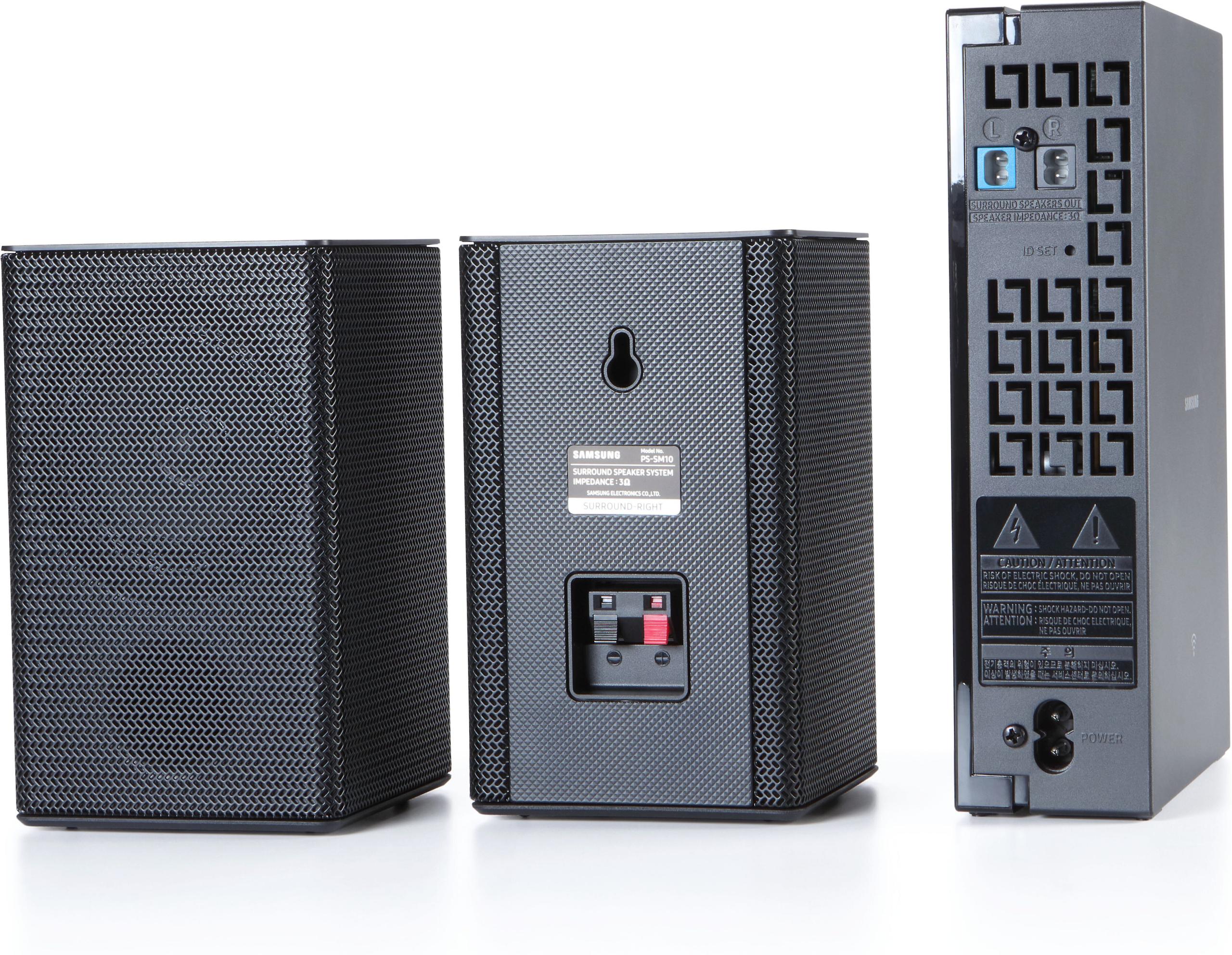
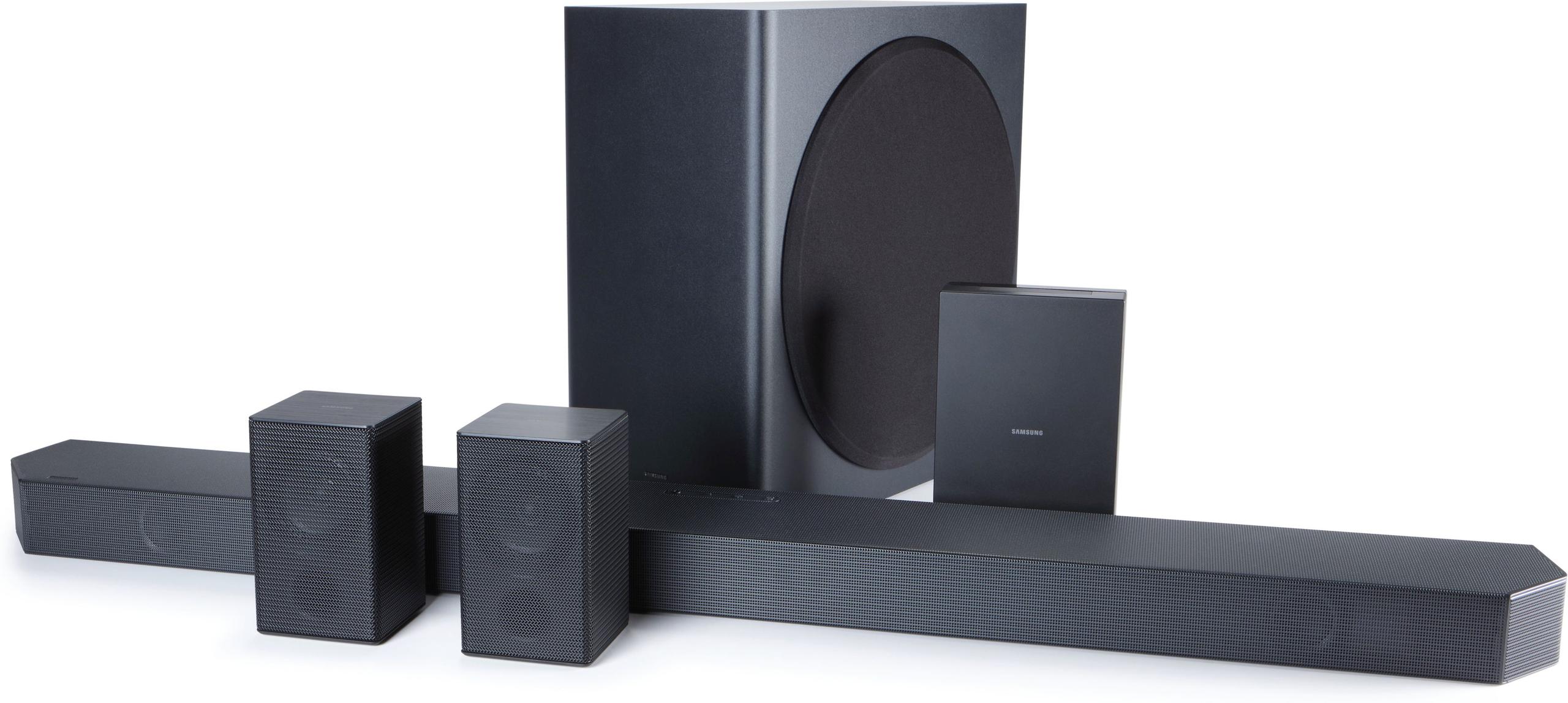
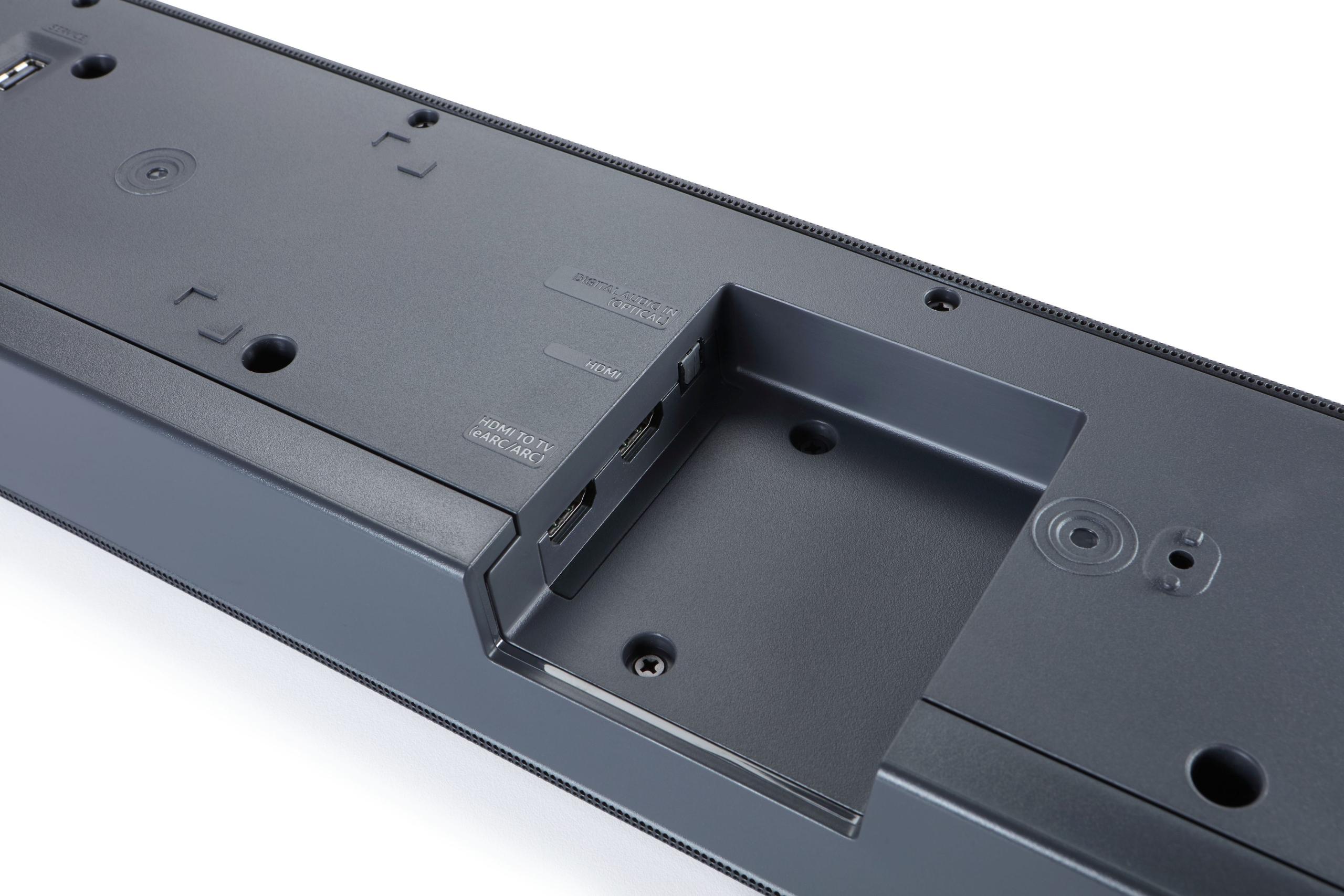
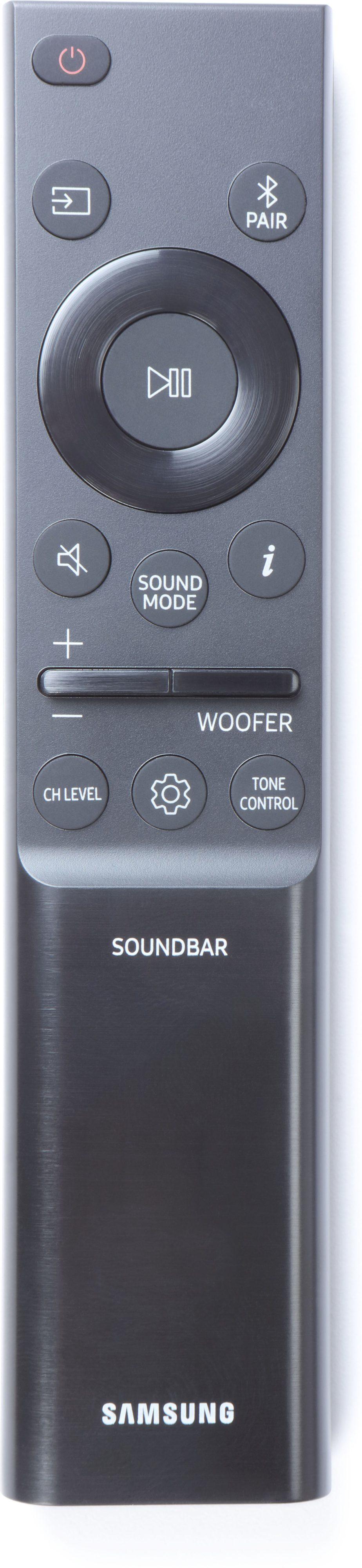





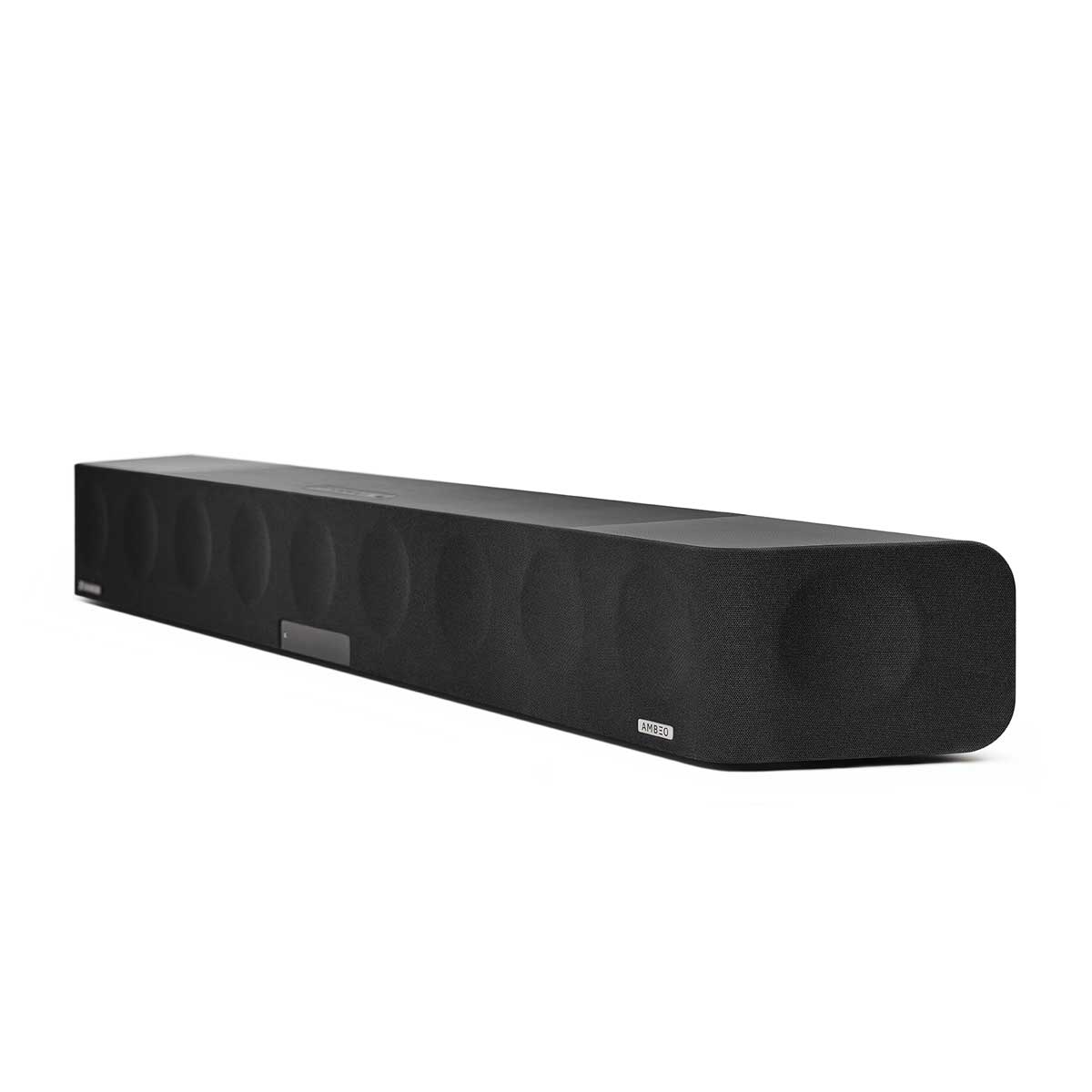
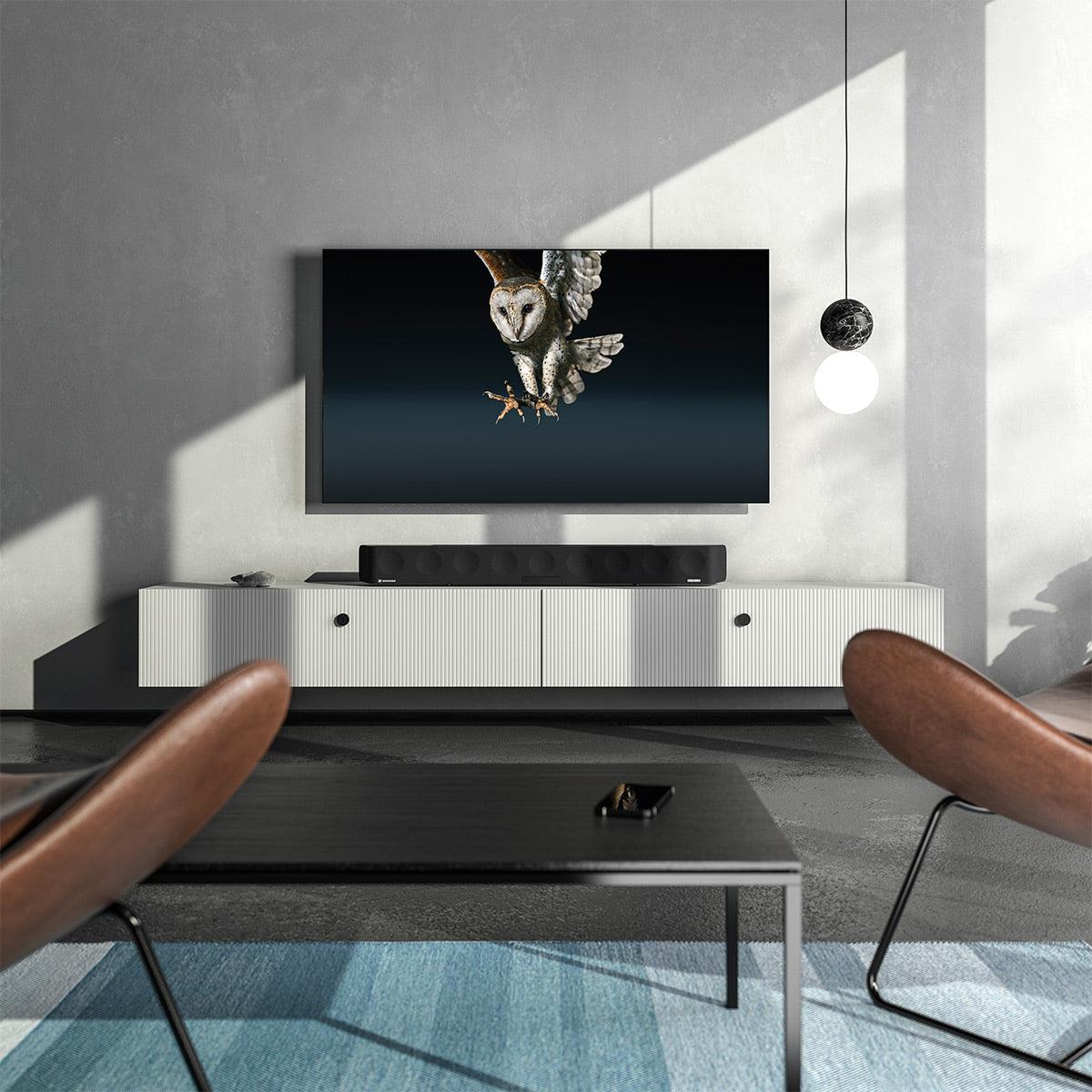
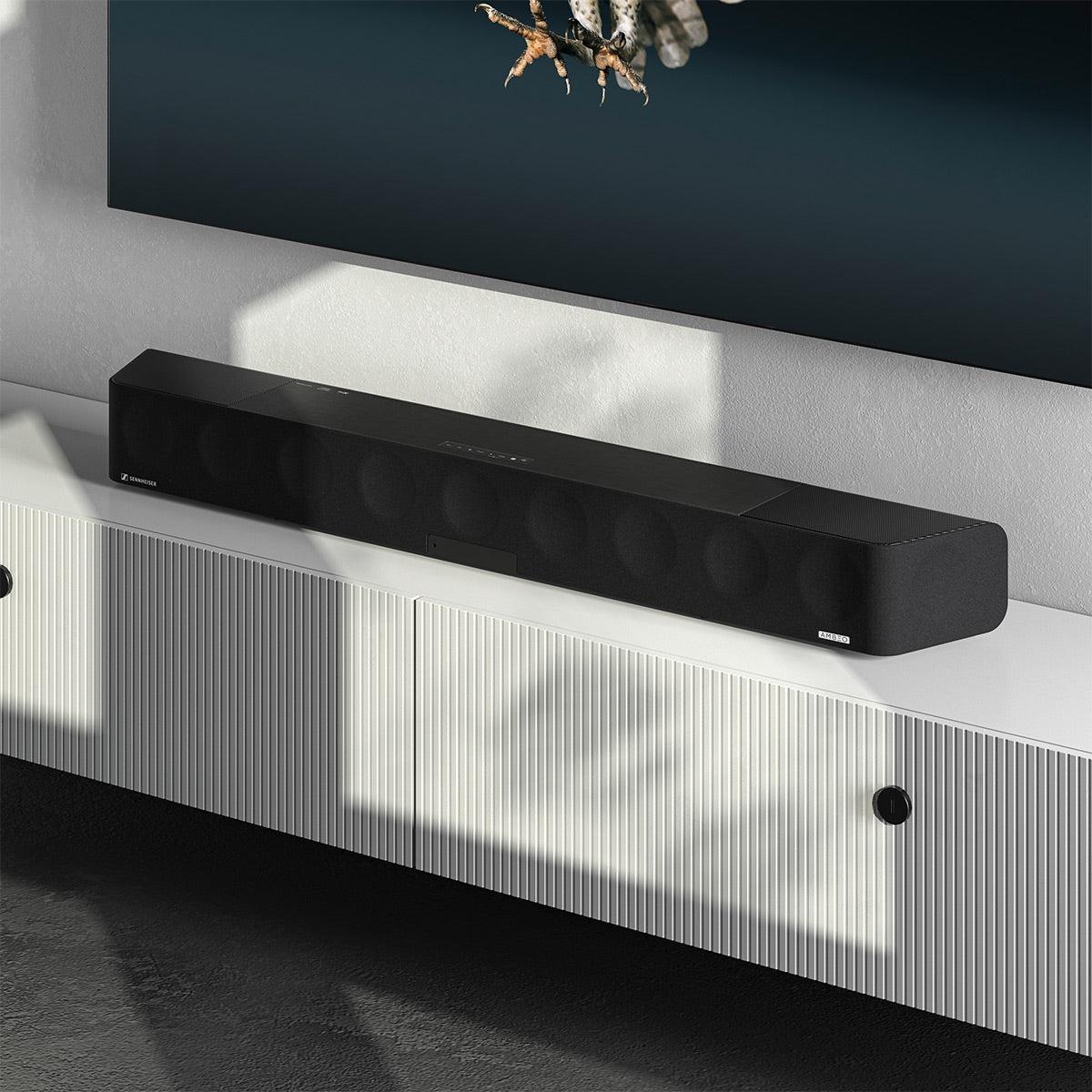
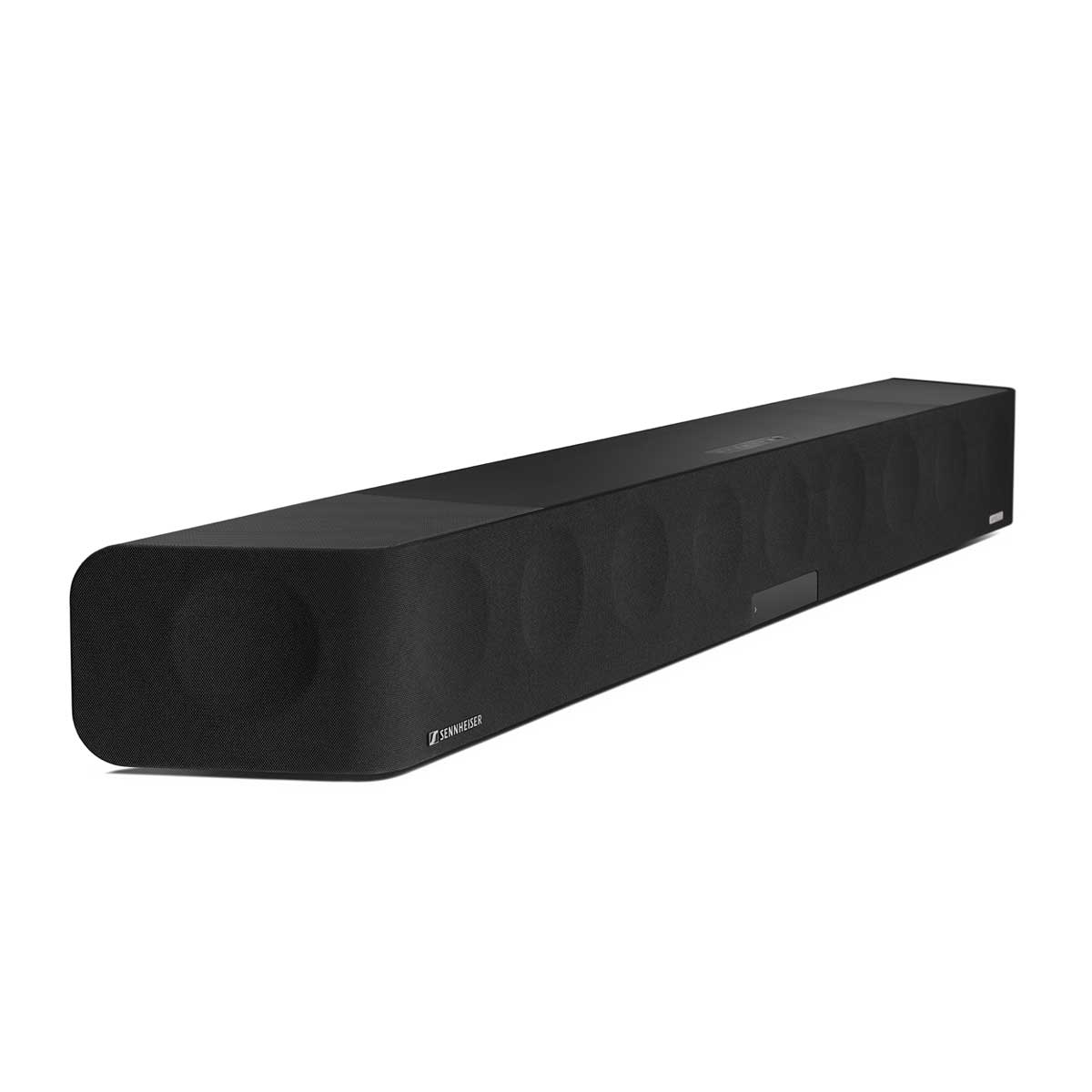
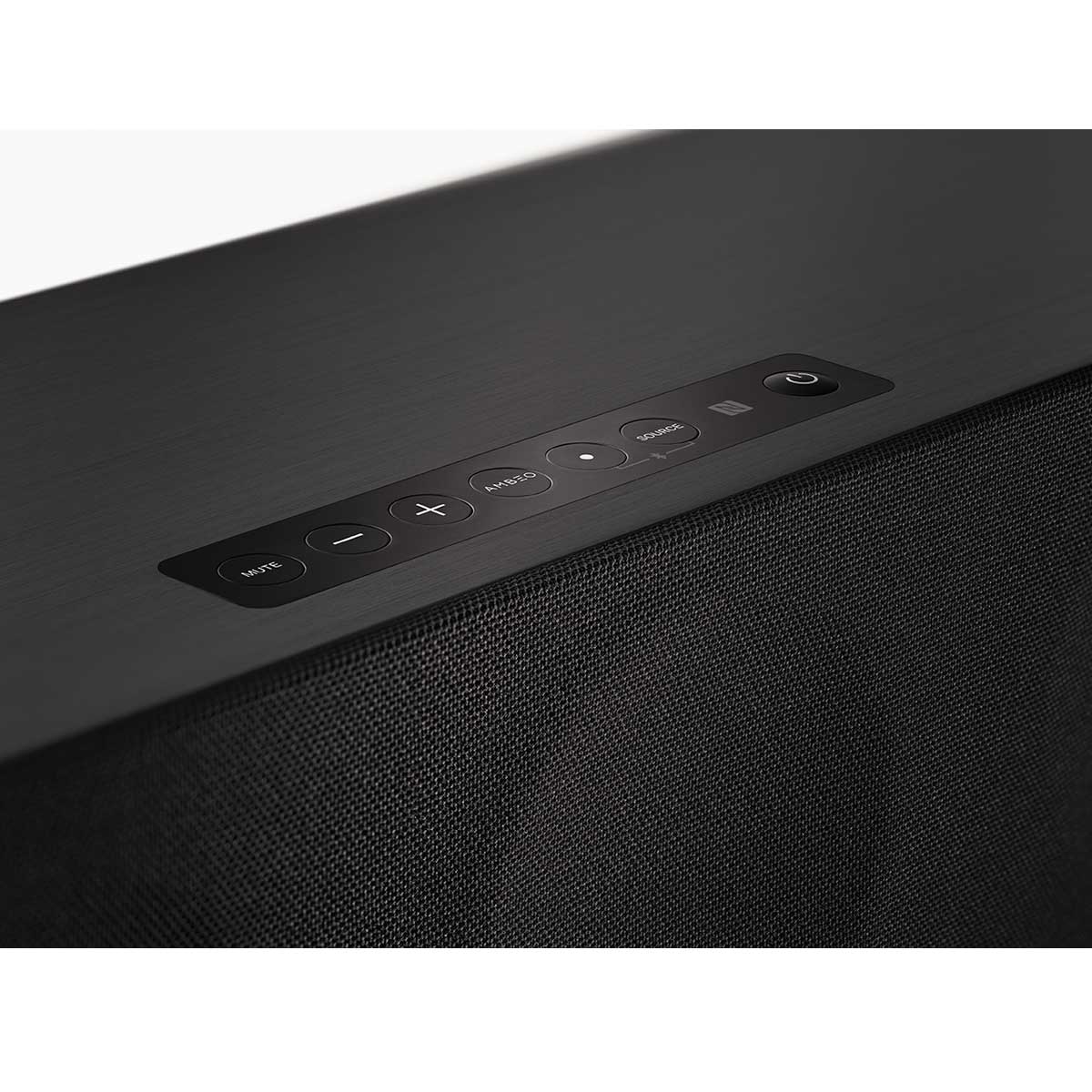
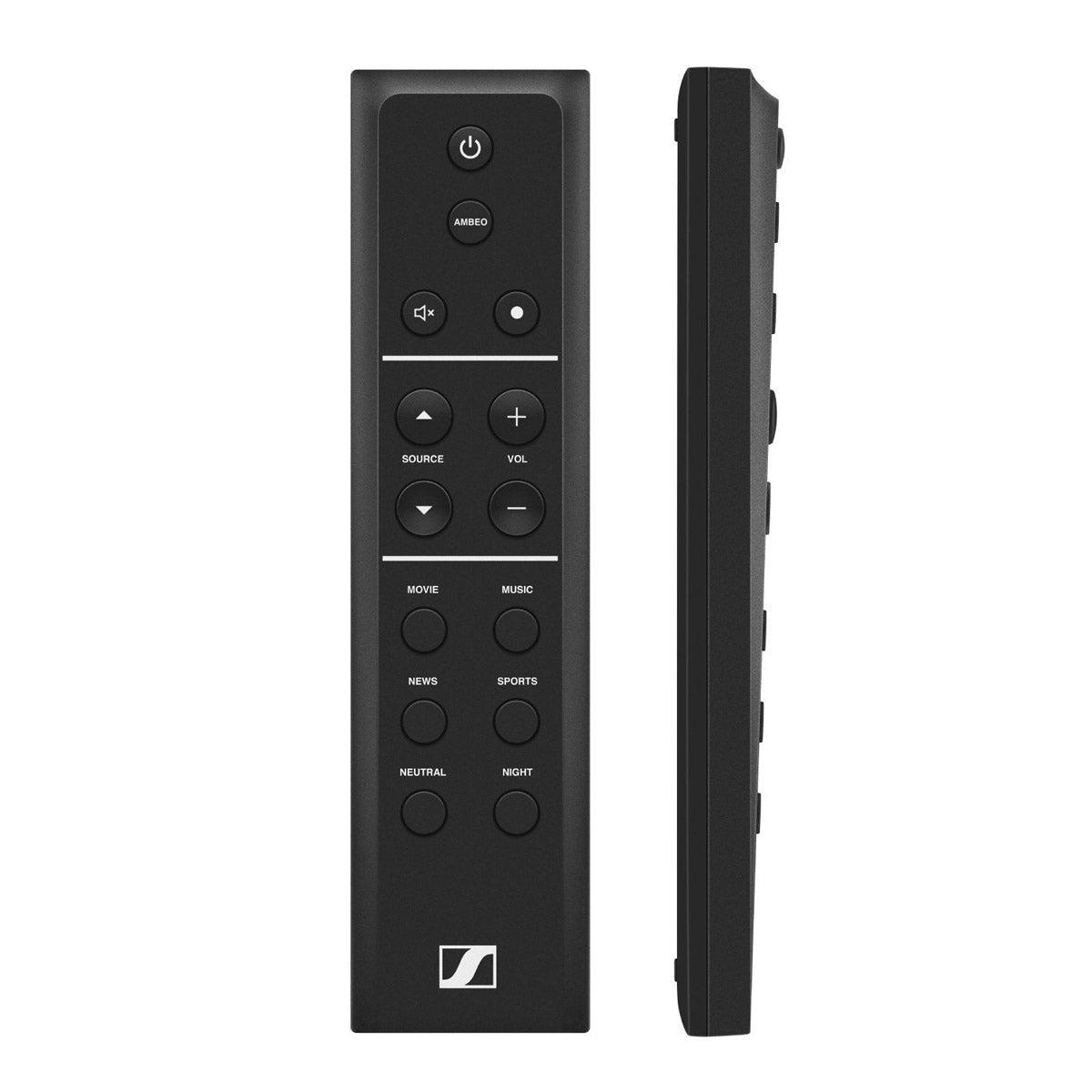
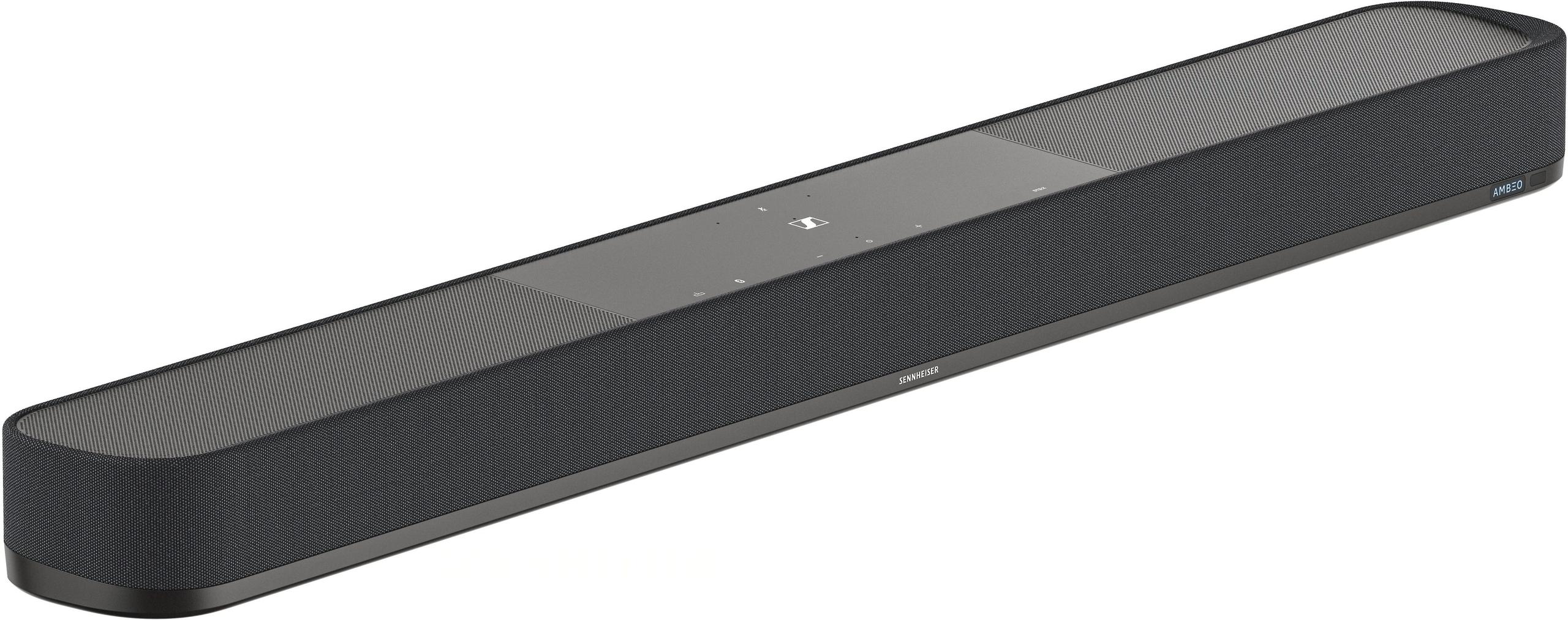
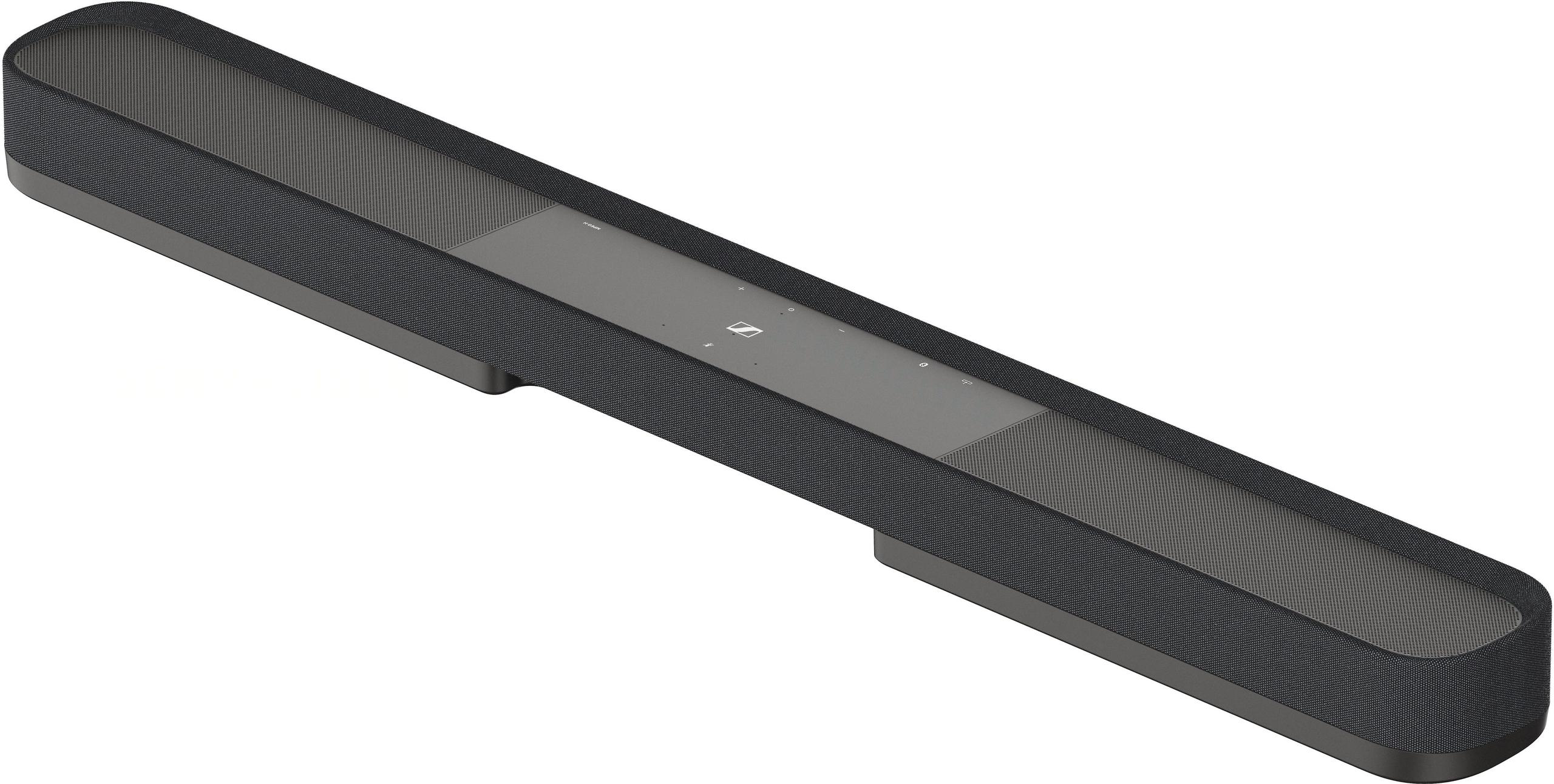


If you've been shopping for a premium soundbar lately, you've probably noticed two very different approaches dominating the high-end market. On one side, there's the Samsung Q Series 9.1.2 Channel Soundbar ($897.99) – a comprehensive system that comes with rear speakers and a subwoofer. On the other, the Sennheiser AMBEO Soundbar ($1,999.95) takes a completely different route, cramming everything into one sleek bar using some seriously impressive audio wizardry.
I've spent considerable time with both systems, and the choice between them really comes down to understanding what premium soundbars are trying to achieve and which approach works better for your specific situation.
Before diving into the nitty-gritty, let's talk about what separates premium soundbars from the budget options you'll find at big box stores. Premium soundbars are essentially trying to recreate a full home theater system – complete with speakers positioned around and above you – without requiring you to run wires through walls or drill holes in your ceiling.
The key technologies that make this possible include Dolby Atmos and DTS:X (both create three-dimensional audio that places sounds above and around you), advanced room calibration systems that adapt the sound to your specific space, and increasingly sophisticated audio processing that can make a handful of speakers sound like a dozen.
What's particularly interesting is how differently these two companies approach the same goal. Samsung's philosophy is "why fake it when you can make it real?" – hence the physical rear speakers. Sennheiser's approach is more like "we can use advanced audio processing to make your brain think there are speakers everywhere." Both work, but they create distinctly different experiences.
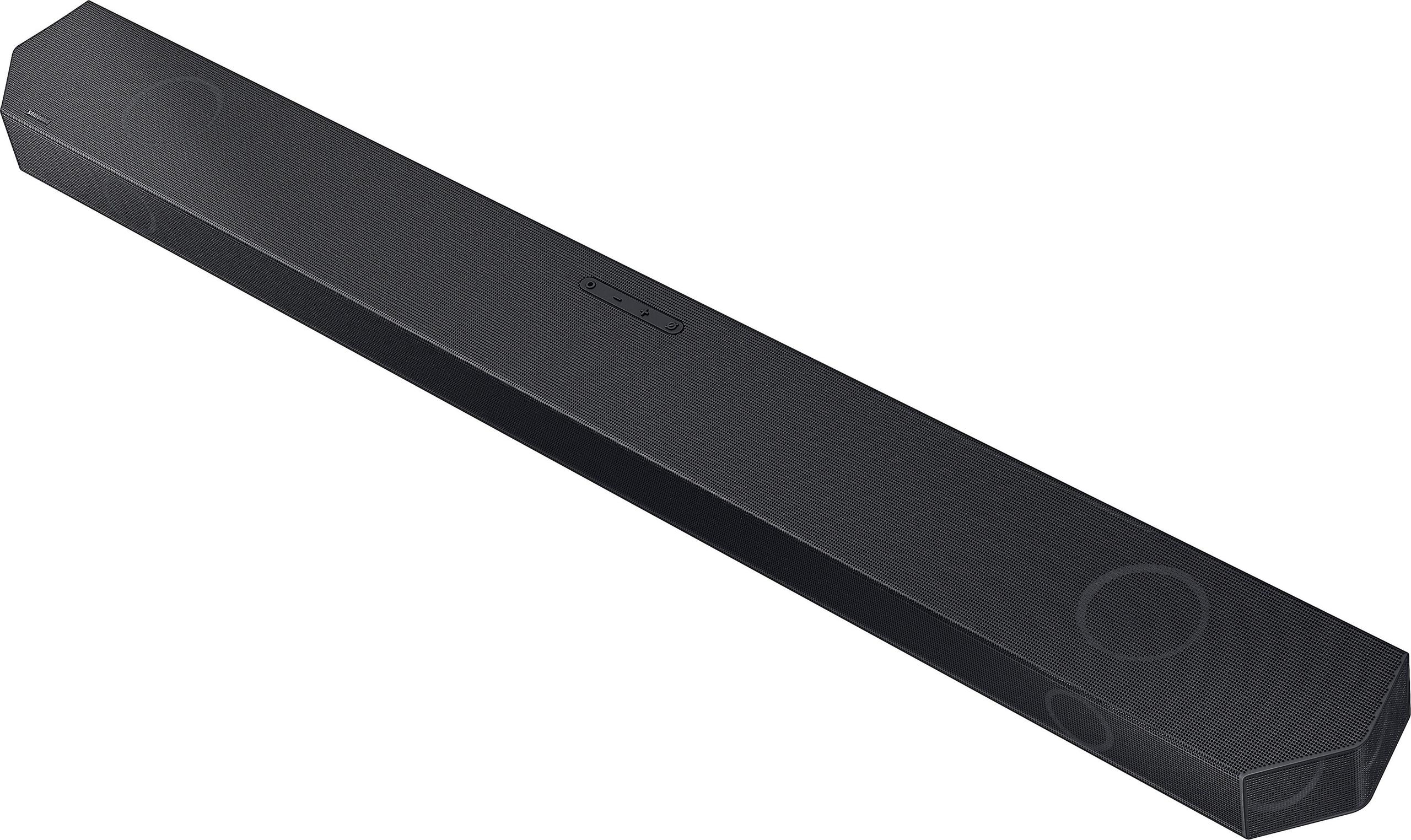
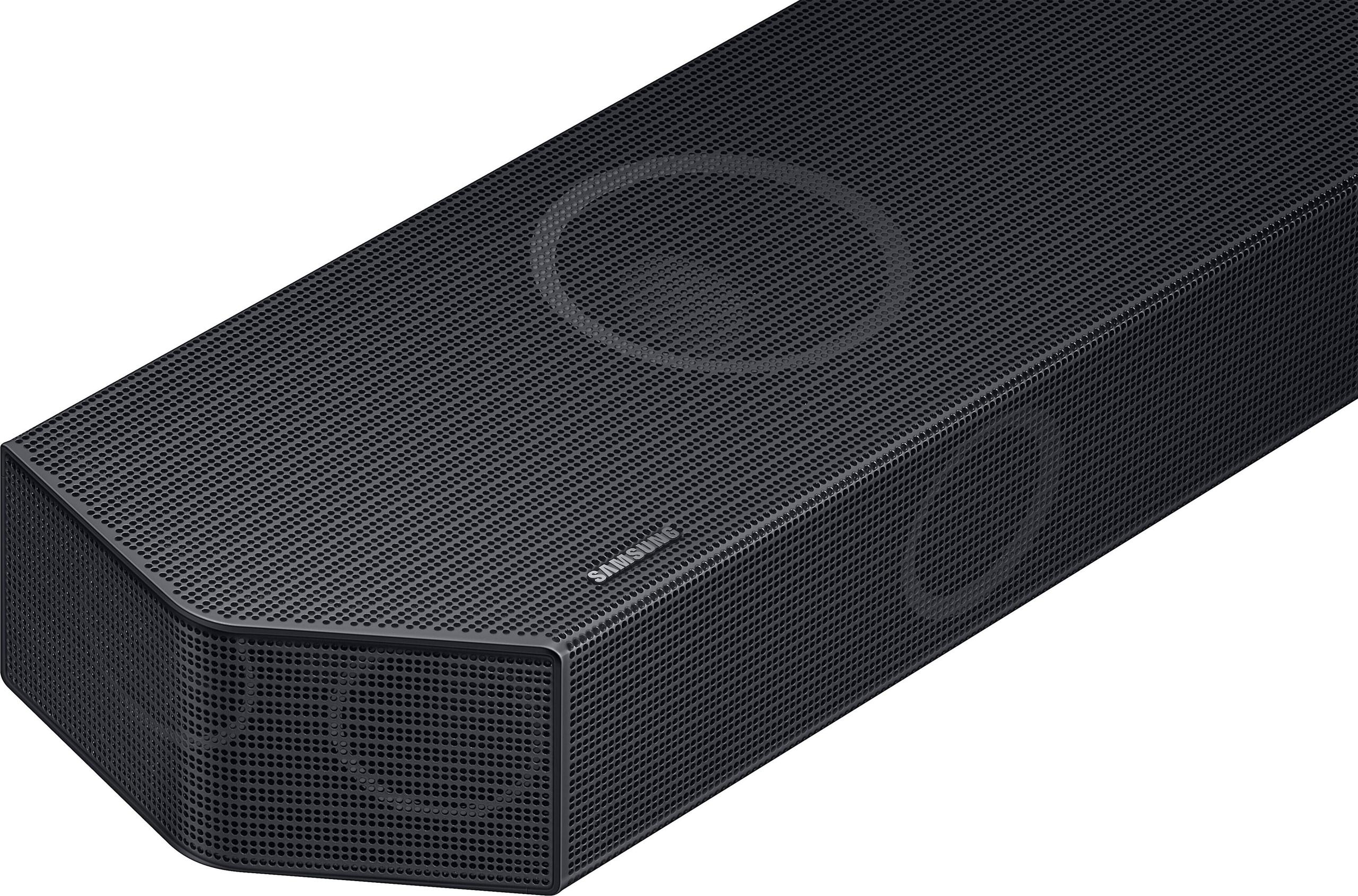
The Samsung Q Series 9.1.2 represents Samsung's refined 2024 approach to multi-component soundbar systems. Released in early 2024, it builds on years of Samsung's Q-Symphony technology development, which allows the soundbar to work in harmony with Samsung TVs. This isn't just marketing fluff – when properly set up with a compatible Samsung TV, the TV's speakers actually continue working alongside the soundbar, creating a more enveloping sound field.
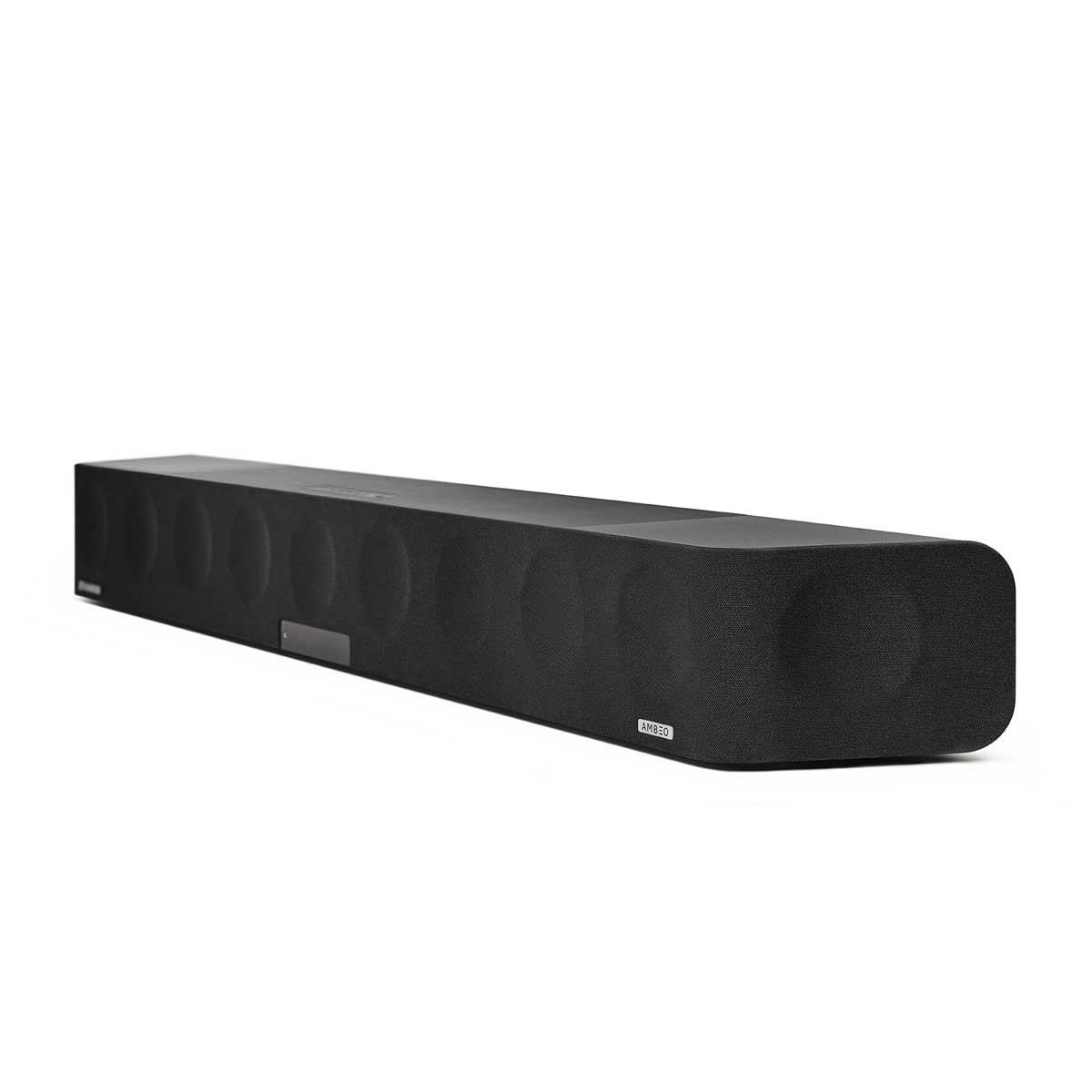
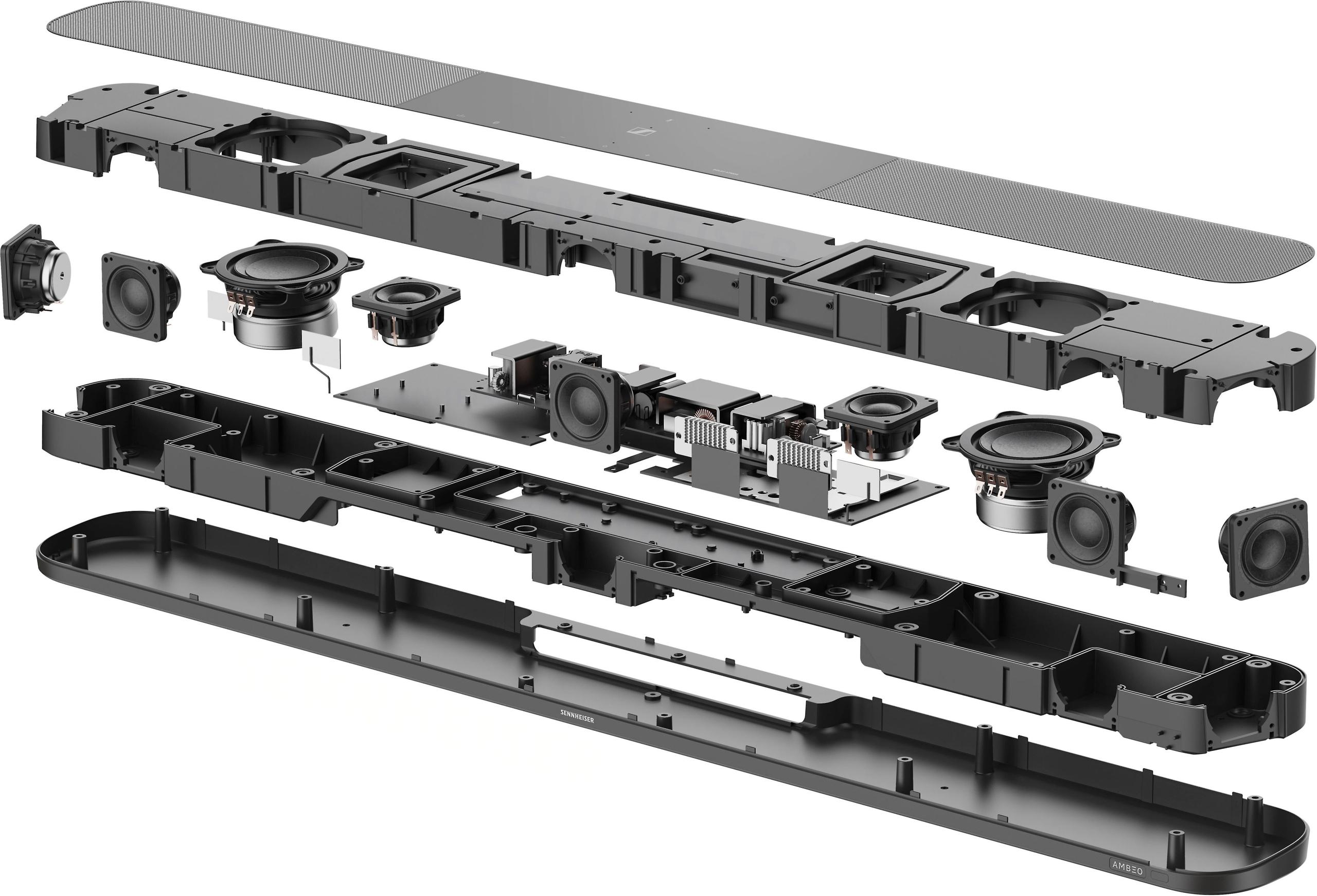
The Sennheiser AMBEO, originally launched in 2019 but continuously refined, represents a different philosophy entirely. Sennheiser partnered with the Fraunhofer Institute (the same research organization that helped develop MP3 compression) to create what they call "virtualization technology." Essentially, this system uses 13 carefully positioned drivers and complex signal processing to bounce sound off your walls and ceiling in precisely calculated ways.
What's fascinating about the technological evolution is how both companies have refined their approaches. Samsung's 2024 version includes SpaceFit Sound+, which uses microphones to analyze your room and automatically adjust the audio settings. Meanwhile, Sennheiser has continuously improved their virtualization algorithms, making the height effects more convincing with each software update.
Here's where the fundamental difference between these systems becomes crystal clear. The Samsung Q Series 9.1.2 delivers what I'd call "no-compromise" surround sound. When a helicopter flies overhead in a movie, you hear it move from the front speakers, up through the ceiling-firing drivers, and then continue behind you through the physical rear speakers. It's the real deal – actual speakers positioned around your room creating authentic directional audio.
The rear speakers in Samsung's system aren't just afterthoughts, either. They're wireless (though they need power outlets), and they handle both surround effects and upward-firing audio for Dolby Atmos height channels. In practice, this means when you're watching something like Top Gun: Maverick, you genuinely feel surrounded by the sound of jet engines, with distinct directional cues that your brain processes as completely natural.
The Sennheiser AMBEO takes a more sophisticated but inherently limited approach. Its virtualization technology is genuinely impressive – it analyzes your room's acoustics and uses beam-forming (precisely directing sound waves to specific points) to create the illusion of surround speakers. The height effects, in particular, are remarkably convincing. Sounds genuinely seem to come from above and slightly behind you, even though all the drivers are in front of you.
However, there's a fundamental physics limitation here. No amount of clever processing can make sounds convincingly come from directly behind you when all the speakers are in front of you. In my testing, the Sennheiser excels at creating width and height but struggles with true rear surround effects. It's like the difference between a really good magic trick and the real thing – impressive, but not quite authentic.
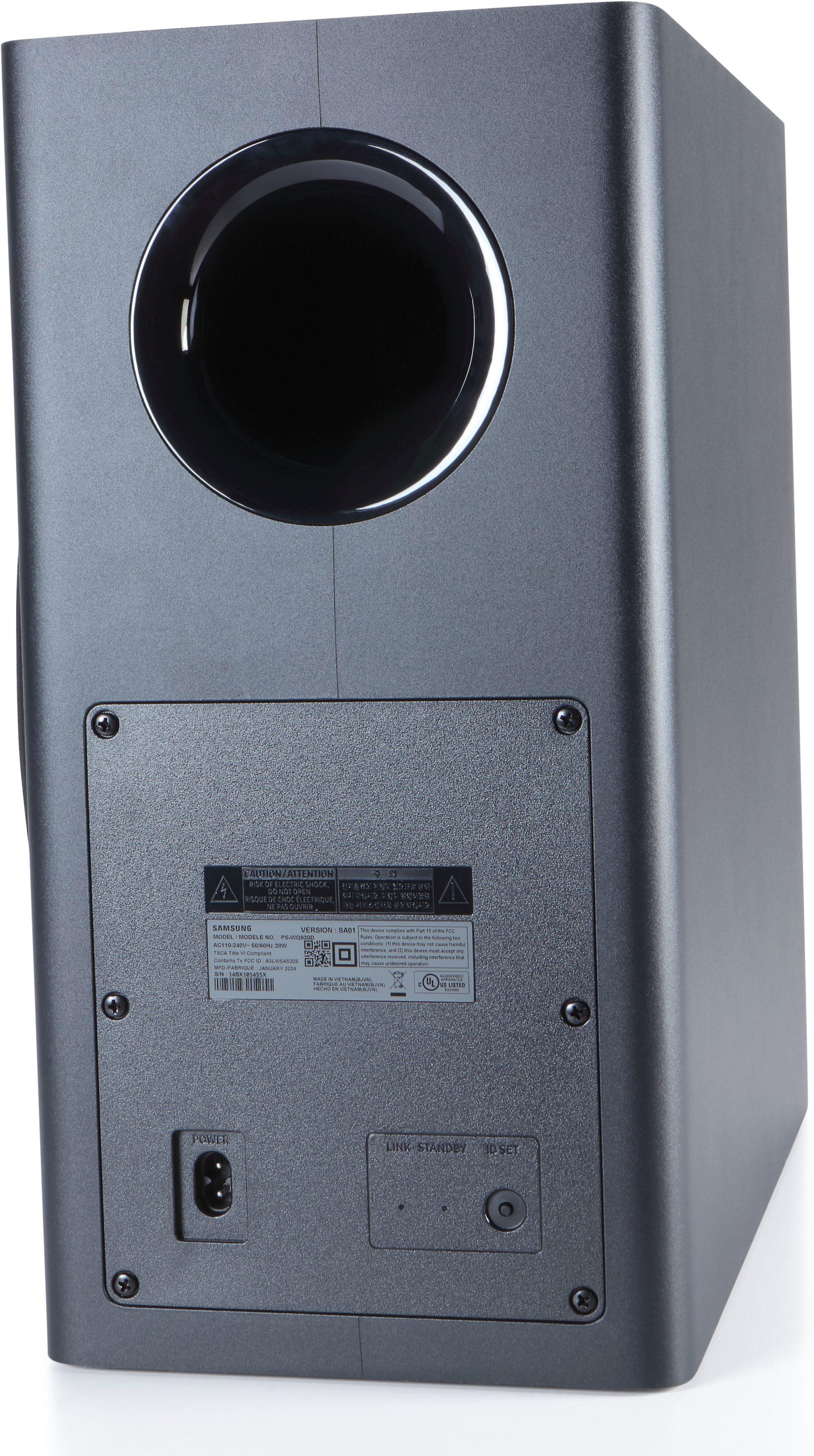
This is where the systems diverge most dramatically. The Samsung's dedicated wireless subwoofer is a proper piece of kit – it produces the kind of deep, chest-thumping bass that makes action movies genuinely exciting. The Auto Sub EQ technology is particularly clever: it uses a microphone in the subwoofer itself to detect room acoustics and automatically adjusts the bass response to prevent boomy, muddy sound.
In contrast, the Sennheiser relies on six 4-inch woofers built into the soundbar itself. While Sennheiser claims 30Hz bass response (which is quite deep), the physical reality is that these smaller drivers can't move as much air as a dedicated 8 or 10-inch subwoofer. The bass is more refined and controlled – better for music listening where you want precise, articulate low-end – but it lacks the visceral impact that makes movie explosions feel real.
During my testing with bass-heavy content like Mad Max: Fury Road, the difference was immediately apparent. The Samsung delivered the kind of seat-shaking impact that made the chase scenes genuinely thrilling, while the Sennheiser provided a more sophisticated but less visceral experience.
Both systems excel here, but in different ways. The Samsung uses Active Voice Amplifier (AVA) technology, which automatically detects dialogue in the audio mix and emphasizes it. This is particularly useful if you tend to watch movies at lower volumes – the system ensures you can still hear every word clearly.
The Sennheiser's approach is more audiophile-oriented. Its five aluminum dome tweeters are genuinely high-end components that reproduce voices with exceptional clarity and natural timbre. The result is dialogue that sounds more like the actors are actually in your room, rather than coming through speakers.
In practical terms, both systems handle dialogue well, but the Samsung is more forgiving of poor source material or challenging listening conditions, while the Sennheiser rewards you with superior fidelity when everything is set up perfectly.
The Samsung Q Series 9.1.2 really shines in its integration capabilities, especially if you're already in Samsung's ecosystem. The Q-Symphony technology is genuinely innovative – instead of disabling your TV's speakers when you connect a soundbar (as most systems do), it uses them as additional channels in the surround mix. With a compatible Samsung TV, you effectively get even more speakers working together.
The Game Mode Pro feature deserves special mention for gamers. It adjusts the audio processing to emphasize directional cues – footsteps, gunshots, vehicle sounds – that can give you a competitive advantage in online games. Having tested this extensively with Call of Duty and Fortnite, the difference is noticeable. You can more easily pinpoint where sounds are coming from, which translates to better gameplay performance.
The Sennheiser takes a more universal approach. Its Chromecast built-in and support for multiple streaming protocols means it works equally well with any TV brand or streaming service. The room calibration is also more sophisticated – it doesn't just adjust volume levels but actually modifies how the virtualization algorithms work to better suit your specific room layout.
At around $900, the Samsung Q Series 9.1.2 offers remarkable value for what you're getting. You're essentially buying a complete surround sound system – main soundbar, rear speakers, and subwoofer – for less than what many single soundbars cost. The build quality is solid, the features are comprehensive, and the performance genuinely rivals dedicated speaker systems costing significantly more.
The Sennheiser AMBEO at $1,999.95 is clearly targeting a different market. You're paying for premium German engineering, audiophile-grade components, and sophisticated signal processing. The aluminum tweeters alone probably cost more than some entire budget soundbars. But you're also paying for the convenience of a single-bar solution and the prestige of the Sennheiser brand.
The question becomes: is the Sennheiser twice as good as the Samsung? In terms of pure audio fidelity and build quality, it's certainly superior. But in terms of overall home theater impact and immersion, the Samsung's physical surround speakers give it advantages that no amount of processing can fully overcome.
In a dedicated home theater setup, both systems perform admirably but with different strengths. The Samsung creates a more traditional "big theater" experience. The physical separation of sound sources, combined with the impactful bass, makes you feel like you're in a commercial cinema. This is particularly effective for action movies, where the system's ability to create genuine 360-degree soundfields really shines.
The Sennheiser offers a more refined, almost studio-like experience. Its strength lies in creating an incredibly detailed and spacious soundstage from a single position. For dialogue-heavy films or complex soundtracks where you want to hear every subtle detail, it's exceptional. But it can't quite match the visceral impact of the Samsung system during high-energy sequences.
After extensive testing with both systems, here's my honest assessment: choose the Samsung Q Series 9.1.2 if you want the most authentic surround sound experience for your money, especially if you own a Samsung TV. The physical rear speakers and dedicated subwoofer create a level of immersion that virtualization simply can't match, and at $897.99, it's genuinely excellent value.
Go with the Sennheiser AMBEO if you prioritize audio refinement over raw impact, have space constraints that make rear speakers impractical, or simply want the satisfaction of owning a premium piece of German audio engineering. At $1,999.95, it's expensive, but the build quality and sophisticated audio processing justify the premium for the right buyer.
The reality is that both represent the top tier of what's possible in their respective approaches. Samsung proves that sometimes the straightforward solution – putting speakers where surround speakers should go – is still the best one. Sennheiser demonstrates just how far advanced signal processing can push the boundaries of what's possible from a single device.
Your choice ultimately comes down to priorities: maximum immersion and value (Samsung) or maximum refinement and convenience (Sennheiser). Either way, you'll end up with a soundbar that transforms your home entertainment experience in ways that will make you wonder how you ever watched movies with just your TV's speakers.
| Samsung Q Series 9.1.2 Channel Soundbar | Sennheiser AMBEO Soundbar |
|---|---|
| Price - Significant cost difference affects value proposition | |
| $897.99 (includes rear speakers + subwoofer) | $1,999.95 (single bar only) |
| Speaker Configuration - Physical vs virtual surround approach | |
| 9.1.2 channels with 11 physical speakers across multiple units | 5.1.4 virtualized channels from 13 drivers in single bar |
| Surround Sound Method - Authenticity vs convenience trade-off | |
| Physical rear speakers for true directional audio | Advanced beam-forming creates virtual surround effects |
| Bass Performance - Critical for movie impact and music enjoyment | |
| Dedicated wireless subwoofer with Auto Sub EQ | Six 4-inch integrated woofers (30Hz response) |
| Room Requirements - Space and setup considerations | |
| Requires placement space for rear speakers and subwoofer | Single 49.6" bar placement only |
| TV Integration - Ecosystem benefits for specific brands | |
| Q-Symphony with Samsung TVs uses TV speakers as additional channels | Universal compatibility, no special TV integration |
| Audio Processing - How each system optimizes sound | |
| SpaceFit Sound+ room calibration, Active Voice Amplifier | Fraunhofer virtualization technology, advanced room calibration |
| Build Quality - Materials and construction differences | |
| Solid consumer-grade construction across multiple components | Premium aluminum tweeters, German engineering in single unit |
| Gaming Features - Important for console users | |
| Game Mode Pro optimizes directional audio cues | Standard gaming modes without specialized directional processing |
| Streaming Connectivity - Modern wireless audio options | |
| Bluetooth 5.2, AirPlay 2, Spotify Connect, TIDAL Connect | Bluetooth 4.0, Chromecast built-in, UPnP streaming |
| Best For - Target user and use cases | |
| Home theater enthusiasts wanting authentic surround under $1000 | Audiophiles prioritizing refinement and minimalist setup |
The Samsung Q Series 9.1.2 Channel Soundbar ($897.99) provides exceptional value by including rear speakers and a wireless subwoofer for under $900. The Sennheiser AMBEO Soundbar ($1,999.95) costs more than double but offers premium German engineering and audiophile-grade components in a single bar design.
The Samsung Q Series 9.1.2 uses physical rear speakers to create authentic directional audio, while the Sennheiser AMBEO uses advanced virtualization technology to simulate surround effects from a single bar. Physical rear speakers provide more convincing surround sound, but virtualization works well if you can't accommodate multiple speakers.
The Samsung Q Series 9.1.2 Channel Soundbar includes a dedicated wireless subwoofer that delivers deeper, more impactful bass for movies and music. The Sennheiser AMBEO Soundbar relies on built-in woofers that produce more refined but less powerful bass without the chest-thumping impact of a separate subwoofer.
The Samsung Q Series 9.1.2 offers true 9.1.2 channels with physical speakers positioned around your room, including dedicated rear speakers and upward-firing drivers. The Sennheiser AMBEO creates virtual 5.1.4 surround using beam-forming technology that bounces sound off walls and ceilings to simulate speaker placement.
The Samsung Q Series 9.1.2 Channel Soundbar ($897.99) includes Game Mode Pro that optimizes directional audio cues for competitive gaming, helping you locate enemies by sound. The Sennheiser AMBEO Soundbar offers excellent audio quality for gaming but lacks specialized gaming audio processing features.
The Samsung Q Series 9.1.2 requires room for the main bar, two rear speakers, and a subwoofer placement, making it suitable for larger spaces. The Sennheiser AMBEO measures 49.6 inches wide but only needs space for a single bar, making it ideal for minimalist setups or smaller rooms.
The Sennheiser AMBEO Soundbar ($1,999.95) excels at music with its premium aluminum tweeters and natural sound signature that audiophiles prefer. The Samsung Q Series 9.1.2 Channel Soundbar offers good music performance with extensive EQ options but is more optimized for home theater applications.
The Samsung Q Series 9.1.2 works with any TV but offers special Q-Symphony integration with Samsung TVs that uses the TV's speakers alongside the soundbar. The Sennheiser AMBEO provides universal compatibility with all TV brands without any special integration features.
The Sennheiser AMBEO Soundbar is ideal for apartments since it's a single bar solution that doesn't require rear speaker placement or worry about disturbing neighbors with a powerful subwoofer. The Samsung Q Series 9.1.2 may be too large and impactful for close living situations.
Both the Samsung Q Series 9.1.2 Channel Soundbar ($897.99) and Sennheiser AMBEO Soundbar ($1,999.95) support Dolby Atmos, but the Samsung uses physical upward-firing speakers in both the main bar and rear speakers, while the Sennheiser relies on virtualization to create height effects from its single bar design.
The Samsung Q Series 9.1.2 includes SmartThings integration, built-in voice assistants, and supports modern streaming protocols like AirPlay 2 and Spotify Connect. The Sennheiser AMBEO offers Chromecast built-in, voice assistant compatibility, and works with the Sennheiser Smart Control app for detailed customization.
Choose the Samsung Q Series 9.1.2 Channel Soundbar if you want authentic surround sound with physical speakers and don't mind multiple components. Select the Sennheiser AMBEO Soundbar if you prefer a clean, single-bar setup and are willing to pay premium pricing for sophisticated virtualization technology and audiophile-grade sound quality.
We've done our best to create useful and informative comparisons to help you decide what product to buy. Our research uses advanced automated methods to create this comparison and perfection is not possible - please contact us for corrections or questions. These are the sites we've researched in the creation of this article: rtings.com - samsung.com - markselectrical.co.uk - techradar.com - walmart.com - samsung.com - samsung.com - youtube.com - samsung.com - biancos.com - crutchfield.com - samsung.com - bestbuy.com - rtings.com - techradar.com - audioxpress.com - whathifi.com - upscaleaudio.com - soundstagesimplifi.com - global.sennheiser-hearing.com - sennheiser-hearing.com - audioadvice.com - abt.com - moon-audio.com

Privacy Policy
Terms and Conditions - Affiliate Policy
Home Security
© Copyright 2008-2026.
11816 Inwood Rd #1211, Dallas, TX 75244