

Everyone from recording engineers to home theater enthusiasts to hardcore audiophiles has a place in their life for a good pair of bookshelf speakers. Small speakers can deliver great imaging and fit into small spaces in ways that floorstanding speakers simply can't.
The traditional bookshelf speaker is passive, meaning that you need to connect it to an amplifier. However, active (powered) bookshelf speakers are growing in popularity, particularly for desktop and other nearfield applications where you sit closer to the speakers.
Combine a set of bookshelf speakers with a subwoofer, and enjoy a two-channel or multichannel system that is both room-friendly and high-performance.
Here are some resources that can teach you more about speaker design.
• What’s the Ideal Speaker Driver Configuration?
• How to Pick the Right Amp for Your Speakers (and Vice Versa)
• Picking and Placing Your Display, Speakers, and Subwoofer by THX
• First-Order Crossovers: Panacea or Problem?
• How DSP Can Take Audio to New Heights

These aren't small speakers pretending to be big speakers. They're simply big speakers that happen to offer tremendous value.

“It lands perfectly between prosumer and pro-grade—rugged, loud, and built for real-world use, not just spec sheets.
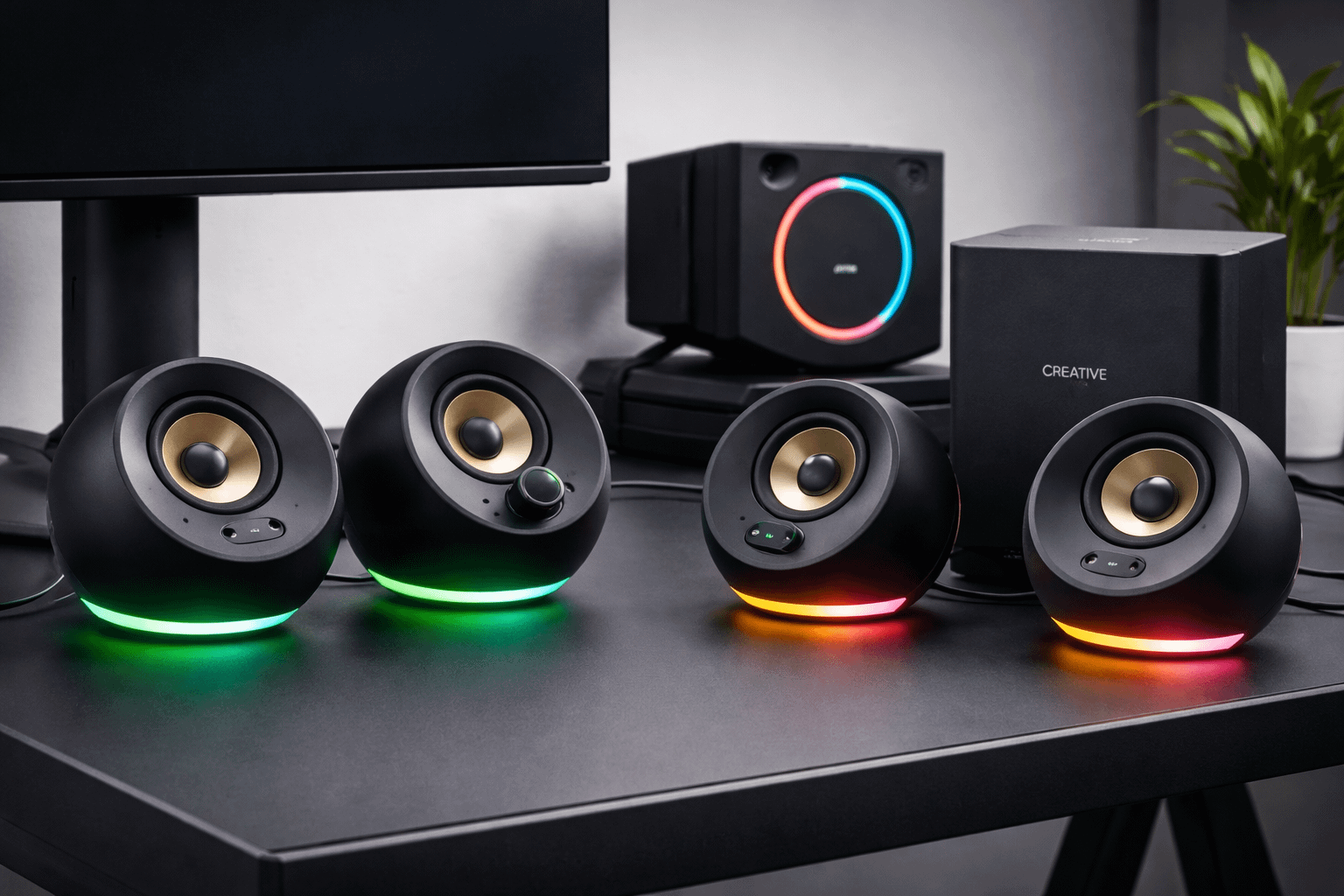
The Pebble Pro is the better speaker. The X Plus is just the more fun one.
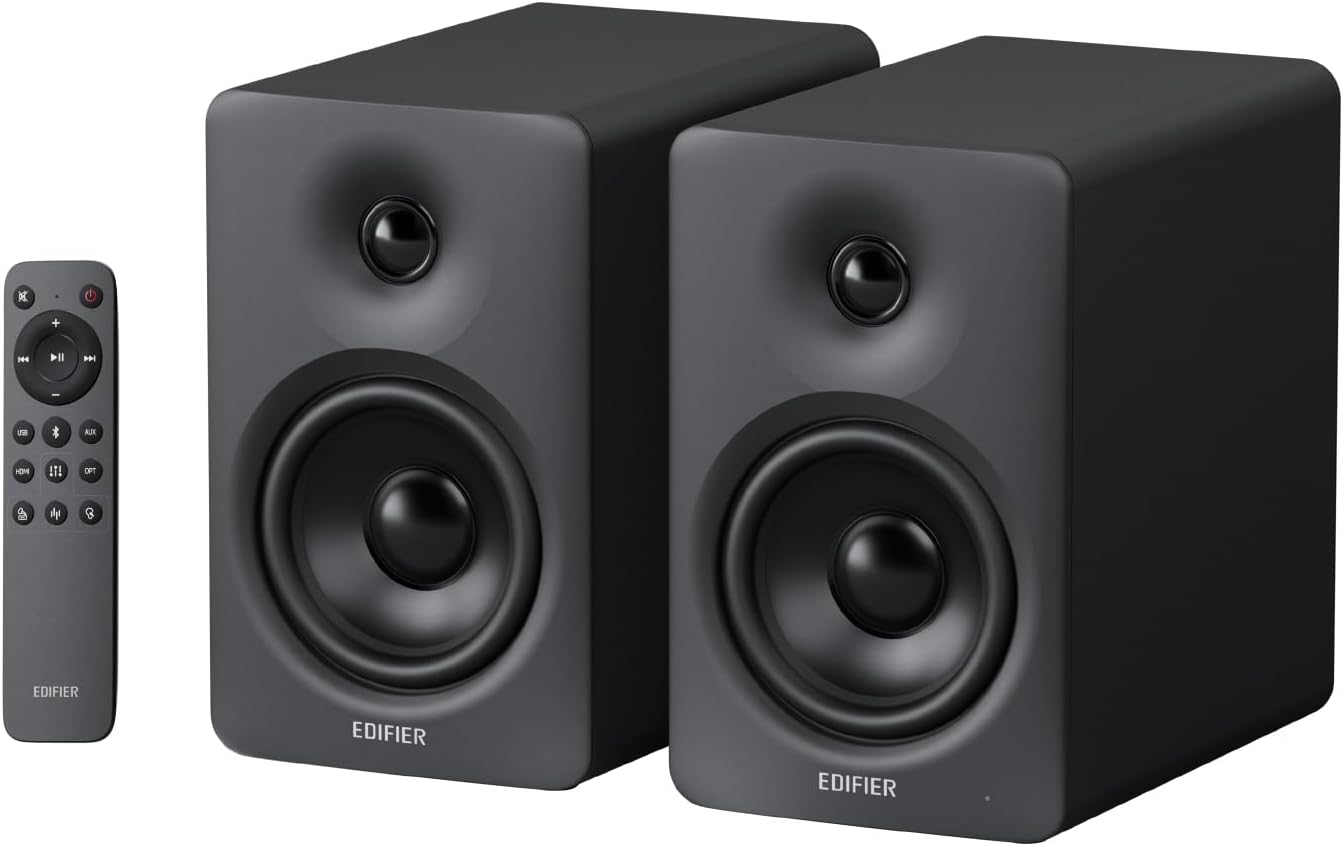
These don’t try to impress—they just quietly outperform.
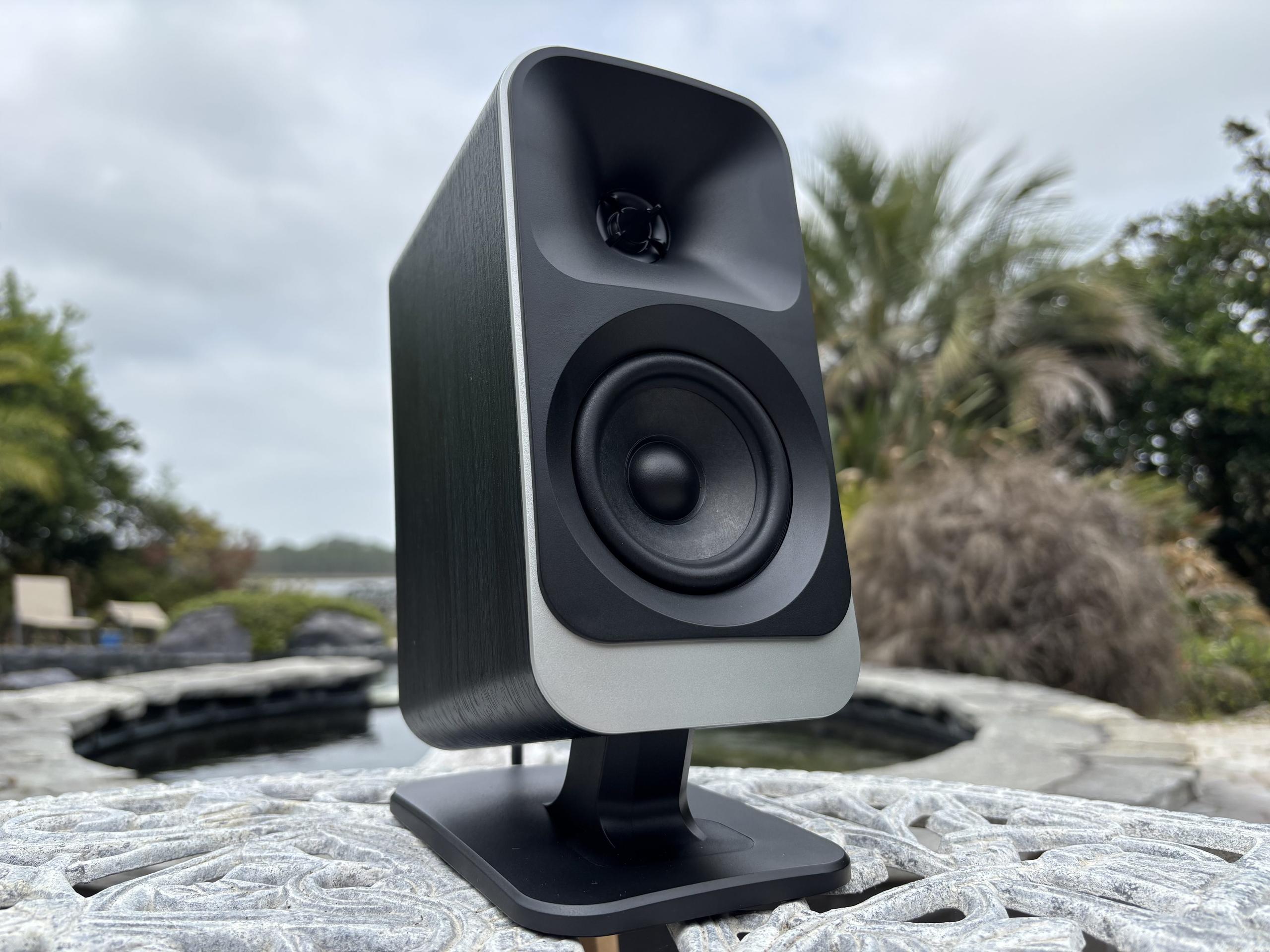
It doesn’t wow you—and that’s exactly why it works.
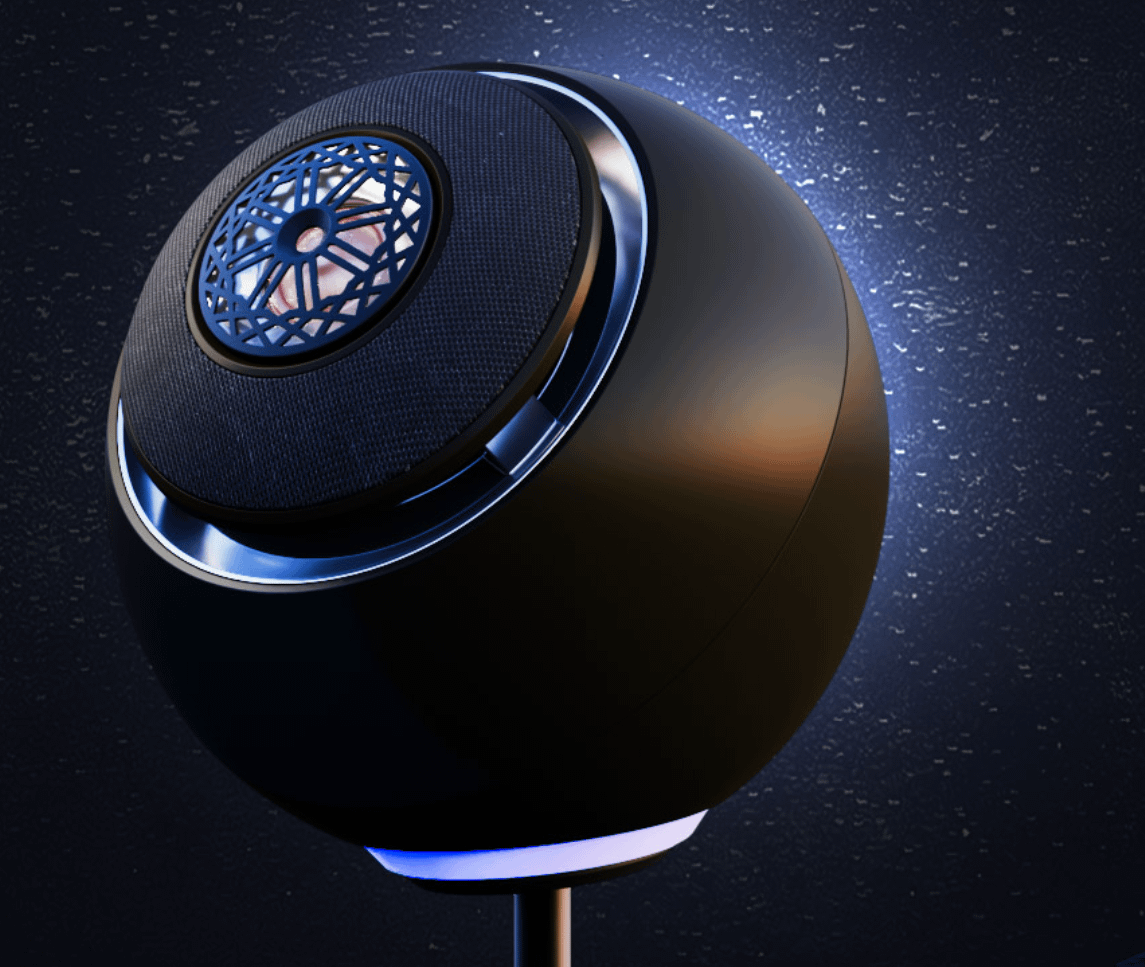
Creative built a beautiful desktop speaker with sweet highs and clean mids—but bass lovers should probably look elsewhere.

Some of the best systems I heard all year were here — unfortunately, so were some of the worst-sounding rooms.

A delivery photo showing the inside of a private home should trigger an alert — not a success screen.
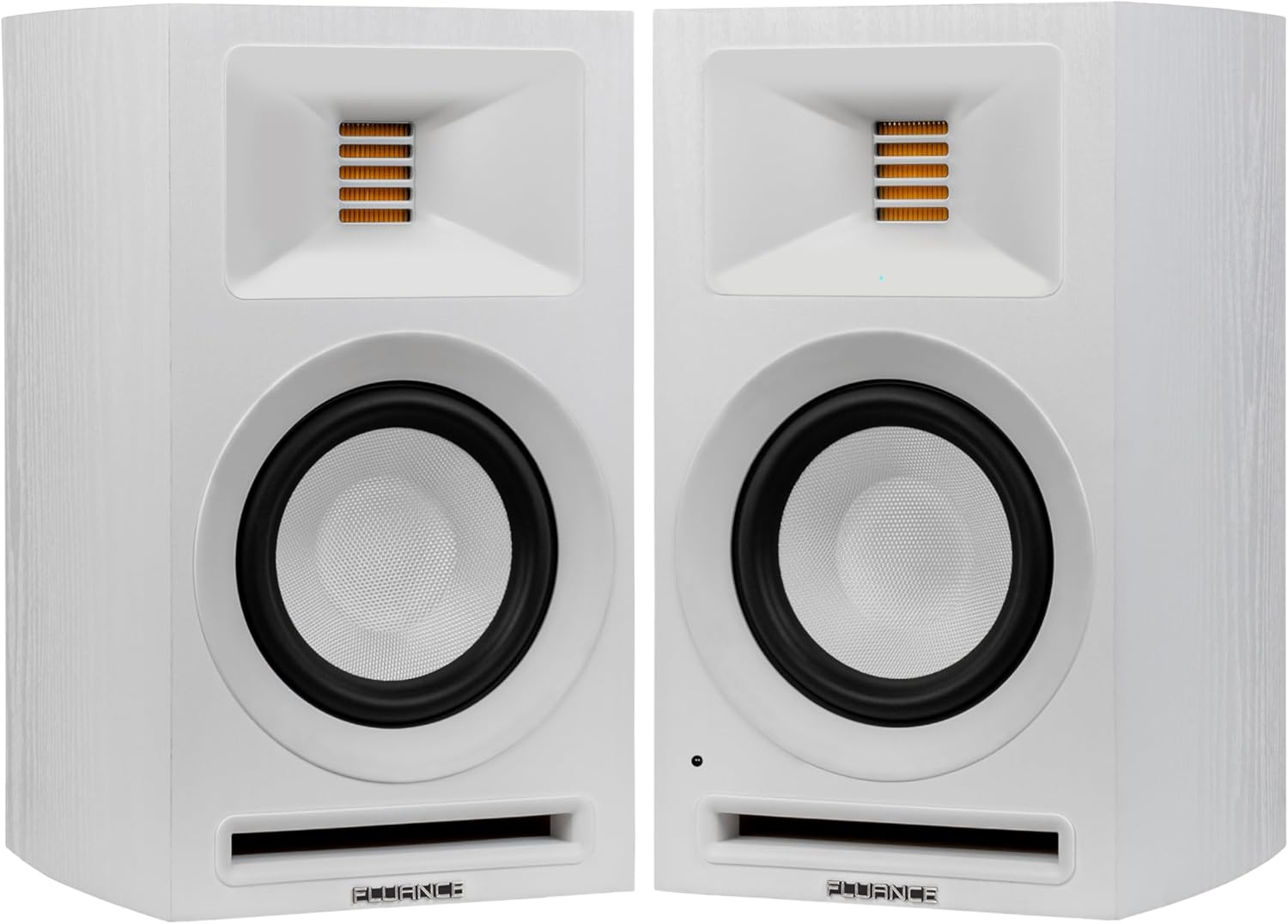
Most cheap powered speakers don’t sound bad — they sound dishonest. The Ri71 don’t play that game.
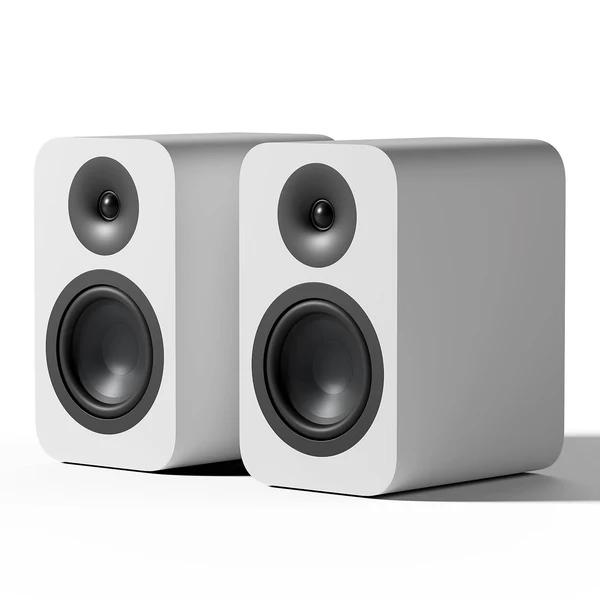
A confident first swing from Fosi — just maybe aimed a little high on price.




Privacy Policy
Terms and Conditions - Affiliate Policy
Home Security
© Copyright 2008-2026.
11816 Inwood Rd #1211, Dallas, TX 75244