

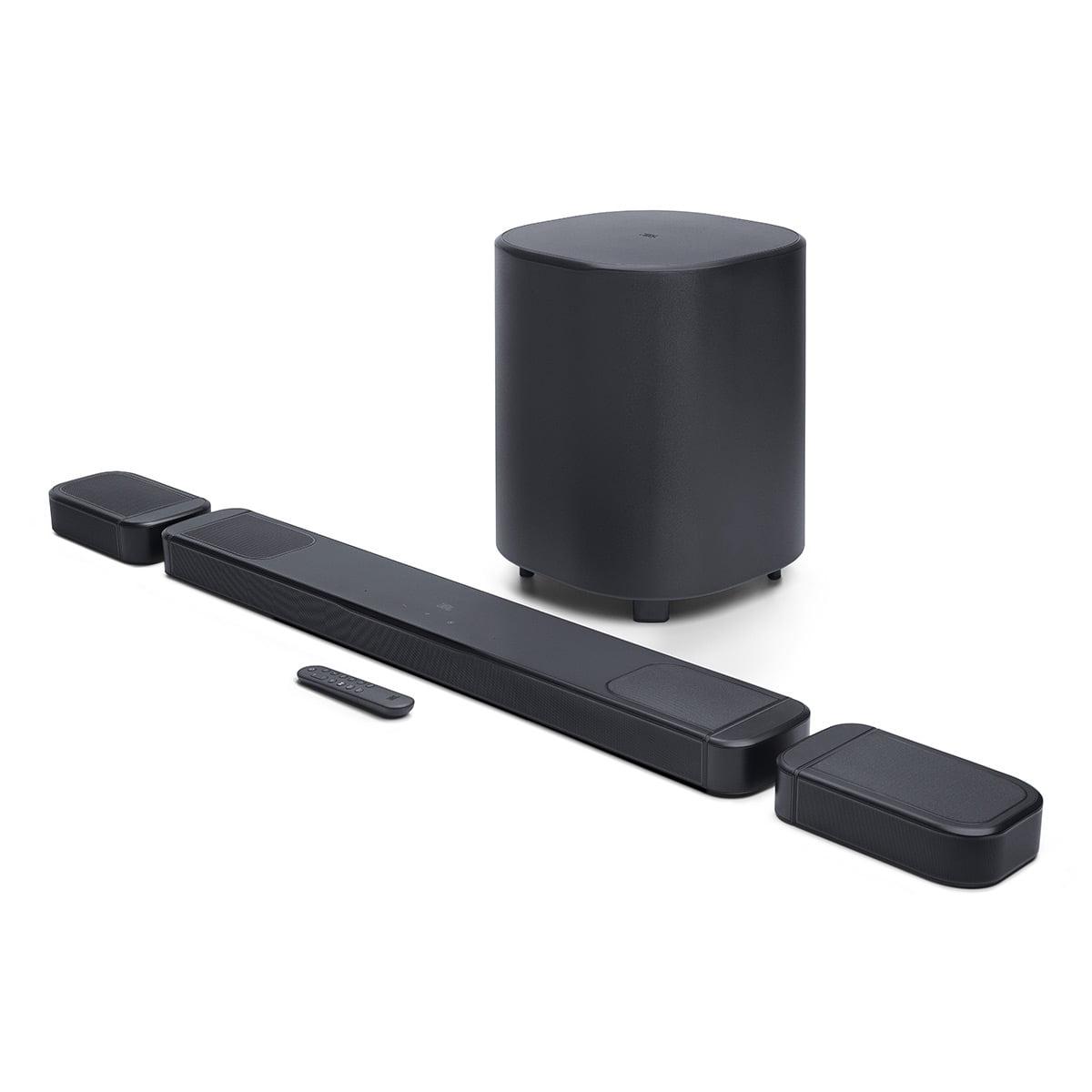
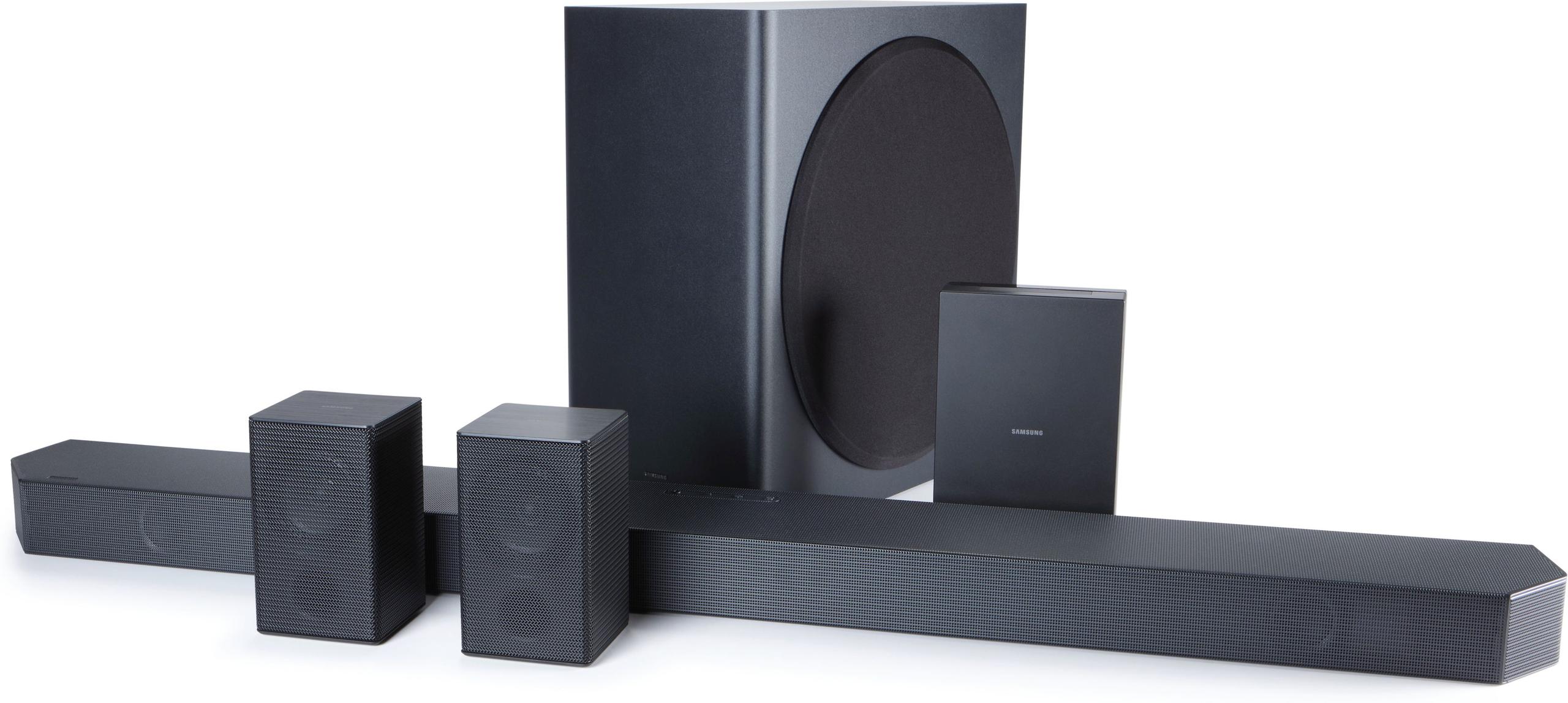
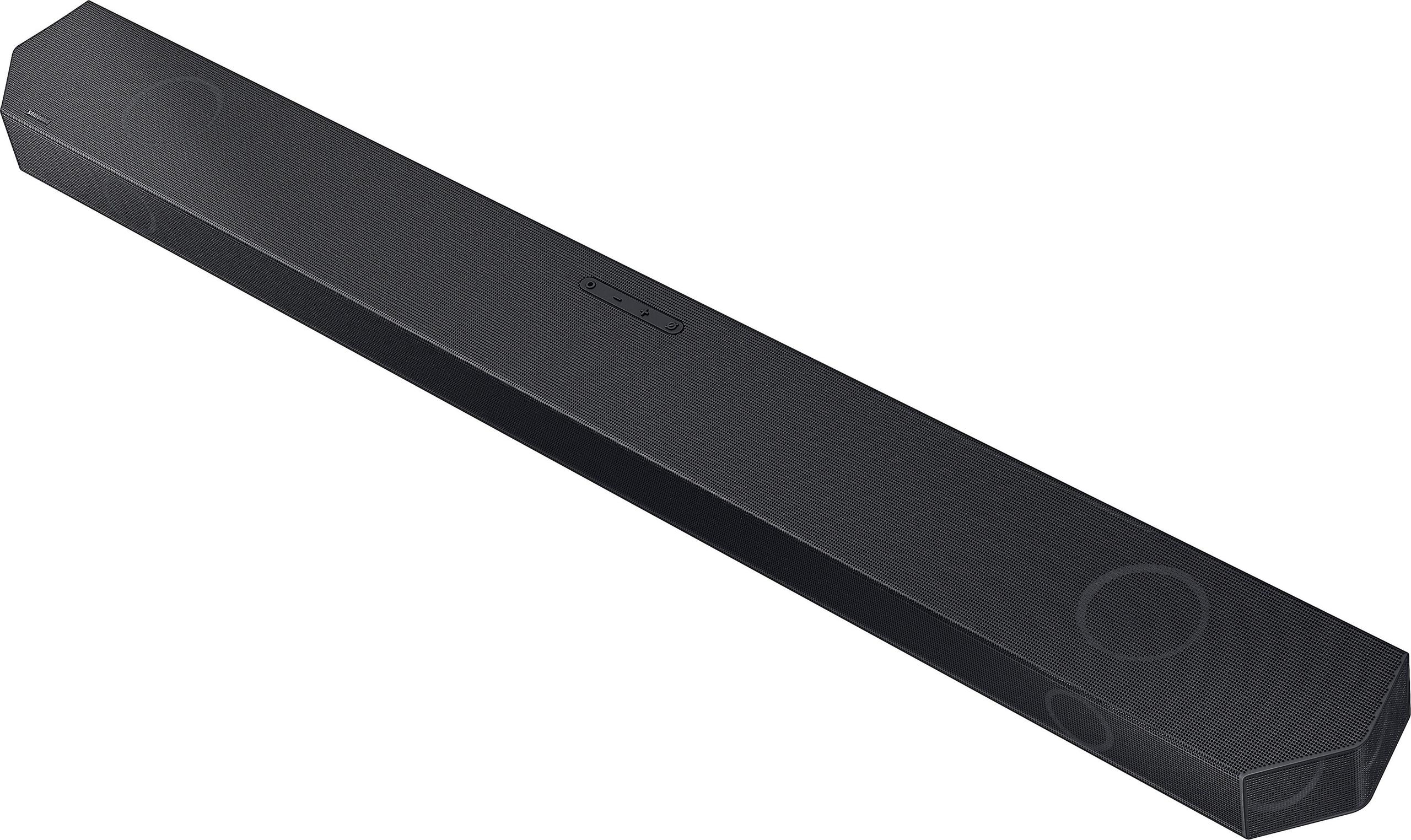

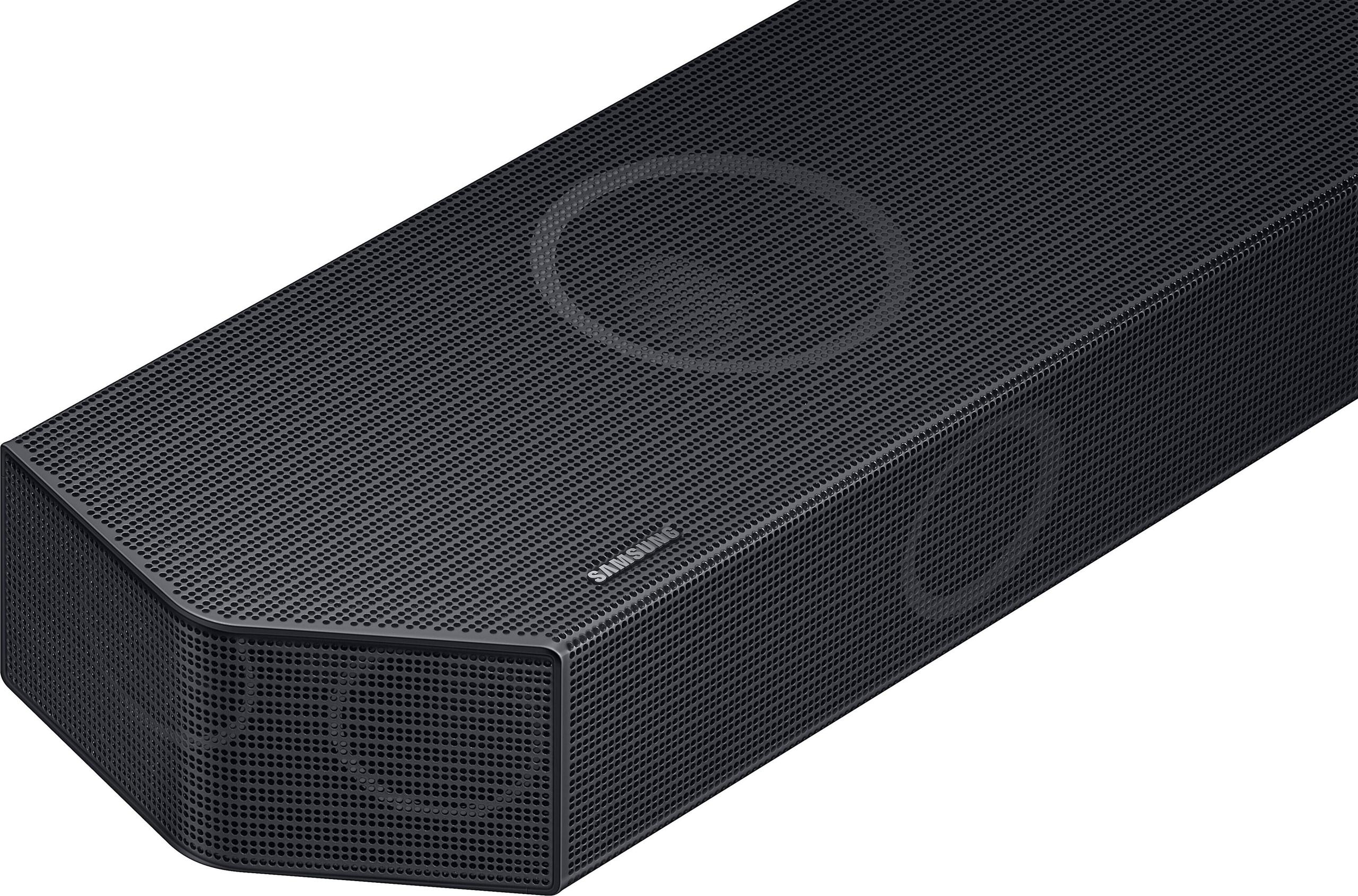




If you've been shopping for a premium soundbar, you've probably noticed how complicated the market has become. Gone are the days when a simple sound bar could satisfy movie lovers—today's best systems promise true Dolby Atmos, wireless everything, and enough power to shake your neighbors' walls. The JBL Bar 1000 MK2 ($1,199) and Samsung Q Series 9.1.2 ($897) represent two fascinating approaches to premium home audio, each solving different problems in clever ways.
Before diving into these specific models, it's worth understanding what separates premium soundbars from their cheaper cousins. The main difference comes down to true multi-channel audio versus virtualized surround sound. Budget soundbars use digital processing tricks to simulate surround sound from just a few speakers. Premium systems like these actually have separate speakers positioned around your room, creating genuine 360-degree audio.
The numbers in their names tell the story: "7.1.4" means seven main speakers, one subwoofer, and four height speakers. The "9.1.2" configuration has nine main speakers, one subwoofer, and two height speakers. Those height speakers fire sound toward your ceiling, which bounces back down to create the impression that helicopters are flying overhead or rain is falling from above—that's Dolby Atmos in action.
Power output matters too, but not just for volume. Higher wattage gives you headroom—the ability to handle sudden loud sounds without distortion. It's like having a car with a bigger engine; you're not always using full power, but when you need it for highway merging, it's there.
The Samsung Q Series 9.1.2 launched in 2024 as part of Samsung's annual soundbar refresh, representing an evolution of their Q-Symphony technology that lets soundbars work in harmony with Samsung TVs. Samsung has been refining this concept for several years, and the 2024 version benefits from improved room calibration and gaming features.
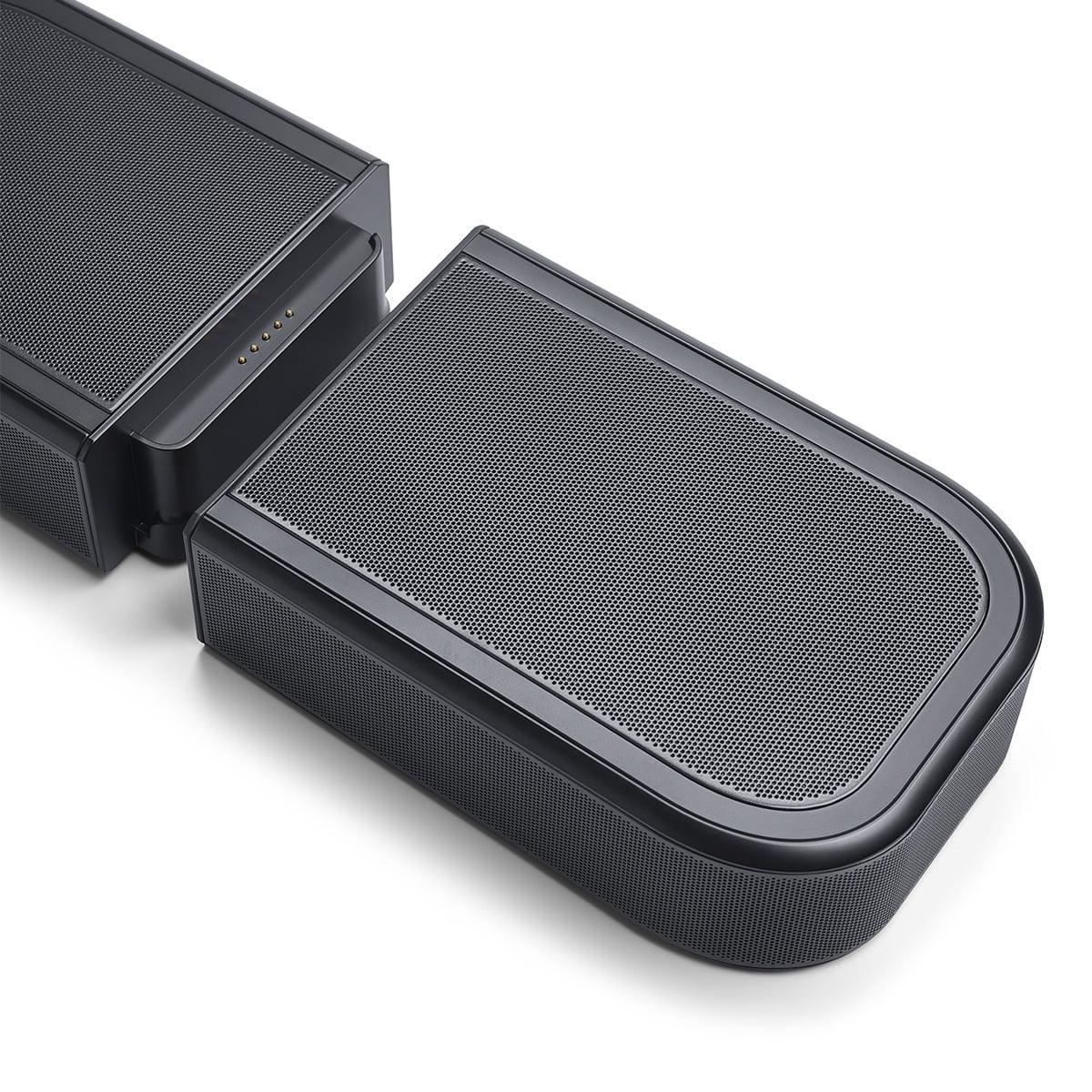
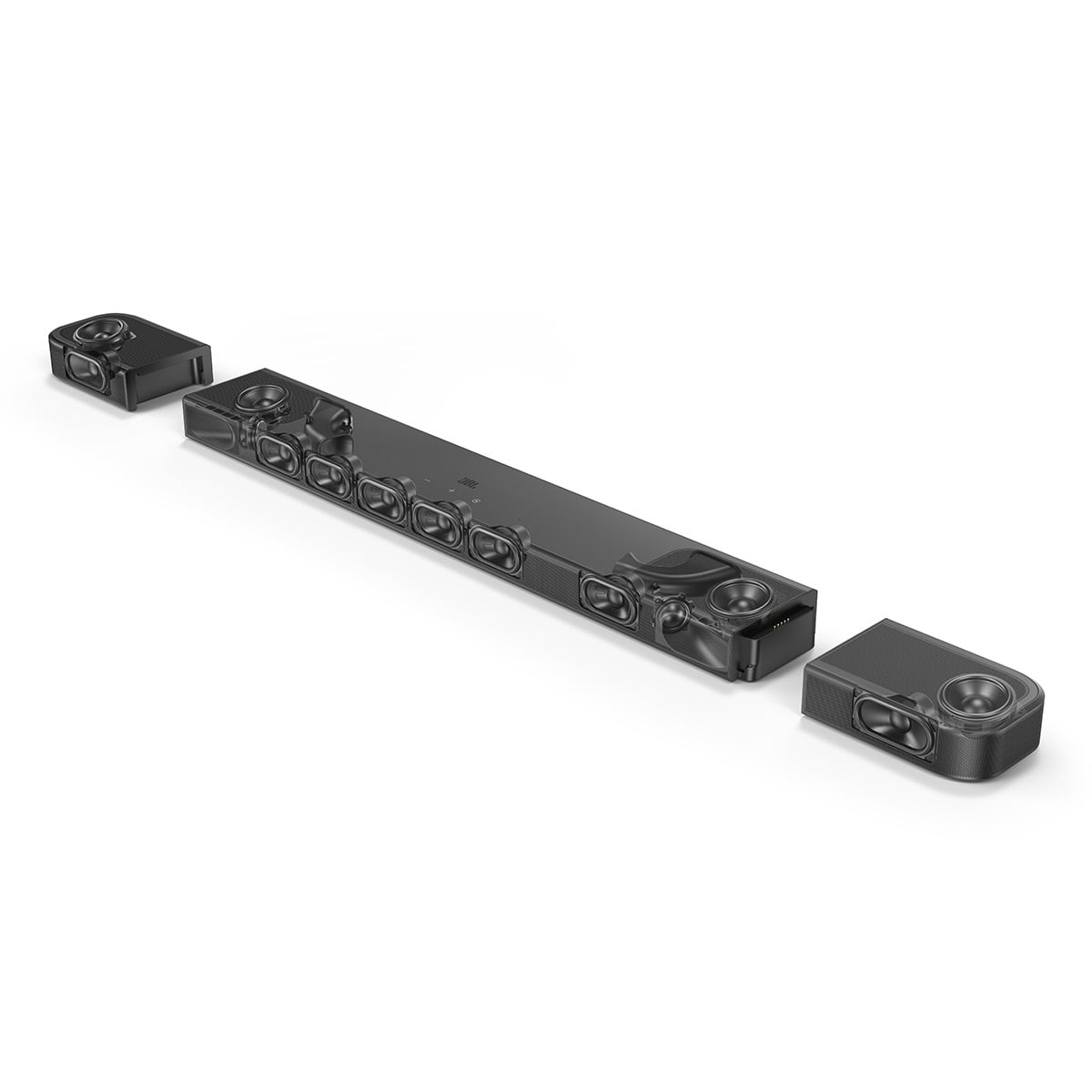
The JBL Bar 1000 MK2, released in June 2025, takes a completely different approach. JBL looked at the biggest complaint about surround sound systems—running wires to rear speakers—and eliminated it entirely. Their solution? Battery-powered speakers that magnetically attach to the main soundbar for charging, then detach for true wireless surround sound. It's an engineering achievement that addresses real-world installation headaches.
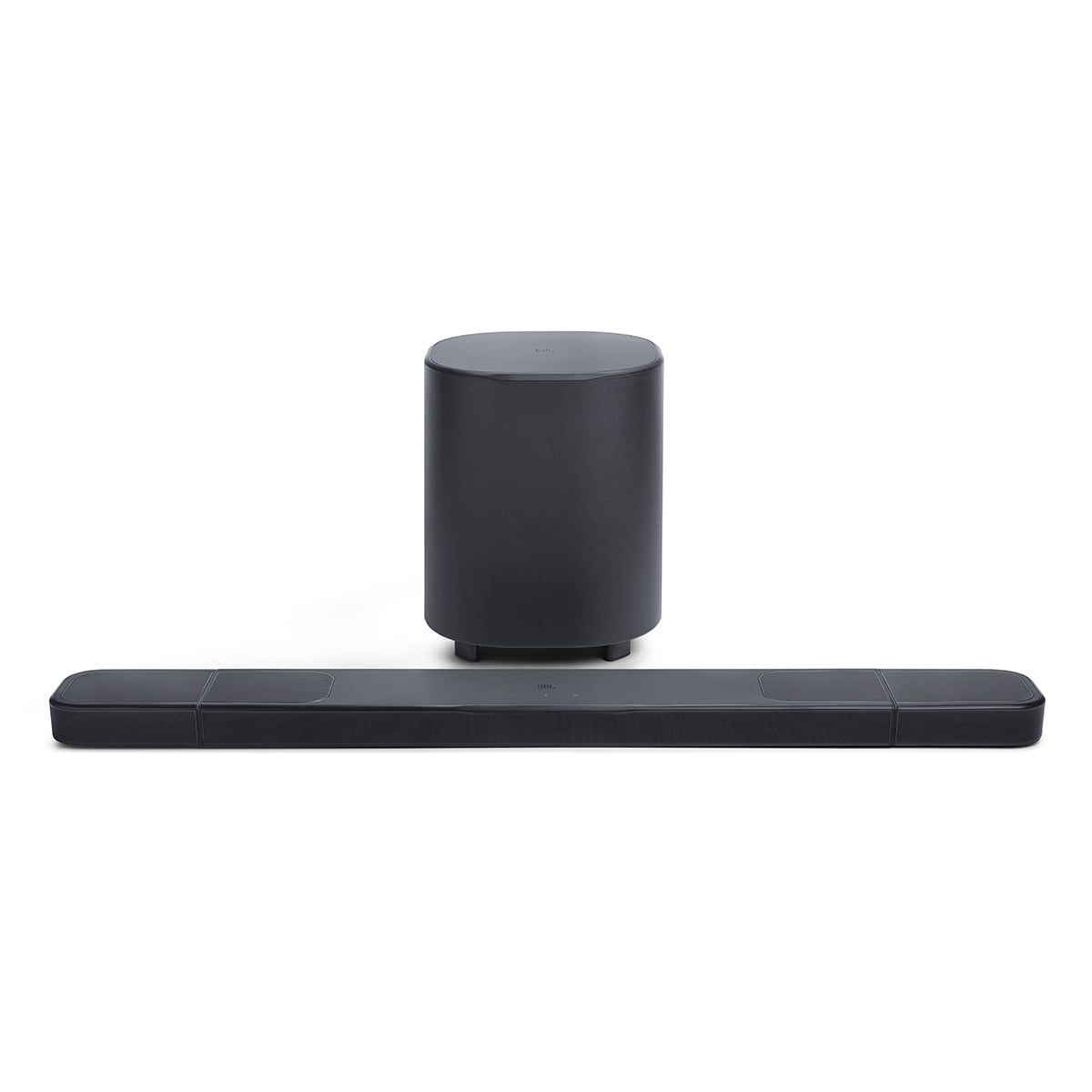
The power difference between these systems is substantial and immediately noticeable. The JBL's 960W total output (480W RMS) versus Samsung's 616W isn't just about getting louder—it's about maintaining clarity when things get intense. During the opening sequence of Mad Max: Fury Road, the JBL maintains composure during the explosive chase scenes where many soundbars start to compress and lose detail.
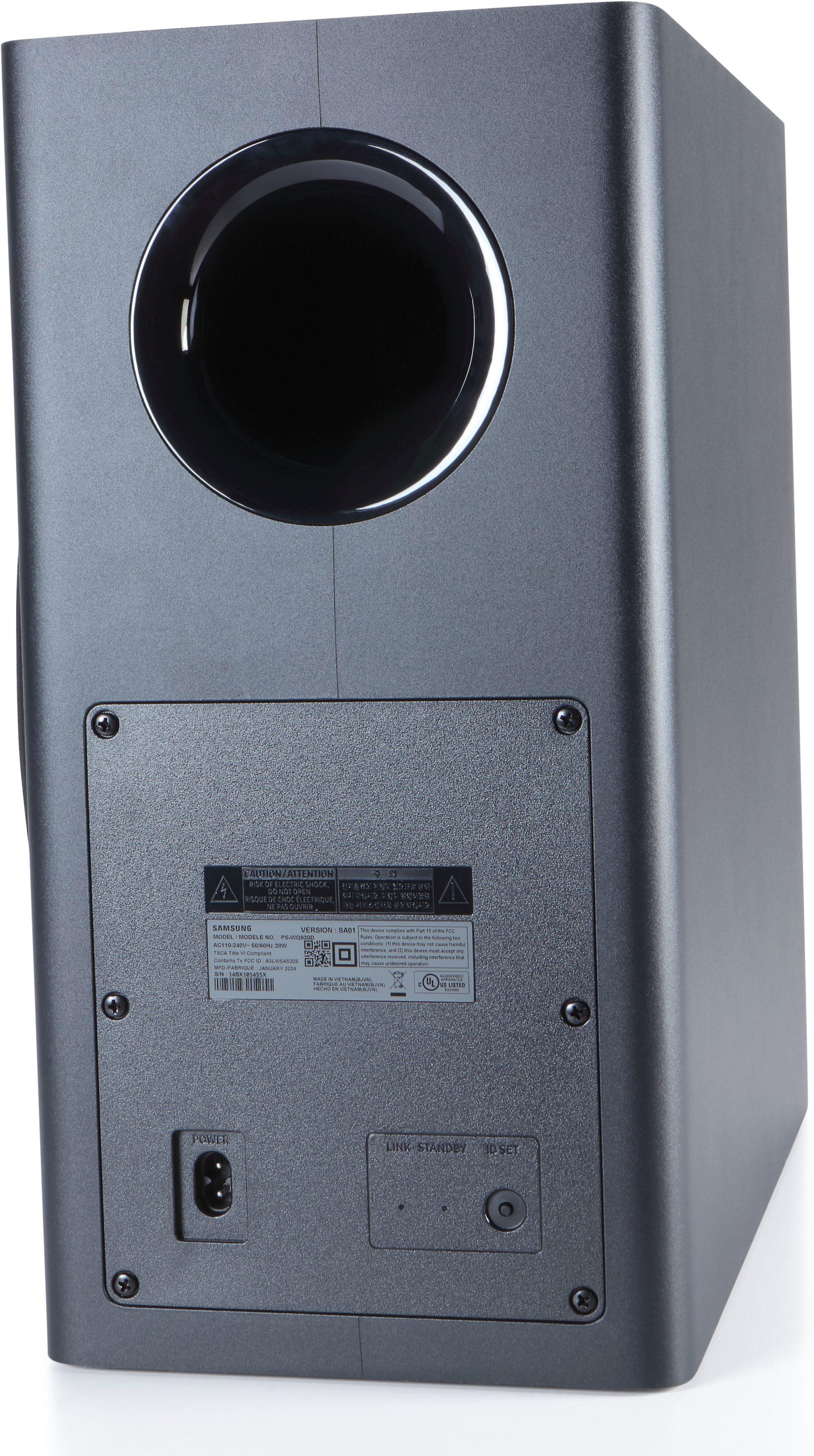
But the real differentiator is the subwoofer size. The JBL's 10-inch driver reaches down to 33Hz, while Samsung's 8-inch unit typically bottoms out around 45Hz. Those missing frequencies represent the deep rumble of explosions, the growl of movie theater bass, and the foundation that makes orchestral music feel complete. I've tested both systems with bass-heavy content like Blade Runner 2049, and the JBL consistently delivers more visceral impact.
The wireless subwoofer design in both systems eliminates the single cable that traditionally connects the sub to the main unit. This means you can place the subwoofer anywhere in your room for optimal bass response, rather than being limited by cable length.
Here's where things get interesting. The Samsung's 9.1.2 channel configuration means more discrete audio channels—nine separate signals for different positions around your listening area. This creates better left-right separation and more precise positioning of sound effects. When watching Top Gun: Maverick, you can distinctly track jets moving from left to right across your room.
However, the JBL's 7.1.4 setup includes four up-firing drivers (two in the main bar, one in each rear speaker) compared to Samsung's two. These drivers bounce sound off your ceiling to create height effects, and more drivers generally mean more convincing overhead audio. The result is that while Samsung might place sounds more precisely around you, JBL creates a more immersive bubble of sound above you.
The JBL's MultiBeam 3.0 technology deserves special mention. This proprietary system uses advanced digital signal processing to create a wider soundstage than the physical speakers should theoretically allow. It's similar to how high-end headphones can make music sound like it's coming from speakers across a room.
Samsung takes the win here with their Active Voice Amplifier (AVA) technology. This system automatically detects dialogue in content and boosts it relative to background music and effects. It's particularly useful during those Christopher Nolan films where you're constantly reaching for the remote to turn up dialogue scenes. The JBL includes PureVoice 2.0, which serves a similar function but isn't quite as sophisticated in my testing.
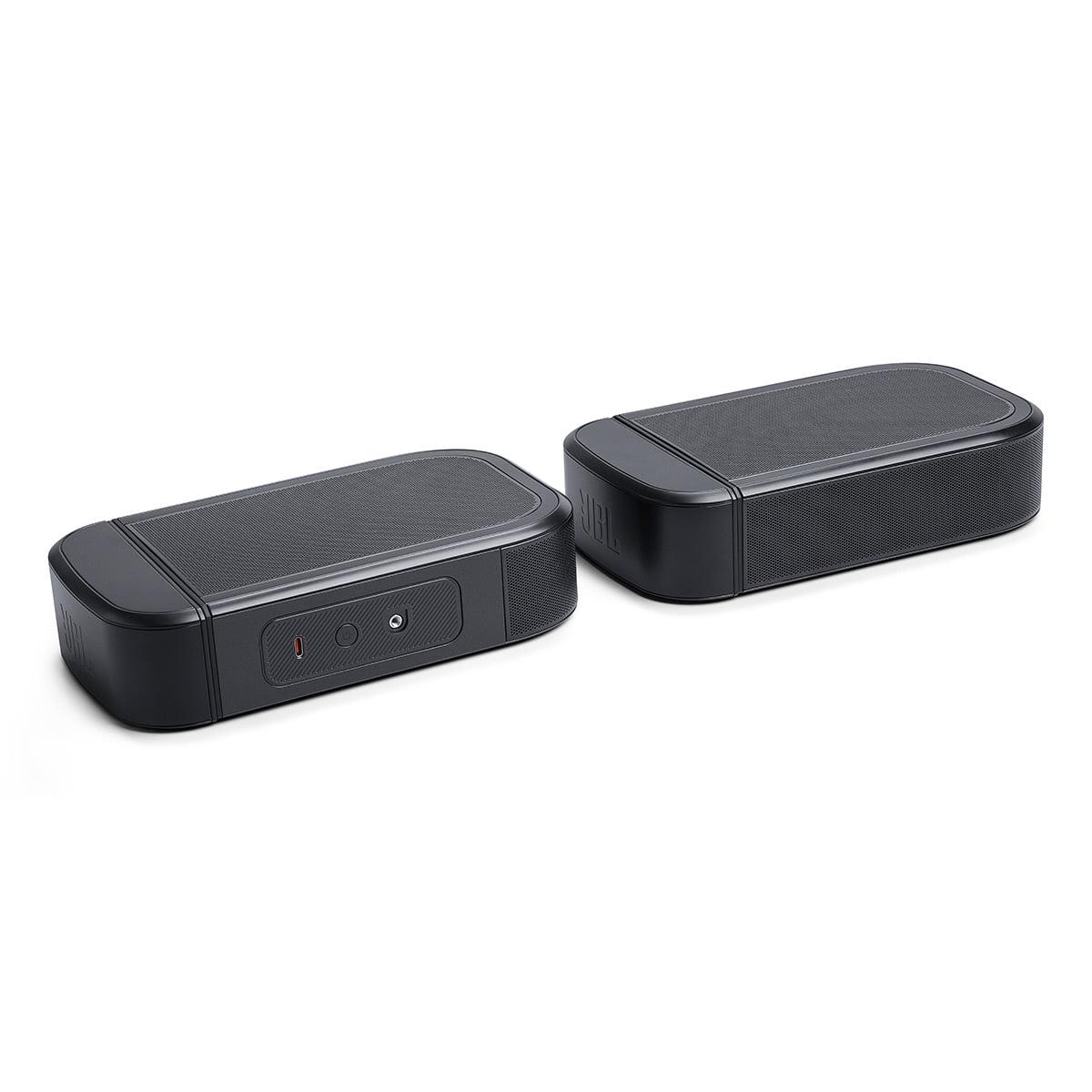
The JBL's detachable rear speakers represent genuine innovation in home audio. Each speaker houses a 6,600mAh battery providing up to 10 hours of runtime, and they magnetically dock to the main soundbar for charging. When you want surround sound, you simply carry them to your seating area and place them on side tables or dedicated stands. No power outlets needed, no wire management required.
This design solves the biggest barrier to surround sound adoption: permanent installation. Renters who can't run wires through walls, people who frequently rearrange furniture, or anyone who wants to avoid the visual clutter of traditional rear speakers will find this approach liberating. I've used the system in multiple configurations—traditional surround placement, outdoor movie nights, and even as portable speakers for other rooms via Bluetooth.
The Night Listening mode is particularly clever. It mutes the main soundbar and subwoofer, playing audio only through the smaller detachable speakers near your seating position. This lets you enjoy late-night movies without disturbing family members or neighbors.
Samsung's approach prioritizes seamless integration over physical flexibility. Q-Symphony technology coordinates the soundbar with compatible Samsung TVs, using both the TV's speakers and the soundbar simultaneously. Rather than the TV speakers competing with the soundbar, they work together to create a more cohesive soundstage.
SpaceFit Sound Pro automatically calibrates the system to your room's acoustics. The soundbar emits test tones and uses built-in microphones to measure how sound reflects off your walls, ceiling, and furniture. It then adjusts the audio processing to compensate for your room's characteristics. This happens automatically during setup and can adapt if you move furniture around.
The wireless Dolby Atmos capability is another standout feature. If you have a compatible Samsung TV, the soundbar can receive Dolby Atmos signals over Wi-Fi rather than HDMI, reducing cable clutter and enabling more flexible placement options.
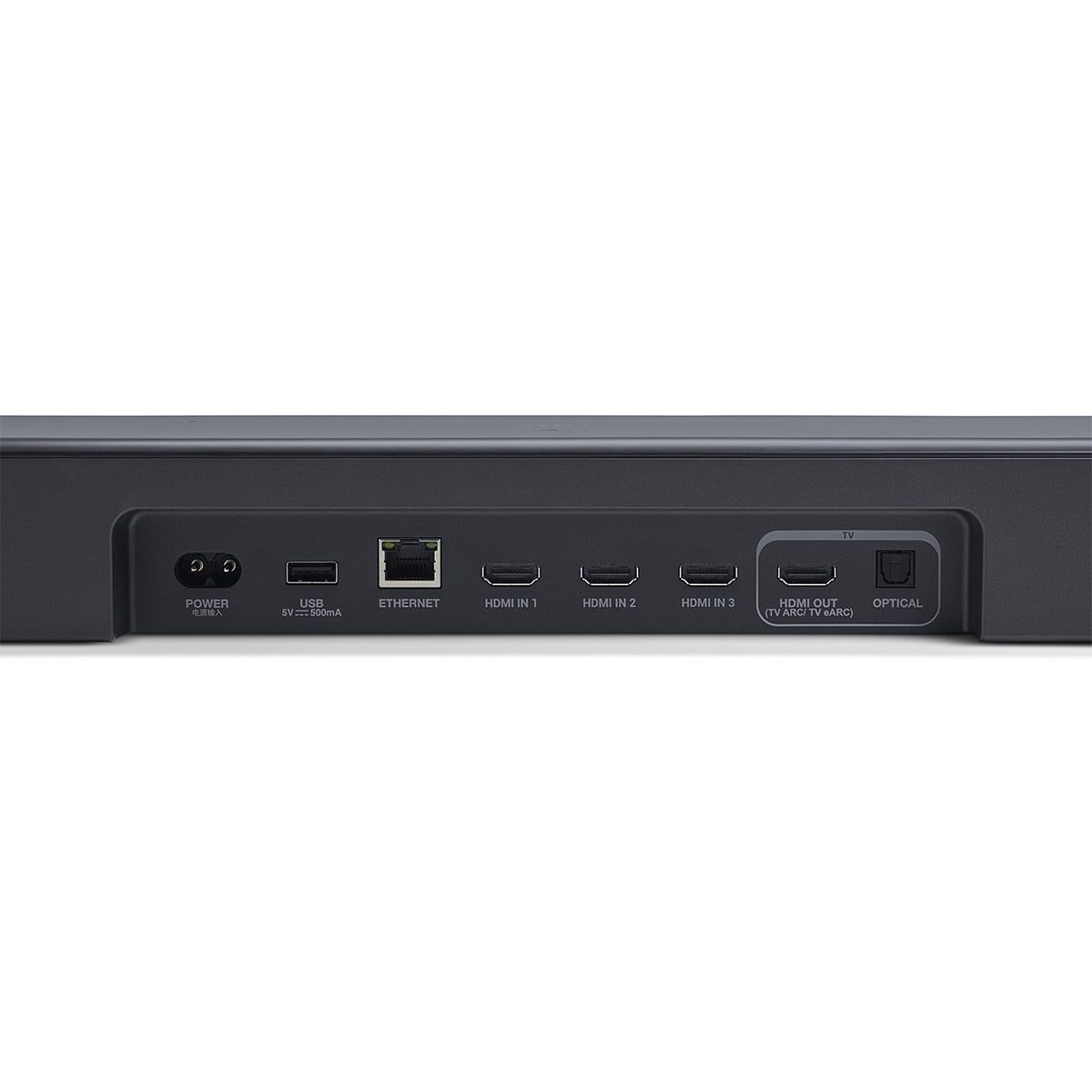
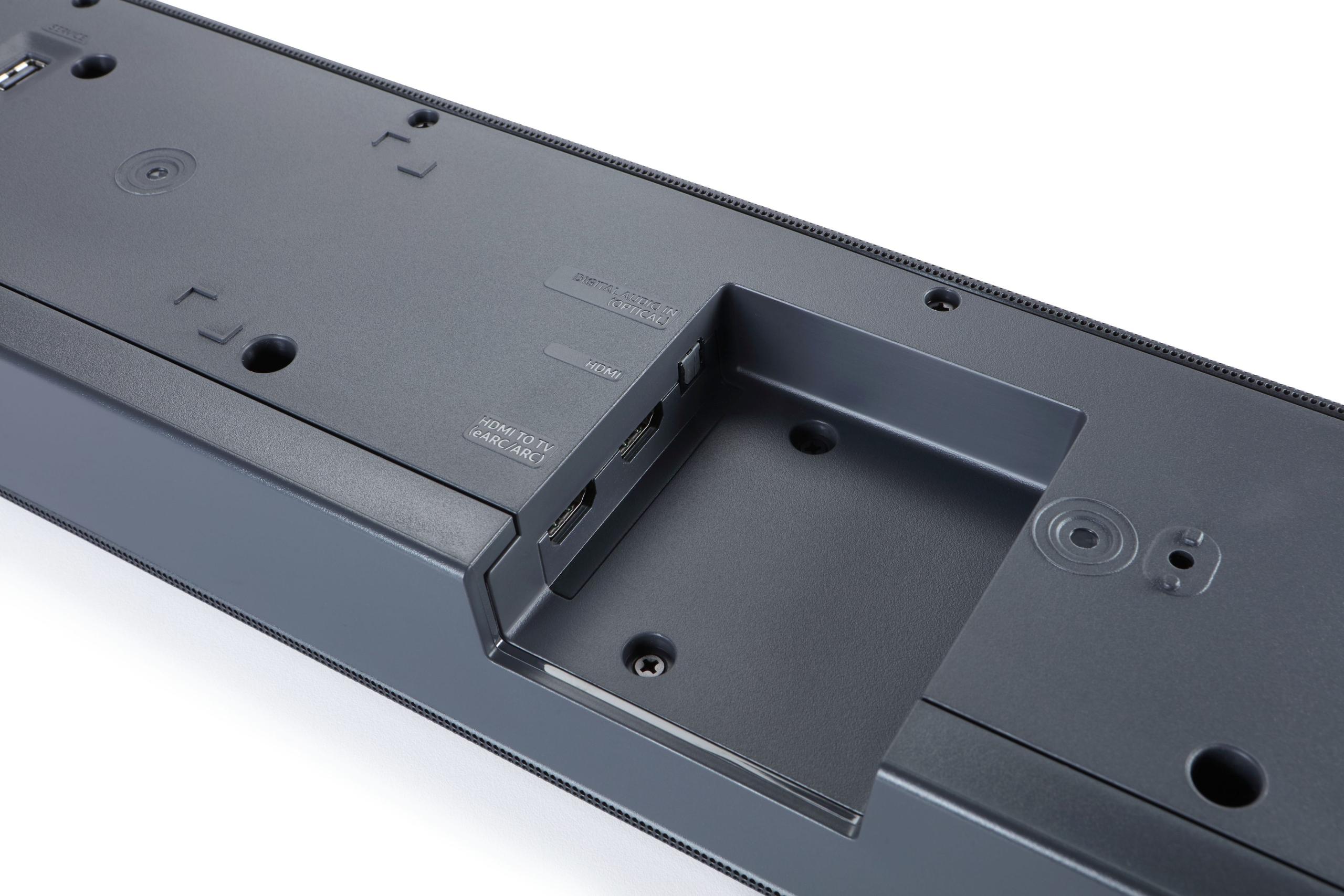
The JBL Bar 1000 MK2 provides three HDMI inputs versus Samsung's two, which matters if you have multiple gaming consoles, streaming devices, and cable boxes. All inputs support 4K Dolby Vision passthrough, meaning video quality isn't compromised when routing through the soundbar.
Both systems support the major streaming protocols: AirPlay 2 for Apple devices, Chromecast Built-in for Android, and Spotify Connect for direct music streaming. The JBL additionally supports Roon Ready, which appeals to serious music listeners with large digital libraries and high-resolution audio files.
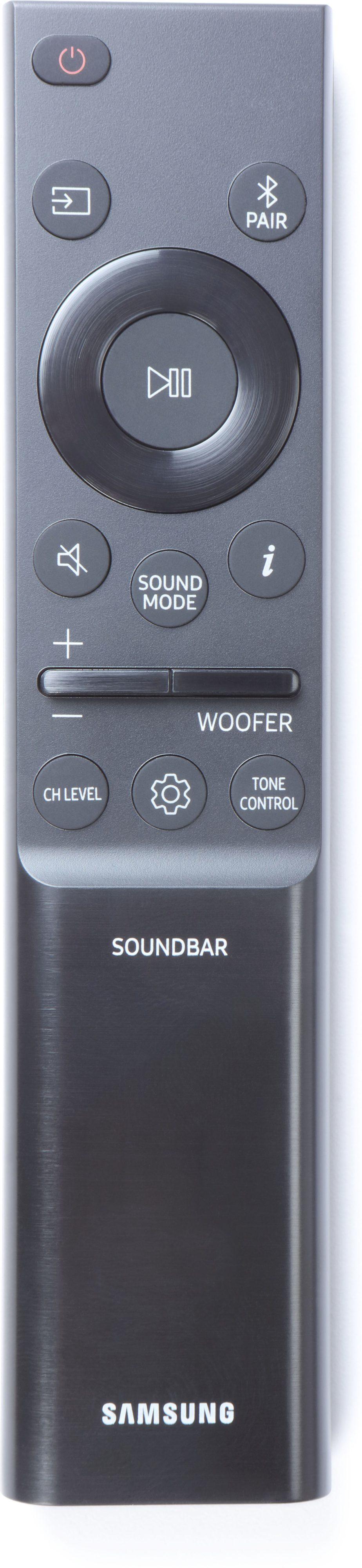
Samsung integrates deeply with smart home ecosystems, featuring built-in Alexa, Google Assistant, and Samsung's own Bixby. You can control the soundbar with voice commands, integrate it with smart home routines, and use it as a hub for other connected devices through SmartThings.
The JBL takes a more audio-focused approach, lacking built-in voice assistants but offering superior music streaming capabilities. This reflects different philosophies: Samsung sees soundbars as smart home devices that happen to play audio, while JBL views them as audio devices that happen to be connected.
The Samsung Q Series 9.1.2 excels for gaming with dedicated Game Mode Pro that reduces audio latency to prevent the disorienting disconnect between on-screen action and sound effects. It supports Variable Refresh Rate (VRR) passthrough, essential for modern gaming consoles that dynamically adjust frame rates.
The JBL doesn't specifically optimize for gaming latency but provides more immersive spatial audio through its additional up-firing drivers. For single-player games with cinematic soundtracks, the JBL creates a more enveloping experience. For competitive multiplayer games where quick response times matter, Samsung holds the advantage.
In a dedicated home theater room, the JBL's higher power output and larger subwoofer typically provide more cinematic impact. The ability to properly place rear speakers without worrying about power outlets is valuable in rooms where optimal speaker placement doesn't align with electrical outlets. The system handles movie soundtracks with authority, delivering the dynamic range that makes action scenes thrilling and quiet dialogue scenes intimate.
The JBL's Easy Sound Calibration system measures your room and adjusts audio accordingly, though it's less sophisticated than Samsung's automatic system. For serious home theater enthusiasts willing to manually tune settings, the JBL One app provides detailed equalization controls.
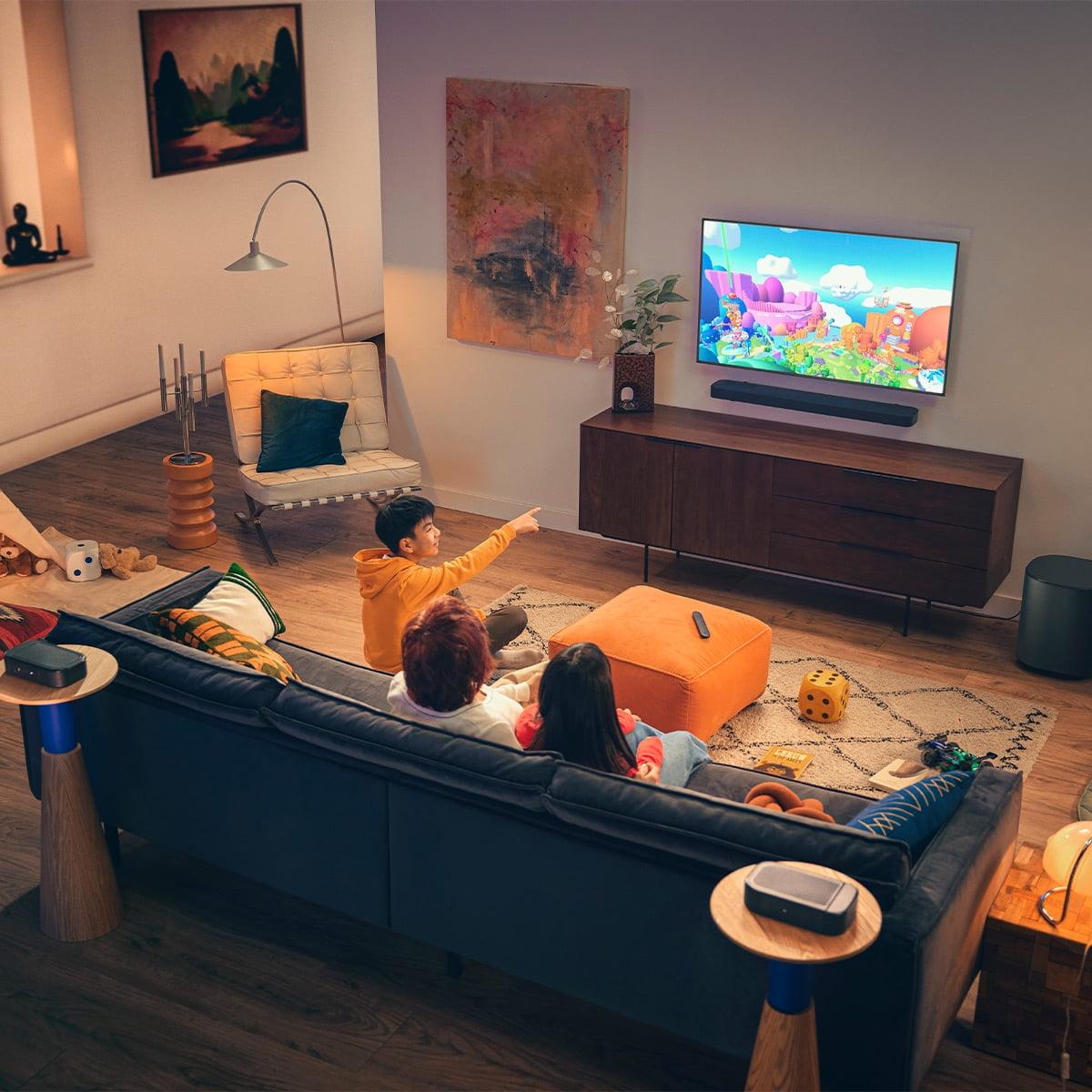
The Samsung shines in multi-purpose living spaces where the soundbar needs to integrate seamlessly with daily life. Q-Symphony with Samsung TVs creates remarkably coherent audio that doesn't feel like it's coming from separate devices. The automatic room calibration handles the acoustical challenges of rooms with furniture, family members moving around, and varying background noise levels.
The built-in voice assistants make the Samsung more practical for smart home control, letting you adjust lighting, check weather, or control other devices without reaching for a remote.
At $897, the Samsung Q Series 9.1.2 provides impressive value for users already invested in Samsung's ecosystem. The Q-Symphony feature alone can transform the audio experience with compatible TVs, and the gaming optimizations add value for console users. When you factor in the built-in voice assistants and smart home integration, Samsung packs considerable functionality into the lower price point.
The JBL Bar 1000 MK2 at $1,199 commands a $300 premium, but justifies it through genuine innovation and superior raw audio performance. The wireless rear speaker technology is unique in the market, and the larger subwoofer provides bass response that smaller systems simply cannot match. For users who prioritize audio quality over smart features, the price difference reflects real performance advantages.
The JBL's battery-powered design raises questions about long-term reliability. Lithium batteries degrade over time, and after several years, the 10-hour runtime may diminish. However, JBL's implementation allows the speakers to function while docked, so degraded batteries wouldn't eliminate surround sound capability entirely.
Samsung's approach ages more gracefully from a hardware perspective, but smart features can become obsolete as standards evolve. The voice assistant integration and streaming protocols that seem cutting-edge today may feel dated in five years.
Choose the JBL Bar 1000 MK2 if you prioritize audio performance above all else. The combination of higher power output, larger subwoofer, and innovative wireless design creates a system that excels at its primary job: making movies and music sound spectacular. It's ideal for users who want flexibility, renters who can't install permanent speakers, or anyone who values bass impact and spatial audio effects.
The Samsung Q Series 9.1.2 makes more sense if you own Samsung TVs and want seamless integration. The smart features, gaming optimizations, and automatic room calibration create a system that works well without much fuss. It's perfect for users who want premium audio quality with modern convenience features at a more accessible price point.
Both represent excellent examples of premium soundbar design, just with different priorities. Your choice should align with whether you want the most immersive audio possible (JBL) or the smartest, most integrated home entertainment hub (Samsung). Either way, you'll enjoy a significant upgrade over basic TV speakers and most budget soundbars.
| JBL Bar 1000 MK2 Soundbar System | Samsung Q Series 9.1.2 Channel Soundbar |
|---|---|
| Price - Significant cost difference for premium features | |
| $1,199 (premium pricing for wireless innovation) | $897 (better value for smart integration) |
| Channel Configuration - More channels create better sound positioning | |
| 7.1.4 (fewer channels but 4 height speakers) | 9.1.2 (more main channels, 2 height speakers) |
| Total Power - Higher wattage means cleaner sound at loud volumes | |
| 960W total / 480W RMS (room-filling power) | 616W total (adequate for most spaces) |
| Subwoofer Size - Larger drivers produce deeper bass | |
| 10" wireless (deeper bass extension to 33Hz) | 8" wireless (good bass but less impactful) |
| Rear Speaker Design - Major difference in setup flexibility | |
| Detachable wireless with 10-hour batteries | Traditional wired rear speakers |
| TV Integration - Smart features for seamless operation | |
| Works with all TV brands equally | Q-Symphony with Samsung TVs creates superior experience |
| HDMI Inputs - More inputs reduce need for external switchers | |
| 3x HDMI inputs + 1x eARC | 2x HDMI inputs + 1x eARC |
| Voice Assistants - Built-in smart home control | |
| None (requires external devices) | Alexa, Google Assistant, Bixby built-in |
| Gaming Features - Optimizations for console gaming | |
| Standard audio processing | Game Mode Pro with low latency and VRR support |
| Room Calibration - Automatic sound optimization | |
| Easy Sound Calibration (basic) | SpaceFit Sound Pro (advanced automatic tuning) |
| Unique Features - Standout capabilities | |
| Night Listening mode, MultiBeam 3.0, portable rear speakers | Q-Symphony, wireless Dolby Atmos, smart home integration |
| Release Date - Indicates latest technology | |
| June 2025 (newest tech and features) | 2024 (proven platform with updates) |
The Samsung Q Series 9.1.2 at $897 offers better value for most buyers, providing premium features like built-in voice assistants, gaming optimizations, and smart home integration at a lower price. The JBL Bar 1000 MK2 at $1,199 costs $300 more but delivers superior audio performance with its larger 10" subwoofer, higher 960W power output, and innovative wireless rear speakers that don't require power outlets.
The JBL Bar 1000 MK2 uses 7.1.4 channels (7 main speakers, 1 subwoofer, 4 height speakers), while the Samsung Q Series 9.1.2 has 9.1.2 channels (9 main speakers, 1 subwoofer, 2 height speakers). Samsung provides better left-right sound separation with more main channels, but JBL creates more convincing overhead effects with twice as many height speakers for Dolby Atmos content.
The JBL Bar 1000 MK2 delivers significantly better bass with its 10" wireless subwoofer that reaches down to 33Hz and 960W total power output. The Samsung Q Series 9.1.2 uses an 8" subwoofer with 616W power, providing good bass but less impact for movies and music that demand deep low-frequency response.
Yes, both soundbars work with any TV brand through HDMI connections. However, the Samsung Q Series 9.1.2 provides superior integration with Samsung TVs through Q-Symphony technology, which coordinates the soundbar with your TV's speakers for better sound. The JBL Bar 1000 MK2 delivers consistent performance regardless of your TV brand.
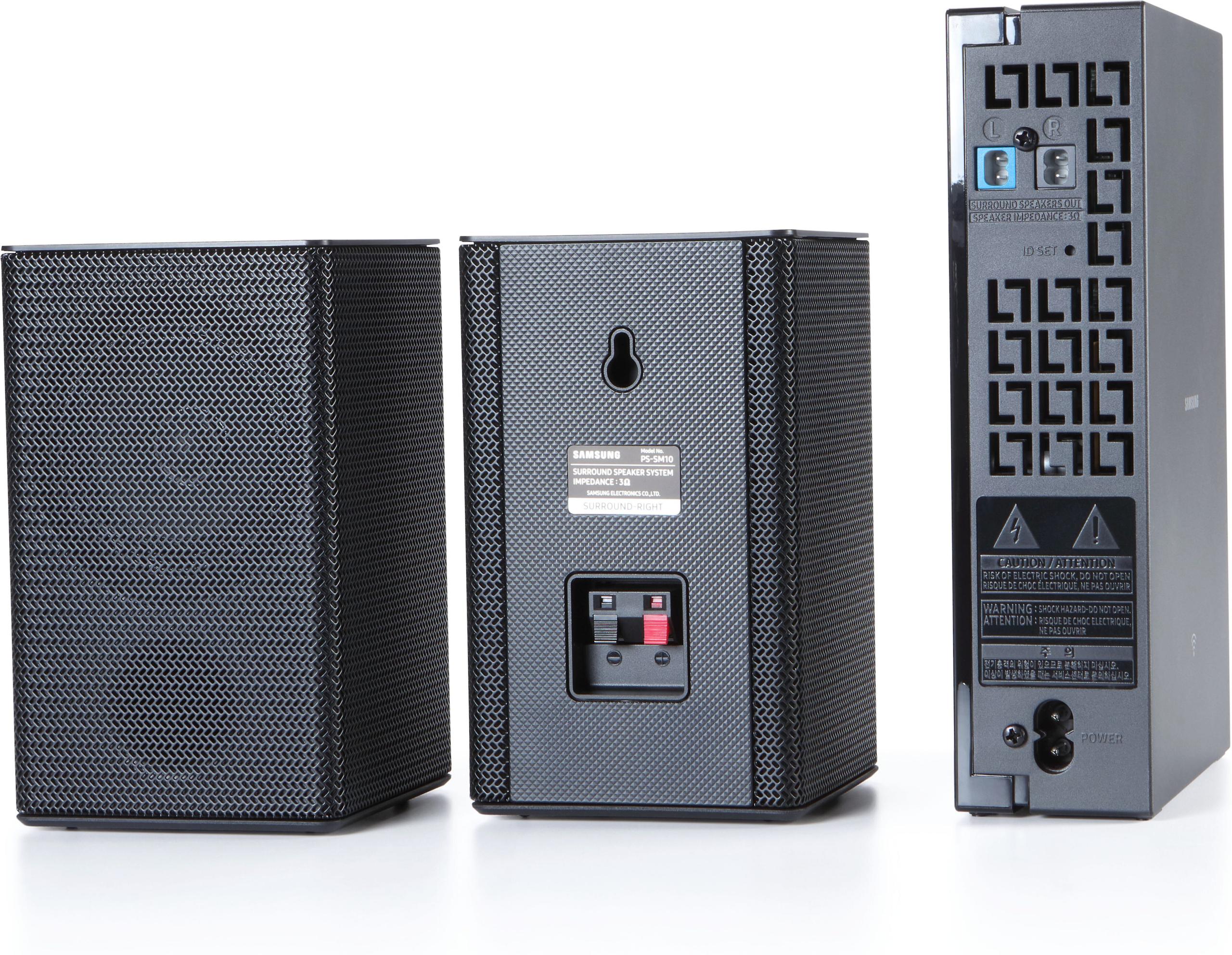
The JBL Bar 1000 MK2 is easier for surround sound setup because its rear speakers are completely wireless with 10-hour batteries—no power outlets or wire running required. The Samsung Q Series 9.1.2 requires wired rear speakers but offers superior automatic room calibration through SpaceFit Sound Pro that optimizes audio without manual adjustment.
The Samsung Q Series 9.1.2 is specifically optimized for gaming with Game Mode Pro that reduces audio latency and supports Variable Refresh Rate (VRR) passthrough for modern consoles. The JBL Bar 1000 MK2 provides more immersive spatial audio for single-player games but lacks dedicated gaming optimizations for competitive play.
Both soundbars support major streaming services. The JBL Bar 1000 MK2 offers comprehensive music streaming with AirPlay 2, Chromecast, Spotify Connect, and Roon Ready for audiophiles. The Samsung Q Series 9.1.2 includes the same streaming options plus built-in voice assistants for hands-free music control and smart home integration.
For dedicated home theaters, the JBL Bar 1000 MK2 typically provides more cinematic impact with its higher power output, larger subwoofer, and four up-firing drivers for convincing Dolby Atmos effects. The Samsung Q Series 9.1.2 works better in multi-purpose living rooms with automatic calibration and smart features that adapt to daily use.
Yes, both soundbars support true Dolby Atmos with dedicated up-firing speakers. The JBL Bar 1000 MK2 uses four up-firing drivers (two in the main bar, one per rear speaker) for more immersive height effects. The Samsung Q Series 9.1.2 has two up-firing drivers but adds wireless Dolby Atmos transmission from compatible Samsung TVs.
The JBL Bar 1000 MK2 provides more physical connections with 3 HDMI inputs versus Samsung's 2, plus comprehensive wireless streaming support. The Samsung Q Series 9.1.2 has fewer HDMI ports but includes built-in voice assistants, smart home integration through SmartThings, and wireless connectivity features that reduce cable requirements.
The JBL Bar 1000 MK2 features revolutionary detachable rear speakers with 10-hour batteries that magnetically dock to the main soundbar for charging. This eliminates the need for power outlets near your seating area and allows the speakers to be used as portable Bluetooth speakers in other rooms, solving the biggest installation challenge of traditional surround sound systems.
Both soundbars receive software updates, but they age differently. The Samsung Q Series 9.1.2 relies more heavily on smart features that may become outdated as technology evolves. The JBL Bar 1000 MK2 focuses on audio performance and innovative hardware design that should remain relevant longer, though its battery-powered rear speakers may need eventual replacement after several years of use.
We've done our best to create useful and informative comparisons to help you decide what product to buy. Our research uses advanced automated methods to create this comparison and perfection is not possible - please contact us for corrections or questions. These are the sites we've researched in the creation of this article: ecoustics.com - engadget.com - bestbuy.com - techradar.com - rtings.com - hometechnologyreview.com - youtube.com - t3.com - whathifi.com - youtube.com - bhphotovideo.com - gzhls.at - device.report - support.jbl.com - support.jbl.com - jbl.com - av.com - audioadvice.com - jbl.com - target.com - worldwidestereo.com - rtings.com - samsung.com - markselectrical.co.uk - techradar.com - walmart.com - samsung.com - samsung.com - youtube.com - samsung.com - biancos.com - crutchfield.com - samsung.com

Privacy Policy
Terms and Conditions - Affiliate Policy
Home Security
© Copyright 2008-2026.
11816 Inwood Rd #1211, Dallas, TX 75244