








Shopping for a premium soundbar can feel overwhelming, especially when you're comparing two very different approaches to great audio. The Samsung Q Series 9.1.2 Channel Soundbar ($897.99) and Denon Home Sound Bar 550 ($518.50) represent fascinating contrasts in how manufacturers think about home theater sound. One goes all-in with a complete surround system, while the other focuses on refined audio quality and future expandability.
After spending considerable time with both systems, I've discovered that your choice really comes down to whether you want immediate cinematic impact or prefer building a flexible audio ecosystem over time. Let me walk you through everything you need to know to make the right decision for your home.
The soundbar market has evolved dramatically over the past few years. What started as simple TV speaker replacements have become sophisticated audio systems capable of rivaling traditional home theater setups. Modern premium soundbars need to juggle several important capabilities: delivering immersive surround sound from a compact form factor, supporting the latest audio technologies like Dolby Atmos (which creates overhead sound effects), and integrating seamlessly with today's smart home ecosystems.
The key considerations when shopping in this category include channel configuration (more speakers typically mean better spatial audio), room compatibility, ecosystem integration with your existing devices, expandability options, and support for high-resolution audio formats. These factors determine not just how your soundbar sounds today, but how well it'll serve you as your entertainment setup evolves.
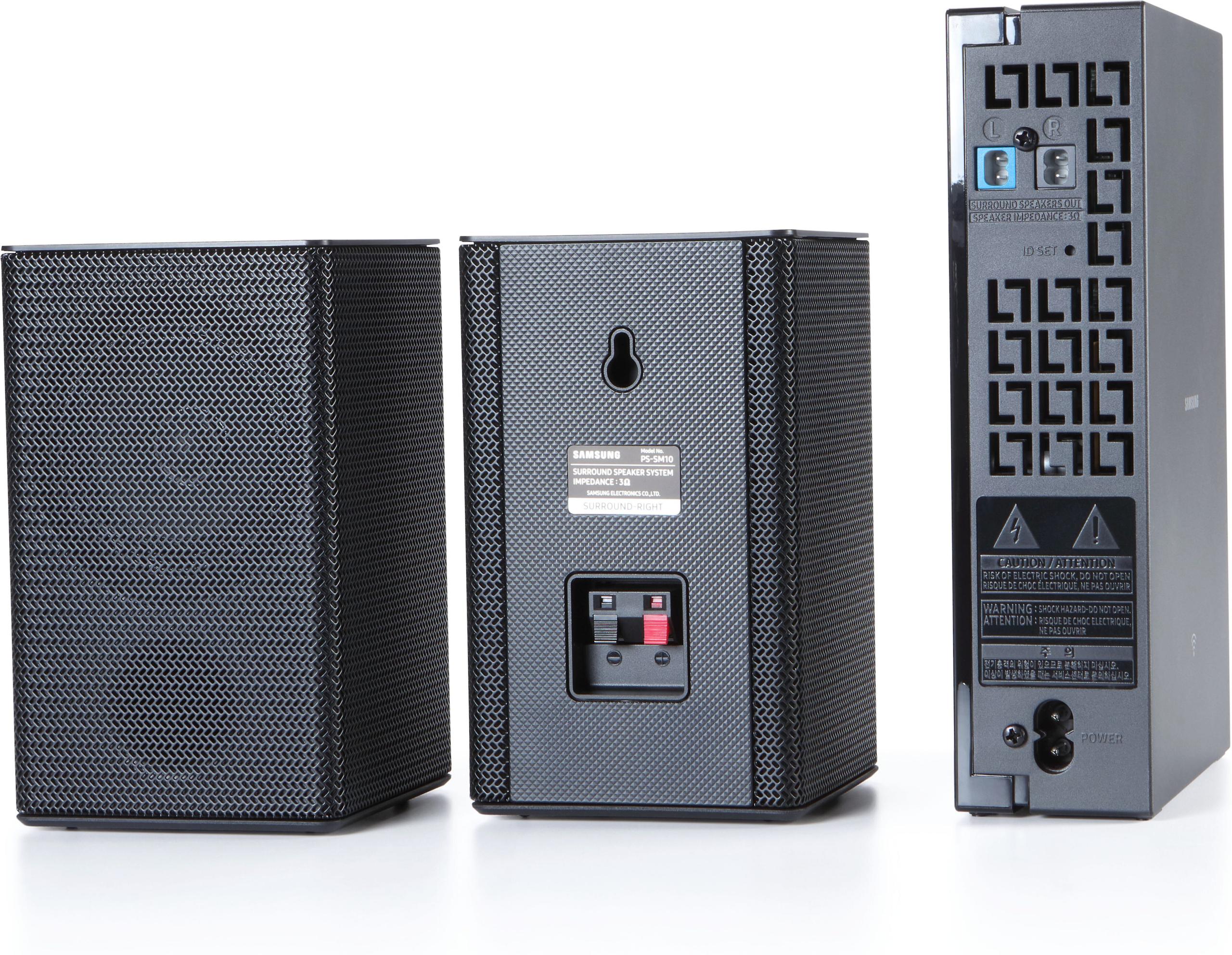
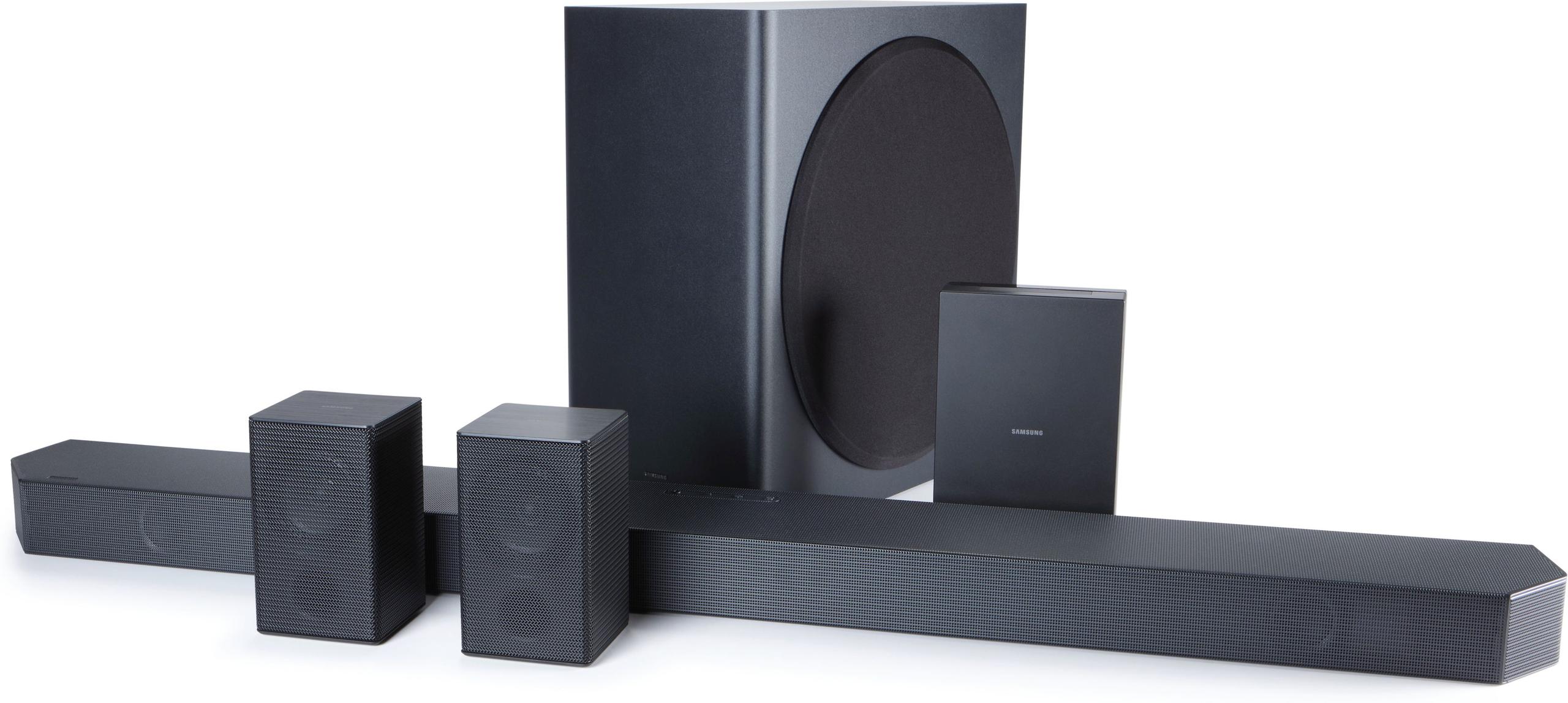
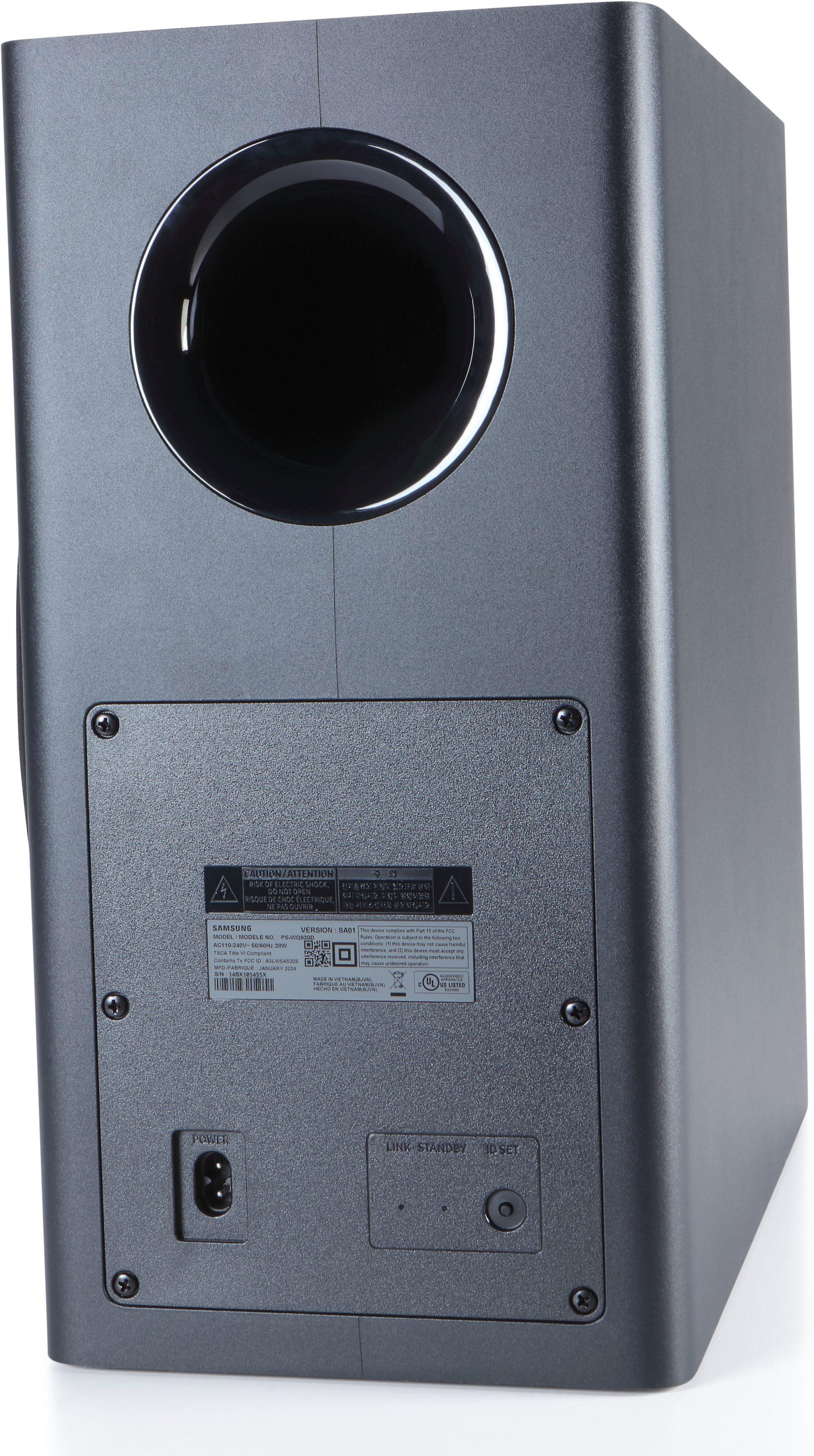
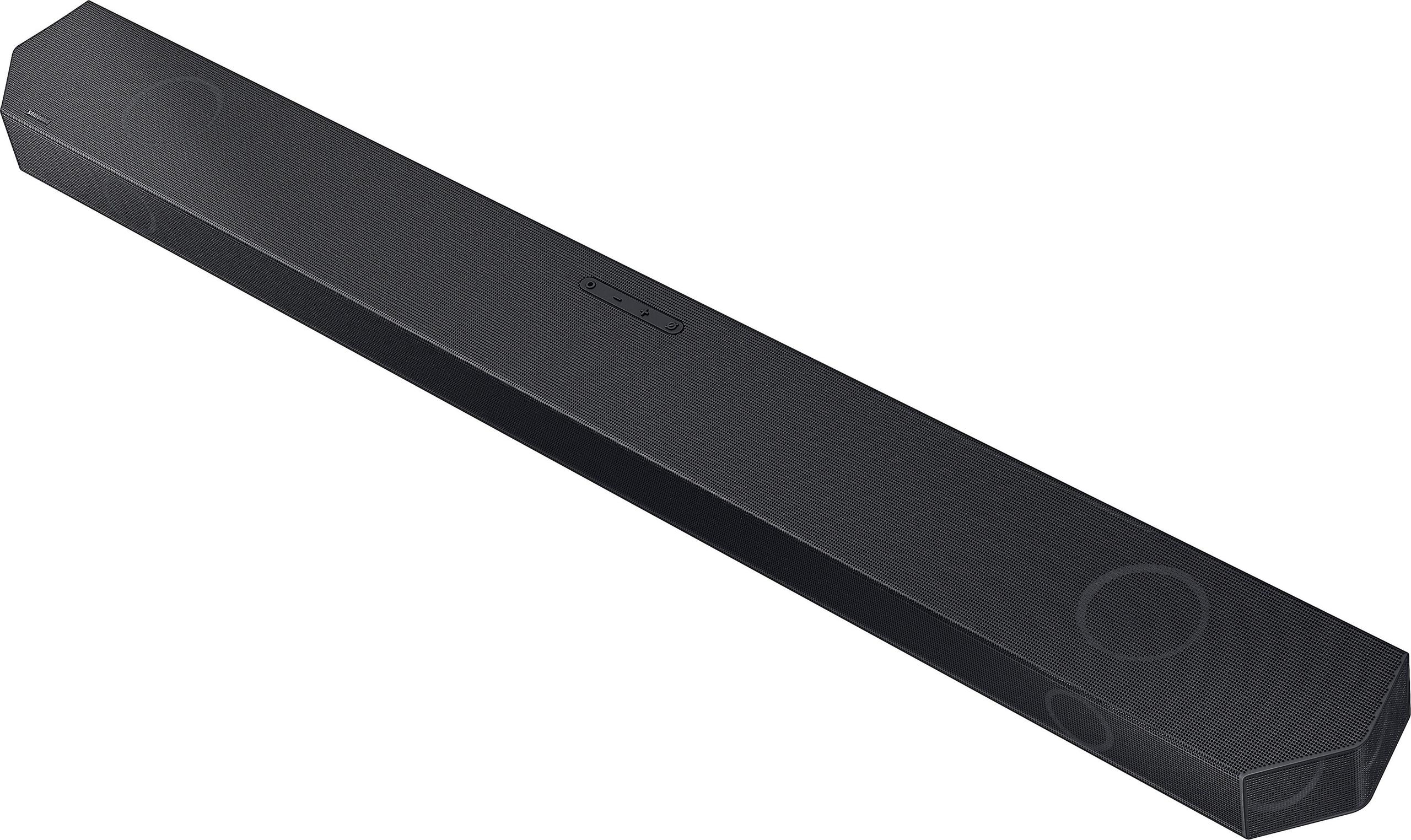
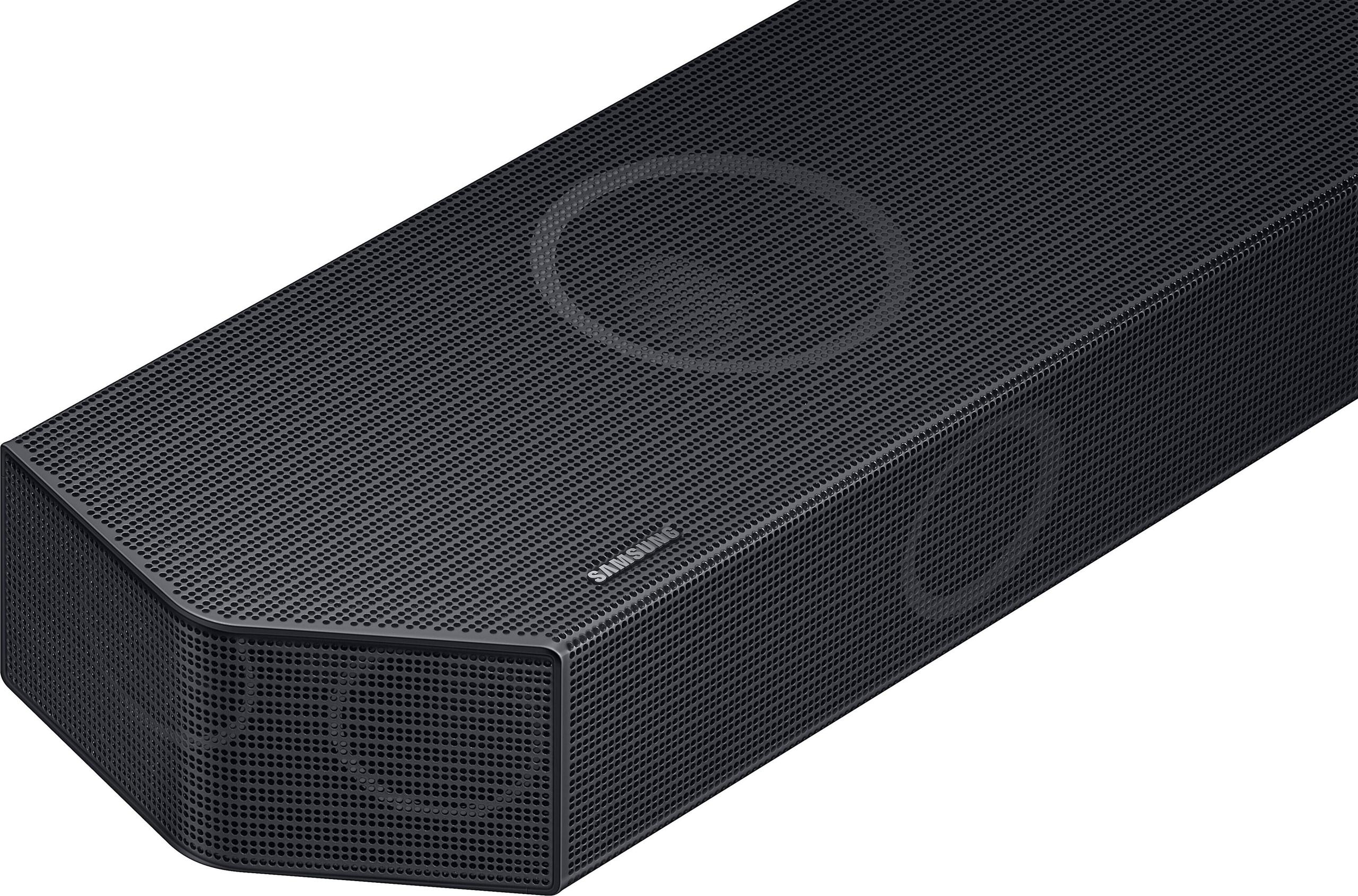
The Samsung Q Series 9.1.2, released in early 2025, represents Samsung's flagship approach to home theater audio. It's what I'd call the "everything included" philosophy – you get a complete 9.1.2-channel system with physical rear speakers, a wireless subwoofer, and up-firing drivers that bounce sound off your ceiling to create height effects. The "9.1.2" designation means nine ear-level speakers, one subwoofer channel, and two height channels, creating a truly immersive audio bubble around your seating area.
Samsung has refined this system significantly since their earlier Q-series models. The current version features improved Q-Symphony technology, which synchronizes the soundbar with your Samsung TV's speakers to effectively double your speaker count. It's like having an orchestra where every instrument is perfectly timed – when it works with compatible Samsung TVs, the effect is genuinely impressive.
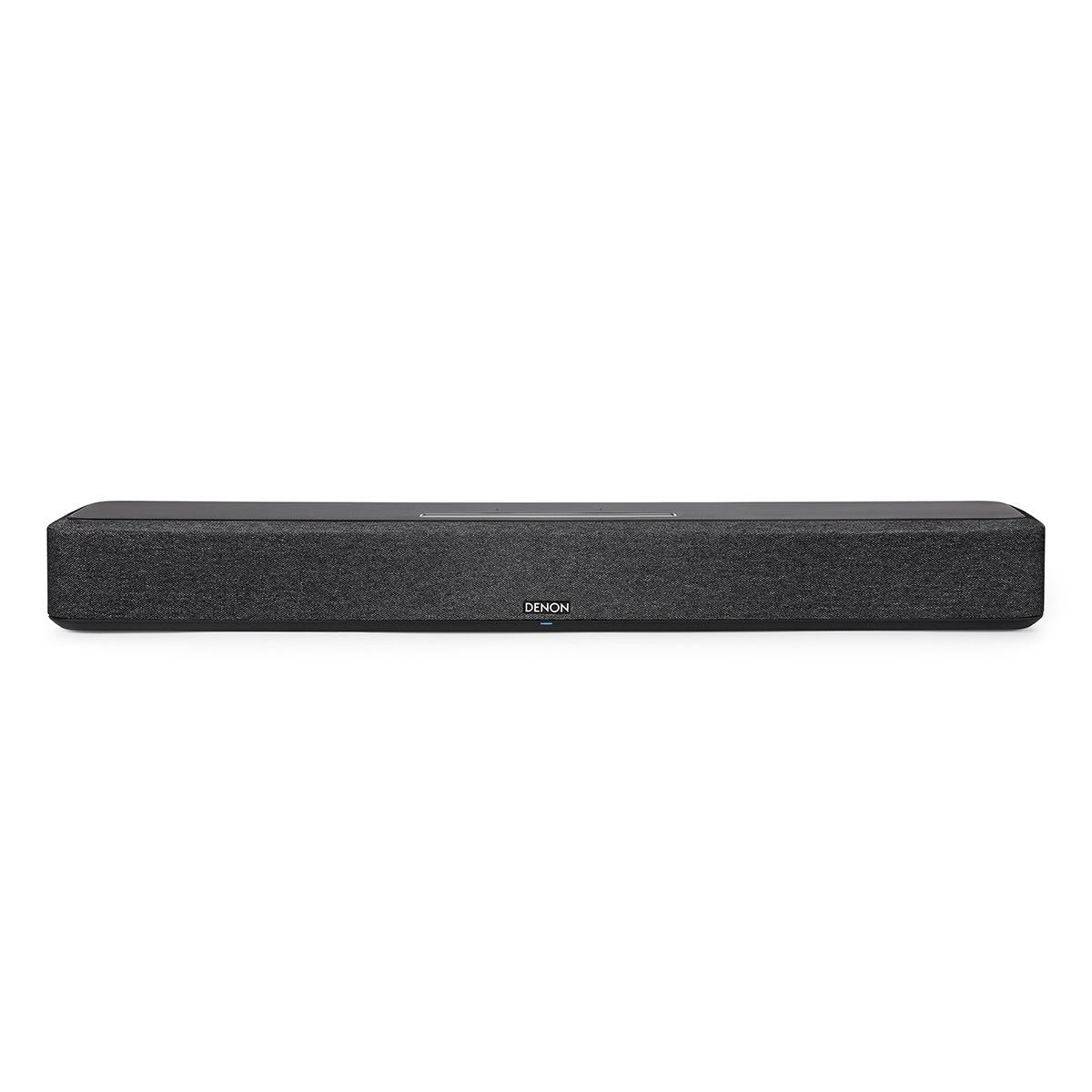
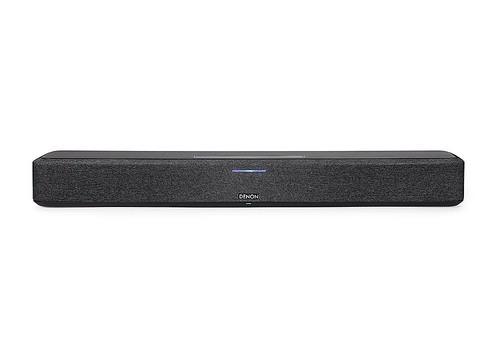
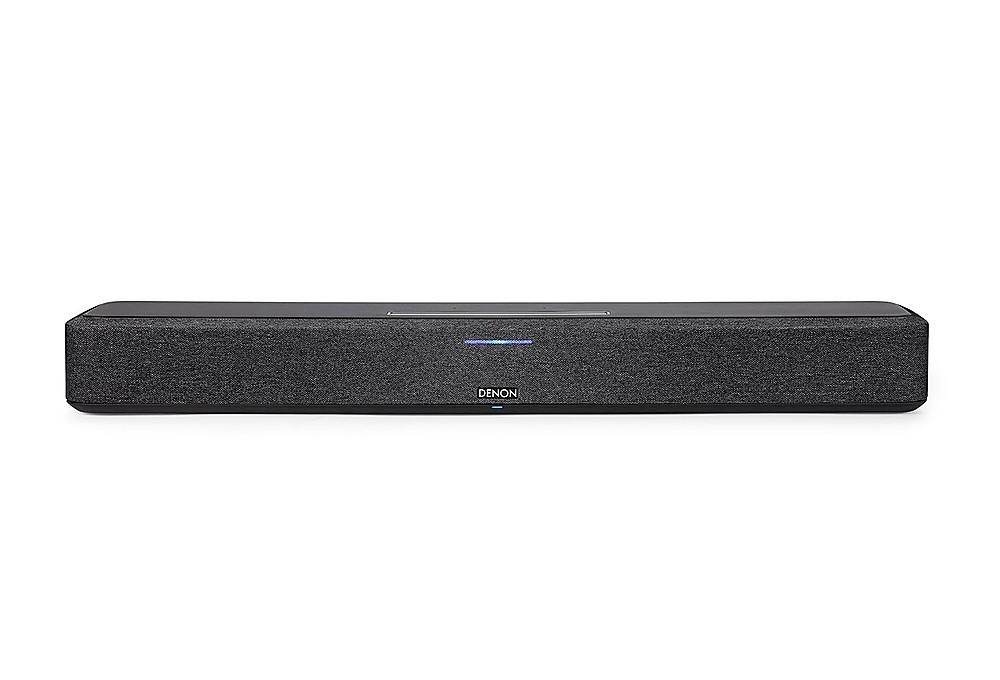
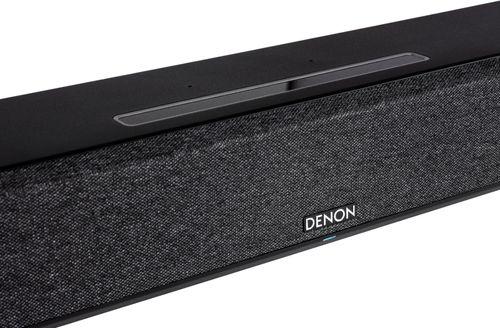
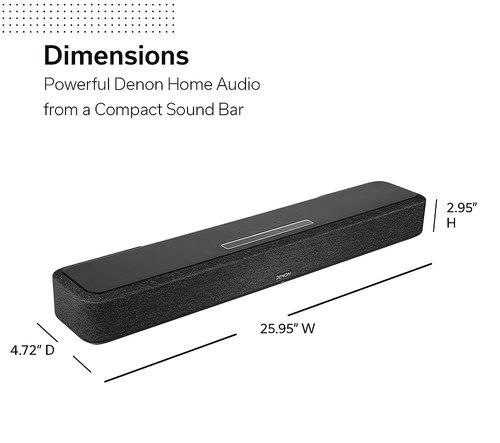
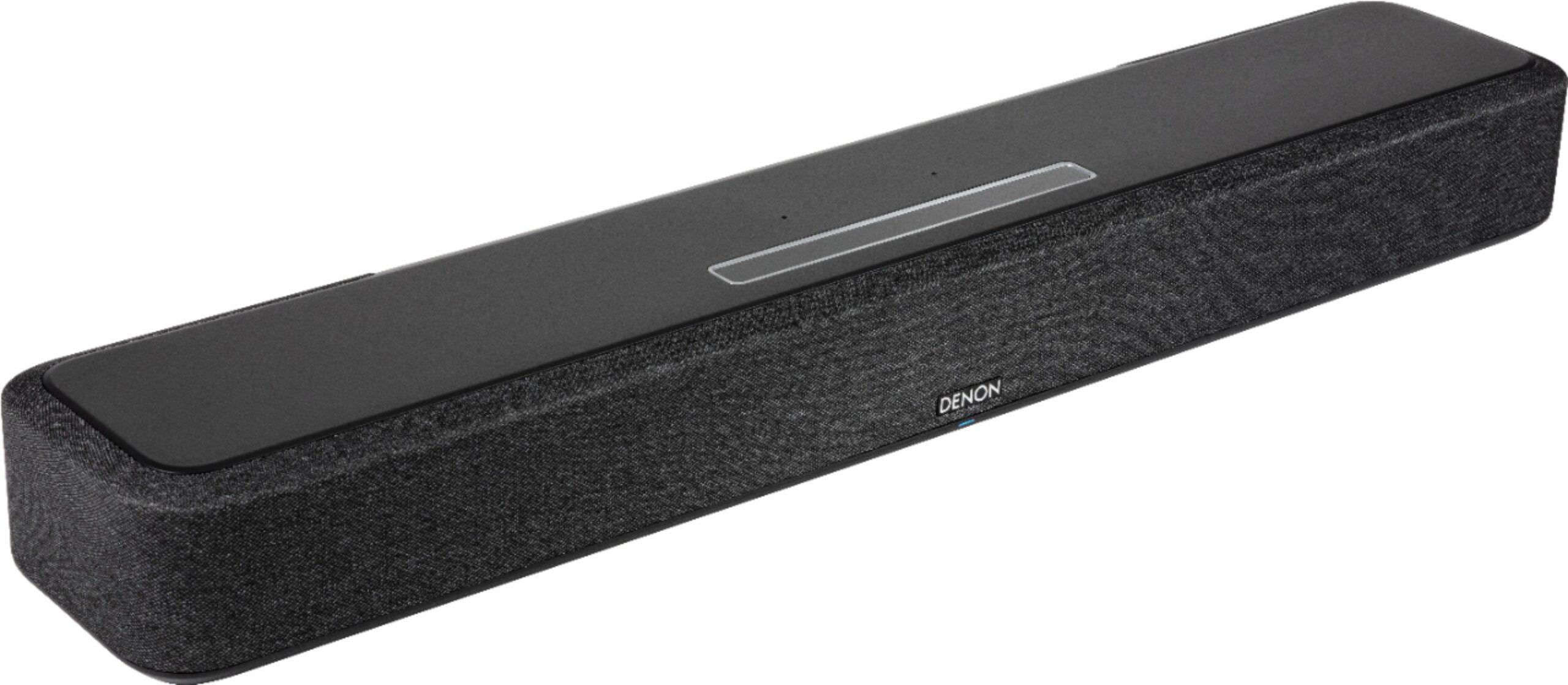
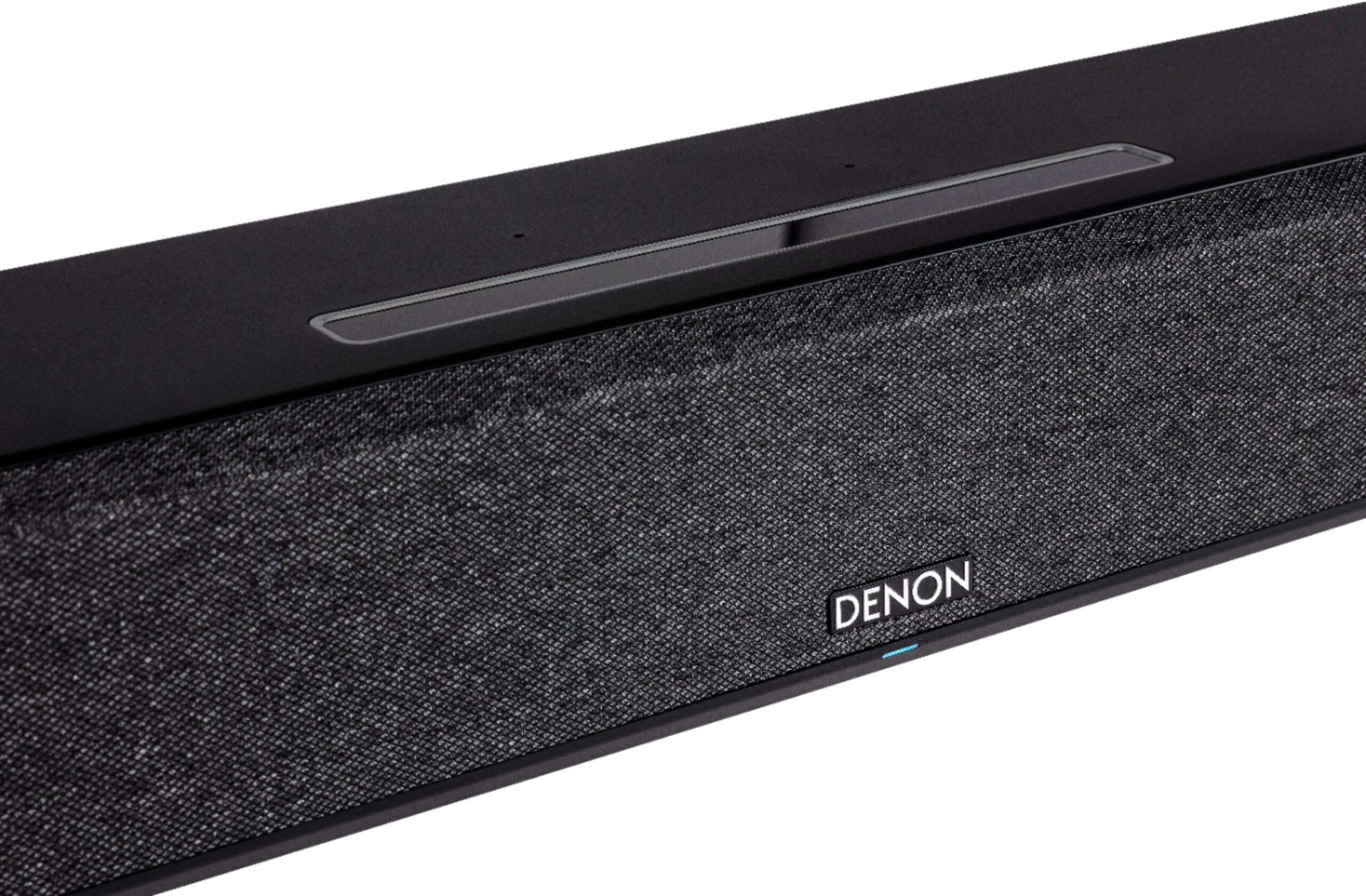
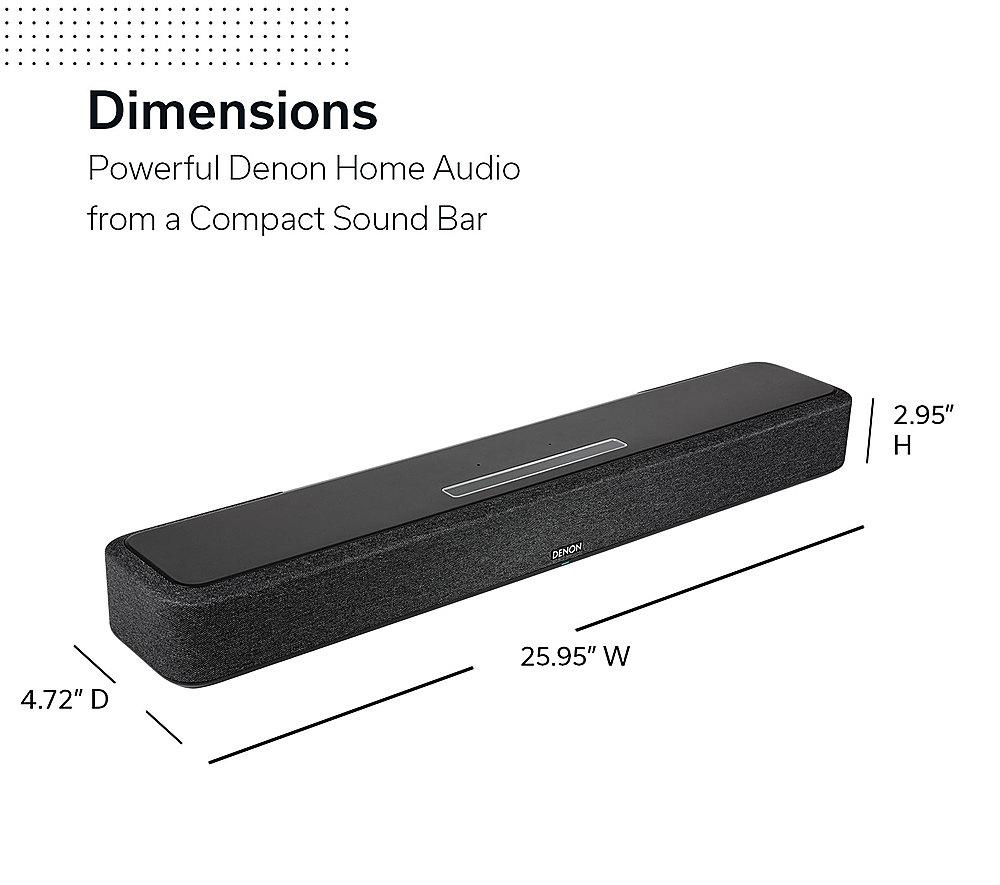
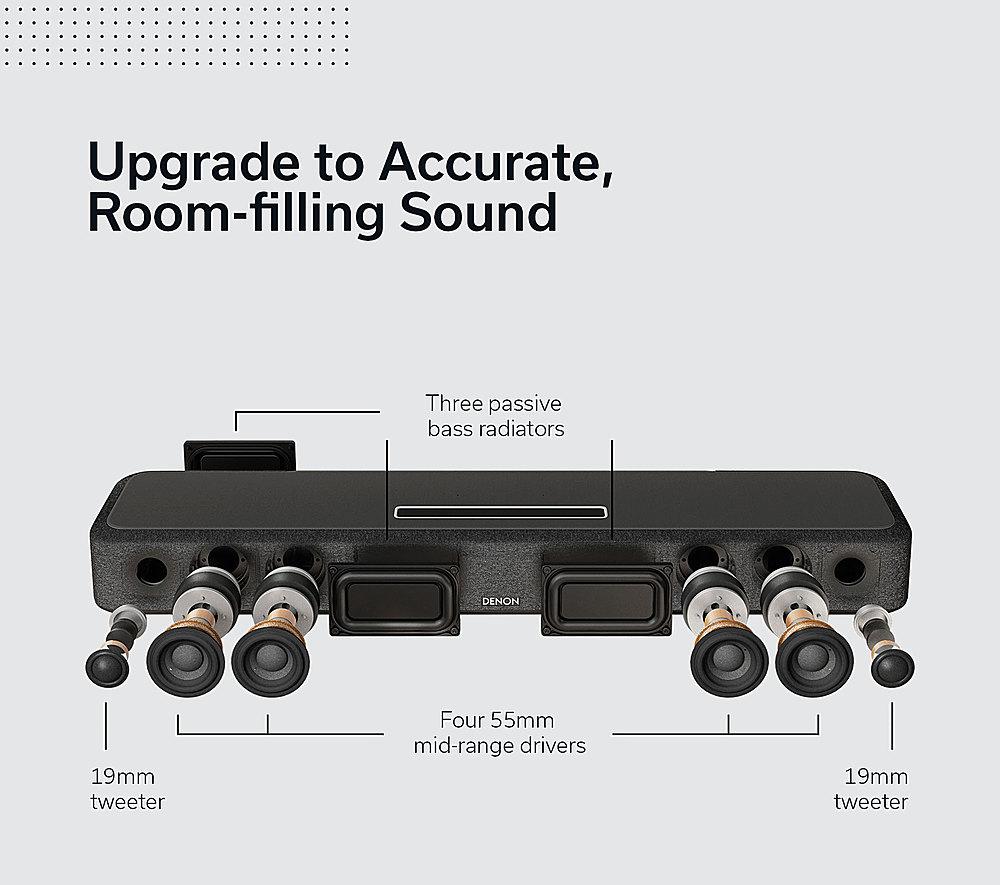
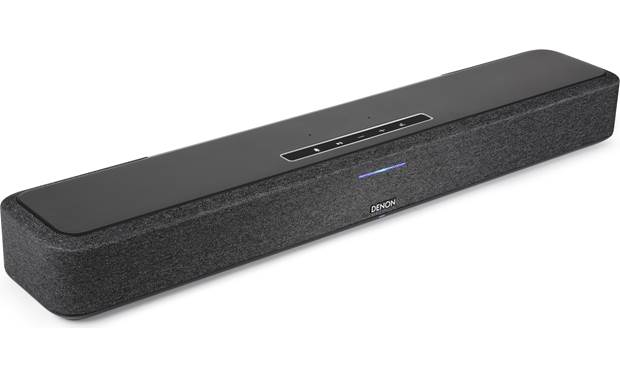
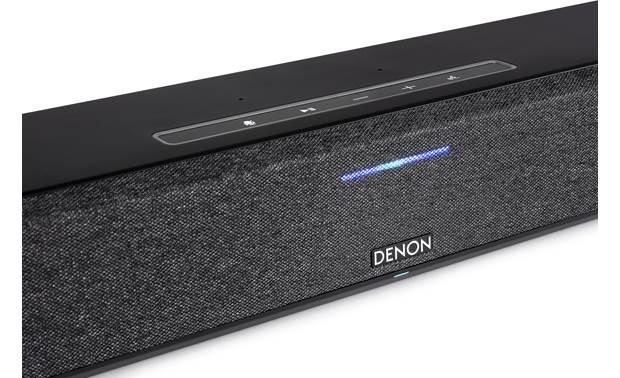
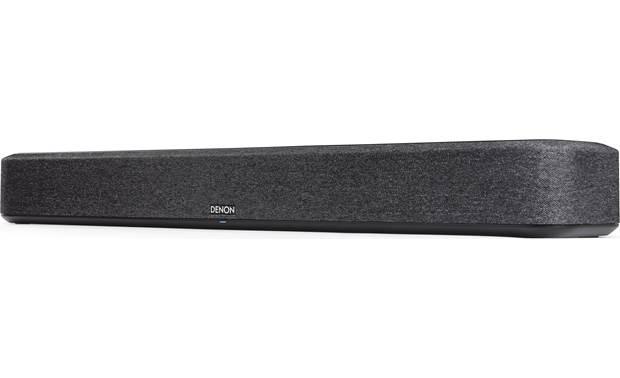
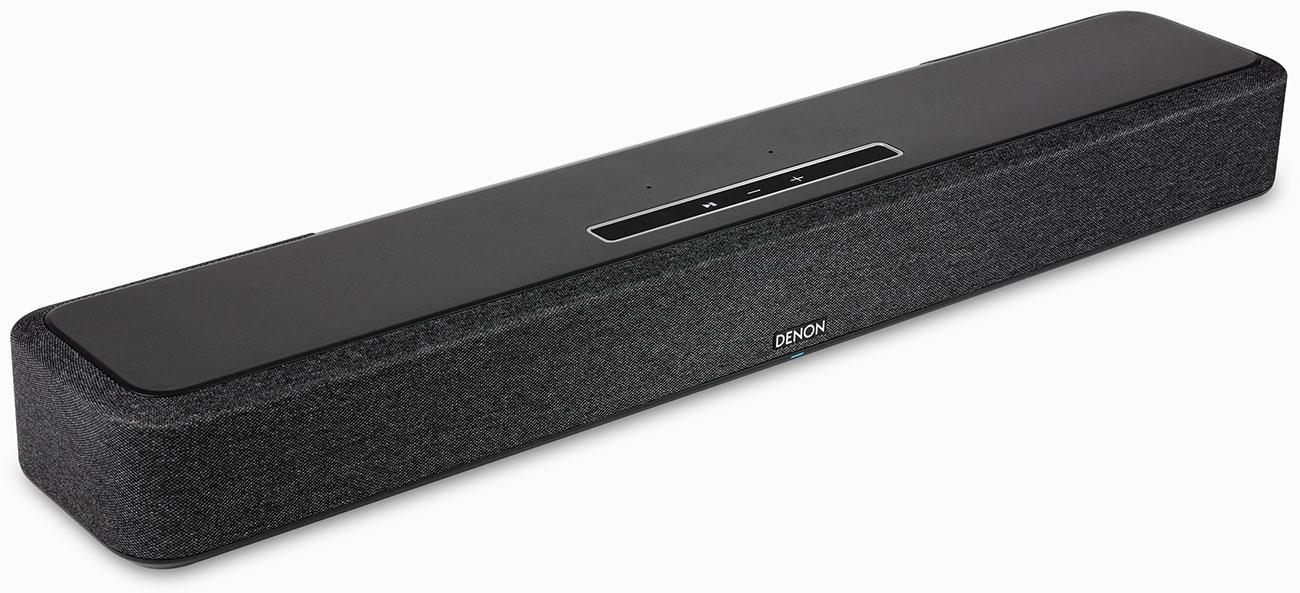
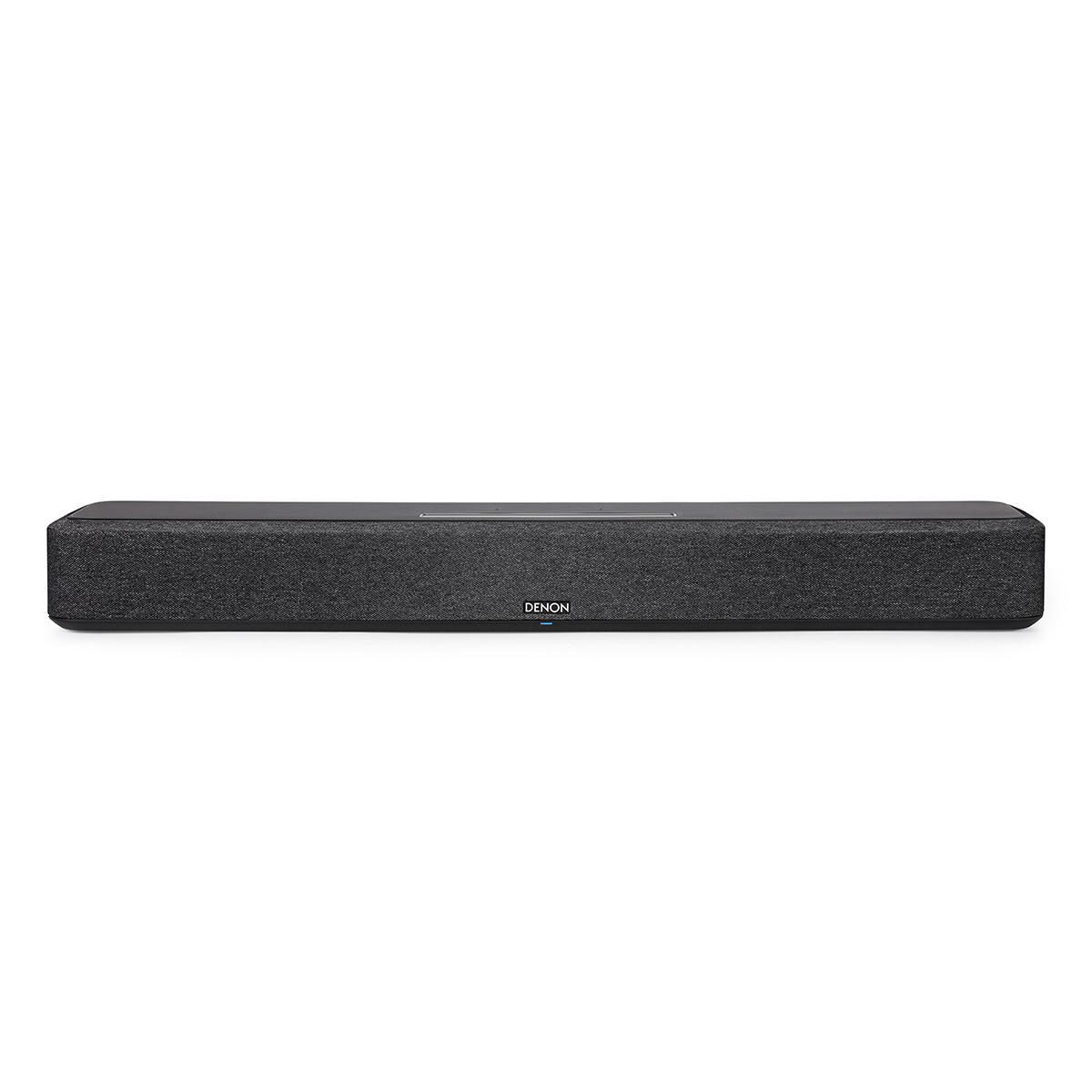
The Denon Home Sound Bar 550 ($518.50), by contrast, takes what I call the "audiophile foundation" approach. This compact soundbar uses advanced digital signal processing (DSP) to create virtual surround effects from just six physical drivers. Rather than including everything upfront, Denon designed this as the starting point for their modular HEOS ecosystem, where you can add wireless rear speakers and a subwoofer when your budget and room allow.
What's particularly interesting about the Denon is how it handles high-resolution audio. While most soundbars focus primarily on movie sound, the Home Sound Bar 550 supports audio files up to 24-bit/192kHz – that's studio-master quality that reveals details in music you've probably never heard before. It's built on Denon's decades of experience making audiophile equipment, and that heritage shows in its refined sound signature.
Here's where these two soundbars diverge most dramatically. The Samsung's 9.1.2 setup creates what audio engineers call "true surround sound." Those rear speakers physically placed behind you aren't just for show – they handle discrete audio channels that create genuine 360-degree sound staging. When a helicopter flies overhead in a movie, you hear it move from front to back through real speakers, not digital trickery.
The up-firing drivers add another dimension by bouncing sound off your ceiling. This Dolby Atmos height layer makes explosions feel like they're happening above you, while rain seems to fall from the sky. After testing this extensively, I can confirm it works remarkably well in rooms with 8-10 foot ceilings and reasonably reflective surfaces.
The Denon takes a completely different approach with its 4.0-channel virtual system. Instead of physical rear speakers, it uses sophisticated psychoacoustic processing – essentially tricking your brain into perceiving sounds that aren't actually there. The soundbar analyzes incoming audio and creates phase differences and timing delays that make your ears think sound is coming from directions where there are no speakers.
This virtual approach has both advantages and limitations. On the plus side, it's incredibly space-efficient and works without running speaker wires or finding spots for rear speakers. The Denon's virtual processing is genuinely impressive for dialogue-heavy content, where it creates a convincing sense of voices coming from the screen center even from off-axis listening positions.
However, virtual surround can't fully replicate the physical impact of real speakers. Action sequences that should envelope you sometimes feel more like enhanced stereo. The height effects, while present, lack the convincing overhead sensation that physical up-firing drivers provide.
For blockbuster movie nights, the Samsung Q Series 9.1.2 delivers the kind of audio experience that makes you forget you're not in a commercial theater. The dedicated 8-inch wireless subwoofer provides deep, room-shaking bass that you feel in your chest during explosion scenes. Those rear speakers create authentic ambient effects – when characters walk through a forest, you hear leaves rustling behind you just like in real life.
I've found the Samsung particularly impressive with action movies and gaming. The discrete surround channels handle complex soundscapes beautifully, separating helicopter rotors from gunfire from background music without everything turning into an indistinct roar. The Q-Symphony feature, when paired with a compatible Samsung TV, adds even more speakers to the mix, creating an almost overwhelming sense of immersion.
However, all that power comes with trade-offs. The Samsung can sometimes feel overwhelming in quieter dramatic scenes, where its enhanced bass response might muddy subtle dialogue nuances. The system seems tuned for impact over refinement, which works great for Marvel movies but can feel excessive during intimate character-driven films.
The Denon Home Sound Bar 550 approaches movies from a different angle entirely. Its greatest strength lies in dialogue clarity – conversations remain crystal clear even during complex action sequences. The sophisticated processing separates vocal frequencies and slightly emphasizes them, making it easier to follow plot developments without constantly adjusting volume.
The Denon also excels with film scores and ambient soundtracks. Its audiophile tuning reveals subtle details in movie music that the Samsung's more aggressive processing sometimes masks. Orchestral scores sound more natural, with better instrument separation and a more accurate sense of the recording space.
Where the Denon struggles is with pure impact. Without a dedicated subwoofer, explosions lack the chest-thumping presence that makes action scenes feel visceral. The virtual height effects, while cleverly implemented, can't match the physical sensation of sound moving overhead through real up-firing drivers.
This is where the philosophical differences between these soundbars become most apparent. The Samsung Q Series 9.1.2 treats music like it treats movies – with emphasis on power and spatial presentation. Electronic music, hip-hop, and rock benefit from the enhanced bass response and wide soundstage created by the multi-speaker arrangement. The system can fill large rooms with impressive volume levels while maintaining reasonable clarity.
However, the Samsung's movie-focused tuning doesn't always serve music well. Acoustic genres like jazz or classical can sound artificially enhanced, with bass that overwhelms the natural balance of instruments. The processing that works so well for creating immersive movie effects can make intimate musical performances feel artificially stretched across the room.
The Denon Home Sound Bar 550 reveals its audiophile DNA most clearly during music playback. The tonal balance feels much more natural, with instruments occupying their proper frequency spaces without artificial enhancement. Vocals sound remarkably present and natural, while the extended treble response reveals details in recordings that less refined systems miss entirely.
The Denon's support for high-resolution audio formats makes a genuine difference with quality recordings. When streaming lossless files through the HEOS platform, you can hear the difference between studio masters and compressed versions – subtle details like room ambiance, instrument overtones, and the natural decay of acoustic instruments become clearly audible.
The trade-off is scale and impact. While the Denon sounds more accurate, it can't match the Samsung's ability to energize a room or provide the visceral impact that some music genres benefit from. Electronic music with deep synthesized bass reveals the limitations of relying on passive radiators instead of a dedicated subwoofer.
Modern gaming audio has become incredibly sophisticated, with developers creating complex 3D soundscapes that can provide competitive advantages in online games. Both soundbars handle gaming differently, reflecting their overall design philosophies.
The Samsung Q Series 9.1.2 transforms gaming into a more immersive experience through its Game Mode Pro feature, which optimizes audio processing for real-time content. The discrete surround channels provide genuine directional audio – in competitive shooters, you can accurately pinpoint enemy footsteps or gunfire direction through the rear speakers. The powerful subwoofer adds impact to explosions and environmental effects that make single-player adventures feel more cinematic.
The physical height channels also enhance gaming immersion. Flying sequences in games feel more realistic when aircraft engines seem to pass overhead through actual speakers rather than virtual processing. The overall effect makes you feel more connected to the game world.
The Denon Home Sound Bar 550 takes a more analytical approach to gaming audio. Its superior dialogue clarity benefits story-heavy games where following complex narratives is crucial. The more balanced frequency response reduces listening fatigue during extended gaming sessions – an important consideration for serious gamers who spend hours at a time playing.
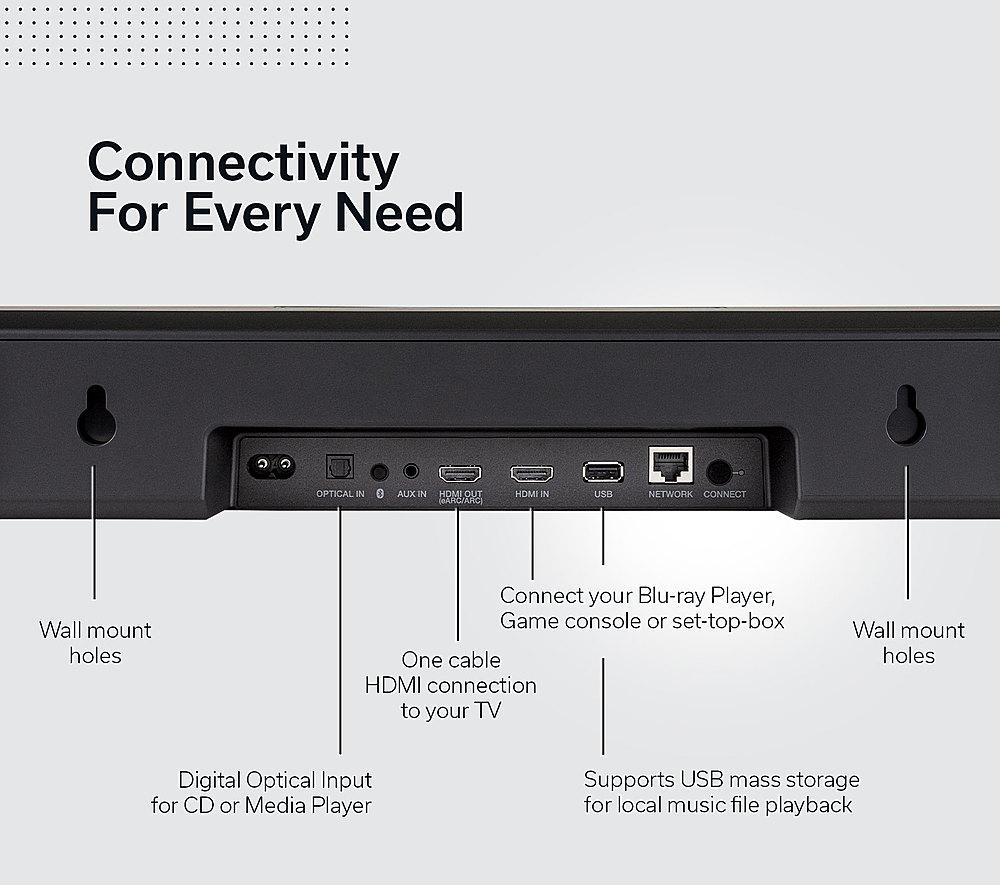
The Denon's lower latency through HDMI eARC also provides a slight advantage in competitive gaming, where even millisecond delays between visual and audio cues can affect performance. However, it can't match the Samsung's spatial awareness benefits or visceral impact that enhances the gaming experience.
Your room's characteristics significantly influence how these soundbars perform, and each handles different spaces better than the other. The Samsung Q Series 9.1.2 includes SpaceFit Sound Pro technology, which uses built-in microphones to analyze your room's acoustics and automatically adjust audio settings. This works remarkably well in practice – the system compensates for different ceiling heights, wall materials, and furniture arrangements without requiring manual tweaking.
The Samsung's powerful output and multiple drivers make it well-suited for larger rooms up to 500+ square feet. The rear speakers ensure consistent surround effects regardless of seating position, while the wireless subwoofer can be positioned for optimal bass response without cable constraints.
However, the Samsung's power can overwhelm smaller spaces. In apartments or compact rooms, the enhanced bass and aggressive processing might feel excessive, potentially disturbing neighbors or creating muddy audio in acoustically challenging spaces.
The Denon Home Sound Bar 550 excels in smaller to medium-sized rooms where its compact design doesn't overpower the space. The virtual surround processing works best in acoustically reflective rooms with hard surfaces that help bounce processed audio around the space. The more refined output levels make it apartment-friendly while still providing satisfying audio quality.
The Denon's expandability becomes crucial for larger rooms. While the standalone soundbar handles spaces up to about 300 square feet adequately, bigger rooms really benefit from adding the optional wireless subwoofer and rear speakers to create a full 5.1 system.
Understanding the true cost of each system requires looking beyond initial pricing. The Samsung Q Series 9.1.2 ($897.99) represents a complete, finished system. That $897.99 gets you everything needed for full surround sound – no additional purchases required. When you consider that comparable separate components (soundbar, subwoofer, and wireless rears) from other manufacturers often total $1,200-1,500, the Samsung's pricing becomes more reasonable.
The all-inclusive approach also means immediate satisfaction. You get the full audio experience from day one without waiting to save for additional components or dealing with compatibility concerns between different pieces.
The Denon Home Sound Bar 550 ($518.50) appears more affordable initially, but the total system cost tells a different story. Adding Denon's wireless subwoofer ($299) and rear speakers ($399 for a pair) brings the total to around $1,216 – actually more expensive than the Samsung when fully expanded.
However, this modular approach offers flexibility that the Samsung can't match. You can start with just the soundbar and add components as your budget allows or your needs evolve. Many users find the standalone soundbar adequate for their current setup, only adding the subwoofer when they move to a larger room or develop a greater appreciation for deep bass.
The Denon's superior music capabilities and multiroom potential also provide long-term value for audio enthusiasts. The HEOS ecosystem allows expansion throughout your home, creating a whole-house audio system that the Samsung can't replicate.
Smart home integration has become increasingly important as our entertainment systems become more connected. The Samsung Q Series 9.1.2 works best within Samsung's ecosystem, where Q-Symphony technology with compatible Samsung TVs creates genuinely impressive results. The soundbar and TV speakers work together as a unified system, effectively doubling your speaker count and creating more enveloping audio.
However, this integration advantage becomes a limitation with non-Samsung TVs. While the soundbar works fine with other brands, you lose the Q-Symphony benefits and some optimization features that make the Samsung special.
The Denon Home Sound Bar 550 takes a more universal approach. The HEOS platform works with any TV brand and integrates with major streaming services directly. Built-in Alexa voice control adds smart home functionality without requiring specific brand loyalty. The system supports up to eight Bluetooth devices simultaneously, making it easy for family members to share music from different phones and tablets.
The HEOS ecosystem also enables genuine multiroom audio, where you can play the same music throughout your house or different content in each room. This flexibility makes the Denon a better choice for users who want their audio investment to serve multiple purposes beyond TV sound enhancement.
After extensive testing with both systems, I've found that the choice often comes down to your primary use case and existing equipment. The Samsung Q Series 9.1.2 excels as a dedicated home theater system, particularly for users who prioritize movie and gaming experiences. If you own a Samsung TV and want the most immersive possible audio experience without the complexity of separate components, the Samsung delivers exceptional value.
The Samsung makes the most sense if you have a dedicated media room or living space where powerful audio won't disturb others, you primarily watch action movies and play games, you own or plan to buy a Samsung TV, and you prefer complete solutions over modular systems.
The Denon Home Sound Bar 550 serves better as a versatile audio foundation that grows with your needs. Its superior music reproduction and expandable design make it ideal for users who value audio quality across all content types and want flexibility for future upgrades.
Choose the Denon if you prioritize music quality alongside TV audio, live in a smaller space or apartment where powerful bass might be problematic, want the flexibility to expand your system gradually, or value multiroom audio capabilities for whole-home integration.
Both soundbars represent excellent engineering and will significantly improve your TV's audio quality. The Samsung provides immediate, comprehensive home theater impact, while the Denon offers refined sound quality with room to grow. Your choice ultimately depends on whether you want powerful immersion now or prefer building a flexible, high-quality audio system over time.
Either way, you're investing in substantially better audio than your TV's built-in speakers can provide – and that's an upgrade you'll appreciate every time you sit down to watch or listen.
| Samsung Q Series 9.1.2 Channel Soundbar | Denon Home Sound Bar 550 Soundbar |
|---|---|
| Channel Configuration - Determines surround sound authenticity and immersion | |
| 9.1.2 channels with physical rear speakers and subwoofer included | 4.0 channels with virtual surround processing (no rears/sub included) |
| Price and What's Included - Total cost for complete system | |
| $897.99 - Complete system with all components | $518.50 standalone, $1,216 with optional sub + rears |
| Dolby Atmos Implementation - How overhead effects are created | |
| Physical up-firing drivers bounce sound off ceiling | Virtual height processing through DSP algorithms |
| Bass Performance - Impact for movies and music | |
| Dedicated 8" wireless subwoofer with room-shaking output | Passive radiators only (optional $299 subwoofer available) |
| Room Size Compatibility - Optimal listening space | |
| Medium to large rooms (300-500+ sq ft) with powerful output | Small to medium rooms (up to 300 sq ft) without overwhelming |
| TV Brand Integration - Smart features and optimization | |
| Q-Symphony with Samsung TVs doubles speaker count | Universal compatibility with all TV brands |
| Music Audio Quality - Fidelity and tonal balance | |
| Enhanced bass, wide soundstage, movie-focused tuning | Audiophile-grade balance, supports 24-bit/192kHz high-res audio |
| Expandability Options - Future upgrade potential | |
| Fixed system with no expansion capability | Modular HEOS ecosystem for multiroom and component additions |
| Smart Home Features - Voice control and connectivity | |
| Limited smart features, Samsung ecosystem focused | Built-in Alexa, HEOS multiroom, 8-device Bluetooth support |
| Setup Complexity - Installation and calibration | |
| SpaceFit Sound Pro auto-calibration, rear speaker placement required | Compact single-bar setup, optional wireless expansion |
The Samsung Q Series 9.1.2 Channel Soundbar is significantly better for movies due to its true 9.1.2-channel setup with physical rear speakers and a dedicated subwoofer. This creates authentic surround sound with overhead Dolby Atmos effects that make you feel like you're in the action. The Denon Home Sound Bar 550 uses virtual surround processing which works well for dialogue but can't match the immersive experience of real surround speakers for blockbuster films.
The Samsung Q Series 9.1.2 Channel Soundbar ($897.99) costs $379 more than the Denon Home Sound Bar 550 ($518.50) initially. However, to get a complete surround system with the Denon, you'd need to add a wireless subwoofer ($299) and rear speakers ($399), bringing the total to around $1,216 - actually more expensive than the Samsung's all-inclusive package.
The Denon Home Sound Bar 550 excels at music with its audiophile-grade tuning, natural tonal balance, and support for high-resolution audio up to 24-bit/192kHz. It reveals subtle details in recordings that other soundbars miss. The Samsung Q Series 9.1.2 emphasizes bass and spatial effects, which works well for electronic music but can make acoustic genres sound artificially enhanced.
While the Samsung Q Series 9.1.2 Channel Soundbar works with any TV, you get the best experience with Samsung TVs through Q-Symphony technology, which synchronizes the soundbar with your TV's speakers to effectively double your speaker count. With non-Samsung TVs, you lose this key feature but still get excellent surround sound performance.
The Denon Home Sound Bar 550 is much better for smaller spaces due to its compact design and more refined output levels that won't overwhelm tight quarters or disturb neighbors. The Samsung Q Series 9.1.2 is designed for larger rooms and its powerful output can feel excessive in apartments or spaces under 300 square feet.
The Denon Home Sound Bar 550 is part of the modular HEOS ecosystem, allowing you to add wireless rear speakers and a subwoofer when your budget or room size changes. The Samsung Q Series 9.1.2 Channel Soundbar is a complete, fixed system that cannot be expanded - what you buy is what you get forever.
The Denon Home Sound Bar 550 provides superior dialogue clarity through advanced vocal processing that keeps conversations crystal clear even during complex action scenes. It also includes dialogue enhancement and night mode features. While the Samsung Q Series 9.1.2 has good dialogue, its movie-focused tuning sometimes emphasizes bass that can muddy subtle vocal nuances.
The Samsung Q Series 9.1.2 Channel Soundbar excels for gaming with its Game Mode Pro feature and discrete surround channels that provide accurate directional audio for competitive advantages. The physical rear speakers help pinpoint enemy locations in shooters. The Denon Home Sound Bar 550 offers lower latency and less listening fatigue during long gaming sessions but lacks the immersive spatial audio benefits.
The Denon Home Sound Bar 550 is much simpler to set up as it's just a single compact soundbar that sits under your TV. The Samsung Q Series 9.1.2 Channel Soundbar requires positioning rear speakers around your room and finding optimal placement for the wireless subwoofer, though it does include SpaceFit Sound Pro for automatic room calibration.
Both soundbars support Dolby Atmos and DTS:X, but implement them differently. The Samsung Q Series 9.1.2 uses physical up-firing drivers that bounce sound off your ceiling for true overhead effects. The Denon Home Sound Bar 550 creates virtual height effects through digital processing, which works but can't match the physical sensation of real height speakers.
The Denon Home Sound Bar 550 provides superior smart home integration with built-in Alexa voice control, HEOS multiroom capabilities that work with any brand, and support for up to 8 Bluetooth devices. The Samsung Q Series 9.1.2 Channel Soundbar focuses primarily on Samsung ecosystem integration and lacks the universal smart home features and multiroom audio capabilities.
For immediate home theater impact, choose the Samsung Q Series 9.1.2 Channel Soundbar ($897.99) as it provides a complete surround sound experience right out of the box with no additional purchases needed. If you prefer starting smaller and building gradually, the Denon Home Sound Bar 550 ($518.50) offers excellent audio quality with the flexibility to expand when your budget allows, though the total cost will be higher when fully built out.
We've done our best to create useful and informative comparisons to help you decide what product to buy. Our research uses advanced automated methods to create this comparison and perfection is not possible - please contact us for corrections or questions. These are the sites we've researched in the creation of this article: rtings.com - samsung.com - markselectrical.co.uk - techradar.com - walmart.com - samsung.com - samsung.com - youtube.com - samsung.com - biancos.com - crutchfield.com - samsung.com - consumerreports.org - soundandvision.com - crutchfield.com - rtings.com - crutchfield.com - gzhls.at - denon.com - walmart.com - youtube.com - whathifi.com - bestbuy.com

Privacy Policy
Terms and Conditions - Affiliate Policy
Home Security
© Copyright 2008-2026.
11816 Inwood Rd #1211, Dallas, TX 75244