






When your TV's built-in speakers leave dialogue sounding like it's coming from inside a tin can, it's time to consider a soundbar upgrade. But navigating the soundbar market can feel overwhelming – especially when you're comparing products that seem to live in completely different worlds. The Amazon Fire TV Soundbar and Samsung Q Series 9.1.2 Channel Soundbar represent two fundamentally different approaches to solving the same problem: making your TV sound better.
At the time of writing, these products sit at opposite ends of the value spectrum, with Amazon's entry costing roughly what you'd spend on a nice dinner out, while Samsung's premium option requires a more substantial investment – think weekend getaway money. But price alone doesn't tell the whole story. Let's dive into what makes each approach tick and help you figure out which one deserves a spot in your living room.
Before we pit these two against each other, it's worth understanding what separates a basic soundbar from a premium home theater system. The fundamental job remains the same: take your TV's audio signal and make it sound dramatically better than those tiny speakers crammed into your TV's slim profile.
The magic happens through several key factors. Channel configuration – those numbers like 2.0, 5.1, or 9.1.2 – tells you how many speakers are working and where they're positioned. A 2.0 system has two speakers (left and right), while a 9.1.2 system has nine main speakers, one subwoofer (that's the ".1"), and two height speakers (the final ".2") that fire sound upward to bounce off your ceiling.
Audio processing is where things get interesting. Technologies like Dolby Atmos and DTS:X don't just make things louder – they create a three-dimensional sound bubble around you. Instead of hearing explosions come from the general direction of your TV, you'll hear them move overhead, behind you, and all around your room. It's the difference between watching a movie and feeling like you're inside it.
Room acoustics play a huge role too. Every room has its own personality when it comes to sound – hard surfaces reflect audio waves, while soft furnishings absorb them. The best soundbars include room correction technology that listens to your space and adjusts accordingly, kind of like having a sound engineer fine-tune your setup.
Amazon launched their Fire TV Soundbar in 2023, marking their first serious entry into the audio hardware space. This wasn't Amazon dipping their toes in the water – it was a calculated strike at the budget soundbar market that had been dominated by brands like Roku and basic models from traditional audio companies.
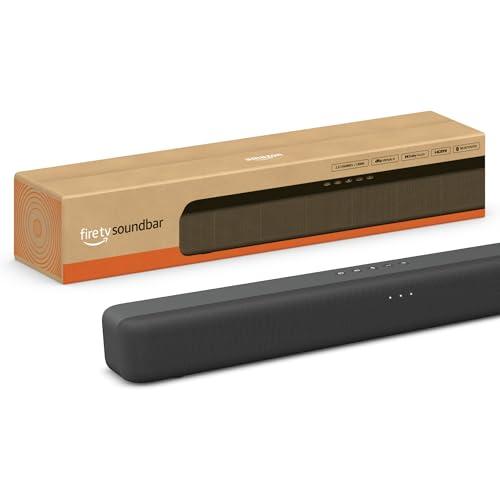
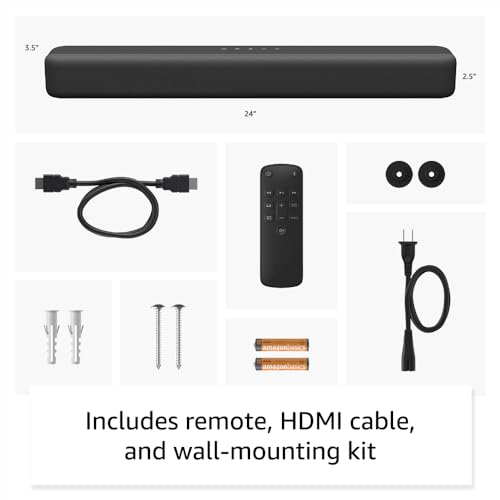
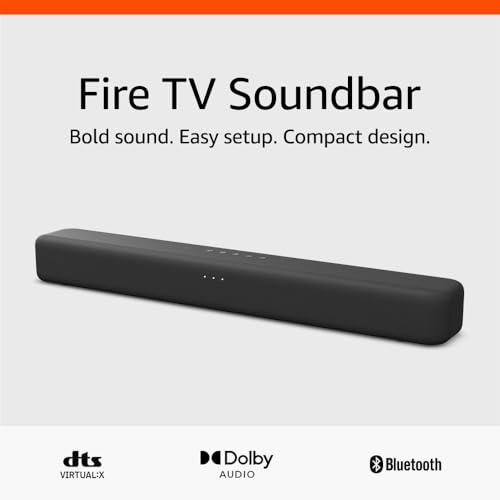
The Amazon Fire TV Soundbar embodies the "less is more" philosophy. At just 61 centimeters wide and weighing less than 2 kilograms, it's designed to disappear under your TV while delivering a surprisingly robust stereo experience. The engineering here is clever in its simplicity – two oval-shaped "Racetrack" drivers handle everything from dialogue to music, powered by 20-watt amplifiers that punch well above their weight class.
What makes this interesting from a technical standpoint is the bass reflex design. Instead of relying on a separate subwoofer, Amazon built a tuned port into the front of the soundbar that reinforces low frequencies. Think of it like the sound hole in an acoustic guitar – it's specifically shaped and positioned to boost bass response from the main drivers. While this can't match a dedicated subwoofer for deep bass, it's remarkably effective for a compact design.
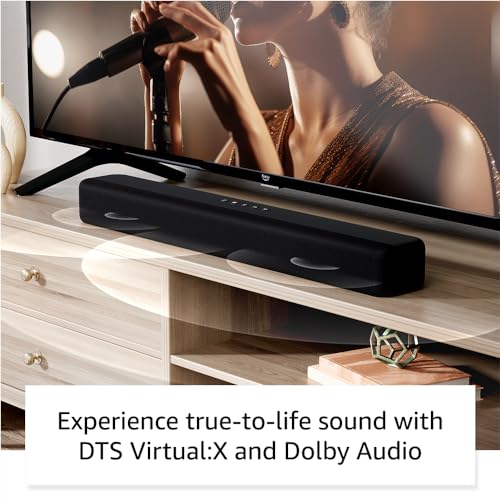
The Amazon soundbar supports DTS Virtual:X processing, which is essentially acoustic trickery at its finest. Using psychoacoustic principles – the way our brains interpret sound cues – it creates the illusion of surround sound from just two speakers. While you won't get true surround positioning like rear speakers provide, the effect is convincing enough to make action scenes feel more immersive than basic stereo.
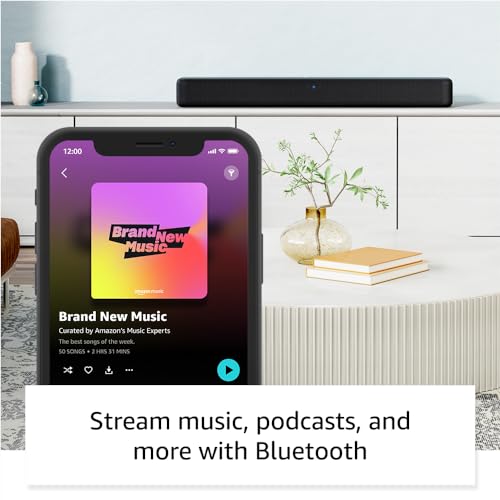
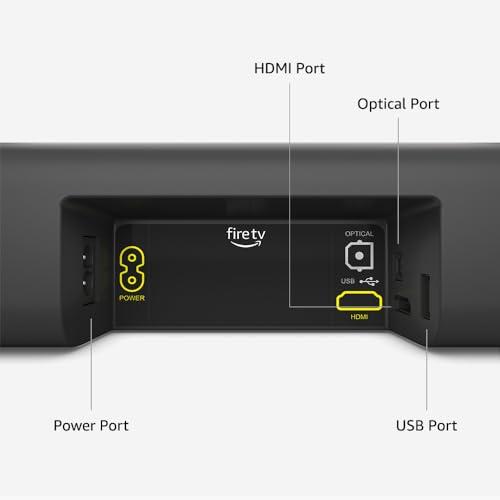
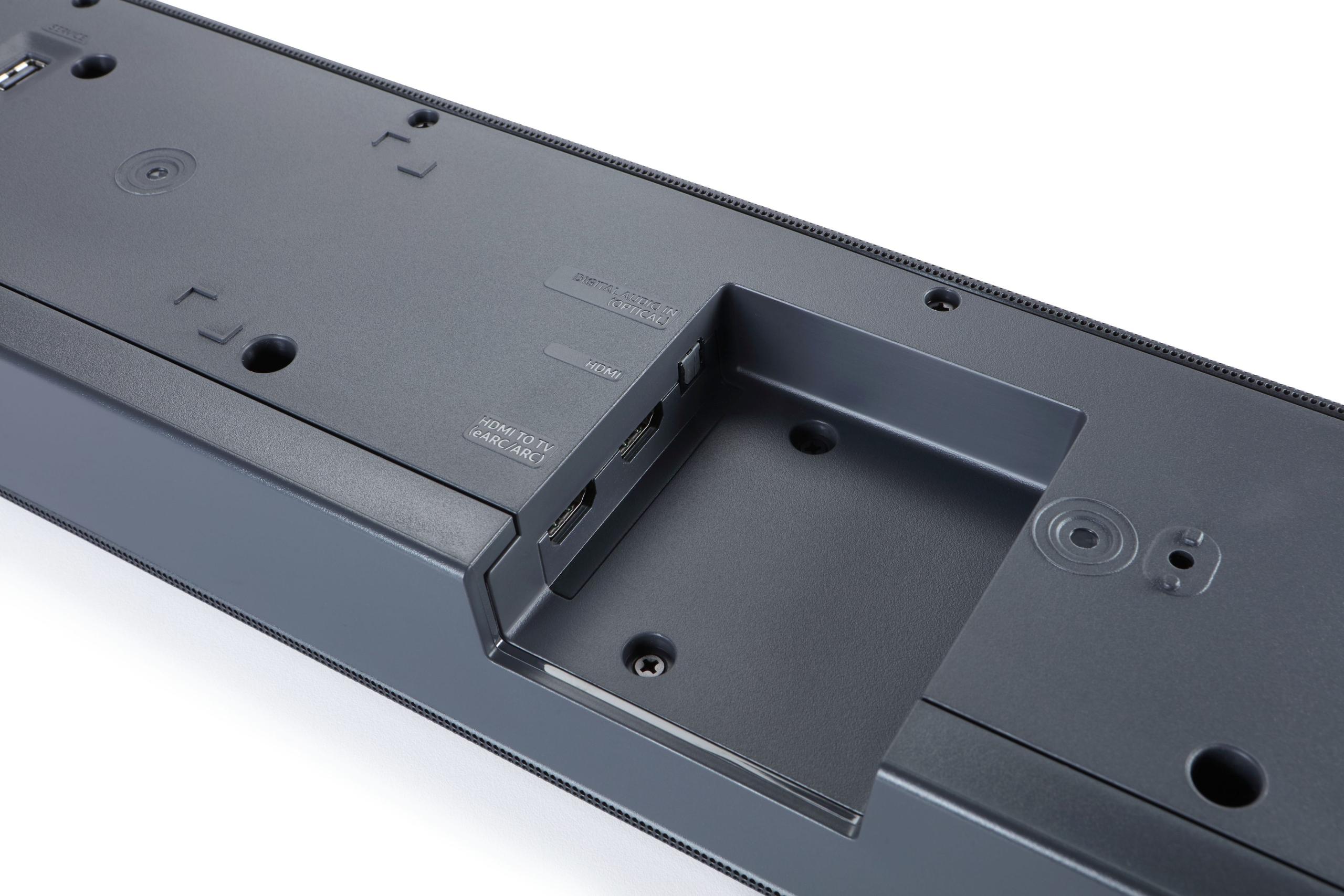
Connectivity stays refreshingly simple: HDMI ARC/eARC handles the main TV connection, optical input covers older TVs, and Bluetooth lets you stream music when the TV is off. The three sound modes (Movie, Music, and Dialog) adjust the frequency response for different content types, while a three-stage bass EQ lets you fine-tune low-end response to your preference.
Samsung's approach with their Q Series 9.1.2 soundbar is the complete opposite – why settle for simulated surround sound when you can have the real thing? Released as part of Samsung's 2022 premium audio lineup, this system represents the Korean giant's answer to dedicated home theater receivers, but packaged in a more living-room-friendly format.
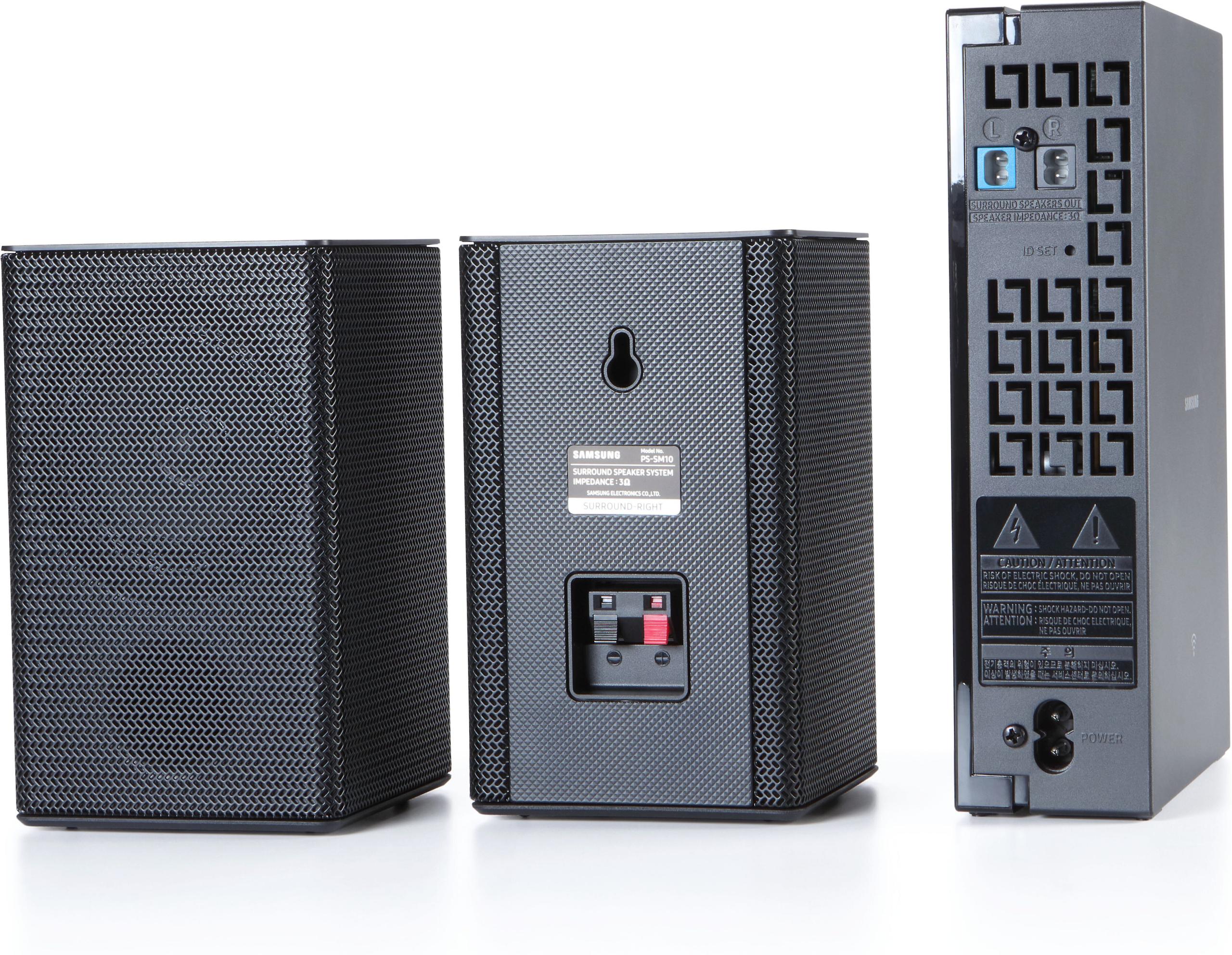
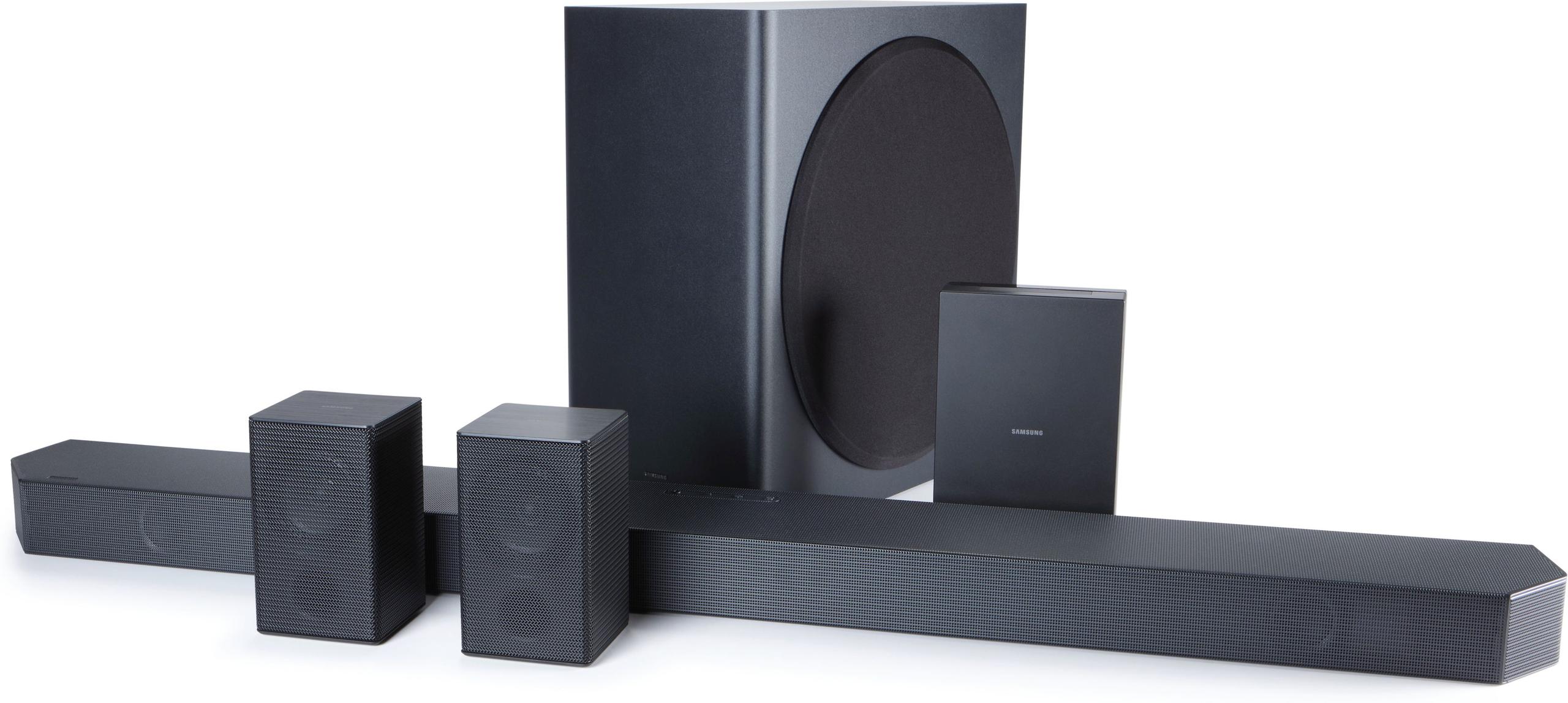
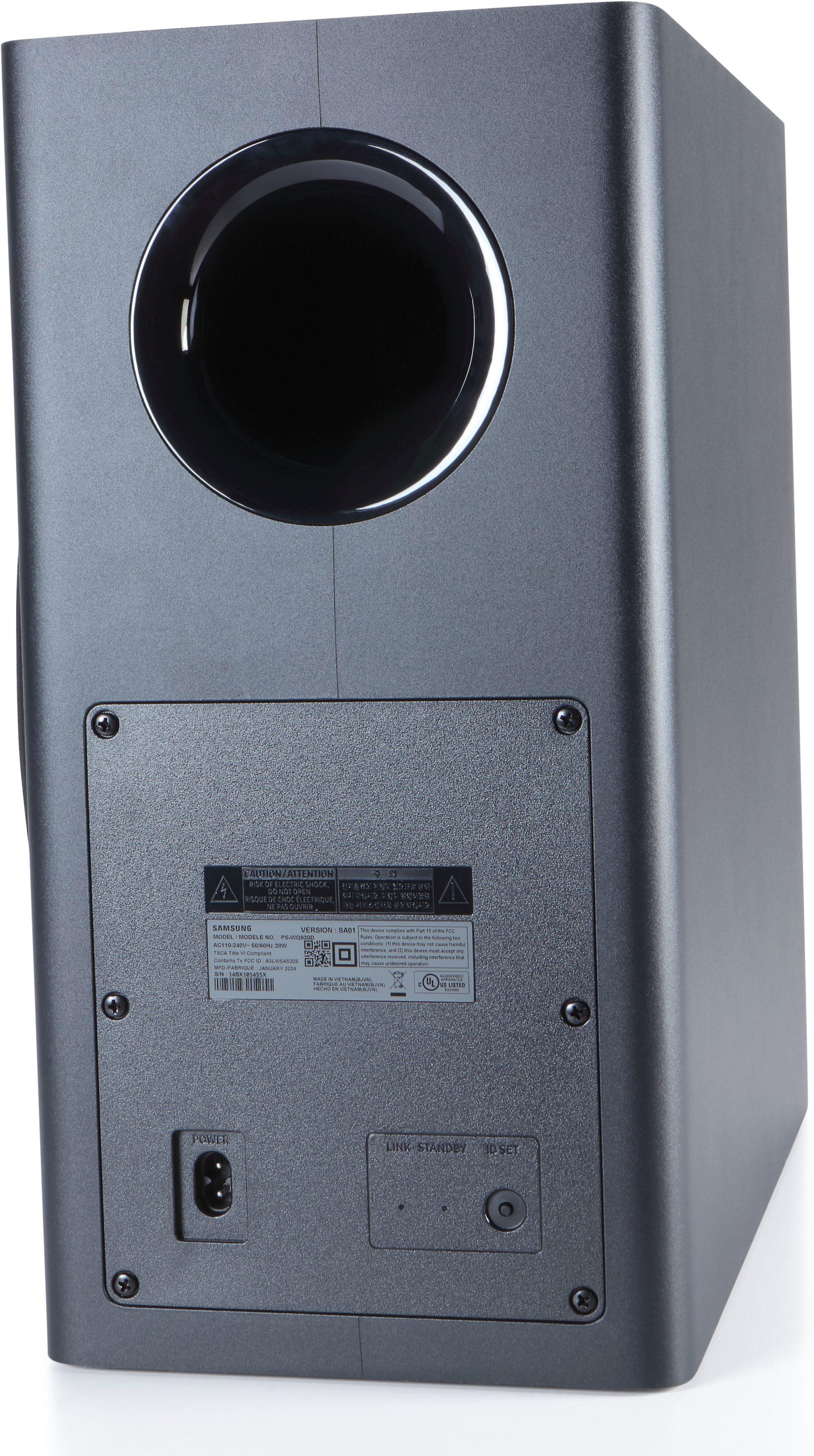
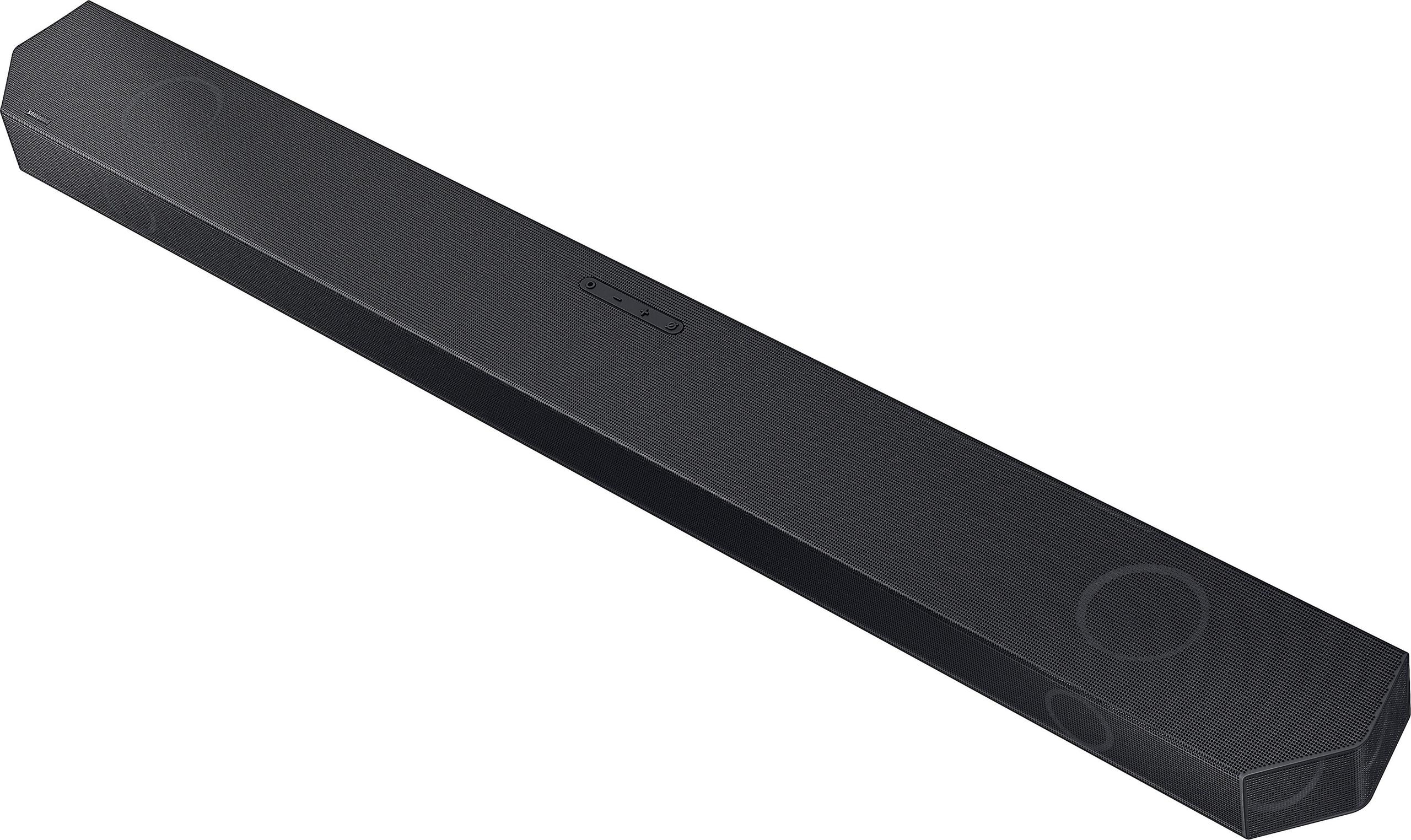
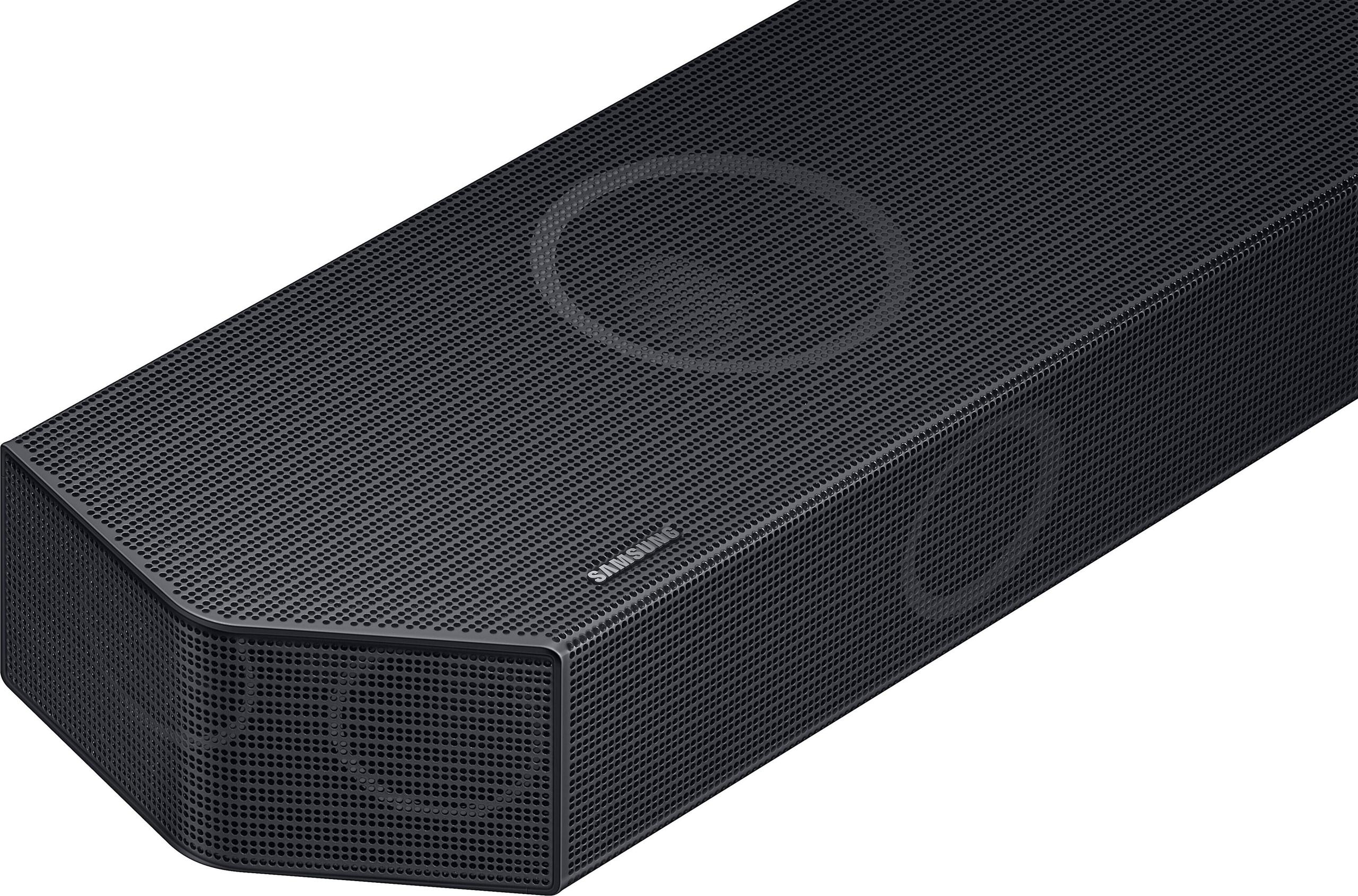
The numbers tell the story: 9.1.2 means nine main channels, one subwoofer, and two height channels, all working together through 11 individual speakers. This isn't virtual surround sound – it's the genuine article, with dedicated drivers positioned to create authentic directional audio. The main soundbar houses front left, center, and right channels, plus side speakers and up-firing drivers. Wireless rear speakers complete the surround envelope, while a wireless subwoofer handles the low-frequency foundation that makes explosions feel real.
Q-Symphony technology is Samsung's secret weapon here, and it's genuinely innovative. Instead of disabling your TV's speakers when you connect a soundbar (standard practice), Q-Symphony lets compatible Samsung TVs work in harmony with the Q Series soundbar. Your TV becomes part of the speaker array, adding height and width to the soundstage. It's like adding extra musicians to an orchestra – more instruments playing in coordination create a richer, more complex performance.
The SpaceFit Sound+ feature addresses one of home audio's biggest challenges: room acoustics. Using built-in microphones, the system analyzes your room's acoustic signature and adjusts its output accordingly. If you have a lot of hard surfaces that create echoes, it compensates. If your room absorbs too much high-frequency energy, it boosts treble response. This kind of room correction used to require expensive professional equipment.
For bass performance, the Samsung system includes Auto Sub EQ, which is particularly clever. The wireless subwoofer has its own microphone that listens to how bass sounds in your specific room location. Room dimensions and subwoofer placement create peaks and valleys in bass response – certain frequencies get boosted while others get cancelled out. Auto Sub EQ identifies these room-induced colorations and corrects them automatically.
The fundamental difference between these systems becomes immediately apparent when you consider soundstage – the perceived width, depth, and height of the audio presentation. The Amazon Fire TV Soundbar creates an impressively wide stereo image for its size, with the two Racetrack drivers positioned at the outer edges to maximize speaker separation. Based on expert reviews and user feedback, dialogue remains centered and clear, while music spreads convincingly beyond the physical boundaries of the bar itself.
However, there's only so much you can achieve with two speakers. The Amazon soundbar excels at what it's designed for – making TV audio clearer and more engaging than built-in TV speakers – but it can't create true surround positioning. When a helicopter flies across the screen in an action movie, you'll hear it move from left to right, but it won't seem to travel behind you or overhead.
The Samsung Q Series operates in a different league entirely. With physical rear speakers and height channels, sound positioning becomes three-dimensional and precise. That same helicopter doesn't just pan left to right – it can start behind you, move overhead, and exit stage left with convincing spatial accuracy. The dedicated center channel ensures dialogue stays locked to the screen regardless of your seating position, while the side speakers extend the soundstage well beyond your TV's boundaries.
Bass performance reveals perhaps the starkest difference between these approaches. The Amazon Fire TV Soundbar's bass reflex design does extract respectable low-frequency response from its compact drivers, and the three-stage bass EQ helps optimize output for different room conditions. For dialogue-heavy content like news, sitcoms, or documentaries, the bass response feels adequate and well-integrated.
But when content demands real impact – think explosions, musical bass lines, or the rumble of approaching thunder – the limitations become apparent. The small drivers simply can't move enough air to create the physical sensation of deep bass. It's the difference between hearing bass and feeling it.
The Samsung system's wireless subwoofer changes the game entirely. Dedicated subwoofers can reproduce frequencies down to 20Hz or below – the range where you feel bass as much as hear it. The Auto Sub EQ ensures this bass integrates seamlessly with the main speakers, avoiding the disconnected "one-note" bass that plague some budget subwoofer systems. For action movies, video games, or music with substantial low-frequency content, the difference is transformative.
DTS Virtual:X processing in the Amazon soundbar represents impressive engineering within its constraints. The technology analyzes audio content and applies sophisticated filtering to create height and surround cues from front-firing speakers. It works by manipulating phase relationships and frequency response to trick your brain into perceiving sounds from directions where no speakers exist.
The effect is most convincing with specific types of content – scenes with clear directional audio cues like rainfall, ambient forest sounds, or vehicles moving across the screen. However, virtual processing has inherent limitations. Complex soundtracks with multiple simultaneous effects can overwhelm the processing, and the illusion works best from a specific listening position directly in front of the soundbar.
True Dolby Atmos and DTS:X support in the Samsung Q Series eliminates these compromises. Height speakers physically fire sound upward to bounce off your ceiling, creating genuine overhead effects. Rear speakers provide authentic behind-the-listener positioning. The result isn't an illusion – it's actual three-dimensional audio placement that works from multiple seating positions and with complex, layered soundtracks.
The Amazon Fire TV Soundbar keeps smart features deliberately minimal. Bluetooth connectivity handles wireless music streaming, and the three sound modes provide basic customization, but there's no app, no voice control, and no advanced configuration options. This simplicity is both a strength and limitation – setup is foolproof, but customization is limited.
Samsung's approach embraces complexity for those who want it. The Q Series soundbar integrates with Samsung's SmartThings ecosystem, enabling smart home control and automation. Game Mode Pro optimizes audio processing for gaming, reducing latency and enhancing directional audio cues that can provide competitive advantages in multiplayer games.
The Q-Symphony feature deserves special attention because it's genuinely useful rather than marketing fluff. When paired with compatible Samsung TVs, the soundbar doesn't replace your TV's speakers – it coordinates with them. Your TV's speakers handle certain frequency ranges and spatial positioning while the soundbar handles others, creating a more enveloping sound field than either could achieve alone.
Room acoustics heavily influence which approach makes more sense. The Amazon Fire TV Soundbar works exceptionally well in smaller spaces where its compact size and front-firing design don't fight against room constraints. In bedrooms, apartments, or secondary viewing areas, the simplified setup and modest footprint provide clear advantages.
Larger rooms expose the Amazon soundbar's limitations more clearly. In spaces where you're sitting 10 feet or more from the TV, the soundstage can feel narrow, and bass response may seem inadequate for the room volume. The virtual surround processing also becomes less convincing as listening distance increases.
The Samsung Q Series shines in dedicated home theater environments or larger living spaces. The physical rear speakers require strategic placement – they need to be positioned behind your primary seating area, which isn't always practical in open-concept rooms or spaces where furniture arrangement is constrained. But when properly positioned, the system creates an authentic surround experience that scales effectively to larger rooms.
At the time of writing, the Amazon Fire TV Soundbar represents exceptional value for its price point. The cost-to-performance ratio is compelling – you get meaningful audio improvement over TV speakers, solid build quality, and reliable connectivity for a remarkably modest investment. For users whose primary concern is clearer dialogue and better TV audio without complexity or significant expense, it's hard to argue with the value proposition.
The Samsung Q Series 9.1.2, costing significantly more, targets a different value calculation. You're paying for genuine surround sound, premium features like room correction, and the flexibility to create an authentic home theater experience. The price premium is substantial, but the performance gap is even more dramatic.
Both products launched during a period of significant evolution in soundbar technology. The Amazon Fire TV Soundbar, arriving in 2023, benefits from mature Bluetooth standards, refined HDMI ARC implementation, and cost-effective driver technology that makes decent sound accessible at low prices.
The Samsung Q Series represents the current state of the art in consumer soundbar technology as of its 2022 release. Features like wireless rear speakers, sophisticated room correction, and TV speaker integration weren't common in soundbars even five years ago. The processing power required for real-time room analysis and multi-channel coordination has only recently become cost-effective enough for consumer products.
The decision between these soundbars ultimately comes down to matching your expectations, space, and budget to the right approach. The Amazon Fire TV Soundbar excels when your goal is meaningful improvement over TV speakers without complexity or significant investment. It's ideal for smaller rooms, casual viewing habits, and users who value simplicity over ultimate performance.
Choose the Amazon soundbar if you live in an apartment, primarily watch dialogue-heavy content, want immediate improvement without research or complexity, or simply need better TV audio on a tight budget. It delivers on its core promise efficiently and reliably.
The Samsung Q Series 9.1.2 makes sense when audio quality is a priority and you have the space and budget to implement it properly. It's designed for movie enthusiasts, gamers, music lovers, and anyone who wants their living room to provide a genuinely immersive experience.
Choose the Samsung system if you have a dedicated home theater or large living space, regularly watch action movies or play games, want authentic surround sound positioning, and value premium features like room correction and smart integration.
Both represent intelligent approaches to their respective market segments. The Amazon Fire TV Soundbar maximizes value and simplicity, while the Samsung Q Series delivers premium performance and features. Your choice should align with how you actually use your entertainment space and what improvements matter most to your viewing experience.
| Amazon Fire TV Soundbar | Samsung Q Series 9.1.2 Channel Soundbar |
|---|---|
| Channel Configuration - Determines surround sound capability and immersion level | |
| 2.0 stereo (no subwoofer or rear speakers) | 9.1.2 with wireless subwoofer and rear speakers |
| Audio Processing - Key for immersive movie and gaming experiences | |
| DTS Virtual:X (simulated surround from front speakers) | Dolby Atmos and DTS:X (true 3D audio with height channels) |
| Physical Setup - Impacts room compatibility and placement flexibility | |
| Single compact bar (61cm wide, 1.8kg) | Multi-component system with main bar, subwoofer, and rear speakers |
| Bass Performance - Critical for action movies and music enjoyment | |
| Built-in bass reflex design (limited low-end extension) | Dedicated wireless subwoofer with Auto Sub EQ room correction |
| Smart Features - Modern convenience and integration capabilities | |
| Basic Bluetooth streaming only | Q-Symphony TV integration, SmartThings, Game Mode Pro, multiple streaming services |
| Room Correction - Optimizes sound for your specific listening space | |
| Three-stage manual bass EQ only | SpaceFit Sound+ automatic room calibration and Auto Sub EQ |
| Connectivity Options - Determines compatibility with different devices and TVs | |
| HDMI ARC/eARC, optical input, Bluetooth | HDMI eARC, multiple inputs, Bluetooth 5.2, AirPlay 2, Chromecast |
| Target Room Size - Where each system performs optimally | |
| Small to medium rooms, apartments, bedrooms | Large living rooms, dedicated home theaters |
| Setup Complexity - Time and effort required for optimal performance | |
| Plug-and-play with minimal configuration | Requires strategic speaker placement and room optimization |
| Value Proposition - Performance per dollar and target market | |
| Maximum TV audio improvement for minimal investment | Premium home theater experience with authentic surround sound |
The Amazon Fire TV Soundbar is ideal for small rooms and apartments due to its compact 61cm width and single-unit design. It delivers significantly better audio than TV speakers without overwhelming smaller spaces. The Samsung Q Series 9.1.2 requires multiple components including rear speakers, making it impractical for cramped spaces where proper speaker placement isn't possible.
The Amazon Fire TV Soundbar doesn't support external subwoofers - it relies on built-in bass enhancement through its bass reflex design. The Samsung Q Series 9.1.2 includes a wireless subwoofer as part of the system, providing much deeper bass response for movies and music without requiring additional purchases.
Only the Samsung Q Series 9.1.2 delivers authentic surround sound with physical rear speakers and height channels for genuine 3D audio positioning. The Amazon Fire TV Soundbar uses DTS Virtual:X processing to simulate surround effects from its two front-facing speakers, which creates a wider soundstage but cannot match true surround positioning.
The Amazon Fire TV Soundbar offers plug-and-play simplicity with just an HDMI or optical cable connection to your TV. The Samsung Q Series 9.1.2 requires positioning the main bar, wireless subwoofer, and rear speakers throughout your room, plus running the room calibration process for optimal performance.
Both soundbars significantly improve dialogue clarity over TV speakers. The Amazon Fire TV Soundbar includes a dedicated Dialog sound mode and clear center imaging. The Samsung Q Series 9.1.2 features a dedicated center channel and Active Voice Amplifier technology, providing superior dialogue clarity especially in larger rooms or noisy environments.
Yes, both soundbars work with any TV that has HDMI ARC or optical outputs. However, the Samsung Q Series 9.1.2 offers additional benefits when paired with Samsung TVs through Q-Symphony technology, which allows the TV speakers to work alongside the soundbar for enhanced audio coverage.
The Samsung Q Series 9.1.2 includes Game Mode Pro specifically designed for gaming, with enhanced directional audio cues and reduced latency. Its true surround sound helps with spatial awareness in competitive games. The Amazon Fire TV Soundbar provides basic audio improvement for gaming but lacks specialized gaming features.
The Amazon Fire TV Soundbar supports Dolby Audio and DTS Virtual:X for simulated surround effects. The Samsung Q Series 9.1.2 supports premium formats including Dolby Atmos and DTS:X, delivering true 3D audio with height effects that bounce sound off your ceiling for immersive experiences.
The Amazon Fire TV Soundbar provides exceptional value for budget-conscious buyers, delivering significant audio improvement over TV speakers at a fraction of the cost of premium systems. The Samsung Q Series 9.1.2 offers premium value for those wanting authentic home theater audio, justifying its higher cost with genuine surround sound and advanced features.
Both soundbars support Bluetooth music streaming. The Amazon Fire TV Soundbar includes a dedicated Music sound mode and provides clear stereo imaging for casual listening. The Samsung Q Series 9.1.2 delivers superior music performance with its multi-driver configuration, dedicated subwoofer, and support for high-quality streaming services like AirPlay 2 and Chromecast.
The Samsung Q Series 9.1.2 excels in large living rooms with its powerful multi-channel system, wireless subwoofer, and rear speakers that can fill bigger spaces effectively. The Amazon Fire TV Soundbar may struggle in large rooms where its compact design and limited power output cannot provide adequate coverage or bass response.
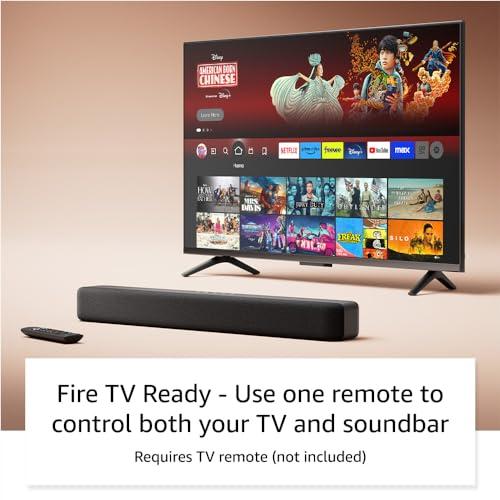
The Amazon Fire TV Soundbar operates entirely through physical touch controls and your TV remote - no app required. The Samsung Q Series 9.1.2 includes a comprehensive smartphone app for advanced settings, room calibration, and feature control, though basic functions work with your TV remote for everyday use.
We've done our best to create useful and informative comparisons to help you decide what product to buy. Our research uses advanced automated methods to create this comparison and perfection is not possible - please contact us for corrections or questions. These are the sites we've researched in the creation of this article: rtings.com - developer.amazon.com - stereoguide.com - developer.amazon.com - techradar.com - hometechnologyreview.com - whathifi.com - youtube.com - whathifi.com - wirelessplace.com - hometechnologyreview.com - dolby.com - aboutamazon.com - developer.amazon.com - community.anker.com - youtube.com - cordbusters.co.uk - rtings.com - samsung.com - markselectrical.co.uk - techradar.com - walmart.com - samsung.com - samsung.com - youtube.com - samsung.com - biancos.com - crutchfield.com - samsung.com

Privacy Policy
Terms and Conditions - Affiliate Policy
Home Security
© Copyright 2008-2026.
11816 Inwood Rd #1211, Dallas, TX 75244