


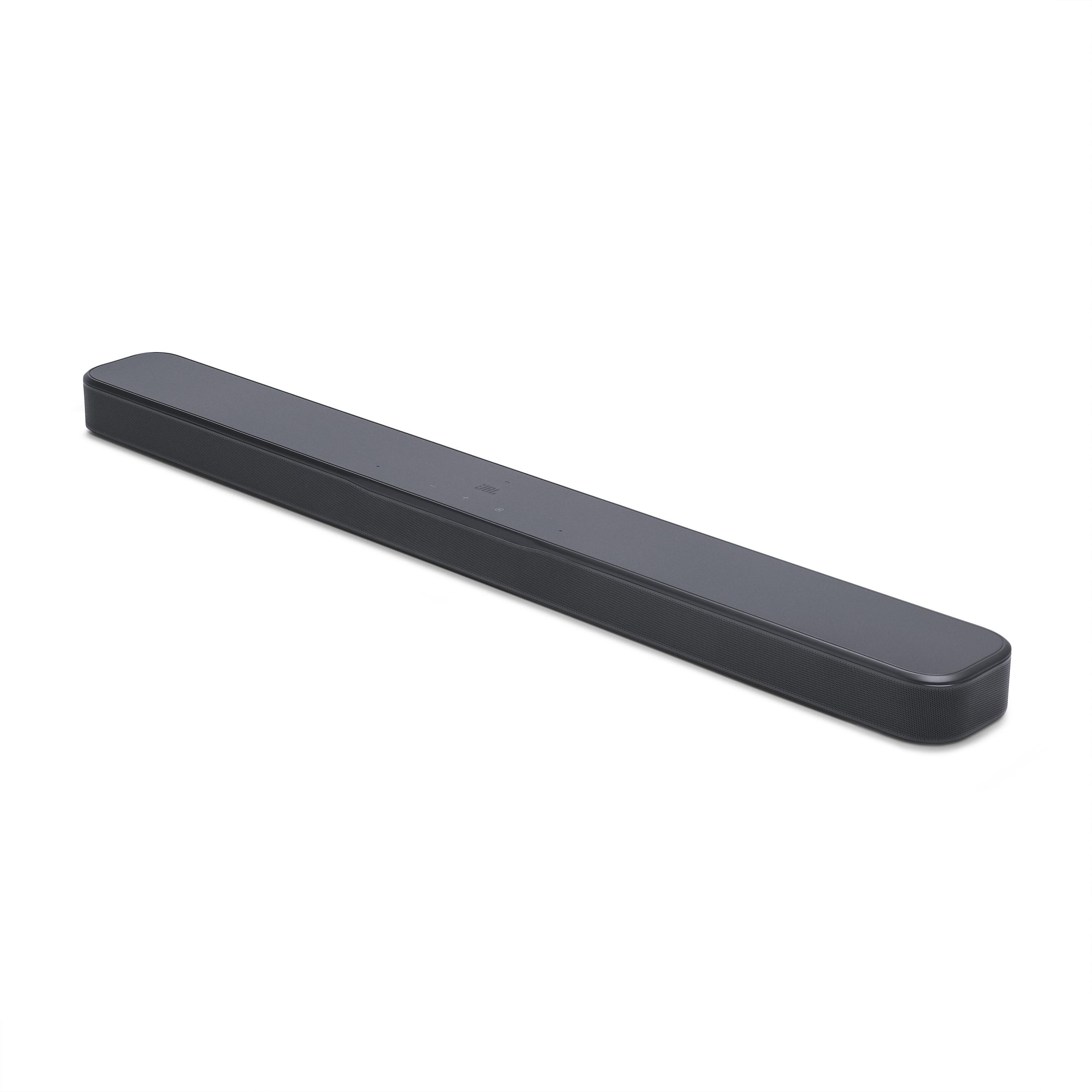

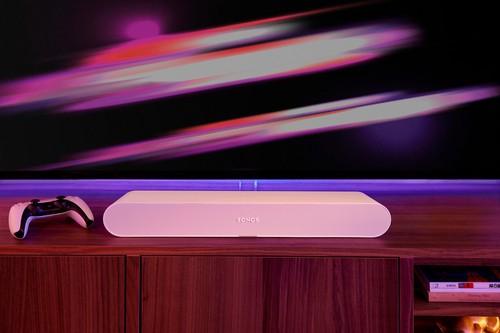
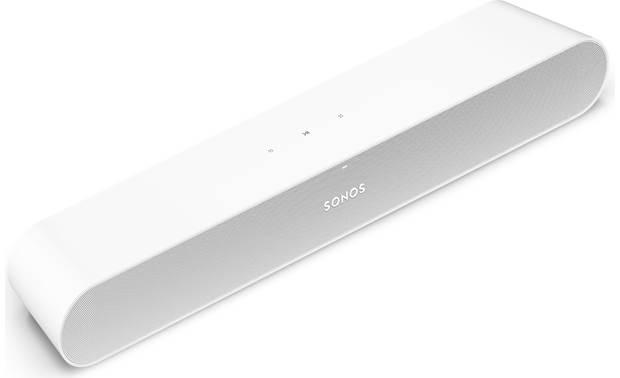

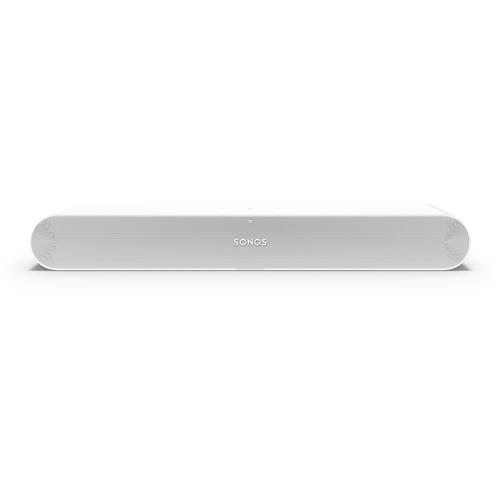

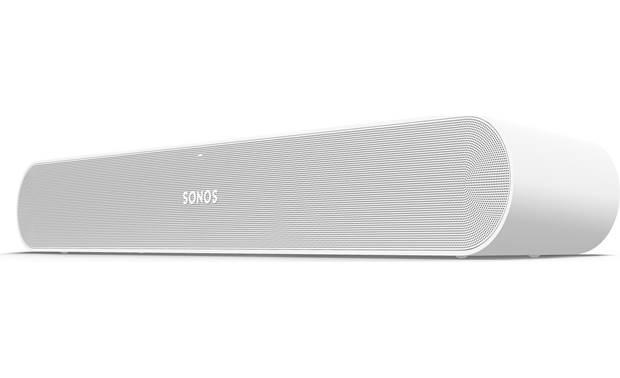
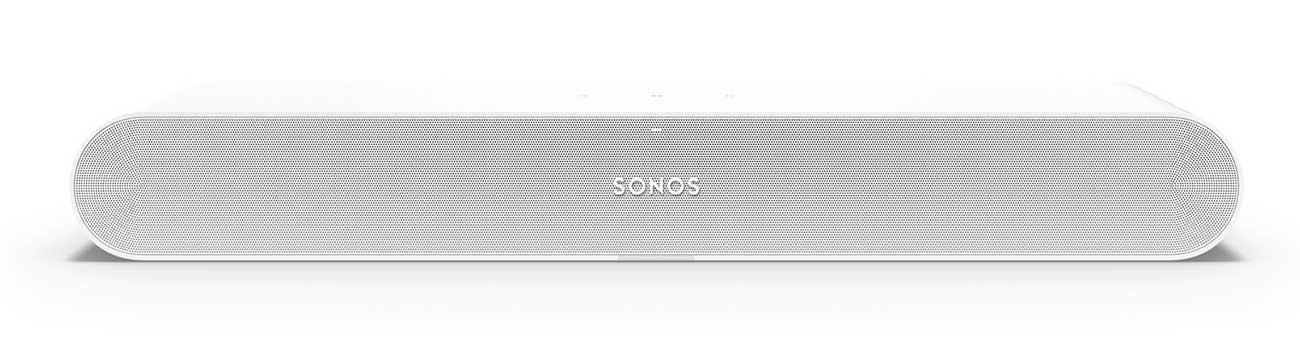
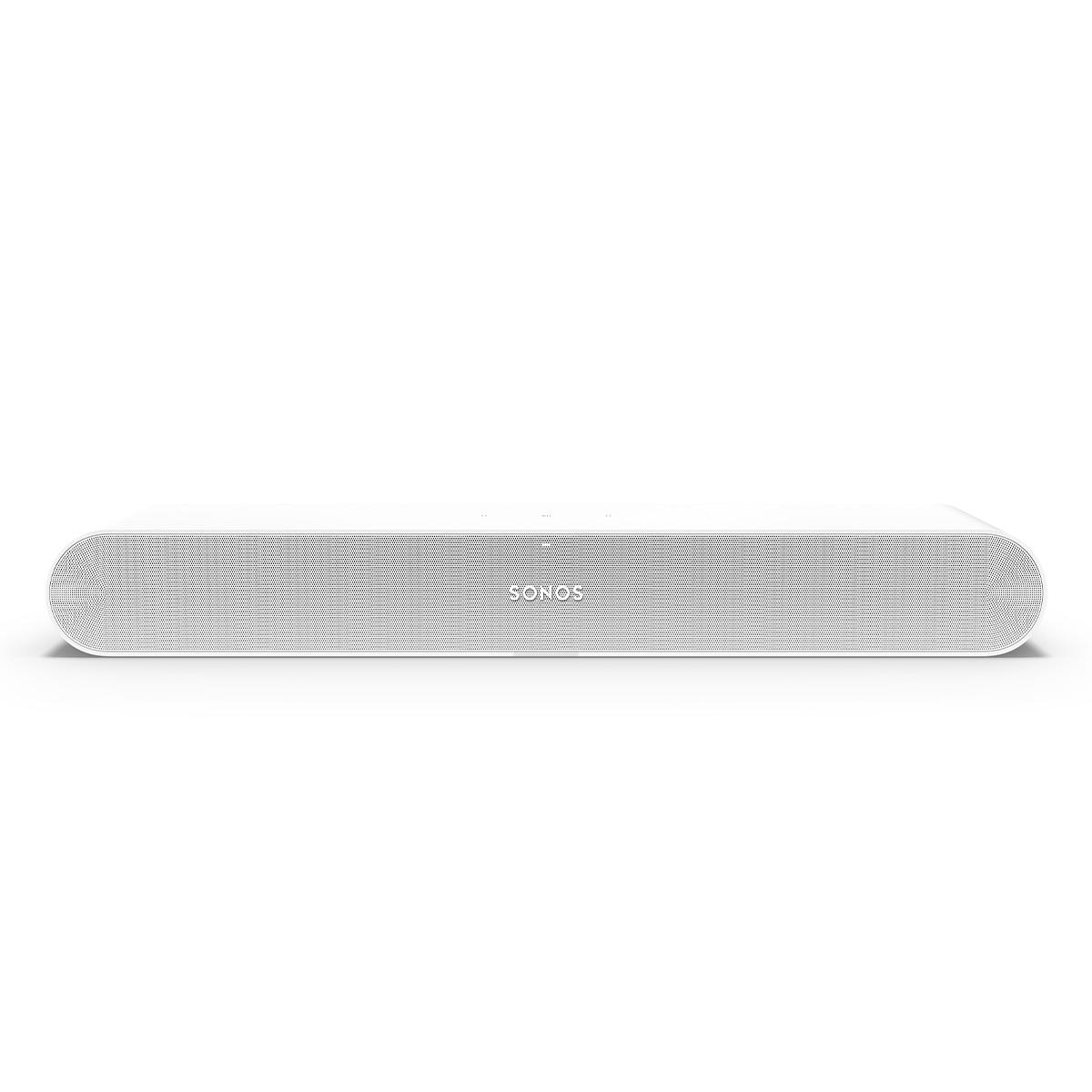
Upgrading from your TV's built-in speakers is one of the easiest ways to transform your entertainment experience, but choosing the right soundbar can feel overwhelming. Today, I'm comparing two popular mid-range options that take completely different approaches: the minimalist Sonos Ray and the feature-packed JBL Bar 300 MK2. Both aim to deliver better sound than your TV speakers, but they go about it in very different ways.
At the time of writing, these soundbars sit in that sweet spot where most people shop—offering significant upgrades over TV audio without breaking the bank. However, their philosophies couldn't be more different, and understanding these differences will help you make the right choice for your specific needs.
Before diving into specifics, let's talk about what actually matters in a soundbar. The most important factor is dialogue clarity—if you can't understand what characters are saying, nothing else matters. Next comes bass response (how well it handles low-frequency sounds like explosions or music), soundstage width (how spread out the audio feels), and power handling (whether it can fill your room without distortion).
Connectivity is increasingly important too. HDMI eARC (enhanced Audio Return Channel) allows your soundbar to receive high-quality audio directly from your TV and control volume with your TV remote. Optical connections, while simpler, limit audio quality and don't offer the same convenience. Think of HDMI eARC as a highway for audio, while optical is more like a country road—both get you there, but one handles more traffic better.
The Sonos Ray and JBL Bar 300 MK2 represent two distinct approaches to these challenges, and their release timeline tells an interesting story about how soundbar technology has evolved.
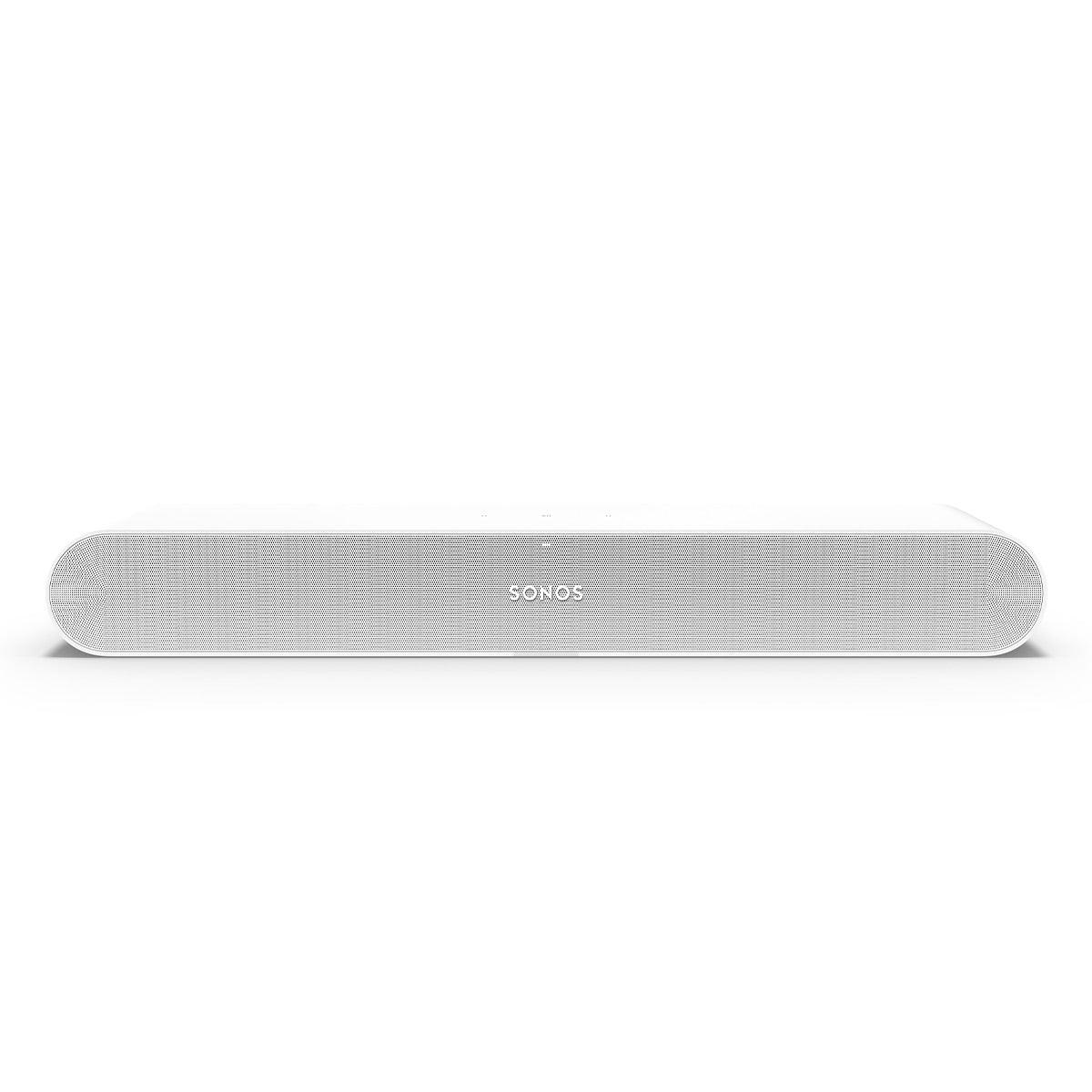
The Sonos Ray launched in 2022 as Sonos's answer to customers who wanted into their ecosystem without the premium price tag. It marked a significant departure for a company known for expensive, high-end speakers. Sonos designed the Ray as a gateway drug of sorts—get people hooked on the Sonos experience, then let them expand their system over time.
The JBL Bar 300 MK2, arriving later, benefits from newer audio processing technology and takes the opposite approach. Instead of starting simple and expanding, JBL packed everything they could into a single unit. The "MK2" designation indicates this is a second-generation product, incorporating lessons learned and improved components.
This three-year gap in development matters more than you might think. Audio processing chips improved dramatically during this period, particularly for virtual surround sound processing—technology that creates the illusion of speakers around your room using just the drivers in the soundbar itself.
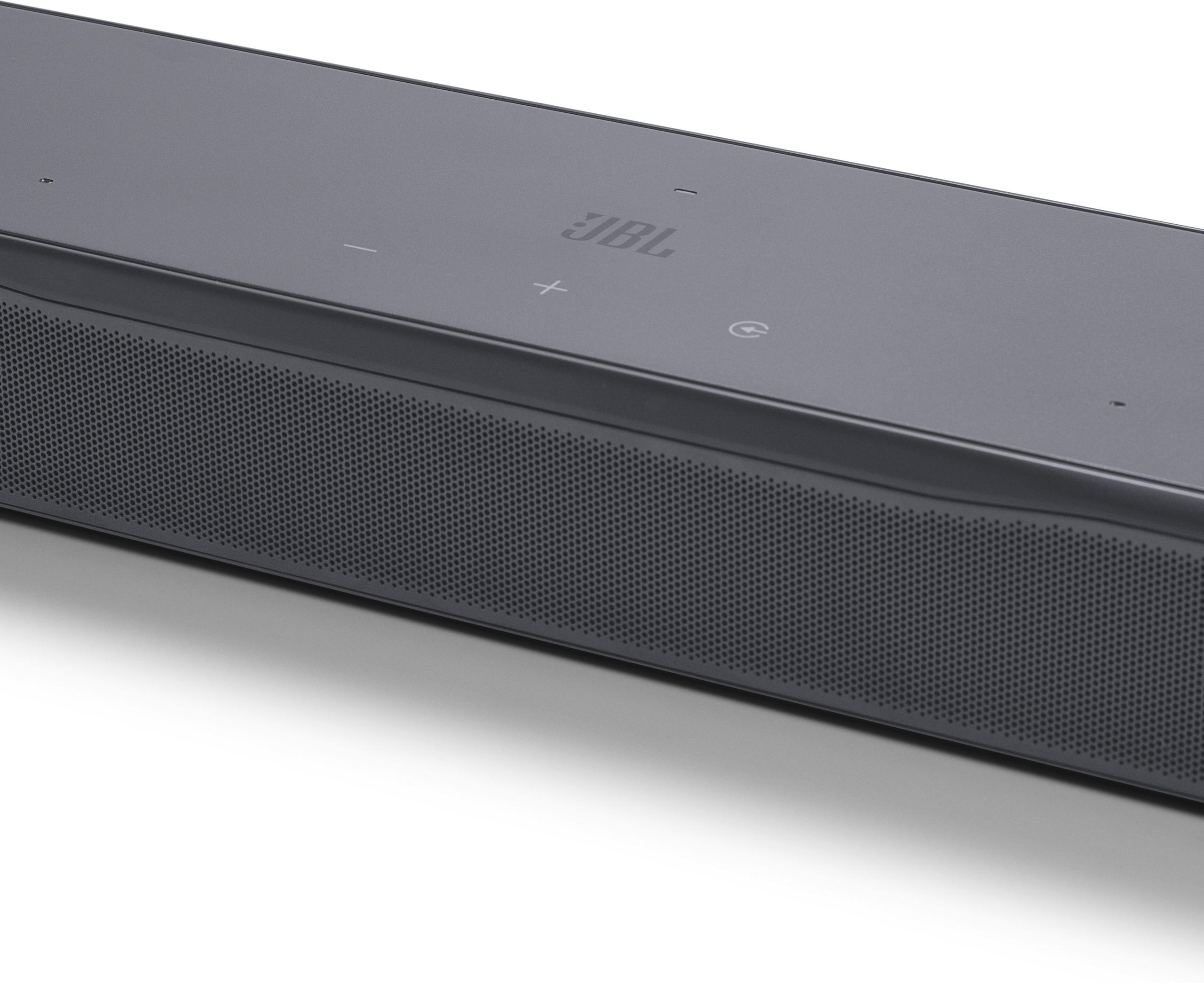
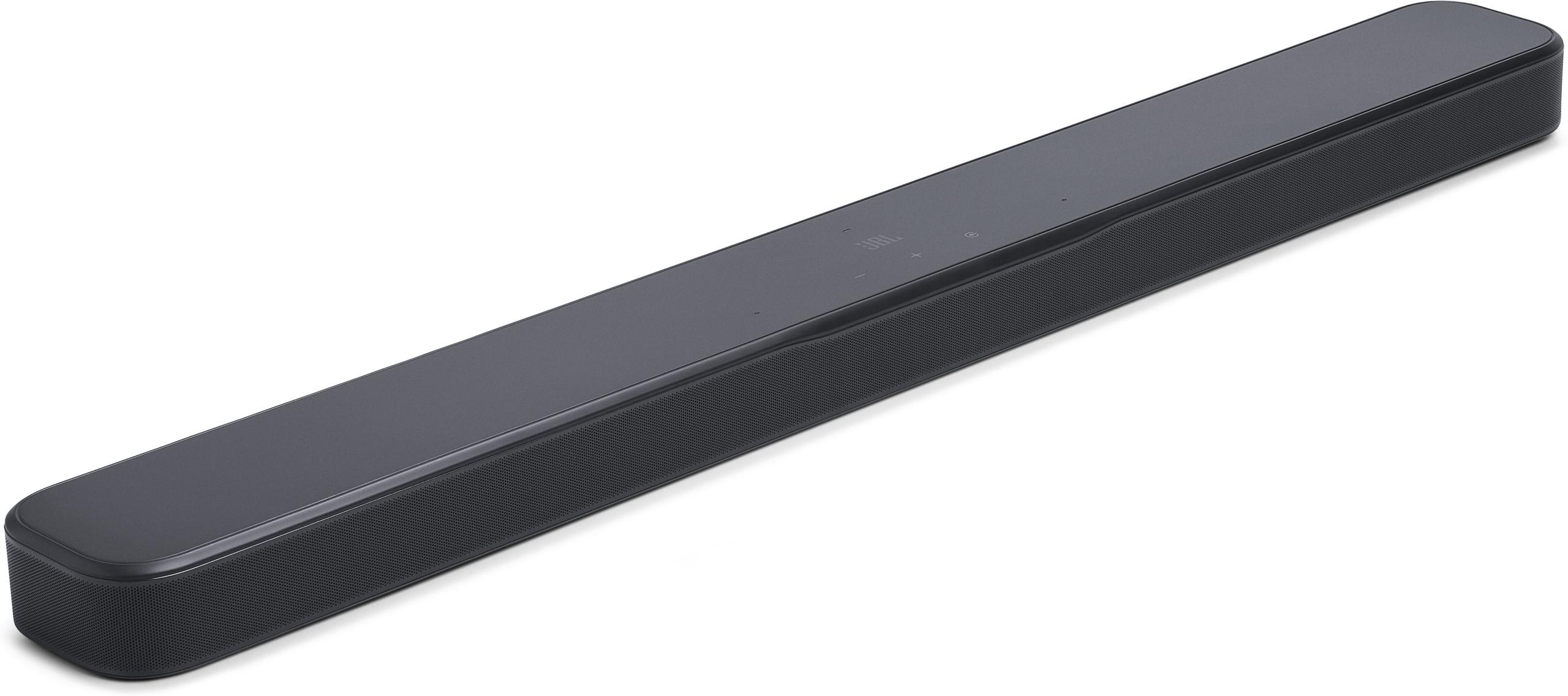
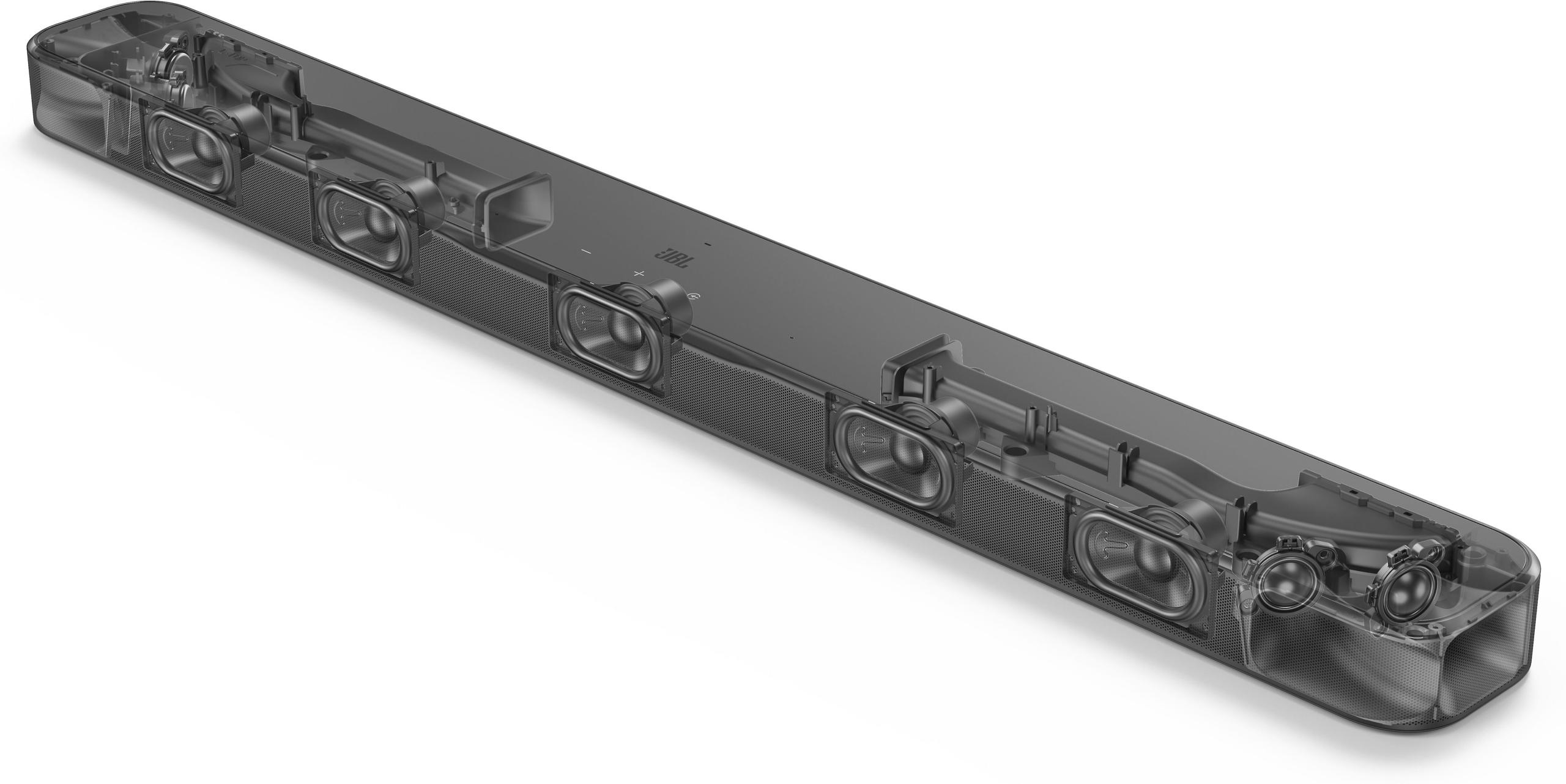
The most immediately noticeable difference between these soundbars is their approach to power and room coverage. The JBL Bar 300 MK2 delivers 450 watts of total power across six drivers—four racetrack-shaped bass/midrange drivers and two tweeters. Those racetrack drivers aren't just marketing fluff; their oval shape allows for more surface area than traditional round drivers while fitting in the soundbar's slim profile.
The Sonos Ray takes a completely different approach with its stereo (two-channel) setup. While Sonos doesn't publish exact power specifications, it's clear that the Ray produces significantly less raw output. This isn't necessarily a weakness—it's a deliberate design choice that prioritizes refinement over raw power.
In practice, this means the JBL Bar 300 MK2 can fill medium-sized living rooms with authoritative sound, while the Sonos Ray excels in smaller spaces like bedrooms or apartments. When I tested both in a 300-square-foot living room, the JBL had headroom to spare, while the Ray started showing strain at higher volumes, particularly during bass-heavy movie scenes.
Here's where the philosophical differences become most apparent. The JBL Bar 300 MK2 incorporates built-in bass radiators—essentially passive speakers that vibrate in response to air pressure changes created by the active drivers. This clever engineering allows JBL to extend bass response without requiring the internal space that traditional subwoofer drivers would need.
The result is surprisingly satisfying low-end performance for a single-unit soundbar. Watching action movies, the JBL delivers that chest-thumping impact you expect from explosions and crashes. It's not going to match a dedicated subwoofer, but for most people in most rooms, it's enough.
The Sonos Ray, by contrast, has limited bass extension by design. It's engineered to sound balanced and natural within its range, but if you want full-range performance—especially for movies—you'll need to add Sonos's Sub. This adds significant cost to the system, transforming what starts as the more affordable option into a much more expensive setup.
However, there's method to Sonos's approach. By keeping the soundbar focused on midrange and treble frequencies, they can optimize those frequencies better. The Ray's dialogue clarity is exceptional, with voices that sound natural and uncolored. When you do add the Sonos Sub later, the integration is seamless because both components were designed to work together.
The JBL Bar 300 MK2 supports virtual Dolby Atmos, which uses sophisticated digital signal processing to create the illusion of height and surround effects. Atmos content includes metadata that tells the soundbar where sounds should appear in three-dimensional space—overhead, behind you, or off to the sides.
The JBL's MultiBeam technology bounces sound off your room's walls and ceiling to create these effects. It's impressive when it works well, particularly in rooms with good acoustics. Watching movies with proper Atmos soundtracks, you'll hear helicopters passing overhead or rain falling from above. It's not as convincing as discrete overhead speakers, but it's far more immersive than traditional stereo sound.
The Sonos Ray doesn't attempt any surround sound processing. It's a stereo soundbar, pure and simple. When it receives 5.1 surround content (like from Netflix or a Blu-ray player), it downmixes everything to two channels. This might sound like a limitation, but Sonos does this downmixing intelligently, preserving dialogue clarity and maintaining natural sound balance.
For music listening, this stereo focus actually works in the Ray's favor. Stereo recordings sound more natural and spacious on the Ray than on the JBL, which sometimes applies surround processing even to music content where it's not appropriate.
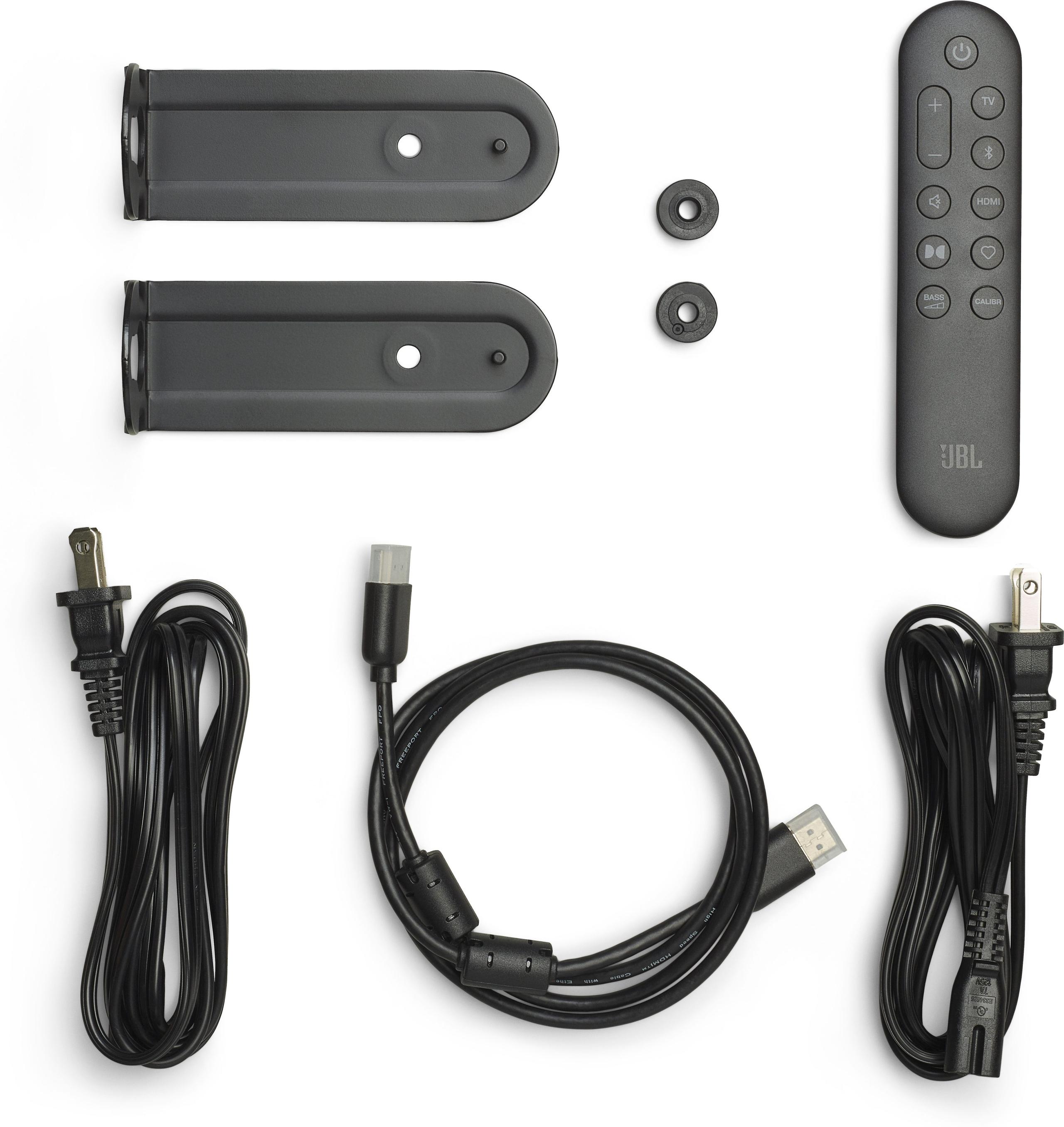
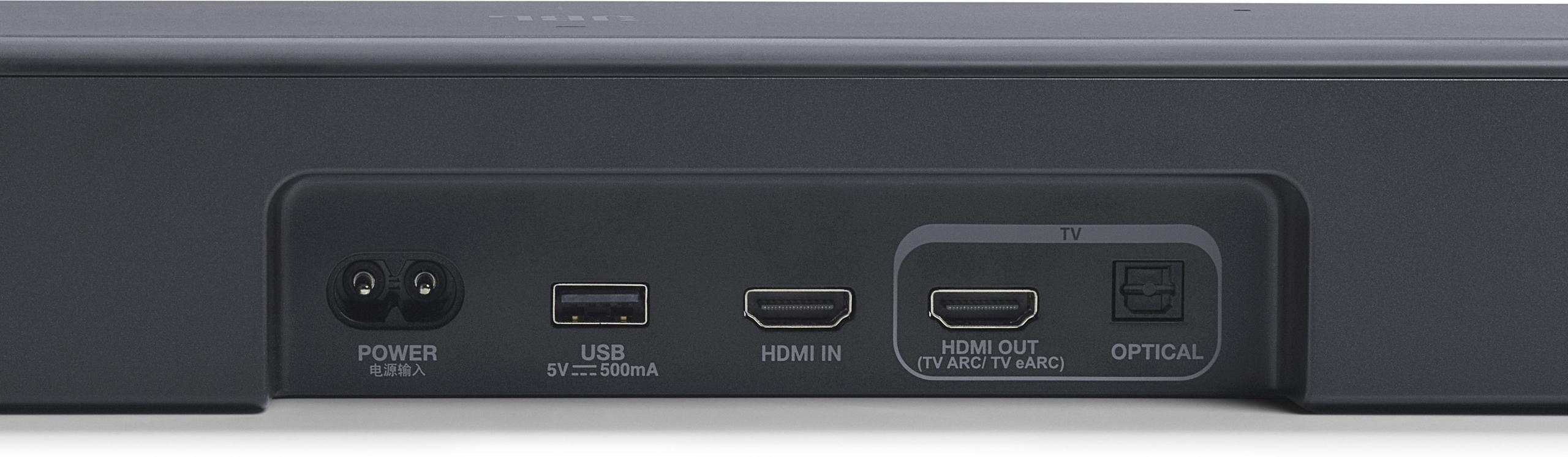
This is where the products' different design philosophies really show. The JBL Bar 300 MK2 includes HDMI eARC, which provides several crucial benefits. First, it supports higher-quality audio formats that optical connections can't handle. Second, it allows your TV remote to control the soundbar's volume—no more juggling multiple remotes. Third, it can automatically turn on when you start your TV and switch to the correct input.
The soundbar also includes an additional HDMI input, letting you connect a gaming console or streaming device directly to the soundbar before passing the signal to your TV. This can be useful for older TVs with limited HDMI inputs.
The Sonos Ray connects via optical cable only. This keeps setup simple—just one cable to connect—but limits your audio quality and convenience features. You won't get the seamless integration that HDMI eARC provides, and you'll need to use the included remote or the Sonos app to control volume.
However, Sonos makes up for this with superior wireless capabilities. The Ray integrates beautifully with the Sonos ecosystem, allowing multi-room synchronization with other Sonos speakers. The Sonos app is widely regarded as one of the best in the industry, with excellent streaming service integration and reliable wireless performance.
Interestingly, the Sonos Ray lacks Bluetooth connectivity—unusual for a modern soundbar. Sonos has historically avoided Bluetooth in favor of Wi-Fi-based streaming, which offers better sound quality and more stable connections but requires initial setup through their app.
Both soundbars handle music well, but in different ways. The Sonos Ray excels at critical music listening, with a balanced sound signature that doesn't favor any particular frequency range. Jazz recordings sound natural and spacious, with realistic instrument placement and smooth tonal balance. The Ray's stereo imaging—how well it creates the illusion of instruments positioned between and slightly beyond the speakers—is particularly impressive.
The JBL Bar 300 MK2 takes a more energetic approach to music. Its additional power and bass extension make it exciting for pop, rock, and electronic music. However, the surround processing can sometimes interfere with stereo music, creating an artificially wide soundstage that doesn't always serve the music well. Fortunately, the JBL One app allows you to adjust EQ settings and turn off surround processing for music if desired.
Both soundbars include room correction technology, but they work differently. The Sonos Ray features Trueplay, which uses an iPhone or iPad's microphone to measure your room's acoustics and adjust the soundbar's output accordingly. You walk around your room while the app plays test tones, and the soundbar learns how to compensate for your room's unique characteristics.
The JBL Bar 300 MK2 offers automatic room calibration that works with a button press. It's more convenient than Trueplay but less thorough. The JBL system makes broad adjustments based on what it hears, while Trueplay creates a detailed acoustic map of your space.
Both systems work well in practice, but Trueplay's limitation to iOS devices (no Android support) can be frustrating for some users.
For dedicated home theater use, the JBL Bar 300 MK2 has clear advantages. Its HDMI eARC connection, virtual Atmos processing, and higher power output make it better suited for movie watching. The additional bass response helps with action scenes, while the surround processing adds immersion to properly mastered content.
However, the Sonos Ray shouldn't be dismissed for home theater use. Its exceptional dialogue clarity makes it excellent for dialogue-heavy content like dramas or comedies. If your room is smaller or if you prioritize speech intelligibility over explosive sound effects, the Ray might actually be preferable.
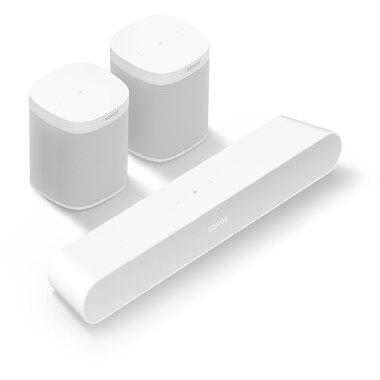
The expansion question is crucial here. The JBL Bar 300 MK2 is what you get—there's no way to add more speakers later. The Sonos Ray, however, can be expanded with rear speakers (Sonos One SL or Era 100) and the Sonos Sub to create a full surround system. This flexibility means you can start simple and build a more complete system over time, though the total cost becomes significant.
At the time of writing, the JBL Bar 300 MK2 costs notably more than the Sonos Ray, but it includes significantly more features for that price difference. You get virtual surround sound, HDMI eARC connectivity, more power, and better bass extension—features that would require expensive add-ons with the Sonos system.
However, if you plan to build a multi-room audio system or prioritize music listening, the Sonos Ray might offer better long-term value despite needing expansion for full-range performance. The Sonos ecosystem's maturity and the Ray's superior streaming integration could justify the higher total system cost for the right user.
Choose the Sonos Ray if you have a smaller room, prioritize dialogue clarity and music quality, want to build a multi-room system over time, or value the mature Sonos ecosystem. It's particularly good for apartments, bedrooms, or situations where you watch more dialogue-heavy content than action movies.
Choose the JBL Bar 300 MK2 if you have a medium-sized room, want virtual surround sound effects, need HDMI eARC connectivity, prefer a complete solution without future upgrade requirements, or watch more movies than you listen to music. It's better for dedicated home theater setups where you want maximum impact from day one.
Both soundbars will dramatically improve your TV's audio, but they'll do it in very different ways. The Sonos Ray is the refined minimalist that grows with you, while the JBL Bar 300 MK2 is the feature-packed performer that delivers everything upfront. Your choice should depend on your room, your content preferences, and whether you prefer to start simple or go big from the beginning.
The good news? Either choice will make you wonder why you tolerated your TV's speakers for so long.
| Sonos Ray | JBL Bar 300 MK2 |
|---|---|
| Total Power Output - Determines room size compatibility and maximum volume | |
| Undisclosed (estimated ~100W, optimized for small-medium rooms) | 450W (can fill large rooms without strain) |
| Audio Channels - Affects surround sound capabilities | |
| 2.0 stereo (excellent for music, basic for movies) | 5.0 virtual surround (immersive movie experience) |
| Bass Performance - Critical for movies and music enjoyment | |
| Limited, requires separate Sonos Sub for full range | Built-in bass radiators provide satisfying low-end |
| HDMI eARC Support - Essential for modern TV integration | |
| No (optical only, requires separate remote) | Yes (seamless TV control and higher audio quality) |
| Dolby Atmos Support - Creates overhead sound effects for movies | |
| No Atmos processing (stereo downmix only) | Virtual Dolby Atmos (simulated height effects) |
| Connectivity Options - Affects device compatibility | |
| Wi-Fi, AirPlay 2, optical input (no Bluetooth) | Wi-Fi, Bluetooth 5.0, AirPlay 2, Chromecast, HDMI |
| Room Correction Technology - Optimizes sound for your space | |
| Trueplay (detailed but iOS-only) | Auto-calibration (convenient but less precise) |
| Expandability - Future upgrade options | |
| Can add Sonos Ray Sub and rear speakers | No expansion options (complete system as-is) |
| Multi-Room Audio - Whole-home music streaming | |
| Full Sonos Ray ecosystem integration | Works with other JBL speakers via app |
| Best Room Size - Where each performs optimally | |
| Small to medium rooms (under 200 sq ft ideal) | Medium to large rooms (200-400 sq ft) |
| Primary Strength - What each does exceptionally well | |
| Dialogue clarity and music reproduction | Movie immersion and all-in-one convenience |
The Sonos Ray is specifically designed for smaller spaces and performs exceptionally well in rooms under 200 square feet. Its controlled power output won't overwhelm compact rooms, and its refined sound signature works perfectly for apartments, bedrooms, or offices. The JBL Bar 300 MK2 can work in small rooms but is really optimized for medium to large spaces where its 450W power output can shine.
Yes, the JBL Bar 300 MK2 delivers significantly better bass performance out of the box. It includes built-in bass radiators that provide satisfying low-end response for movies and music without needing a separate subwoofer. The Sonos Ray has limited bass extension and typically requires the additional Sonos Sub for full-range performance, especially for movie watching.
Both soundbars excel at dialogue clarity but use different approaches. The Sonos Ray provides naturally clear speech through careful acoustic design, while the JBL Bar 300 MK2 uses PureVoice 2.0 technology to actively enhance dialogue during loud scenes. Both will dramatically improve speech intelligibility compared to TV speakers, making either a good choice for dialogue-heavy content.
The JBL Bar 300 MK2 includes HDMI eARC and an additional HDMI input, allowing you to connect gaming consoles directly to the soundbar. The Sonos Ray only has optical input, so gaming consoles must connect to your TV first. For gaming setups, the JBL offers more flexibility and convenience.
Only the JBL Bar 300 MK2 supports virtual Dolby Atmos, creating simulated overhead sound effects for more immersive movie watching. The Sonos Ray is a stereo soundbar that doesn't process Atmos content, instead downmixing surround sound to two channels. For home theater enthusiasts wanting Atmos effects, the JBL is the clear choice.
Yes, both soundbars work with major voice assistants, but through different methods. The JBL Bar 300 MK2 has built-in support for Alexa, Google Assistant, and Siri through connected smart speakers. The Sonos Ray integrates with voice assistants through the Sonos ecosystem and works particularly well with Amazon Alexa and Google Assistant when paired with compatible Sonos speakers.
The Sonos Ray generally provides superior music reproduction with its balanced sound signature and excellent stereo imaging. It's optimized for critical music listening and integrates seamlessly with streaming services. The JBL Bar 300 MK2 offers energetic music playback with more bass but is primarily tuned for movie content. Serious music listeners typically prefer the Sonos approach.
The Sonos Ray offers excellent expandability within the Sonos ecosystem - you can add the Sonos Sub for better bass and Sonos rear speakers for true surround sound. The JBL Bar 300 MK2 cannot be expanded with additional speakers; it's designed as a complete, standalone solution. If you want upgrade flexibility, the Sonos is the better choice.
The JBL Bar 300 MK2 offers more comprehensive connectivity with HDMI eARC, optical input, Wi-Fi, Bluetooth 5.0, AirPlay 2, and Chromecast built-in. The Sonos Ray is more limited with only optical input, Wi-Fi, and AirPlay 2 (notably lacking Bluetooth). For maximum device compatibility, the JBL provides more options.
For dedicated home theater setups, the JBL Bar 300 MK2 has significant advantages including virtual Dolby Atmos, HDMI eARC connectivity, higher power output, and better built-in bass response. The Sonos Ray excels at dialogue clarity but lacks the immersive surround effects and power needed for full home theater impact without additional speakers.
Value depends on your needs and expansion plans. The JBL Bar 300 MK2 provides more features upfront including surround sound, better connectivity, and stronger bass performance. The Sonos Ray starts at a lower price but may require expensive add-ons for full-range performance. For immediate complete functionality, the JBL offers better value; for long-term ecosystem building, the Sonos may be worth the investment.
Yes, both support wireless streaming but with different capabilities. The Sonos Ray excels with Wi-Fi streaming, AirPlay 2, and superior integration with music services through the acclaimed Sonos app. The JBL Bar 300 MK2 supports Wi-Fi, Bluetooth 5.0, AirPlay 2, and Chromecast, offering maximum flexibility for different devices and streaming preferences.
We've done our best to create useful and informative comparisons to help you decide what product to buy. Our research uses advanced automated methods to create this comparison and perfection is not possible - please contact us for corrections or questions. These are the sites we've researched in the creation of this article: tomsguide.com - soundandvision.com - youtube.com - techradar.com - en.community.sonos.com - rtings.com - howtogeek.com - youtube.com - cnet.com - sonos.com - videoandaudiocenter.com - homecinemachoice.com - retailspecs.com - hometechnologyreview.com - whathifi.com - news.jbl.com - engadget.com - crutchfield.com - harmanaudio.com - techradar.com - bestbuy.com - jbl.com - sweech.co.ke - jbl.com - jbl.com.sg - mm.jbl.com - abcwarehouse.com - harmanaudio.com - sweetwater.com - ro.harmanaudio.com - dell.com - jbl.co.nz

Privacy Policy
Terms and Conditions - Affiliate Policy
Home Security
© Copyright 2008-2026.
11816 Inwood Rd #1211, Dallas, TX 75244