

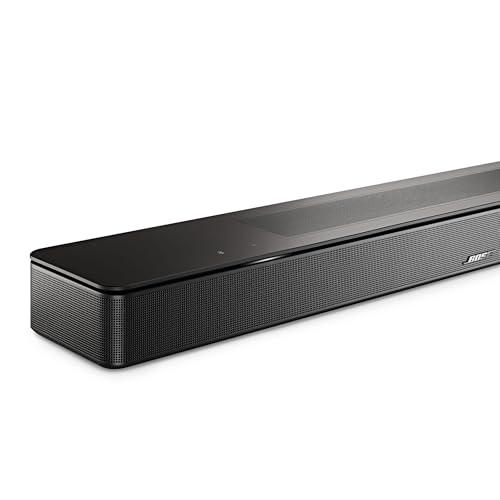
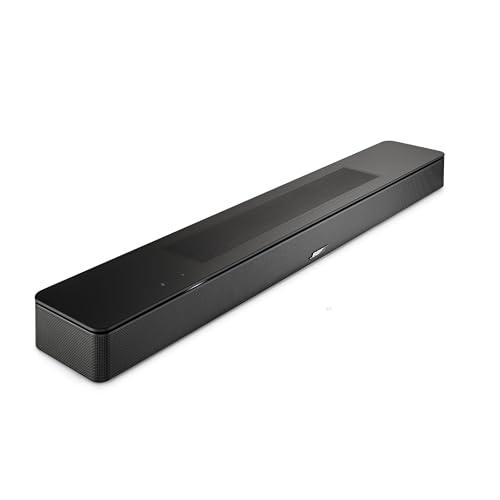

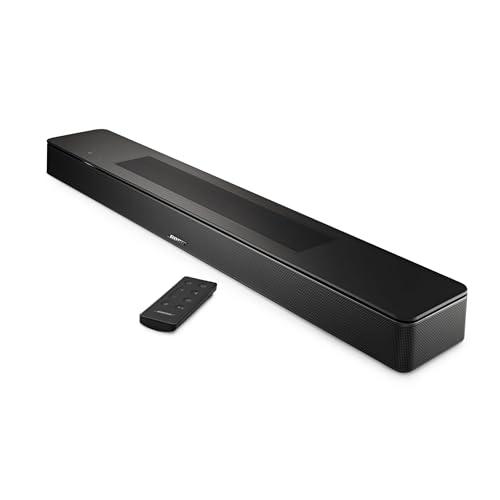





When your TV's built-in speakers just aren't cutting it anymore, a quality soundbar can transform your viewing experience without the complexity of a full surround sound system. But with so many options available, choosing between different approaches can feel overwhelming. Today, we're diving deep into two compelling but very different solutions: the Bose Smart Soundbar 1100 and the Samsung Q Series 9.1.2 Channel Soundbar.
These soundbars represent two distinct philosophies in premium audio. The Bose Smart Soundbar 1100, released in 2023, focuses on delivering exceptional audio processing and smart features in a compact package. Meanwhile, the Samsung Q Series 9.1.2, also from 2023, takes the "everything included" approach with a complete surround system right out of the box.
Before we get into the specifics, let's talk about what separates premium soundbars from their budget counterparts. While basic soundbars simply make things louder and clearer than your TV speakers, premium models introduce advanced audio processing, spatial audio technologies, and smart home integration.
The key technologies that define this category include Dolby Atmos (which creates overhead sound effects by bouncing audio off your ceiling), sophisticated room correction systems, and high-quality digital signal processing (DSP) that can make a small speaker sound much bigger than it physically is. These features aren't just marketing buzzwords—they genuinely impact how immersive and engaging your audio experience becomes.
At the time of writing, premium soundbars typically range from around $400 to over $1,500, with the sweet spot for most buyers falling between $500-$1,000. This price range usually gets you genuine technological advances rather than just louder volume.
The Bose Smart Soundbar 1100 embodies the "less is more" philosophy that Bose has refined over decades. At just over two inches tall and weighing under seven pounds, it's designed to deliver premium audio without dominating your living space. Bose equipped this 3.0.2 channel system with their latest audio processing technologies, including PhaseGuide (which creates a wider soundstage than the bar's physical size would suggest) and TrueSpace (an intelligent system that adds spatial dimension to non-Atmos content).
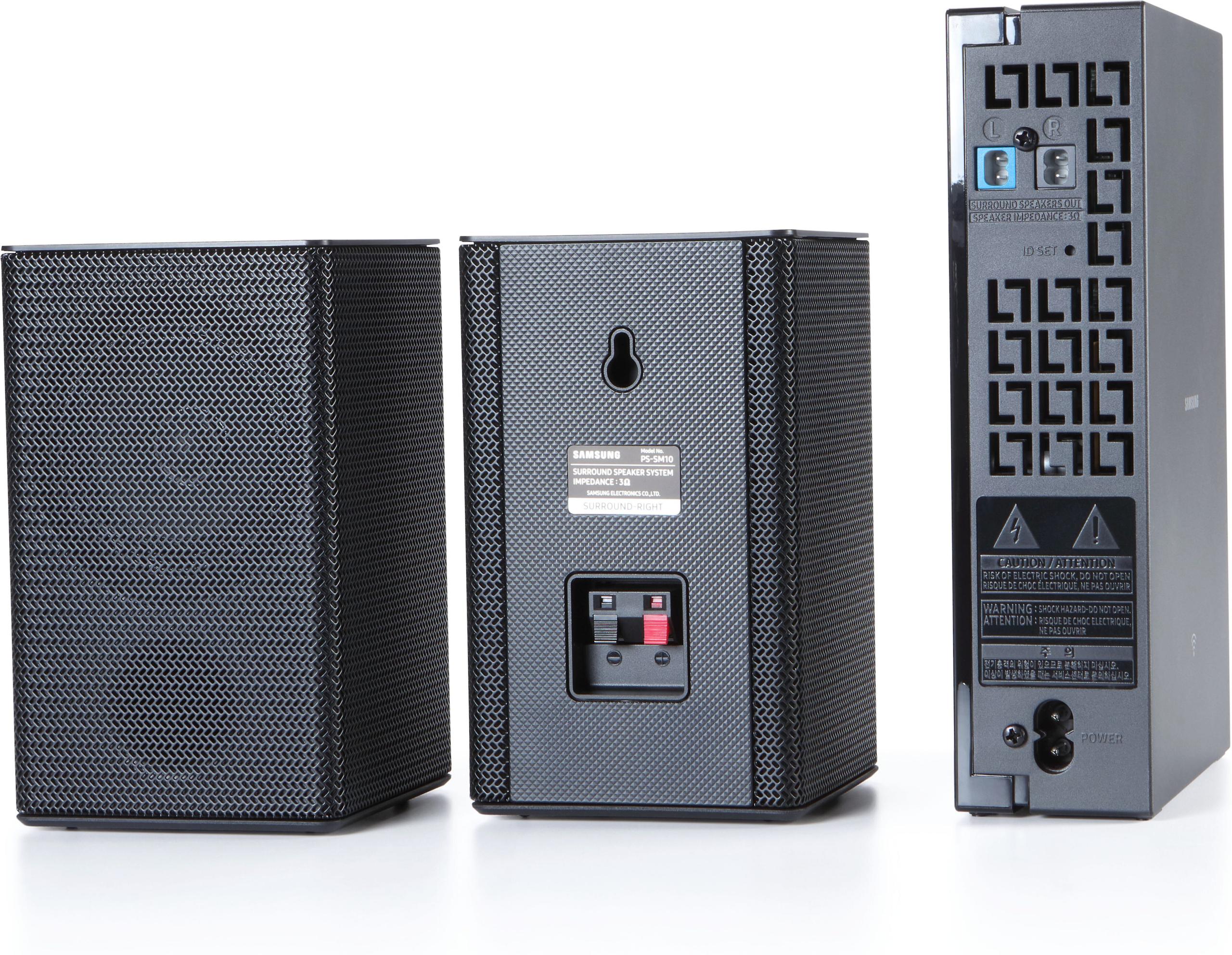
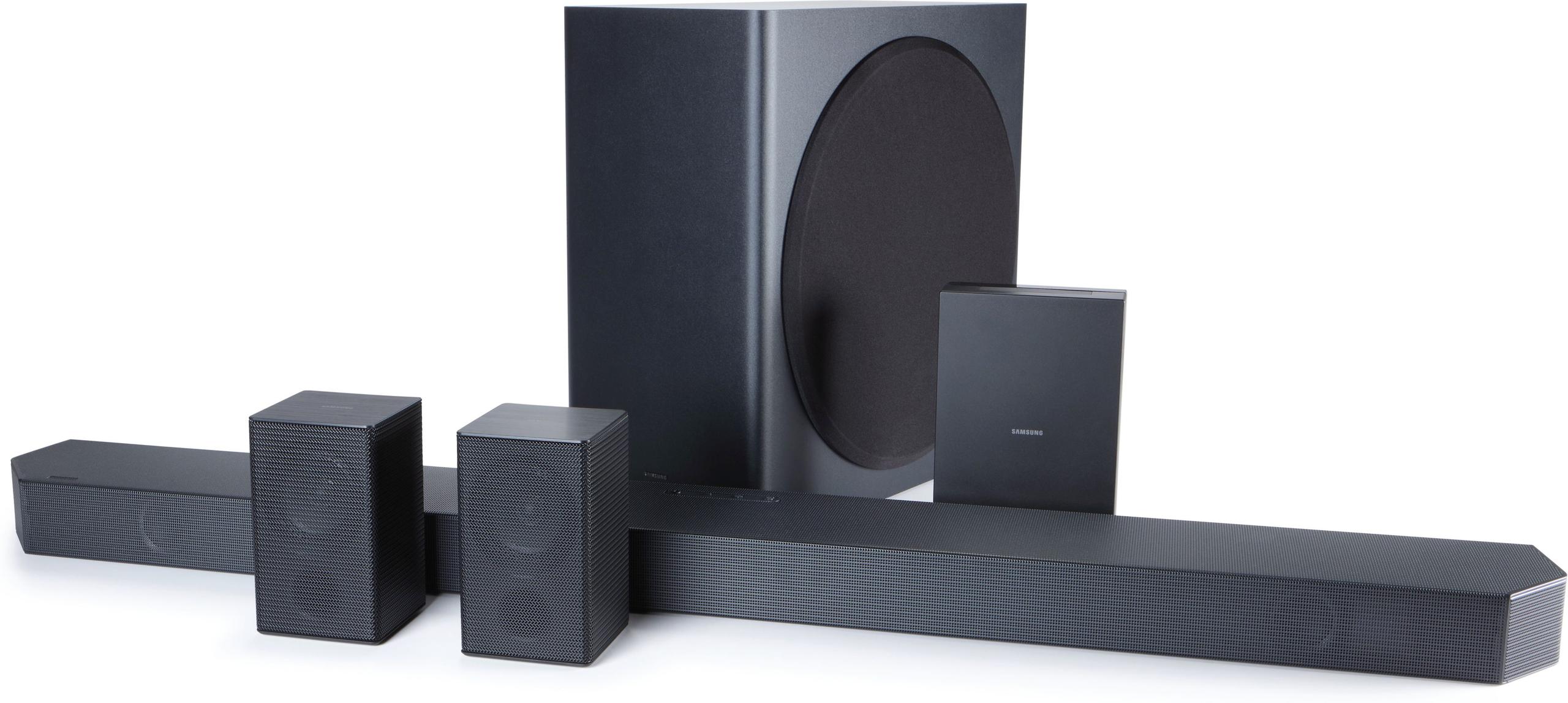
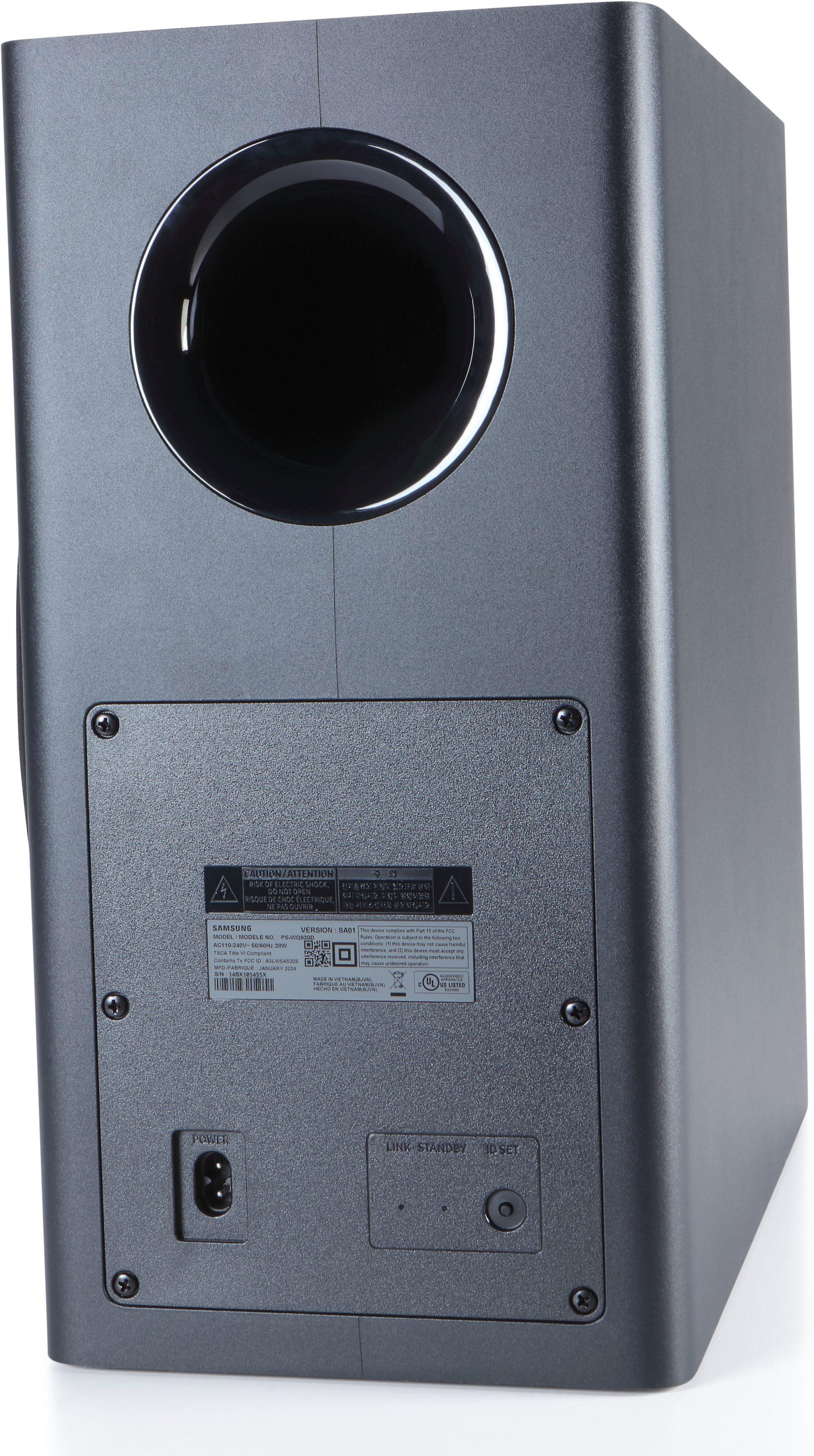
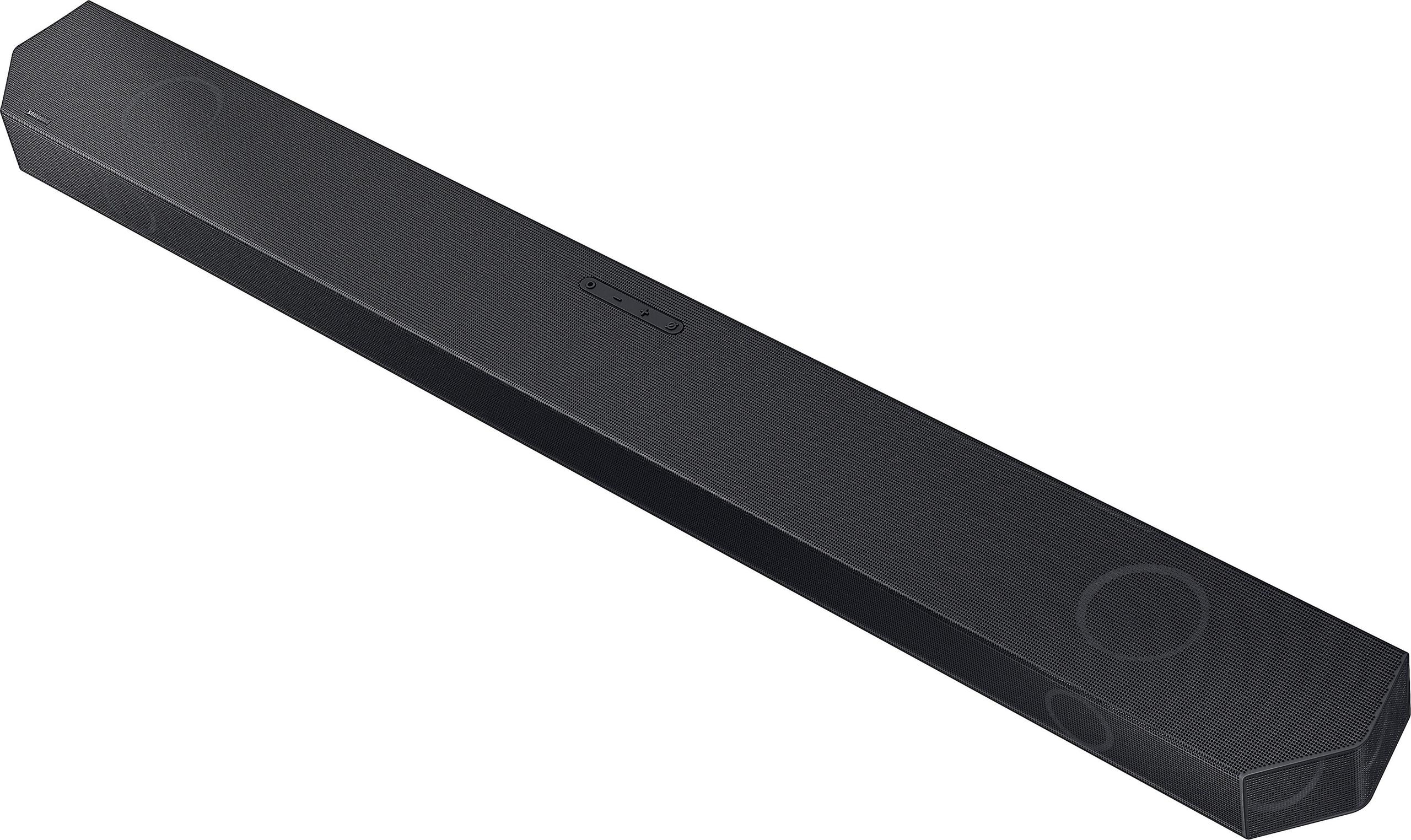
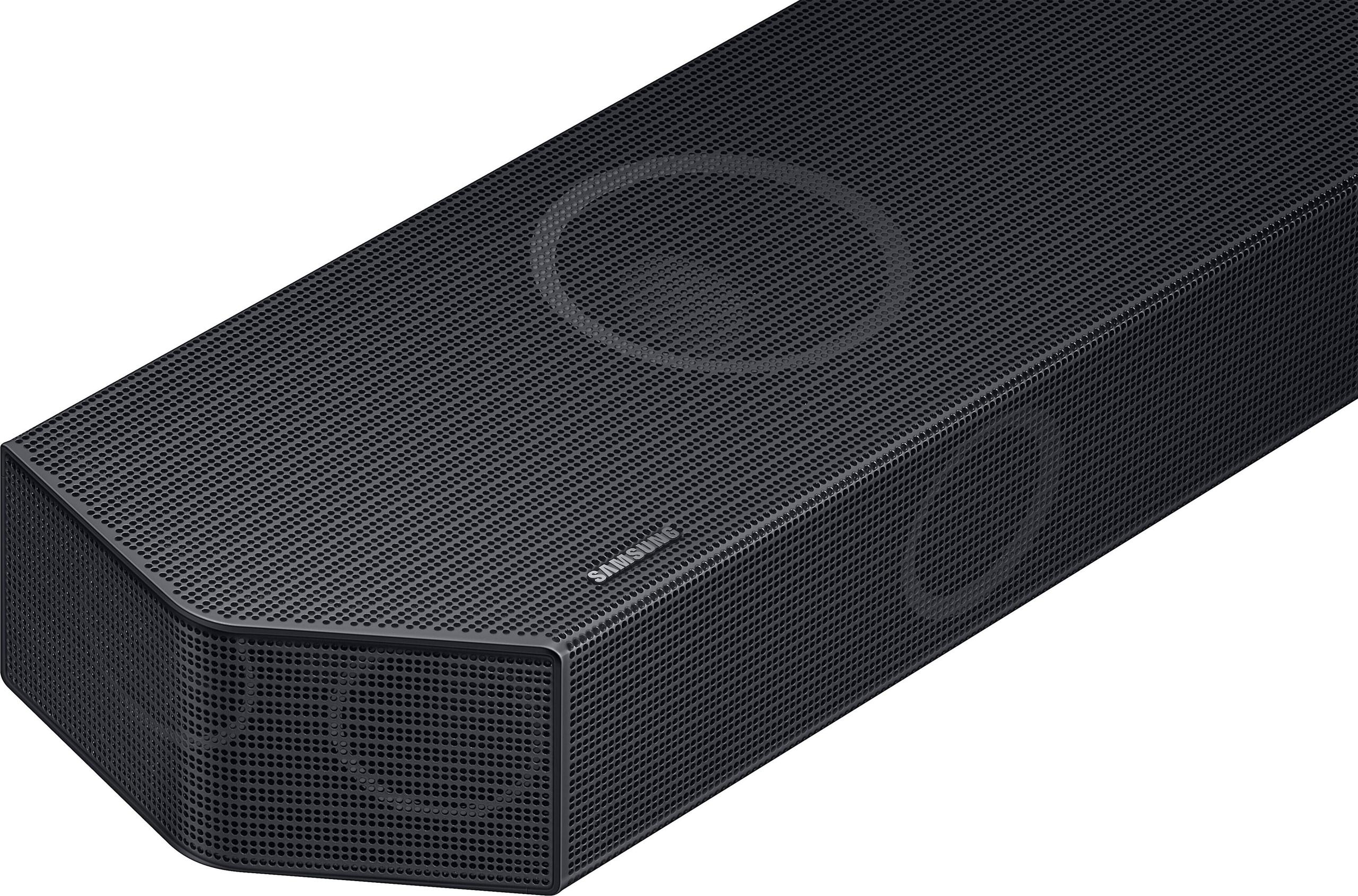
The Samsung Q Series 9.1.2, on the other hand, goes all-in on the home theater experience. This system includes wireless rear speakers and a subwoofer, giving you a true 9.1.2 surround setup without running cables around your room. Samsung has integrated their Q-Symphony technology, which coordinates the soundbar with your Samsung TV's speakers for a more enveloping experience, and SpaceFit Sound+ for automatic room calibration.
Both products arrived in 2023 with notable improvements over their predecessors. The Bose Smart Soundbar 1100 introduced enhanced AI processing for dialogue clarity and better integration with Bose's expanding ecosystem of wireless audio products. The Samsung Q Series 9.1.2 brought improved wireless connectivity and more sophisticated room correction algorithms compared to earlier Samsung models.
This is where the Bose Smart Soundbar 1100 truly shines. Bose's AI Dialogue Mode uses machine learning to automatically detect when people are speaking and adjusts the tonal balance in real-time. This isn't just a simple center channel boost—it's a sophisticated analysis of the audio that preserves the overall mix while ensuring voices cut through clearly.
During our research into user experiences, this feature consistently received praise from people who watch a lot of news, documentaries, or dialogue-heavy dramas. The system's center tweeter and advanced DSP work together to create what many describe as almost unnaturally clear speech reproduction.
The Samsung Q Series 9.1.2 takes a different approach with its Active Voice Amplifier (AVA) technology. Rather than AI-driven adjustments, it uses dedicated center channel processing to emphasize dialogue. While effective, it's not as nuanced as Bose's solution, and some users report that it can make dialogue sound slightly artificial at higher enhancement levels.
This is where the fundamental difference between these systems becomes most apparent. The Bose Smart Soundbar 1100 relies on its QuietPort technology—specially designed ports that minimize turbulence—to generate bass from its compact enclosure. While impressive for its size, physics ultimately wins: you can't create deep, room-shaking bass from a soundbar alone.
The Samsung Q Series 9.1.2 includes a dedicated wireless subwoofer with Auto Sub EQ technology. This system uses a microphone in the subwoofer to analyze your room's acoustics and automatically adjust the bass response to compensate for room effects like standing waves and boundary reinforcement. The result is noticeably more powerful and extended low-frequency performance that enhances both movies and music.
For action movies, this difference is significant. The Samsung system can reproduce the rumble of explosions and the impact of sound effects that the Bose simply cannot match without an optional subwoofer addition.
Both systems support Dolby Atmos, but they implement it very differently. The Bose Smart Soundbar 1100 uses two up-firing drivers and sophisticated processing to create height effects. Bose's TrueSpace technology is particularly clever—it analyzes non-Atmos content and creates spatial effects that weren't originally in the recording.
Based on expert reviews and user feedback, the Bose implementation works best in smaller to medium-sized rooms with standard 8-9 foot ceilings. The height effects are subtle but convincing, creating a sense of audio dimensionality that extends beyond the soundbar's physical footprint.
The Samsung Q Series 9.1.2 approaches Atmos with brute force: more speakers mean more options for sound placement. With dedicated rear speakers and multiple up-firing drivers, it can create more dramatic overhead effects and a more enveloping surround experience. However, this requires proper placement of the rear speakers and adequate room space to be effective.
Here's where Bose's decades of psychoacoustic research really show. The Smart Soundbar 1100 uses PhaseGuide technology to create the illusion of sound coming from well beyond the physical boundaries of the bar. This creates an impressively wide soundstage for stereo music and helps with the placement of effects in movies.
The Samsung system has the advantage of actual physical separation between its speakers. The wireless rear speakers provide genuine surround effects rather than psychoacoustic tricks, while the wider soundbar creates natural stereo separation for music.
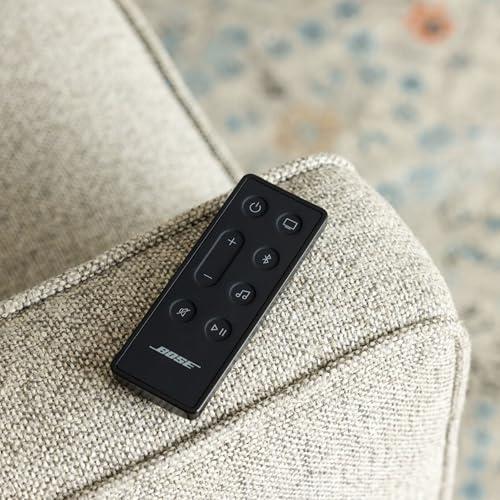
The Bose Smart Soundbar 1100 integrates Amazon Alexa directly into the unit, with advanced noise-rejecting microphones that can hear you even when the music is loud. The Voice4Video feature extends Alexa's capabilities to control your TV and cable box, creating a more integrated smart home experience.
Streaming support is comprehensive, with built-in Wi-Fi for AirPlay 2, Chromecast, Spotify Connect, and direct access to services like Amazon Music and Pandora. The Bose Music app consistently receives praise for its intuitive interface and reliable performance.
The Samsung Q Series 9.1.2 focuses more on integration within Samsung's ecosystem. Q-Symphony technology synchronizes the soundbar with compatible Samsung QLED and Neo QLED TVs, using both the TV's speakers and the soundbar together for a more immersive experience. This is genuinely innovative—most soundbars actually disable the TV's speakers entirely.
SmartThings integration allows the Samsung system to control other smart home devices, while Game Mode Pro optimizes audio settings for gaming, adjusting directional audio cues that can provide competitive advantages in games.
At the time of writing, the Bose Smart Soundbar 1100 represents the more affordable entry point, but this comparison isn't straightforward. To match the Samsung system's capabilities, you'd need to add Bose's optional subwoofer and potentially surround speakers, significantly increasing the total investment.
However, the Bose offers something valuable: modularity. You can start with the soundbar alone and add components as your needs (and budget) evolve. This makes it particularly attractive for people who want to test the waters of premium audio or who live in apartments where a full surround system might be overkill.
The Samsung Q Series 9.1.2 delivers immediate gratification with everything included. For home theater enthusiasts who want the full experience right away, the value proposition is compelling. You're getting true surround sound capabilities that would cost significantly more if purchased piece by piece.
Room size dramatically affects which system will perform better. The Bose Smart Soundbar 1100 excels in smaller to medium rooms—think typical apartments, bedrooms, or cozy living rooms up to about 150 square feet. In these spaces, its psychoacoustic processing can create an impressively large soundstage, and the lack of physical rear speakers means no placement constraints.
The Samsung Q Series 9.1.2 needs space to breathe. The wireless rear speakers need to be positioned properly behind your listening position, and the subwoofer requires careful placement to avoid boomy bass. In larger rooms (200+ square feet), this system can create a truly cinematic experience that the Bose simply cannot match.
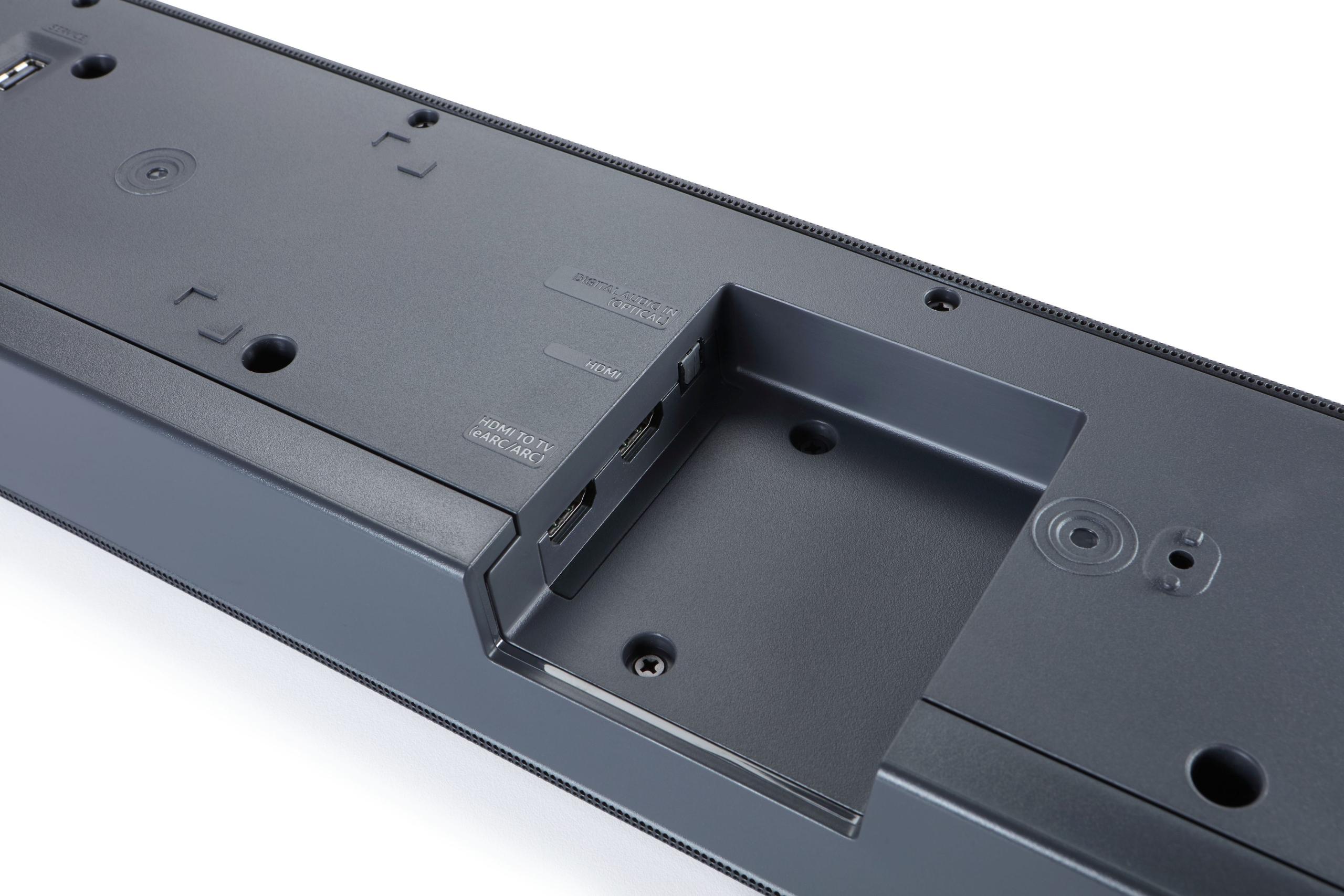
Installation complexity differs significantly too. The Bose is essentially plug-and-play—connect one HDMI cable and run through the app setup. The Samsung system requires finding good positions for multiple components and ensuring proper wireless connectivity between all pieces.
This distinction often gets overlooked but it's crucial for making the right choice. The Bose Smart Soundbar 1100 excels with music playback. Its balanced frequency response and wide soundstage make stereo recordings sound natural and engaging. Jazz, classical, and vocal music particularly benefit from Bose's refined audio processing.
The Samsung Q Series 9.1.2 is optimized for the movie experience. Its powerful bass response and immersive surround capabilities make action films and gaming more exciting, but music can sometimes sound overly processed or bass-heavy compared to the more neutral Bose approach.
Both systems handle gaming well, but in different ways. The Bose Smart Soundbar 1100 provides excellent clarity for dialogue-heavy games and creates good spatial awareness for competitive gaming. Its low-latency HDMI eARC connection ensures audio stays synchronized with fast-paced action.
The Samsung Q Series 9.1.2 brings Game Mode Pro, which adjusts audio processing to enhance directional cues. The rear speakers provide genuine positional audio that can give competitive advantages in shooters and battle royale games. However, the multiple speakers can introduce slight timing differences that might affect rhythm games.
After extensive research into expert reviews and user experiences, both systems excel in their intended roles, but they serve different audiences and use cases.
Choose the Bose Smart Soundbar 1100 if you prioritize dialogue clarity, live in a smaller space, enjoy music as much as movies, want smart home integration, or prefer to build your system gradually. It's the more versatile choice that adapts well to different content types and room situations.
The Samsung Q Series 9.1.2 makes sense if you have a larger room, prioritize movie immersion over music quality, want everything included immediately, own Samsung TVs or devices, or view your audio system primarily as home theater enhancement.
Neither choice is wrong—they represent different philosophies about what makes audio compelling. The Bose focuses on refinement and intelligence, using advanced processing to exceed what seems physically possible. The Samsung takes the direct approach: more speakers in more places create more immersive sound.
Your decision should ultimately come down to your room, your primary use cases, and whether you prefer the flexibility to grow your system over time or want the full experience immediately. Both will dramatically improve your TV audio experience—they just do it in distinctly different ways.
| Bose Smart Soundbar 1100 | Samsung Q Series 9.1.2 Channel Soundbar |
|---|---|
| Channel Configuration - Determines surround sound capabilities | |
| 3.0.2 (compact design with up-firing drivers) | 9.1.2 (full surround with wireless rear speakers included) |
| What's Included - Affects immediate value and setup | |
| Soundbar only (subwoofer and surrounds sold separately) | Complete system: soundbar, wireless subwoofer, and rear speakers |
| Room Size Suitability - Critical for optimal performance | |
| Small to medium rooms (up to ~150 sq ft) | Large rooms (200+ sq ft) with space for rear speaker placement |
| Dolby Atmos Implementation - Height effects quality | |
| 2 up-firing drivers with TrueSpace processing | Multiple up-firing drivers plus physical rear channels |
| Bass Performance - Impact on movies and music | |
| Limited by compact design; requires optional subwoofer for full range | Wireless subwoofer included with Auto Sub EQ room correction |
| Smart Features - Voice control and streaming | |
| Built-in Alexa with Voice4Video TV control | Q-Symphony (syncs with Samsung TVs) and SmartThings integration |
| Dialogue Clarity - Essential for TV and movies | |
| AI Dialogue Mode with real-time processing | Active Voice Amplifier with center channel emphasis |
| Music Performance - Stereo listening quality | |
| Excellent tonal balance and wide soundstage processing | Optimized more for movies; can sound bass-heavy for music |
| Installation Complexity - Setup time and effort | |
| Single HDMI connection, wall-mountable | Multiple wireless components require careful positioning |
| Expandability Options - Future upgrade paths | |
| Modular system: add Bose subwoofer/surrounds over time | Complete system; limited expansion options within Samsung ecosystem |
| Gaming Performance - Competitive and casual gaming | |
| Clear directional audio with low latency | Game Mode Pro with enhanced positional cues from rear speakers |
| Physical Footprint - Space requirements | |
| Ultra-compact: 27" W x 2.2" H x 4.6" D, 6.9 lbs | Larger soundbar plus separate subwoofer and rear speakers |
The Bose Smart Soundbar 1100 is specifically designed for smaller spaces. Its compact 27-inch width and advanced PhaseGuide technology create an impressively wide soundstage that works well in rooms up to 150 square feet. The Samsung Q Series 9.1.2 requires more space for optimal performance since it includes wireless rear speakers that need proper positioning behind your seating area.
The Samsung Q Series 9.1.2 includes everything you need: the main soundbar, wireless subwoofer, and rear speakers for complete surround sound. The Bose Smart Soundbar 1100 comes as just the soundbar, so you'll need to purchase a separate subwoofer and surround speakers if you want similar capabilities, which significantly increases the total cost.
The Bose Smart Soundbar 1100 excels at dialogue clarity thanks to its AI Dialogue Mode, which uses machine learning to automatically enhance speech without making it sound artificial. While the Samsung Q Series 9.1.2 has Active Voice Amplifier technology, most users find the Bose system produces more natural-sounding dialogue enhancement.
For a true home theater experience, the Samsung Q Series 9.1.2 provides more immersive surround sound with its wireless rear speakers and dedicated subwoofer. The Bose Smart Soundbar 1100 offers excellent sound quality but can't match the room-filling bass and surround effects that the complete Samsung system delivers for action movies.
Yes, both the Bose Smart Soundbar 1100 and Samsung Q Series 9.1.2 work with any TV that has HDMI eARC or optical audio outputs. However, the Samsung system offers additional benefits like Q-Symphony technology when paired with compatible Samsung QLED TVs, allowing the TV speakers and soundbar to work together.
The Bose Smart Soundbar 1100 is much simpler to install since it's just one component that connects via a single HDMI cable. The Samsung Q Series 9.1.2 requires positioning and connecting multiple wireless components (soundbar, subwoofer, and rear speakers), which takes more time and planning for optimal placement.
Both systems support Dolby Atmos, but they implement it differently. The Bose Smart Soundbar 1100 uses two up-firing drivers and TrueSpace processing to create height effects. The Samsung Q Series 9.1.2 has multiple up-firing drivers plus physical rear speakers, creating more dramatic overhead and surround effects in larger rooms.
The Bose Smart Soundbar 1100 typically performs better for music with its more balanced frequency response and natural stereo imaging. The Samsung Q Series 9.1.2 is optimized more for movies and can sound bass-heavy or overly processed when playing music, though this varies by personal preference.
The Bose Smart Soundbar 1100 has Amazon Alexa built-in with advanced microphones for voice control, including the ability to control your TV and cable box. The Samsung Q Series 9.1.2 doesn't have built-in voice assistants but can be controlled through Samsung's SmartThings app and compatible smart home devices.
This depends on your needs. The Samsung Q Series 9.1.2 offers better immediate value since it includes a complete surround system. However, if you don't need full surround sound, the Bose Smart Soundbar 1100 provides excellent audio quality at a lower entry price, with the option to expand later.
Both work well for gaming but in different ways. The Samsung Q Series 9.1.2 includes Game Mode Pro that optimizes directional audio cues, and the rear speakers provide genuine positional audio advantages. The Bose Smart Soundbar 1100 offers excellent clarity for dialogue-heavy games and maintains low latency for responsive gaming.
The Bose Smart Soundbar 1100 is more portable and adaptable to different room sizes and layouts. Its compact design and wall-mounting capability make it easier to relocate. The Samsung Q Series 9.1.2 requires more setup planning and space for the wireless rear speakers, making it less ideal if you frequently move or have uncertain living situations.
We've done our best to create useful and informative comparisons to help you decide what product to buy. Our research uses advanced automated methods to create this comparison and perfection is not possible - please contact us for corrections or questions. These are the sites we've researched in the creation of this article: bestbuy.com - rtings.com - rtings.com - youtube.com - staples.com - youtube.com - soundguys.com - businessinsider.com - youtube.com - rtings.com - crutchfield.com - youtube.com - youtube.com - smart.dhgate.com - dolby.com - bose.com - assets.bose.com - bose.com - connection.com - bestbuy.com - cdw.com - dell.com - device.report - rtings.com - samsung.com - markselectrical.co.uk - techradar.com - walmart.com - samsung.com - samsung.com - youtube.com - samsung.com - biancos.com - crutchfield.com - samsung.com

Privacy Policy
Terms and Conditions - Affiliate Policy
Home Security
© Copyright 2008-2026.
11816 Inwood Rd #1211, Dallas, TX 75244