

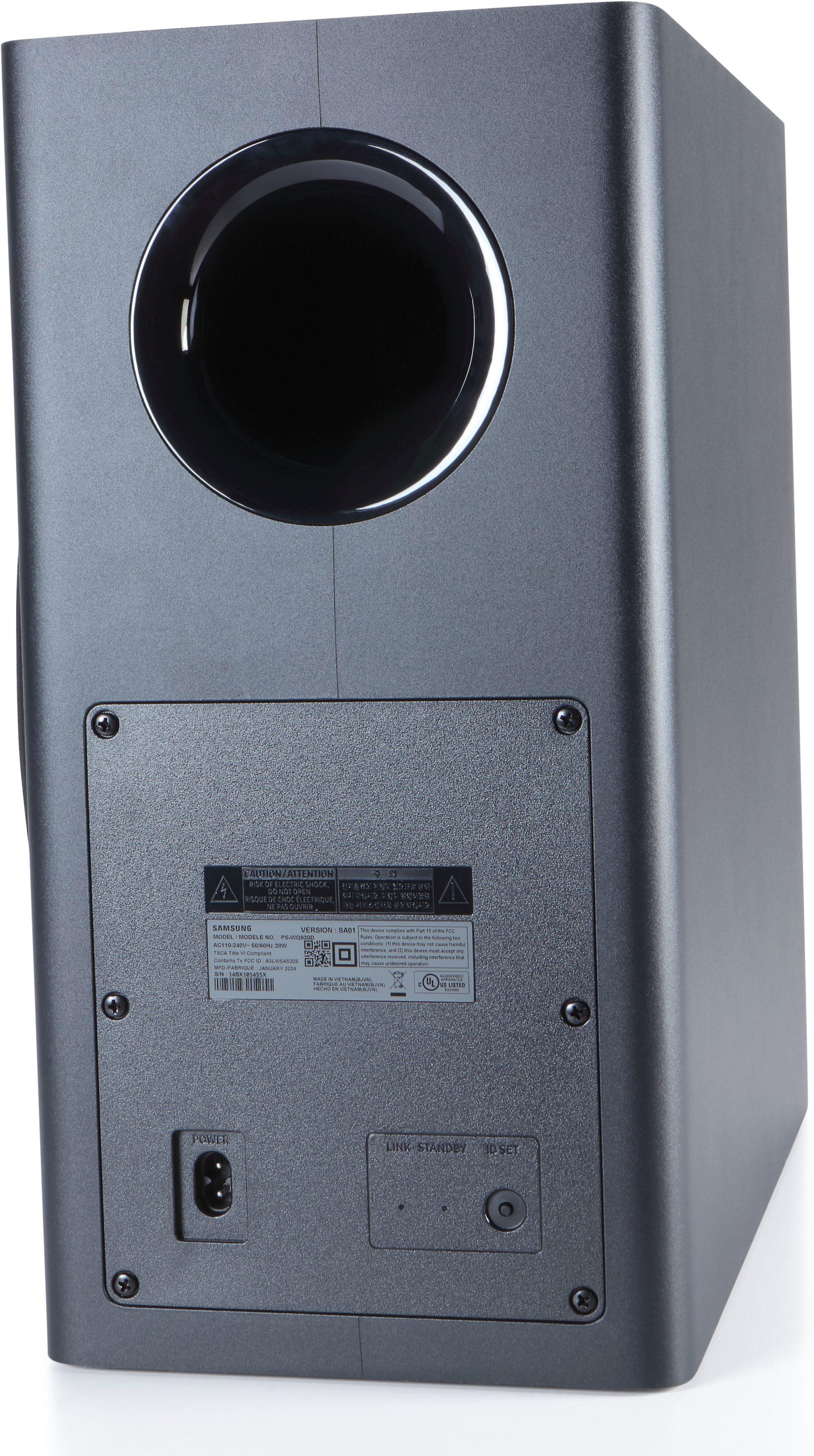
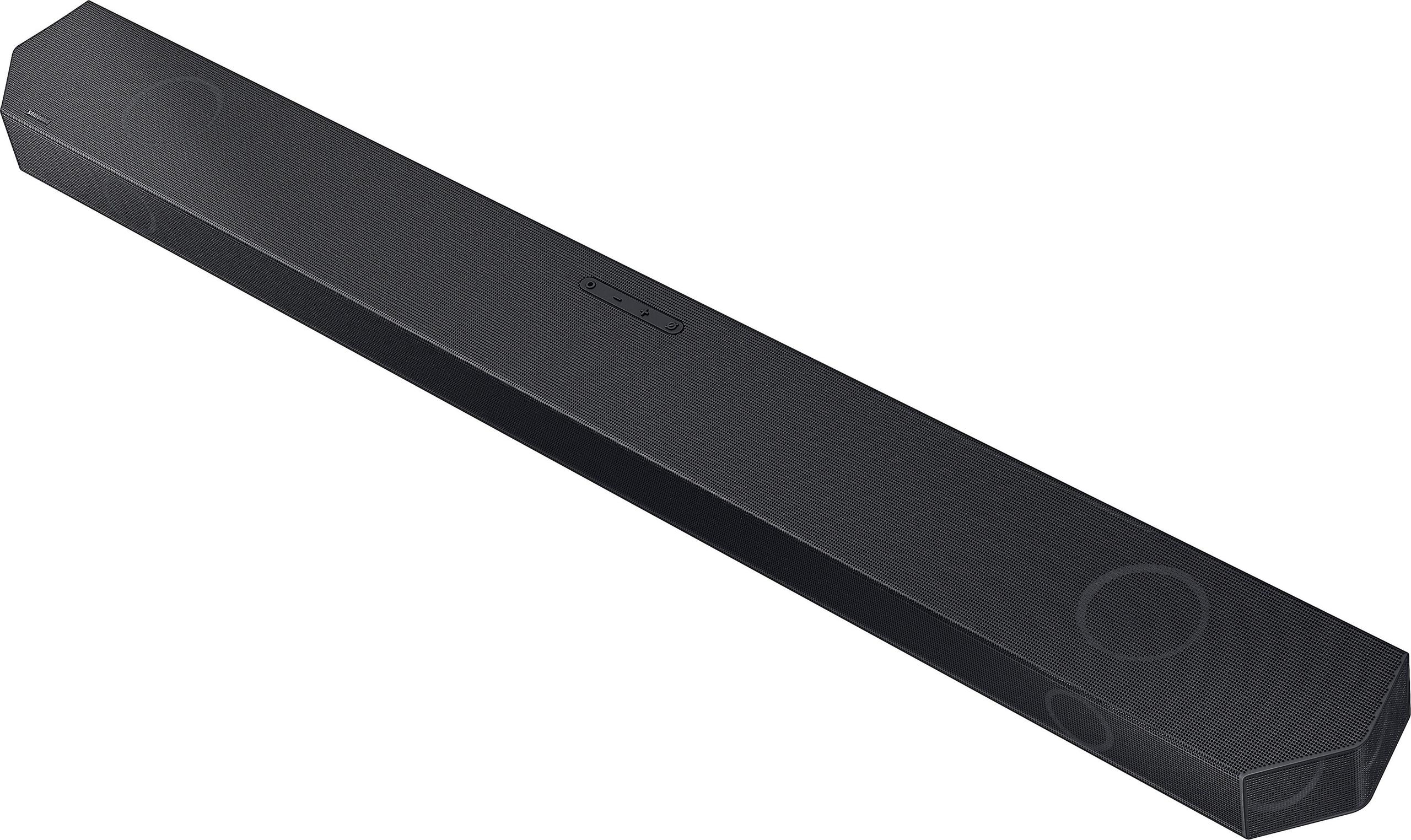

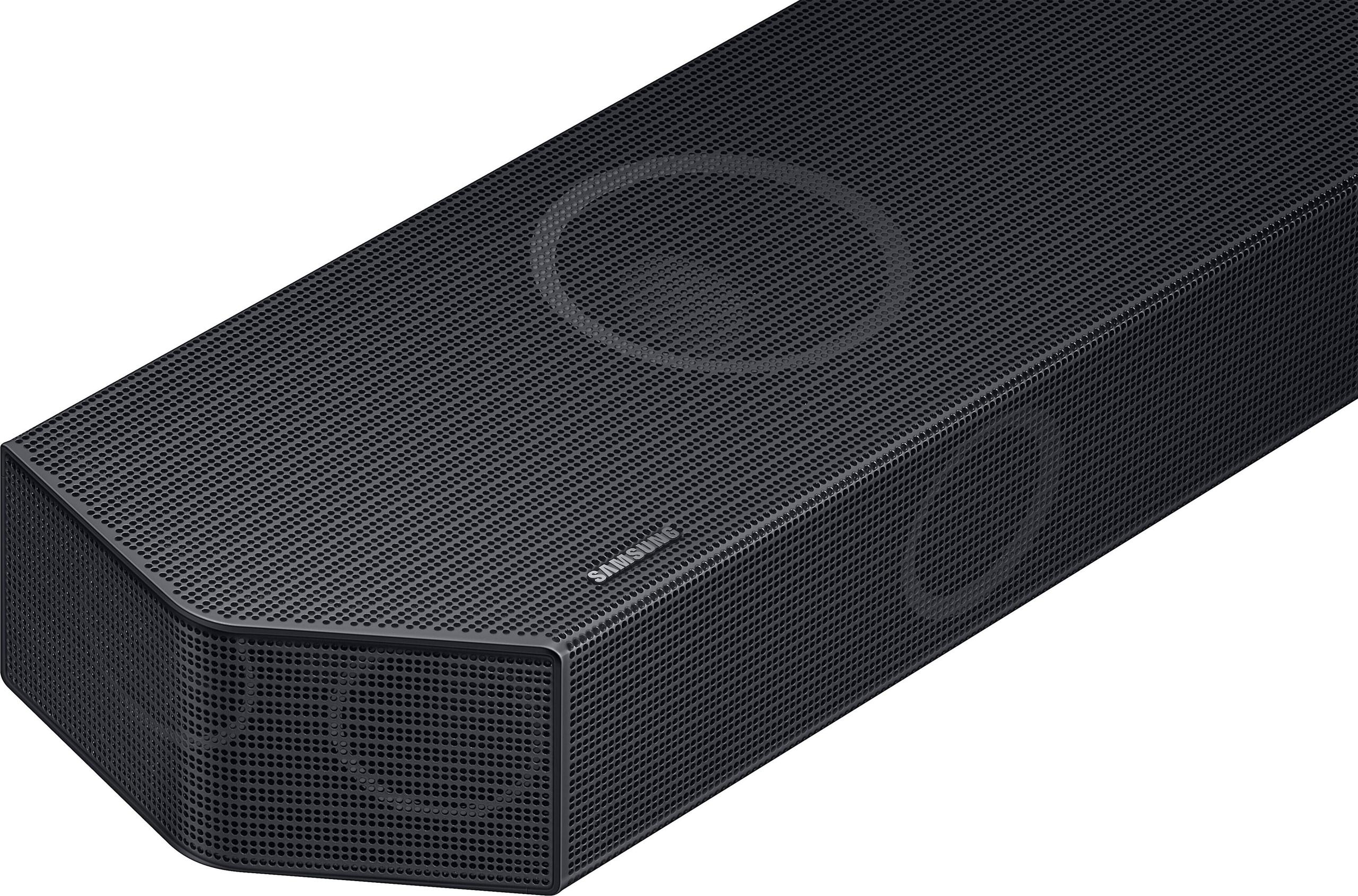




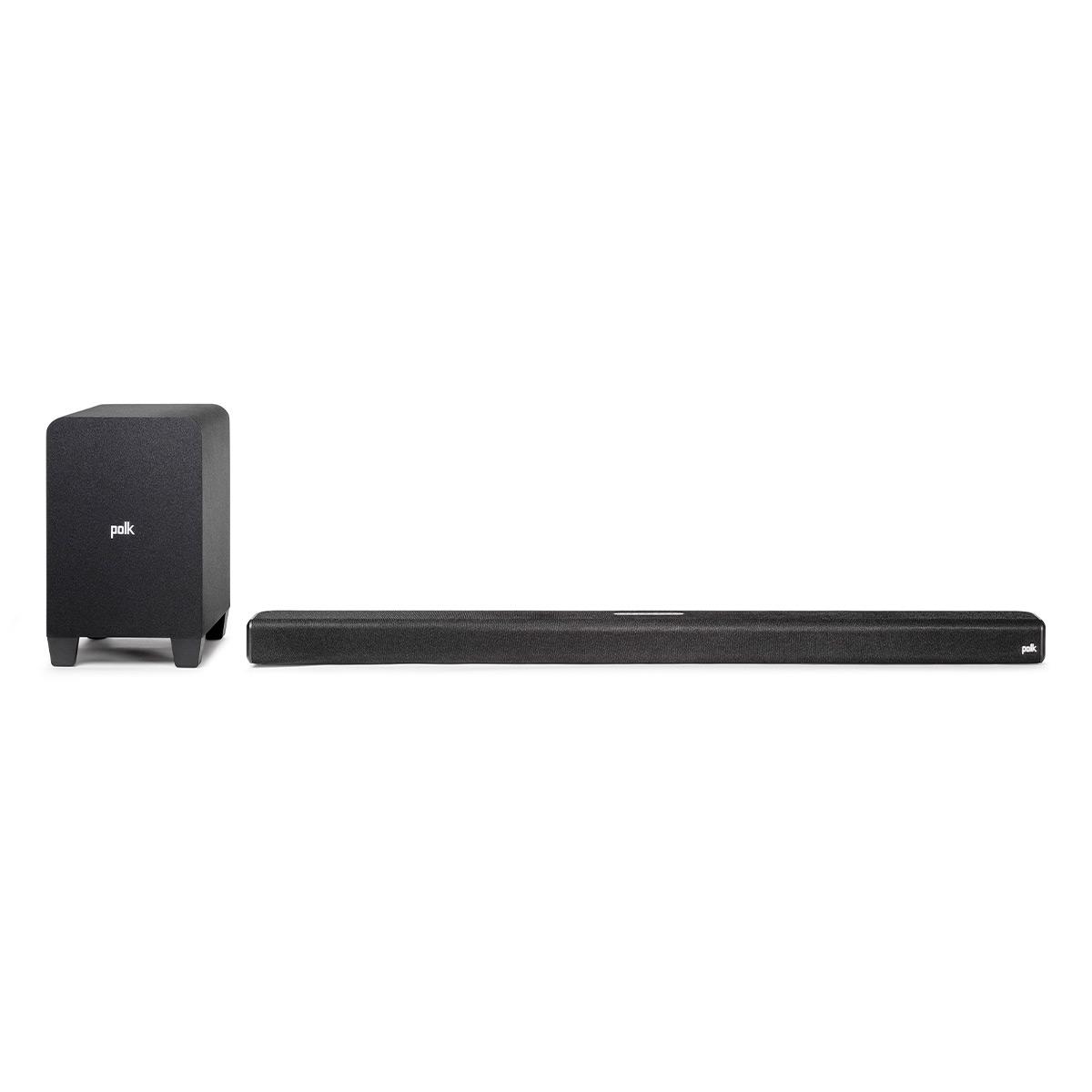
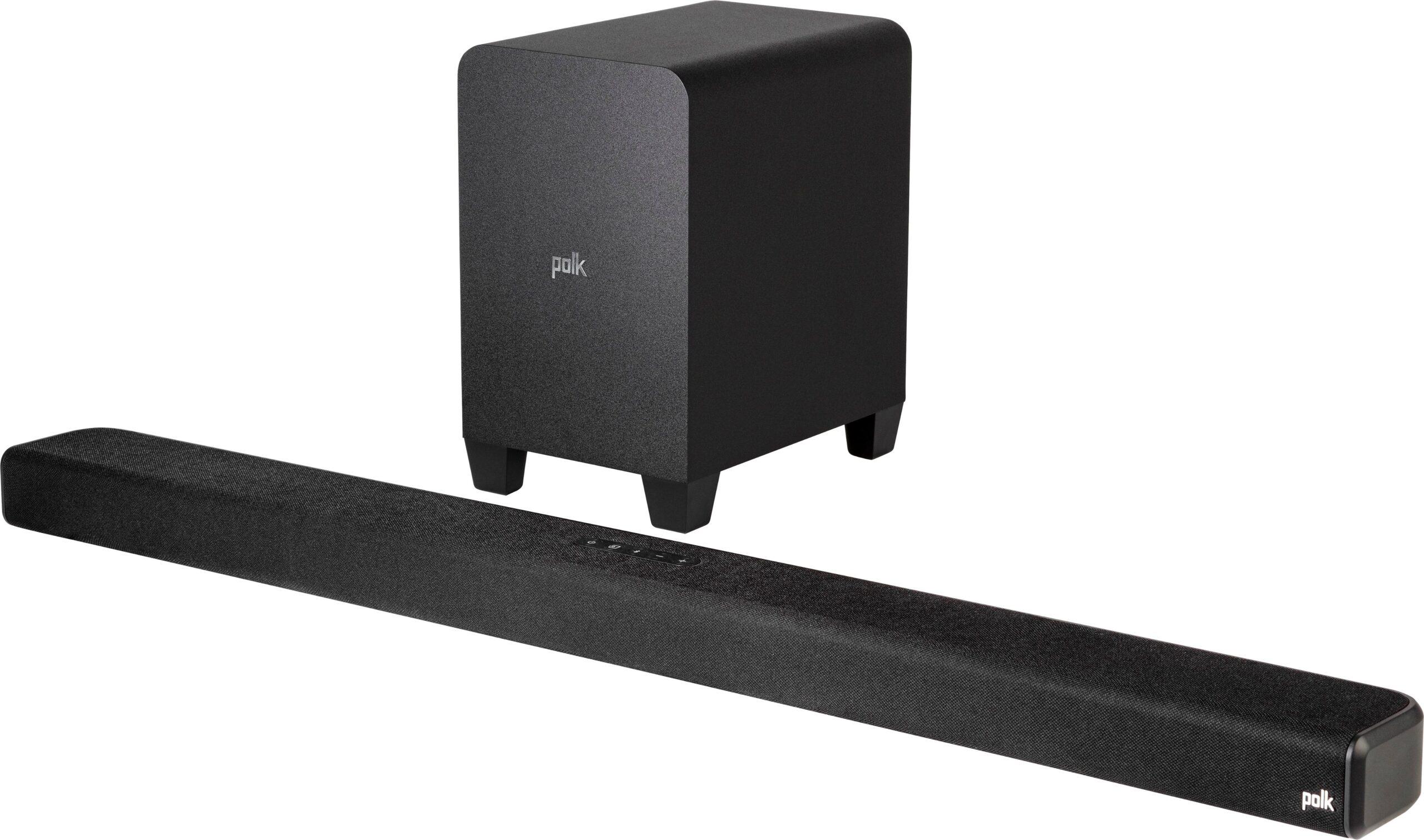
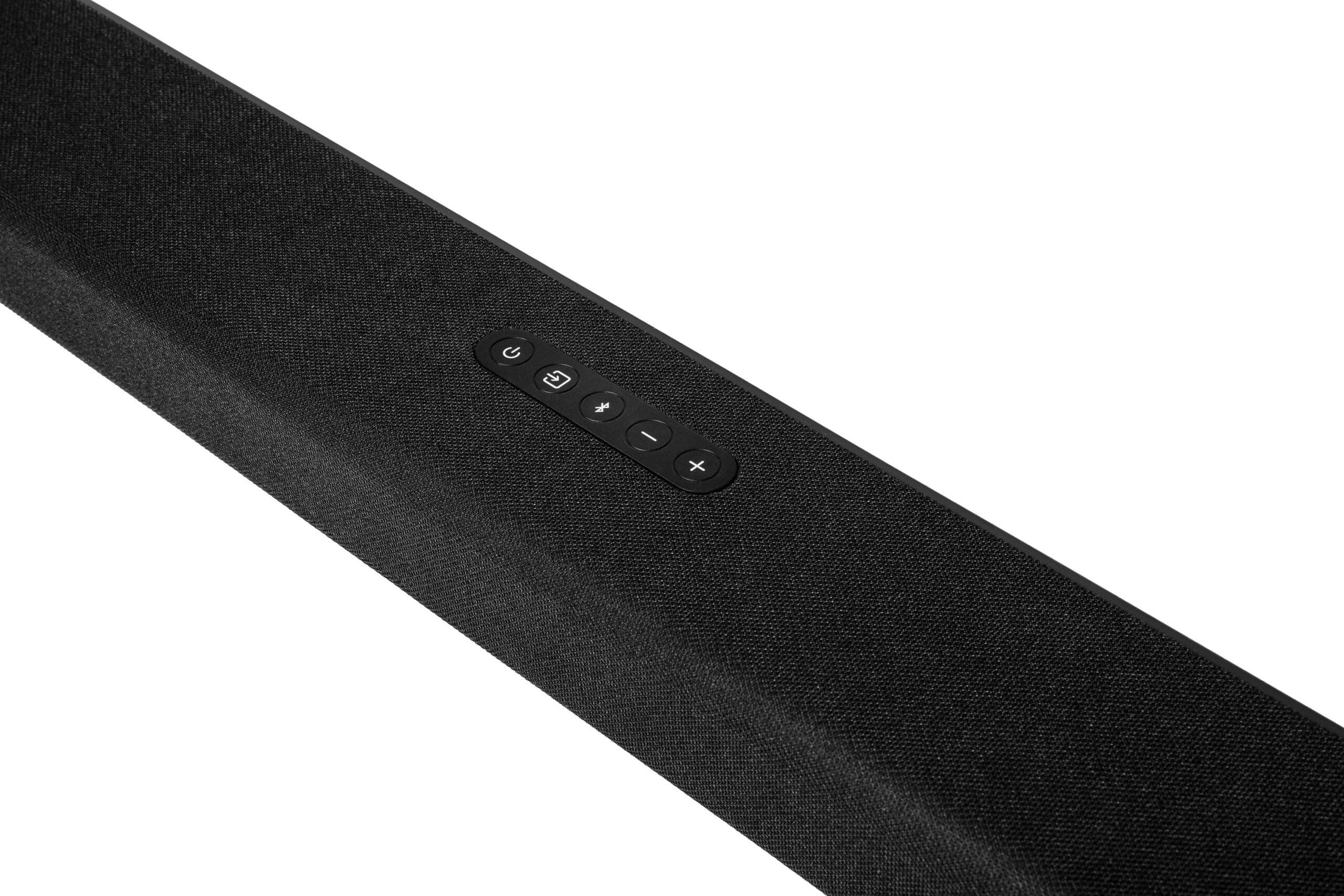
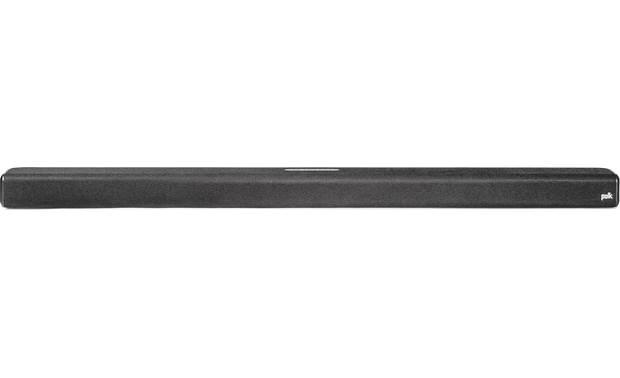
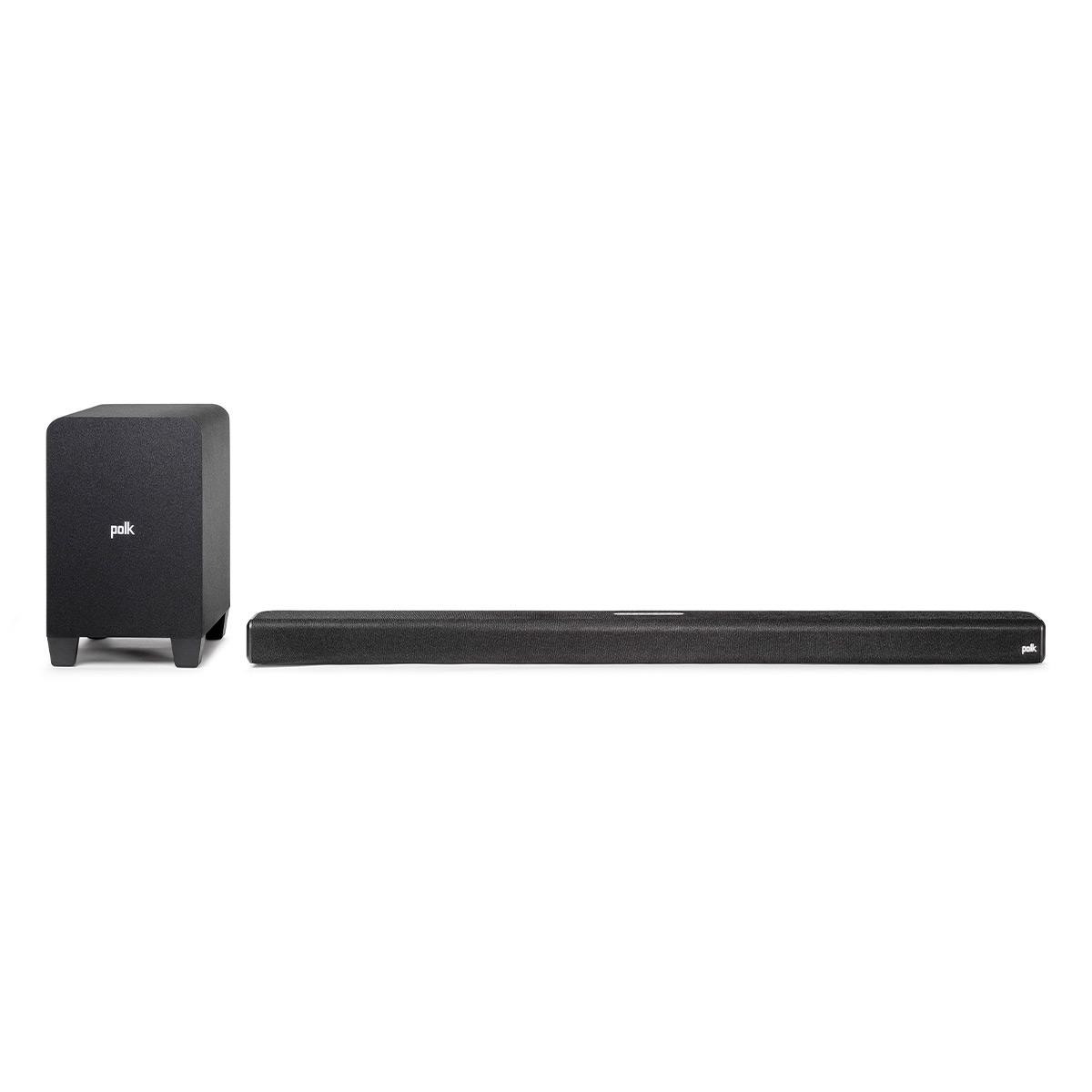
If you've ever cranked up an action movie only to find yourself frantically adjusting the volume—dialogue too quiet, explosions too loud—you know why a good soundbar matters. The built-in speakers in most TVs, even expensive ones, simply can't deliver the audio experience that modern content deserves. This brings us to an interesting comparison between two very different approaches to solving this problem: the premium Samsung Q Series 9.1.2 Channel Soundbar at around $897 and the budget-friendly Polk Audio Signa S4 Dolby Atmos Soundbar at about $299.
Before diving into these specific models, it's worth understanding what separates a good soundbar from a great one. The soundbar market has evolved dramatically over the past few years, with manufacturers figuring out how to pack increasingly sophisticated audio processing into sleek, TV-friendly packages.
Channel configuration is probably the most important spec to understand. When you see "9.1.2" or "3.1.2," those numbers tell a story. The first number represents ear-level channels (left, right, center, and surround speakers), the second is dedicated subwoofer channels, and the third indicates height channels for overhead effects. More channels generally mean better spatial separation—your ears can distinguish between a helicopter passing overhead versus gunfire coming from behind you.
Dolby Atmos has become the gold standard for immersive audio, but not all Atmos implementations are created equal. True Atmos uses height channels to bounce sound off your ceiling, creating the illusion that audio is coming from above. However, many soundbars use "virtual" Atmos processing, which uses clever digital signal processing (DSP) to simulate height effects without dedicated up-firing speakers.
The room size compatibility factor often gets overlooked in reviews, but it's crucial. A soundbar that sounds incredible in a showroom might feel overwhelming in a small apartment, while a perfectly balanced bar for a bedroom could get lost in a large living room.
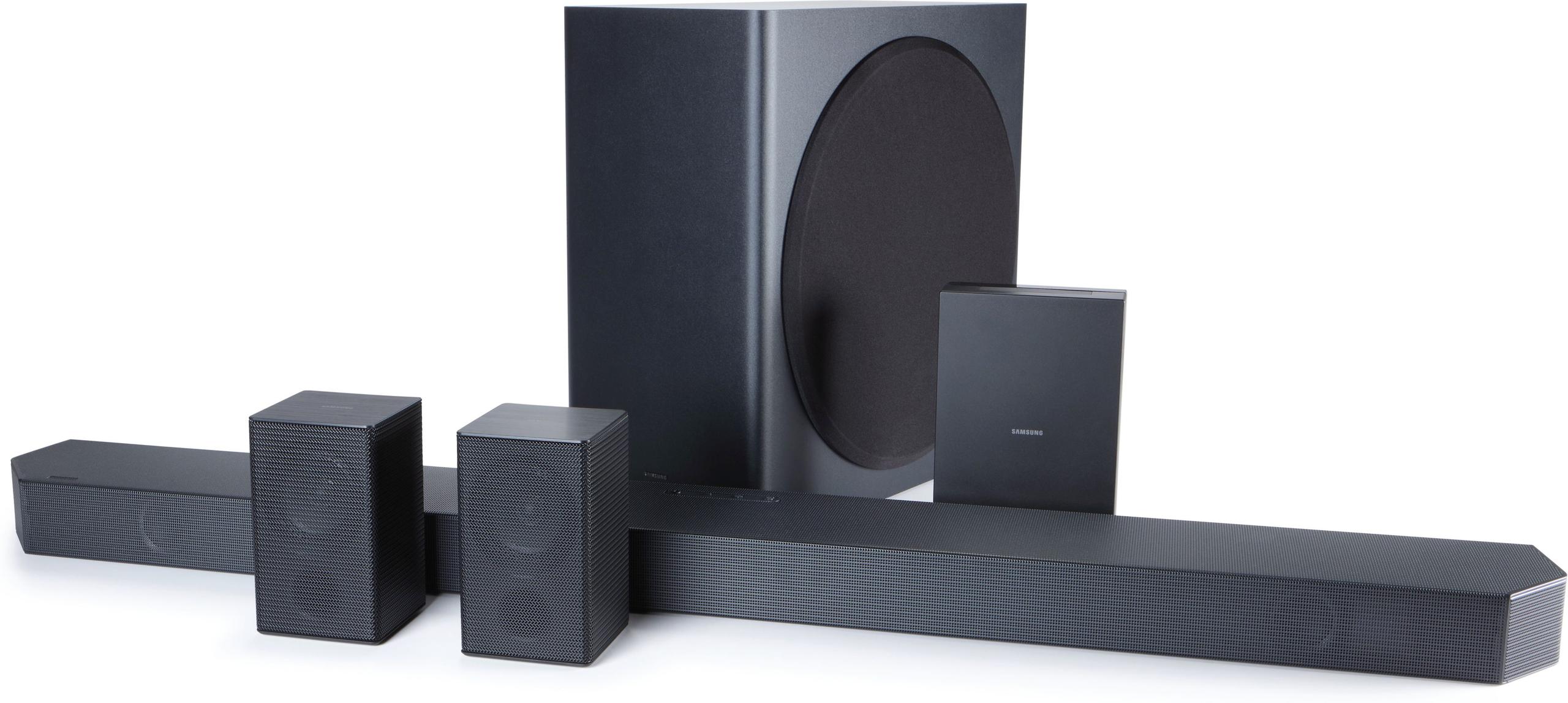
The Samsung Q Series 9.1.2, released in 2024, represents Samsung's current flagship approach to home audio. It's part of their "Q Symphony" ecosystem, designed to work seamlessly with Samsung's QLED and Neo QLED TVs. This isn't just a soundbar—it's a complete surround sound system that happens to come in a soundbar package.
The Polk Audio Signa S4, launched in 2023, takes a fundamentally different approach. Polk, a company with decades of experience in traditional home audio, focused on solving the most common complaint about TV audio: you can't understand what people are saying. Their VoiceAdjust technology specifically targets dialogue clarity, which is brilliant when you consider that most people spend more time watching TV shows and news than they do action blockbusters.
Since their respective releases, both products have benefited from firmware updates that have refined their audio processing. The Samsung has received improvements to its room calibration algorithms, while the Polk has gotten better Bluetooth connectivity and streaming codec support.
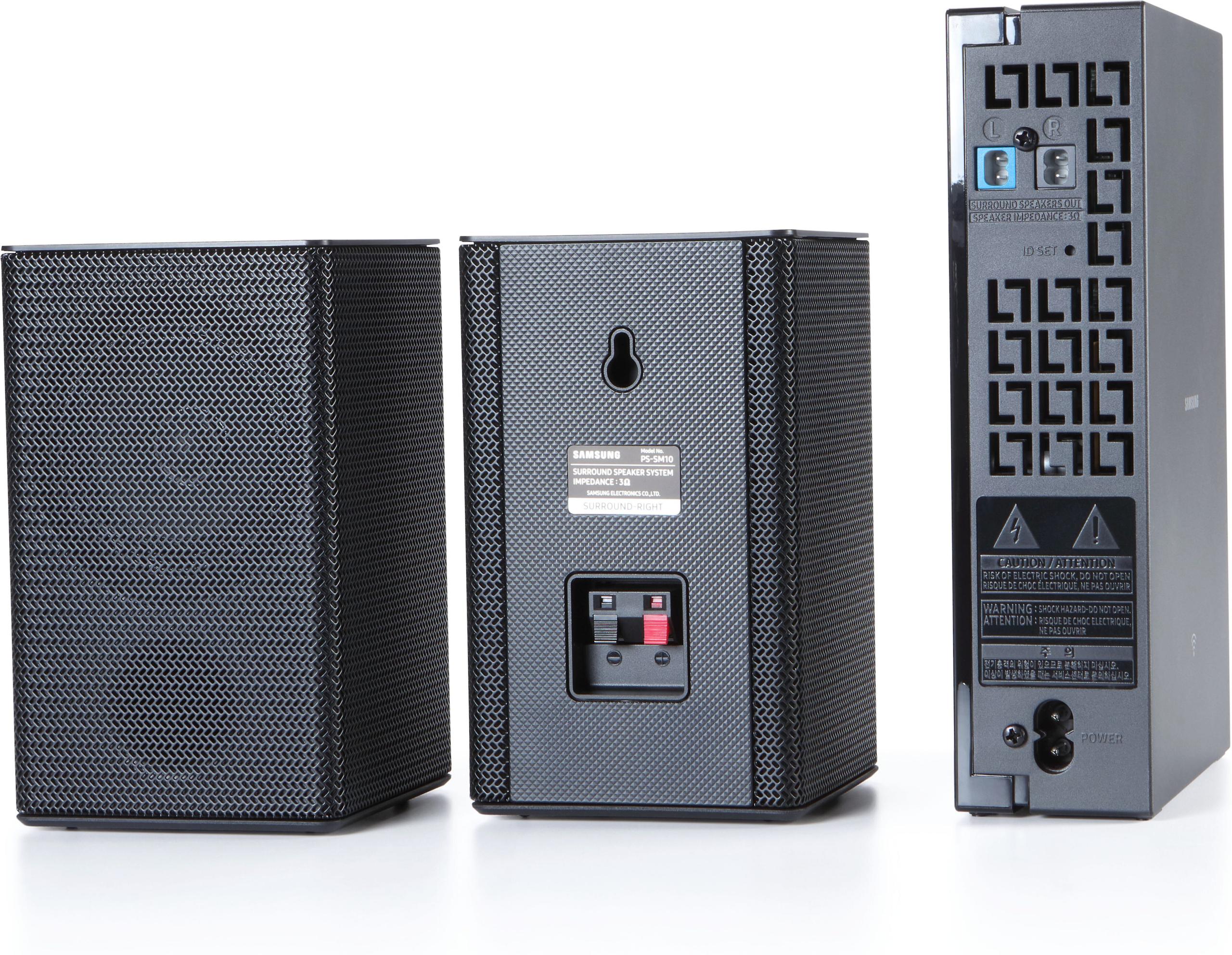
The difference between these soundbars becomes immediately apparent the moment you fire up something with complex audio. The Samsung Q Series 9.1.2 creates what I can only describe as an audio bubble around your seating area. Thanks to its physical rear speakers (which connect wirelessly but need to be plugged into power outlets), sounds actually come from behind you. When a car chase scene has vehicles passing from front to back, you hear and feel that movement in a way that's genuinely startling the first time you experience it.
The Samsung's SpaceFit Sound+ technology is particularly impressive. Using built-in microphones and sophisticated processing, it automatically analyzes your room's acoustics and adjusts the sound accordingly. Hard surfaces that might create echo? The system compensates. Awkwardly shaped room with one wall much closer than the others? It adapts. This kind of auto-calibration was previously found only in high-end AV receivers costing thousands of dollars.
The Polk Signa S4 takes a more focused approach. Rather than trying to fill your entire room with surround effects, it concentrates on creating a wide, engaging soundstage in front of you while absolutely nailing dialogue reproduction. The VoiceAdjust technology works by analyzing the frequency range where human speech typically occurs (roughly 300Hz to 3kHz) and selectively boosting those frequencies while leaving music and effects largely untouched.
I've found this makes the Polk particularly excellent for binge-watching series where dialogue drives the story. Shows like "The West Wing" or "Better Call Saul," where rapid-fire dialogue and subtle character interactions matter more than explosive action sequences, sound remarkably clear and natural through the Signa S4.
Both soundbars support Dolby Atmos, but they implement it very differently. The Samsung uses a combination of up-firing drivers on the main bar plus its rear speakers to create genuine three-dimensional audio placement. When configured properly (and this is important—you need ceilings between 8-10 feet high for optimal performance), the height effects are convincing enough that you'll find yourself looking up during helicopter scenes.
The Polk relies entirely on psychoacoustic processing and its two up-firing drivers to create the illusion of height. While this can't match the Samsung's physical speaker placement, it's surprisingly effective for the price point. The trade-off is that height effects are more subtle and work better with some content than others. Animated movies with exaggerated sound design tend to showcase virtual Atmos better than more naturalistic films.
The subwoofer difference between these systems is substantial, and it's not just about size. The Samsung's wireless subwoofer uses a larger driver and more powerful amplification, but more importantly, it's tuned to integrate seamlessly with the main soundbar's frequency response. The Auto Sub EQ technology continuously monitors and adjusts the subwoofer's output to account for room placement and acoustic conditions.
This results in bass that feels both powerful and controlled. During the opening sequence of "Blade Runner 2049," where Hans Zimmer's score builds to thunderous crescendos, the Samsung delivers that chest-thumping impact without making dialogue muddy or overwhelming quieter musical details.
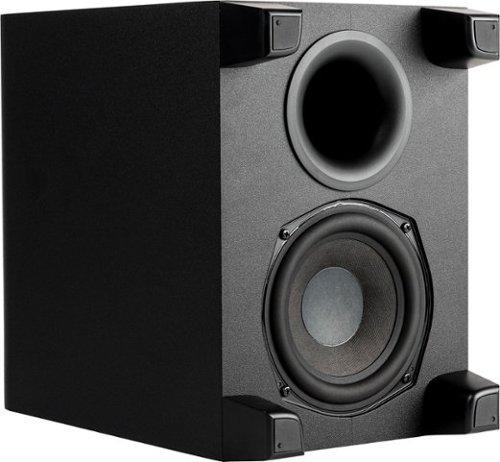
The Polk's 5.9-inch subwoofer punches well above its weight class, but there are limits. In my testing, it handles most content beautifully, but it can struggle with the deepest frequencies in large rooms. The BassAdjust feature helps by letting you fine-tune the subwoofer's contribution to match your space and preferences, but you can't create bass extension that simply isn't there in the hardware.
Here's where things get interesting from a value perspective. The Samsung Q Series 9.1.2 costs nearly three times as much as the Polk Signa S4, but does it deliver three times the performance? The answer depends entirely on your priorities and room setup.
For pure audio quality and immersion in a properly sized room (think 15+ feet from TV to seating), the Samsung justifies its premium pricing. You're getting physical rear speakers, more sophisticated room correction, more powerful amplification, and better build quality. The Q-Symphony integration with Samsung TVs adds another layer of value if you're already in that ecosystem—the TV's speakers work in harmony with the soundbar rather than being disabled, creating an even more enveloping sound field.
But here's the thing about the Polk: it achieves about 80% of the Samsung's dialogue clarity and front-stage performance at 35% of the price. For many people, especially those in apartments or smaller homes, that value proposition is hard to ignore. The money you save could go toward a better TV, streaming service subscriptions, or simply staying in your budget.
The Samsung's Q-Symphony technology represents a genuine innovation in soundbar design. Traditionally, connecting a soundbar to your TV meant disabling the TV's internal speakers—they'd just create interference and muddy the sound. Samsung's engineers figured out how to time-align and frequency-match their soundbars with their TV speakers, effectively turning your TV into an additional center channel. This works particularly well with Samsung's newer QLED models, where the TV speakers are already better than average.
The Polk's VoiceAdjust technology tackles a different but equally important problem. Human speech occupies a specific frequency range, but in complex movie soundtracks, dialogue often gets masked by music and effects occupying similar frequencies. Traditional "dialogue enhancement" modes often sound artificial because they boost everything in the speech range, including non-speech sounds. VoiceAdjust uses more sophisticated processing to identify and selectively enhance actual human voices while leaving other sounds untouched.
Gaming has become an increasingly important consideration for soundbars, and these two models handle it differently. The Samsung Q Series 9.1.2 includes a dedicated Game Mode Pro that reduces audio latency and optimizes the soundstage for positional audio cues. If you play competitive shooters or battle royale games where hearing enemy footsteps from the correct direction can mean the difference between victory and defeat, this is genuinely useful.
The Samsung also integrates with Samsung's Gaming Hub, creating a more seamless experience if you're gaming directly through a Samsung TV rather than through a console. The low-latency processing ensures that audio stays perfectly synced with fast-paced gameplay.
The Polk doesn't include gaming-specific features, but its generally excellent audio quality and solid Bluetooth implementation make it perfectly serviceable for casual gaming. The dialogue clarity that makes it great for TV shows also helps with story-driven games where character interactions are important.
In a dedicated home theater setup, room size becomes the deciding factor between these soundbars. The Samsung Q Series 9.1.2 really shines in larger spaces where you can properly position the rear speakers and take advantage of the room calibration technology. If you have a basement theater room or a large living room with 12+ feet between seating and screen, the Samsung's additional power and true surround capabilities become essential.
For smaller home theater setups—think converted bedrooms or cozy media rooms—the Polk Signa S4 can actually be the better choice. Its more focused soundstage won't overwhelm the space, and the superior dialogue clarity becomes more important when you're sitting closer to the screen. The Night Mode feature is particularly valuable in home theater applications where you might be watching late at night without disturbing others.
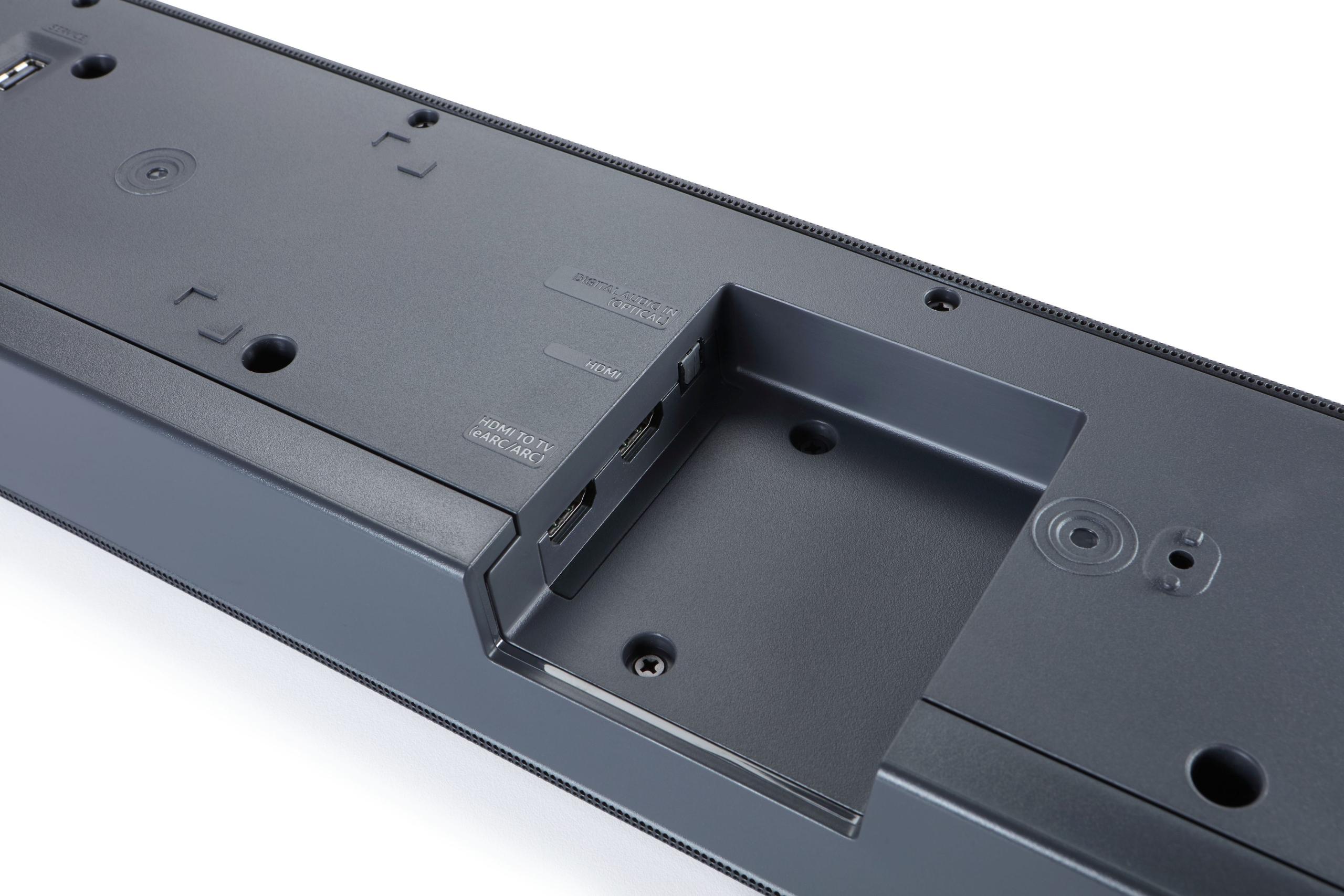
Both soundbars include HDMI eARC support, which is essential for passing through high-quality audio formats from modern streaming devices and Blu-ray players. The Samsung includes additional HDMI inputs, making it more of a hub for multiple devices, while the Polk focuses on simplicity with fewer but well-implemented connection options.
The Samsung's Bluetooth 5.2 implementation offers better range and multi-device pairing compared to the Polk's Bluetooth 4.2, but both handle music streaming adequately. The Samsung also includes built-in support for more streaming services and voice assistants, making it more future-proof as streaming technology evolves.
Choose the Samsung Q Series 9.1.2 if you have a large room, want the most immersive possible experience, and don't mind the higher price. It's particularly compelling if you already own a Samsung TV and can take advantage of Q-Symphony integration. The physical rear speakers make a real difference for action movies and gaming, and the room calibration technology ensures optimal performance regardless of your space's acoustic quirks.
Choose the Polk Audio Signa S4 if dialogue clarity is your top priority, you have space constraints, or you simply want excellent performance without premium pricing. It's the smarter choice for most apartments, smaller homes, or situations where you primarily watch dialogue-heavy content. The money you save can be invested elsewhere in your home entertainment setup.
Both soundbars represent thoughtful approaches to improving your TV's audio, just with different priorities and target audiences. The Samsung pushes the boundaries of what's possible in a soundbar format, while the Polk focuses on solving the most common audio complaints at an accessible price point. Either choice will dramatically improve your TV watching experience—the question is whether you need the Samsung's additional capabilities and whether they're worth the extra investment for your specific situation.
| Samsung Q Series 9.1.2 Channel Soundbar | Polk Audio Signa S4 Dolby Atmos Soundbar |
|---|---|
| Price - Major factor in value equation | |
| ~$897 (premium tier with rear speakers included) | ~$299 (exceptional value for Dolby Atmos) |
| Channel Configuration - Determines surround sound authenticity | |
| 9.1.2 channels with physical rear speakers | 3.1.2 channels, front-focused with virtual surround |
| Dolby Atmos Implementation - Critical for immersive overhead effects | |
| True height channels with up-firing + rear speakers | Virtualized through front up-firing drivers only |
| Room Size Performance - Matches power to space requirements | |
| Optimized for large rooms (15+ feet viewing distance) | Best for small to medium rooms (apartments/bedrooms) |
| Dialogue Clarity Technology - Essential for TV shows and movies | |
| Active Voice Amplifier with Q-Symphony integration | VoiceAdjust technology specifically designed for speech |
| Subwoofer Power - Impacts bass depth and room-filling capability | |
| Larger wireless subwoofer with Auto Sub EQ calibration | 5.9" wireless subwoofer with BassAdjust control |
| Smart Features - Convenience and ecosystem integration | |
| Q-Symphony (Samsung TV sync), SpaceFit Sound+, Game Mode Pro | Night Mode, multiple sound presets, universal TV compatibility |
| Connectivity Options - Future-proofing and device compatibility | |
| HDMI eARC + inputs, Bluetooth 5.2, SmartThings integration | HDMI eARC, optical, Bluetooth 4.2, AirPlay 2/Chromecast |
| Setup Complexity - Installation and configuration requirements | |
| Requires rear speaker placement and room calibration | Simple one-cable connection, minimal setup needed |
| Best Use Case - Who should choose this soundbar | |
| Home theater enthusiasts with large rooms and Samsung TVs | Budget-conscious buyers prioritizing dialogue in smaller spaces |
The Polk Audio Signa S4 offers better value at $299, delivering about 80% of the Samsung's performance at one-third the price. However, the Samsung Q Series 9.1.2 at $897 provides superior immersion and features that justify the premium for larger rooms and home theater setups.
The key difference is surround sound approach: the Samsung Q Series 9.1.2 includes physical rear speakers for true 9.1.2 surround sound, while the Polk Audio Signa S4 uses virtual processing with a 3.1.2 configuration focused on front-stage audio and dialogue clarity.
The Polk Audio Signa S4 excels at dialogue with its patented VoiceAdjust technology that specifically enhances speech clarity. While the Samsung Q Series 9.1.2 has good dialogue performance, the Polk is specifically engineered to solve muddy dialogue issues.
Yes, both support Dolby Atmos, but differently. The Samsung Q Series 9.1.2 provides true Atmos with physical up-firing drivers and rear speakers, while the Polk Audio Signa S4 uses virtualized Atmos processing through front-mounted up-firing speakers only.
The Polk Audio Signa S4 is better for small spaces because it doesn't require rear speaker placement and won't overwhelm compact rooms. The Samsung Q Series 9.1.2 is designed for larger spaces and may sound too powerful in small apartments.
The Samsung Q Series 9.1.2 is superior for large rooms and home theaters, with more powerful amplification, physical rear speakers, and room calibration technology. The Polk Audio Signa S4 may lack the power and surround effects needed for spacious home theater environments.
The Samsung Q Series 9.1.2 has a larger, more powerful wireless subwoofer with Auto Sub EQ for room calibration. The Polk Audio Signa S4 includes a capable 5.9" subwoofer that's impressive for its size but less powerful overall.
The Polk Audio Signa S4 is much easier to set up with simple one-cable connection and minimal configuration. The Samsung Q Series 9.1.2 requires positioning rear speakers, running power cables, and room calibration for optimal performance.
Both work with any TV brand through HDMI eARC or optical connections. However, the Samsung Q Series 9.1.2 offers additional features like Q-Symphony when paired with Samsung TVs, while the Polk Audio Signa S4 provides universal compatibility without brand-specific bonuses.
The Samsung Q Series 9.1.2 is better for gaming with dedicated Game Mode Pro, lower latency, and directional audio that helps with competitive gaming. The Polk Audio Signa S4 works fine for casual gaming but lacks specialized gaming features.
The Samsung Q Series 9.1.2 delivers deeper, more powerful bass suitable for action movies and large rooms. The Polk Audio Signa S4 provides solid bass for its price range but may lack impact in larger spaces or with bass-heavy content.
For TV shows and news, the Polk Audio Signa S4 is the better choice due to its VoiceAdjust technology and focus on dialogue clarity. The Samsung Q Series 9.1.2 offers more features than needed for dialogue-heavy content and costs significantly more.
We've done our best to create useful and informative comparisons to help you decide what product to buy. Our research uses advanced automated methods to create this comparison and perfection is not possible - please contact us for corrections or questions. These are the sites we've researched in the creation of this article: rtings.com - samsung.com - markselectrical.co.uk - techradar.com - walmart.com - samsung.com - samsung.com - youtube.com - samsung.com - biancos.com - crutchfield.com - samsung.com - soundandvision.com - audioholics.com - crutchfield.com - cnet.com - richersounds.com - crutchfield.com - rtings.com - polkaudio.com - walmart.com - polkaudio.com - crutchfield.com - youtube.com - profx.com

Privacy Policy
Terms and Conditions - Affiliate Policy
Home Security
© Copyright 2008-2026.
11816 Inwood Rd #1211, Dallas, TX 75244