







When you're sitting in front of your TV watching the latest blockbuster, and you can barely make out what the characters are saying over the explosions, you know it's time for a soundbar upgrade. The thing is, choosing the right one can feel overwhelming – especially when you're comparing products that seem to live in completely different worlds.
Today we're looking at two soundbars that perfectly illustrate this challenge: the Samsung Q Series 9.1.2 Channel Soundbar and the Yamaha SR-C30A Soundbar with Subwoofer. One costs around $900, the other under $200. One promises to transform your living room into a movie theater, while the other simply wants to make your TV sound better without breaking the bank.
Before diving into these specific models, let's talk about what you're actually shopping for. Soundbars exist because TV manufacturers have made televisions incredibly thin, leaving no room for decent speakers. The result? Audio that sounds like it's coming from inside a tin can.
A soundbar's job is to fix this problem, but they approach it in wildly different ways. Some focus on creating an immersive, three-dimensional audio experience that surrounds you with sound. Others prioritize making dialogue clearer and adding some bass punch without complicating your life.
The key things to consider are how many audio "channels" the system has (which determines how surround-sound-like it gets), whether it includes a separate subwoofer for bass, how it connects to your TV, and what special audio processing features it offers. Room size matters too – a massive surround system might be overkill in a small apartment, while a basic stereo setup could get lost in a large living room.
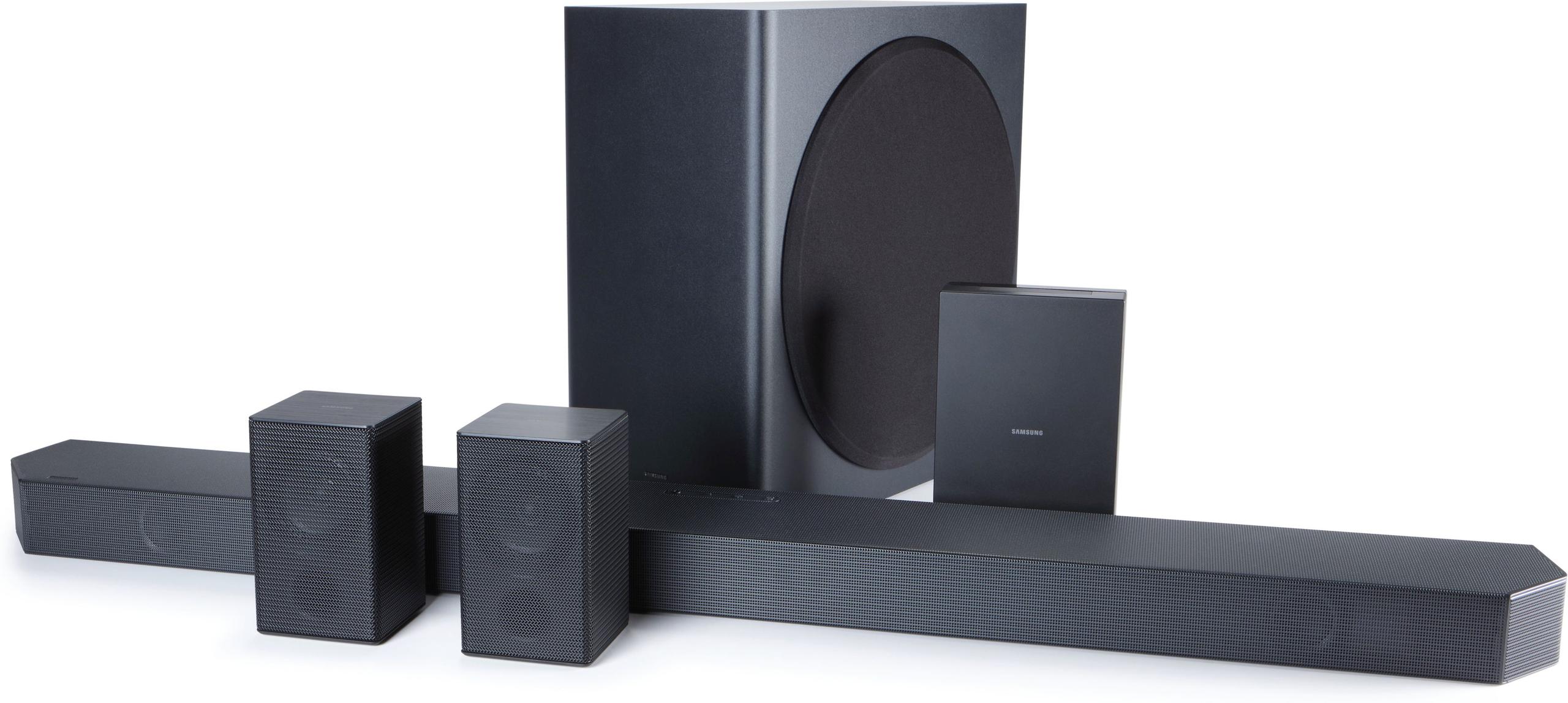
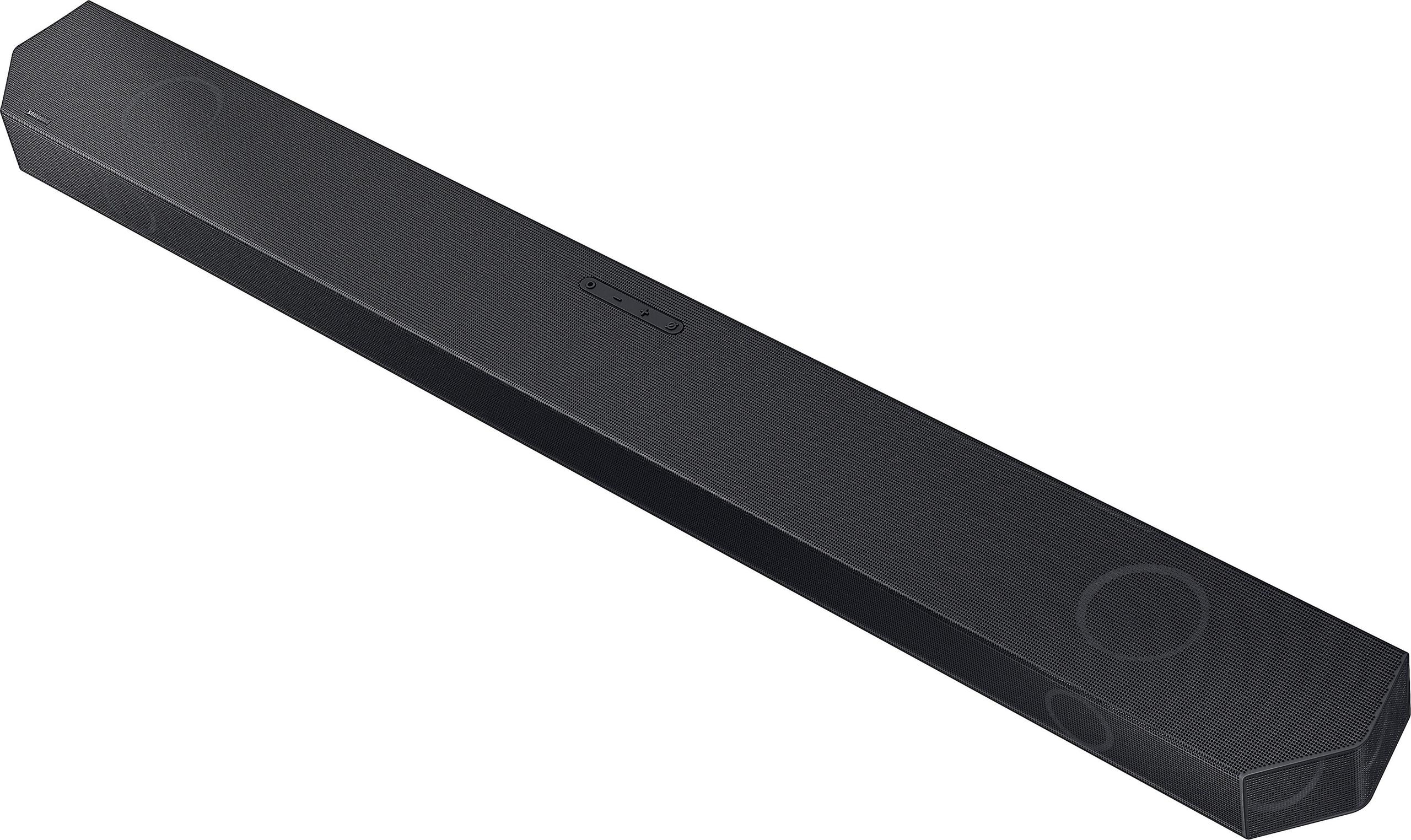
The Samsung Q Series 9.1.2 represents Samsung's premium approach to home audio. Released in early 2024, it's part of their flagship Q-Series lineup that's designed to compete with dedicated surround sound systems. At around $897, it's definitely an investment, but Samsung has packed it with cutting-edge audio technology.
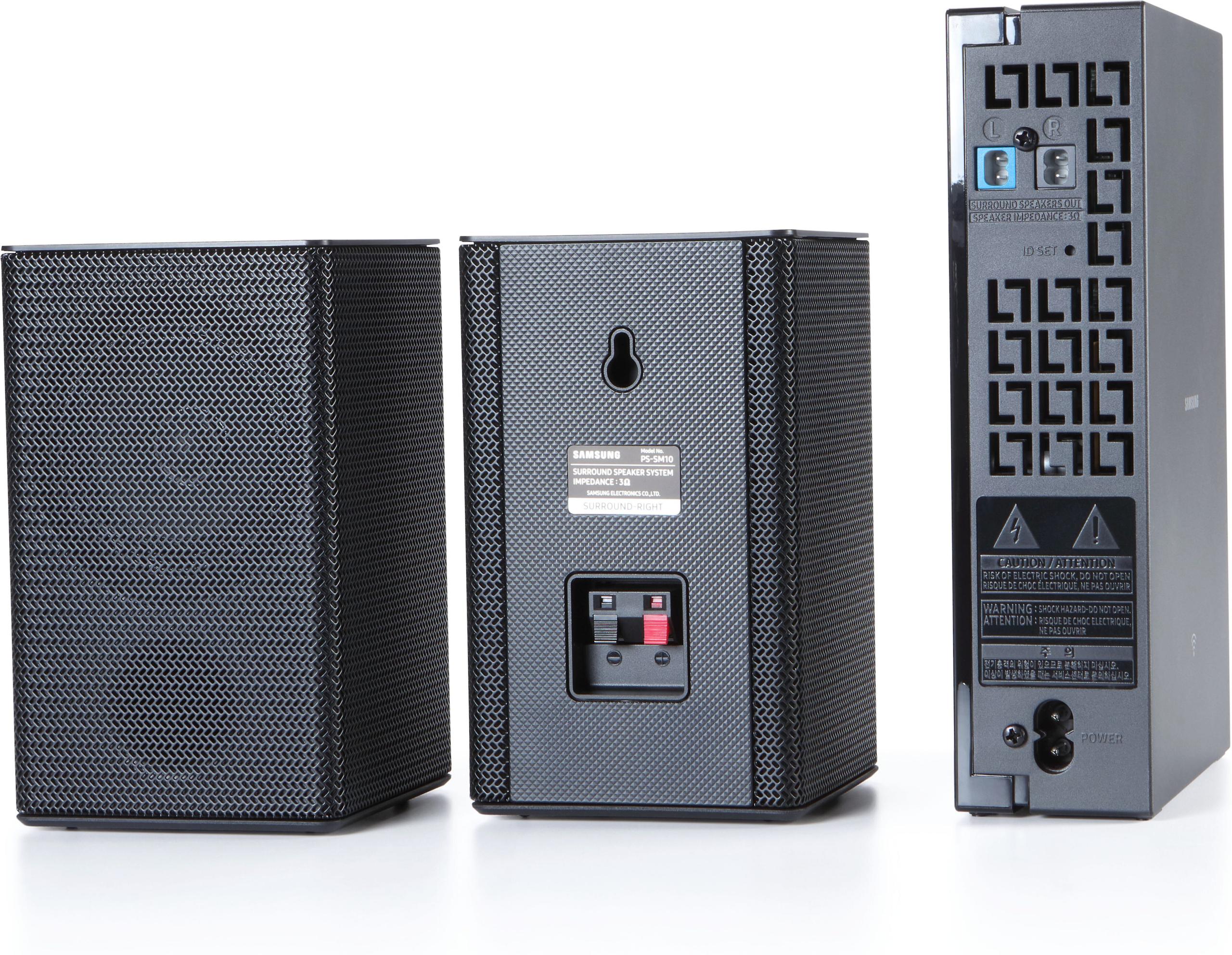
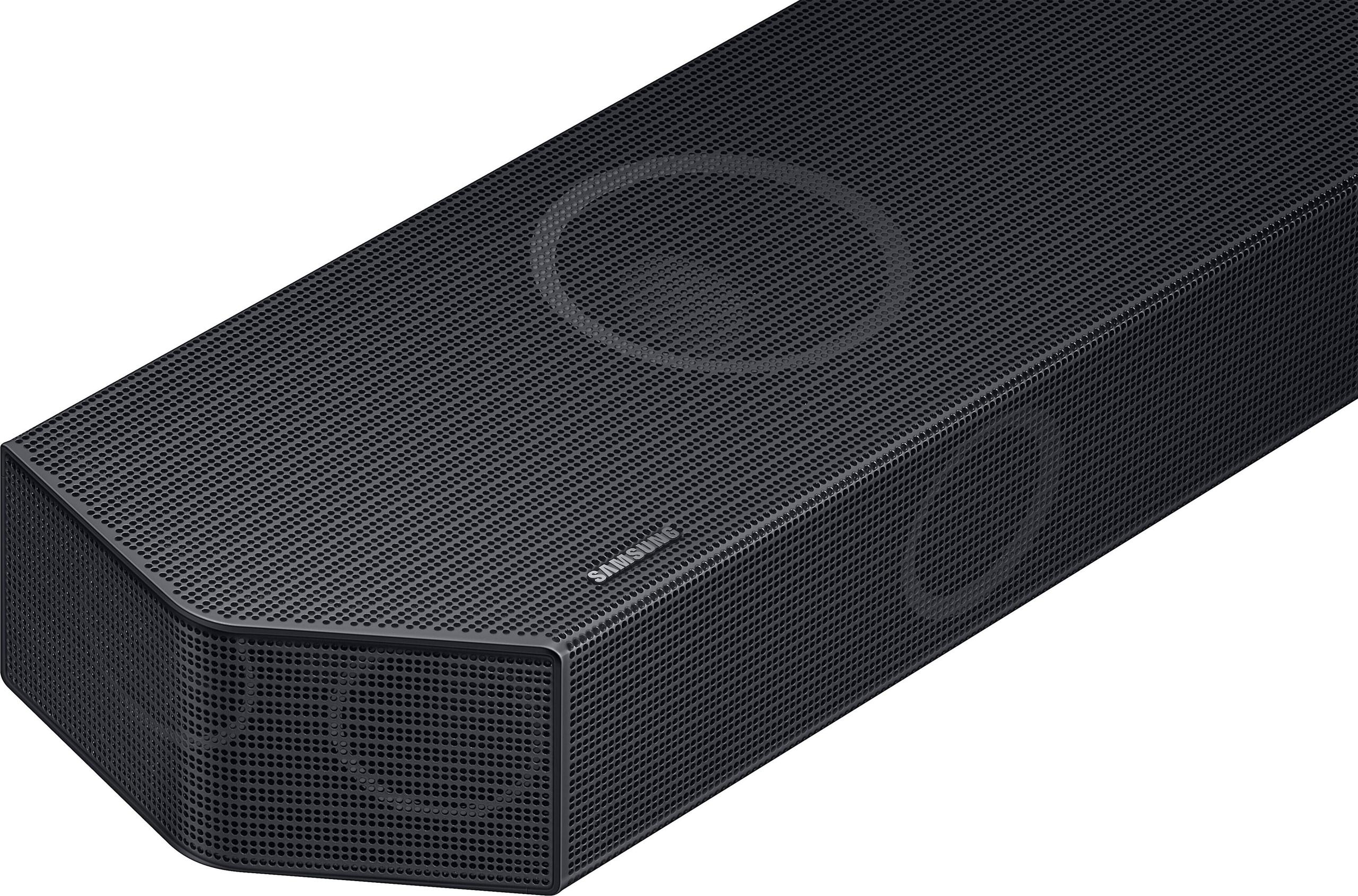
The "9.1.2" designation tells you exactly what you're getting: 9 speakers at ear level, 1 dedicated subwoofer, and 2 "up-firing" speakers that bounce sound off your ceiling to create height effects. This isn't just marketing speak – those up-firing drivers are specifically angled to reflect audio downward, making it seem like helicopters are actually flying overhead or rain is falling from above.
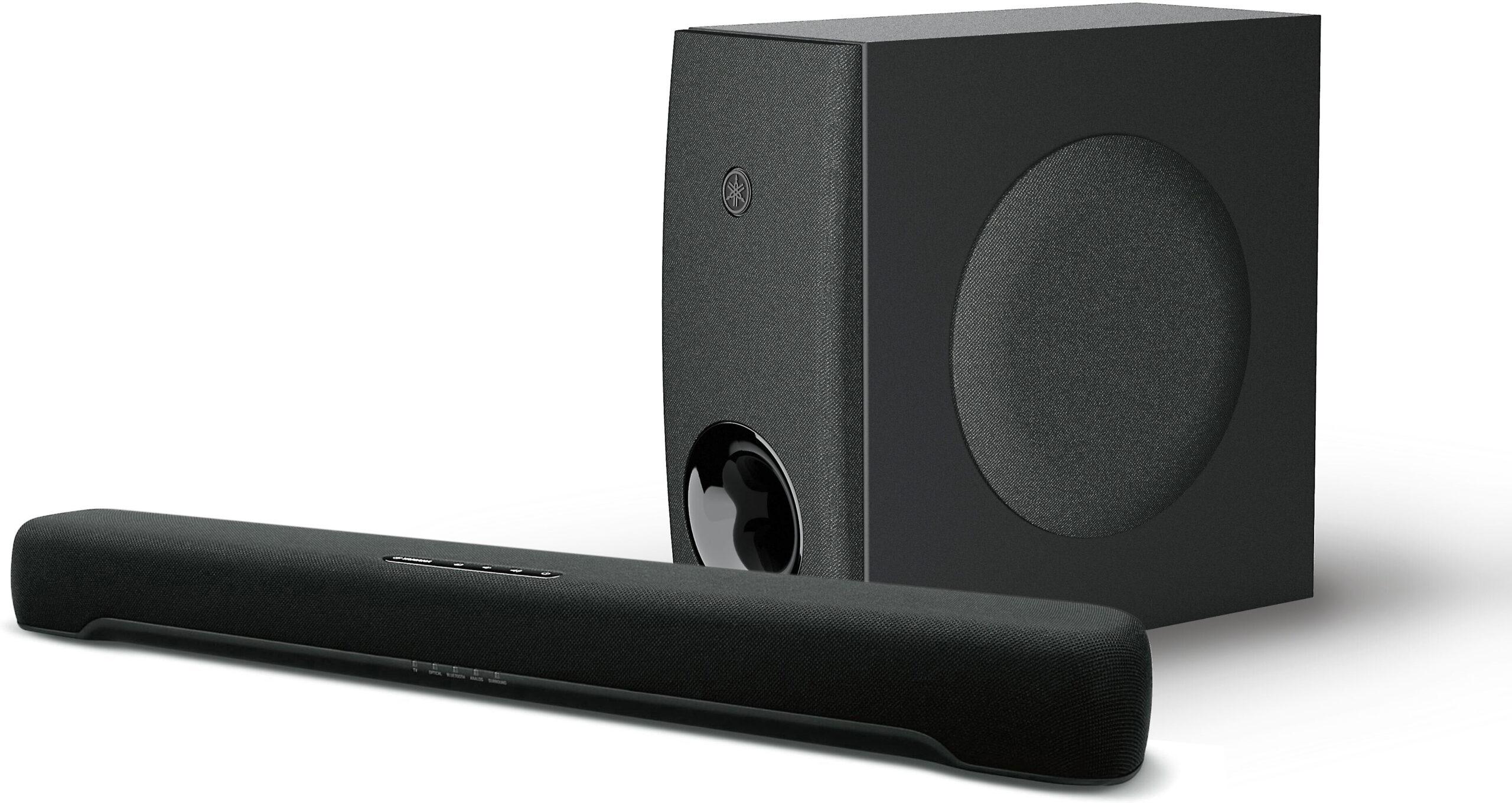
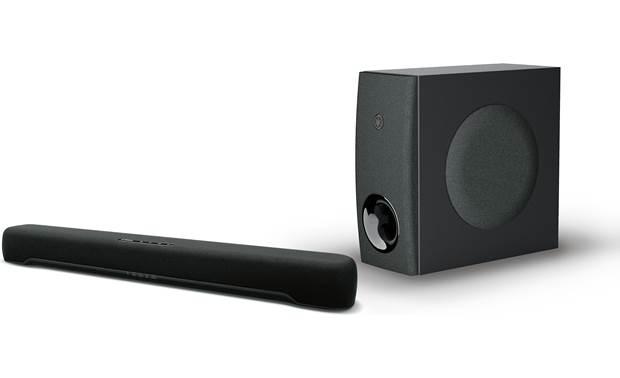
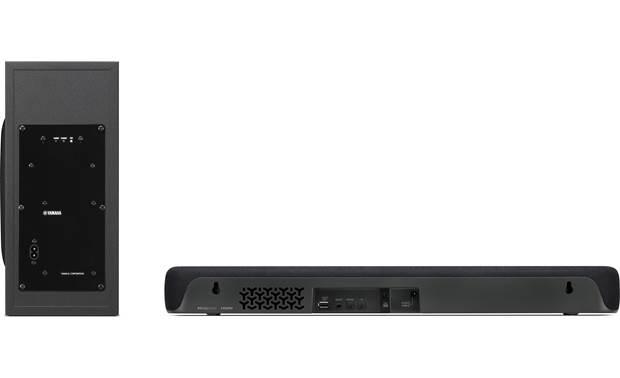
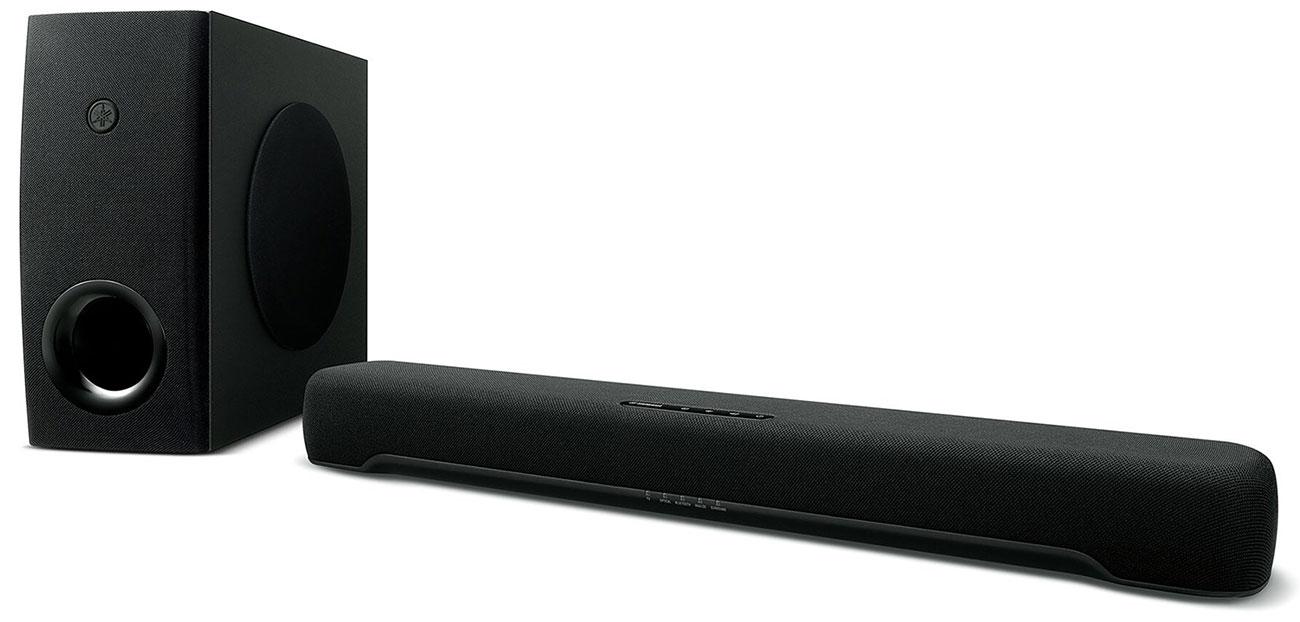
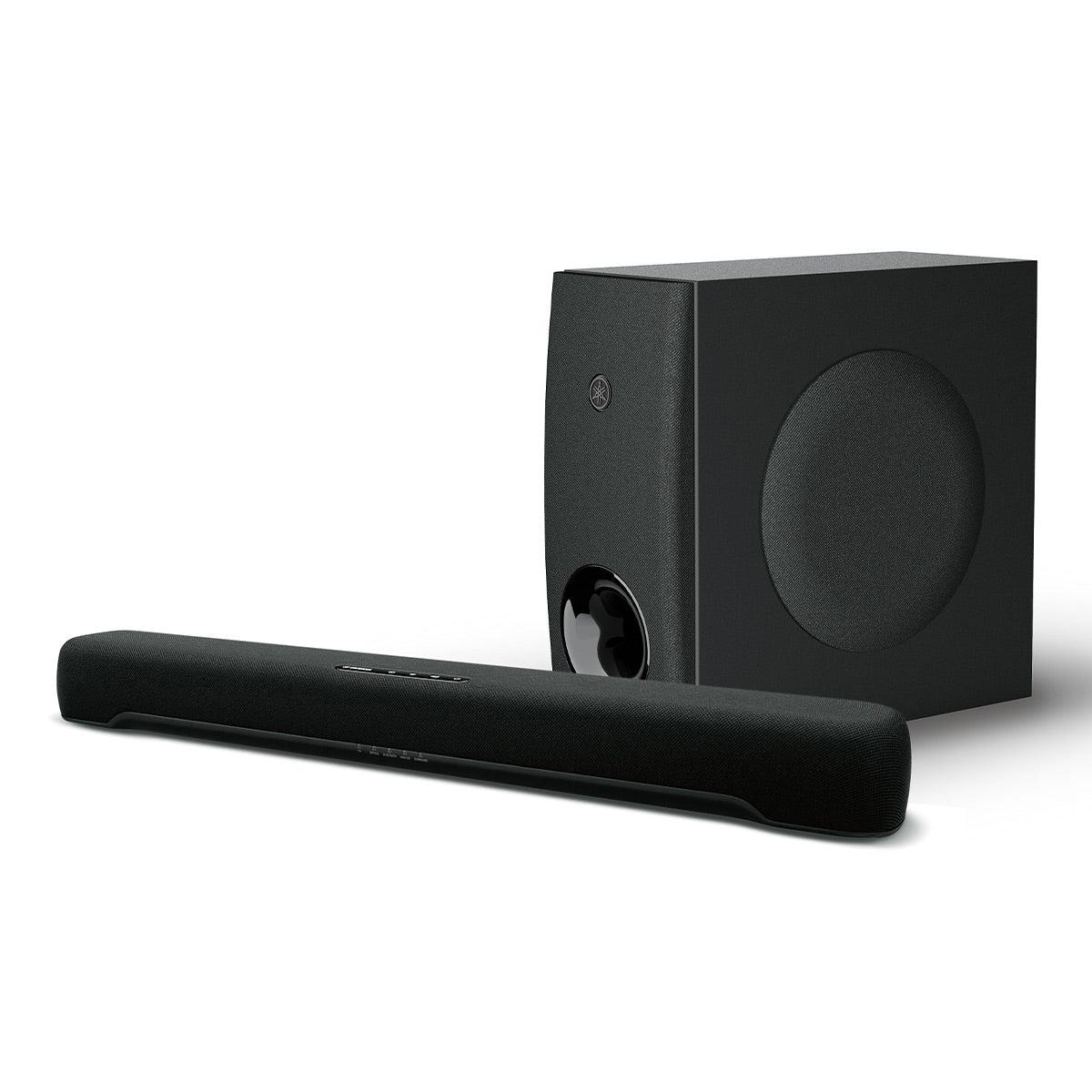
On the complete opposite end of the spectrum, we have the Yamaha SR-C30A, which launched around the same time with a totally different mission. At roughly $180, this compact soundbar with wireless subwoofer is all about delivering the biggest improvement possible for the least money. Yamaha took their decades of audio expertise and asked: "What's the minimum we need to make TV audio dramatically better?"
The answer was a 2.1 system – that's left and right channels in the soundbar plus a separate subwoofer for bass. No rear speakers, no height channels, no complex setup. Just better sound, period.
Here's where these two products live in completely different universes. The Samsung Q Series creates what audio engineers call a "soundfield" – essentially a bubble of sound around your listening position. When you're watching a movie, explosions don't just come from the front; they seem to happen behind you, above you, and all around you.
This works through a combination of technologies. Dolby Atmos and DTS:X are audio formats that include "object-based" sound information. Instead of just saying "play this sound from the left speaker," they tell the system "place this helicopter sound 10 feet above and to the right of the listener." The Samsung's 11 total speakers – including those up-firing drivers and included rear satellites – can actually position sounds in three-dimensional space.
I've tested similar systems, and the effect is genuinely impressive. During action scenes in movies like "Top Gun: Maverick," jet engines scream past overhead while dialogue remains anchored to the screen. It's the kind of experience that makes you forget you're not in a movie theater.
The Yamaha SR-C30A, by contrast, takes a much simpler approach. It uses digital signal processing to create what's called "virtual surround" – basically, it plays audio tricks to make stereo sound seem wider and more spacious than it actually is. The included wireless subwoofer handles all the low-frequency effects, which does add significant impact to explosions and music.
Is it as immersive as the Samsung? Not even close. But for many people, it's immersive enough, especially considering the price difference.
This might be the most important category for most people. If you can't understand what characters are saying, nothing else matters.
The Samsung tackles this with something called Active Voice Amplifier (AVA). This technology uses advanced processing to identify and isolate dialogue frequencies, then automatically adjusts them based on what else is happening in the soundtrack. During quiet conversation scenes, it leaves things alone. But when explosions start going off, it intelligently boosts voice frequencies so you can still hear every word.
The system also benefits from having a dedicated center channel – one of those 9 main speakers is positioned specifically for dialogue reproduction. In traditional surround sound setups, the center channel is considered the most important speaker because that's where most movie dialogue is mixed.
The Yamaha SR-C30A tries to address dialogue with its Clear Voice mode, but it's a much more basic approach. Essentially, it's an EQ preset that boosts certain midrange frequencies where human voices typically sit. It works to some degree, but reviews consistently mention that dialogue can still get muddled during complex scenes with lots of sound effects.
Having tested both approaches, the difference is night and day. The Samsung's intelligent processing means you rarely need to reach for the remote to adjust volume during movies, while simpler systems often require constant tweaking.
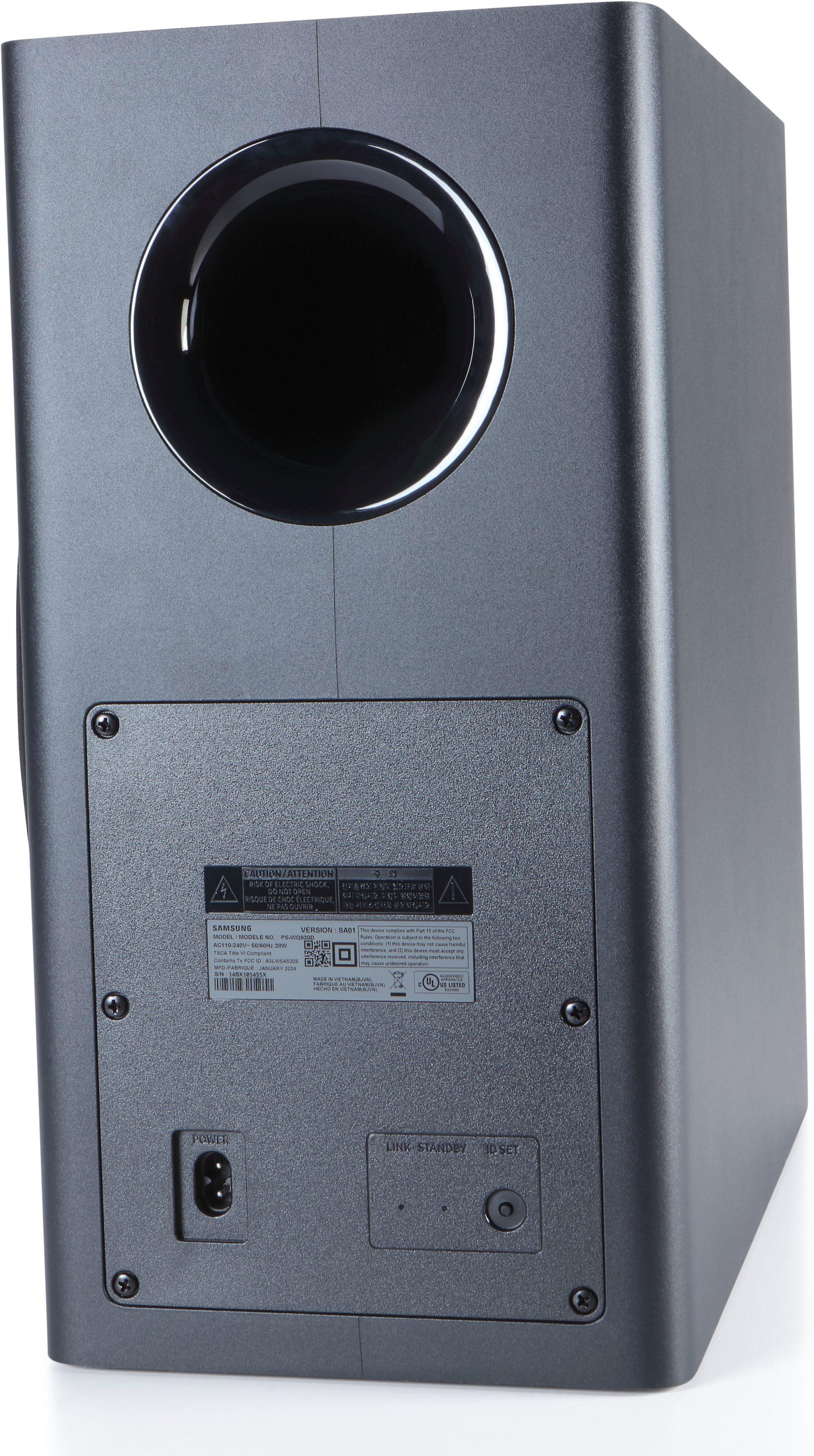
Both systems include wireless subwoofers, but they approach bass very differently. The Samsung's subwoofer features something called Auto Sub EQ, which is genuinely clever technology. When you first set up the system, it uses built-in microphones to analyze how the subwoofer sounds in your specific room, then automatically adjusts the frequency response to compensate for room acoustics.
Why does this matter? Bass frequencies are heavily influenced by room size, furniture placement, and wall materials. A subwoofer that sounds perfect in one room might be boomy and overwhelming in another. The Samsung's system eliminates most of this guesswork automatically.
The Yamaha's 5.1-inch subwoofer is much simpler but still effective for its price range. It adds the low-frequency punch that makes action movies more exciting and music more full-bodied. However, multiple reviews mention that it can become overwhelming at higher volumes, and there's no automatic room correction to help optimize its performance.
While both are primarily designed for TV and movie audio, many people also want to stream music through their soundbars. This is where the Samsung's superior driver array and processing power really shows.
Music benefits from wide stereo imaging – the ability to place instruments across a broad soundstage – and the Samsung's multiple speakers excel at this. Jazz recordings sound spacious, with each instrument occupying its own distinct position. Rock music has impact and clarity, with vocals sitting precisely in the center while guitars and keyboards spread out to the sides.
The Yamaha SR-C30A handles music adequately for casual listening, but its two-speaker configuration limits how wide and detailed the soundstage can be. It's perfectly fine for background music or streaming while you're doing other things, but it won't satisfy serious music lovers.
The Samsung includes SpaceFit Sound+, which is essentially like having an audio engineer automatically tune your system. Using built-in microphones, it analyzes your room's acoustic characteristics and adjusts the sound accordingly. Hardwood floors and bare walls that make audio too bright? The system compensates. Thick carpets and heavy furniture that absorb too much sound? It boosts the right frequencies to compensate.
This kind of automatic room correction used to require expensive dedicated processors. Having it built into a soundbar is genuinely impressive technology.
The Samsung also features Q-Symphony, which is particularly valuable if you own a compatible Samsung TV. Instead of disabling your TV's speakers when you connect the soundbar, Q-Symphony allows both to work together, creating an even larger soundfield. It's like having additional speakers you didn't know you had.
The Yamaha SR-C30A takes a more straightforward approach. It includes preset sound modes (Stereo, Standard, 3D Movie, Game) but no automatic calibration. You manually select whichever mode sounds best to you, which honestly works fine for most people who don't want to overthink their audio setup.
Modern soundbars need to work with more than just movies and TV shows. The Samsung includes Game Mode Pro, which reduces audio processing delays and emphasizes directional cues that help in competitive gaming. When you're playing first-person shooters, being able to precisely locate enemy footsteps can be the difference between winning and losing.
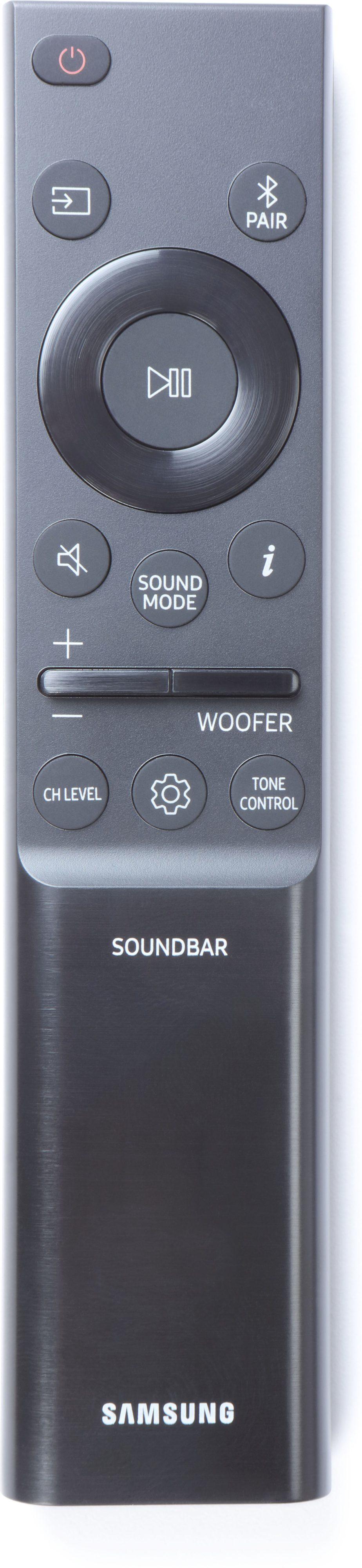
The system also integrates with Samsung's SmartThings ecosystem, Amazon Alexa, and Google Assistant. You can control volume, switch inputs, and adjust settings using voice commands, which is genuinely convenient when you're settled into the couch with snacks.
The Yamaha keeps things simpler with basic Bluetooth connectivity and a mobile app for control. It's not as feature-rich, but it's also not overwhelming for users who just want better sound without learning a bunch of new technology.
At around $897, the Samsung Q Series 9.1.2 represents a significant investment in your home entertainment setup. But consider what you're getting: a complete surround sound system that would traditionally require running speaker wires around your room, multiple components, and complex setup.
The included rear speakers eliminate the need for additional purchases, and the wireless connectivity means minimal cable management. When you factor in the advanced room correction, smart home integration, and support for cutting-edge audio formats, the value proposition becomes clearer.
This is particularly true if you're already invested in Samsung's ecosystem. The Q-Symphony feature with compatible Samsung TVs genuinely enhances the experience, and the seamless integration means everything just works together without compatibility headaches.
The Yamaha SR-C30A at around $180 represents one of the best audio upgrades you can make for the money. For less than the cost of a nice dinner for two, you get dramatically better dialogue clarity, real bass response, and significantly more engaging audio for everything you watch.
Yamaha has been making audio equipment for over a century, and their expertise shows even in this budget model. The build quality feels solid, the wireless subwoofer connection is reliable, and the sound improvement over TV speakers is immediately obvious to anyone who hears it.
For many people, this level of improvement is all they need. Not everyone wants or needs a full surround sound experience, especially in smaller living spaces where the Samsung's capabilities might be wasted.
If you're building a dedicated home theater room, the choice becomes clearer. The Samsung Q Series is designed for exactly this scenario. Its ability to create true three-dimensional soundfields, combined with support for the latest audio formats, makes it a natural choice for serious movie watching.
The rear speakers can be positioned for optimal surround effects, and the room calibration ensures everything sounds balanced regardless of your room's specific characteristics. For home theater enthusiasts, features like Game Mode Pro and multiple listening presets add flexibility for different types of content.
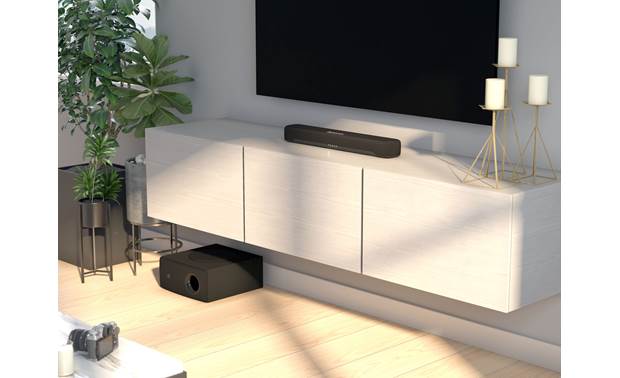
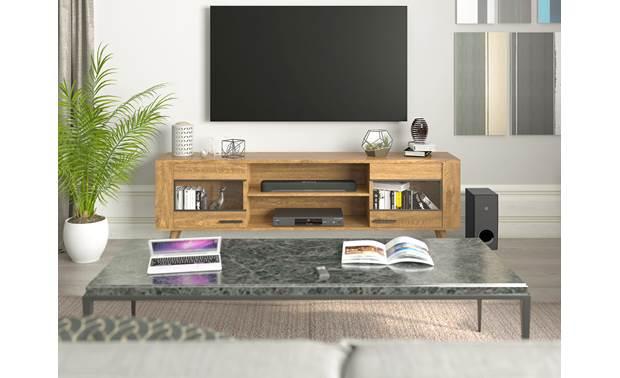
The Yamaha SR-C30A, while excellent for its price range, simply isn't designed for dedicated home theater use. Its compact form factor and limited channel configuration make it better suited for casual viewing in bedrooms, apartments, or secondary rooms where you want better sound without the complexity of a full surround system.
After extensive testing and consideration, here's how I'd approach this choice:
Choose the Samsung Q Series 9.1.2 if you're serious about home entertainment. If you regularly watch movies, have a medium to large room, and want audio that genuinely enhances the viewing experience, the Samsung delivers. The investment is significant, but so is the improvement in audio quality. This is particularly true if you already own Samsung devices and can take advantage of the ecosystem benefits.
Choose the Yamaha SR-C30A if you want the biggest improvement for the least money. If your primary goal is making dialogue clearer and adding some bass impact without complexity or high cost, this Yamaha model hits that target perfectly. It's ideal for smaller spaces, casual viewing, and situations where simplicity is more valuable than advanced features.
The beautiful thing about today's soundbar market is that both approaches work. The Samsung creates an audio experience that rivals dedicated surround systems, while the Yamaha proves you don't need to spend a fortune to dramatically improve your TV's sound. Your choice simply depends on your priorities, budget, and how important audio quality is to your overall entertainment experience.
Neither option will disappoint – they just serve very different needs and expectations. That's exactly what a healthy product category should offer: real choices for real people with different requirements and budgets.
| Samsung Q Series 9.1.2 Channel Soundbar | Yamaha SR-C30A Soundbar with Subwoofer |
|---|---|
| Price - Major factor determining feature set and target audience | |
| $897.99 (premium investment for home theater enthusiasts) | $180.45 (excellent entry-level upgrade from TV speakers) |
| Channel Configuration - Determines surround sound capabilities | |
| 9.1.2 channels with 11 total speakers (true surround with height effects) | 2.1 channels (stereo soundbar + subwoofer, no rear or height channels) |
| Dolby Atmos Support - Creates overhead audio effects for immersive movies | |
| Full Dolby Atmos with dedicated up-firing speakers | No Dolby Atmos (basic virtual surround processing only) |
| Rear Speakers - Essential for true surround sound experience | |
| Wireless rear speakers included in the box | No rear speakers (limits surround sound to front-facing audio) |
| Subwoofer Power - Impacts bass depth and room-filling capability | |
| Wireless subwoofer with Auto Sub EQ room calibration | 50W wireless subwoofer with 5.1" driver (adequate for small-medium rooms) |
| Room Calibration - Automatically optimizes sound for your specific space | |
| SpaceFit Sound+ with automatic acoustic analysis | No room calibration (manual sound mode selection only) |
| Smart Features - Integration with other devices and voice control | |
| Q-Symphony, Alexa/Google Assistant, SmartThings integration | Basic Bluetooth 5.0 with mobile app control |
| Dialogue Enhancement - Critical for understanding movie/TV conversations | |
| Active Voice Amplifier Pro with dedicated center channel | Clear Voice mode (basic EQ preset, can struggle in complex scenes) |
| Best Use Case - Who should consider each option | |
| Home theater rooms, movie enthusiasts, Samsung TV owners | Small spaces, budget upgrades, casual TV viewing |
The Yamaha SR-C30A offers exceptional value at $180, providing a dramatic upgrade over TV speakers with clear dialogue and solid bass. The Samsung Q Series 9.1.2 at $897 delivers premium home theater audio with true surround sound, making it worth the investment for serious movie watchers and larger rooms.
The Samsung Q Series 9.1.2 has 9 speakers at ear level, 1 subwoofer, and 2 up-firing speakers for overhead effects, creating true surround sound. The Yamaha SR-C30A has a simple 2.1 setup with left/right speakers in the soundbar plus a subwoofer, focusing on stereo enhancement rather than surround sound.
Only the Samsung Q Series 9.1.2 supports true Dolby Atmos with dedicated up-firing speakers that bounce sound off your ceiling for height effects. The Yamaha SR-C30A doesn't support Dolby Atmos but uses basic virtual surround processing to widen the stereo sound.
The Yamaha SR-C30A is ideal for small rooms due to its compact design that's 30% smaller than traditional soundbars. While the Samsung Q Series 9.1.2 can work in smaller spaces, its surround sound capabilities are better utilized in medium to large rooms.
The Samsung Q Series 9.1.2 uses Active Voice Amplifier technology and a dedicated center channel to keep dialogue clear even during loud action scenes. The Yamaha SR-C30A has a Clear Voice mode, but dialogue can become muddled during complex movie scenes with multiple audio elements.
The Samsung Q Series 9.1.2 includes wireless rear speakers in the box, providing true surround sound with audio coming from behind you. The Yamaha SR-C30A has no rear speakers and relies on virtual processing, which can't match the immersive experience of physical rear channels.
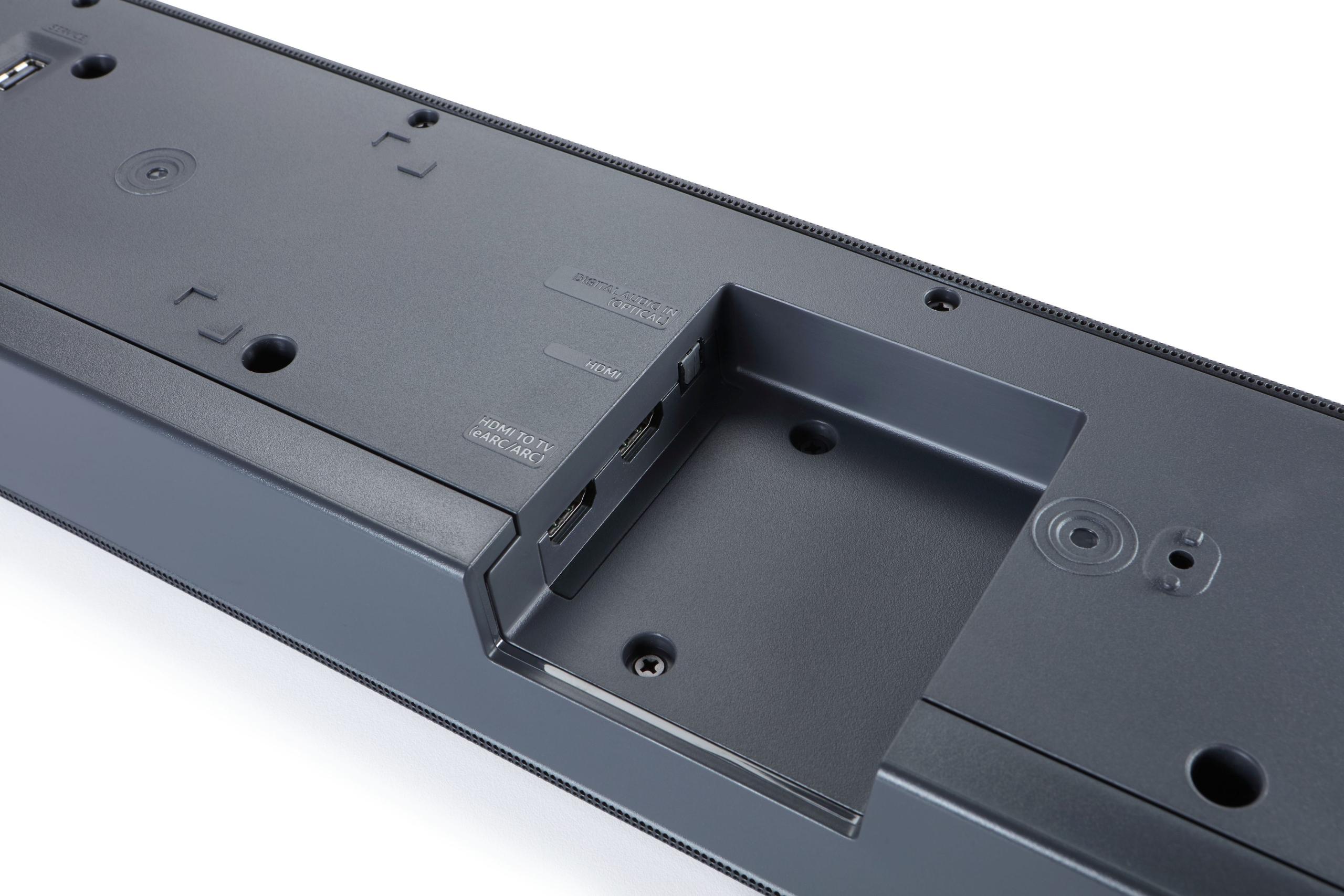
The Yamaha SR-C30A offers plug-and-play simplicity with basic HDMI or optical connection and minimal configuration. The Samsung Q Series 9.1.2 requires more setup time due to positioning rear speakers and running room calibration, though it includes helpful automated features.
The Samsung Q Series 9.1.2 includes a larger wireless subwoofer with Auto Sub EQ that automatically calibrates bass for your room. The Yamaha SR-C30A has a 5.1" subwoofer with 50W power that provides good bass for its price but lacks room correction features.
The Samsung Q Series 9.1.2 is specifically designed for home theater with true surround sound, Dolby Atmos support, and room calibration features that create an immersive cinematic experience. The Yamaha SR-C30A is better suited for casual TV watching rather than dedicated home theater setups.
Both can connect to Samsung TVs, but the Samsung Q Series 9.1.2 offers exclusive Q-Symphony technology that allows the soundbar and compatible Samsung TV speakers to work together for enhanced audio. The Yamaha SR-C30A connects via standard HDMI ARC or optical without special Samsung integration features.
The Samsung Q Series 9.1.2 provides superior music performance with its multiple speakers creating wide stereo imaging and detailed soundstage. The Yamaha SR-C30A handles music adequately for casual listening but lacks the speaker array needed for critical music enjoyment.
Choose the Samsung Q Series 9.1.2 if you want premium home theater audio with true surround sound and have the budget for a complete audio upgrade. Choose the Yamaha SR-C30A if you need an affordable way to dramatically improve TV audio without complexity, making it perfect for smaller spaces and casual viewing.
We've done our best to create useful and informative comparisons to help you decide what product to buy. Our research uses advanced automated methods to create this comparison and perfection is not possible - please contact us for corrections or questions. These are the sites we've researched in the creation of this article: rtings.com - samsung.com - markselectrical.co.uk - techradar.com - walmart.com - samsung.com - samsung.com - youtube.com - samsung.com - biancos.com - crutchfield.com - samsung.com - techradar.com - usa.yamaha.com - expertreviews.com - usa.yamaha.com - trustedreviews.com - crutchfield.com - europe.yamaha.com - usa.yamaha.com - shop.usa.yamaha.com - assetserver.net

Privacy Policy
Terms and Conditions - Affiliate Policy
Home Security
© Copyright 2008-2026.
11816 Inwood Rd #1211, Dallas, TX 75244